(11) Ecology
 Call Kai
 Learn
Learn Practice Test
 Spaced Repetition
 Match
Match Flashcards
 Knowt Play
1/47

There's no tags or description
Looks like no tags are added yet.
Name | Mastery | Learn | Test | Matching | Spaced | Call with Kai |
|---|
No analytics yet
Send a link to your students to track their progress
48 Terms
What is ecology?
The study of how organisms relate to other organisms and the environment.
Biotic
The living things within a environment.
Abiotic
The non-living things within a environment.
Examples of biotic and abiotic factors?
Biotic Examples: Plants, humans, animals, bacteria, protists, rotting tree log.
Abiotic Examples: Water, rocks, clouds, air, viruses, temperature, pH, wind, and sunlight.
What is the level of ecological organization in order?
Individual: A single organism.
Population: A group of the same organisms that live together in the same area.
Community: All of the species that interact in the same area (introduction of biotic factors)
Ecosystem: A community of organisms that interact with each and the abiotic factors in their environment. (introduction of abiotic factors)
Biome: A large area with distinct climate where organisms co-exist.
Biosphere: All the parts of Earth where life exists.
Habitat vs ecosystem?
Habitat: The geographic location of where an organism lives.
Ecosystem: The set of interactions among species and abiotic factors living in an area.
What is a niche?
An organism’s role within their environment.
Includes: Where it lives, eats, reproduces, and the relationships with other organisms.
What is symbiosis? Examples?
Close, permanent relationships between two organisms of different species.
Examples: Mutualism, parasitism, commensalism
What is mutualism? Examples?
A relationship that benefits both organisms.
Examples: Butterflies and flowers, lichen (fungi) and algae, clownfish and sea anemones, and oxpeckers (bird) and hebivores.
What is commensalism? Examples?
A relationship that benefits one organism and doesn’t affect the other organism.
Examples: Tree frogs and leaves, owls and trees, barnacles and whales.
What is parasitism? Examples?
A relationship that benefits one organism and harms the other organisms.
Examples: Parasitic wasps and caterpillars, tongue-eating louse and fish, mistletoes and trees, tape worms and humans, and mosquitoes and humans.
What is a predator? What about a prey?
Predator: An animal that eats another animal.
Prey: An animal that gets eaten by another animal.
What is predation?
An interaction in which an organism hunts and eats another organism.
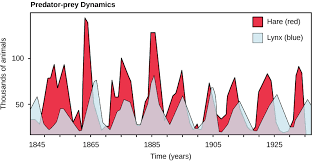
What is the pattern between prey and predator populations?
When the prey population rises, the predator population also rises as they have food to eat.
When the prey population falls, the predator population also falls as they don’t have much food to eat.
What is limiting factor?
Any biotic or abiotic factor that limits how many organisms of a certain species can survive in an area.
Examples: Predators, food, water, shelter, etc.
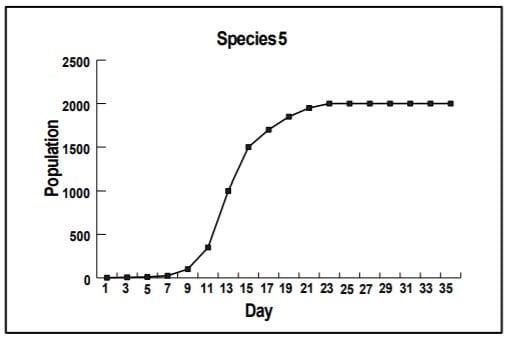
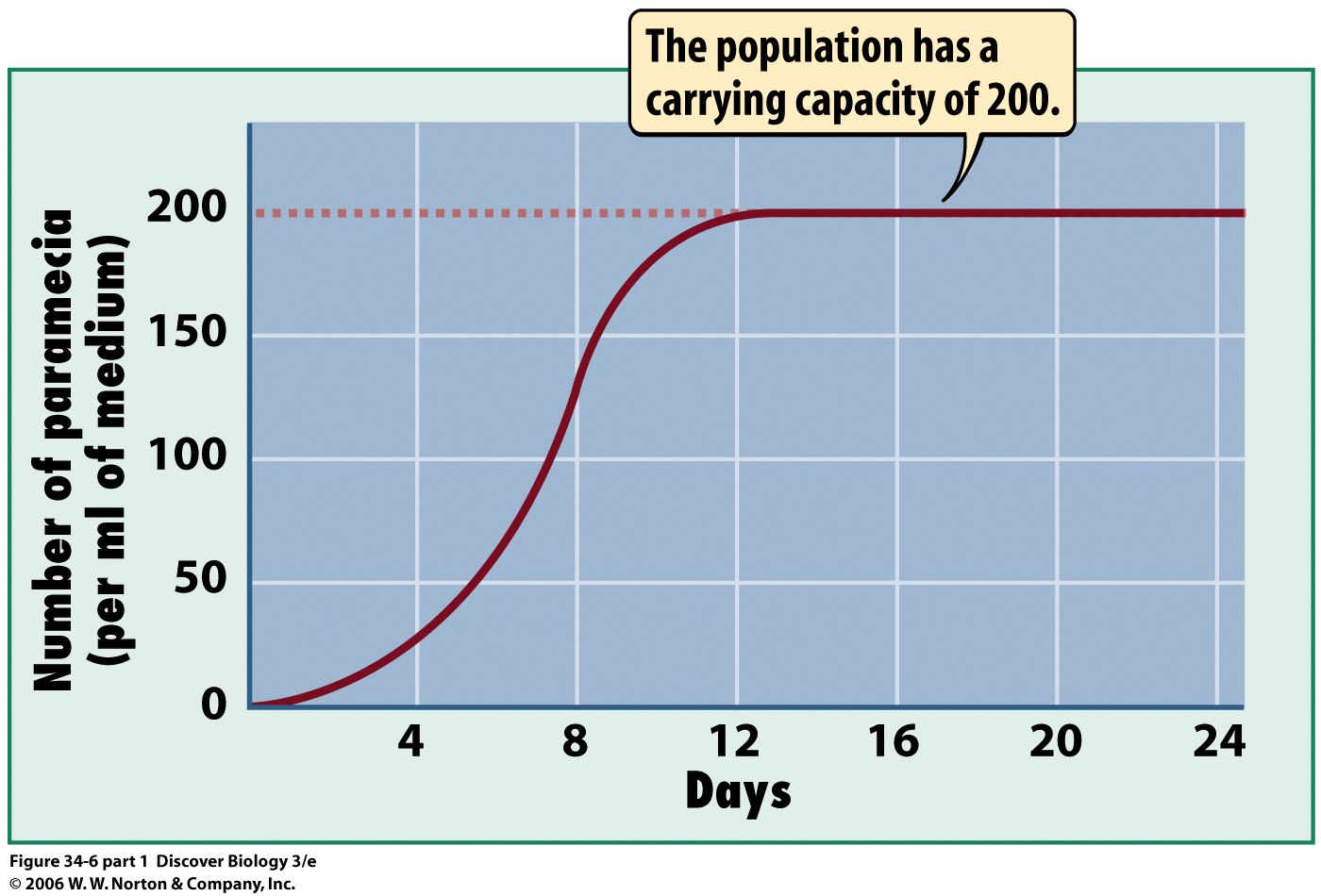
What is a carrying capacity?
The maximum number of organisms that can be sustained in an environment.
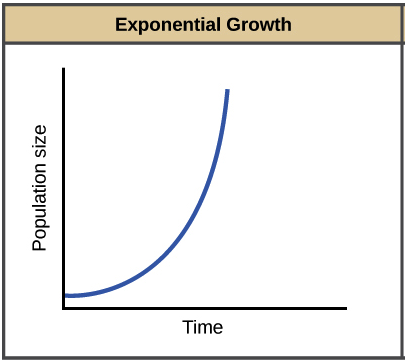
What is exponential growth?
Unlimited growth experienced in an environment with unlimited resources.
Graph is seen forming a “J” curve,
What is logistic growth?
Limited growth experienced in an environment with limited amounts of resources.
Graph is seen forming an “S” curve, seen with carrying capacity.
What is a producer and consumer?
Producer: An organisms that produces their own food. (ex. plants, algae, plankton)
Consumer: An organism that eats/absorbs other organisms for food. (ex. humans, mammals, fish)
What are the types of consumers?
Herbivores: Only eats plants
Carnivore: Only eats meat
Omnivores: Eats both plants and meat
Scavengers: Eats already dead organisms
Decomposers: Breaks down rotting organisms
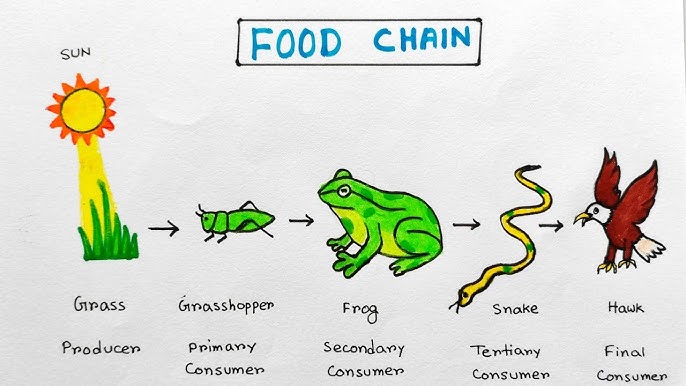
What is a food chain?
A diagram that shows how energy and matter move from one organism to another.
Chain starts with a producer
Sun is always the original source of energy (most of the times don’t appear tho)
What is a food web?
A network of all possible feeding relationships within an ecosystem.
Can also show competition for a food source
Made up of multiple food chains
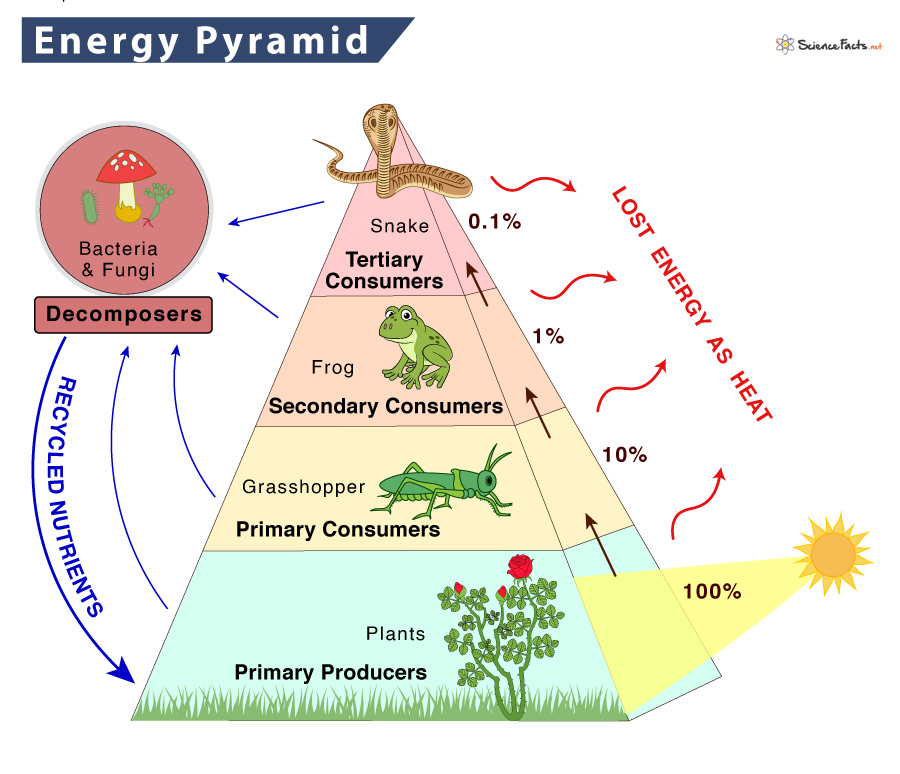
What is trophic level?
A diagram that shows the flow of energy within a ecosystem. Energy is lost as you climb up each trophic level by around 90% (only 10% move up to next level).
What is accumulation?
When organisms experience increased concentration of toxins within them.
What is biomagnification?
The increase in the concentration of pollutants as you move up the food chain/trophic level, as the higher consumers require more food for adequate energy, ending up eating large amounts of toxin.
What is succession?
The natural process in which ecosystems change and develops over time by replacement of communities.
What is primary succession?
When living things begin to grow on barren land with no living organisms.
Example: Hawaiian islands from lava.
What is secondary succession?
When an ecosystem rebuilds itself after it is severely disrupted.
Example: A forest after wildfire.
How does carbon get from the atmosphere to the biosphere?
Through photosynthesis.
Equation: 6CO2 + 6H2O + sunlight = C6H12O6 + 6O2
How does carbon get from the biosphere back to the atmosphere?
Through respiration.
Equation: C6H12O6 + H2O = 6CO2 + 6H2O + 36 ATP
What are some things that release carbon into the atmosphere?
Burning fossil fuels, respiration, and decomposition.
Living things need nitrogen to do what?
To make nucleic acids and proteins.
What is nitrogen fixation?
When bacteria and fungi turn nitrogen in the air into a form of nitrogen plants can use.
What is denitrification?
When certain bacteria and fungi convert nitrates/nitrites (used by plants) back into the atmospheric nitrogen.
What is algal bloom? What causes it?
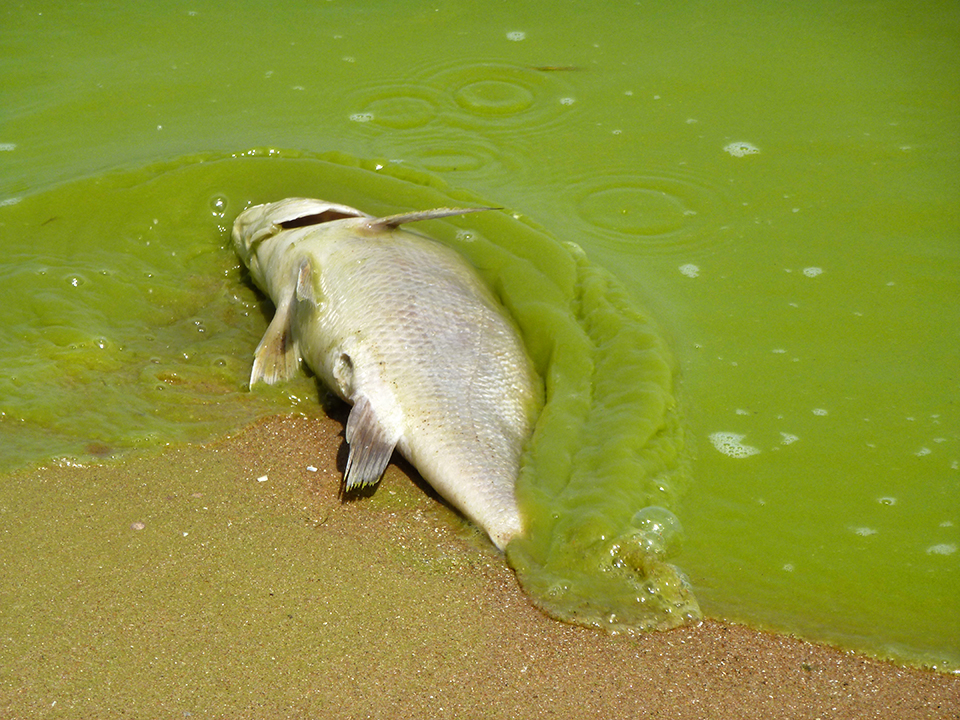
When the algae within a water source increases so much that it kills the plants and fish within the water. Caused by fertilizers and feces (in farms) running off into lakes or streams.
Algae blocks sunlight for plants within the water, killing the plants.
In turn, without plants, the fish cannot eat, killing them as well.
What do organisms need phosphorus to make? How do plants and animals interact with phosphorus?
Nucleic acid and phospholipids.
Plants absorbs phosphorus, animals eat the plant.
How does phosphorus get into water sources?
When rocks erode
When animal feces runs offs when it rains
What is immigration and emigration?
Immigration: Coming to a place
Emigration: Leaving a place
What is population density?
How crowded a space is.
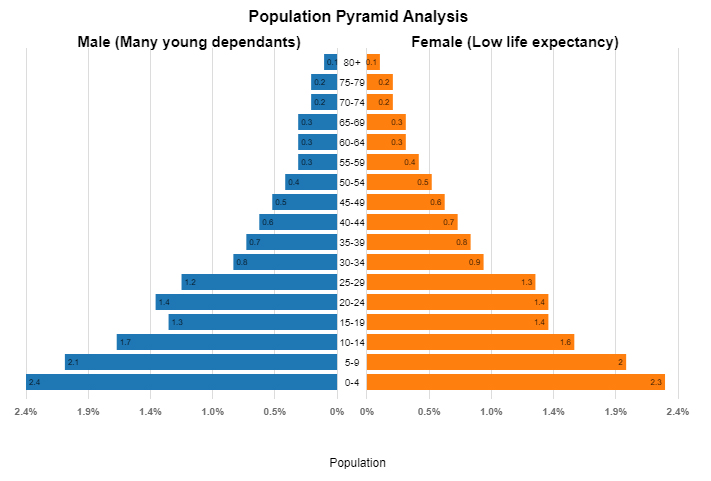
What is a rapid growth population pyramid?
Base gets smaller as you ascend (in age). Population usually has poor healthcare and short life expectancies. Found in both underdeveloped and developed countries.
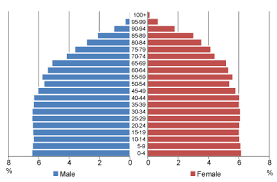
What is a slow/stable population growth pyramid?
Little change within the lower sections of the base, only marked change in upper ages. Found usually in developing countries with good healthcare, long life expectancies, and stable government.
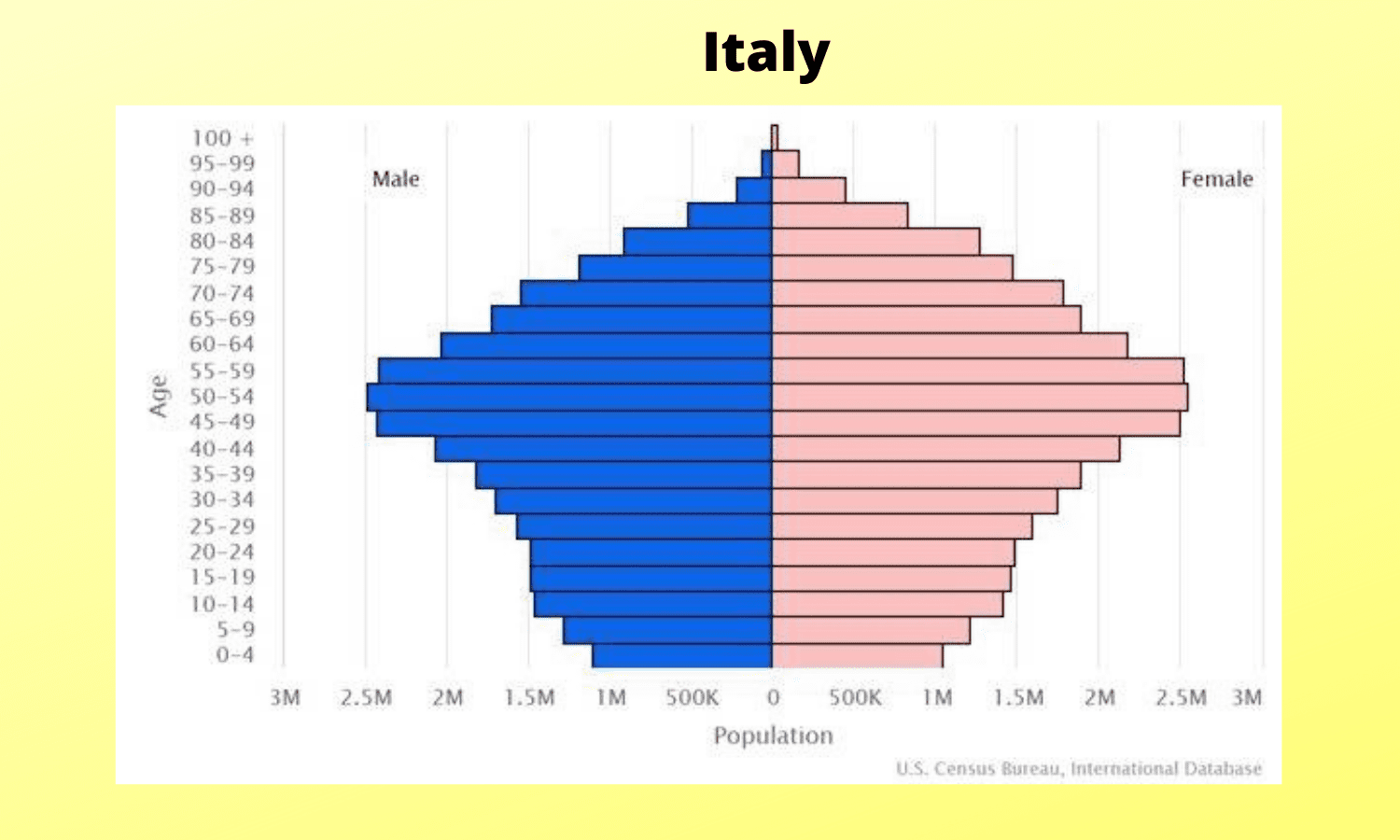
What is a negative/declining population pyramid?
The top portion (in older age) is larger than the rest. Found usually in developed countries with low birth rates.
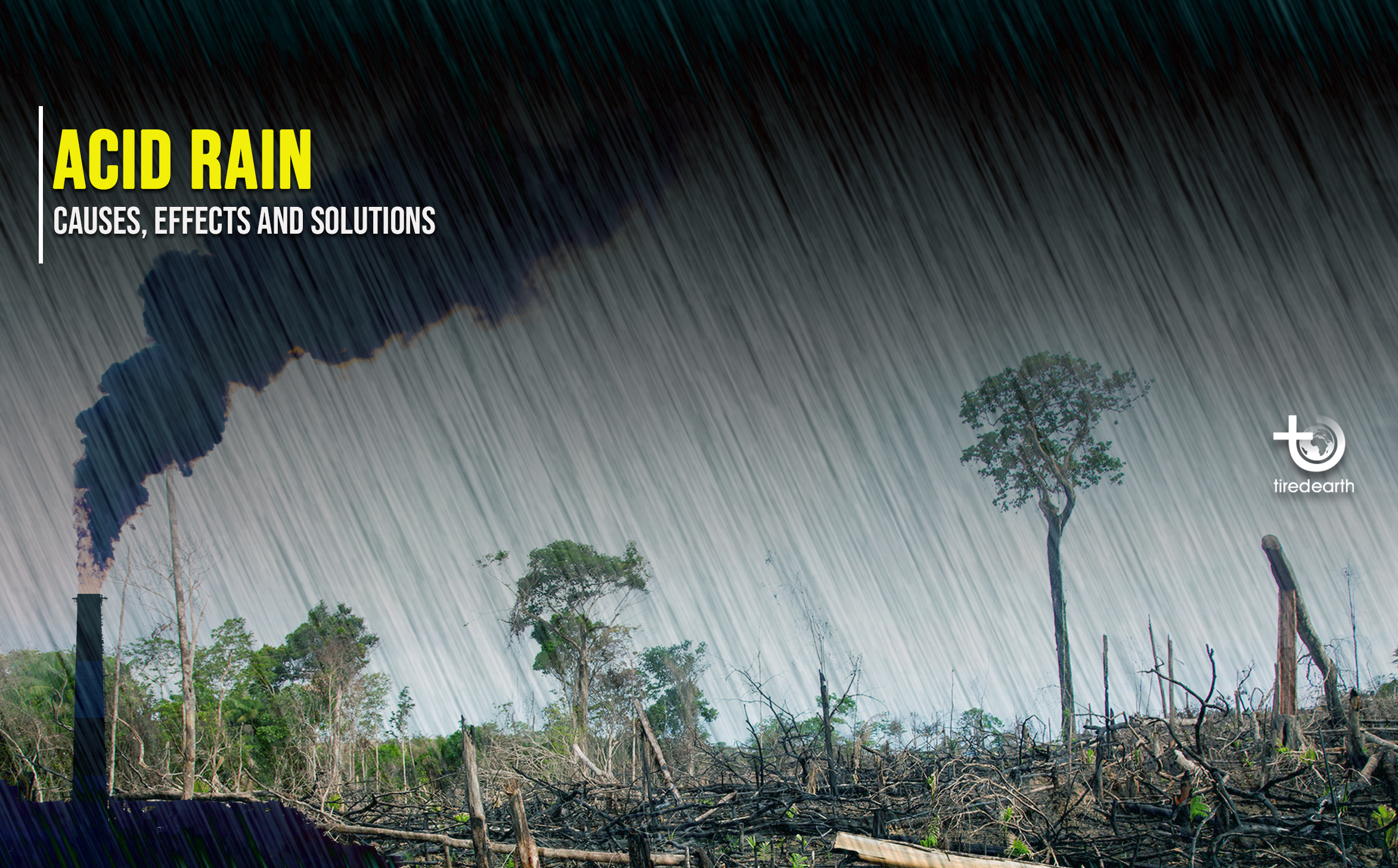
What is acid rain?
When gases from burning fossil fuels mix with water vapor, creating acidic rain that can destroy forests and ecosystems.
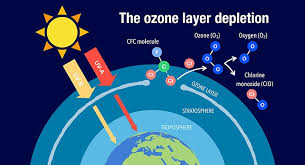
What is chlorofluorocarbon?
Compound that comes from aerosol spray cans and refrigerator coolant. Creates holes in the ozone layer, which allows more UV light to reach Earth, increasing cancer.
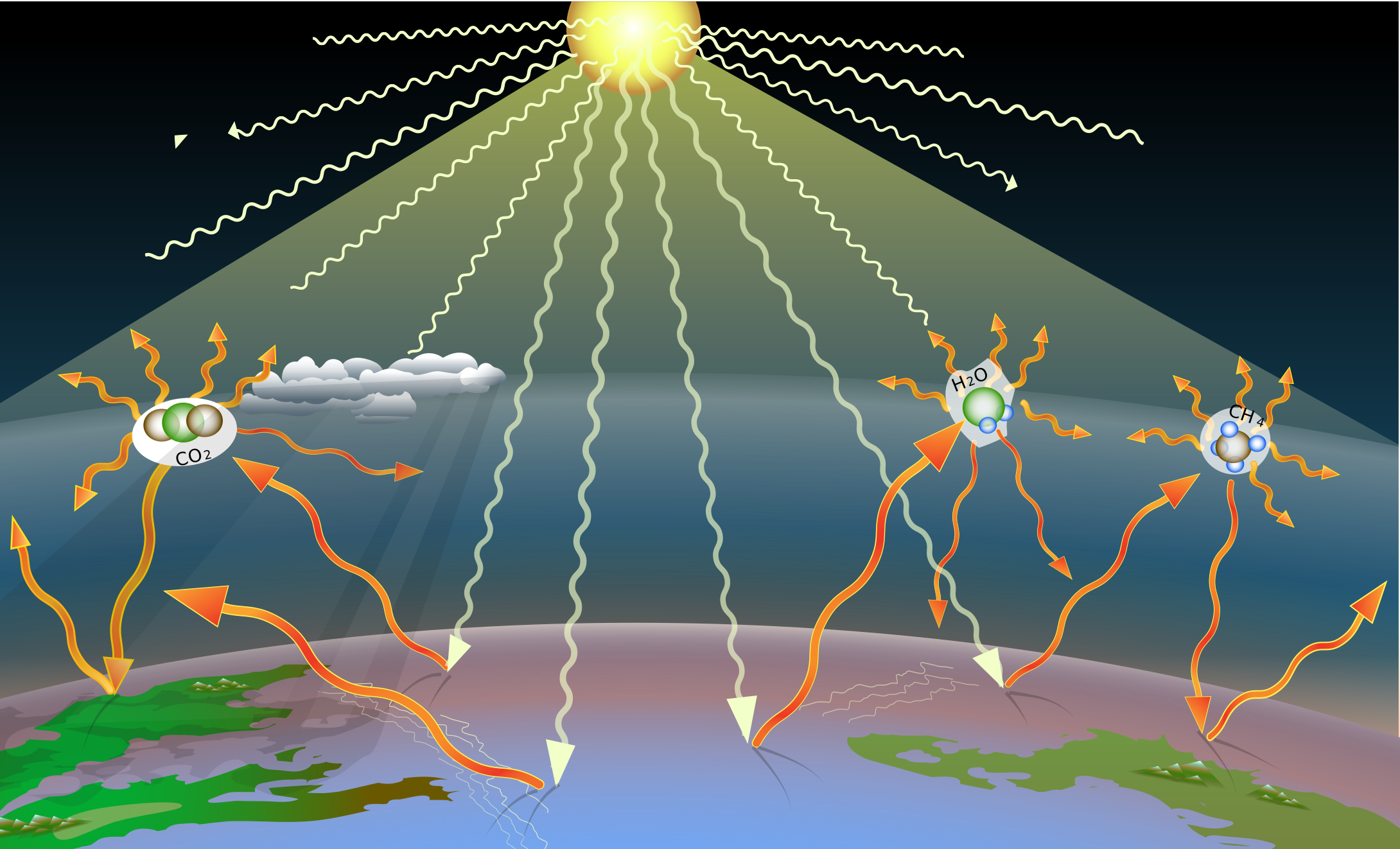
What are greenhouse gases?
Gases released from burning fossil fuels. These trap heat within the atmosphere, causing climate change (greenhouse effect).
What are non-native species? How might they impact an ecosystem?
Plants and animals brought to a place of the world they have never been before.
Because they have no predators in the foreign place they’re in, they increase competition and can take over the ecosystem, causing a great unbalance.
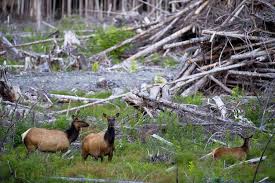
What is habitat destruction?
When natural habitats are destroyed in a way that it is incapable in supporting its native species.
Examples: Mining and farming
What is crop rotation? (finally something good)
The practice of planting different crops in a sequence on the same plot of land to improve soil health.