PSY 2301 Mental Disorders
 View linked note
 Call Kai
 Learn
Learn Practice Test
 Spaced Repetition
 Match
Match Flashcards
 Knowt Play
1/32

There's no tags or description
Looks like no tags are added yet.
Name | Mastery | Learn | Test | Matching | Spaced | Call with Kai | Chat |
|---|
No analytics yet
Send a link to your students to track their progress
33 Terms
What is abnormal behavior?
Abnormal behavior refers to patterns of emotion, thought, and action that are considered atypical or undesirable, often leading to distress or impairment.
What is the DSM-5?
The DSM-5, or Diagnostic and Statistical Manual of Mental Disorders, Fifth Edition, is a classification system that provides standardized criteria for the diagnosis of mental disorders. Includes symptoms, exact criteria, typical course of each disorder.
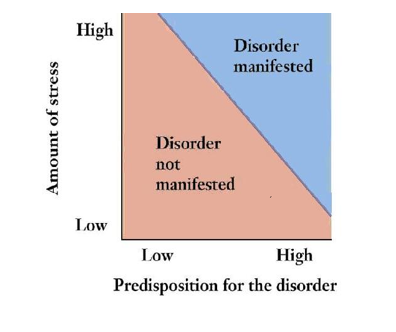
What is the diathesis-stress model?
The diathesis-stress model posits that psychological disorders develop due to a combination of genetic vulnerability (diathesis) and environmental stressors.
What are the symptoms of Generalized Anxiety Disorder?
Chronic, excessive, global, and persistent symptoms of anxiety
Also known as free floating anxiety
Must occur more days than not for at least 6 months
Difficult to control the worry
Symptoms: Muscle tension, restlessness, sleep disturbance, irritability, fatigue, difficulty concentrating
How does Panic Disorder differ from a panic attack?
Panic Attack:
Sudden episode of extreme anxiety that rapidly escalates in intensity
Pounding heart, rapid breathing, breathlessness, choking, sweat, trembling, lightheadedness, chills, hot flashes
Feeling like will “go crazy” or having a heart attack or dying
Panic Disorder:
Anxiety disorder with frequent and unexpected panic attacks
Tends to run in famillies
Unusually sensitive to signs of physical arousal
Tend to misinterpret physical signs as dangerous or catastrophic: Become even more attuned to physical arousal cues after first attack, setting up pattern
What is Agoraphobia?
Extreme and irrational fear of experiencing a panic attack in a public situation and being unable to escape/get help
After a panic attack
Persistent concern about having additional attacks
Worry about implications of attack (losing control, going crazy, having a heart attack)
Significant change in behavior related to attacks
What are the symptoms of Social Anxiety Disorder?
Symptoms include intense fear of social situations, worry about being humiliated or judged, and avoidance of social interaction.
What are the symptoms of Obsessive-Compulsive Disorder (OCD)?
Anxiety triggered by instrusive, repetitive thoughts and urges to perform certain actions.
Obsessions: Thoughts and cause anxiety
Compulsions: Behaviors, prevent or reduce anxiety
What is Body Dysmorphic Disorder?
Body Dysmorphic Disorder involves an obsessive focus on perceived flaws in physical appearance, leading to distress and functional impairment.
What is Hoarding Disorder?
Hoarding Disorder is characterized by persistent difficulty discarding or parting with possessions, leading to clutter that disrupts living spaces.
What is PTSD?
Chronic and persistent symptoms of anxiety developed in response to extreme physical or psychological trauma
Core symptoms: Intrusive recall, avoidance triggers, numbing, hyperarousal
What are the symptoms of Major Depressive Disorder?
Characterized by extreme and persistent feelings of sadness, worthlessness, and hopelessness
2 weeks or longer
Emotion: Overwhelming sadness
Behavior: Blank facial expression, withdrawal, unpredictable crying spells
Cognition: Memory impairment, sluggish thought, trouble concentrating
Physical: Loss of energy, vague aches, and pains
Most common of all disorders
Women have a 1 in 4 lifetime risk
Men have a 1 in 8 lifetime risk
What are the subtypes of Major Depressive Disorder?
Subtypes include Seasonal pattern (Seasonal Affective Disorder) and Peripartum onset (during pregnancy or after giving birth).
What is Dysthymic Disorder?
Chronic, low-grade feelings of depression produce discomfort but does not seriously impair ability to function
Double depression: one or more episodes of major depression on top of ongoing dysthymia
What is Bipolar Disorder?
Depression alternating with periods of extreme euphoria and excitement
Manic Episode:
Extreme euphoria, excitement, and physical energy
Rapid thoughts and speech
Very little sleep
Frenzied, goal-oriented behavior
Wildly inflated self-esteem and grandiose ideas
High distractibility, triggering flight of ideas
Starts in 20s
Most cases are recurring
Rapid cycling: 4+ episodes in a year
Lithium is used to treat
What is Cyclothymic Disorder?
Moderate but frequent mood swings for 2+ years
Not severe enough to quality for bipolar
What are the symptoms of Paranoid Personality Disorder?
Distrust and suspisciousness of the motives of others without sufficient basis
Occurs most often in men
Inappropriate outbursts
Blaming other for own shortcomings
Pathological jealousy
Co-occurs with schizotypal and avoidant personality disorders
What are the symptoms of Antisocial Personality Disorder?
Pervasive pattern of disregarding and violating the rights of others
First signs in childhood or early adolescence with school/legal problems (conduct disorder in children)
No remorse for deceiving and manipulating others for personal gain
What are the symptoms of Narcissistic Personality Disorder?
Exaggerated sense of self-importance
Sense of entitlement and require constant, excessive admiration
Expect to be recognized as superior even without achievements warranting it
Exaggerate achievements and talents
Preoccupied with fantasies about success, power, brilliance, beauty or the perfect mate
Expect special favors and unquestioning compliance
Take advantage of others
Be envious of others and believe others envy them
What are the symptoms of Borderline Personality Disorder?
Instability in relationships, self-image, and emotions, and significant impulsivity
Feelings of emptiness
Intense fear of abandonment
Self-destructiveness
Idealizing to contept
Seeing everyone in absolutes
Most common diagnosed personality disorder, affecting 10 million Americans, ¾ of whom are women
Associated with physical, emotional, or sexual abuse as a child or neglect by both parents
What are Dissociative Disorders?
Extreme and frequent disruptions of awareness, memory, and personal identity
What is Dissociative Amnesia?
Dissociative Amnesia is the inability to recall important autobiographical information, usually following trauma or stress.
What is Dissociative Fugue?
sudden and unexpected travel from home
amnesia
identity confusion
What is Dissociative Identity Disorder?
Dissociative Identity Disorder (formerly multiple personality disorder) is characterized by the presence of two or more distinct personality states.
Not separate people but distinct “system of mind”
Almost have amnesia and other memory problems
Most have been physically/sexually abused (90%)
Dissociation is a form of coping
What are the causes of schizophrenia?
Causes:
Genetic Factors
Paternal age (older father, greater risk)
Viral infection (flu in pregnancy or early infancy)
Brain chemistry (dopamine hypothesis: schizophrenia related to excess activity of dopamine in the brain)
What neurotransmitters are involved in psychological disorders?
Neurotransmitters such as serotonin, dopamine, and norepinephrine are involved in various psychological disorders, influencing mood, anxiety, and cognition.
Anxiety Disorder
Maladaptive Anxiety:
Irrational: Exaggerated or nonexistent threat and disproportionate response
Uncontrollable: Cannot flip “false alarm” switch
Disruptive: Interferes with relationships, school, or other normal activities
Positive symptoms of schizophrenia
Positive symptoms
Excesses
Delusions of reference: Other people constantly talking about them or everything is related to them
Delusions of grandeur: Believe they are extremely important, powerful, or wealthy
Delusions of persecution: Believe that others are plotting against or trying to harm them or someone close to them
Negative Symptoms of Schizophrenia
Deficits:
Flat affect
Alogia - Reduced production of speech
Avolition - Inability to initiate or persist in goal-directed behaviors
DIsorganization - Severely disorganized thought processes, speech, and behavior
Paranoid Schizophrenia
Most common type
Delusions of grandeur/persecution
Often auditory hallucinations with angry themes
Almost no cognitive impairment, disorganized behavior, or negative symptoms
Catatonic Schizophrenia
Highly disturbed movements or actions
Extreme agitation
Immobility, bizarre postures/grimaces
Waxy flexbility
Disorganized Schizophrenia
Extremely disorganized behavior
Flat affect (lack of emotional response to situations and events)
Undifferentiated
Combination of positive and negative symptoms