Nunes exam 2 part 2
 Call Kai
 Learn
Learn Practice Test
 Spaced Repetition
 Match
Match Flashcards
 Knowt Play
1/70

There's no tags or description
Looks like no tags are added yet.
Name | Mastery | Learn | Test | Matching | Spaced | Call with Kai |
|---|
No analytics yet
Send a link to your students to track their progress
71 Terms
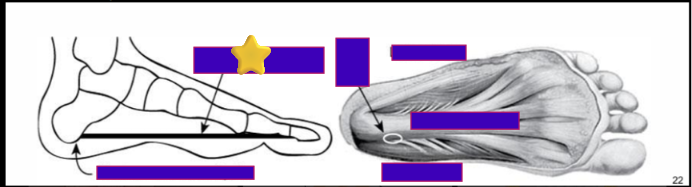
What is this?
Plantar fascia
What is digital tendonitis and tenosynovitis?
Inflammation of the finger tendons and tendon sheaths caused by repetitive hand movements.
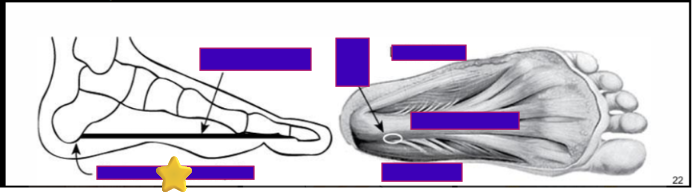
What is this?
most common area area of pain
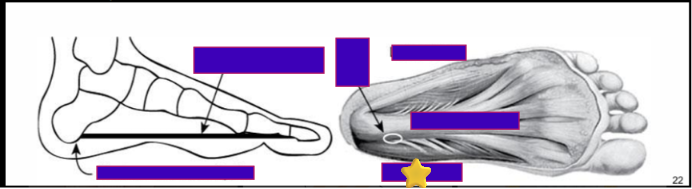
What is this?
medial side
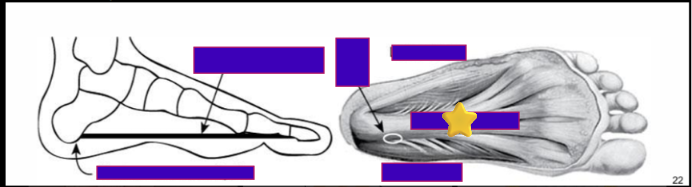
What could also be this?
Plantar fascia
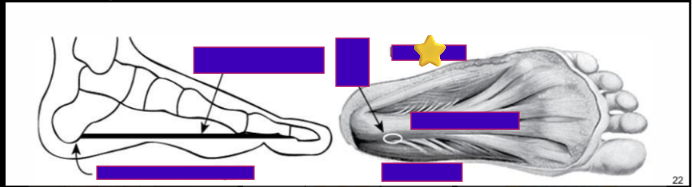
What is this?
the lateral side
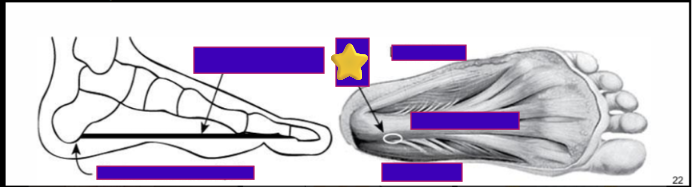
What is this?
where the pain is.
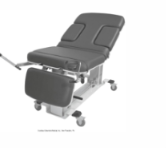
What is this?
ergonomic table
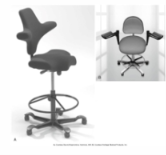
What is this?
ergonomic chair
What percentage of sonographers reported pain while scanning?
About three-fourths.
What is ergonomics?
Creating a safe working environment.
What causes musculoskeletal injuries?
Repetitive cumulative trauma to tissues.
What contributes to sonographer injuries?
Heavy workloads and poor work conditions.
What body movements can cause injury?
Neck twisting, wrist flexion, arm abduction, and static posture.
What are repetitive strain injuries (RSIs)?
Injuries caused by repeated motions and poor body mechanics.
What are common injury sites in sonographers?
Neck, back, shoulders, wrists, hands, and feet.
What are the main causes of work-related injuries?
Repetition, force, and awkward posture.
What neck posture can cause injury?
Tilting the head to view the monitor.
What shoulder position can lead to injury?
Arm abduction away from the body.
What wrist movements can cause injury?
Flexion, extension, and deviation.
What causes low back pain?
Twisting and prolonged static posture.
How can lower back pain be prevented?
Correct posture and physical conditioning.
What causes upper back and neck pain?
Repetitive strain and awkward posture.
What is Thoracic Outlet Syndrome (TOS)?
Compression of nerves or blood vessels between the clavicle and first rib.
What are symptoms of TOS (Thoracic Outlet Syndrome)?
Neck pain, shoulder pain, numbness, and weakness.
What causes neurologic TOS (Thoracic Outlet Syndrome)?
Compression of the brachial plexus nerves.
What are symptoms of neurologic TOS (Thoracic Outlet Syndrome)?
Tingling fingers, arm pain, and weak grip.
What causes vascular TOS (Thoracic Outlet Syndrome)?
Compression of subclavian vessels.
What are symptoms of vascular TOS (Thoracic Outlet Syndrome)?
Swelling, cyanosis, pallor, and blood clots.
What causes shoulder pain in sonographers?
Arm abduction over 30 degrees and excessive force.
What elbow angle is recommended during scanning?
90 degrees.
What is bursitis?
Inflammation of a fluid-filled sac called a bursa.
What causes bursitis?
Repetitive motion, trauma, overuse, or aging.
What are symptoms of bursitis?
Pain, swelling, tenderness, and stiffness.
What is tendonitis?
Inflammation of a tendon causing pain and stiffness.
What worsens tendonitis pain?
Activity and movement.
What is de Quervain disease?
Painful inflammation of wrist tendons near the thumb.
What causes de Quervain disease?
Repetitive wrist and hand motions.
What is Carpal Tunnel Syndrome (CTS)?
Compression of the median nerve at the wrist.
What are symptoms of CTS (Carpal Tunnel Syndrome)?
Numbness and burning in the thumb and fingers.
How can CTS (Carpal Tunnel Syndrome) be prevented?
Proper body mechanics and frequent breaks.
What is epicondylitis?
Strain of forearm muscles and tendons.
What is lateral epicondylitis also called?
Tennis elbow.
What is medial epicondylitis also called?
Golfer’s elbow.
What is osteoarthritis?
Degenerative “wear and tear” joint disease.
What causes plantar fasciitis?
Overuse and repeated foot stress.
What symptom is common with plantar fasciitis?
Heel pain in the morning.
What helps treat plantar fasciitis?
Rest, ice, stretching, and supportive shoes.
What is tarsal tunnel syndrome?
Compression of the posterior tibial nerve.
What are symptoms of tarsal tunnel syndrome?
Burning and numbness around the ankle.
How can work-related pain be prevented?
Exercise, stretching, and correcting poor work habits.
What are ways to avoid injury during scanning?
Frequent breaks, changing posture, and modifying techniques.
What ergonomic features should equipment have?
Flexibility, adjustability, and proper support.
Why is proper lighting important in scanning rooms?
Bright glare can reduce image quality and strain eyes.
How should monitors be positioned?
Top of monitor at eye level.
What is the OSHA recommendation for scanning breaks?
10-minute breaks every 2 hours.
What is the 20-20-20 rule?
Every 20 minutes, look 20 feet away for 20 seconds.
What is eustress?
Positive stress.
What is hyperstress?
Too much stress.
What is hypostress?
Too little stress.
What is distress?
Negative stress causing anxiety or suffering.
What is role overload?
Having too much work in too little time.
What are psychosocial causes of injury?
Fear of complaining, heavy workloads, and reluctance to rest.
What are symptoms of being “stressed out”?
Fatigue, headaches, insomnia, irritability, and high blood pressure.
How can workplace stress be reduced?
Exercise, sleep, positive attitudes, and communication.
What is burnout?
Chronic work-related stress causing poor motivation.
What are ways to handle job stress?
Sleep, exercise, and talking with coworkers or friends.
What is compassion fatigue?
Emotional and physical exhaustion from caring for others.
What are symptoms of compassion fatigue?
Cynicism, frustration, exhaustion, and isolation.
How can compassion fatigue be prevented?
Healthy habits, professional boundaries, and relaxation.
What should sonographers learn about compassion fatigue?
How to recognize triggers and know their limits.