Anatomy and Physiology 1 - Quiz 2
 Call Kai
 Learn
Learn Practice Test
 Spaced Repetition
 Match
Match Flashcards
 Knowt Play
1/123

Earn XP
Description and Tags
Name | Mastery | Learn | Test | Matching | Spaced | Call with Kai |
|---|
No analytics yet
Send a link to your students to track their progress
124 Terms
What are the 3 types of cartilage?
hyaline cartilage
elastic cartilage
fibrocartilage
Where is the hyaline cartilage located?
articular surfaces
Where is the hyaline cartilage located?
trachea & larynx
Where is the hyaline cartilage located?
ribs
Where is the hyaline cartilage located?
embryonic skeleton
Where is the hyaline cartilage located?
nose
Where is the elastic cartilage located?
ear & eustachian tubes
Where is the elastic cartilage located?
epiglottis
Where is the fibrocartilage located?
intervertebral discs
Where is the fibrocartilage located?
meniscus of knee
Where is the fibrocartilage located?
pubic symphysis
What types of cartilage does the larynx have?
elastic & hyaline cartilage
List the parts of the osseous tissue bone (osteon)
central (haversian) canal
lamellae
canaliculi
I reside in the center of each osteon and contain the blood vessels that service all the osteocytes of the system. Who am I?
central (haversian) canal
I am the concentric rings of calcified matrix surrounding the central canal. Who am I?
lamellae
I am located between the layers of lamellae, and home to the osteocytes. Who am I?
lacunae
I radiate small channels outward from the central canal to the lacuna. Who am I?
canaliculi
How do we get blood from the central canal to the lacuna?
canaliculi
Horizontal canals in the skeletal tissue that allow blood to enter and leave the bone
perforating (volkmann’s) canal
Outer surface of the skeletal tissue covered with ____, a dense connective tissue. Serves as attachment site for tendons and ligaments.
periosteum
Skeletal tissue fibers that reinforce attachments and hold the periosteum onto the bone
perforating (sharpey’s) fibers
206 bones that supports and protects the body and produces movement, divided into two subdivisions called what?
axial & appendicular skeleton
What attaches the extremities from the appendicular skeleton to the axial skeleton?
girdling bones
80 bones form this axis comprising of the skull, neck, trunk, ribs & sternum
axial skeleton
Comprise the upper and lower extremities (arms & legs) and the girdling bones
appendicular skeleton
These bones are made up of the pectoral (shoulder), and pelvic (hip) girdles
girdling bones
What are the two categories of bone markings?
projections
depressions & openings
What are the types of depressions & openings?
fossa
foramen
meatus
facet
Extension of a bone away from the bone’s surface
process
Rounded eminence that articulates with a depression or a fossa on another bone
condyle
Raised rounded area located above a condyle
epicondyle
Very large roughened raised area for muscle attachment found on the femur
trochanter
Similar to a trochanter, but smaller (on tibia)
tuberosity
Small rounded eminence
tubercle
Narrow ridge of bone
crest
Sharp slender projection
spine
Rounded enlarged end of a long bone, sit atop a narrow portion of the bone called the neck
head
Shallow depression, usually articulates with a condyle or head of another bone. Sometimes called cavities.
fossa
Hole for passage of nerves, blood vessels, or the spinal cord
foramen
Canal like passageway
meatus
Smooth flat area
facet
We do not attach anything to a ___ . They are made into joint surfaces covered in articular cartilage and articulates with fossa.
condyle
The skull has two sets of bones called?
cranial & facial
frontal bone
parietal bone
temporal bone
ethmoid bone
sphenoid bone
occipital bone
All comprise which bone?
cranial bones
frontal bone
nasal bones
lacrimal bones
maxillae bones
palatine bones
zygomatic bone
ethmoid bone
vomer
inferior nasal conchae
mandible
hyoid bone
All comprise which bone?
facial bones
external auditory (acoustic) meatus
mastoid process
styloid process
zygomatic process
mandibular fossa
Are all located on what bone?
temporal bone
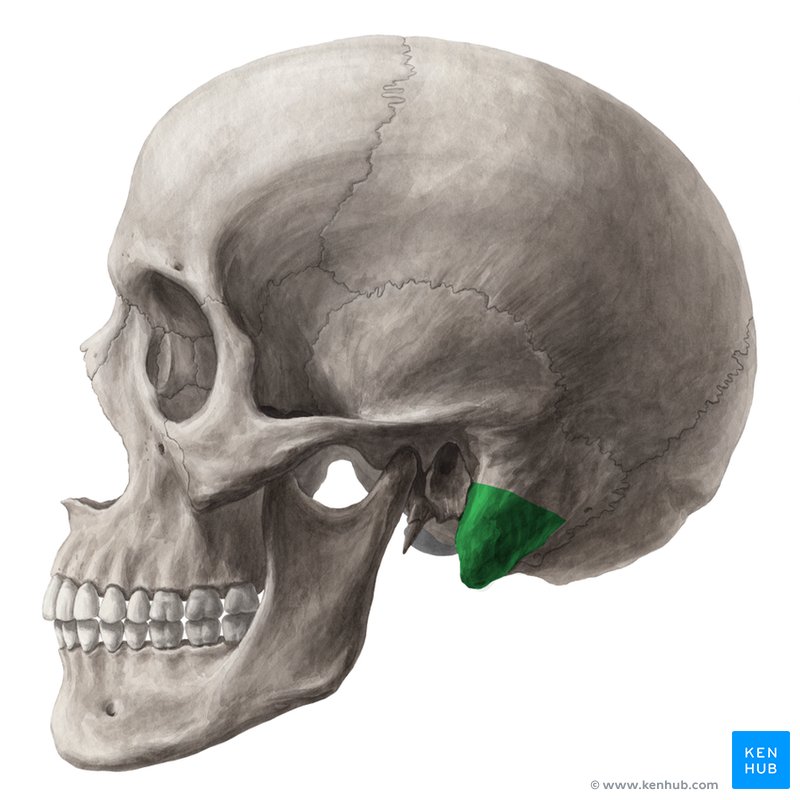
Rounded eminence on inferior surface of temporal bone, posterior to external auditory meatus. Attachment for neck muscles
mastoid process
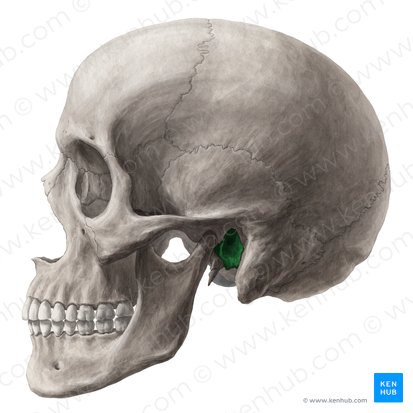
Ear passageway leading to the eardrum
external auditory (acoustic) meatus
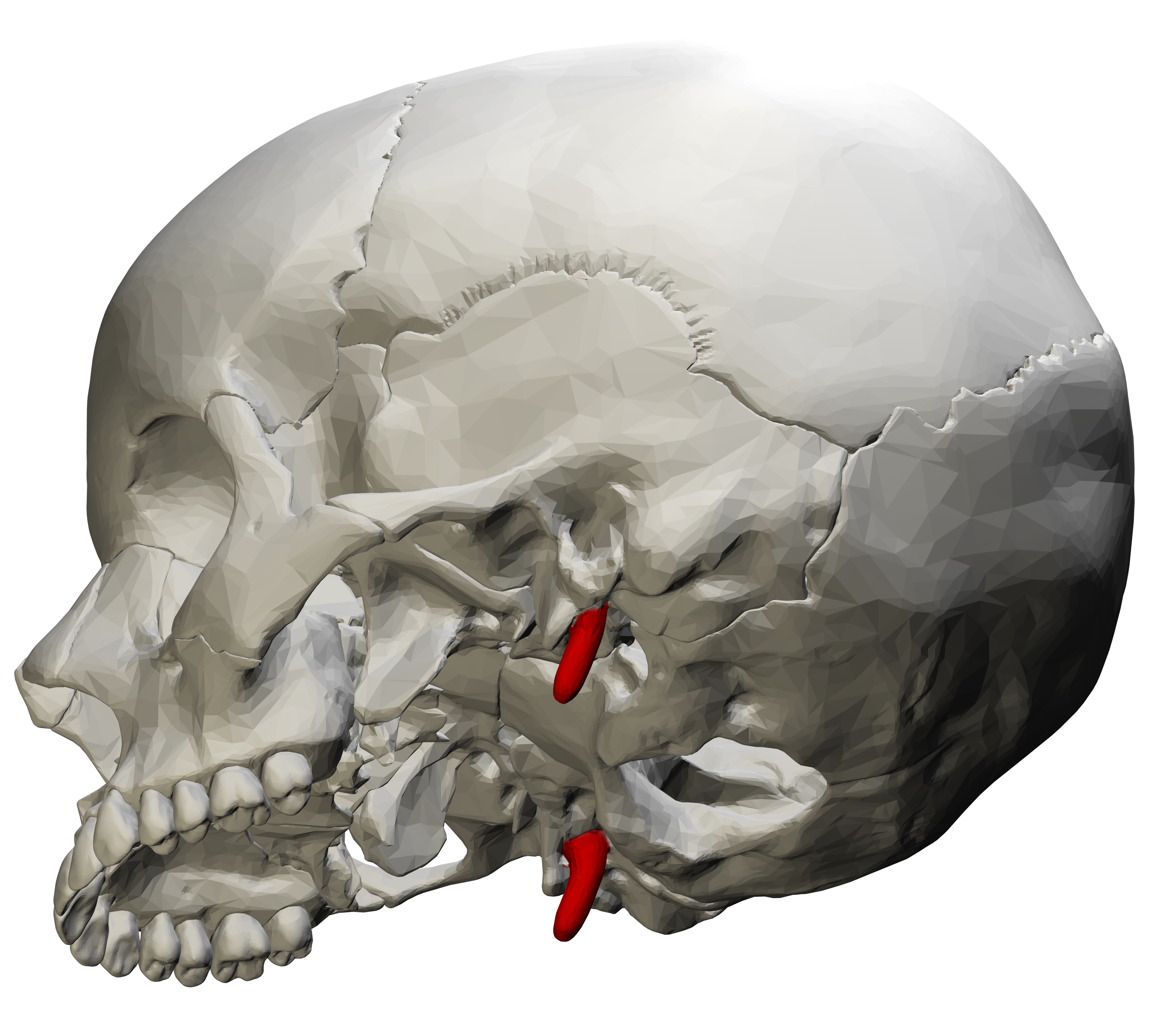
Slender process extending down from bottom of temporal bone. Attachment for neck and throat muscles (breaks easily on models)
styloid process
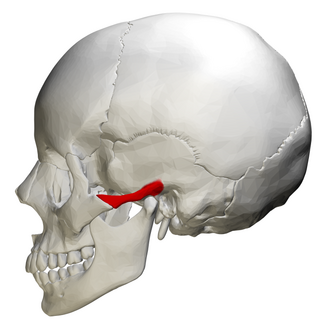
Process extending forward from temporal bone, part of zygomatic arch
zygomatic process
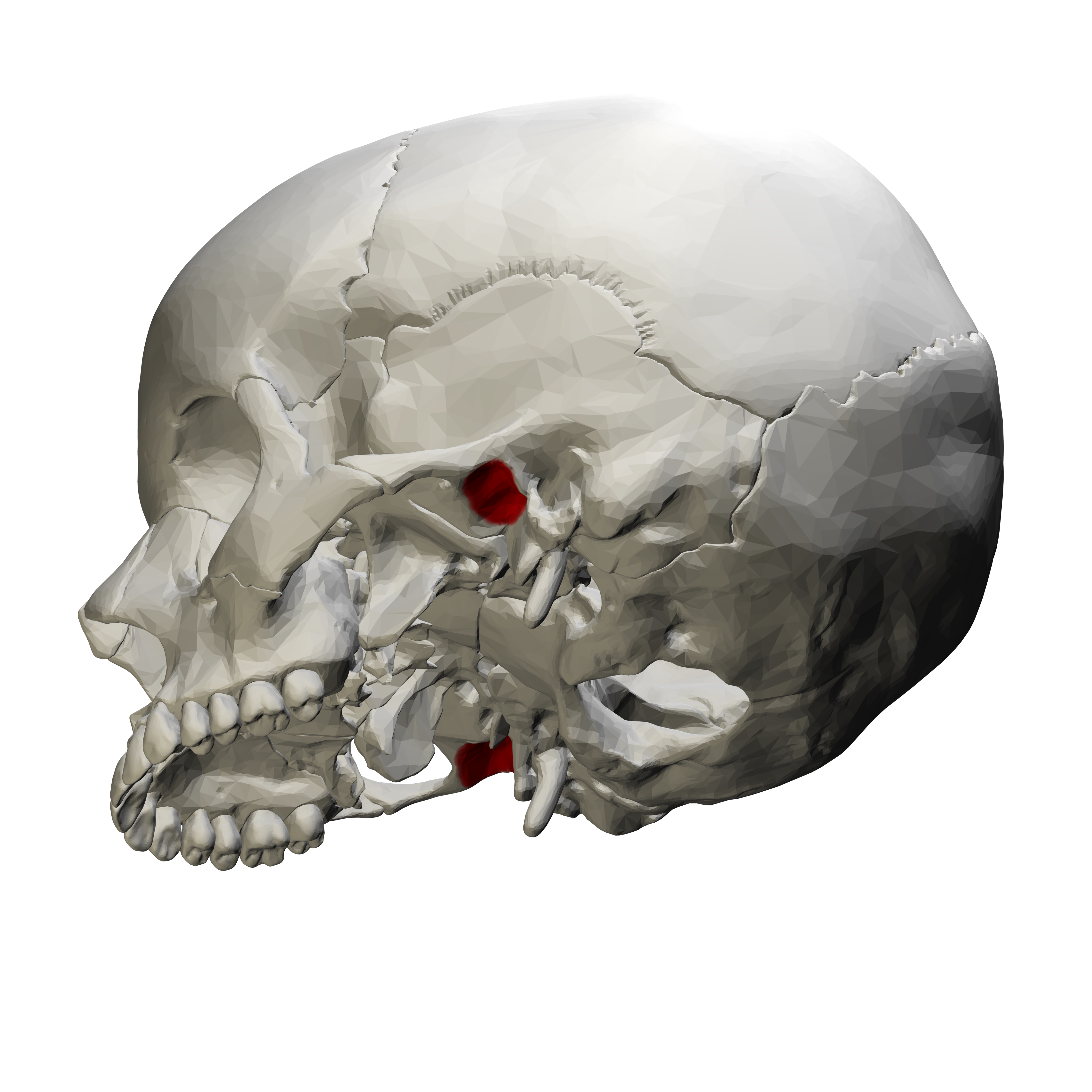
Oval shaped depression just anterior to external auditory meatus
mandibular fossa
foramen magnum
occipital condyles
Are located on what bone?
occipital bone
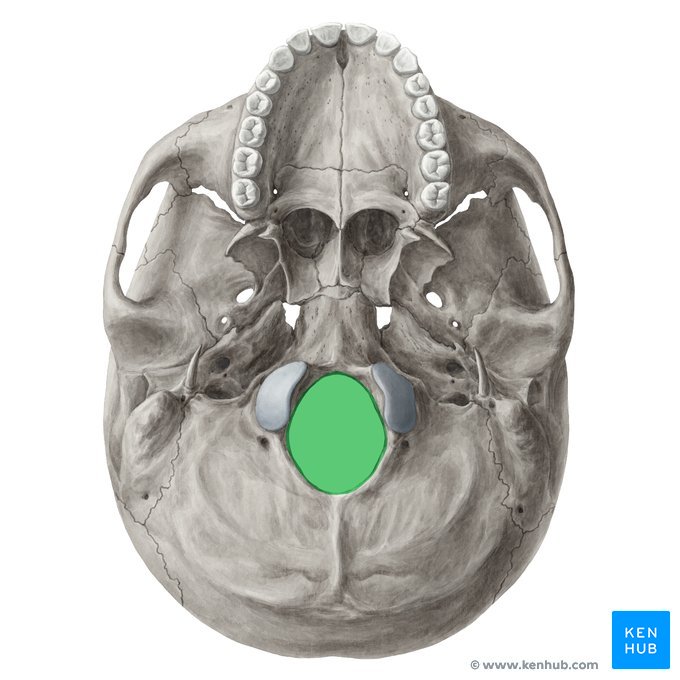
Passageway for spinal cord. Large hole, inferior surface
foramen magnum
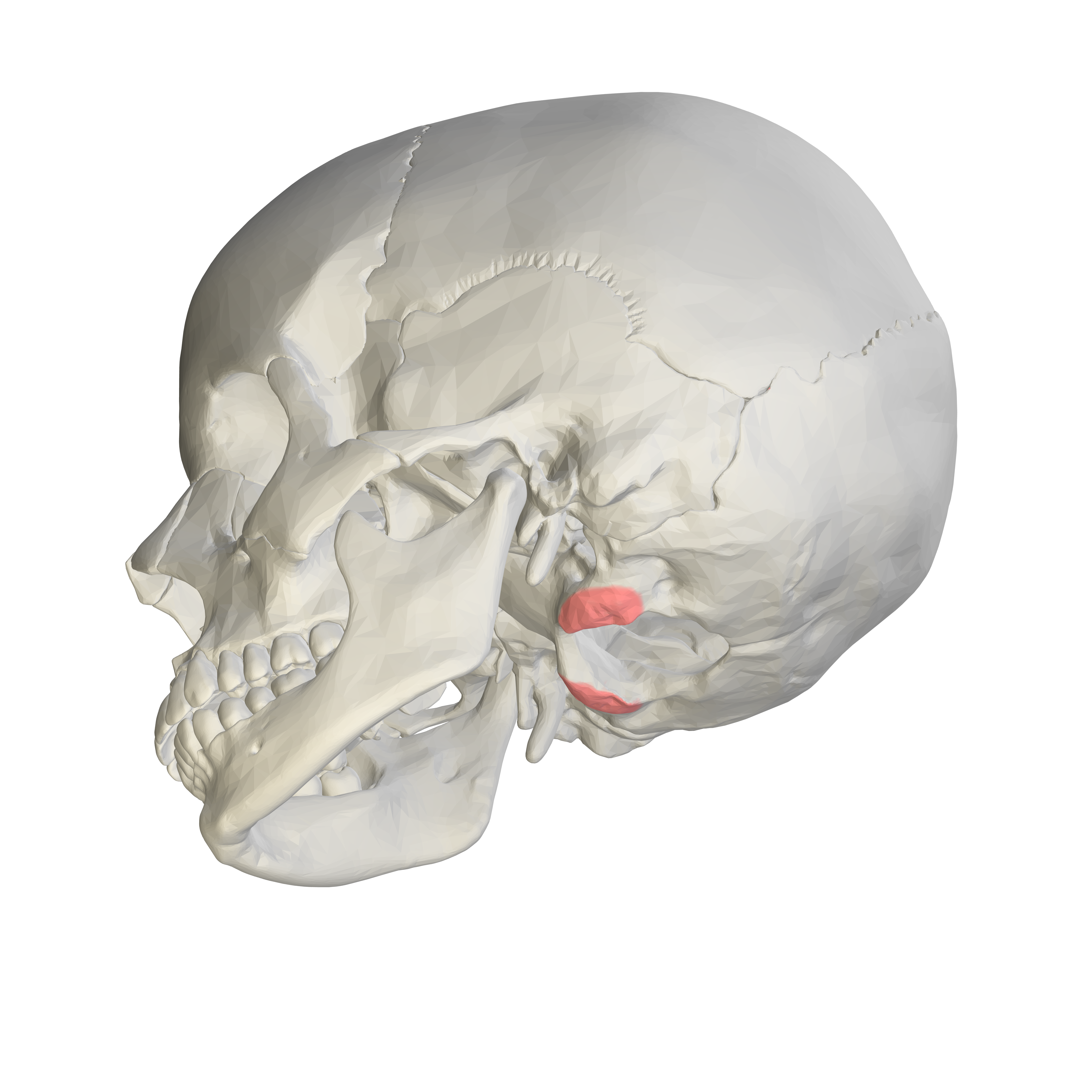
Rounded eminence on each side of foramen magnum, articulates with fossa on the first cervical vertebra called the atlas
occipital condyles
frontal bone
temporal bone
ethmoid bone
sphenoid bone
occipital bone
Are located on what bone?
cranium (floor)
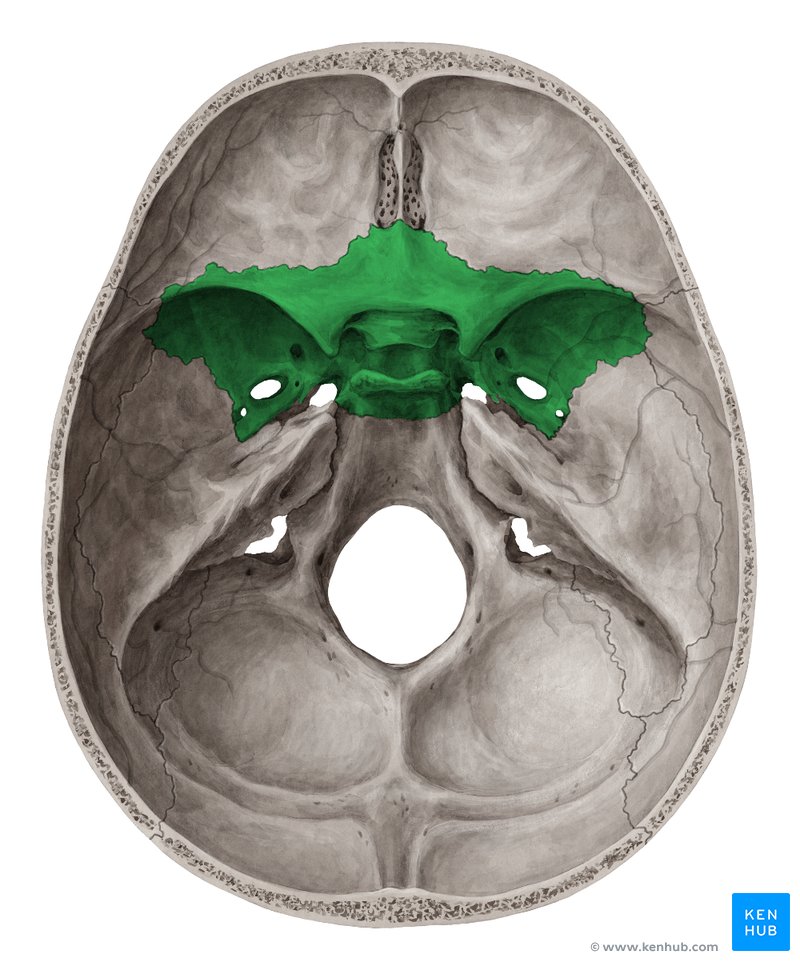
Bat shaped bone, contributes to cranial floor, sides of the cranium, and posterior orbit
sphenoid
Central bone of the floor, connects the occipital, ethmoid, frontal and temporal bones, and loaded with all the foramen
sphenoid
Which two foramen are not in the sphenoid?
olfactory & foramen magnum
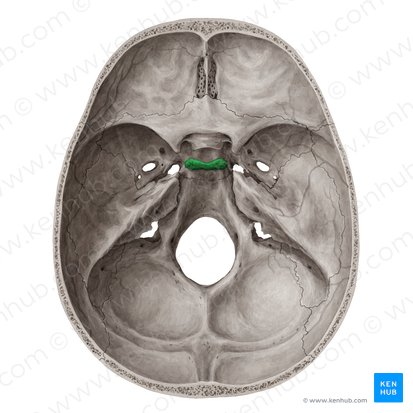
Small depression in the middle where the pituitary gland resides
sella turcica
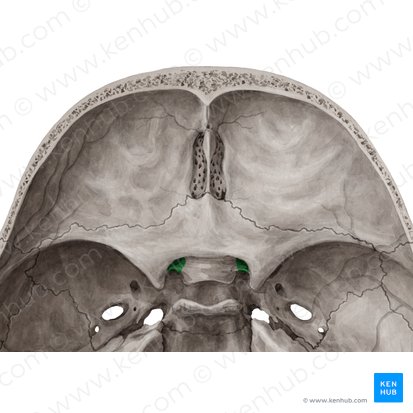
Passageway for optic nerves
optic foramena
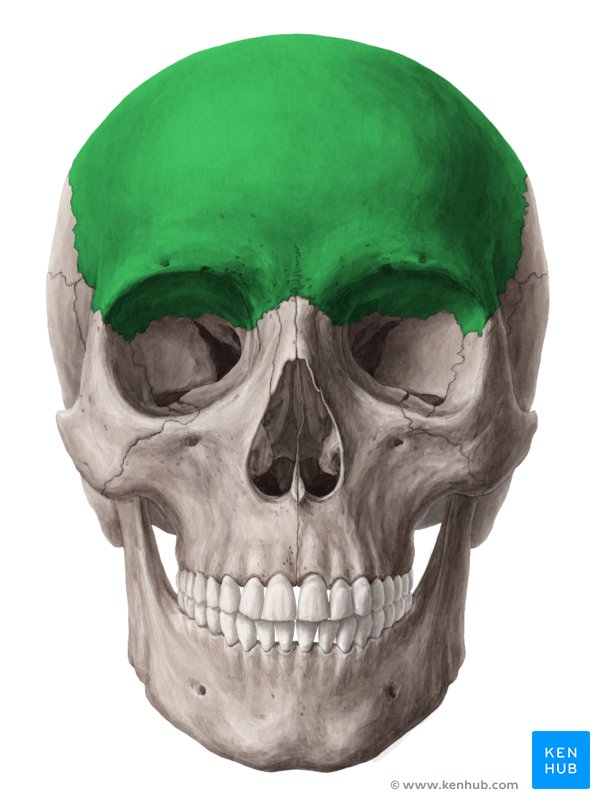
Forms portion of cranial floor anterior to sphenoid and lateral to ethmoid
frontal bone
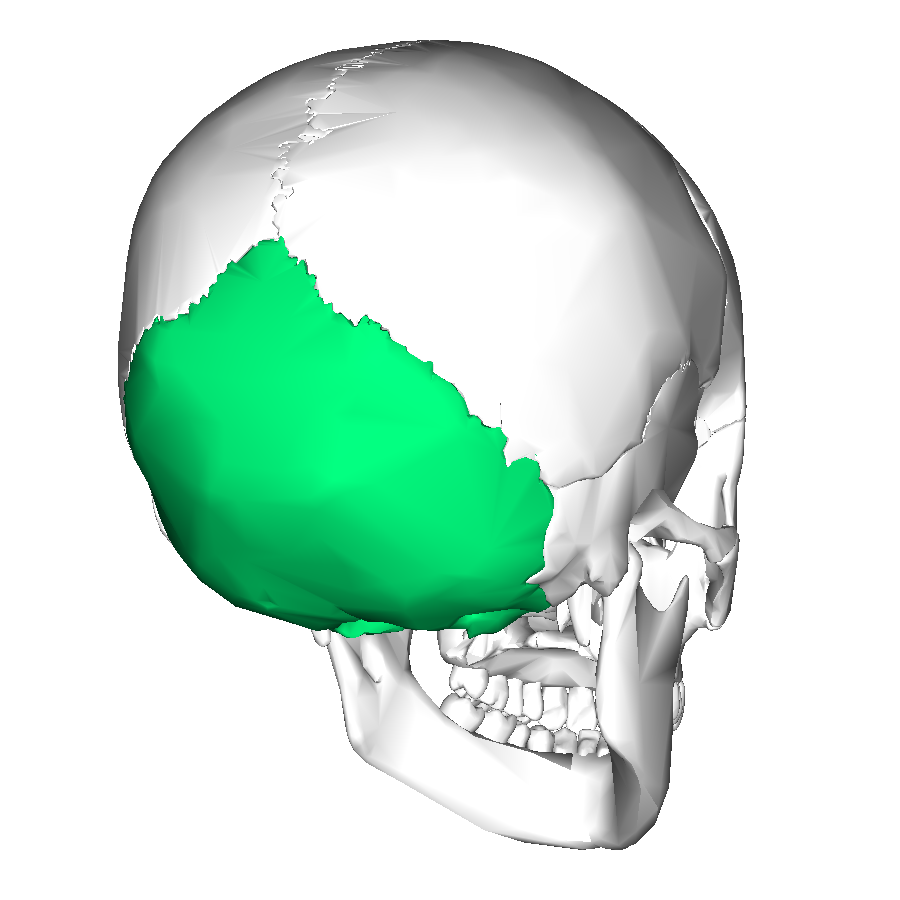
Posterior portion of the cranial floor, contains foramen magnum
occipital bone
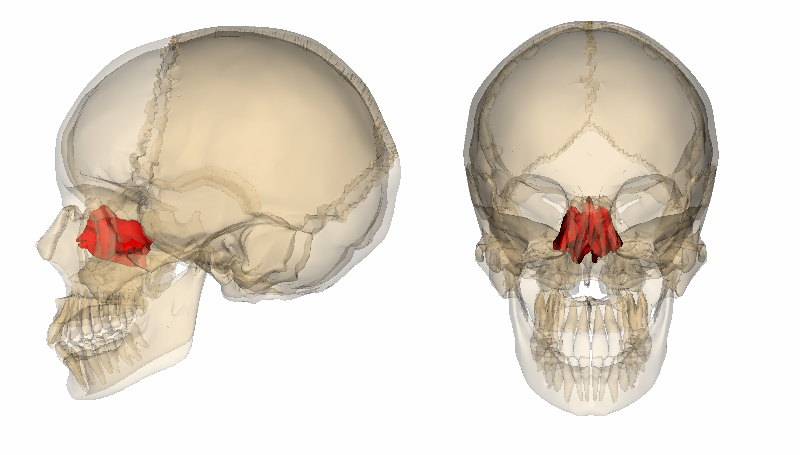
Forms small portion of anterior cranial floor, roof of the nasal cavity, upper portion of the nasal septum, and part of the medial aspect of the orbit. Two markings
ethmoid bone
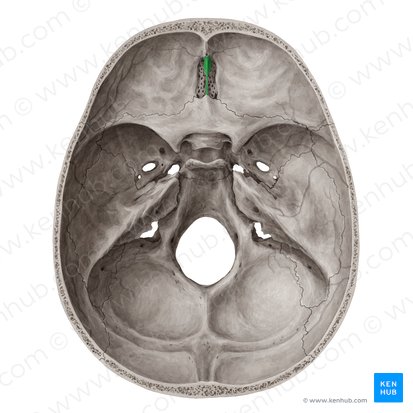
Vertical projection where dura mater attaches
crista galli
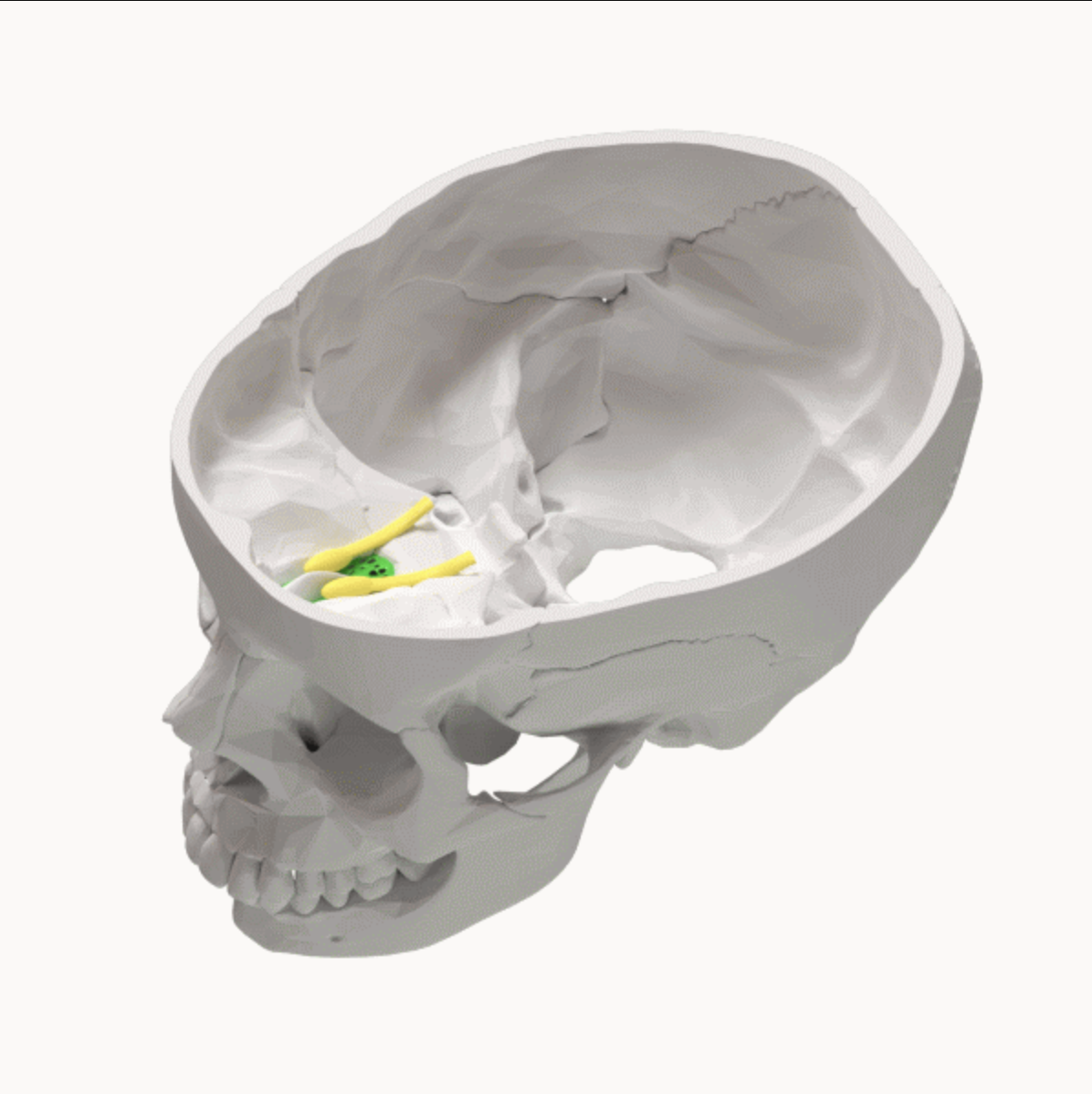
Lateral to crista galli, numerous holes for passage of olfactory nerves, nasal cavity to brain
cribriform plate
What bone is the cribriform plate located on?
ethmoid bone
What bone is the crista galli plate located on?
ethmoid bone
What bones form the nasal septum?
vomer and ethmoid bone
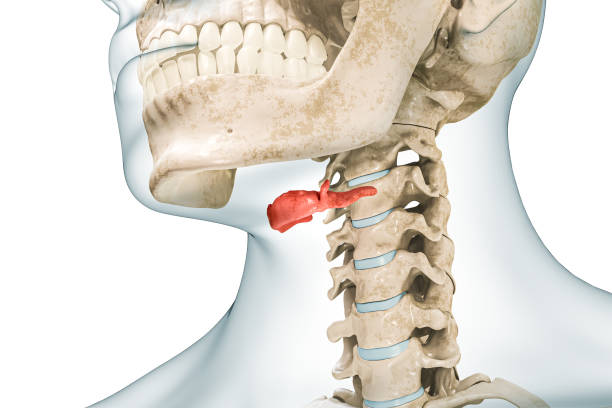
Horseshoe shaped bone inferior to the mandible. Does not articulate with other bones
hyoid bone
Lower jaw bone. Condyles articulate with mandibular fossa of the temporal bone to form the TMJ (temporomandibular joint). Only articulation (joint) of the skull with a range of motion
mandible
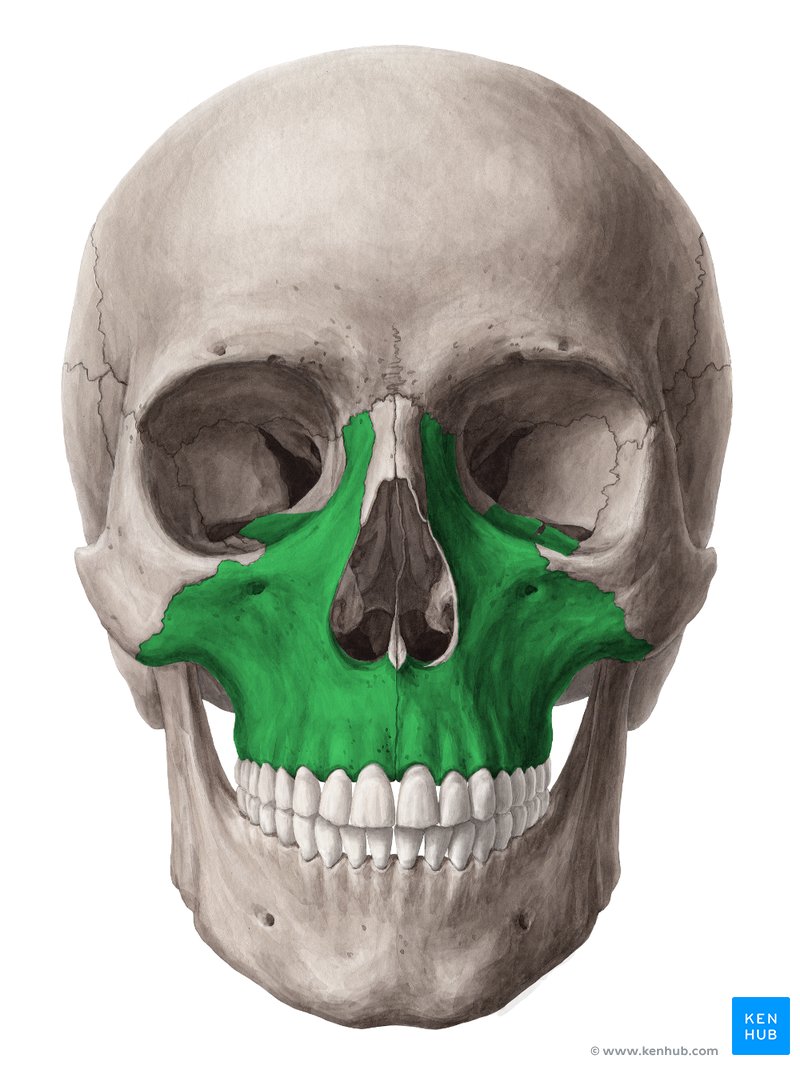
Palatine process; horizontal projections forming anterior two third of the hard palate
maxillae
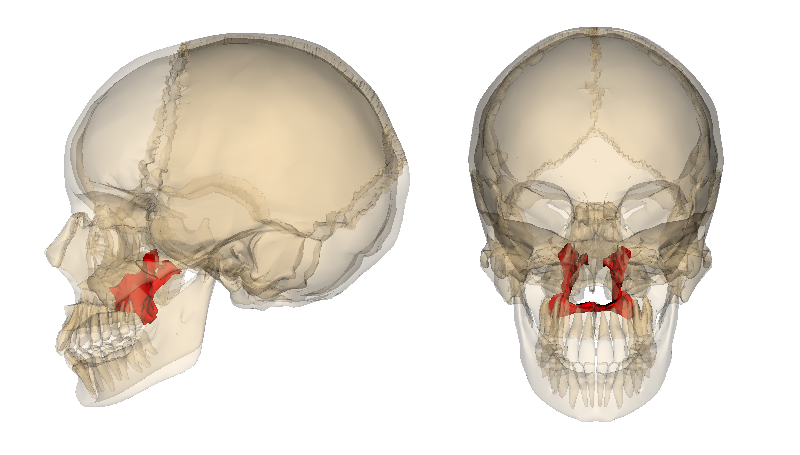
L-shaped bones whose horizontal portions form the posterior one-third of the hard palate
palatine bones
centrum (body)
vertebral foramen
transverse process
spinous process
lamina
pedicle
superior and inferior articular facets
Are all what?
features of all vertebra
How do all vertebrae articulate with each other?
superior and inferior articular facets
The load-bearing portion
centrum (body)
The large hole in the center for passage of the spinal cord
vertebral foramen
Lateral projections which serve as attachment sites for muscles
transverse process
Posterior projections, serve as attachment site for muscles
spinous process
Portion between the transverse process and the spinous process
lamina
Portion between the centrum and the transverse process
pedicle
Processes which protrude superiorly and inferiorly to articulate with each other
superior and inferior articular facets
Identifying characteristic found only in cervical vertebra (all of them). It is a hole in the transverse process which allows for passage of blood vessels entering the occipital part of the brain
transverse foramena
Which vertebrae have transverse foramen?
cervical vertebra
Highly specialized vertebrae in your cervical spine (neck) that connect your skull to your spinal column
atlas (C1) and axis (C2) bones
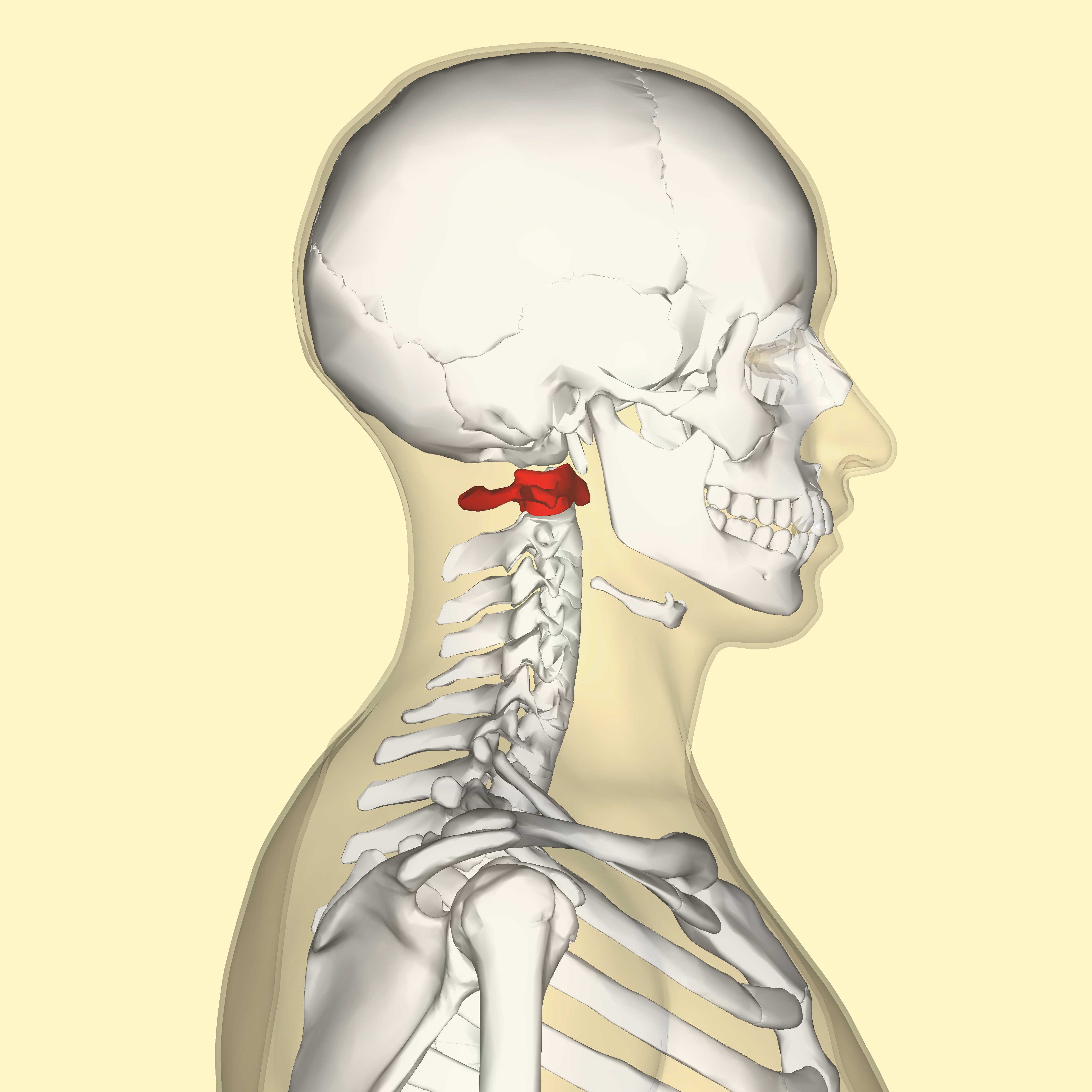
Has two superior articular facets (fossae) to articulate with the condyles of the occipital bone of the skull; allows rocking of head from front to back (YES motion)
atlas bone
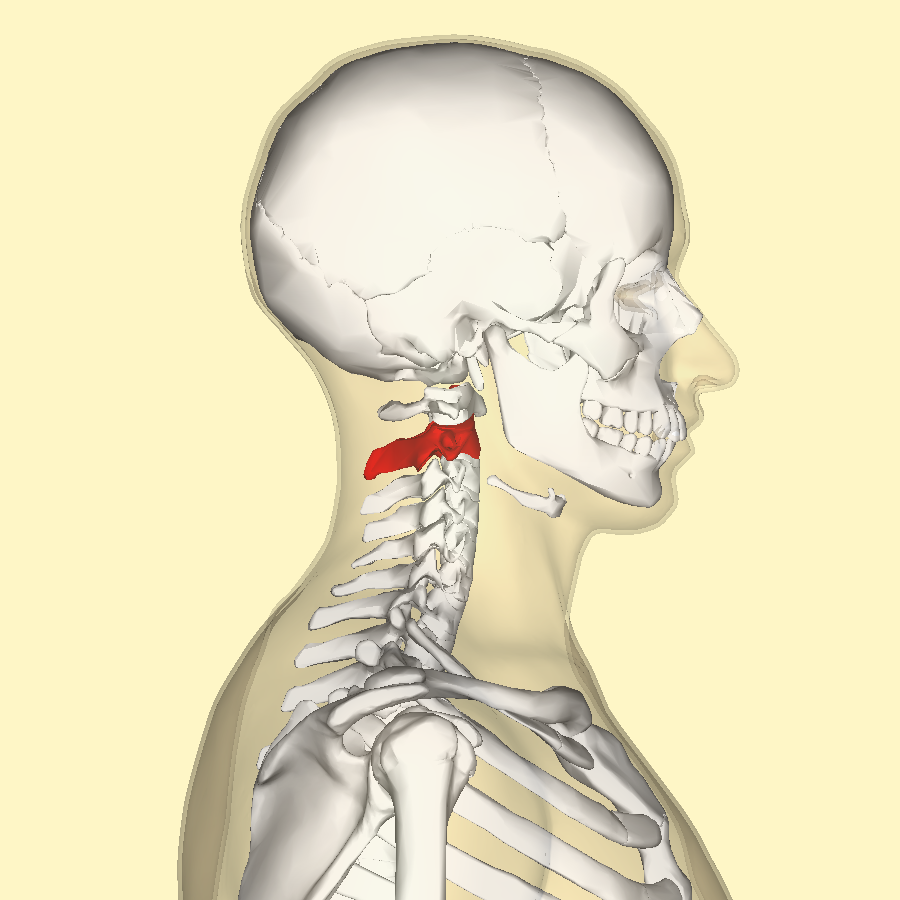
Dens (odontoid process); serves as a pivot point for the atlas, allows rotation of the atlas on the pivot (NO motion)
axis bone
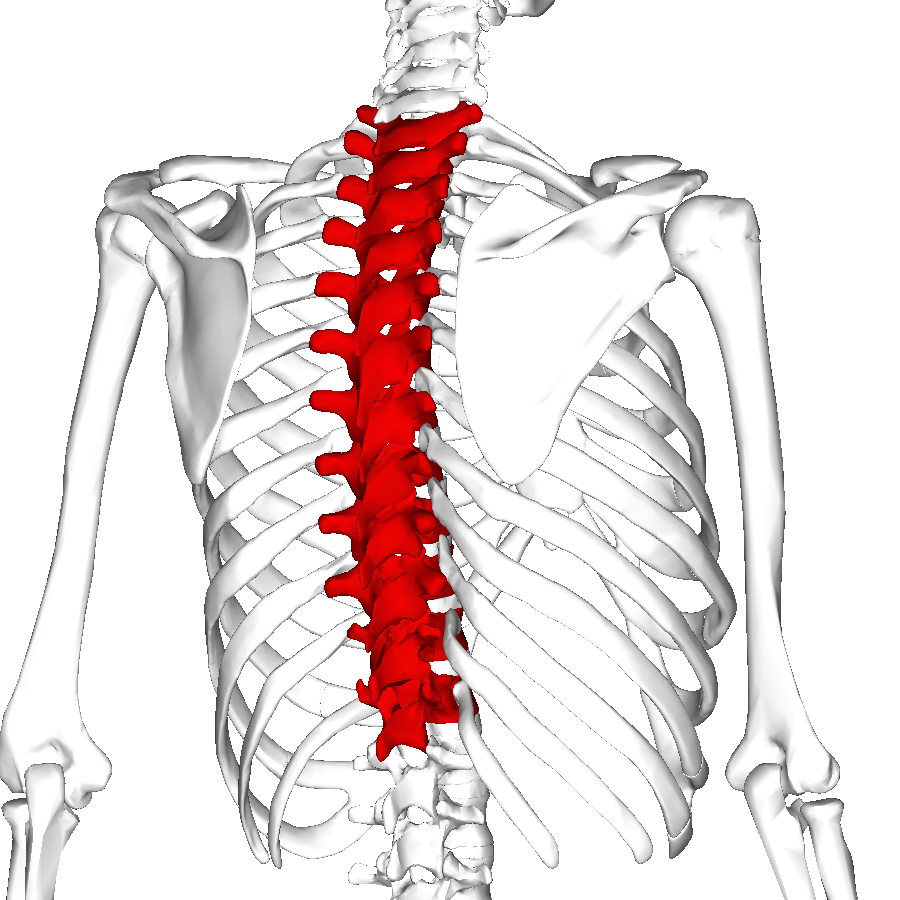
Articular facets on the centrum and transverse processes of the vertebra is the identifying characteristic of the ___. These serve to articulate with the ribs
thoracic vertebra
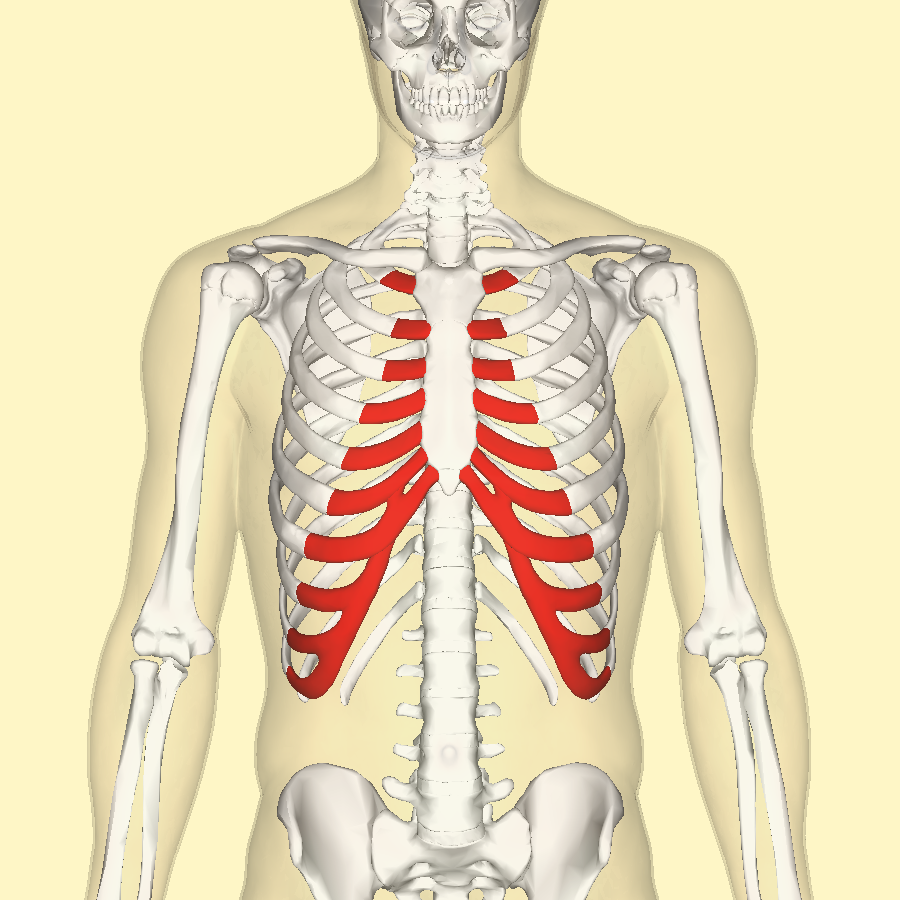
What is the name of the cartilage that connects the rib to the sternum?
costal cartilages
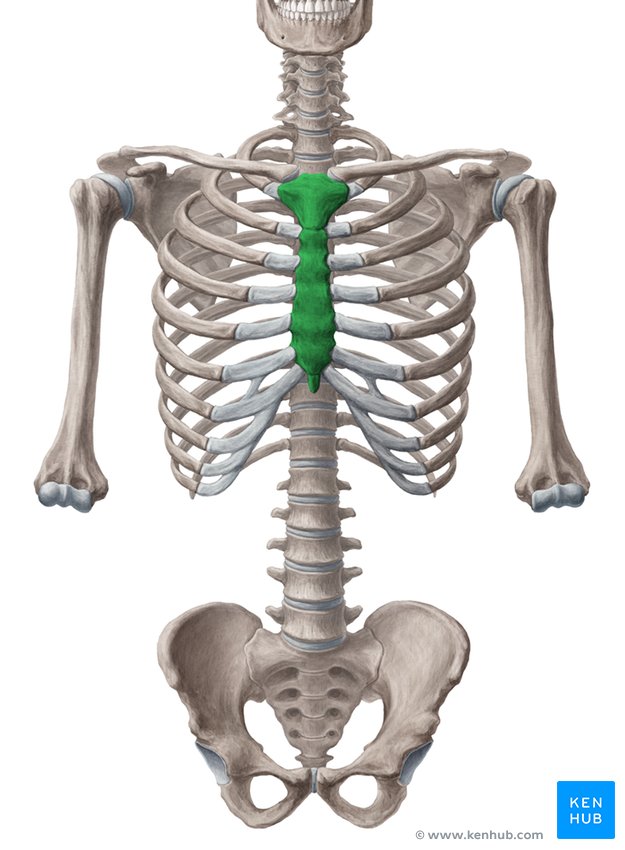
Breastbone composed of three bones fused together
manubrium
gladiolus (body)
xiphoid
All make up what bone?
sternum
Flattened end, articulates with the sternum
sternal extremity
End that articulates with the thoracic vertebrae
vertebral extremity
Enlarged terminal portion of the vertebral extremity that articulates with the centrum of the vertebrae
head
Small process near the head that articulates with the costal facet on the Transverse Process of the thoracic vertebrae
tubercle
Groove on the inner inferior edge of each rib
costal groove
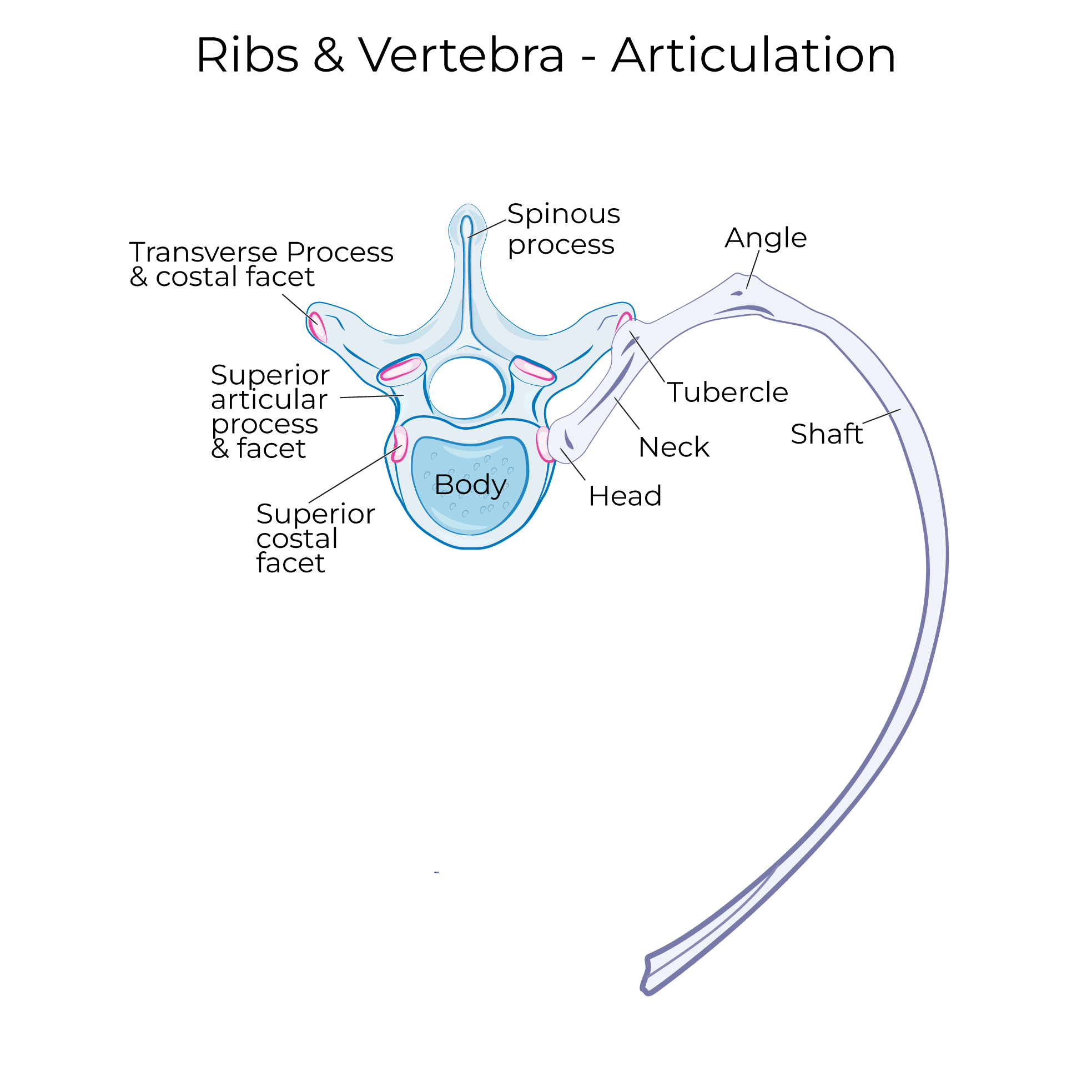
What articulates with the centrum of the thoracic vertebrae?
head
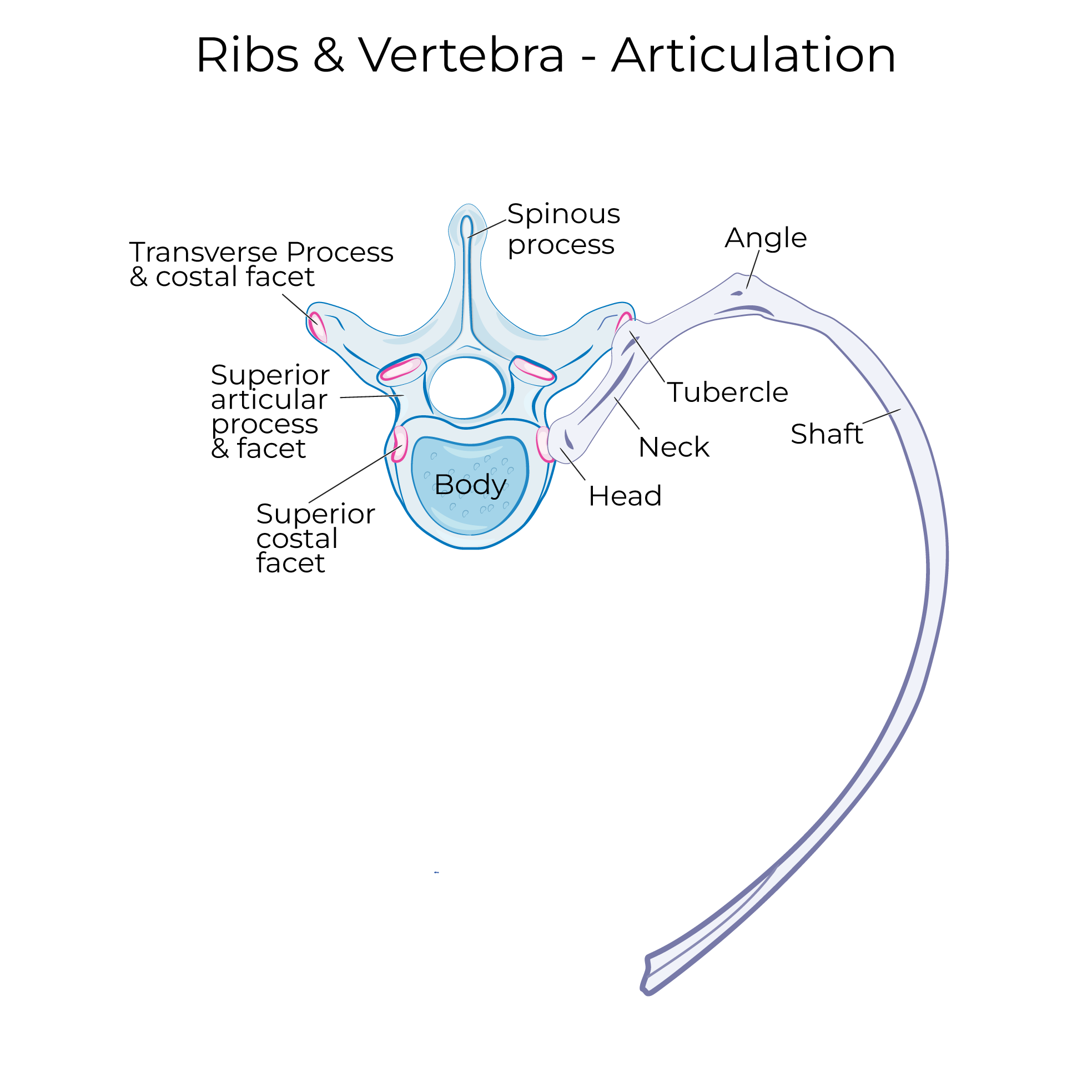
What articulates with the costal facet on the Transverse Process of the thoracic vertebrae?
tubercle
Composed of pectoral girdle, pelvic girdle, arms, and legs
appendicular skeleton
What bones make up the pectoral girdle?
scapula & clavicle
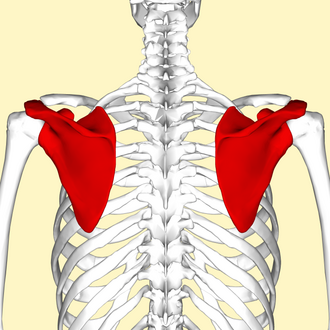
scapular spine
acromion
glenoid cavity
coracoid process
Are all located on what bone?
scapula
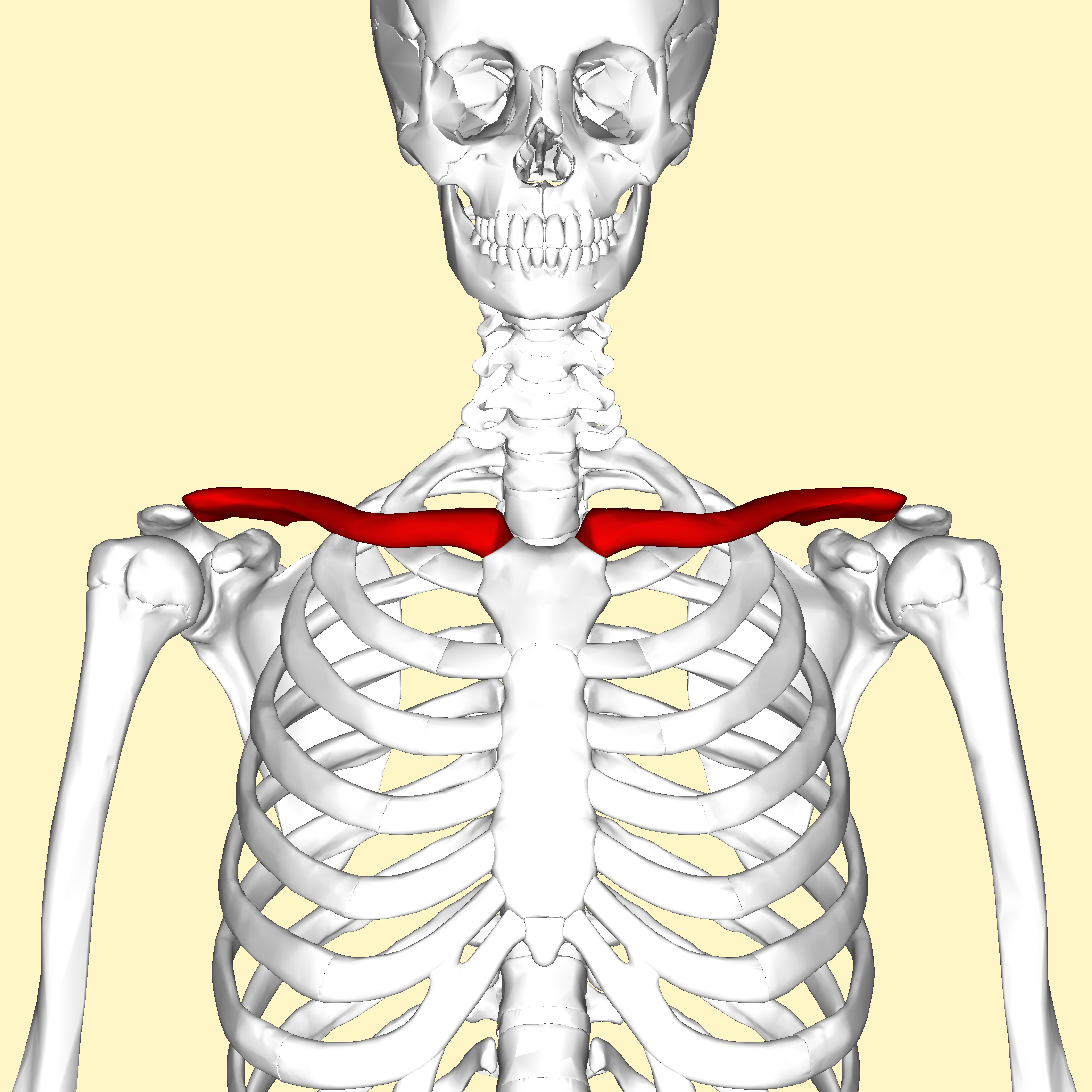
sternal extremity
acromial extremity
Are all located on what bone?
clavicle