The psychology of personality and learning
 Call Kai
 Learn
Learn Practice Test
 Spaced Repetition
 Match
Match Flashcards
 Knowt Play
1/78

Earn XP
Description and Tags
Personality: Nature v. nurture, Freud, birth order, parenting styles; Learning: Classical and operant conditioning and observational learning
Name | Mastery | Learn | Test | Matching | Spaced | Call with Kai |
|---|
No analytics yet
Send a link to your students to track their progress
79 Terms
nature assumption + example
genetics determine behavior, personality traits, abilities
parents’ disciplinary actions don’t matter
genes + peers > parents in child development
if the parents were switched around (but environment the same), children would still develop into the same types of adults
ex. if parent has BPD you probably also have it + brain development is universal
nurture assumption + example
environment/upbringing/life experiences determine behavior
we need to be “nurtured” into acting a certain way
if you take a dozen healthy babies you can guarantee that you can bring them up to be whatever profession regardless of their genetic talents/advantages
ex. if parent was neglectful, child will be mistrusting of others + culture
which plays a bigger role? nature or nurture? why?
nature
twins raised apart are as alike in personality as twins raised together (genetics are the same but environments are different)
birth order and age gap also has an impact, which is an argument in favor of nature
universal human behaviors regardless of culture: fearing strangers, preferring those similar to us, social cues/facial expressions, organizing hierarchies…
freud’s definition of the unconscious
a “well” that keeps unaccaptable thoughts/wishes/feelings/memories hidden away so deep that we are unaware of them
nothing is ever accidental; “accidental” things are our unconscious slipping out into our speech/actions
what is the free association exercise and why does it work
show word/picture to patient and they reply with the 1st thing that comes to mind w/o thinking
purpose: find hidden thoughts and release them
it works because the pressure of going fast unlocks the unconscious by taking away the time needed for the conscious to take over
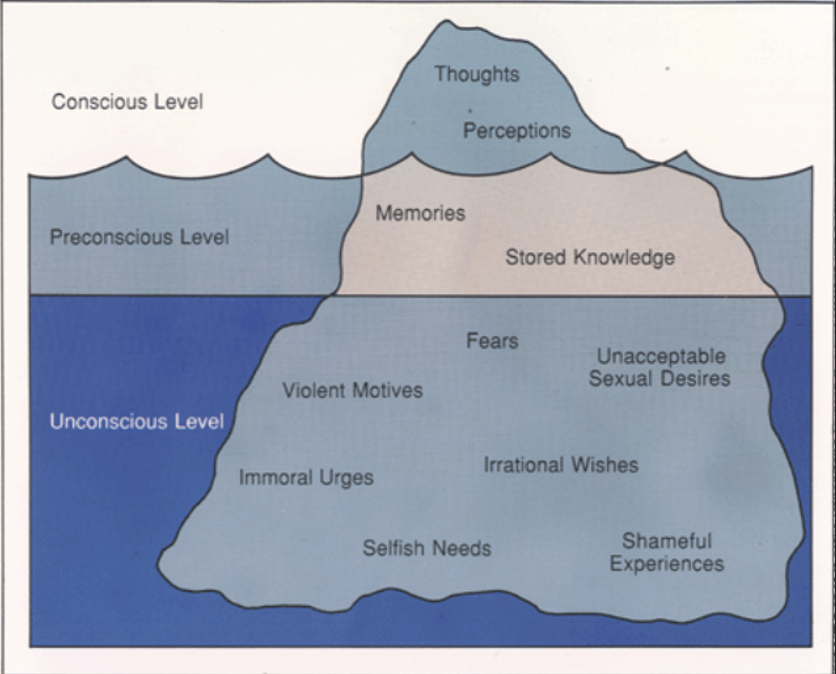
why do psychologists use an iceberg to explain freud’s theory of how the mind works?
icebergs hide most of their mass beneath the surface
kinda like the mind being beneath the conscious and controlled by the unconscious
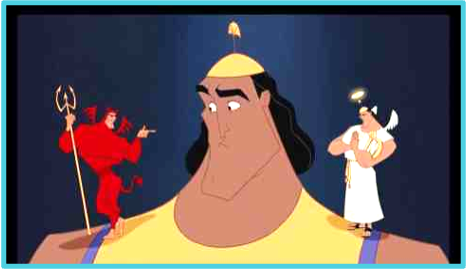
id
devil on shoulder
stores unconscious energy
strives to satisfy our basic instincts to survive/reproduce/act aggressively
operates on the pleasure principle → seeking immediate gratification
ex. babies crying/drug abusers to get satisfaction NOW
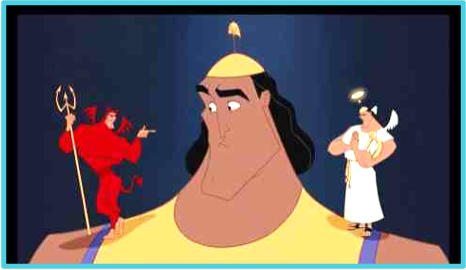
ego
referee between the id and superego
conscious mind
tries to satisfy id’s impulses in realistic ways → reality principle
ex. id wants to eat all the cookies, superego wants to eat 0 cookies and have a salad, ego says to just have 2 cookies to eat in moderation
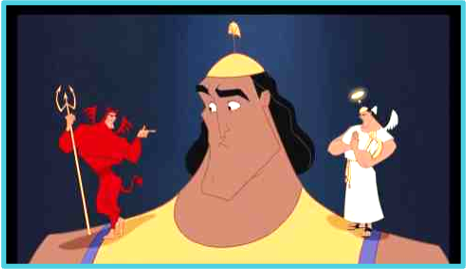
superego
angel on shoulder
voice of moral compass (aka conscience)
focuses on how you should behave
judges actions: creates (+) feelings of pride, (-) feelings of guilt
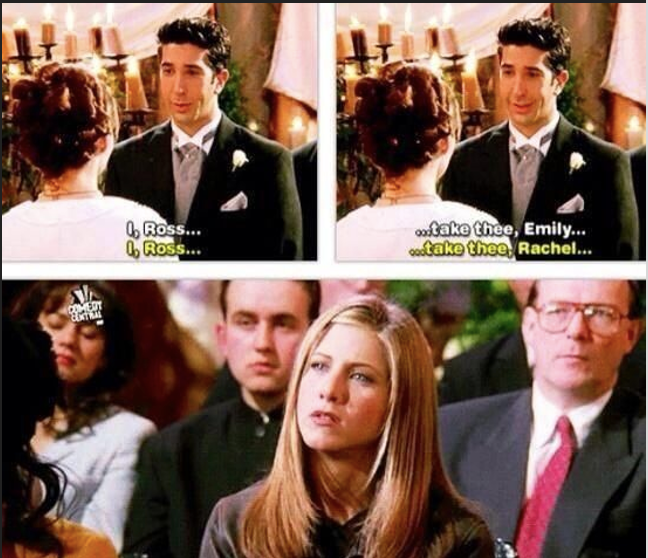
freudian slip
slip of the tongue
ex. i collected three orgasms—i mean organisms
dreams (according to freud)
considered the “royal road to the unconscious”
things that reveal unconscious desires
free association
freudian slip
dreams
freudian psychosexual stages concept
believed that personality forms during life’s few years
in each stage, the ID’s pleasure-seeking energies focus on an erogenous zone
a conflict at a certain stage will lead to conflict later in life
ex. if a child is orally deprived (weaned too early), they will become stalled at this stage and fixate on it, causing them to smoke/overeat as an adult
list of freudian psychosexual stages
oral
anal
phallic
latency
genital
oral
age: 0 to 18 months
erogenous zone: mouth
erogenous activities: sucking, biting, chewing
anal
age: 18 to 36 months
erogenous zone: anus
erogenous activities: bowel and bladder control
phallic
age: 3 to 6 years
erogenous zone: genitals
erogenous activities: masturbation
latency
age: 6 years to puberty
erogenous zone: N/A
erogenous activities: repression of sexual feelings
genital
age: puberty+
erogenous zone/activities: maturation of sexual orientation
freud’s controversial theories
oedipus complex
electra complex
oedipus complex
takes place in the phallic stage
boys develop:
sexual desires for their mother
jealousy/hatred for their father
learn to cope with feelings by repressing them and try to become like father
electra complex
penis envy: girls feel inferior to boys because they don’t have a penis
tend to blame their mother and attach to father
only child
family situation
birth is a miracle
parents have no previous exp.
recieves 200% attention from both parents
can become a rival of one parent
overprotected/spoiled
child’s characteristics:
likes being the center of adult attention
difficulty sharing with peers
prefers adult company, uses adult language
oldest child
family situation
dethroned by next child
has to learn to share
parent expectations usually very high
often given responsiblity/has to set an example
child’s characteristics:
may become authoritarian or strict
feels power is in their right
can become helpful if encouraged
may turn to father after birth of second child
second child
family situation
has a pacemaker
there’s always someone ahead
child’s characteristics:
more competetive
wants to overtake the oldest child
can become a rebel/try to outdo everyone
competition can deteriorate into rivalry
middle child
family situation
is “sandwiched” in
may feel squeezed out of position of priviledge and significance
child’s characteristics:
may be even-tempered
“take it or leave it attitude”
may have trouble finding a place or become a fighter of injustice
youngest child
family situation
has many mothers and fathers
older children try to educate them
never dethroned
child’s characteristics:
wants to be bigger than the others
may have huge plans that never work out
can stay the “baby”
frequently spoiled
twin child
family situation
one is usually stronger/more active
parents may see one as “older”
child’s characteristics:
can have identity issues
stronger one may become the leader of the two
parenting styles
authoritarian
authoritative
permissive/indulgent
neglectful
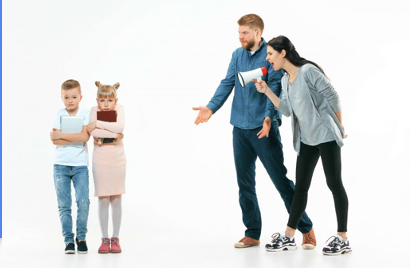
authoritarian
parental behavior
impose rules/expect obedience. orders are NOT to be questioned
communication is one-way, from parent → child
ex. “because i said so,” “as long as you live under my roof, you follow my rules”
common outcome in children
less social skills/self-esteem
higher anxiety regarding social comparisons
show less intiative and have lower communication skills than authoritative kids
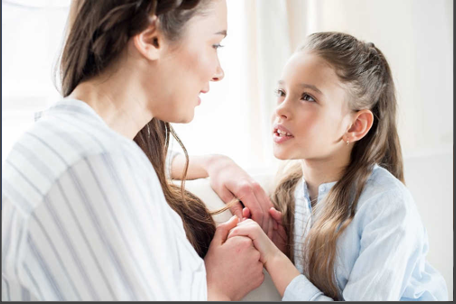
authoritative
the best parenting style
parental behavior
both demanding and responsive
exert control by setting rules and enforcing them, but also by explaining the reasons/encouraging dialogue
communication is two-way between parent and child
common outcome in children
children with the highest self-esteem/self-reliance/social competence usually have authoritative parents
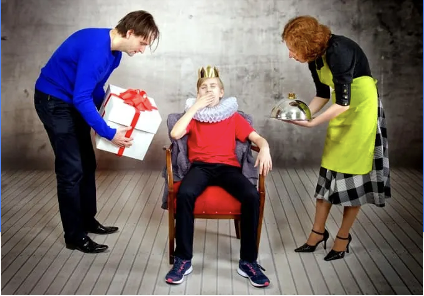
permissive/indulgent
parental behavior
highly involved but submits to children’s desires
makes very few demands
uses little punishment
common outcome in children
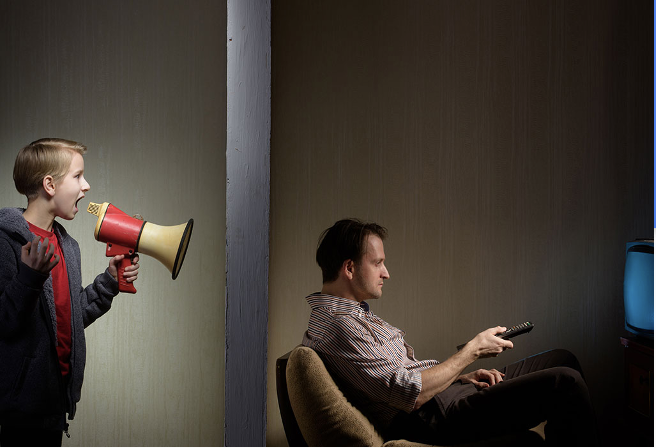
children tend to be more aggressive/immature
struggle with understanding boundaries
show less initiative and have lower communication skills
neglectful
the worst parenting style
parental behavior
little involvement in child’s life
unaware of what the child is doing/how the child feels/thinks
communication is rare to non-existent
common outcome in children
same outcomes as authoritarian AND permissive
inferiority complex
all children experience it but some don’t get over it
insecurity, low self-esteem
inability to reach goals
gives up easily
experieces depression and anxiety
ex. baiting you to validate them
superiority complex
the need to prove superiority to others
impatient
always the “best” or trying to “one-up”
can be born out of inferiority complexes until they find something they can succeed at
ex. AP kids
learning
a permanent change in behavior/knowledge that occurs as a result of an experience
NOT a change due to growth/maturing
examples of learned behaviors
sharing, social norms, walking/driving certain side of the road
3 major types of behavioral learning
classical conditioning
operant conditioning
observational conditioning
classical conditioning
when an originally neutral stimulus (one that doesn’t elicit a specific reflex) produces a conditioned response because of its association with an unconditioned stimulus
stimulus
anything that can trigger/stimulate a physical/behavioral change
anything in the environment that one can respond to
an object/event that elicits a sensory/behavioral response
types of stimuli
unconditioned stimulus (UCS)
conditioned stimulus (CS)
unconditioned stimulus (UCS)
a stimulus that triggers a response automatically
ex. the smell of food eliciting hunger
conditioned stimulus (CS)
neutral stimulus + learning → creating a conditioned response
ex. you always smell food in the kitchen, so whenever you enter the kitchen you get hungry even without the scent of food
unconditioned stimulus (UCS) _______ an unconditioned response (UCR)
PRODUCES
this means that UCRs are reflexive and not learned
ex. someone blows in your eye → you blink
ex. you hear a loud sound → you jump
ex. you smell Auntie Anne’s pretzels → you crave a pretzel
ex. a feather tickles your nose → you sneeze/itch your nose
ex. cutting an onion → your eyes get wtaery
ex. stub your toe → you wince, cuss, limp in pain
types of responses
unconditioned response (UCR or UR)
conditioned response (CR)
unconditioned response (UCR or UR)
the response to the unconditioned stimulus (UCS)
the relationship between the UCS and UCR is reflexive and not learned
conditioned response (CR)
the response to the previously neutral conditioned stimulus (CS)
will generally be the same as the unconditioned response (UCR)

applying classical conditioning to the office
UCS = offering the mint
UCR = accepting the mint
CS = sound of reboot
CR = accepting the mint
applying classical conditioning to pavlov’s dogs
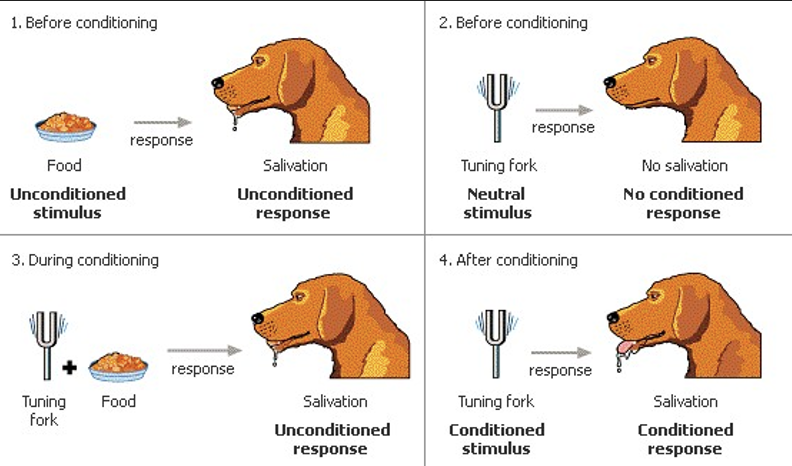
role of timing in classical conditioning
conditioned stimulus needs to be given 0.5 seconds BEFORE the unconditioned stimulus so an association can be formed
applying classical conditioning to the scenario: every time you take a shower, someone flushes the toilet which makes the water turn cold, making you turn cold. now every time you hear a toilet flush, you get cold
UCS = cold water
UCR = you feel cold
CS = sound of toilet flushing
CR = you feel cold
applying classical conditioning to the scenario: it is springtime and the pollen from the flowers causes you to sneeze. now, every spring your nose starts itching at the sight of blooming flowers
UCS = pollen
UCR = sneeze
CS = blooming flowers
CR = nose itches/sneeze
acquisition
a sign of successful classical conditioning
when CS triggers the CR without the UCS
happens once the previously neutral stimulus begins triggering the conditioned response
extinction
the diminishing of a conditioned response (CR)
spontaneous recovery
the reappearance of an extinguished conditioned response (CR) after a pause in conditioning
ex. military veterans ducking under table at a loud sound
generalization
the tendency for stimilar stimuli to the conditioned stimulus (CS) to elicit a similar response to the conditioned response (CR)
ex. when little albert began thinking all furry things were scary instead of just mice ☹
discrimination
the learned ability to distinguish between a conditioned stimulus (CS) and similar stimuli
operant conditioning
associative learning process
consequences change voluntary behavior
(+) and (-) reinforcements and punishments
difference between classical and operant conditioning
classical changes involuntary behavior
operant changes voluntary behavior
reinforcements ________ the likelihood of repeating the behavior
increase
punishments ________ the likelihood of repeating the behavior
decrease
explain the design and results of thorndike’s experiment
design
made puzzle box and put cats in it
only escape was to turn the lever
when the cat escapes, they’re rewarded with food
results
trial and error: the 1st escape was totally random
2nd+ escapes are deliberate
the cats progressively escape faster and faster bc they expect food
proved that positive reinforcements encourage the behvaior
consequences → learning
law of effect
actions followed by favorable consequences are more likely to be repeated than actions followed by unfavorable consequences
positive consequence
something is being added
negative consequence
something is being taken away
examples of positive reinforcement
you get a gas giftcard for safe driving
you get a gold star for raising your hand
you get a hug from your mom for washing the dishes
examples of negative reinforcement
buzzing until a seatbelt is put on
your mom nags you until you clean your room
no homework as a reward for good behavior
examples of positive punishment
you get a speeding ticket for speeding
you get extra chores for misbehaving
you get detention for tardiness
examples of negative punishment
you get your license revoked for unsafe driving
you lose your recess time for misbehaving
removing attention
all consequences shape ________
behavior
observational learning
learning by observing others/imitating their behavior
ex. babies won’t be afraid of snakes until they see their mom being scared of it
stages of observational learning
attention
retention
production
motivation
reinforcement
attention
the learner focuses on the model’s behavior
retention
the learner retains the model’s behavior in their memory
verbal description/vivid images helps with that
production
the learner is capable of performing the behavior
limits in fine motor skills can impact this
motivation
the learner is in a situation where the behavior is useful to them
reinforcement
needed to repeat the behavior
role of positive role models
important to make sure learners are copying good behaviors
bandura’s bobo doll experiment
set up
question: can social behaviors like agression be acquired from observation/imitating
set up: 36 boys and 36 girls ages 3–6 years old split into three groups
modeling: one group watched an adult act aggressively toward the bobo doll, one group watched an adult quietly play with other toys, one group didn’t watch anything
aggression arousal: the researchers let the children play with toys only to take them away (purposely getting them mad)
observation: the researchers would then see how the children would react to the frustration
results
children who were in the aggressive group were more likely to take out their anger on the bobo doll (especially boys)
children who were in the quiet group were more likely to take out their anger on quiet activities