OMIS 3500 EXAM 3
 Call Kai
 Learn
Learn Practice Test
 Spaced Repetition
 Match
Match Flashcards
 Knowt Play
1/58

There's no tags or description
Looks like no tags are added yet.
Name | Mastery | Learn | Test | Matching | Spaced | Call with Kai |
|---|
No analytics yet
Send a link to your students to track their progress
59 Terms
Business value of ERP systems
•Increased operational efficiency
•Provide firm-wide information to support decision making
•Enable rapid responses to customer requests for information or products
•Include analytical tools to evaluate overall organizational performance and improve decision-making
AI and ERP systems
•ERP system vendors are increasingly incorporating AI
•Many ERP systems now include natural language processing capabilities
•AI-driven ERP systems can identify patterns in very large volumes of data
supply chain
network of organizations and processes for:
procuring material
transforming materials into products
distributing the products
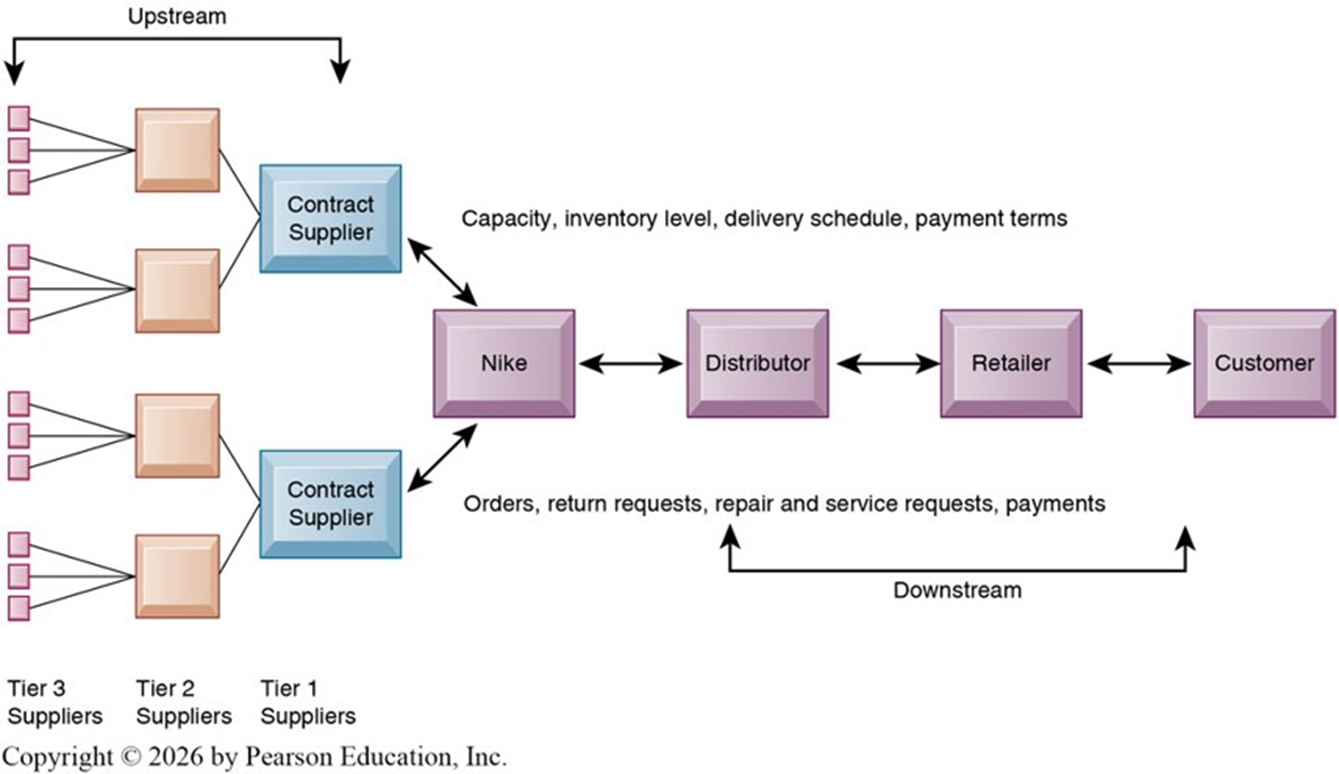
upstream, downstream, and internal supply chain
know the parts of Nike’s supply chain
Inefficiencies cut into a company’s operating costs
Can waste up to 25 percent of operating expenses
just-in-time strategy
–Components arrive as they are needed
–Finished goods shipped after leaving assembly line
safety stock
buffer for lack of flexibility in supply chain
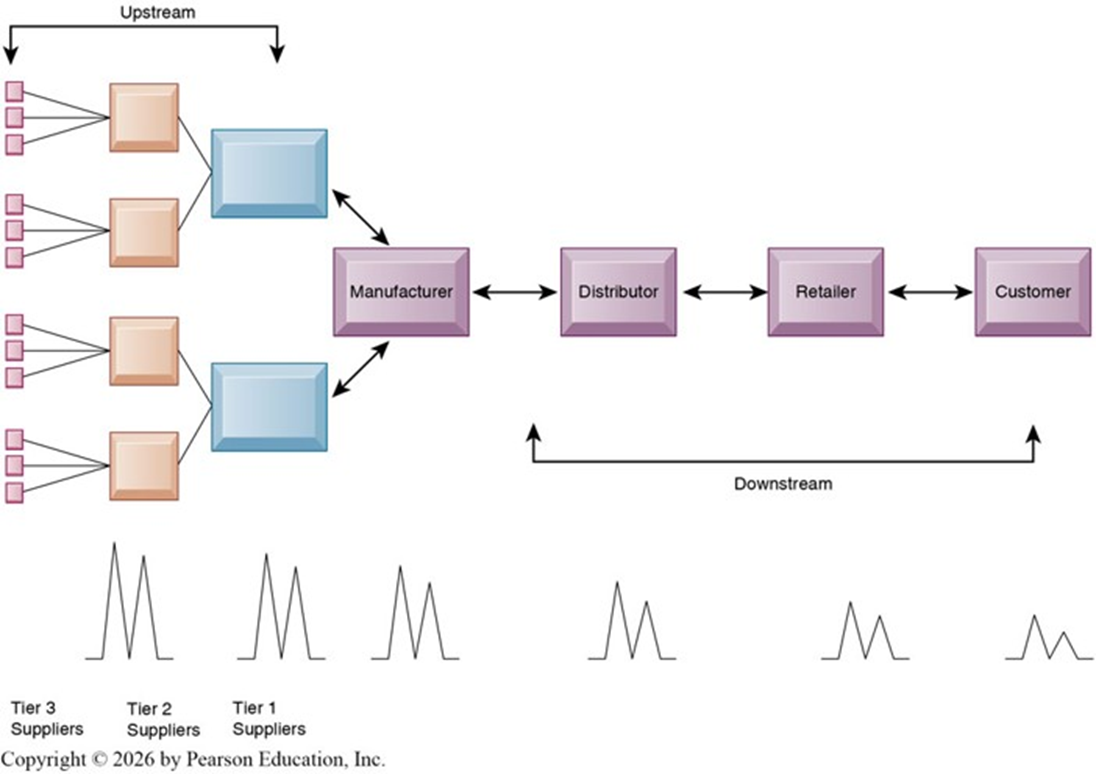
bullwhip effect
–Information about product demand gets distorted as it passes from one entity to next across supply chain
the bullwhip effect
•Supply chain planning systems
–Model existing supply chain
–Enable demand planning
–Optimize sourcing, manufacturing plans
–Establish inventory levels
–Identify transportation modes
Supply chain execution systems
–Manage flow of products through distribution centers and warehouses
business value of SCM systems
•Match supply to demand
•Reduce inventory levels
•Improve delivery service
•Speed product time to market
•Use assets more effectively
–Total supply chain costs can be 75 percent of operating budget
•Increase sales
global supply chain issues
–Geographical distances, time differences
–Participants from different countries
▪Different performance standards
▪Different legal requirements
internet helps manage global complexities
•Internet helps manage global complexities
–Warehouse management
–Transportation management
–Logistics
–Outsourcing
AI and Supply chain management
•AI is very useful for analyzing the proliferating amount of big data generated by modern global supply chains
–To develop more accurate forecasts
–Reveal operational insights
–Improve efficiency of storage and transportation processes across vast logistics networks with multiple partners
Customer relationship management (CRM) system
–Captures and integrates customer data from all over the organization
–Consolidates and analyzes customer data
–Distributes customer information to various systems and customer touch points across enterprise
–Provides a single enterprise view of customers
CRM systems
sales, marketing, service
sales
telephone sales
wed sales
retail store sales
field sales
service
call center data
web self-service data
mobile data
field service data
social network data
Marketing
campaign data
content
data analysis
CRM systems
Commercial_________ software packages range from niche tools to large-scale enterprise applications
sales force automation (SFA modules)
▪Sales prospect and contact information
▪Sales quote generation capabilities
customers service
▪Assigning and managing customer service requests
▪Web-based self-service capabilities
marketing
▪Assigning and managing customer service requests
▪Web-based self-service capabilities
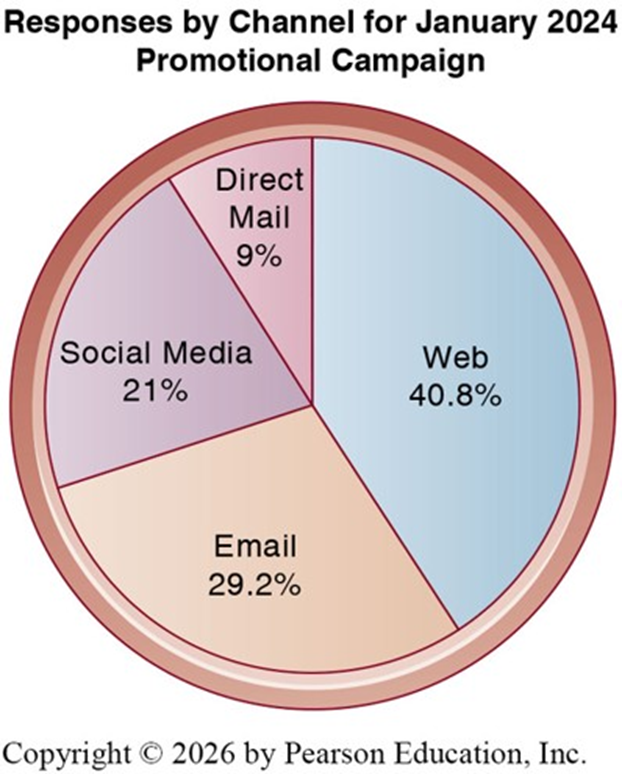
how CRM systems support marketing
business value of CRM systems
–Increased customer satisfaction
–Reduced direct-marketing costs
–More effective marketing
–Lower costs for customer acquisition/retention
–Increased sales revenue
churn rate
–Number of customers who stop using or purchasing products or services from a company
–Indicator of growth or decline of firm’s customer base
CRM and AI
•Machine learning, generative AI, and other AI technologies are being integrated into CRM systems
–To automate, enhance, and optimize CRM processes
•AI enables businesses to analyze vast amounts of customer data in real time
E-commerce
–The use of the Internet and the web, and mobile apps and browsers running on mobile devices to transact business
–Can be defined as digitally enabled commercial transactions between and among organizations and individuals
–Said to have begun in 1995
–Social, mobile, and local e-commerce are connected
–Move from desktop to smartphone
AI and E-commerce
–Some real-world examples of how companies are currently using AI for e-commerce
▪Walmart has recently launched a GenAI search tool that delivers more relevant search results and product recommendations
▪eBay’s Shop the Look relies on GenAI to provide users with a curated selection of outfits based on shopping histories
▪Target is using GenAI to generate product descriptions and tags to optimize search engine performance.
▪Etsy is using GenAI to remove listings that violate its policies from its search results
ubiquity
–Marketspace is virtual
–Transaction costs reduced
global reach
–Transactions cross cultural and national boundaries
universal standards
–Technical standards of the Internet are universal standards
–These standards of the Internet and e-commerce greatly lower market entry costs
Market entry costs
_______ are the costs merchants must pay simply to bring their goods to market
richness
–Refers to the complexity and content of a message
interactivity
–Devices allow for two-way communication between merchant and consumer and peer-to-peer communication among individuals
information density
–Total amount and quality of information available to all market participants, consumers, and merchants alike
–Price transparency
–Cost transparency
–Price discrimination
price transparency
▪The ease with which consumers can find out the variety of prices in a market
Cost transparency
▪The ability of consumers to discover the actual costs that merchants pay for products
price discrimination
Selling the same goods, or nearly the same goods to different targeted groups at different prices
personalization
When merchants target their marketing messages to specific individuals by adjusting the message to a person’s clickstream behavior, name, interests, and past purchases
customization
▪Changing the delivered product or service based on a user’s preferences or prior behavior
social technology
▪Changing the delivered product or service based on a user’s preferences or prior behavior
digital markets and digital goods
•Internet and digital markets have changed the way companies conduct business
–Information asymmetry reduced
–Menu costs, search and transaction costs reduced
–Dynamic pricing enabled
–Switching costs may be increased or decreased
–Disintermediation
the benefits of disintermediation to the consumer
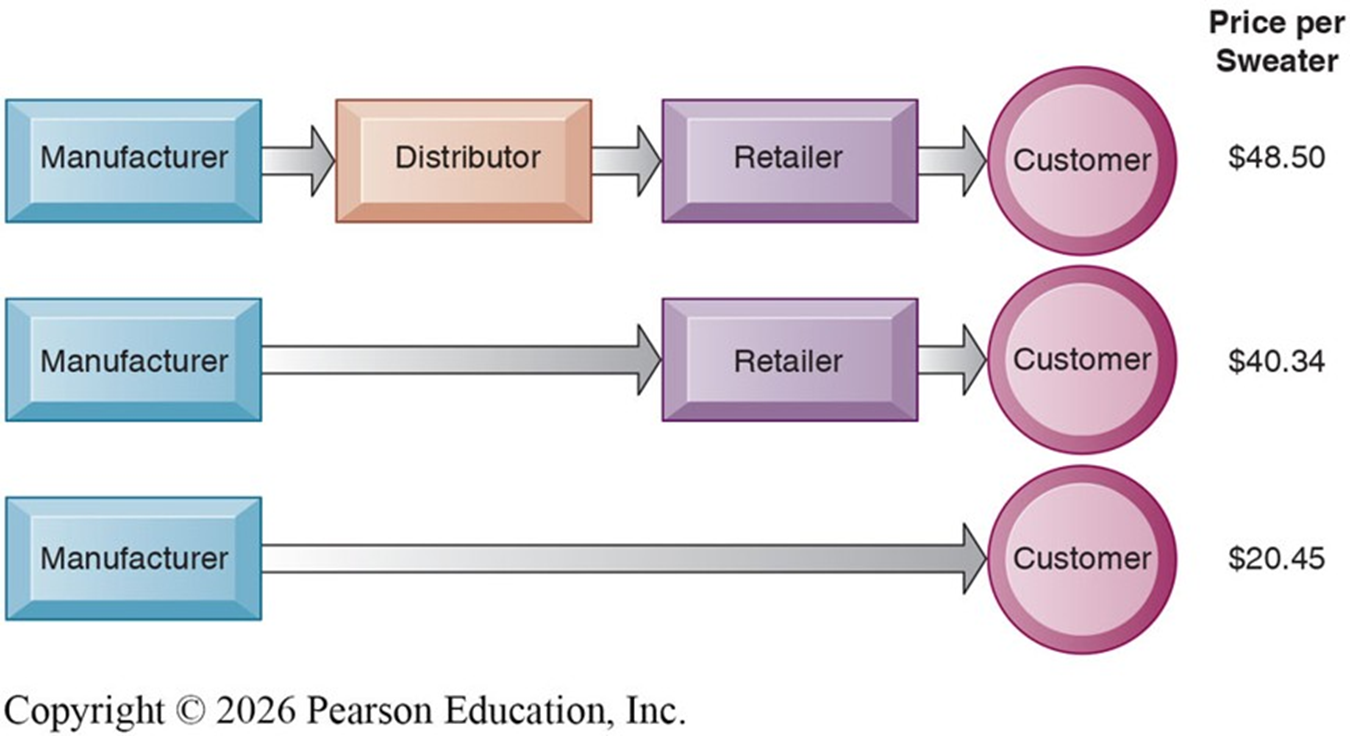
reduced search and transaction costs
lower menu costs
dynamic pricing
disintermediation
Digital markets are flexible, efficient, and operate with…
lower menu costs
▪Merchants’ costs of changing prices
▪Greater price discrimination
▪The ability to change prices dynamically based on market conditions
dynamic pricing
▪Price of a product or service varies depending on the demand characteristics of the customer or the supply situation of the seller
disintermediation
▪The removal of organizations or business process layers responsible for intermediary steps in a value chain is called
digital goods
–Delivered over a digital network
–Cost of producing first unit is almost entire cost of product
–Costs of delivery over the Internet very low
–Marketing costs remain the same; pricing highly variable
–Industries with digital goods are undergoing revolutionary changes (publishers, record labels, etc.)
types of e-commerce and e-commerce business models
–Business-to-consumer e-commerce (B2C)
▪Walmart, Amazon, Apple Music
–Business-to-business e-commerce (B2B)
▪Grainger
–Consumer-to-consumer e-commerce (C2C)
▪eBay, Craigslist
revenue model
•A firm’s_________ describes how the firm will earn revenue, generate profits, and produce a return on investment
advertising revenue model
▪Based on generating revenue from online advertising
sales revenue model
▪Based on generating revenue from the sale of goods, content, and/or services to customers
subscription revenue model
▪Based on generating revenue from subscription fees charged for access to some or all of a company’s content or services
revenue models
–Free/Freemium revenue model
–Transaction fee revenue model
–Affiliate revenue model
–Free/Freemium revenue model
▪Basic services or content for free but generates revenue from a premium charged for advanced or special features
–Transaction fee revenue model
▪Based on generating revenue from fees for enabling or executing transactions
–Affiliate revenue model
A business steers customers to an “affiliate” which then pays the company a referral fee or percentage of the revenue from any resulting sales