Eco U3 AOS 2 Statistics
 Call Kai
 Learn
Learn Practice Test
 Spaced Repetition
 Match
Match Flashcards
 Knowt Play
1/6

There's no tags or description
Looks like no tags are added yet.
Name | Mastery | Learn | Test | Matching | Spaced | Call with Kai |
|---|
No analytics yet
Send a link to your students to track their progress
7 Terms
A) Outline inflation right after covid (2021-2022) + what did RBA do in response
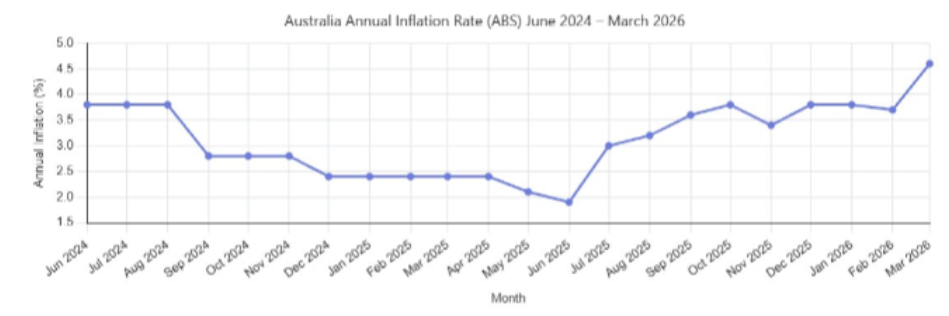
B) Inflation between Sep 2024 and July 2025 + was it in target range
C) Inflation from mid 2025 to now (March 2026) —> what the RBA has done in response
D) Is the goal of low inflation being currently achieved
A) After covid, inflation has increased significantly reaching a peak of 7.8% in mid-2022 --> which causes the RBA to increase the cash rate to lower inflation
B) Inflation fell between Sep 2024 to July 2025 --> where it was in the target range of 2-3%
C) Now inflation has been rising since mid 2025 and now is above the target range --> so RBA has started increasing the cash rate again
The current inflation rate is 4.6% for the 12 months ending March 2026
The current trimmed mean inflation rate (underlying inflation) is 3.5% for the year ending March 2026
D) Thus at the moment, the goal of low inflation and price stability has not been achieved
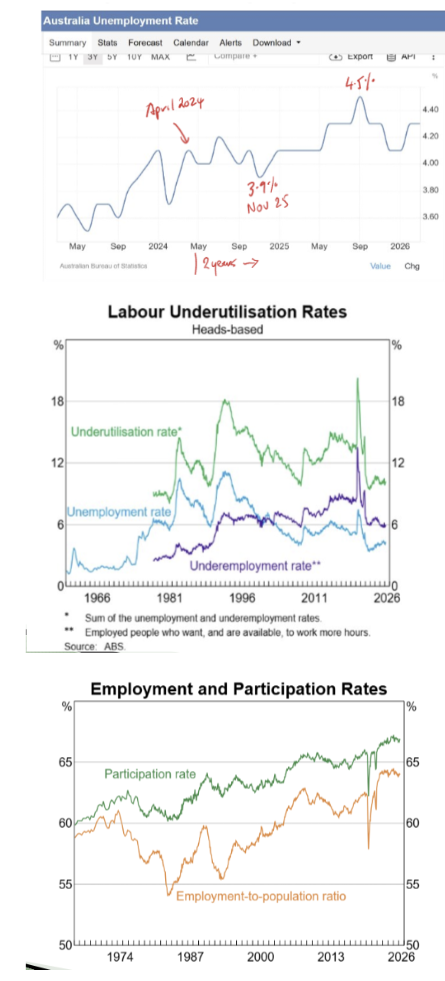
A) Describe the unemployment rate after covid (around 2022)
B) Describe the current unemployment rate (March 2026) + whether we have been in the range for the past 2 years
C) Has the goal of FE been achieved
A) After Covid (2022) the unemployment rate dropped due to increased economic growth where it reached 3.4%
B) However since then unemployment has started increasing a bit and is currently at 4.3% (March 2026) --> And we have been in the 4-4.5% range for 2 years (except Nov 2025 where it was 3.9%)
C) Although we are in that target range, inflation is out of its target range = so it can be argued that we haven't achieved the FE goal as the current unemployment rate is inflationary
A) Describe growth rate in real GDP in 2022
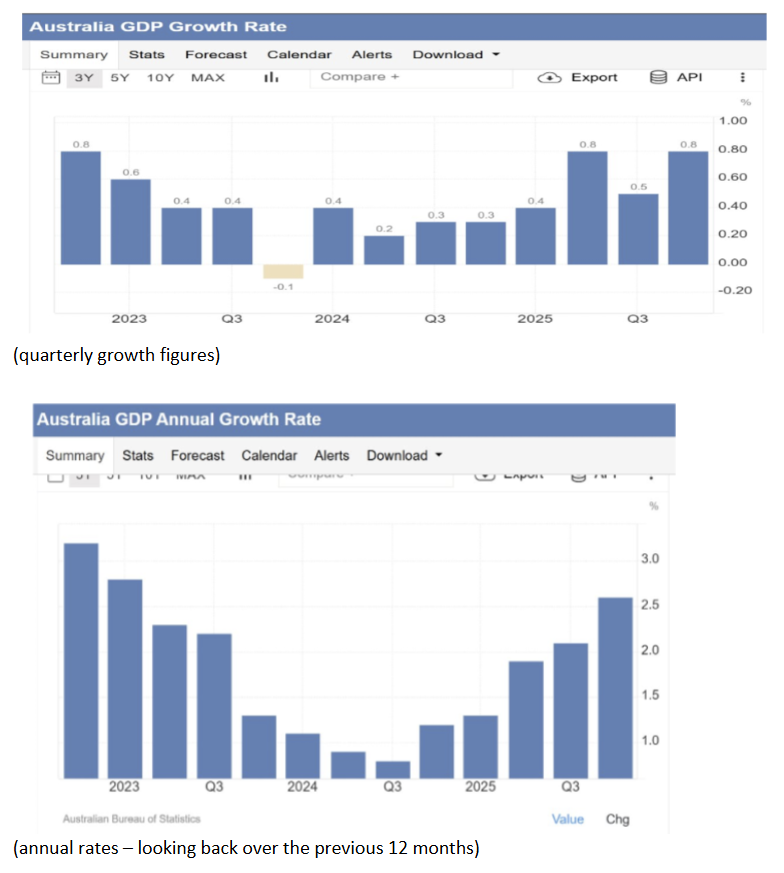
B) Describe growth since 2024 + whether it is within the target range
C) Growth rate in GDP in the 12 months ending Dec 2025
D) Whether the goal of SSEG has been achieved
A) In 2022 growth bounced back strongly then slowed down (probably due to increased cash rates/interest rates)
B) However since 2024, GDP growth has been recovery (expansion) but still below the target rate
C) Growth in GDP in the 12 months ending Dec 2025 was 2.6%
D) Below the target of 3 – 3.5% and thus the goal of SSEG has not been achieved, further inflation is above the target range so not sustainable
A) Describe consumer confidence trend from 2025 to now + outline why
B) How with this affect AD/AS
CC dropped significantly since late 2025 and is now around 80 points, likely due to the war in Iran – increase in fuel and grocery prices --> fear of cost inflation and interest rates so they become more cautious
100 = neutral
80 = pessimistic
--> This would likely reduce consumption and investment thus also AD
--> It would likely to increase savings
Describe how the value of AUD has changed from 2025 to now + how will it affect AD/AS
Since the start of 2025, the AUD value has appreciated (trended upwards) from approx. 0.62USD to 0.72USD
--> This would likely decrease AD
--> This would likely increase AS
Describe how interest rates has changed + how will it affect AD/AS
The cash rate (lowest interest rate which is the base for other interest rates) have been increasing since Feb 2026 as RBA tries to lower inflation --> it is currently at 4.35%
Housing loans and business loans are higher
--> This would likely decrease AD = less discretionary income
--> This would likely decrease AS = higher production costs