IBOLC Entrance Exam APR2026
 Call Kai
 Learn
Learn Practice Test
 Spaced Repetition
 Match
Match Flashcards
 Knowt Play
1/100

There's no tags or description
Looks like no tags are added yet.
Name | Mastery | Learn | Test | Matching | Spaced | Call with Kai |
|---|
No analytics yet
Send a link to your students to track their progress
101 Terms
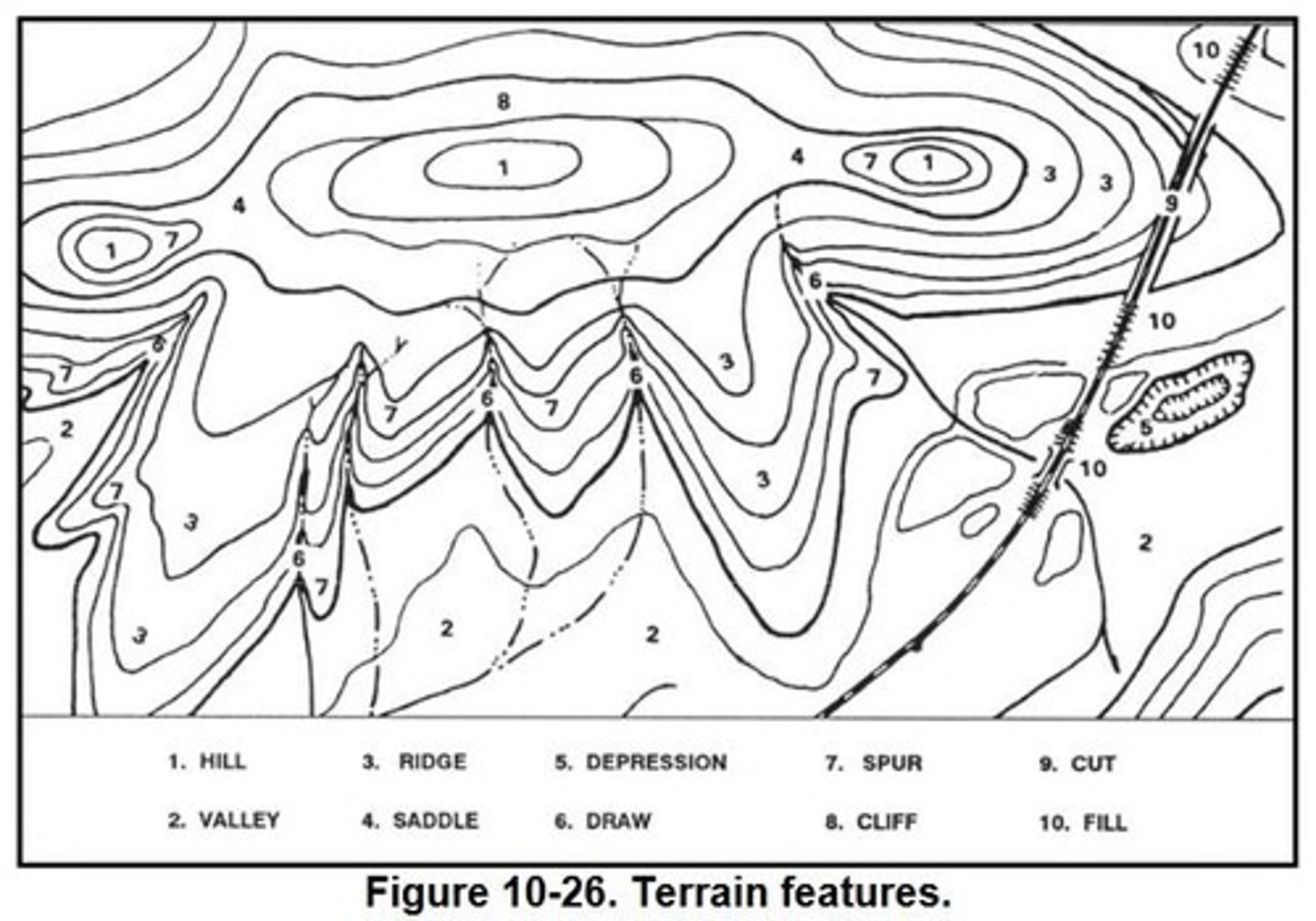
Terrain Features (Major)
Hill, Valley, Ridge, Saddle, Depression
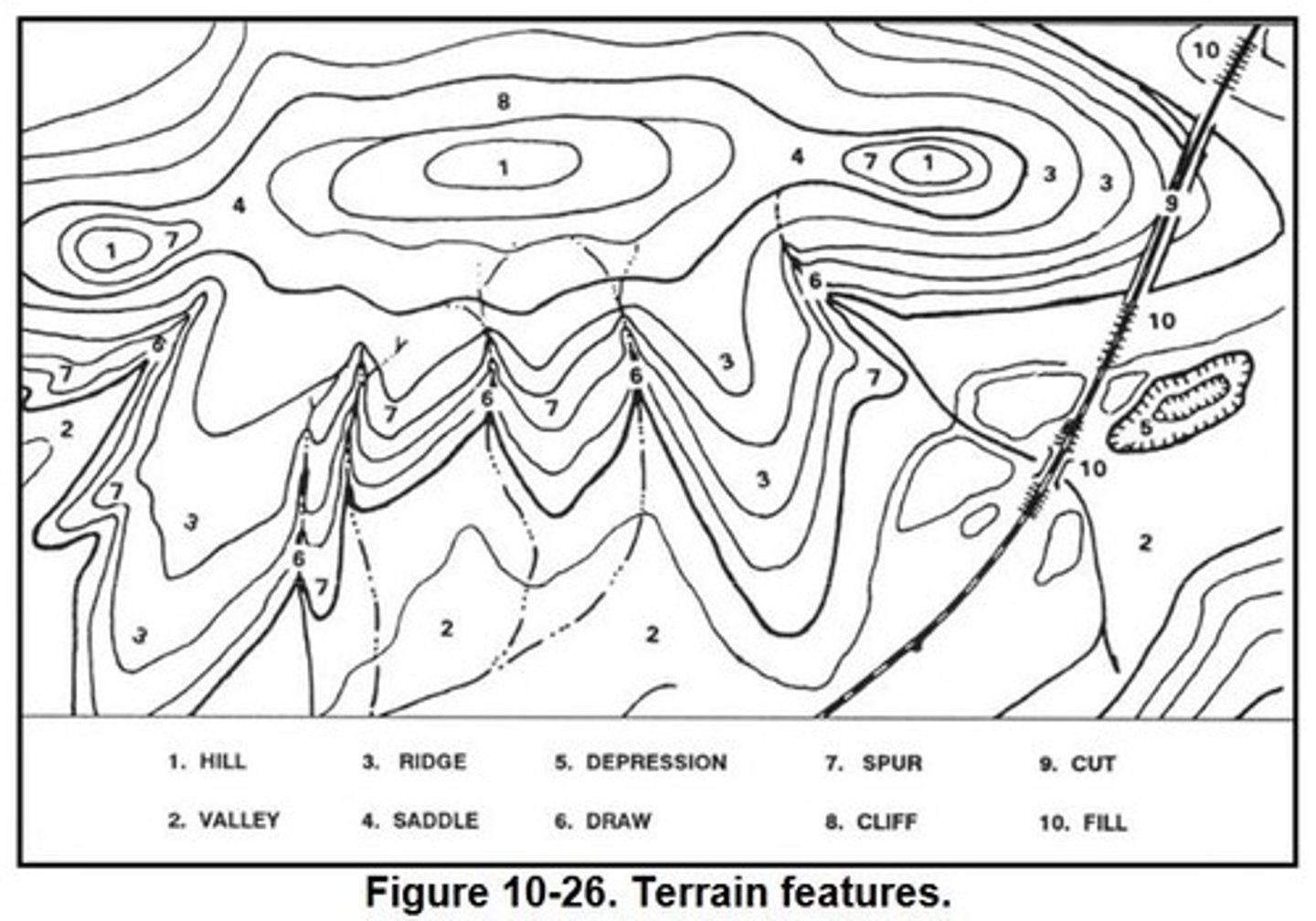
Terrain Features (Minor)
Draw, Spur, Cliff
Contour Interval
Vertical distance between contour lines (check map margin; commonly 10m or 20m)
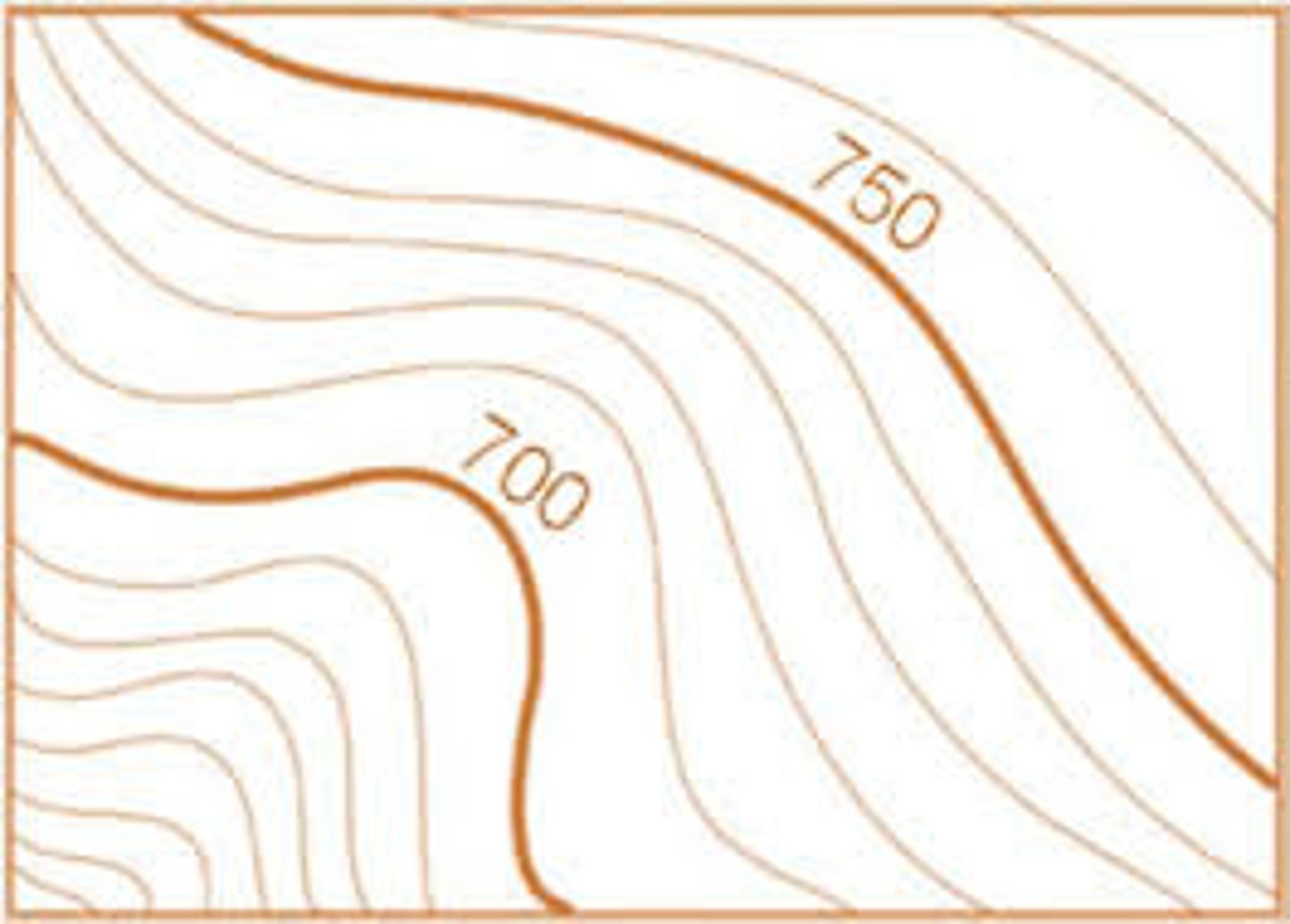
Contour Lines Close Together
Indicate steep terrain
Contour Lines Far Apart
Indicate gentle slope
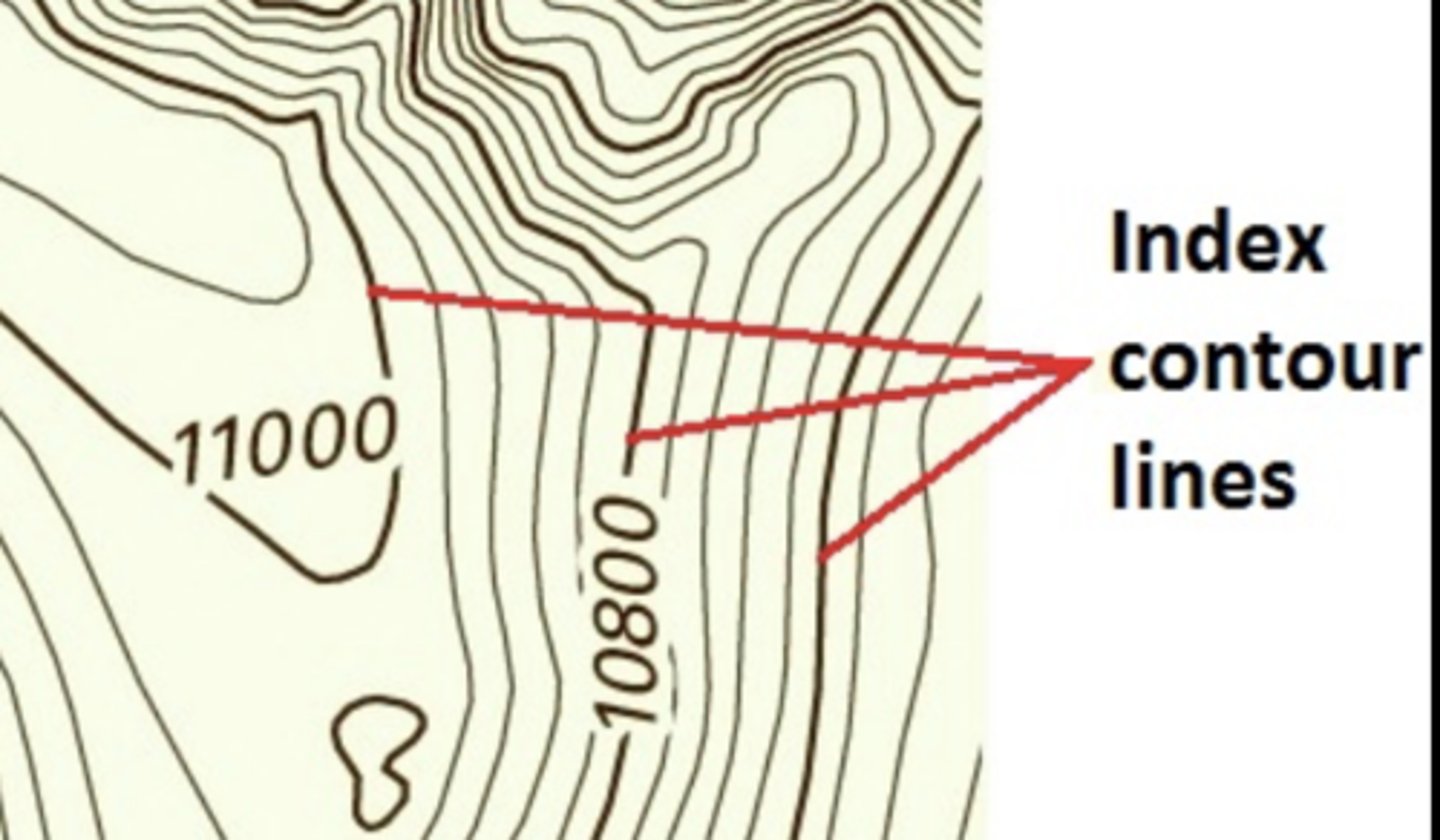
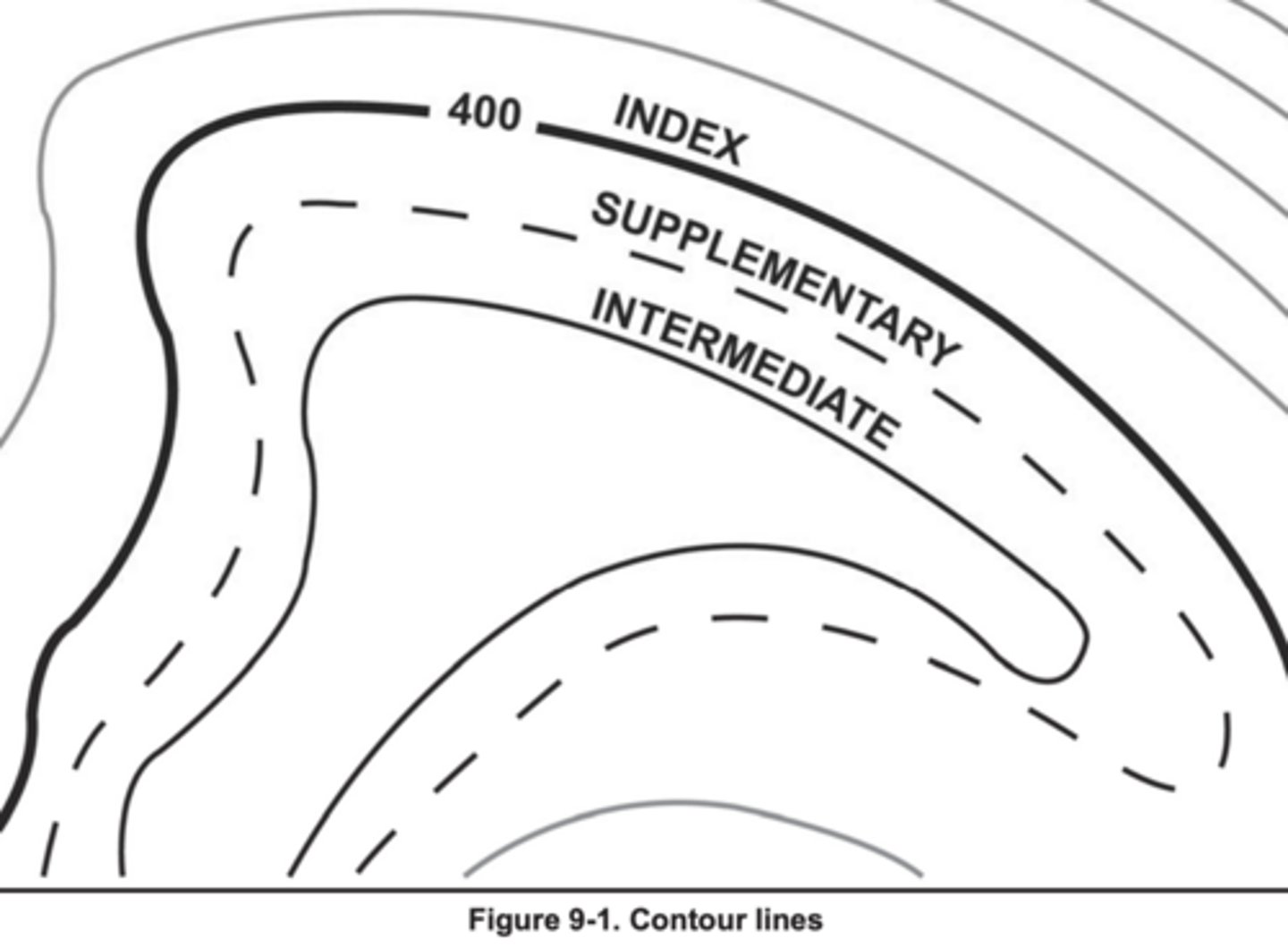
Index Contour Line
Every 5th line, thicker, labeled elevation
Supplemental Contour Line
Shown in dashes. show changes in elevation of at least one-half the contour interval. Usually in areas with little elevation change.
Map Colors (Black)
Man-made features
Map Colors (Blue)
Water
Map Colors (Green)
Vegetation
Map Colors (Brown)
Elevation/contours
Map Colors (Red)
Major roads/populated areas
M4 Max Range
Approximately 3,600 meters
M4 Effective Range (Point Target)
500 meters
M4 Effective Range (Area Target)
600 meters
M249 Max Range
Approximately 3,600 meters
M249 Effective Range (Point)
600 meters
M249 Effective Range (Area)
800-1,000 meters
M249 Rate of Fire (Sustained)
~50 rounds per minute
M249 Rate of Fire (Rapid)
~100 rounds per minute(Rapid)
M249 Rate of Fire (Cyclic)
~700-850 rounds per minute
M240 Max Range
Approximately 3,725 meters
M240 Effective Range (Point Bipod)
600 meters
M240 Effective Range (Area Bipod)
800 meters
M240 Rate of Fire (Sustained)
~100 rounds per minute(Sustained)
M240 Rate of Fire (Rapid)
~200 rounds per minute
M240 Rate of Fire (Cyclic)
~650-950 rounds per minute
Troop Leading Procedures (8 Steps)
Receive mission; Issue WARNO; Make tentative plan; Initiate movement; Conduct reconnaissance; Complete plan; Issue OPORD; Supervise and refine
Mission Statement Format
WHO, WHAT, WHEN, WHERE, WHY
OPORD Sections
Situation; Mission; Execution; Sustainment; Command & Signal
Offensive Characteristics
Surprise; Concentration; Tempo; Audacity
Surprise
Striking the enemy at an unexpected time/place/manner
Concentration
Massing combat power at the decisive point
Tempo
Speed of operations to overwhelm enemy decision-making
Audacity
Bold, aggressive execution to maintain initiative
Movement to Contact
Develop the situation and gain contact with the enemy(OFFENSE)
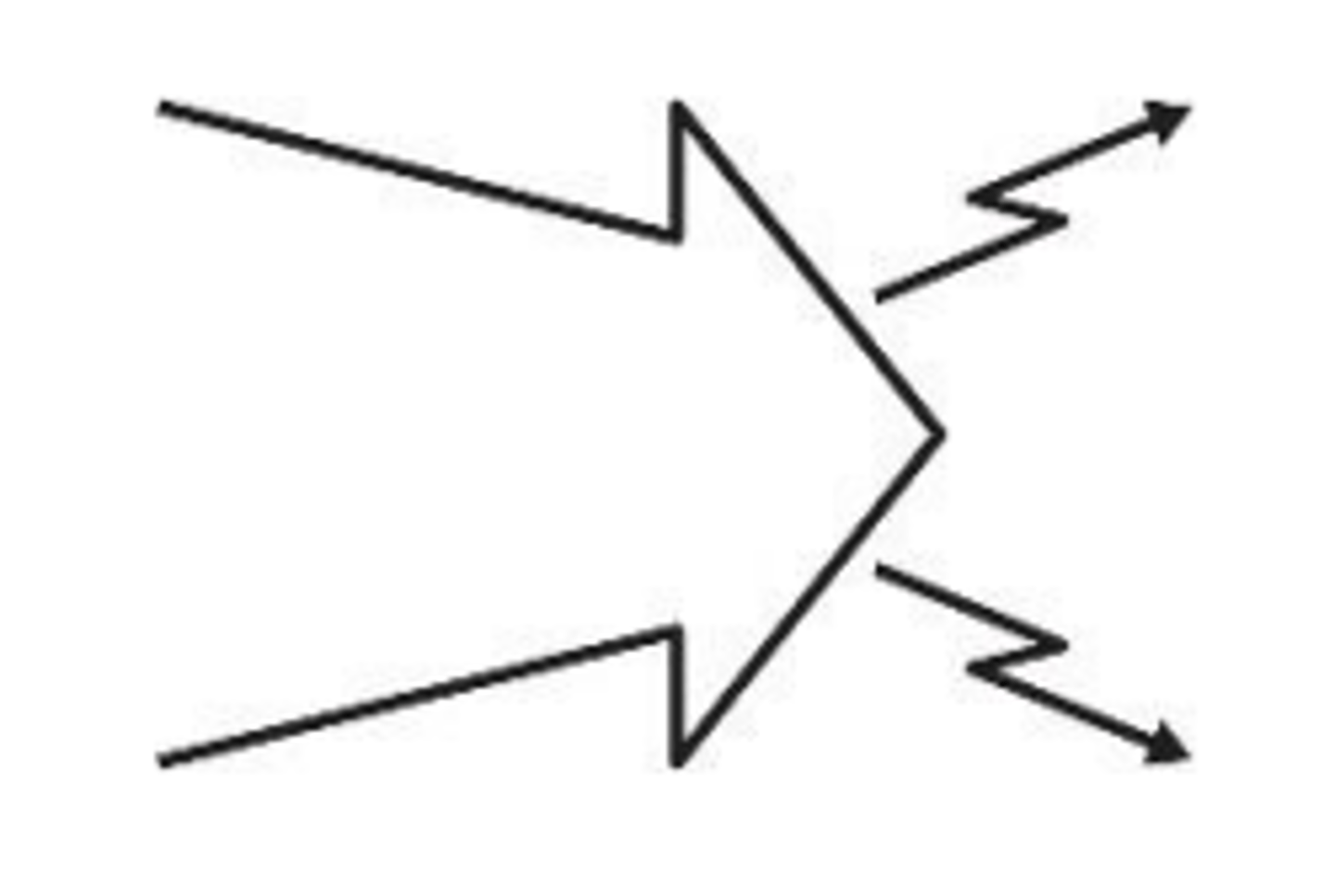
Exploitation
Rapidly follow a successful attack to disorganize the enemy
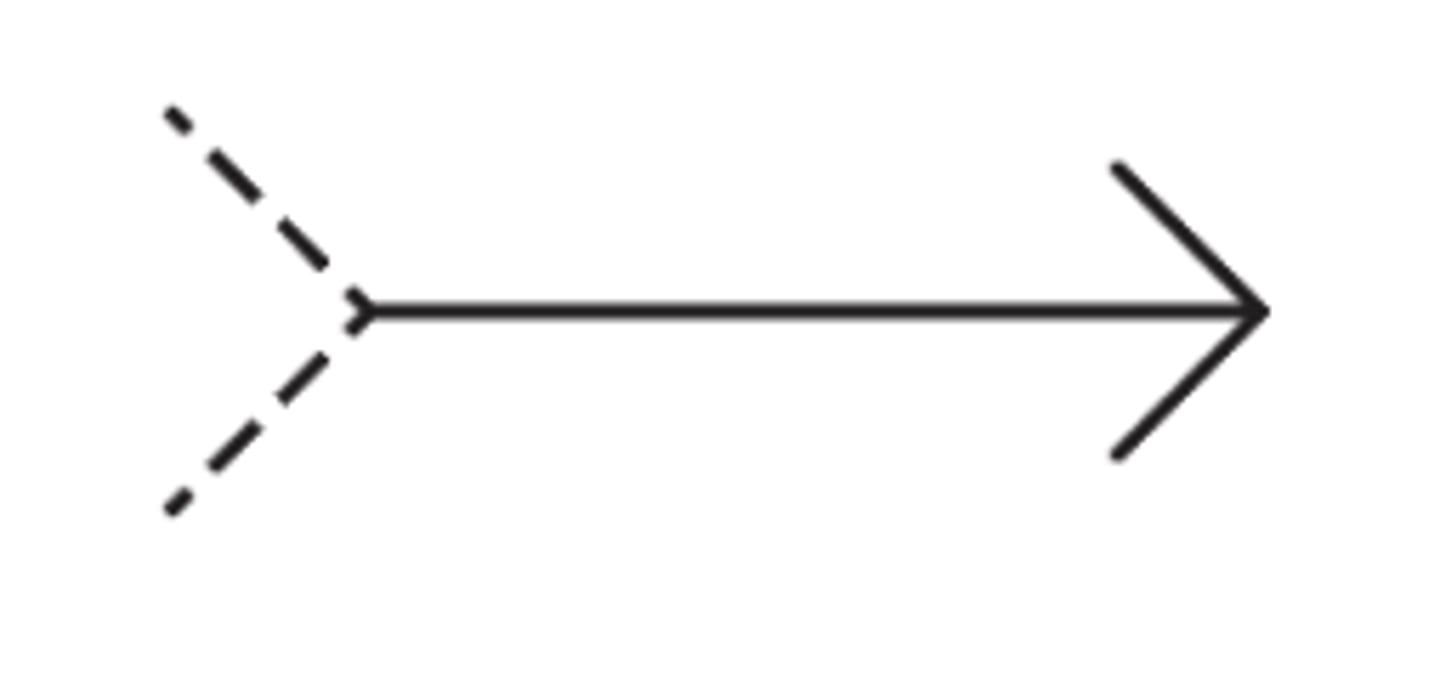
Pursuit
Chase and destroy a withdrawing enemy
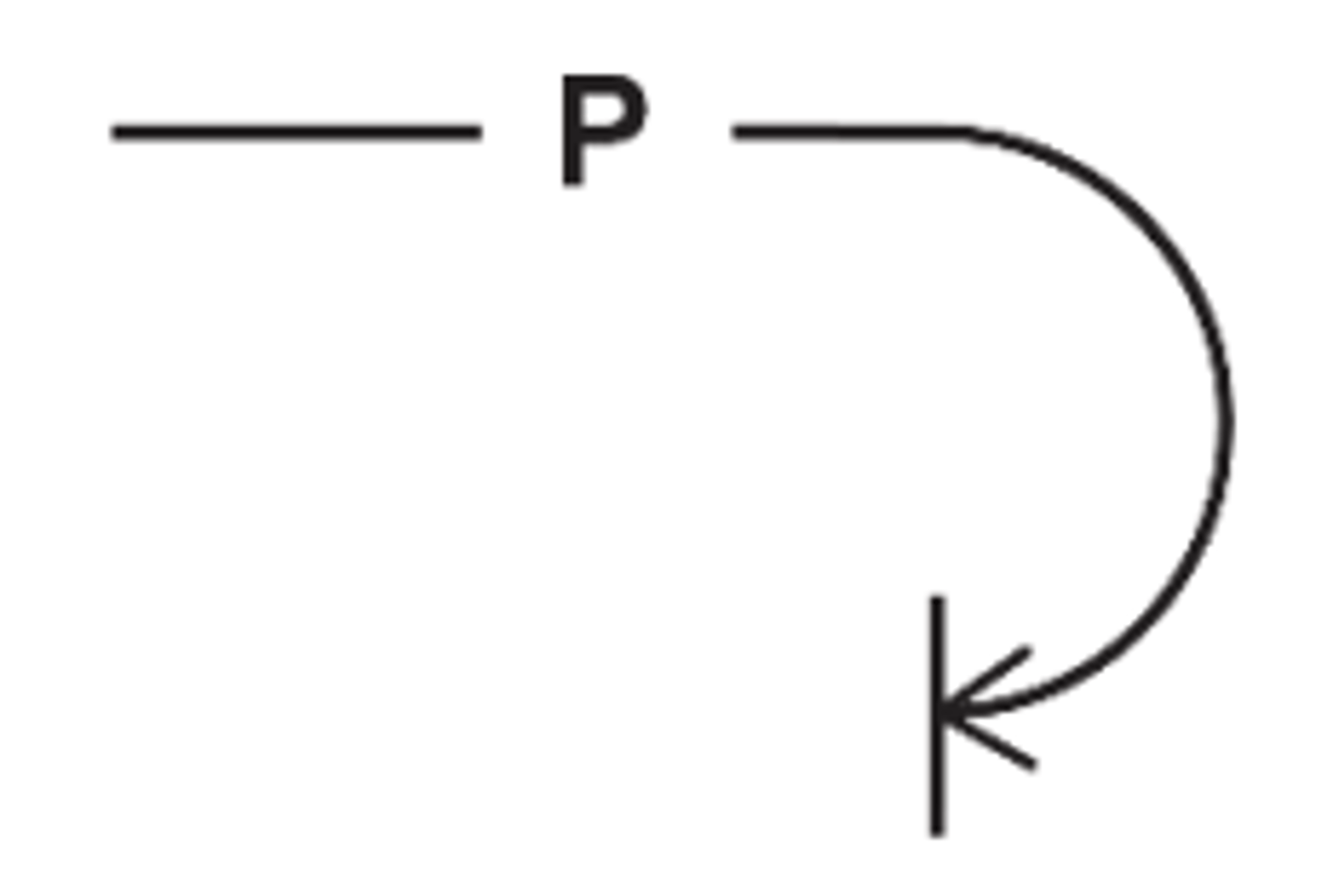
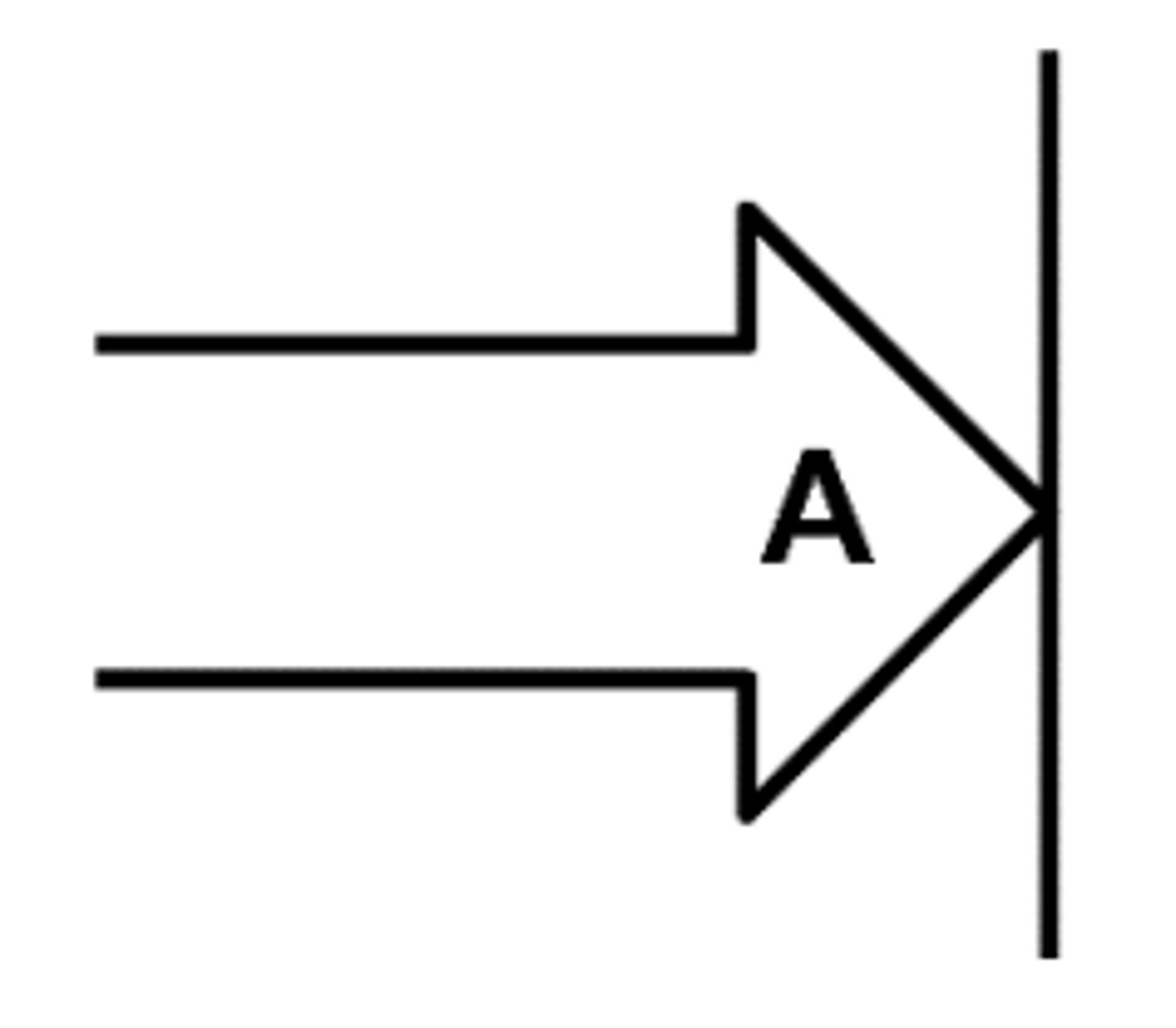
Envelopment
Attack enemy flank(s)
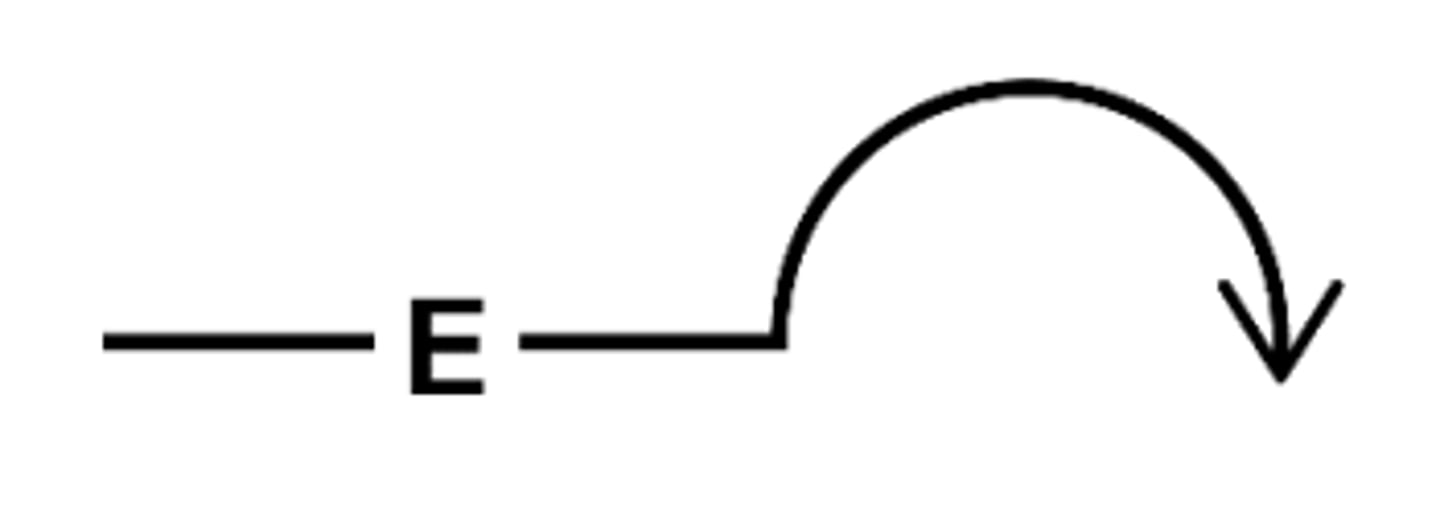
Turning Movement
Force enemy to abandon position by threatening rear
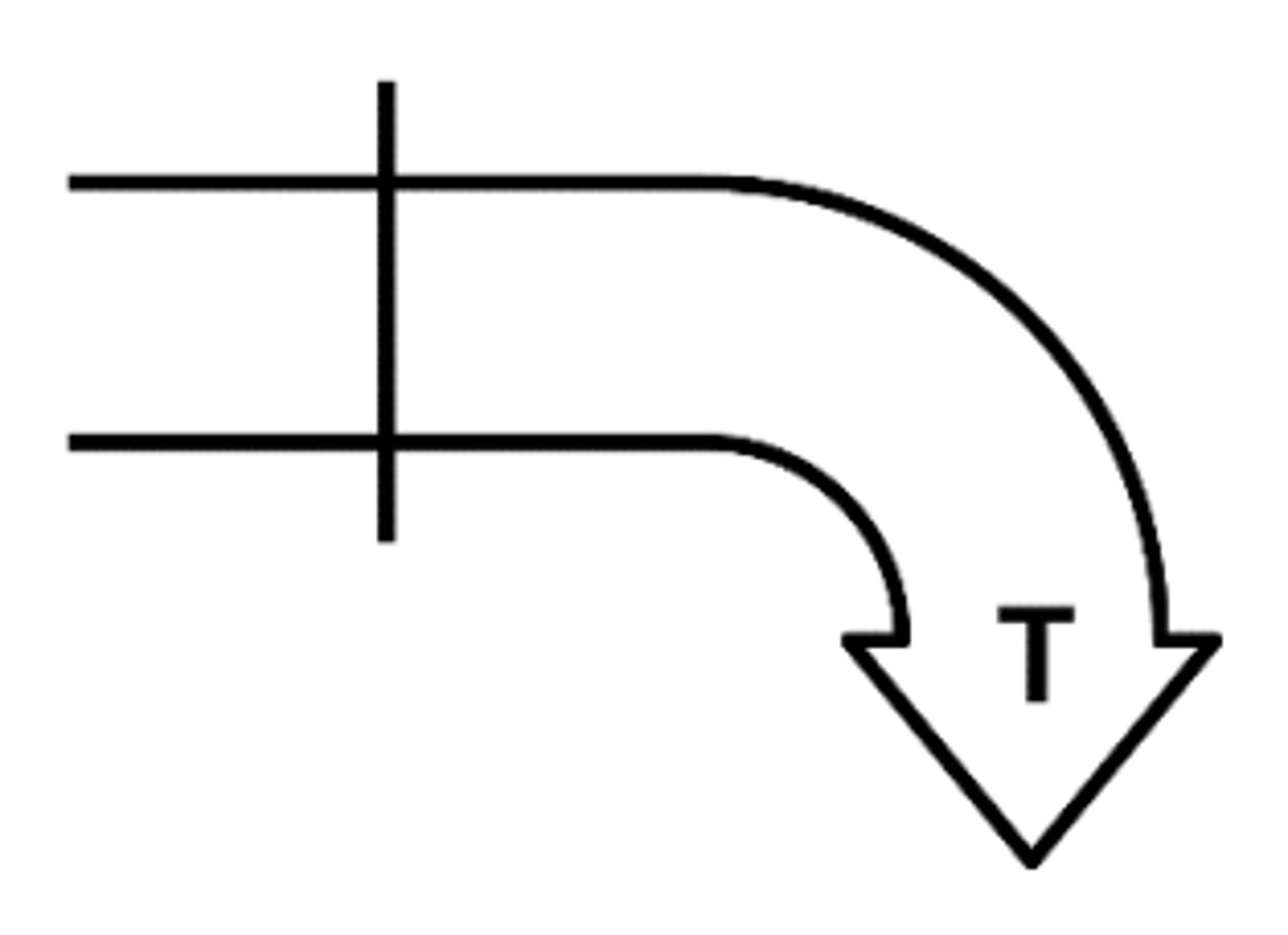
Infiltration
Move through gaps to attack from unexpected positions
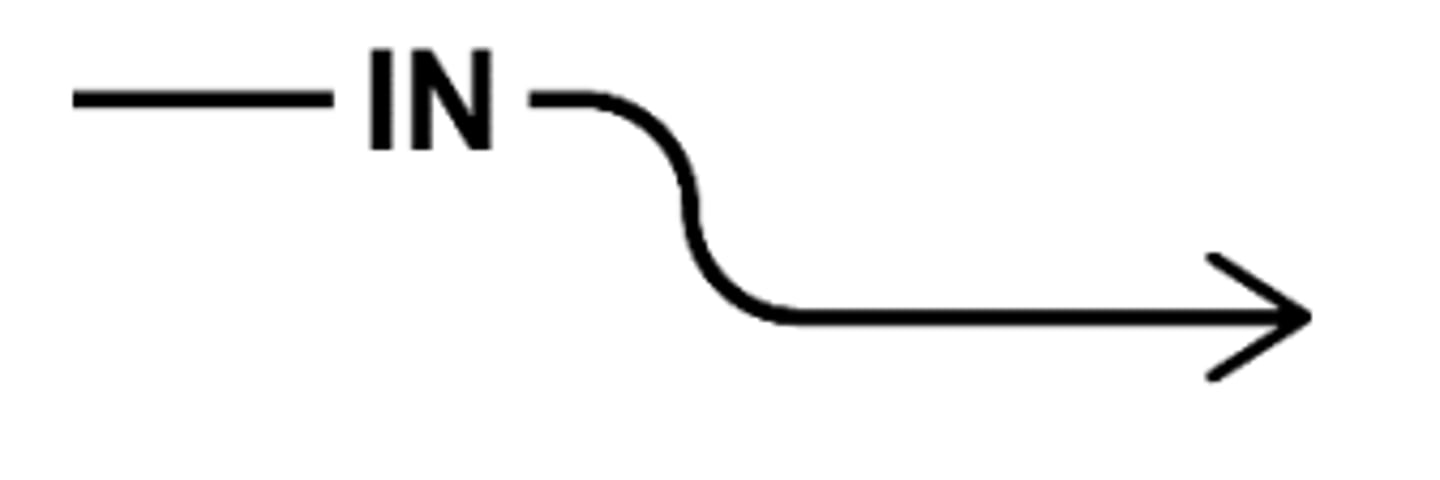
Penetration
Break through enemy front and disrupt rear
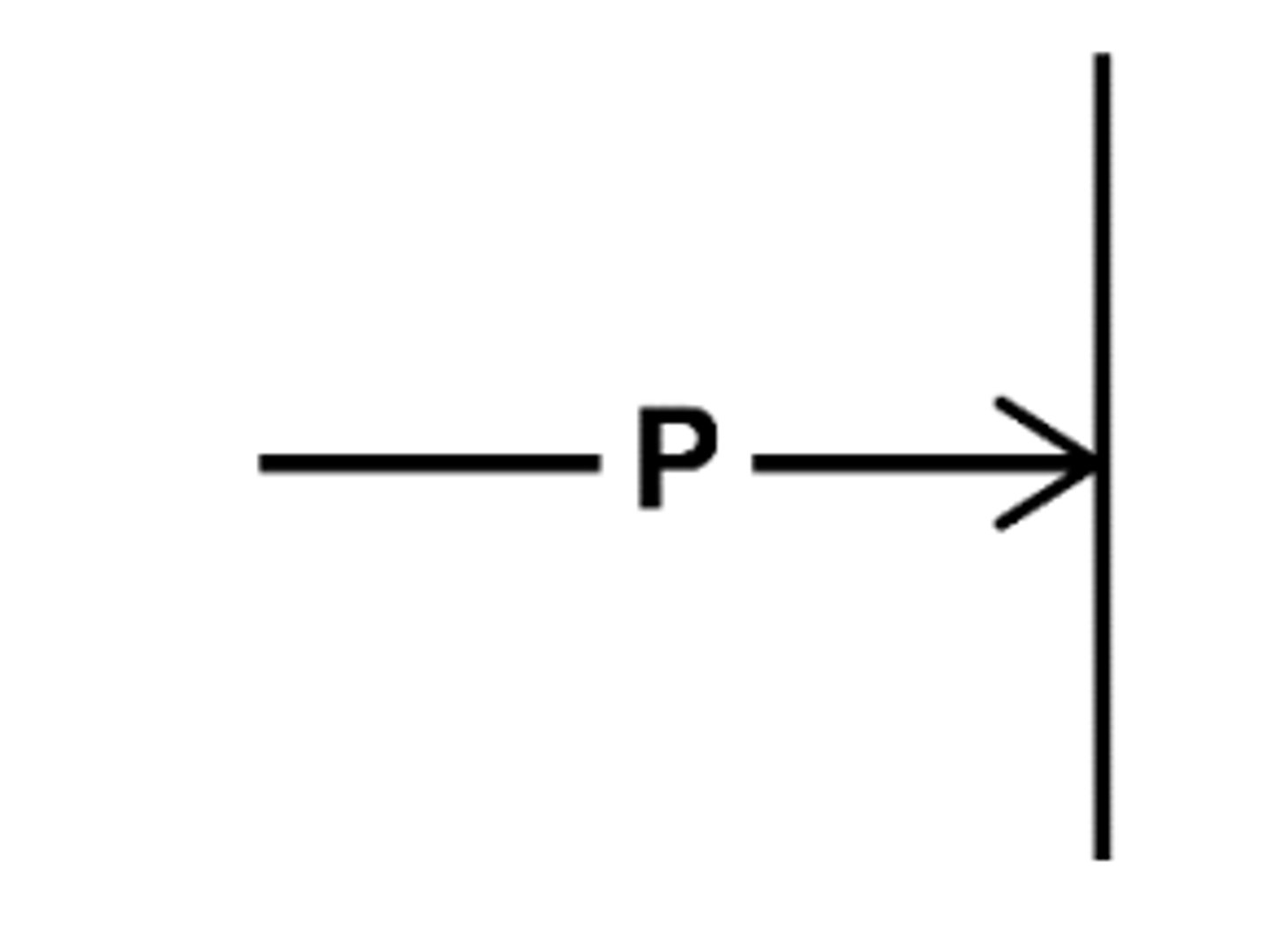
Frontal Attack
Direct attack against enemy front
Defensive Characteristics
Preparation; Security; Disruption; Massing Effects; Flexibility
Preparation
Planning and fortifying positions before engagement
Security
Preventing enemy surprise
Disruption
Breaking enemy tempo and formations
Massing Effects
Concentrating fires at decisive point
Flexibility
Ability to adapt to enemy actions
Disrupt (Obstacle Effect)
Break enemy formation/tempo

Fix (Obstacle Effect)
Hold enemy in place

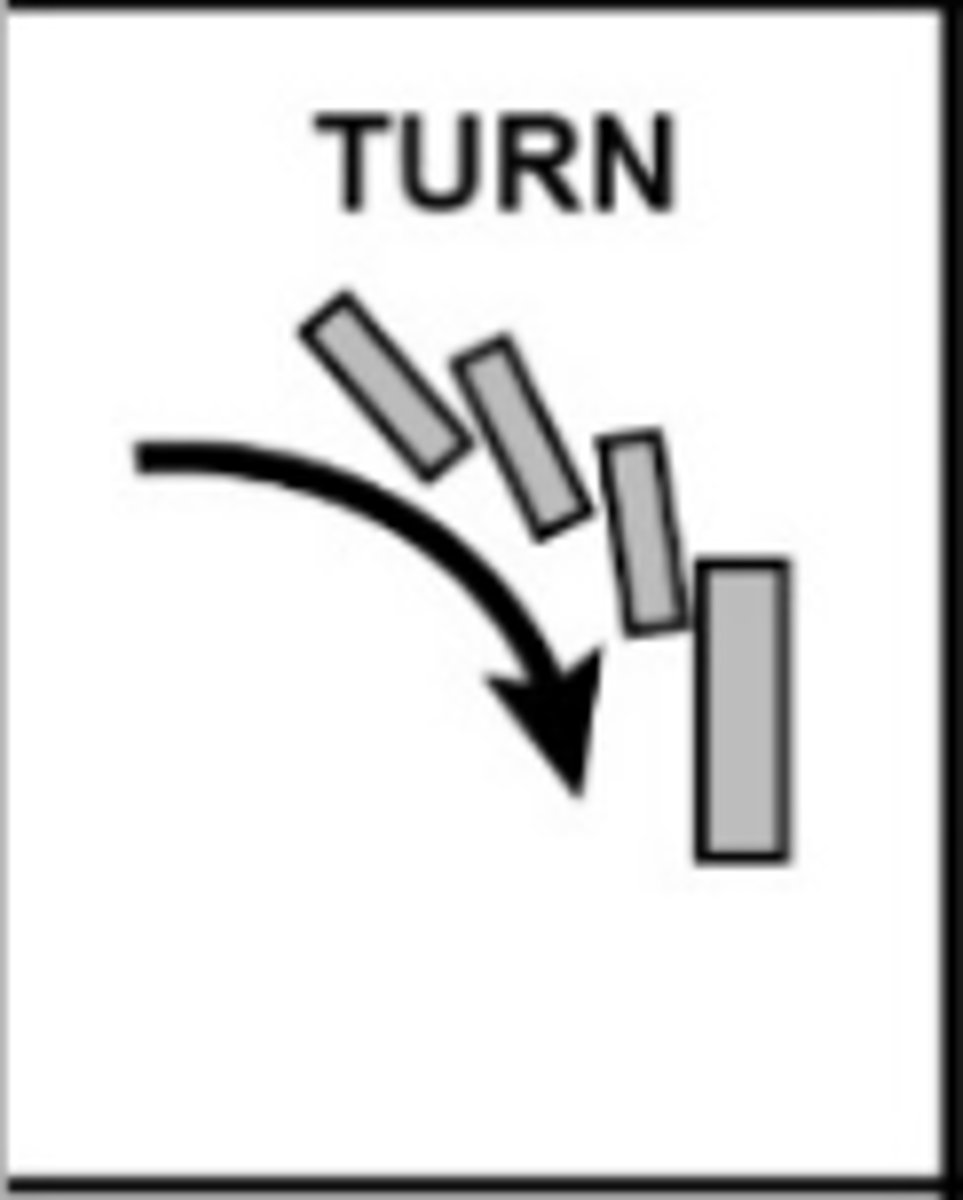
Turn (Obstacle Effect)
Force enemy to change direction
Block (Obstacle Effect)
Stop enemy movement completely

Engagement Area Development
Planned area to destroy enemy using fires and obstacles
Movement Formations
Wedge; File; Column; Vee; Box; Diamond; Echelon
Traveling
Fastest movement, minimal security, used when contact unlikely
Traveling Overwatch
Moderate speed, lead element provides security
Bounding Overwatch
Slowest, most secure, used when contact expected
SOSRA
Suppress; Obscure; Secure; Reduce; Assault
GOTWA
Going; Others going; Time gone; What to do if no return; Actions on contact
Patrol Base Priorities of Work
Security(continuous); Withdrawal plan; Establish comms(continuous); Mission prep and planning; Weapon/Equipment maintenance; Water resupply; Mess plan (food and rest)
Raid
Enter area, destroy/capture, withdraw without holding terrain(COMBAT PATROL)
Ambush
Surprise attack from concealed position(COMBAT PATROL)
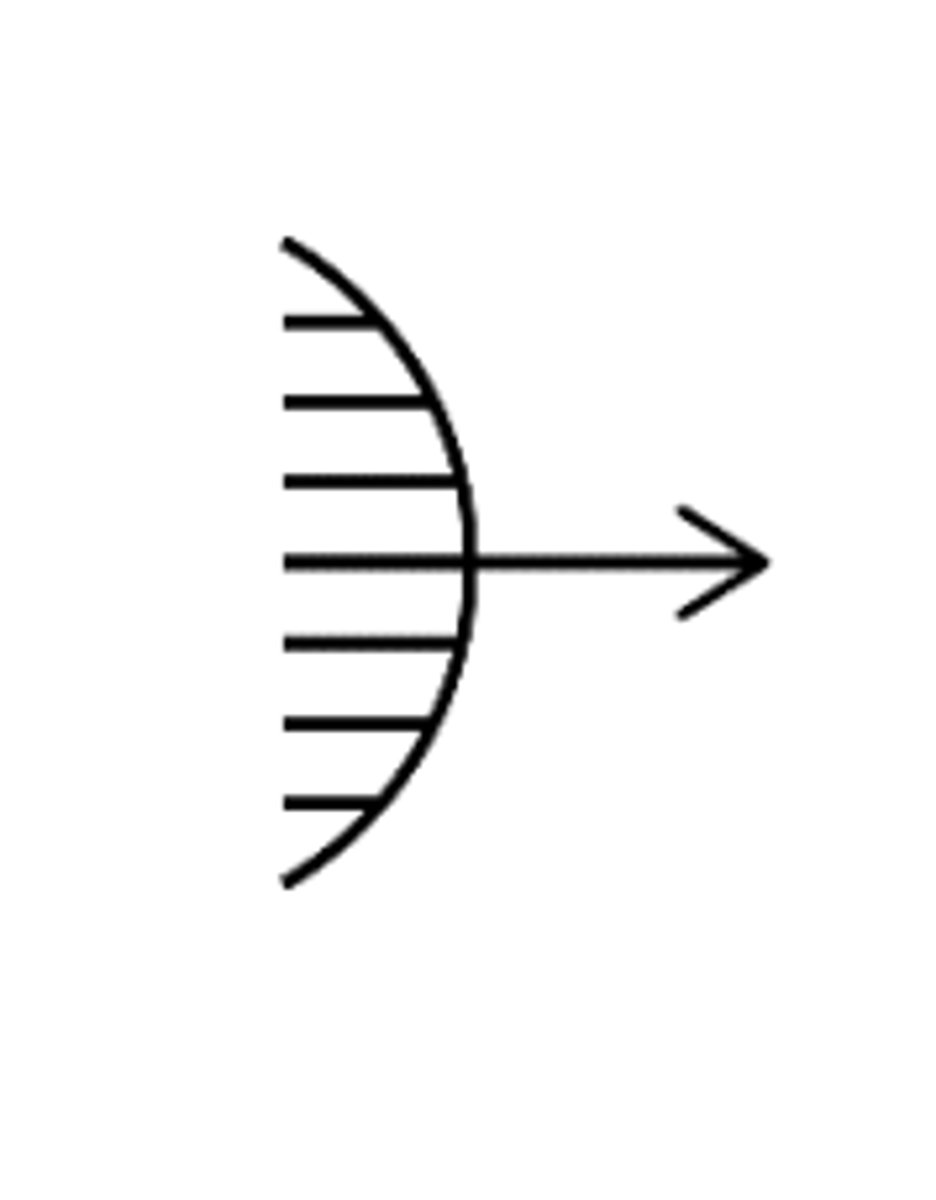
Attack (Patrol)
Offensive action to destroy enemy
Principles of Training
Realistic; Tough; Mission-focused
Mission Essential Task (MET)
Critical task unit must perform
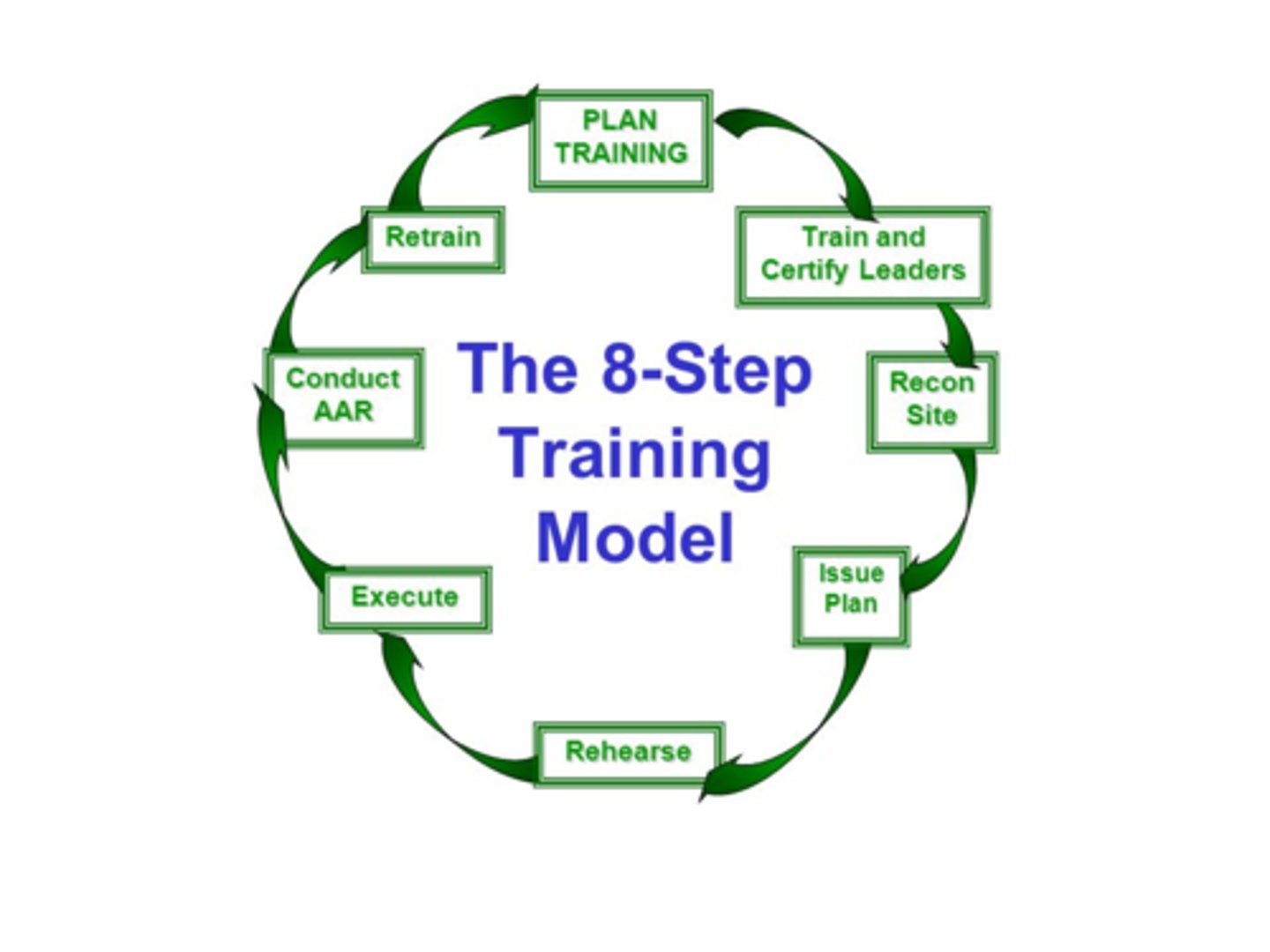
8-Step Training Model
Plan; Train the trainers; Recon site; Issue OPORD; Rehearse; Execute; Evaluate; Retrain
Who are Primary Trainers
Commanders
Surface to Surface Fires
Mortars, artillery, rockets used to suppress, destroy, or neutralize
Types of Indirect Fire
Observed; Planned
60mm Mortar Range
~70-3,500 meters
81mm Mortar Range
~80-5,800 meters
120mm Mortar Range
~200-7,200+ meters
Fire Support Coordination Measures
Coordinated Fire Line ; Fire Support Coordination Line, Free-Fire Area
Destroy
Render enemy combat ineffective

Disrupt
Break enemy formation/tempo
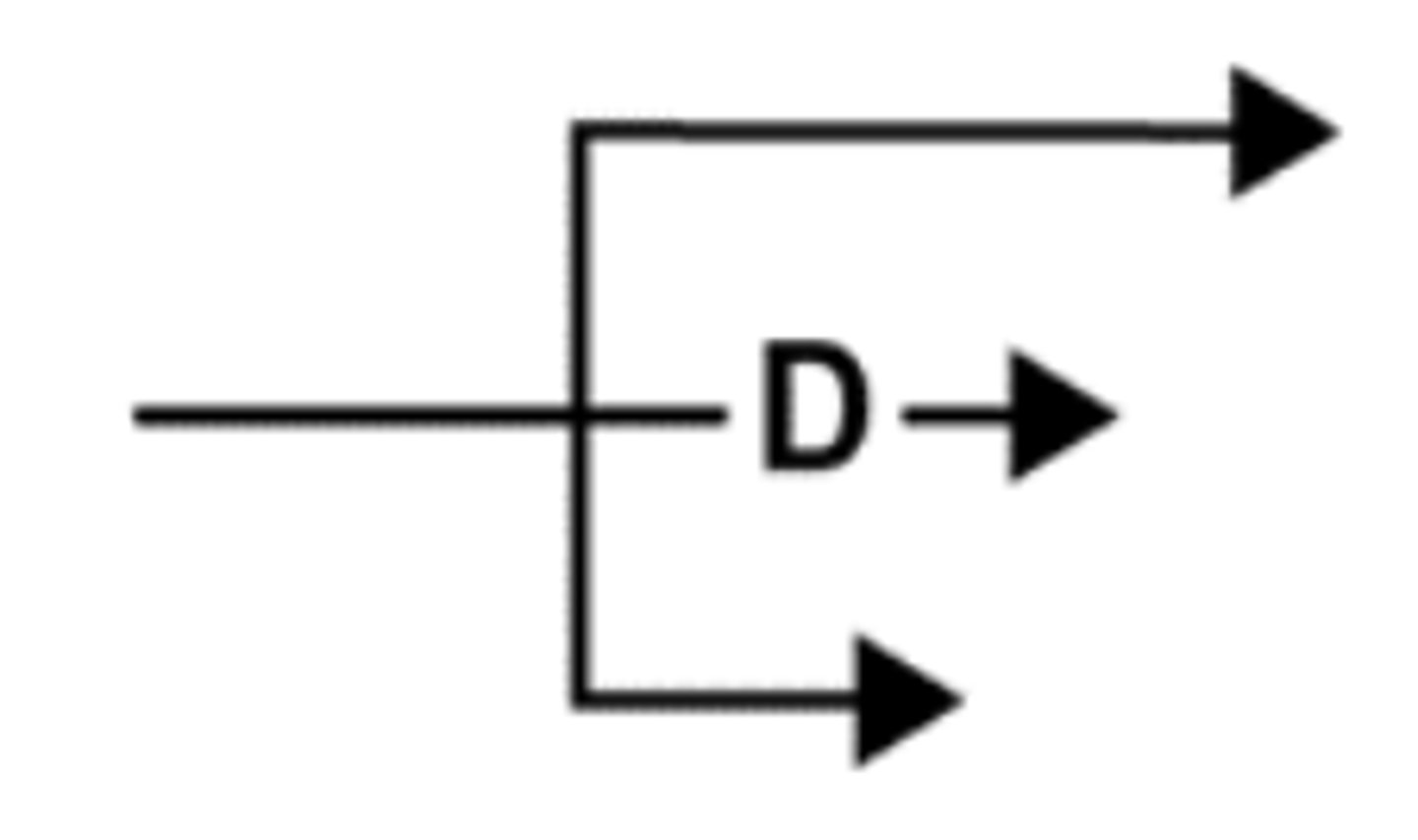
Isolate
Separate enemy from support/reinforcements
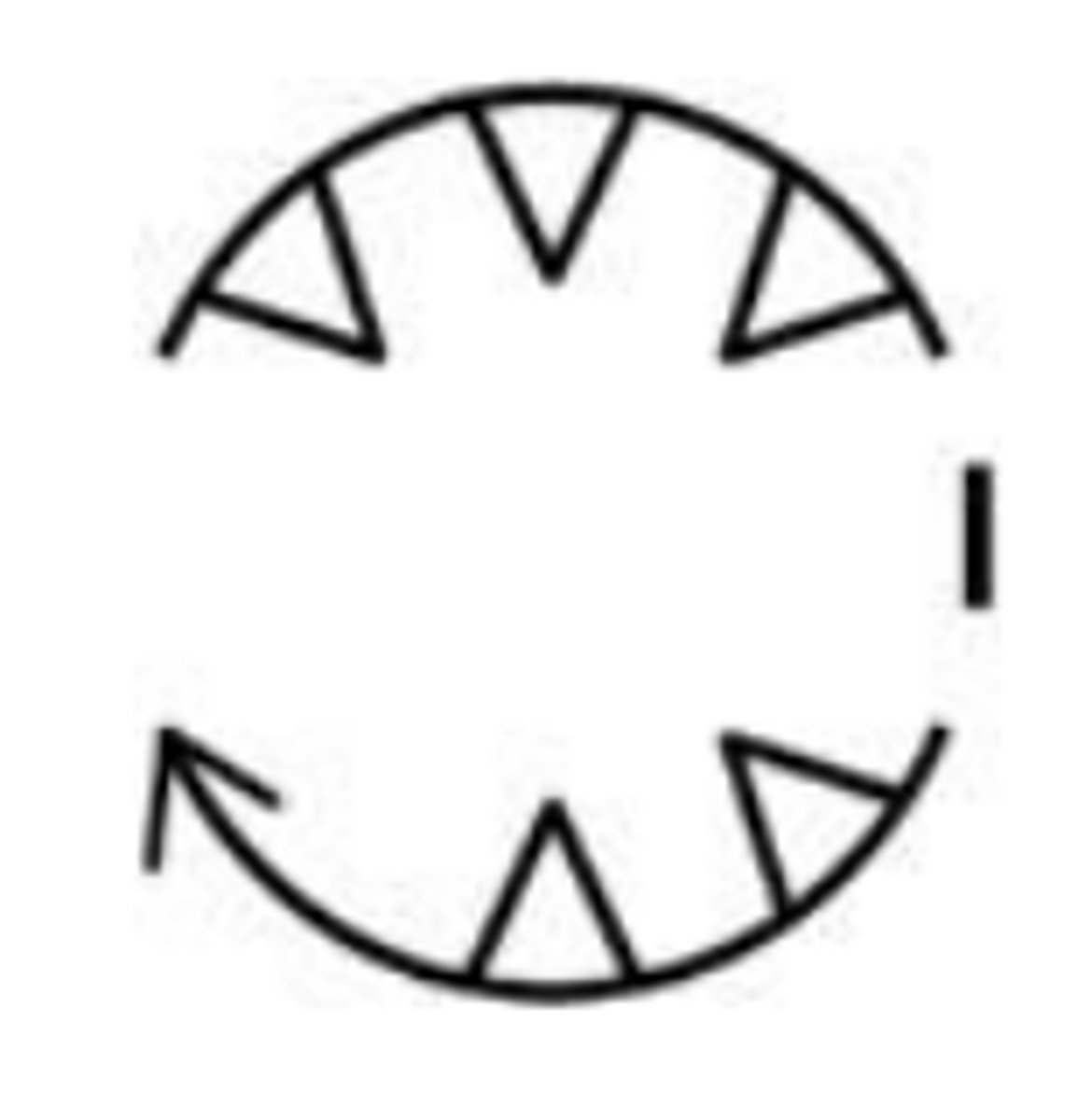
Secure
Gain control and prevent interference
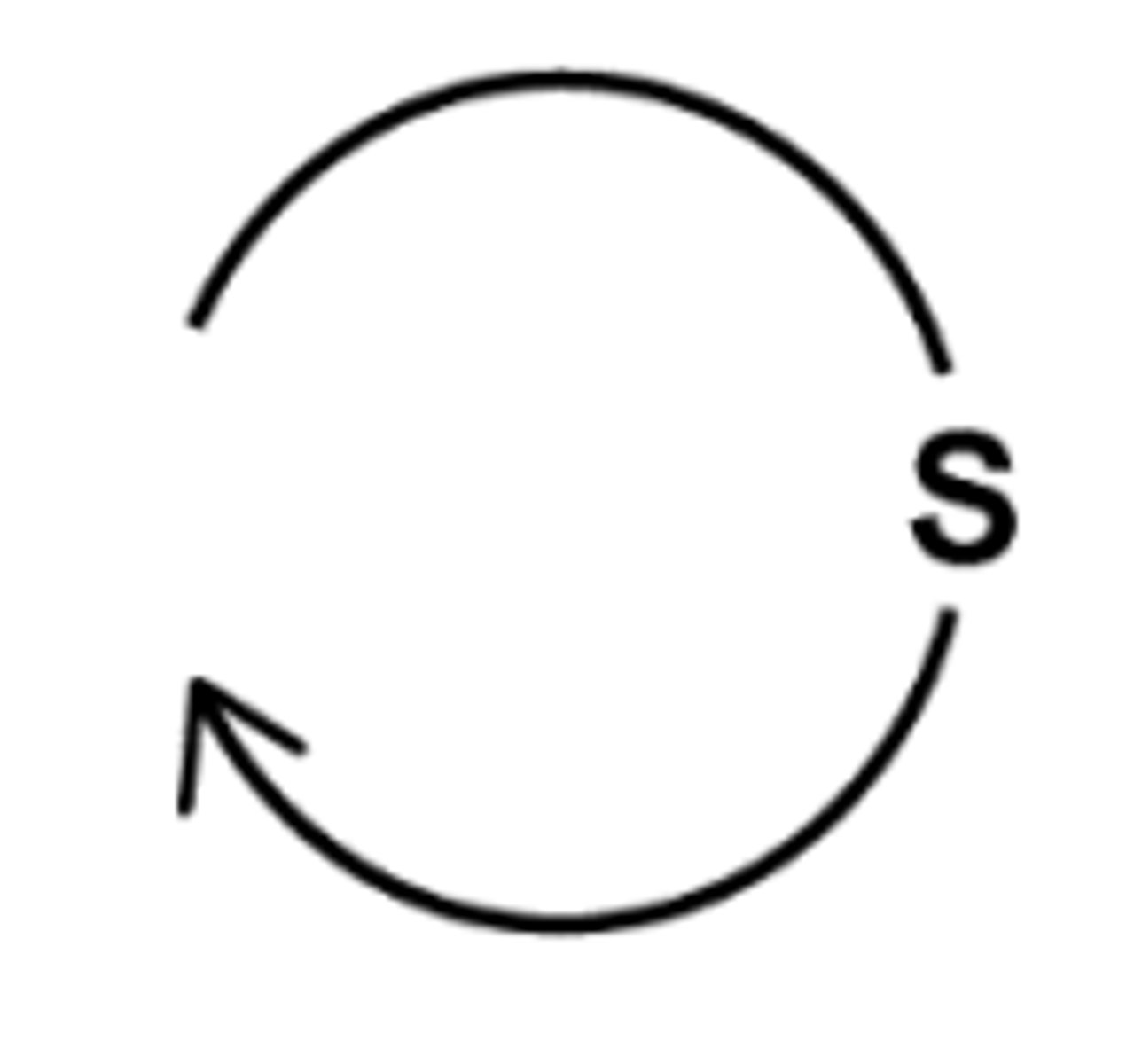
Support by Fire
Provide fires to support maneuver
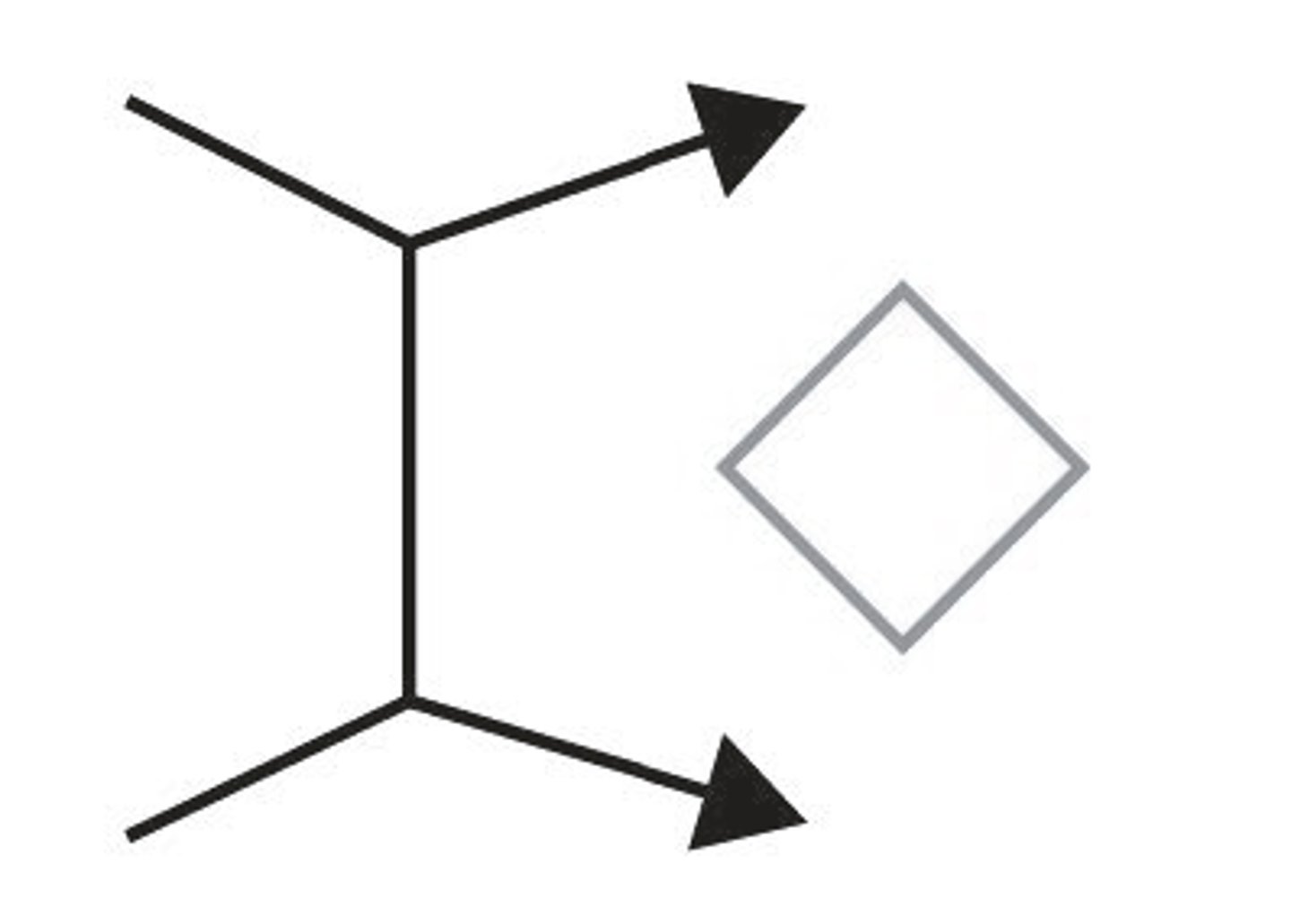
Occupy
Move into and control terrain

Control
Direct physical influence over area/unit
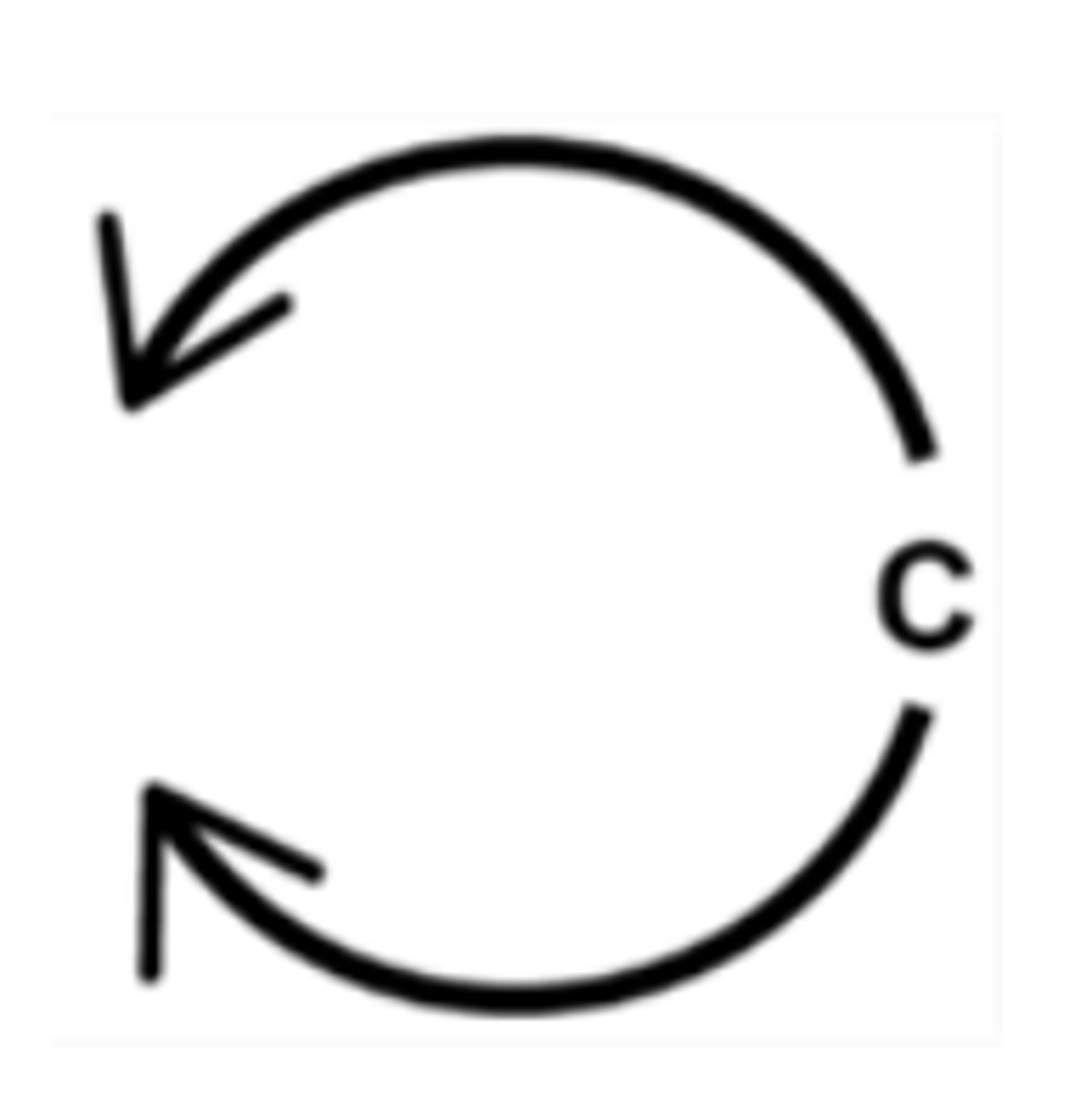
Contain
Stop, hold, or surround enemy

Friendly Infantry Platoon

Friendly Air assault Platoon

Friendly Infantry Squad

Enemy Infantry Platoon

Friendly Anti-Armor Platoon

Enemy Infantry Battalion

Friendly Airborne Infantry Company

Checkpoint

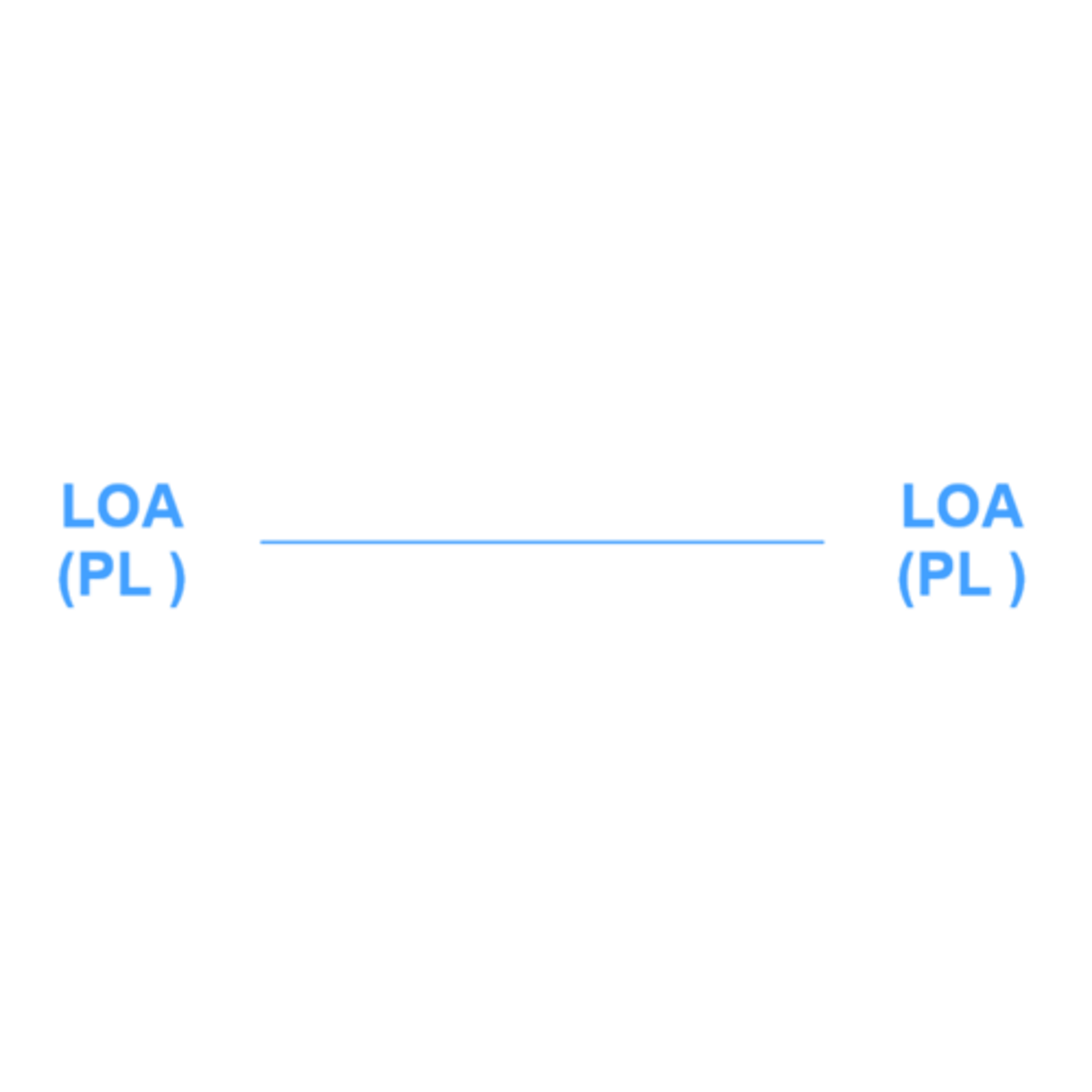
Phase Line
easily identified feature in the operational area utilized for control and coordination

Limit of Advance
A phase line used to control forward progress of the attack
Avenue of Approach
A path used by an attacking force leading to its objective or to key terrain. Avenues of approach exist in all domains.
Targeting categories
deliberate and dynamic
Deliberate targeting
Produces planned targets which are targets known to exist in the operational environment with engagement actions scheduled against them
Dynamic targeting
Employed in current operations planning, because the nature and timeframe requires more immediate responsiveness than deliberate targeting
Unscheduled targets
Known targets and are included on either the JTL or RTL but were not nominated, were nominated but did not make the joint integrated prioritized target list, or were not expected to be available for engagement within the target cycle
Unanticipated targets
Target of opportunity that was unknown or not expected to exist in the operational environment
Priority targets
A target, based on either time or importance, on which the delivery of fires takes precedence over all the fires for the designated firing unit or element