MBB1 - SENSATION AND PERCEPTION
 Call Kai
 Learn
Learn Practice Test
 Spaced Repetition
 Match
Match Flashcards
 Knowt Play
1/106

There's no tags or description
Looks like no tags are added yet.
Name | Mastery | Learn | Test | Matching | Spaced | Call with Kai |
|---|
No analytics yet
Send a link to your students to track their progress
107 Terms
ATTENTION
the ability to preferentially process some part of a simulus at the expense of processing of other parts of the stimulus
OVERT ATTENTION
looking directly at an object
COVERT ATTENTION
looking at one object but attending to another object
FIXATION
where your eyes are looking, the rest between saccades
SACCADE
ballistic eye movements between fixations
ATTENTIONAL CAPTURE
intial involuntary process
when a scene is first presented, fixations are captured by the salient part of the scene
forgoes goals and expectations of the viewer
SALIENCE
the quality of being noticeable
SEMANTICALLY CONSISTENT OBJECT
the sort of object you would expect to see in a specific place
SEMANTICALLY INCONSISTENT OBJECT
an object in a scene that is unexpected
MORE SALIENT
SYNTACTICALLY INCONSISTENT OBJECT
an object you would expect to find in a space, but in an unexpected position
WHAT DIRECTS OUR ATTENTION?
initially fixations are involuntary (attentional capture)
then, fixations are voluntary, goal directed and influenced by our expectations
EFFECTS OF ATTENTION
speeds responses
influence appearance
influence physiological responding
can affect the physiological response to a stimulus
THE BINDING PROBLEM
different aspects of stimuli are processed in different areas of the brain (ie colour and movement)
these processes need to be BOUND to form a coherent perception
why do we not see a coloured object and a moving object as different objects?
why can we differentiate multiple objects
FEATURE INTERGRATION THEORY (FIT)
suggests the BINDING PROBLEM is solved by attending to only one location at a time
we only process features associated with a specific location, only attending to one object at a time
ILLUSORY CONJUNCTIONS
according to FIT if attention is inhibited, features of different objects will be combined
BALINT’S SYNDROME
caused by damage to the parietal lobe
when multiple objects are presented, the viewer has difficulty focusing attention on a single object
prone to experiencing illusionary conjunctions
VISUAL SEARCHES
looking for objects
conjunction searches and feature searches
CONJUNCTION SEARCHES
EG looking for a RED and HORIZONTAL line (target) in a group with other objects with similar features (distractors)
require the binding problem to be solves
slow
FEATURE SEARCHES
EG looking for RED object in a group of green objects
don’t require the binding problem to be solved
fast
CHANGE BLINDNESS
if you dont attend you won’t remember
you can only remember a few parts of a scene at a time, if they change, you notice
if other parts of the scene change, you likely won’t notice
THE GORILLA DRUMMING THING
MOTION TRANSIENTS
generated by change in an image, drawing attention and making us notice the change
STOPS CHANGE BLINDNESS
WHAT MAKES OBJECT PERCEPTION SO HARD?
the stimulus on the retina is ambiguous
different shaped objects form the same image on the retina
objects can be hidden or blurred
objects look different from different perspectives
HOW ARE HUMANS SO GOOD AT PERCEPTION?
structrualism
gestaltism
STRUCTURALISM
distinguishes between sensations and perceptions
claims that sensations combine to form perceptions
perceptions contain nothing that was not present in the sensations
SENSATIONS
elementary processes occurring in response to stimulation
PERCEPTIONS
conscious awareness of objects and scenes
GESTALTISM
contradicts structuralism
claims perceptions are not entirely made of sensations
IE they can contain elements not present in sensations
EVIDENCED BY:
apparent motion
illusory contours
APPARENT MOTION
observer sees two STATIONARY dots flashed, and perceives ONE MOVING DOT
ie the conscious percept of motion was constructed even though it was not present in sensation
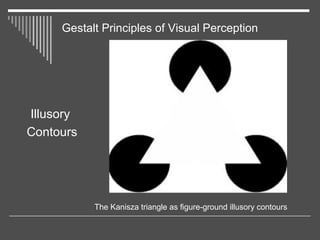
ILLUSORY CONTOURS
seen where there are no contours
PERCEPTUAL ORGANISATION
the ability to distinguish between objects
EG a person sitting on a chair, i can see where the person is and where the chair is
achieved through GROUPING and SEGREGATION
ALLOWS OBSERVERS TO MAKE SENSE OF A SCENE
GROUPING
parts of an image are perceptually bound together to form a perceptual whole (the perception of an object)
SEGREGATION
parts of a scene are perpetually seperated to form seperate wholes (the perception of separate objects)
GESTALT PRINCIPLES OF GROUPING
good continuation
pragnanz
similarity
proximity
common fate
two more (added later)
common region
uniform connectedness
GOOD CONTINUATION
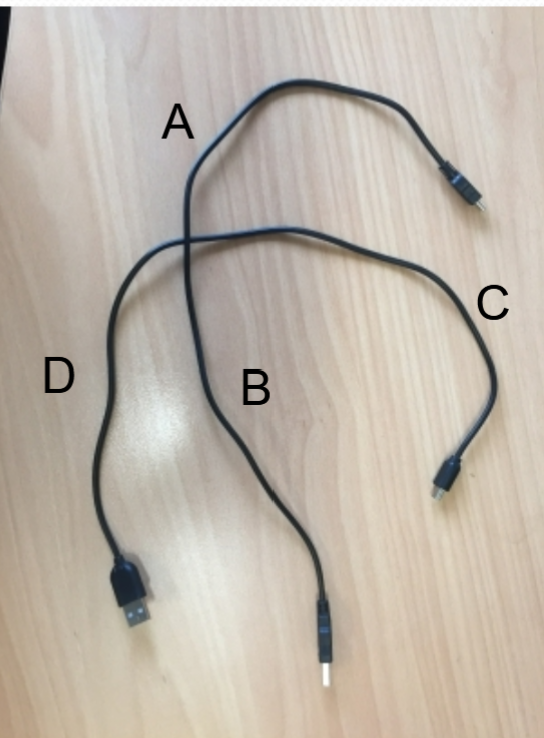
aligned contours are grouped together to form a single object
if i put 2 ropes in a cross, I would be able to tell which is which
PRAGNANZ
german for good figure
groupings occur to make the figure as simple as possible

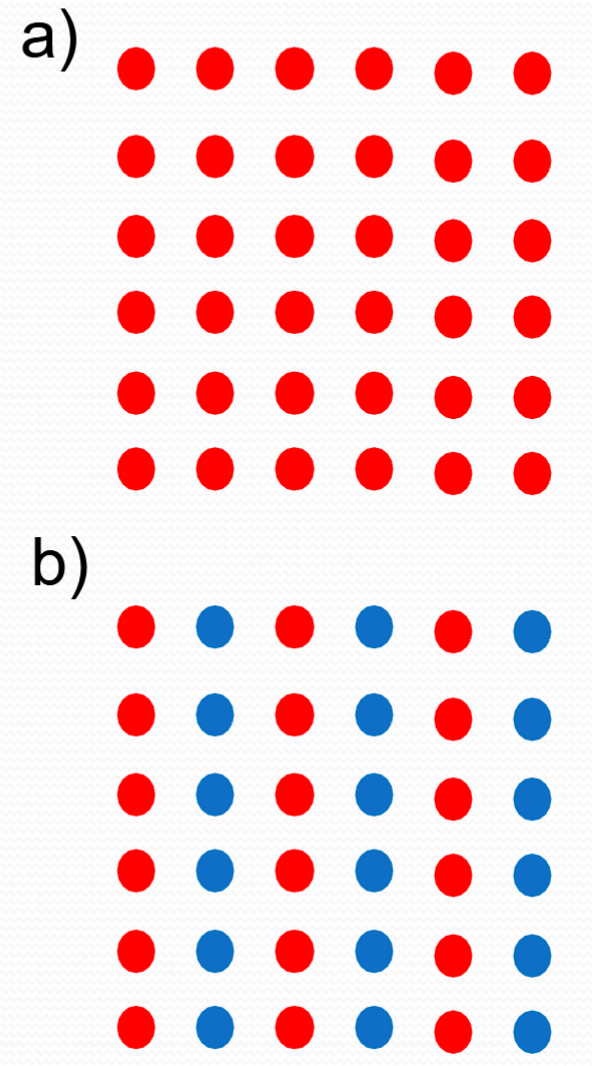
SIMILARITY
the more similar objects are the more likely they will be grouped
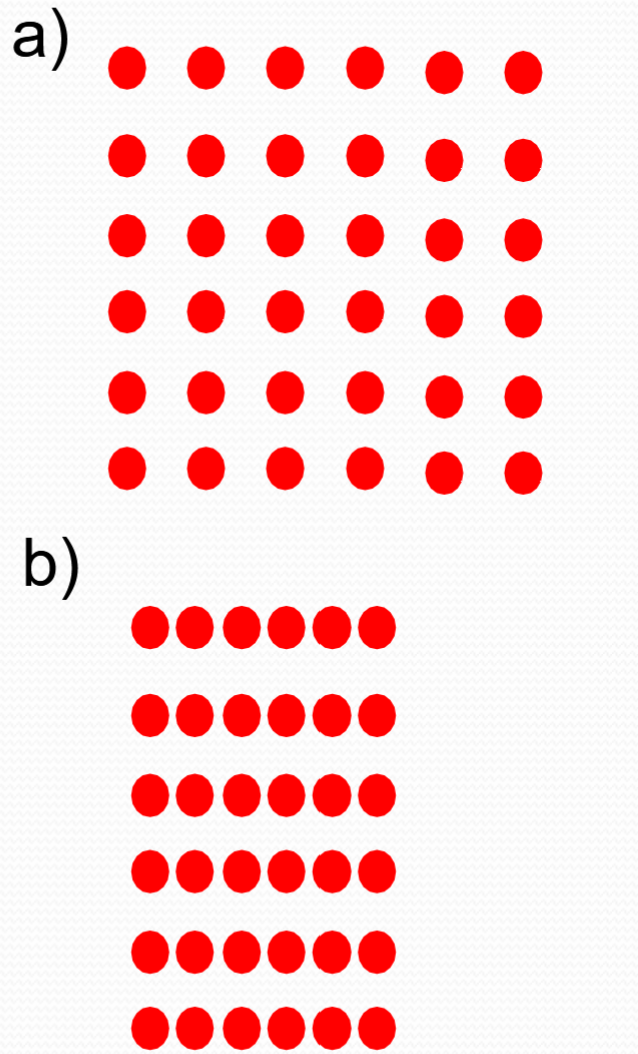
PROXIMITY
the closer objects are the more likely they will be grouped together
COMMON FATE
objects that move in the same way (two dots moving left vs two dots moving right) will be grouped
stronger than proximity
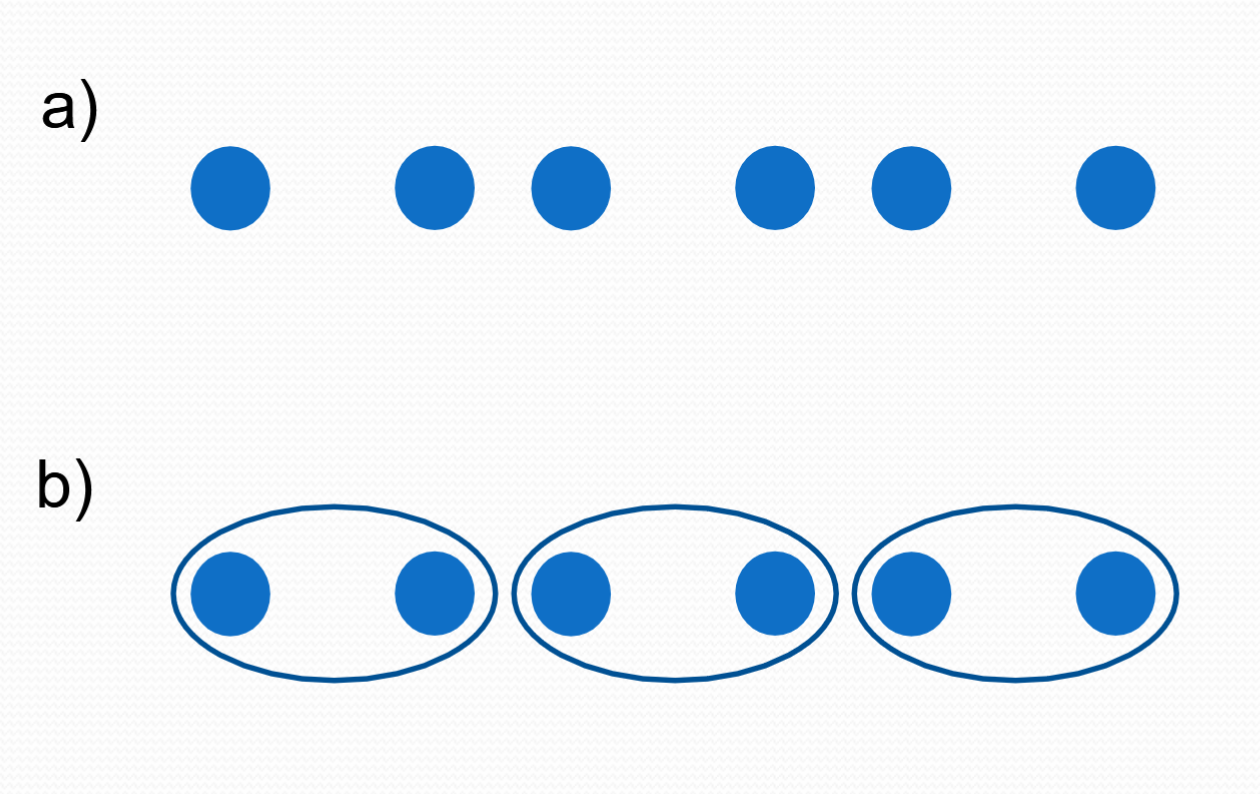
COMMON REGION
elements within the same region of space tend to be grouped together
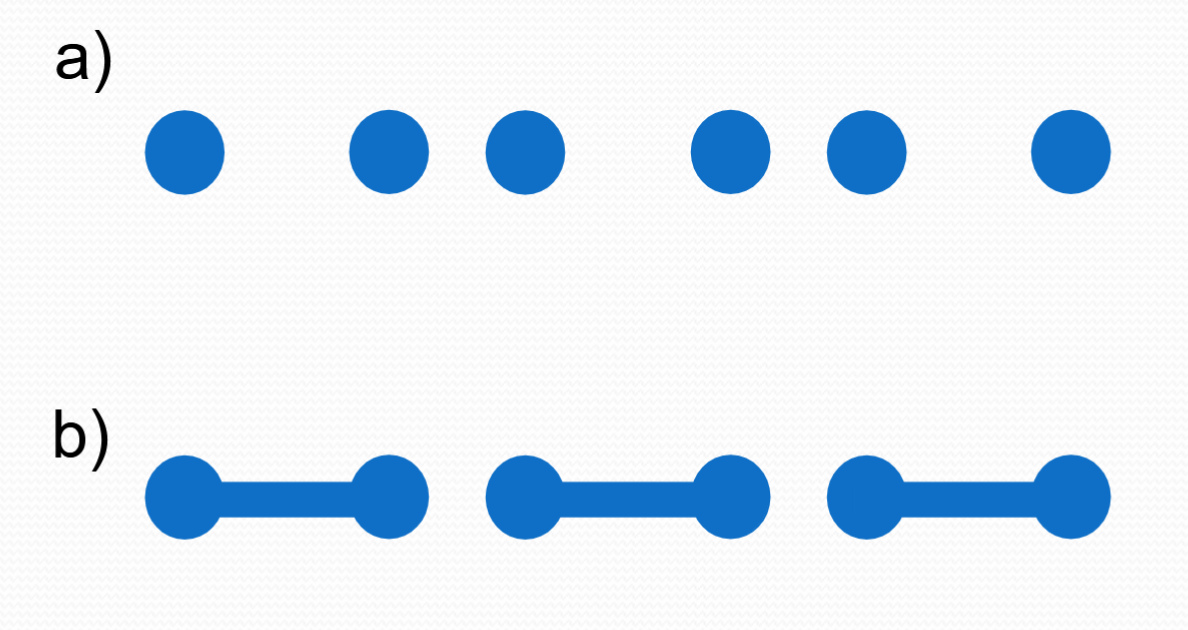
UNIFORM CONNECTEDNESS
connected regions with the same visual characteristics (eg colour) tend to be grouped together
GESTALT PRINCIPLES OF SEGREGATION
typically determined by distinguishing figure and ground
FIGURAL PROPERTIES
how we determine what is figure in a scene
objects are more likely to be seen as figure if:
they are in front of the rest of the image
they are at the bottom of an image
they are convex
they are recognisable (ie overlapping letters are distinguishable)
GIST PERCEPTION
when an object is flashed quickly you may not be able to remember every detail, but you’re able to gain a general GIST of what the scene contains
this is an overall impression
27 MS is enough to extract some gist
250 MS is enough to achieve a detailed perception
MOTION PERCEPTION
helps with
breaking camoflage
attract attention
segregate objects from the background
interpret events (conveying social relationship)
determine structure
determine what actions people are performing
AKINETOPSIA
a condition in which the person is unable to percieve motion
caused by damage to the dorsal pathway
patients can see that things had moved but could not see them moving
REAL MOTION
an object is actually moving
ILLUSORY MOTION
nothing is moving but it looks like it is, eg static image, apparent motion
MOTION AFTEREFFECTS
occurs after watching an object move for a long time, when the objects around it appear to move in the opposite direction
INDUCED MOTION
Moving background (or a moving object) causes a stationary object to appear to move
MOTION INDUCED BLINDNESS
motion can make things disappear
MOTION INDUCED CHANGE BLINDNESS
when objects are moving it is difficult to perceive changing colours
this is due to an excess of motion transients
APERTURE PROBLEM
if you can’t see the ends of a line, the movement of a line is ambiguous, thus the line appears to move in a different direction than in reality
MOTION ILLUSIONS
footsteps illusion
barber poll illusion
FOOTSTEPS ILLUSION
the contrast of the two rectangles changes as they slide across the black and white bars, making them appear to speed up and slow down
BARBER POLL ILLUSION
caused by the aperture effect, when the ends of the lines are obscured, they appear to move in a different direction than they do in reality (ie moving up and down, when really they are just spinning)
FUNCTIONS OF COLOUR PERCEPTION
identifying threats (poisonous animals are often coloured)
identifying foods
identify potential mates
PHYSICS OF COLOUR
visible light is electromagnetic radiation
wavelengths vary from 400nm to 700nm
white light is a mixture of all wavelengths
COLOUR OF OPAQUE OBJECTS
an object that light cannot pass through
its colour is determined by the light it reflects
(if it absorbs blue, but reflects red, it looks red)
COLOUR OF TRANSPARENT OBJECTS
determined by the colour it transmits
(if it absorbs blue, but transmits red, it looks red)
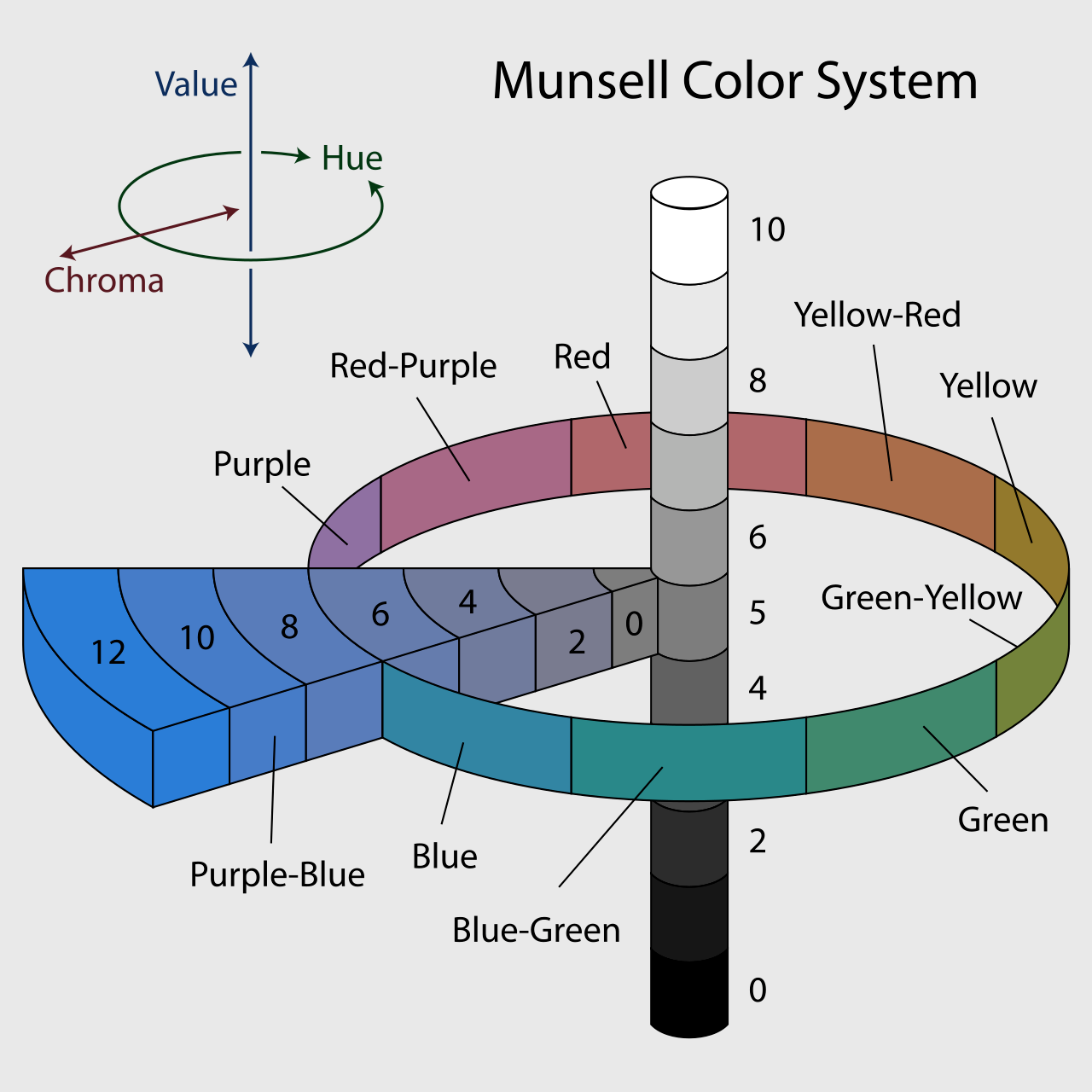
MUNSELL COLOUR SYSTEM
value = light
hue = colour
chroma = saturation
TRICHROMATIC THEORY OF VISION
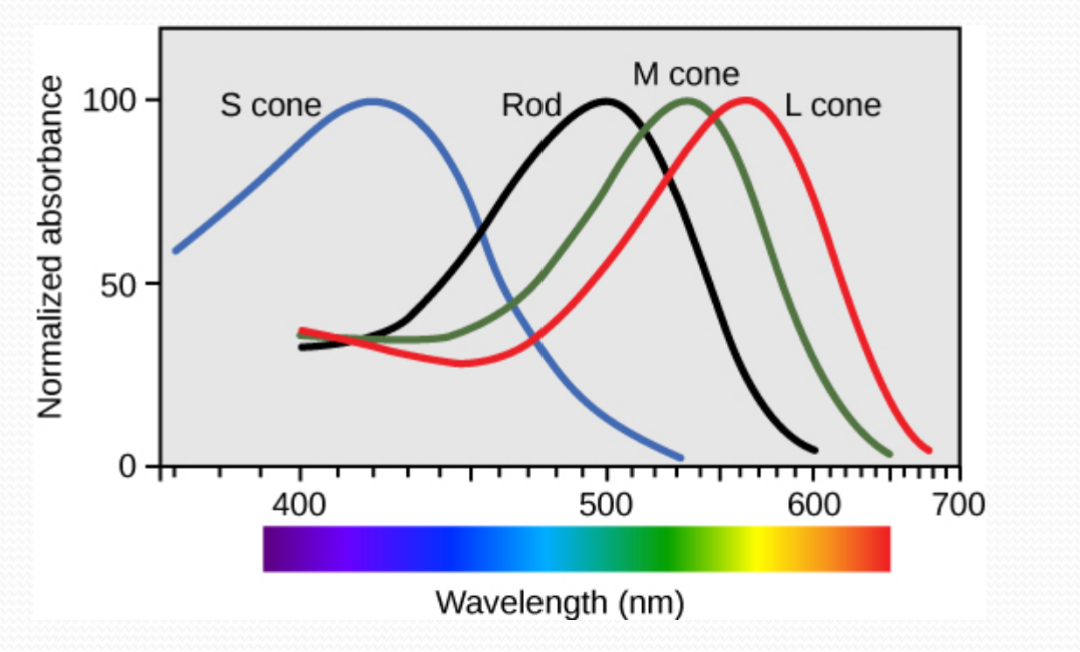
by comparing the relative activity of the 3 types of cones, we are able to determine what colour we are looking at
RODS
only active at low light levels, cannot distinguish between colours
at normal light levels, they become oversaturated
CONES
there are 3 types of cones, they respond to different extents to different wavelengths
S cones – 419 nm (blue)
M cones – 531 nm (green)
L cones – 558 nm (red)
its response is determined by the wavelength and by the intensity of the light
COLOUR MATCHING
if you have a light thats a colour, and you replicate that light by combining lights of different colours, the ‘match patch, will appear the same to your eye even if its objectively not
different stimuli that appear the same are called METAMERS
MONOCHROMATISM
colour deficency
usually have no functioning cones, only rods
see the world only in shades of grey
DICHROMATISM
lacking one of the three cone types
THREE TYPES INCLUDE
protanopes
deuteranopes
tritanopes
for them, it is possible to colour match with only 2 sets of lights
PROTANOPES
lack L cones (blue)
cant distinguish between red and green
DEUTERANOPES
lack M cones (green)
cant distinguish between red and green
TRITANOPES
lack S cones (red)
can’t distinguish between blue and green
UNILATERAL DICHROMATS
dichromats only lacking a cone type in ONE EYE
OPPONENT-PROCESS THEORY OF COLOUR VISION
signals from cones are processed by the cortex and combined into three colour opponent channels
red-green
blue-yellow
white-black
psychophysical evidence for this theory:
afterimages
impossible colours
AFTERIMAGES
if you stare at something RED, then you see white, you will see something GREEN
if you stare at something YELLOW (made of green+red), then you see white, you will see something BLUE
this is because the different cone types have been habituated
IMPOSSIBLE COLOURS
it is possible to see blueish-red (purple) and yellowish-red (orange) but it is not possible to see a greenish-red or a yellowish-blue because these colours are OPPOSING
(adding these colours together create white and yellow respectively)
COLOUR CONSTANCY
the colour of light an object reflects is determined by not only the reflectance, but also the COLOUR OF LIGHT SHINING ON IT
REFLECTANCE X ILLUMINATION = REFLECTED LIGHT
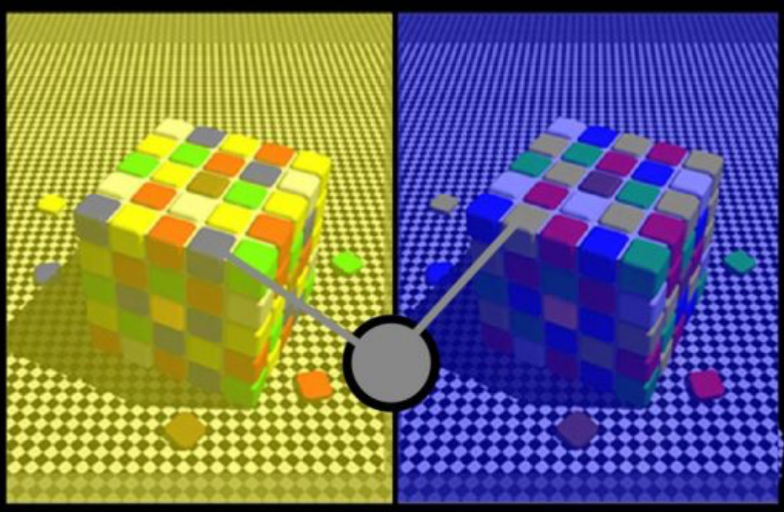
how do we still see green even under red light? we HABITUATE (become less sensitive to red light if everything is under red light)
DISCOUNTING THE ILLUMINANT
sometimes habituation cannot occur because there is a the same amount of blue and yellow
IE: if the patch is illuminating grey under a yellow light, it must be blue! says our eyeballs
EG THE BLUE AND BLACK DRESS, there were not enough visual cues in the image so different people were discounting different illuminates
PERCIEVING DEPTH
requires 3 different kinds of cues
oculomotor cues
monocular cues
binocular cues
OCULOMOTOR CUES
cues based on our ability to sense the position and state of our eyes
INCLUDES:
binocular convergence
accomodation
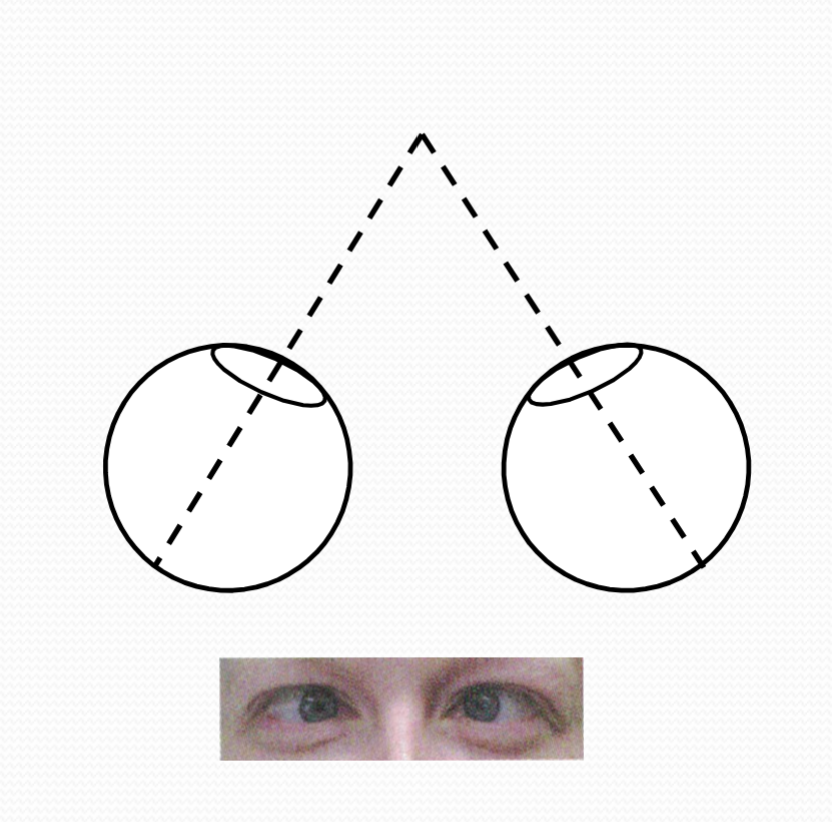
BINOCULAR CONVERGENCE
when the sightlines of your eyes converge to look at something closer to you
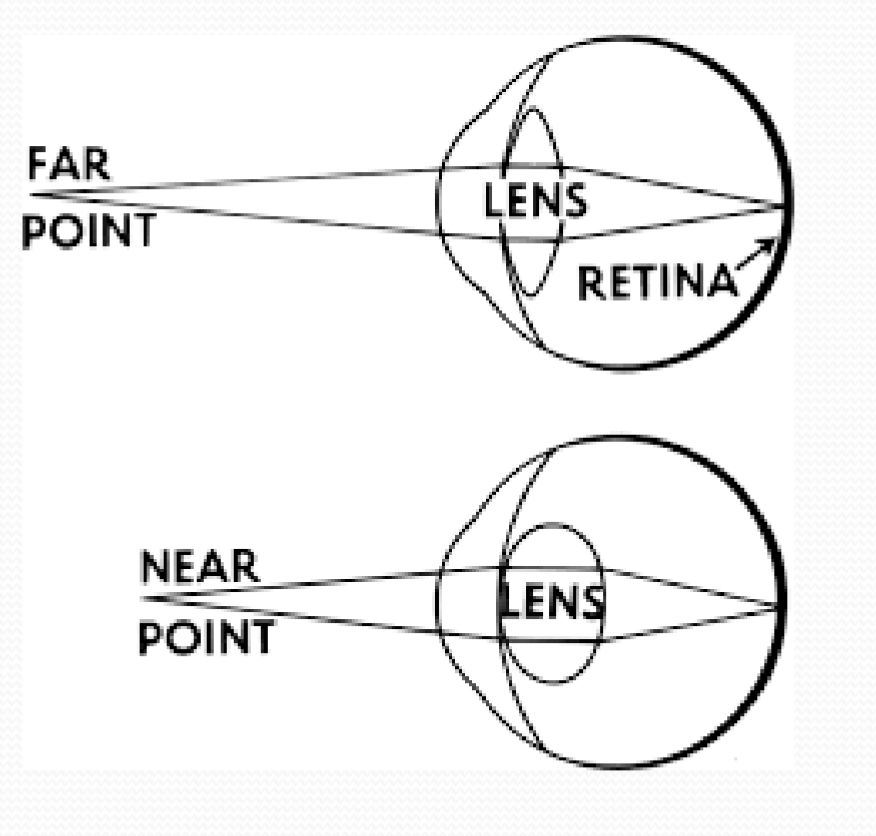
ACCOMODATION
the changing of the width of the lens in your eye, based on the distance of the focal point
MONOCULAR CUES
cues based on the visual information available with one eye
accomodation
pictorial cues
movement based cues
PICTORIAL CUES
include:
occlusion (whats behind what)
relative height (things look lower down when they are further away)
familiar and relative size (things look smaller when they are further away)
perspective convergence (parallel lines converge when points are further away)
atmospheric convergence (things are blurrier when theyre further away)
texture gradient (you see more texture when things are closer)
shadows (estimate the height of the object above a background)
MOVEMENT BASED CUES
monocular cues
include:
motion parallax
deletion and accretion
MOTION PARALLAX
closer objects move faster relative to you
DELETION AND ACCRETION
relative to your movement, objects are obscured (deleted) and accreted from behind other objects
allows you to gauge depth ordering
BINOCULAR CUES
cues that depend on visual information within both eyes
DISPARITY
the difference in images between the left and right eyes
the position of the image in the left eye MINUS the position of the image in the right eye
BINOCULAR DISPARITY
because there is distance between your eyes, they perceive the world from slightly different viewpoints’
fixated images occur in the same position on both retinas
objects BEHIND the fixated image occur on opposing sides of the retina in each eye (NEGATIVE DISPARITY)
objects IN FRONT of the fixated image also occur on opposing sides of the retina in each eye (POSITIVE DISPARITY)
NEGATIVE/CROSSED DISPARITY
objects BEHIND the fixated image occur on opposing sides of the retina in each eye
(between the fixated image)
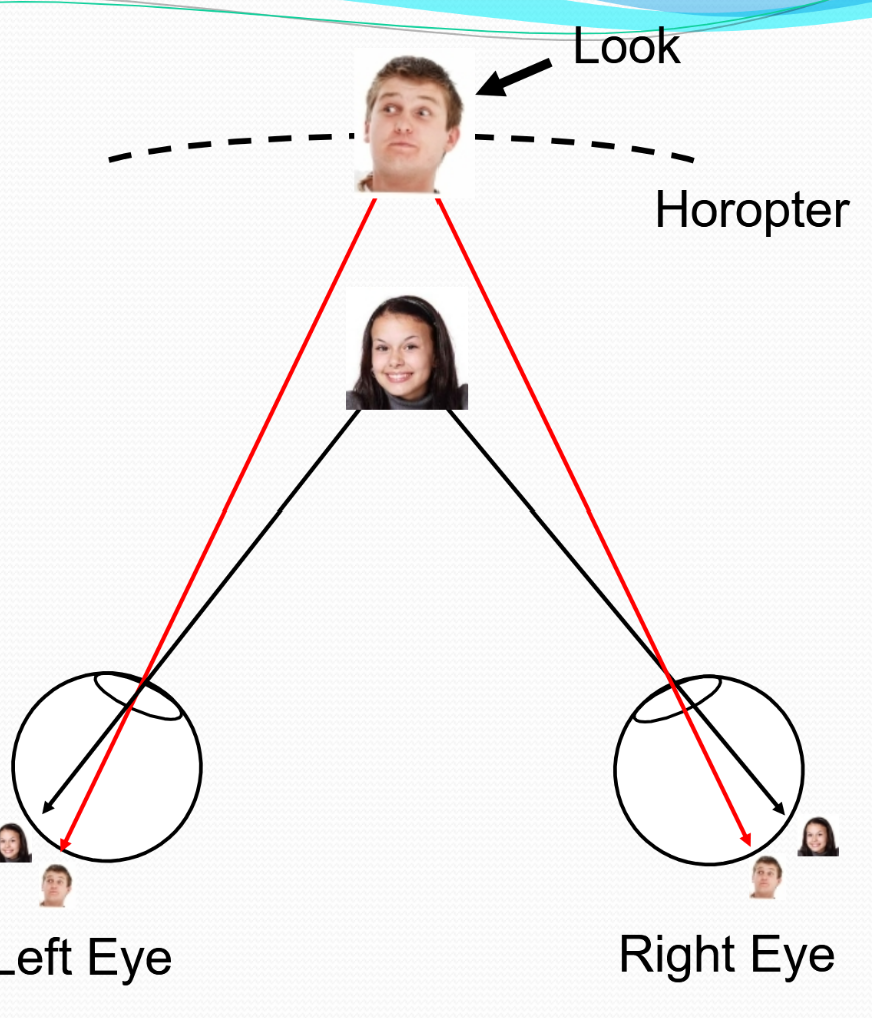
POSITIVE/UNCROSSED DISPARITY
objects IN FRONT of the fixated image also occur on opposing sides of the retina in each eye
(outside the fixated image)
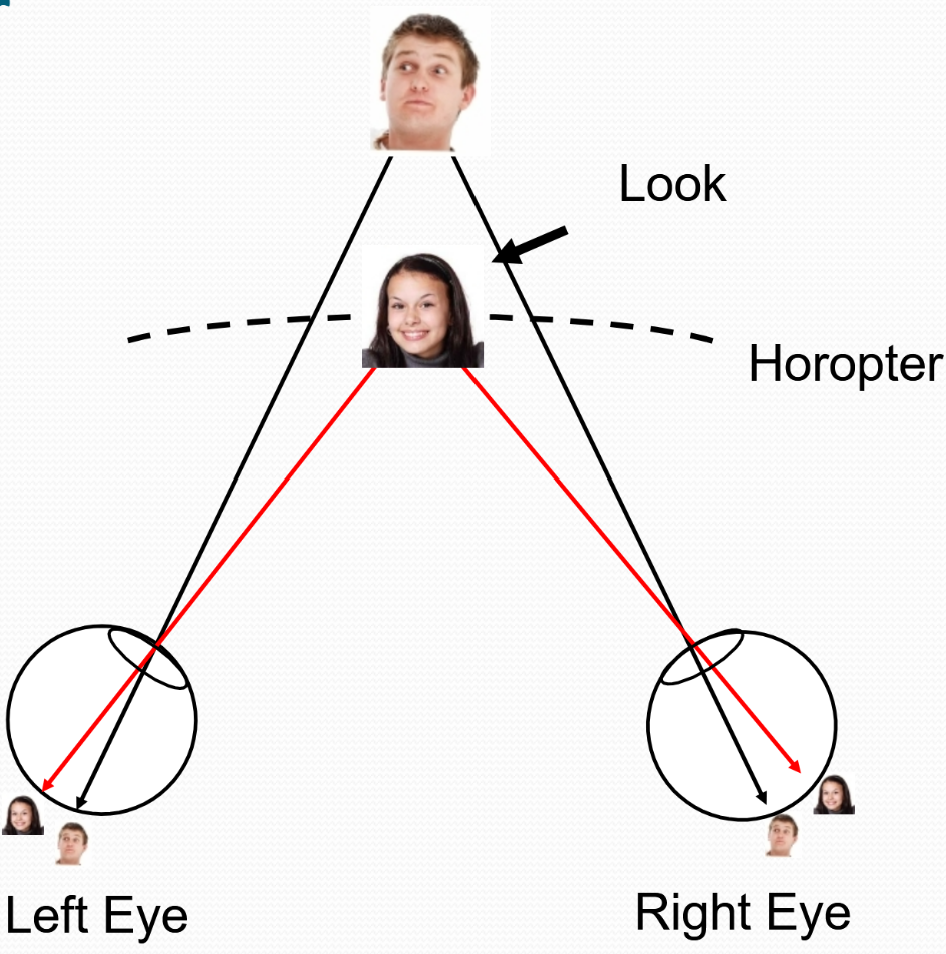
HOROPTER
the line in which all objects will fall on the corresponding part of the retina in both eyes even if they are not the point of fixation
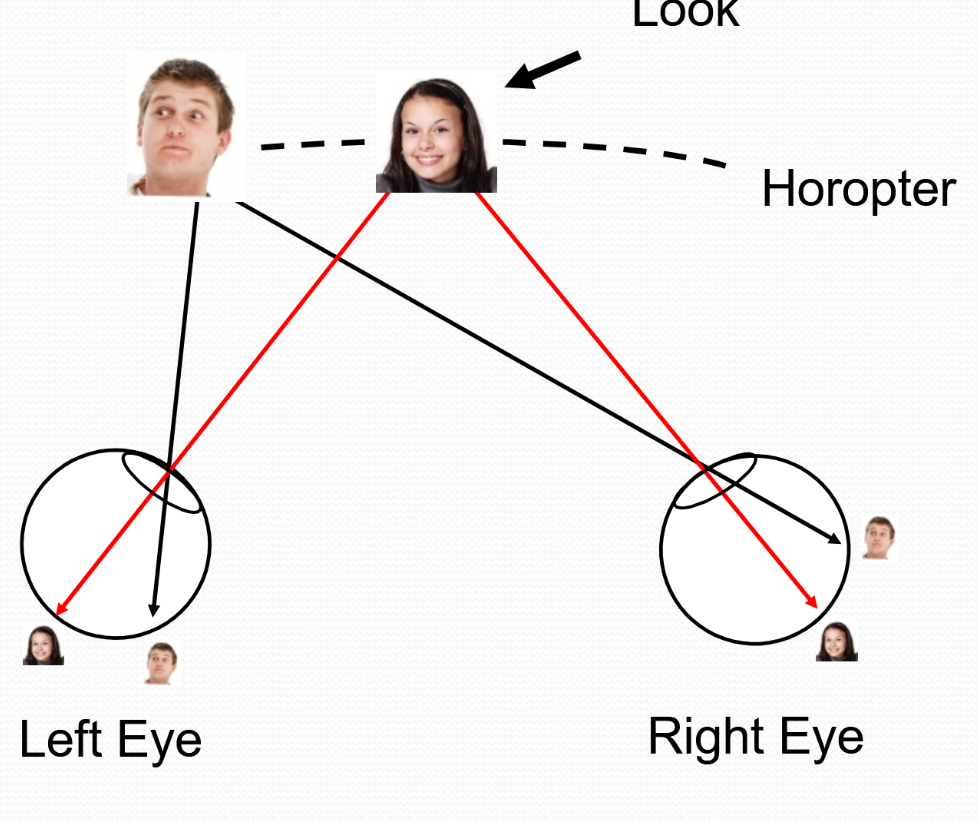
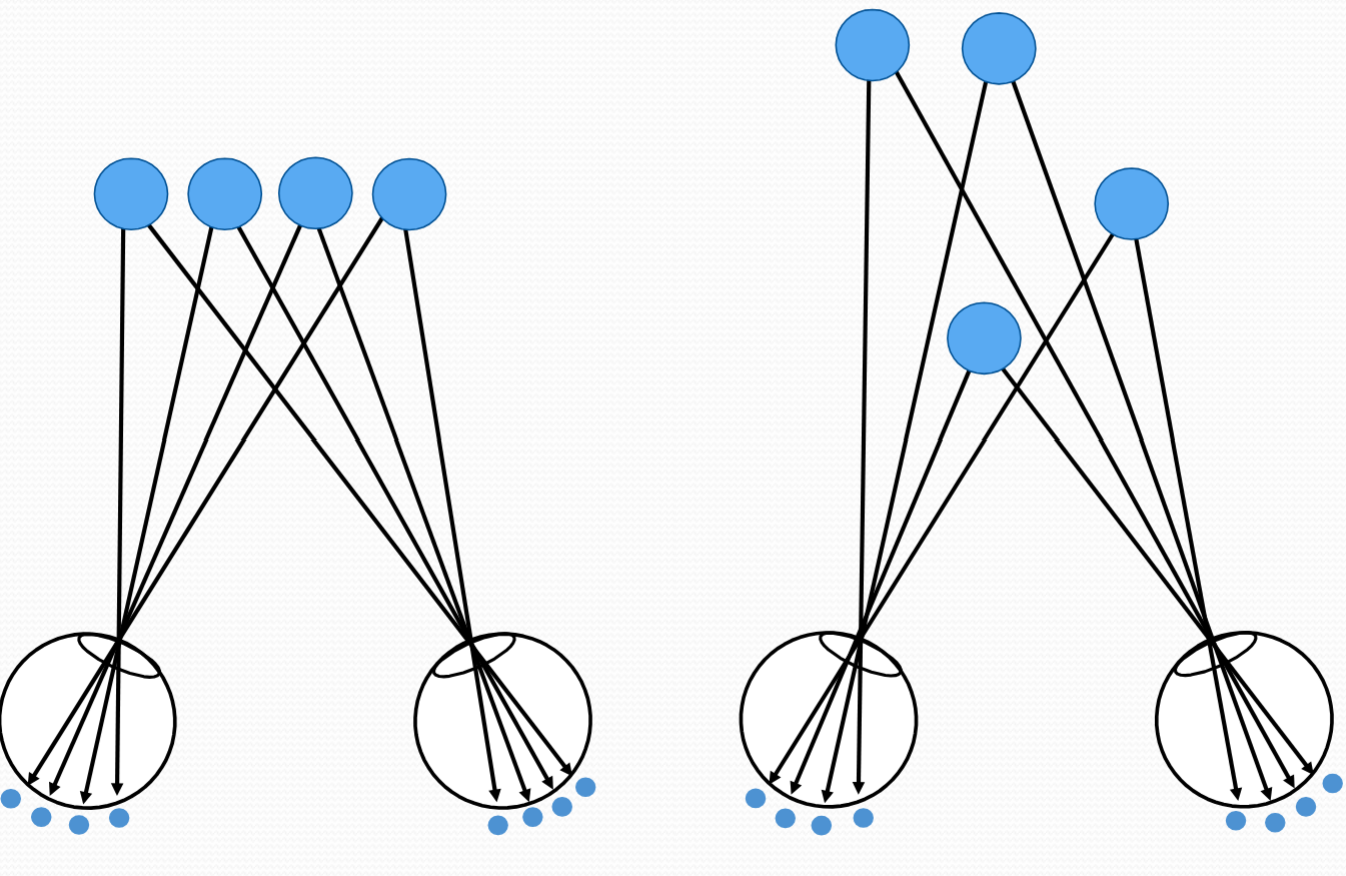
CORRESPONDENCE PROBLEM
If there are multiple identical objects in the scene it can be hard to figure out which images in the left retinal image should be associated with which images in the right retinal image
BASICALLY how do you tell depth when these two scenes make the same image on the retina?
THE RETINAL IMAGES ARE IMBIGUOUS unless the objects are coloured
PERCEIVING SIZE
perceived size is determined by:
angular size
its perceived depth
ANGULAR SIZE
the visual angle of the object on the retina
SIZE CONSTANCY
phenomenon where an objects apparent size does not depend on its physical distance
(ie i can see that a far chair is smaller than a near chair, but i know that they are relatively the same size)
this is achieved by considering the size of the object on the retina and the distance of the object
S(size) = K(constant) x (R[size of retinal image] x D[perceived distance of object])
S = K x (R x D)
SIZE ILLUSIONS
caused by people mistaking the distance of an object, making it appear larger or smaller than reality
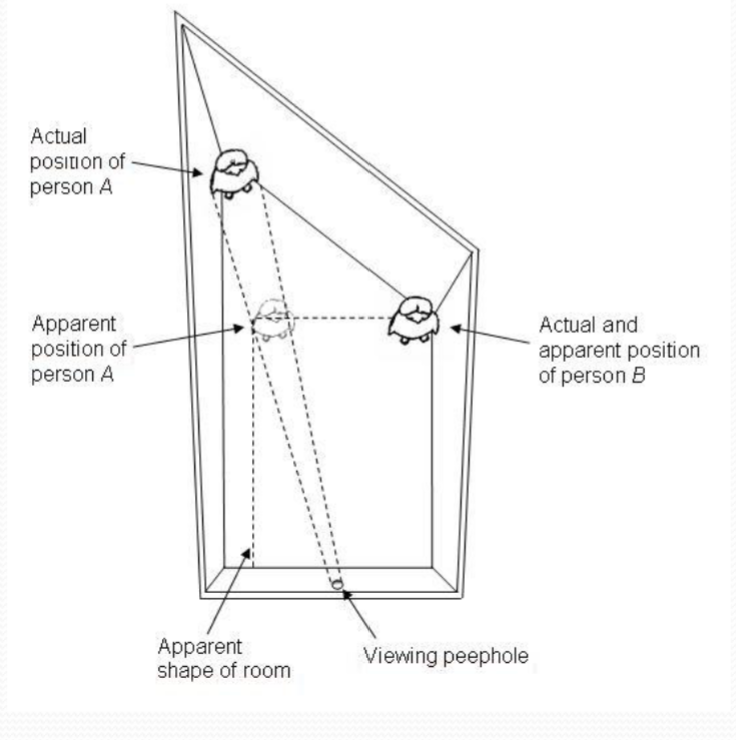
AMES ROOM
optical illusion in which a person in one corner appears much smaller than a person in the other corner
PHYSICAL DEFINITION OF SOUND
pressure changes in the air or other medium
PERCEPTUAL DEFINITION OF SOUND
the experience or sensation we have when we hear
PURE TONES
occurs when the change in air pressure occur in a SINE WAVE
the higher the frequency the higher the pitch
FREQUENCY
how frequent the sound waves are
measured in Hz
(200 Hz = wave repeats 200 times a second)