ARCHSOC III LECTURES 6-10

0.0(0)
Studied by 0 people
call kaiCall Kai
learnLearn
examPractice Test
spaced repetitionSpaced Repetition
heart puzzleMatch
flashcardsFlashcards
GameKnowt Play
Card Sorting

1/20

encourage image

There's no tags or description

Looks like no tags are added yet.

Last updated 4:34 PM on 5/12/26
Name
Mastery
Learn
Test
Matching
Spaced
Call with Kai

No analytics yet

Send a link to your students to track their progress

21 Terms
1
New cards
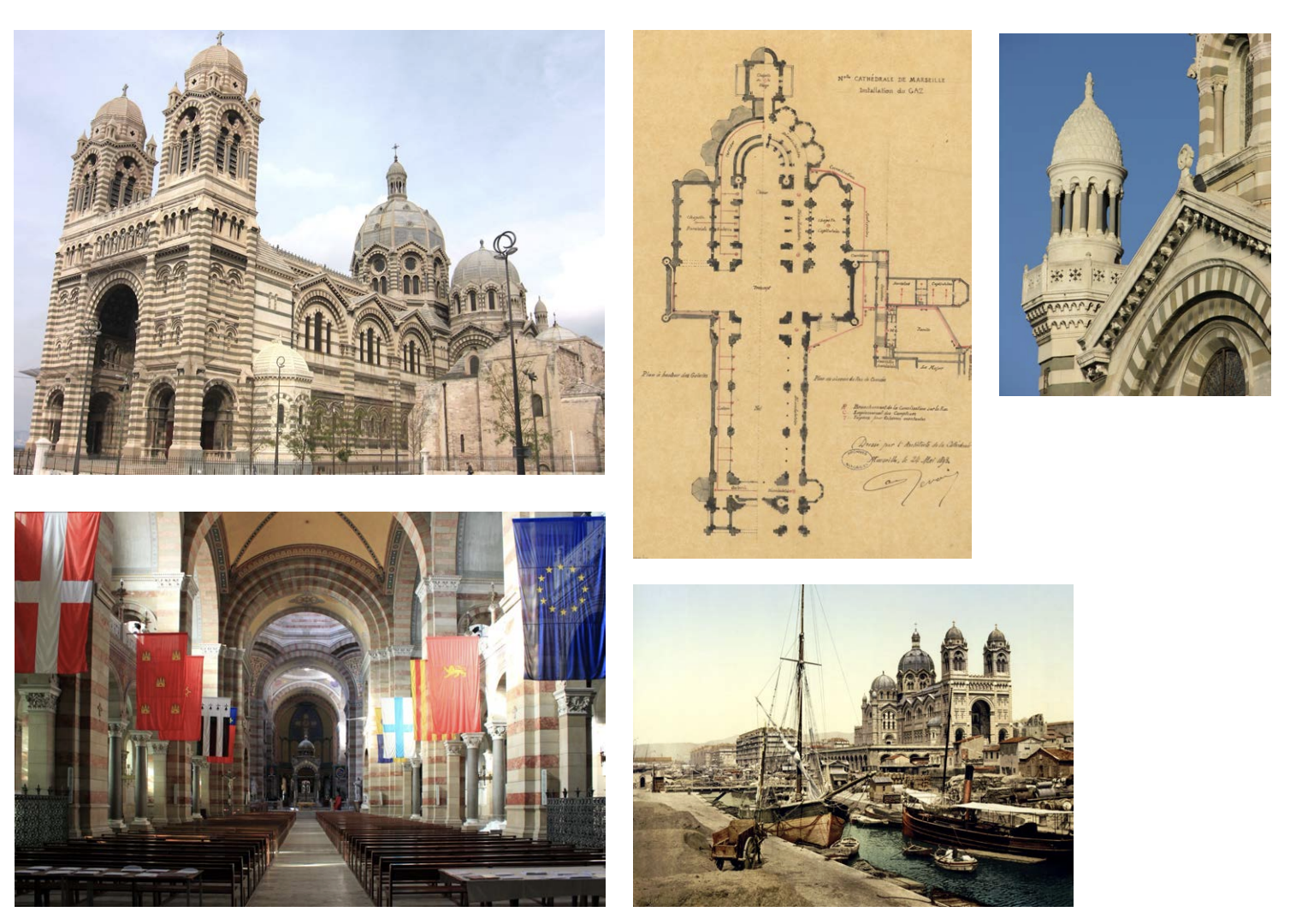
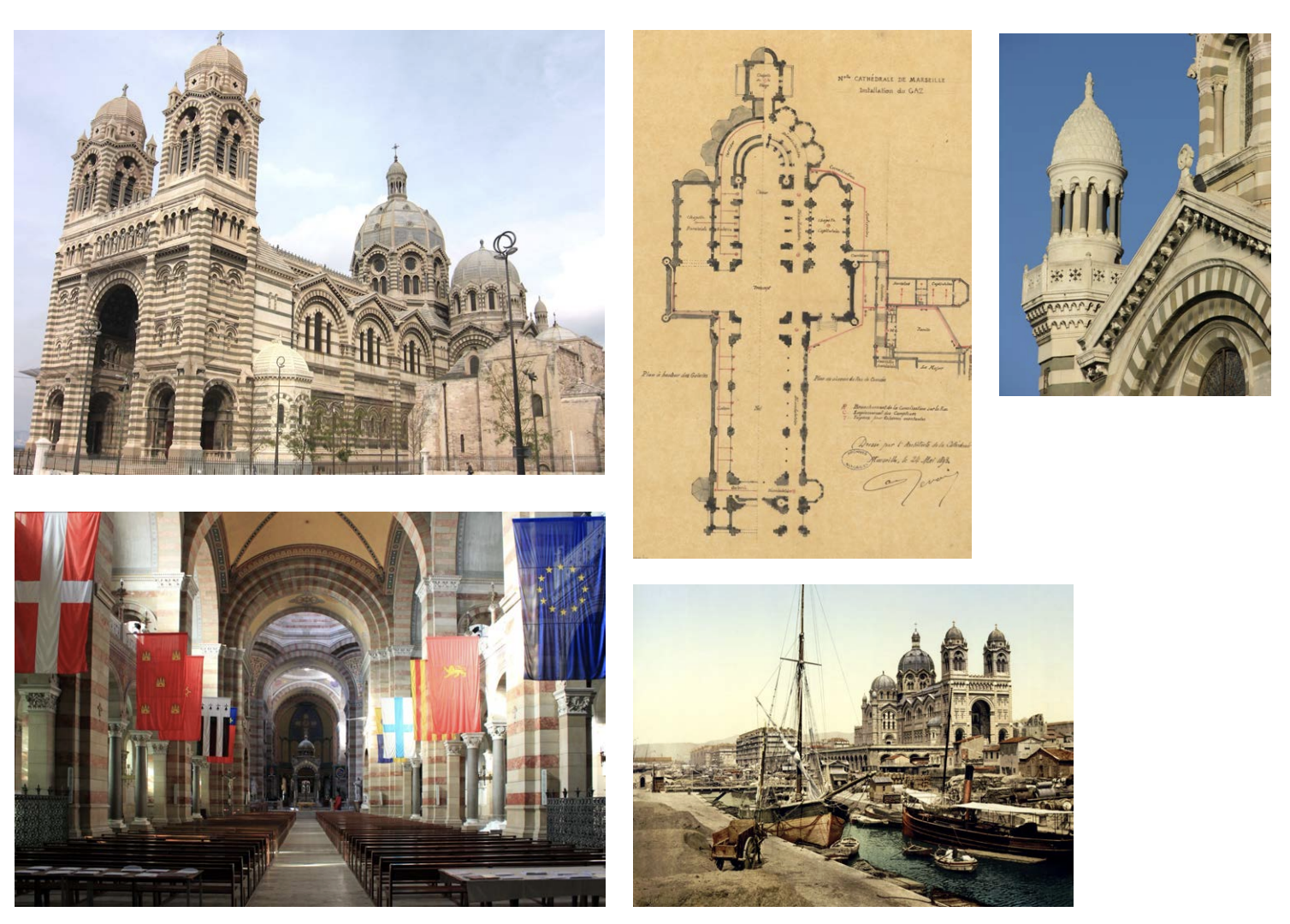
<p>6) Léon Vaudoyer, Church of Saint Mary Major (Ste.-Marie-Majeure), Marseilles, France, 1852–93</p>

6) Léon Vaudoyer, Church of Saint Mary Major (Ste.-Marie-Majeure), Marseilles, France, 1852–93

Eclecticism, grandiosity and precision reflected in Beaux arts approach Byzantine and romanesque westwork influence, striping reflects architecture in the middle east, Byzantine debated over whether it was partially European/eastern, etc. Suggests that the style building is in is a natural product of accumulated architectural history, Byzantine revival. imitations of historicism to suggest how this was constructed with the context of accumulated architecture history. , connecting the French empire to north african civilizations
<p>Eclecticism, grandiosity and precision reflected in Beaux arts approach Byzantine and romanesque westwork influence, striping reflects architecture in the middle east, Byzantine debated over whether it was partially European/eastern, etc. Suggests that the style building is in is a natural product of accumulated architectural history, Byzantine revival. imitations of historicism to suggest how this was constructed with the context of accumulated architecture history. , connecting the French empire to north african civilizations </p>
2
New cards
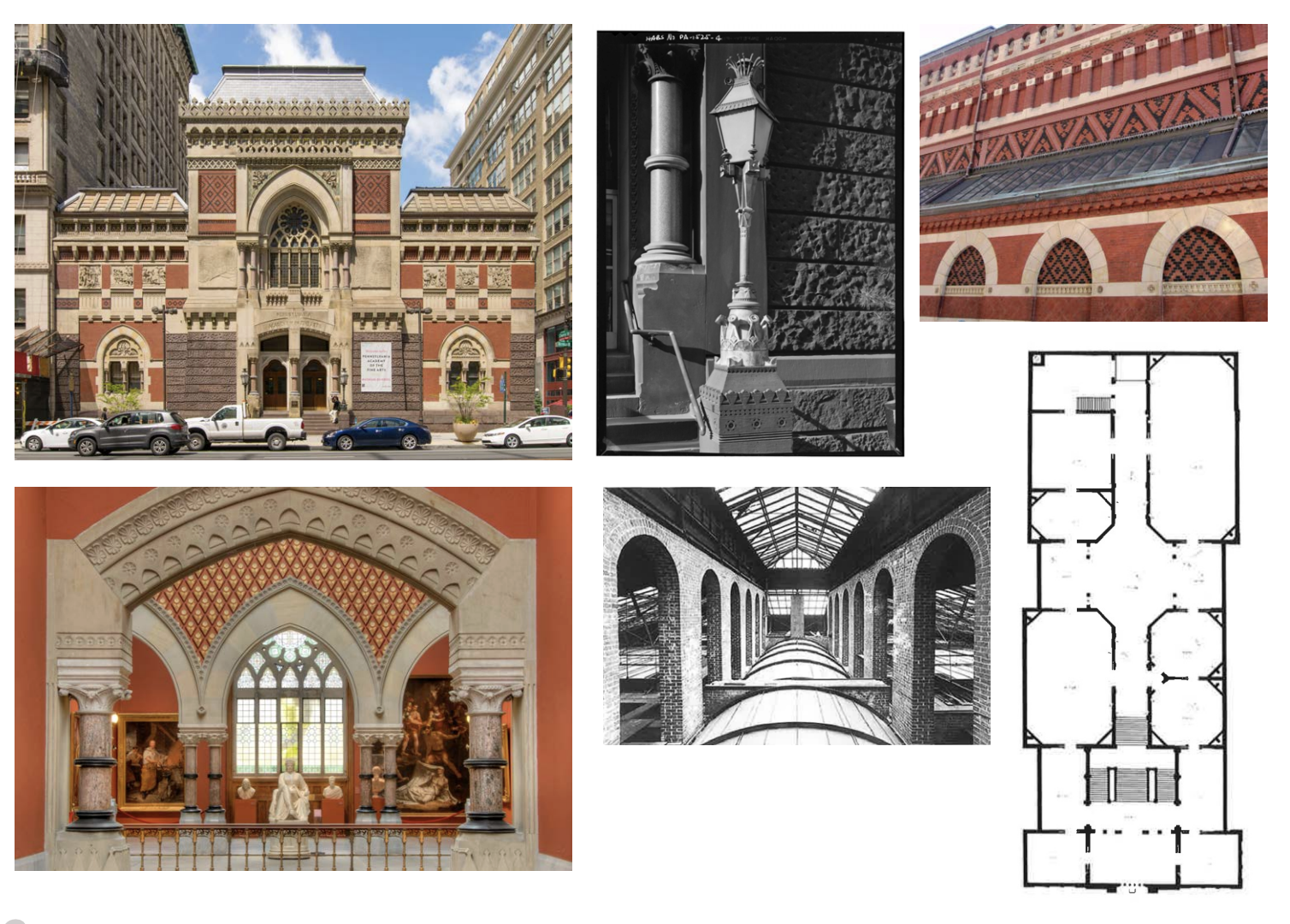
<p>6) Frank Furness, Pennsylvania Academy of Fine Arts, Philadelphia (PA), USA, 1876</p>

6) Frank Furness, Pennsylvania Academy of Fine Arts, Philadelphia (PA), USA, 1876

Americanized Beaux Arts style, but was also rugged and industrial to fit the distinction between America and the West. Was an art museum, educated people on art, improved philly’s reputation as a place home to art and culture. Includes gothic, greek, islamic, second empire French (mansard, symmetrical). Includes stained glass windows and rose window, definitively gothic. diaper diamond patterns, delicate trace crenelation, skylights for natural light, steel beams were used but painted. Eclectic pillars resembled pistons and the industrial revolution.
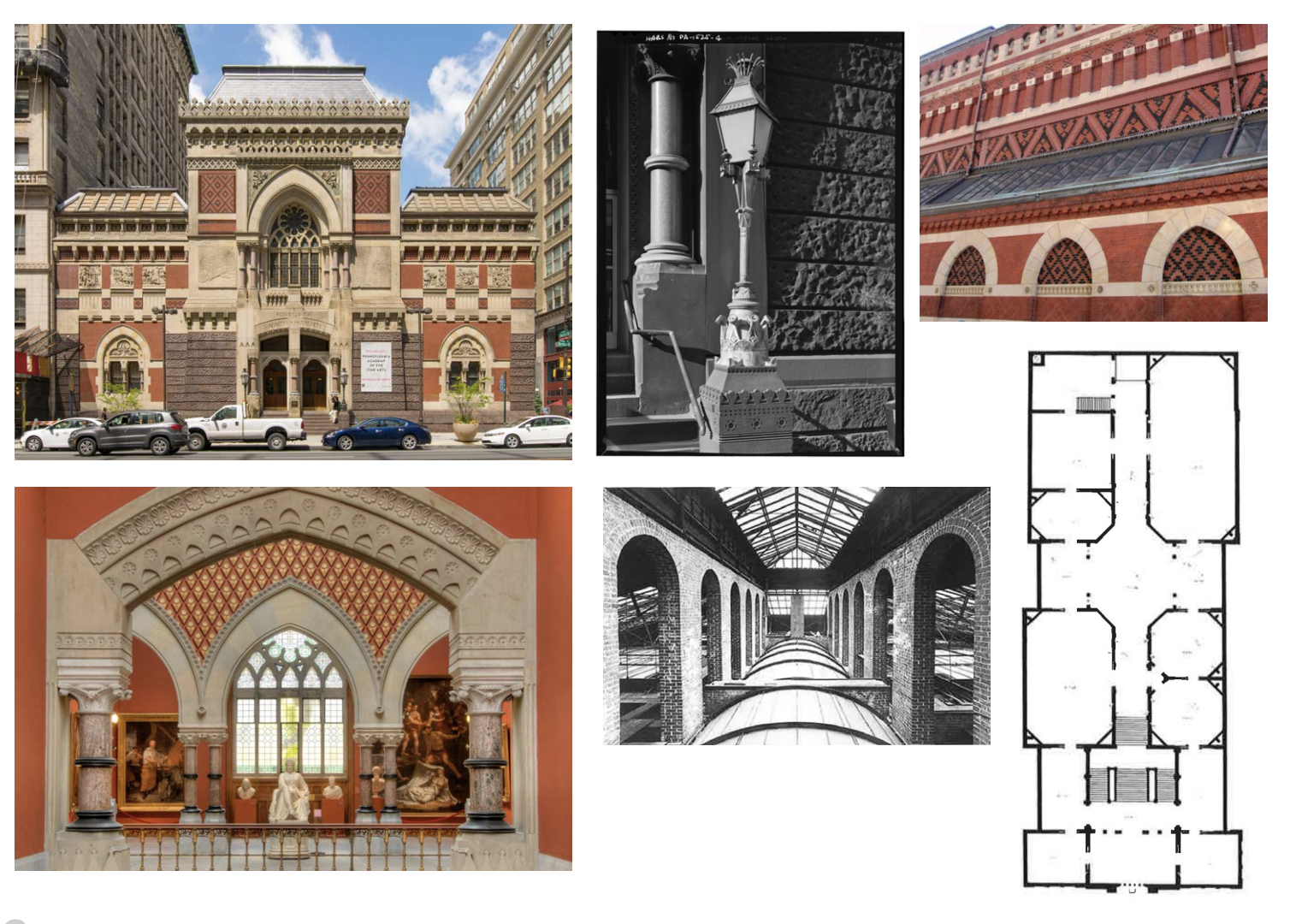
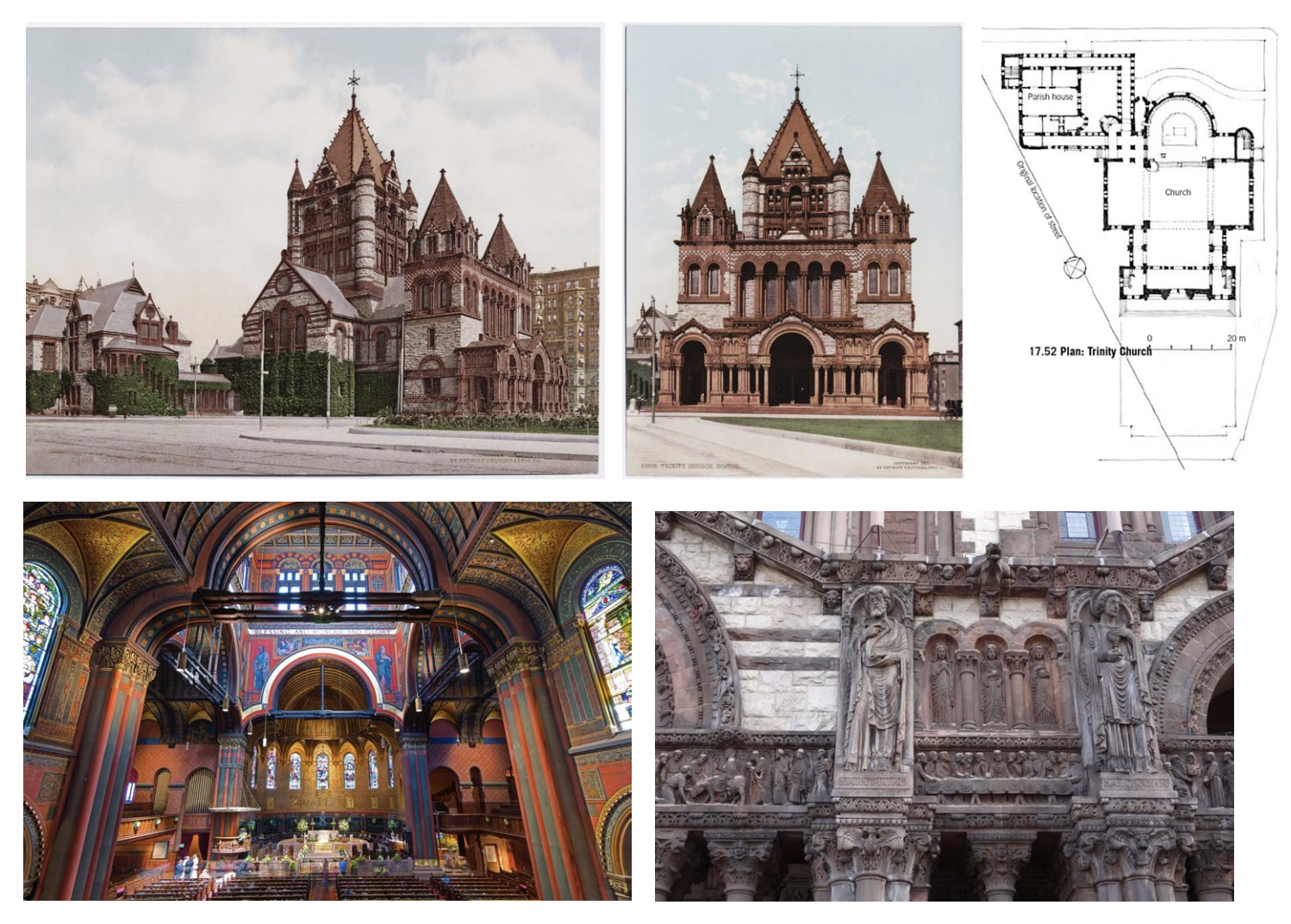
<p>Americanized Beaux Arts style, but was also rugged and industrial to fit the distinction between America and the West. Was an art museum, educated people on art, improved philly’s reputation as a place home to art and culture. Includes gothic, greek, islamic, second empire French (mansard, symmetrical). Includes stained glass windows and rose window, definitively gothic. diaper diamond patterns, delicate trace crenelation, skylights for natural light, steel beams were used but painted. Eclectic pillars resembled pistons and the industrial revolution.</p>
3
New cards
<p>6) Henry Hobson Richardson, Trinity Church, Boston (MA), USA, 1873</p>

6) Henry Hobson Richardson, Trinity Church, Boston (MA), USA, 1873

Had his own style, Richardsonian Romanesque, studied at Paris Ecole. Borrows from various sources (Abbey Church of St. Gilles, Cathedral of Salamanca, Spain), facade includes relief sculpture in different stones, polychromy. Short nave, wide transept. Interior is very colorful. Richardsonian Romanesque came from vaulting, relief sculptues, round arches.
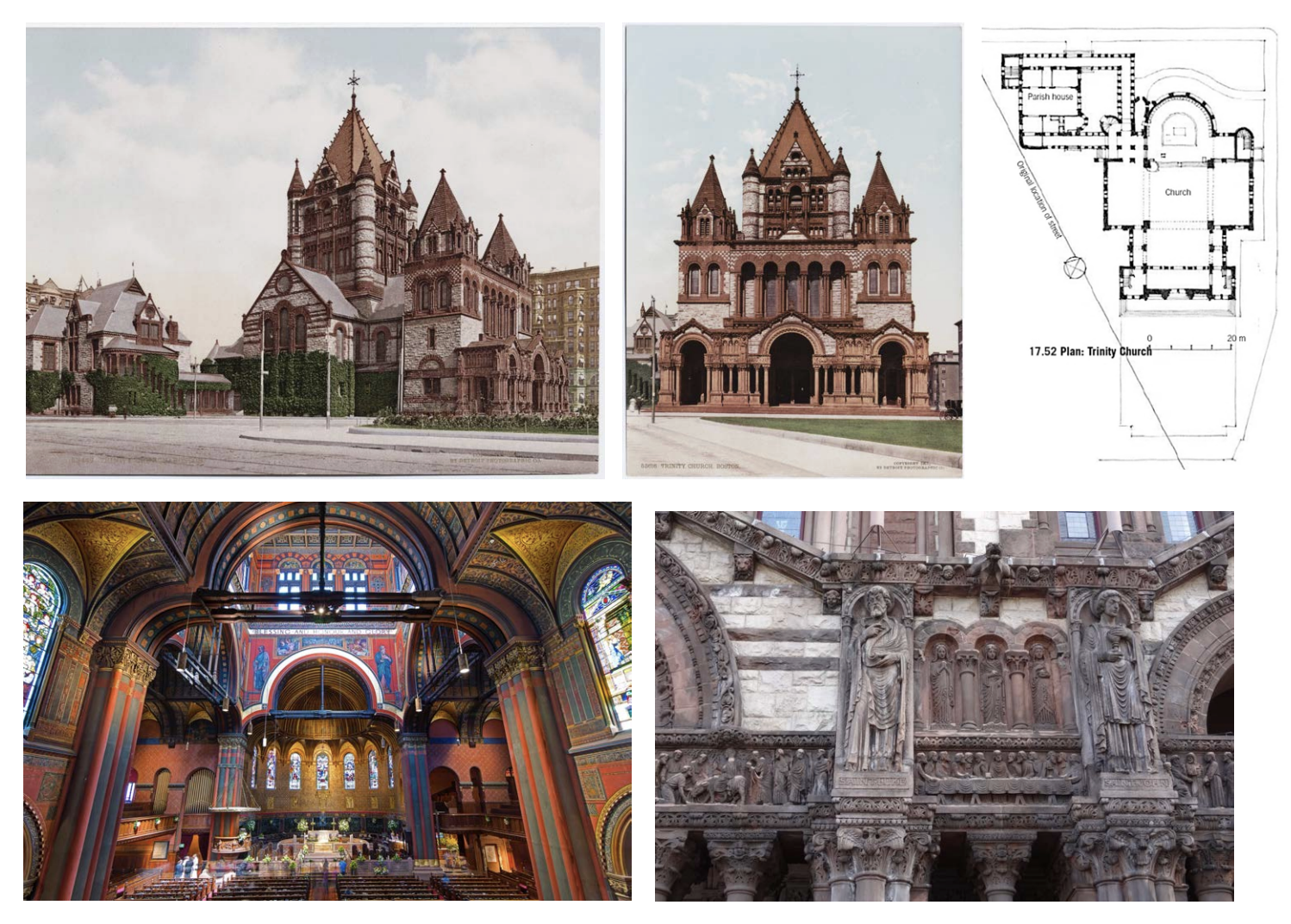
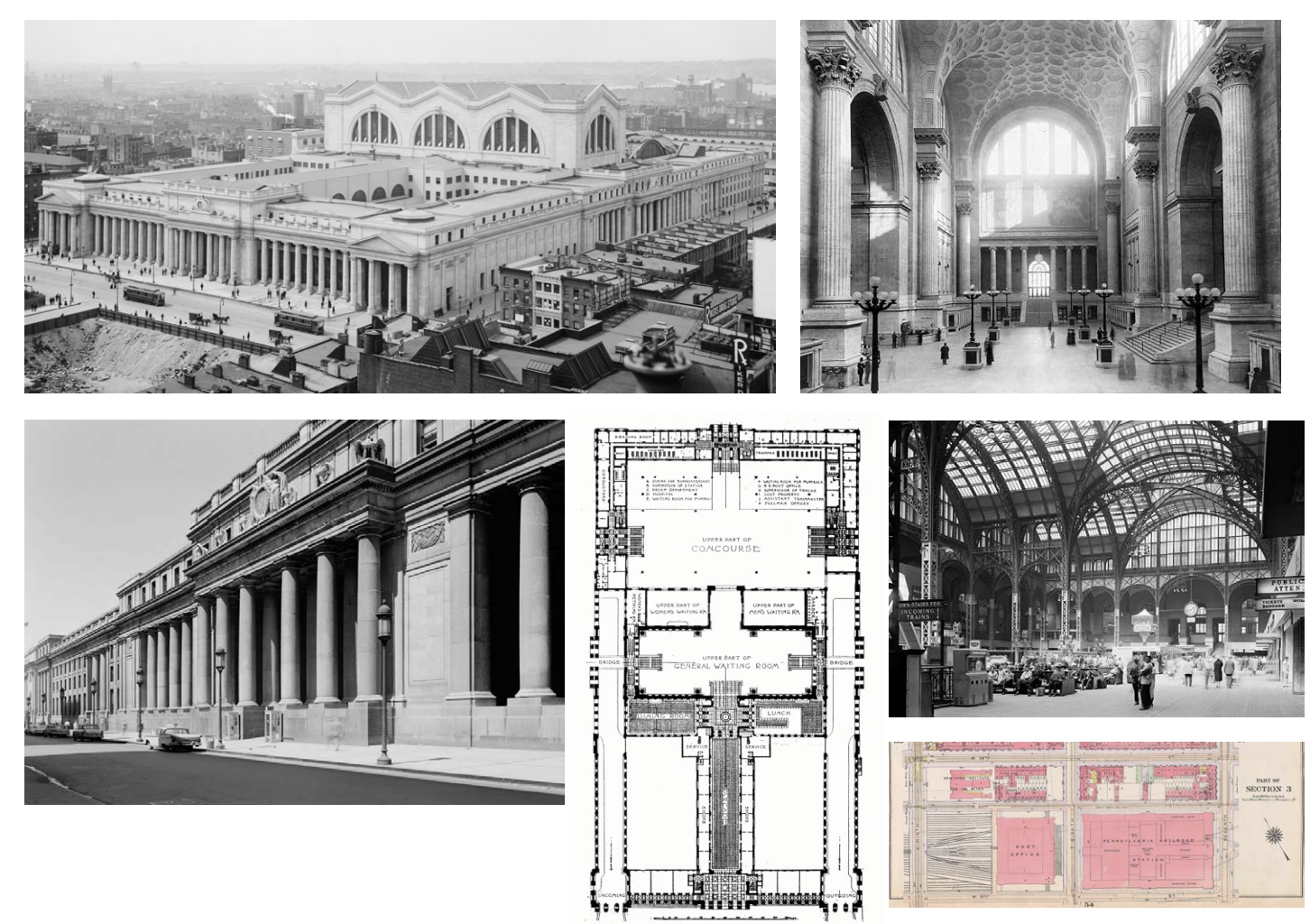
<p>Had his own style, Richardsonian Romanesque, studied at Paris Ecole. Borrows from various sources (Abbey Church of St. Gilles, Cathedral of Salamanca, Spain), facade includes relief sculpture in different stones, polychromy. Short nave, wide transept. Interior is very colorful. Richardsonian Romanesque came from vaulting, relief sculptues, round arches.</p>
4
New cards
<p>6) McKim, Mead, and White, Pennsylvania Station, New York City (NY), USA, 1904–10</p>

6) McKim, Mead, and White, Pennsylvania Station, New York City (NY), USA, 1904–10

Paramount building of the beaux arts, looks like a roman bath. 500 buildings knocked down to build, significant use of steel and bricks. Immense and grandiose. Demolished in 1963 despite efforts against
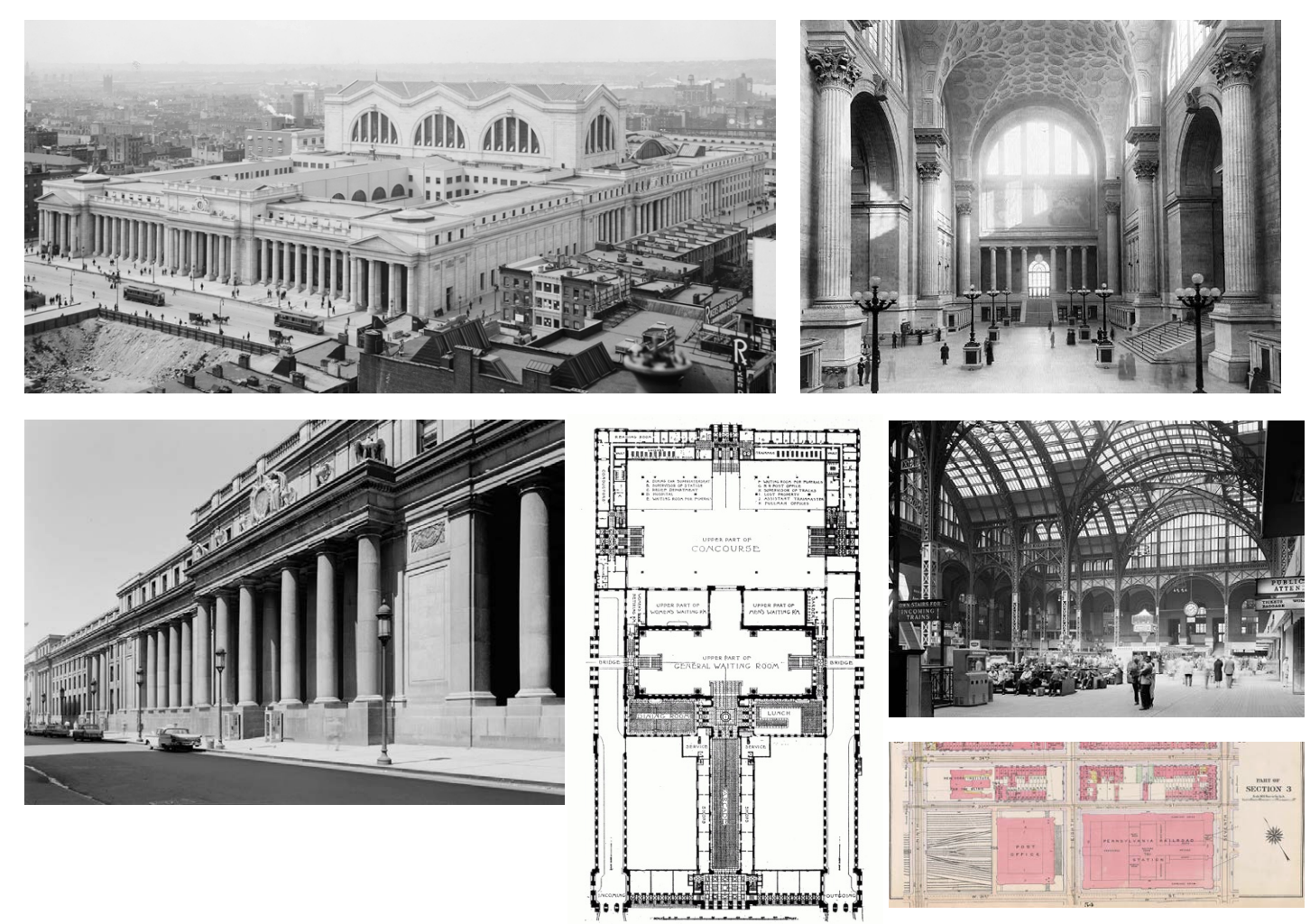
<p>Paramount building of the beaux arts, looks like a roman bath. 500 buildings knocked down to build, significant use of steel and bricks. Immense and grandiose. Demolished in 1963 despite efforts against</p>
5
New cards
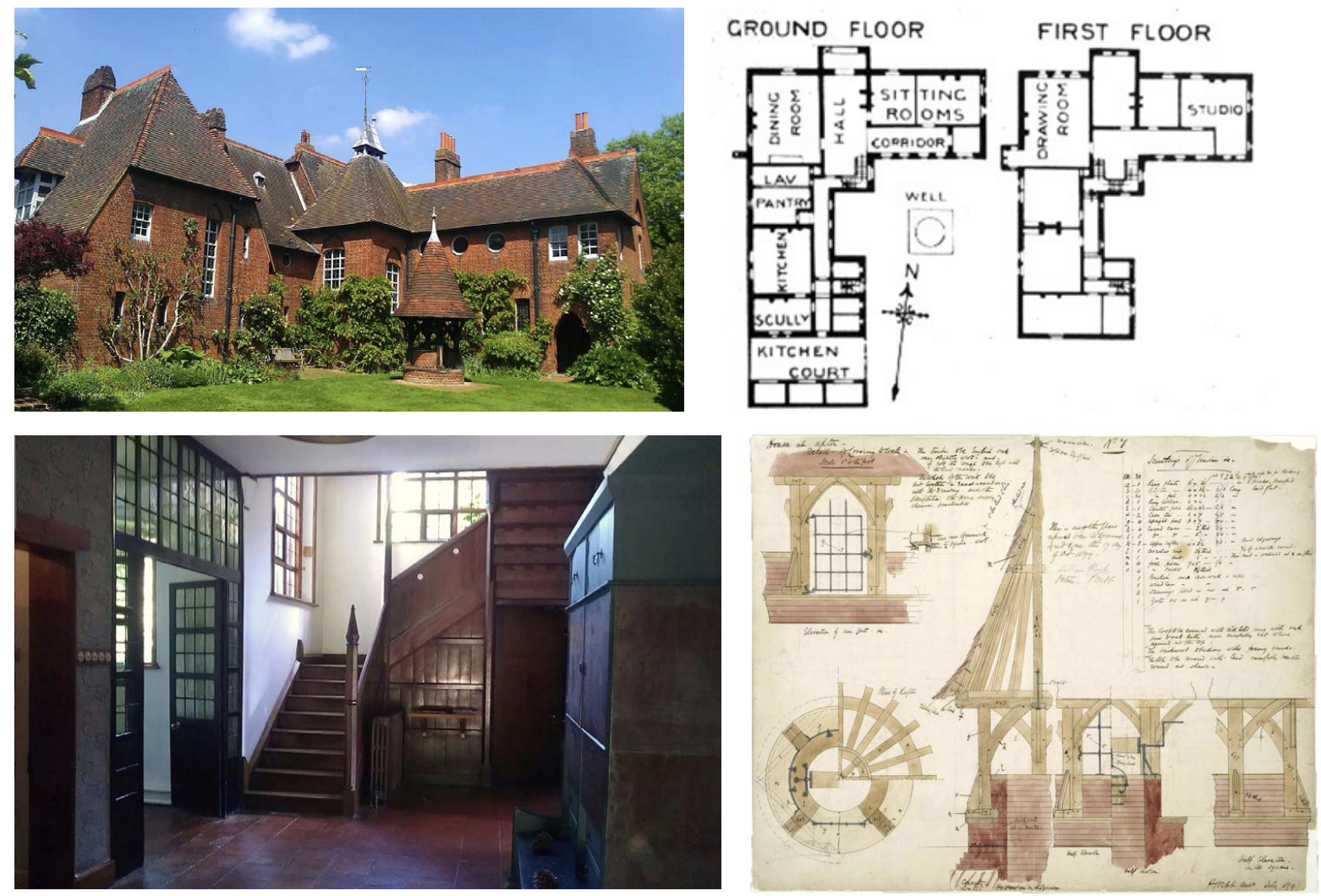
<p>7) Philip Webb, Red House, Bexleyheath (London), (England) UK, 1860</p>

7) Philip Webb, Red House, Bexleyheath (London), (England) UK, 1860

High pitched roofs, an “English” feel, terracotta brick, celebration of hand-carved wood and imperfections, asymmetrical plan

Disinterest in mass production, return to the original approach to creating materials and structures from a moral standpoint, valuing expression of creativity and taking matters into own hands rather than relying on industrial production, producing honest work and humility in creation.
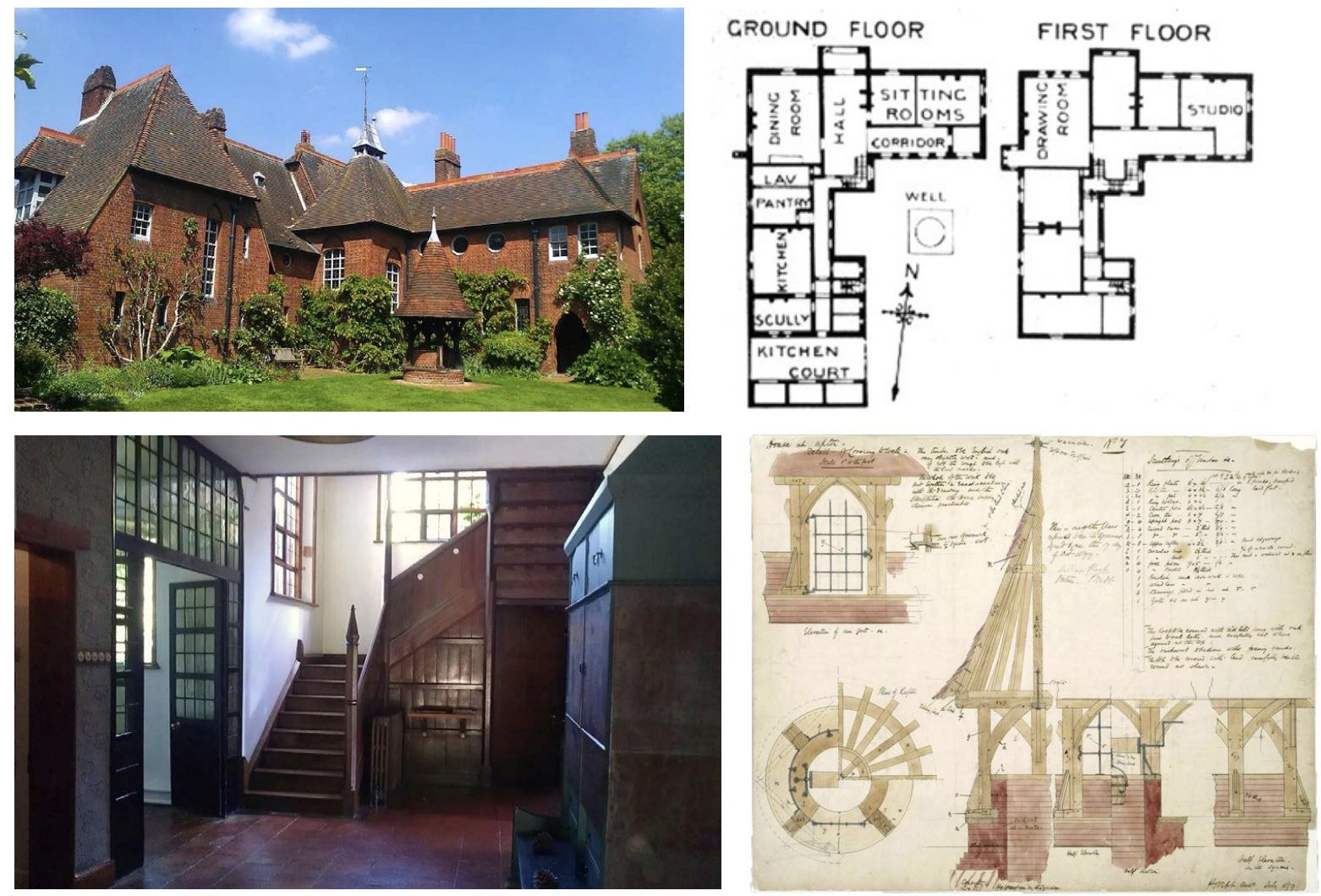
<p>High pitched roofs, an “English” feel, terracotta brick, celebration of hand-carved wood and imperfections, asymmetrical plan</p><p>Disinterest in mass production, return to the original approach to creating materials and structures from a moral standpoint, valuing expression of creativity and taking matters into own hands rather than relying on industrial production, producing honest work and humility in creation.</p>
6
New cards
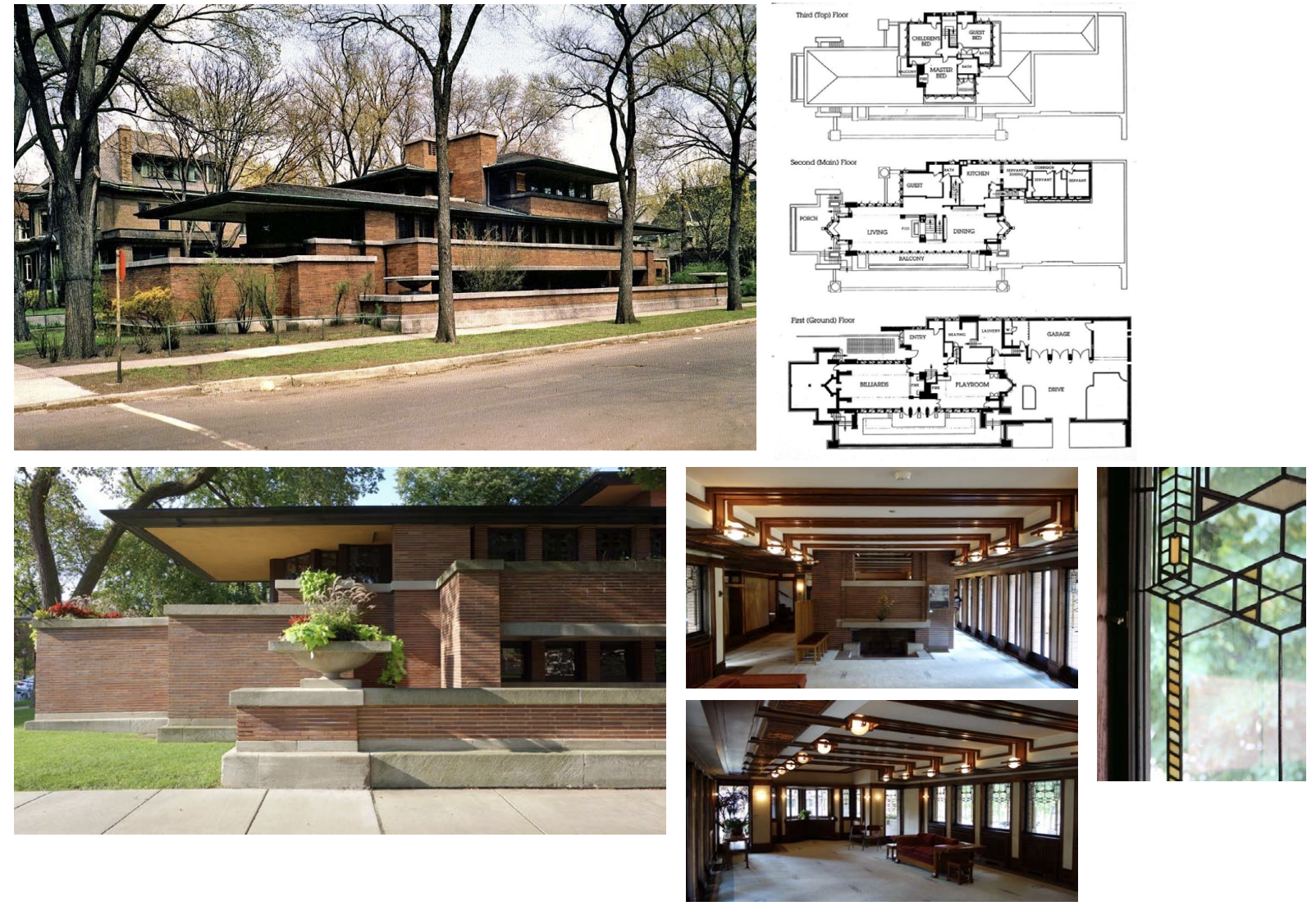
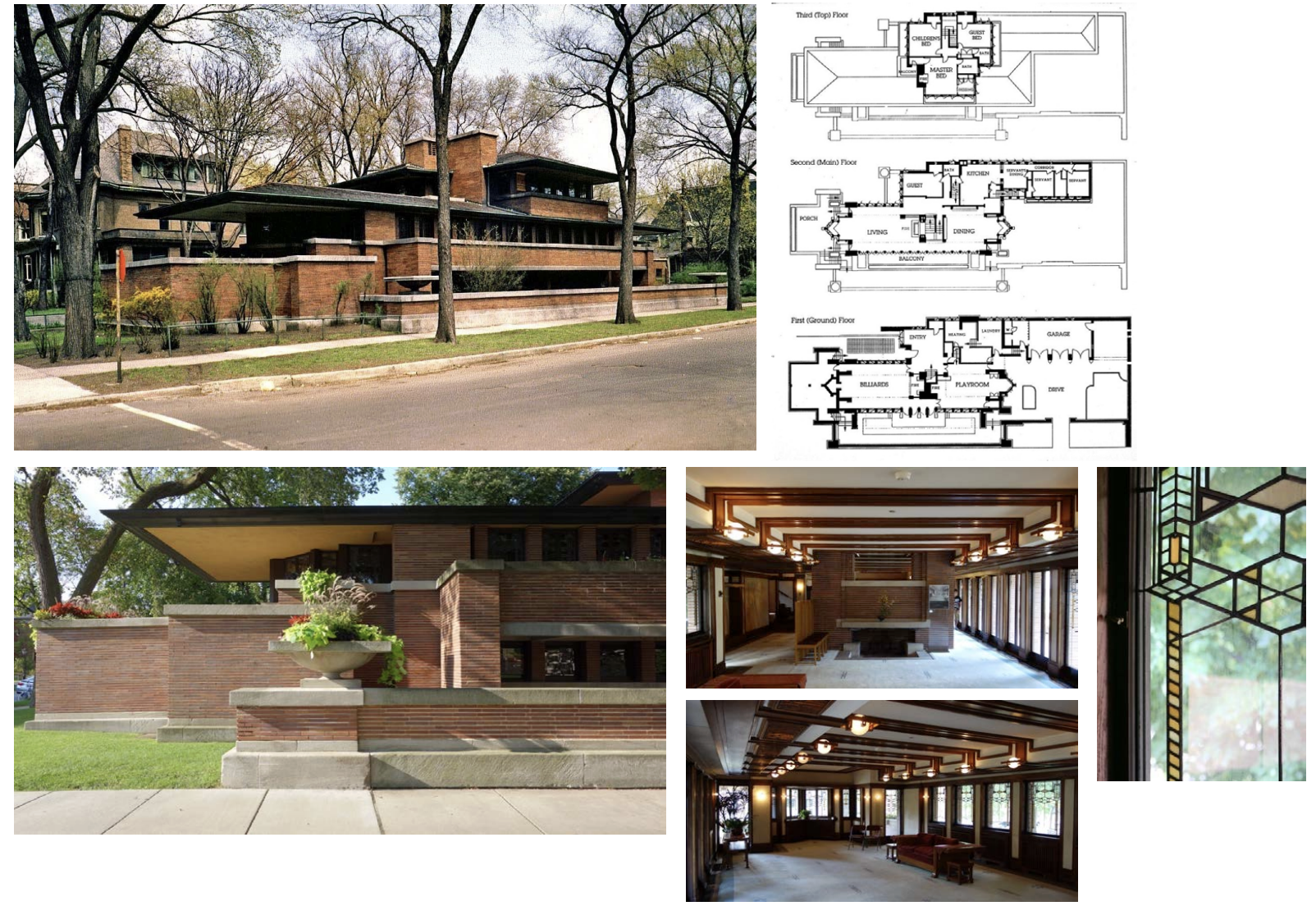
<p>7) Frank Lloyd Wright, Robie House, Hyde Park (IL), USA, 1906–09</p>

7) Frank Lloyd Wright, Robie House, Hyde Park (IL), USA, 1906–09

27 year old wealthy client requests views onto nearby park, seeing the outside while privacy is protected. Horizontally structured, built around fireplace as the sacred hearth. Privacy solution from overhangs that cast shadows. Built in prairie style for horizontality. Detailed long bricks with subtle indication on vertical parts where it’s colored like the bricks, but still renders each brick as distinctive. Stained glass ornamentation of windows with wheat motifs.
<p>27 year old wealthy client requests views onto nearby park, seeing the outside while privacy is protected. Horizontally structured, built around fireplace as the sacred hearth. Privacy solution from overhangs that cast shadows. Built in prairie style for horizontality. Detailed long bricks with subtle indication on vertical parts where it’s colored like the bricks, but still renders each brick as distinctive. Stained glass ornamentation of windows with wheat motifs.</p>
7
New cards
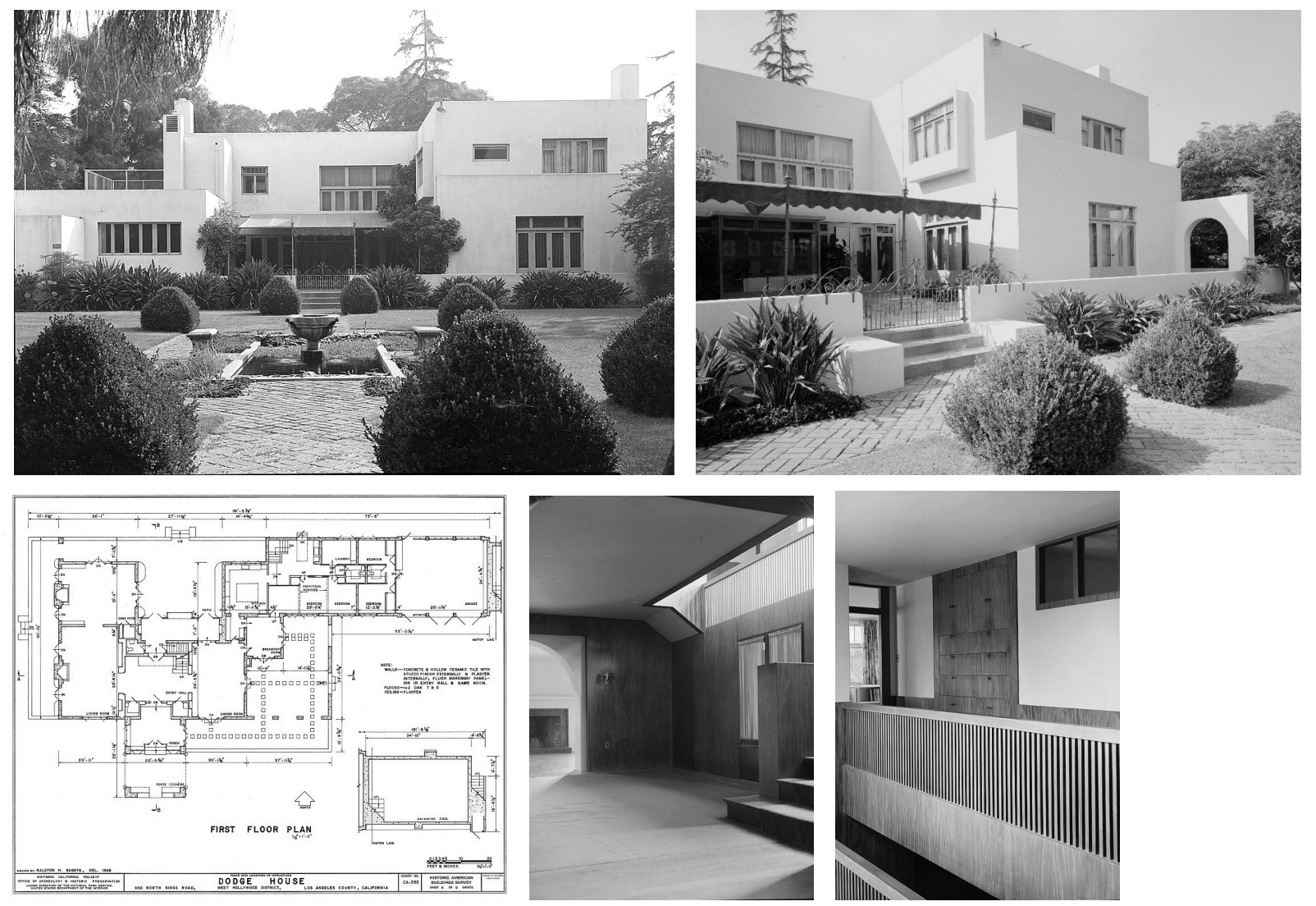
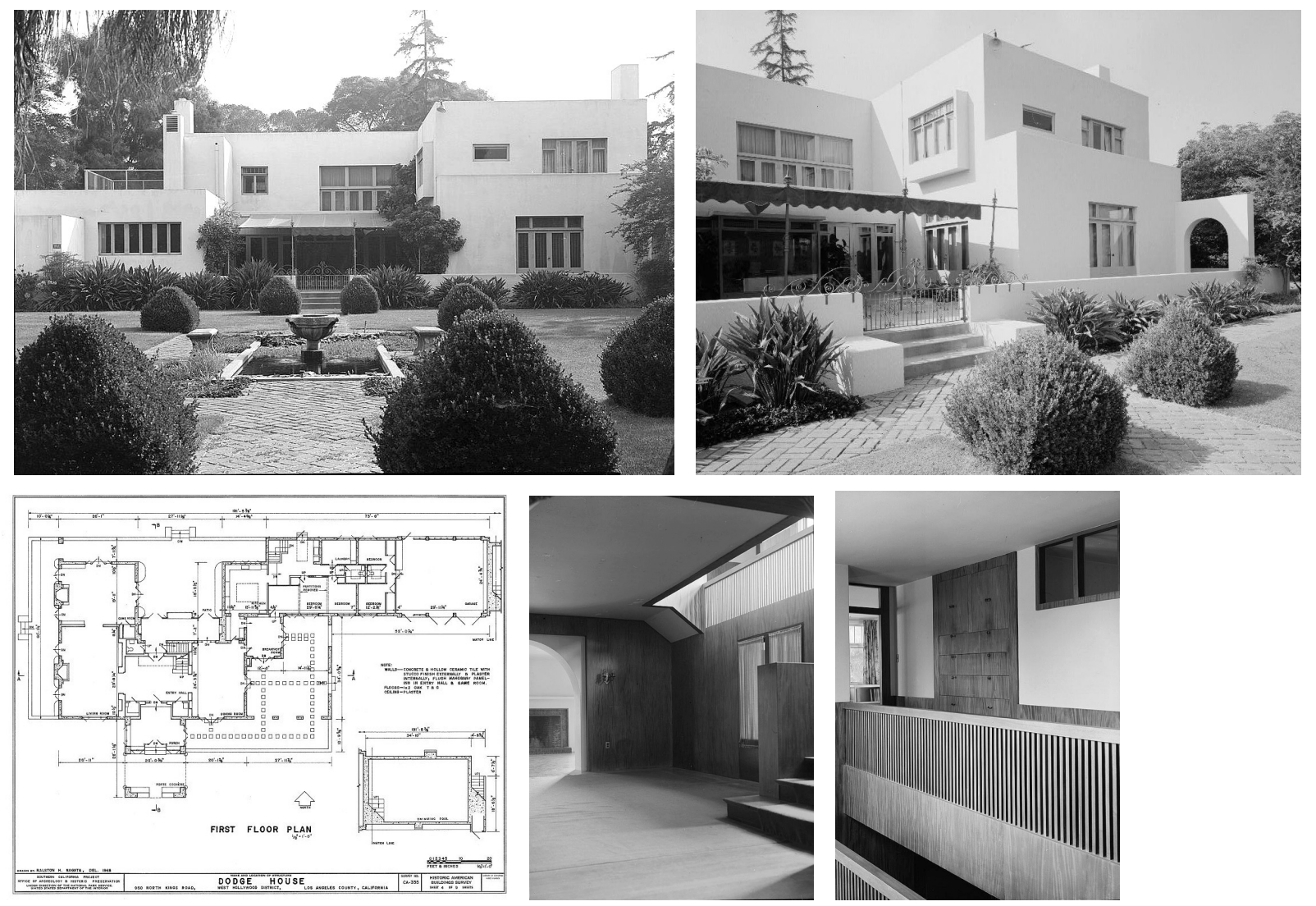
<p>7) Irving Gill, Dodge House, Los Angeles (CA), USA, 1915</p>

7) Irving Gill, Dodge House, Los Angeles (CA), USA, 1915

Not truly arts and crafts but constructed in a similar tradition, focus on the shadows and aging of the building be the decorative aspect, simple blocky massing. Interior has white walls and wood paneling, machine cut wood, allows for light to pass through. Torn down but incredibly influential for modern architecture
<p>Not truly arts and crafts but constructed in a similar tradition, focus on the shadows and aging of the building be the decorative aspect, simple blocky massing. Interior has white walls and wood paneling, machine cut wood, allows for light to pass through. Torn down but incredibly influential for modern architecture</p>
8
New cards
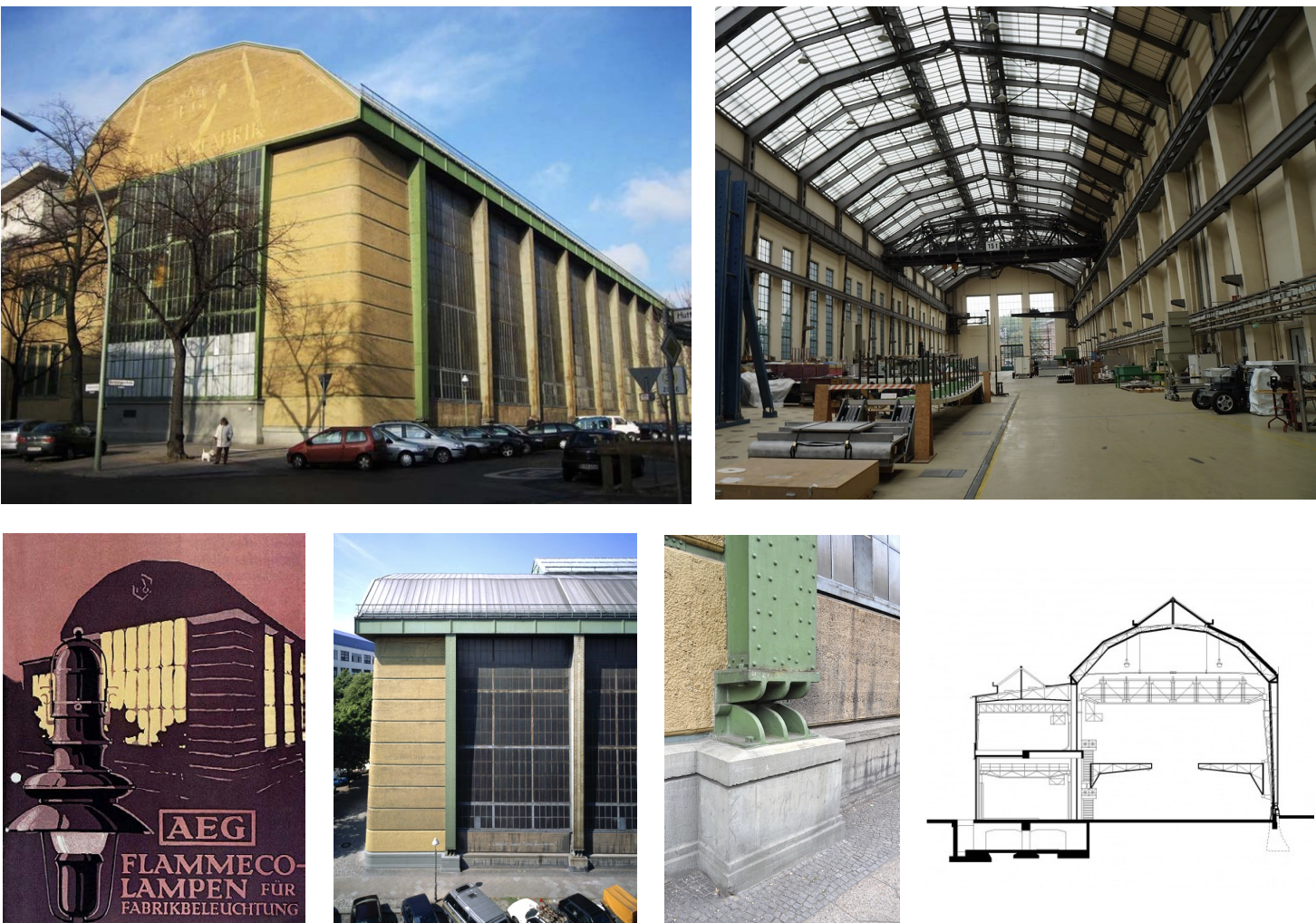
<p>7) Peter Behrens, AEG Turbine Hall, Berlin, Germany, 1908</p>

7) Peter Behrens, AEG Turbine Hall, Berlin, Germany, 1908

Factory that manufactures machines, “temple to industry,” heavy corners, large glass windows that span the length, open floor plan that allows light to enter, dignity for the workers to be working in a space like this, the building appears as a glowing light bulb at night when the lights are on, becomes a point for advertising
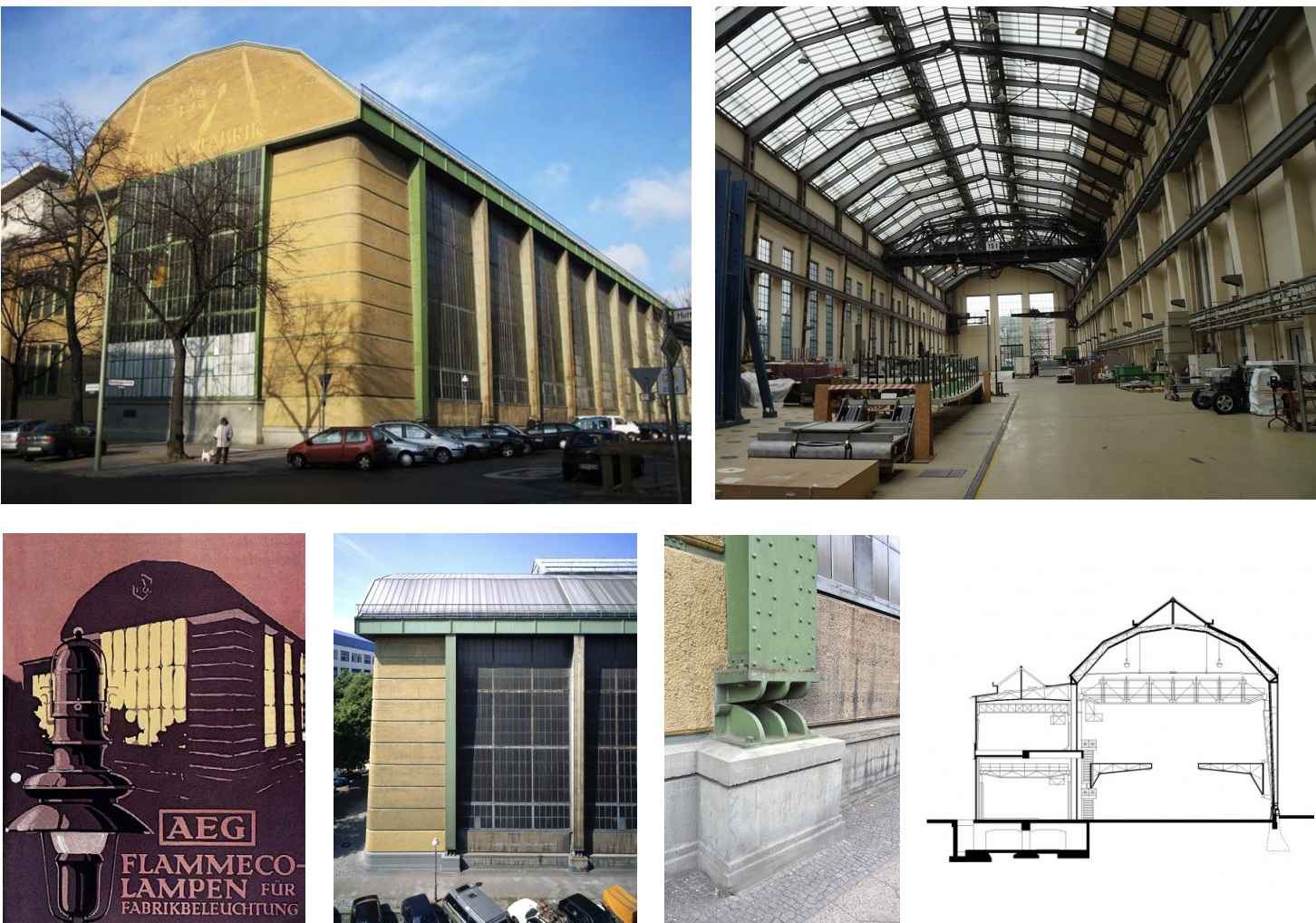
<p>Factory that manufactures machines, “temple to industry,” heavy corners, large glass windows that span the length, open floor plan that allows light to enter, dignity for the workers to be working in a space like this, the building appears as a glowing light bulb at night when the lights are on, becomes a point for advertising</p>
9
New cards
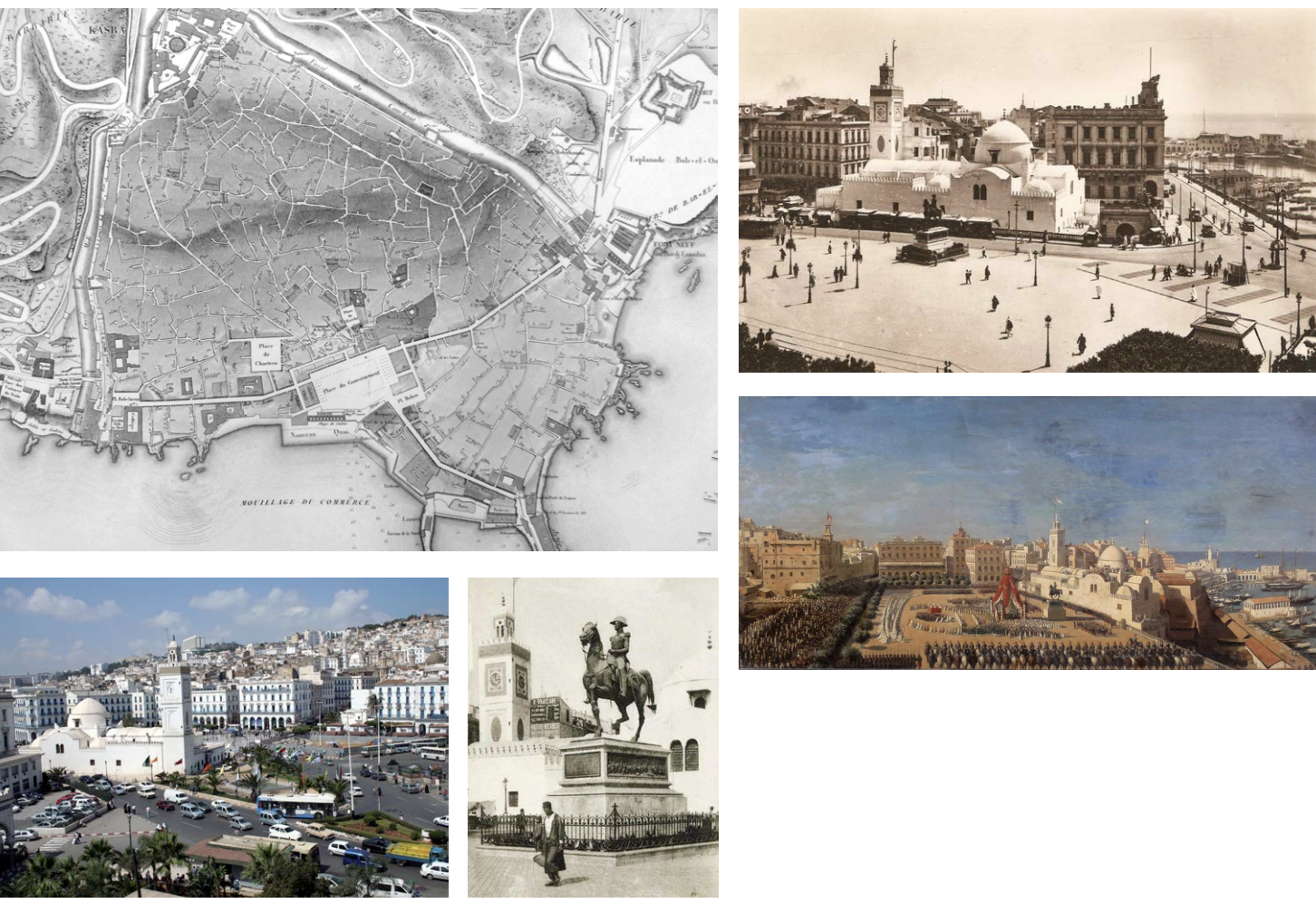
<p>8) Government Square, Algiers, Algeria, 1830+</p>

8) Government Square, Algiers, Algeria, 1830+

French impose their understanding of urbanism on Algiers. Happened before the Haussmannization of Paris. Justified as a civilizing mission by knocking down the kings palace and creating a center square in European style, convert mosque into Catholic church, opera halls, Al Jadid Mosque was almost taken down but the French still got control and put a clock on the minaret, an insult to the lunar and solar cycle system they go by for prayer calls. Put a square with monuments and functions in a European way with catholic events and celebration of military
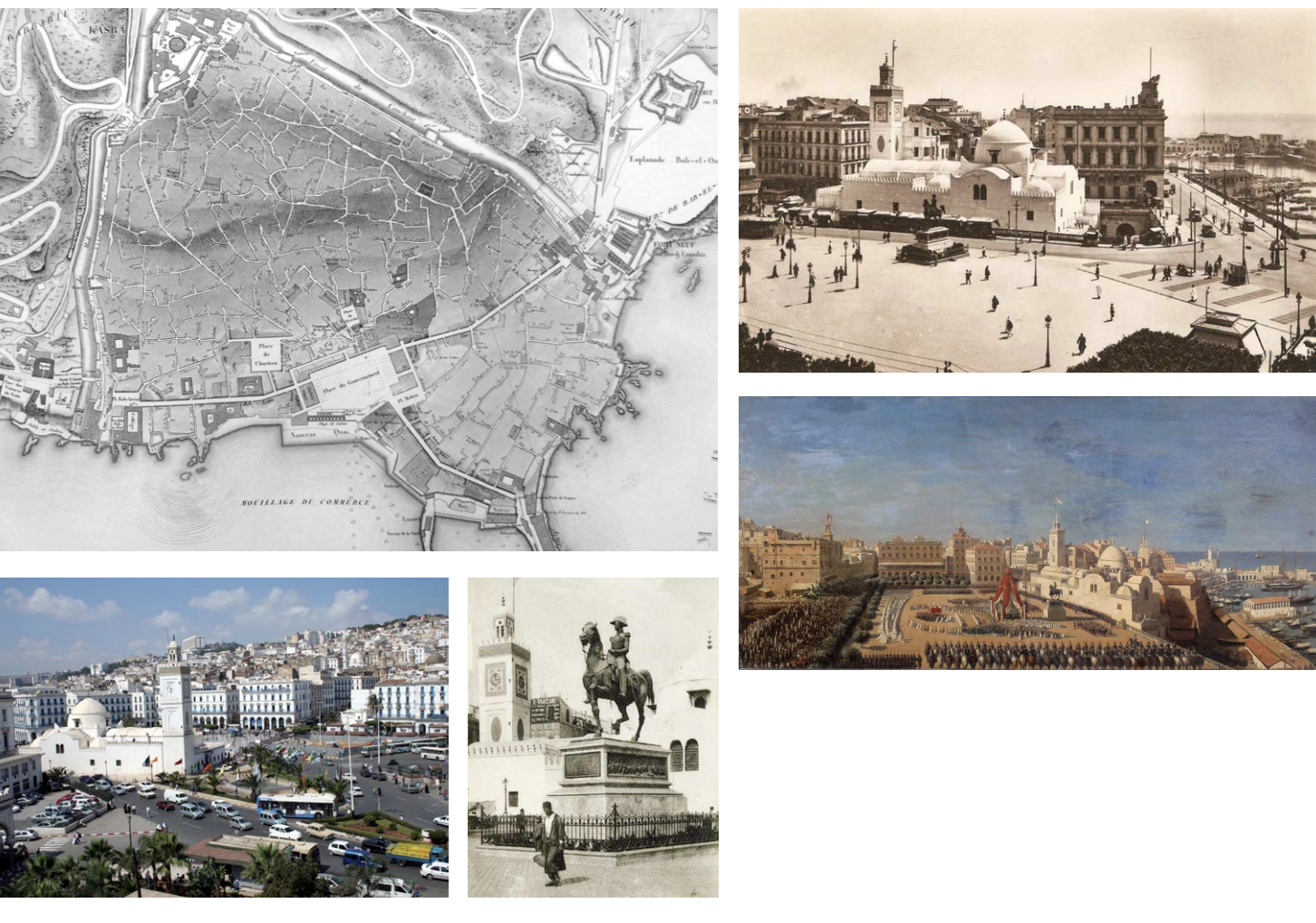
<p>French impose their understanding of urbanism on Algiers. Happened before the Haussmannization of Paris. Justified as a civilizing mission by knocking down the kings palace and creating a center square in European style, convert mosque into Catholic church, opera halls, Al Jadid Mosque was almost taken down but the French still got control and put a clock on the minaret, an insult to the lunar and solar cycle system they go by for prayer calls. Put a square with monuments and functions in a European way with catholic events and celebration of military</p>
10
New cards
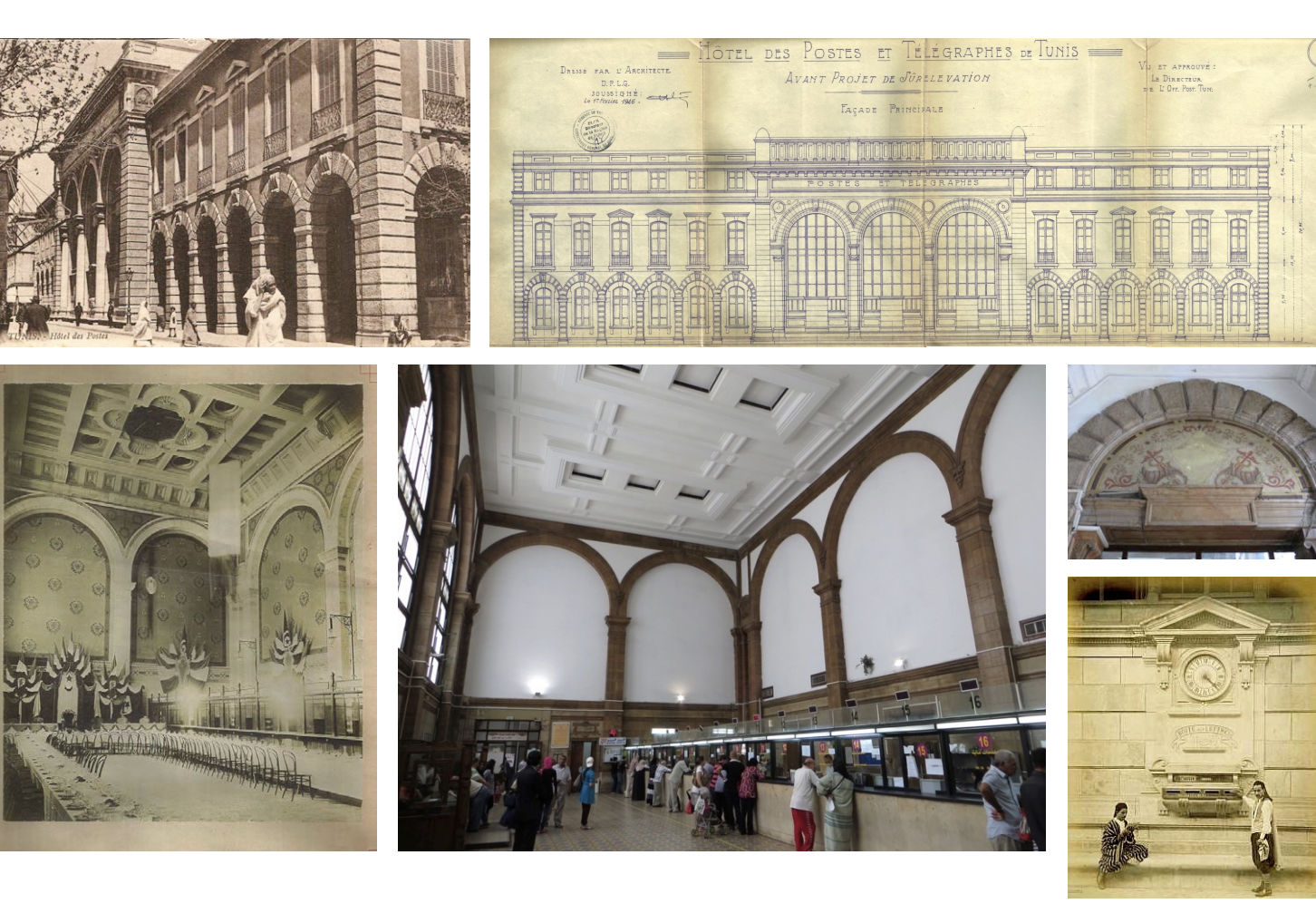
<p>8) Henri Saladin, Postal Headquarters, Tunis, Tunisia, 1892</p>

8) Henri Saladin, Postal Headquarters, Tunis, Tunisia, 1892

Making Tunis look like Paris: building a post office, which is colonial because it allows for France to study and control information: delivery of mail requires delivery of taxes, etc. Triumphal arches and arcades throughout the building. Roman ideas/motifs represented in mosaics above doorways in arches. Clock built in the post office, colonialist view of time.
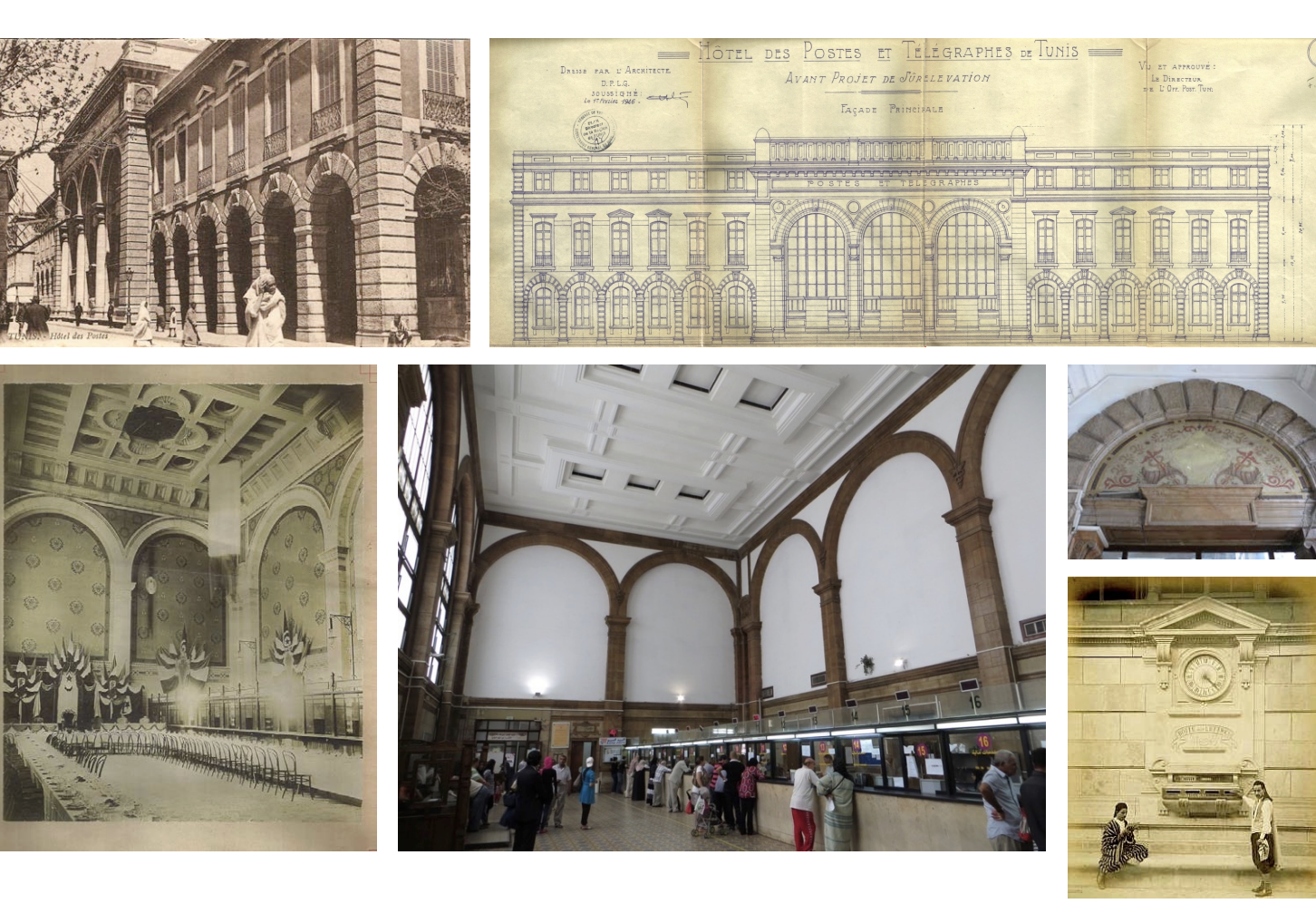
<p>Making Tunis look like Paris: building a post office, which is colonial because it allows for France to study and control information: delivery of mail requires delivery of taxes, etc. Triumphal arches and arcades throughout the building. Roman ideas/motifs represented in mosaics above doorways in arches. Clock built in the post office, colonialist view of time.</p>
11
New cards
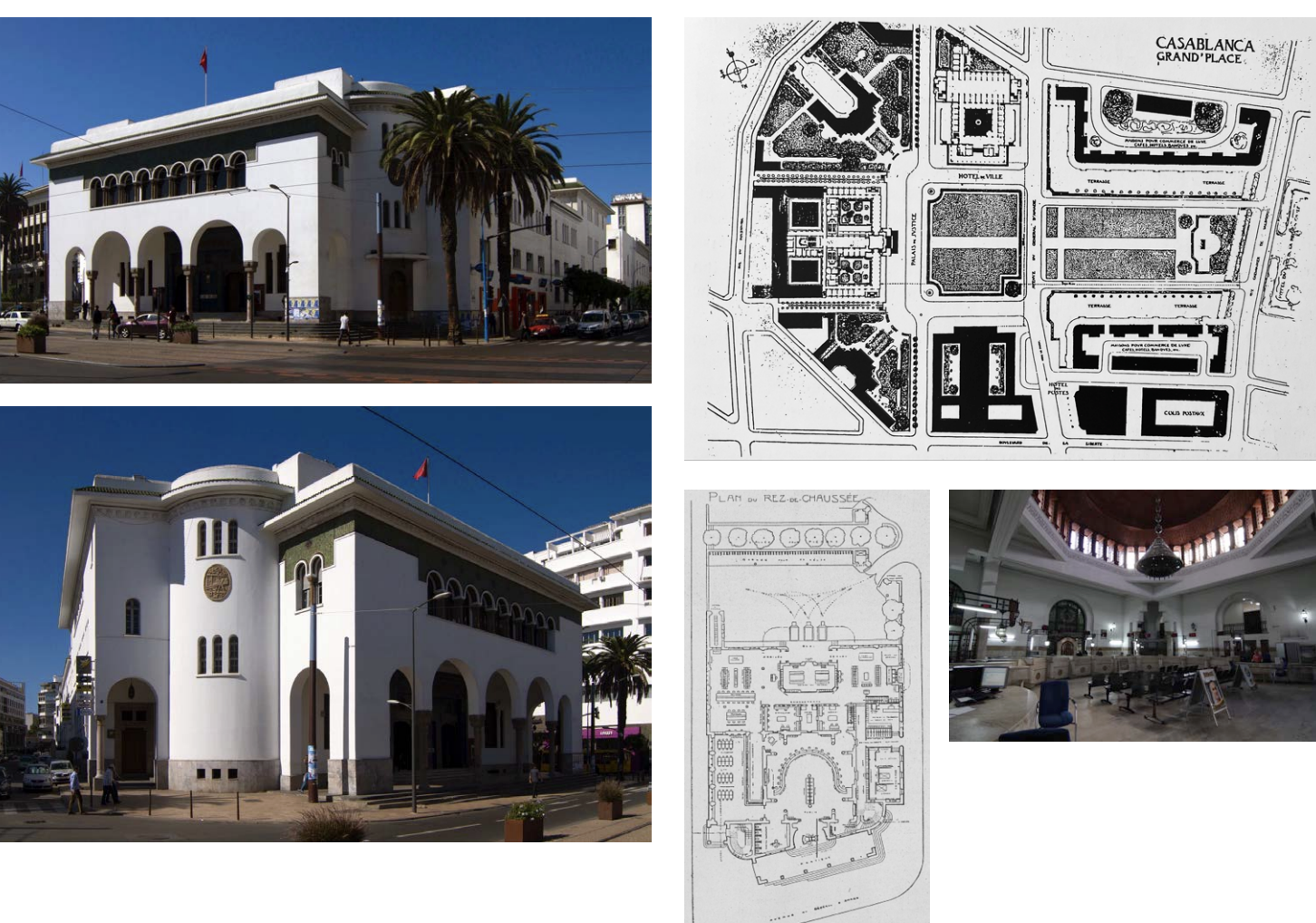
<p>8) Adrien Laforgue, Main Post Office, Casablanca, Morocco, 1919</p>

8) Adrien Laforgue, Main Post Office, Casablanca, Morocco, 1919

Morocco under French control. Zelige tile motifs, exterior appears locally-inspired, medallions representing airplanes and steamships to represent the delivery of mail. Busy traffic and prioritizing bicycle use. Interior has horseshoe shaped counter.
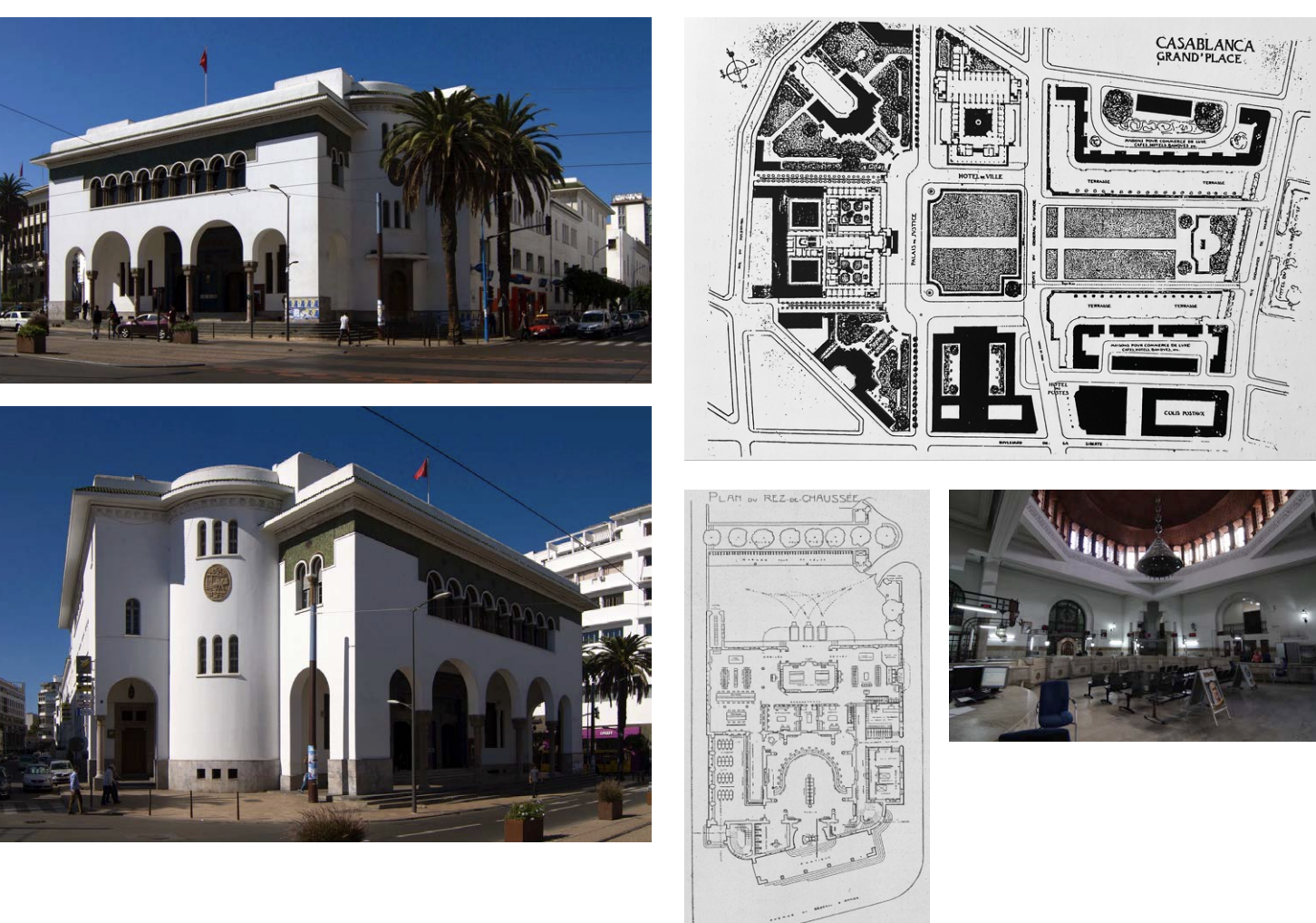
<p>Morocco under French control. Zelige tile motifs, exterior appears locally-inspired, medallions representing airplanes and steamships to represent the delivery of mail. Busy traffic and prioritizing bicycle use. Interior has horseshoe shaped counter.</p>
12
New cards
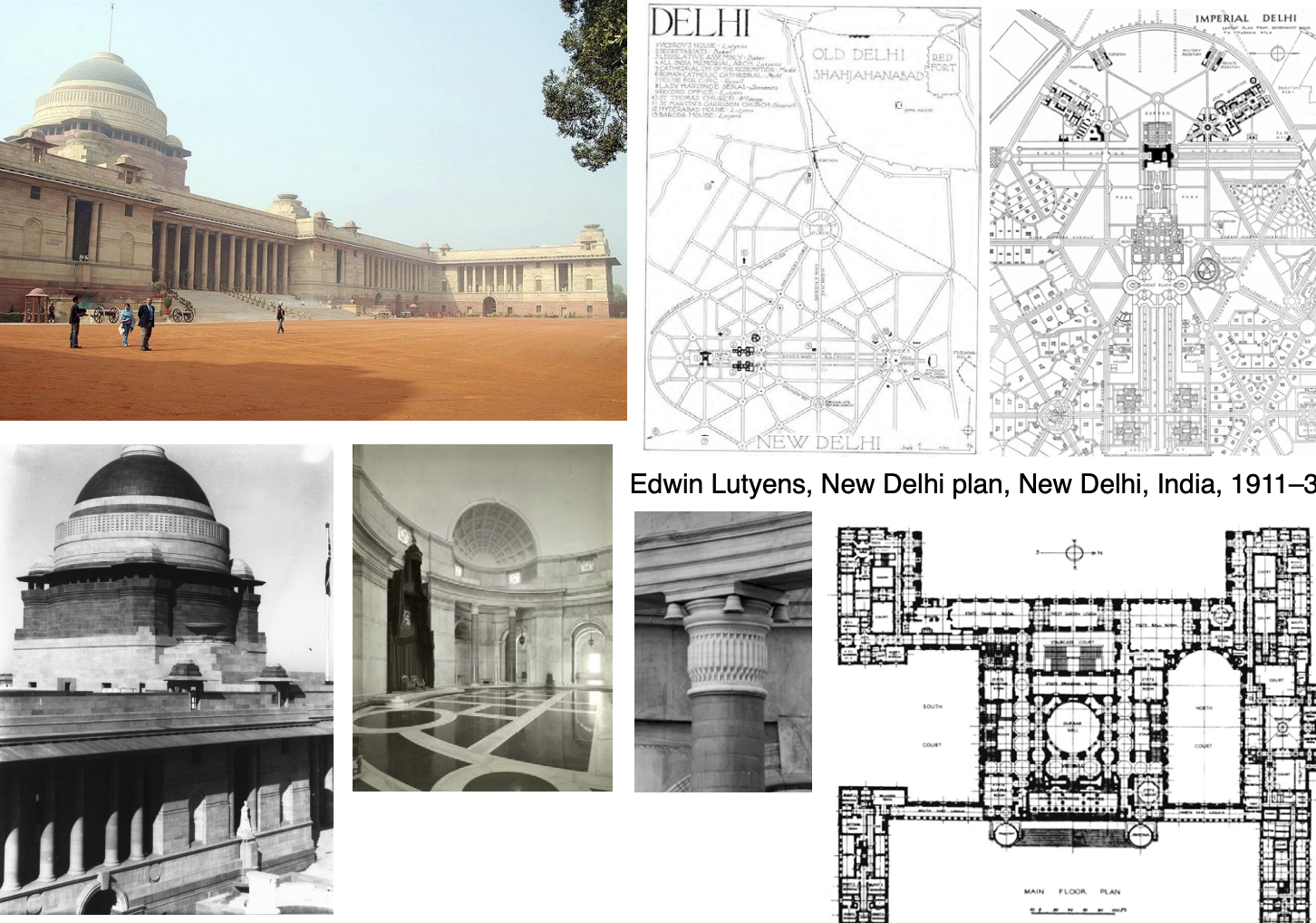
<p>8) Edwin Lutyens, Viceroy’s House, New Delhi, India, 1929</p>

8) Edwin Lutyens, Viceroy’s House, New Delhi, India, 1929

British control of India. Built by 29,000 Indian laborers, can operate 6,000 servants. Small elements of Indian architecture implemented through an orientalist lens, including chattris and stupa-like structures, but otherwise based on Roman architecture. Use of traditional red sandstone of the region. Palladian, Georgian interior. Delhi order of column capitals based on patterns in Indian architecture and religion (Jainism). Associative architecture
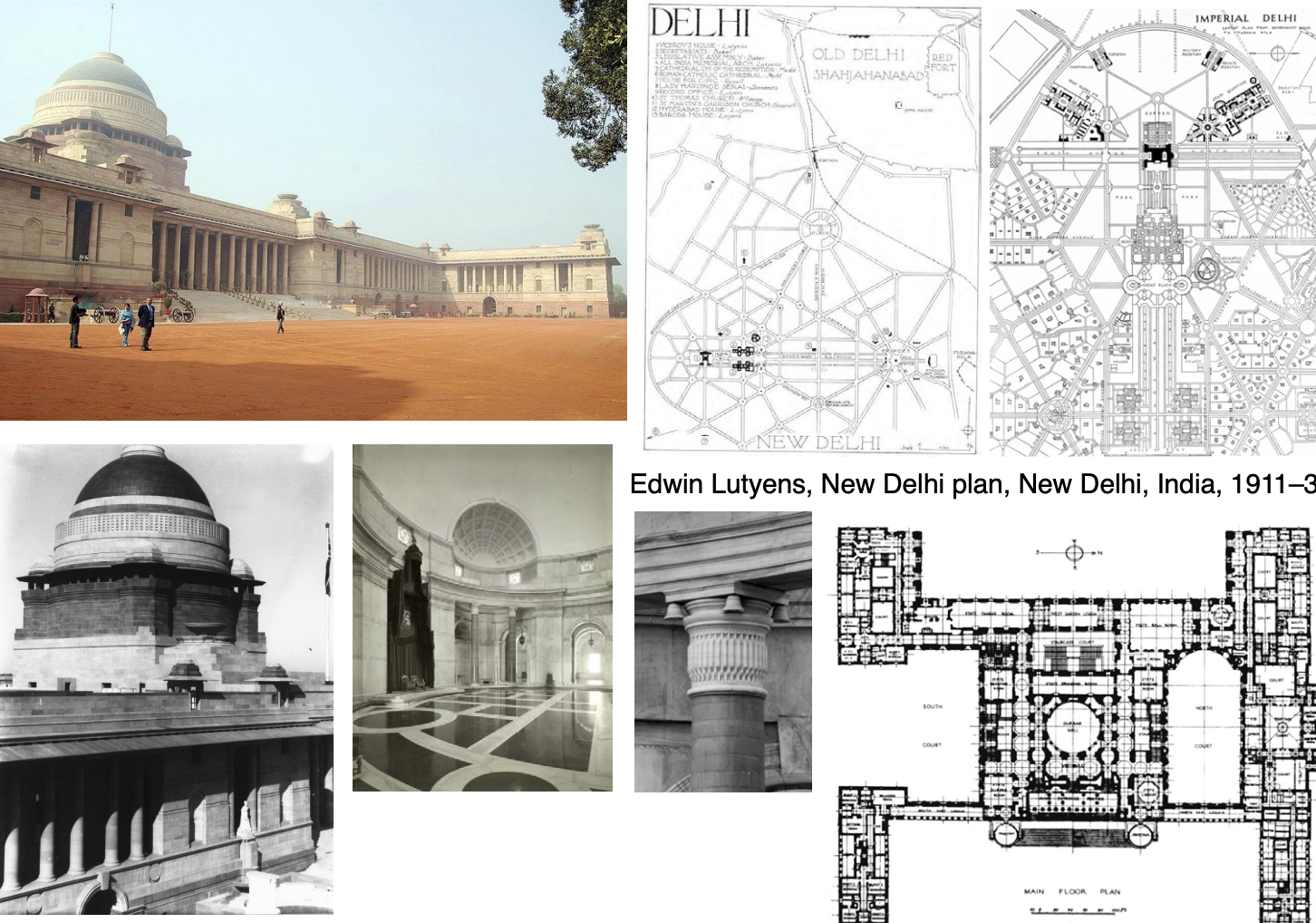
<p>British control of India. Built by 29,000 Indian laborers, can operate 6,000 servants. Small elements of Indian architecture implemented through an orientalist lens, including chattris and stupa-like structures, but otherwise based on Roman architecture. Use of traditional red sandstone of the region. Palladian, Georgian interior. Delhi order of column capitals based on patterns in Indian architecture and religion (Jainism). Associative architecture</p>
13
New cards
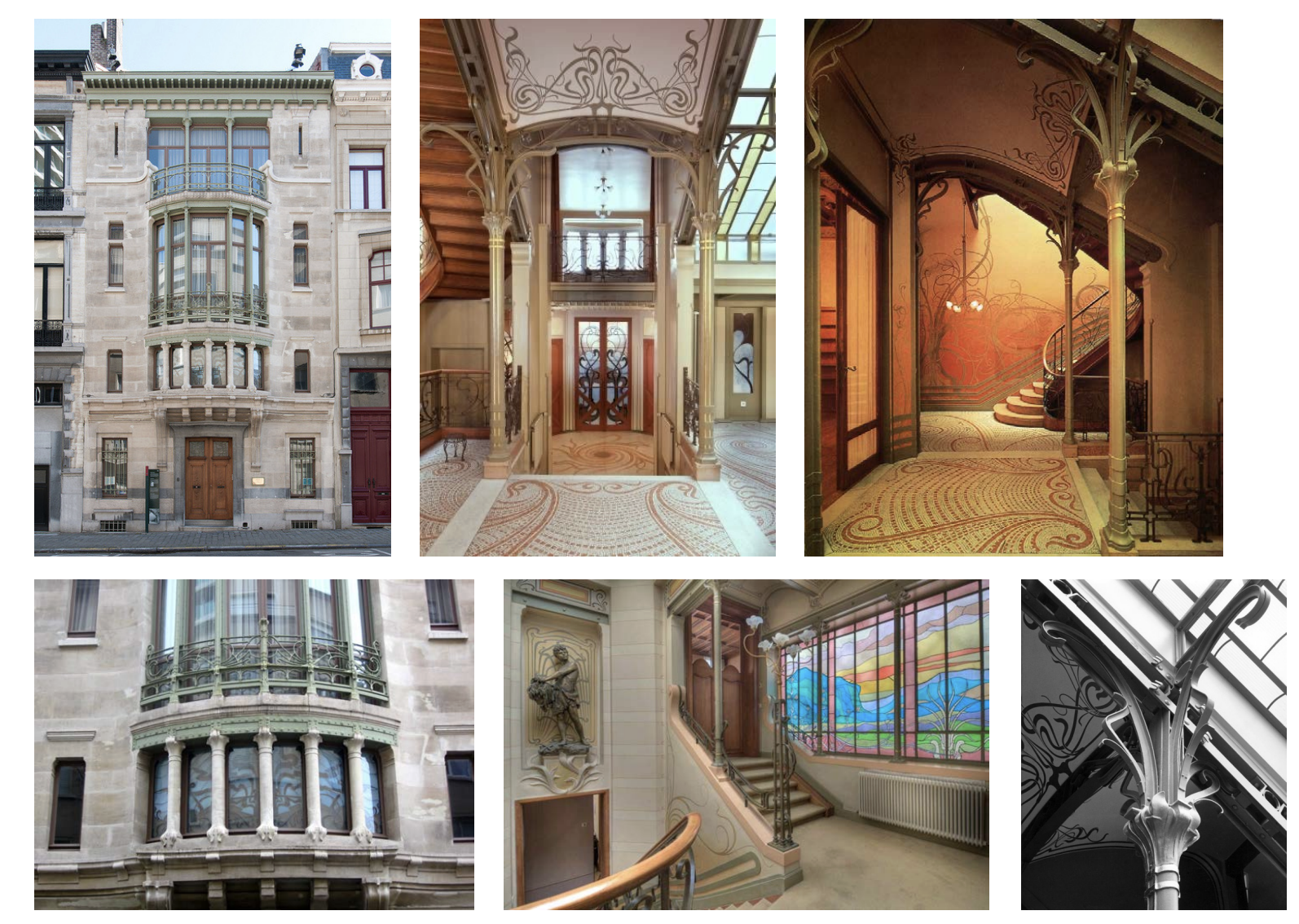
<p>9) Victor Horta, Tassel House, Brussels, Belgium, 1892</p>

9) Victor Horta, Tassel House, Brussels, Belgium, 1892

"Lets be free like the painters are,” embraces creativity and dynamic styles, exterior fits general standards of terrace housing with rounded bay windows, but the sculpture of the bay windows indicates art nouveau, use of iron as a contrast to the stone rather than hiding the metalwork, art nouveau interiors with whiplash line ornamentation, representing natural forms, stained glass, art nouveau in every aspect of the space from the structure, lighting, fenestration, furniture, etc.
<p>"Lets be free like the painters are,” embraces creativity and dynamic styles, exterior fits general standards of terrace housing with rounded bay windows, but the sculpture of the bay windows indicates art nouveau, use of iron as a contrast to the stone rather than hiding the metalwork, art nouveau interiors with whiplash line ornamentation, representing natural forms, stained glass, art nouveau in every aspect of the space from the structure, lighting, fenestration, furniture, etc.</p>
14
New cards
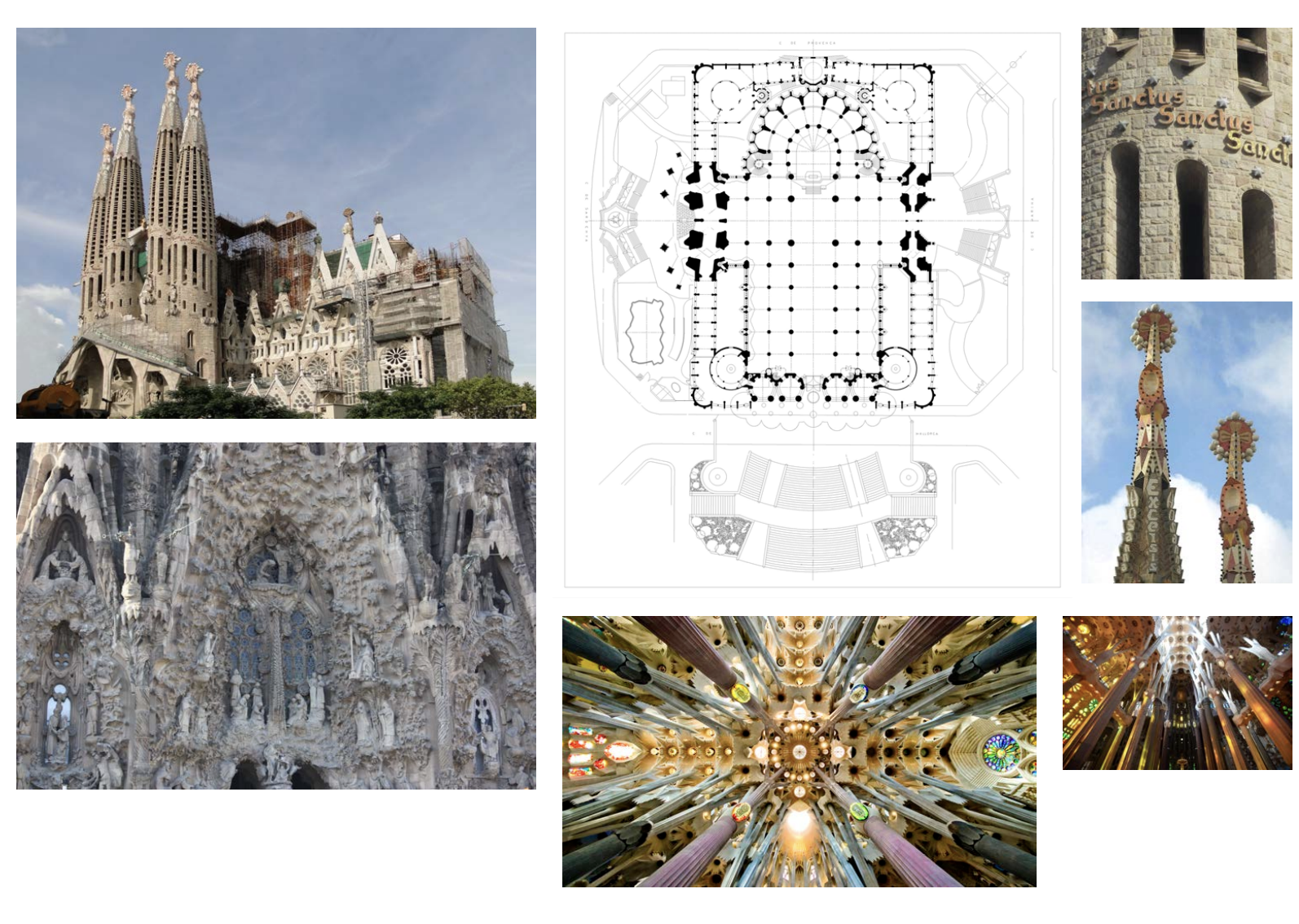
<p>9) Antoni Gaudí, Sagrada Familia Cathedral, Barcelona, Spain, 1882</p>

9) Antoni Gaudí, Sagrada Familia Cathedral, Barcelona, Spain, 1882

Gaudi has his own style similar thematically to Art Nouveau, natural curves rather than straight lines, some gothic architecture influence. Worked on the cathedral until he died, continuation of work posthumously. Gothic basilica plan, heavy ornamentation and sculpture everywhere around the portal entrance, feels natural as if it’s emerging from the stone, vault designed with complex parabolic motifs, stained glass to allow for stunning colorful light
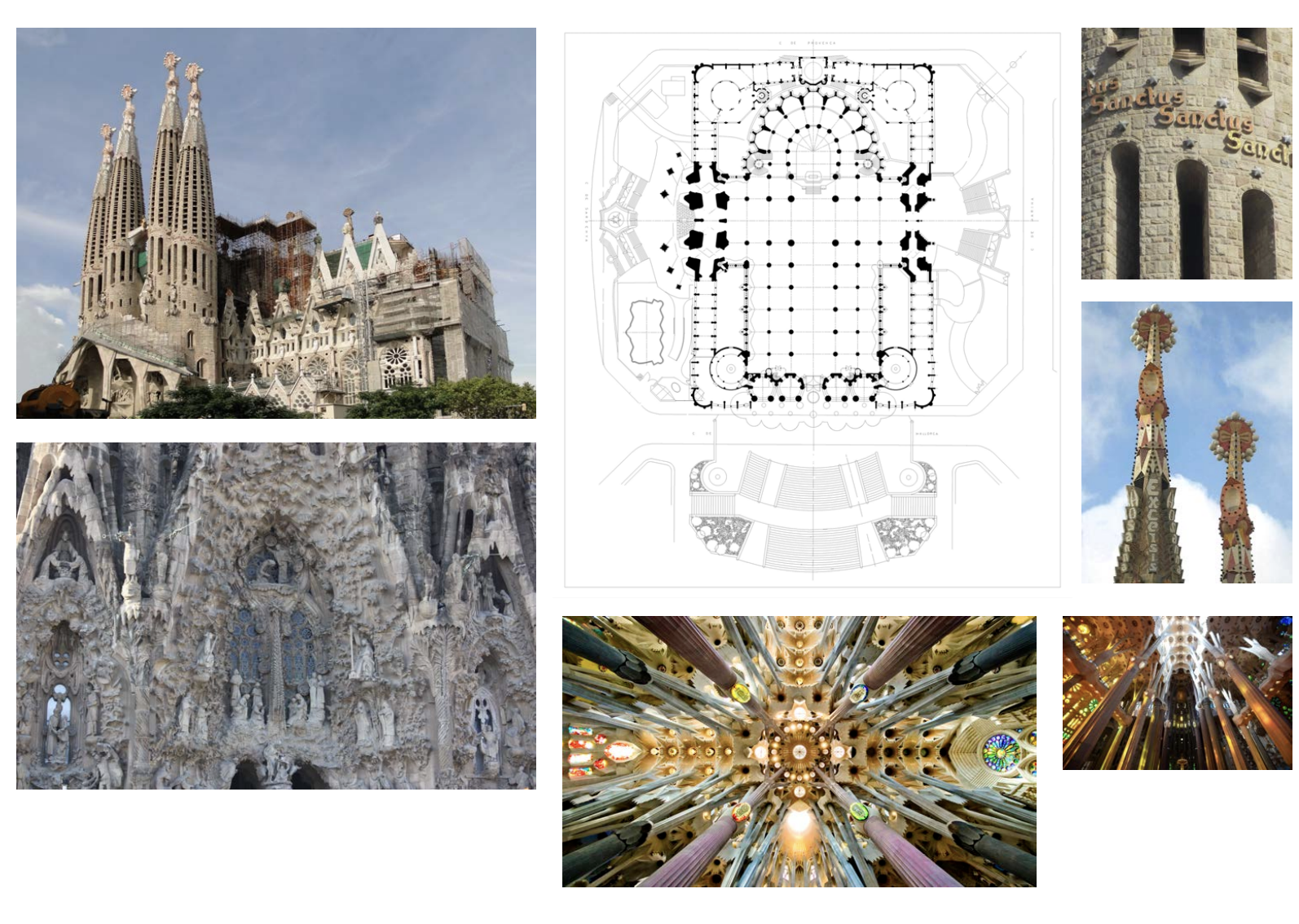
<p>Gaudi has his own style similar thematically to Art Nouveau, natural curves rather than straight lines, some gothic architecture influence. Worked on the cathedral until he died, continuation of work posthumously. Gothic basilica plan, heavy ornamentation and sculpture everywhere around the portal entrance, feels natural as if it’s emerging from the stone, vault designed with complex parabolic motifs, stained glass to allow for stunning colorful light</p>
15
New cards
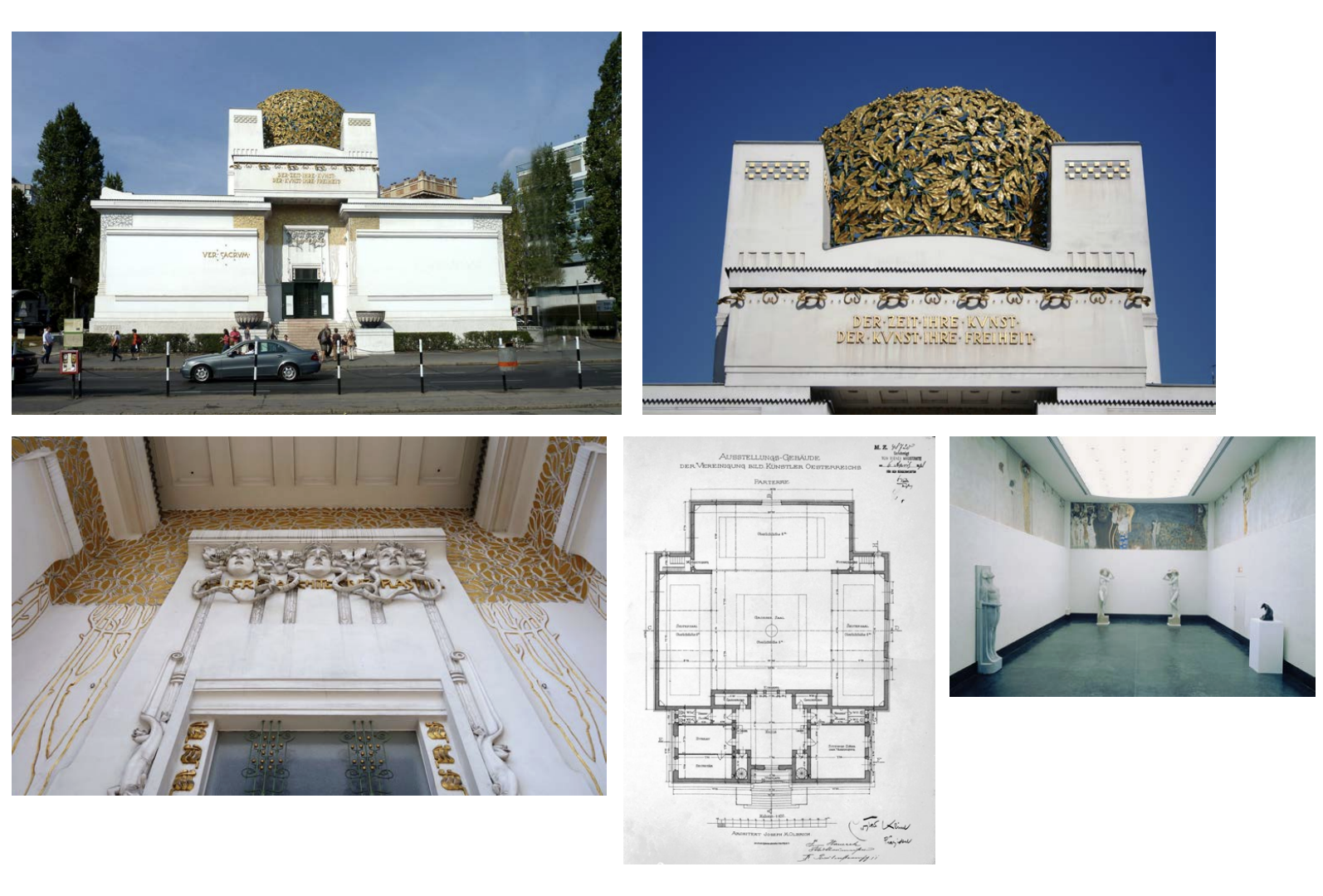
<p>9) Joseph Maria Olbrich, Secession House, Vienna, Austria, 1898</p>

9) Joseph Maria Olbrich, Secession House, Vienna, Austria, 1898

Art Nouveau in Austria, art gallery created by multidisciplinary artists and architects, on the ringstrasse, tenure art pavilion rejected by city council with galleries, dome with laurel leaves as a classical symbol for victory, writing on the facade: “to every age its art. to art its freedom.” Seceding from traditional forms. Ornamentation on facade of nature, a few owl motifs, Gustav Klimt has his work displayed inside.
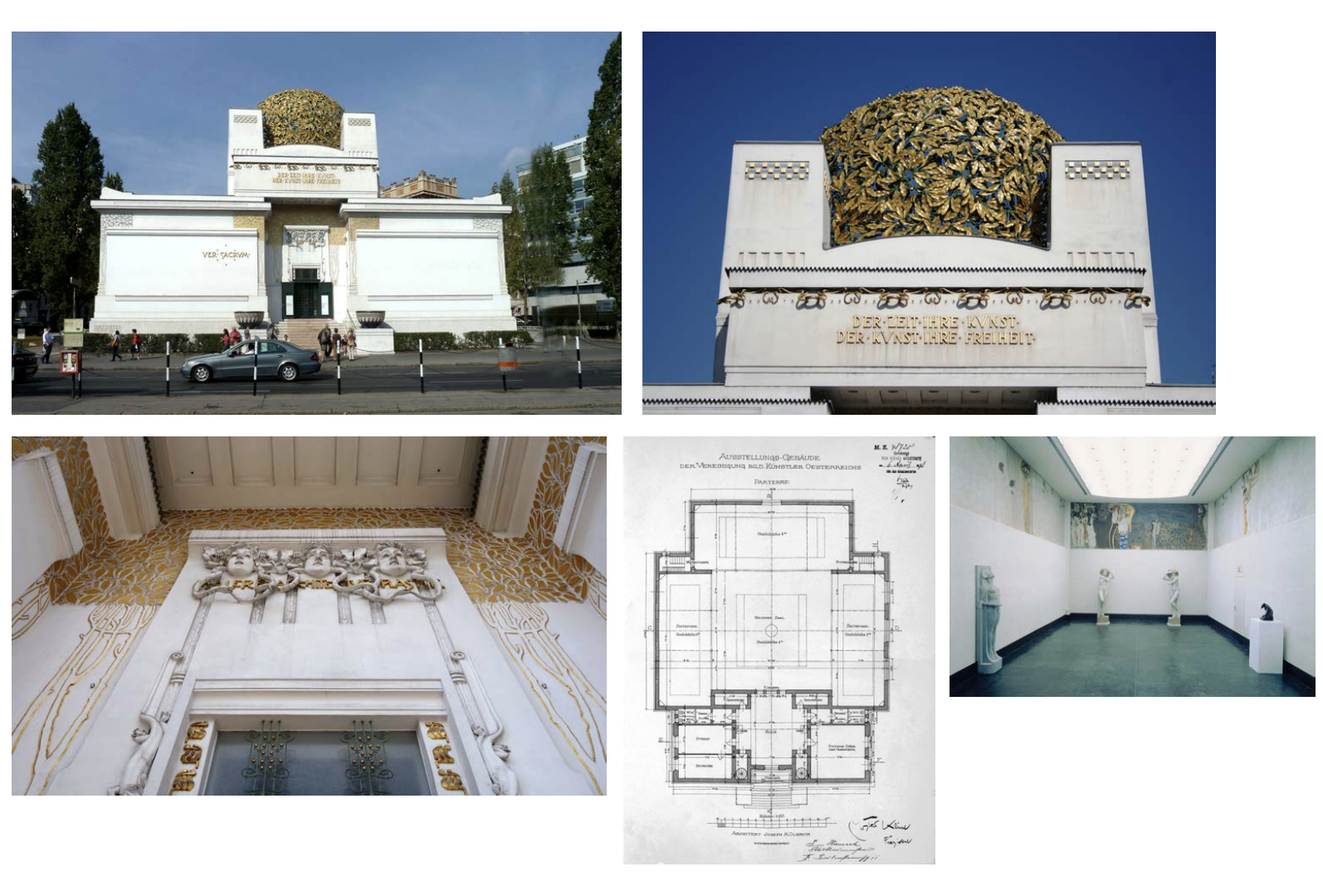
<p>Art Nouveau in Austria, art gallery created by multidisciplinary artists and architects, on the ringstrasse, tenure art pavilion rejected by city council with galleries, dome with laurel leaves as a classical symbol for victory, writing on the facade: “to every age its art. to art its freedom.” Seceding from traditional forms. Ornamentation on facade of nature, a few owl motifs, Gustav Klimt has his work displayed inside.</p>
16
New cards
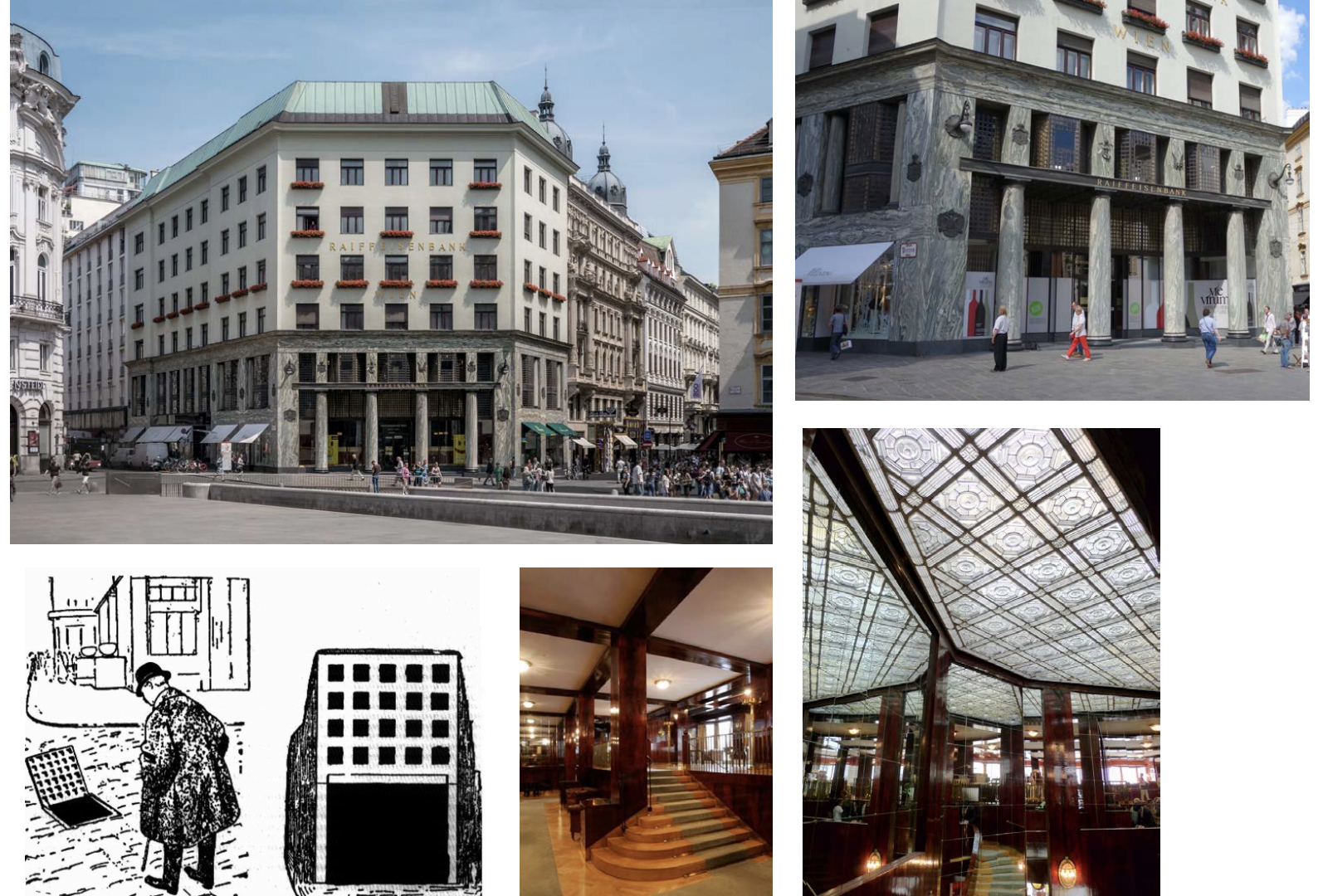
<p>9) Adolf Loos, Goldman &amp; Salatch Store (Looshaus), Vienna, Austria, 1909</p>

9) Adolf Loos, Goldman & Salatch Store (Looshaus), Vienna, Austria, 1909

Across the street from the Austrian beaux arts palace, considered unattractive, eventually appeased people by adding flower boxes, structure intended to show off the materials, marble veneers on the facade on the first elevation and concrete for the latter higher elevations.
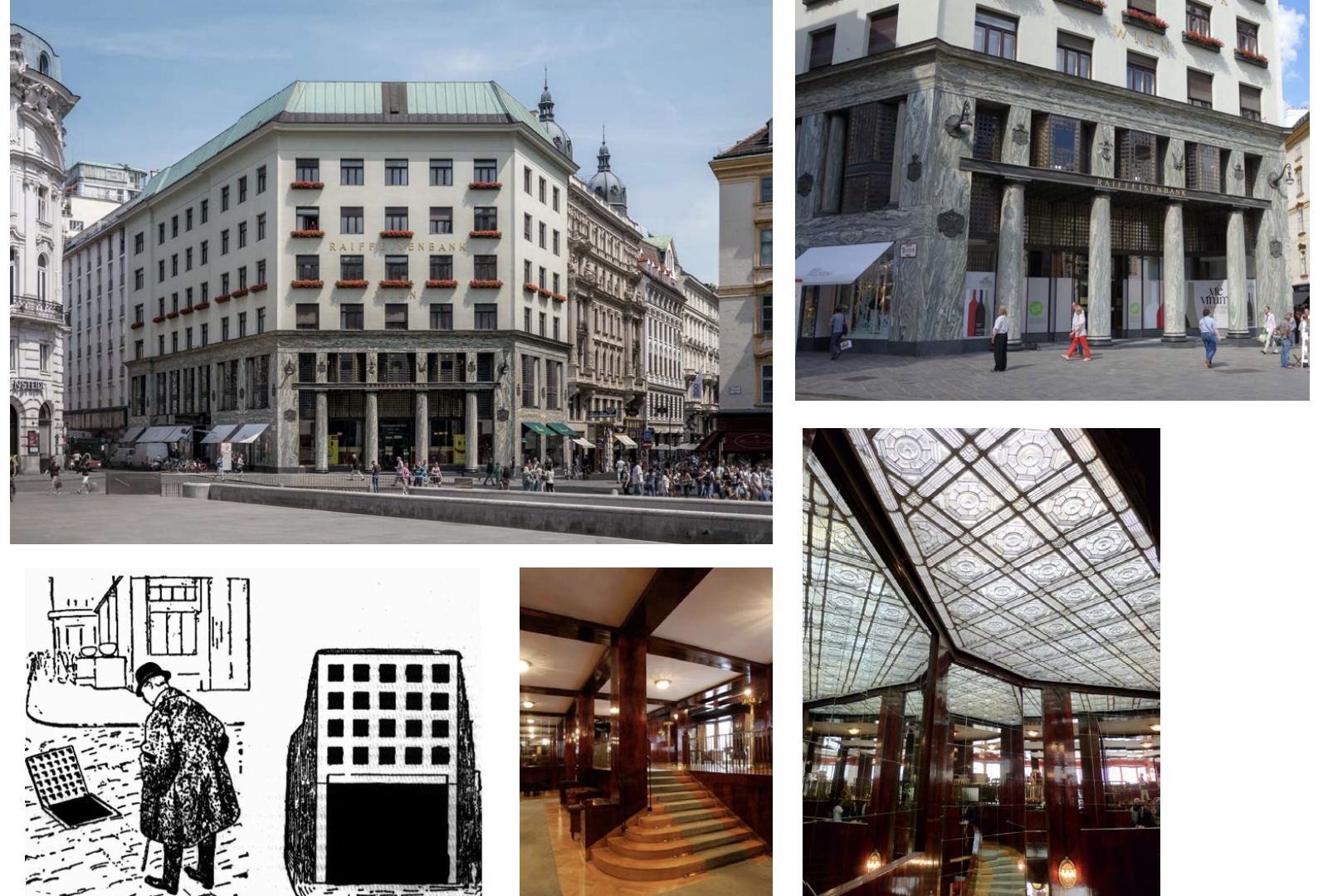
<p>Across the street from the Austrian beaux arts palace, considered unattractive, eventually appeased people by adding flower boxes, structure intended to show off the materials, marble veneers on the facade on the first elevation and concrete for the latter higher elevations.</p>
17
New cards
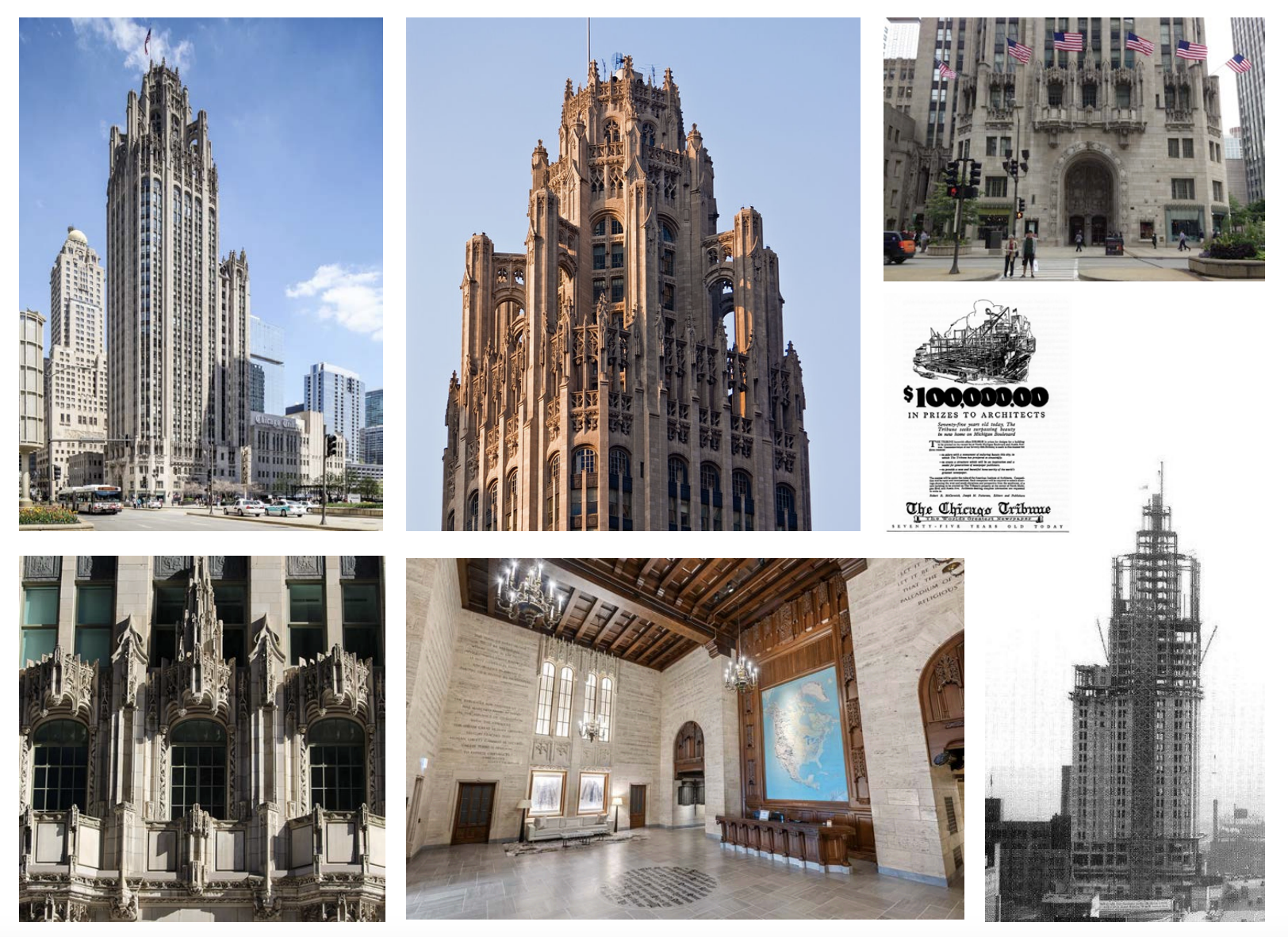
<p>10)  Raymond Hood and John Howells, Tribune Tower, Chicago (IL), USA, 1922–25</p>

10) Raymond Hood and John Howells, Tribune Tower, Chicago (IL), USA, 1922–25

Now apartments, form doesn’t follow function, design that won competition for new building for the Chicago tribune.
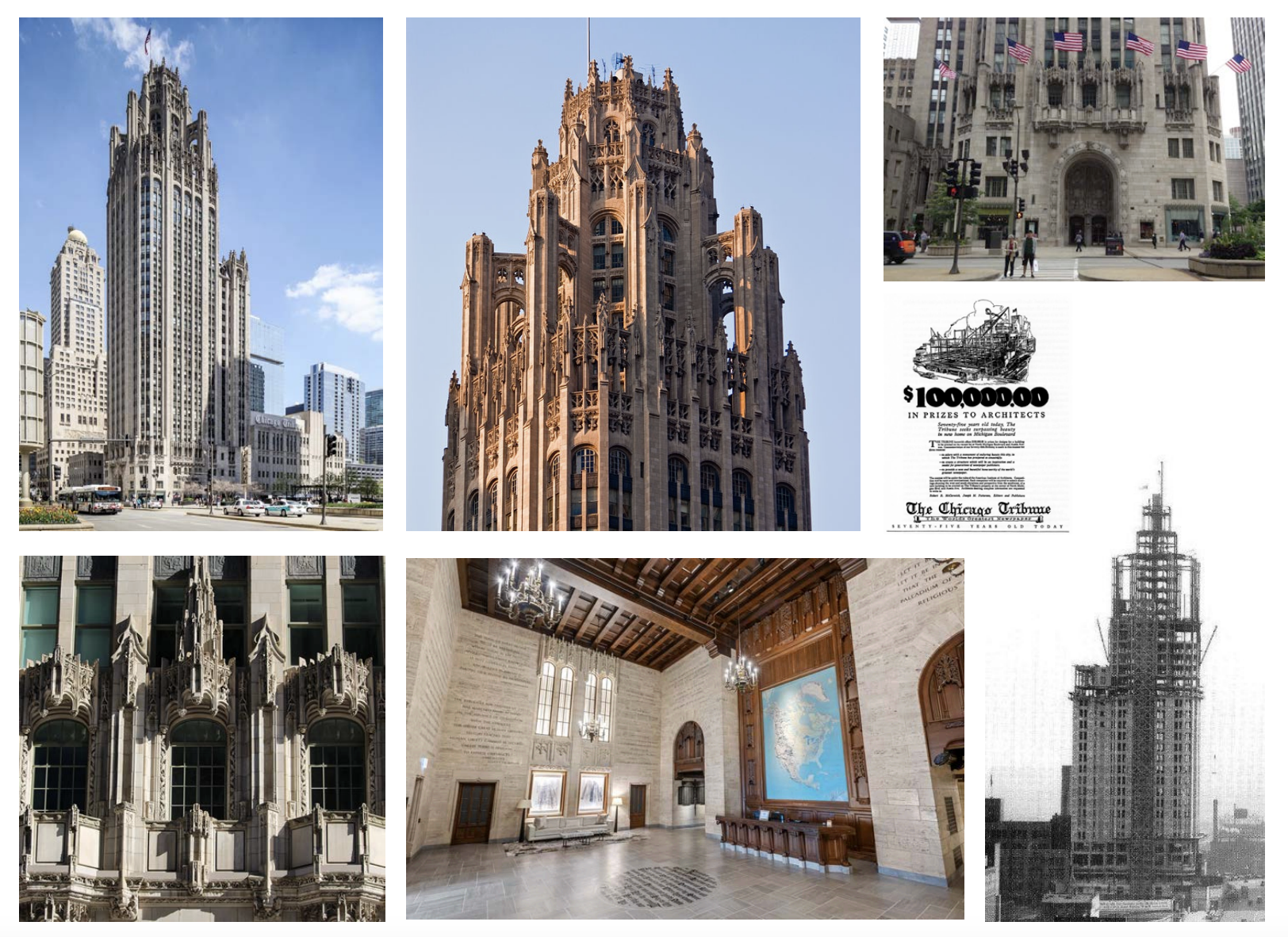
<p>Now apartments, form doesn’t follow function, design that won competition for new building for the Chicago tribune. </p>
18
New cards
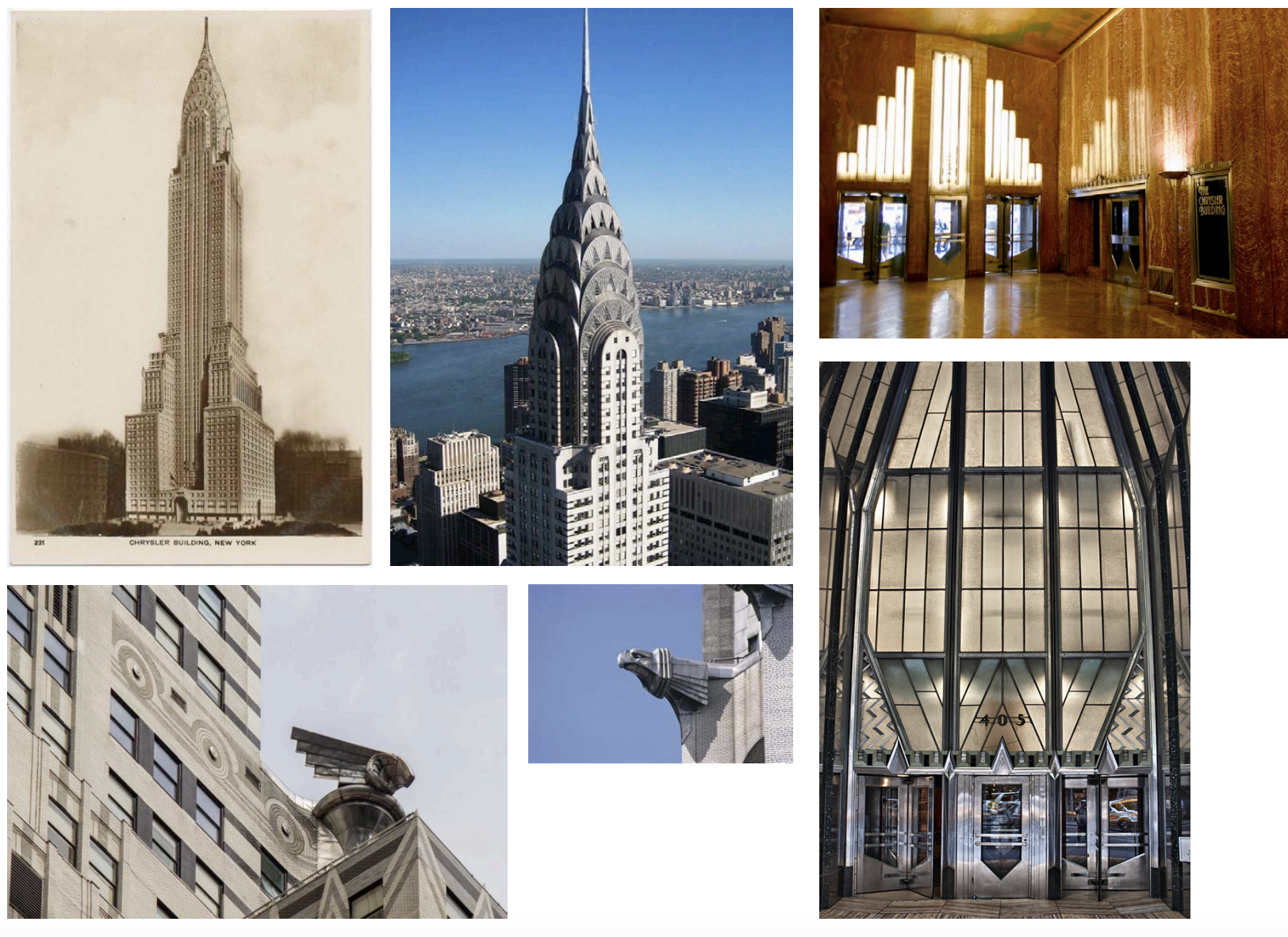
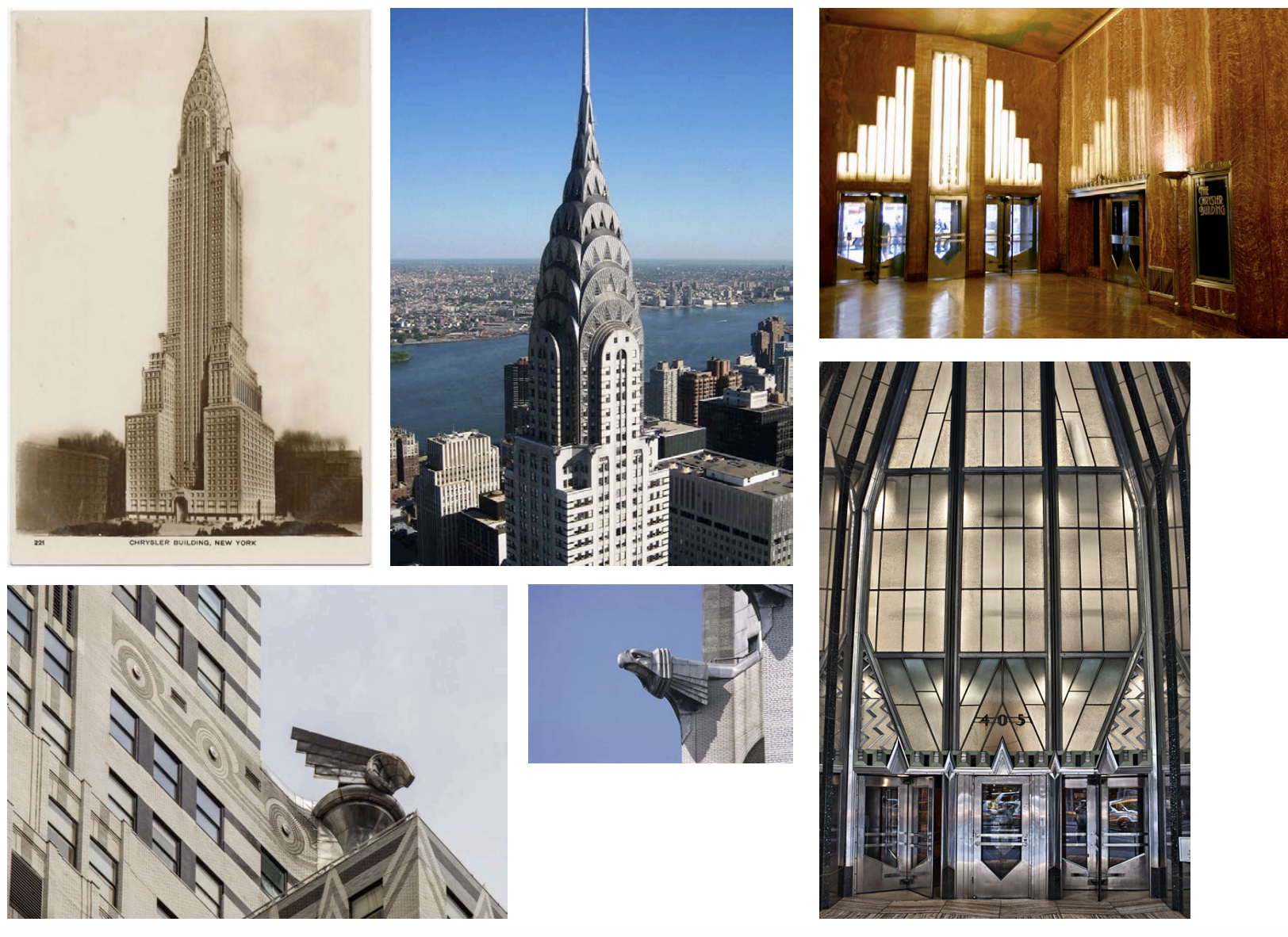
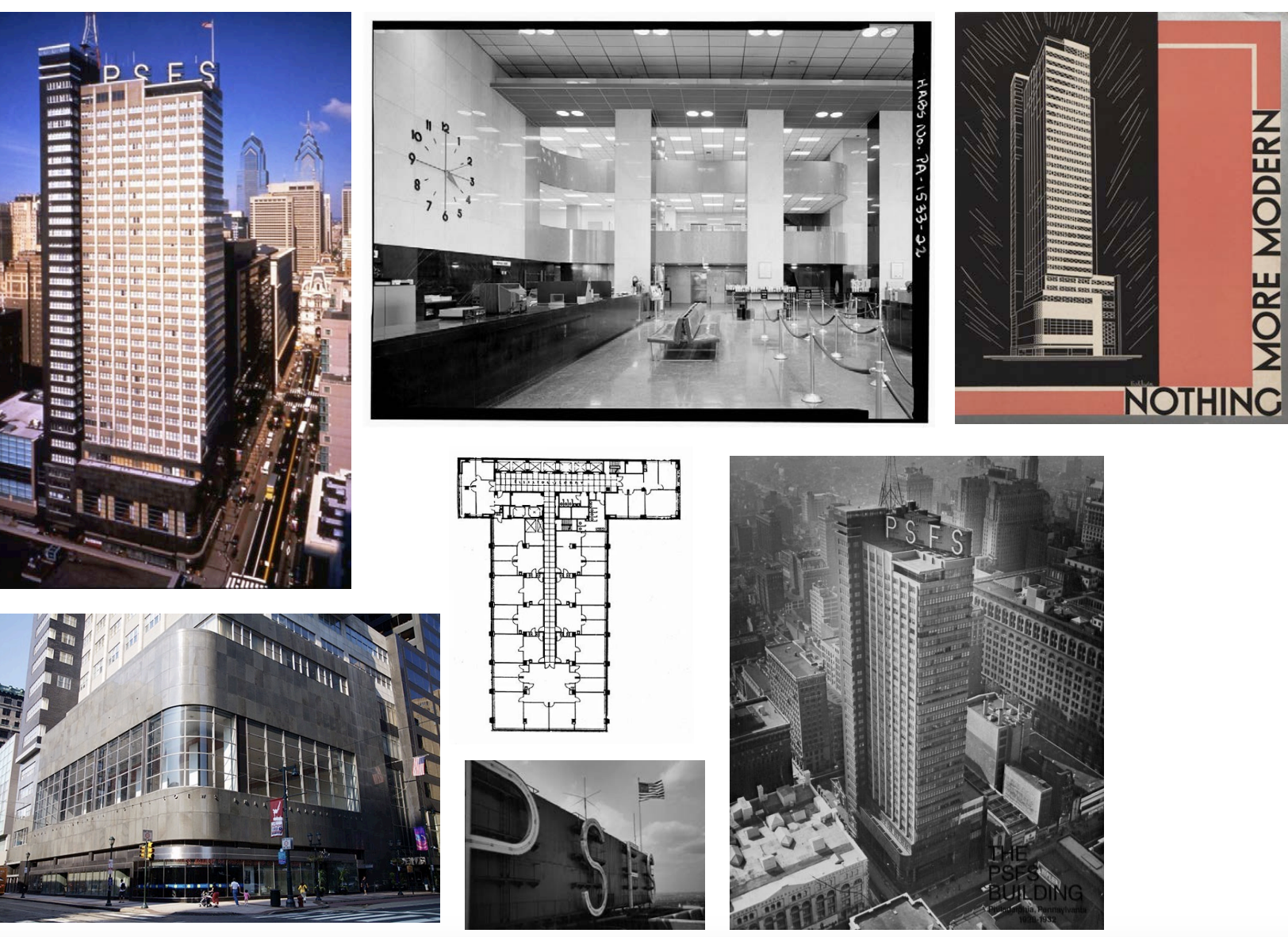
<p>10) William van Alen, Chrysler Building, New York (NY), USA, 1929–31</p>

10) William van Alen, Chrysler Building, New York (NY), USA, 1929–31

Done in the Zigzag Moderne style. The Chrysler Building in

dulged in lively geometric decorations, including a seven-tiered starburst steeple. Such details as hubcaps in the friezes and corner gargoyles derived from the hood ornaments of the Chrysler automobile enhanced the tower's role as advertising
<p>Done in the Zigzag Moderne style. The Chrysler Building in</p><p>dulged in lively geometric decorations, including a seven-tiered starburst steeple. Such details as hubcaps in the friezes and corner gargoyles derived from the hood ornaments of the Chrysler automobile enhanced the tower's role as advertising</p>
19
New cards
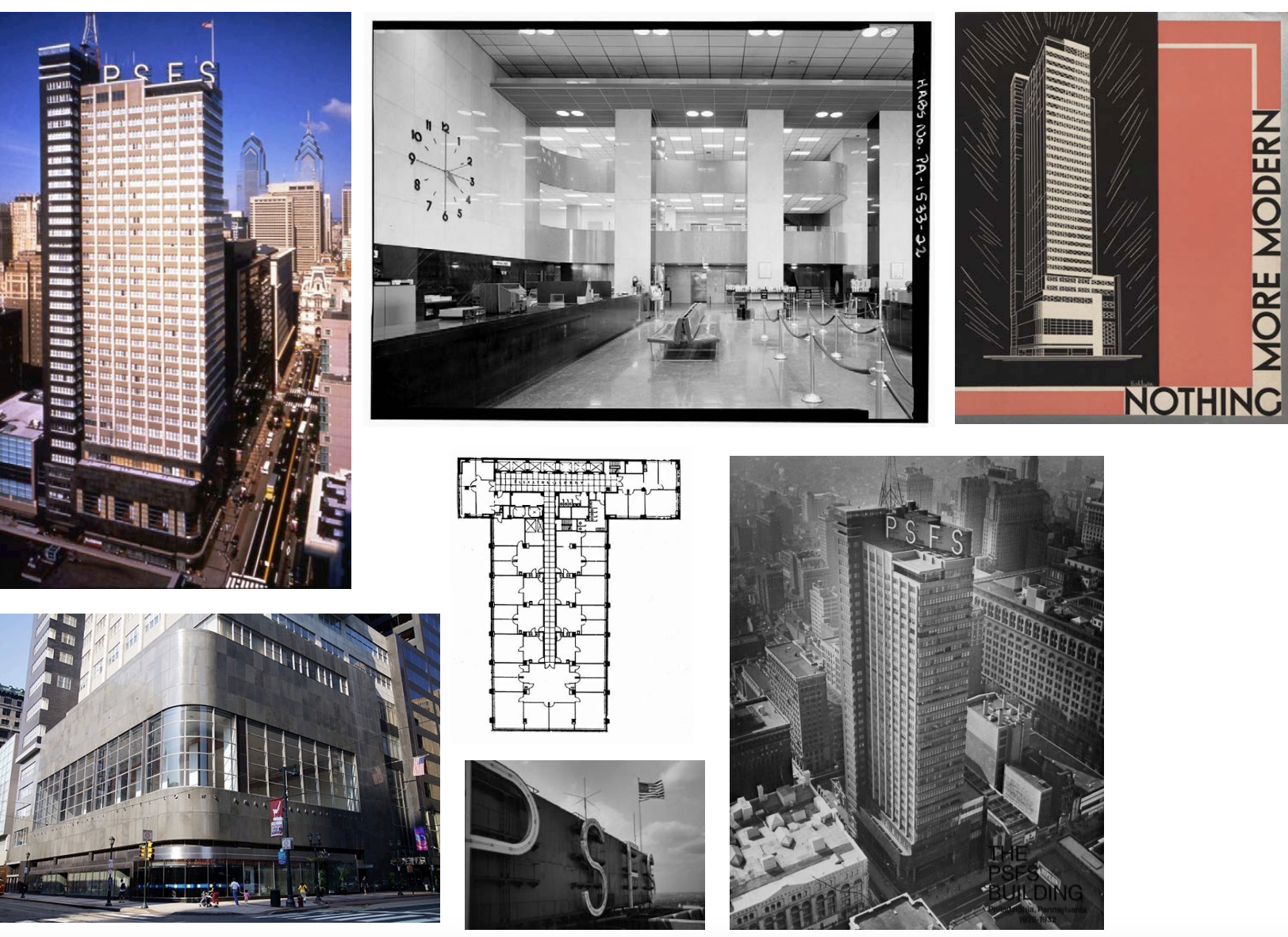
<p>10) George Howe and William Lescaze, PSFS Building, Philadelphia (PA), USA, 1926–32</p>

10) George Howe and William Lescaze, PSFS Building, Philadelphia (PA), USA, 1926–32

Only the thirty-four-story PSFS Building in Philadelphia (Fig. 18.1-5), begun in the same year by Swiss émigré William Lescaze (1896-1969), the new partner of George Howe (1886-1955), surpassed Hood's functionalism. The architects built the six-story plinth as a streamlined, highly polished, granite-clad corner, with shops on the ground foor and the banking hall in a grand, double-height space above, reached by one of the world's frst escalators. They articulated the twenty-six-story shaft with exposed structural piers on the broad sides… Juxtaposed to this skeletal tower stood a solid tower for circulation and ser-

vices on the south. The building terminated with fat roofs, one serving as a restaurant terrace, where the obliquely set "PSFS" logo concealed the mechanicals. Among its many

innovations, the PSFS Building contained one of the frst air-conditioning systems and an escalator in its banking hall.
<p>Only the thirty-four-story PSFS Building in Philadelphia (Fig. 18.1-5), begun in the same year by Swiss émigré William Lescaze (1896-1969), the new partner of George Howe (1886-1955), surpassed Hood's functionalism. The architects built the six-story plinth as a streamlined, highly polished, granite-clad corner, with shops on the ground foor and the banking hall in a grand, double-height space above, reached by one of the world's frst escalators. They articulated the twenty-six-story shaft with exposed structural piers on the broad sides… Juxtaposed to this skeletal tower stood a solid tower for circulation and ser-</p><p>vices on the south. The building terminated with fat roofs, one serving as a restaurant terrace, where the obliquely set "PSFS" logo concealed the mechanicals. Among its many </p><p>innovations, the PSFS Building contained one of the frst air-conditioning systems and an escalator in its banking hall.</p>
20
New cards
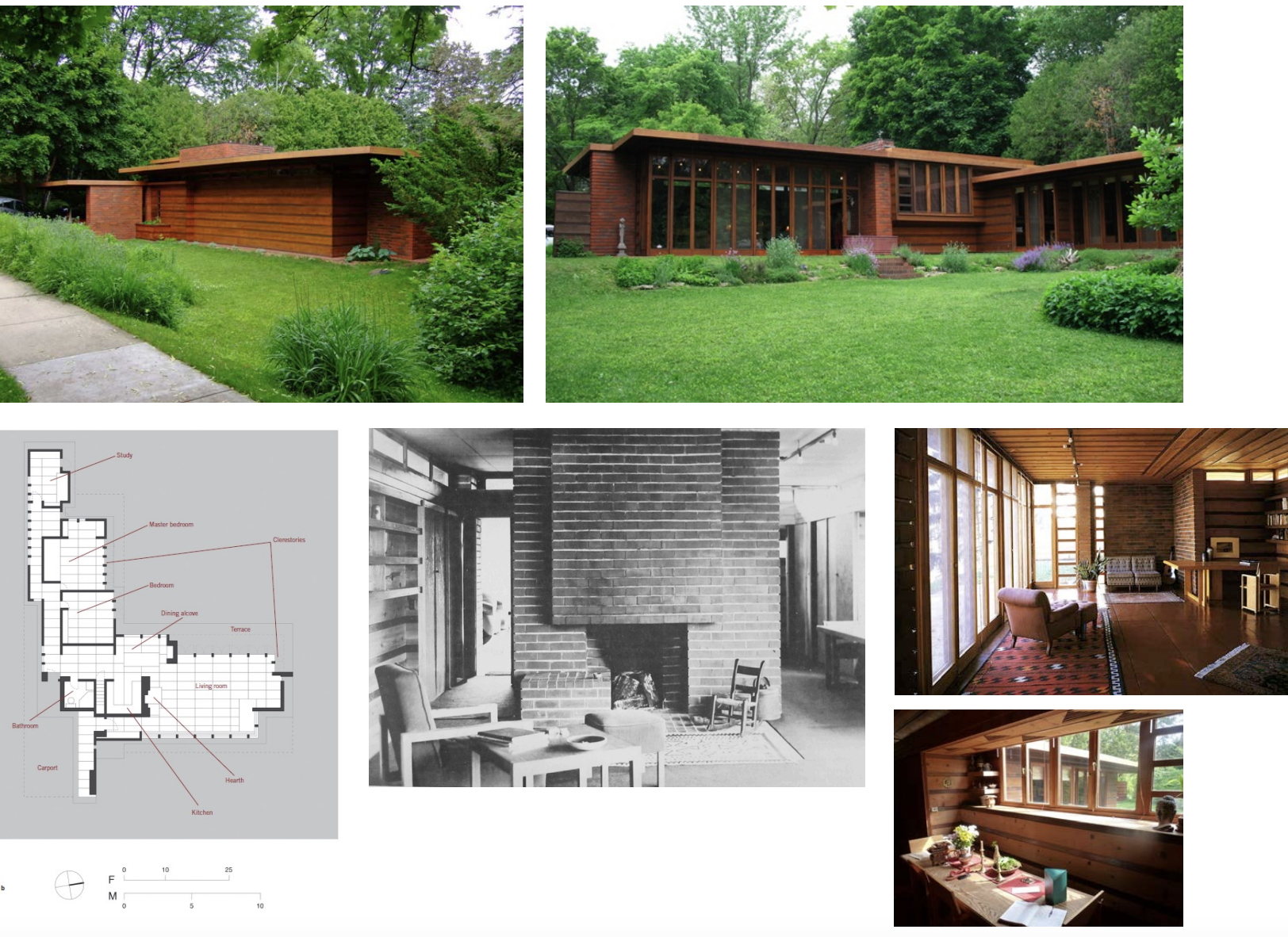
<p>10) Frank Lloyd Wright, First Jacobs House, Madison (WI), USA, 1936</p>

10) Frank Lloyd Wright, First Jacobs House, Madison (WI), USA, 1936
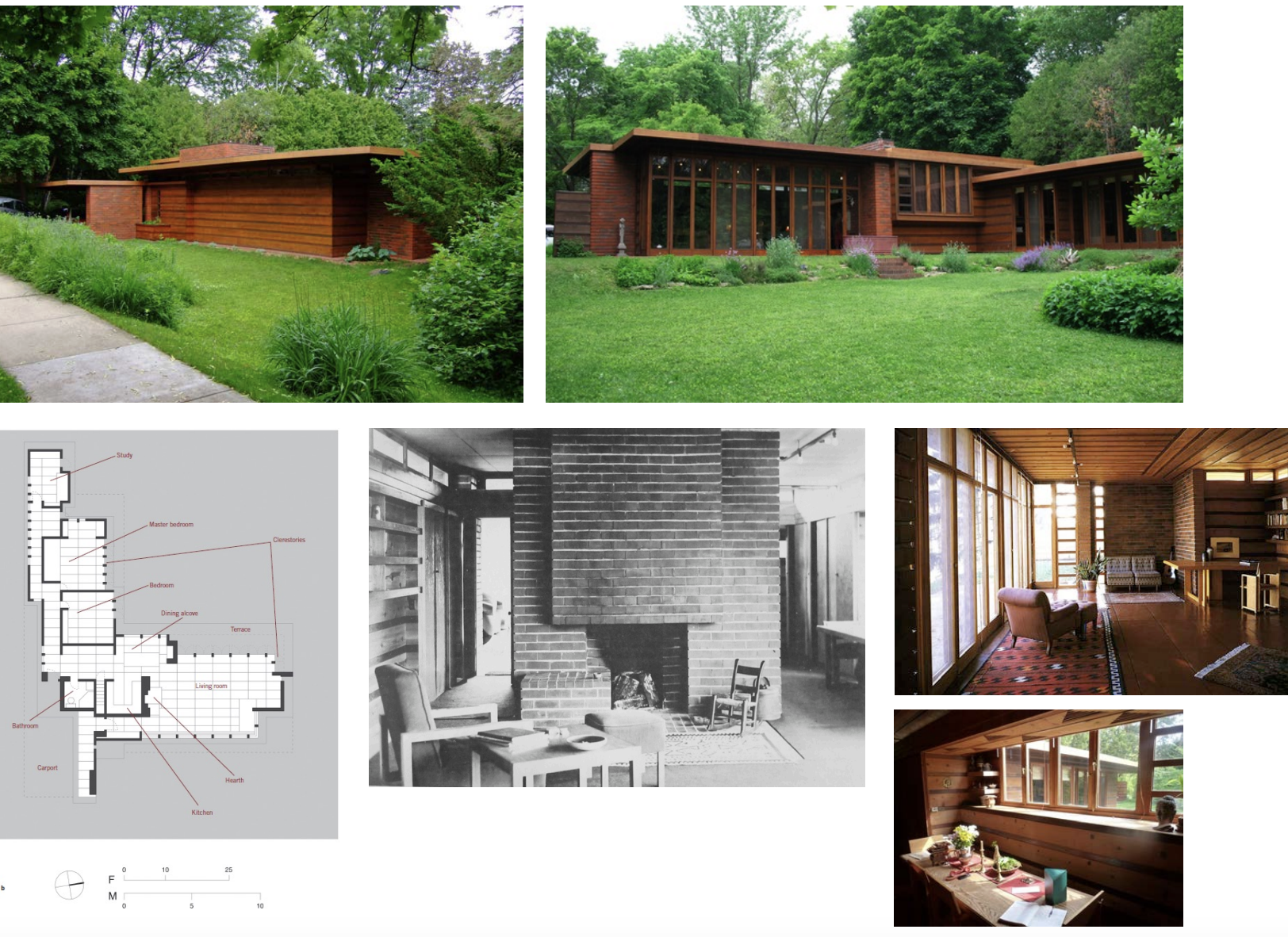
knowt flashcard image
21
New cards
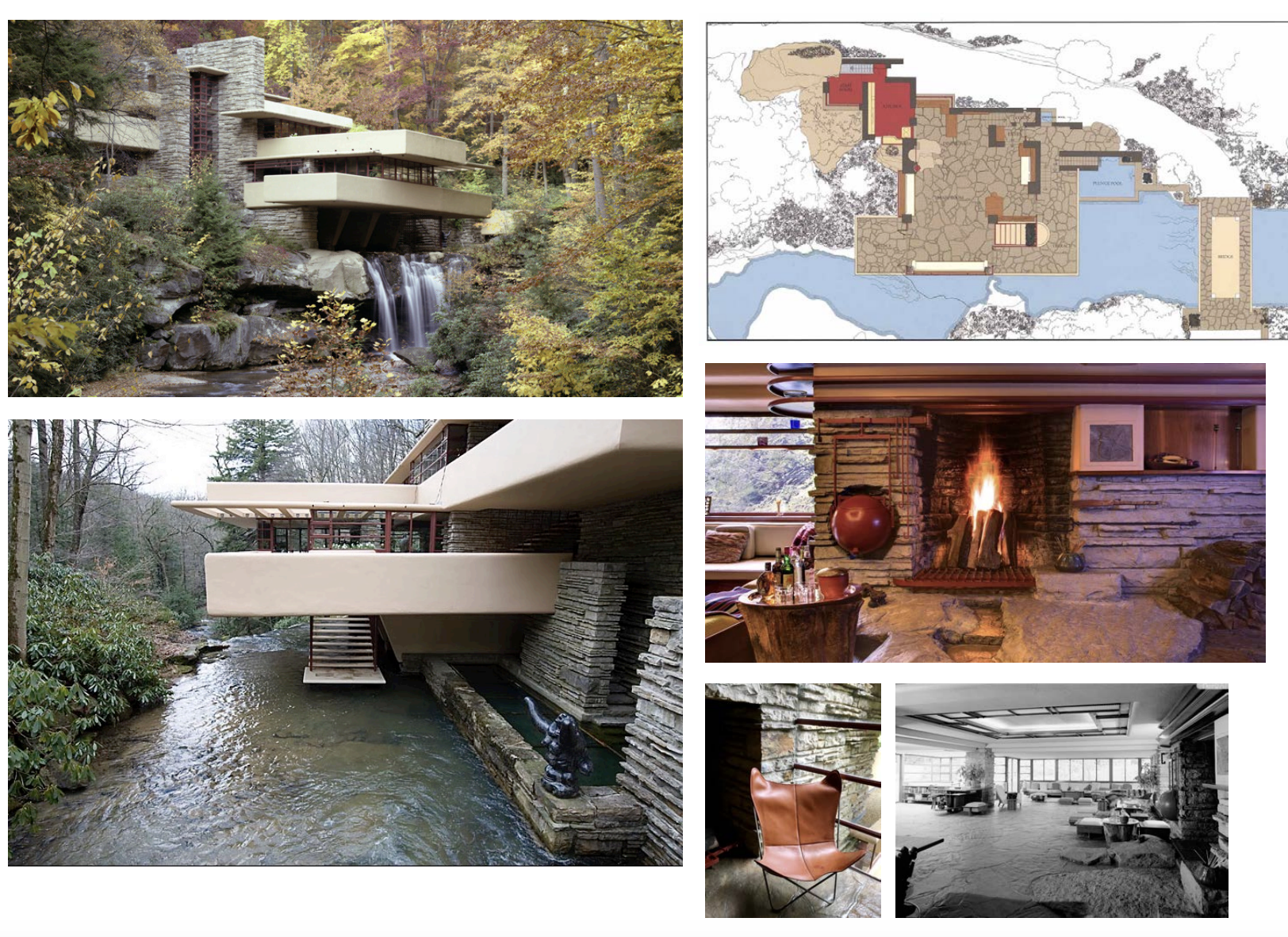
<p>10) Frank Lloyd Wright, Fallingwater, Bear Run (PA), USA, 1936</p>

10) Frank Lloyd Wright, Fallingwater, Bear Run (PA), USA, 1936
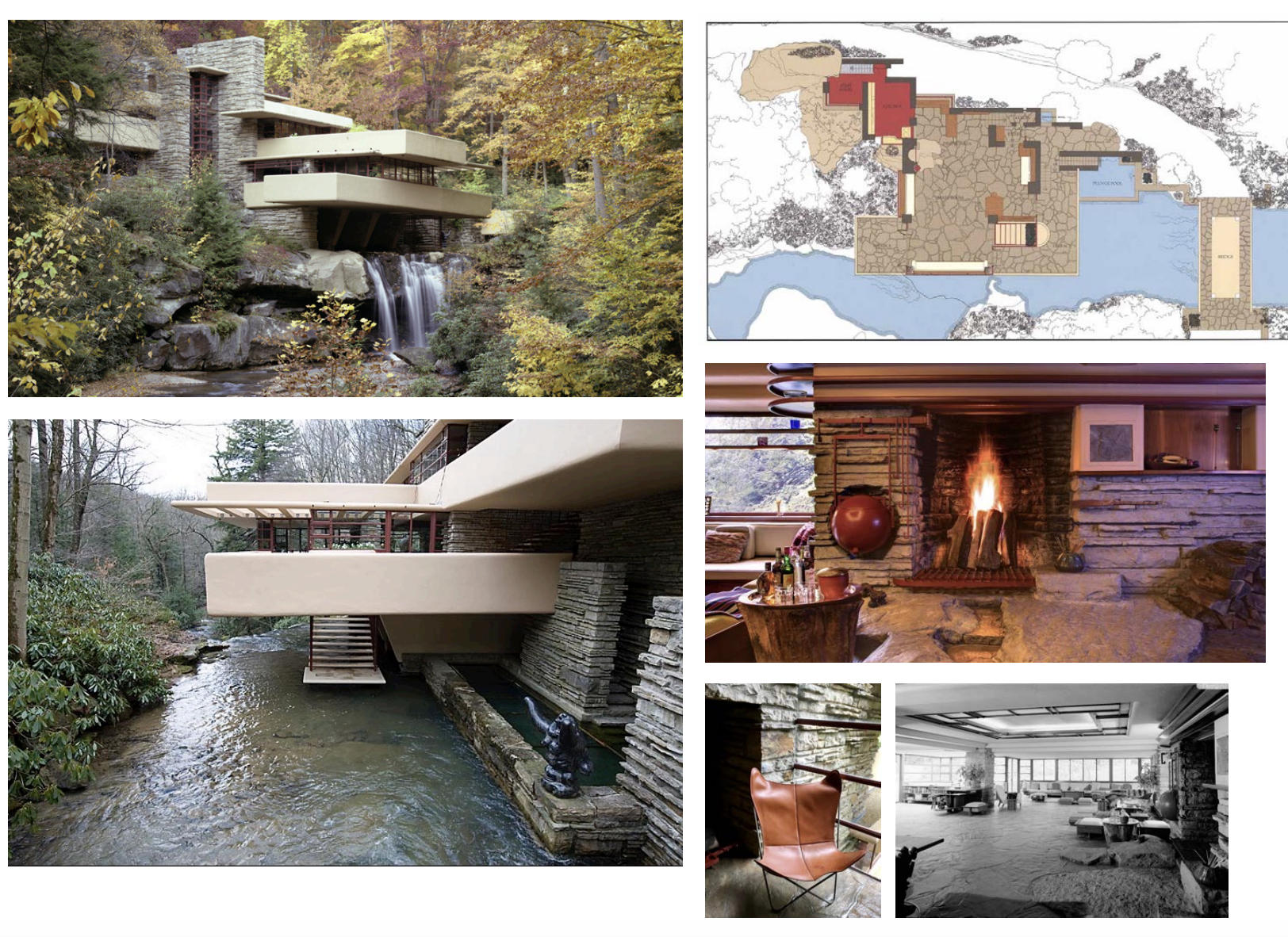
knowt flashcard image