Vocabulary Quiz 14
 Call Kai
 Learn
Learn Practice Test
 Spaced Repetition
 Match
Match Flashcards
 Knowt Play
1/37

There's no tags or description
Looks like no tags are added yet.
Name | Mastery | Learn | Test | Matching | Spaced | Call with Kai | Chat |
|---|

38 Terms
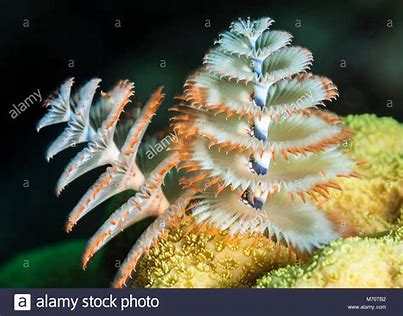
Radioles
Whorls of tentacles on certain types of worms, like the Christmas tree worm, that are extended to catch food
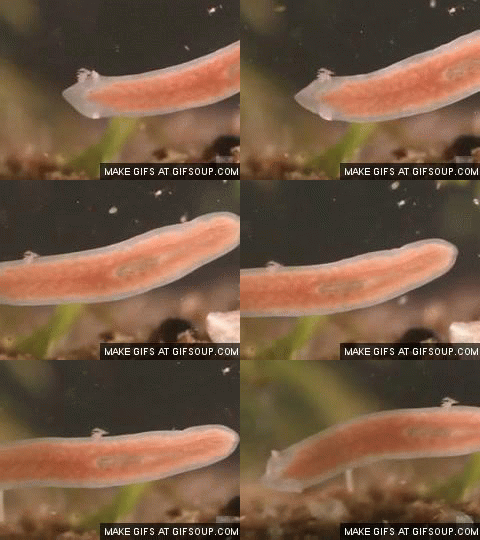
Platyhelminthes
Phylum of flatworms
Regeneration
The ability to regrow a missing part of the body
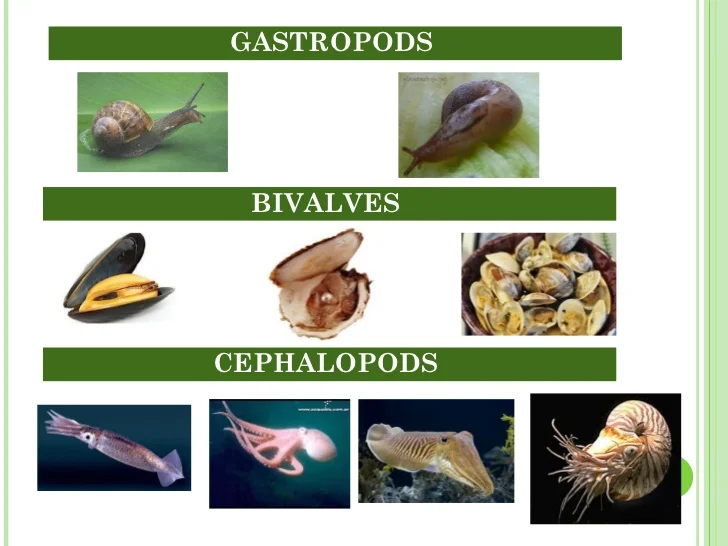
Gastropods
The largest group of mollusks which includes slugs and snails
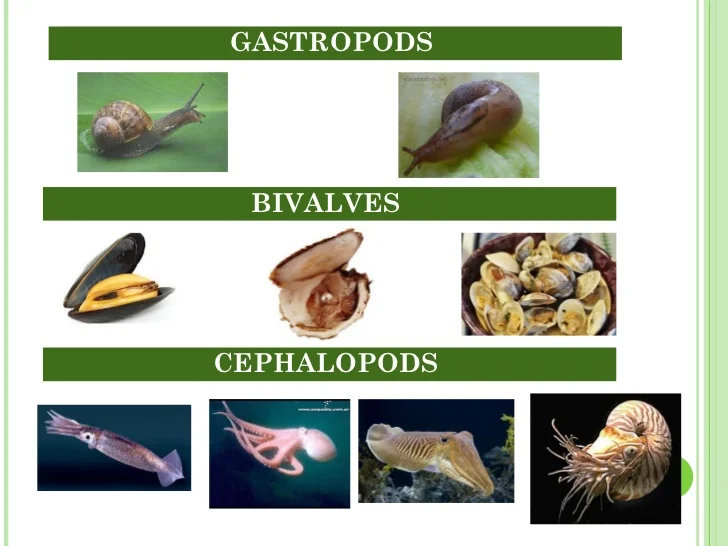
Bivalve
An organism with two shells
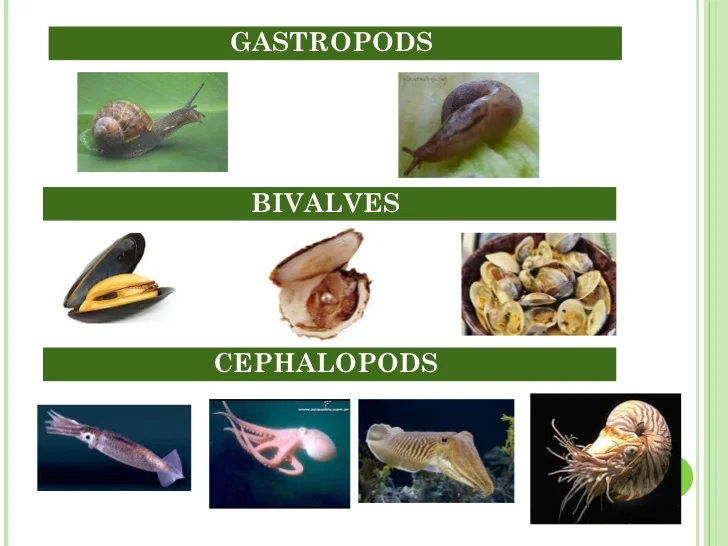
Cephalopods
A class within the phylum Mollusca, that includes animals like squids, octopuses, cuttlefish, and nautiluses
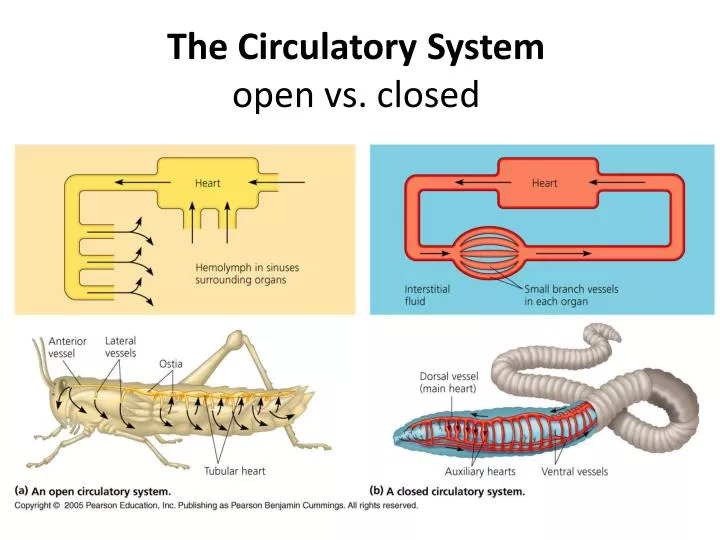
Open circulatory system
A system in which blood is pumped through vessels into various chambers or body cavities where it comes in direct contact with cells, tissues, and organs
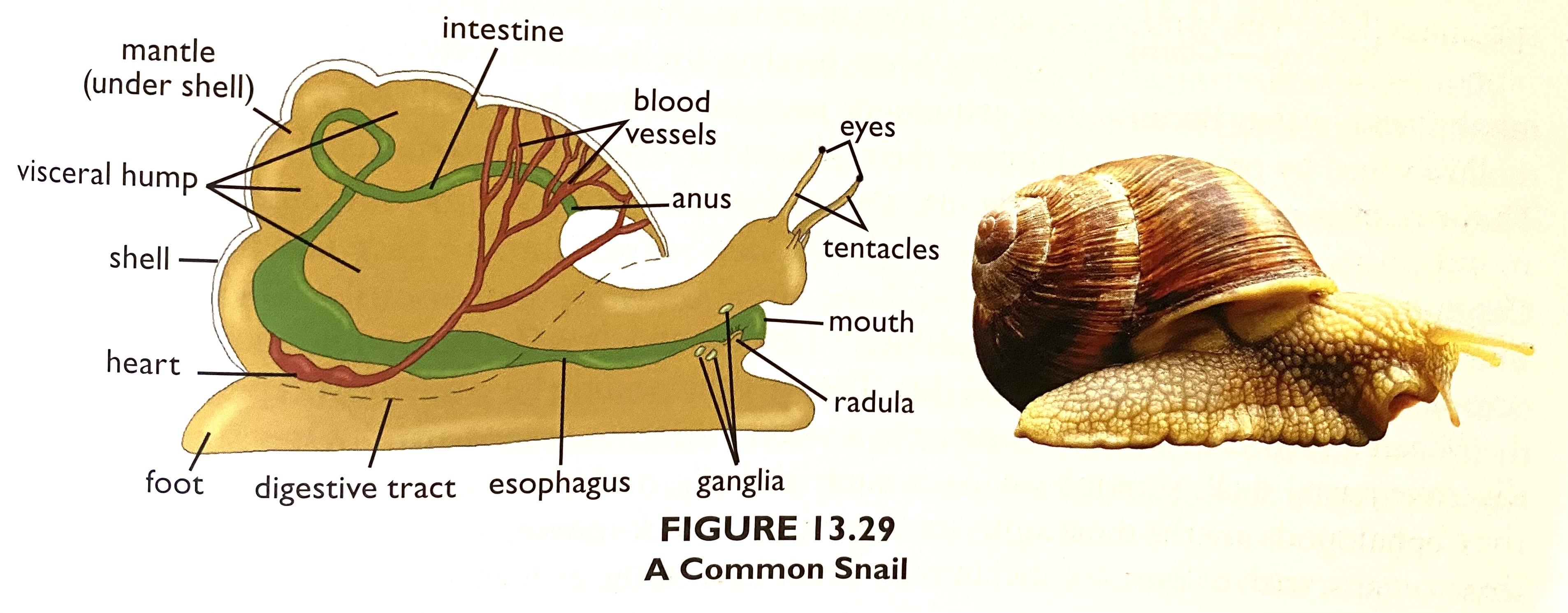
Mantle
A sheath of tissue that encloses the vital organs of a mollusk, makes the mollusk’s shell, and functions in respiration, waste disposal, and sensory perception
Shell
A tough, multilayered structure secreted by the mantle, generally used for protection, but sometimes for body support
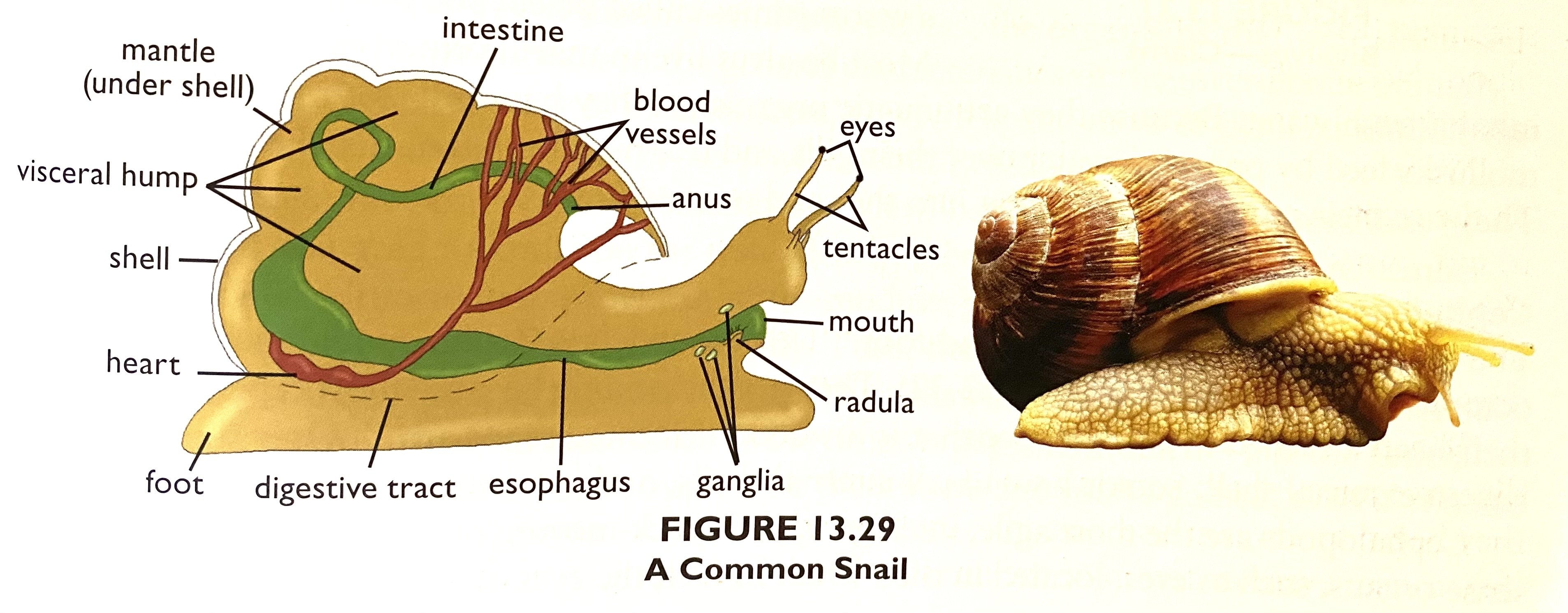
Visceral hump
A hump that contains a mollusk’s heart, digestive, and excretory organs
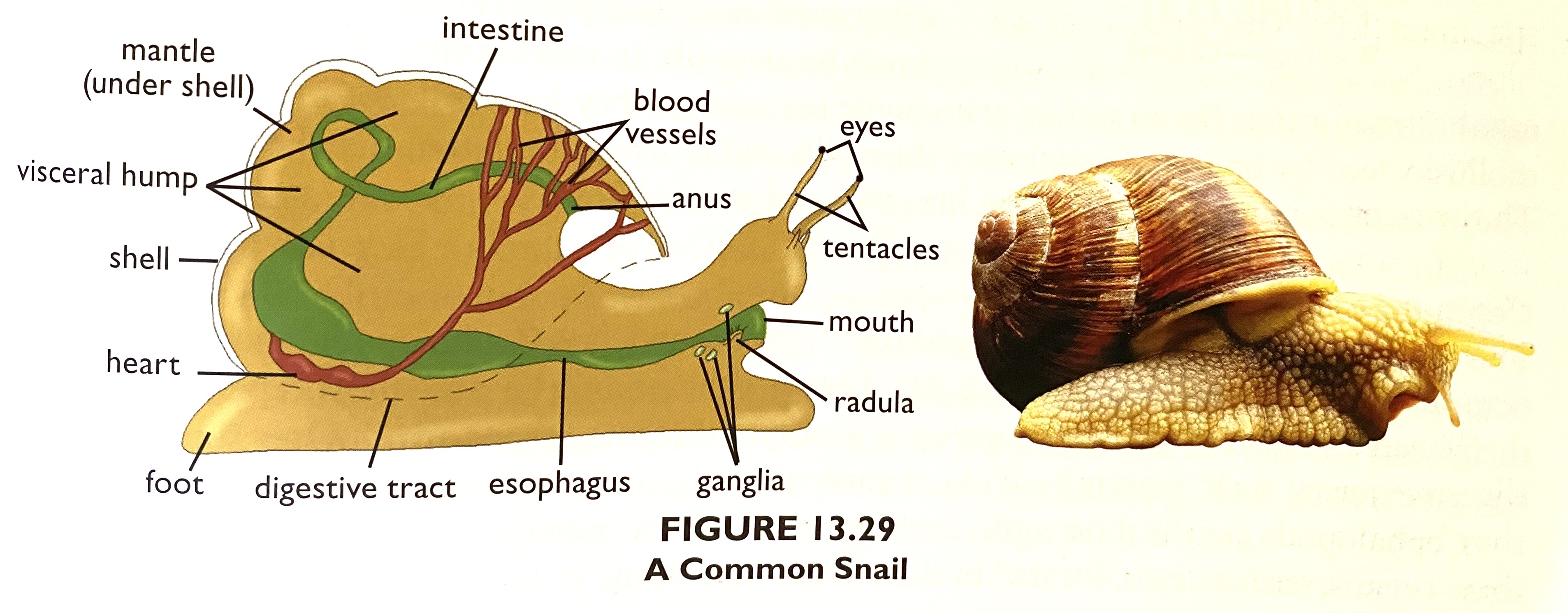
Foot
A muscular organ that is used for locomotion and takes a variety of forms depending on the animal
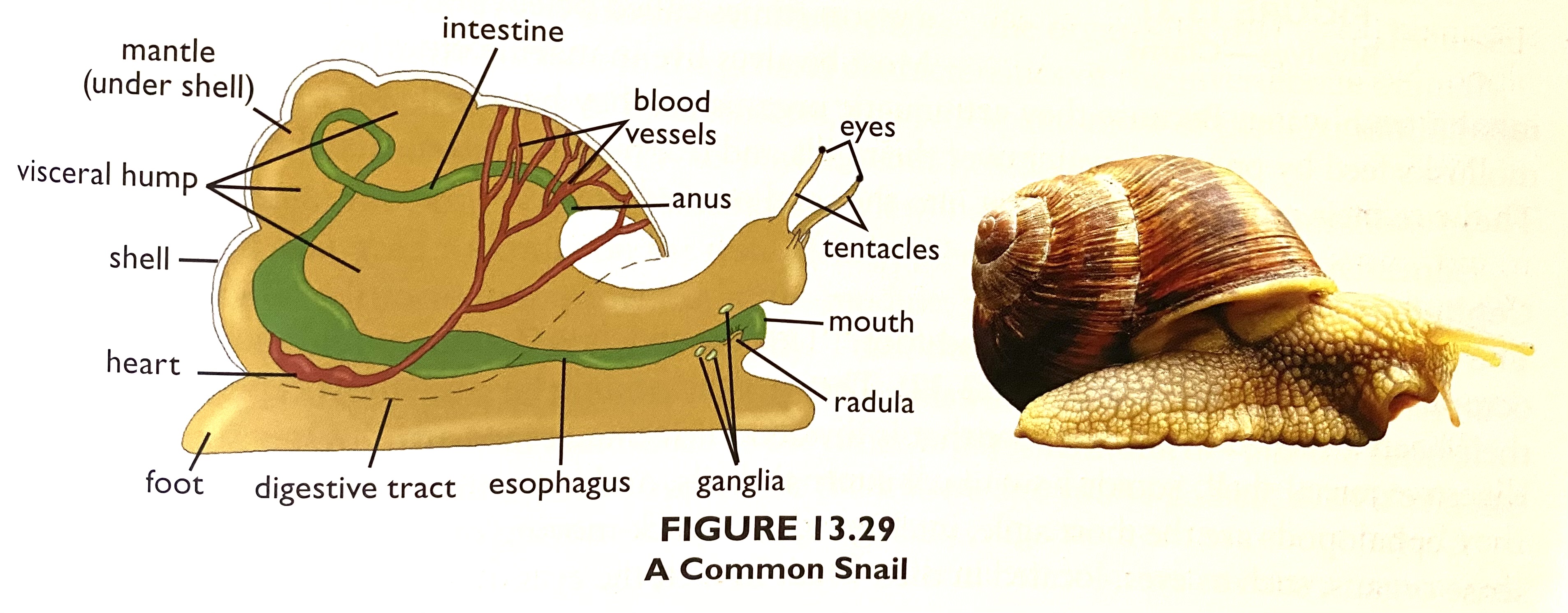
Radula
An organ covered with teeth that mollusks use to scrape food into their mouths
Univalve
An organism with a single shell
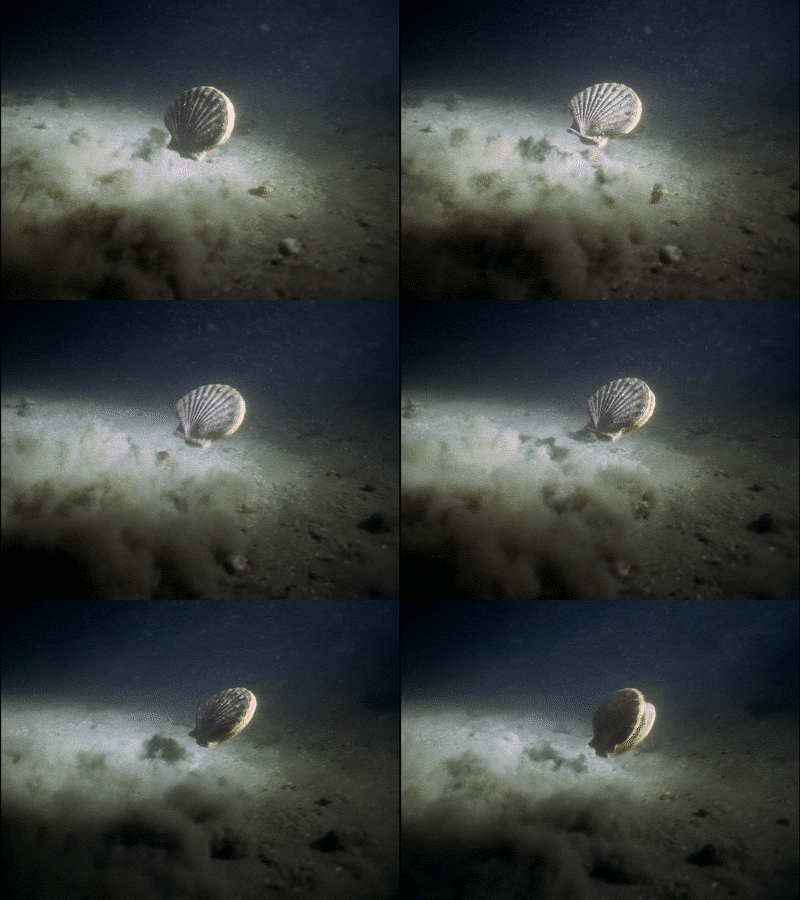
Pelecypods
Another name for bivalves
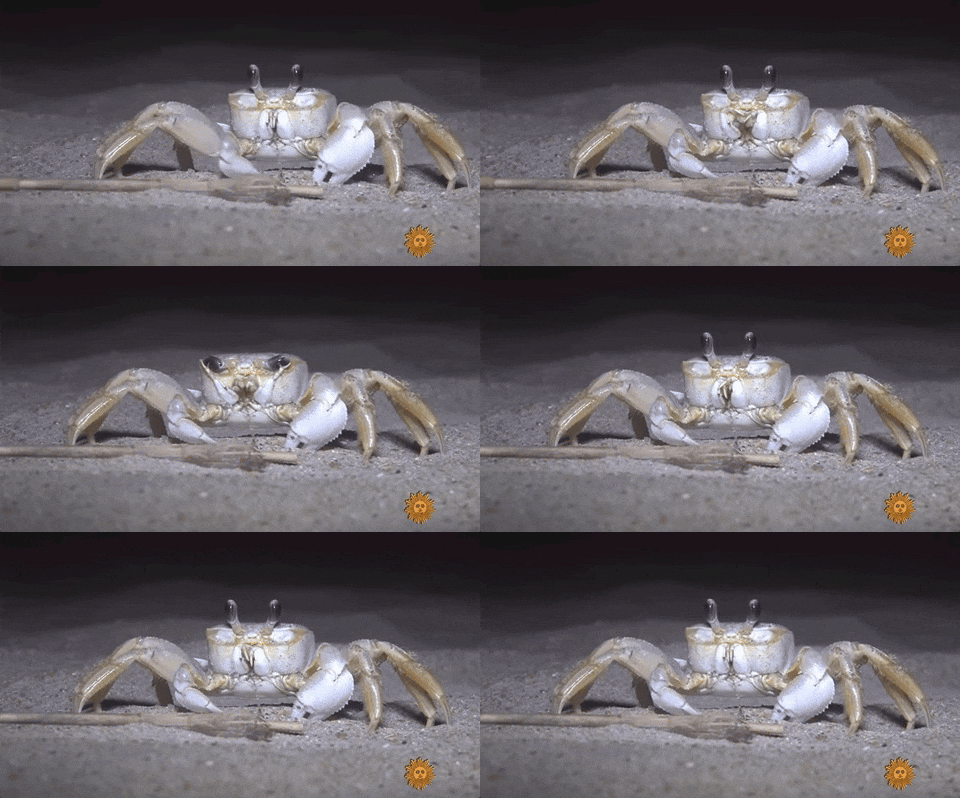
Exoskeleton
A body covering, typically made of chitin, that provides support and protection
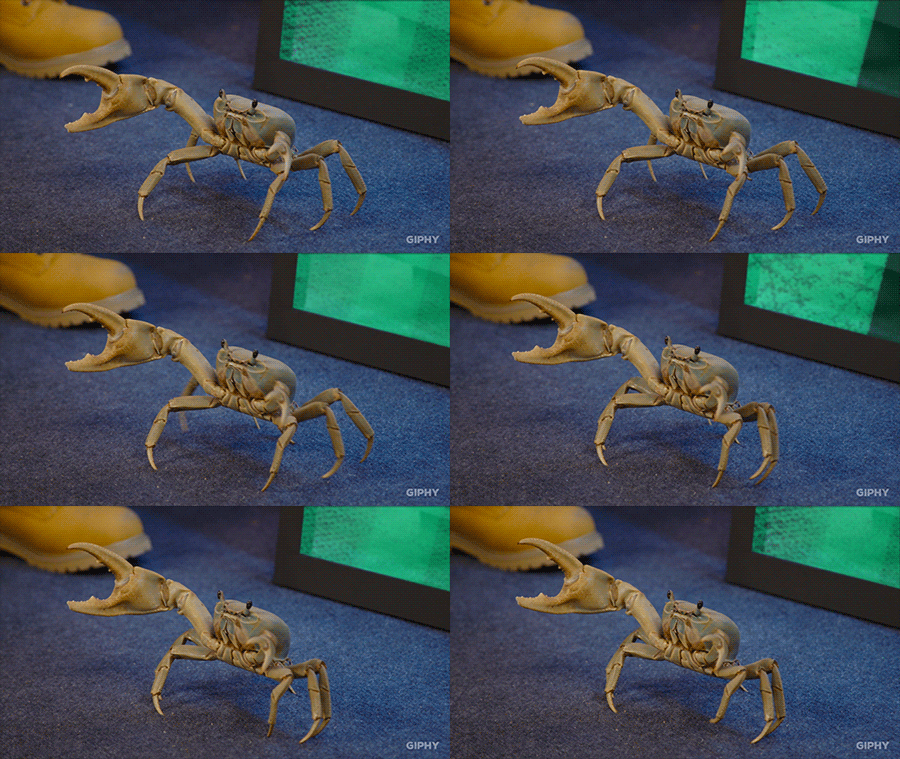
Chitin
A chemical that makes an organism’s exoskeleton tough and flexible
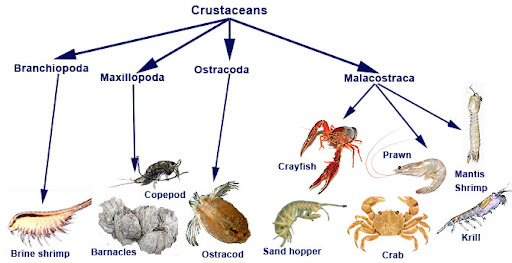
Crustacea
The largest class of arthropods include crabs, lobsters, shrimps, and barnacles
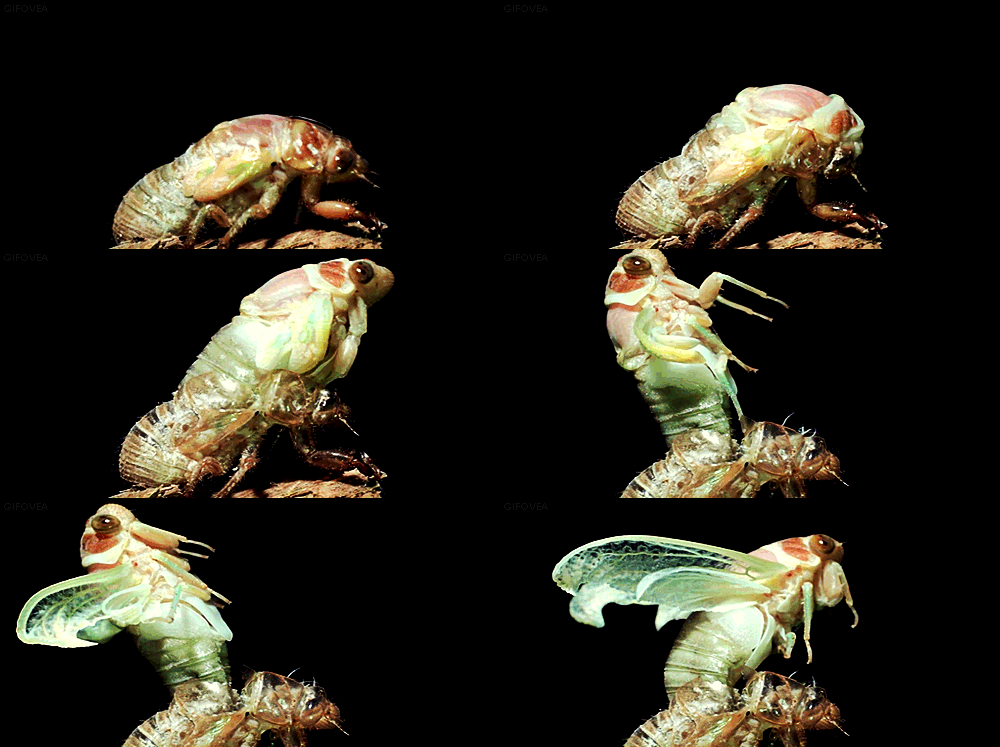
Molt
To shed an old outer covering so that it can be replaced with a new one
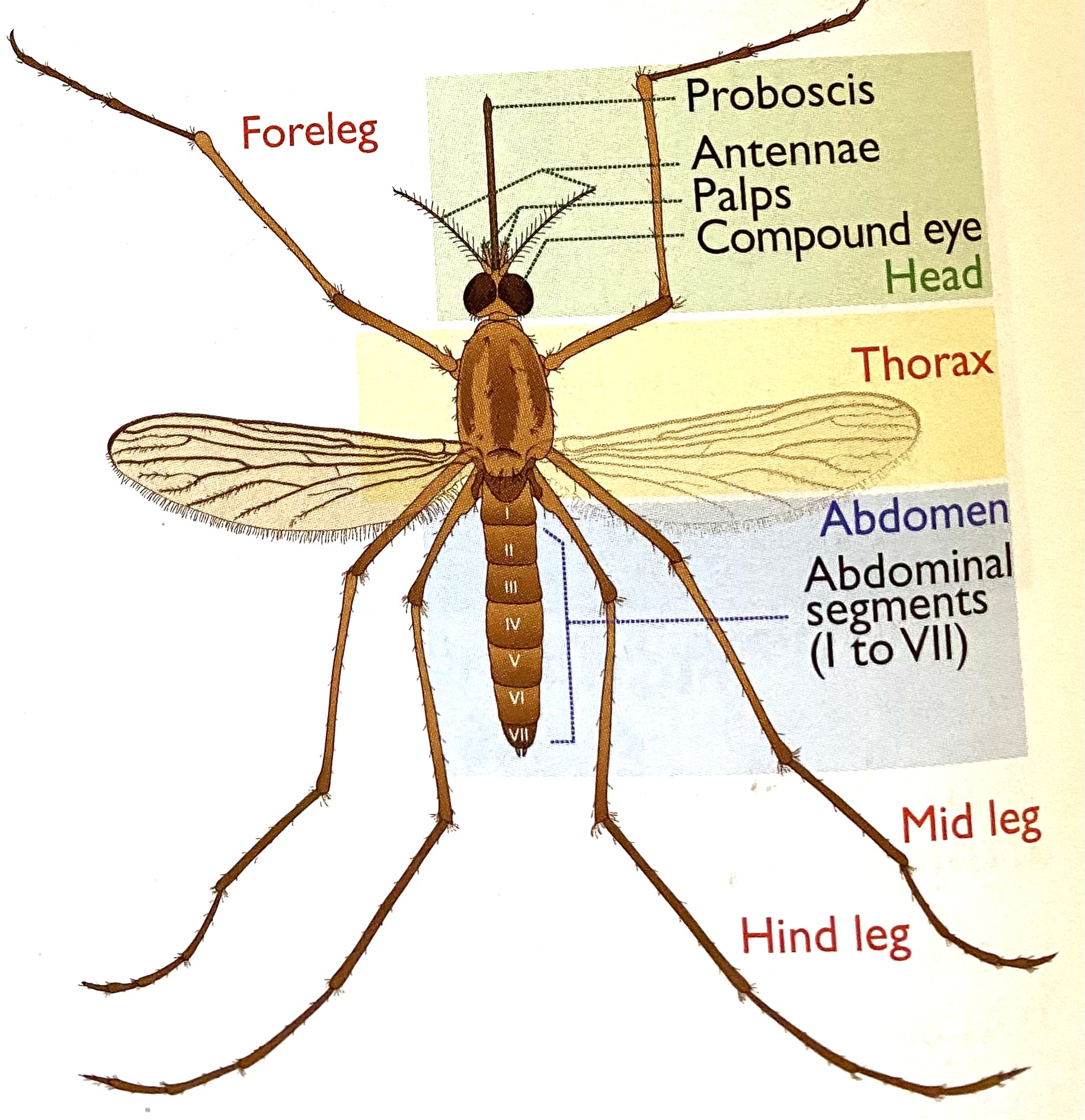
Thorax
The body region between the head and the abdomen
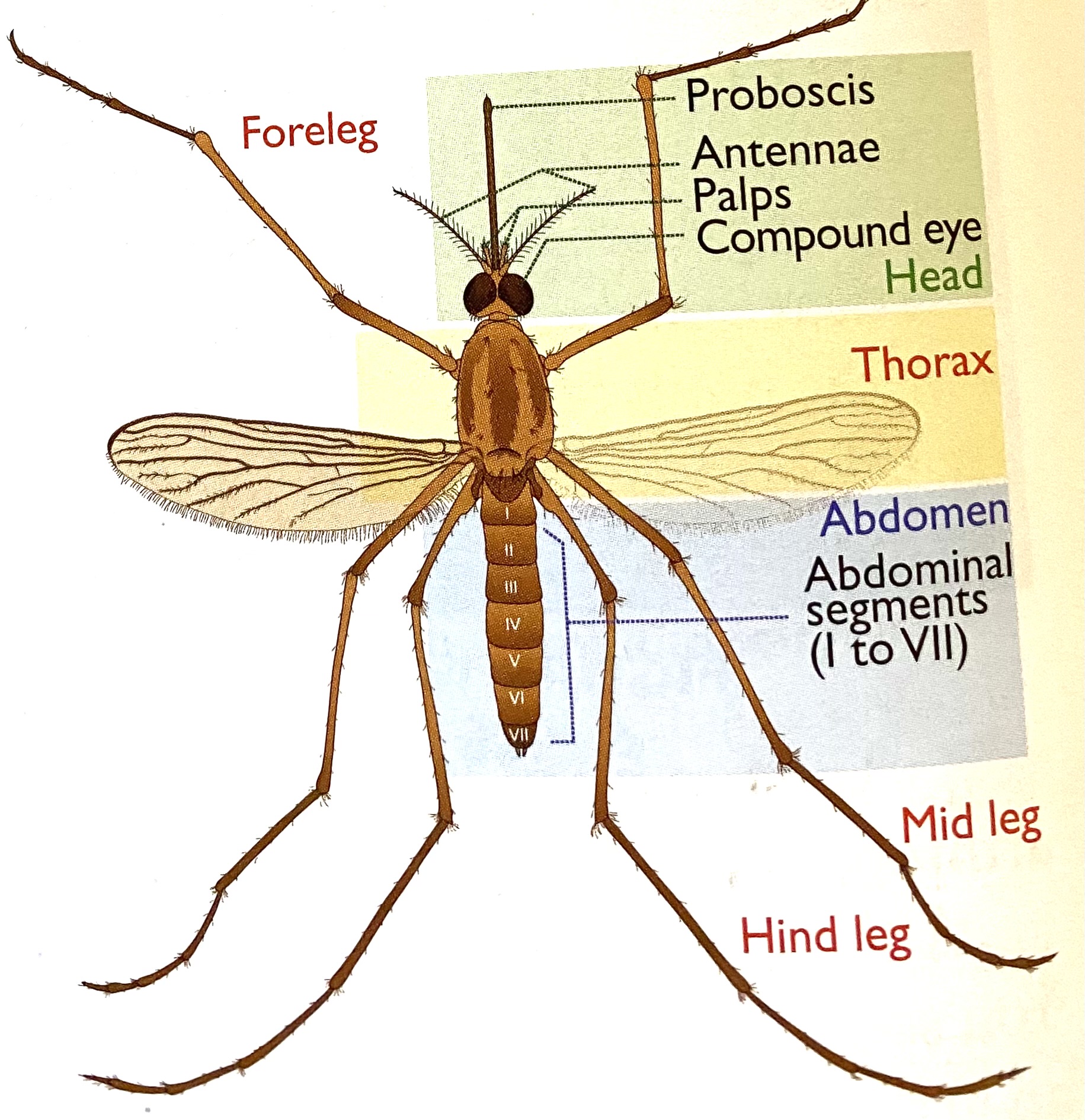
Abdomen
The body region posterior to the thorax
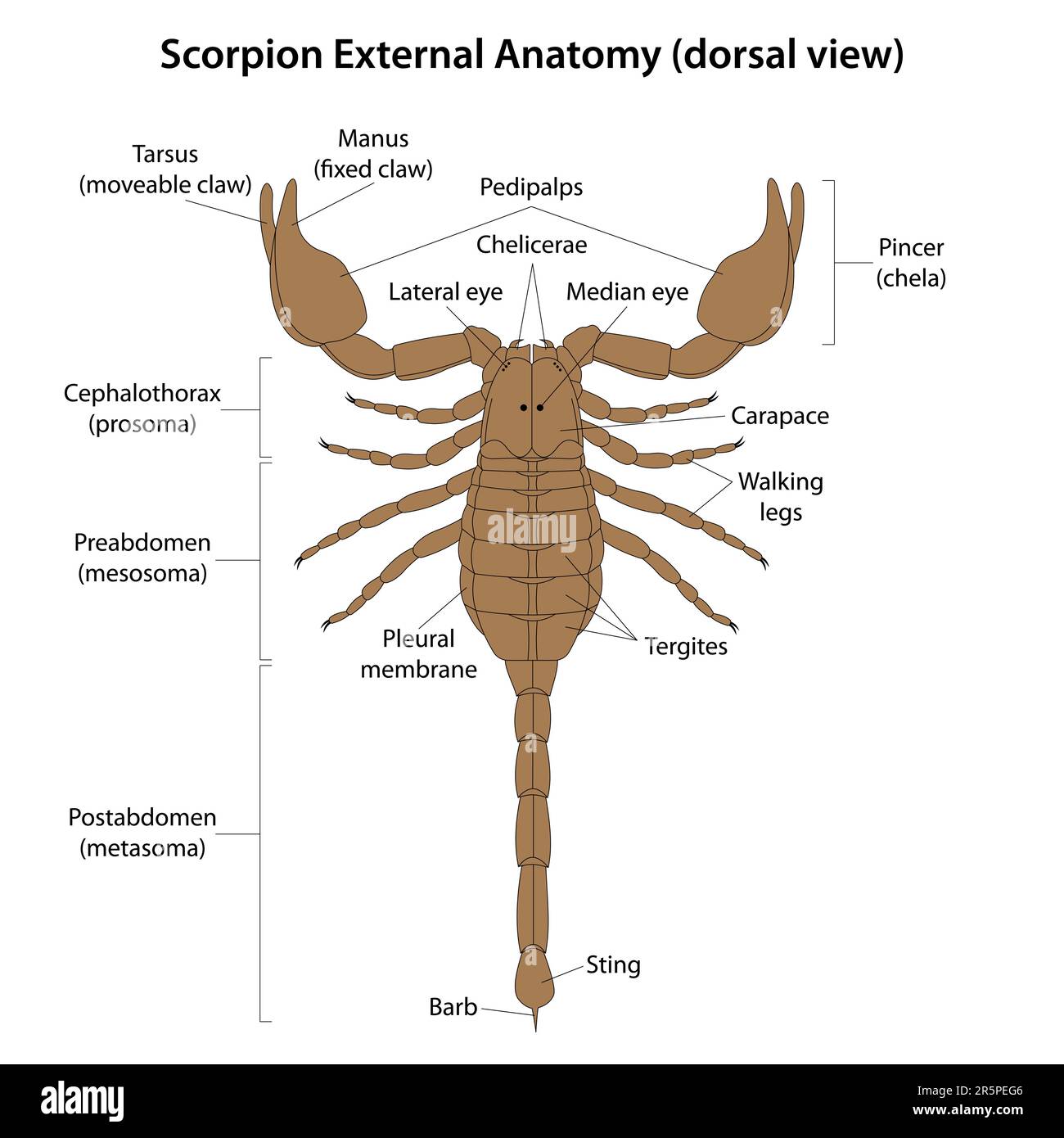
Cephalothorax
A body region composed of the head and thorax fused together
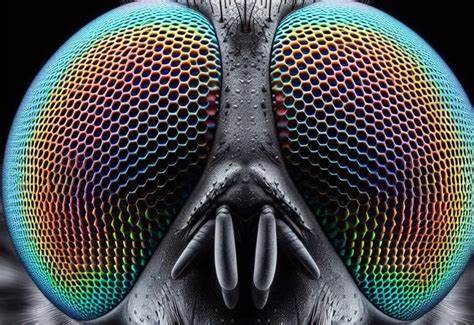
Compound eye
An eye made of many lenses, each with a very limited scope
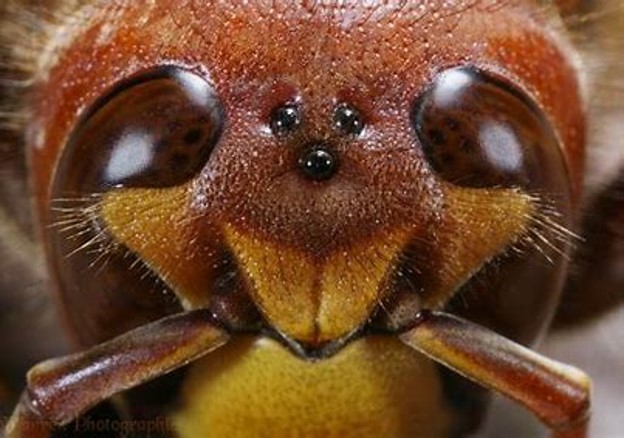
Simple eye
An eye with only one lens
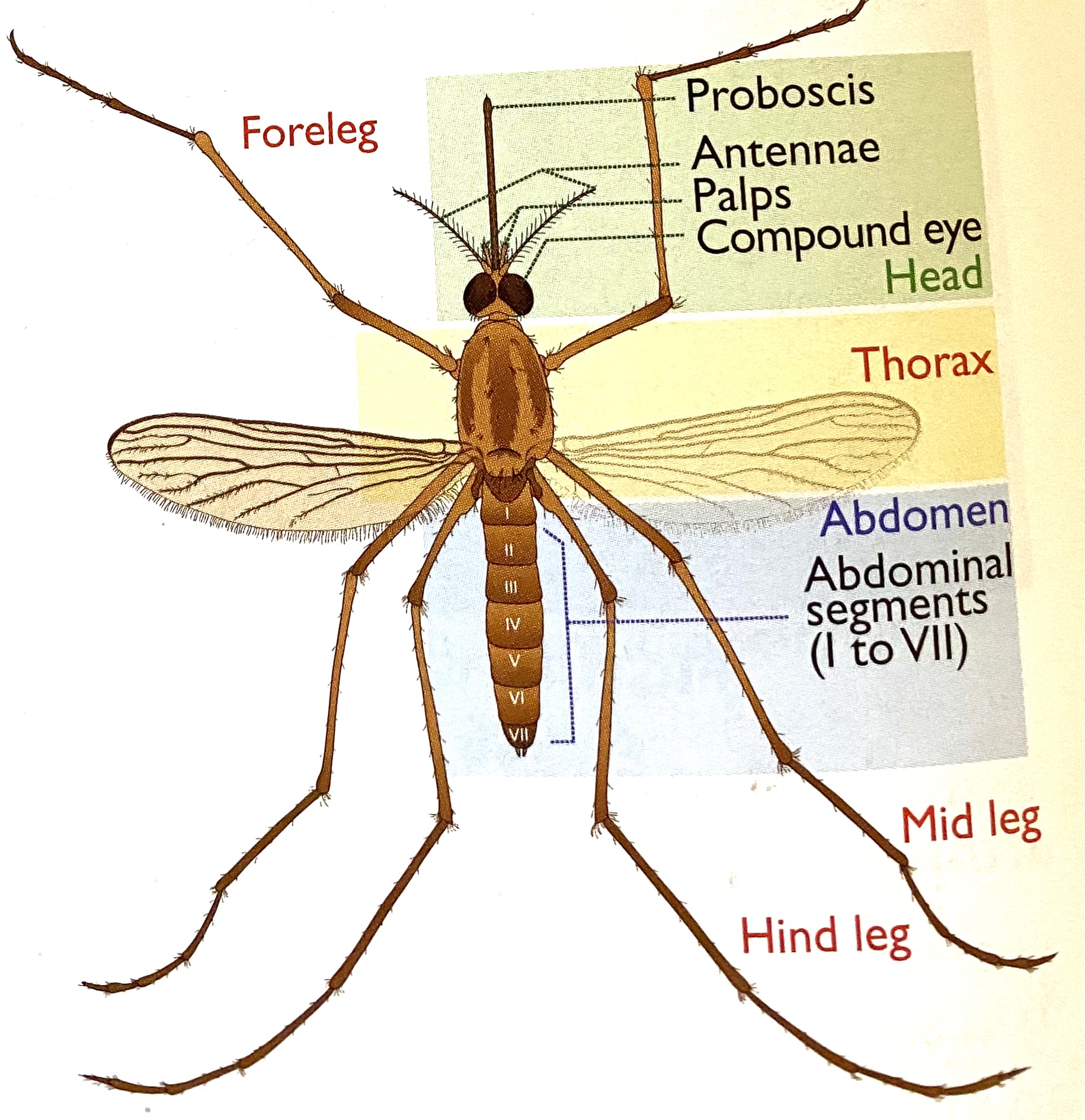
Antennae
Provide touch, taste, and smell sensations to the nervous system
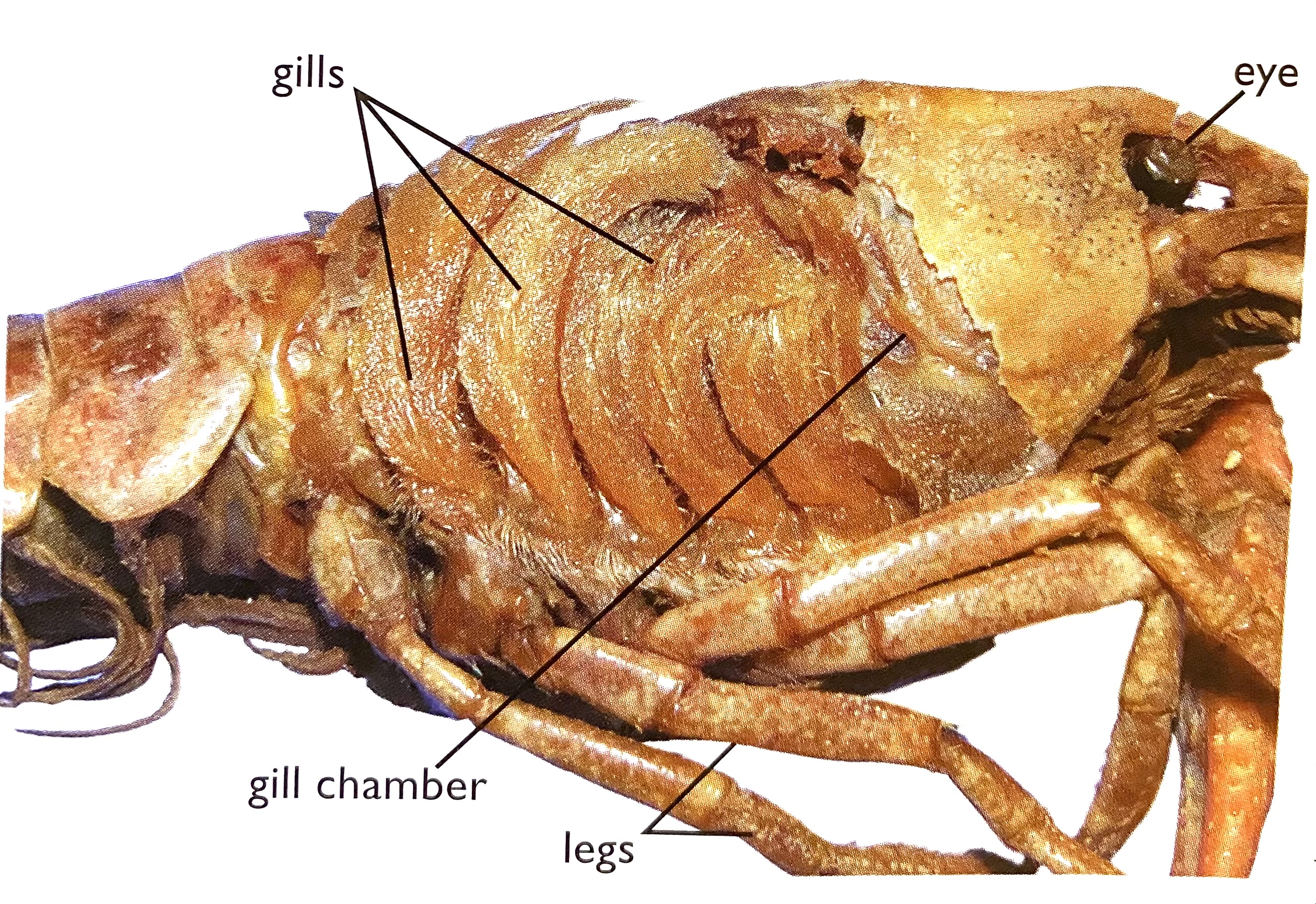
Gills
Organs that act as a transfer station, transferring dissolved oxygen from the water into the blood while at the same time transferring CO2 from the blood into the water
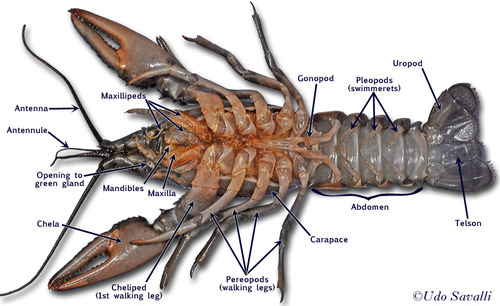
Maxilla
Tiny appendages near the mouth of crustaceans that keep water flowing through the gills and also help handle food
(Side note: this term is the name for the upper jawbone of most vertebrates)
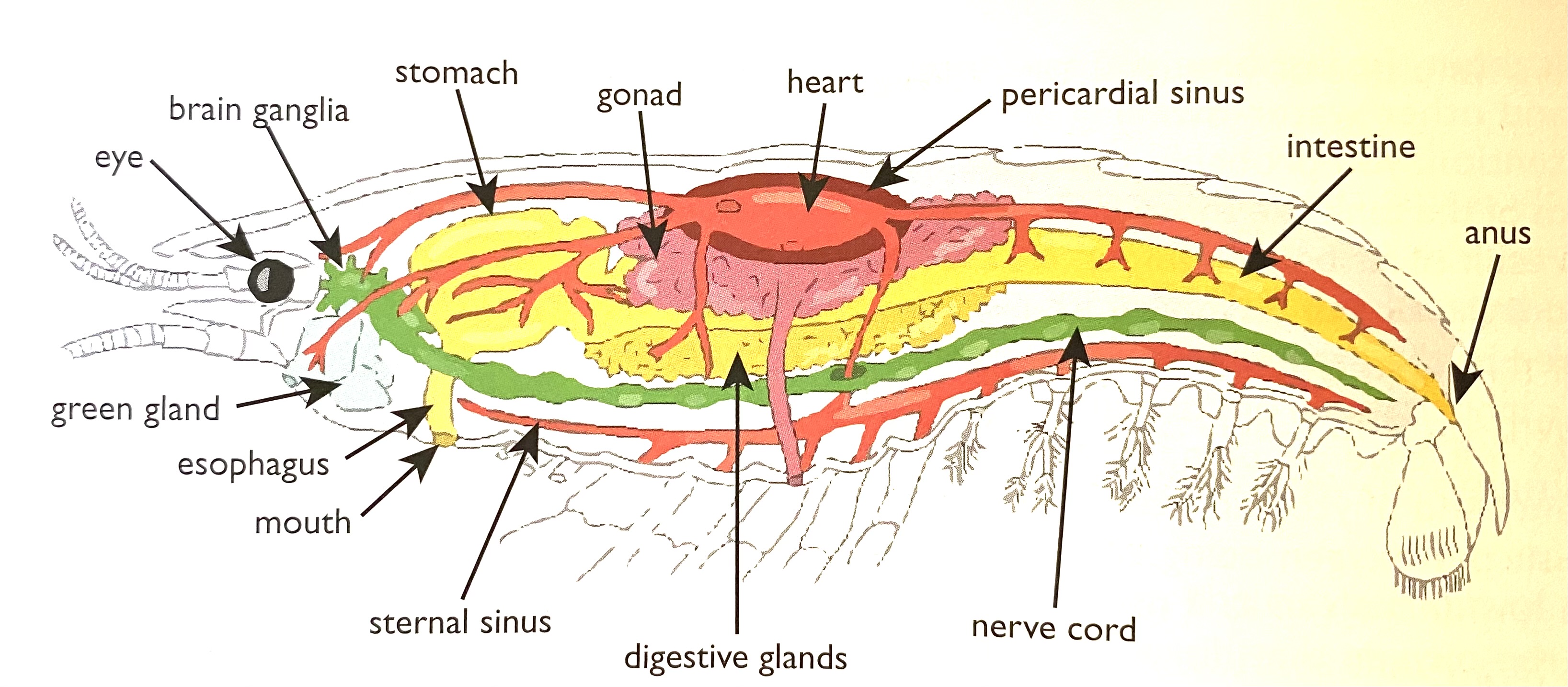
Pericardial sinus
A cavity in which the heart rests in
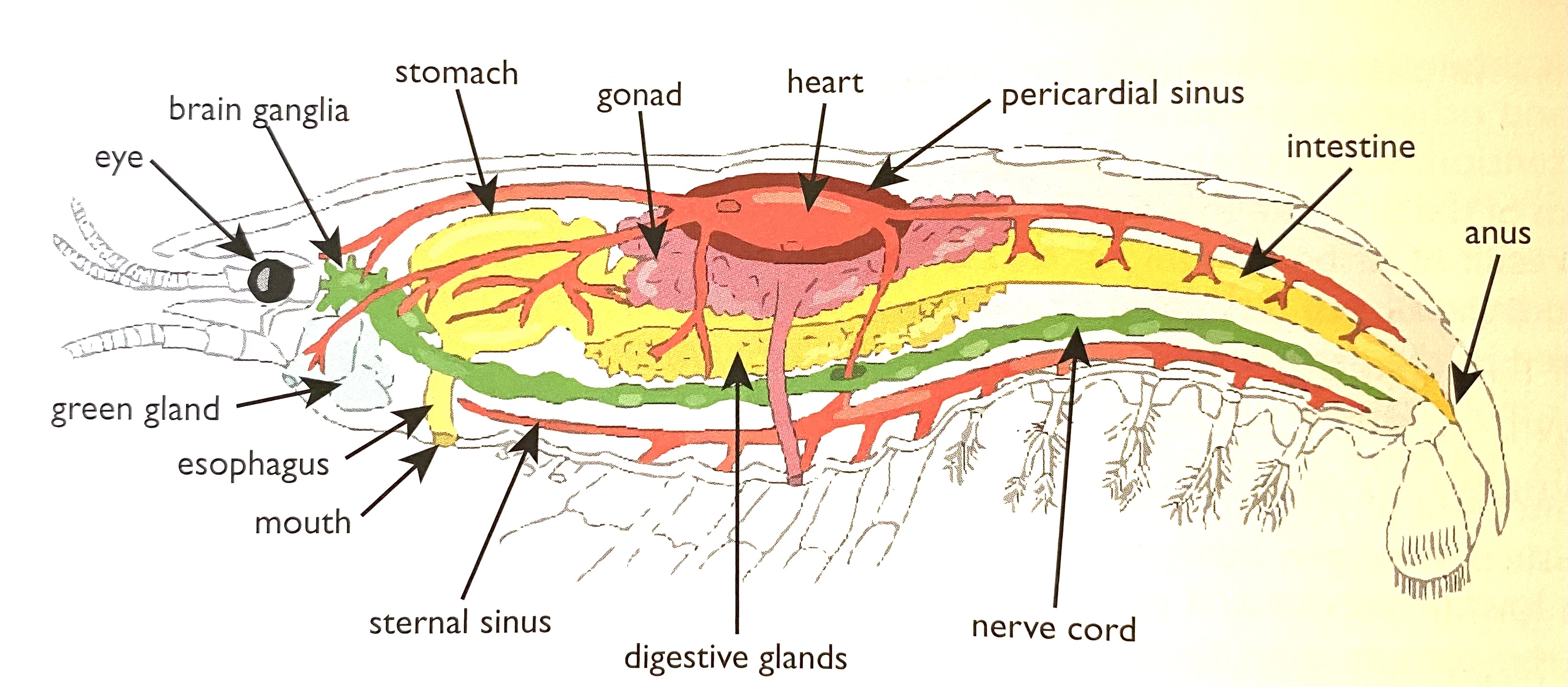
Sternal sinus
A cavity in where blood falls in from gravity and is collected there by blood vessels
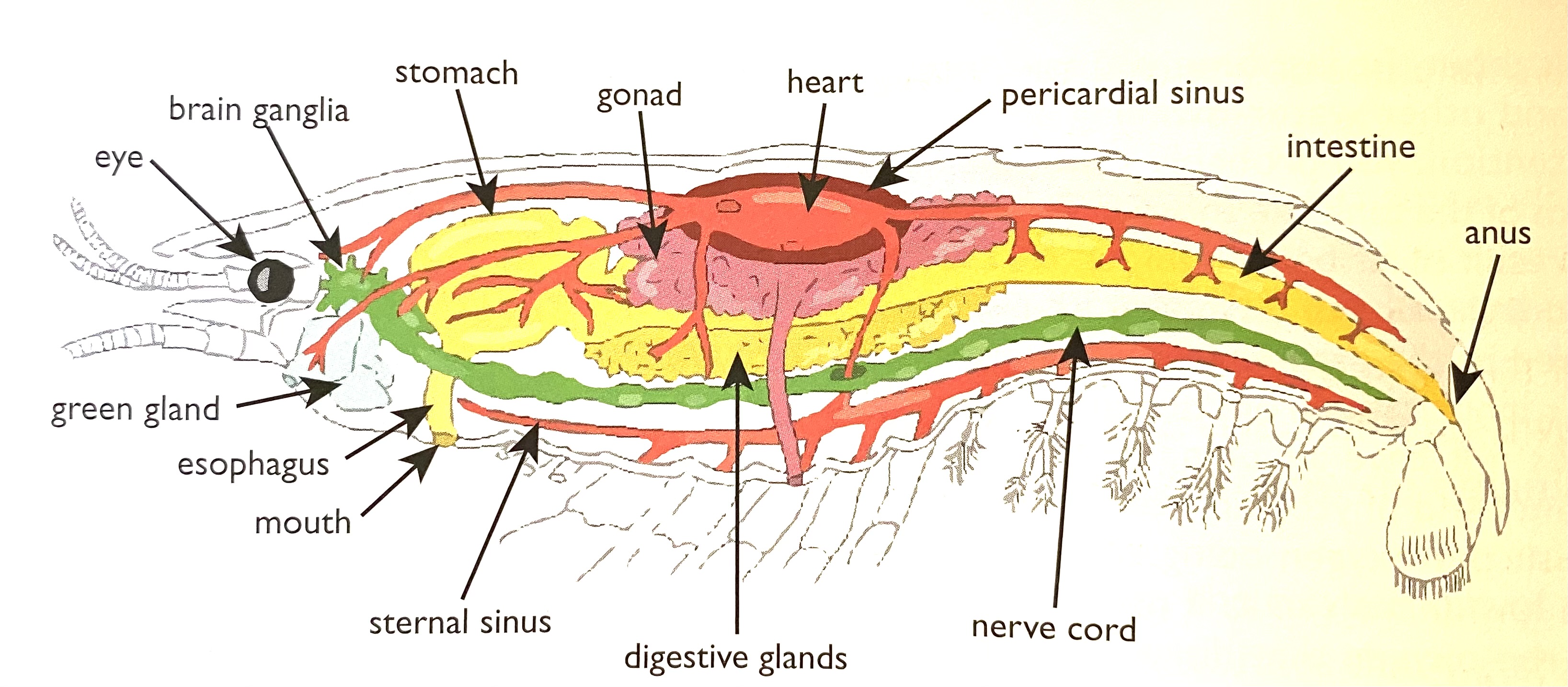
Green gland
Cleans the blood of impurities and dumps those impurities back into the surroundings
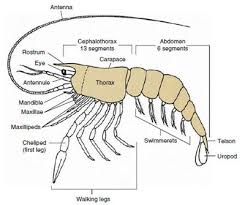
Mandibles
Used to break food into small chunks
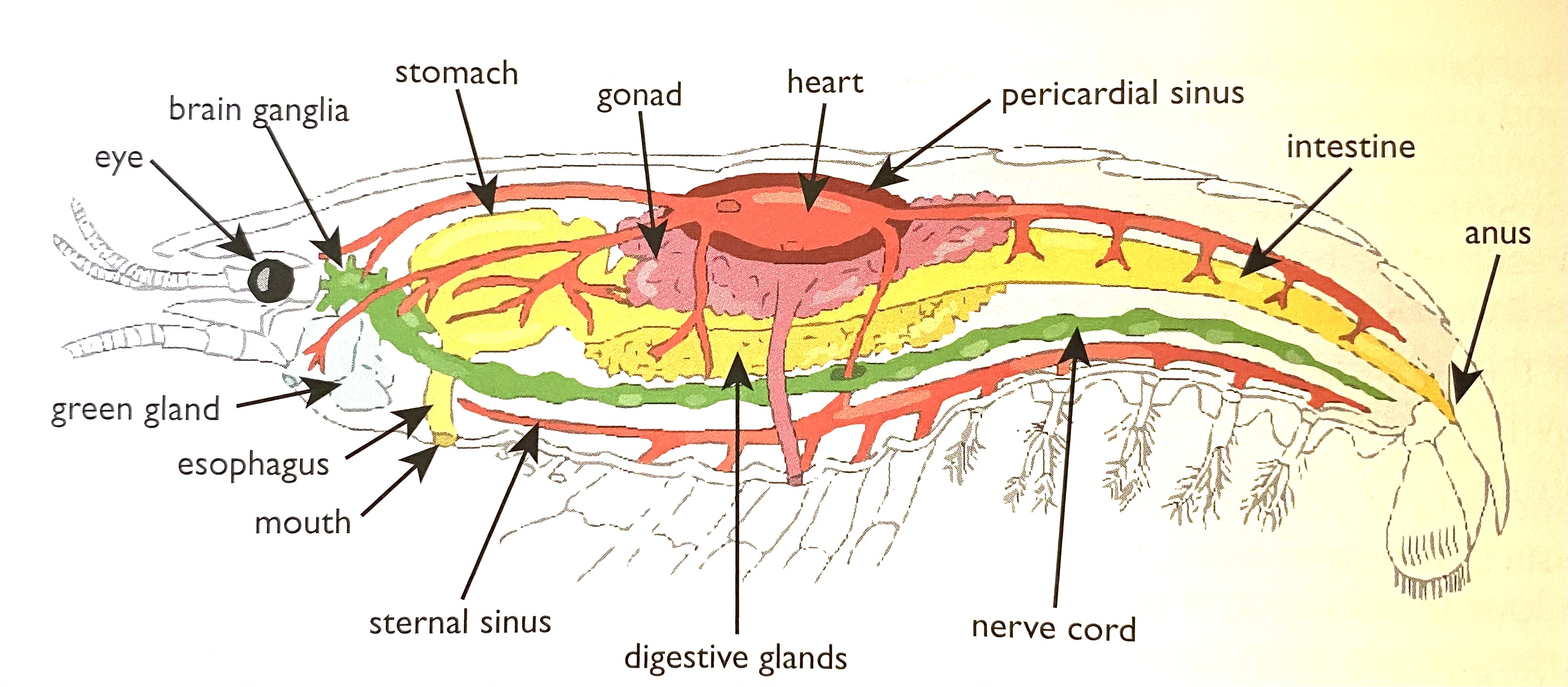
Digestive glands
Secrete enzymes that help breakdown food and absorb nutrients
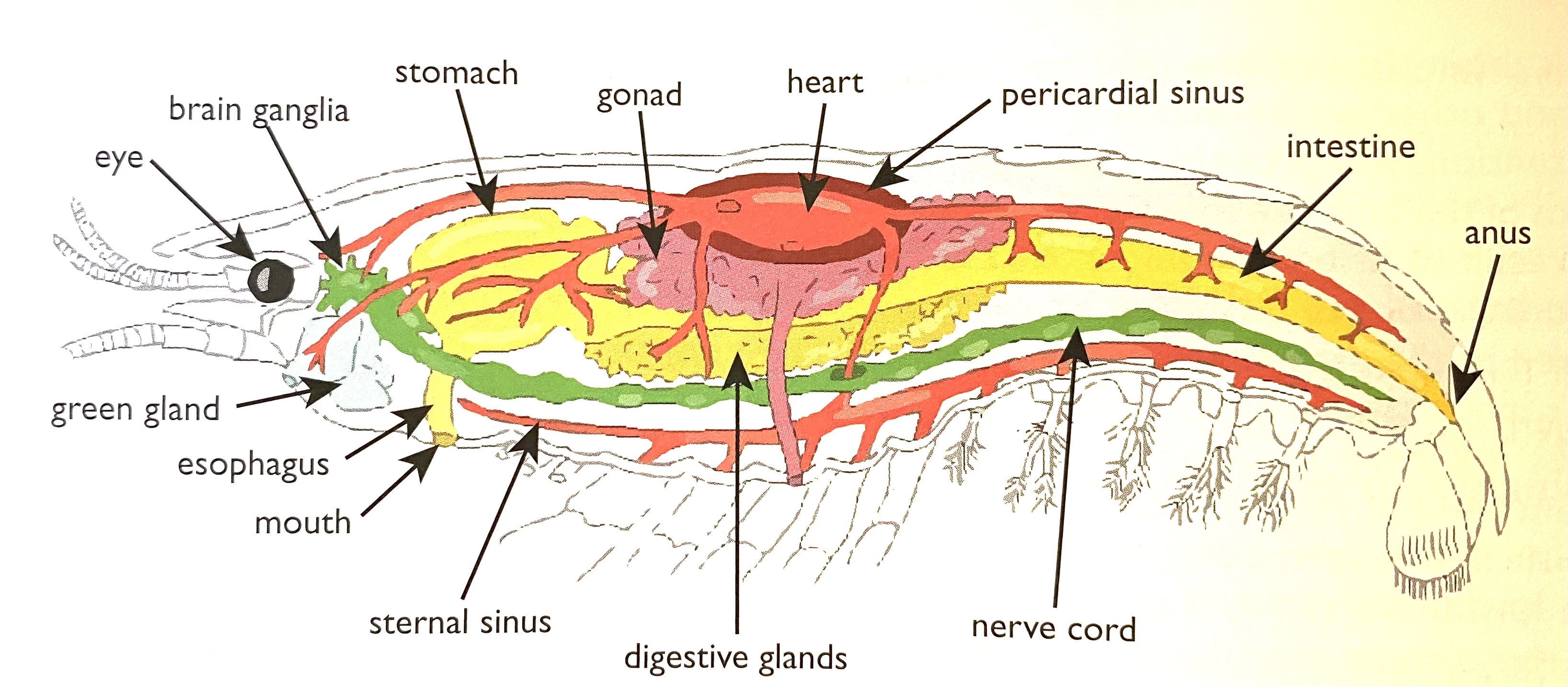
Intestine
Where large particles go after being in the digestive glands; here they are exposed to digestive enzymes, which digest what they can and anything not digested is expelled out the anus
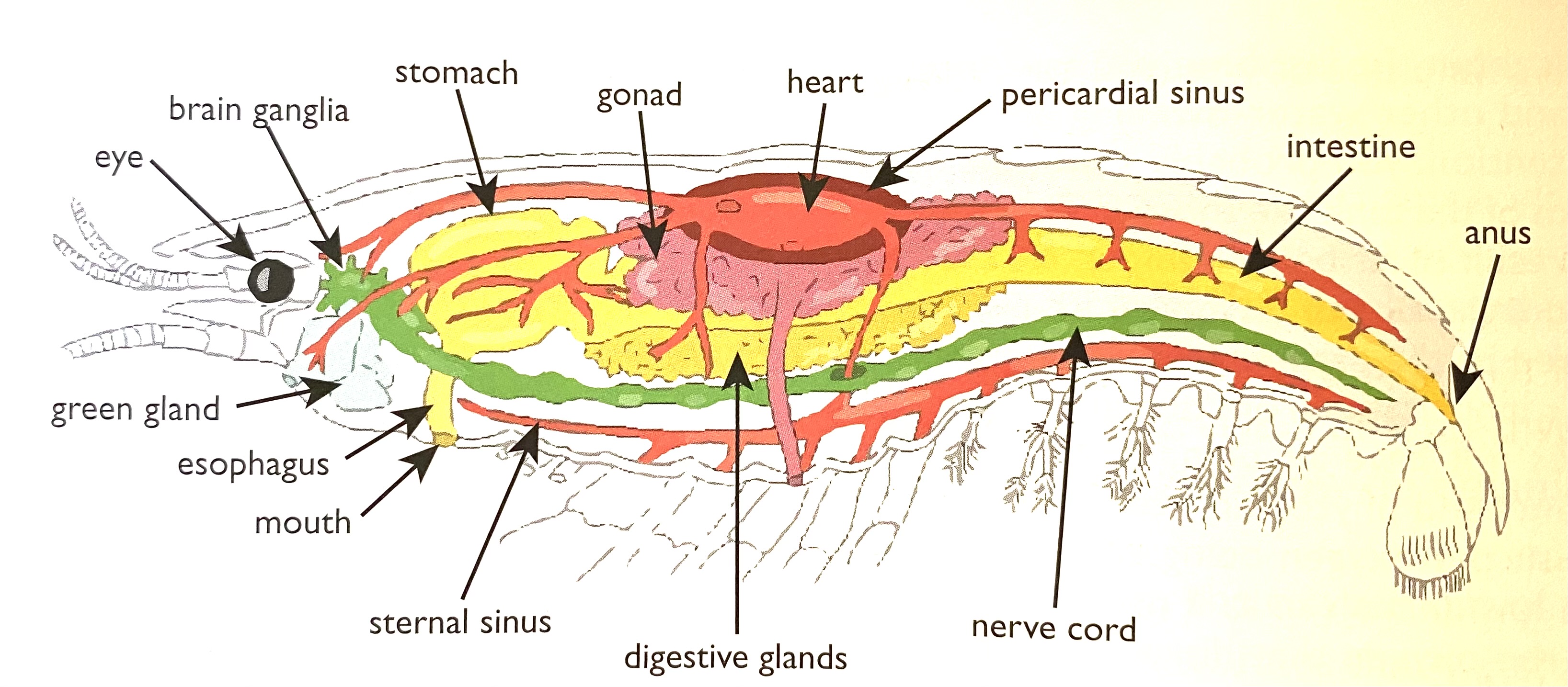
Ganglia
Processes the signals running down the nerve cord
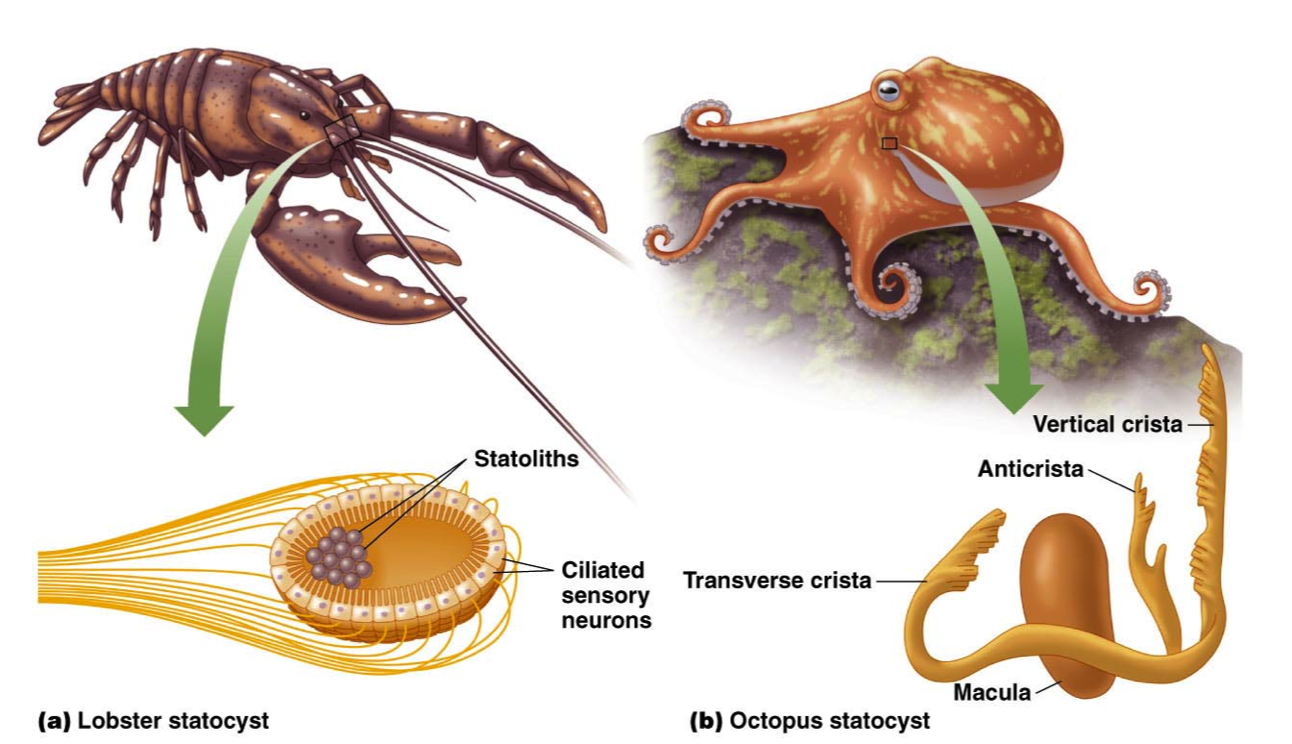
Statocyst
The organ of balance in a crustacean
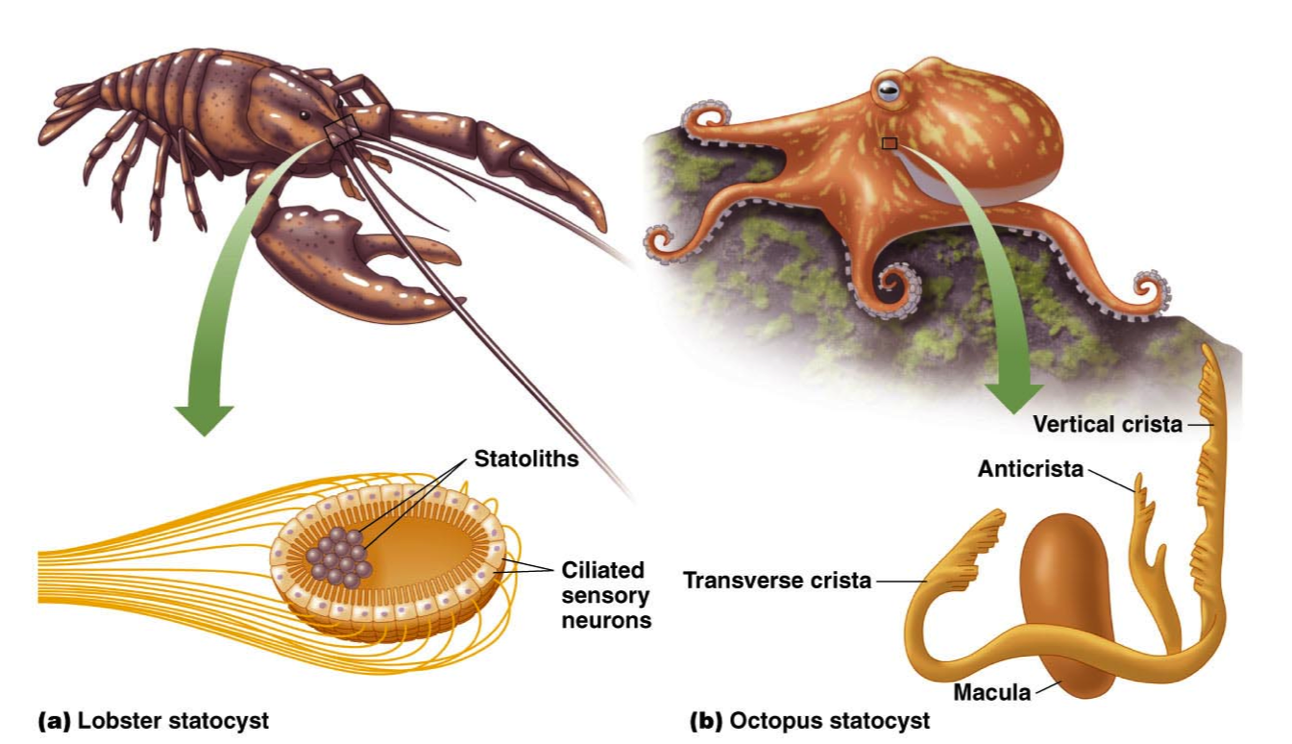
Statolith
A grain of sand that shifts when the crayfish is knocked off balance. The hairs detect that shift and send a message to the brain
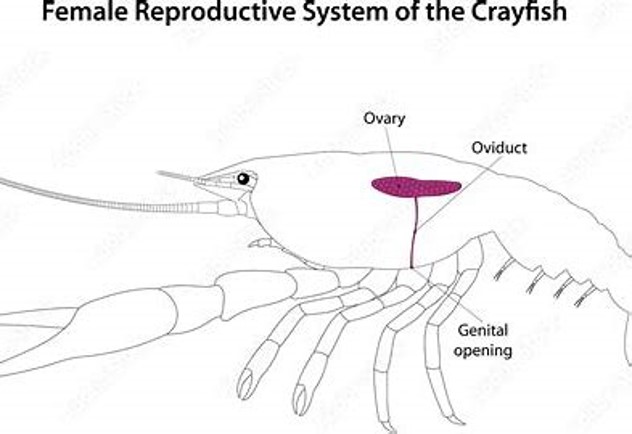
Gonad
A general term for the organ that produces gametes
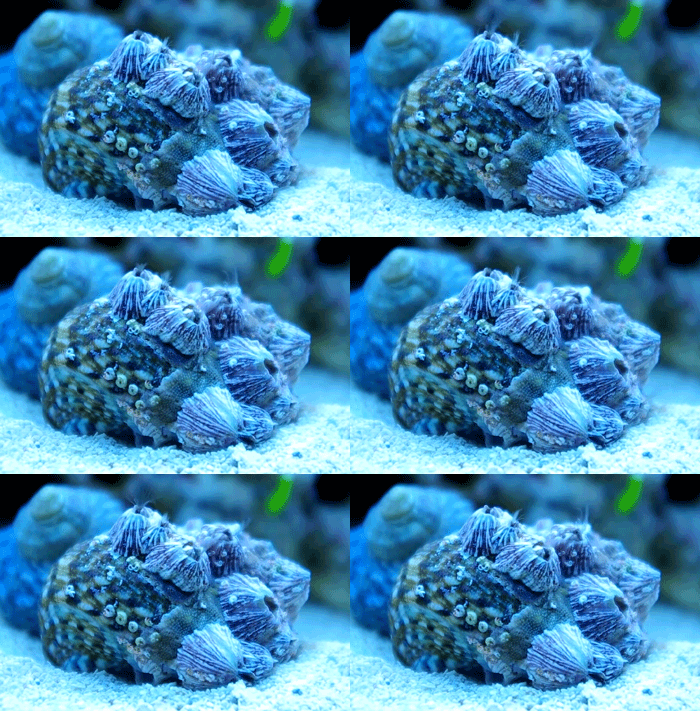
Barnacles
A marine crustacean that has an exoskeleton formed out of calcium and virtually sticks to anything
Genesis 2:7
Then the Lord God formed the man of dust from the ground and breathed into his nostrils the breath of life, and the man became a living creature.