HRM L7: performance management and employee appraisal process
 Call Kai
 Learn
Learn Practice Test
 Spaced Repetition
 Match
Match Flashcards
 Knowt Play
1/64

There's no tags or description
Looks like no tags are added yet.
Name | Mastery | Learn | Test | Matching | Spaced | Call with Kai |
|---|
No analytics yet
Send a link to your students to track their progress
65 Terms
importance of performance management and appraisal
important if organization means business
ensure employee performance is properly managed
helps assess / appraise employee performance
makes sure employees deliver the expected output for the salary they receive
performance appraisals
a process, typically performed annually, by a supervisor for a subordinate designed to help employees understand their roles, objectives, expectations, and performance success
not only measuring performance because it is tied with the roles, expectations, and objectives before the start of the performance appraisal period
there must be objectives so employees evaluated are aware from the start on how he’s going to be measured
part of the performance management cycle
performance management
process of creating a work environment in which people can perform to the best of their abilities.
encompasses training and development
encompasses performance appraisal
difference between performance management and performance appraisals
performance management:
more encompassing
to make sure that your performance management program have all the systems, programs, and help needed to ensure that your employees perform to their best abilities.
part of PM is performance appraisals
not one time big time activity
performance appraisal:
done annually or quarterly
measuring effectiveness
6 steps in performance management
goals set to align with higher level goals
behavioral expectations and standards set and then aligned with employee and organizational goals
on going performance feedback provided during cycle
performance appraised by manager
formal review session conducted
HR decision making
goals set to align with higher level goals
you set the objectives.
performance objectives must align with business goals.
you are managing the performance of each employee to ensure that the organization achieves its business objectives
do not spend on someone who does not contribute to the investment / profit of the organization
behavioral expectations and standards set and aligned with goals
identify specific expectations and standards.
critical incident: how are you going to say that employee achieved those objectives?
expectations indicate that you are able to measure the actual performance of the employee
behavioral expectations and standards should be aligned to the performance objectives.
example:
objective: conduct a training program
expectation: trainees are also expected to get a score of 5 or a 95% learning/reaction rating in all tests
basically, employee is not just evaluated on doing the training, but also on how effective the training was based on the trainees’ scores and feedback
on going performance feedback provided during cycle
task of the supervisor.
must provide feedback whether positive or negative.
critical incidents observed must be discussed to inform employee because sometimes employee may not know that they are not performing as expected
important because the objective of PM is to ensure the success of every employee
performance appraised by manager
manager provides actual rating
used for salary increases, bonuses, or improve training programs
formal review session conducted
supervisor or manager discusses / review the scores or rating to employee
some org use self-appraisal or 360-degree performance appraisal: employee assess themselves and manager, peers, and other evaluators assess employee performance
depending on the structure of the organization, the question is which score are you going to follow
example: final appraisal score may be divided between the employee’s self-rating and the supervisor’s rating (50% each), or sometimes only the supervisor’s rating is used as the final score
HR decision making
uses results of PA for promotion, pay increases, further training, and improving the PM system.
results indicate what area must be improved by the organization for employees to perform better
2 kinds of appraisal programs
administrative
developmental
administrative appraisal program
compensation
job evaluation
employee engagement program (EEO/AA support)
compensation
uses appraisals as a basis for salary increase
job evaluation
provides value to each position
to evaluate what is being done per position / job title. basically if aligned ba yung ginagawa nila sa job title / description
employee engagement program (EEO/AA support)
the motivation / support levels given by the organization
after evaluation, you try to to see what’s causing the improved or low performance
to come up with initiatives to help people engage in what they do
developmental appraisal programs
individual evaluation
training
career planning
individual evaluation
to know what each individual employee needs in terms of training / development
helps in career planning
training
initiatives / programs used to improve employee skills, knowledge, and performance
career planning
helps employees prepare for future roles, growth, and career development within the organization
5 reasons appraisal programs sometimes fail
lack of top-management information and support
unclear performance standards
rater bias
too many forms to complete
use of the appraisal program for conflicting (political) purposes
lack of top-management information and support
PM program is not driven by the top management it will be hard for HR to drive it due to managers / supervisors not overseeing the implementation
basically, top management does not fully support / prioritize the PM / appraisal program
some managers are too swamped with admin task they no longer give attention to initiatives that could help their employees perform better
example:
government offices do not have PM systems which leads to people slacking off because they will receive the same salary regardless
unclear performance standards
employees are not aware of what measures they will be measured with
some employees may be focusing on something else that he is not measured for instead of focusing on the standards he is measured with
example:
customer service agents expected to be rated by number of calls handled, but the actual standard focused on customer engagement and issue resolution.
rater bias
one scored high not because he performed well, or he did not score well due to bias
rating an employee that does not reflect his actual performance
due to this, you will not be able to intervene later on how you’re going to help the employee
too many forms to complete
appraisal process becomes too complicated due too many forms despite being swamped with other admin tasks
chances are you are not able to accomplish the forms
some simply answer without reading and just checking things randomly
use of the appraisal program for conflicting (political) purposes
appraisals are used unfairly for personal / political reasons
those who want to “manage people out”
example:
manager gives low ratings to an employee they want to remove from the company
performance standards
based on job-related requirements derived from job analysis, reflected in job description and job specifications.
help translate an organization’s goals and objectives into job requirements.
job analysis results are anchors to an effective performance management system.
basically, you pay someone to do something to make sure that you measure them using the things you are paying them for
calibration
process whereby managers meet to discuss the performance of employees to ensure their employee appraisals are in line with organizational standards
to ensure those who are appraising / involved in PM have the same understanding / definition of what they are looking at
happens before and after the appraisal period
before: appraisers would talk / define the standards
after: explanation of ratings to clarify what part is expected from employee
important to prove that there is no bias.
performance standards and its characteristics
strategic relevance
criterion deficiency
criterion contamination
reliability
strategic relevance
individual standards directly relate to strategic goals
example:
a company wants to be known for high quality products. but employees are only evaluated based on quantity instead of quality in products.
hence, this is not strategically relevant because the company’s goal is quality and the appraisal measured something different instead
criterion deficiency
standards should capture all of an individuals contribution
example:
employee is expected to do many responsibilities, but only some of them are included in the evaluation
due to this, appraisals becomes incomplete / unfair → criterion deficiency
criterion contamination
to ensure that performance capability is not reduced by external factors
to provide all the equipment an individual needs to perform because if they lack something, it is not because they are incapable, it is due to the lack of external support
basically out of control ng employee and naka depende na sa company
example:
graphic designers are expected to finish projects immediately but the company provides an outdated computer that constantly crashes
reliability (consistency)
standards are quantifiable, measurable, and stable
standard remains / does not change for anyone. employees are evaluated using the same standards every time
legal guidelines for appraisals
performance ratings must be job-related
employees must be given a written copy of their job standards in advance of appraisals
managers must be able to observe the behavior they are rating, they should have an information regarding the employee and not blindly rate without any basis
supervisors must be trained to use the appraisal form correctly to reflect actual performance
appraisals should be discussed openly with employees, counseling and corrective guidance offered
an appeals procedure should be established to enable employees to express disagreement with appraisals
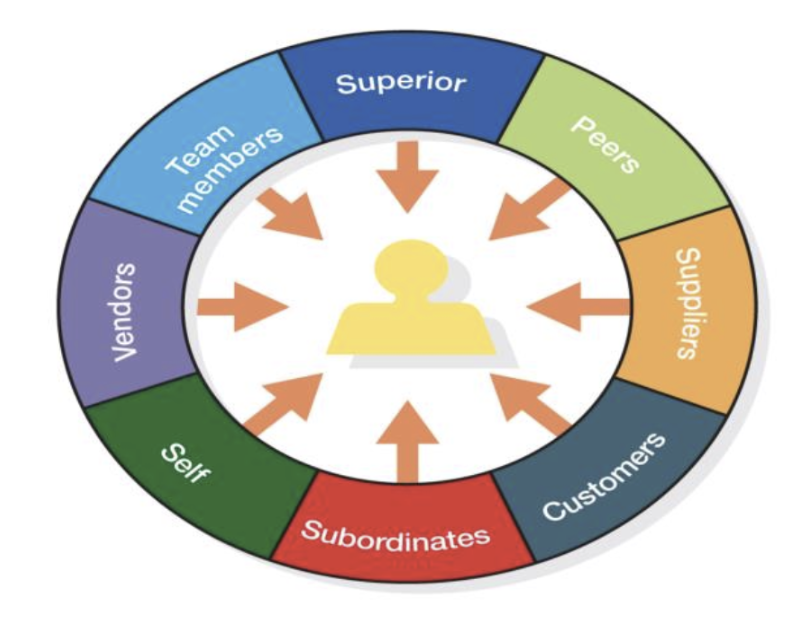
alternative sources of appraisal
managers and employees: main actors since the system is not solely dependent on the manager but every employee is also expected to manage their own performance
manager / supervisor: may use feedback from these individuals (mostly external) to rate the employee
manager and/or supervisor
appraisal done by an employee’s manager and reviewed by a manager one level higher
most frequently used protocol
self appraisal
appraisal done by the employee being evaluated
completed by employee prior to the performance interview
subordinate appraisal
appraisal of a superior by an employee
appropriate for developmental than administrative purposes
if u do not have subordinates, there is no expectation for you to conduct a subordinate appraisal
peer appraisal
appraisal by fellow employees compiled into a single profile for use in an interview conducted by the employee’s manager
feedback from peers may be taken into consideration as part of the critical incidents but
why it’s not used frequently:
can simply lead to a popularity test . higher rating = have lots of friends. lower rating = people who dislike you
managers are reluctant to give up control over appraisal
ratings can lead to stereotypes in ratings
example: coming from top 4 univ = competent
team appraisal
based on TQM (total quality management) concepts
recognizes team accomplishment rather than individual performance.
customer appraisal
based on TQM concepts.
seeks evaluation from both external and internal customers
example:
store feedback boxes where customers can indicate positive or negative interaction with employees
360 degree appraisal
pros:
more comprehensive due to multiple gathered responses / perspective
better quality of information (quality over quantity responses)
lessens bias / prejudice due to quantity of responses
increases employee self-development due to feedback from peers / others
complements TQM initiatives
cons:
complex system in combining responses
feedback can be intimidating
conflicting opinions
requires training to work effectively
employees may “game” the system by giving invalid evaluations to one another
360 degree performance appraisal system integrity standards
assure anonymity: ensures employees do not know who rated them
make respondents accountable: ratings should be validate through critical incidents
prevent gaming of the system: rating based on popularity / giving ratings without thinking
use statistical procedures
identify / quantify biases
common related errors
error of central tendency
leniency or strictness error
recency error
contrast error
similar-to-me error
halo / horn error
error of central tendency
rating error in which all employees are rated about average
leniency or strictness error
appraiser gives unusually high or unusually low ratings
recency error
appraisal is based largely on recent behavior rather than the whole appraisal period
contrast error
evaluation is biased upward or downward because of comparison with another employee
similar to me error
appraiser inflates evaluation because of a mutual personal connection
halo / horn error
tendency to rate a person high or low on all performance factors because of one characteristic
rating error training
happens due to evaluator is not trained to rate properly
feedback skills training
expectations were not set at the start / you identify a different cause for the performance / lack of performance
performance appraisal methods: traits methods
graphic rating-scale method
mixed-standard scale method
forced-choice method
essay method
graphic rating scaler method
employees are rated using a scale based on different traits or characteristics
identify as many characteristics there are
one scale only
mixed standard scale method
employees are evaluated by comparing their performance to a set standard (better than, equal to, or worse than)
multiple employees you compare them to each other
force choice method
requires rater to choose from statements designed to distinguish between successful / unsuccessful performance
example:
choose one:
a) works hard
b) works quickly
essay method
requires rater to compose a statement describing the employee
difficult since it is not easy to assign score unless the evaluator has a structured way of writing the essay
more useful for mentoring / coaching
performance appraisal methods: behavioral methods
critical incident
behavioral checklist method
behavioral anchored rating scale (BARS)
behavioral observation scale (BOS)