Topic 1- The Legal System (Preliminary HSC)
 Call Kai
 Learn
Learn Practice Test
 Spaced Repetition
 Match
Match Flashcards
 Knowt Play
1/337

There's no tags or description
Looks like no tags are added yet.
Name | Mastery | Learn | Test | Matching | Spaced | Call with Kai |
|---|
No analytics yet
Send a link to your students to track their progress
338 Terms
Define law
A set of rules imposed on all members of a community that are officially recognised, binding and enforceable by persons or organisations such as the police and/or courts
Define values
principles, standards or qualities considered worthwhile or desirable within a society

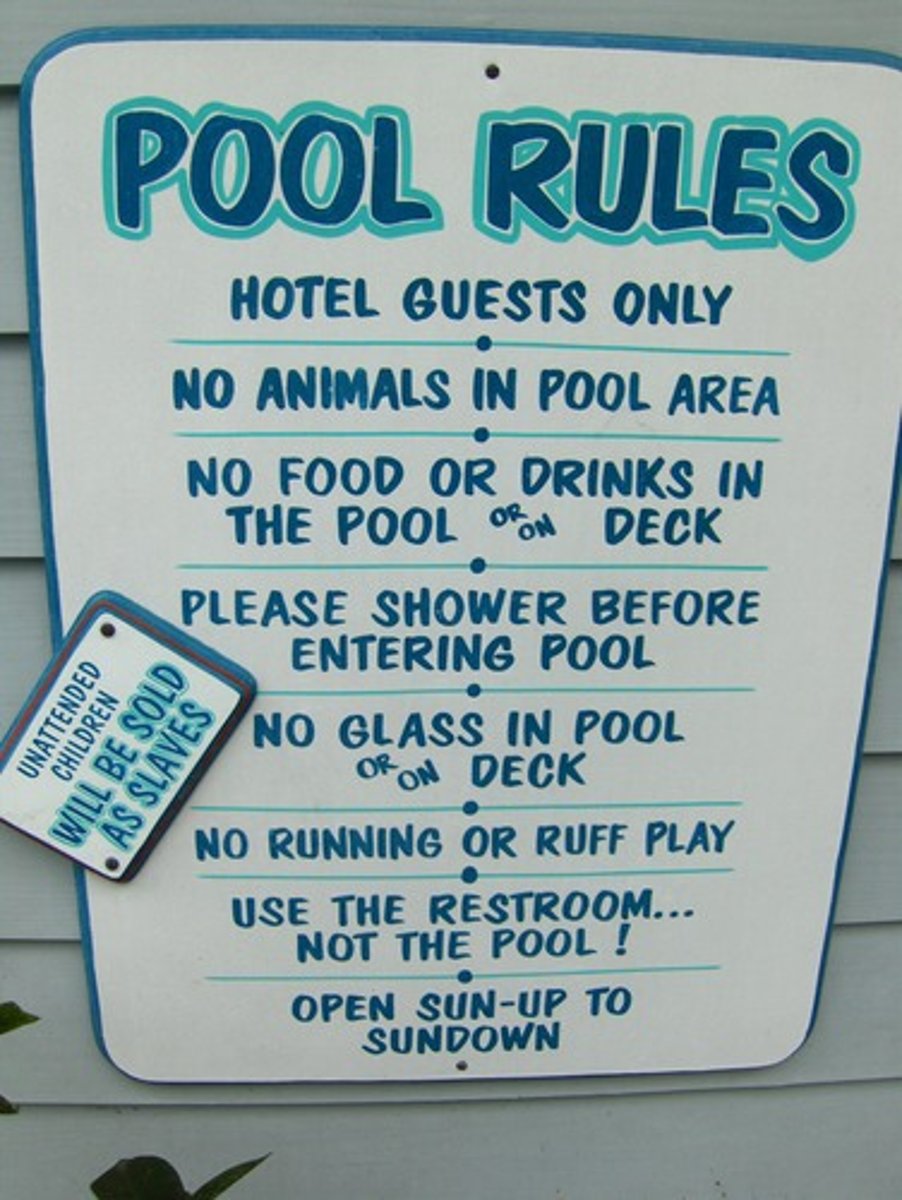
Define rules
regulations or principles governing procedure or controlling conduct
Define customs
collective habits or traditions that have developed in a society over a long period of time

Define customary law
principles and procedures that have developed through general usage according to the customs of a people or nation, or groups of nations, and are treated as obligatory
Define state
a politically independent country

Define ethics
1) rules or standards directing the behaviour of a person or the members of a profession;
OR
2) a major branch of philosophy that investigates the nature of values and of right and wrong conduct

Define justice
the legal principle of upholding generally accepted rights and enforcing responsibilities, ensuring that equal outcomes are achieved for those involved

Define the legal system
the system of courts, prosecutors and police within a country
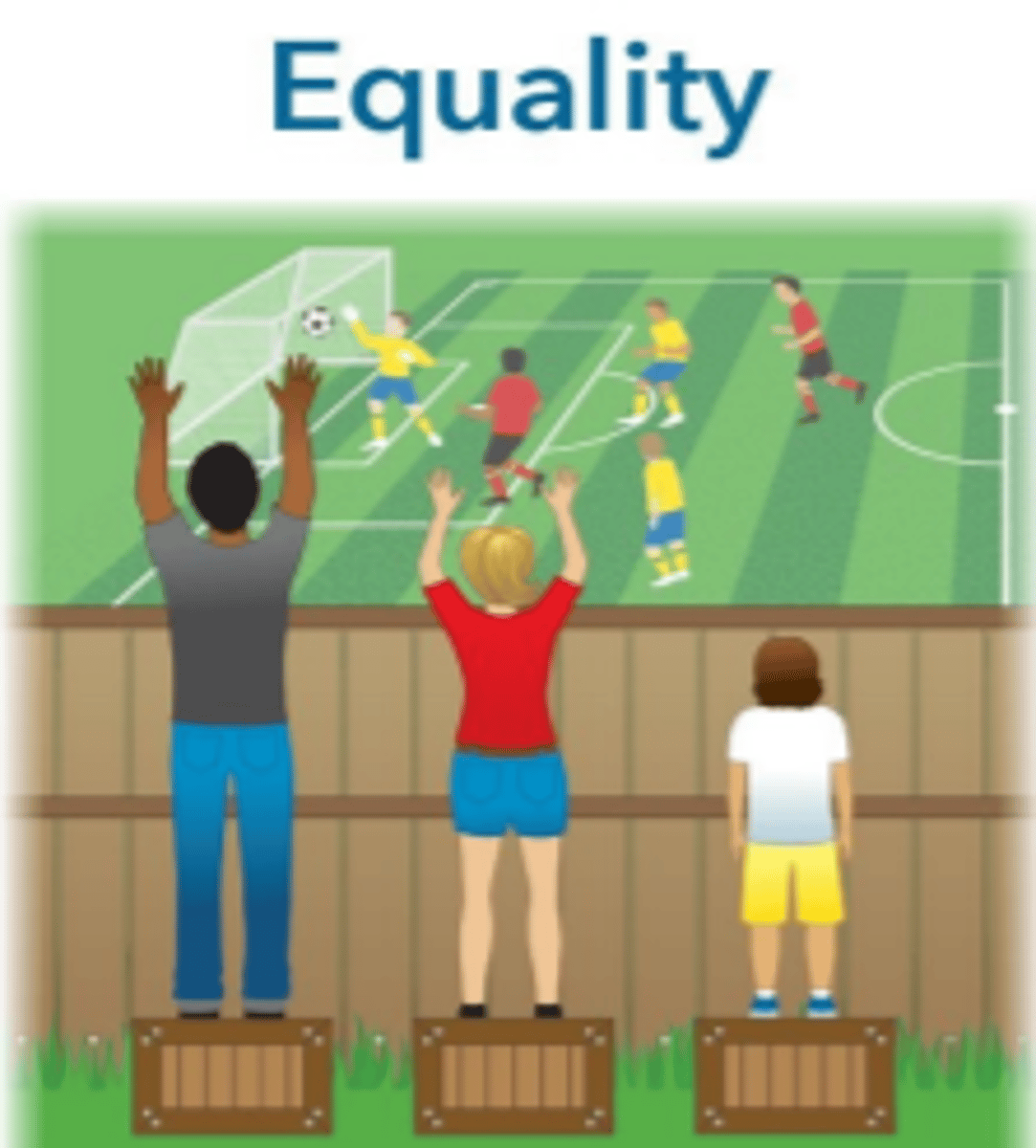
Define equality
the state or quality of being equal; that is, of having the same rights or status
Define fairness
freedom from bias, dishonesty or injustice; a concept commonly related to everyday activities
Define access
the right or opportunity to make use of something

Define procedural fairness (aka natural justice)
the body of principles used to ensure the fairness and justice of the decision-making procedures of courts
Define the rule of law
the principle that nobody is above the law; this can be seen in the requirement that governmental authority must be used in line with written, publicly disclosed laws, for which established procedural steps (due process) have been taken in the adoption and enforcement

Define sanction
a penalty imposed on those who break the law, usually in the form of a fine or punishment

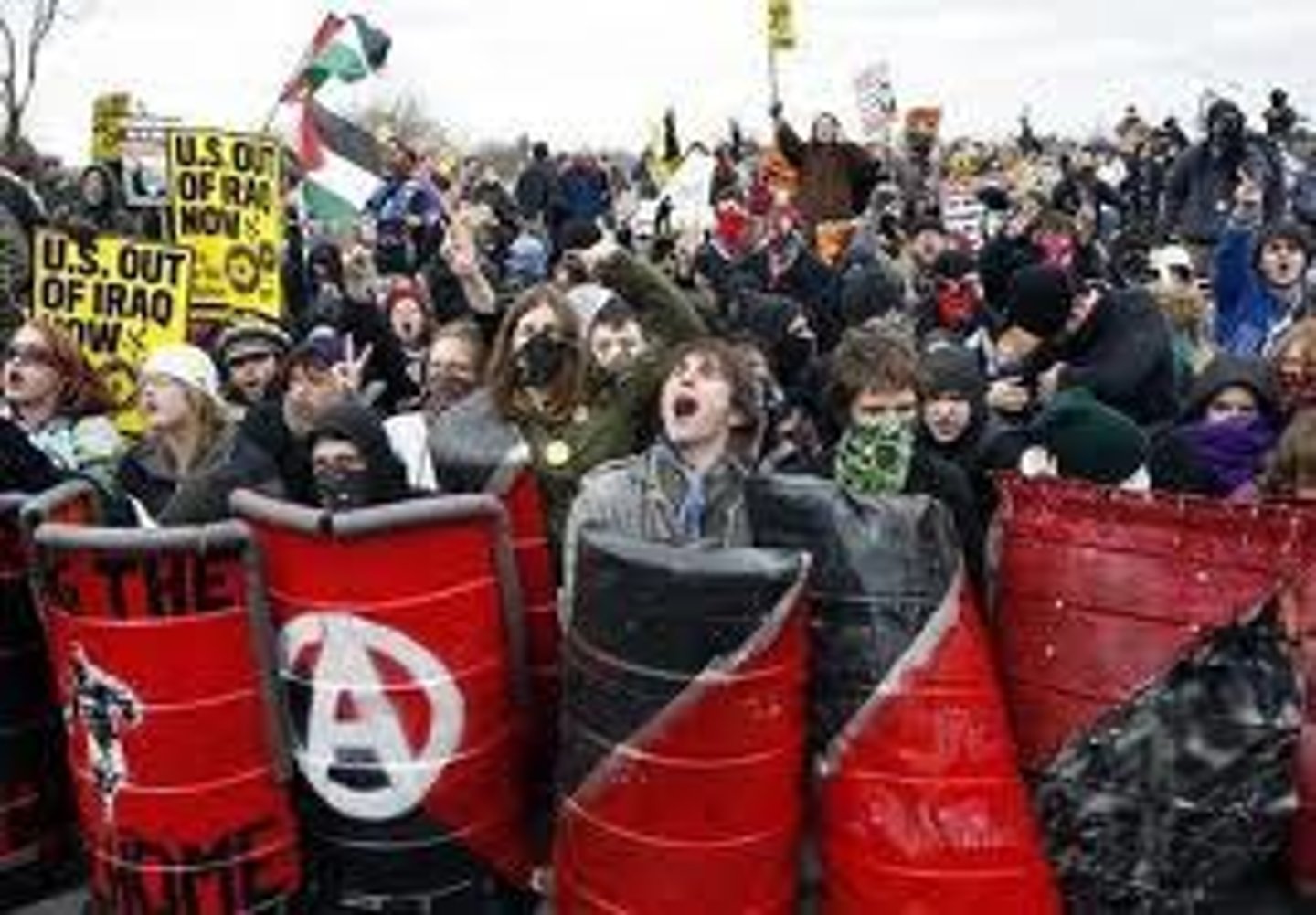
Define anarchy
the absence of laws and government
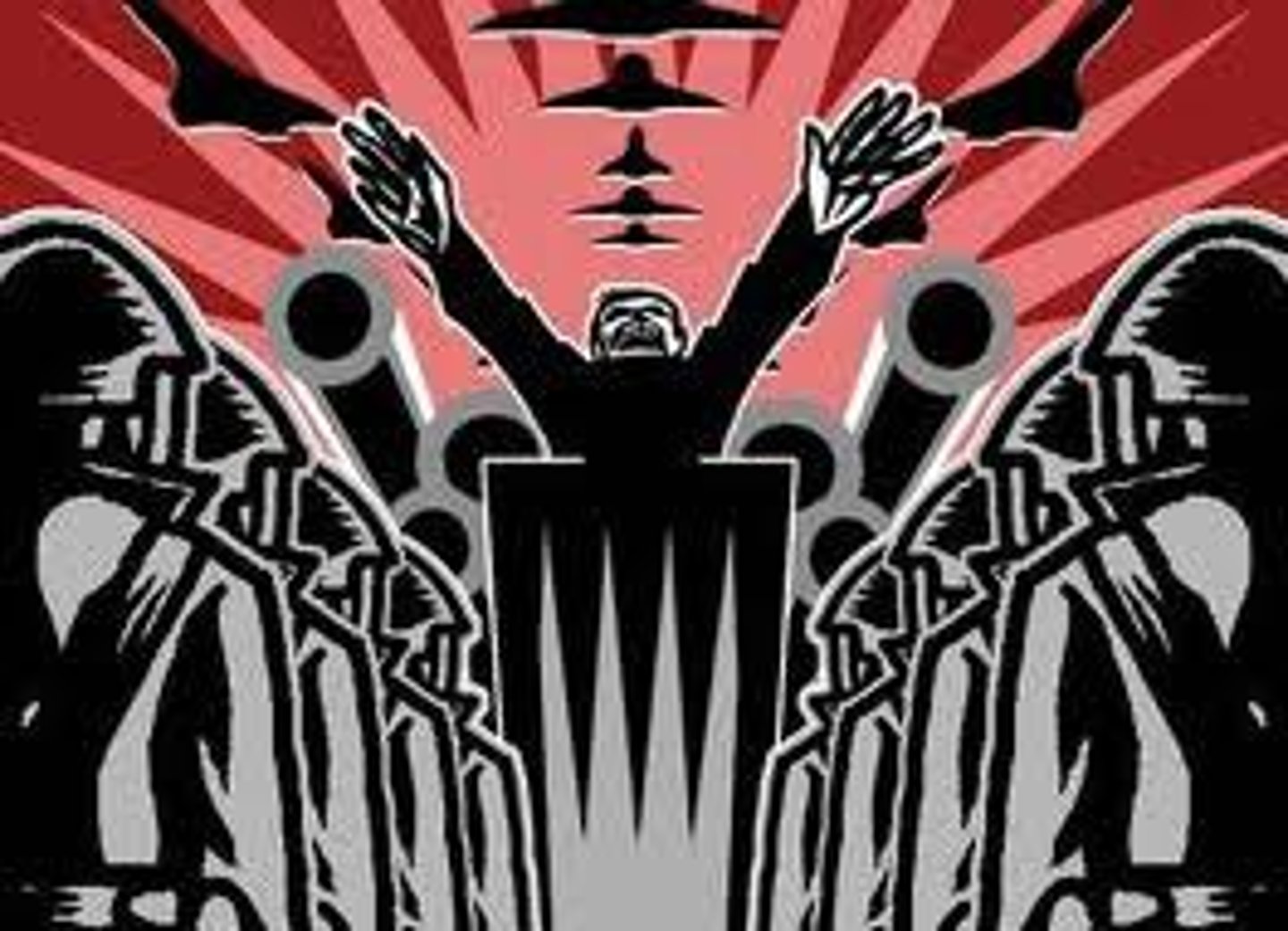
Define tyranny
rule by a single leader holding absolute power in a state
Distinguish between customs, rules, laws, values and ethics
The differences between customs, rules, laws, values, and ethics involve the status of our legal system. Customs are traditions in society that embody the collective's overall values and ethics and shape our rules. In consequence, some rules become official and those are called laws.
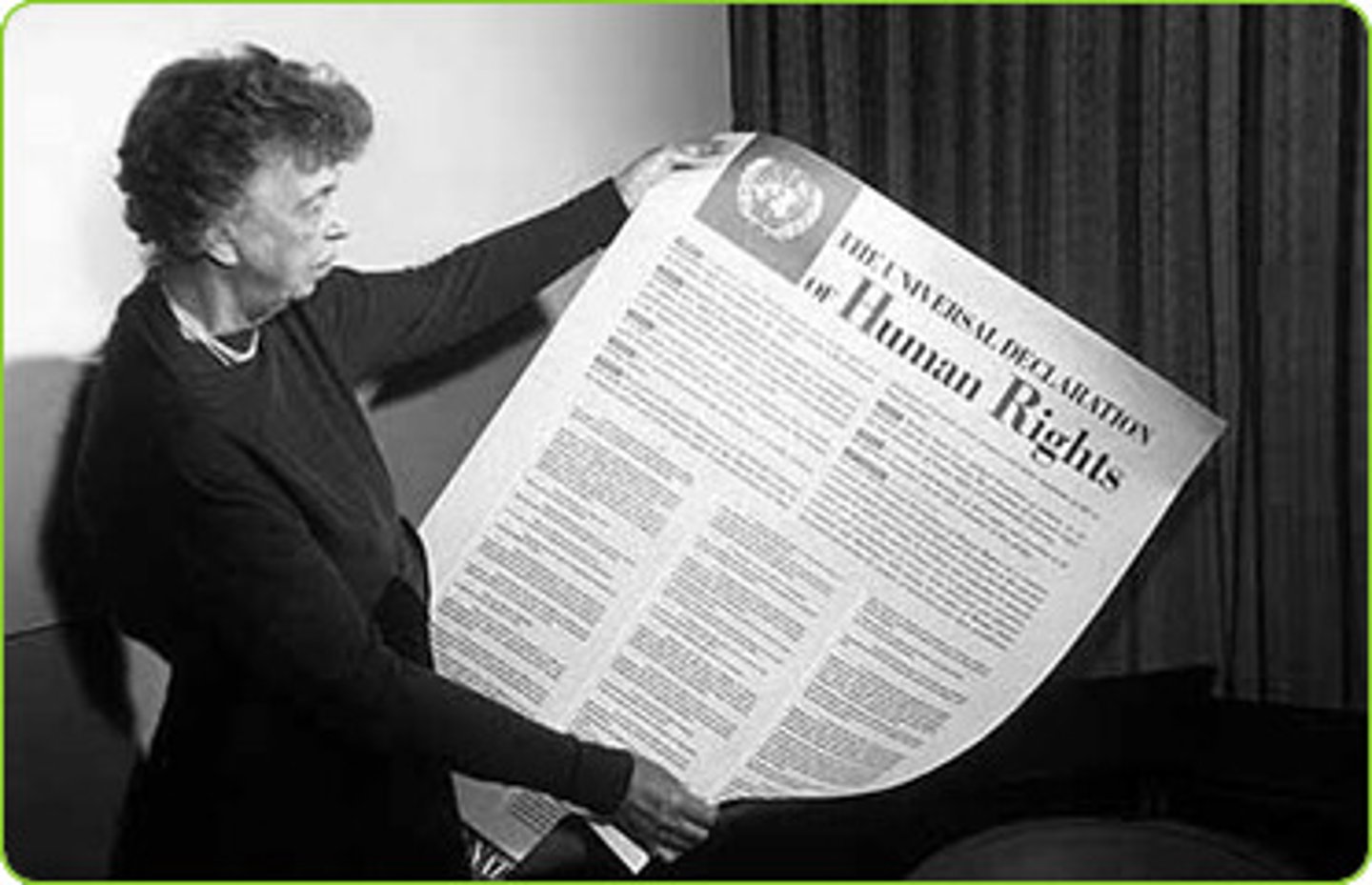
Describe the characteristics of just laws
Just laws are characterised by fair and impartial treatment and outcomes, and that human rights are recognised.
Describe the nature of justice
The nature of justice in the legal system requires the law to provide equality, fairness, and justice to all members of society.

FINISH THE SENTENCE: Although Australia’s legal systems strive for just laws and justice in the legal system, issues arise including…
Accessibility
What are the two main principles of natural justice?
the right to be heard
the right to have a decision made by an unbiased decision-maker
FINISH THE SENTENCE: Since R v Sussex Justices; Ex parte McCarthy [1924], the values of justice has evolved to…
"Justice should not only be done but should be seen to be done."
When does a state of anarchy typically break out?
Revolution or natural disaster
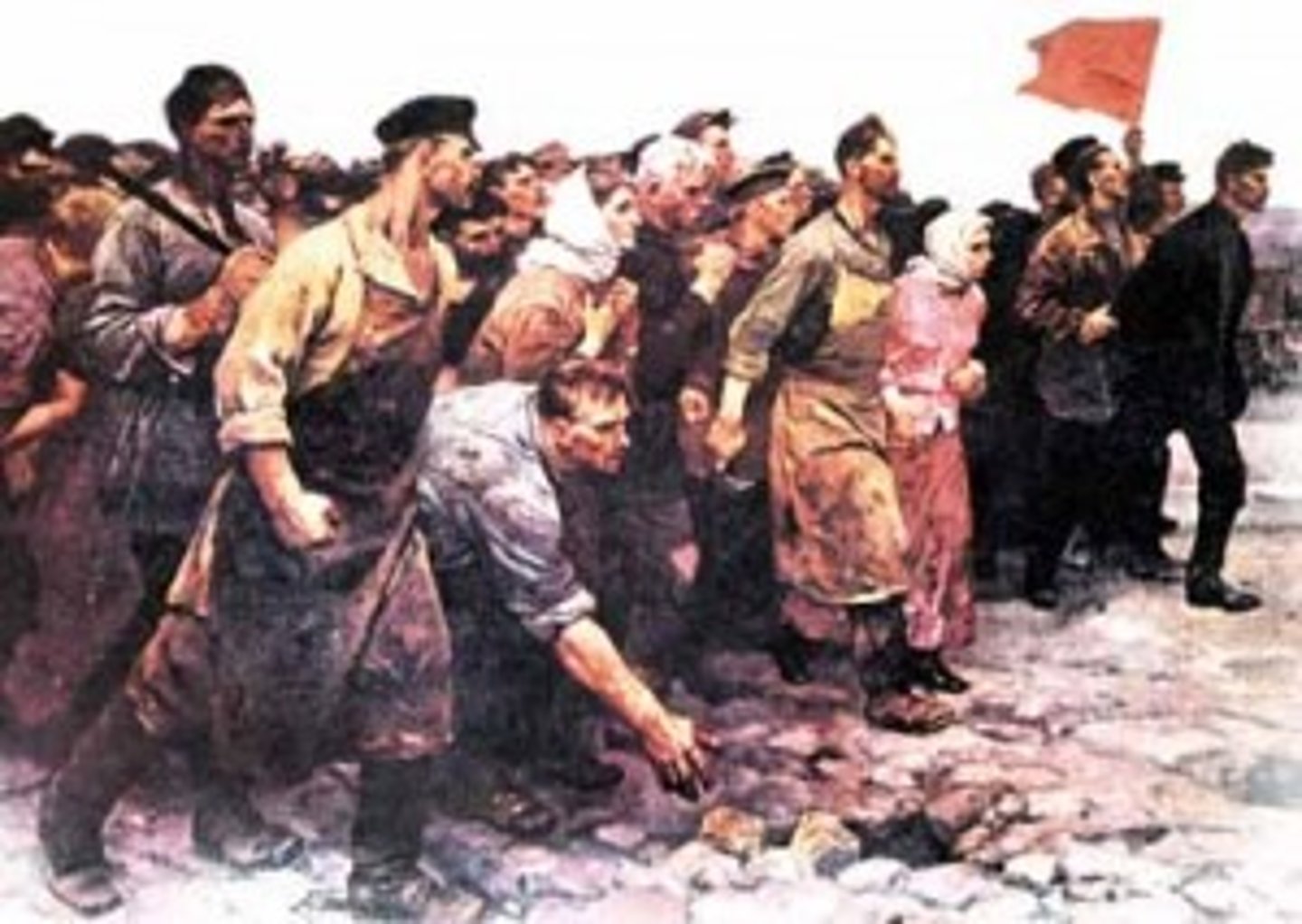
What are two signs that the state of anarchy is about to occur?
Violence and widespread looting

Define common law
law made by courts; historically, law common to England.
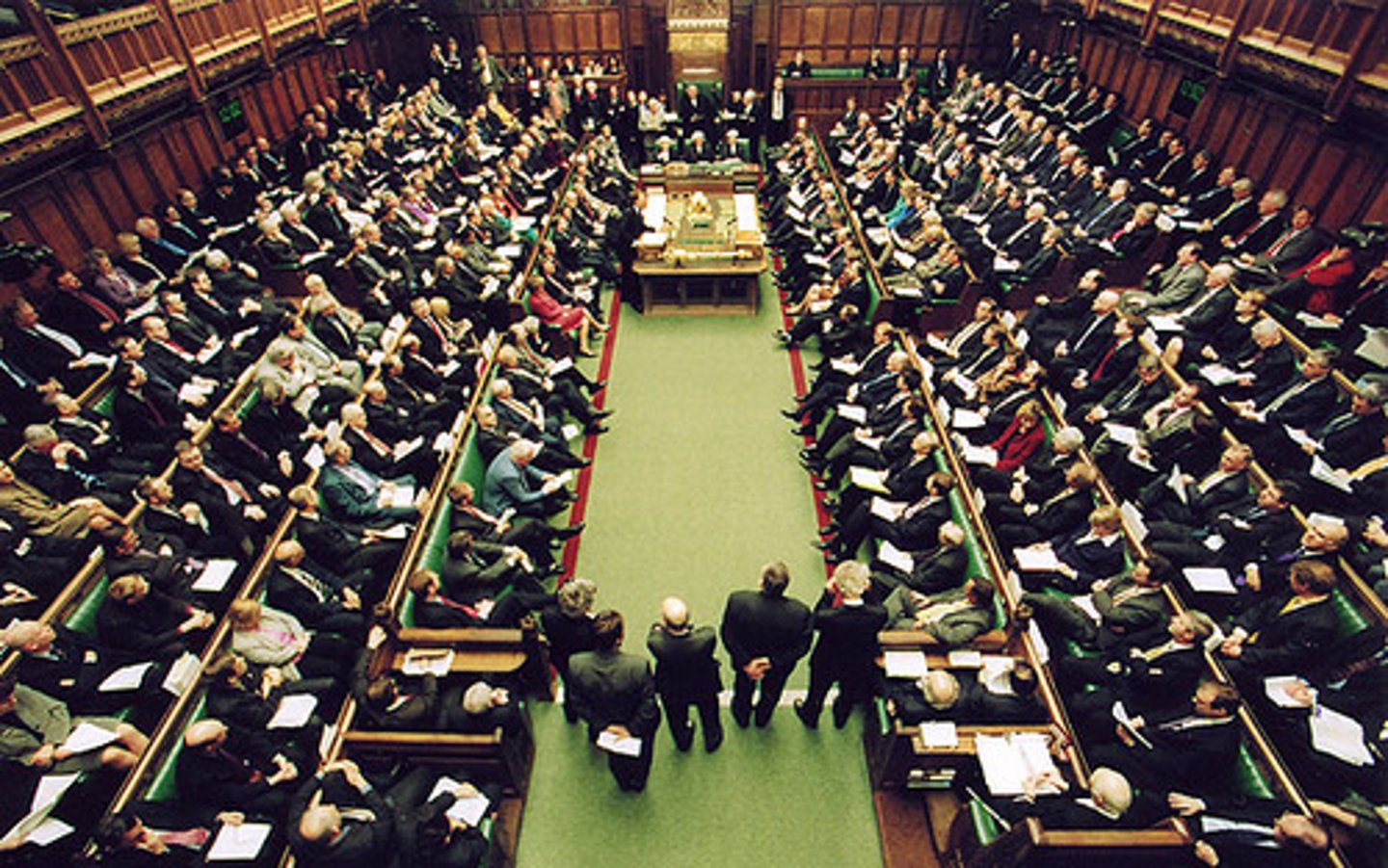
Define statute law
law made by parliament.
What is an adversarial system?
a system of resolving legal conflicts – used in common law countries such as England and Australia – that relies on the skill of representatives for each side (e.g.defence and prosecution lawyers) who present their cases to an impartial decision-maker.

What is an inquisitorial system?
a legal system where the court or a part of the court (e.g. the judge) is actively involved in conducting the trial and determining what questions to ask; used in some countries that have civil legal systems rather than common law systems.
What is the legal definition for equity?
the body of law that supplements the common law and corrects injustices by judging each case on its merits and applying principles of fairness.
Define precedent
a judgment that is authority for a legal principle and that serves to provide guidance for deciding cases that have similar facts.
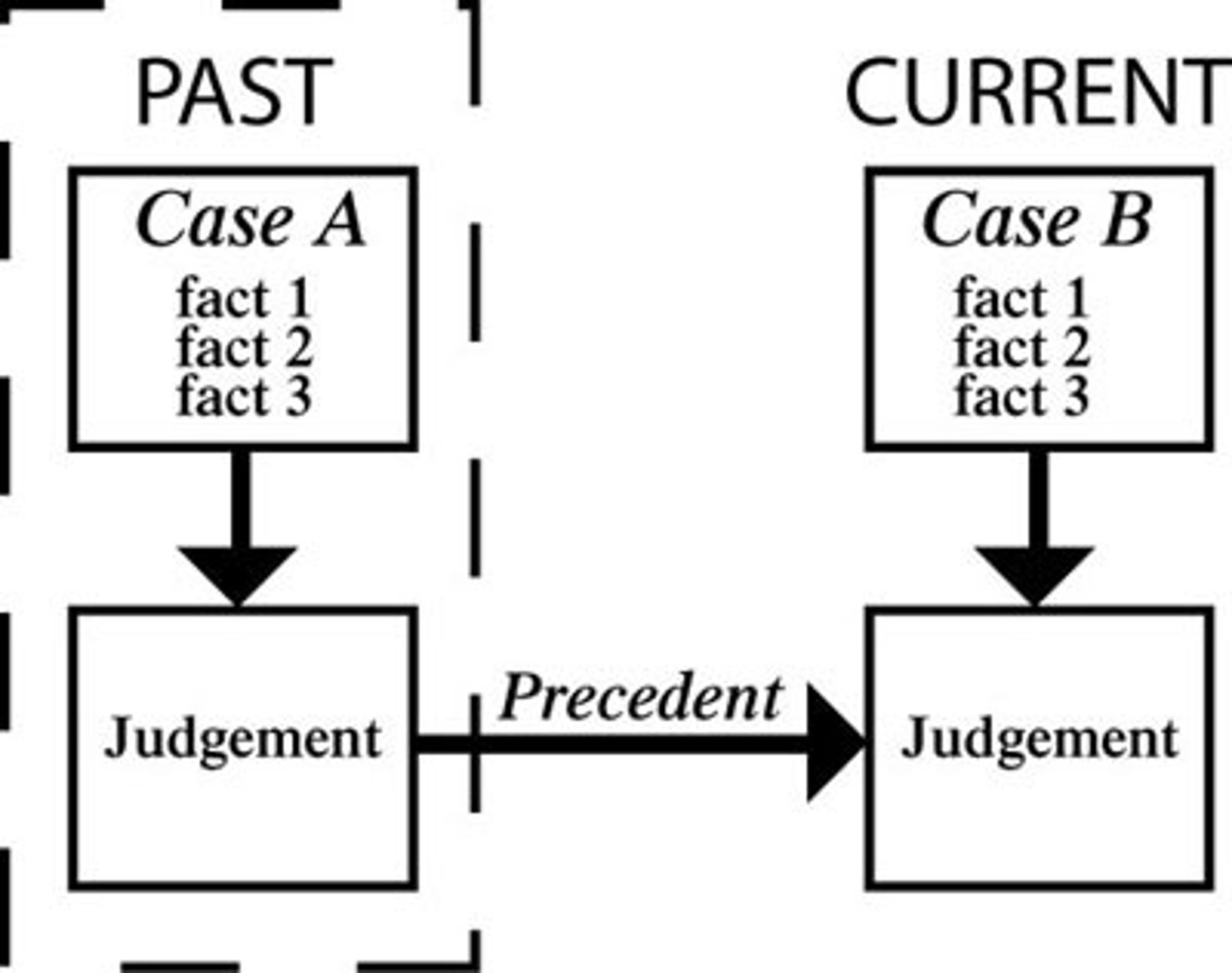
What does 'stare decisis' (Latin) mean?
‘the decision stands’; the doctrine that a decision must be followed by all lower courts.
What does 'ratio decidendi' (Latin) mean?
the legal reason for a judge’s decision.
What does 'obiter dicta' (Latin) mean?
comments from a judge in a case that are not directly relevant to the case and, therefore, not legally binding (singular: obiter dictum).
Define jurisdiction
the powers of a court, depending on its geographic area, the type of matters that can be decided, and the type of remedies that can be sought.
Define defamation
the act of making statements or suggestions that cause damage to a person’s reputation in the community.

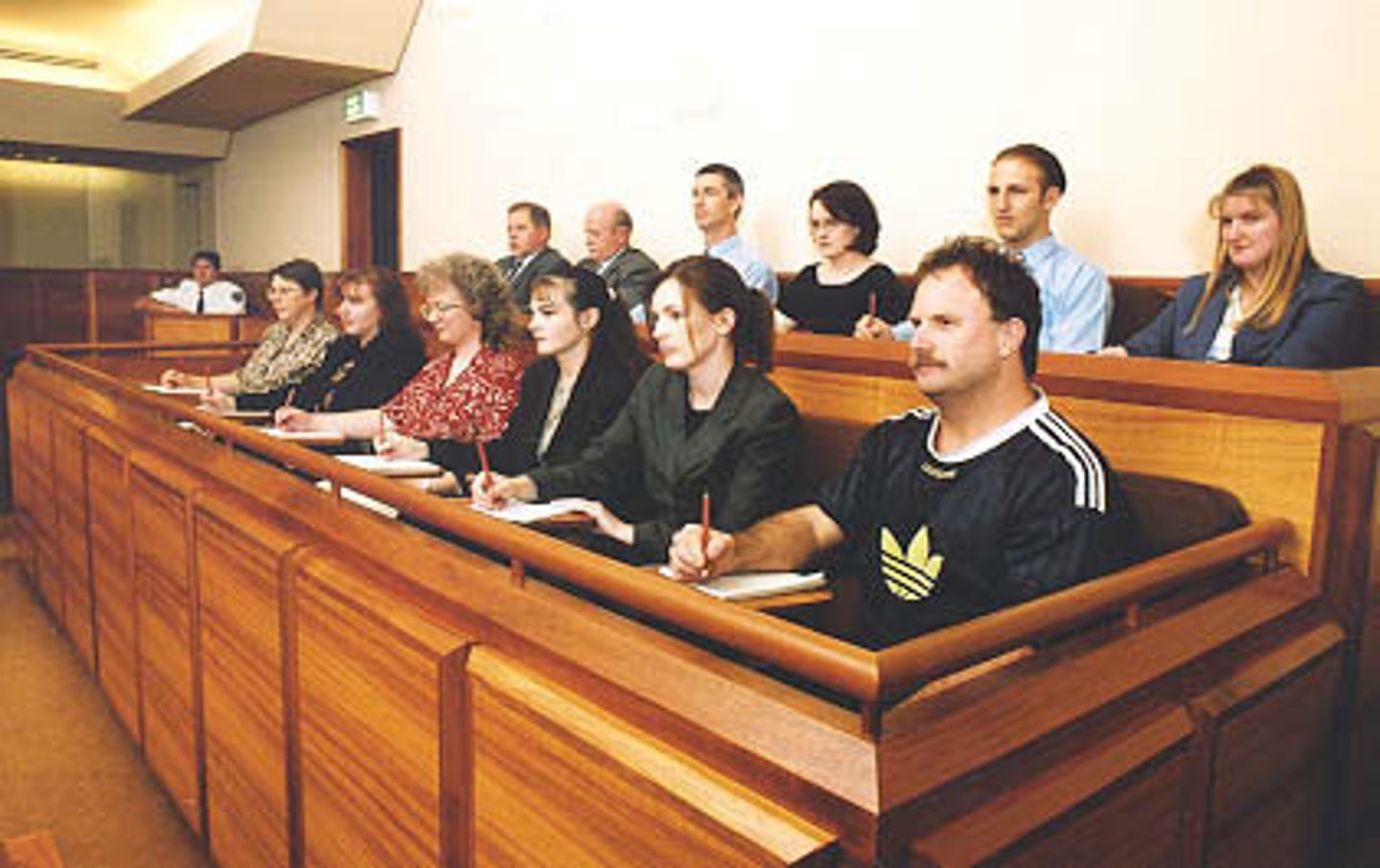
Who makes up a jury?
a random selection of the public.
Where does the inquisitorial system derive from?
Roman and Napoleonic codes

What are some areas that follow the civil law system?
Europe, Japan, and Indonesia
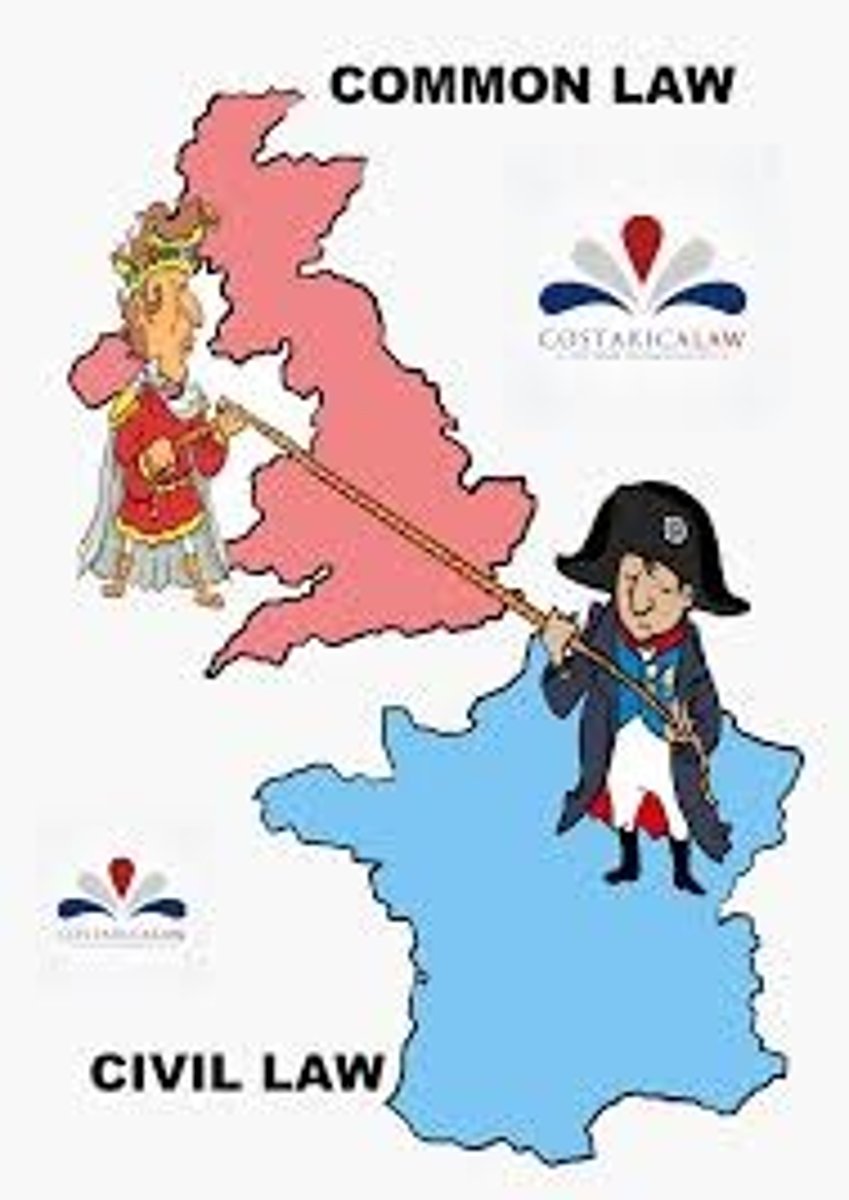
What are some areas that follow the common law system?
UK, Australia, New Zealand, and the USA
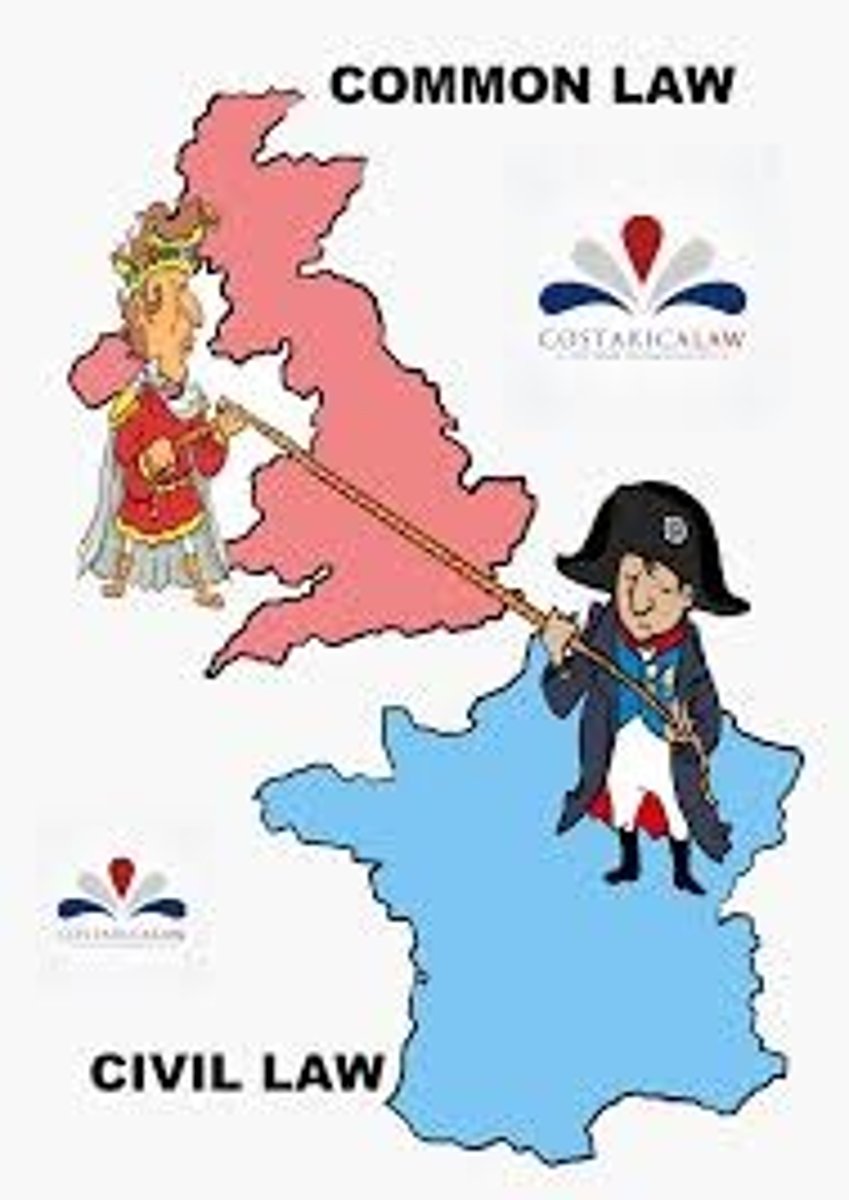
When did the British parliament (and subsequently, the Australian colonies) merge common law and equity together?
1870s
What are other ways of saying COMMON LAW?
Case law, court law

What is the purpose of precedent?
To ensure that people are treated fairly and that the law develops in a consistent and coherent fashion.
What is another purpose of precedent?
To limit a judge’s ability to be too creative when it comes to making a decision.
What are the two types of precedent?
Binding and persuasive.
Define appeal
an application to have a higher court reconsider a lower court’s decision, on the basis of an error of law.

What is a summary offence?
a criminal offence that can be dealt with by a single judge without a jury and does not require a preliminary hearing.
What is an indictable offence?
a serious criminal offence that requires an indictment (a formal, written charge) and a preliminary hearing; it is typically tried before a judge and jury and is subject to greater penalties than non-indictable offences.
How do you pronounce 'indictable'?
in-die-ta-bull

What is a committal hearing?
an inquiry held in the Local Court or Magistrate’s Court to determine whether there is enough evidence against the defendant to warrant a trial in a higher court (this is called establishing a prima facie case).
What is a coronial inquest?
an investigation into a death that has occurred in unusual circumstances, held in the Coroner's Court and overseen by a magistrate called the coroner.

What does larceny mean?
stealing.

What is appellate jurisdiction?
the ability or power of a court to hear appeals of the decisions of lower courts and to reject, affirm or modify those decisions.
What is corporations law?
legislation that regulates corporations and the securities and futures industry in Australia; it is administered by the Australian Securities and Investments Commission.
What are the two overlapping jurisdictions in Australian courts?
Federal and state.
What is the hierarchy of NSW courts?
Lower, intermediate, and superior.
What are examples of minor offences?
Loitering or obstructing traffic
What are examples of more serious offences?
Assault or murder
Define bicameral
containing two chambers or Houses of Parliament.
What is a Bill?
a drafted law that has not yet been passed by parliament.

What is an Act of Parliament ('Act')?
statute law, resulting from a Bill successfully passing through parliament and gaining royal assent.
What is delegated legislation?
laws made by authorities other than parliament, which are delegated the power to do this by an Act of parliament.
What are other terms for STATUTE LAW?
Act of Parliament (an 'Act') or legislation
Which law outlines the powers of the state and federal parliaments with respect to making law?
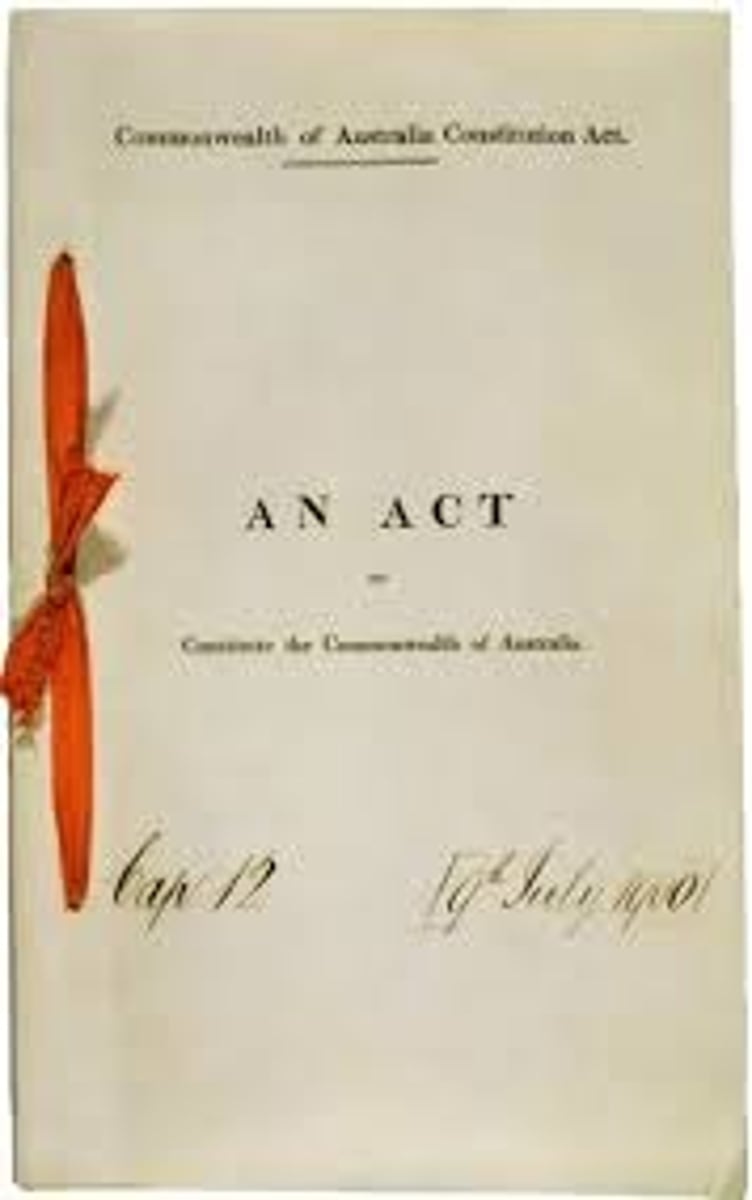
The Constitution
What are the three functions of parliament?
debate proposed legislation, pass or reject legislation, and amend legislation.
What is the LOWER house called in NSW Parliament?
Legislative Assembly
What is the UPPER house called in NSW Parliament?
Legislative Council
What is the LOWER house called in Federal Parliament?
House of Representatives
What is the UPPER house called in Federal Parliament?
The Senate
Who forms the government?
The political party that wins the majority of seats in the lower house forms.

What is a coalition?
When different parties will unite to form a government.
Who forms the opposition?
The political party or parties who have the remaining seats in the lower house.
Who are ministers of parliament?
members of the government who have a special responsibility for particular departments.
Who is the 'front bench' of parliament?
The Cabinet (Prime Minister and Ministers).
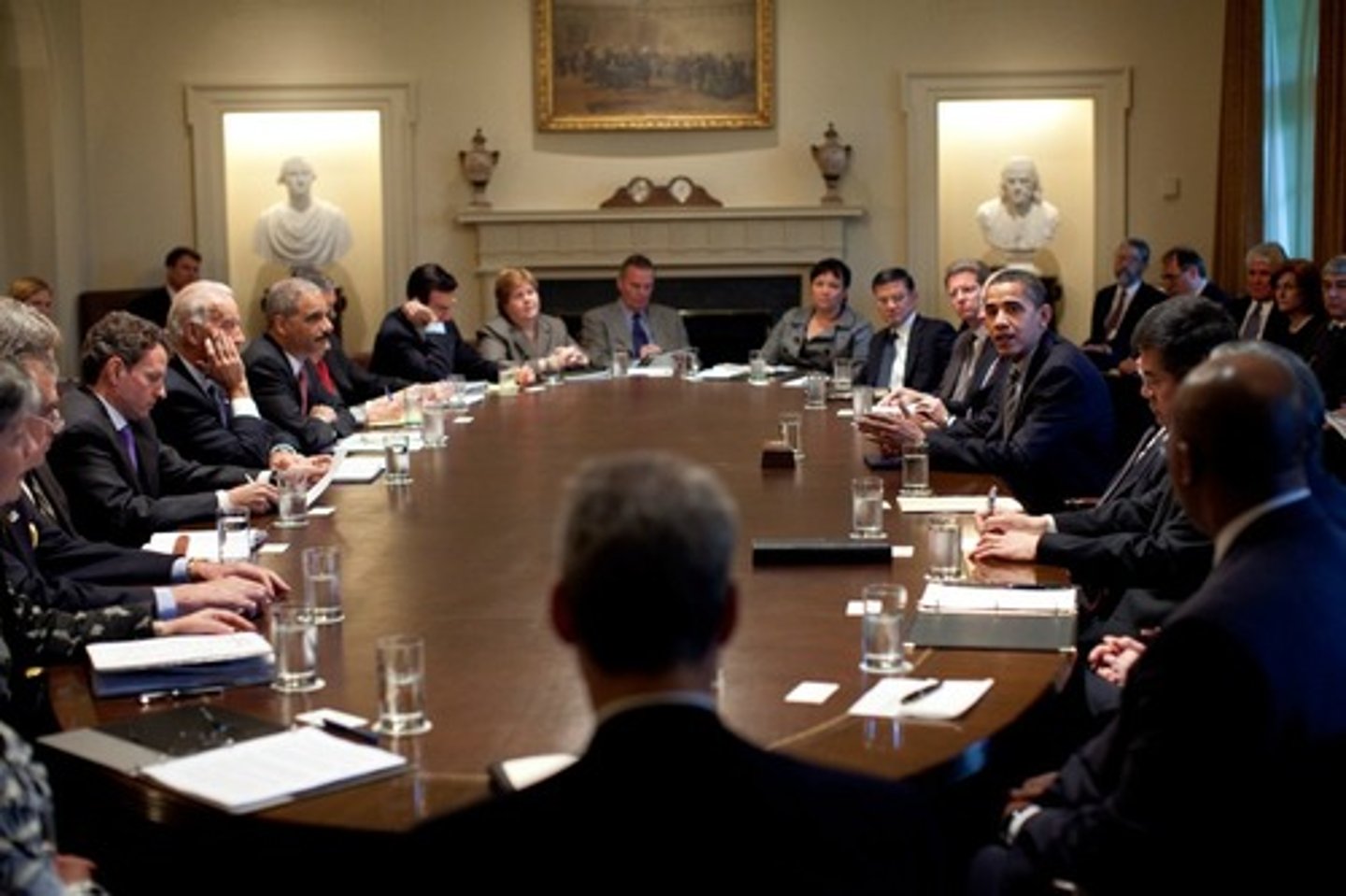
What is the role of the Cabinet?
makes decisions on policy and laws to be drafted for consideration by parliament.
Who forms the 'back bench' of parliament?
Non-ministerial members of parliament.
Who appoints the shadow ministers?
The opposition party.

What is the role of shadow ministers?
forming and promoting the opposition's position on such areas as defence, health and education.
Who is the executive council?
Governor (/Governor-General) and selected ministers.
Who represents the Monarch in Australian parliament?
Governor-General (/Governor).
Who can propose a private member's Bill?
a member introduces a Bill who is not a minister.
What are the eight steps of a bill becoming a law?
1. Need for new law is identified,
2. Draft bill,
3. First reading,
4. Second reading,
5. Committee stage,
6. Third reading,
7. Upper house, and
8. Royal assent.
What is an ‘enabling Act’?
The Act that authorises a body to make delegated legislation.
What are the four types of delegated legislation?
Regulations, ordinances, rules, and by-laws.
What is a regulation?
laws made by the Governor-General, state governors or members of the Executive Council.
What is an ordinance?
laws made for Australian territories (e.g. Norfolk Island and the Australian Antarctic Territory).
What is a rule (delegated legislation)?
legislation made for government departments, usually by the department involved.
What are by-laws?
laws made by local councils, which are restricted to the area governed by that council.
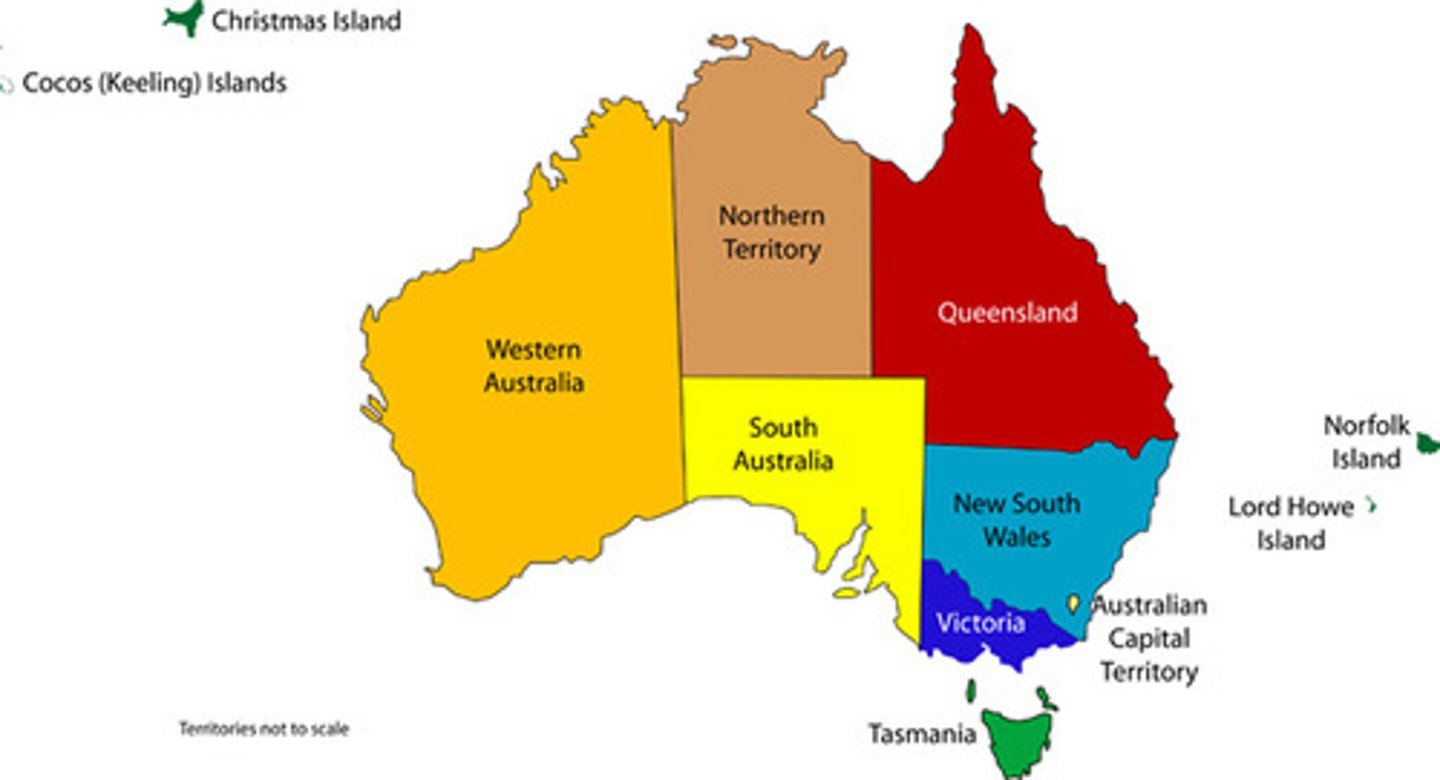
Define Federation
the process of uniting several states to form a single national government.
What is a referendum?
the referral of a particular issue to the electorate for a vote.
What is a tariff?
a tax that must be paid on imports or exports.

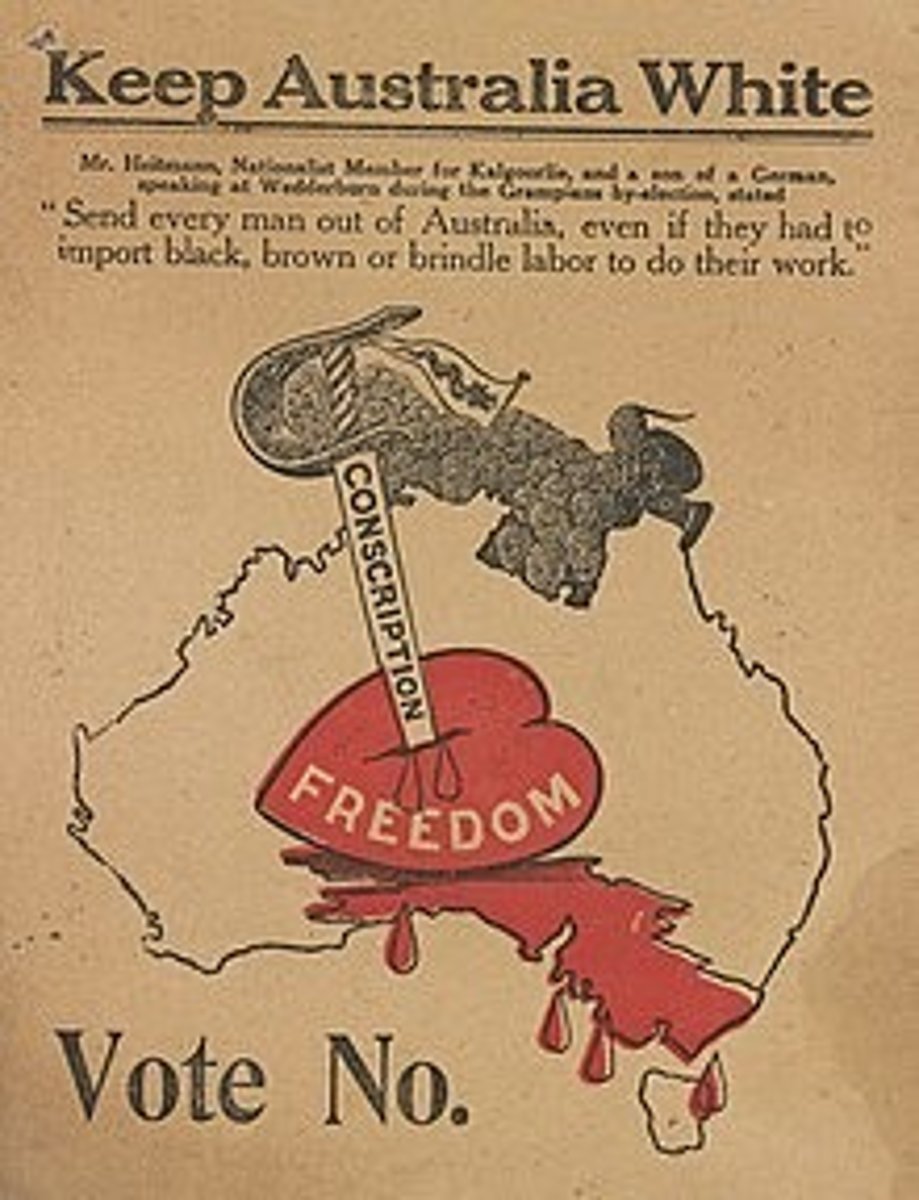
What was the White Australia Policy?
the government policy of allowing only Europeans and English-speaking people to immigrate to Australia; so-called 'undesirables' were kept out by use of the infamous 'Dictation Test'.
Which section of the Australian Constitution does the role of the High Court fall under?
s73 Australian Constitution
Which section of the Australian Constitution does the separation AND division of power fall under?
s51 Australian Constitution
Which section of the Australian Constitution do referendums fall under?
s128 Australian Constitution
Which section of the Australian Constitution outlines the exclusion of dual citizens becoming a member of parliament?
s44 Australian Constitution
How many senators represent a state?
12
How many senators represent a territory?
2
What is legislative power?
the legal power or capacity to make laws.
Define concurrent powers
existing at the same time; powers held by both state and federal parliaments.