physics paper 1
 Call Kai
 Learn
Learn Practice Test
 Spaced Repetition
 Match
Match Flashcards
 Knowt Play
1/117

There's no tags or description
Looks like no tags are added yet.
Name | Mastery | Learn | Test | Matching | Spaced | Call with Kai |
|---|
No analytics yet
Send a link to your students to track their progress
118 Terms
name the 4 pathways of energy transfer
mechanical, electrical, heating, radiation
name the 8 energy stores
kinetic, chemical, nuclear, magnetic, elastic potential, gravitational potential, thermal, electrostatic
order of unit conversion
nano, (divide by 1000), micro, (divide by 1000), milli, (divide by 10), centi, (divide by 10) deci, (divide by 10), meter, (divide by 1000), kilo, (divide by 1000), mega
what must you remember to do if the unit is squared or cubed?
divide or multiply by the square or square root
1 joule =?
1 newton meter
specific heat capacity
the amount of energy needed to raise the temperature of 1kg of the substance by 1 degree C
REQUIRED PRACTICAL 1: specific heat capacity
place a beaker on a balance and tare it, then add 1kg of oil
use a thermometer to determine and record initial temperature
insulate the beaker to reduce thermal energy lost to surroundings
connect joulemeter and power pack to immersion heater and turn it on
leave for 30 mins for temp to rise
read Joules passed into the heater and the final temp of the oil
rearrange and calculate specific heat capacity: change in thermal energy= mass x specific heat capacity x temperature change (J/kg°C)
sources of inaccuracy- specific heat capacity practical
thermal energy released to surroundings- use less conductive insulator
not all thermal conductivity into oil- ensure fully submerged
incorrectly reading thermometer- use electronic temperature probe
thermal energy not spread throughout oil- stir the oil
what is power?
the rate at which energy is transferred or the rate at which work is done
equation and units for power
power = work done or energy transferred / time
power in watts
energy transferred and work done in joules
time in seconds
conservation of energy
energy can be transferred usefully, stored or dissipated, but cannot be created or destroyed
how to reduce unwanted energy transfers
lubrication, thermal insulation
correlation between thermal conductivity and energy transfer
the higher the thermal conductivity, the higher the rate of energy transfer by conductivity
correlation between thickness and thermal conductivity of a buildings walls, and the rate of cooling
the thicker the walls, the slower the cooling
the lower the conductivity, the slower the cooling
REQUIRED PRACTICAL 2- THERMAL INSULATORS
TYPE OF INSULATOR
place a small beaker inside a larger beaker
boil water in a kettle and pour 80cm cubed into small beaker- record initial temp and ensure is the same for each variation
use cardboard as a lid for the large beaker, with a hole for the thermometer- bulb in the water
record temp every 3 mins for 15 mins
repeat with same volume of water, with insulating material like bubble wrap between the 2 beakers- ensure a range of materials, like tinfoil, polystyrene, and cotton wool
ensure same mass of insulating material
plot cooling curves- will cool slowest with most effective insulator
THICKNESS OF INSULATOR
80cm cubed of water into beaker- ensure same volume and starting temp
temp every 3 mins for 15 mins
repeat experiment with 2 layers of newspaper, then 4, then 6
plot cooling curve- more layers is more insulating
efficiency equations
efficiency = useful power output / total power input
efficiency = useful output energy transfer / total input energy transfer
how to increase efficiency of an energy transfer?
reduce friction with lubricants
thermal insulation
Earth’s main energy resources
fossil fuels, like coal, oil, and gas
nuclear, biofuel, wind, hydroelectric, geothermal, tidal, solar
renewable vs non-renewable
renewable can be replenished as it is used, while non-renewable is finite
uses of energy resources
transport, heating, electricity generation
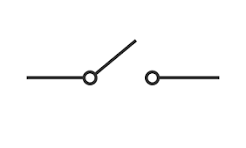
open switch
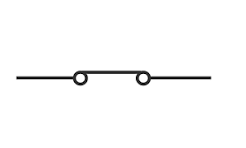
closed switch
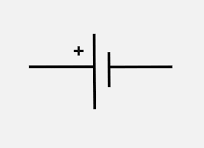
cell
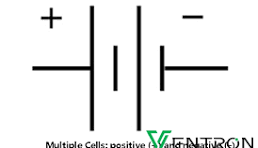
battery
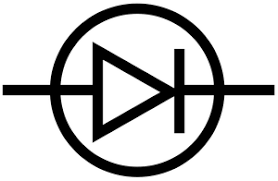
diode
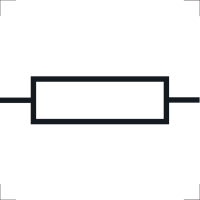
resistor
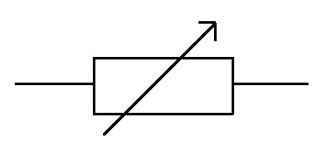
variable resistor
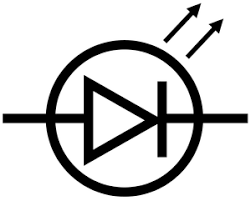
LED
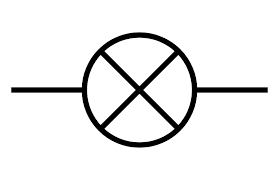
lamp
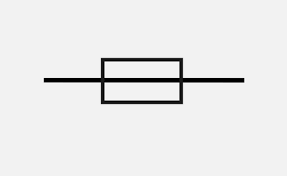
fuse
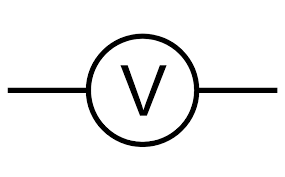
voltmeter
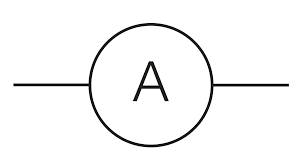
ammeter
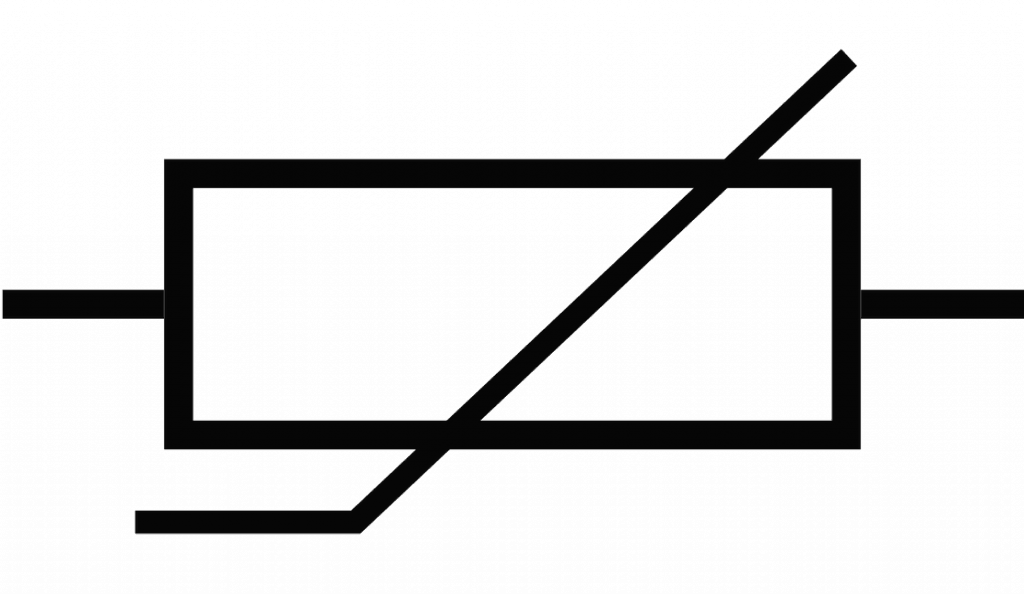
thermistor
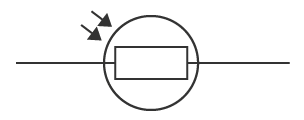
LDR
what does a circuit need to include for a charge to flow?
source of potential difference
closed switch
equation and units for charge flow
charge flow = current x time
charge flow in coulombs
current in amps
time in seconds
current across a closed loop is…..
the same value at any point
what does current through a component depend on?
the resistance of the component and the potential difference across the component
correlation between resistance and current in a circuit
the greater the resistance, the smaller the current for a given potential difference
equation and units for potential difference
potential difference = current x resistance
potential difference in volts
current in amps
resistance in ohms Ω
REQUIRED PRACTICAL 3- RESISTANCE ACROSS A WIRE
LENGTH OF A WIRE
tape wire to metre rule and connect at desired length to circuit with crocodile clips- every 10cm- FLYING LEAD
set voltage of power pack at 4V to avoid overheating- DC power supply
attach an ammeter in series, and a voltmeter in parallel
with distance increasing in 10cm increments, record potential difference and current
calculate resistance- V = I x R
repeat for mean and plot
RESISTORS
calculate resistance with a single resistor in series, and increase number of resistors each time- V = I x R
more resistors increases resistance but decreases current
repeat with resistors in parallel- will reduce total resistance value by a smaller fraction each time
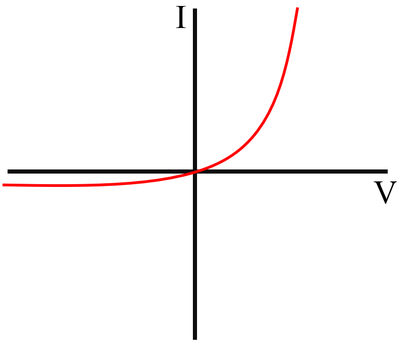
diode iv graph
current flows in one direction only. high resistance in reverse direction
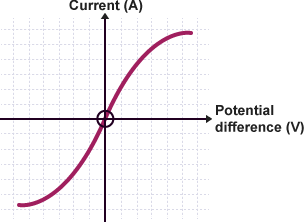
filament lamp iv graph- resistance increases as temperature increases

ohmic conductor or resistor iv graph
current is directly proportional to potential difference across resistor
explain a thermistor
resistance decreases as temperature increases
used in thermostats- when it gets too hot, resistance decreases and current increases, cooling it down
as it cools down, resistance increases- current decreases and it warms up
explain an LDR
resistance decreases as light intensity increases
it gets dark, and resistance increases, decreasing current, turning on lights
as it gets brighter, resistance decreases, which increases current, turning off lights
REQUIRED PRACTICAL 4- CURRENT AND POTENTIAL DIFFERENCE CHARACTERISTICS- RESISTORS
set up circuit with a battery connected by wires to a resistor, which should be in series with an ammeter and a variable resistor
add a voltmeter in parallel across a resistor
use voltmeter to read potential difference across the resistor, then use ammeter to read current through resistor
record in table
adjust variable resistor and repeat a few times
switch direction of battery to switch direction of potential difference (ammeter and voltmeter now have negative values)
take several readings adjusting variable resistor
plot graph of current against potential difference- directly proportional, so a resistor is an ohmic conductor
temp of resistor must be constant- break circuit occasionally too cool down.
FILAMENT LAMP
repeat, with resistor replaced with lamp
DIODE
repeat, but with milliameter, resistor, and diode.
all results graphs will align with their IV characteristic graph
describe characteristics of circuits connected in series
same current through each component
total potential difference is shared between components
total resistance of 2 components is the sum of the resistance of each component
Rtotal = R1 + R2
describe characteristics of components connected in parallel
pd across each component is the same
total current through whole circuit is the sum of currents through separate components
the total resistance of 2 resistors is less than the resistance of the smallest individual resistor
describe the difference between series and parallel circuits
series- one path for current flow- all components connected to a single loop
parallel- multiple branches- current can split and take different routes
why does resistance increase in series but decrease in parallel
SERIES- one pathway for current to flow- each component is a new obstacle, so resistances add together
PARALLEL- more pathways for current to flow- as current increases, resistance decreases- V = I x R
is mains electricity AC or DC?
AC
domestic electricity supply frequency
50Hz
domestic electricity supply voltage
230V
live wire colour and purpose
brown- carries alternating potential difference from the supply
neutral wire colour and purpose
blue- completes the circuit
earth wire colour and purpose
green and yellow stripes- safety wire- prevent the appliance becoming live
voltage of each wire in a plug
earth- 0v, unless there is a fault
neutral- 0v
between live and earth- 230v
why might a live wire be dangerous even with an open switch in the mains circuit
it still carries a continuous voltage- an open switch stops current, but not 230v voltage
what are the dangers of providing any connection between live wire and earth
creates a short circuit- this triggers a massive surge of current
what is the equation connecting power, potential difference, and current- with units
power = potential difference x current
power in watts
potential difference in volts
current in amps
equation connecting current, power, and resistance- with units
power = current squared x resistance
power in watts
resistance in volts
current in amps
state the equations used for the amount of energy transferred by electrical work- with units
energy transferred = power x time
energy transferred = charge flow x potential difference
energy transferred in Joules
power in Watts
time in seconds
charge flow in coulombs
potential difference in Volts
how does power of a circuit relate to the potential difference across it and current through it
power = voltage x current
describe how the power of a circuit device is related to the energy transferred over a given time
directly proportional
what is the national grid
how electrical power is transferred from power stations to consumers
what do step up transformers do and why?
increase potential difference- travel a long distance across pylons
decrease current- reduces thermal energy lost
what do step down transformers do and why?
decrease potential difference- to be safe for domestic use
increase current- to actually be at an effective level
what is static charge?
when insulating materials are rubbed against each other, becoming electrically charged
describe the transfer of electrons in static electricity, using charge
negatively charged electrons rubbed off one material onto the other. the material that gains electrons becomes negatively charged and the one that loses electrons becomes positively charged
what happens to the electrically charged objects in static electricity
the opposite charges attract, and like charges repel, both of which are non-contact forces
explain how static electricity can lead to sparking
as charge builds up, a significant potential difference builds up. if charge gets big enough, the air between the objects can no longer act as an insulator, so electrons jump the gap to neutralise charge- electrostatic discharge. this is a spark
how can you tell if an object is charged?
see if it attracts or repels
where is an electric field strongest
closer to the charged object
where is an electric field weakest?
further from the charged object
what happens if a second charged object is placed in an electric field?
a force is experienced
what is the correlation between distance and force of charged objects
the closer the objects, the larger the force
where do electric field lines run between
from positive, to negative
equation for density, with units
density = mass / volume
density in kg/m cubed
mass in kg
volume in metres cubed
describe particle model in solids, liquids, and gases
solids- neat rows, all touching. strong intermolecular forces, and all vibrate around a fixed point
liquid- weaker intermolecular forces, so can flow- all particles touch
gas- can be compressed- weak forces of attraction between particles- none touch
REQUIRED PRACTICAL 5- DENSITY
REGULAR OBJECTS
measure lengths with ruler, and mass on a mass balance
density = mass / volume
ensure all measurements are in correct unit
IRREGULAR OBJECTS
find the mass of the object using a mass balance
fill a eureka can with water
place the object into the water, and measure the volume of water displaced
the volume of water displaced = volume of the object
density = mass / volume
are changes of state chemical or physical changes?
physical
what is sublimation?
solid to a gas with no liquid phase between
what is internal energy?
the energy stored inside a system by the particles- total kinetic and potential energy
what does heating do to the internal energy of a system?
increases internal energy by increasing thermal energy, or results in a change of state
what is the term for the energy needed for a substance to change state?
latent heat
what is latent heat?
the energy needed for a substance to change state
what is specific latent heat
the energy needed to change the state of 1kg of a substance, w no change in temperature
what is the term for the energy needed to change the state of 1kg of a substance, w no change in temperature
specific latent heat
specific latent heat of fusion
solid- liquid
specific latent heat of vaporisation
liquid - vapour
why does increasing temp increase pressure
increasing temp also increases kinetic energy. collide w walls of container faster and more frequently
radius of an atom
1× 10 (-10) metres
what fraction of the radius of the atom is the nucleus
1/ 10000
how might the arrangement of electrons in shells change between energy levels
absorption of electromagnetic radiation- move to higher energy level
emmision of electromagnetic radiation- move to lower energy level
put in order the development of the atom
JJ Thompsons plum pudding model- positive charge w negative electrons
alpha scattering experiment- ernest rutherford- nuclear model, mass is concentrated in nucleus
niels bohr- electrons orbit on shells
proton discovered
james chadwick- neutrons in nucleus
how does an unstable nuclei go about becoming stable?
giving out radiation in a random process called radioactive decay
what is activity in radiation? what is it measured in?
the rate at which a source of unstable nuclei decays. it is measured in Becquerels
how is the number of decays per second recorded
count-rate. it is done with a detector like a geiger muller tube
what are the three types of radiation?
alpha, beta, gamma