Comm 380 Exam 3 review
 Call Kai
 Learn
Learn Practice Test
 Spaced Repetition
 Match
Match Flashcards
 Knowt Play
1/77

There's no tags or description
Looks like no tags are added yet.
Name | Mastery | Learn | Test | Matching | Spaced | Call with Kai |
|---|
No analytics yet
Send a link to your students to track their progress
78 Terms
What is a brand?
a name, term, symbol, design, or combination thereof that identifies a seller's products and differentiates them from competitors' products

Roles of Brands
-to identify the goods and services of one seller or group of sellers
-to differentiate products between companies

What is a brand in Media Industries
- Title of a television show, film
-Cast (actors)
- Producers / directors- Anchors
Brand associations
The mental connection, feelings and responses that occur when you think of a particular company, its product, services, and ethos

Media Brand examples
disney, netflix, natgeo, google, disney, etc

3 ways to name a new product
New brand name, existing brand name, OR existing brand name + new brand name

Brand Extension
the use of the same brand name for new products being introduced to the same or new markets

Examples of a brand extension
- MSNBC (combination between microsoft and NBC)
- Disney+ (disney creating a new service with an existing brand name)

Line Extension
putting existing names on new products launched in the "same product category" (ex: Fast and Furious; Espn/Espn2)

parent brand
a company that manages and provides identity to a group of sub-brands or products. (ex: Apple parenting AppleTV, Apple music, Apple iPhones, etc)
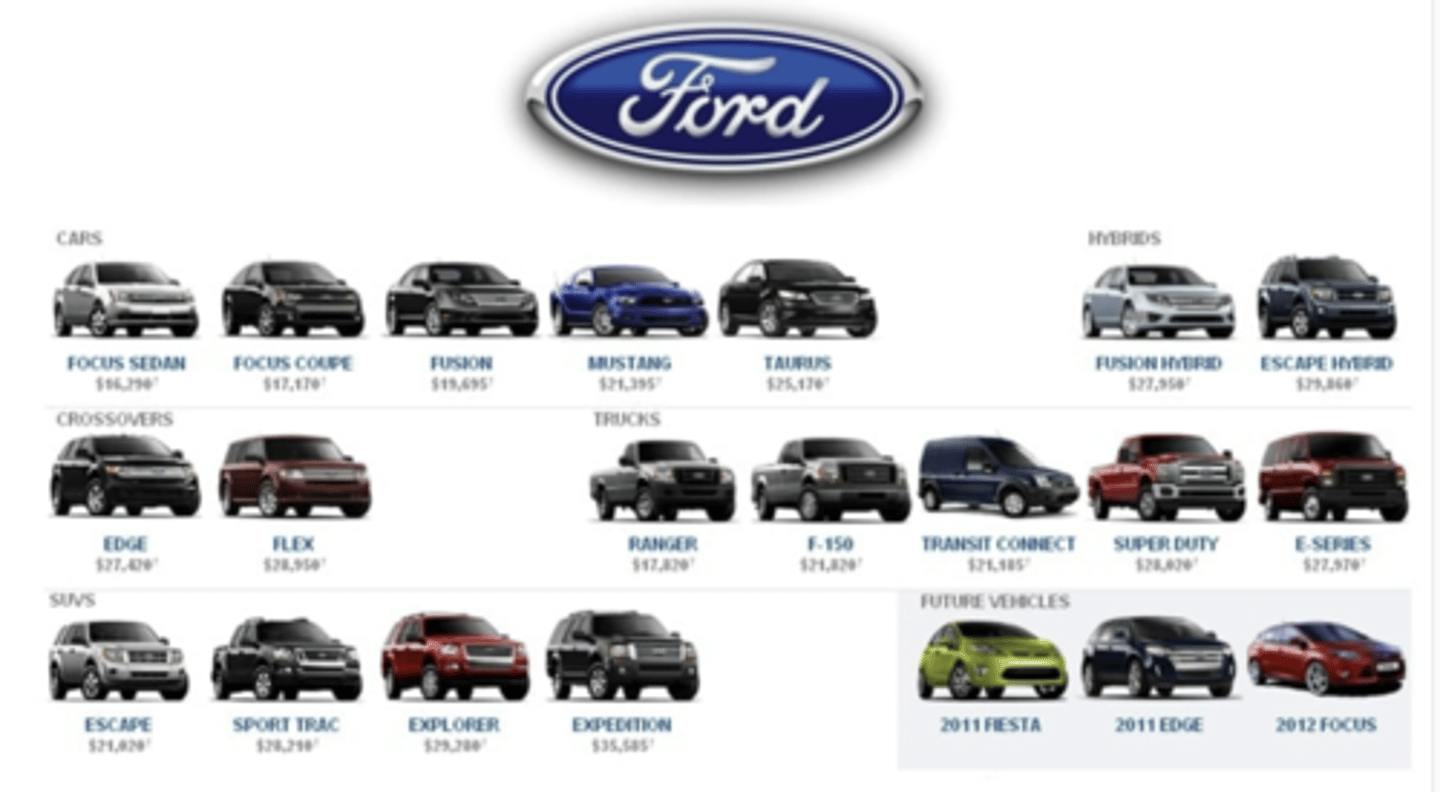
Brand extension advantages
-Facilitate new product acceptance- reduce risk perceived by audiences
- avoid cost of developing a new brand
-Provide feedback benefits to the Parent brand
-enhance the parent brand image
-bring new audiences into brand franchise and increase market coverage
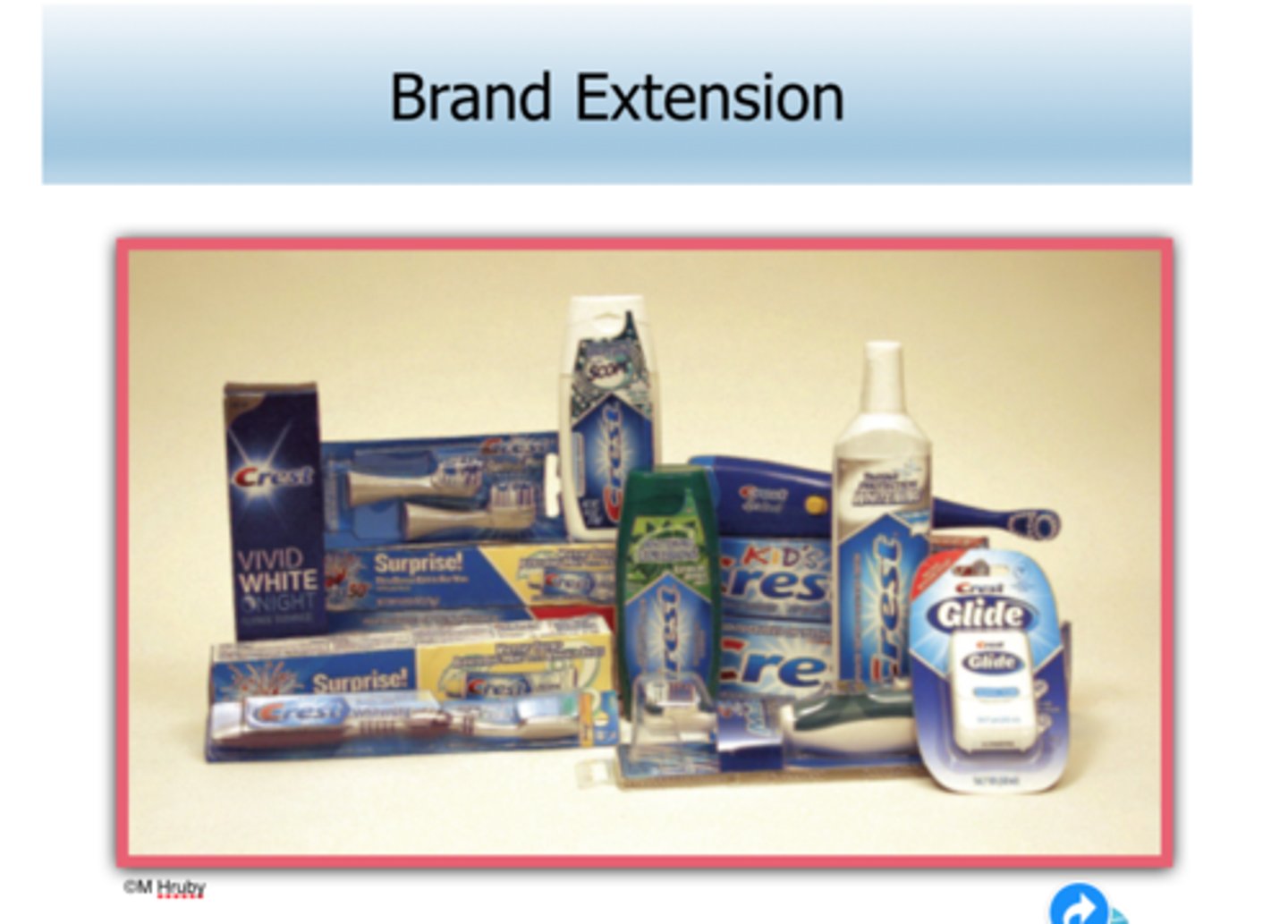
brand extension disadvantages
Can confuse or frustrate audiences
-HBO Go and HBO now
-Can fail and hurt the parent brand image
-Can dilute brand meaning
-Can cause the company to forgo the chance to develop a new brand name

category extension
using the parent brand in a "different product category" (ex: disney resorts, parks, TV, etc)
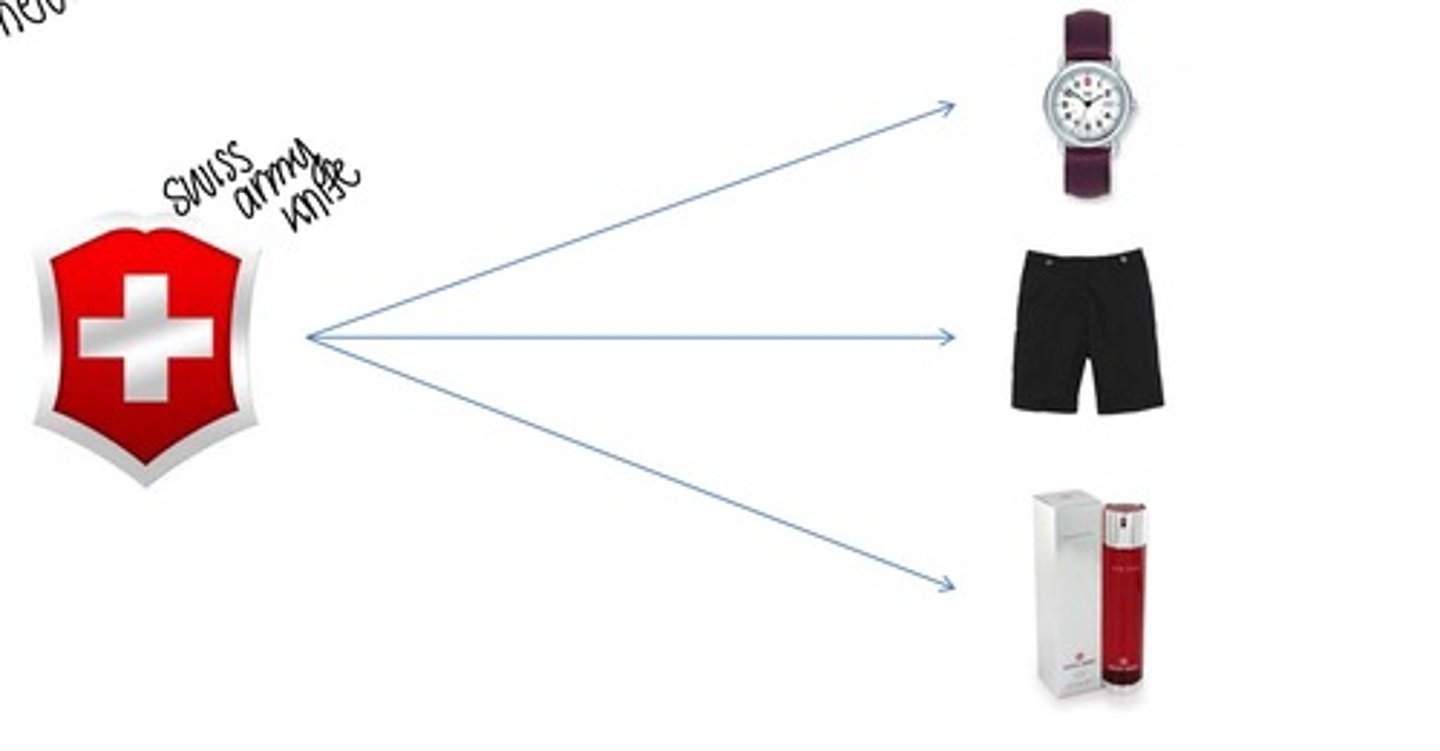
Assumptions for Successful Brand Extensions
- Consumers have some awareness and positive associations with the parent brand in memory
- At least some of these positive associations will be evoked by the brand extension
- Negative associations are not transferred from the parent brand
- Negative associations are not created by the brand extension

Financial Management
The strategic planning, monitoring, and controlling of financial undertakings in an organization to generate profits

Goal of a commercial firm
Increasing revenue, reducing costs, and maximizing profit margins

Break even meaning
the point at which cost and income are equal and there is neither profit nor loss

incurring a loss meaning
those losses that an organization has sustained during a reporting period, even if the associated liability has not yet been settled

publicly traded companies
- sales of stock to the public
- publicly traded media companies operate to generate profits for their shareholders

privately held companies
do not trade shares on any stock exchange

stockholders/shareholders
people who own a share or shares of stock in a corporation

asset examples
inventory, buildings, equipment, cash
carriage fees
Also known as affiliate or distribution fees, these are paid to content owners and producers for carrying their channels on a cable provider's service.

retransmission fees
These are paid to broadcast networks for retransmitting their signals and content to a paid audience.

difference between carrier and retransmission fees
Carriage fees and retransmission fees are both payments made by cable and satellite providers to content owners and broadcast networks, but they differ in who receives the payment and what the payment is for
financial sources for media firms
- Owners/ shareholders
- Creditors
- Crowdfunding
- Governments

Crowdfunding
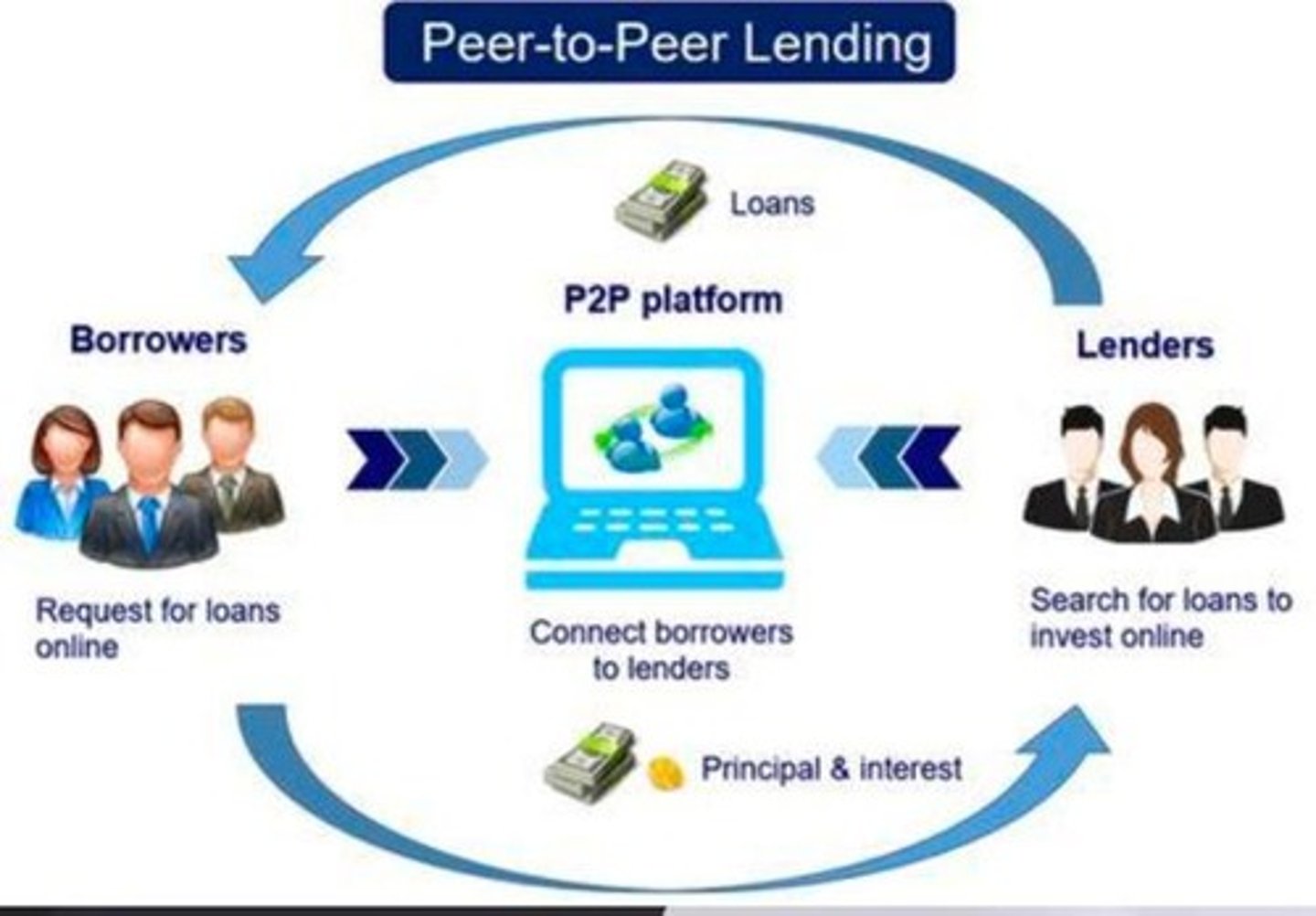
Crowdfunding is a way to raise money for a project or business by asking a large number of people to contribute small amounts of money, usually online

reward based crowdfunding
Reward-based crowdfunding is a way for people to fund a project or business in exchange for a non-financial reward. The rewards can be a product, service, or token of appreciation.
10-K
10-K is filed annually and is audited

10-Q
10-Q is filed quarterly and is unaudited

Where can the public find a company's 10-Ks and 10-Qs?
sec.gov
Three key financial statements
- balance sheet
- income statement
- cash flow statement
balance sheets
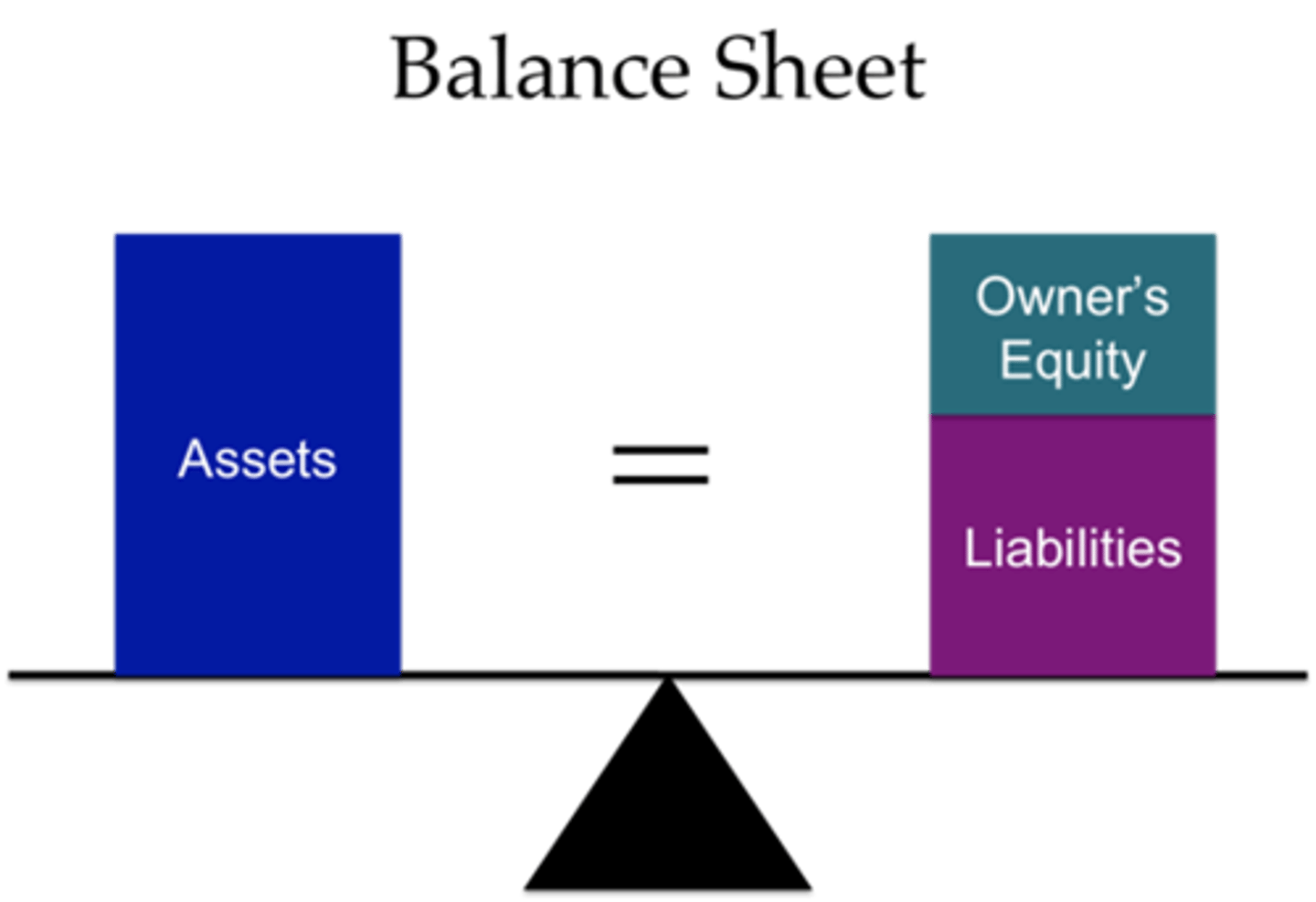
- Reports the financial position of the firm
- A particular point in time
- Presents basic accounting equation
income statements
The income or profit and loss (P&L) statement shows a firm's profitability

cash flows
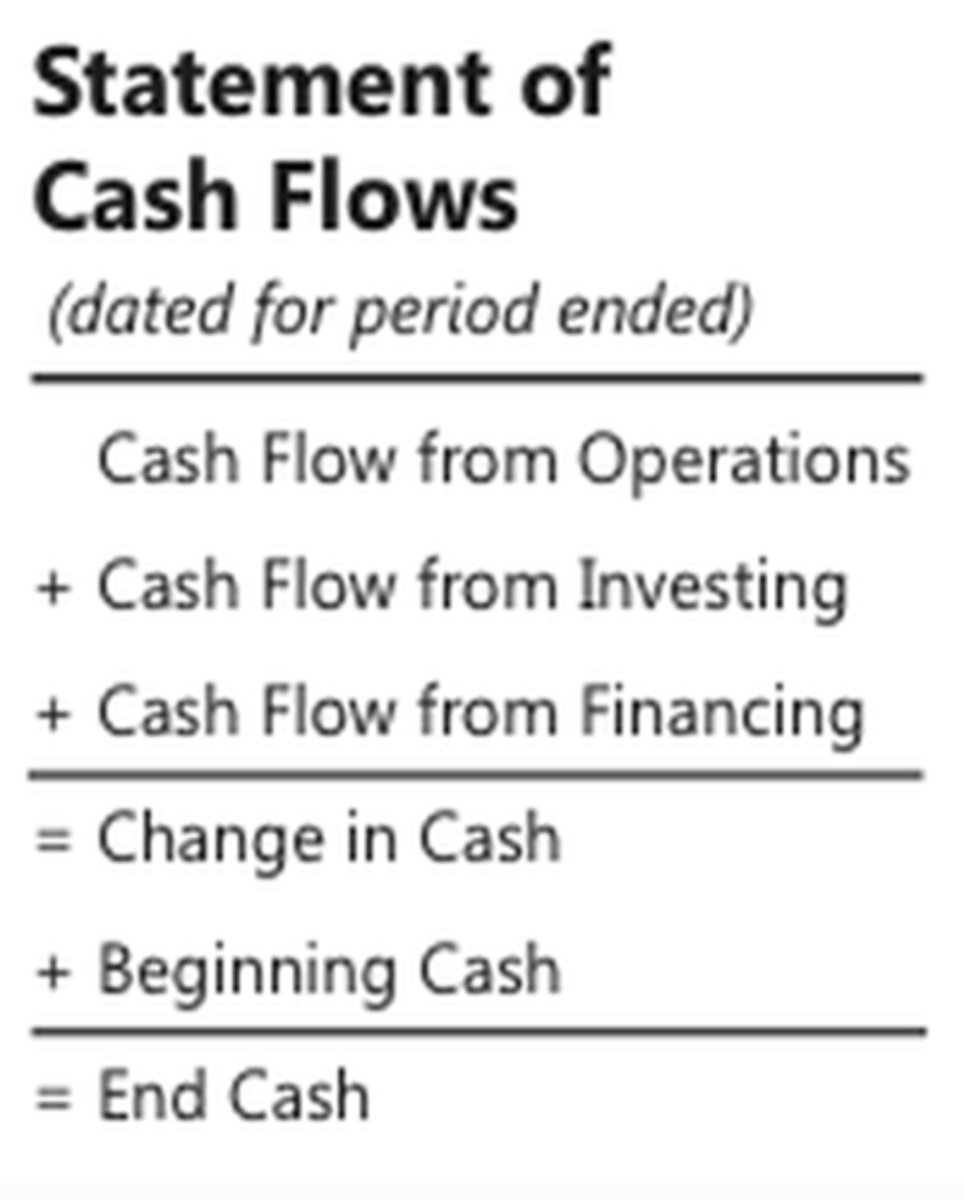
Tracks the movement of cash through the business over a period of time
basic accounting equation
Assets = Liabilities + Stockholders' Equity

assets
the value of anything owned by a firm
liabilities
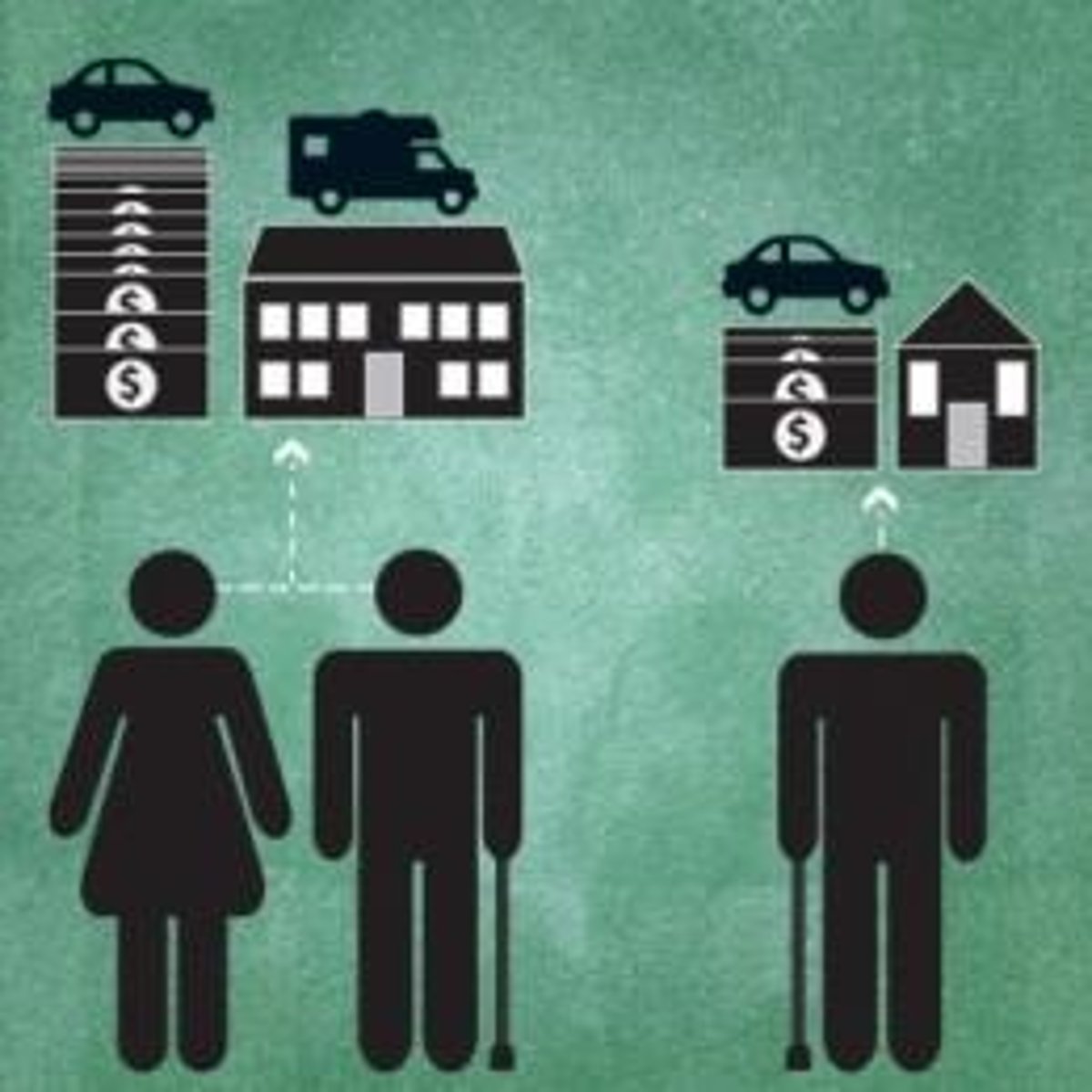
debt to others or money owed

shareholders equity
financial interest held by firm's shareholders
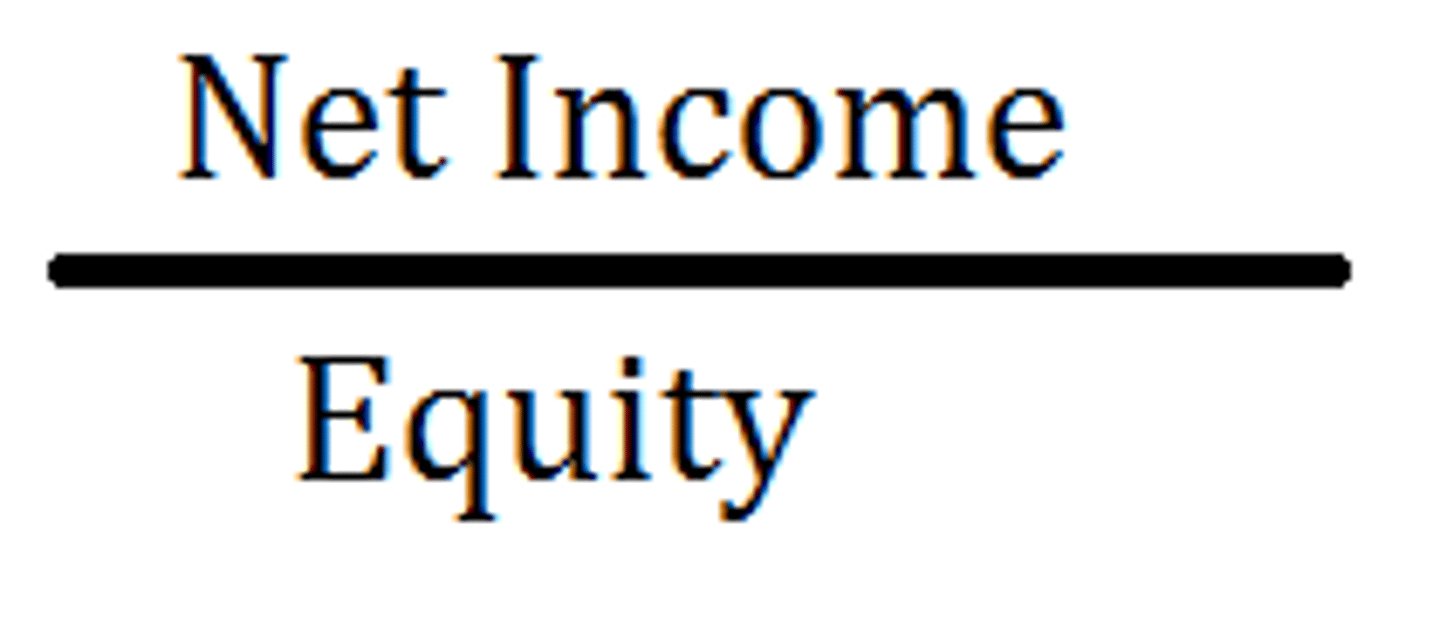
liquidity
companys ability to convert assets to cash or acquire cash to pay its short term obligations//liabilities

most liquid asset is
cash

liabilities examples
unpaid bills, outstanding loan balances, and credit card balances.

fixed assets
assets that are relatively permanent, such as land, buildings, and equipment

intangible assets
long-term assets (e.g., patents, trademarks, copyrights, interest, goodwill) that have no real physical form but do have value

goodwill
value of a companys reputation, brand recognition, customer loyalty, etc (intangible)

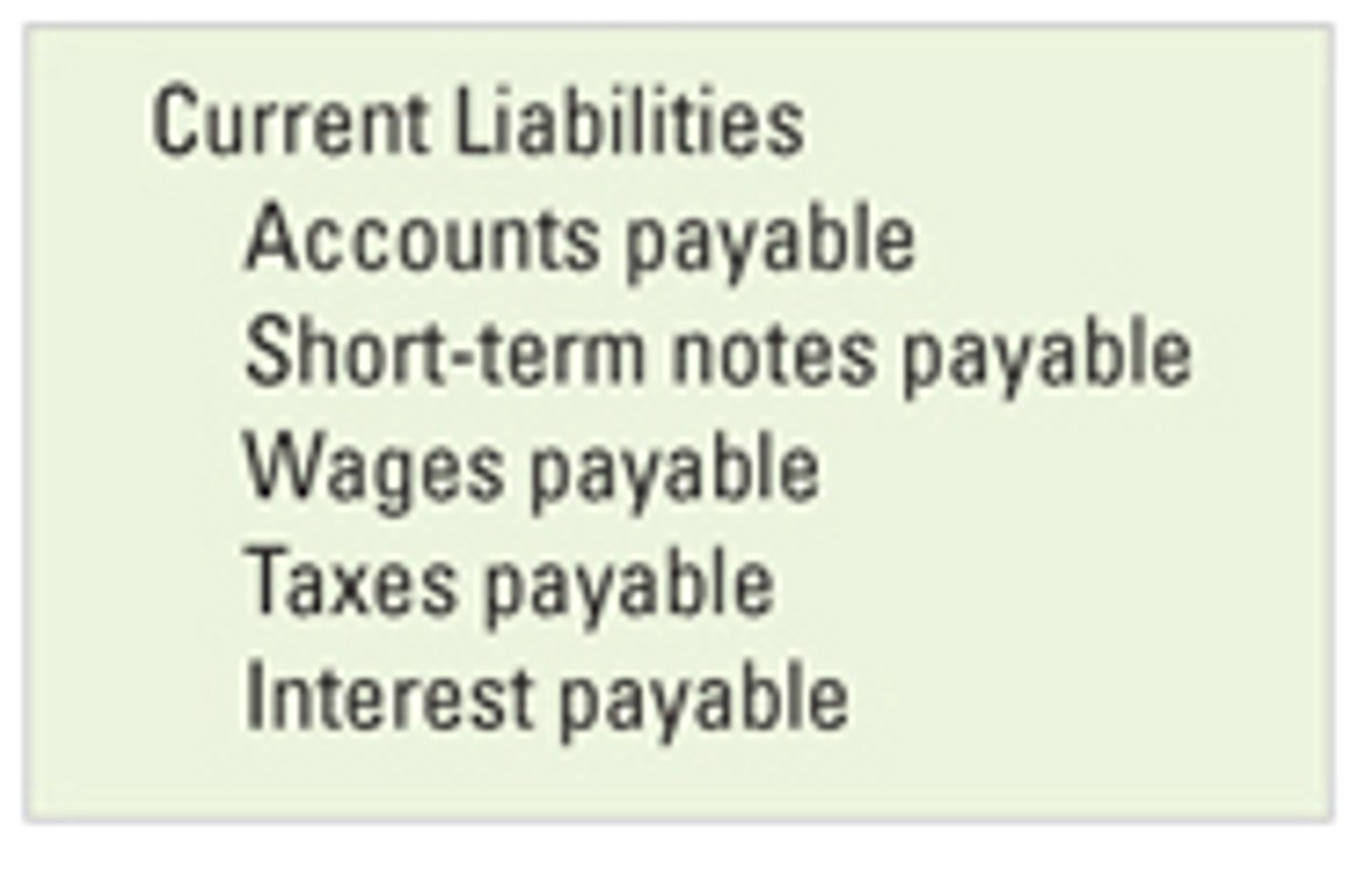
Current Liabilities
liabilities due within a short time, usually within a year of balance sheet
(ex: account payable, payroll, sales commissions, annual contracts)
long-term liabilities
liabilities owed for more than a year after balance sheet (property loans, capital projects)

capital stock
the original amount of money shareholders invested in company stock

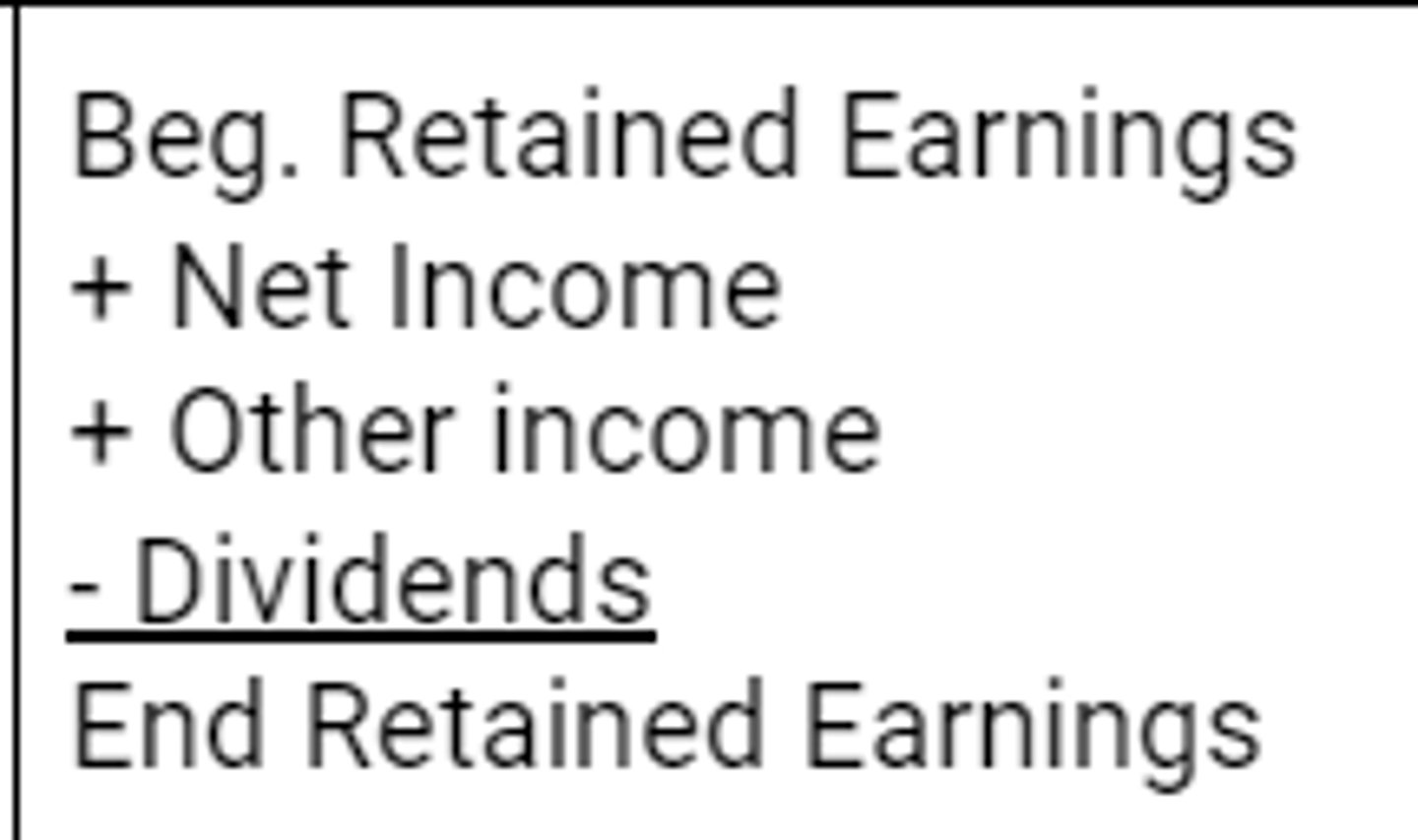
Retained earnings
-company's profits after paying shareholder dividends
-retained earnings= sum of profits-sum of dividends
income vs profit
-Profit of the business refers to the amount realized by the company after deducting the expenses from the total amount of revenue earned during an accounting period
-Income refers to the amount left as the earning in the organization after deducting other expenses such as dividends etc from the profit amount.

income equation
Revenues - Expenses = Net Income

Triple-Play & Quadruple-Play
video, voice, data, mobile (bundled services)
network compensations
payments made by national networks to local affiliates for airing their shows
network affiliates
local tv station thats not owned by national network,

cost of revenue
direct costs associated with producing a good or service
operating expenses
encompass al other costs needed to run a business (ex: administrative, marketing, and sales expenses)

depreciation
amount of tangible asset value lost over time

amortization
the reduction of a loan balance through payments made over a period of time

Net income
amount of money left over after deducting costs, allowances, and taxes from total earnings

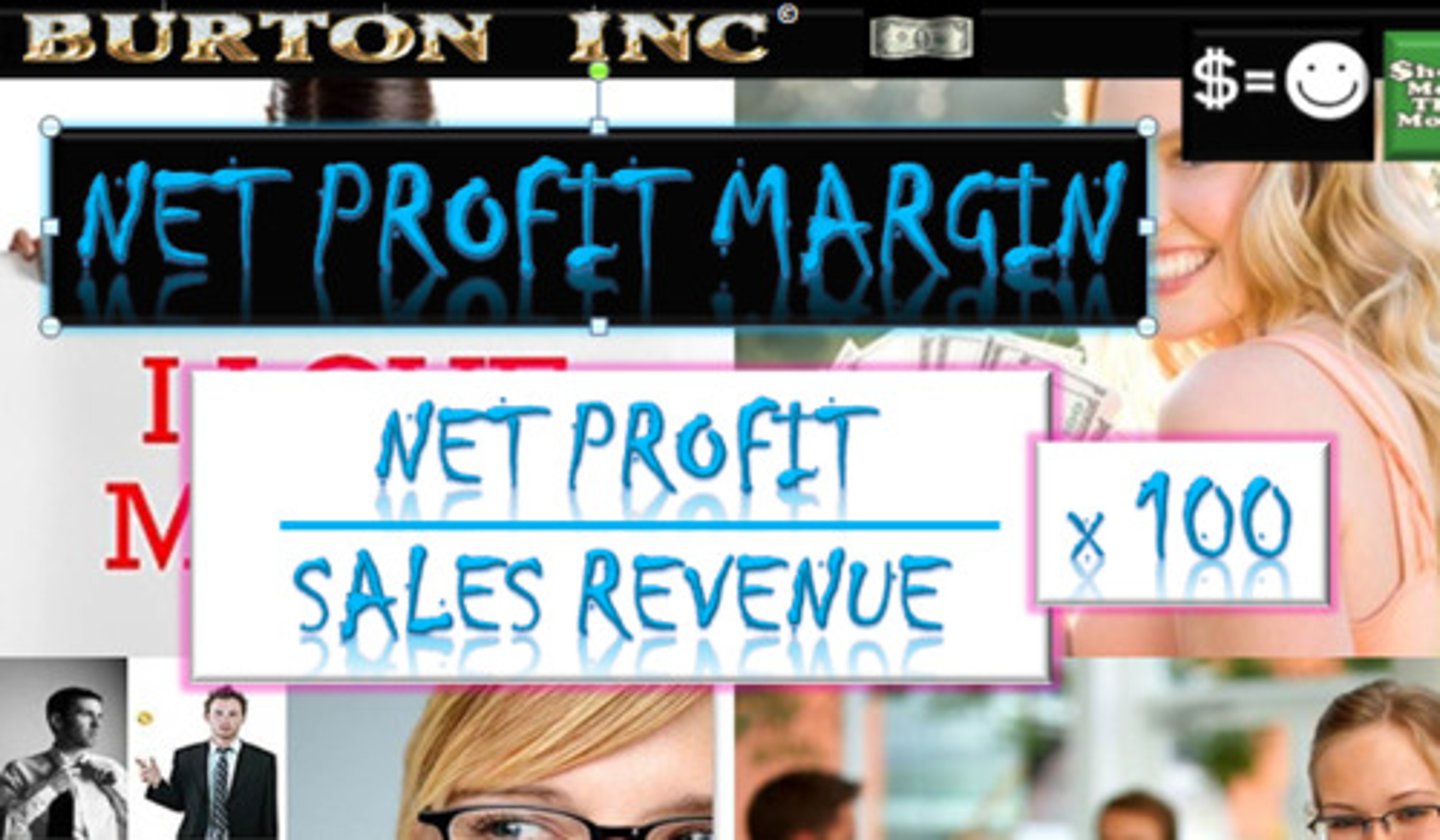
Net Profit Margin
Net Profit/Total Revenue x 100
cash flow statements
a document that shows cash inflows and outflows
applied vs theoretical audience research
-applied deals with practical analytics and consumption data
-theoretical refers to perception of the real world
Quantitative vs qualitative research
-quantitative is numbers based
-qualitative focuses on attitude with things like focus groups
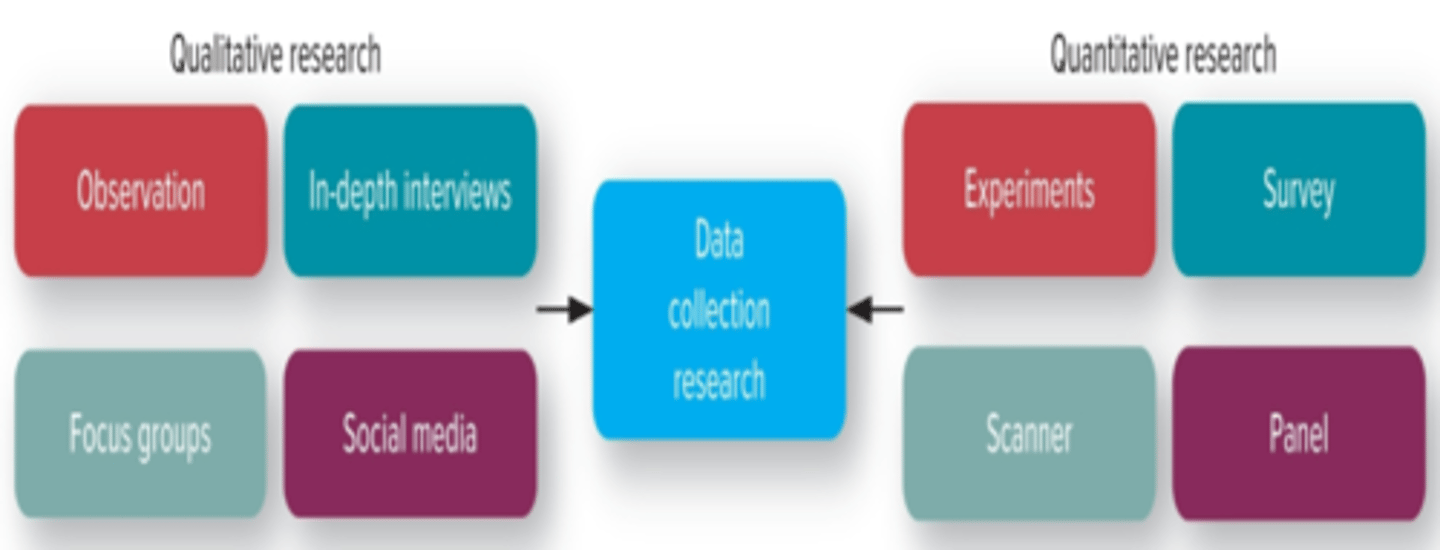
syndicated vs custom audience research
-syndicated is sold to multiple companies
-custom is unique to the company
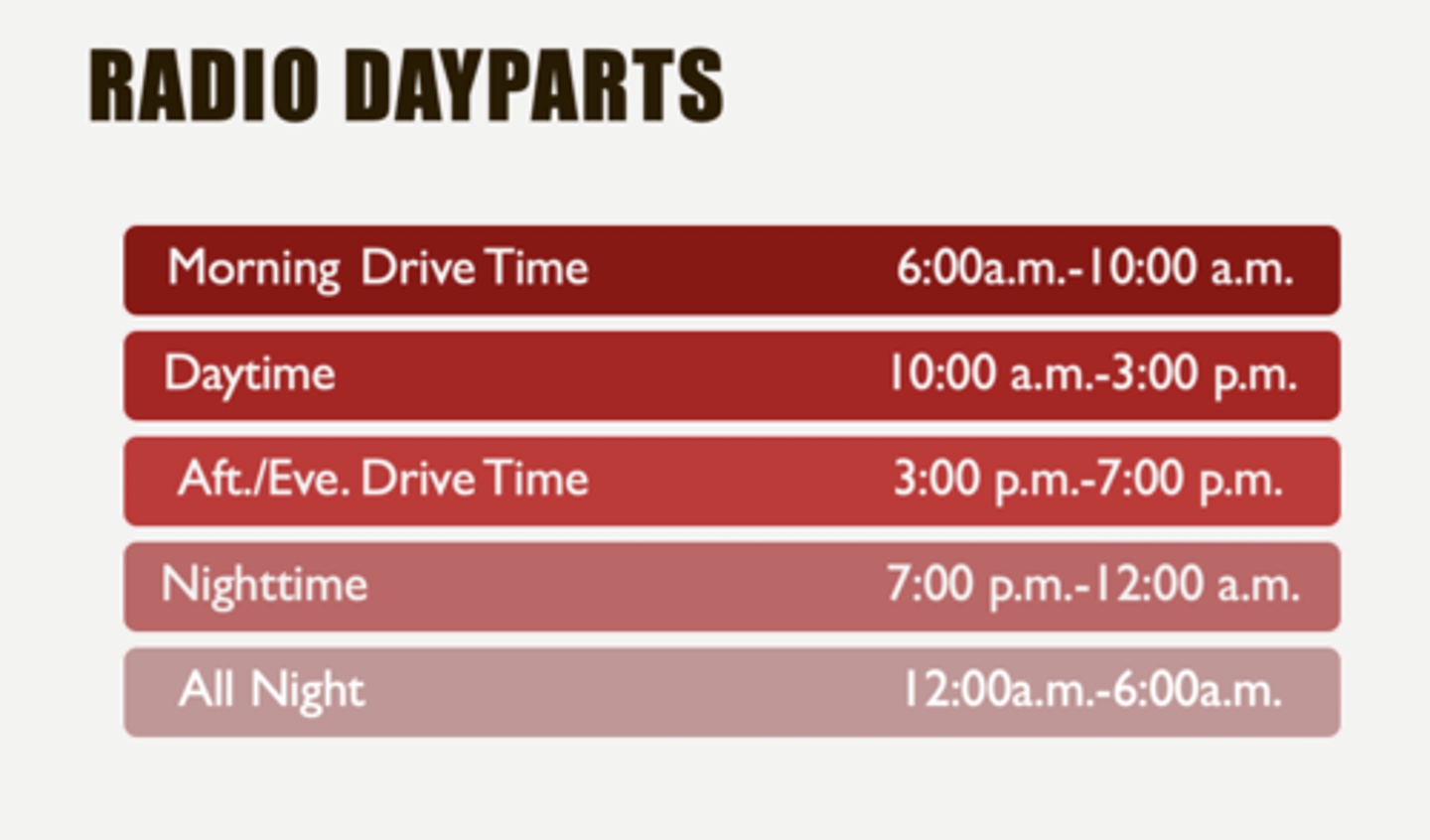
dayparts
-program content
-time of day
(ex: Primetime : 8 pm - 11 pm (monday - saturday) 7 - 11 (sunday))
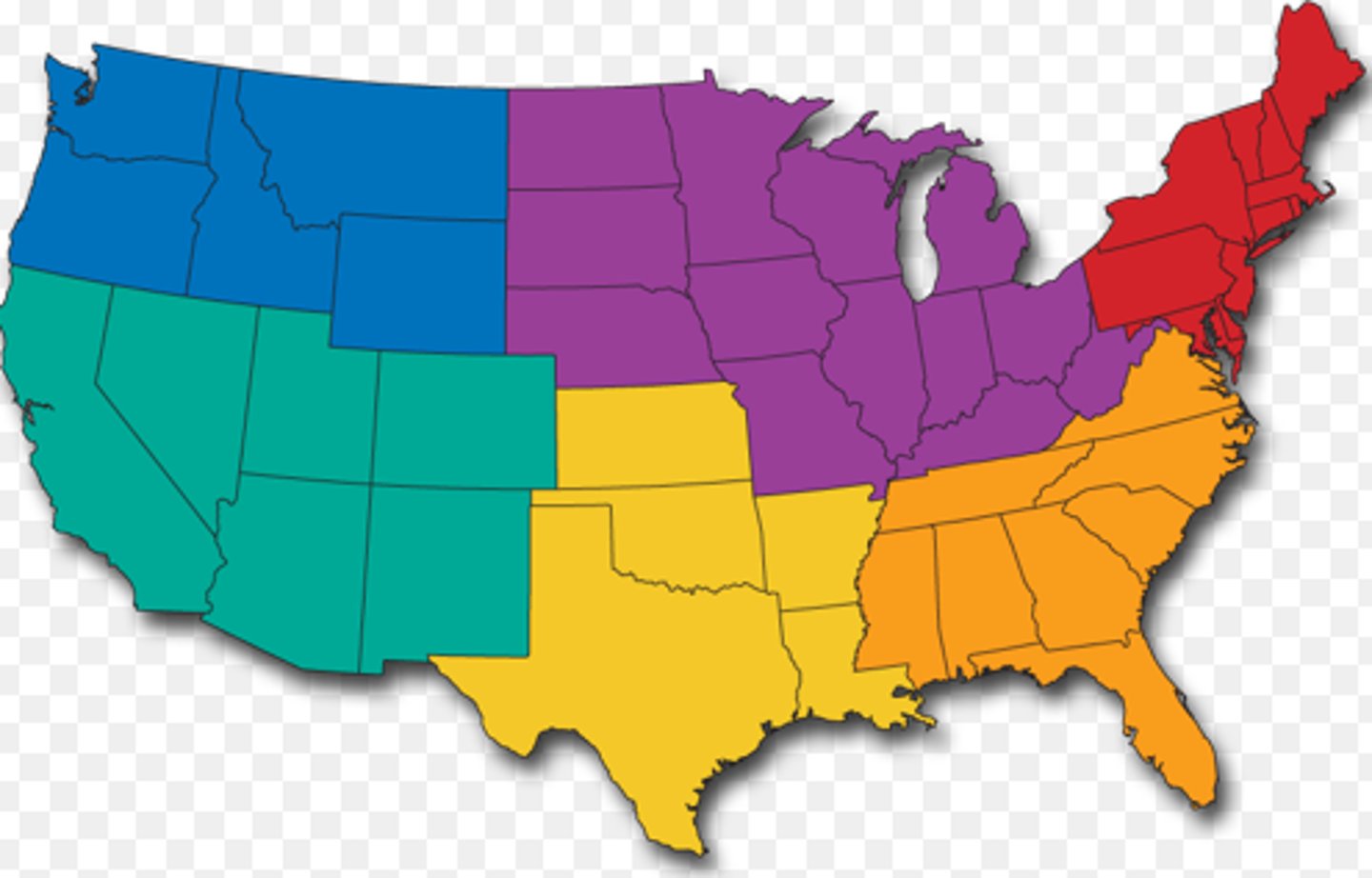
Designated Market Area (DMA)
The geographic areas in which TV stations attract most of their viewers, used to define radio and tv markets
Nielson TV Index
measures television viewing and provided metered audience estimates for tv programs
HUT (homes using tv)
percent of households tuned in
(=households using tv/total tv households x 100)
PUT (persons using tv)
percent of target persons watching anything
rating
rating = households tuned to channel A/ total TV households x 100
share
share = households tuned to channel A / households using television x 100
Live+7
same - day ratings with three additional days of DVR and on - demand viewing added in, extended to a full week
Live+same day
includes both live viewing from the previous night and delayed viewing until 3 am local time
cume
total # of people or households that have tuned into a station for at least 5 minutes over a period of time (measures unduplicated audience)
AQH (average quarter hour)
the average number of persons listening to a station for at least five minutes during a 15-minute period
Audience Loyalty Index
how the percentage of visitors who exclusively visit the site versus those who visit two or more sites in one month

Turnover rate
-an estimate of the number of times the audience is replaced by new viewers or listeners during a specified period
-turnover rate= cume persons / AQH persons
-lower rate= more loyal audience

TSL (Time Spent Listening)
-an estimate of the length of time, in quarter hours, during which audience members listen to the station
-TSL = number of quarter hours in the time period x AQH persons / cume persons
-Quarter hours should be converted into hours and minutes