Comprehensive Guide to Diabetes, Thyroid, and Adrenal Physiology for Athletes
 Call Kai
 Learn
Learn Practice Test
 Spaced Repetition
 Match
Match Flashcards
 Knowt Play
1/64

There's no tags or description
Looks like no tags are added yet.
Name | Mastery | Learn | Test | Matching | Spaced | Call with Kai |
|---|
No analytics yet
Send a link to your students to track their progress
65 Terms
What is the primary function of the pancreas?
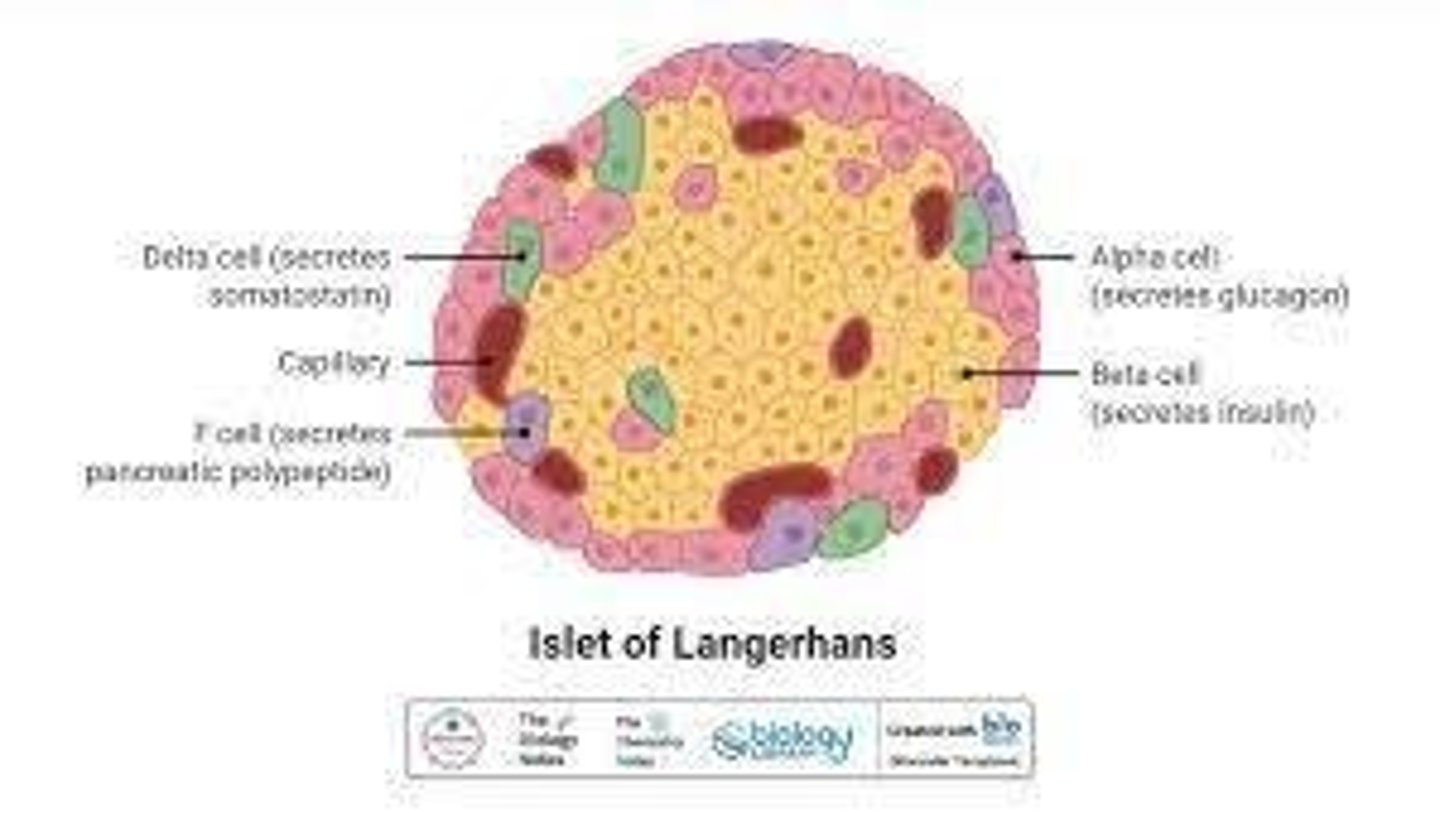
To secrete bicarbonate for digestion and produce insulin, glucagon, and somatostatin.
What happens to glucose levels after eating?
Beta cells secrete insulin, allowing the body to absorb glucose for immediate or later use.
What do alpha cells secrete when blood sugar is low?
Glucagon, which promotes the breakdown of glycogen to raise blood sugar levels.
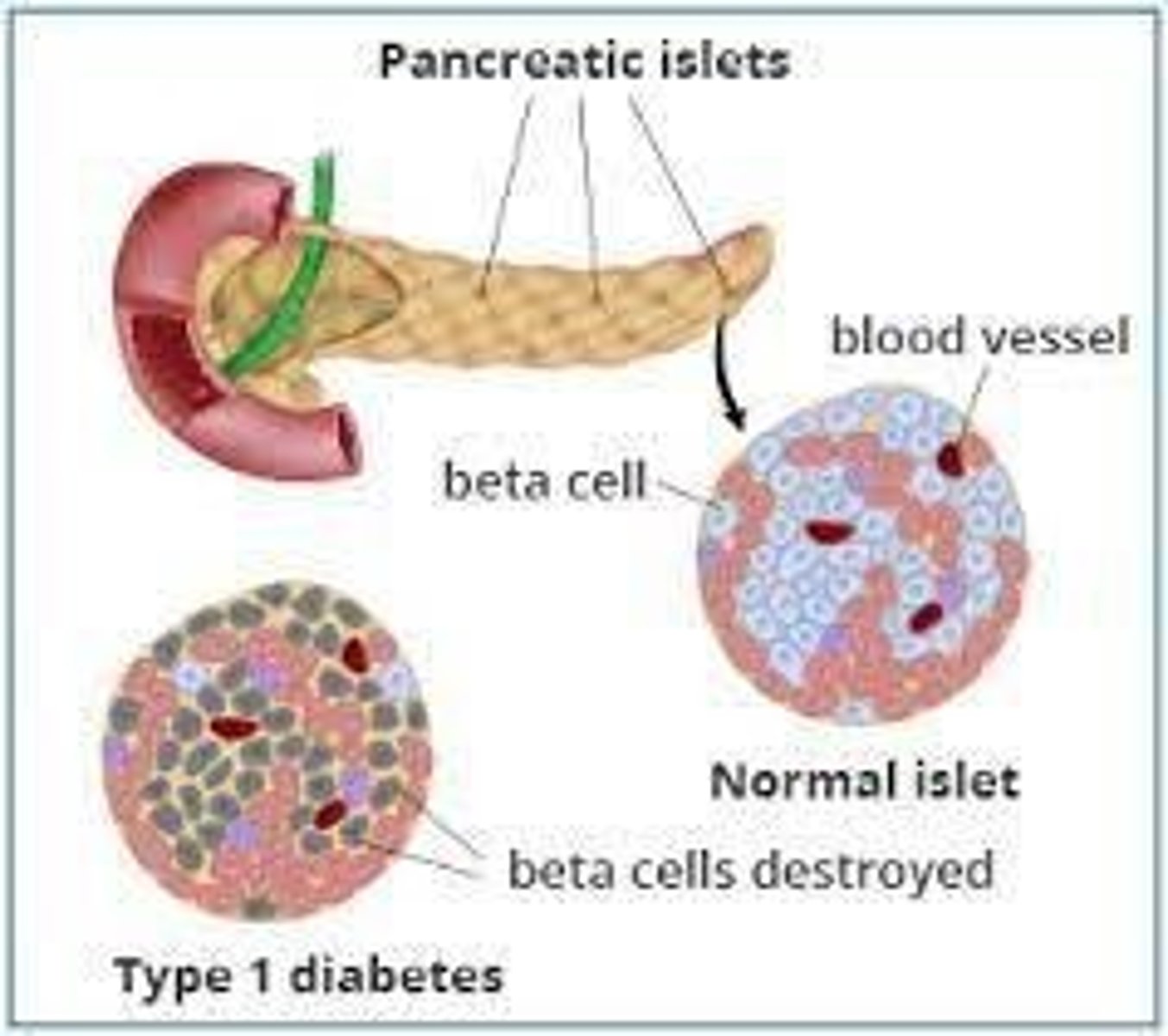
What is the difference between Type 1 and Type 2 Diabetes?
Type 1 is characterized by an inability to produce insulin, while Type 2 involves resistance to insulin and decreased production.
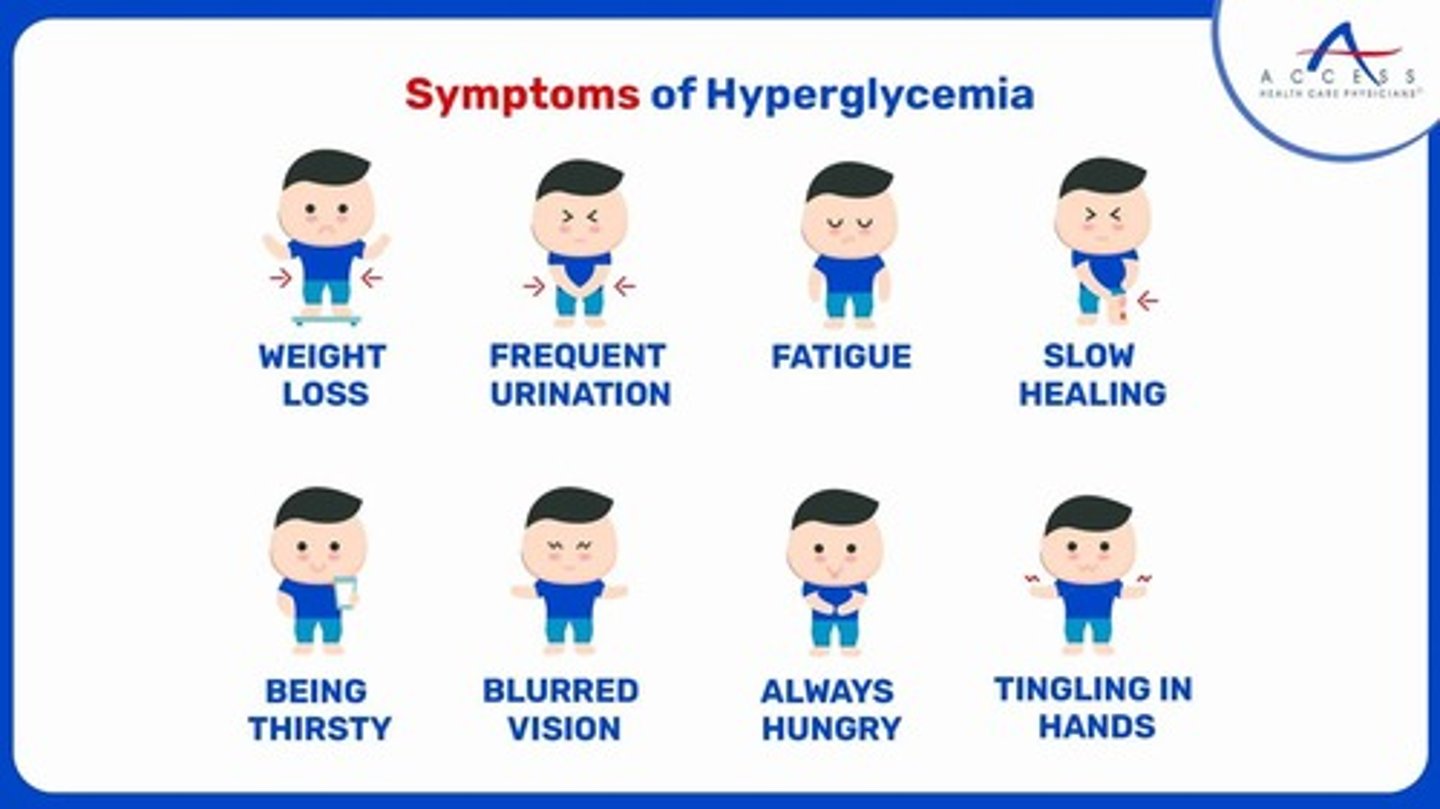
What are the common symptoms of hyperglycemia?
Polyuria, polydipsia, polyphagia, fatigue, blurry vision, and slow healing of cuts or bruises.
What are the symptoms of low blood sugar?
Sweating, fatigue, dizziness, hunger, tingling lips, shaking, heart palpitations, anxiety, confusion, and headache.
What are some long-term side effects of diabetes?
End-stage renal disease, neuropathy, cardiovascular disease, heart attacks, strokes, and blindness.
What is the Hemoglobin A1C test used for?
To measure blood sugar levels over the last 2-3 months.
What are the A1C levels for normal, pre-diabetes, and diabetes?
<5.7% normal, 5.7-6.4% pre-diabetes, >6.4% diabetes.
What is the fasting blood sugar level for pre-diabetes?
100-125 mg/dL.
What is the glucose tolerance test?
A test that measures blood sugar levels after fasting and then drinking a glucose solution.
What autoimmune conditions are associated with Type 1 Diabetes?
Celiac disease, Hashimoto's disease, Graves disease, Addison's disease, and pernicious anemia.
What is the recommended blood sugar range for Type 1 diabetics before exercise?
100-250 mg/dL.
What should a Type 1 diabetic do if their blood sugar is below 90 before exercise?
Ingest 10 to 20g of glucose before starting.
What is the treatment for severe hypoglycemia?
Administer 1 gram of glucagon intramuscularly or subcutaneously.
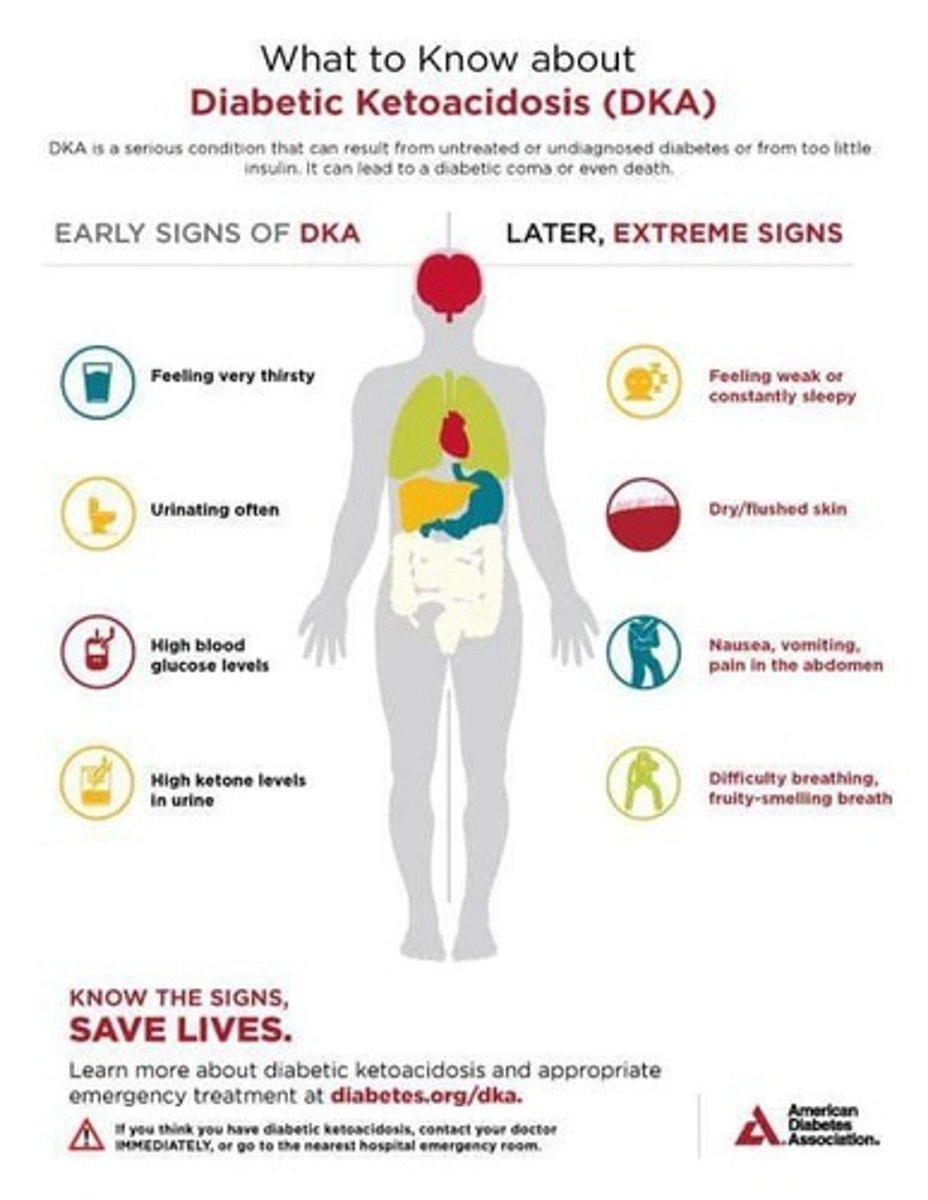
What is diabetic ketoacidosis (DKA)?
A serious condition characterized by high blood sugar and ketones, often triggered by stress or insufficient insulin.
What are the differences between mild, moderate, and severe DKA?
All have blood sugar >250; severity increases with worsening pH, bicarbonate levels, and mental status.
What should be done if a Type 1 diabetic has blood sugar >250 with ketones?
Do not start exercise.
What is the recommended carbohydrate intake during exercise for Type 1 diabetics?
15 to 30g of carbs per 30 minutes of workout.
What should Type 1 diabetics do post-exercise?
Consume 40 to 80g of carbs and check blood sugar every 2-4 hours.
What factors can affect blood sugar levels in diabetics?
Stress, high altitude, severe cold, and increased temperatures.
What is the ideal blood sugar level during exercise for Type 1 diabetics?
120-180 mg/dL.
What is the significance of monitoring blood sugar every 30 minutes during exercise?
To track trends and prevent hypoglycemia.
What are the common issues faced by athletes with diabetes?
Poor wound healing, tendinopathy, and foot issues.
What is the role of adrenaline in blood sugar levels for Type 1 diabetics?
Adrenaline can increase blood sugar levels.
What is the recommended amount of exercise for diabetes management?
150 minutes per week, with at least 50 minutes on 3 days.
What type of diabetes requires insulin for treatment?
Type 1 Diabetes.
What are common oral medications for Type 2 Diabetes?
Sulfonylureas, Biguanides (Metformin), Thiazolidinediones, DPP-4 Inhibitors.
What is the goal for Hemoglobin A1C in diabetes treatment?
Less than 7%, sometimes 7-8% for older adults.
What is the significance of TSH in thyroid function?
TSH is secreted from the anterior pituitary gland and regulates thyroid hormones.
What condition is characterized by low T3/T4 and elevated TSH?
Hypothyroidism.
What is the most common cause of hypothyroidism?
Hashimoto's thyroiditis.
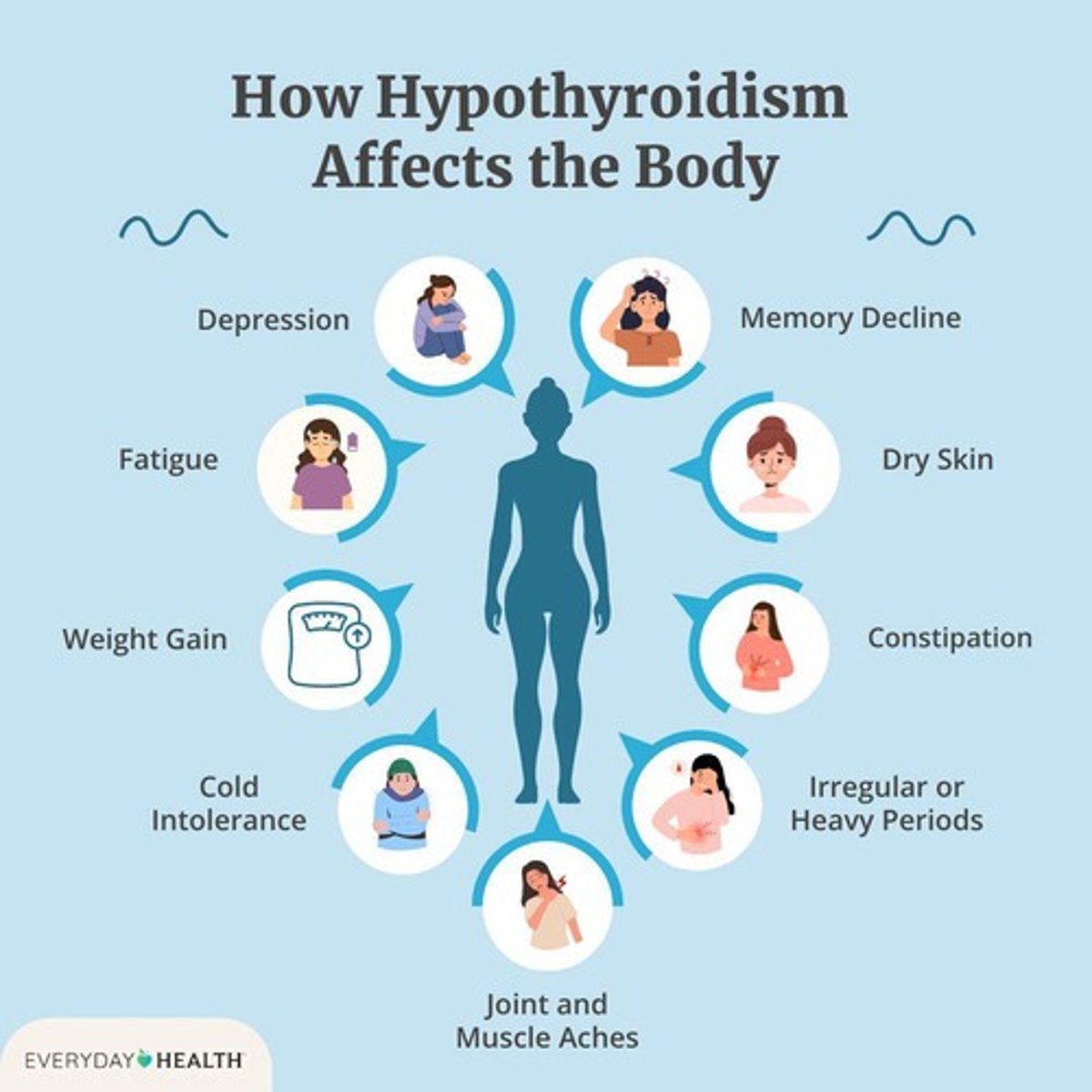
What are common symptoms of hypothyroidism?
Fatigue, weight gain, cold intolerance, dry skin, and depression.
What is the normal TSH level?
Below 4.5, but studies suggest <3 is normal for most people.
What medication is commonly used to treat hypothyroidism?
Levothyroxine (Synthroid).
What condition is characterized by high T3/T4 and low TSH?
Hyperthyroidism.
What is the most common cause of hyperthyroidism?
Grave's Disease.
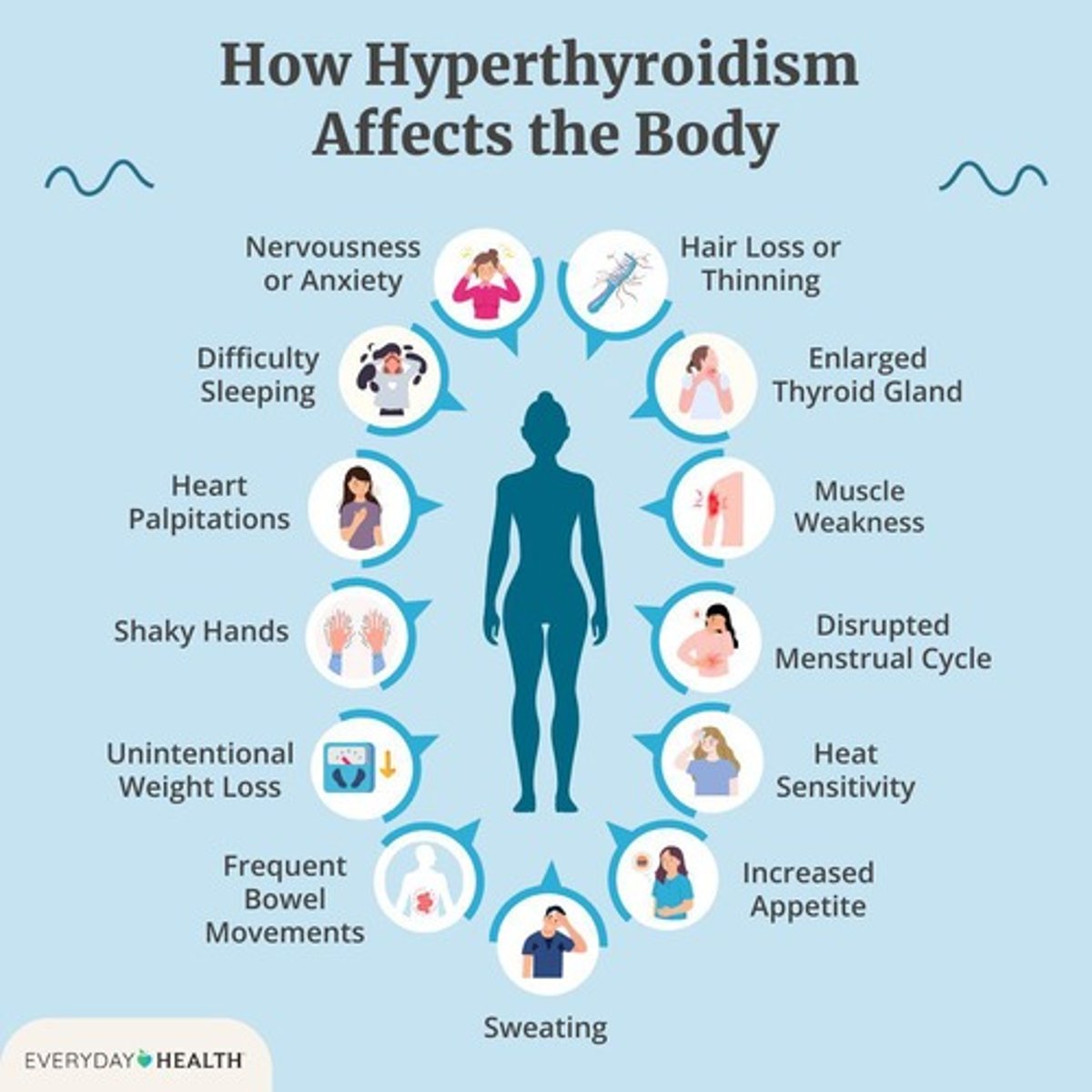
What are common symptoms of hyperthyroidism?
Increased heart rate, weight loss, anxiety, and tremors.
What is the evaluation method for hyperthyroidism?
TSH level, free T3, free T4, and TSH receptor antibodies.
What treatments are available for hyperthyroidism?
Medications (Propylthiouracil, Methimazole), radioactive iodine, and surgery.
What effect does hypothyroidism have on exercise?
Bradycardia, decreased myocardial contractility, and increased fracture risk.
What is the effect of exercise on blood sugar levels in diabetes?
Exercise improves insulin action and blood sugar control.
What should be monitored annually in diabetes management?
Eye exams, foot exams, and blood work including lipids and urine for microalbumin.
What is the relationship between exercise and blood sugar levels above 300?
It is generally okay to exercise even if blood sugar is elevated above 300.
What is the impact of thyroid dysfunction on muscle recovery in athletes?
Hypothyroidism can prolong muscle and injury recovery.
What are the signs of thyroid dysfunction in athletes?
Fatigue, weakness, and difficulty recovering from injuries.
What is hyperthyroidism?
A condition characterized by an increased basal metabolic rate, heat-related illness, arrhythmias, tachycardia, proximal muscle weakness, and decreased bone mineral density.
How does iron deficiency relate to hypothyroidism?
Those with iron deficiency have a 2x to 5x increased risk of developing hypothyroidism.
What is the role of adrenaline/epinephrine in the adrenal medulla?
It is released during short-term stress as part of the fight-or-flight response.
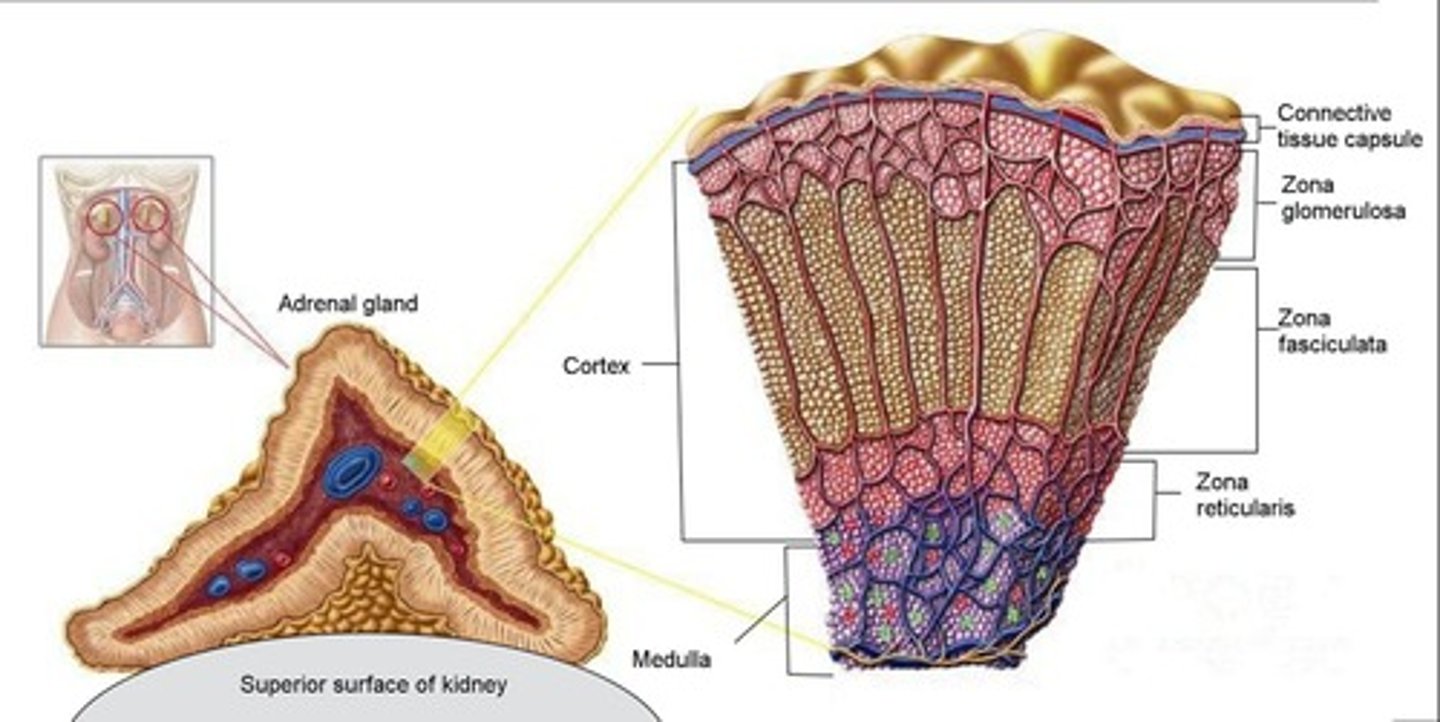
What hormones are secreted by the adrenal cortex during long-term stress?
Aldosterone, Cortisol, and Androgens.
What is the function of cortisol in the endocrine system?
Cortisol provides negative feedback to decrease ACTH levels.
What are the contributing factors to adrenal burnout and overtraining?
Lack of sleep, stress, and overtraining.
What is the initial hormonal response in Overtraining Syndrome?
High ACTH and low cortisol levels.
What characterizes secondary adrenal insufficiency?
Low ACTH and low/normal cortisol levels with normal aldosterone levels.
What are the symptoms of an adrenal crisis?
Pain in the low back, abdomen or legs, severe vomiting and diarrhea, dehydration, low blood pressure, and loss of consciousness.
What is the primary function of the parathyroid glands?
To maintain calcium and phosphate homeostasis.
What hormone is secreted by the parathyroid glands?
Parathyroid hormone (PTH).
What happens when calcium levels are low?
PTH increases, leading to the synthesis of Vitamin D and calcitriol, release of calcium from bones, and decreased calcium absorption in the kidneys and small intestine.
What is primary hyperparathyroidism?
An abnormality of the parathyroid gland itself that leads to increased PTH.
What is a common consequence of elevated calcium levels?
Cardiac dysrhythmias.
What is hypoparathyroidism?
A condition characterized by decreased PTH, often transient due to recent thyroid surgery.
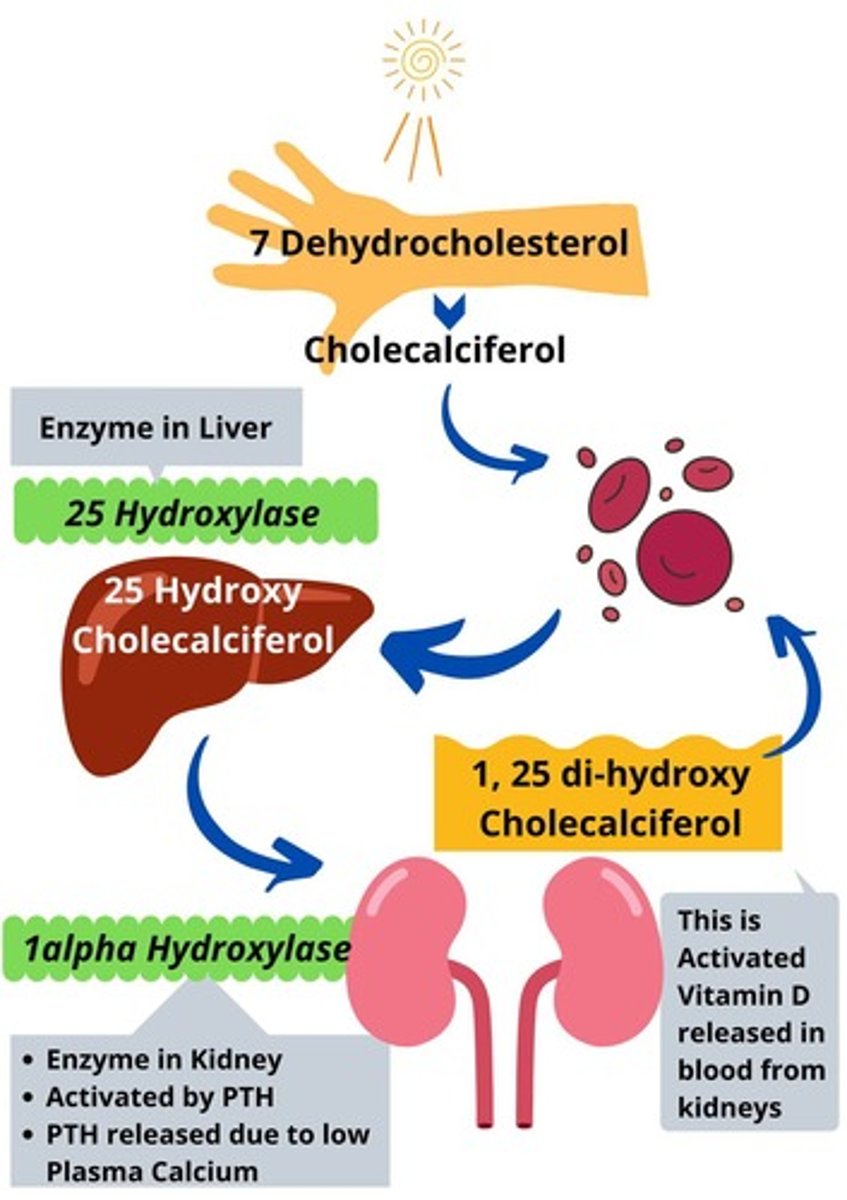
What are the two active forms of Vitamin D?
D2 (ergocalciferol) and D3 (cholecalciferol).
How is Vitamin D3 produced?
It is produced by the skin from UV irradiation of Pre-D3, then metabolized by the liver and kidneys.
What natural sources are rich in Vitamin D?
Liver, oily fish, mushrooms, egg yolks, and fortified foods.
What conditions may require Vitamin D prescriptions?
Osteoporosis, hypoparathyroidism, low phosphate levels, and in babies.