Cardiopulmonary Exam Studyguide
 Call Kai
 Learn
Learn Practice Test
 Spaced Repetition
 Match
Match Flashcards
 Knowt Play
1/92

There's no tags or description
Looks like no tags are added yet.
Name | Mastery | Learn | Test | Matching | Spaced | Call with Kai |
|---|
No analytics yet
Send a link to your students to track their progress
93 Terms
A 1+ on the edema girth scale implies:
mild indentation
A 2+ on the edema girth scale implies:
moderate, easily identified depression, 2-4mm, rebounds within 15 seconds
A 3+ on the edema girth scale implies:
severe, 4-6mm depression, rebound after 15-30 seconds
A 4+ on the edema girth scale implies:
very severe, 6+mm depression, lasts greater than 30sec
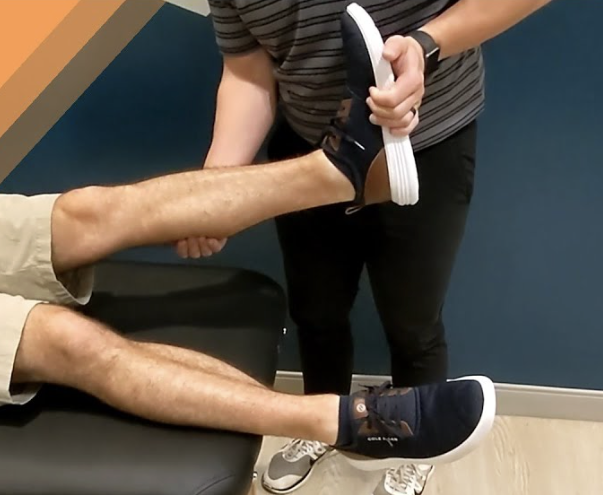
What is this and what does it test for?
The Homan’s sign, tests for DVT
What medications area associated with DVT prevention?
Heparin, lovenox, coumadin, and arixtra
What indicates a positive Homan’s sign test:
pain in the calf or popliteal space
Which test is more reliable for testing for DVT?
Well’s Clinical Decision Rule
What are some signs are arterial compromise?
Pale, cyanotic, cool, diminished pulse, slow capillary refill
An absent and not palpable pulse is labeled:
0
A weak and barely palpable pulse is labeled:
1+
A diminished and palpable (but not easily) pulse is labeled:
2+
A normal and easily palpable pulse is labeled:
3+
A bounding and extremely palpable pulse is labeled:
4+
What part of the heart does the left anterior descending artery supply?
The left ventricle (mainly the anterior and apex side)
What happens in the left anterior descending artery becomes occluded?
ST-elevation myocardial infarction (widow-maker heart attack)
What is diastole?
Resting and filling
What is systole?
Contraction of the ventricles
What is the atrial kick?
20-30% of blood is ejected due to atrial contraction, 70% is passive
What is the ejection fraction?
The amount of blood ejected from the LV during systole (~60%)
What is the stroke volume?
The volume of blood pumped out of the LV with each beat
What are the implications of aortic stenosis:
Left ventricle has to work harder, causing hypertrophy and potential heart failure
What is the afterload?
Pressure that the left ventricle has to push against to get blood back into the body
What are the implications of a high afterload?
heart has to work harder
What is the preload?
The degree of myocardial stretching based on the amount of venous return (blood filling the heart) during diastole.
What is the implication of a large prelaod?
Large cardiac output (CO)
What improves the preload?
Hydration, elevation (to increase venous return), ankle pumps, compression
What is the cardiac output?
The amount of blood pumped out of the heart in 1min
What does increased preload, increased blood volume, body position, intrathoracic pressure, venous tone, pumping action of skeletal muscle, atrial contraction, and healthy diastole effect?
Cardiac output
How to calculated cardiac output:
stroke volume x HR
Slow breathing (dyspnea) and low BP, low exercise tolerance, fatigued, pale, cognitively slow (slurring words) are all symptoms of:
Low cardiac output
What is the best way to increase CO before exercise?
Warm up!
What is the best exercise to do in case of orthostatic hypotension?
Ankel pumps
Ankle pumps help with orthostatic hypotension because they increase the:
Preload
What is good to tell post-surgical vascular and heart surgery pts?
Don’t valsalva in order to reduce risk of the baroreflex
What does the baroreflex result in?
Vasodilation, decreased HR, and decreased contractility
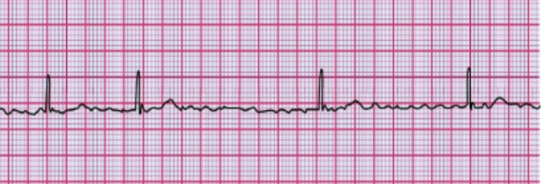
What does this EKG indicate?
Atrial fibrillation
How does atrial fibrillation affect exercise?
It reduced the cardiac output because there is no atrial contraction
What happens with rapid ventricular response (RVR)?
The AV node lets more impulses in than normal, thus increasing the HR
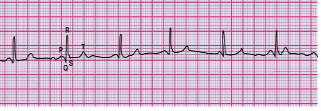
What does this EKG indicate?
Normal Sinus Rhythm
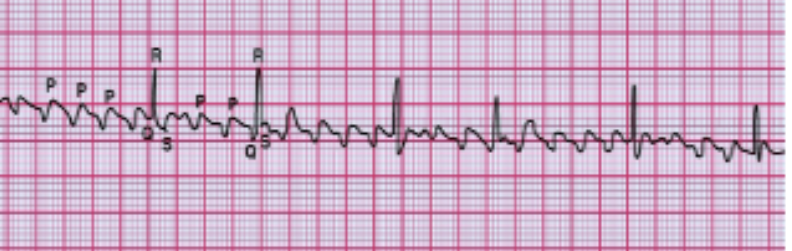
What does this EKG indicate?
Atrial flutter
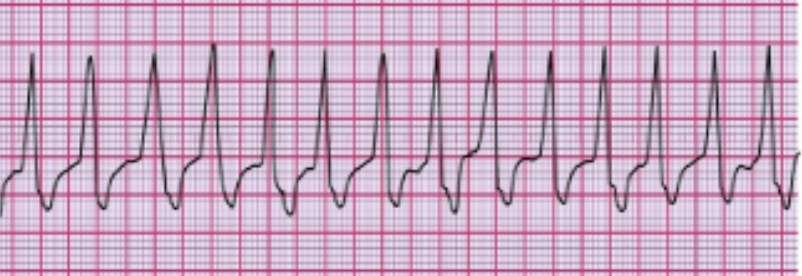
What does this EKG indicate?
Ventricular tachycardia
Where is the mitral valve auscultated?
The 5th intercostal space, mid-clavicular line
Where is the aortic valve auscultated?
2nd intercostal space, right sternal border
What causes mitral valve prolapse (regurgitation)?
High pressure in the left ventricle
When would you hear mitral valve prolapse?
During ventricular diastole
Where would you hear mitral valve prolapse?
5th intercostal space, mid clavicular line
What is mitral prolapse?
When blood flows back into the atria of ventricular systole, instead of the ventricles.
What is the implication of a BNP over 500?
CHF or a significant amount of heart failure
What could be causing angina?
cardiac ischemia
What characterizes unstable Angina?
Not relieved with rest
What characterizes stable Angina?
Relieved with rest
How long are the bed rest precautions of for left sided heart catheterization?
6-8 hours
How long are the bed rest precautions of for right sided heart catheterization?
4-6 hours
Why are the left sided heart catheterization precautions more strict?
Because that is the arterial side
What is pulmonary edema?
A condition where fluid leaks into the lungs and alveolar tissue
Swollen legs, swollen veins in the neck, pt will feel short of breath, auscultations will detect crackles: These are signs and symptoms of
Pulmonary edema with CHF
What is contraindicated for CHF and pulmonary edema?
Trendelenburg position (because the heart cant tolerate the preload)
What are 3 things veins have that arteries don’t?
Valves to prevent backflow, a thin tunica media, and a thinner elastic membrane
Are are the signs and symptoms of venous insufficiency?
warmth, swelling, elevation helps
0.75 ABI
Mild arterial disease
0.5 ABI
Moderate arterial disease (IC)
>.0.5 ABI
Severe arterial disease, pain at rest
>0.4 ABI
Impending critical limb ischemia (pt will likely loose limb)
Compromised circulation in a compartment of the body due to pressure. Causes muscular, nerve, and skin necrosis. Occurs after a traumatic injury (Fracture, crush, hematoma, penetrating, burn, electrical burn, revascularization surgery)
Compartment Syndrome
How can you recognize compartment syndrome?
Pain with palpation, passive motion, and tense and tender muscle groups. PULSE IS DIMINISHED
What to not do in case of compartment syndrome:
Do not elevate
Elevation, compression stockings, heparin, lovenox, coumadin, arixtra, early mobilization/ambulation, hydration, well fitting clothing/socks, ankle pumps, check skin integrity and don't forget contraindications for compression
DVT prevention
Thromboangiitis obliterance. Inflammation and thrombosis of arteries and veins in the periphery. Caused by heavy smoking in young men. Resting pain and IC. Gangrene of digits if smoking continued.
Buerger’s Disease
Vasospastic disease. Causes red, white, or blue discoloration. Vasoconstriction, cyanosis, vasodilation. Triggered by exposure to cold or emotional stress (b/c sympathetic nervous system). Numbness, tinging, burning pain. Peripheral pulses remain palpable. Symmetric, usually B/L UE.
Raynaud’s Disease
What is the tx for Raynaud’s Disease
Fish oil, exercise, vit C and E, sympathetic and calcium channel blockers.
What is an example of a pulmonary obstructive disorder?
COPD
An inflammatory condition usually triggered by something in the environment, does tend to get better with time.
Asthma
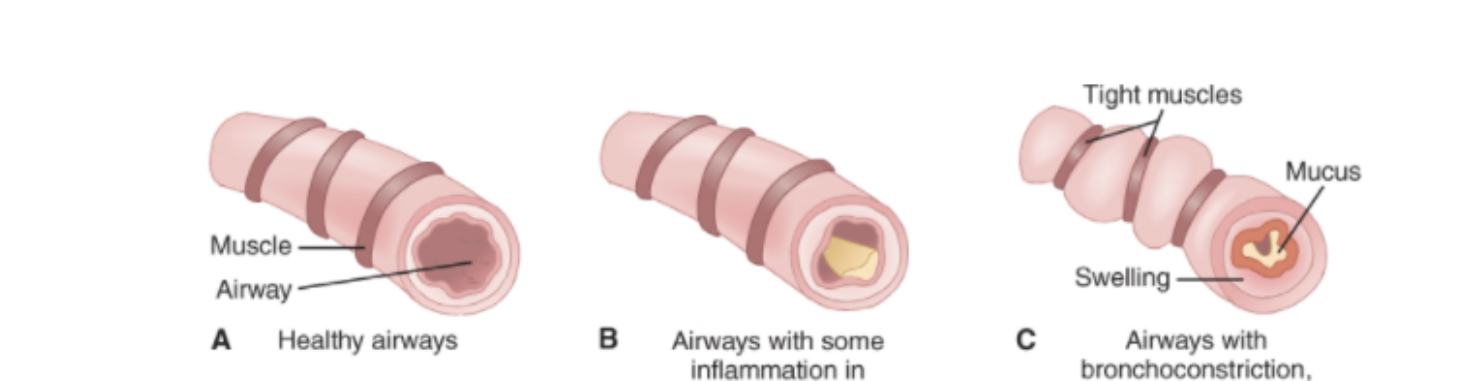
What is this a depiction of?
Asthma
A type of COPD where the air sacs in the lungs (alveoli) are gradually destroyed
Emphysema
Excessive sputum (thick green and red streaked) is a symptom of
Cystic Fibrosis
Pink, frothy sputum is a symptom of:
Pulmonary edema
If a pt has Adult respiratory distress syndrome (ARDS), what position should they be put in and why?
Prone to help fully inflate the lungs and balance the VQ ratio
A mediacted pt on coumadin would likely have an INR of
2-3.5
Unmedicated INR should be
Around 1
What is the normal WBC count:
5-10 thousand/microliter
What is elevated during an infection or after surgery?
WBC count
Hbg is usually lower in the
elderly
What is normal hgb?
12-14
Chest tube precautions:
No rolling on the side of the chest tube, no gait belt
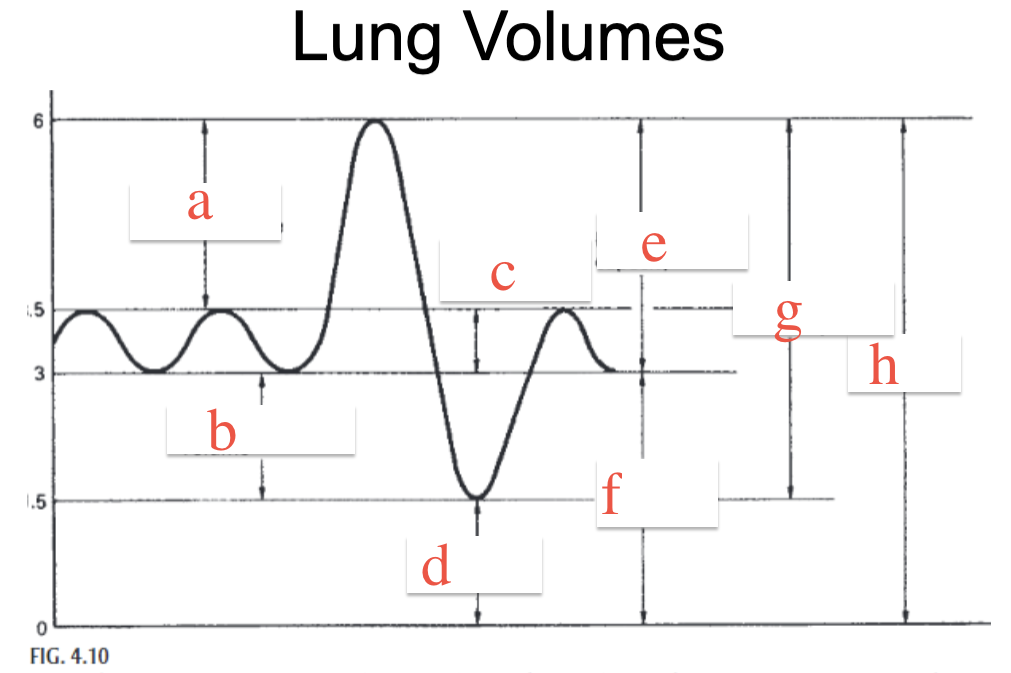
a
IRV
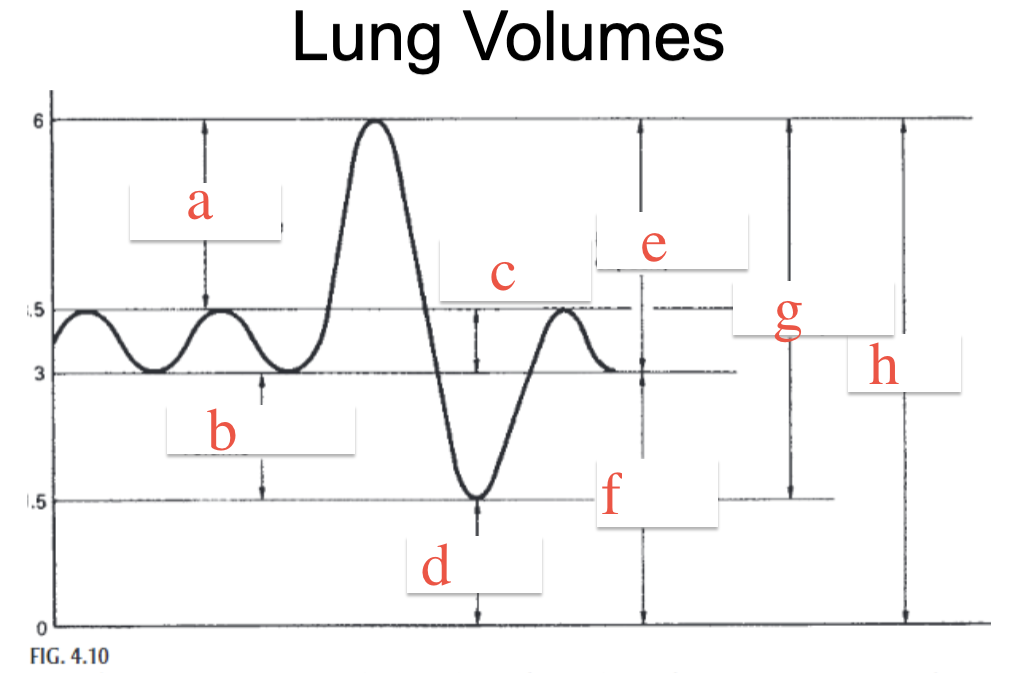
b
ERV
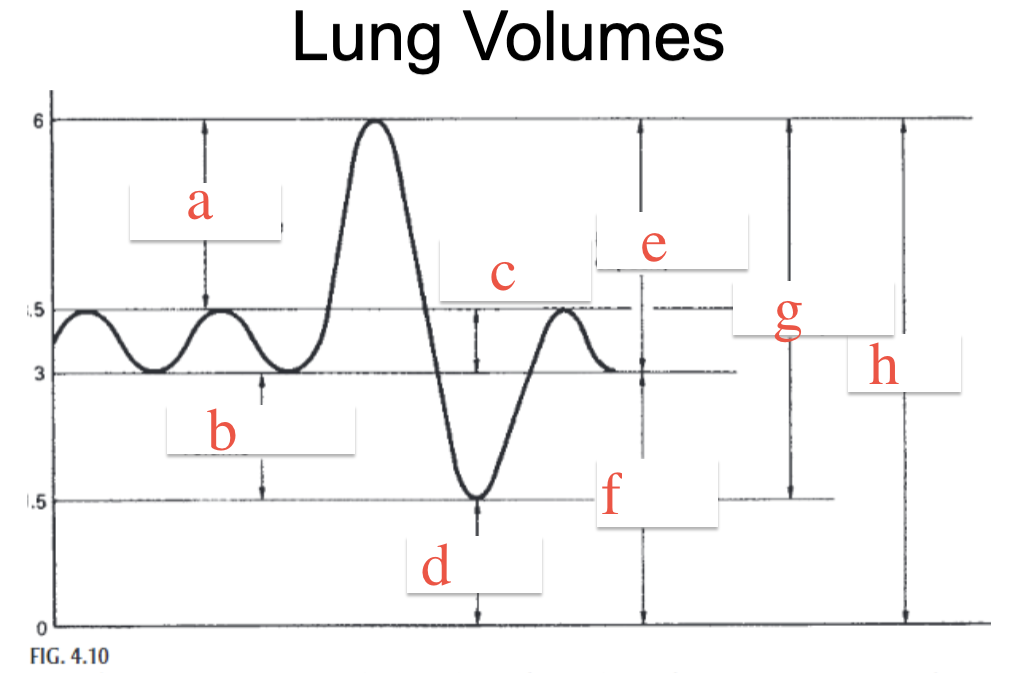
c
TV
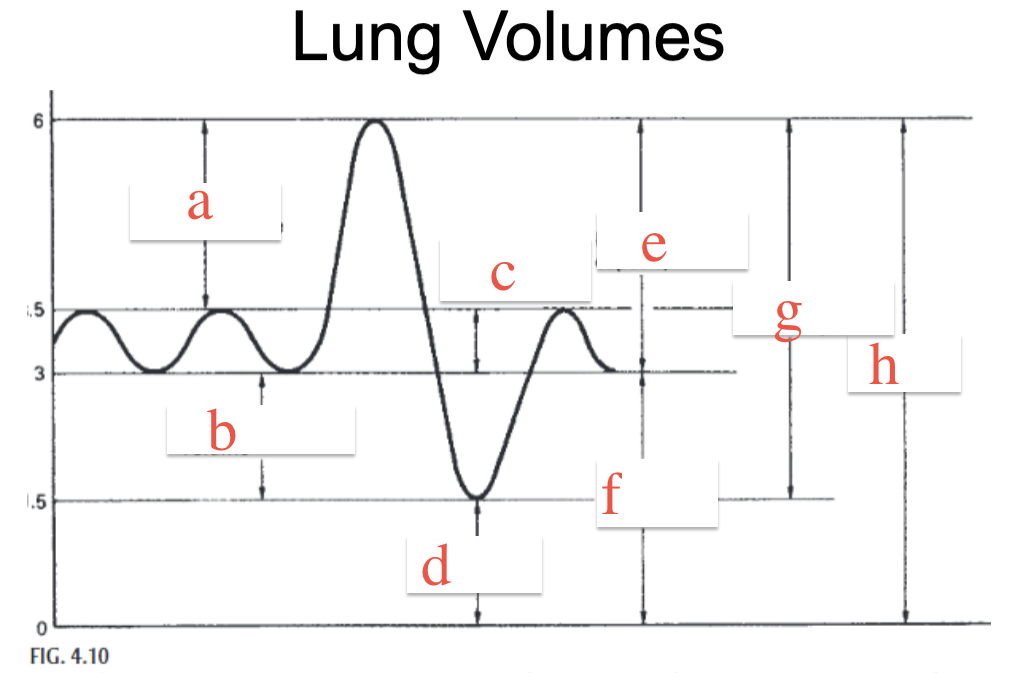
d
RV
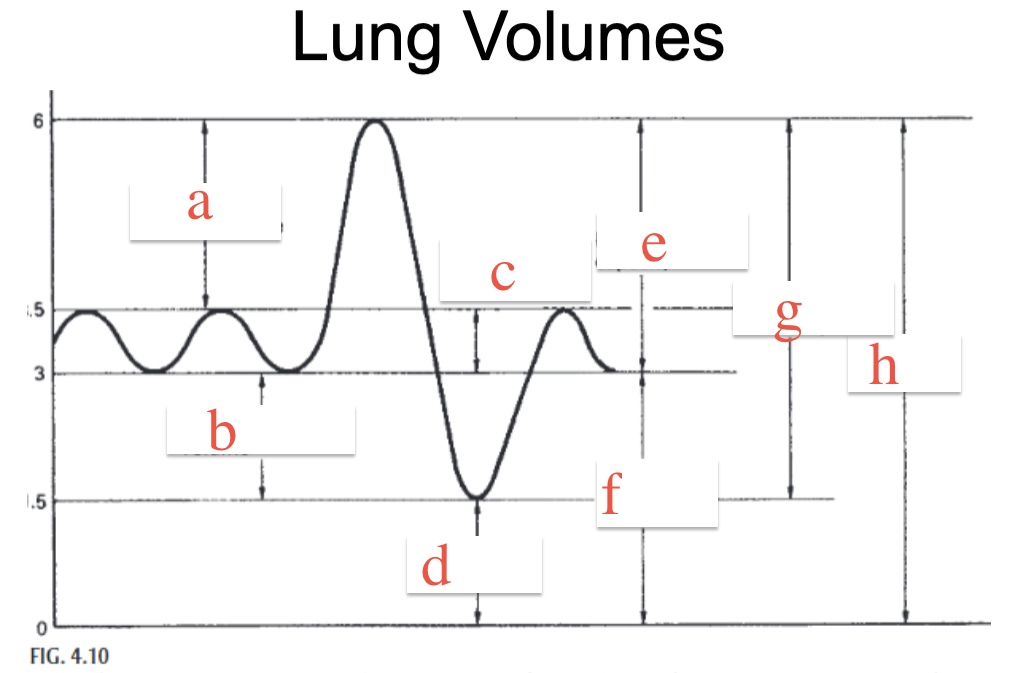
e
Inspiratory Capacity
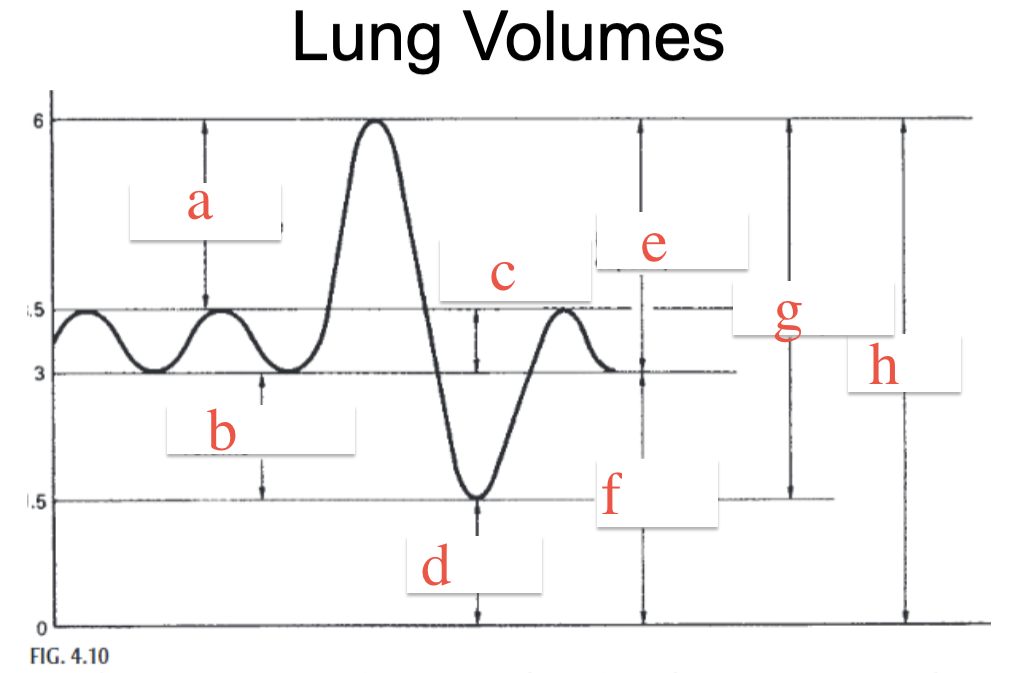
f
FRC
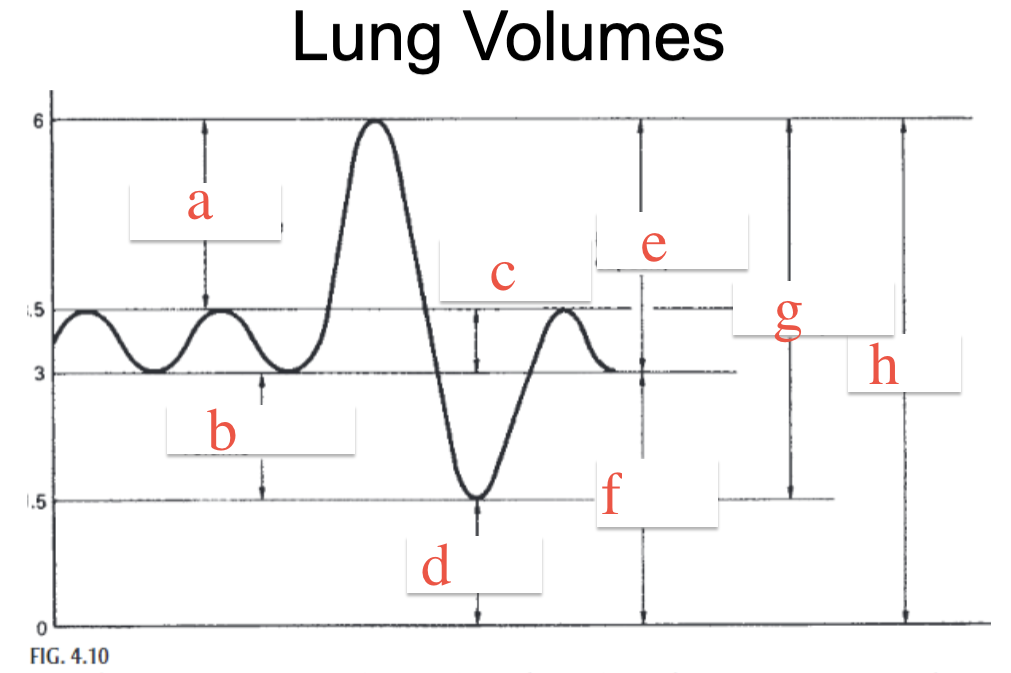
g
Vital Capacity
h
Total Lung Capacity