AP psych unit 5
 Call Kai
 Learn
Learn Practice Test
 Spaced Repetition
 Match
Match Flashcards
 Knowt Play
1/55

There's no tags or description
Looks like no tags are added yet.
Name | Mastery | Learn | Test | Matching | Spaced | Call with Kai |
|---|
No analytics yet
Send a link to your students to track their progress
56 Terms
What is the difference between the Walter Cannon’s fight-or-flight theory and the Hans Selye’s general adaptation syndrome?
Fight or flight is short term with an immediate reaction, there are no stages. On the other hand, GAS is long-term with ongoing stress, it has three stages
Health psychology
explores the impact of psychological, behavioral, and cultural factors on health and wellness.
Psychoneuroimmunology
a branch of health psychology that focuses on mind body interactions
What are the three types of stressors?
1) Catastrophes- large scale disasters
2) Significant life changes/ transitions
3) Daily hassels and social stress
approach and avoidance motives
the drive to move forward or away from a stimulus
tend-and-befriend response
under stress, people (especially women) tend to give and receive support from others.
Stress
process in which we perceive and respond to stressors
General adaptation syndrome (GAS)
Selye’s concept of the body’s adaptive responses to stress in three phases
1) alarm reaction
2) resistance
3) exhaustion
Coronary heart disease
leading cause of death in most countries-clogged heart vessels
Type A personality type
competitive, anger driven, and impatient people
Type B personality type
Easygoing and relaxed people
Catharisis
“releasing” aggressive energy relieves aggressive urges
→ BUT this is not effective and anger just brings more anger
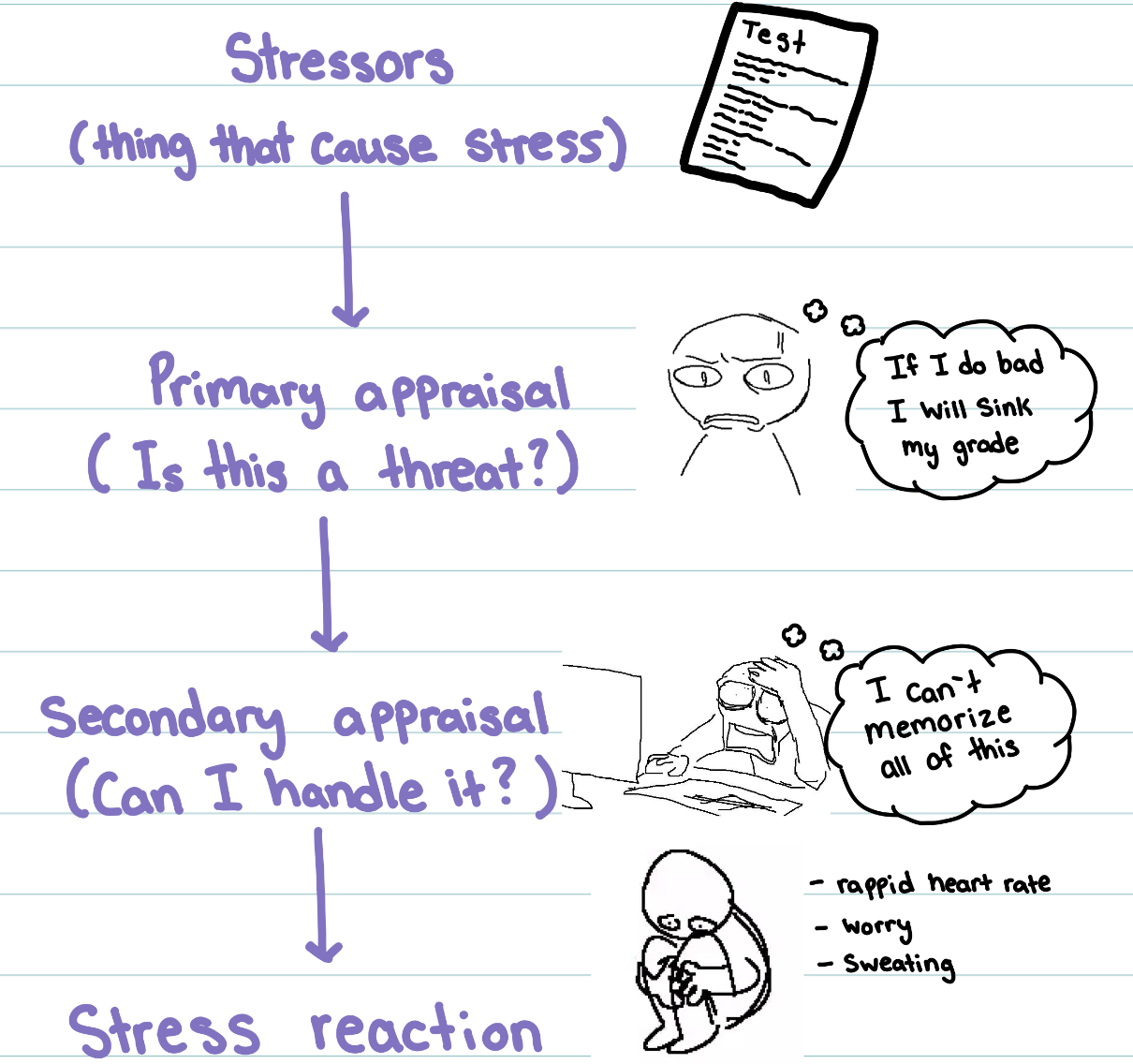
What is the transaction model?
Richard Lazarus’s model showing how stress is a “transaction” between you and your environment using primary and secondary appraisal.
Cope
Alleviating stress using emotional, cognitive, or behavioral methods. Some of which include problem-focused coping and emotion-focused coping.
Problem-focused coping
addressing stressors directly
ex) making a to-do list
Emotion- focused coping
when we can’t change a stressors we relieve stress by avoiding/ignoring the stressors and attending our emotional needs
ex) meditating or binge eating
Personal control
our sense of controlling our environment rather than feeling helpless
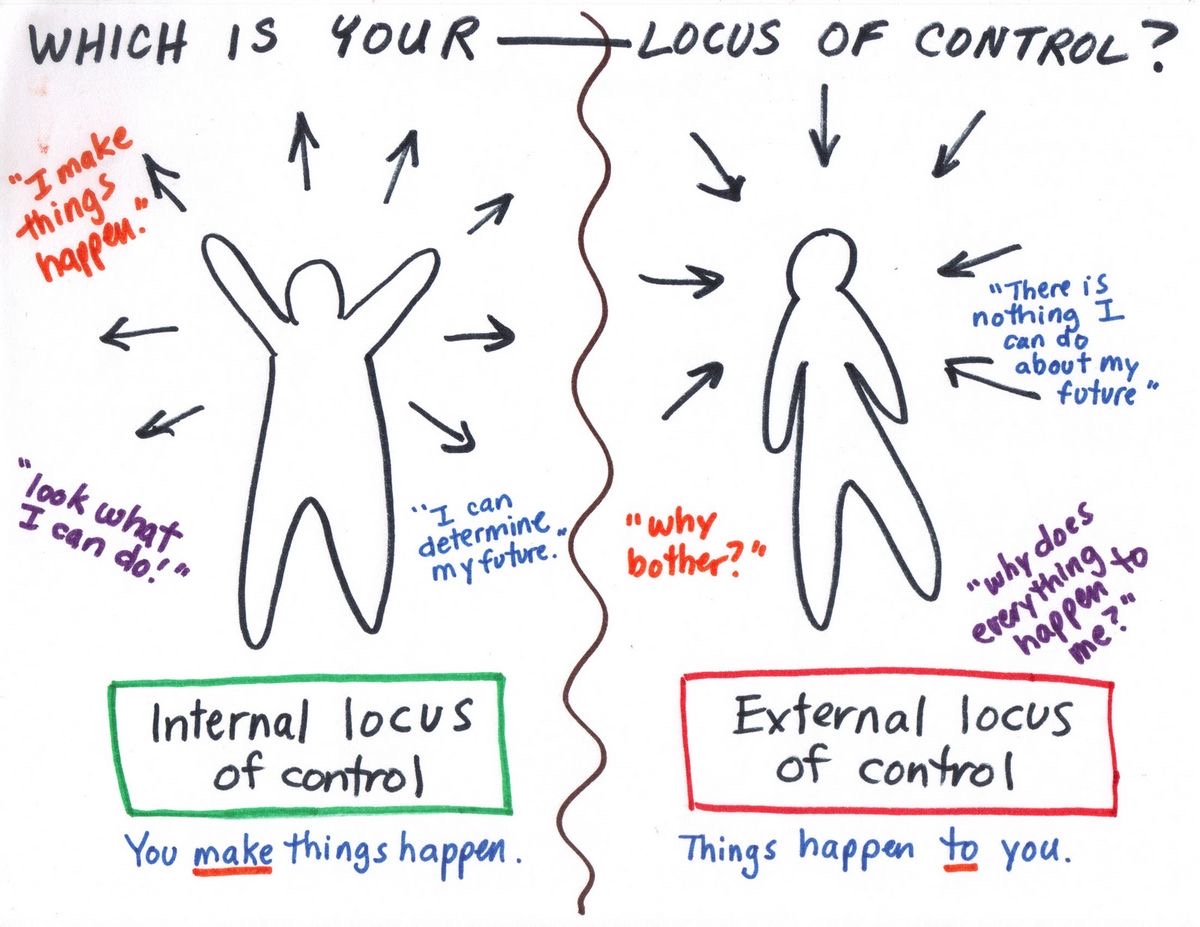
Internal locus of control
the perception that we can control our own fate
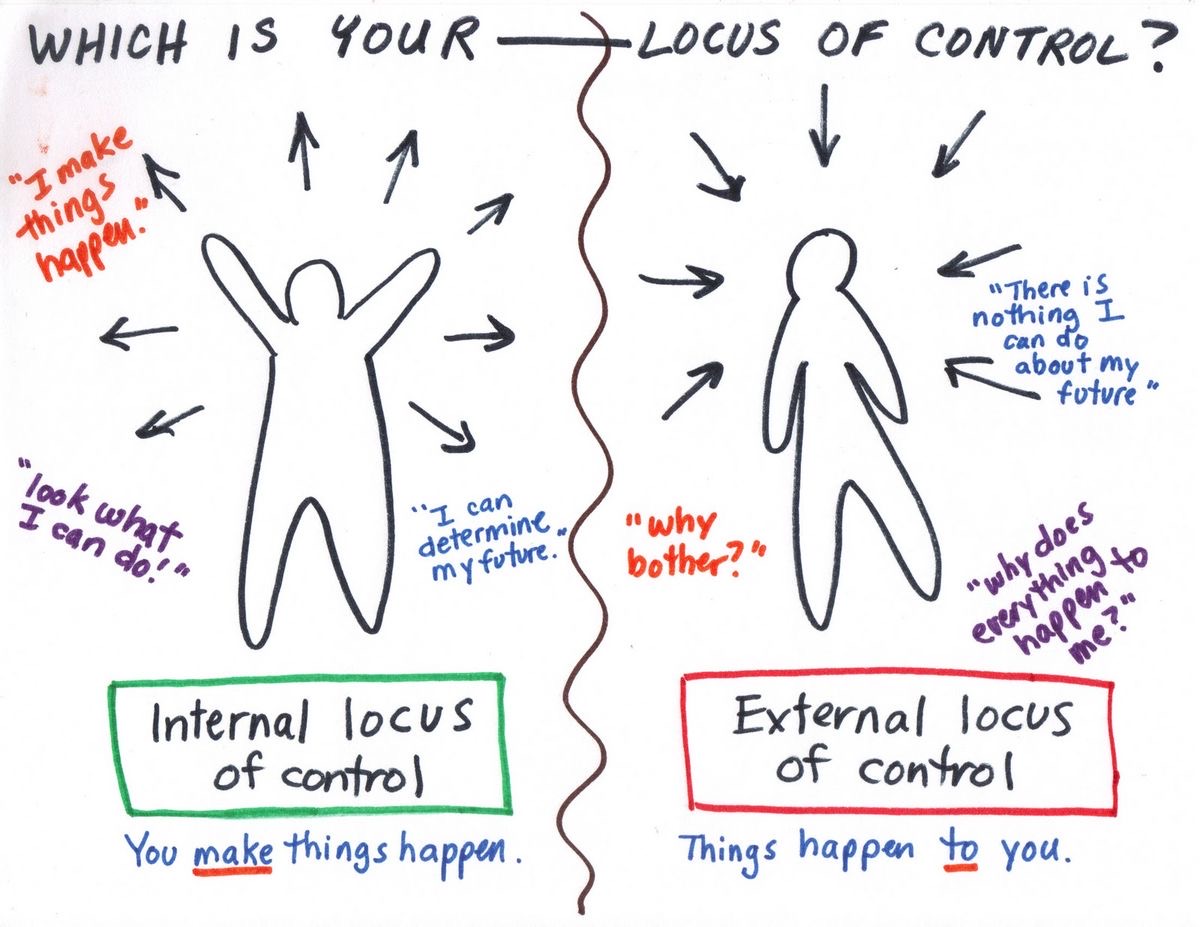
External locus of control
The perception that outside forces beyond our personal control determine our fate
Self control
the ability to control impulses and delay short-term gratification for greater long-term rewards.
Positive psychology
Building what is right (Grit, Hope, Gratitude, Flow). Scientifically studying human flourishing.
Created by Martin Seligman
Subjective well being
self-perceived happiness or satisfaction with life used along with measures of objective well-being
What are Seligmans 3 pillars of the positive psych movement?
1) positive well being
2) Positive traits
3) positive groups, communities, and cultures
Feel good- do good phenomenon
Peoples tendency to be helpful when in a good mood. The reverse is also true.
Disease model
Fixing what is broken (anxiety, depression, schizophrenia). This was the old model before positive psychology.
Adaption- level phenomenon
Our tendency to form judgments relative to a natural level defined by our prior experience.
part of The Hedonic treadmill
ex) the first chilly day of fall feels colder than the same temperature in mid winter
The nun case study
Researchers analyzed essays written by 180 nuns in the 1930s the coded them for emotional content. It was found that cheerful nuns lived longer and positively has a direct measurable impact on this longevity.

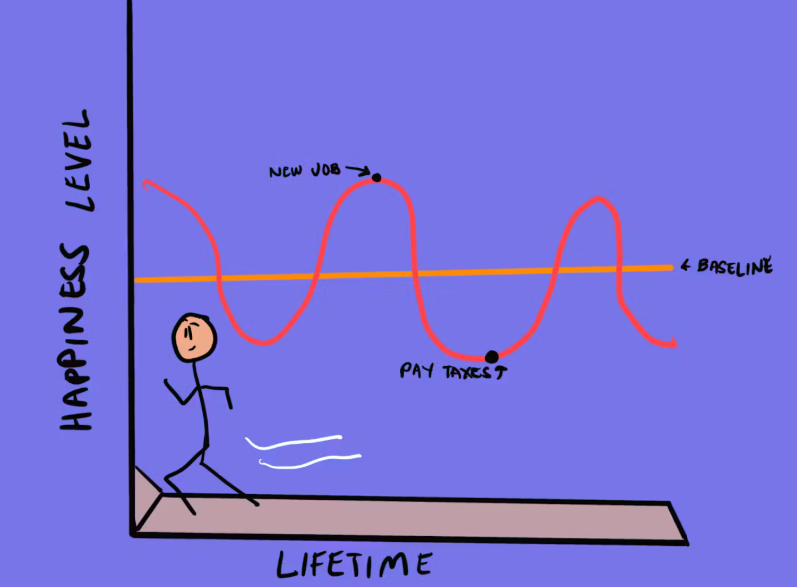
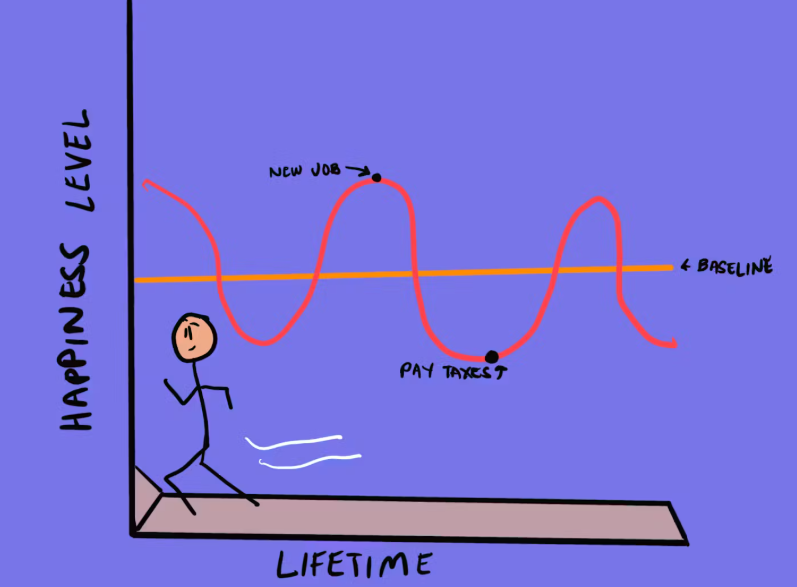
The Hedonic treadmill
people feel happy or sad for a little while after good or bad things happen, but then they go back to feeling about the same as before (baseline).
What are some things that lead to happiness?
high self esteem
positive lasting relationships
optimistic, outgoing, and agreeable outlook
work/ leisure that engages their skills
faith
Sleeping well and exercising
Broaden and build theory
positive emotions broaden awareness, which helps people build skills over time boosting well being
What are the 6 categories of Charcter strengths and virtues?
Part of Seligmans 3 pillars:
1) wisdom
2) courage
3) humanity
4) justice
5) temprance
6) transcendence
What is wisdom from the categories of Charcter strengths and virtues?
creativity, curiosity, judgment, love of learning, and perspective
What is courage from the categories of Charcter strengths and virtues?
bravery, honesty, perseverance, and zest
What is humanity from the categories of Charcter strengths and virtues?
kindness, love, and social intelligence
What is temprance from the categories of Charcter strengths and virtues?
forgiveness, humility, prudence, and self-regulation
What is trancendence from the categories of Charcter strengths and virtues?
appreciation of beauty and excellence, gratitude, hope, humor, and spirituality
What is justice from the categories of Charcter strengths and virtues?
fairness, leadership, and teamwork
What is the state of “flow”?
Created by Mihaly Csikszentmihalyi, it is the optimal experience where a person is fully immersed in an activity.
Resiliance
the personal strength that helps people cope with stress and recover from adversity and even trauma
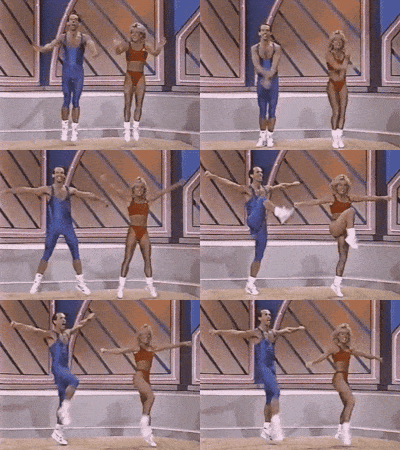
aerobic exercise
sustained exercise that increases heart and lung fitness; also helps alleviate anxiety
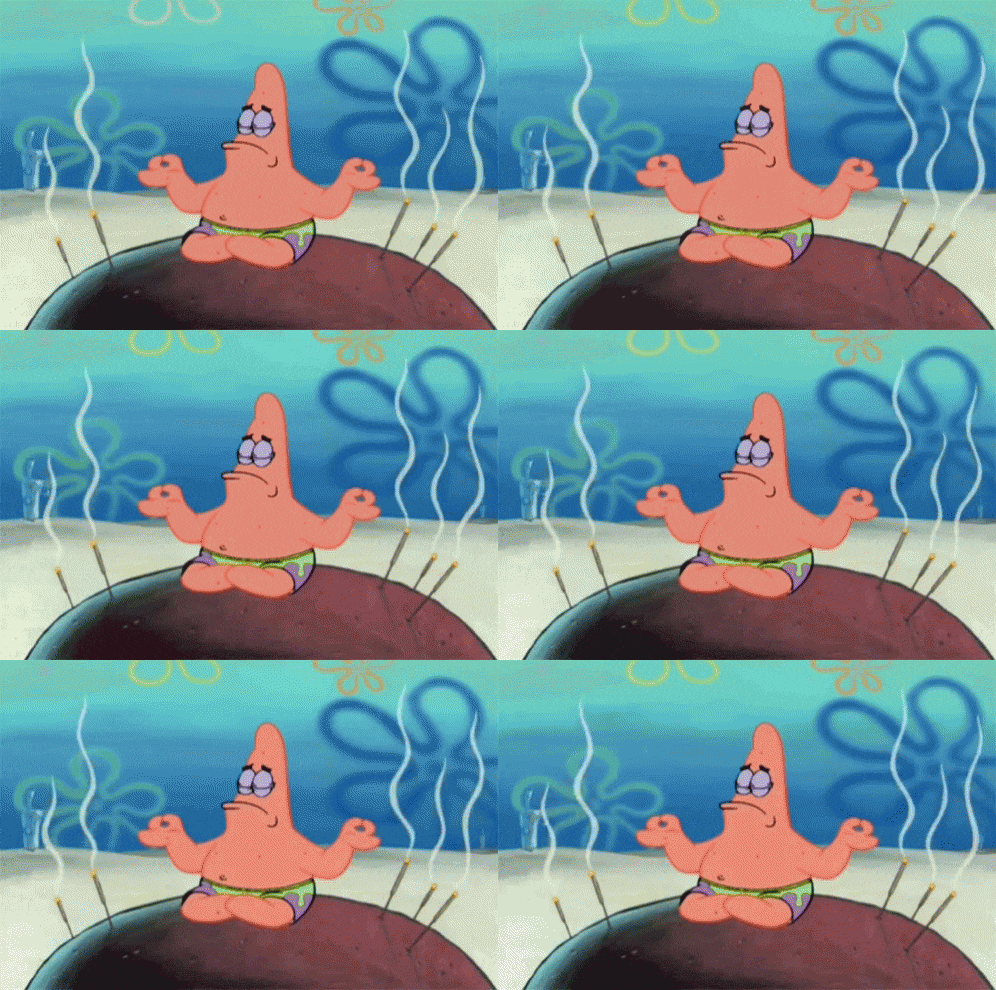
mindfullness meditation
a reflective practice in which people attend to current experiences in a non judgmental and accepting manner.
Psychological disorder
a disturbance in peoples thoughts, emotions, or behaviors that cause distress or suffering an impairs daily life
What are the 4 Ds when considering if someone has a psychological disorder?
1) Deviance- not the “norm”
2) Distress- feeling internal emotional pain (not from a specific incident)
3) Dysfunction- you are not adjusting to what needs to be adjusted
4) Danger- you are a danger to yourself and or others
Medical model
Philippe Pinel’s idea that mental illness as a physical disease requiring a “hospital” rather than a prison.
Diathesis stress model
a disorder happens when vulnerability and stress combine
ex) If someone has a family history of depression and experiences a stressful event they develop depression
Epigenetics
How the environment can influence genetic expression

The American Psychiatric Association’s Diagnostic and statistical manual of mental disorders 5th addition (DSM-5-TR)
widely used system for classifying psychological disorders, provides common language for clinicians
Eclectic approach
approach to psychotherapy that uses techniques from various forms of therapy
What is the cognitive perspective on psychological disorders?
disorders stem from illogical thought processes and “cognitive distortions”.
Overgeneralization
What is the behavioral perspective on psychological disorders?
Phobias are learned through classical conditioning.
What is the Psychodynamic perspective on psychological disorders?
Unresolved childhood conflicts and unconscious thoughts
What is the Humanistic perspective on psychological disorders?
Lack of social support and the inability to fulfill one’s potential
What is the cognitive perspective on psychological disorders?
Maladaptive, thoughts, beliefs, attitudes, or emotions
What is the biological perspective on psychological disorders?
Genetic or physiological predispositions
What is the evolutionary perspective on psychological disorders?
maladaptive forms of behaviors that enabled human survival
What is the sociocultural perspective on psychological disorders?
problematic social and cultural contexts.