19th Century Architectural Styles and Innovations in Neo-Classicism, Gothic Revival, and Steel Construction
 Call Kai
 Learn
Learn Practice Test
 Spaced Repetition
 Match
Match Flashcards
 Knowt Play
1/51

There's no tags or description
Looks like no tags are added yet.
Name | Mastery | Learn | Test | Matching | Spaced | Call with Kai |
|---|
No analytics yet
Send a link to your students to track their progress
52 Terms
What architectural movement encouraged revivals of historic styles in the 19th century?
Neo-Classicism and Romanticism
Name one historic style revived during the 19th century.
Gothic, Greek, Islamic, Byzantine, or Early Christian
Who published 'Antiquities of Athens' in 1762?
James Stuart and Nicholas Revett
What notable structure did Philip Hardwick design in 1835-37?
Euston Station
Which architect designed St. Pancras church?
William Inwood
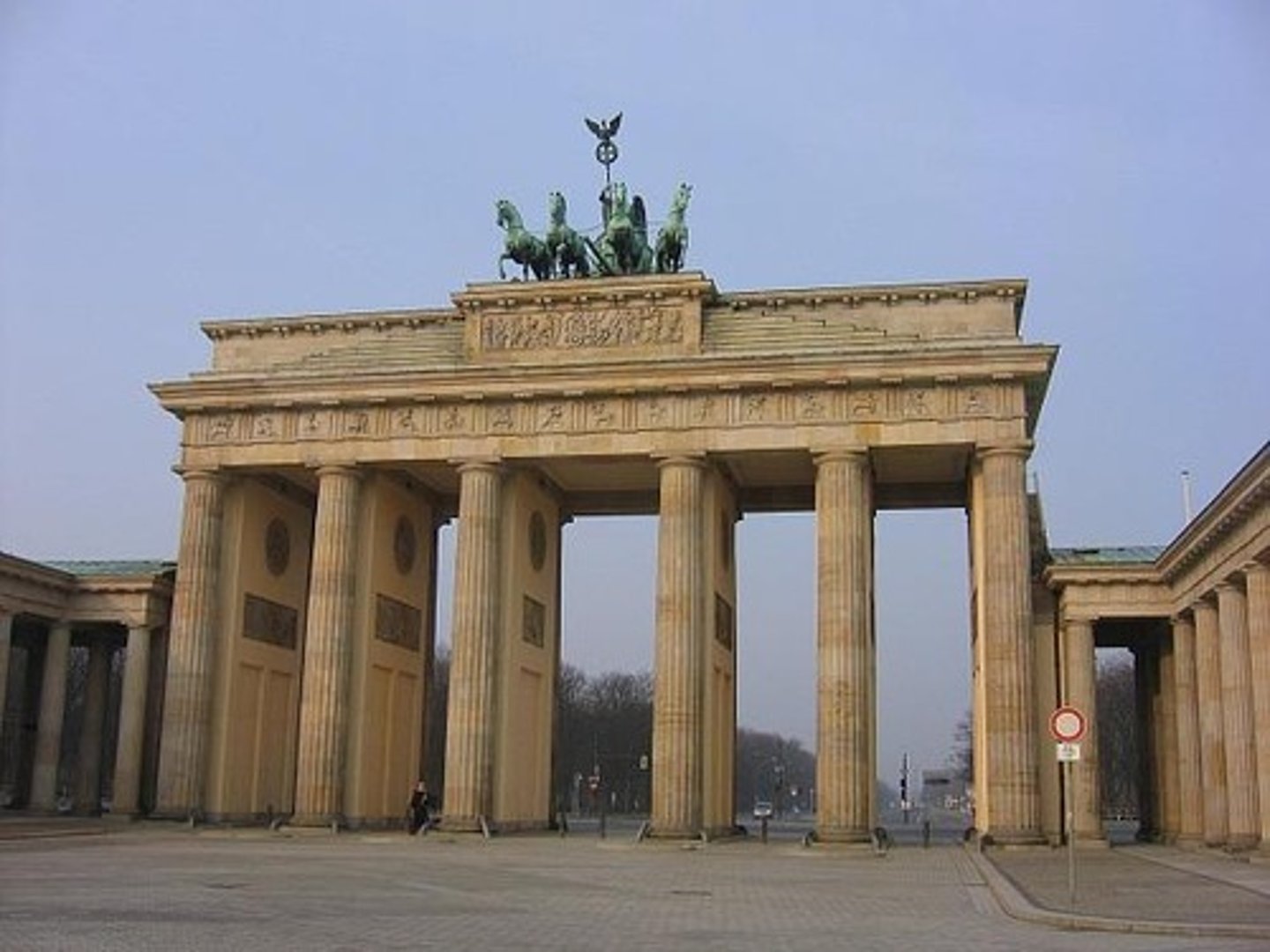
What is the Brandenburg Gate?
A gateway to Berlin designed between 1789-93
Who is considered the most recognized figure in German Neo-Classical architecture?
Karl Friedrich Schinkel
What was the Neue Wache designed by Schinkel?
A Royal Guard house built in 1817-18 in Berlin
What architectural feature is prominent in the Schauspielhaus designed by Schinkel?
Monumental exterior stairs leading to a great vestibule
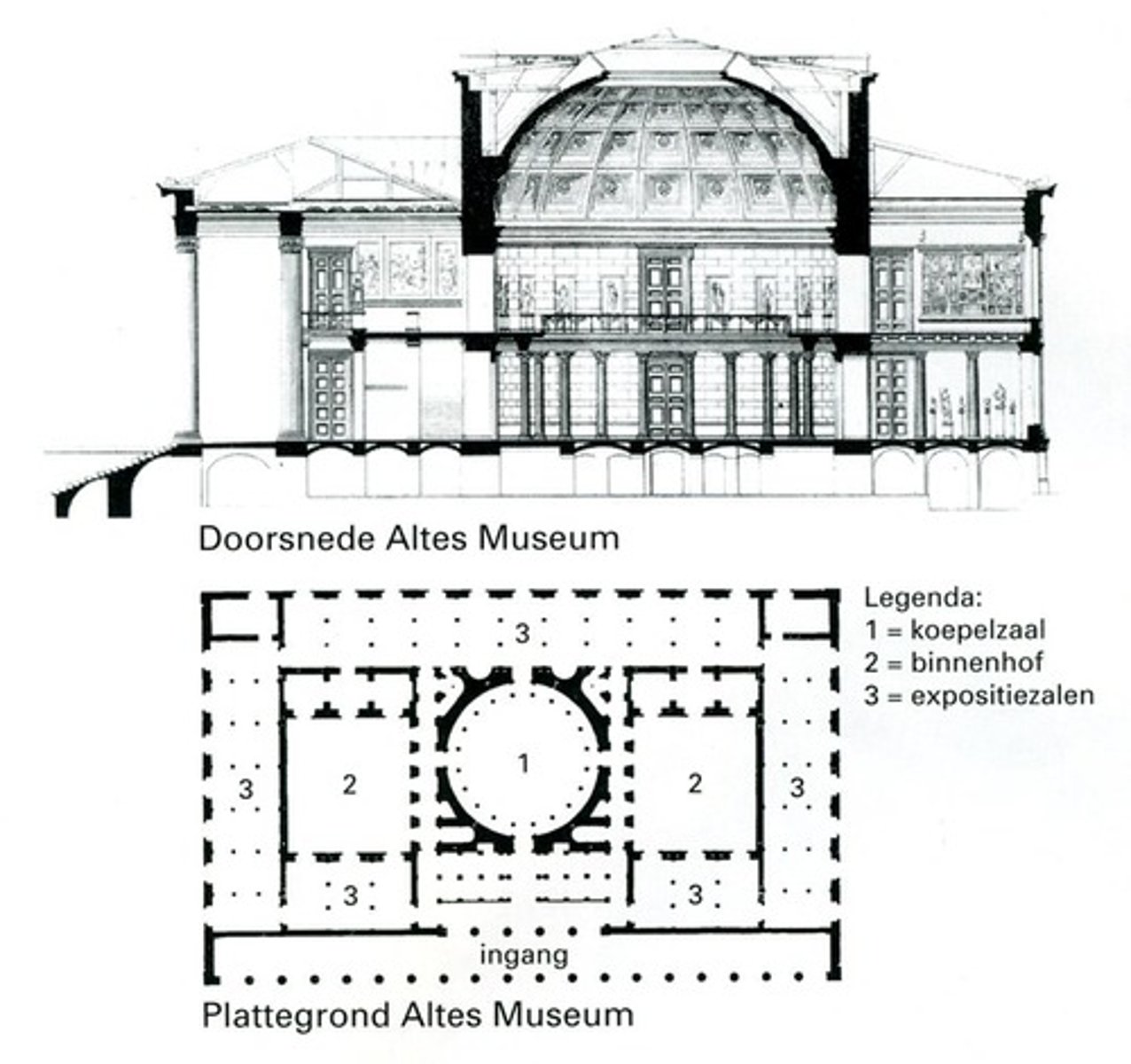
What dual purpose did the Altes Museum serve?
It was both a symbol of the Prussian state and an art museum
What style did Thomas Jefferson adopt for his architectural designs?
Palladian style
What is Monticello?
Thomas Jefferson's home designed in a colonial style
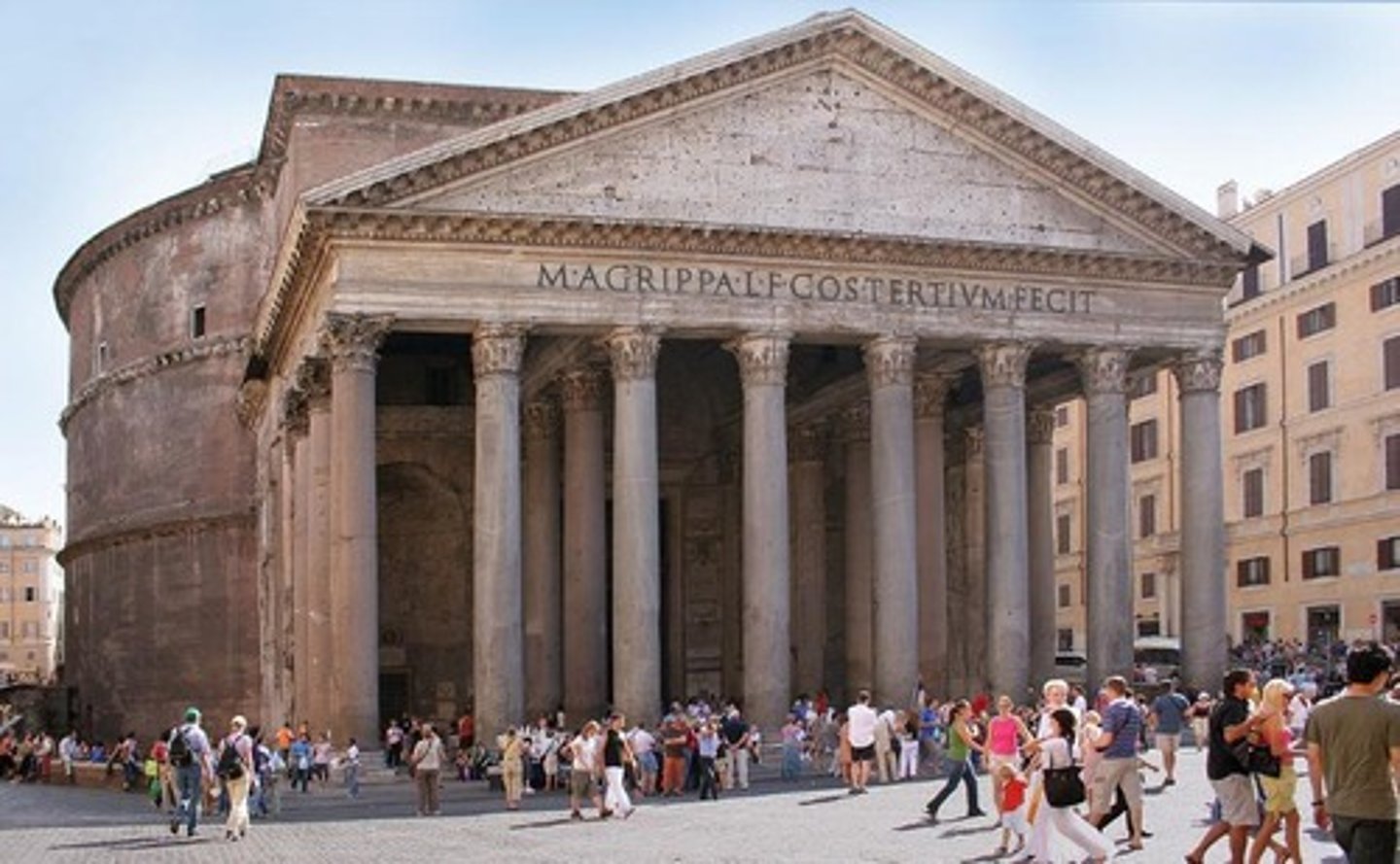
Which building did Jefferson design that resembles Rome's Pantheon?
The University of Virginia
Who was Benjamin Henry Latrobe?
The first professional architect in the U.S. and worked on the U.S. Capitol
What was the significance of the Gothic Revival in the 19th century?
It acquired a serious tone and was led by Augustus Welby Northmore Pugin
What did Pugin publish in 1841?
The True Principles of Pointed or Christian Architecture
What was Richard Upjohn known for?
Being the first American architect to follow Pugin's principles
What style did Trinity Church in New York City utilize?
Decorated Gothic style
What was the Ecole Des Beaux-Arts?
A school in France that emphasized Classical architecture over Gothic
Who was Richard Morris Hunt?
The first American to attend the Ecole Des Beaux-Arts and a prominent architect
What is The Breakers?
A structure built for the Vanderbilt family in Newport, Rhode Island
What is the Biltmore?
A hunting lodge built for the Vanderbilts in Asheville, North Carolina
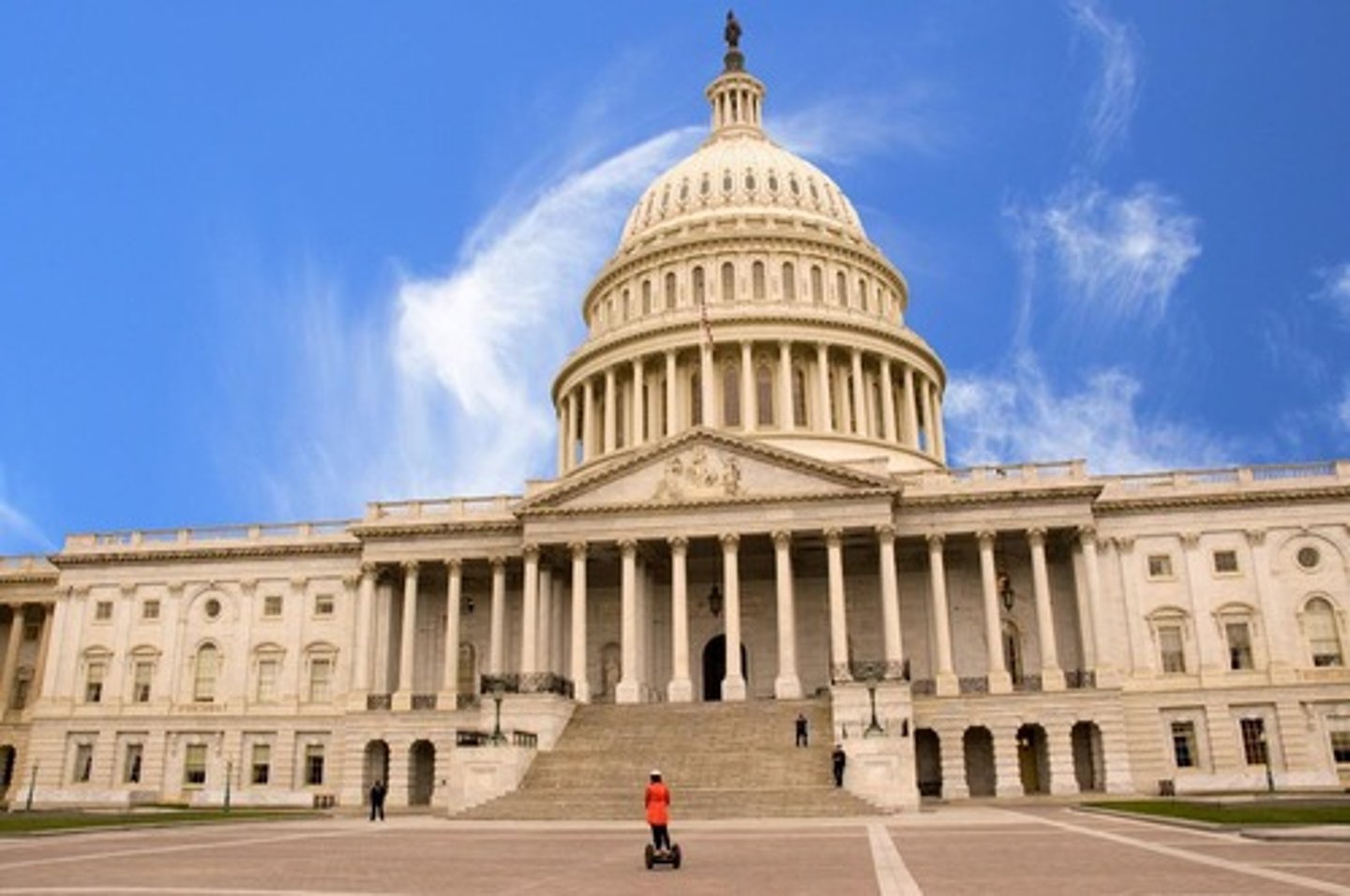
What architectural feature did the United States Capitol Building originally have?
Palladian style
What was the impact of the Ecole Des Beaux-Arts on American architecture?
It influenced both public and private sector architecture in the late 19th century
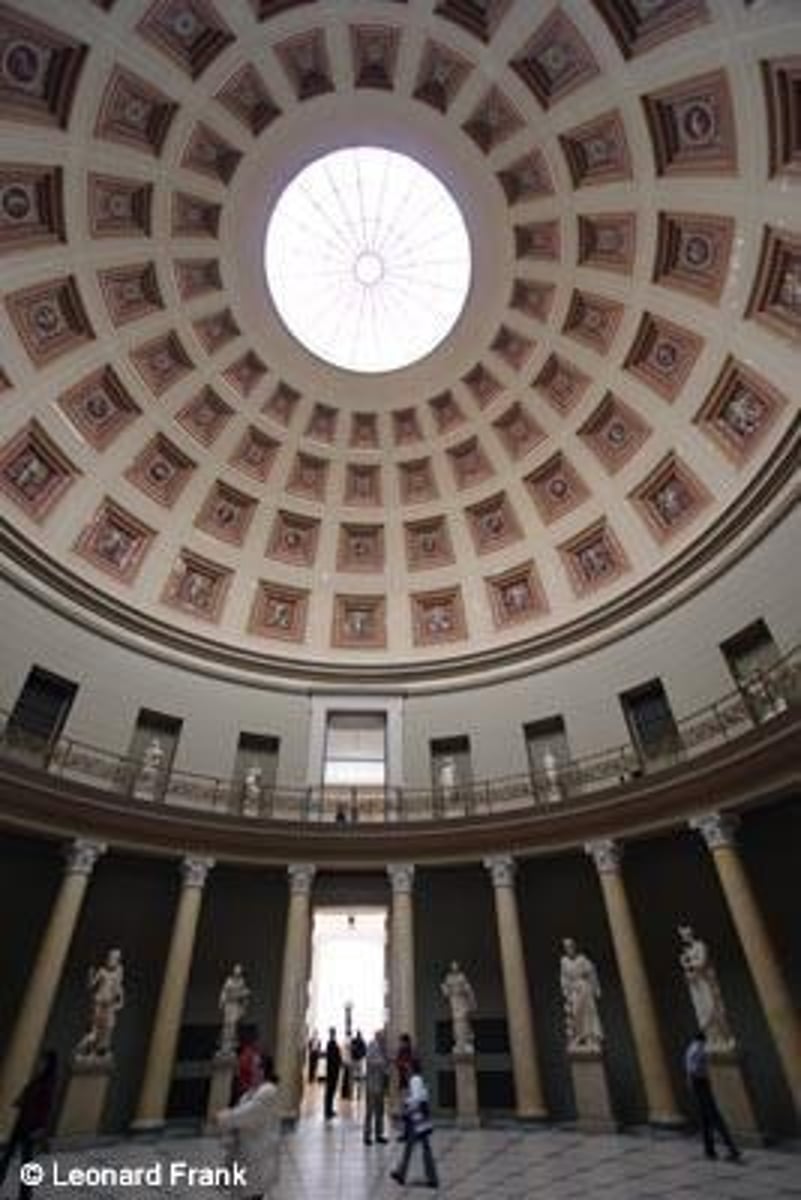
What was the function of the Altes Museum's central rotunda?
It was designed to be a magnificent symbol of the Prussian state
What did Pugin believe about Gothic architecture?
He regarded it as the only correct expression of Christian faith and values
Who was Joseph Paxton?
A landscape gardener who revolutionized architecture with the design of the Crystal Palace for the 1851 World's Fair.
What significant structure did Joseph Paxton design?
The Crystal Palace, constructed of iron beams and glass.
What was the primary material used in the construction of the Crystal Palace?
Iron beams and glass.
What was the significance of the Industrial Revolution for architecture?
It led to the mechanization of construction and the use of iron and steel in building design.
What are the advantages of cast iron in architecture?
Cast iron has high compressive strength, making it suitable for columns.
What is wrought iron primarily used for?
Wrought iron is used for beams due to its tensile strength.
What is a truss bridge?
A rigid framework composed of shorter members that can span great distances.
What was the Iron Bridge at Coalbrookdale?
One of the first steel bridges, completed in 1779.
Who designed the Clifton Suspension Bridge?
Isambard Kingdom Brunel.
What was unique about the Britannia Bridge?
It used two parallel box tubes of hollow rectangular beams of wrought iron plates.
What was the Menai Bridge known for?
It was a suspension bridge designed by Thomas Telford using chains made of wrought iron.
Who designed the Brooklyn Bridge?
John Roebling.
What was the height of the Eiffel Tower?
1,010 feet, making it the tallest structure in the world at the time.
What was the purpose of the Eiffel Tower?
It was erected for the Paris International Exposition in 1889.
What role did Gustave Eiffel play in the Statue of Liberty?
He designed the iron internal skeleton that supports the copper skin of the statue.
What is the Chicago School in architecture?
A movement that developed the skyscraper as a response to rising urban real-estate values.
What was the Home Life Insurance Building known for?
Considered the first skyscraper, designed by William LeBaron Jenney.
What is the significance of the Monadnock Building?
Designed by Burnham and Root, it featured a total absence of ornamental elaboration.
What architectural innovation did the Reliance Building showcase?
It featured a steel framing technique that allowed rapid construction.
What was the Bibliothèque Sainte-Geneviève known for?
Designed by Henry Labrouste, it featured a Neo-Classical façade and a unique interior reading room.
What was the construction period of the Grand Bibliothèque Nationale?
1857-67, also designed by Henry Labrouste.
What was the primary innovation of the Chicago School?
The use of steel frames to brace for lateral wind loads in skyscrapers.
How did the Industrial Revolution impact urban living conditions?
It led to overcrowded cities with pollution and disease, but also advancements in architecture.
What is the significance of prefabrication in the construction of the Crystal Palace?
It allowed for rapid assembly, taking only a few months to complete.
What was the role of American builders in the 19th century?
They became primary innovators in metal frame construction for buildings.
What was the impact of the 1871 Chicago fire on architecture?
It led to the rebuilding of the business section using fireproof metal frames.