TEST 4 - THERAPY FOR INDIVIDUAL PHONEMES
 Call Kai
 Learn
Learn Practice Test
 Spaced Repetition
 Match
Match Flashcards
 Knowt Play
1/12

There's no tags or description
Looks like no tags are added yet.
Name | Mastery | Learn | Test | Matching | Spaced | Call with Kai |
|---|
No analytics yet
Send a link to your students to track their progress
13 Terms
RESPONSE TO INTERVENTION MODEL (RTI MODEL)
upload screenshot
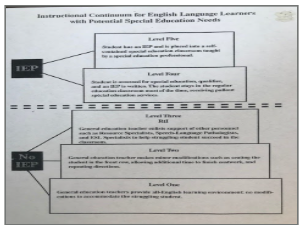
just read
speech requires motor movement that is complex, automatic, and effortless
accomplished by motor learning and motor memory
MOTOR LEARNING
acquisition of ____ motor skills in order to execute complex motor movements and sequences
is dependent on:
good ___
trial & error
______
acquisition of NEW motor skills in order to execute complex motor movements and sequences
is dependent on:
good INSTRUCTION
trial & error
FEEDBACK
Motor memory develops ______ of the newly learned motor movement
It’s all about ______ repetition and practice
Practice results in brain reorganization due to neural _______
Allows movement to be done without conscious thought
Motor memory develops automaticity of the newly learned motor movement
It’s all about constant repetition and practice
Practice results in brain reorganization due to neural plasticity
Allows movement to be done without conscious thought
IN TERMS OF PRACTICE
_____ : # of correct responses in a practice session
_____ dose progress is directly related to rate of progress
use token, work fast and _______
DOSE : # of correct responses in a practice session
HIGH dose progress is directly related to rate of progress
use token, work fast and DRILL
T/F drilling and repetition are not helpful
does distributed practice throughout the week or singular practice once a week better facilitate short term and long term learning?
FALSE - drill & repeat are important hoe
distributed practice throughout the week > > >
T/F children should practice throughout the day (before dinner & in the car)
TRUE
TEACHING K & G
dorsum of the tongue must raise to contact the ____ palate and form a seal which completely _____ the air stream
does the front or back of the tongue suddenly pull away from the velum to create a burst of air for k/g
dorsum of the tongue must raise to contact the SOFT palate and form a seal which completely BLOCKS the air stream
the BACK of the tongue suddenly pulls away from the velum to create a burst of air for k/g
STRATEGIES FOR ELICITING K/G
for what phonological process should we hold down the tongue tip?
to produce k/g, we can also place a finger under the child’s _____ and push up
use a nasty toothette with nasty flavored spray and place it on the hard palate → when child squeezes their tongue up to the hard palate they will make a “tasty” (nasty) /k/
fronting
ZE CHIN
STRATEGIES FOR ELICITING K/G cont..
tell the child to hold his tongue against his _____ teeth and hold his hand in front of his mouth to feel the burst of air as he imitates you - should he raise the front or back of tongue?
use a ______, and have the client imitate you
use a tongue depressor to push the tongue [ down and forward or upward and back?] in the oral cavity
tell the child to hold his tongue against his LOWER teeth and hold his hand in front of his mouth to feel the burst of air as he imitates you - HE SHOULD RAISE THE BACK OF HIS TONGUE
use a MIRROR, and have the client imitate you
use a tongue depressor to push the tongue [upward and back] in the oral cavity
STRATEGIES FOR ELICITING K/G cont.
put nasty marshmallow cream on the child’s soft palate
hold a piece of tissue, paper, feather, etc to demonstrate _____
say /?????/, raise tongue to contact soft palate and make a burst of air
put nasty marshmallow cream on the child’s soft palate
hold a piece of tissue, paper, feather, etc to demonstrate ASPIRATION
say /iiiiiii/, raise tongue to contact soft palate and make a burst of air
MORE DAMN K/G TECHNIQUES I WANNA CRY
have the child make a prolonged /????/ and slide into /k/
while the child produces /??/, pinch their nose and /k/ is inevitable
have the child make a prolonged /nggggg/ and slide into /k/
while the child produces /ng/, pinch their nose and /k/ is inevitable