exam iii
 Call Kai
 Learn
Learn Practice Test
 Spaced Repetition
 Match
Match Flashcards
 Knowt Play
1/151

There's no tags or description
Looks like no tags are added yet.
Name | Mastery | Learn | Test | Matching | Spaced | Call with Kai |
|---|
No analytics yet
Send a link to your students to track their progress
152 Terms
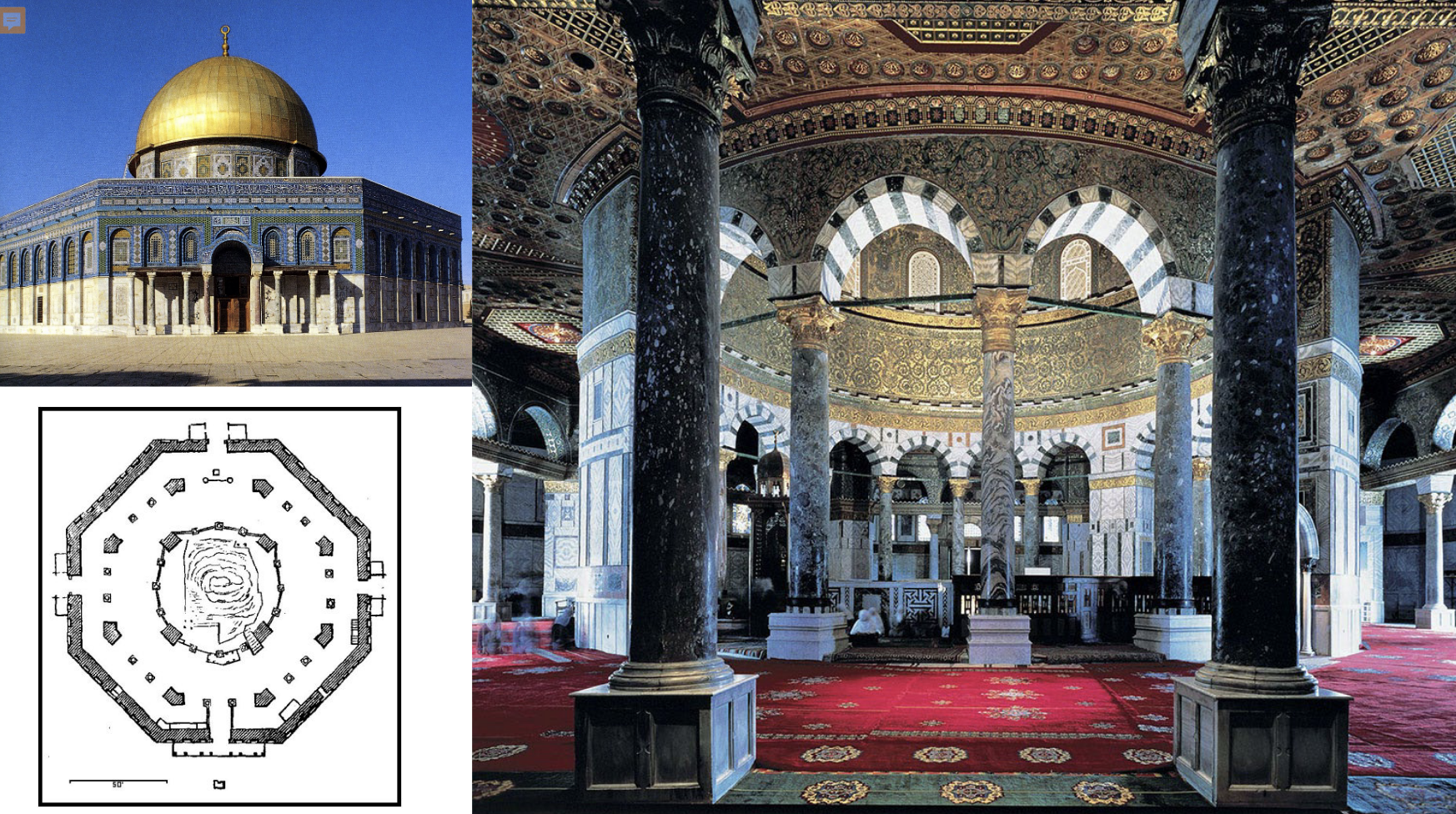
Dome of the Rock
Dome of the Rock designer
Umayyad Caliphate
Dome of the Rock place
Jerusalem
Dome of the Rock date
632–691 CE
Dome of the Rock significance
key architectural and spiritual landmark
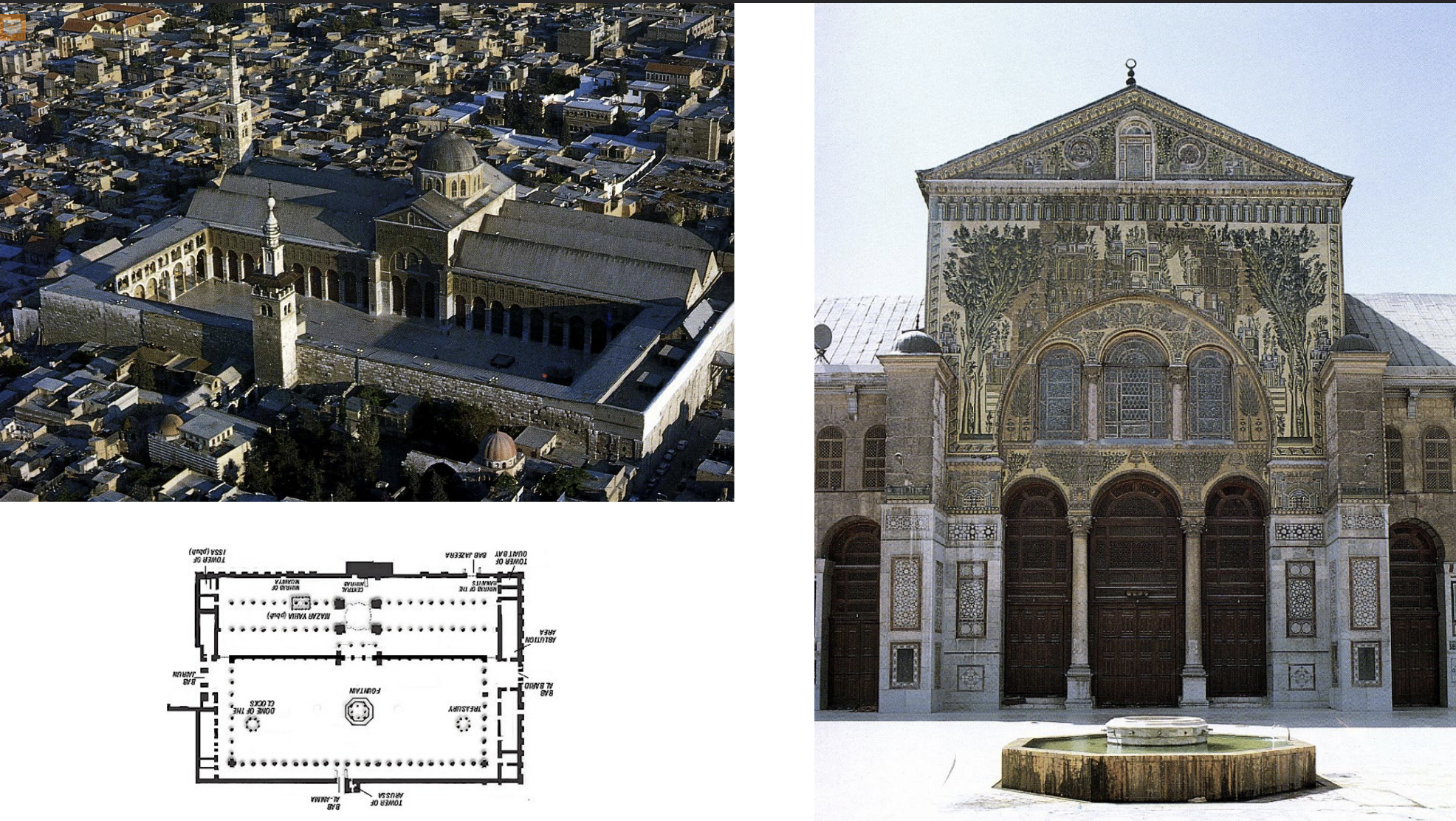
Umayyad Mosque
Umayyad Mosque designer
Umayyad Caliphate
Umayyad Mosque place
Damascus, Syria
Umayyad Mosque date
ca. 706–715 CE
Umayyad Mosque significance
Early monumental mosque; established hypostyle plan.
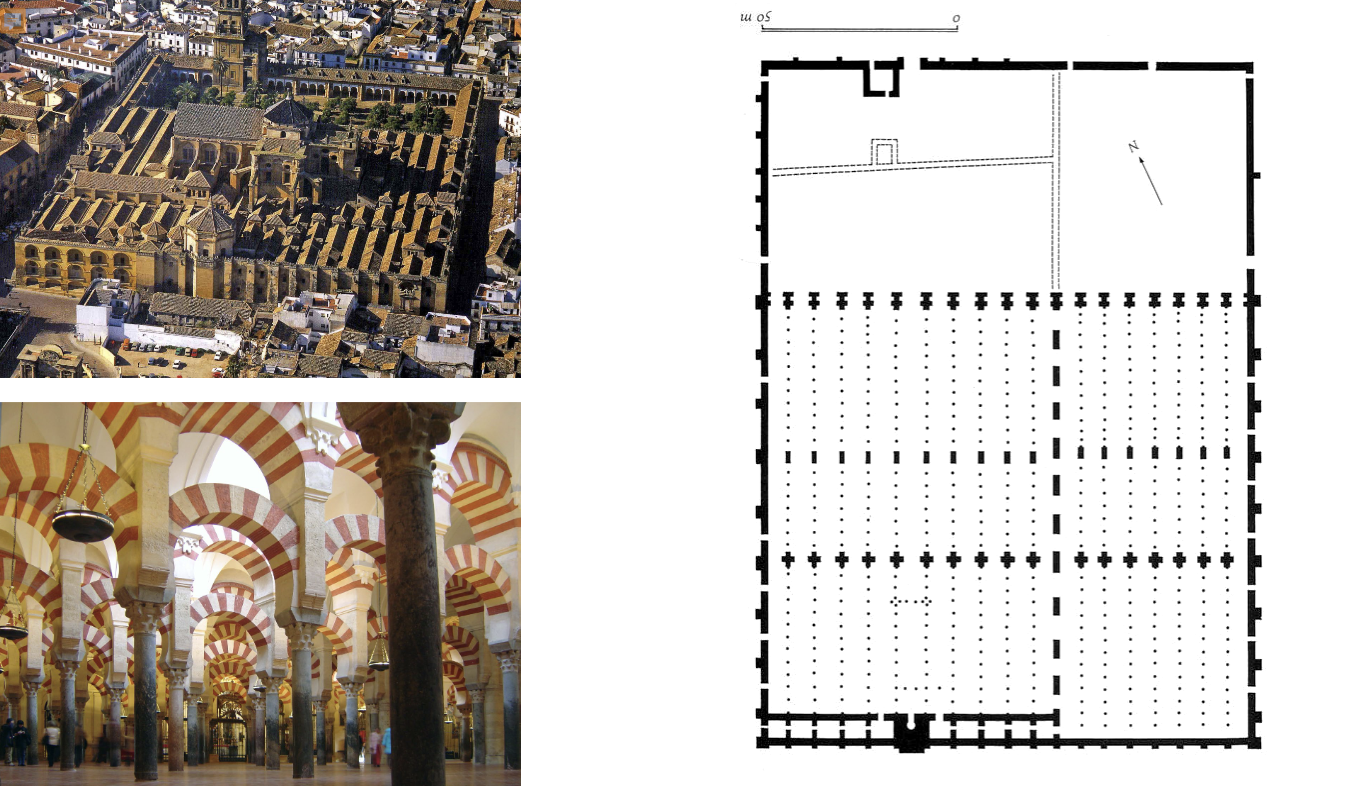
Great Mosque of Córdoba
Great Mosque of Córdoba designer
Umayyad (Al
Great Mosque of Córdoba place
Córdoba, Spain
Great Mosque of Córdoba date
786 CE
Great Mosque of Córdoba significance
reflects cultural and artistic synthesis of islamic and local traditions
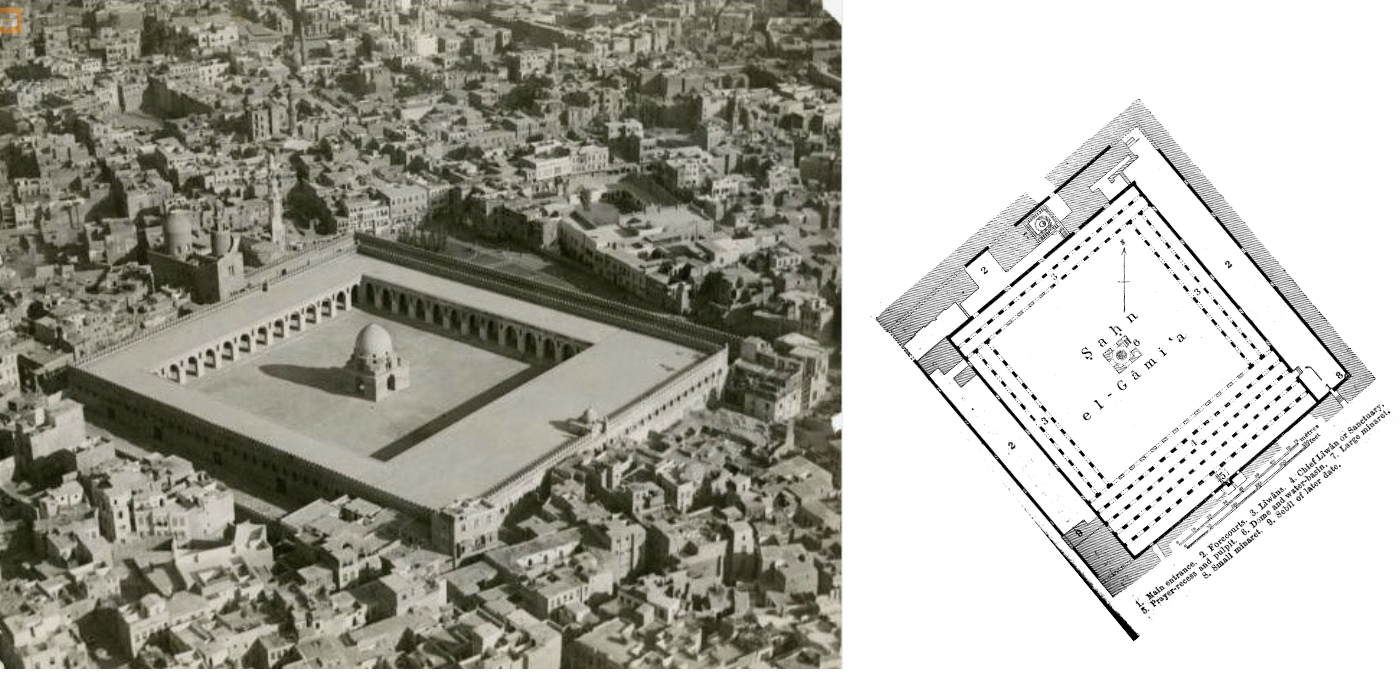
Mosque of Ibn Tulun
Mosque of Ibn Tulun designer
Abbasid
Mosque of Ibn Tulun place
Fustat (Cairo), Egypt
Mosque of Ibn Tulun date
879 CE
Mosque of Ibn Tulun significance
Early Egyptian mosque; spiral minaret.
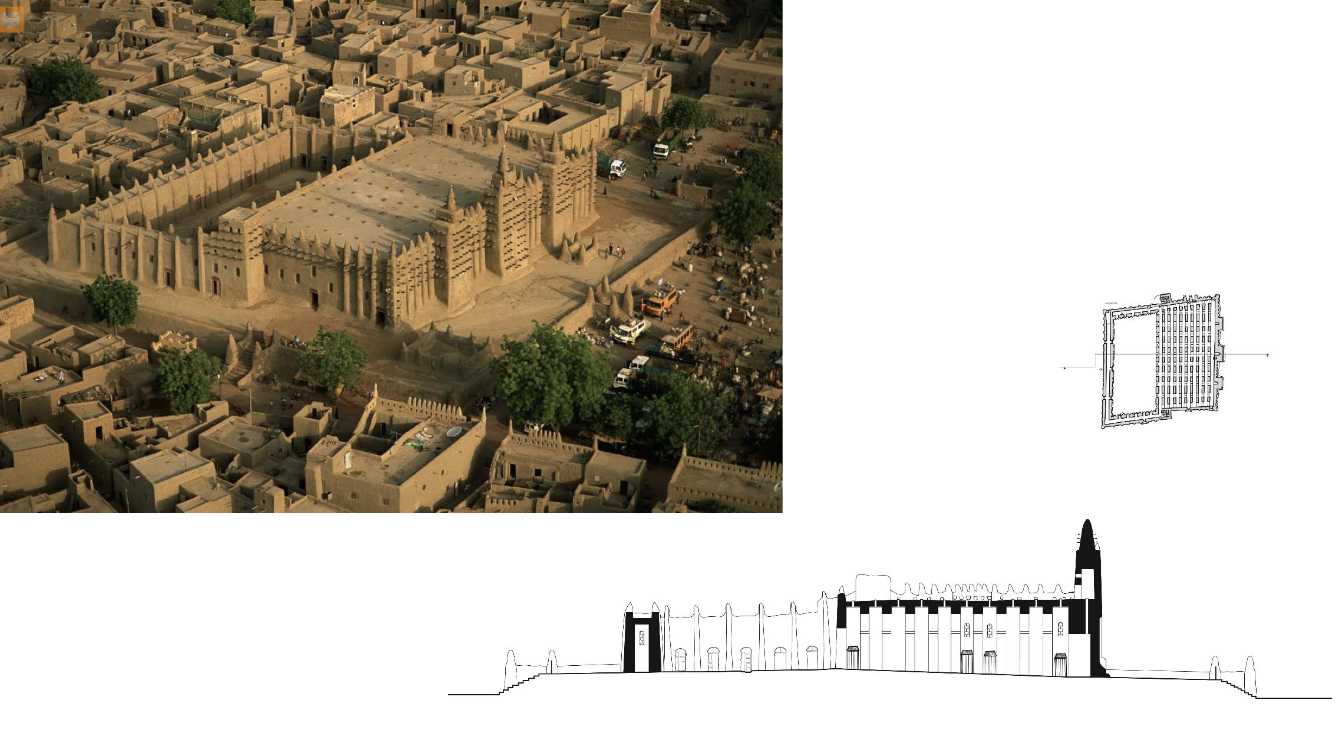
Great Mosque of Djenné
Great Mosque of Djenné designer
Sudano
Great Mosque of Djenné place
Djenné, Mali
Great Mosque of Djenné date
13th century (rebuilt 1907)
Great Mosque of Djenné significance
blends islamic design with local materials and techniques
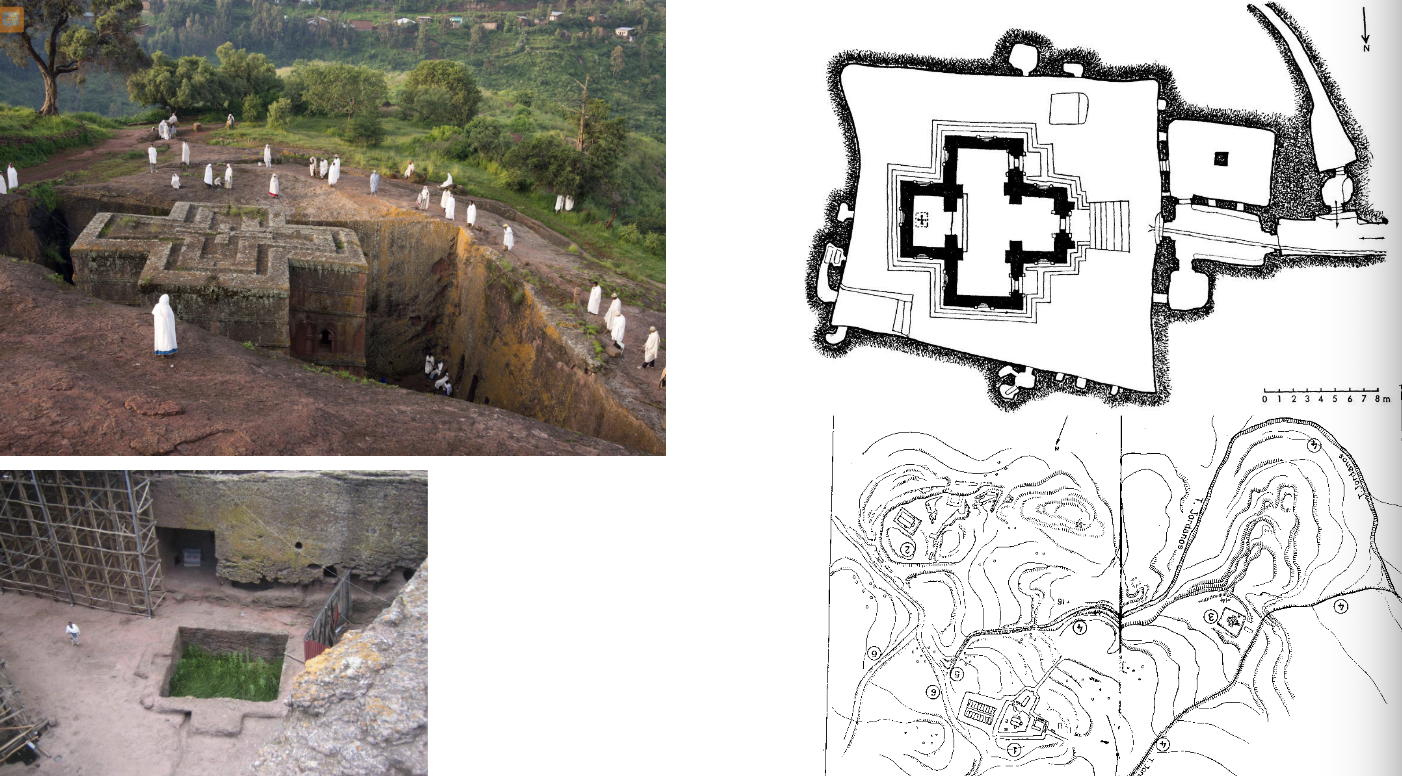
Bieta Giorgis
Bieta Giorgis designer
Ethiopian Christian (Zagwe)
Bieta Giorgis place
Lalibela, Ethiopia
Bieta Giorgis date
c. 1200 CE
Bieta Giorgis significance
monolithic masterpiece
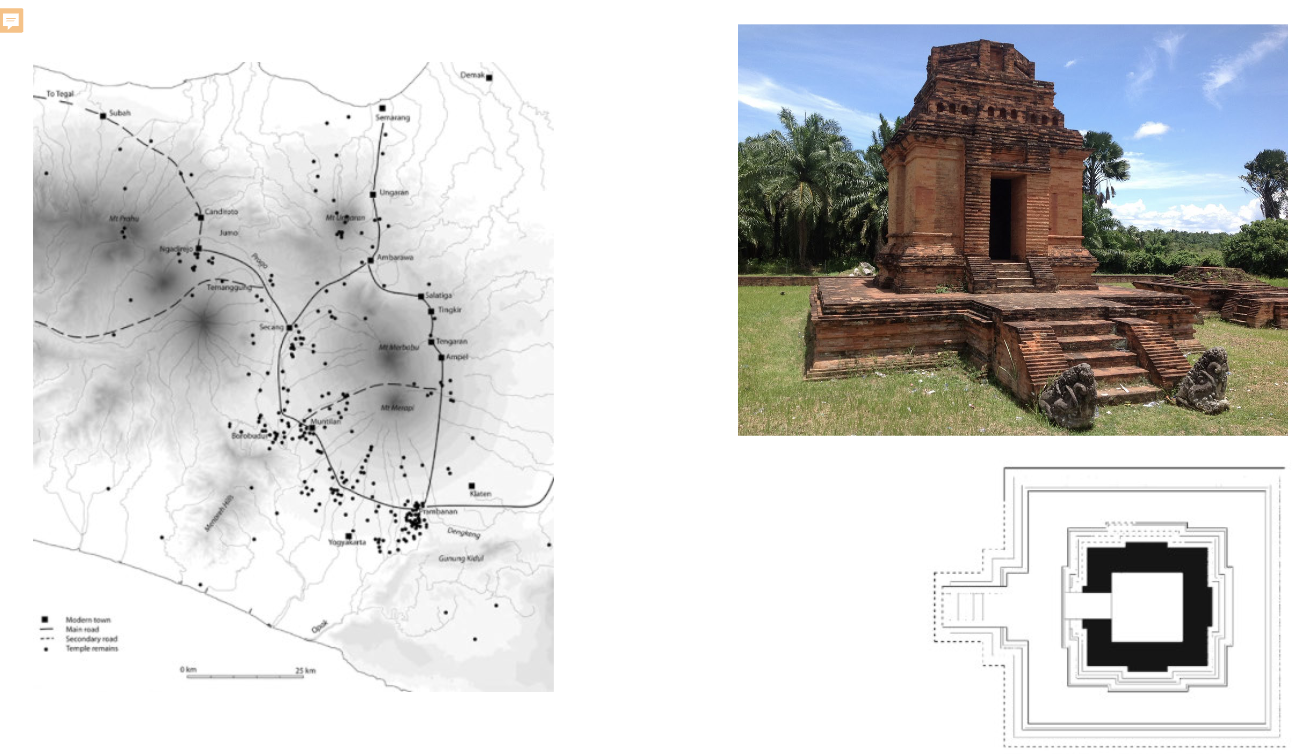
Candi Bahal II
Candi Bahal II designer
Buddhist
Candi Bahal II place
Sumatra, Indonesia
Candi Bahal II date
11th–13th century
Candi Bahal II significance
religious sites in sacred spaces
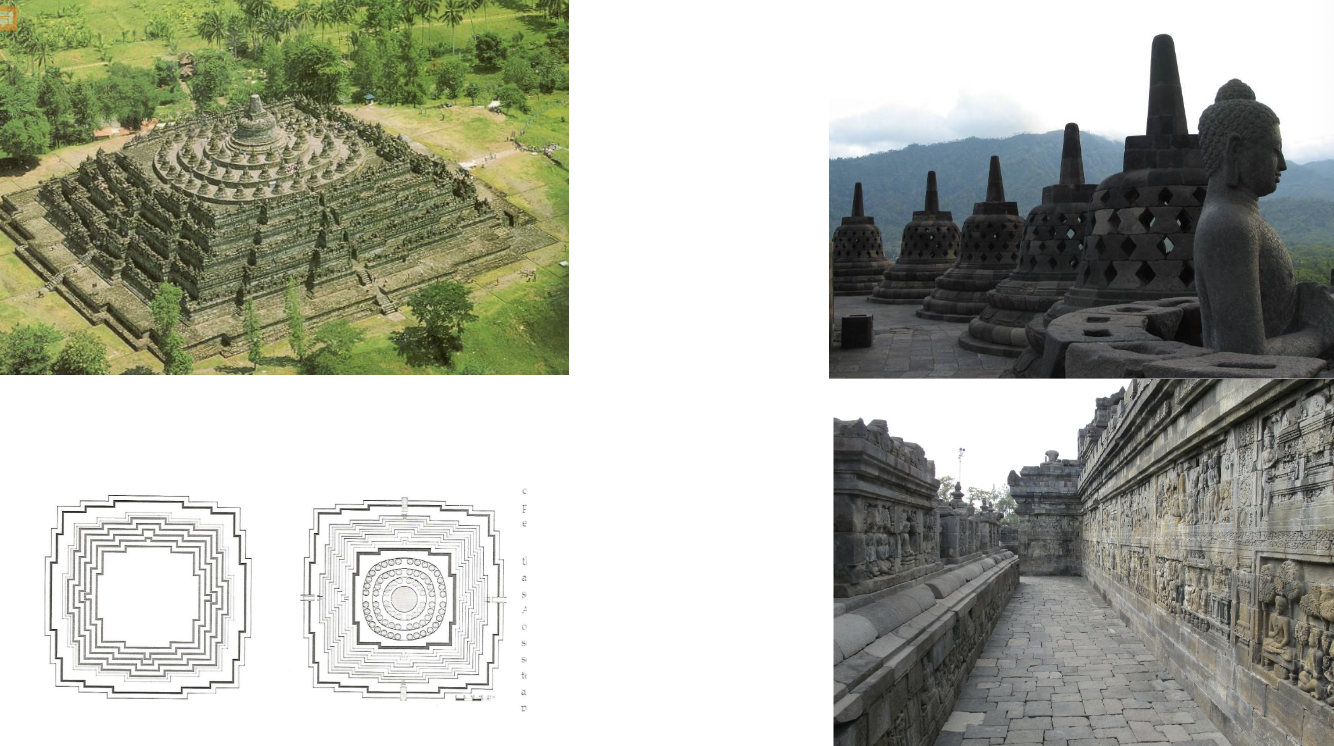
Borobudur
Borobudur designer
Sailendra Dynasty (Buddhist)
Borobudur place
Java, Indonesia
Borobudur date
c. 800 CE
Borobudur significance
Mandala structure; path to enlightenment.
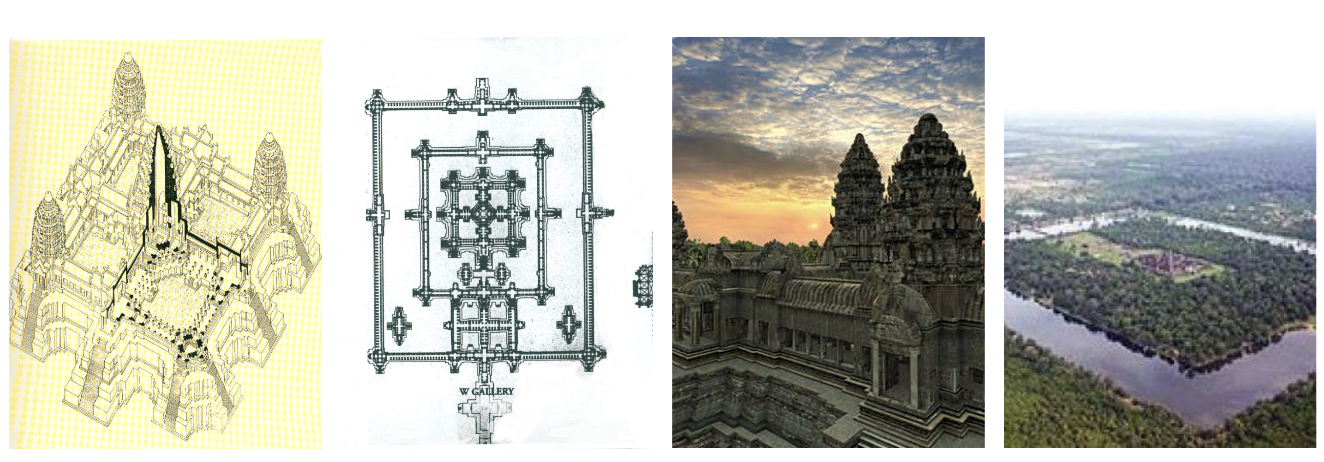
Angkor Wat
Angkor Wat designer/culture
Khmer
Angkor Wat place
Cambodia
Angkor Wat date
c. 1125 CE
Angkor Wat significance
largest religious monument designed to reflect the universe
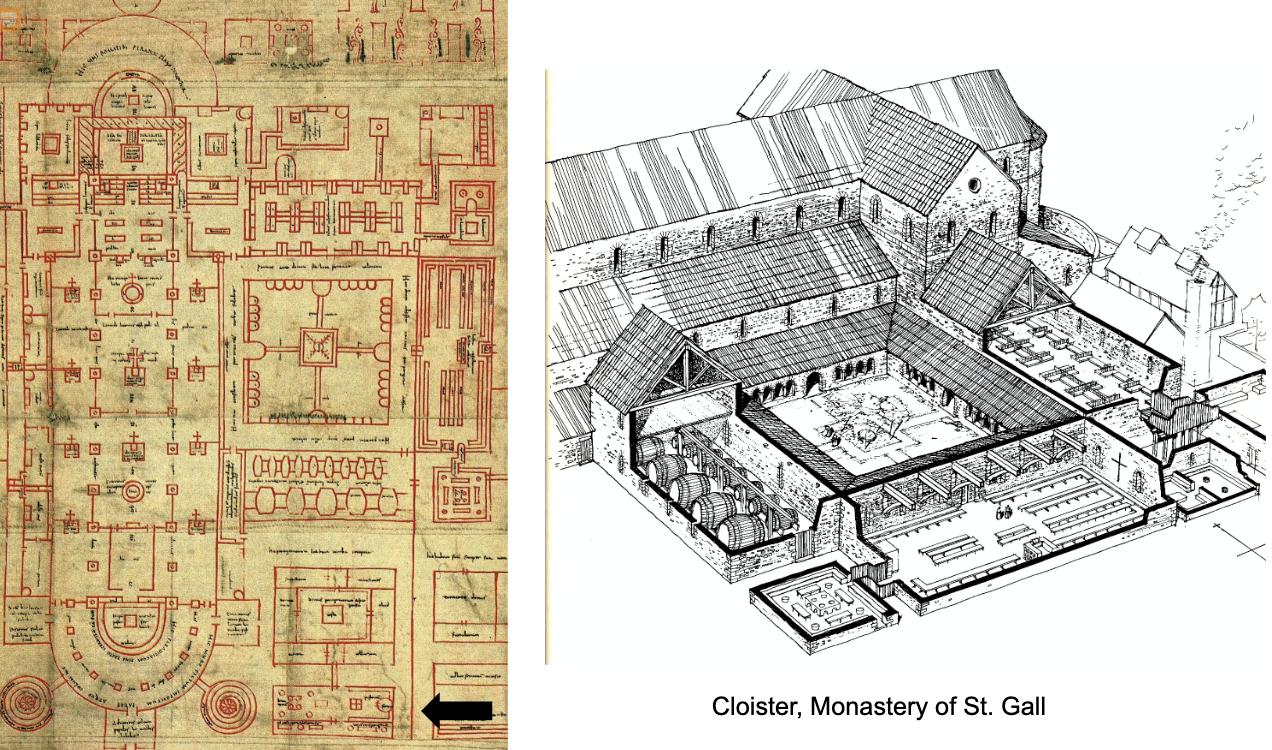
Monastary of St. Gall plan
St. Gall plan designer
Carolingian
St. Gall plan place
Switzerland
St. Gall plan date
ca. 820–830 CE
St. Gall Plan significance
Ideal monastery layout; self
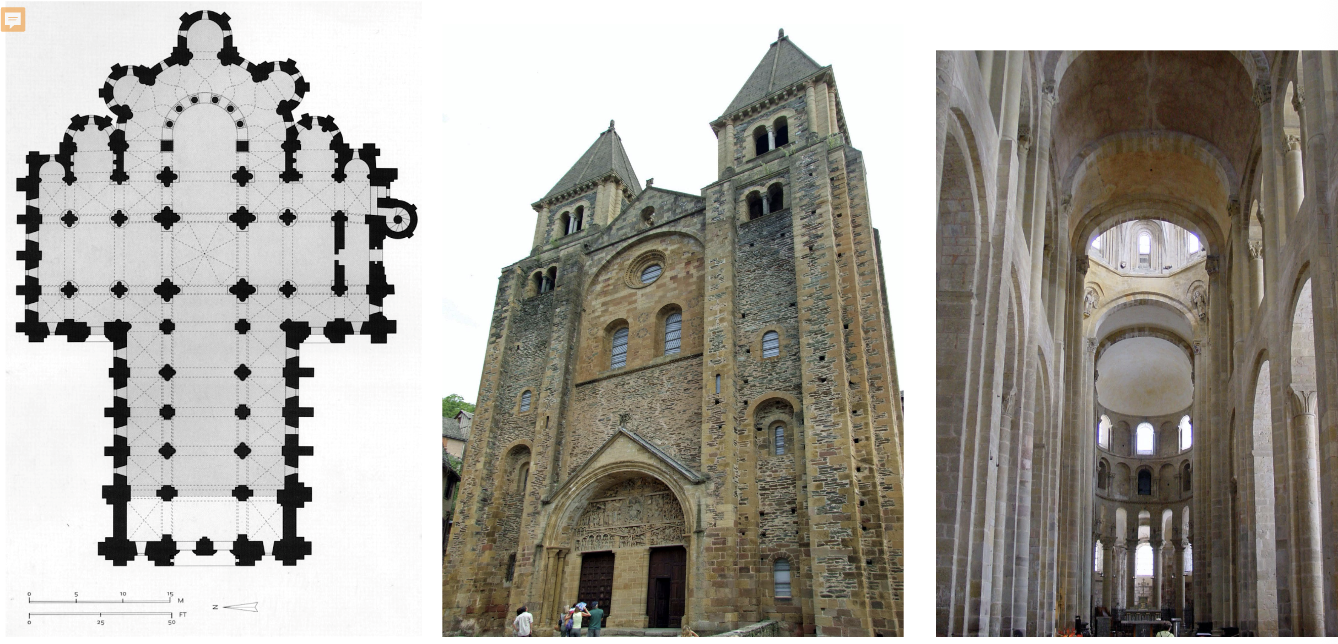
Sainte Foy
Sainte Foy designer
Medievel masons and master builders
Sainte Foy place
Conques, France
Sainte Foy date
ca. 1050–1130 CE
Sainte Foy significance
An important pilgrimage site known for its relics and architectural innovations during the Romanesque period.
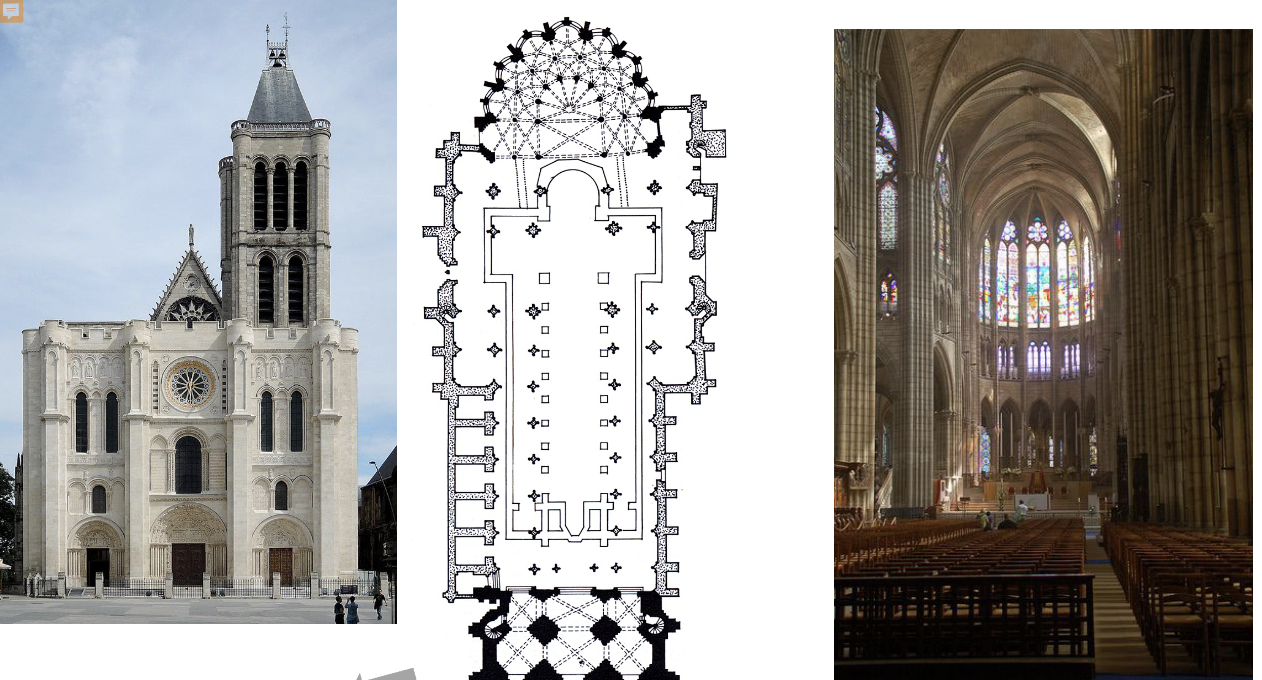
Abbey Church
Abbey Church of St. Dennis designer
Abbot Surger
Abbey Church place
St. Dennis France
Abbey Church date
1137-1144 CE
Abbey Church of St. Dennis significance
birthplace of gothic architecture
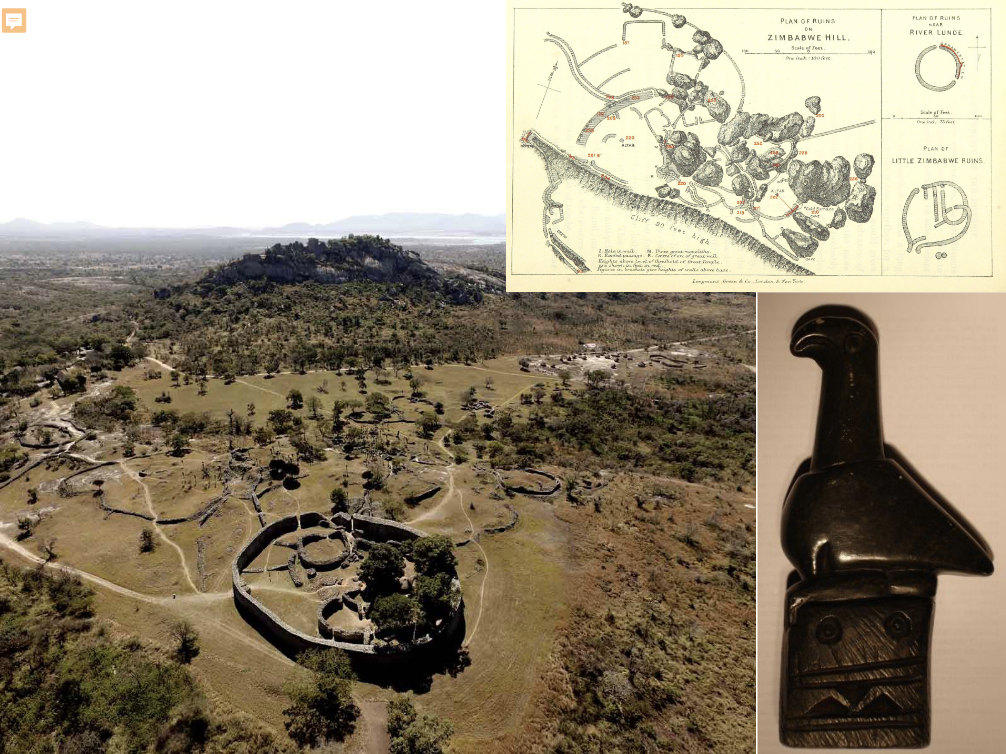
Great Zimbabwe (“Great Palace”)
Great Zimbabwe designer
Ancestral Bantu people
Great Zimbabwe place
zimbabwe
Great Zimbabwe time
c.1250 - 1450
Great Zimbabwe significance
largest pre-colonial stone complex in sub-saharan africa
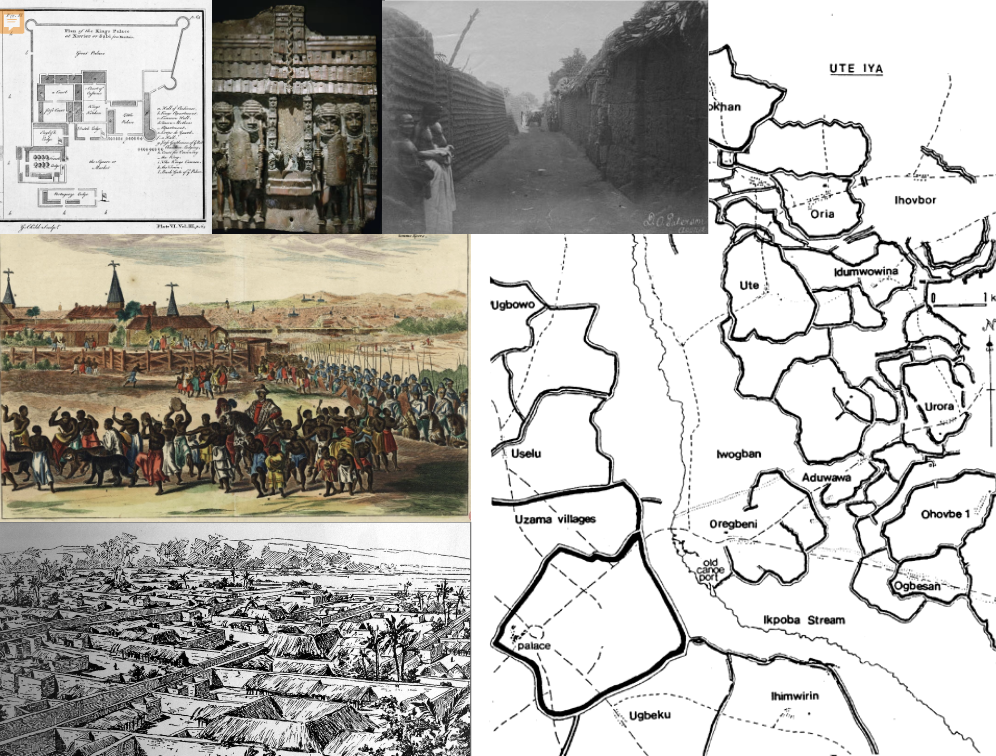
Benin Palace
Benin Palace designer
edo people
Benin Palace place
Nigeria
Benin Palace time
13th century
Benin Palace significance
Administrative, political, and religious center of the Benin Kingdom
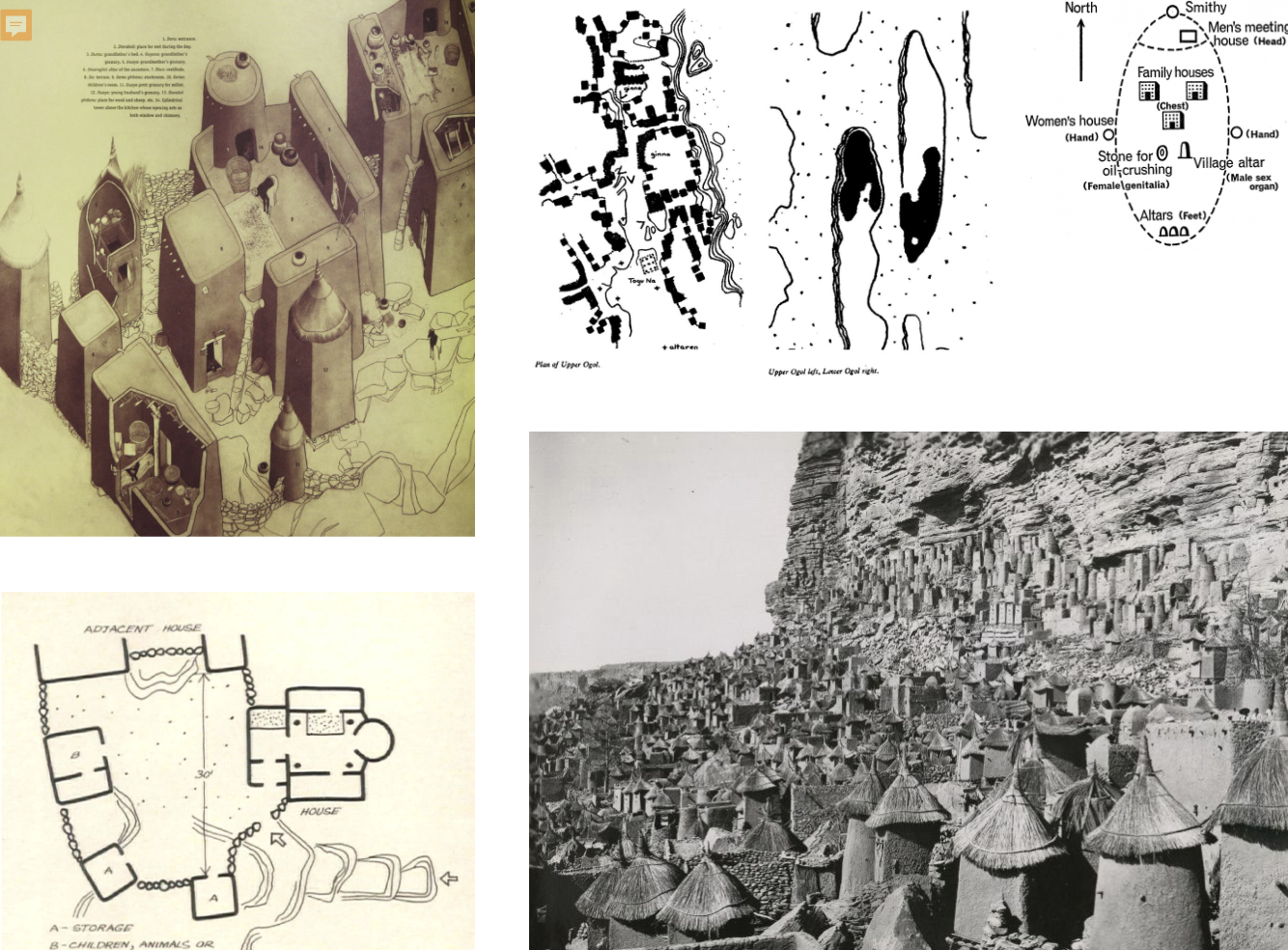
Dogon Villages
Dogon Villages designer
Dogon people
Dogon Villages place
Mali
Dogon Villages date
15th century
Dogon Villages significance
layout and building types reflect cosmology and hierarchy
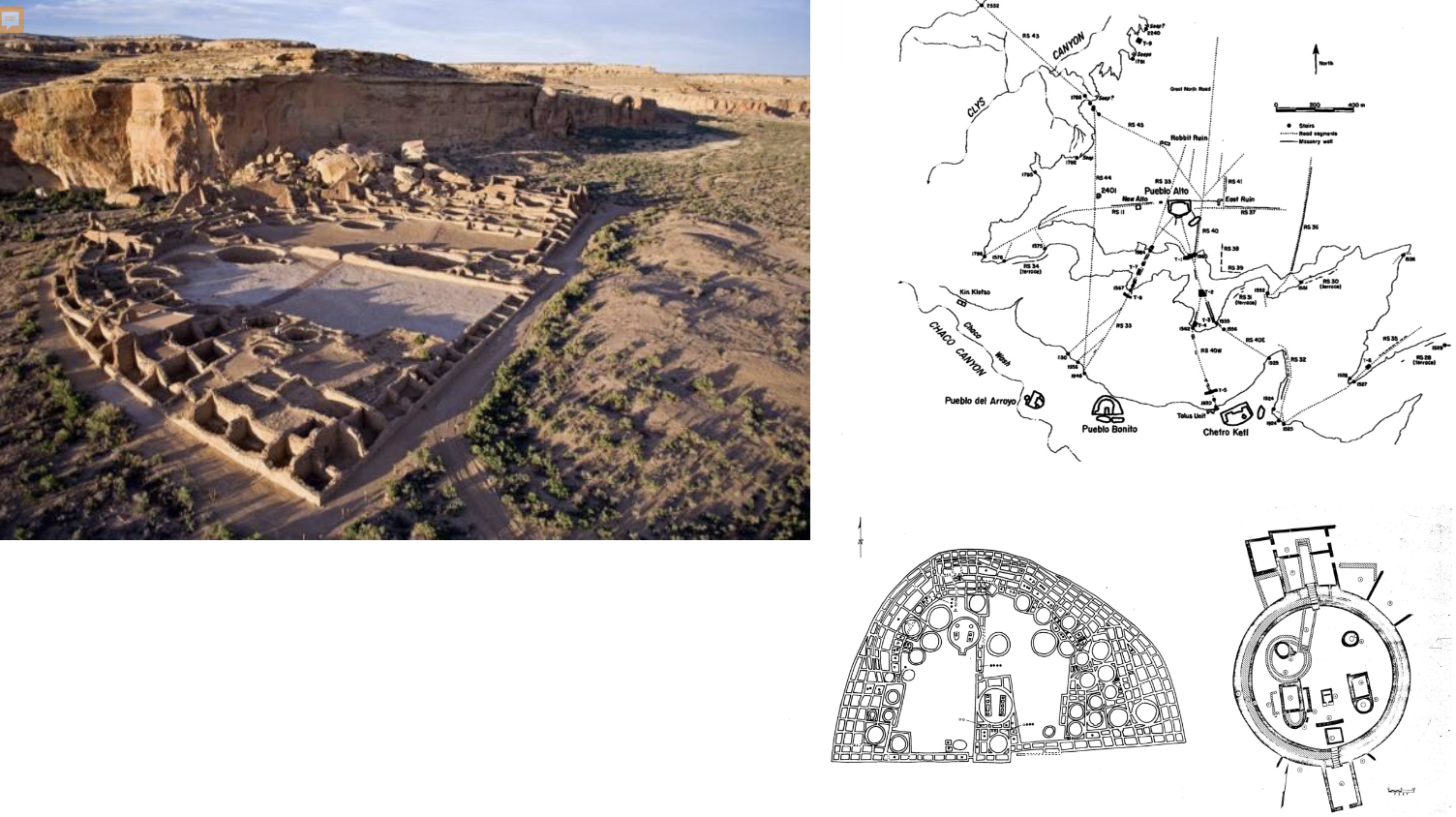
Pueblo Bonito
Pueblo Bonito designer
Anasazi people
Pueblo Bonito place
Chaco Canyon, New Mexico
Pueblo Bonito date
920-1125 CE
Pueblo Bonito significance
communal structure serving as ceremonial, administrative, and trade hub for the ancestral Puebloan people.
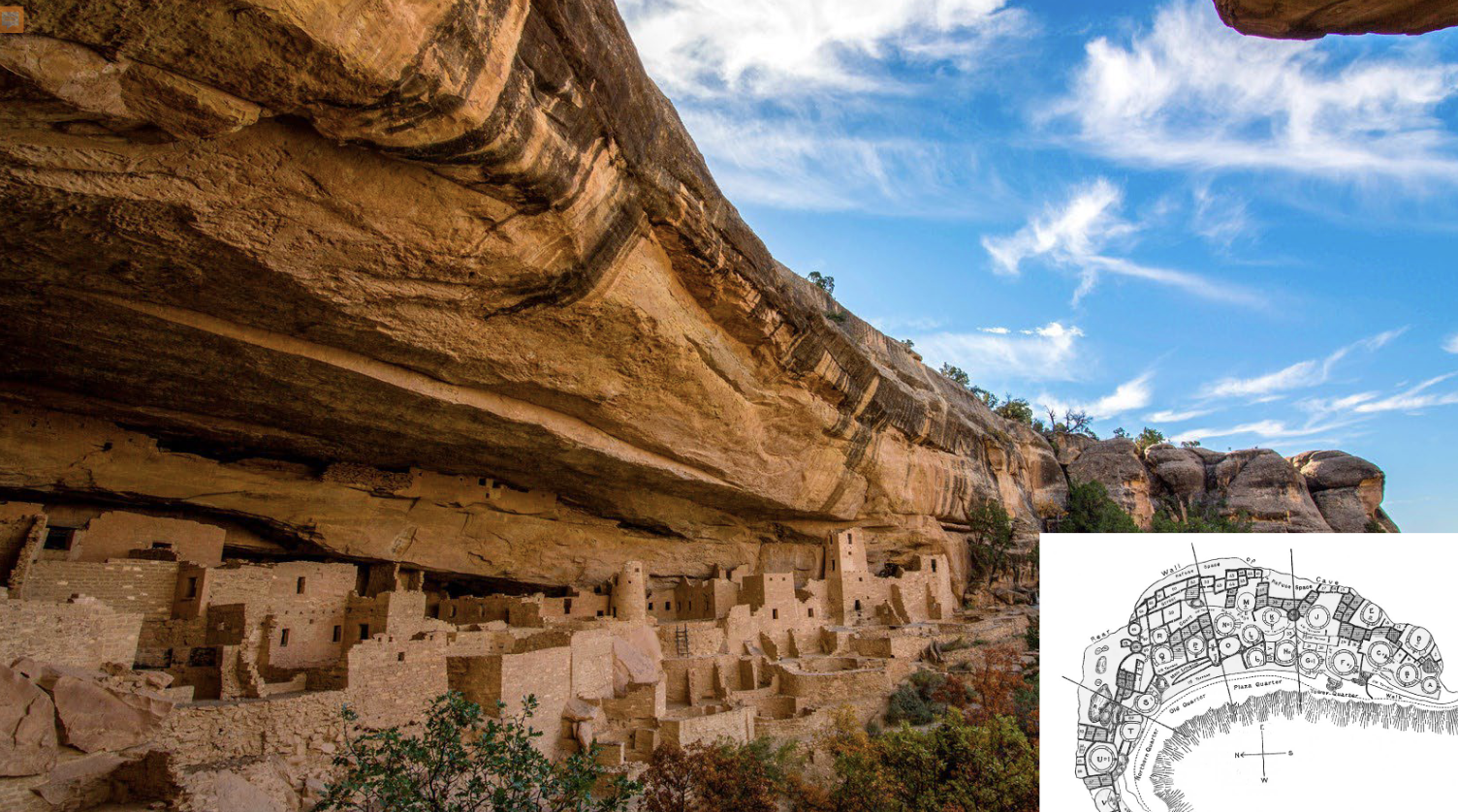
Mesa Verde
Mesa Verde designer
Anasazi people
Mesa Verde place
Colorado
Mesa Verde dates
850-1300 CE
Mesa Verde significance
Puebloan structures built into canyon walls for defense and environmental shelter
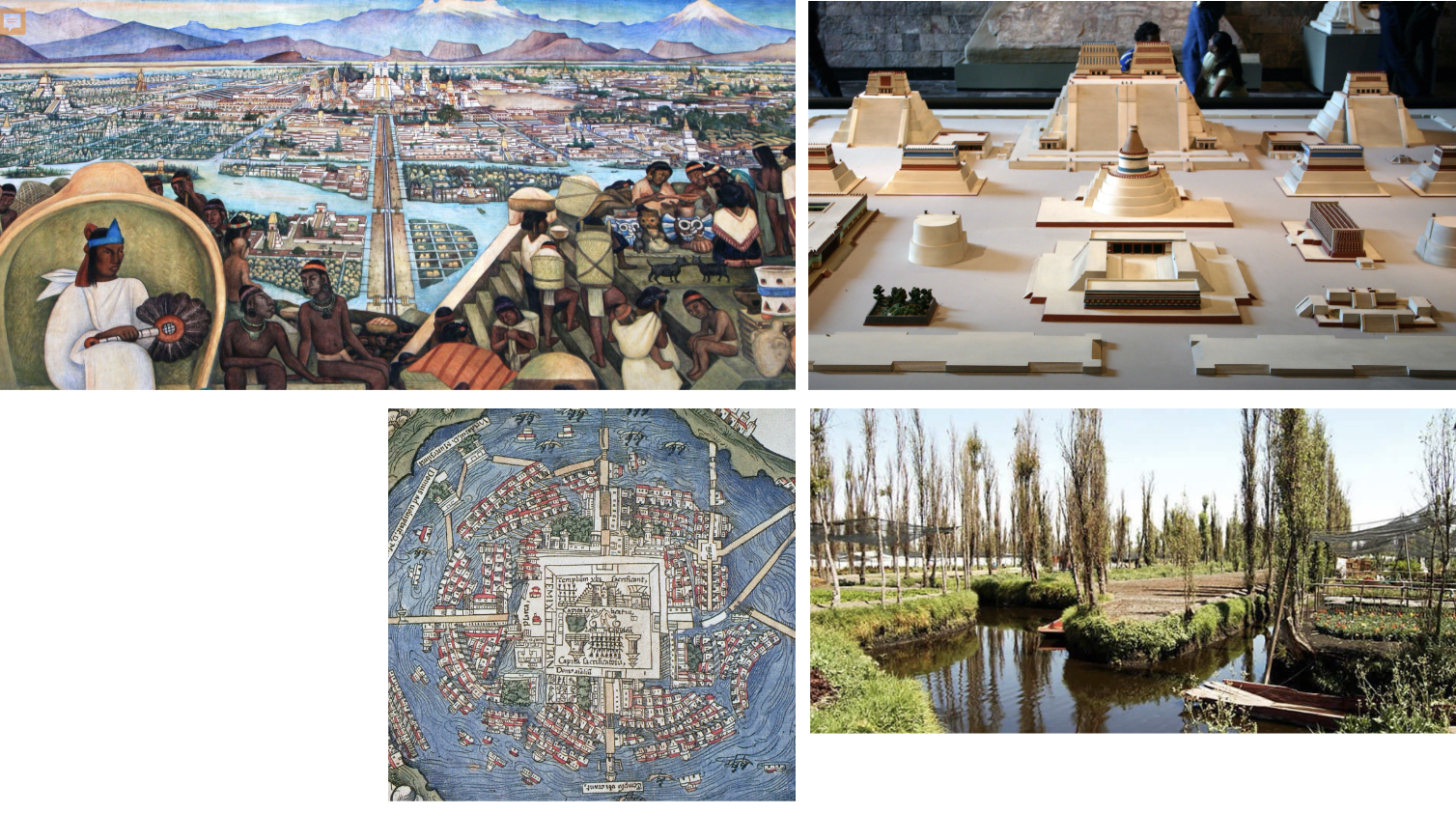
Capitol of Tenochtitlán
Capitol of Tenochtitlán designer
Aztec people
Capitol of Tenochtitlán place
Mexico
Capitol of Tenochtitlán date
1325-1521
Capitol of Tenochtitlán significance
layout and engineering power reflecting cosmological and imperial power
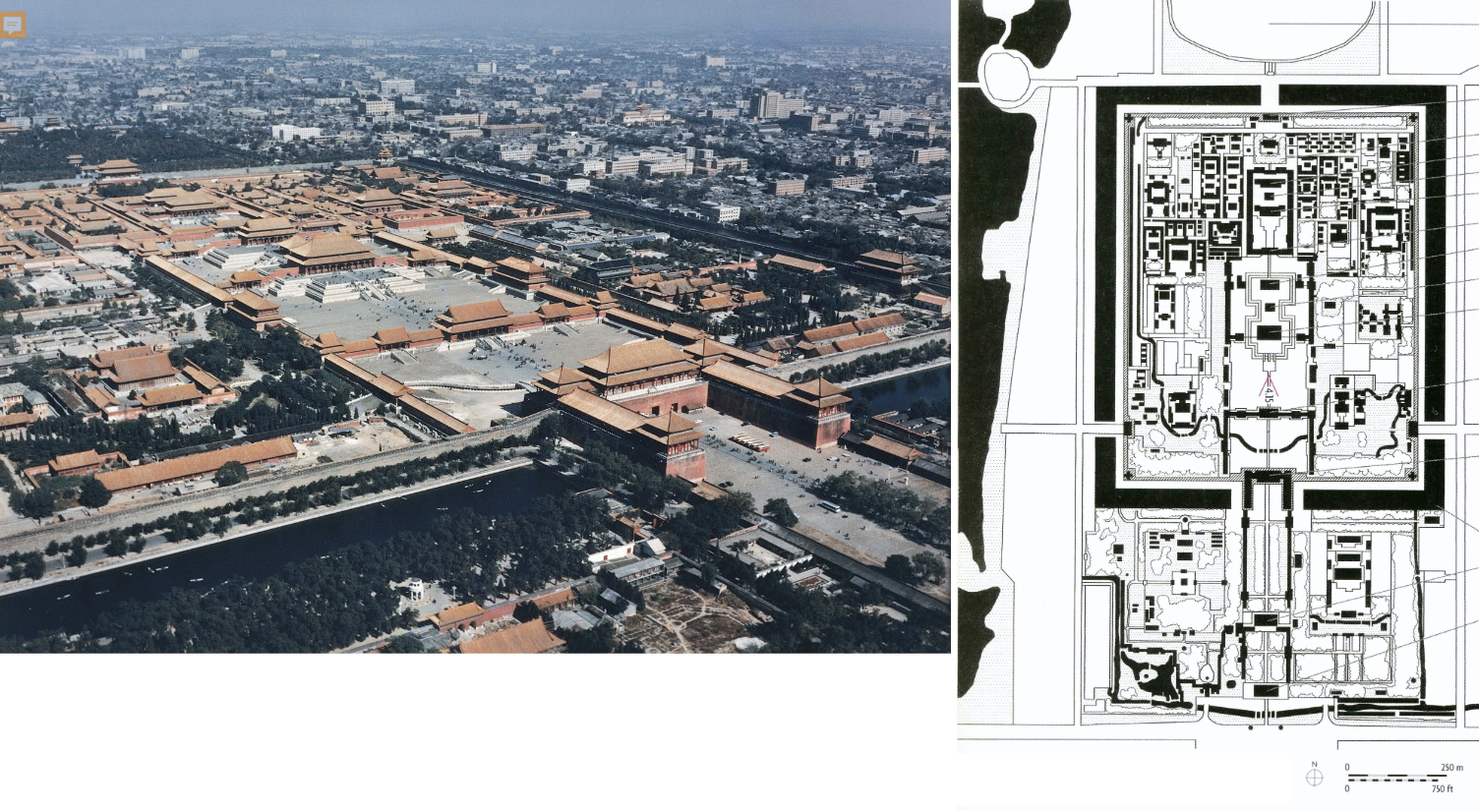
Forbidden city (imperial palace)
Forbidden city (imperial palace) designer/culture
Ming Dynasty
Forbidden city place
Beijing, China
Forbidden city date
15th century
Forbidden city significance
A highly ordered imperial complex organized along a central axis, expressing political power, hierarchy, and cosmic order
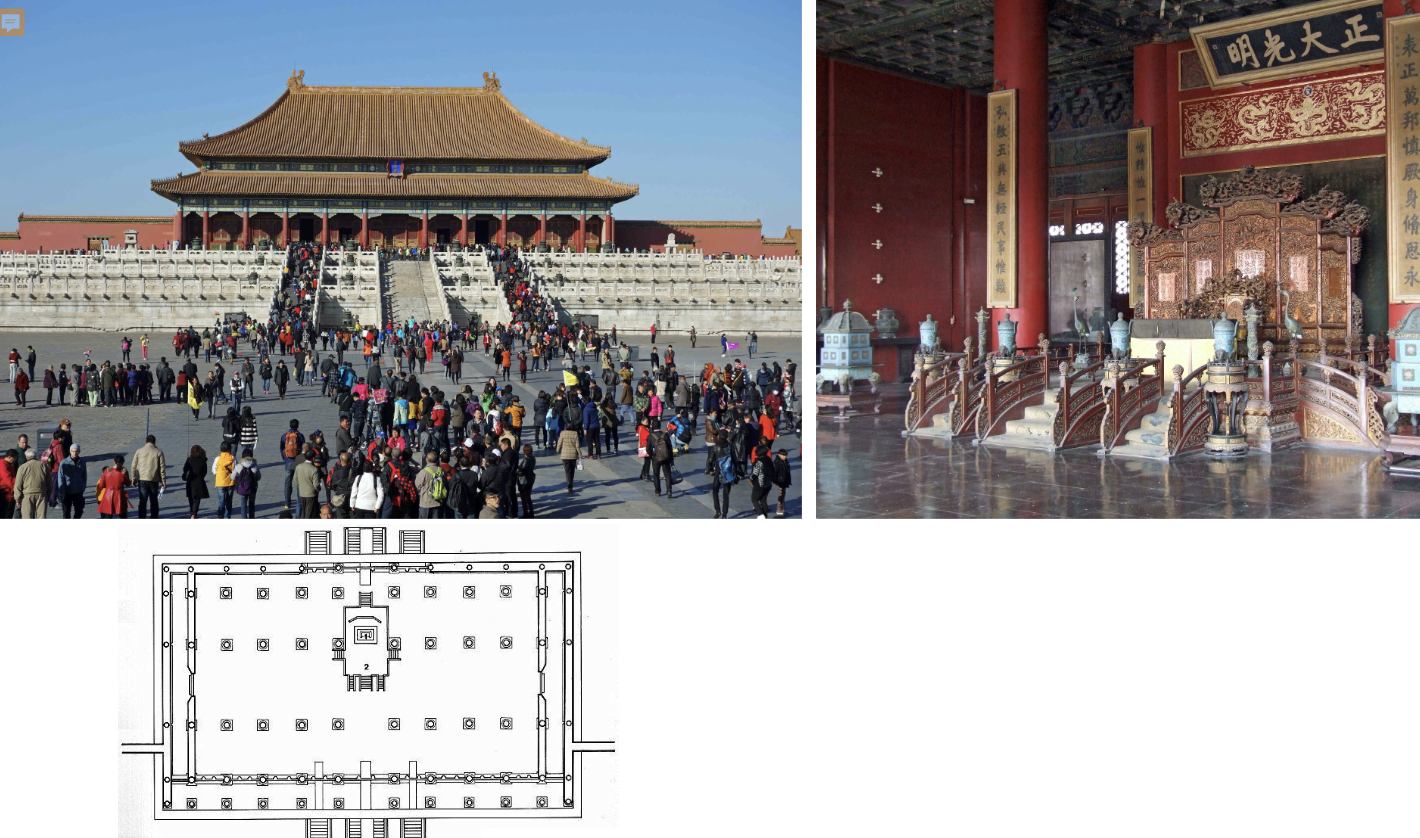
Hall of Supreme Harmony
Hall of Supreme Harmony designer
under emperor yongle
Hall of Supreme Harmony place
China
Hall of Supreme Harmony significance
most important hall in the forbidden city, its scale and elevated stance symbolizing the emperors supreme cosmic authority
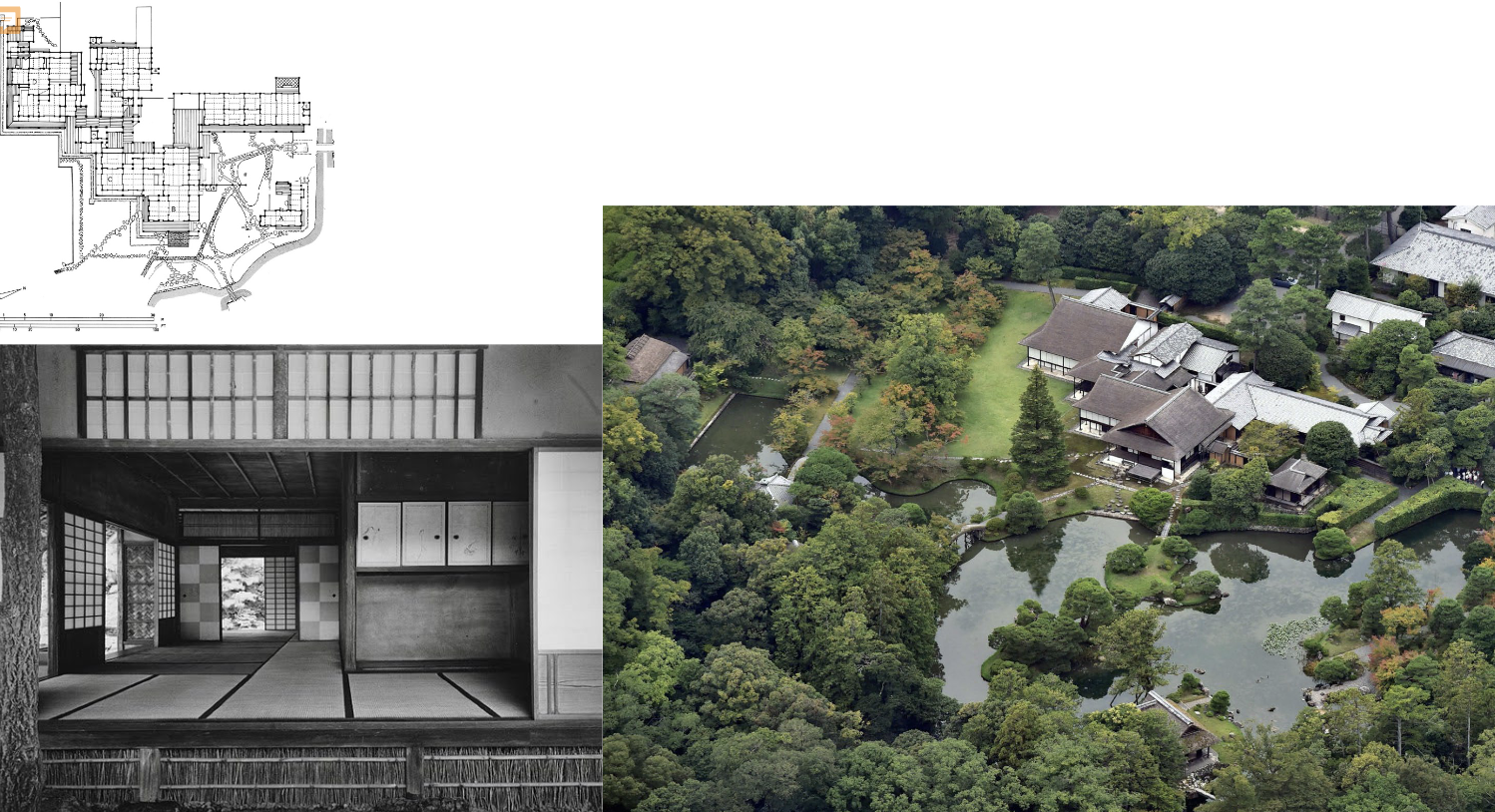
Katsura Imperial Village