GCSE DT (Graphics - papers & boards)
 Call Kai
 Learn
Learn Practice Test
 Spaced Repetition
 Match
Match Flashcards
 Knowt Play
1/251

Earn XP
Description and Tags
3 sections: A (core technical principles, 20 marks), B (specialist technical principles, 30 marks), C (designing & making principles, 50 marks), 2 hours, 100 marks, 50% of GCSE
Name | Mastery | Learn | Test | Matching | Spaced | Call with Kai |
|---|
No analytics yet
Send a link to your students to track their progress
252 Terms
automation
using automatic equipment in production
automation has been developing in factories since the industrial revolution, with machinery being used to complete tasks previously done by humans
automated machines are programmed to carry out a procedure multiple times to improve production times. automation has streamlined the manufacturing system by increasing production & reducing errors
setup costs of machinery is high but when the machines are operating less waste is produced and running costs are lower
the use of automation in workplaces has led to an increase in skilled workers but a decrease in job opportunities
robotics
the use of robotics is one part of automation but robots different to automation because they use AI to collect info & improve the performance of a procedure
robotics is popular because of its ability to increase efficiency and handle harmful materials humans can’t, but they are very expensive
specialist buildings
smart technology has improved the efficiency of buildings, with many factories using renewable energy sources to try to minimise environmental impact
modular buildings can be erected quickly & at a low cost, and improvements in stock control mean less storage space is needed
smart technology
technology that uses a chip to store information
modular building
a building made of smaller prebuilt parts & put together
crowdfunding
traditionally new businesses would borrow money from a bank to raise enough funds to develop a project. but this is risky and can be expensive due to interest payments
crowdfunding uses websites to advertise products as investment opportunities where people can choose to back a project with a financial donation if they think it will be viable & work successfully
backers are often rewarded with free gifts, discounts or a pre-agreed part of any profits if the product is succesful
virtual marketing & retail
promotion of products online & sharing experiences, reviews and recommendations has rapidly become part of the retain experience
algorithms can generate info about users’ buying habits and suggest relevant retail sites for them using search engine optimisation (SEO)
blogs, vlogs and social media all provide advertising platforms and costs of retailing from a website are far lower than from a high street shop
search engine optimisation (SEO)
the process of using techniques to improve return rate of a webpage when indexed by a search engine
cooperatives
organisations with lots of people working together towards common goals. run and owned by members who share decision making, profits & risk
UK examples: the co-operative group (co-op), nationwide building society
fair trade
trade in which fair prices are paid to the farmers & workers who create products
a trading partnership / principle where fair prices & wages are paid are paid to workers especially in developing countries & safe suitable working conditions are ensured throughout the manufacutring chain
sets minimum standards for pay & conditions:
workers are paid a fair wage
working conditions are monitored & kept safe
safety equipment (goggles, guards) is enocuraged
harmful / toxic chemicals are reduced / replaced
sweatshops, child labour & exploitation are banned
not a legal requirement but has become popular due to ethical concerns from designers & consumers. many companies choose to fair trade endorse products to reflect their belief that workers should be treated well & to support sales
sustainable
able to be maintained at a certain rate / level. a sustainable resource can be replaced once used e.g. as a tree is chopped down many more can be planted to ensure the use of trees can be sustained
finite resources
resources that can only be used once and are in limited supply - non-renewable resources that will eventually run out e.g. metals, plastics, fossil fuels (coal, natural gas, oil)
popular as they are easily accessible (due to strong supply chains) and often have benefits for manufacturing particular products or for energy supplies
many companies have become more careful in their use of finite resources and they consider the ecological footprint carried by using such materials. but not all companies do this and some still rely on finite resources even though their use damages the environment.
fossil fuels
natural, finite fuel formed from the remains of living organisms e.g. oil, coal, natural gas
they are a finite resource so they can’t be replaced once extracted from the ground. more than 80% of the world’s energy comes from fossil fuels
ecological footprint
an analytical measurement of the amount of global resources used
non-finite resources
renewable energies that harness earth’s natural resources. found naturally and can be replaced e.g. wood, cotton, renewable energy sources (solar, wind)
renewable energy
power that’s generated using natural resources that won’t run out. they are a non-finite resource as they harness the earth’s natural resources
examples include wind, solar, tidal, hydroelectric, biomass
in 2018 around 1/3 of the UK’s electricity was generated from renewable energy resources
waste disposal
how materials & resources are disposed of is carefully monitored & managed by local councils. households are encouraged to recycle waste items where possible, including products made from materials like hard plastics, paper & steel, as well as natural garden waste
in 2016 the uk recycled 25% of household waste with the target of 50% in 2020
all other waste goes to landfill site which release harmful gases that pollute the surrounding air & soil
landfill sites
places where refuse is buried underground
continuous improvement / kaizen
the practise of continually making small adjustments to production techniques to improve speed & quality and save resources, improving the way a company works
encourages people to work together & give regular feedback to make small improvements, in order to increase productivity and create team harmony
known in manufacturing, healthcare & services industries by the japanese name ‘kaizen’
efficient working
its important for companies to work efficiently. this includes speed of production, reducing errors, and reducing waste, which can be done by utilising automation or CAM
implementing quality control checks ensures that errors are quickly spotted and provides the customer with reassurance
computer aided manufacture (CAM)
the manufacture of a part / product from a computer aided design (CAD) using computer-controlled machinery e.g. 3D printers, laser cutters, milling machines
fast & accurate production
machines can run constantly on repetitive tasks
expensive to set up
needs a skilled workforce of engineers
pollution
when harmful substances are released into the natural environment - can occur in the air, water or natural land
legislation has been brought in to help the issue e.g. uk cosmetic products can’t contain plastic microbeads any more as they were polluting the ocean
harmful products (e.g. batteries) should be disposed of correctly and companies are being encouraged by government incentives (benefits given by the government) to recycle waste wherever possible
global warming
the rise in the average temperature of the earth’s surface
manufacturing processes in factories & the use of day to day product like cars can cause harmful chemicals (e.g. carbon monoxide & nitrogen oxides) to be released. these chemicals pollute their & natural land
worldwide environmental awareness has led to limitations on the levels of pollution and emissions of greenhouse gases, as well as targets on renewable energy generation to try to stop global warming
development of more efficient electrical products (e.g. low energy light bulbs & better building insulation) has cut down on energy costs. some countries offer incentives to increase the use of emission controls, electric vehicles and energy saving devices e.g. better insulation & automatic shut off devices
technology push
when technology advances enough to invent / develop new products
research & development in science & industry leads to new discoveries which can be used to improve existing products or develop new ones
happens before there is a consumer demand for a product
research & development is valuable for companies who are the first to introduce a new innovative product
example: smartphones developed due to technology push - existing touchscreen technology was used to improve the mobile phone market
greenhouse gases
the gases responsible for global warming & climate change: carbon dioxide, methane, nitrous oxide, CFCs (chlorofluorocarbons)
consumer
(in business) a person who uses a product & may also buy it
market pull
when consumer demand forces the invention / development of a new product
product ideas are produced in response to market forces or customer needs e.g. development of cameras to become smaller, more lightweight & higher performing due to customer needs
change in job roles
rapid changes in technology & automation in recent years have led to a decline in the need for traditional skills (manufacturing techniques used before automation)
rather than facing unemployment, workers have had to be retrained or up-skilled to manage new technologies
e.g. robotics - employee needs to understand how a robot is programmed & can be controlled to perform a task, rather than performing the manual task themselves
changes in fashion trends
fashion trends are influenced by changing technology. wearable items embrace new tech e.g. high-tech watches, and textile technology utilises electrically conductive material or 3D printing technology
embracing new technology allows products to remain popular with a modern market while creating new & innovative looks (e.g. dress with 3D printed panels)
trend forecasts are able to predict the future patterns and colours 2 years before products come onto the market. manufacturers can buy this info to influence their designs & enable them to keep ahead of their market competitors (other producers who sell similar products)
manufacturer
a person/company that makes something from raw materials or from an assembly of component parts
market compatitor
another producer who sells similar products
respecting faiths & beliefs
many countries have a diverse range of cultures so it’s important for designers to consider a range of cultural beliefs when designing for the mass market.
clothes designers could incorporate designs into collections that allow customers from other cultures to dress more modestly. cosmetics manufacturers may choose not to use animal ingredients because of people’s beliefs
designer
someone responsible for planning the layout or structure of a piece of work e.g. a poster, website or computer game
mass market
the market for goods produced in large numbers
impact on society
not all products are designed for the mass market - some groups of people have specific needs that need to be met. this can be achieved through inclusive design or specific products
impact on society - physical disabilities
products aimed at users with physical disabilities ensure they can use the product with ease. user needs are met by understanding the nature of the disability e.g. visual impairments, mobility restrictions, motor control.
impact on society - age
when designing products aimed at elderly users it’s important to understand the difficulties users may experience - mobility issues, visual impairments, hearing loss
eg a long shoehorn will allow an elderly person to put a shoe on without having to bend down
impact on society - religious groups
religious groups have a variety of preferences that can be addressed through design - use of certain symbols, dietary restrictions & clothing requirements all need to be considered
computer aided design (CAD)
can design new products in 3D, visualise them in a variety of materials and send image around the world for collaboration & consultation. once production is finalised these designs are sent to CAM machines (like Autodesk & Solidworks) to be formed
designs can be drawn & developed quickly
design can be viewed from all angles + with a range of materials
some testing & consumer feedback can be done before costly production
expensive to set up
needs a skilled workforce
hard to keep up with constantly changing & improving technology
flexible manufacturing systems (FMS)
a series of different machines producing different parts for a product. flexible because machines can be reprogrammed at any time to change their task, and production can be changed to produce more/fewer parts without stopping other areas of the process
just in time manufacturing (JIT)
triggered by a customer order. correct amounts of materials are ordered in for the order and arrive just as they are needed by production
saves money on storage, reduces waste, ensures there’s no money wasted on producing stock that won’t be sold
if any part of the product can’t be sourced, clients will have to wait
lean manufacturing
Japanese concept based on minimising costs & maximising efficiency by cutting down on waste and the amount of materials & energy used in production
this is done by adapting designs and making changes to the production process. eg to reduce waste a product can be redesigned to include a tessellating pattern, to improve efficiency changeover times between production runs could be reduced
planned obsolescence
designing products that will have a limited life and will become obsolete and require to be replaced eg disposable razors or modern mobile phones as they need continual software upgrades and are soon replaced by new better performing models
generally bad for the environment as it creates more waste
design for maintenance
designing products that are more durable and have spare parts available to mend & maintain them. only possible with low tech or modular products that don’t require lots of skill to repair eg a push bike can be regularly maintained with parts like pedals & chains being replaced
design for disassembly
when a product has reached the end of its life it can be taken apart and the parts can be reused or recycled eg a stool could be unscrewed to allow the seat & legs to be recycled
environmental design
making products from renewable materials to create less waste material eg paper straws
transporting materials in a more efficient way to cut down on greenhouse gas emissions
cutting down the use of finite resources in production & energy supply
fossil fuels - coal
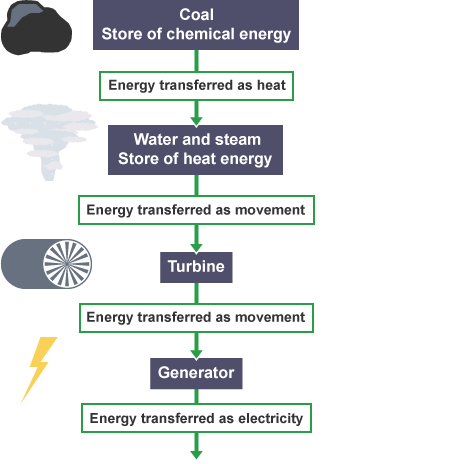
coal is crushed into fine powder before being burned. the hot coal heats water, turning it into steam which builds up into a very high pressure and this is used to spin a turbine, which is connected to an electrical generator which generates electricity
no longer used to generate electricity in the UK
there’s enough coal on earth to last 100s of years
produces high amounts of energy
produces carbon dioxide when burned which contributes to global warming
damage is caused to natural land when mining
fossil fuels - natural gas
accounts for around 30% of the UK’s energy production. used for heating & cooking and is one of the main sources of power for electricity production in the UK
natural gas is most commonly produced off shore and transported trough pipelines to a gas-powered electricity power station
advantages:
emits less CO2 than coal or oil
existing infrastructure makes it easy to transport & use
disadvantages:
highly flammable so if there’s a gas leak an explosion can easily happen
non-renewable so supplies will eventually run out
in the UK there are shale gas (gas trapped in shale rock) deposits, which are obtained through fracking. there’s lots of discussion about whether this should be used - concerns about damage to land & release of harmful gases. fracking isn’t currently allowed in the UK
fracking
a process of forcing liquid & sand into shale rock to force oil or gas out
fossil fuels - oil
in the UK oil is mainly used for fuel or it’s turned into plastics. but a very small amount is burned to heat water, creating steam to generate electricity
advantages:
small amount can produce lots of energy
relatively easy to store & transport
disadvantages:
creates significant air pollution when burned
considerable impact on water, land use & disposal
nuclear power
nuclear energy generates ~15% of the UK’s energy. a huge amount of energy can be produced through the nuclear process using a relatively small around of uranium.
energy is produced as heat throughout fission - atoms are split and the energy is used to convert water into super-heated steam which spins turbines to produce energy
no harmful gases released
more efficient than fossil fuels
power stations have to close after around 40 years of use when the uranium becomes less efficient at heating the water
disposal of uranium is difficult & costly
wind energy
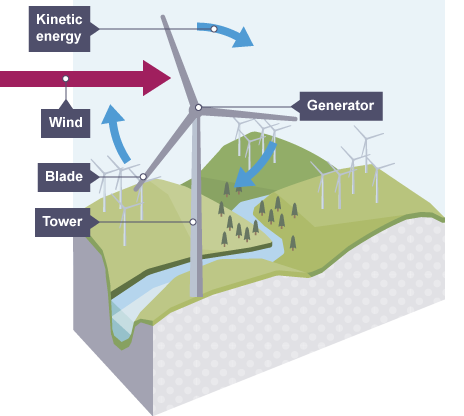
harnessed through wind turbines - the blades turn with the wind, driving a generator which produces the electricity. there are many dotted around the countryside, but they are now more commonly grouped together off-shore in large quantities to form a wind farm
constantly available & sustainable
no cost for wind + running cost of turbines are relatively low
periods of low wind = little/no energy produced
cost a lot to build & put in place
some people don’t like the look of turbines / think they spoil the natural landscape
solar energy
solar panels are made from photovoltaic cells which harness the sun’s light energy & convert it into electricity
solar power provides clean energy from a plentiful supply, but there is still development work to be done to make solar panels more efficient. the placement is also important to ensure they track the path of the sun & harness the optimum amount of solar energy
clean, renewable energy source
reduces household energy bills
some people don’t like the look of solar panels / feel they spoil the appearance of a building
cost a lot to install
doesn’t produce as much electricity when there is cloud cover eg during winter / night
tidal energy
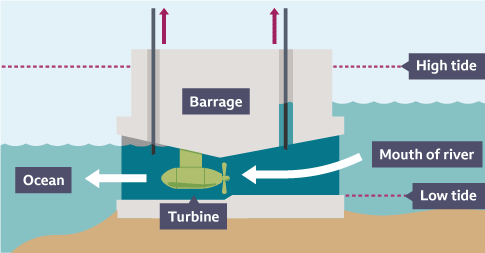
tidal energy relies on the gravitational pull of the moon which causes the change in water levels (tides). the UK only generates a small amount of energy from tidal power but it’s estimated that the UK could potentialy harness around 1/5 of its electricity demand this way
a tidal barrage (dam) is built across the mouth of a river where it meets the ocean so that the incoming (and outgoing) tide passes through turbines to generate electricity
clean & renewable
tidal power plants last for a long time
could produce 1/5 of the UK’s energy (island)
construction of barrages is expensive
environmental impact of barrages is unknown
hydroelectricity
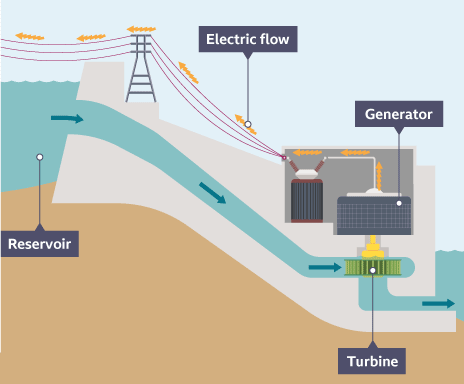
uses a dam to block a valley / major river, often creating a reservoir behind. when water has built up behind the dam it’s directed & released by valves through turbines, which turn generators to produce electricity
clean & renewable
valves can be opened quickly to produce energy at peak times
no pollution when running
dam construction is expensive
objections from people in surrounding environment
affects the wildlife by flooding the valley
biomass energy
growing plants / using animal materials so they can be burned to produce heat. plants like rapeseed or willow are specifically grown as biomass crops so they can be burned in a furnace:
clean & renewable
CO2 is released in the process & can be reused by plants
replacement plants can be grown quickly to ensure good supply
creates atmospheric pollution
land use for energy crops may be needed for other purposes eg agriculture
energy storage - batteries
2 main types - single use & rechargeable. single use batteries (aka primary types) are commonly alkaline batteries and are readily available in supermarkets & shops
batteries are available in a range of sizes & shapes eg tiny button-cell batteries that power calculators & hearing aids or large batteries powering cars & trucks
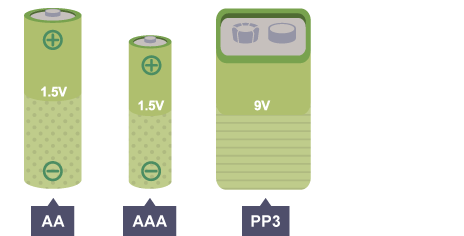
AA and AAA are common forms used in homes. both typically produce around 1.5V per battery. a larger PP3 battery used for smoke alarms & medical equipment produces 9V per battery
once a battery runs out it has to be replaced unless it’s rechargeable, in which case it is connected to a mains power source to be recharged
rechargeable batteries are more expensive than single-use but can be recharged so are more economical in the long term. however they have a limited lifespan - they can only be recharged a number of times before they lose battery life (eg smartphone batteries)
batteries can be recycled to prevent them ending up in landfill sites - they contain harmful chemicals & metals that are bad for the environment if disposed of incorrectly. they can contaminate the ground or poison wildlife that eat them
energy storage - kinetic-pumped storage system
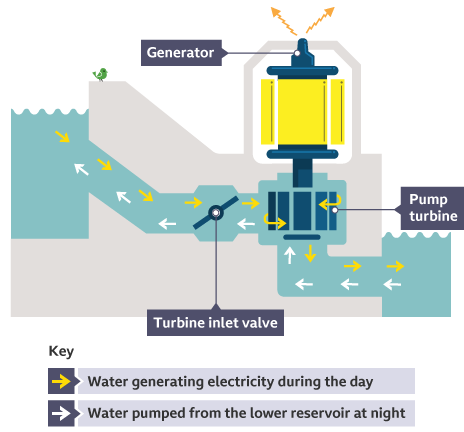
a fast acting electrical energy storage system used to top up the national grid power supply at peak times when more electricity is needed. works by having 2 reservoirs and a hydroelectric dam system
during the night excess electricity is produced by other energy stations meaning the cost of electricity is much lower. during this time the kinetic-pump plant will pump water from a lower reservoir to a higher one. when there is a sudden need for more electricity (spike) during the day, the dam is opened and the water from the top reservoir spins the turbines to quickly produce the energy needed
traditional materials
materials that have been in use for centuries like paper, wood, stone & metals
modern materials - graphene
a single carbon layer material which is hypothetically 100x stronger than steel, but we haven’t manufactured it in large enough quantities yet. in theory it could provide body armour which is bulletproof, invisible & almost weightless
modern materials - titanium
a modern metal used in sport & medical applications like replacement hip joints & high performance bicycles. it has a high strength-to-weight ratio and is corrosion resistant
modern materials - metal foams
metal foams are strong but lightweight and are produced by injecting gas or foaming agent into molten metal. only 5-25% of the foam is metal, allowing the material to retain its strength but without its density / weight. often used in vehicles like planes & cars as they can absorb shock in a crash
modern materials - LCDs & OLEDs
liquid crystal displays (LCDs) use the light-modulating properties of liquid crystals (which are between a liquid & solid state) to display an image. when charge is applied to each crystal the shape changes to block light or let it through
LCDs require a backlight to work & many modern devices now use organic light-emitting diodes (OLEDs) instead, which allows devices to be thinner & lighter. OLEDs are more expensive as each pixel is its own light but they allow for thinner panels and better colour & contrast
modern materials - nanomaterials
tiny particles (1-100 nanometres) that can be used in thin films or coatings like the oleophobic coatings on phone screens that repel greasy fingerprints, or hydrophobic materials that repel water
modern materials
a material that has been engineered to have improved properties
smart materials
while smart materials are modern materials, not all modern materials are smart. to be classified as a smart material, they need to exhibit a physical change in response to some external stimuli - they have to change when you do something to them, and when you remove it they return to their original form
smart materials - shape-memory alloys (SMA)
metal alloys that can remember their shape when heated. they have been utilised on spectacle frames that spring back to shape if they’re squashed
nickel titanium (nitinol) is a type of SMA that contracts when heated (instead of expanding like most materials). braces made form nitinol heat up in the mouth and pull on the teeth so they move with it
smart materials - thermochromic pigments
change colour when their temperature changes. can be mixed with paint or polymers to give the materials the same colour-changing properties eg colour changing mugs or kids bath items
smart materials - photochromic pigments
change their properties when exposed to UV light eg glasses with clear lenses inside & sunglasses when exposed to bright sunlight, or windows that prevent rooms from getting too hot in warm weather
smart materials - quantum-tunnelling composite (QTC)
an insulating rubber containing tiny particles of metal. when squashed the metal particles meet & allow the flow of electrical current - so QTC is an insulator when resting and a conductor when pressure is applied
often used in outdoor applications where water might otherwise damage tiny microswitches. it’s also been used in clothing to control smartphones & portable music players, and in power tools to give variable speed controls in touch-sensitive pads
smart materials - self-healing materials
have the ability to repair themselves, extending the lifespan of the products that use them. examples include polymers that can heal knife cuts in themselves, metals that resist corrosion and concrete that can heal when cracked
smart materials - ferrofluids
can be formed by a magnetic field and are used in hydraulic suspension pistons - strength of the magnetic field allows the suspension to be hard or soft depending on what’s necessary. they also have friction reducing properties allowing magnetic objects to glide across the surface
smart materials - polymorph
a polymer that becomes malleable when heated to about 62°C. when it cools it becomes hard enough to drill & cut. this makes it perfect for modelling as it can be reheated & formed again. it’s also excellent for creating ergonomic handles
composite materials
made up of different materials combined to improve their properties. can be a combination of natural and synthetic materials
3 main categories: fibre-based, particle-based and sheet-based
like all modern materials composites are engineered to improve their properties. often the original material has a useful feature but lacks strength or durability. different material combinations can solve this problem. new composites are being developed all the time
fibre-based composites
composites reinforced with fibres. by mixing resin or concrete with fibres of glass or carbon you get the ability to mould complex shapes, but the reinforcement with fibres makes them very strong
glass-reinforced plastic (GRP) uses glass fibres & resin and is used in boat and instrument cases
carbon-reinforced plastic (CRP) uses carbon fibre & resin and is used in F1 car bodies, crash helmets & sports equipment
glass-reinforced concrete (GRC) uses glass fibre & concrete and is used in street furniture and urban features
particle-based composites
composites made with small particles of material. by mixing smaller particles of sand with larger particles of cement & aggregate (fragments of rock / stone / pebbles) we get a very strong and dense material suitable for building large structures
concrete is made of cement, sand and aggregate and is used for buildings and street furniture
cermet is made of ceramic and metal and is used for electronic components that need to operate under very hot temperatures
sheet-based composites
often available in large sheets. by mixing wood fibres or thin slices of wood veneers with resin you can form large stable sheets for furniture panels and interior construction
medium-density fibreboard (MDF) is made of wood pulp and resin and is used for furniture and interior cladding
plywood is made of wood veneers and resin and is used for furniture and construction
clipboard is made of wood chip and resin and is used for furniture panels and construction
technical textiles
modern textiles can be engineered to have numerous properties like additional strength or resistance to fire, water or dirt
since the development of synthetic fibres there have been numerous improvements in textiles technology and new variations are constantly being produced. like other modern materials properties can be combined or enhanced to meet specific needs
technical textiles: polyamide/nylon
a major advance in textiles technology was the invention of polyamide or nylon, a synthetic material that can be pulled into very thin strands when heated and spun like natural textiles. it’s used extensively as a fabric in clothing
technical textiles: conductive fabrics
allow a small electric current to safely pass through them. used to dissipate static charge or for touch-screen gloves
technical textiles: fire-retardant fabrics
textiles that are more resistant to fire through chemical treatment or manufactured fireproof fibres. often used in furniture and furnishings where fire safety is important
technical textiles: kevlar
a tightly woven fabric that has great impact resistance. used in racing tyres, racing sails, gardening gloves and bulletproof vests
technical textiles: microfibres
much thinner than human hairs and can be coiled to provide a very warm, soft or absorbent material that can be used in winter clothes or products like cleaning cloths
technical textiles: microencapsulation
involves encapsulating liquid or solid substances in tiny thin-walled bubbles. these microspheres gradually release active agents when rubbed, which ruptures the thin-walled membrane. this can bring benefits like smelling good to cover body odours in sports clothing. a similar technology is used in scratch and sniff perfume and aftershave samples in magazines
types of motion
mechanical devices all have an input motion, which transforms the force to make an output motion
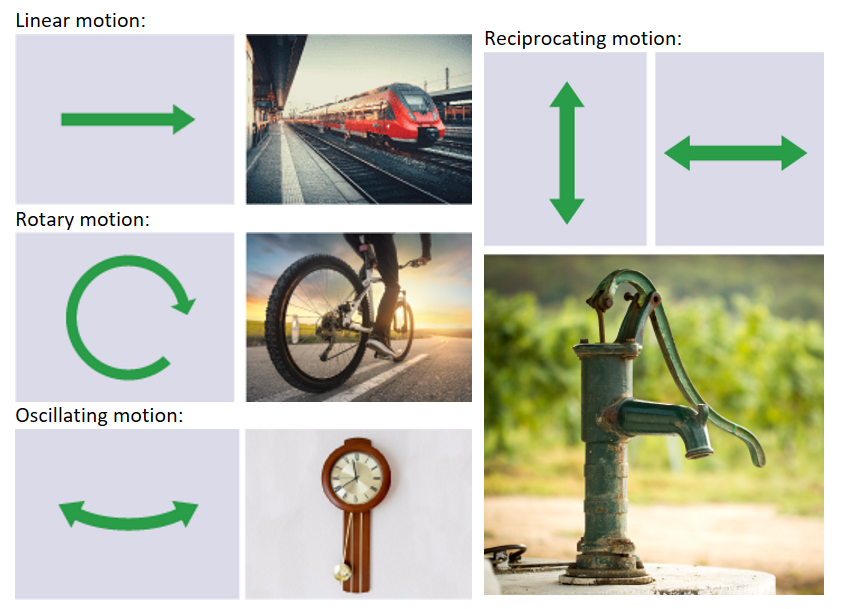
linear motion: moves something in a straight line eg a train moving down a track
rotary motion: something moves around an axis / pivot point eg a wheel
reciprocating motion: a repeated up & down or back & forth motion eg a piston or pump
oscillating motion: a curved backwards & forwards momentum that swings on an axis / pivot point eg a swing or clock pendulum
levers
use mechanical advantage to make lifting / applying pressure easier. all levers are made of a bar and a pivot called a fulcrum. 3 main parts:
effort: the amount of force applied by the user, aka the input
fulcrum: where the lever pivots
load: the weight that needs to be moved, aka the output
mechanical advantage
the radio of force produced compared to force applied. the amount of help you get using a machine in comparison to doing something with just human effort. created by levers
MA = load (N) ÷ effort (N)
the MA can also be calculated theoretically by measuring the distance between the load & pivot and the pivot & effort
classes of lever
3 different types of levers, chosen for their ability to produce the most mechanical advantage for a particular task. arrange the effort, load & fulcrum in a different order
first order: effort, fulcrum, load
second order: effort, load, fulcrum
third order: fulcrum, effort, load
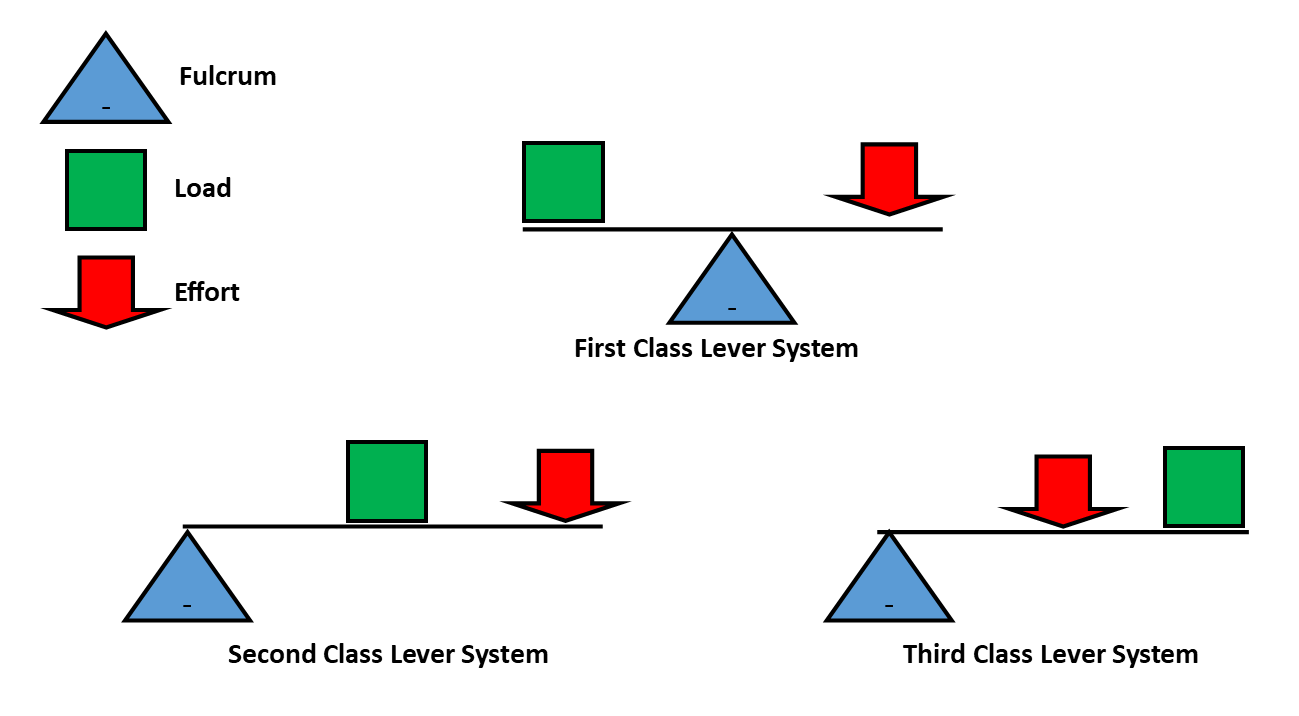
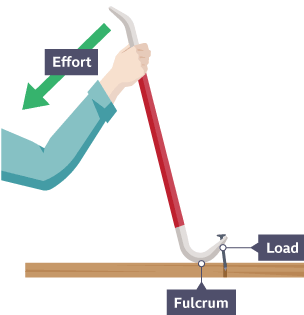
first order levers
place the fulcrum between the effort & load eg a seesaw
if the load is closer to the fulcrum it becomes easier to lift. when the fulcrum is in the centre the effort & load have to be equal to balance them
a crowbar is a first order lever that puts the load closer to the fulcrum, giving it more power to move a load. when the fulcrum is moved nearer the load it takes less effort to move it
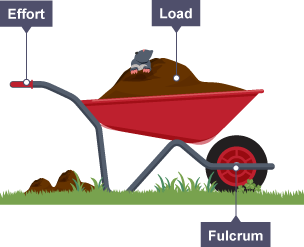
second order levers
place the fulcrum at one end of the lever and the effort at the other with the load in the centre
the closer together the fulcrum & load are, the easier it is to lift the load
eg wheelbarrows, nutcrackers & bottle openers
third order levers
place the effort between the fulcrum & the load. if the effort & fulcrum are far apart it’s easier to lift
doesn’t have the mechanical advantage of the other order so is less common
generally used for moving small or delicate items eg tweezers or fishing rods
linkages
levers can be joined together to form linkages. simple ones change the direction of motion & the amount of force
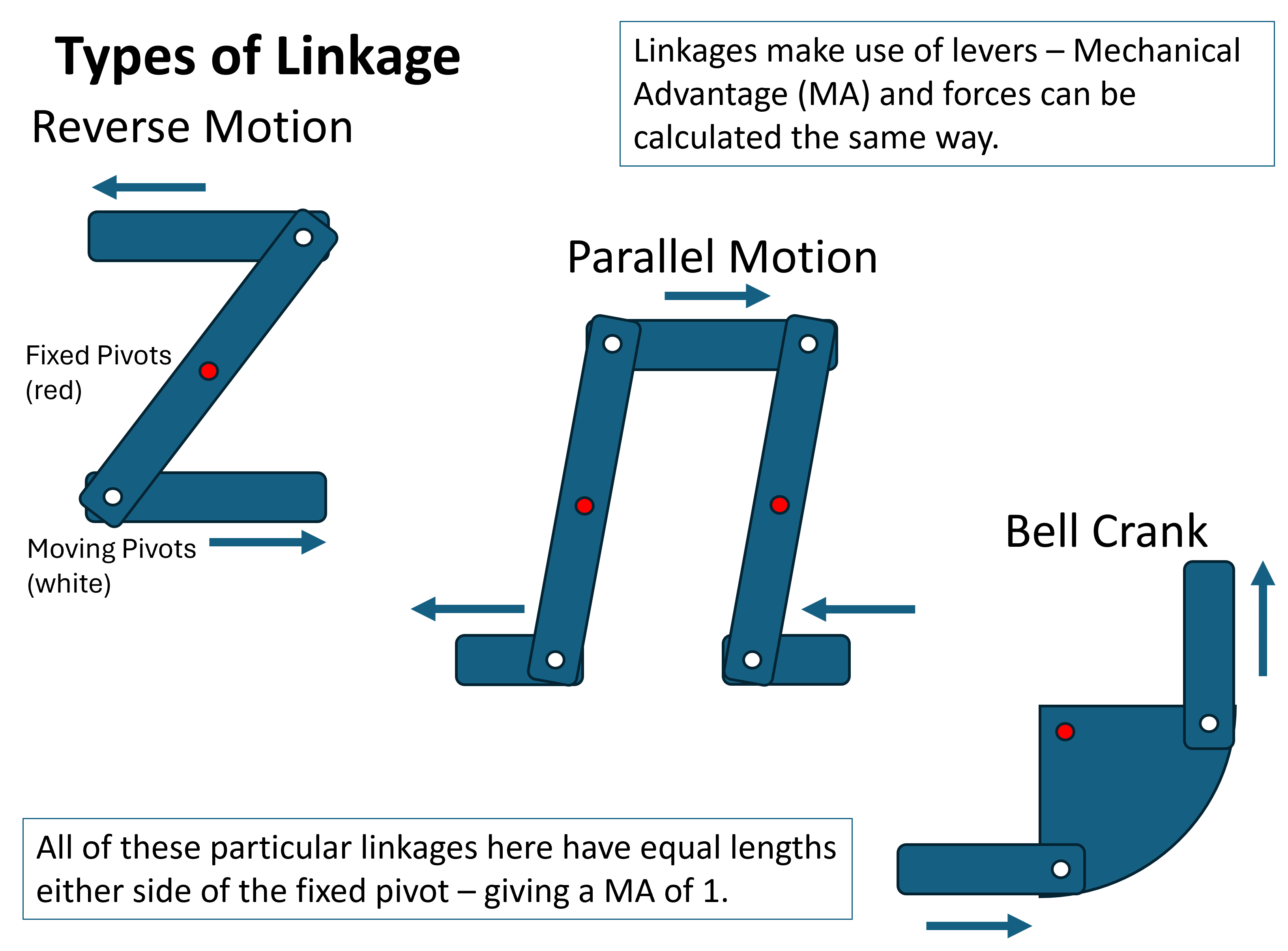
reverse motion linkages
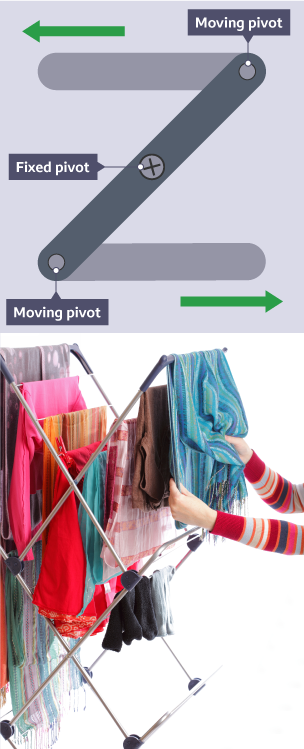
change the direction of input so the output goes the opposite way. a fixed pivot forces the change in direction. often used on foldable clothes horses
parallel motion or push/pull linkages
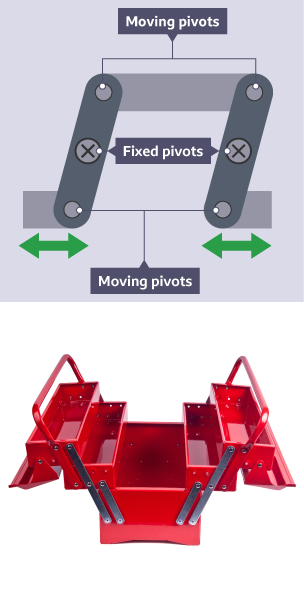
use 2 fixed pivots to make the input and output travel in the same direction through a link arm. each fixed pivot has a moving pivot on either side, allowing the movement & power to go backwards & forwards
changing the placing of the fixed pivots changes the amount of force exerted while keeping the direction the same
eg a toolbox with draws that open
bell crank linkages
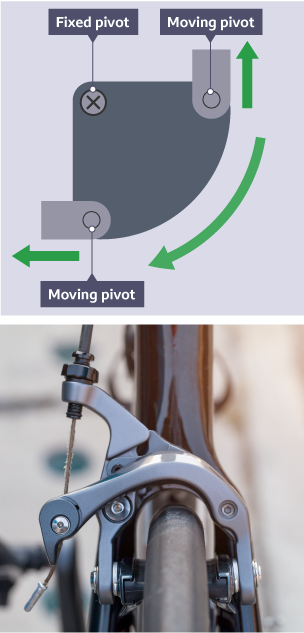
change the direction of a force through 90°
amount of input force can be changed by moving the fixed pivot
used in bicycle brakes so the rider can pull the brakes from the handlebars and make the brake pads touch the wheels
crank and slider linkages
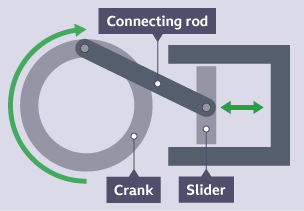
change rotary motion into reciprocating motion
a fixed pivot is attached to a crank which turns around and pushes & pulls a slider
when used in a car engine the ignition of petrol by the spark pushes the slider up, moving the connecting rod & turning the crank
treadle linkages
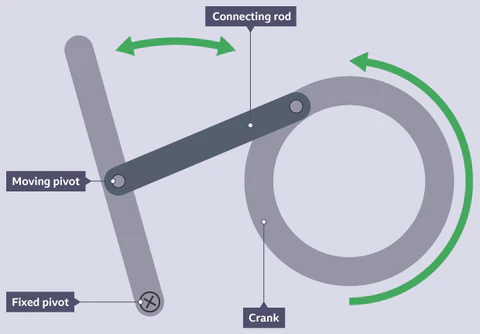
use a rotary input to turn a crank on a fixed point. a connecting rod joins 2 moving pivots to another fixed pivot
used for windscreen wipers in cars - move backwards & forwards together
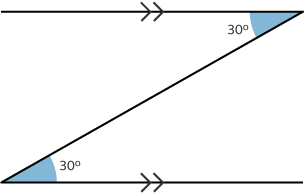
angles in linkages - angle rules
a Z angle has 2 internal angles which will both be the same as long as the input & output linkages are parallel
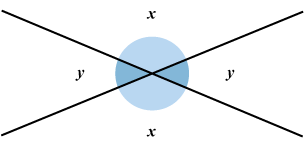
where 2 lines intersect, the opposite angles are equal. where 2 angles sit on a horizontal line the total angle together is 180°
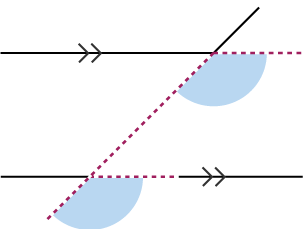
corresponding angles are the same in a F arrangement
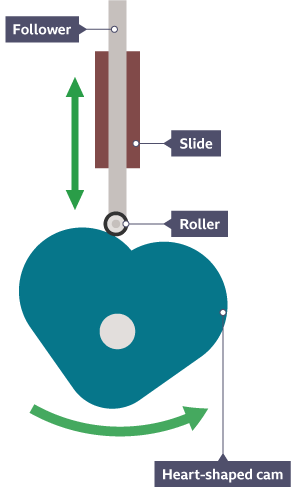
cams & followers
a cam mechanism is the shaped part on a pivot point that converts reciprocating motion to rotary motion. has 2 main parts:
a cam - attached to a crankshaft (a rotating shaft)
a follower - touches the cam & follows the shape, moving up & down
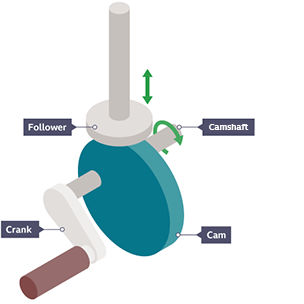
types of cams
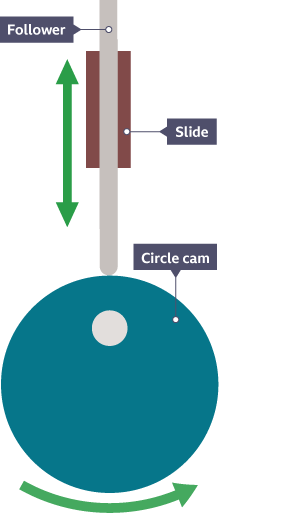
circular cams use an offf-centre pivot to cause the follower to move up & down. it will rise & fall by a reasonably large amount. can be seen in pistons eg on steam engines
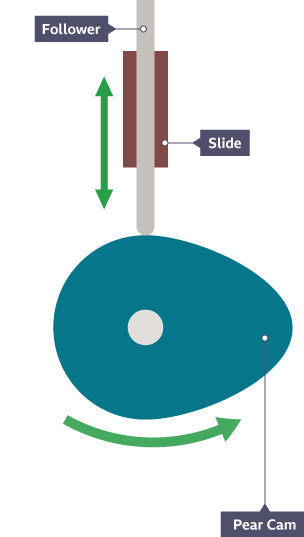
pear cams remain stationary for half a turn then gently rises & falls. used to make carousel horses rise & fall
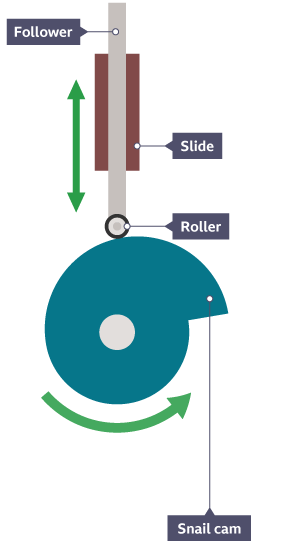
snail or drop cams look like a snail shell and cause the follower to stay stationary for half a turn before gently rising and suddenly falling. only work rotating in one direction. used on production lines to make regular holes / cuts in an item
heart-shaped or constant velocity cams make the follower rise & fall steadily with uniform velocity. no stationary period