OCR Chemistry A Level Enthalpy Definitions
 Call Kai
 Learn
Learn Practice Test
 Spaced Repetition
 Match
Match Flashcards
 Knowt Play
1/11

There's no tags or description
Looks like no tags are added yet.
Name | Mastery | Learn | Test | Matching | Spaced | Call with Kai |
|---|
No analytics yet
Send a link to your students to track their progress
12 Terms
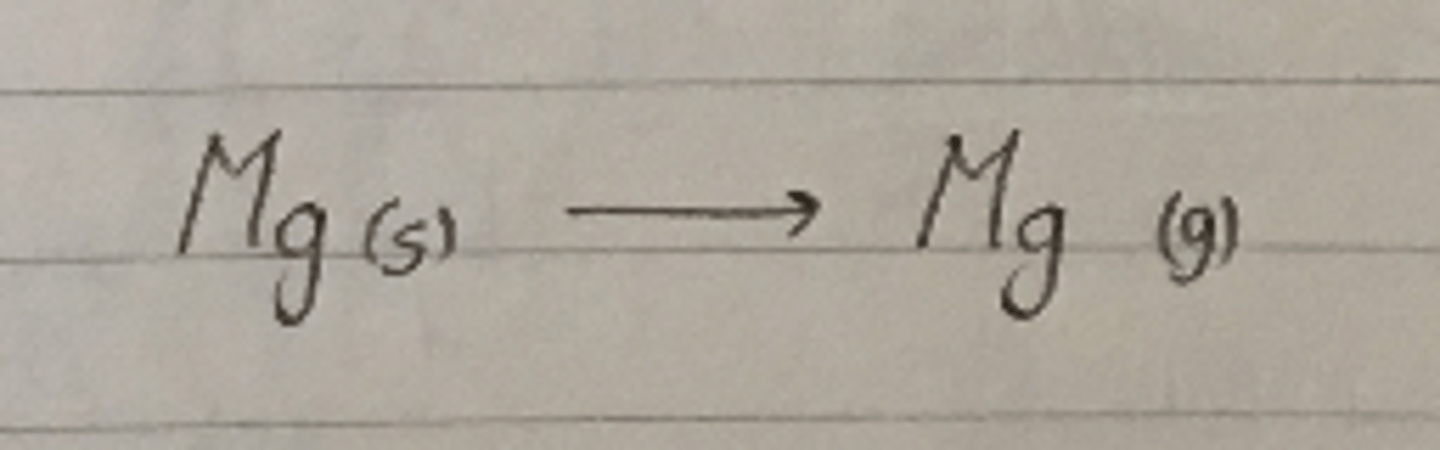
Enthalpy of atomisation (∆atmH)
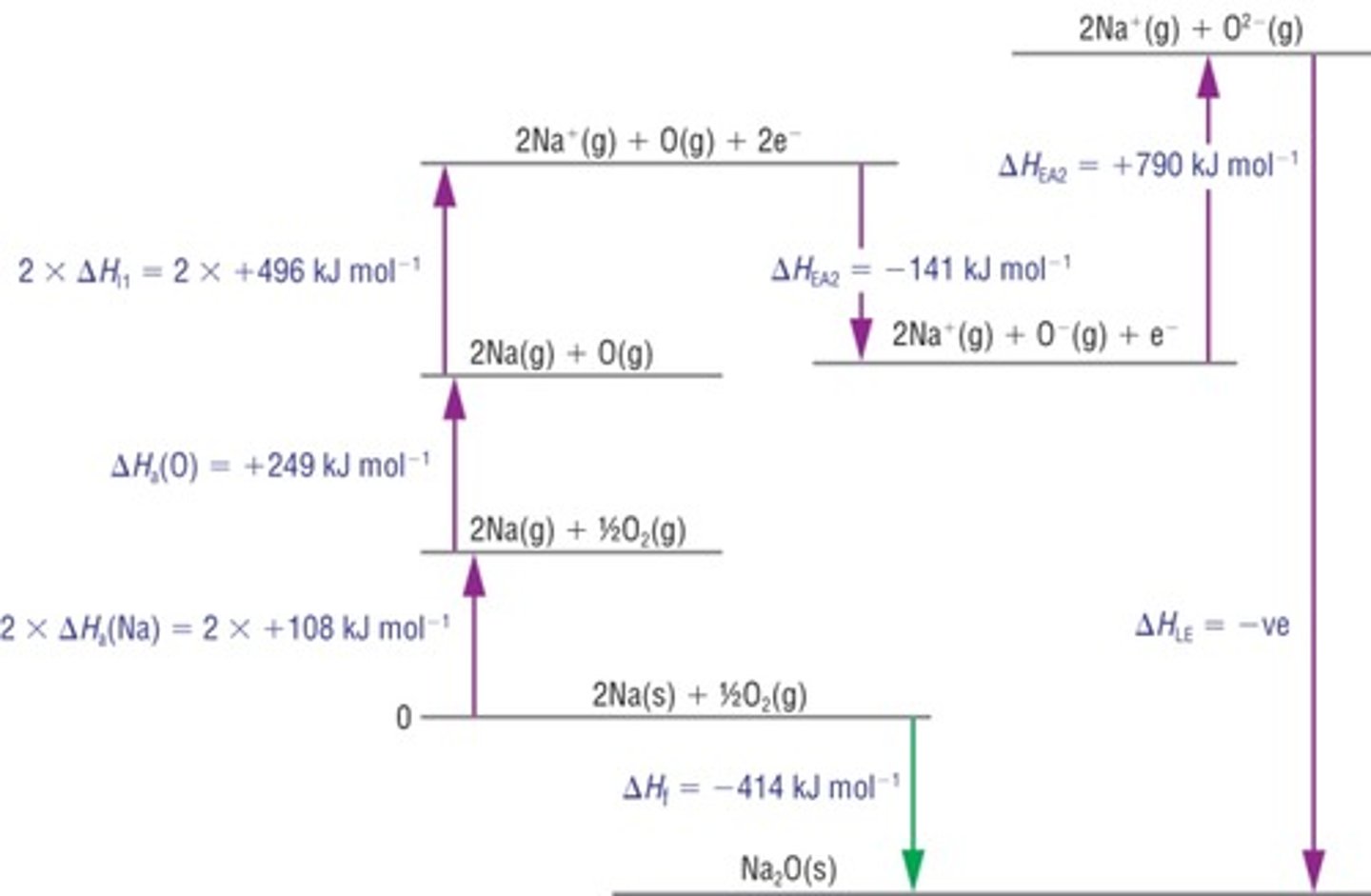
The enthalpy change when one mole of gaseous atoms is formed from the element in its standard state.
Hydration enthalpy (∆hydH)
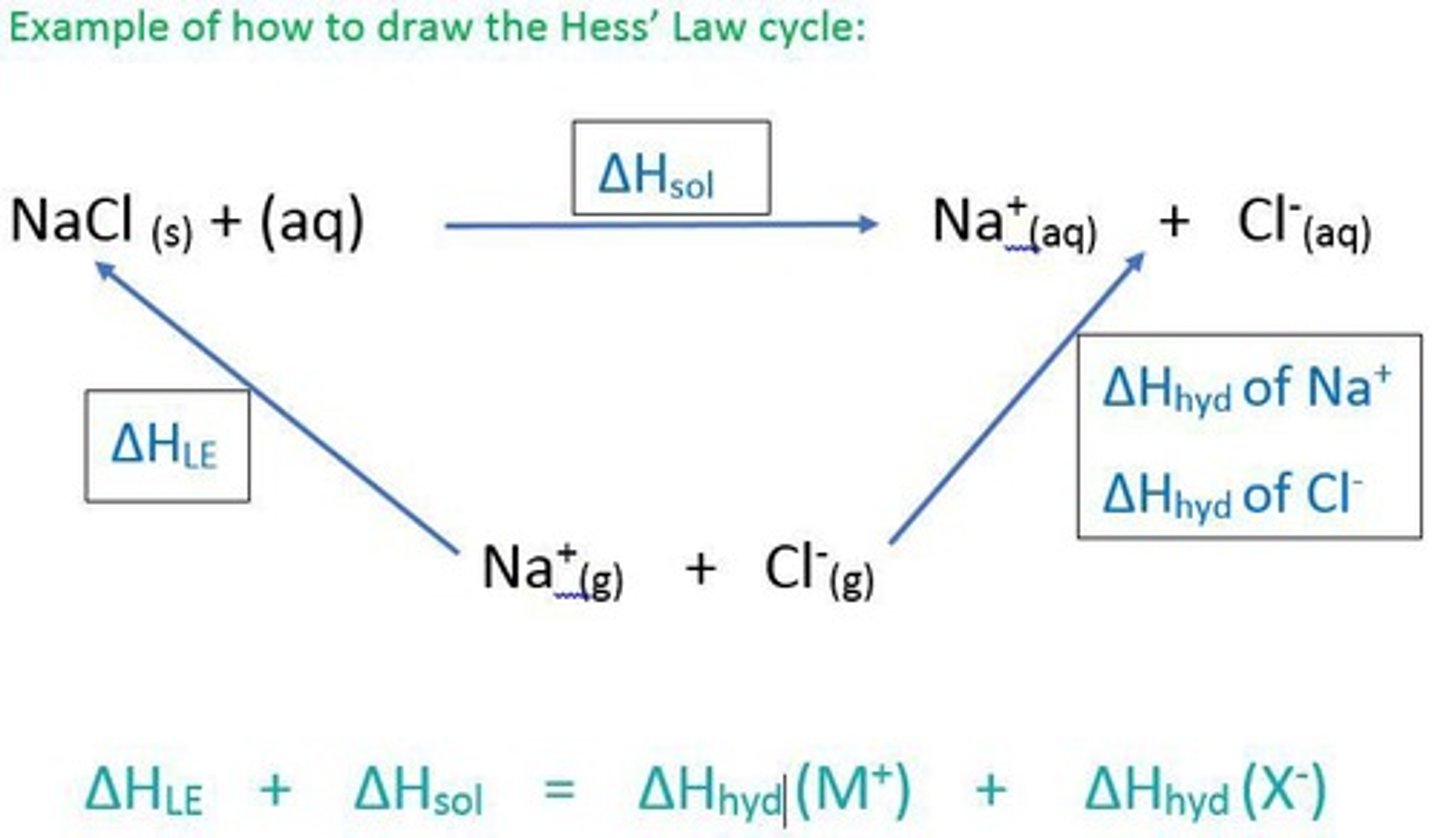
The enthalpy change when one mole of gaseous ions is dissolved in water to form aqueous ions.

Enthalpy of solution (∆solH)
the enthalpy change when 1 mole of an ionic substance dissolves in sufficient water to form an infinitely dilute solution.
Standard Conditions
101 kPa, 298K, 1 mol/dm3
Enthalpy change of formation (∆fH)
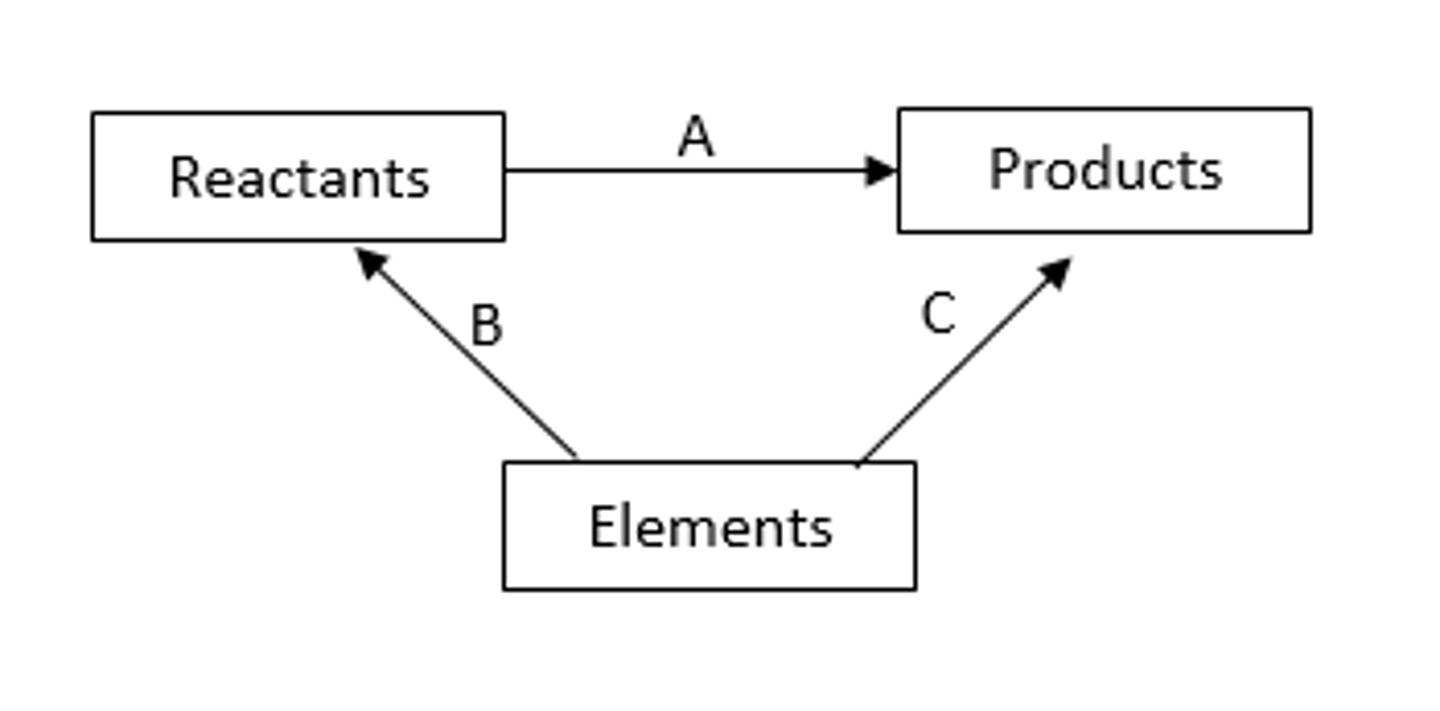
The enthalpy change when one mole of a substance is formed from its constituent elements in their standard states under standard conditions
Enthalpy of combustion (∆cH)
The enthalpy change when one mole of a substance undergoes complete combustion in oxygen with all substances in their standard states.
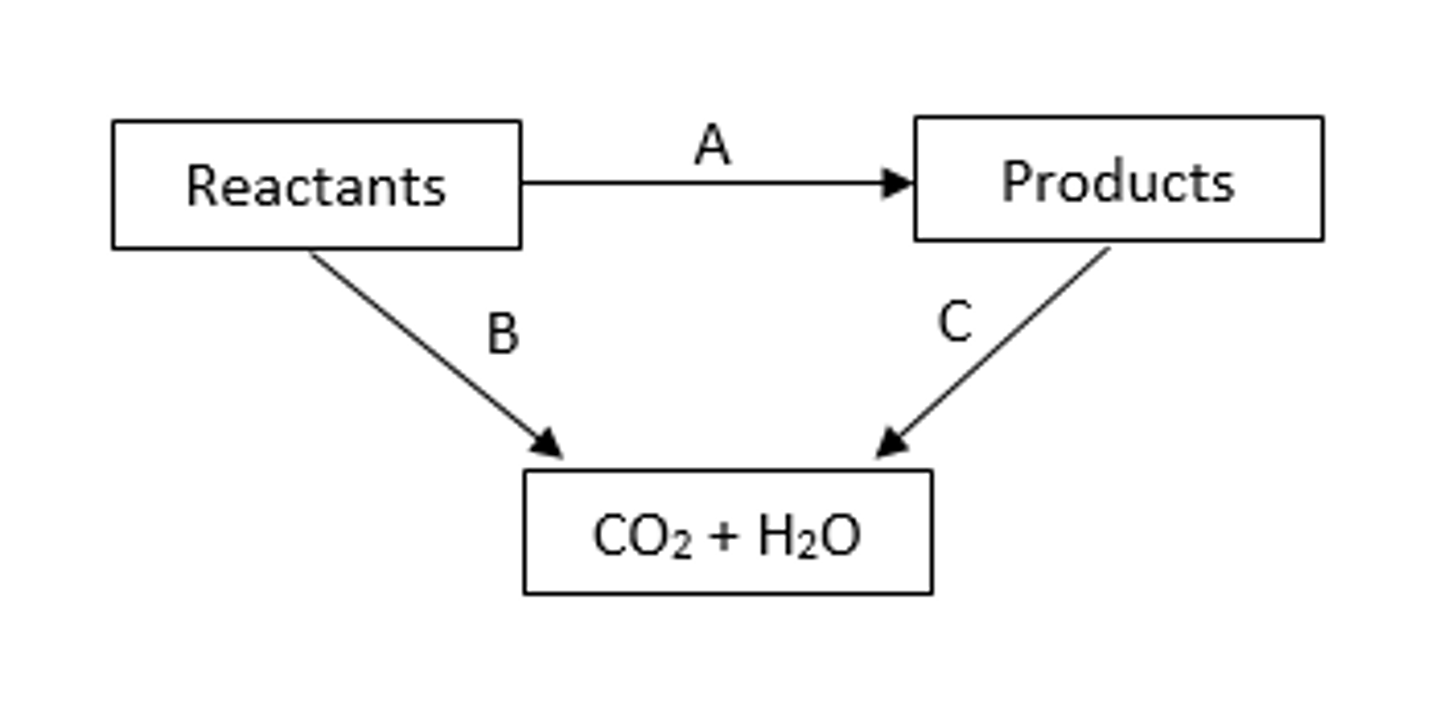
Enthalpy of neutralisation (∆neutH)
The enthalpy change when one mole of water is formed in a reaction between an acid and a base under standard conditions

1st Ionisation energy (∆ieH)
The energy required to remove one mole of electrons from one mole of gaseous atoms to form one mole of gaseous 1⁺ ions.
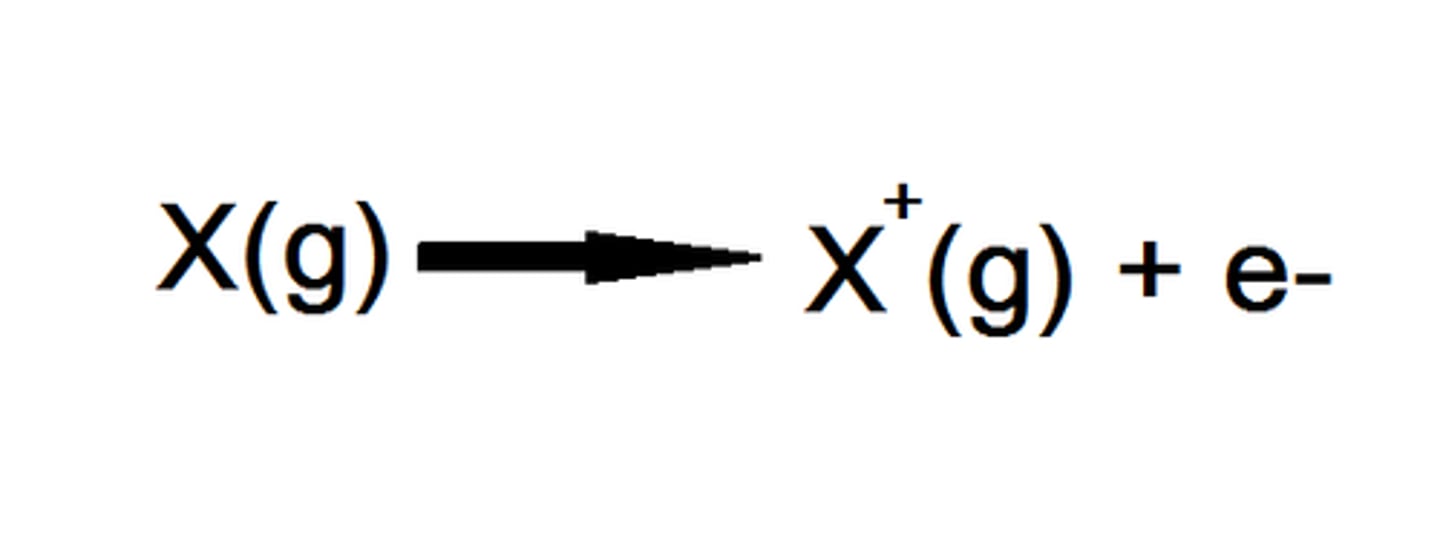
1st Electron affinity (∆EAH)
The energy change when one mole of gaseous atoms each gain one electron to form one mole of gaseous 1⁻ ions.
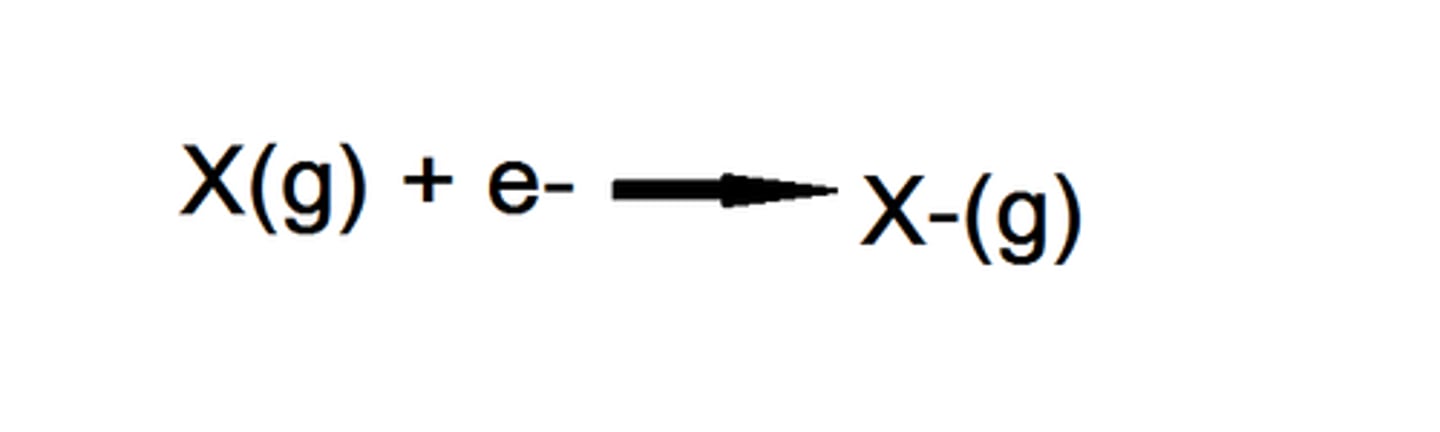
Bond dissociation enthalpy (∆disH)
The enthalpy change required to break one mole of a particular covalent bond in gaseous molecules, forming gaseous atoms.

Lattice enthalpy of formation (∆LEH)
The enthalpy change when one mole of a solid ionic compound is formed from its constituent ions in the gas phase.