2.1. The cell and DNA
 Call Kai
 Learn
Learn Practice Test
 Spaced Repetition
 Match
Match Flashcards
 Knowt Play
1/112

There's no tags or description
Looks like no tags are added yet.
Name | Mastery | Learn | Test | Matching | Spaced | Call with Kai |
|---|
No analytics yet
Send a link to your students to track their progress
113 Terms
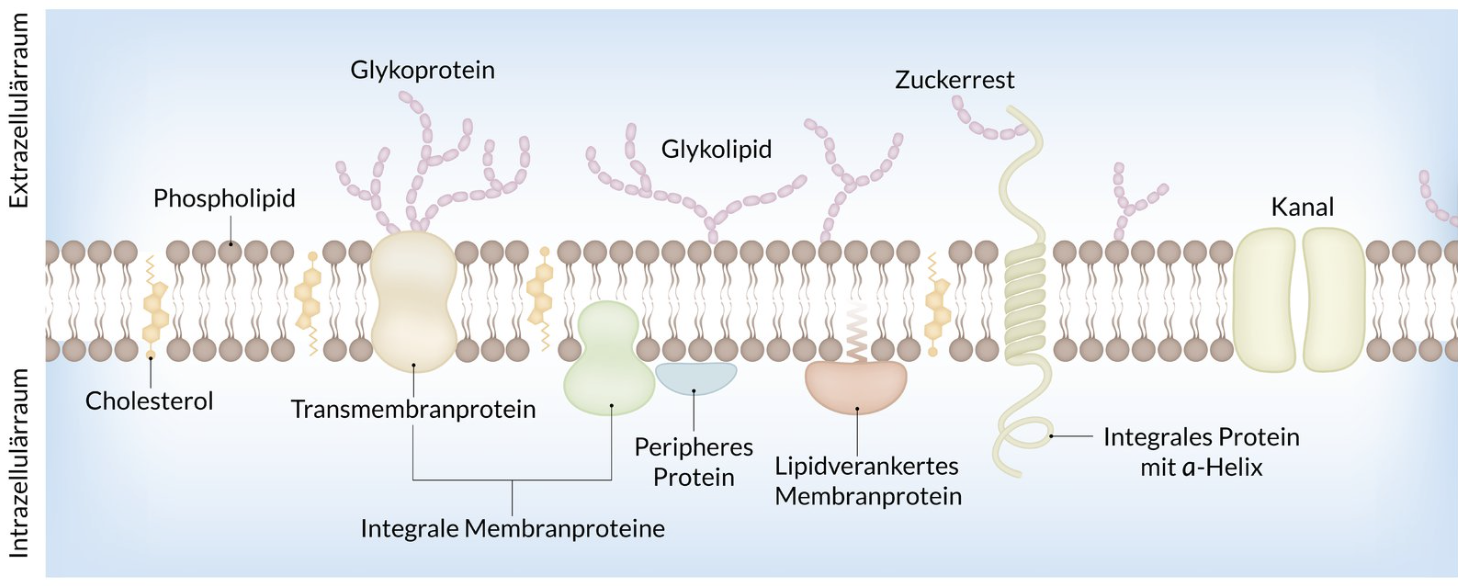
1. Phospholipids are an important basic component of biological membranes.
Which statement about phospholipids is correct?
A. They usually have a steroid backbone as their hydrophobic component.
B. Together with cholesterol, they form the so-called glycocalyx.
C. They are not found in the membranes of intracellular organelles.
D. They are able to move within the plane of the membrane by diffusion.
E. They are classified into peripheral and integral phospholipids.
D. They are able to move within the plane of the membrane by diffusion.
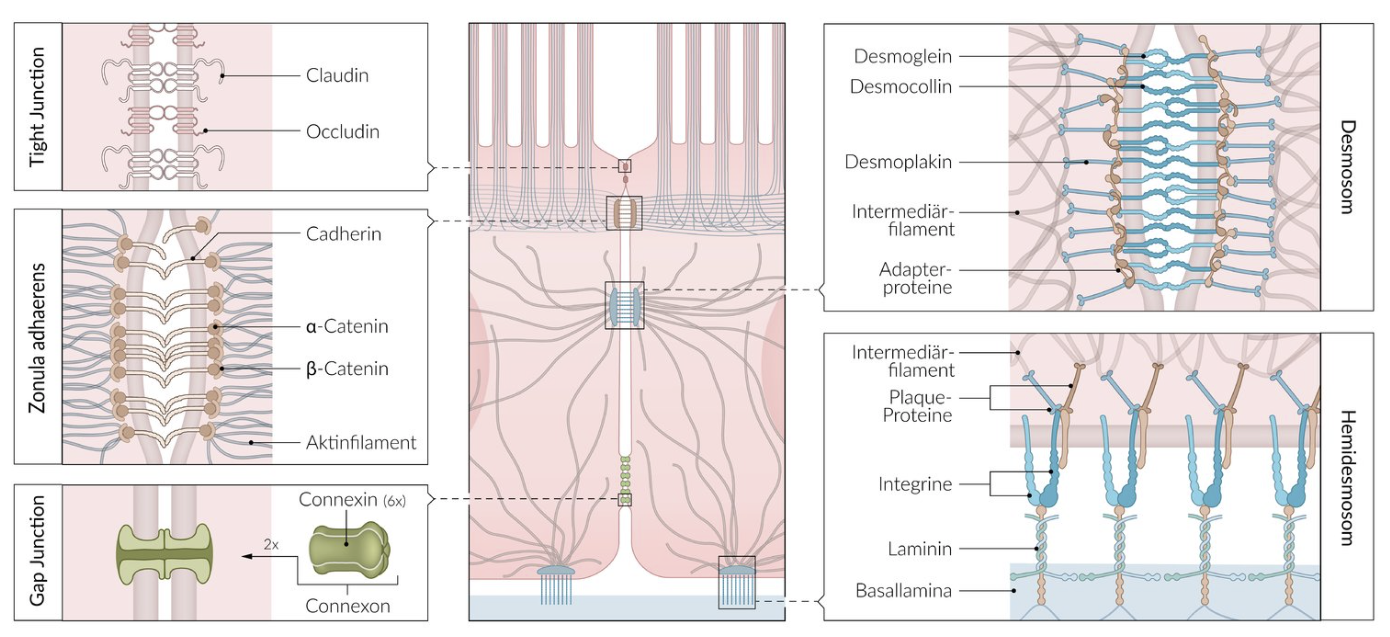
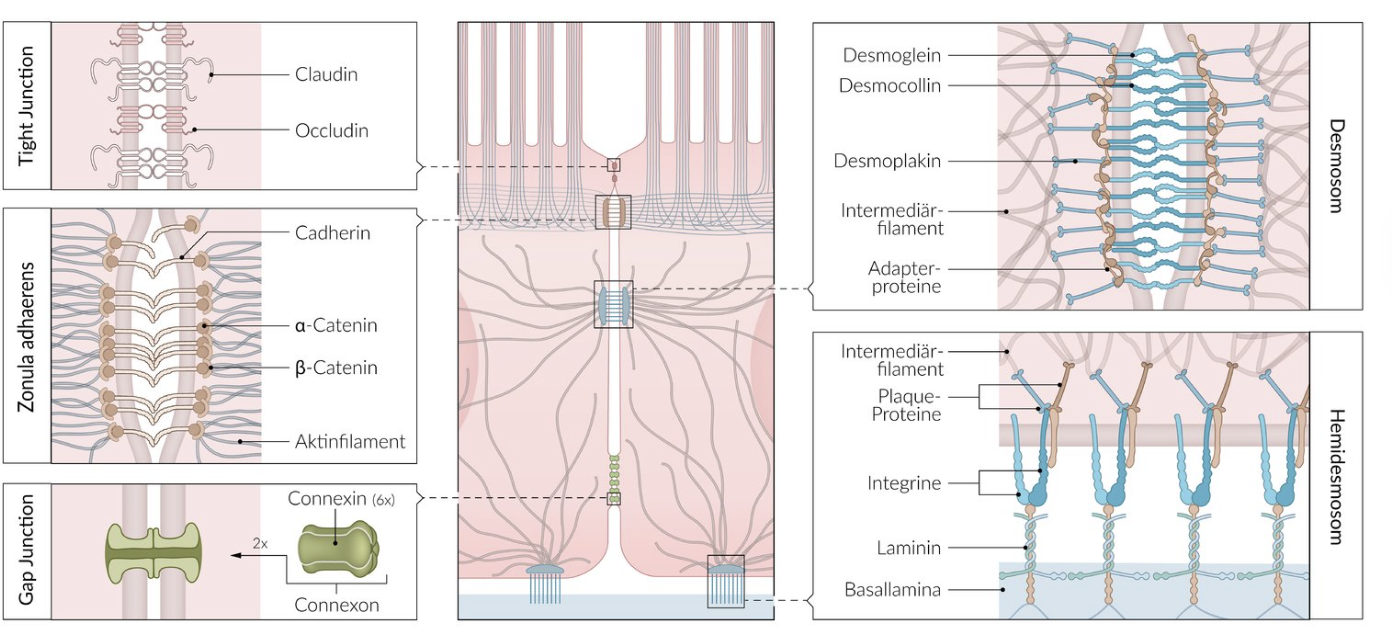
2. The apical and basolateral surfaces of epithelial cells usually have different protein compositions. This is an essential prerequisite for directed transcellular transport of molecules that are taken up at one cell surface into the cytosol and released on the opposite side of the cell into the extracellular space.
Which of the following cell junctions most directly contributes to maintaining the described difference in membrane protein distribution?
A. Desmosome
B. Focal adhesion
C. Gap junction
D. Hemidesmosome
E. Tight junction
E. Tight junction
3. Muscular dystrophy can be caused by inherited defects in various proteins. A particularly severe form is Duchenne muscular dystrophy, which is due to the absence of the protein dystrophin.
Which of the following statements best describes the function of dystrophin in the striated skeletal muscle fiber of a healthy individual?
A. It serves to anchor actin filaments with their plus ends in the Z-discs.
B. It is an ATP-dependent Ca²⁺ pump in the membrane of the sarcoplasmic reticulum.
C. It connects actin filaments of the cell cortex with integral membrane proteins of the cell membrane.
D. It connects myosin II molecules with each other in the center of the sarcomere.
E. It connects the Z-discs of the myofibrils with the sarcoplasmic reticulum.
C. It connects actin filaments of the cell cortex with integral membrane proteins of the cell membrane.
4. The cytoskeleton is a complex network of protein filaments in the cytoplasm of eukaryotic cells. Microtubules are also part of the cytoskeleton, and their assembly and disassembly can be influenced by toxins.
Which of the following is typically such a toxin?
A. Clathrin
B. Colchicine
C. Desmin
D. Dynamin
E. Dynein
B. Colchicine
5. Malignant tumors may largely lose their histological similarity to the tissue of origin. In such cases, assignment of the tumor to a basic tissue type can be achieved by immunohistochemical identification of intermediate filaments.
Which of the following is most specific for an epithelial tumor?
A. Desmin
B. Glial filaments
C. Laminins
D. Vimentin
E. Cytokeratins
E. Cytokeratins
6. Lysosomes are the central digestive organelles of human cells. Although they can vary considerably in shape and size, all lysosomes share numerous structural and functional features.
Which of the following statements about lysosomes is correct?
A. They serve, among other functions, to degrade the cell’s own structures, such as aged mitochondria.
B. They contain large amounts of basic hydrolases.
C. To protect the cell, they have a particularly impermeable membrane that contains no transport proteins.
D. They are a central sorting station for all substances transported via transcytosis.
E. They contribute to protection against self-digestion by having a glycocalyx on the cytosolic side.
A. They serve, among other functions, to degrade the cell’s own structures, such as aged mitochondria.
7. In congenital deficiency of glucose-6-phosphatase, glucose can no longer be released from the liver, leading to a disorder of glycogen breakdown.
In which cellular organelle is glucose-6-phosphatase activity normally predominantly localized?
A. Endoplasmic reticulum
B. Golgi apparatus
C. Lysosome
D. Mitochondrion
E. Peroxisome
A. Endoplasmic reticulum
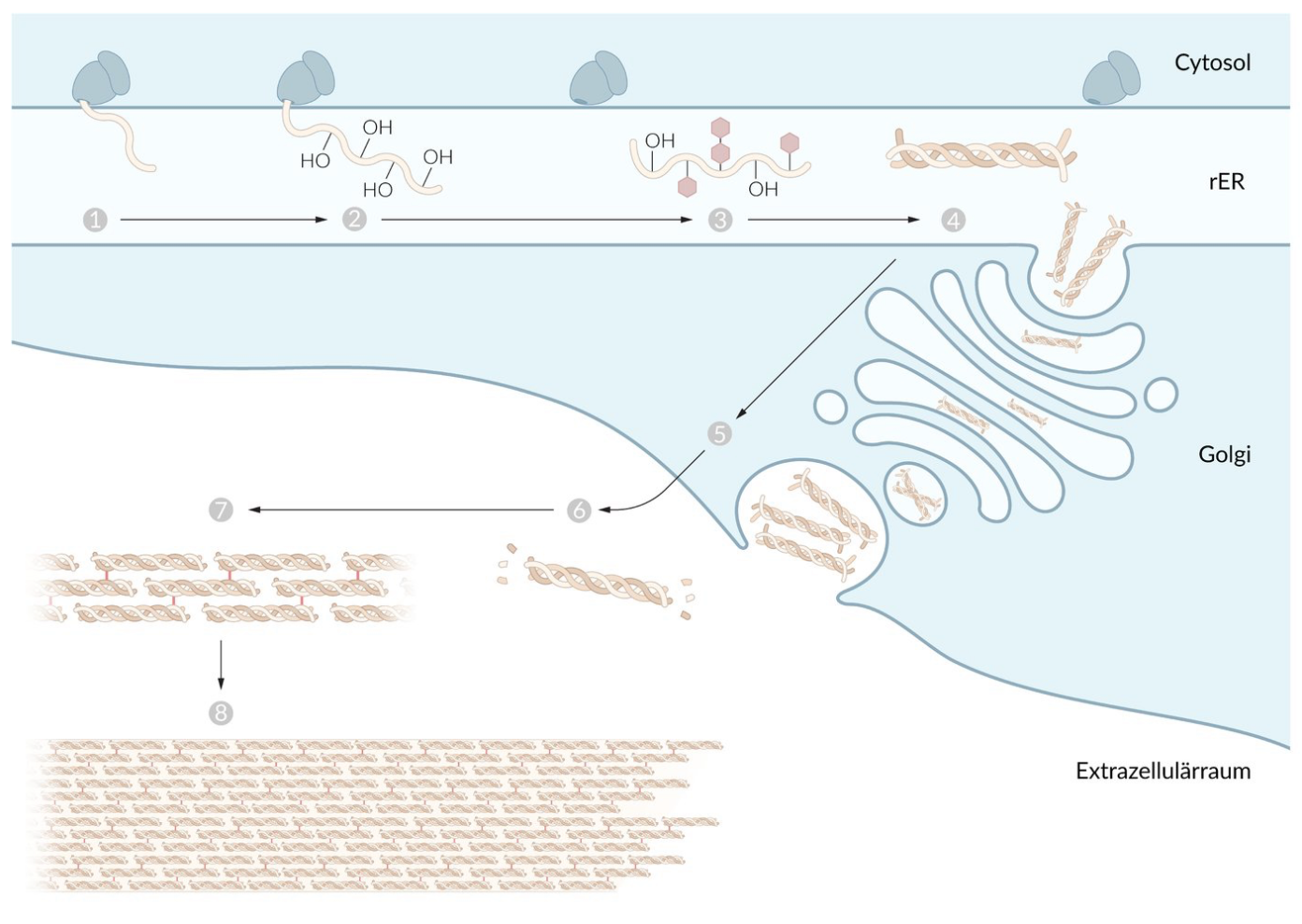
8. Collagen makes up a very large proportion of the total protein mass of the human body. During its biosynthesis, the maturing collagen molecule undergoes numerous modifications.
At which stage of fibrillar collagen biosynthesis are the propeptides usually cleaved?
A. Before entry into the endoplasmic reticulum
B. In the endoplasmic reticulum before the hydroxylation reactions
C. In the endoplasmic reticulum after the hydroxylation reactions and before formation of the triple helices
D. After formation of the triple helices and before their assembly and cross-linking into collagen fibrils
E. After assembly and cross-linking into collagen fibrils
D. After formation of the triple helices and before their assembly and cross-linking into collagen fibrils
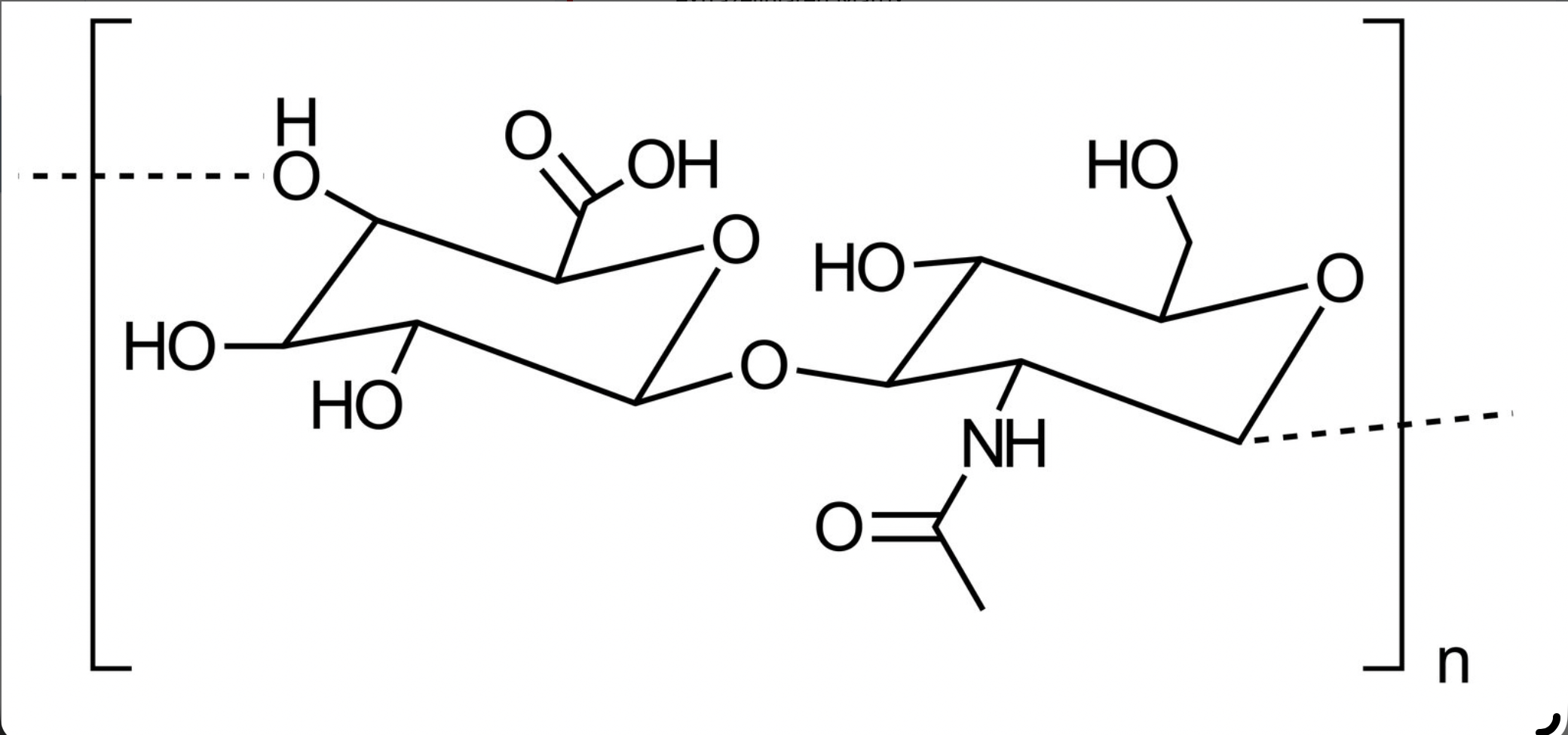
9. Osteoarthritis of the knee joint can cause severe pain and limited mobility. One possible purely symptomatic treatment approach is the injection of hyaluronic acid (hyaluronan) into the affected joint to improve lubrication.
Which statement about hyaluronic acid is most accurate?
A. It is a component of the cytoskeleton and stabilizes cartilage cells against tensile forces.
B. It is a highly branched, positively charged polysaccharide of the extracellular matrix.
C. Along with elastin, it is the main component of elastic fibers.
D. It consists of an unbranched chain of repetitive disaccharide units.
E. Due to its hydrophobic properties, it can insert into cell membranes and increase their fluidity.
D. It consists of an unbranched chain of repetitive disaccharide units.
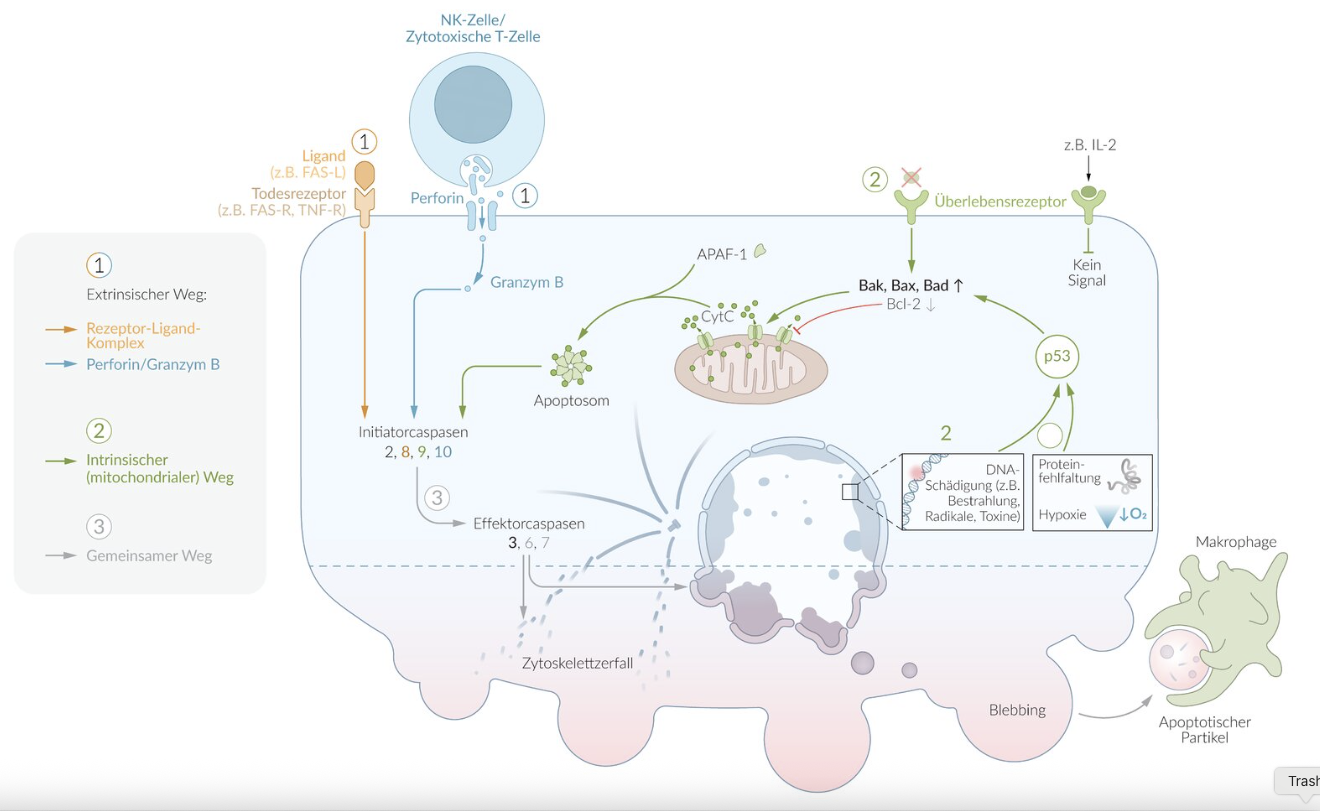
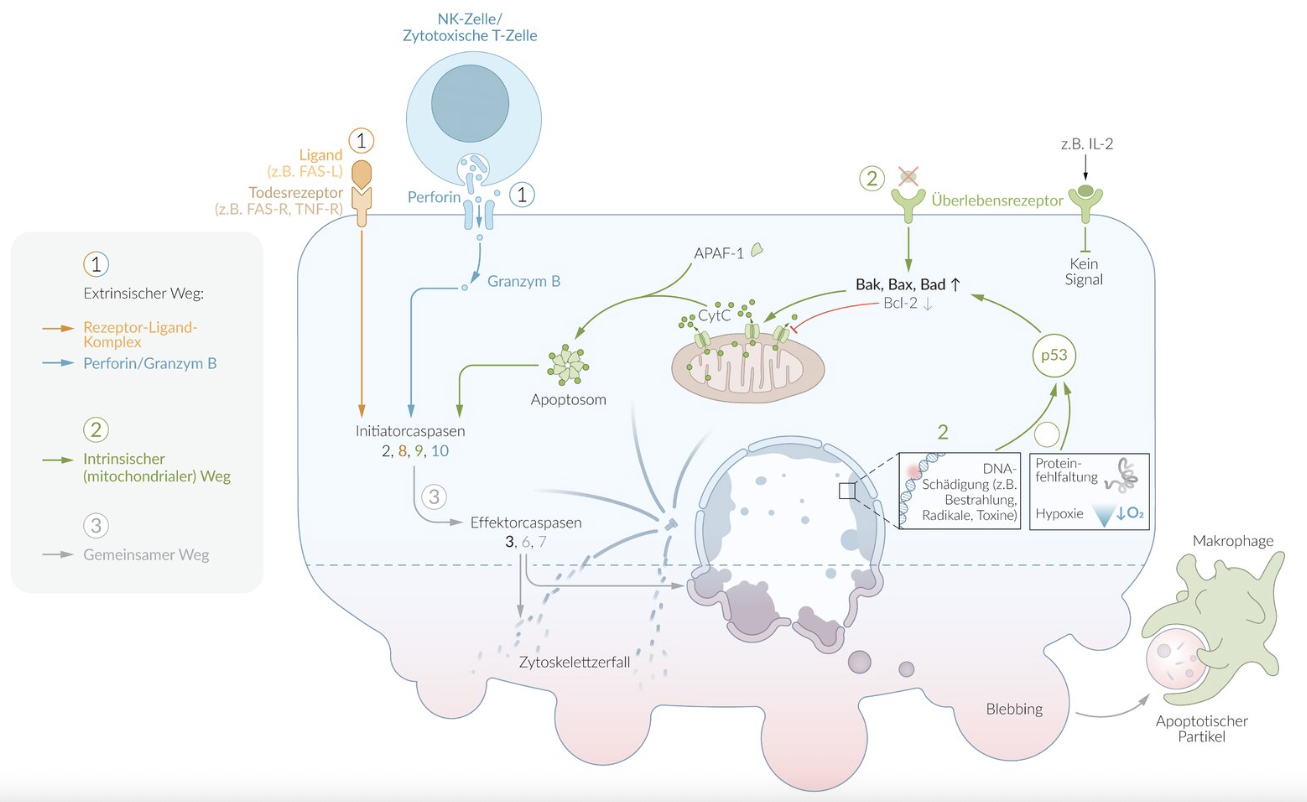
10. Apoptosis is also referred to as programmed cell death. This program can be activated by external stimuli (extrinsic pathway) or by intracellular factors (intrinsic pathway). A typical step in the intrinsic pathway is the release of cytochrome c.
From which organelle does this release most likely occur?
A. Golgi apparatus
B. Lysosome
C. Mitochondria
D. Peroxisome
E. Nucleus
C. Mitochondria
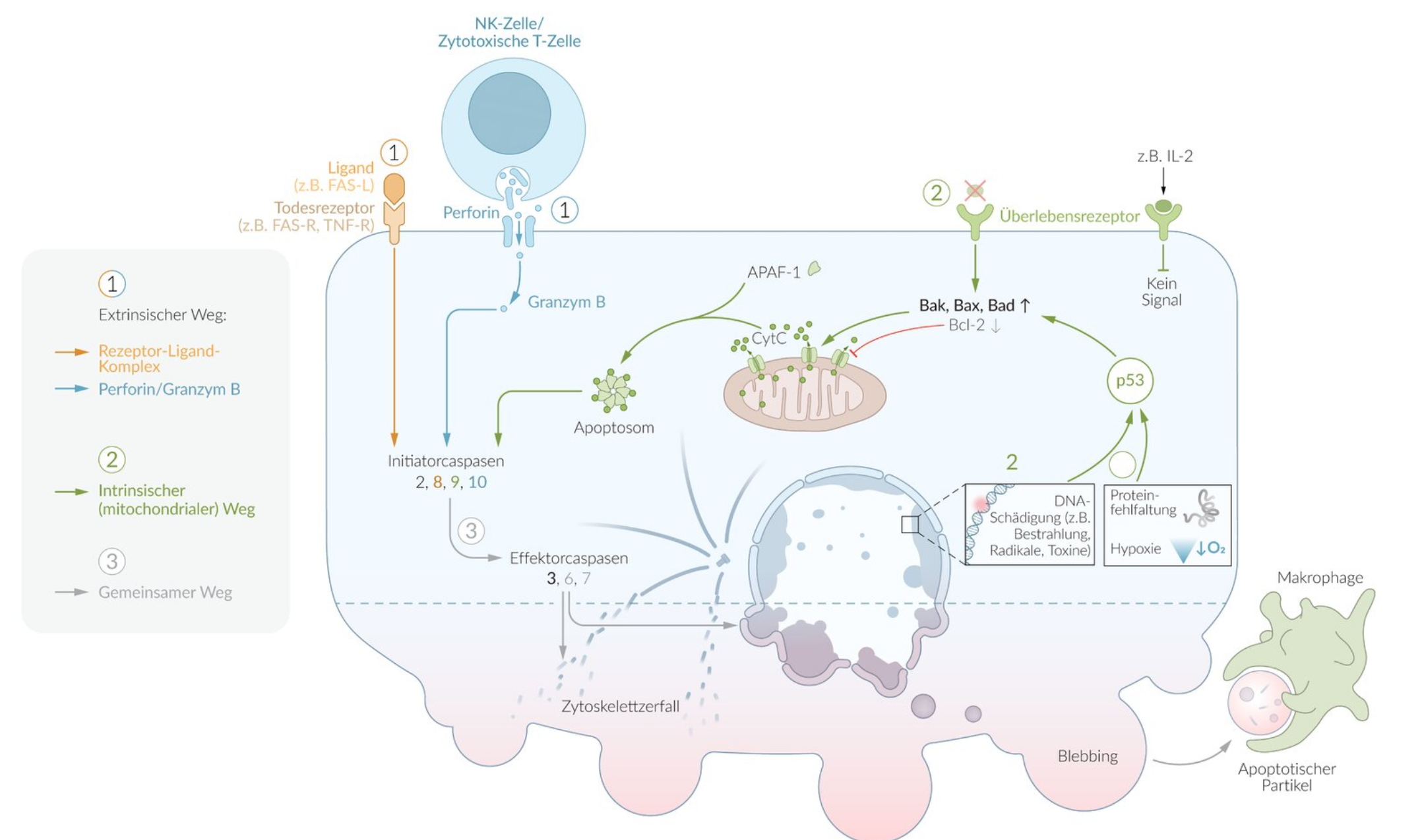
11. Necrotic cell death is usually associated with the release of intracellular contents, which triggers an inflammatory reaction. In contrast, apoptosis typically does not lead to such an inflammatory response.
Which of the following statements most accurately describes the main reason for the absence of an inflammatory reaction in the surrounding tissue during apoptotic cell death?
A. Apoptotic cells are typically removed by phagocytosis before large amounts of their contents are released into the extracellular space.
B. Caspases released during apoptosis degrade inflammatory mediators in the extracellular space.
C. Inflammatory mediators released when apoptotic cells rupture are normally completely removed from the extracellular space by pinocytosis of neighboring cells.
D. Inflammatory mediators of apoptotic cells are usually degraded by caspases before the cells rupture.
E. During apoptosis, large amounts of anti-inflammatory substances are produced and released into the extracellular space.
A. Apoptotic cells are typically removed by phagocytosis before large amounts of their contents are released into the extracellular space.
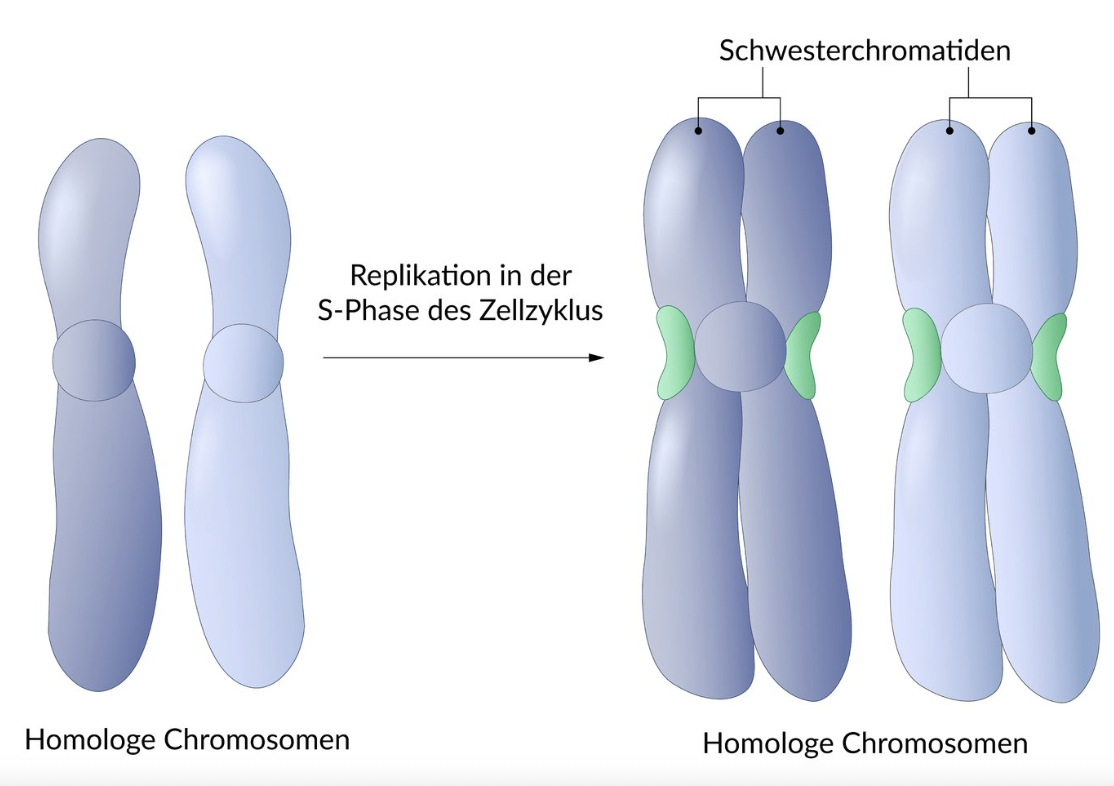
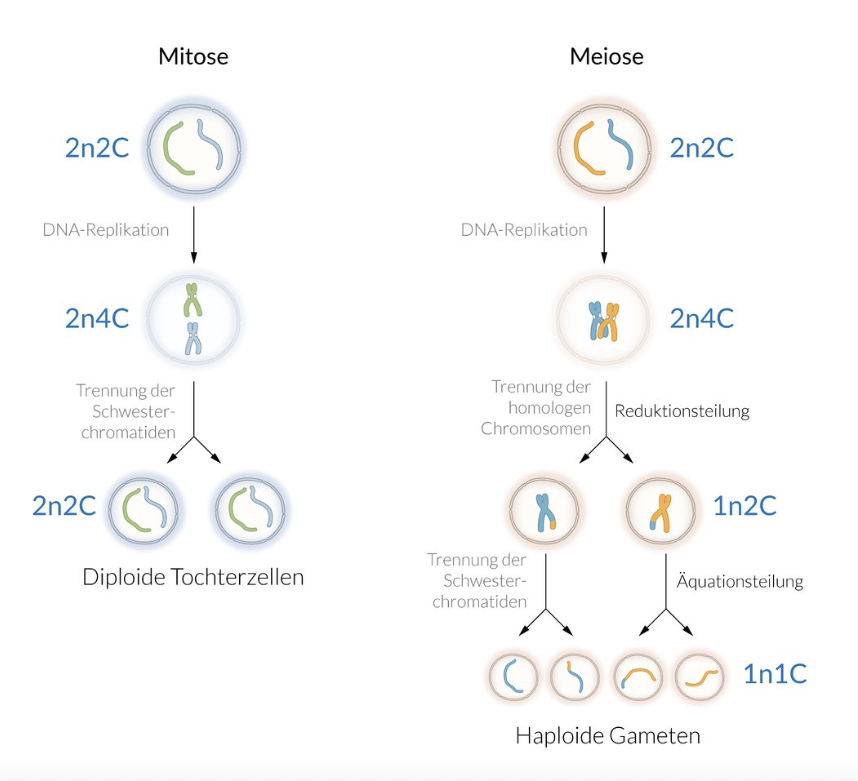
12. During mitosis, sister chromatids are initially held together by numerous cohesin complexes.
Cleavage of the centromeric cohesin complex is carried out by which enzyme?
A. DNA polymerase
B. Peptidyltransferase
C. Separase
D. Telomerase
E. Topoisomerase
C. Separase
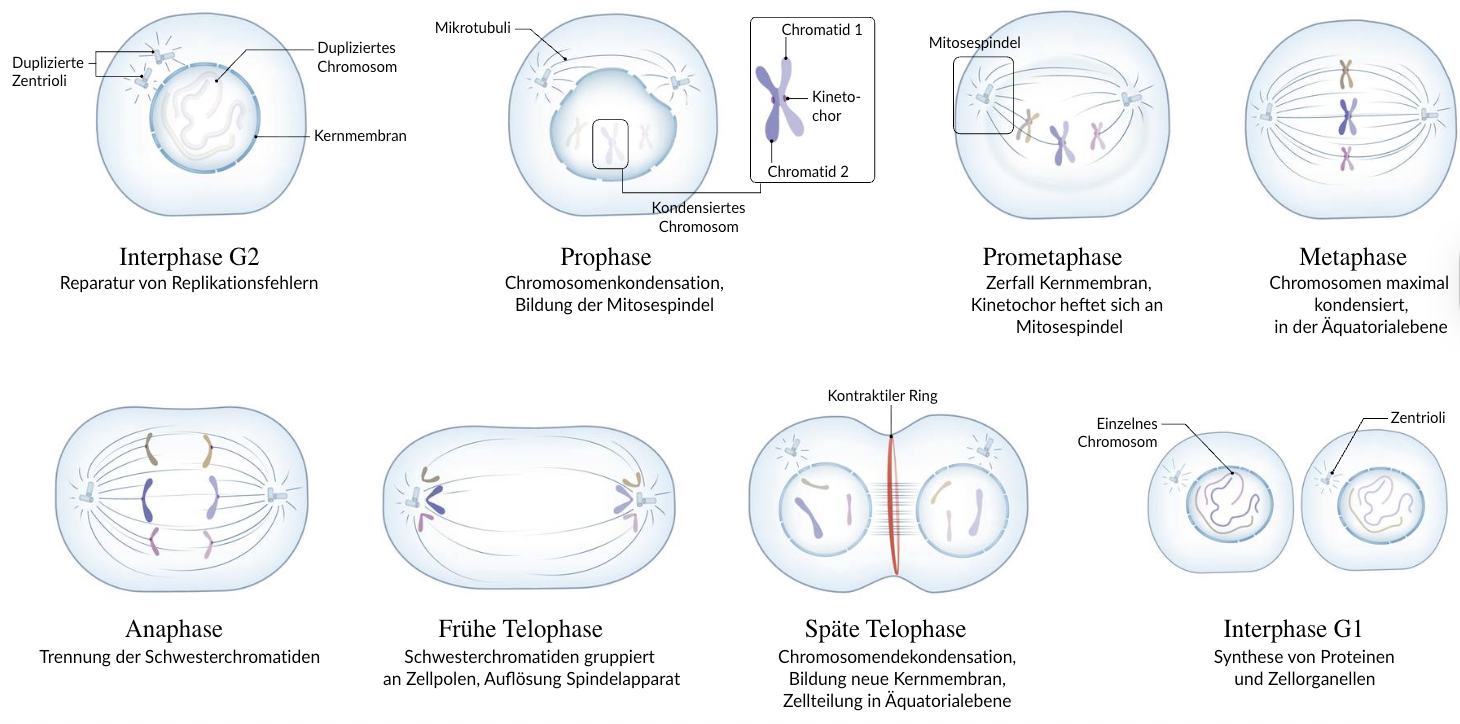
13. During germ cell formation, meiosis leads to a reduction in the chromosome set.
To which phase or stage is the pairing (synapsis) of homologous chromosomes most likely assigned?
A. Anaphase I
B. Metaphase I
C. Zygotene stage of prophase I
D. Metaphase II
E. Prophase II
C. Zygotene stage of prophase I
14. Hemophilia A is caused by a genetically determined deficiency of coagulation factor VIII. The corresponding gene is located on the X chromosome (the prevalence of hemophilia A in the population is approximately 1 in 10,000).
Which statement regarding the probability of developing hemophilia A is generally correct for a man?
A. 25% if his mother is heterozygous for hemophilia A
B. 25% if his father is affected by hemophilia A
C. 50% if his mother is heterozygous for hemophilia A
D. 50% if his father is affected by hemophilia A
E. 100% if his father is affected by hemophilia A
C. 50% if his mother is heterozygous for hemophilia A
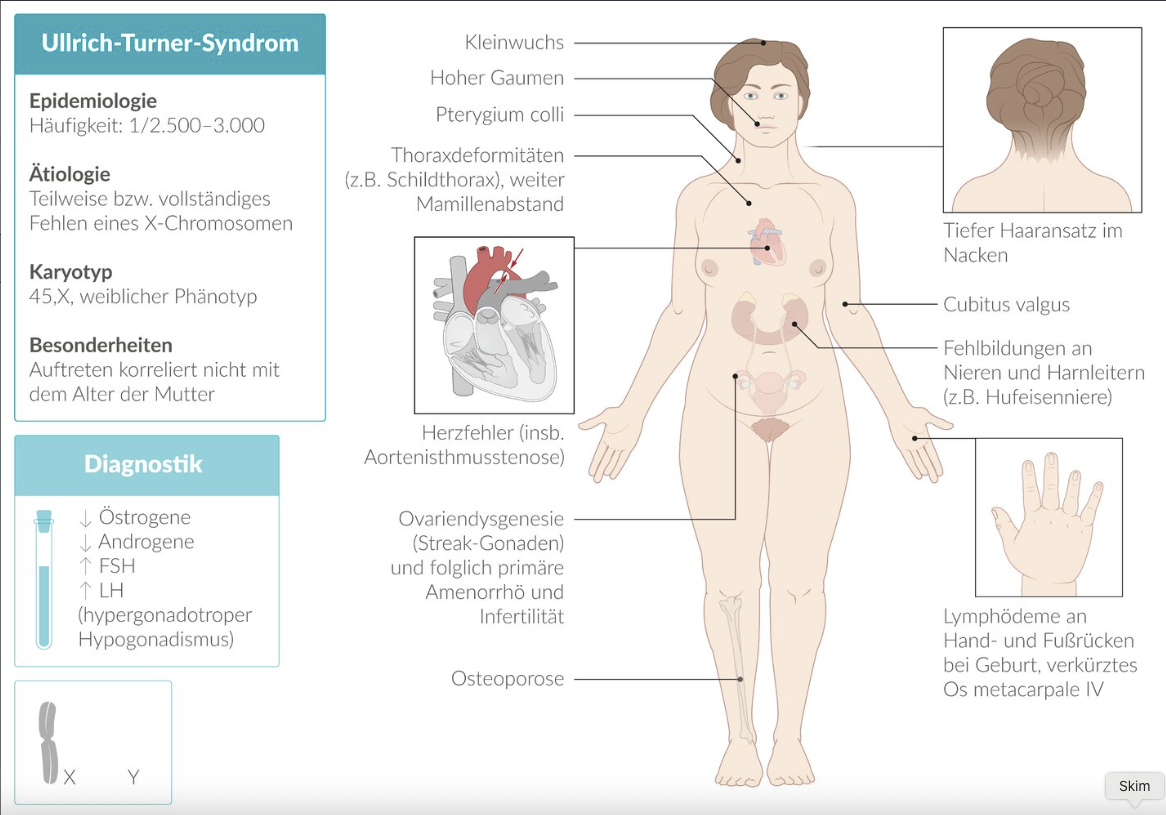
15. A 10-year-old girl with short stature is referred to a pediatric clinic to investigate the cause of her growth disorder. A cytogenetic examination shows that the child has no Barr bodies.
Which of the following congenital conditions is most likely the underlying cause?
A. Klinefelter syndrome (47,XXY)
B. Osteogenesis imperfecta (point mutation in the gene for type I collagen)
C. Phenylketonuria (point mutation in the gene for phenylalanine hydroxylase)
D. Triple X syndrome (47,XXX)
E. Ullrich–Turner syndrome (45,X)
E. Ullrich–Turner syndrome (45,X)
16. In a country with 100 million inhabitants, 4 million people suffer from a certain autosomal recessive disease. Assume that the conditions for Hardy–Weinberg equilibrium are approximately fulfilled.
How many heterozygous carriers of this disease are there in this country?”
A. 0.25 million
B. 1.2 million
C. 8.4 million
D. 24 million
E. 32 million
E. 32 million
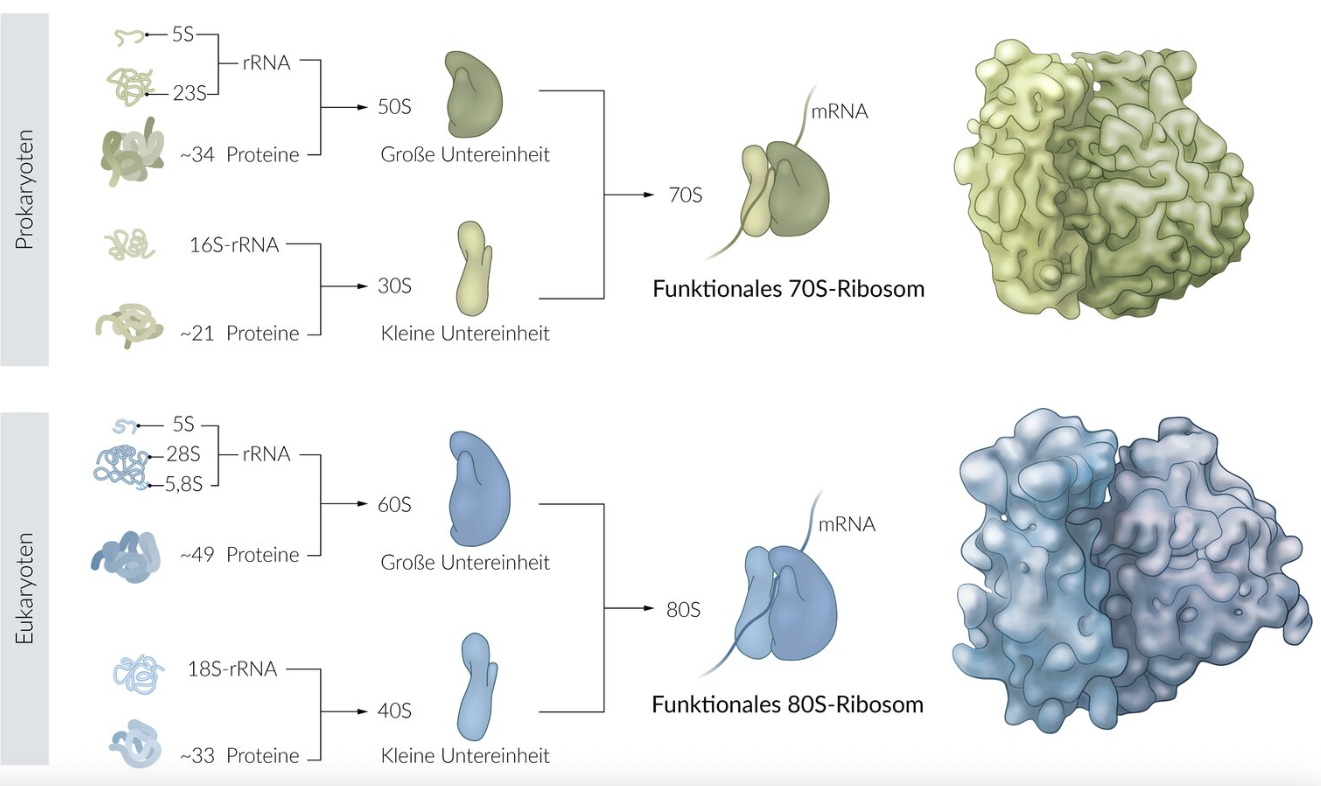
17. Among other differences, bacterial and mitochondrial ribosomes differ from the cytoplasmic (extramitochondrial) ribosomes of eukaryotic cells (e.g., humans) typically by which of the following?
A. The absence of ribonucleic acids as structural components
B. Their fundamental structure consisting of one large and one small subunit
C. An additional function as a transcription enzyme complex
D. A greater number of protein subunits
E. Their sedimentation coefficient (in Svedberg units)
E. Their sedimentation coefficient (in Svedberg units)
18. Botulinum toxin or tetanus toxin produced by bacteria can inhibit exocytosis.
The toxin particularly disrupts the function of which of the following?
A. Adaptins (adapter protein complexes AP-1 to AP-3)
B. Clathrins
C. SNARE proteins
D. Dynein
E. Kinesin
C. SNARE proteins
19. Borreliae, which can cause Lyme disease among other conditions, belong (as also suggested by their morphology) to which of the following groups?
A. Chlamydiae
B. Mycobacteria
C. Spirochetes
D. Streptococci
E. Vibrios
C. Spirochetes
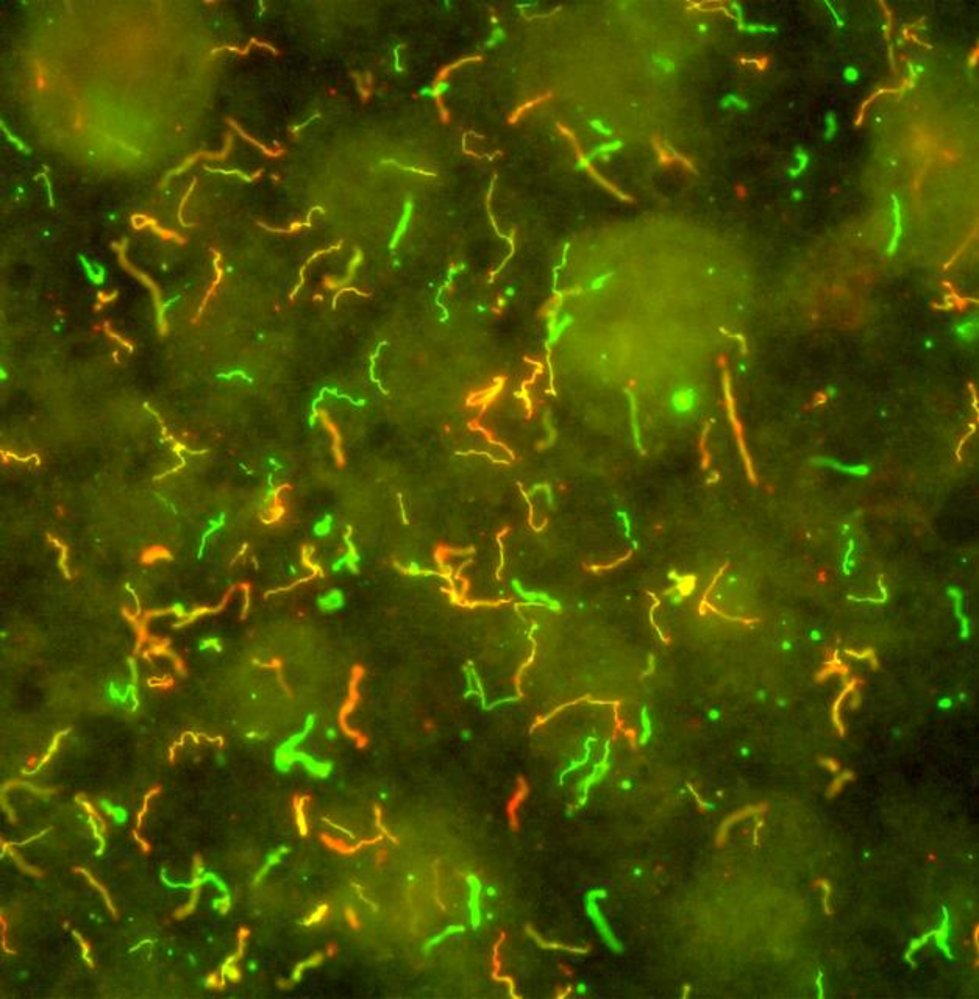
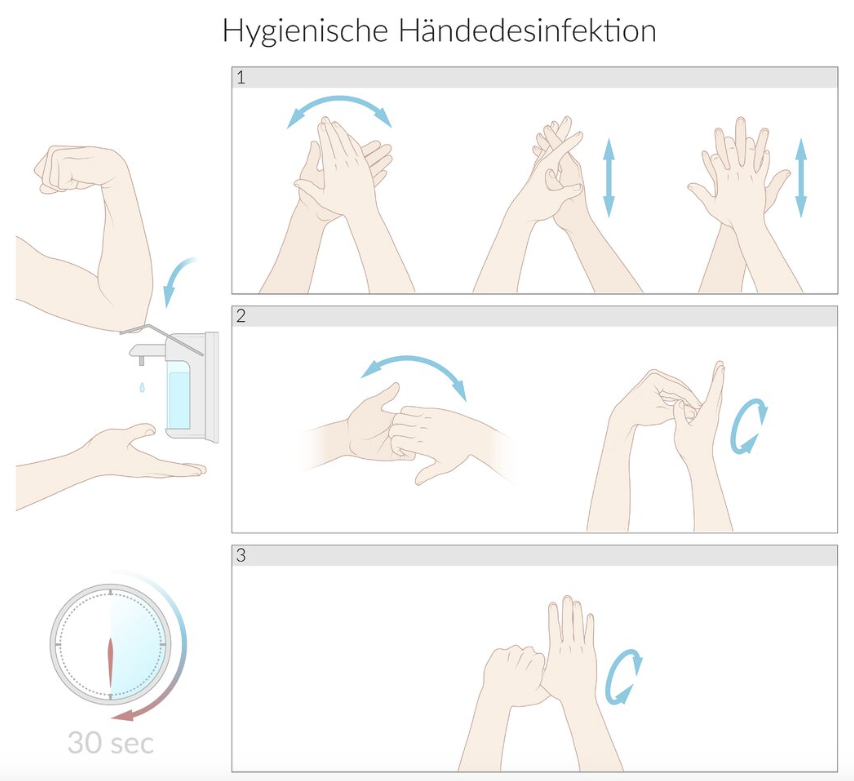
20. Among other things, the Commission for Hospital Hygiene and Infection Prevention (KRINKO) issues recommendations on hand hygiene in healthcare facilities.
According to KRINKO, the goal of hygienic hand disinfection using a hand disinfectant is, on the skin of the hands, the:
A. Killing of any potentially present bacterial spores (sporicidal effect)
B. Removal of the flora-containing water–lipid mantle
C. Greatest possible reduction of the resident flora
D. Rapid and sufficient reduction of the transient flora
E. Adequate preparation of the hands for donning sterile surgical gloves
D. Rapid and sufficient reduction of the transient flora
21. Functional loading of an organ can lead to an increase in its number of cells.
Which of the following terms best describes organ enlargement that occurs in this way?
A. Atrophy
B. Hyperplasia
C. Hypertrophy
D. Hypotrophy
E. Metaplasia
B. Hyperplasia
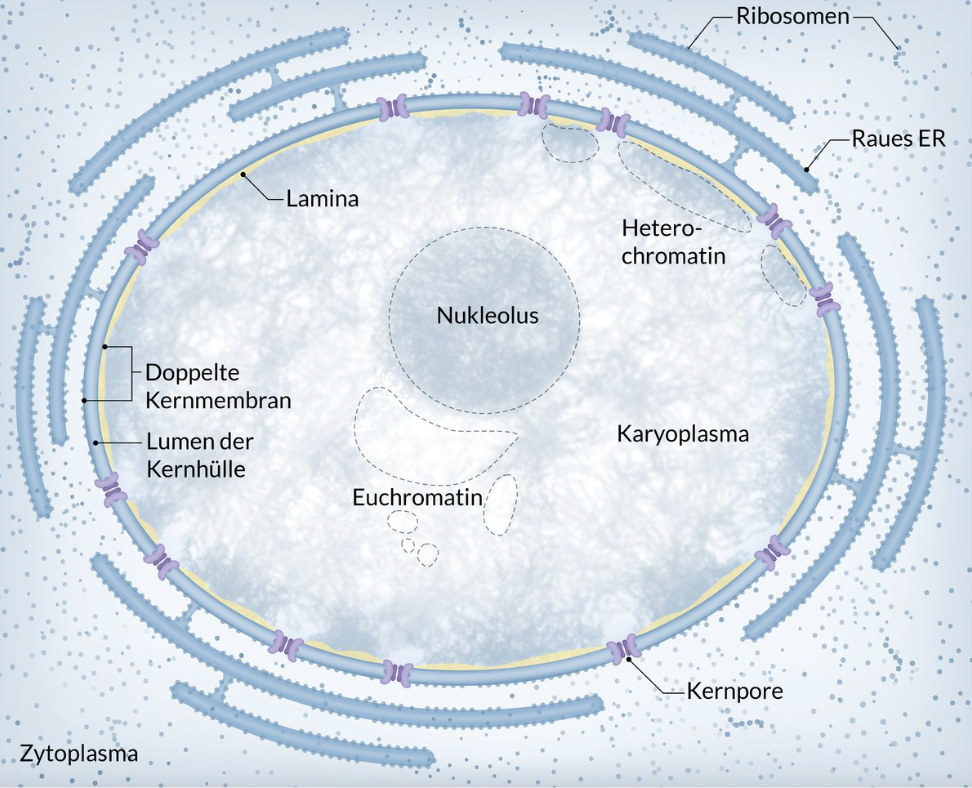
22. The nuclear envelope encloses the DNA of the nucleus and is formed by two membranes. On the inner side of the inner nuclear membrane lies the nuclear lamina, a densely woven network of protein filaments.
Which of the following filaments are typically involved?
A. Desmin filaments
B. Lamin filaments
C. Neurofilaments
D. Tonofilaments
E. Cytokeratin filaments
B. Lamin filaments
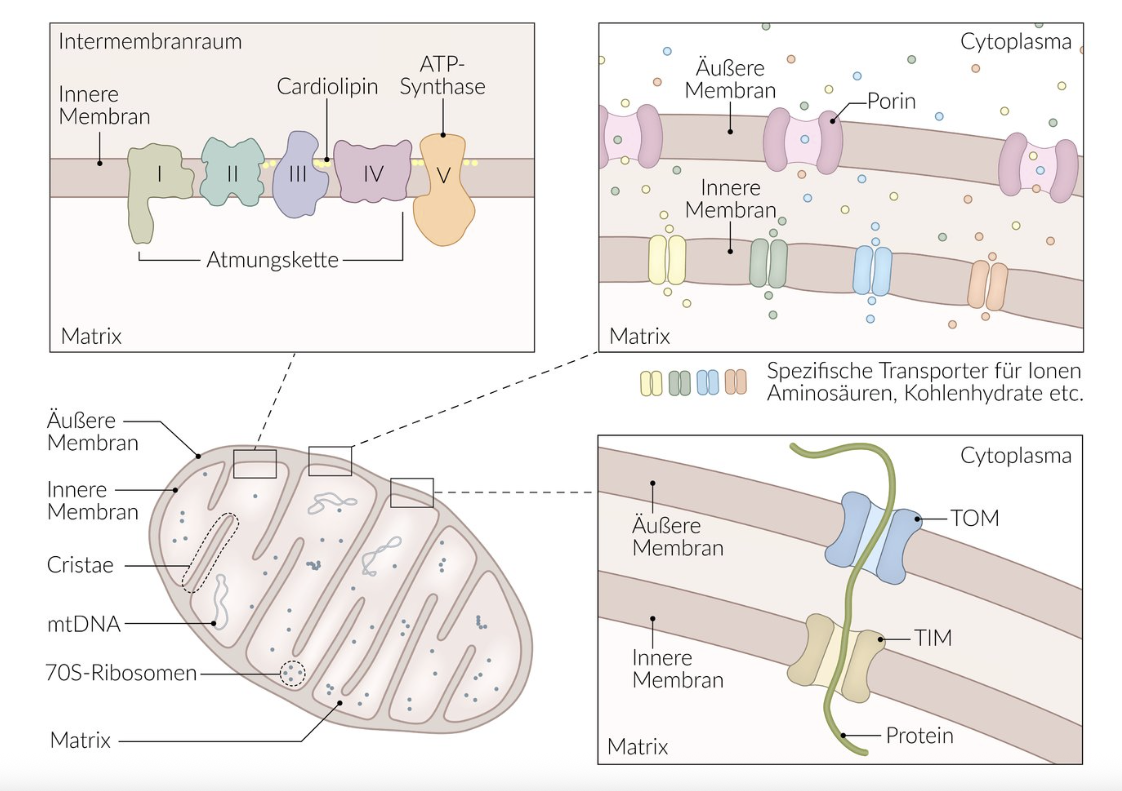
23. One of the characteristic components of mitochondria is cardiolipin (diphosphatidylglycerol).
Where is cardiolipin typically found?
A. In the outer mitochondrial membrane
B. In the intermembrane space of the mitochondria
C. In the inner mitochondrial membrane
D. In the mitochondrial matrix
E. In mitochondrial DNA
C. In the inner mitochondrial membrane
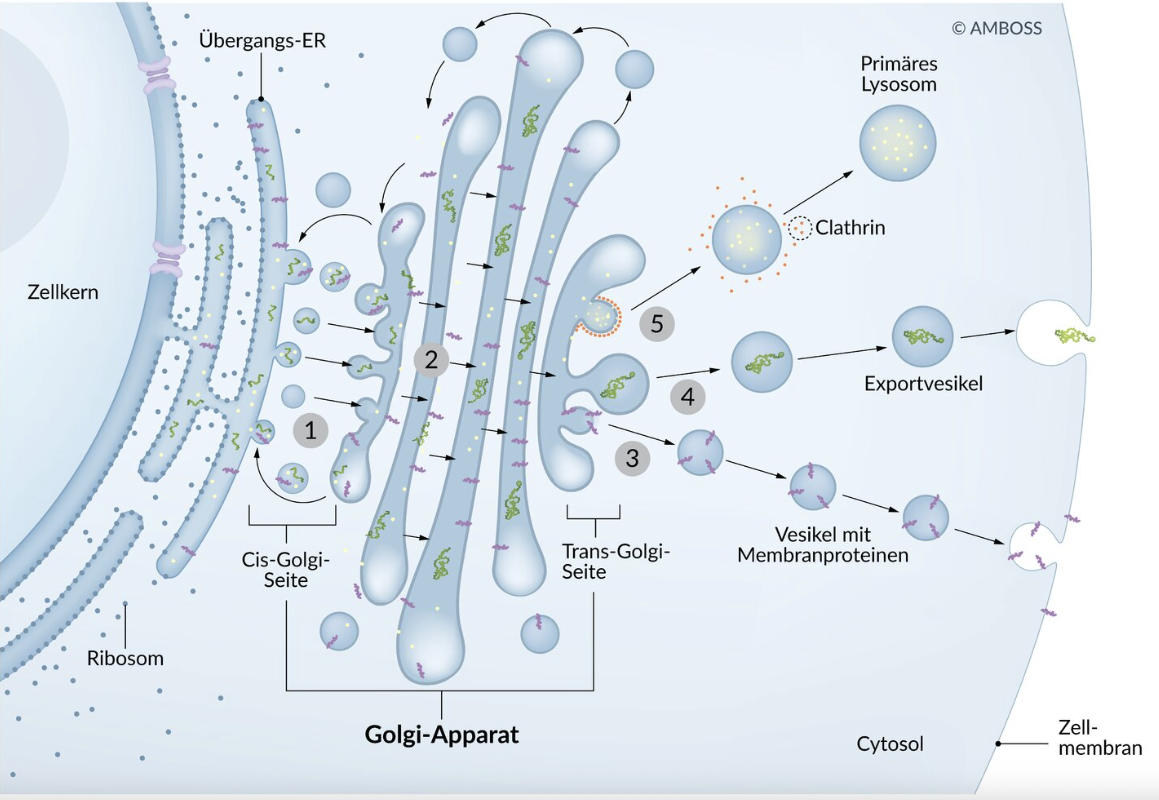
24. Vesicles that bud off from a membrane usually carry a characteristic protein coat.
Which of the following is characteristic for transport from the endoplasmic reticulum to the Golgi apparatus?
A. Caveolin
B. Clathrin
C. COP II (coat protein complex II)
D. Importins
E. Mannose-6-phosphate receptor (M6PR)
C. COP II (coat protein complex II)
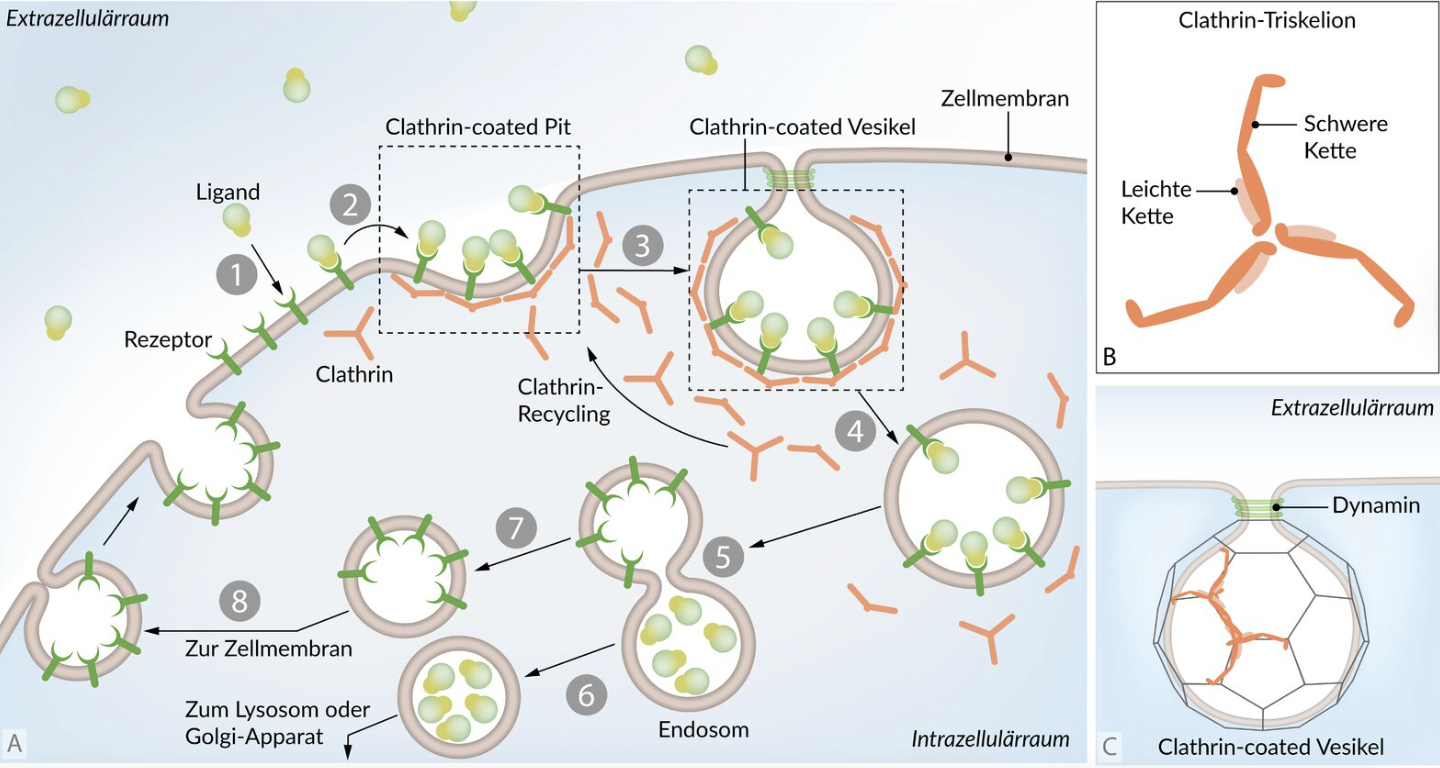
25. A toxic substance causes the pH inside early endosomes of human cells to equalize with the cytosolic pH (approximately 7.2).
What are the most likely immediate consequences for the affected cells following intoxication with this substance?
A. N-linked glycosylation of newly synthesized membrane proteins no longer takes place.
B. The Na⁺/K⁺-ATPase ceases its activity.
C. Translation of endosomal membrane proteins at the rough endoplasmic reticulum is inhibited.
D. Newly synthesized acid hydrolases are no longer labeled with the mannose-6-phosphate signal.
E. Receptor–ligand complexes, such as LDL receptor/LDL, are no longer dissociated in the early endosome.
E. Receptor–ligand complexes, such as LDL receptor/LDL, are no longer dissociated in the early endosome.
26. One of the central tasks of (human) macrophages is the elimination of pathogenic microorganisms by phagocytosis.
Which statement about phagocytosis is correct?
A. The term phagocytosis refers to the budding of caveolae into the cytoplasm.
B. The term autophagy refers to the phagocytosis of endogenous cells, such as erythrocytes.
C. Phagocytosis is typically not a constitutive (untriggered) process but is initiated by specific signals.
D. Immediately after budding from the cell membrane, phagosomes are usually completely surrounded by a clathrin coat.
E. Phagosomes typically fuse with the endoplasmic reticulum.
C. Phagocytosis is typically not a constitutive (untriggered) process but is initiated by specific signals.
27. Intermediate filaments are components of the cytoskeleton and are present in almost all human cells. Various associated proteins mediate, among other functions, the attachment of these filaments to cell membrane proteins.
Which of the following belongs to these associated proteins typically found in almost all human cells?
A. Desmoglein
B. E-cadherin
C. Filaggrin
D. N-cadherin
E. Plectin
E. Plectin
28. Attachment of epithelial cells to the basement membrane is usually mediated by hemidesmosomes.
Which of the following structures are most likely to be directly connected to hemidesmosomes intracellularly?
A. Actin filaments
B. Intermediate filaments
C. Type I collagen fibrils
D. Microtubules
E. Centrioles
B. Intermediate filaments
29. The death cap mushroom (Amanita phalloides) is among the most poisonous mushrooms in Central Europe. The life-threatening symptoms of death cap poisoning are mainly caused by α-amanitin. Another toxin of this mushroom, phalloidin, plays only a minor role because it is poorly absorbed in the human intestine. However, if phalloidin enters the bloodstream, it is highly cytotoxic even at low concentrations.
Which of the following intracellular structures are most likely bound by phalloidin and have their dynamics affected?
A. Actin filaments
B. DNA polymerases
C. Microtubules
D. Ribosomes
E. RNA polymerases
A. Actin filaments
30. Gap junctions coordinate several neighboring individual cells into a functional unit.
The typical molecular building blocks of gap junctions are:
A. Cadherins
B. Claudins
C. Connexins
D. Integrins
E. Occludins
C. Connexins
31. The physiological importance of a protein becomes particularly evident in patients who have a corresponding genetic defect.
Which of the following structures would most likely be directly affected in a congenital nebulin defect?
A. Elastic fibers of the extracellular matrix
B. Epithelial tight junctions (zonulae occludentes)
C. Nuclear pores
D. Sarcomeres of skeletal muscle
E. Cilia on the surface of ciliated epithelia
D. Sarcomeres of skeletal muscle
32. During mitosis, sister chromatids of a chromosome are held together by proteins at least in the region of the centromere until the transition from metaphase to anaphase (and during meiosis until the transition from metaphase II to anaphase II), preventing premature complete separation of the sister chromatids.
Which of the following terms best applies to these proteins (protein complexes)?
A. Cohesins
B. Cyclins
C. Lamins
D. Mitosis-promoting factors (MPF)
E. Separases
A. Cohesins
33. Meiosis takes place during the maturation of male and female germ cells. Female germ cells are already arrested before birth in a resting stage (dictyotene), which lasts at least until the onset of puberty, unless the germ cell degenerates earlier.
In which phase does this arrest typically occur?
A. Prophase I
B. Metaphase I
C. Prophase II
D. Metaphase II
E. Anaphase II
A. Prophase I
34. The protein p53 is an important tumor suppressor in human cells. In the case of irreparable damage to nuclear DNA, an increased p53 concentration can promote the entry of affected cells into apoptosis. In this process, p53 acts as a transcription factor and increases the expression of pro-apoptotic proteins.
Which of the following genes most likely encodes such a pro-apoptotic protein and is increasingly transcribed when p53 levels are elevated?
A. The Bax gene
B. The Bcl-2 gene
C. The gene encoding the mitochondrial membrane protein TIM (Translocator of the Inner Membrane)
D. The gene encoding the mitochondrial membrane protein TOM (Translocator of the Outer Membrane)
E. The LDL receptor gene
A. The Bax gene
35. Anna was diagnosed in childhood with albinism, an autosomal recessive disorder. Her partner Bert (not biologically related to her) does not have albinism, but he has a brother, Caesar, and a sister, Doris, both of whom have albinism. In Anna, Caesar, and Doris, albinism is caused by the same deficiency of tyrosinase activity. The (biological) parents of Bert, Caesar, and Doris do not have albinism. Anna and Bert would like to have a child together as biological parents.
What is the probability (assuming classical autosomal recessive inheritance) that their child will have albinism?
A. 0
B. 1/4
C. 1/3
D. 1/2
E. 3/4
C. 1/3
36. Which of the following statements about genes of mitochondrial DNA (in humans) is most accurate?
A. They encode, among other things, several extramitochondrial proteins (e.g., arginase of the urea cycle).
B. They encode intermediate filament proteins.
C. They encode mitochondrial lipids.
D. They encode mitochondrial carbohydrates.
E. They encode subunits of respiratory chain complexes.
E. They encode subunits of respiratory chain complexes.
37. Aberrations are mutations of the genome. In most cases, chromosomal aberrations of the fetus lead to spontaneous abortion. In humans, only one form of monosomy present in all somatic cells is compatible with postnatal life.
Which karyotype is this?
A. 45,X
B. 45,Y
C. 46,YY
D. 47,XXX
E. 47,XYY
A. 45,X
38. What function do viral proteases generally have for viral replication?
A. Provision of amino acids for virus-specific protein synthesis
B. Targeted cleavage of viral proteins
C. Targeted cleavage of cellular proteins
D. Non-specific degradation of cellular proteins
E. Non-specific degradation of viral proteins
B. Targeted cleavage of viral proteins
39. Disinfectants can be classified as ‘limited virucidal’, ‘limited virucidal PLUS’, and ‘virucidal’ (according to the Working Group on Virucidal Activity of the Robert Koch Institute, among others). The distinction between ‘limited virucidal’ and the other categories is based on the classification of human medically relevant viruses into two groups according to their resistance to disinfectants.
Which principle is most likely underlying this classification?
A. Enveloped (coated) viruses are less resistant than non-enveloped viruses.
B. Lipid-free viruses are less resistant than lipid-containing viruses.
C. RNA viruses are less resistant than DNA viruses.
D. Viruses with an unsegmented genome are less resistant than viruses with a single-stranded segmented genome.
E. Viruses without reverse transcriptase are less resistant than retroviruses.
A. Enveloped (coated) viruses are less resistant than non-enveloped viruses.
40. What is administered during passive immunization?
A. Antibodies
B. Attenuated viruses
C. Bacterial proteins
D. Inactivated viruses
E. Capsular proteins
A. Antibodies
41. During apoptotic cell death, characteristic processes occur both within cells and within the tissue context.
Which of the following statements applies to apoptosis?
A. Uptake of cytochrome c into mitochondria is an essential process in the apoptotic cell.
B. Recruitment of white blood cells leads to an inflammatory reaction.
C. Neighboring non-professional phagocytes (e.g., epithelial cells) can remove cellular debris.
D. Cellular components are shed into so-called double-membrane vesicles.
E. As a rule, an entire cluster of dead cells is eliminated simultaneously.
C. Neighboring non-professional phagocytes (e.g., epithelial cells) can remove cellular debris.
42. Tumor viruses, such as certain human papillomaviruses (HPV), produce viral proteins in infected cells that contribute to carcinogenesis.
Which of the following effects of such a viral protein most likely contributes to cancer development?
A. Activation of a pro-apoptotic protein
B. Inhibition of the binding of the retinoblastoma protein (Rb) to E2F
C. Inactivation of the Ras protein
D. Induction of the CDK inhibitor p21
E. Stabilization of the p53 protein (TP53)
B. Inhibition of the binding of the retinoblastoma protein (Rb) to E2F
43. Which of the following biomolecules is most likely synthesized within the cell nucleus and also performs its cellular function there?
A. Chromosomal DNA
B. Histone protein
C. Messenger RNA (mRNA)
D. Ribosomal RNA (rRNA)
E. Transcription factor
A. Chromosomal DNA
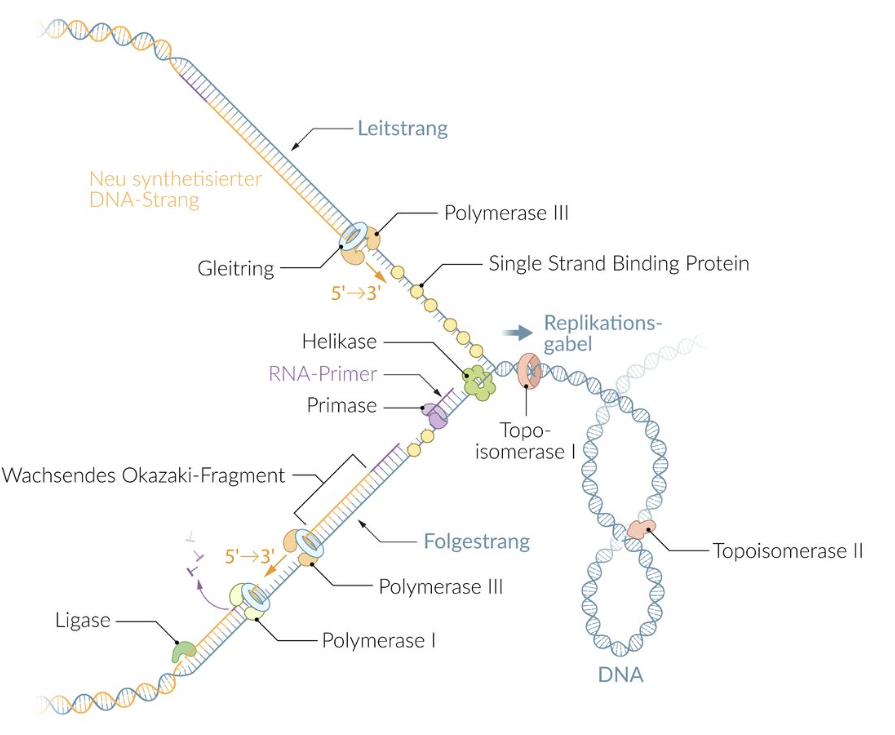
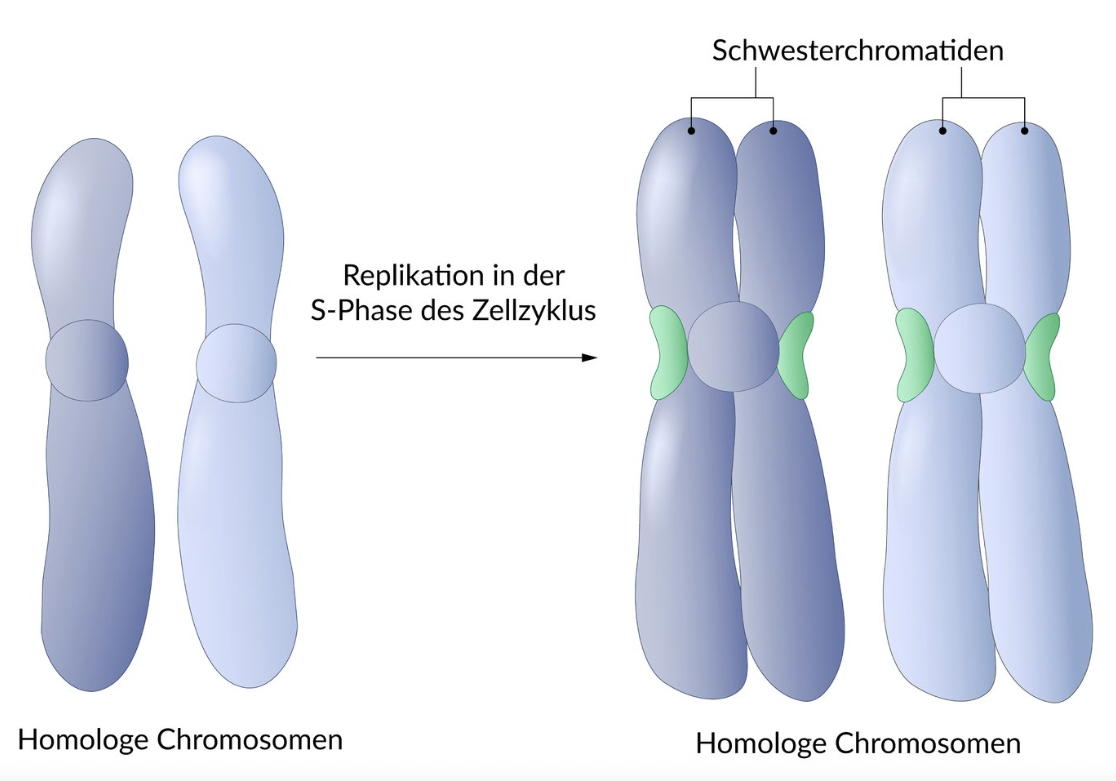
44. The gene for glyceraldehyde-3-phosphate dehydrogenase (GAPDH) is located on the short arm of human chromosome 12.
How many copies of this gene (excluding pseudogenes) are normally present in a somatic cell of a woman during the G2 phase of the cell cycle?
A. 1
B. 2
C. 3
D. 4
E. 5
D. 4
45. Human cells are surrounded by a cell membrane, which plays an important role as a selective barrier and in cell–cell recognition processes.
Which statement about the human cell membrane is generally correct?
A. It typically contains no cholesterol.
B. It has a thickness of about 10 µm.
C. It is permeable to O₂ and CO₂.
D. It carries a so-called glycocalyx on the cytoplasmic side.
E. It is stabilized on the cytoplasmic side by lamins.
C. It is permeable to O₂ and CO₂.
46. The physiological significance of a protein becomes particularly evident in patients who have a corresponding genetic defect.
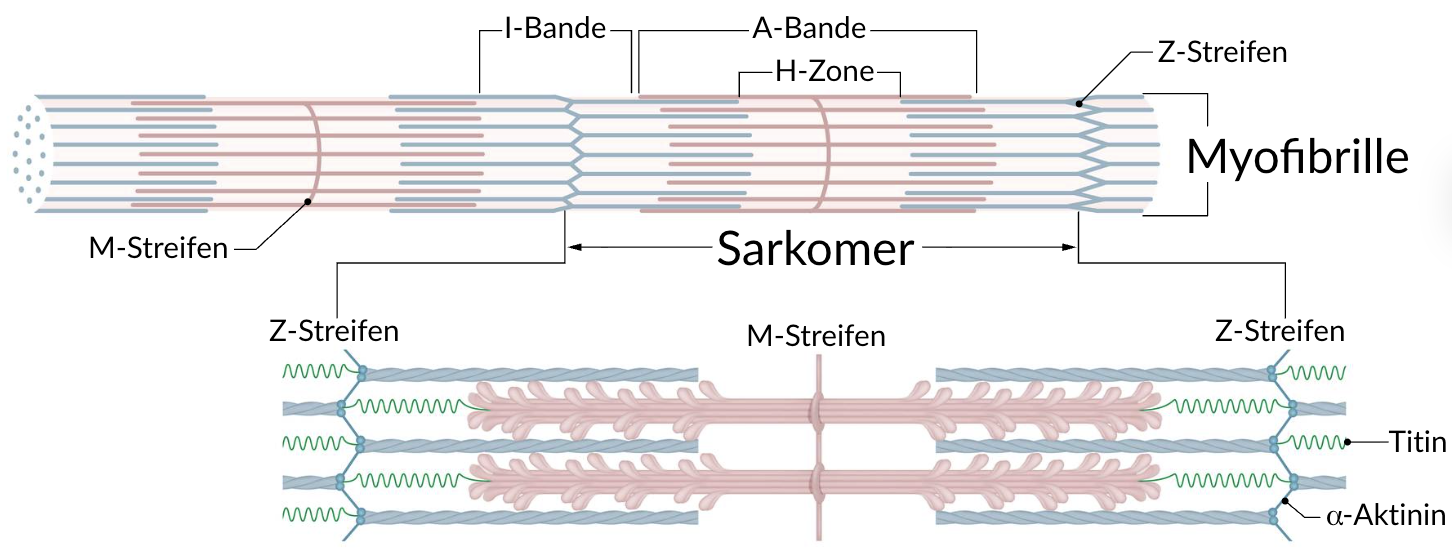
Which of the following structures would most likely be directly affected by a congenital titin defect?
A. Elastic fibers of the extracellular matrix
B. Epithelial tight junctions (zonulae occludentes)
C. Nuclear pores
D. Myofibrils of skeletal muscle fibers
E. Cilia on the surface of ciliated epithelial cells
D. Myofibrils of skeletal muscle fibers
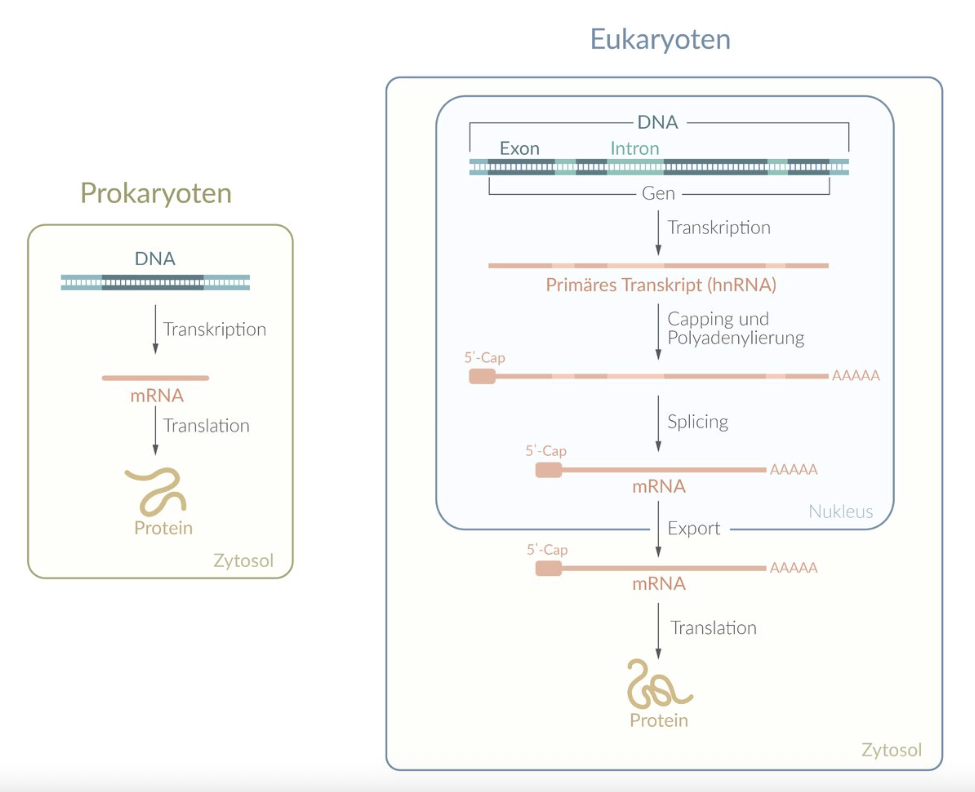
47. The processes of transcription and translation that occur during eukaryotic protein biosynthesis are complex.
Which of the following molecules or structures usually come into direct contact with each other?
A. Aminoacyl-tRNA and histones
B. DNA and RNA polymerase
C. mRNA and DNA polymerase
D. Peptidyl-tRNA and histones
E. Signal recognition particle (SRP) and DNA
B. DNA and RNA polymerase
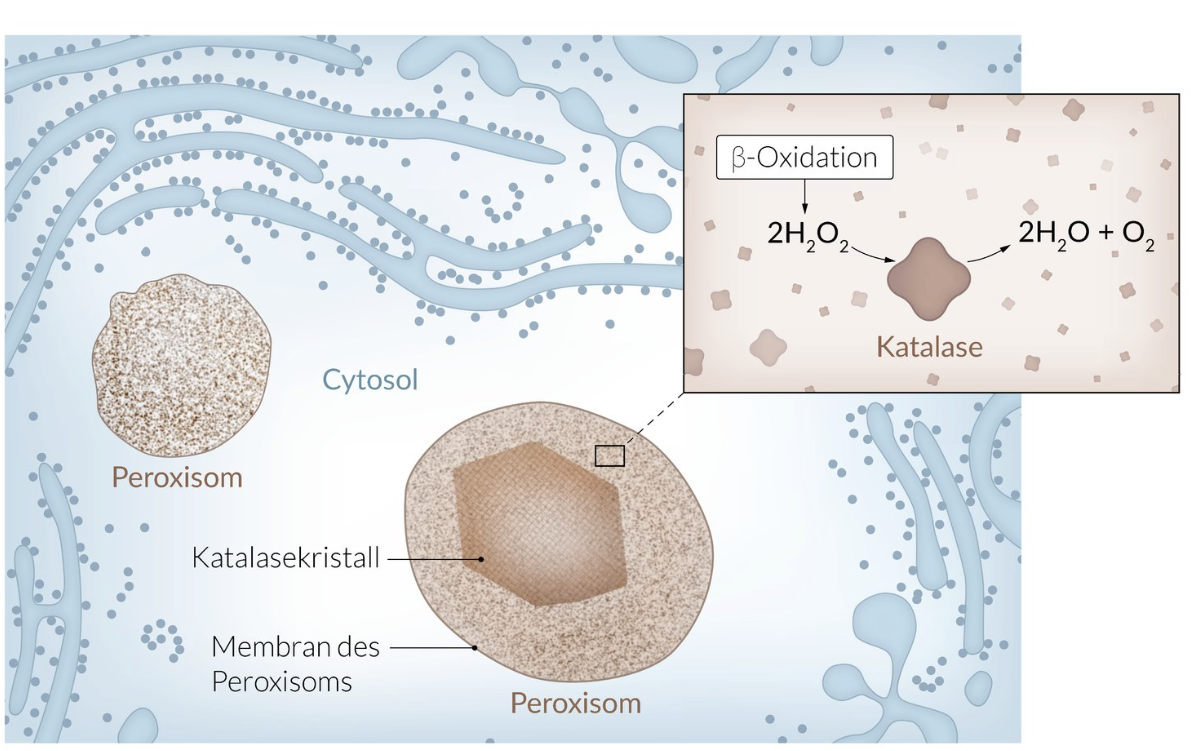
48. Hydrogen peroxide produced by oxidation reactions is toxic to the cell.
In which of the following cellular organelles is it primarily detoxified?
A. Smooth endoplasmic reticulum
B. Golgi apparatus
C. Lysosomes
D. Peroxisomes
E. Rough endoplasmic reticulum
D. Peroxisomes
49. The release of cytochrome c from mitochondria typically induces apoptosis in human cells by forming complexes with Apaf-1 (apoptotic protease activating factor-1). A specific enzyme (initially as a proenzyme) binds to this complex and is thereby activated, which then leads to activation of further enzymes.
Which enzyme is characteristically activated first in the complex with cytochrome c and Apaf-1?
A. Bak
B. Bax
C. Bcl-2
D. Caspase-3
E. Caspase-9
E. Caspase-9
50. Mitochondria serve almost all human cells for ATP production via oxidative phosphorylation and possess additional important metabolic pathways.
Which of the following molecules or structures are typically found in the mitochondrial matrix?
A. Lamins
B. Porins
C. Ribosomes
D. Acidic hydrolases
E. Signal recognition particles (SRPs)
C. Ribosomes
51. There are two main types of mitochondria, which differ in that the inner mitochondrial membrane projects into the interior of the organelle either mainly through folds (cristae) or through tubular invaginations (tubules).
The latter type is referred to as the tubular type.
In which of the following cells are mitochondria of the tubular type most typically found?
A. Chromaffin cells of the adrenal medulla
B. Epithelial cells of the proximal renal tubules
C. Smooth muscle cells of the bronchial wall
D. Cardiac muscle cells
E. Cells of the zona fasciculata of the adrenal gland
E. Cells of the zona fasciculata of the adrenal gland
52. Which of the following locations in the cell is most typical for the biosynthesis of membrane lipids?
A. Basal body
B. Early endosome
C. Smooth endoplasmic reticulum
D. Lysosome
E. Nucleolus
C. Smooth endoplasmic reticulum
53. Numerous components of eukaryotic cells are transported to their final destinations after synthesis via intracellular vesicles.
Which of the following cellular structures are typically connected by such transport vesicles?
A. Trans-Golgi network → Cell membrane
B. Lysosomes → Peroxisomes
C. Mitochondria → Early endosomes
D. Nucleus → Mitochondria
E. Cell membrane → Nucleus
A. Trans-Golgi network → Cell membrane
54. Which of the following cell types typically contain the highest proportion of vimentin among the intermediate filaments of the cytoskeleton?
A. Alveolar epithelial cells (type II pneumocytes)
B. Endothelial cells
C. Cardiac muscle cells
D. Neurons
E. Skeletal muscle cells
B. Endothelial cells
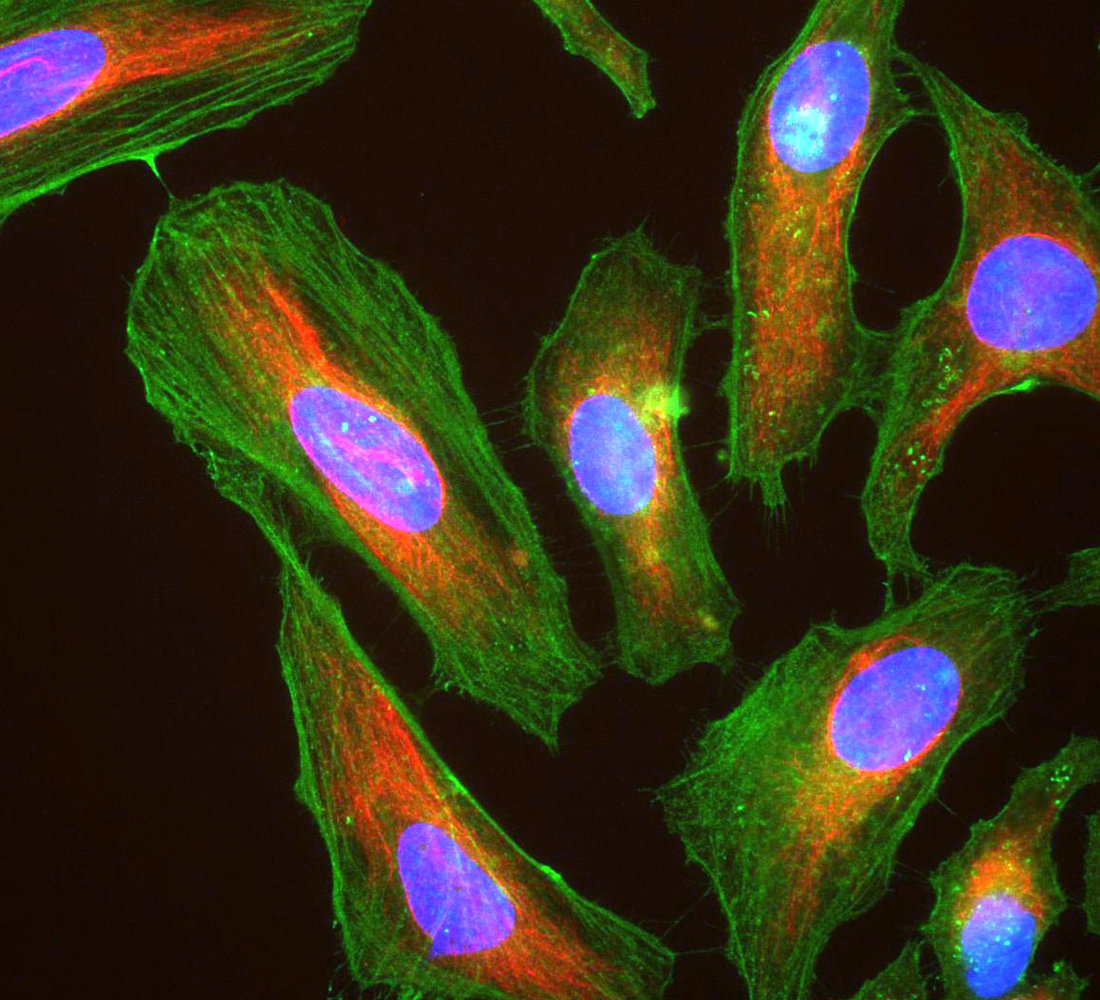
55. Actin filaments (F-actin) play an important role in stabilizing cell shape and in active cell movement.
Which statement about actin filaments is correct?
A. They consist of G-actin subunits that typically bind ATP or ADP.
B. They consist of chain-like arrays of dimers made of α- and β-actinin.
C. Through interaction with the motor protein myosin, they generate the ciliary beat of kinocilia.
D. They often possess a so-called GTP cap at their plus end.
E. They are stabilized by colchicine.
A. They consist of G-actin subunits that typically bind ATP or ADP.
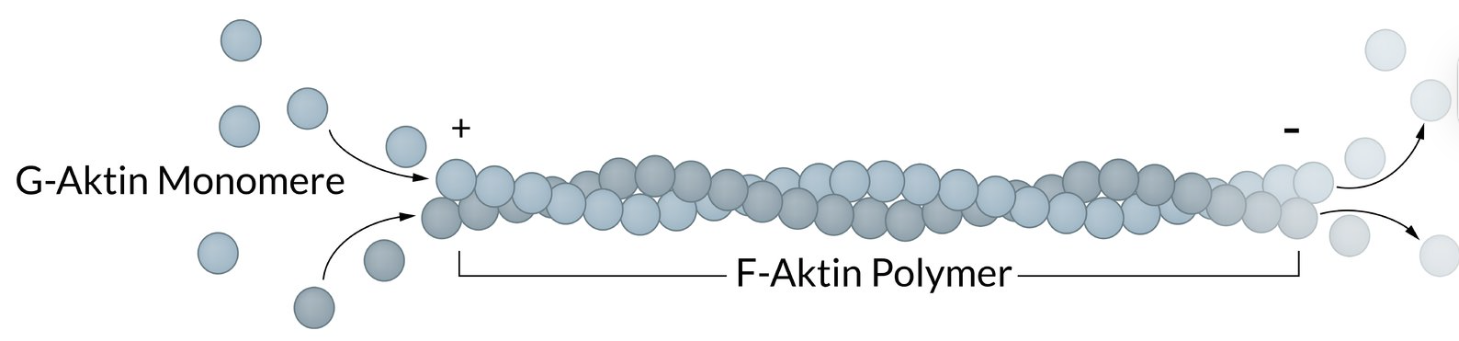
56. Cytochalasins produced by various fungi lead to the disassembly of actin filaments in human cells. This disruption of the normal actin cytoskeleton structure subsequently also causes a rearrangement of components of the surrounding extracellular matrix, such as fibronectin.
Which of the following transmembrane proteins normally connect the actin cytoskeleton (actin and associated proteins) to the extracellular matrix?
A. Cadherins
B. Claudins
C. Connexins
D. Integrins
E. Occludins
D. Integrins
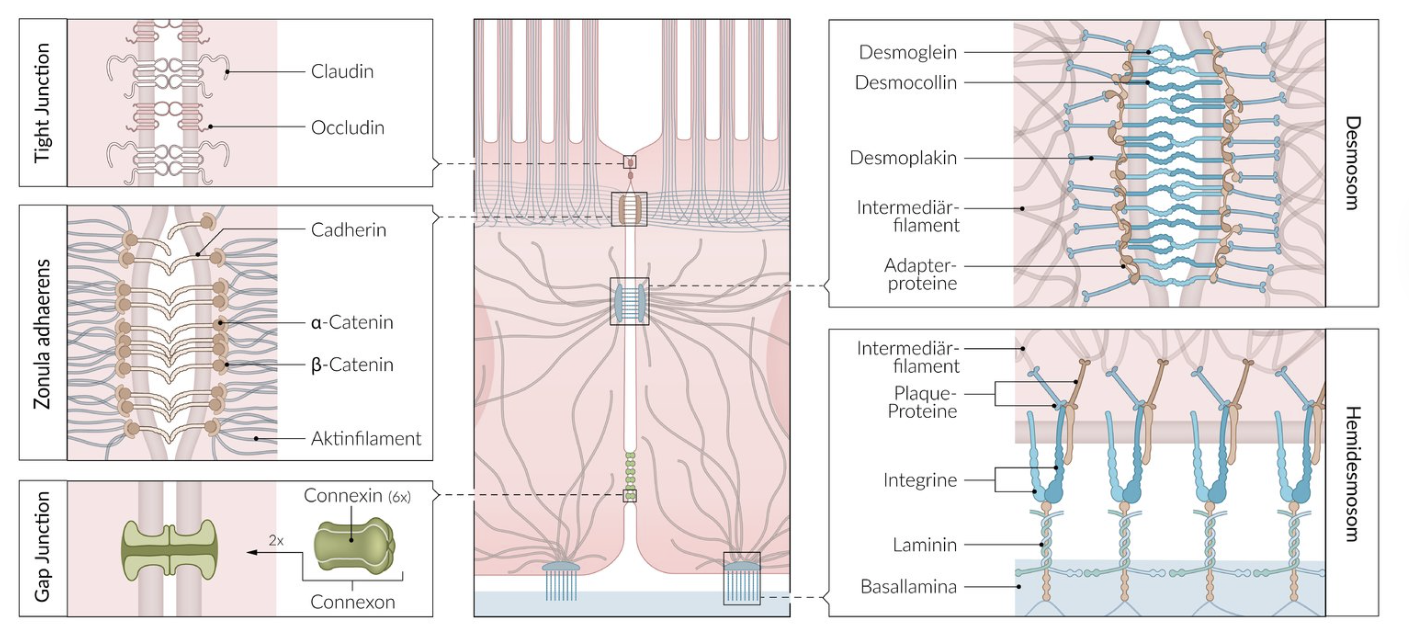
57. Which of the following structures typically serve for the transmission of excitation from one cardiac muscle cell to the next?
A. Cadherins
B. Chemical synapses
C. Desmosomes
D. Gap junctions
E. Tight junctions
D. Gap junctions
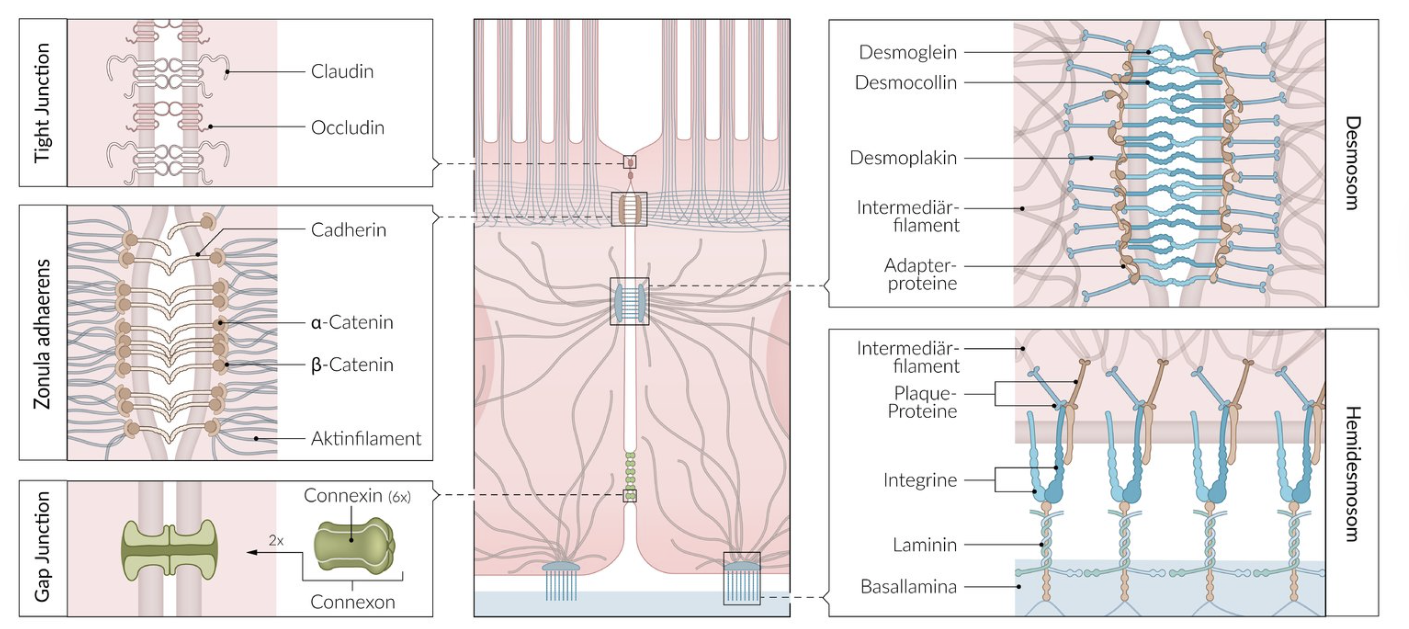
58. After replication in the S phase of the cell cycle, the sister chromatids of a chromosome are held together by protein rings.
These protein rings typically consist of:
A. Cohesins
B. Condensins
C. Cyclins
D. Securins
E. Separases
A. Cohesins
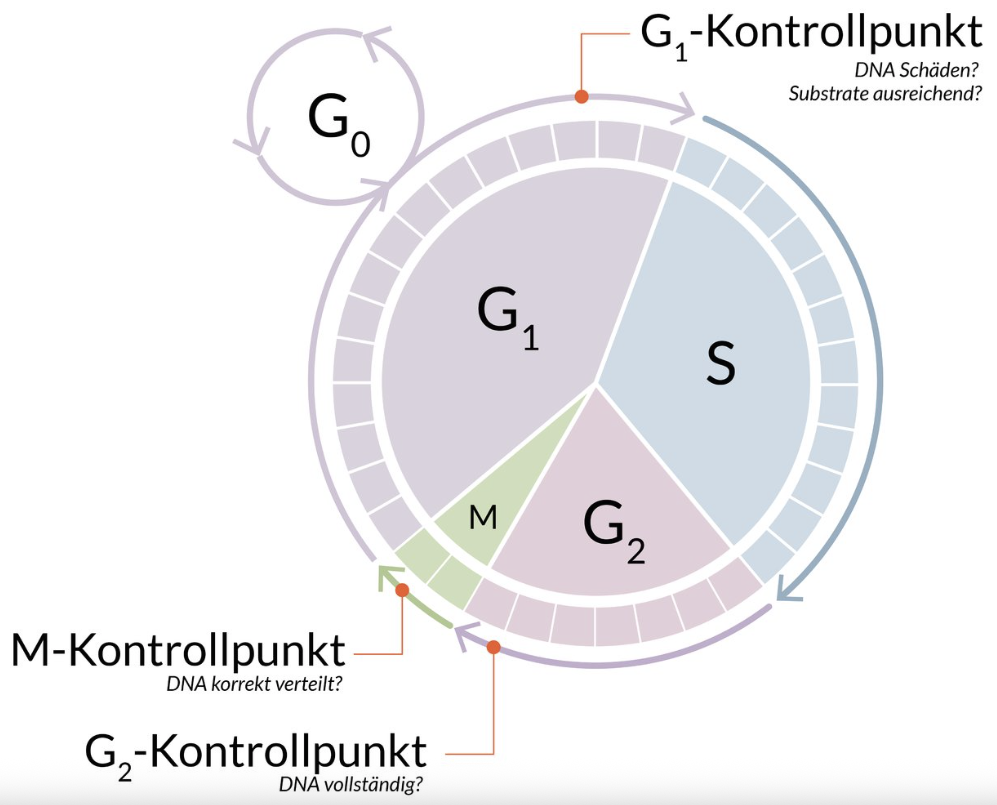
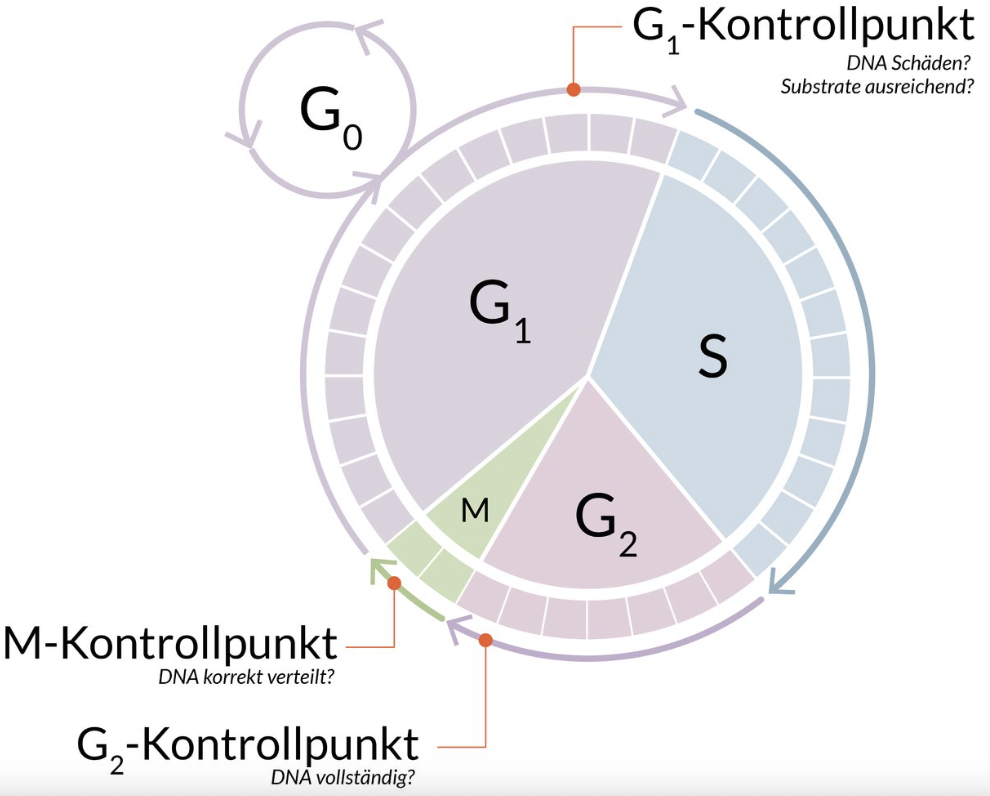
59. A disturbed cell cycle control is a characteristic feature of malignant tumor cells. In contrast, in normal human somatic cells, the cell cycle is carefully regulated by so-called checkpoints.
Which statement about checkpoints and the parameters they monitor is most accurate?
A. At the end of anaphase, the transition to telophase is checked to ensure that all chromosomes are connected to the spindle apparatus.
B. At the end of the G1 phase, the transition to the S phase is checked to ensure that all chromosomes consist of two sister chromatids.
C. At the end of the G2 phase, the transition to the M phase is checked to ensure that the contractile (cleavage) ring has been fully assembled.
D. At the end of the G2 phase, the transition to the M phase is checked to ensure that DNA has been completely and accurately replicated.
E. At the end of the M phase, the transition to the G1 phase is checked to ensure that all chromosomes are located in the newly formed nucleus.
D. At the end of the G2 phase, the transition to the M phase is checked to ensure that DNA has been completely and accurately replicated.
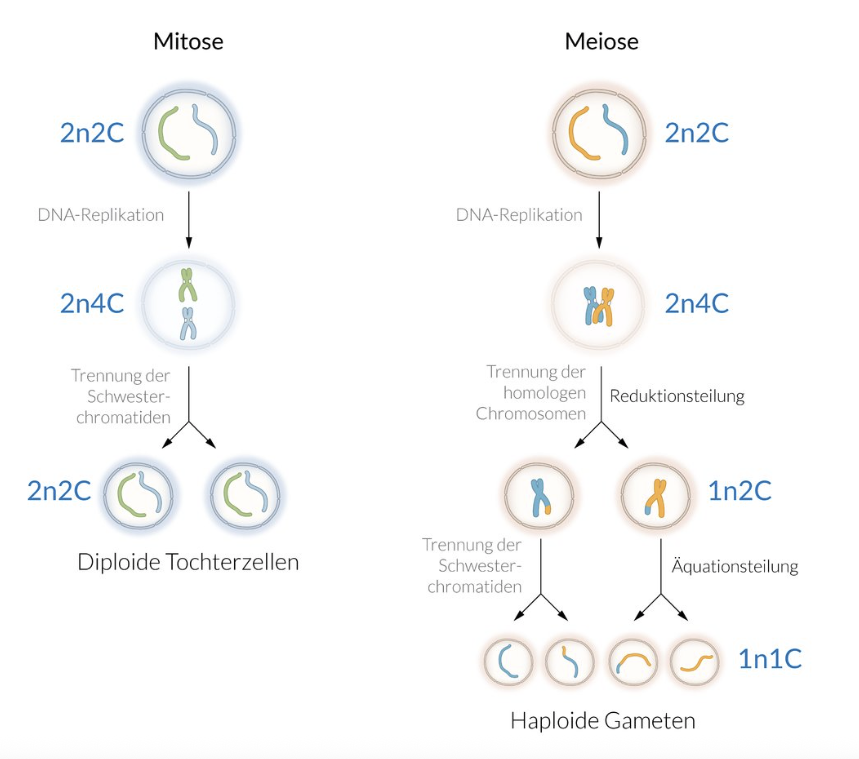
60. The process of the first meiotic division usually results in the formation of:
A. One egg cell and one sperm cell, of which in the male organism the egg cell and in the female the sperm cell quickly die
B. Two diploid daughter cells
C. Two haploid daughter cells
D. Two tetraploid daughter cells
E. Four haploid daughter cells
C. Two haploid daughter cells
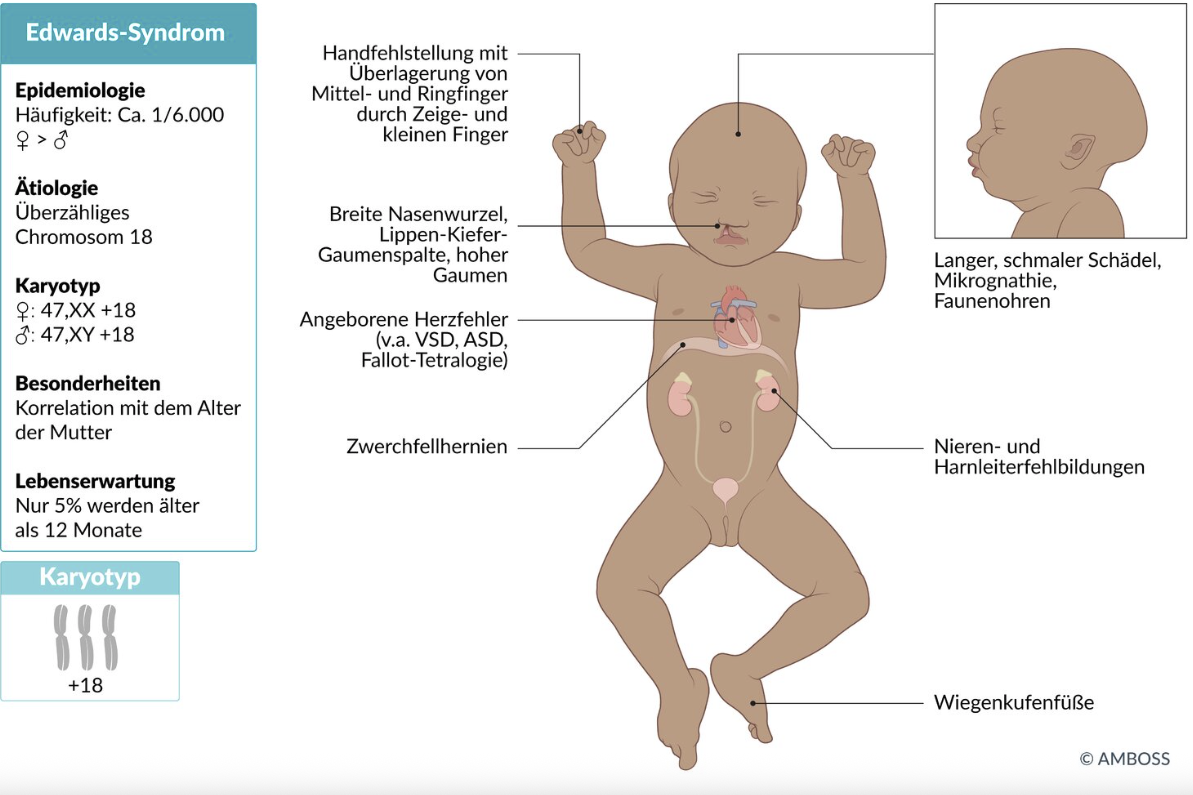
61. Trisomy 18 (Edwards syndrome) is one of the few autosomal trisomies in humans that does not lead to intrauterine death of the embryo.
Which of the following describes the typical karyotype of a male patient with (free) trisomy 18 (without additional chromosomal aberrations) correctly?
A. 46,XY,+18
B. 46,XY,+18,+18,+18
C. 47,XY,+18
D. 49,XY,+18
E. 49,XY,+18,+18,+18
C. 47,XY,+18
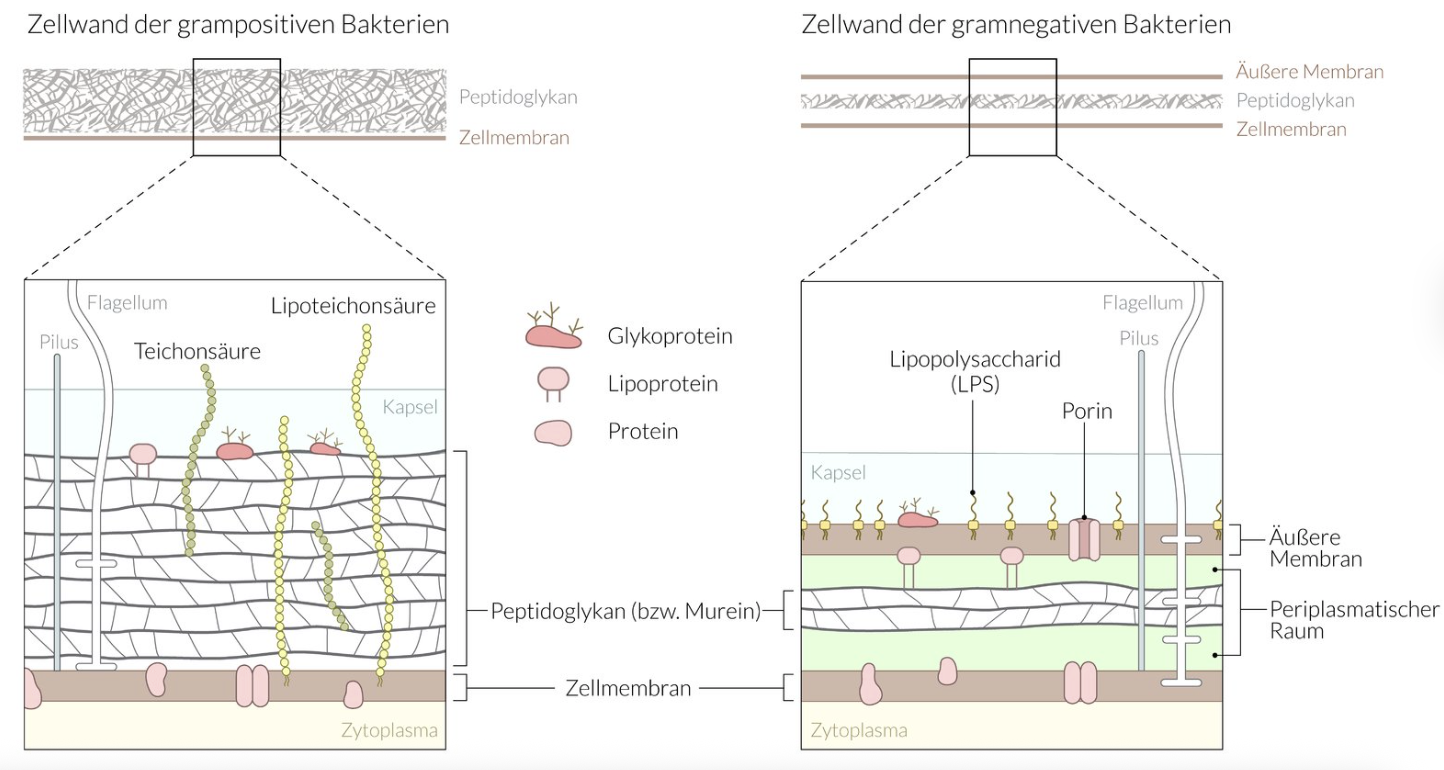
62. The cell wall gives bacteria mechanical stability and protects them from bursting due to osmotically induced water influx. On the other hand, molecular components of the cell wall also provide targets for the immune system of infected host organisms. Regarding the composition of the cell wall, the two major groups of Gram-positive and Gram-negative bacteria can be distinguished.
The presence of which of the following cell wall components most strongly indicates that it is a Gram-positive bacterium?
A. Thin (single-layered) murein sacculus
B. Lipid A
C. Lipopolysaccharide
D. Porin
E. Teichoic acid
E. Teichoic acid
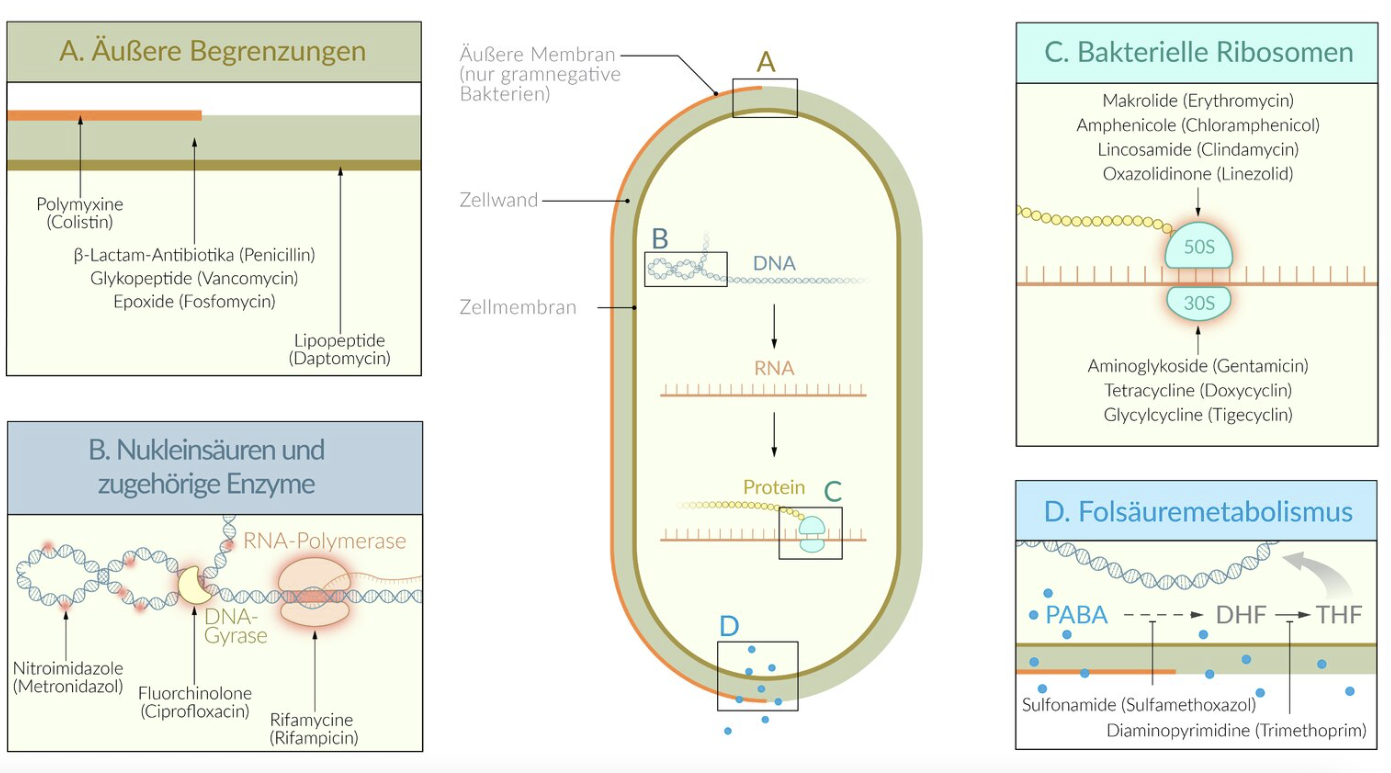
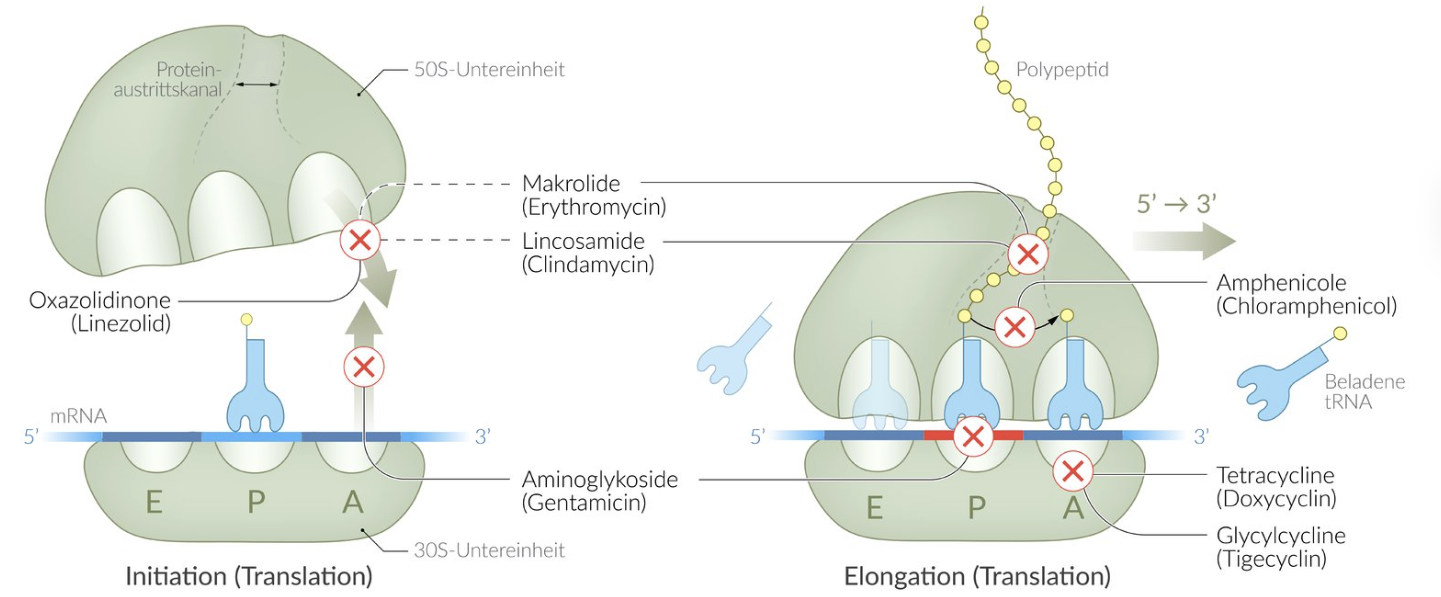
63. Different mechanisms underlie pharmacological antibacterial therapy.
What is the main target of tetracyclines?
A. Bacterial ribosome
B. Bacterial D-alanine transpeptidase
C. Bacterial folic acid synthesis
D. Bacterial RNA polymerase
E. Gyrase (bacterial topoisomerase type II)
A. Bacterial ribosome
64. Which of the following structures are found in infectious prions such as those causing bovine spongiform encephalopathy (BSE)?
A. DNA
B. Endotoxins
C. β-pleated (β-sheet) protein regions
D. RNA
E. Spores
C. β-pleated (β-sheet) protein regions
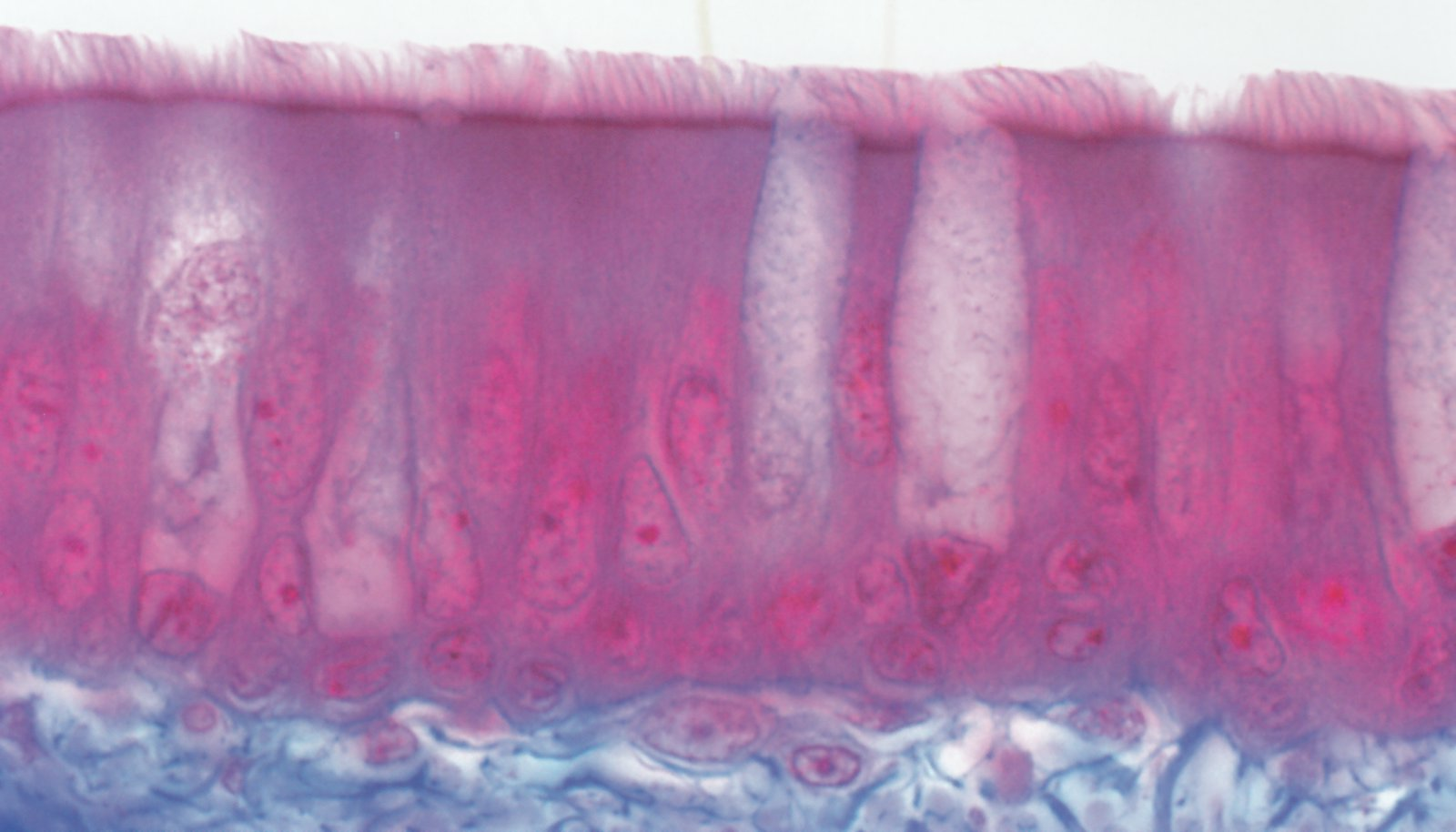
65. An inherited lack or absence of active motility of cilia can lead to chronic diseases.
A pronounced functional disorder of which of the following systems/structures is most likely to be expected?
A. Bronchial system
B. Small intestine
C. Epididymal duct (ductus epididymidis)
D. Renal tubular system
E. Organ of Corti (spiral organ)
A. Bronchial system
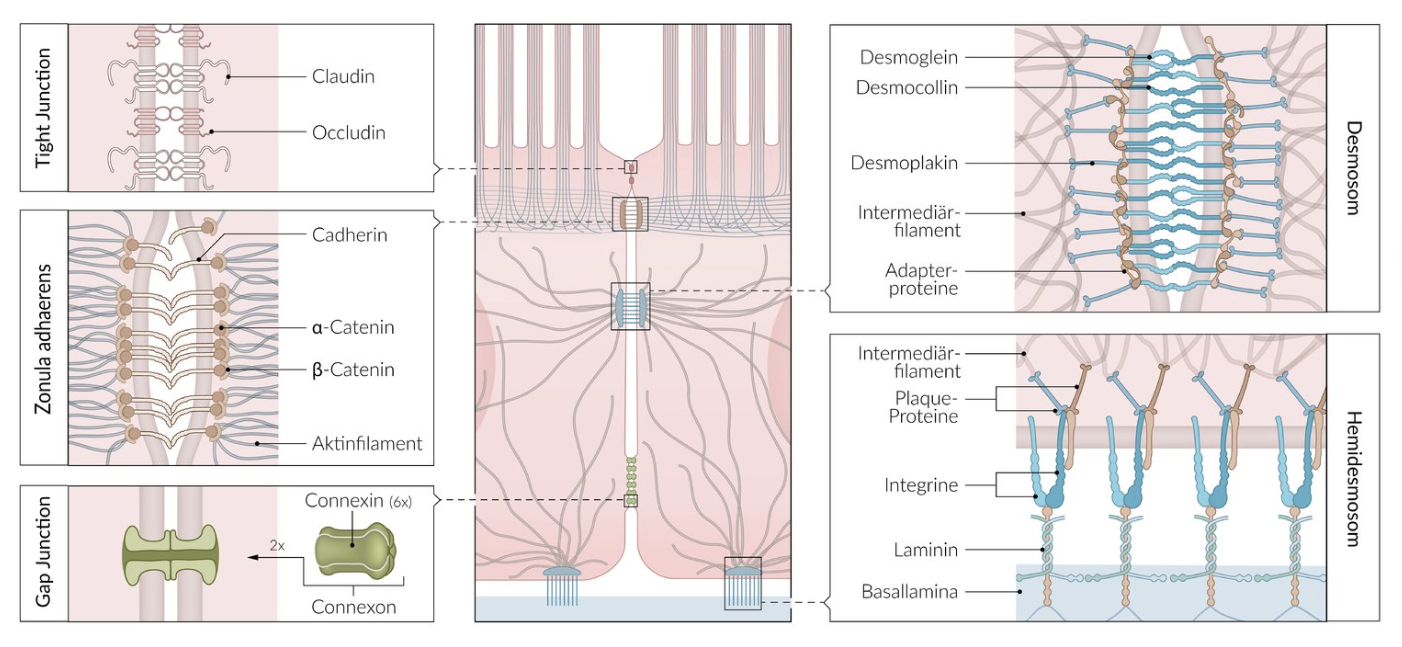
66. In which of the following cell-to-cell junctions are connexons functionally essential components?
A. Desmosome
B. Gap junction
C. Tight junction
D. Zonula adherens
E. Zonula occludens
B. Gap junction
67. Dystrophin, dystroglycans, and sarcoglycans are components of the “dystrophin-associated protein complex” (DAPC).
Which of the following functions does the DAPC most likely have in skeletal muscle fibers?
A. Active force generation (molecular motor) during sarcomere shortening
B. Blocking of myosin-binding sites on actin in a relaxed muscle
C. Elastic connection within a sarcomere between the Z-disc and M-line (passive sarcomere shortening)
D. Connection between intracellular actin filaments and the extracellular matrix
E. Cross-linking of actin within a Z-disc
D. Connection between intracellular actin filaments and the extracellular matrix
68. The early endosome is a central sorting station for endocytosed substances and their receptors. Through this organelle, viruses and bacterial toxins can also enter the cytoplasm.
Early endosomes:
A. Form vesicles for the recycling of certain endocytosed receptors back to the cell membrane
B. Continuously merge with the outer membrane of the nuclear envelope
C. Have an alkaline pH inside
D. Fuse with phagosomes to form so-called autophagosomes
E. Typically forward part of the endocytosed proteins via transport vesicles to the endoplasmic reticulum
A. Form vesicles for the recycling of certain endocytosed receptors back to the cell membrane
69. The molecular framework of the cell membrane consists of a lipid bilayer and proteins. Many proteins span the lipid bilayer completely (transmembrane proteins).
Which of the following proteins are not transmembrane proteins?
A. Aquaporins
B. Glucose carriers
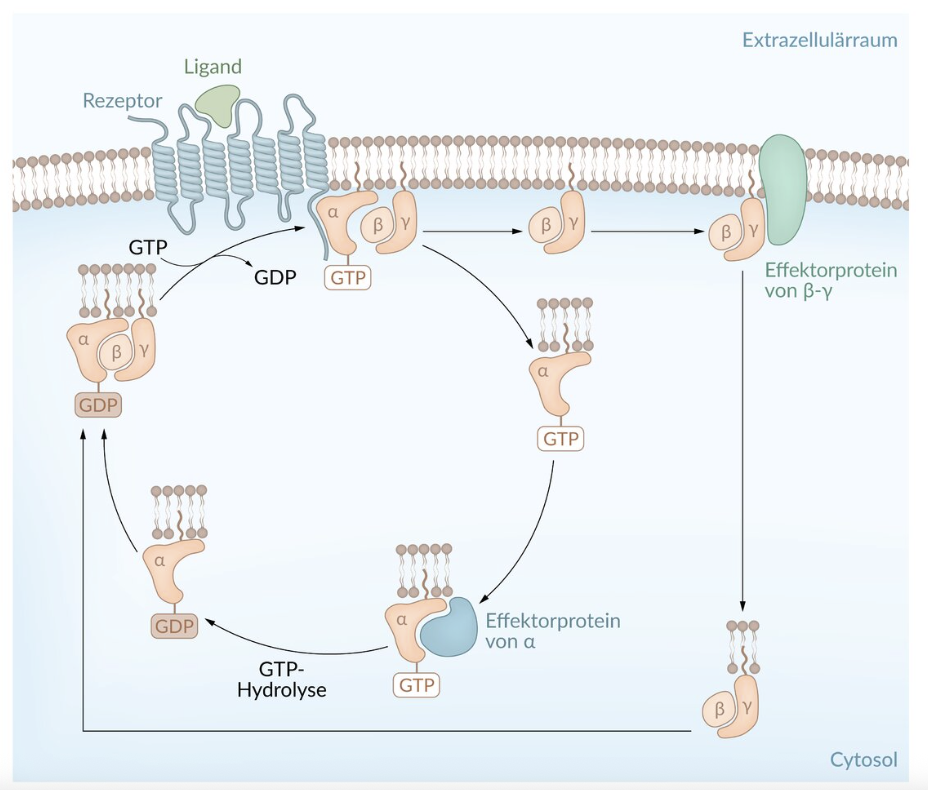
C. G-proteins
D. Ion channels
E. Na⁺/K⁺-ATPases
C. G-proteins
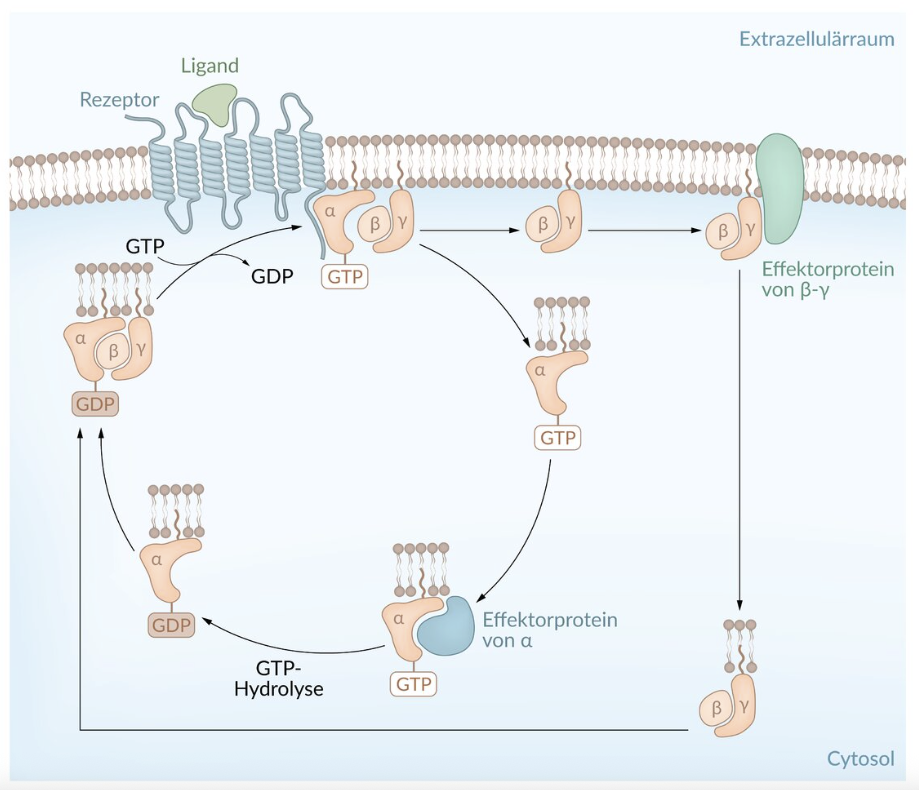
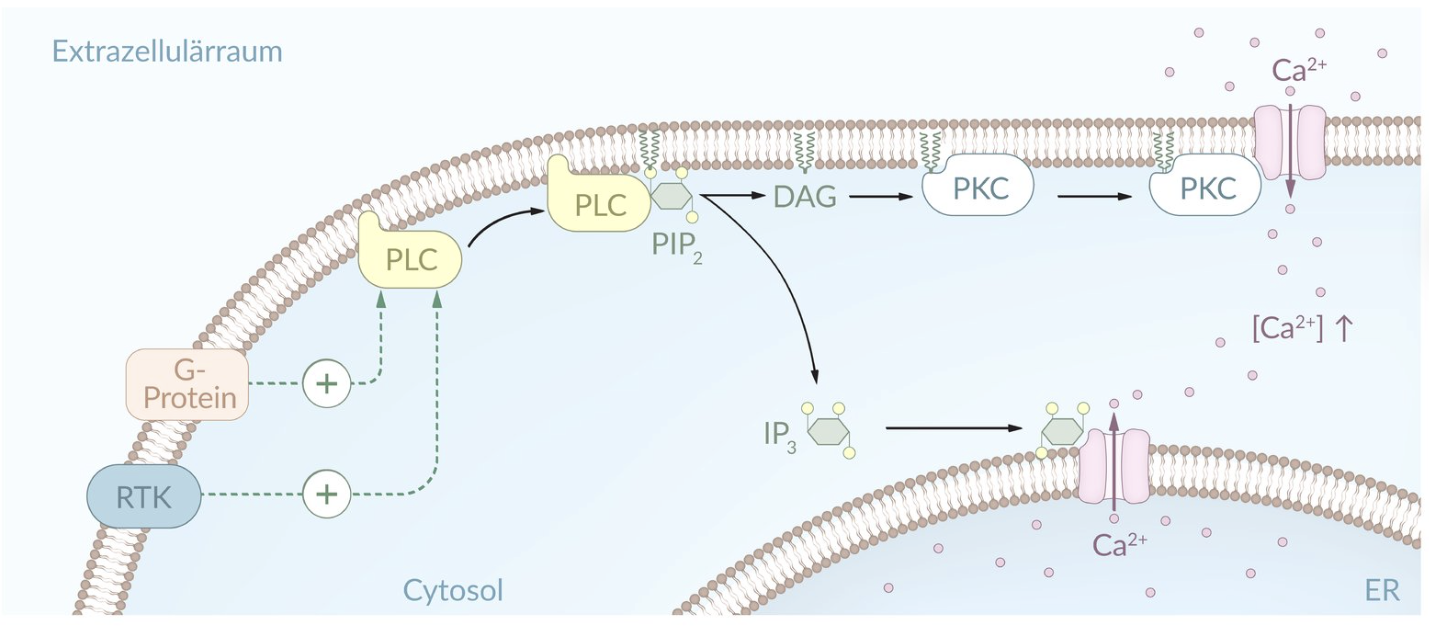
70. Cells can communicate through cell-to-cell contacts or extracellular signaling molecules. Intracellularly, certain small molecules or ions—so-called “second messengers”—are used to transmit signals.
Which of the following is a “second messenger”?
A. Adenylate cyclase
B. Caspase 3
C. Inositol-1,4,5-trisphosphate
D. Phospholipase C
E. Prostacyclin (prostaglandin I₂)
C. Inositol-1,4,5-trisphosphate
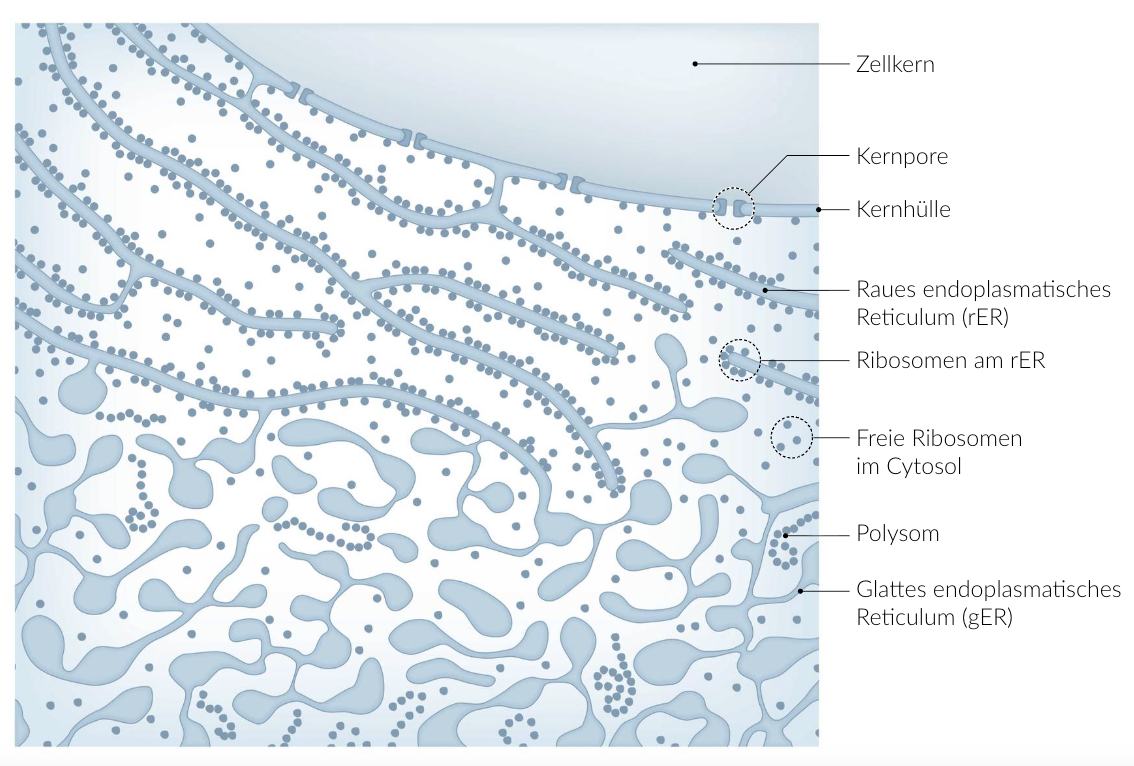
71. Where are peroxisomal matrix proteins typically synthesized?
A. On ribosomes of the smooth endoplasmic reticulum
B. On ribosomes of the rough endoplasmic reticulum
C. In the Golgi apparatus
D. In the peroxisome itself
E. In the cytosol
E. In the cytosol
72. According to the endosymbiotic theory, mitochondria originated from formerly independent prokaryotic cells that were taken up as endosymbionts into eukaryotic cells. Thus, mitochondria are derived from prokaryotes.
Which of the following characteristics applies to these organelles and supports the endosymbiotic theory?
A. Antibiotics are unable to inhibit their protein biosynthesis.
B. They possess 80S ribosomes.
C. They are surrounded by a single membrane.
D. They contain circular DNA molecules without histones.
E. They are incapable of division.
D. They contain circular DNA molecules without histones.
73. The nuclear envelope surrounds the karyoplasm (nucleoplasm). On the side facing the karyoplasm, it is reinforced by a network of specialized intermediate filaments.
Which intermediate filaments are these typically?
A. Desmins
B. Fibronectins
C. Keratins
D. Collagens
E. Lamins
E. Lamins
74. For the (extramitochondrial) biosynthesis of new proteins, numerous molecular processes in the nucleus and cytoplasm must be coordinated. Below are five steps involved in protein biosynthesis (in humans), listed alphabetically:
① Binding of RNA polymerase to the promoter
② RNA splicing
③ Transcription
④ Translation
⑤ Transport of mRNA into the cytoplasm
In which order do these steps usually occur during protein biosynthesis?
A. ① – ③ – ② – ⑤ – ④
B. ① – ③ – ④ – ② – ⑤
C. ① – ③ – ⑤ – ② – ④
D. ③ – ② – ① – ⑤ – ④
E. ③ – ④ – ② – ① – ⑤
A. ① – ③ – ② – ⑤ – ④
75. For a precursor of a secretory protein to enter the lumen of the rough endoplasmic reticulum cotranslationally, prior involvement of a signal recognition particle (SRP) is usually required.
The signal recognized by the SRP on the peptide chain of the protein precursor is typically:
A. A sulfated tyrosyl residue
B. A (poly)ubiquitination at the N-terminus
C. An amino acid sequence at the N-terminus
D. A mannose-6-phosphate tag
E. A myristylation at the N-terminus
C. An amino acid sequence at the N-terminus
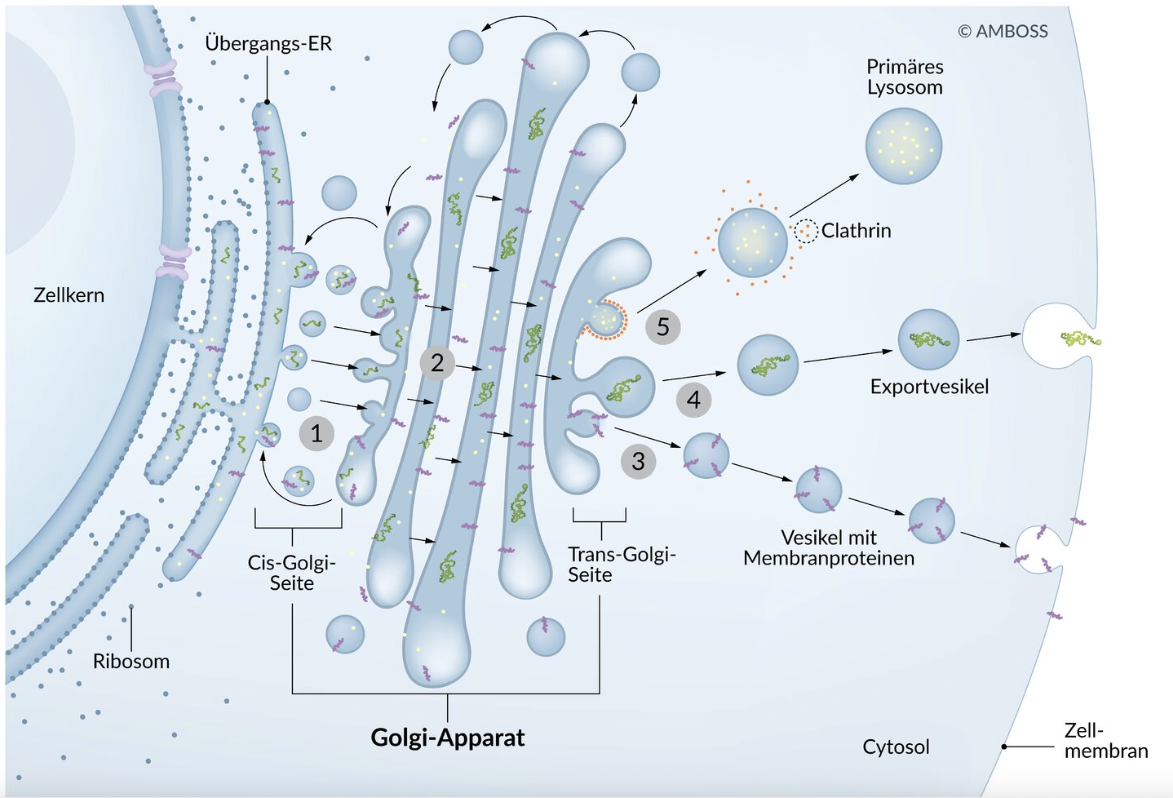
76. In a patient, markedly elevated extracellular concentrations of the soluble protein BiP (binding protein) are detected. BiP is a chaperone that, due to its KDEL sorting signal, is normally localized intracellularly in the endoplasmic reticulum (ER).
A molecular defect in which of the following structures is most likely responsible for the described mislocalization of BiP?
A. Clathrin coat
B. COP coat
C. Importin
D. LDL receptor
E. Mannose-6-phosphate receptor
B. COP coat
77. Epstein-Barr viruses (EBV) can contribute to the development of malignant human tumors. The immortalizing effect of EBV is partly based on the inhibition of apoptosis in host cells. The EBV genome contains genes encoding proteins that resemble a human anti-apoptotic protein.
Which of the following human proteins do these EBV-encoded apoptosis inhibitors most likely resemble?
A. Bax
B. Bcl-2
C. Caspase 8
D. Caspase 9
E. Cytochrome c
B. Bcl-2
78. The period from one cell division to the next is called the cell cycle and is subject to strict regulation.
The “maturation promoting factor” (“mitosis promoting factor”, MPF) typically becomes active at the transition from:
A. G0 to M phase
B. G1 to S phase
C. G2 to M phase
D. M to G1 phase
E. M to S phase
C. G2 to M phase
79. Toward the end of mitosis, the cleavage furrow begins to form, which is produced by a contractile ring.
The contractile ring consists primarily of:
A. Actin and dynein
B. Actin and intermediate filaments
C. Actin and microtubules
D. Actin and myosin
E. Myosin and intermediate filaments
D. Actin and myosin
80. Cohesins, which hold the sister chromatids of chromosomes together after DNA replication, are cleaved during mitosis or meiosis by the enzyme separase. In a patient with a hereditary disorder, the cohesins associated with the chromosomes in the centromeric region cannot be cleaved by separase. This defect, leading to chromosome missegregation, occurs only during meiosis in spermatogenesis.
At what stage of meiosis are the cohesins in the centromeric region normally cleaved to allow separation of the sister chromatids?
A. At the beginning of prophase I (leptotene)
B. At the end of prophase I (diakinesis)
C. At the beginning of anaphase I
D. At the end of prophase II
E. At the beginning of anaphase II
E. At the beginning of anaphase II
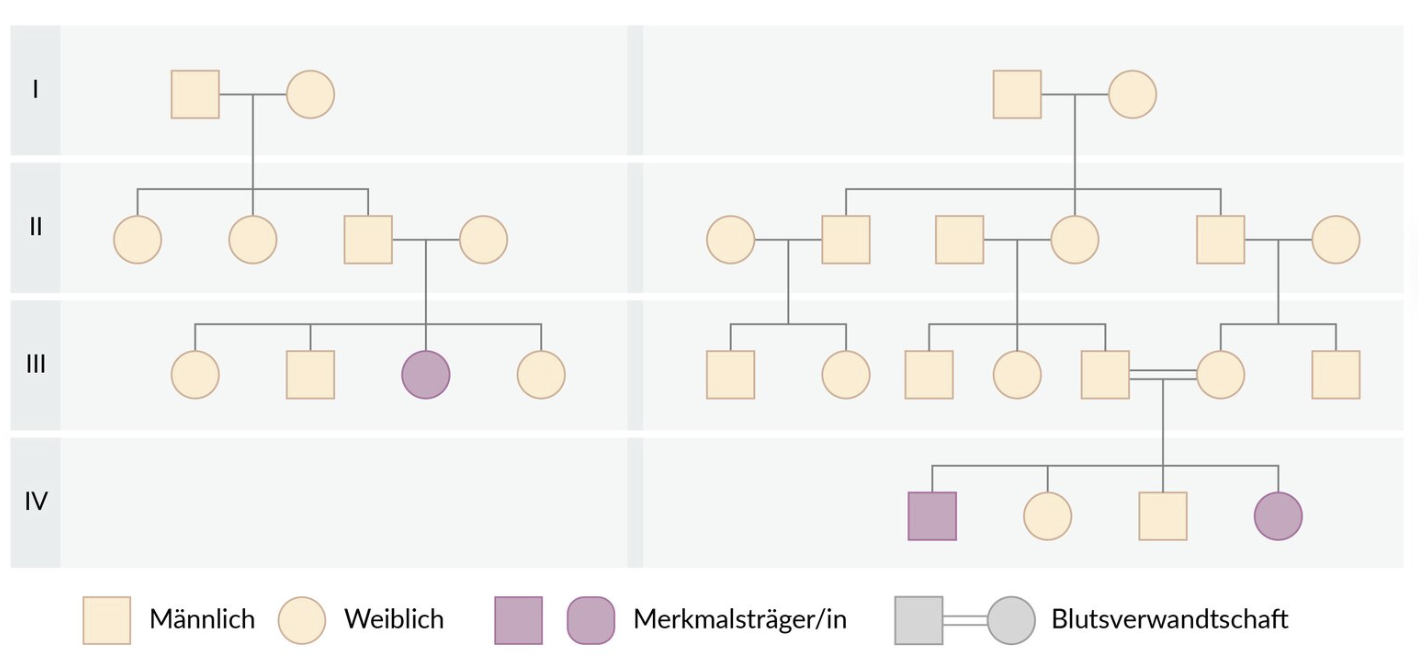
81. Eva and her partner Ben are not related. Both have full siblings affected by the autosomal recessive disease cystic fibrosis. Eva, Ben, and their respective biological parents are phenotypically healthy.
What is approximately the probability (assuming classical autosomal recessive inheritance) that each biological child of Eva and Ben will have cystic fibrosis?
A. 1/12
B. 1/9
C. 1/6
D. 1/3
E. 1/2
B. 1/9
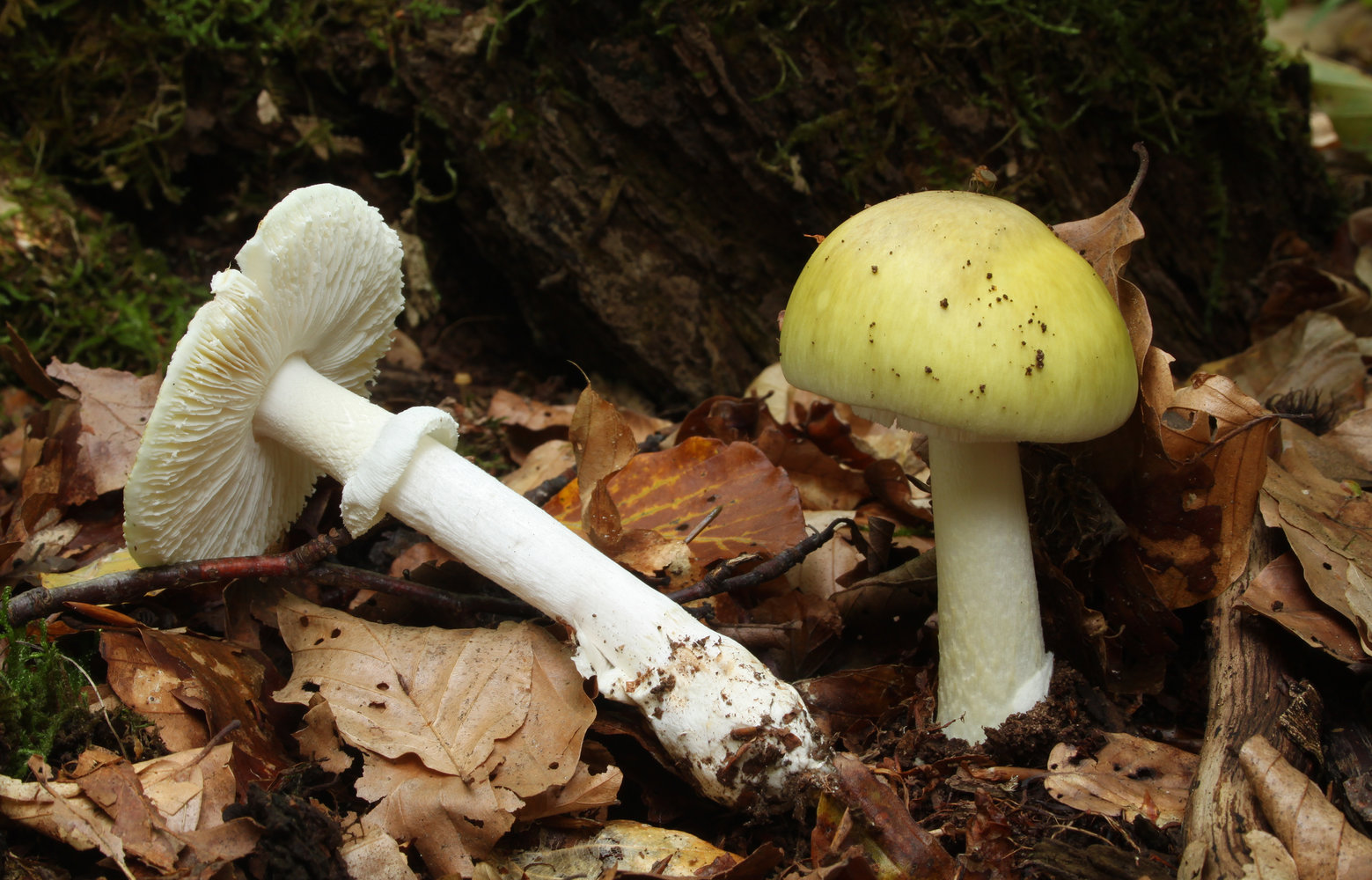
82. Phalloidin is a toxin found in certain mushrooms.
When it enters human cells, its toxic effect primarily results from:
A. Blockade of synaptic transmission
B. Inhibition of DNA polymerases
C. Inhibition of the mitotic spindle apparatus
D. Increased contraction of smooth muscle
E. Disruption of actin filament dynamics
E. Disruption of actin filament dynamics
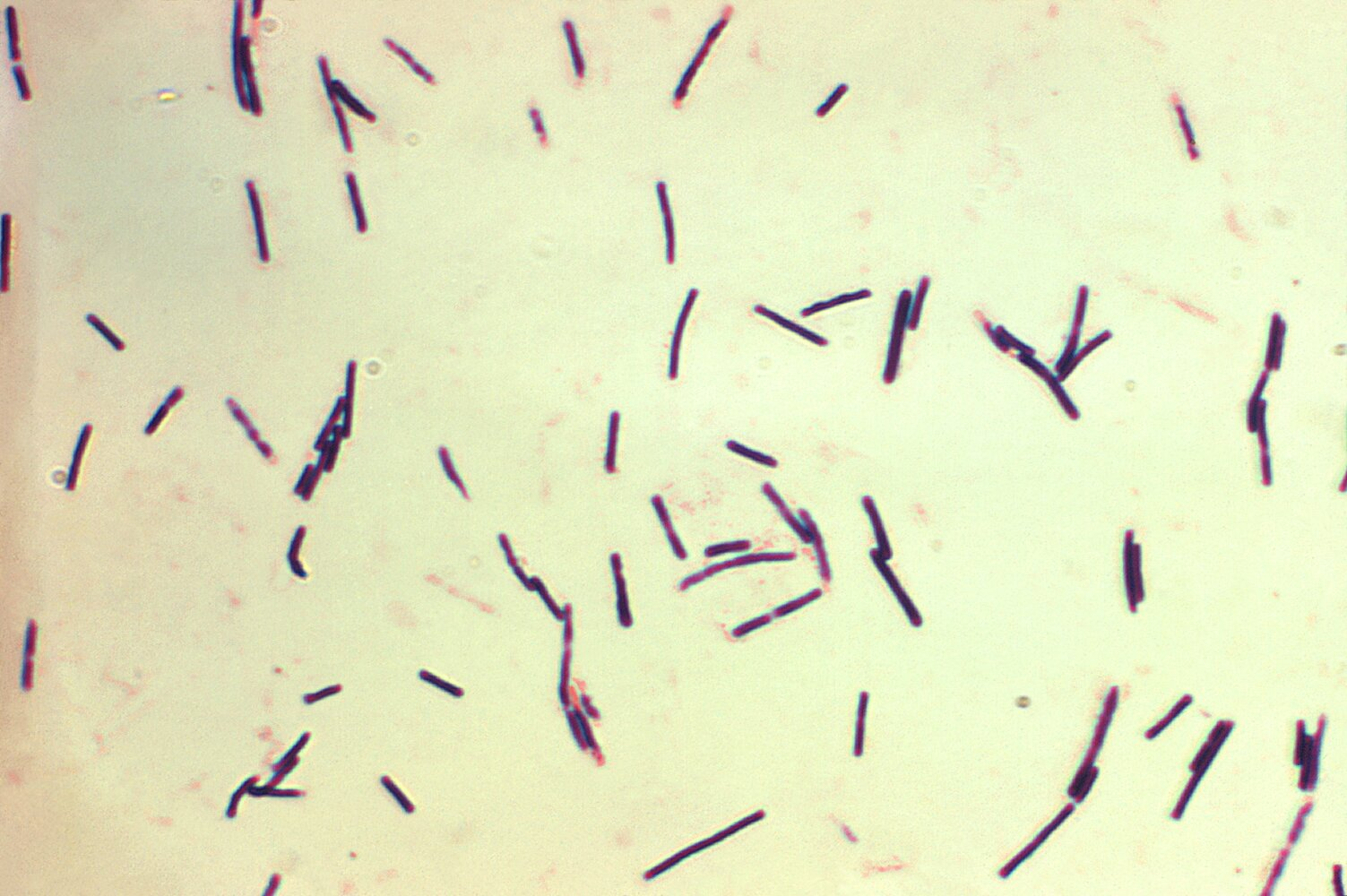
83. A forestry worker sustains a deep thigh wound while felling trees. Despite immediate first aid and thorough disinfection with a bactericidal agent, a severe infection with intense pain and marked swelling develops within about two days. Upon hospital admission, gas gangrene (myonecrosis) is suspected. Microscopic examination of wound exudate reveals numerous gram-positive, thick, straight rod-shaped bacteria.
The bacteria described are most likely:
A. Chlamydiae
B. Clostridia
C. Staphylococci
D. Streptococci
E. Treponemes
B. Clostridia
84. The rise of multidrug-resistant pathogenic bacteria has led to increased interest in alternative therapies for bacterial infections. Among these, the therapeutic use of bacteriophages—long employed in some Eastern European countries—is being discussed.
Which of the following statements about bacteriophages is correct?
A. Bacteriophages usually reproduce by simple binary fission.
B. When the DNA of temperate phages integrates into the bacterial chromosome, a prophage is formed.
C. The phage genome is typically surrounded by a capsule made of mucopolysaccharides.
D. The introduction of phage DNA into a bacterium is referred to as transformation.
E. Most bacteriophages can infect both prokaryotes and eukaryotes.
B. When the DNA of temperate phages integrates into the bacterial chromosome, a prophage is formed.
85. A patient presents with fever and a severe cough. Crackling sounds heard on lung auscultation suggest pneumonia, which is confirmed by an X-ray. Among the available treatment options is an agent that acts on the bacterial ribosome.
Which of the following agents or agent groups is it?
A. Lysozyme
B. Penicillins
C. Rifampicin
D. Sulfonamides
E. Tetracyclines
E. Tetracyclines
86. Certain DNA viruses can produce proteins that stimulate proliferation of infected cells.
Binding to and inactivation of which of the following cellular proteins most likely contributes to the transformation of these cells?
A. Cyclin D
B. Cyclin-dependent kinase 4 (CDK4)
C. Ras protein
D. Retinoblastoma protein (pRb)
E. Transcription factor E2F
D. Retinoblastoma protein (pRb)
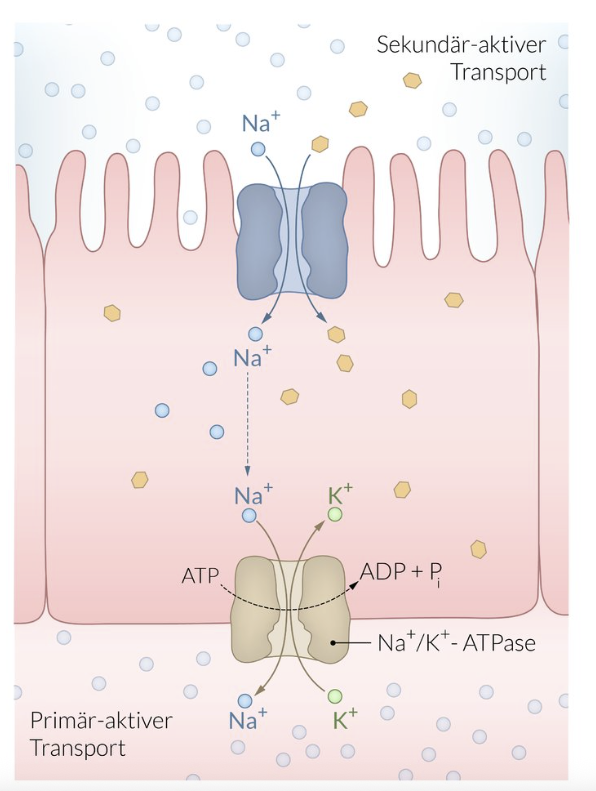
87. At the apical surface of an epithelium, nonpolar amino acids are taken up into the cells against a concentration gradient. This transport process is mediated by an amino acid–Na⁺ symporter. If a drug were to cause the breakdown of the Na⁺ gradient across the epithelial cell membrane, amino acid uptake would cease.
Which transport mechanism most likely underlies the described uptake of nonpolar amino acids by the symporter in the absence of the drug?
A. Facilitated diffusion
B. Passive transport
C. Primary active transport
D. Secondary active transport
E. Tertiary active transport
D. Secondary active transport
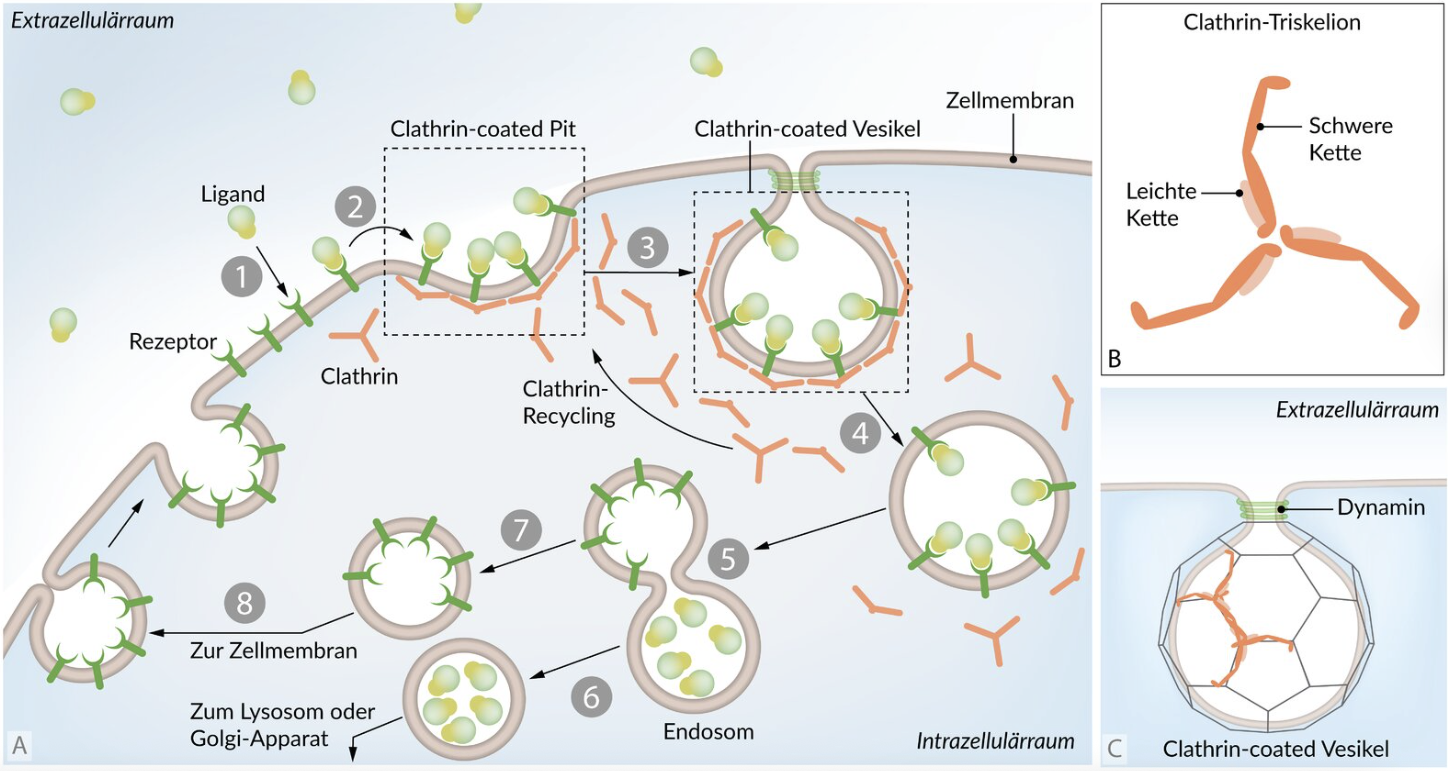
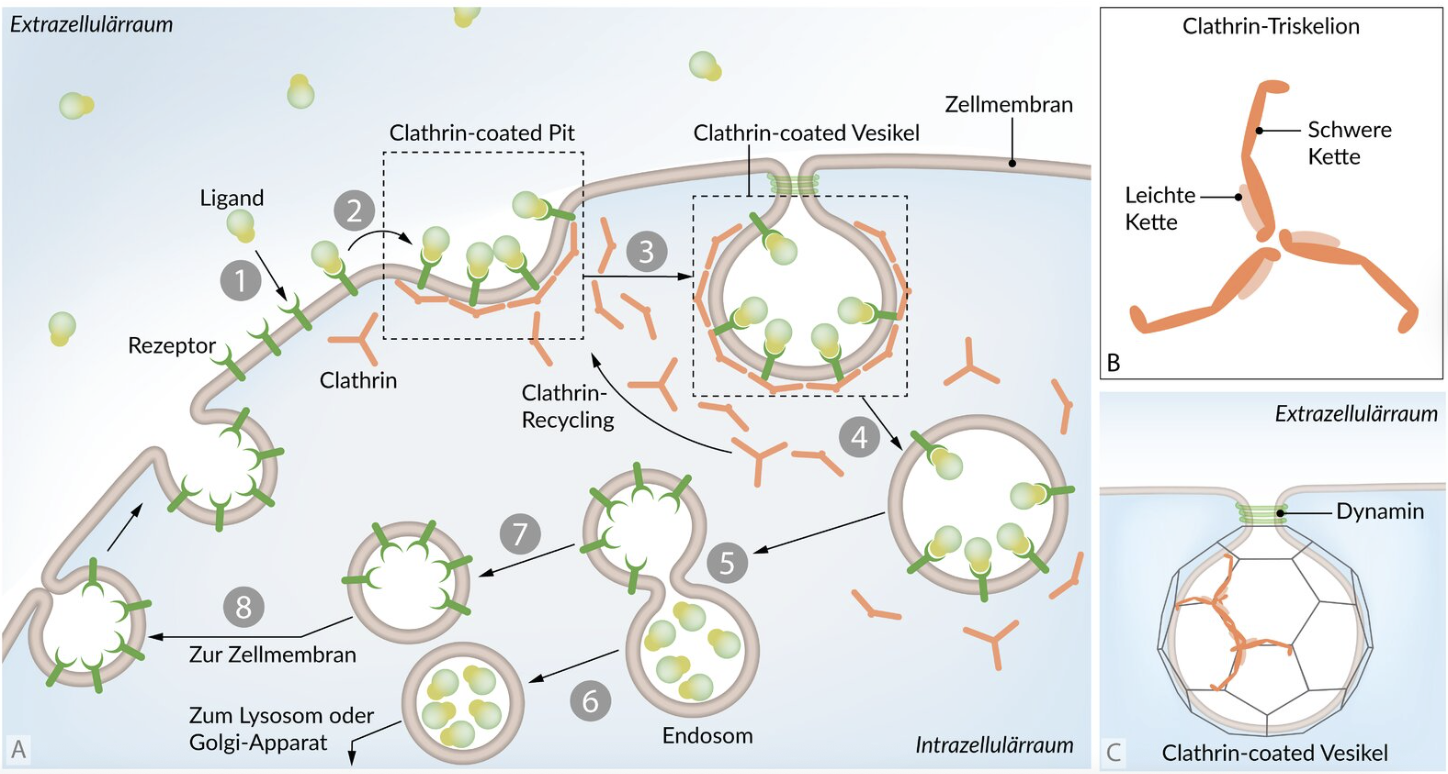
88. Patients with the rare lysosomal storage disease Pompe disease lack the enzyme α-1,4-glucosidase. An enzyme replacement therapy has been developed in which glucosidase is administered through regular infusions. The exogenously supplied enzyme binds to specific cell surface receptors and is taken up by clathrin-mediated endocytosis.
Which of the following sequences of compartments is typically traversed by the infused α-1,4-glucosidase on its way from the cell surface to the late endosomes (LE) and lysosomes (L)?
A. Coated pits → coated vesicles → early endosome → LE/L
B. Coated pits → coated vesicles → phagosome → LE/L
C. Coated pits → smooth endoplasmic reticulum → Golgi apparatus → LE/L
D. Coated vesicles → smooth endoplasmic reticulum → Golgi apparatus → LE/L
E. Coated vesicles → phagosome → early endosome → LE/L
A. Coated pits → coated vesicles → early endosome → LE/L
89. Gap junctions (nexus) allow the exchange of soluble substances between adjacent cells through protein channels known as connexons. When a cell within a gap-junction-connected network is damaged and dies, the gap junctions typically close functionally to protect neighboring cells. Certain ions or molecules whose cytoplasmic concentration rises sharply during cell destruction—and which could harm neighboring cells if transferred—serve as signals for this closure of connexons.
Which of the following typically act as such signals?
A. Ca²⁺ ions
B. Caspase 9
C. Cathepsin
D. Cytochrome c
E. K⁺ ions
A. Ca²⁺ ions
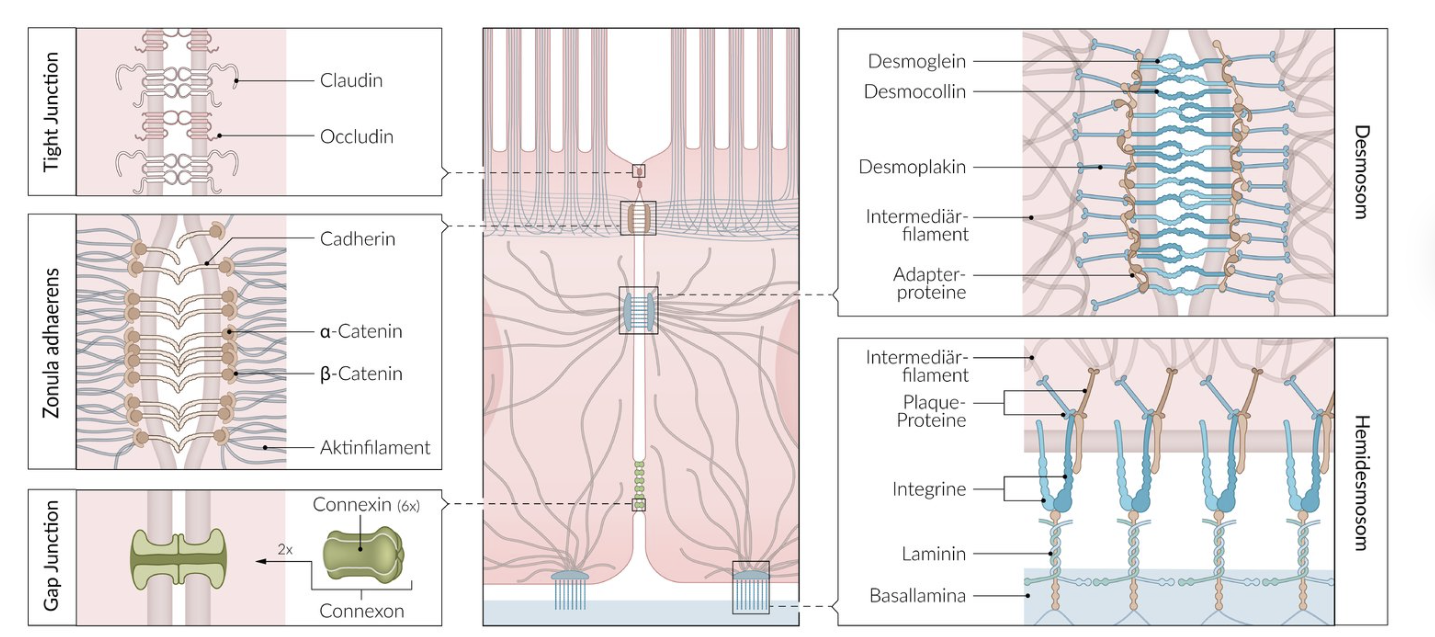
90. Certain molecules directly assist in ensuring that proteins synthesized at the endoplasmic reticulum (ER) fold correctly and that misfolded proteins do not leave the ER for the Golgi apparatus (the next compartment in the protein secretory pathway).
These molecules are typically:
A. Chaperones
B. Claudins
C. Integrins
D. Myosins
E. SNAREs
A. Chaperones
91. Vesicular transport within cells is tightly regulated. Upon reaching a target organelle, recognition structures ensure proper tethering, docking, and membrane fusion.
Which of the following typically belong to these recognition structures?
A. Cardiolipins
B. Gangliosides
C. Integrins
D. Phosphatidylserine
E. Rab proteins
E. Rab proteins
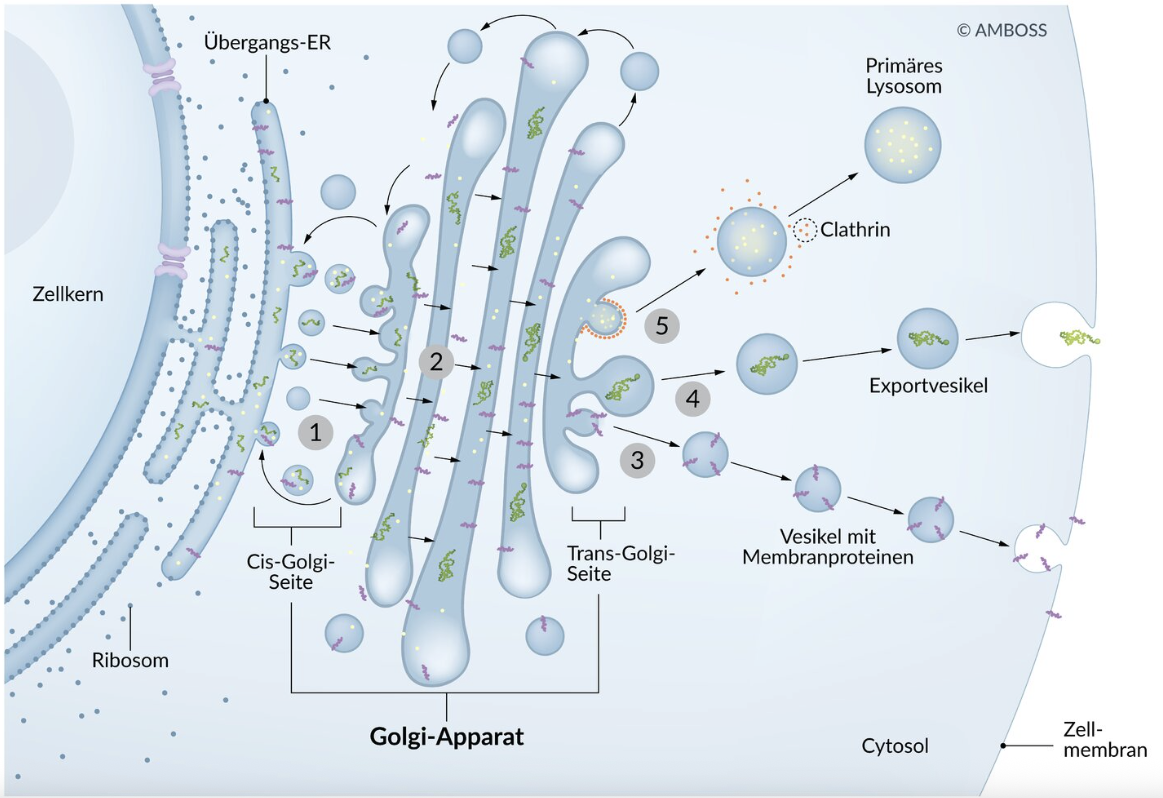
92. Autophagy serves to remove defective and superfluous components of the cell itself.
The degradative enzymes involved are primarily:
A. Enzymes residing in the smooth endoplasmic reticulum
B. Lysosomal enzymes
C. Mitochondrial enzymes
D. Peroxisomal enzymes
E. Proteasomal enzymes
B. Lysosomal enzymes
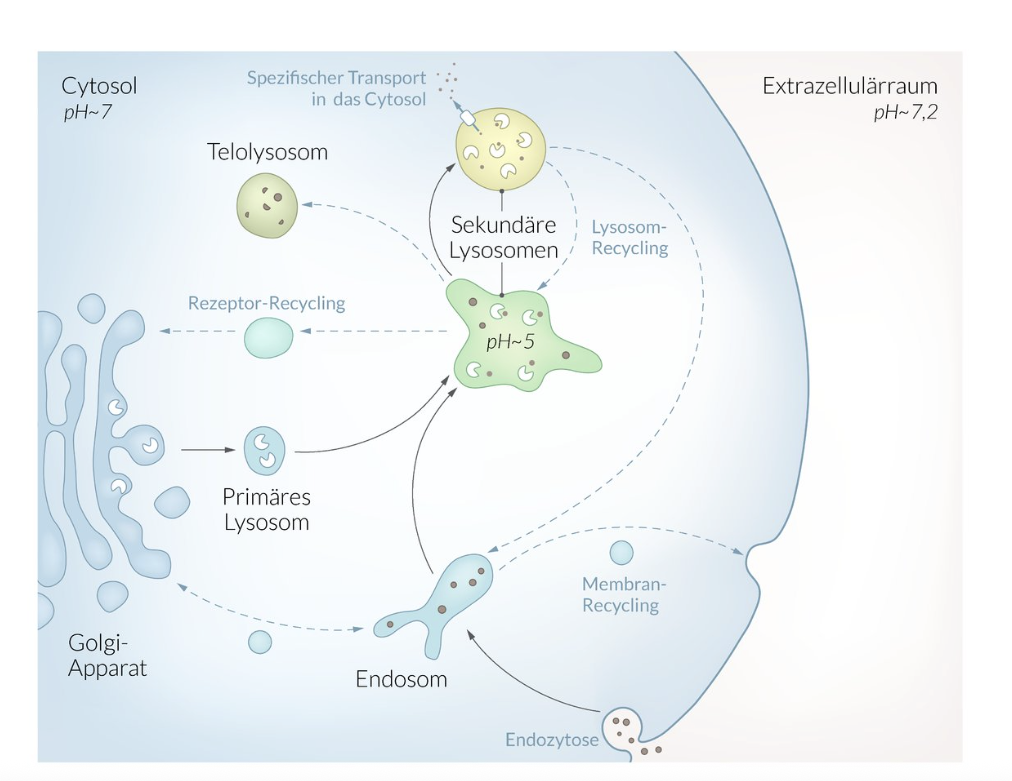
93. So-called reactive oxygen species (ROS), such as hydrogen peroxide, can damage cellular molecules and are associated with various diseases. It is therefore not surprising that human cells possess mechanisms to convert ROS into harmless metabolites.
In which of the following organelles are ROS typically both most abundantly produced and converted into harmless metabolites?
A. Golgi apparatus
B. Peroxisomes
C. Primary lysosomes (lysosomal transport vesicles from the trans-Golgi network)
D. Rough endoplasmic reticulum
E. Nucleus
B. Peroxisomes
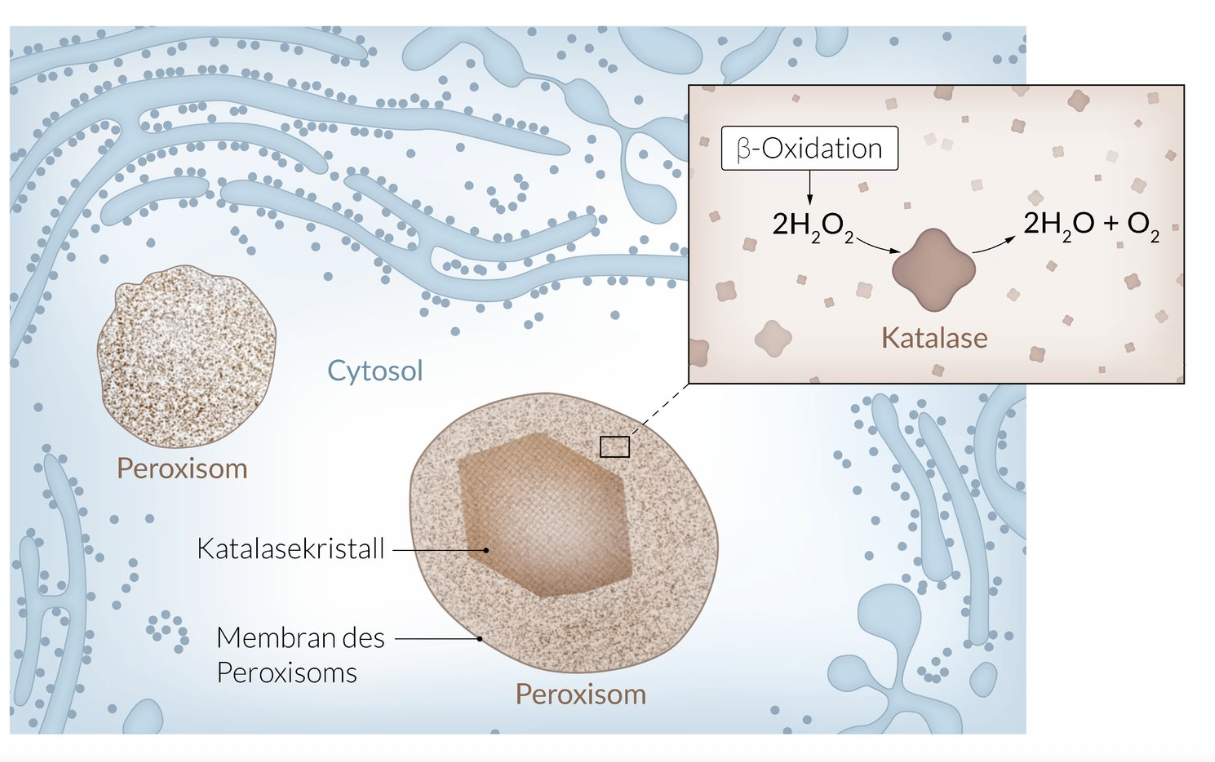
94. Mitochondria play a central role in the energy supply of nearly all human cells. The phylogenetic origin of these organelles is explained by the endosymbiotic theory.
Which of the following findings most strongly supports this theory?
A. The inner mitochondrial membrane typically forms cristae to increase surface area.
B. The intermembrane space of mitochondria has the same pH as the cell’s cytosol.
C. Mitochondria contain their own circular DNA in the matrix.
D. Mitochondria can be transported along microtubules with the help of dynamin.
E. Mitochondria can import newly synthesized proteins from the cytosol via the TIM and TOM complexes.
C. Mitochondria contain their own circular DNA in the matrix.
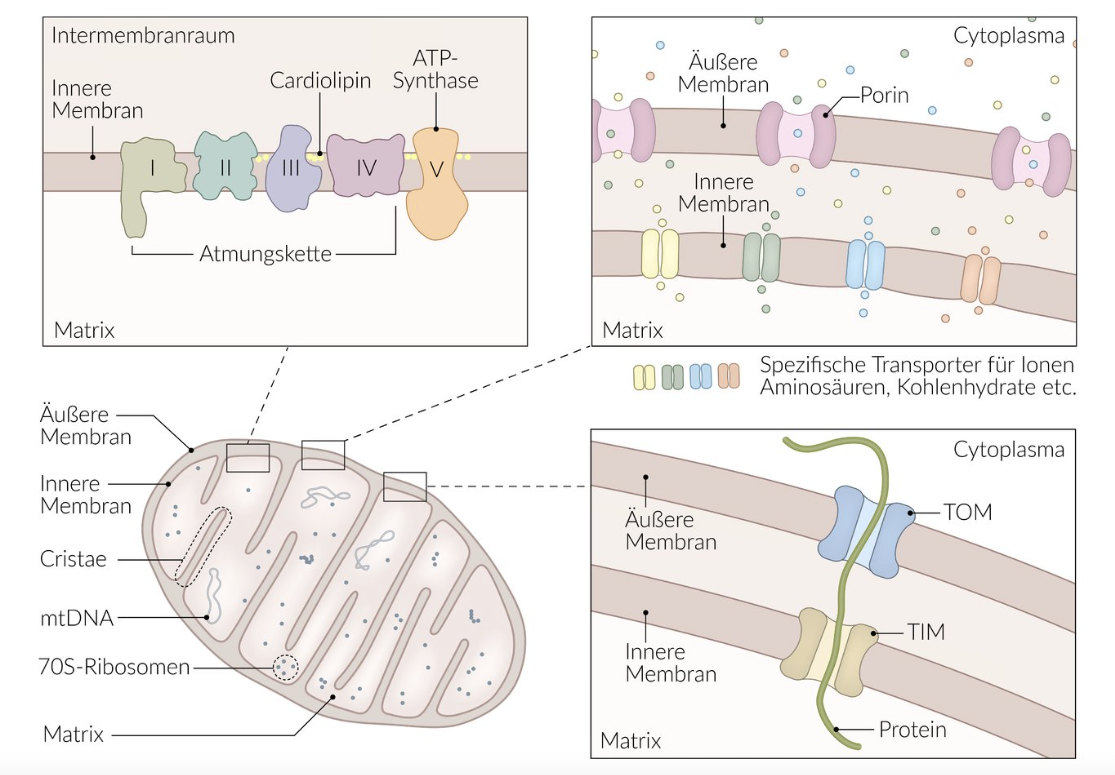
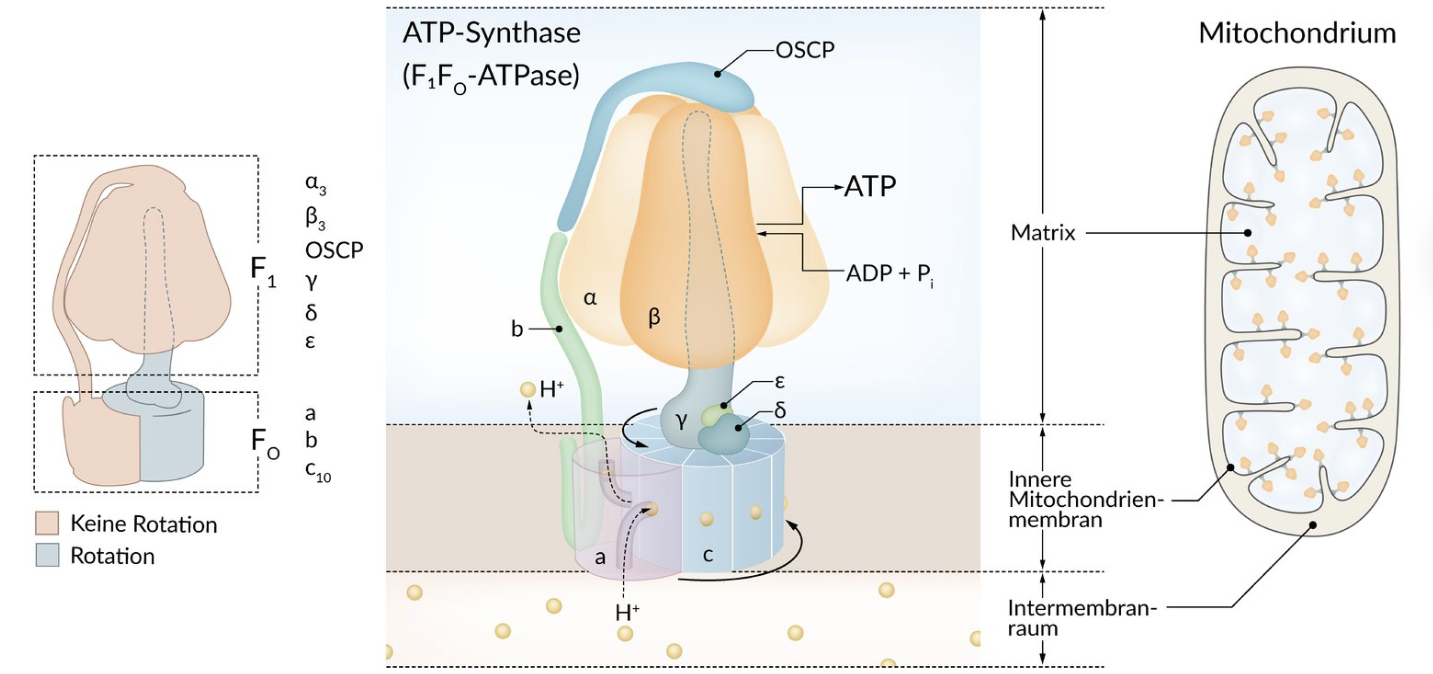
95. For ATP synthesis via oxidative phosphorylation, human cells require mitochondria.
Where is the ATP synthase typically anchored?
A. In the mitochondrial intermembrane space
B. In the lamella of the outer mitochondrial membrane facing the intermembrane space
C. In the lamella of the outer mitochondrial membrane facing the cytosol
D. In the inner mitochondrial membrane
E. In the mitochondrial matrix
D. In the inner mitochondrial membrane
96. Vinblastine, a so-called Vinca alkaloid, is used as a cytostatic agent in the treatment of various malignant tumors.
Which of the following statements best describes the mechanism of action of vinblastine?
A. Vinblastine binds directly to double-stranded DNA, thereby preventing its replication.
B. It inhibits eukaryotic DNA polymerases, thereby preventing DNA replication.
C. It inhibits the polymerization of spindle microtubules, thereby impairing mitosis.
D. It stabilizes the actin filaments of the contractile ring, thereby impairing cytokinesis.
E. It suppresses the expression of the tumor suppressor protein p53, thereby preventing the initiation of apoptosis.
C. It inhibits the polymerization of spindle microtubules, thereby impairing mitosis.
97. Some cellular markers can be used in the histopathological diagnosis of tumors.
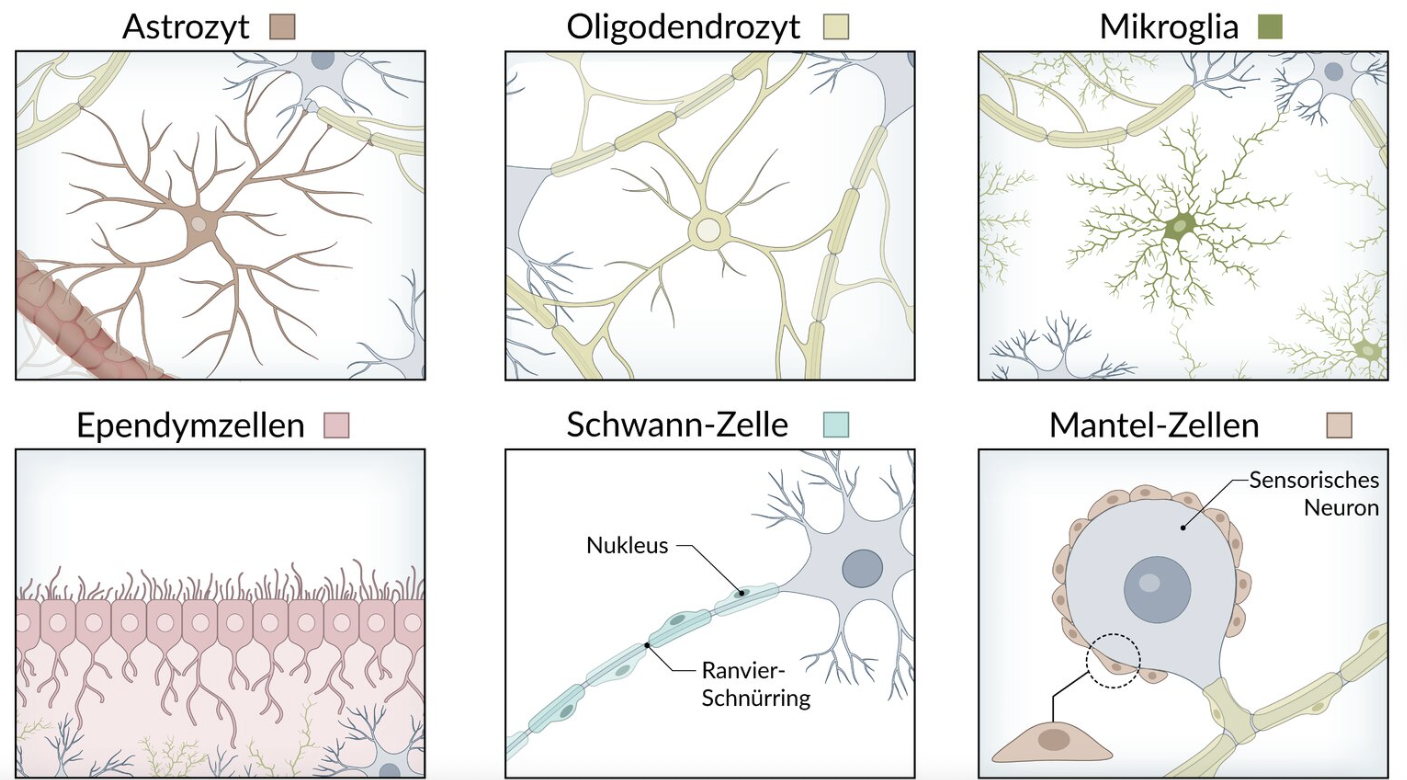
The detection of GFAP most strongly indicates that the tumor originated from which of the following cell types?
A. Glial cells
B. Mesothelial cells
C. Muscle cells
D. Neurons
E. Renal tubular epithelial cells
A. Glial cells
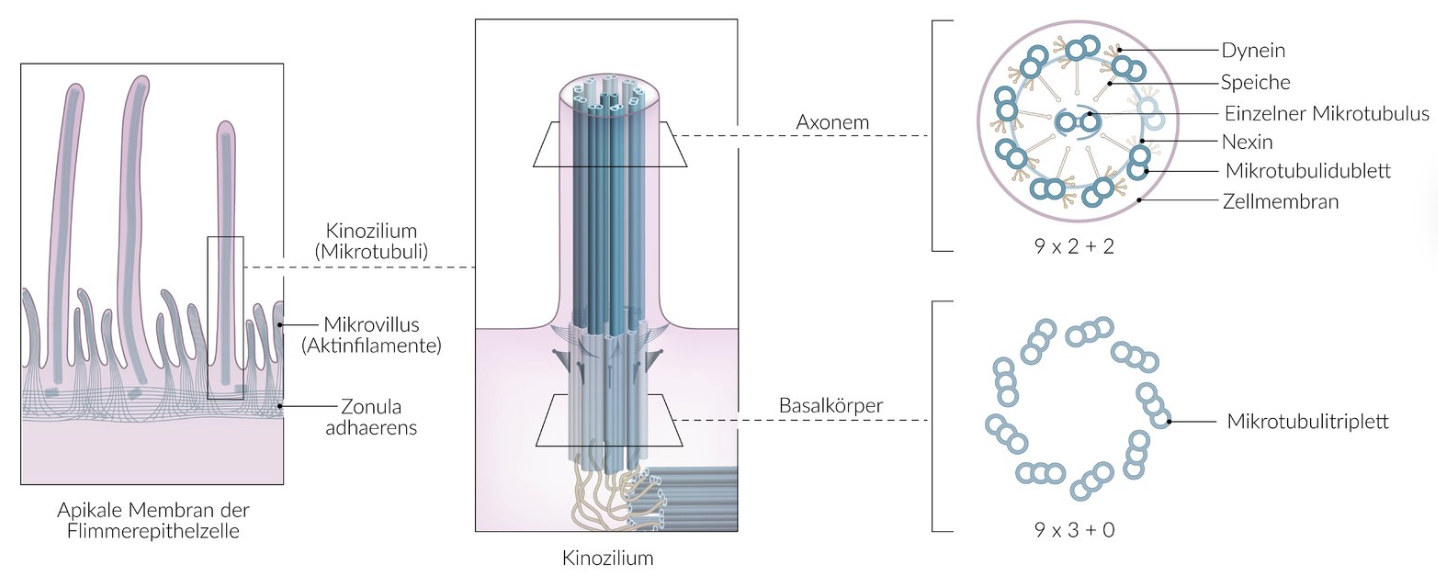
98. In patients with primary ciliary dyskinesia (PCD), ciliary dynein is often nonfunctional or completely absent.
Which of the following symptoms/findings is most likely to be expected in affected individuals?
A. Formation of aneurysms in the large arterial vessels
B. Sterility in male patients
C. Hyperextensibility of the finger and toe joints
D. Digestive disorder due to backflow of exocrine pancreatic secretions
E. Digestive disorder due to impaired intestinal peristalsis
B. Sterility in male patients
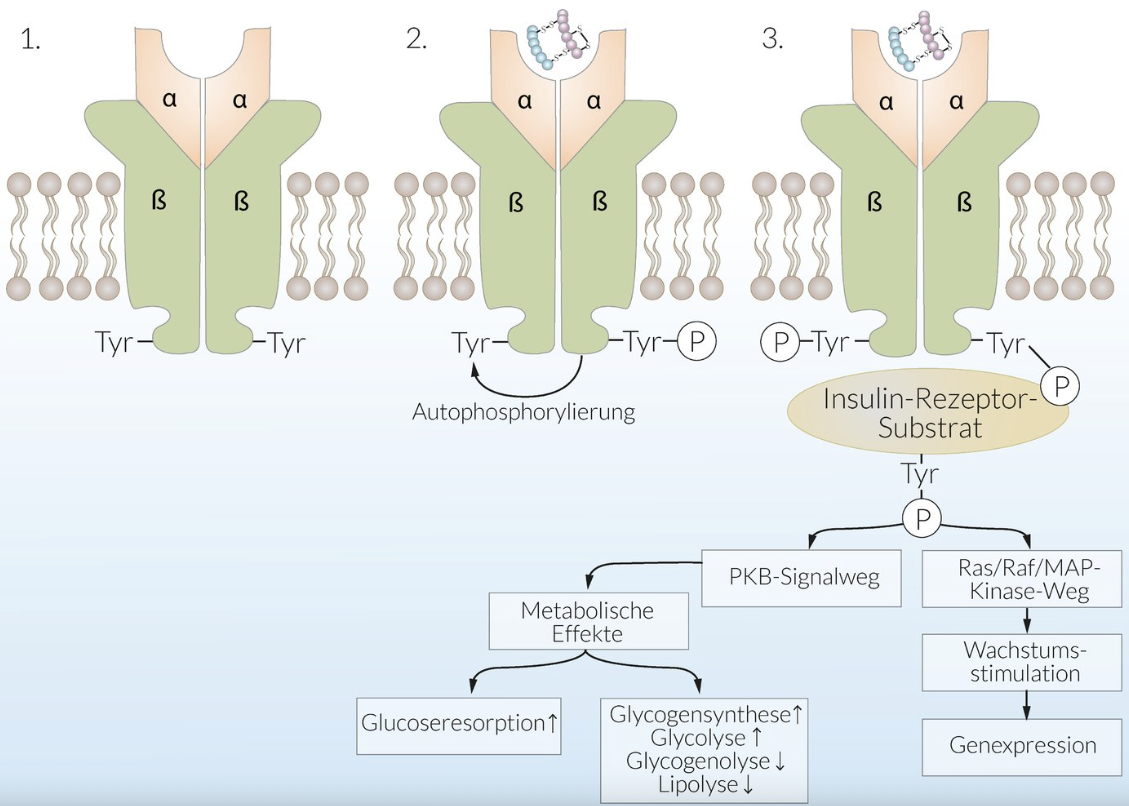
99. Certain receptors act intracellularly as tyrosine kinases (receptor tyrosine kinases) after binding an extracellular ligand.
Which of the following typically belongs to this group?
A. The glucagon receptor
B. The insulin receptor
C. The adrenoceptors
D. The estrogen receptors ERα and ERβ
E. The ligand-gated ion channels
B. The insulin receptor
100. Cholera toxin (an enterotoxin produced by Vibrio cholerae) ADP-ribosylates the α-subunit of an adenylate cyclase–stimulating G protein, preventing its inactivation and thus causing continuous stimulation of adenylate cyclase.
Normally, inactivation of the activated α-subunit occurs through which of the following processes?
A. Exchange of GTP for GDP
B. Formation of a dimer with a second α-subunit
C. Hydrolysis of GTP to GDP and phosphate
D. Phosphorylation of the nucleotide-binding site
E. Limited proteolysis
C. Hydrolysis of GTP to GDP and phosphate