Urinalysis Sediment
 Call Kai
 Learn
Learn Practice Test
 Spaced Repetition
 Match
Match Flashcards
 Knowt Play
1/24

Earn XP
Description and Tags
VTT 239
Name | Mastery | Learn | Test | Matching | Spaced | Call with Kai |
|---|
No analytics yet
Send a link to your students to track their progress
25 Terms
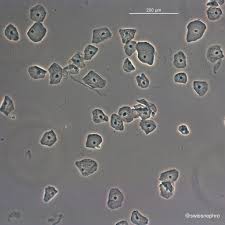
Squamous Epithelial Cells
cause: cells shed from the distal urinary tract (distal urethra/vagina/prepuce)
indication: small amount are normal while large amounts can indicate damage of the tract and possible contamination of the specimen with skin microorganisms
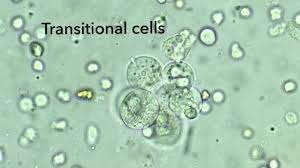
Transitional Epithelial Cells
cause: cells shed from the proximal urinary tract lining (urethra/bladder ureters/renal pelvis)
indication: small amount are normal while large amounts can indicate infection/inflammation of the tract
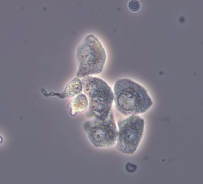
Renal Tubular Epithelial Cells
cause: renal tubular degeneration
indication: normal in small amount but increased numbers indicate damage to the kidneys
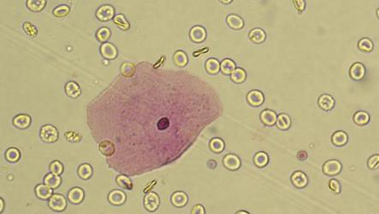
Erythrocytes
cause: blood in the urinary tract
indication: hematuria from infection, damage/trauma, or disease.
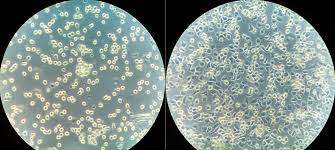
Leukocytes
cause: Inflammation or infection in the urinary tract
indication: Acute glomerulonephritis, infection/inflammation in the lower or upper urinary tract
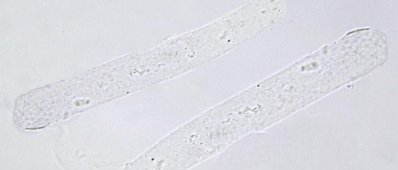
Hyaline Cast
cause: protein in the renal tubules
indication: normal in small amounts, larger amounts can indicate dehydration, intense exercise, or mild renal disease
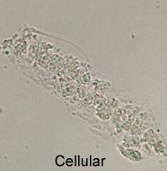
Cellular Cast
cause: cells that are trapped in casts within the tubules
indication: large amounts indicate renal inflammation or pyelonephritis
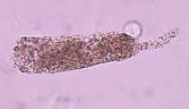
Granular Cast
cause: degenerating cells/cellular casts
indication: renal disease or tubular damage
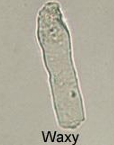
Waxy Cast
cause: advanced degeneration of granular casts
indication: chronic tubular damage
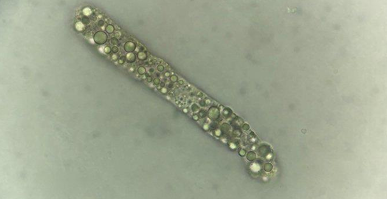
Fatty Cast
cause: fat globules in degenerating tubular epithelial cells
indication: renal disease/degeneration
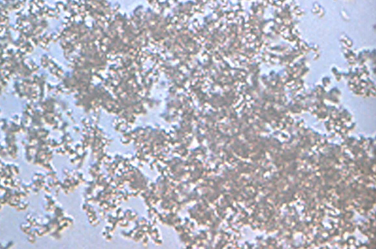
Amorphous Urate Crystals
cause: found in concentrated acidic urine
indication: normal finding that can indicate dehydration
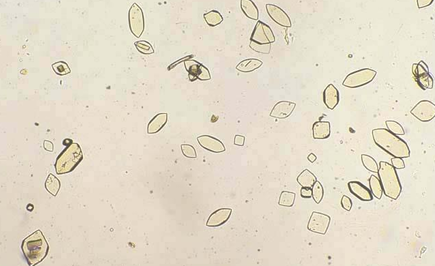
Uric Acid Crystals
cause: acidic urine containing a high uric acid concentration
indication: not commonly found except in dalmatians, can indicate urolith formation or liver disease
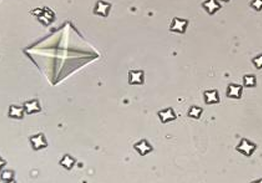
Calcium Oxalate-Dihydrate Crystals
cause: found in acidic or neutral urine
indication: normal in small amounts but larger amounts can indicate hypercalcemia
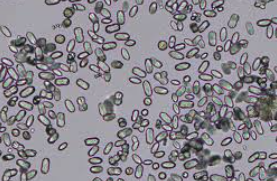
Calcium Oxalate-Monohydrate Crystals
cause: ethylene glycol poisoning (antifreeze)
indication: severe renal damage caused by ethylene glycol toxicity
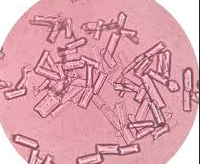
Struvite Crystals
cause: alkaline to slightly acidic urine
indication: urine containing high concentration of ammonia
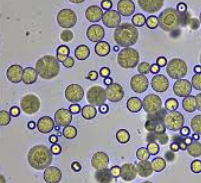
Calcium Carbonate Crystals
cause: alkaline urine
indication: normal findings in horses and rabbits, no clinical significance
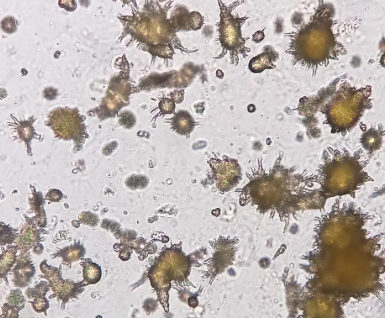
Ammonium Biurate Crystals
cause: found in neutral, alkaline, or slightly acidic urine, increased ammonia and uric acid breakdown
indication: severe liver disease/damage
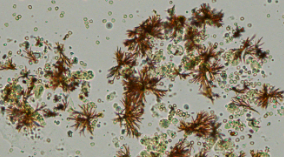
Bilirubin Crystals
cause: increased bilirubin in urine
indication: normal in acidic K9 urine, abnormal in other species and can symbolize an underlying disease process
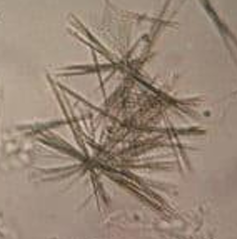
Tyrosine Crystals
cause: abnormal breakdown of amino acids
indication: severe liver disease, uncommon finding in dogs/ cats
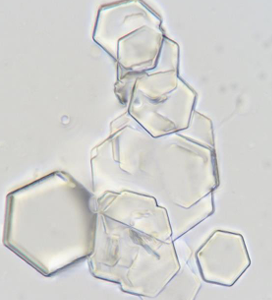
Cystine Crystals
cause: defect in amino acid reabsorption
indication: renal tubular dysfunction or cystine urolithiasis
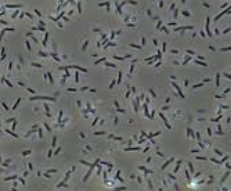
Bacteria
cause: specimen contamination or infection
indication: if white blood cells are present it can indicate infection
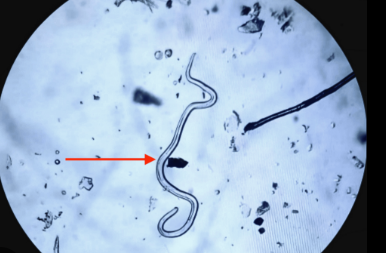
Parasites
cause: systemic parasitic infection or ova in urine
indication: presence of parasites in the body or contamination
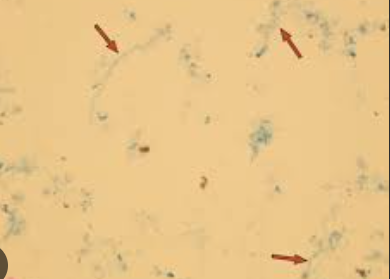
Mucus
cause: urinary tract lining secretions
indication: insignificant finding, amounts can increase if there is inflammation/irritation
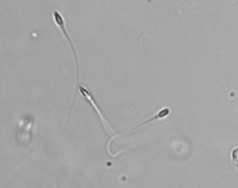
Sperm
cause: ejaculate /repro tract contamination
indication: insignificant finding, common in intact males
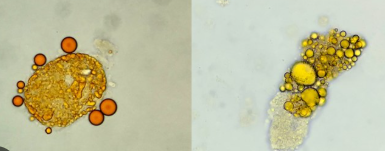
Fat
cause: lipid presence in urine
indication: insignificant finding, can sometimes indicate renal disease or lipiduria