Equations of Motion

0.0(0)
Studied by 0 people
call kaiCall Kai
learnLearn
examPractice Test
spaced repetitionSpaced Repetition
heart puzzleMatch
flashcardsFlashcards
GameKnowt Play
Card Sorting

1/160

encourage image

There's no tags or description

Looks like no tags are added yet.

Last updated 2:08 PM on 5/21/26
Name
Mastery
Learn
Test
Matching
Spaced
Call with Kai

No analytics yet

Send a link to your students to track their progress

161 Terms
1
New cards
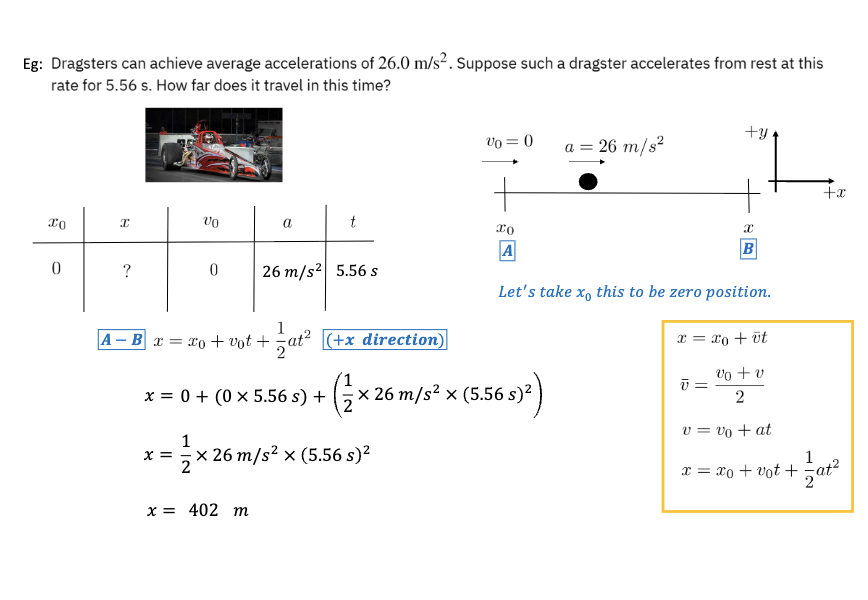
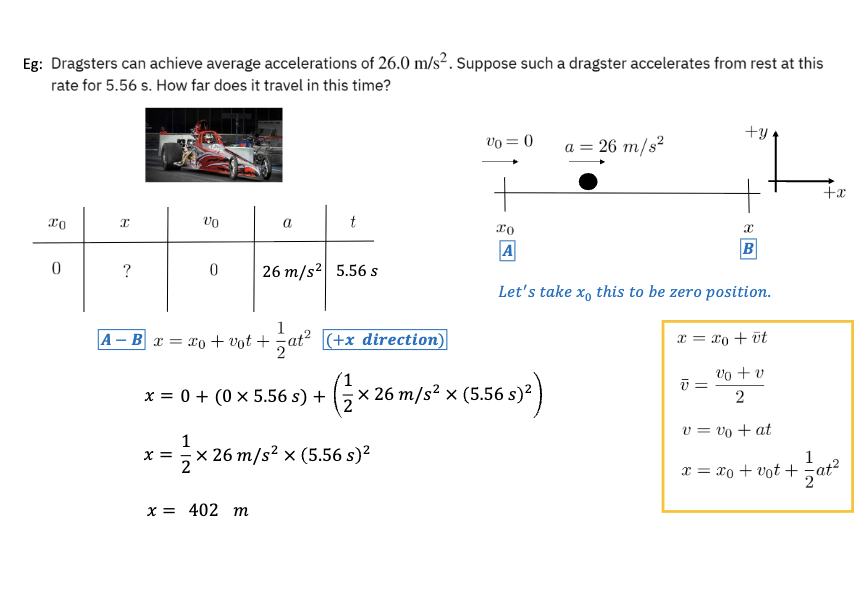
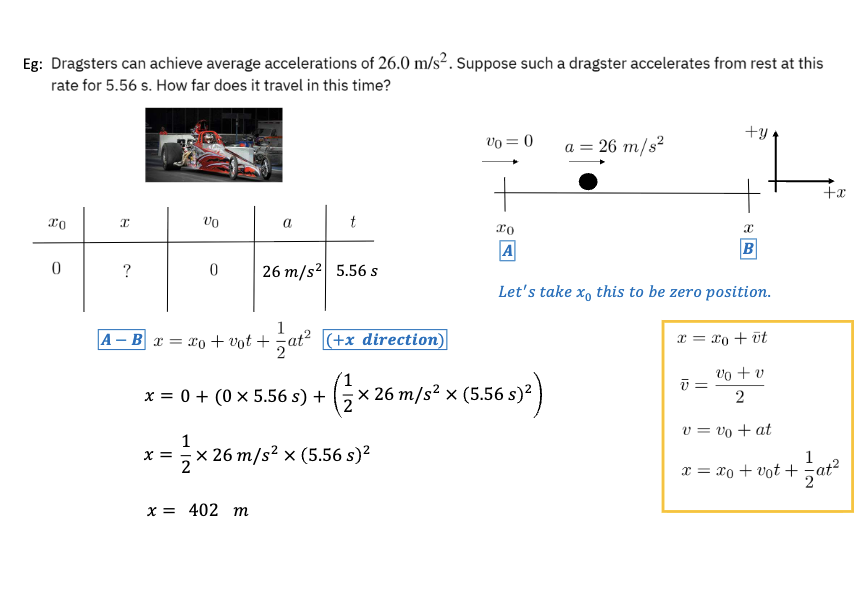
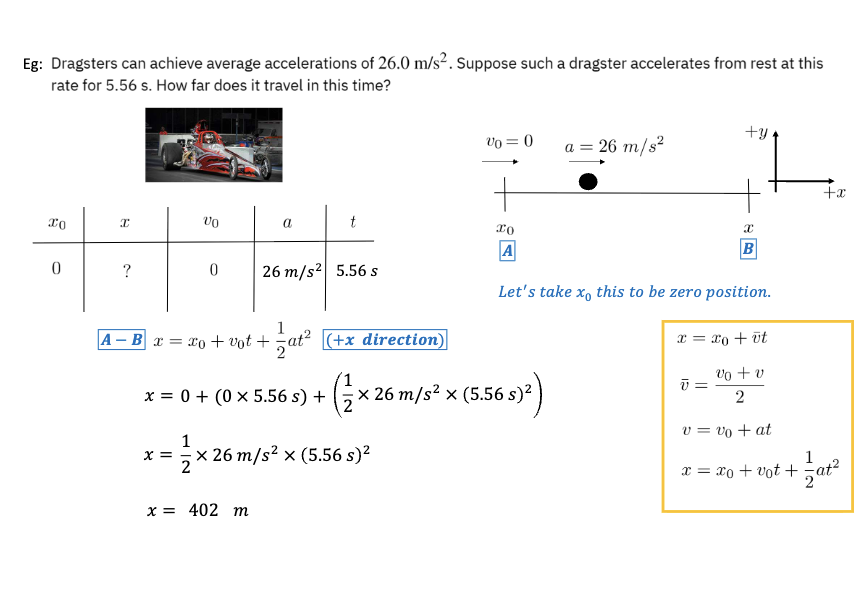
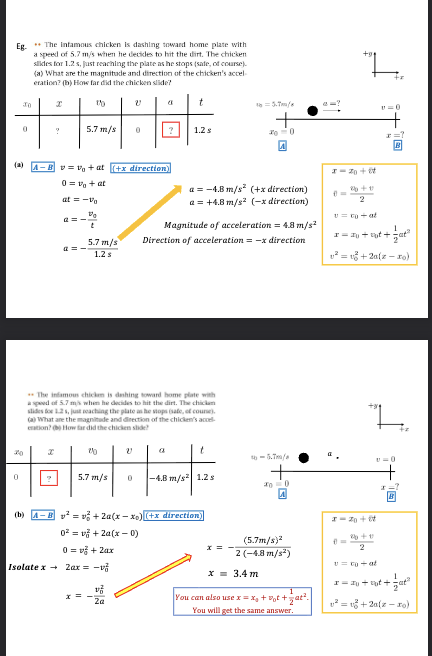
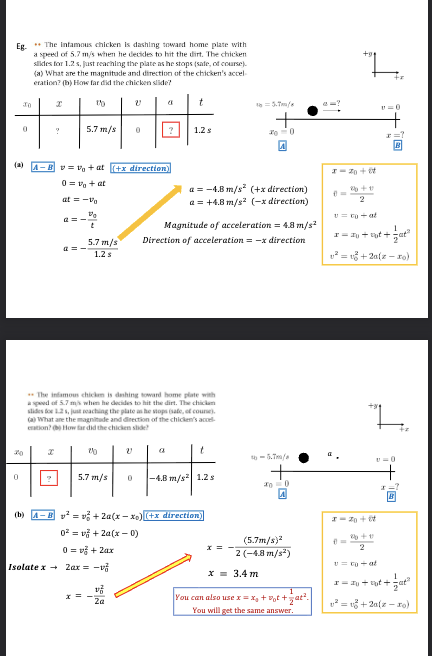
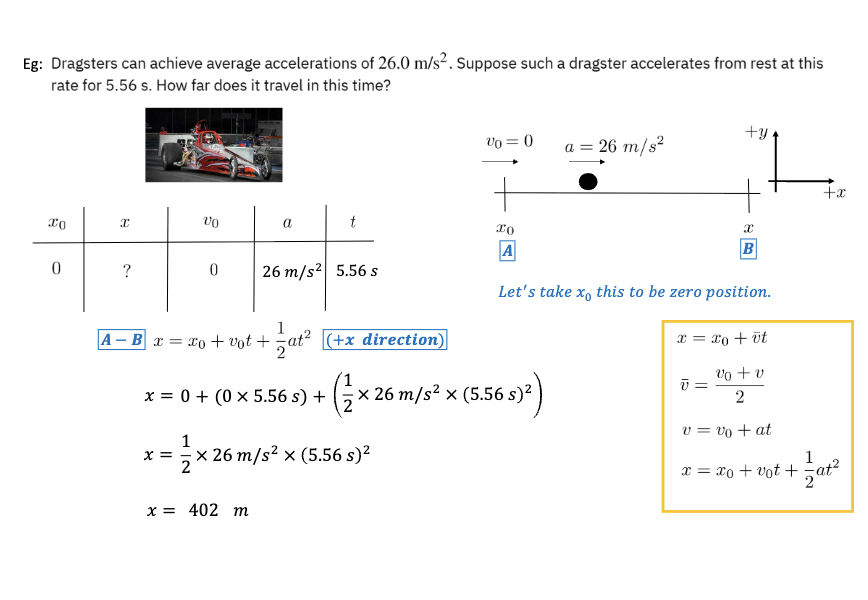
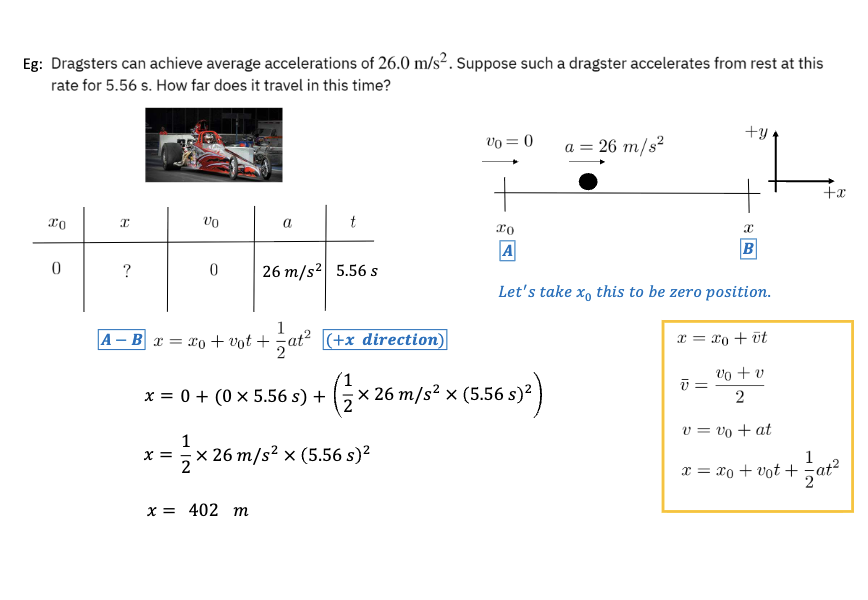
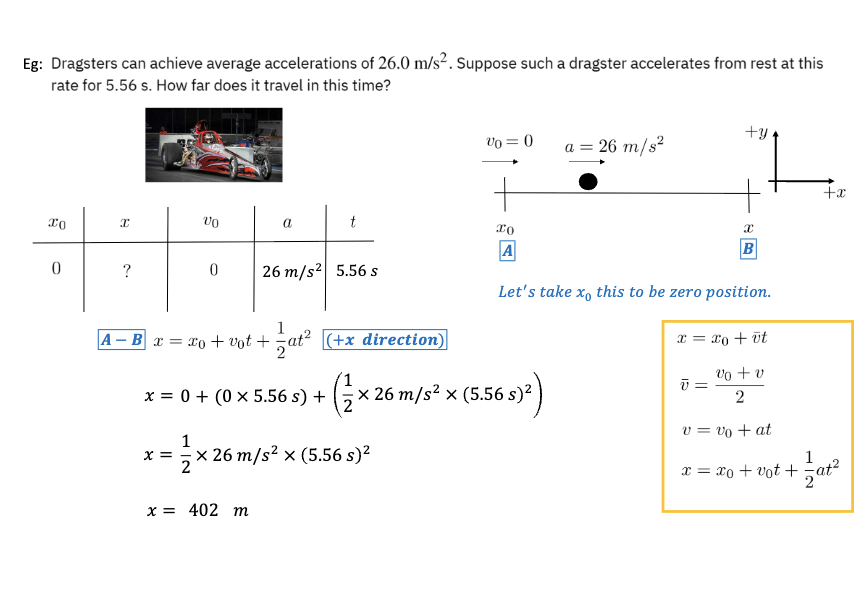
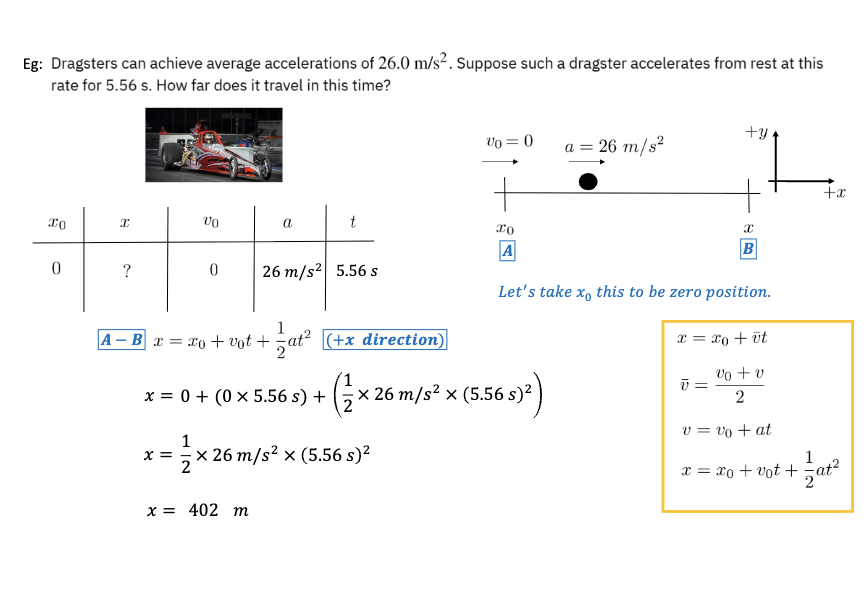
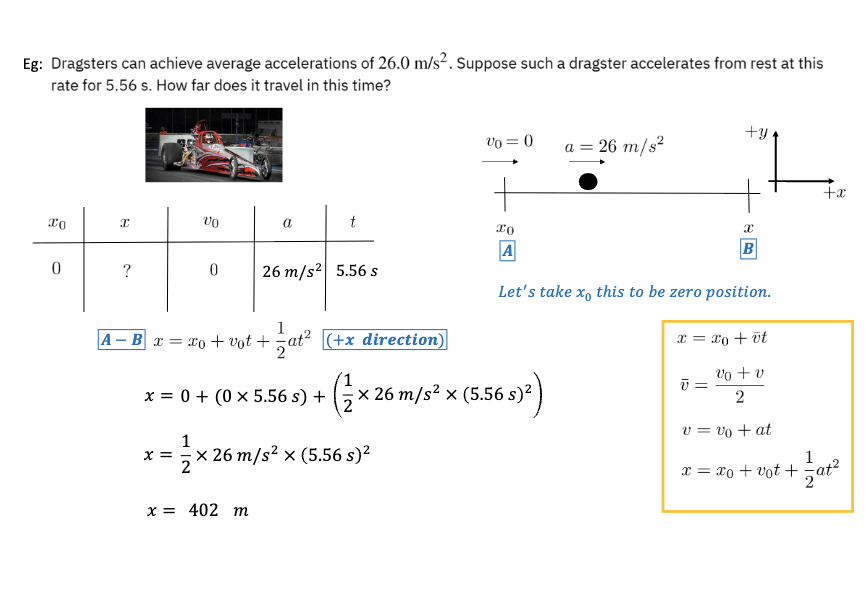
<p>What is the dragster’s average acceleration?</p>

What is the dragster’s average acceleration?

26.0 m/s².
2
New cards
<p>What does “from rest” mean in this example?</p>

What does “from rest” mean in this example?

The dragster starts with an initial velocity of 0 m/s.
3
New cards
<p>How long does the dragster accelerate?</p>

How long does the dragster accelerate?

5.56 s.

4
New cards

v

5
New cards
What variable is being solved for?
Final position/displacement (x).
6
New cards
<p>What is the dragster’s initial position?</p>

What is the dragster’s initial position?

0 m.
7
New cards
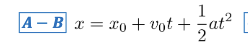
<p>What <strong>equation</strong> is used to solve the problem?</p>

What equation is used to solve the problem?
knowt flashcard image
8
New cards

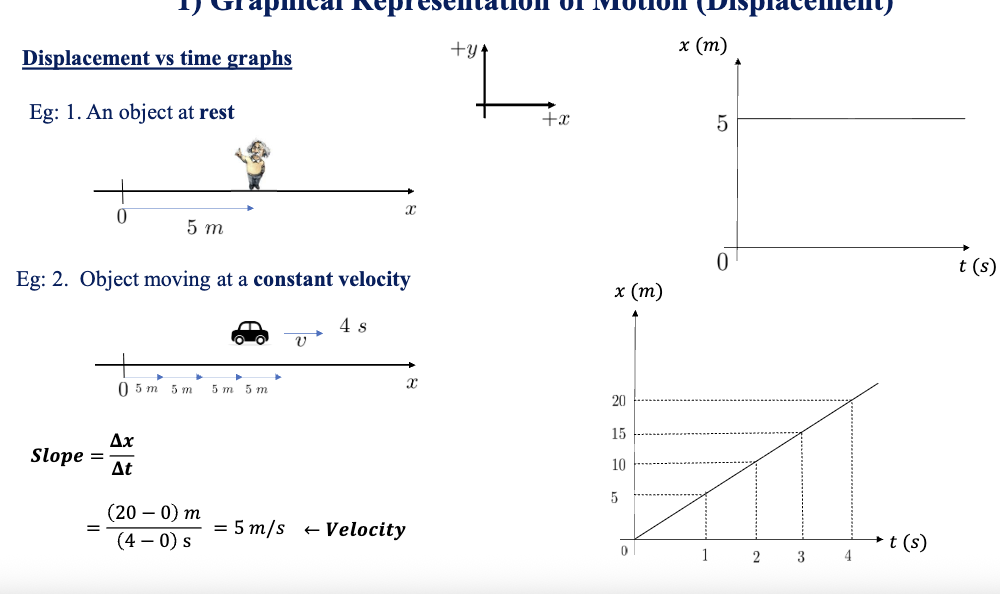
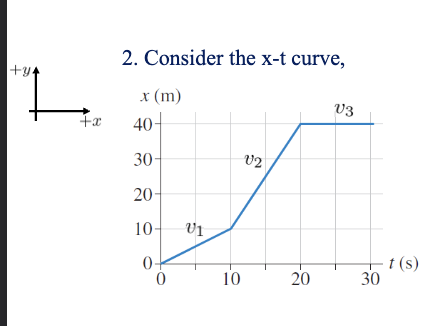
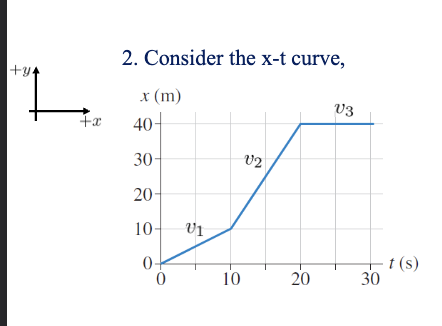
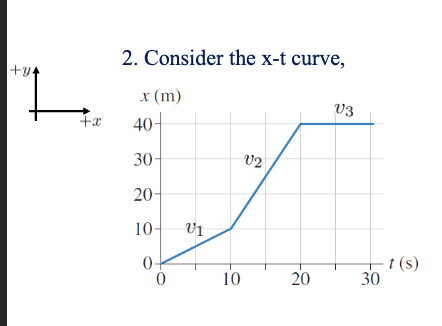
v

9
New cards
<p>Why does the v<sub>0</sub> t term become zero?</p>

Why does the v0 t term become zero?

Because the initial velocity is zero
10
New cards
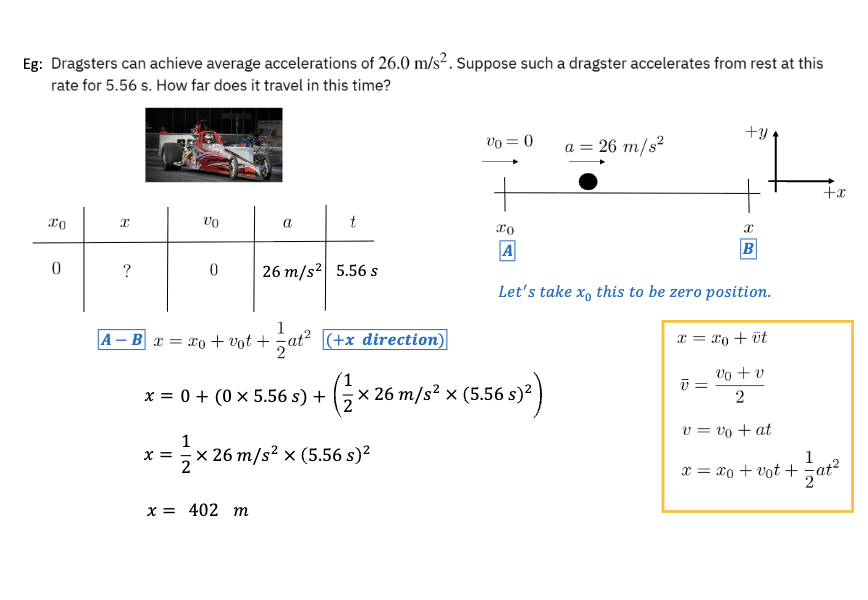
<p>What values are substituted into the equation?</p>

What values are substituted into the equation?

x0​=0,v0​=0,a=26m/s2,t=5.56s

11
New cards
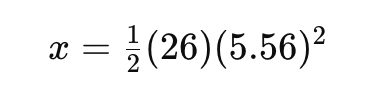
<p>How is the equation simplified after substitution?</p>

How is the equation simplified after substitution?
<p></p>
12
New cards

skip

13
New cards
<p>What is the dragster’s final displacement?</p>

What is the dragster’s final displacement?

402 m.
14
New cards
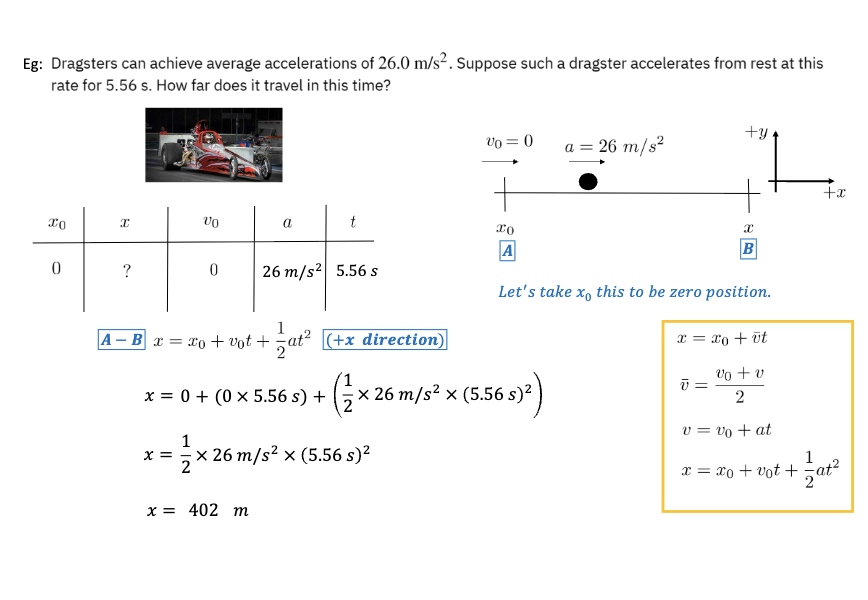
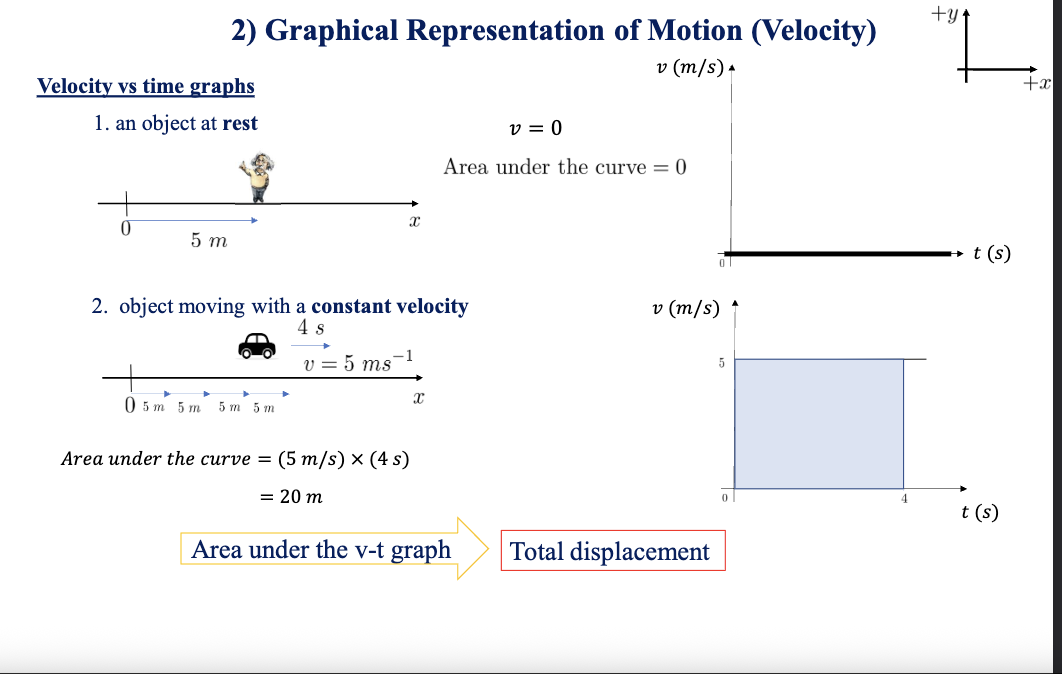
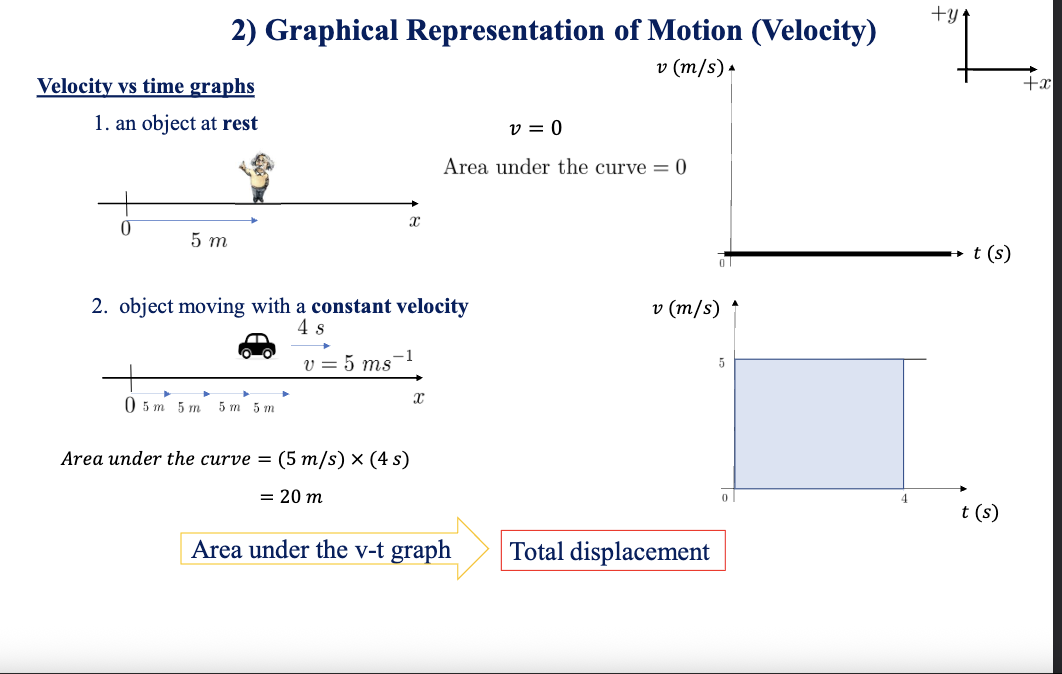
<p>In what direction does the dragstar move?</p>

In what direction does the dragstar move?

In the +x direction
15
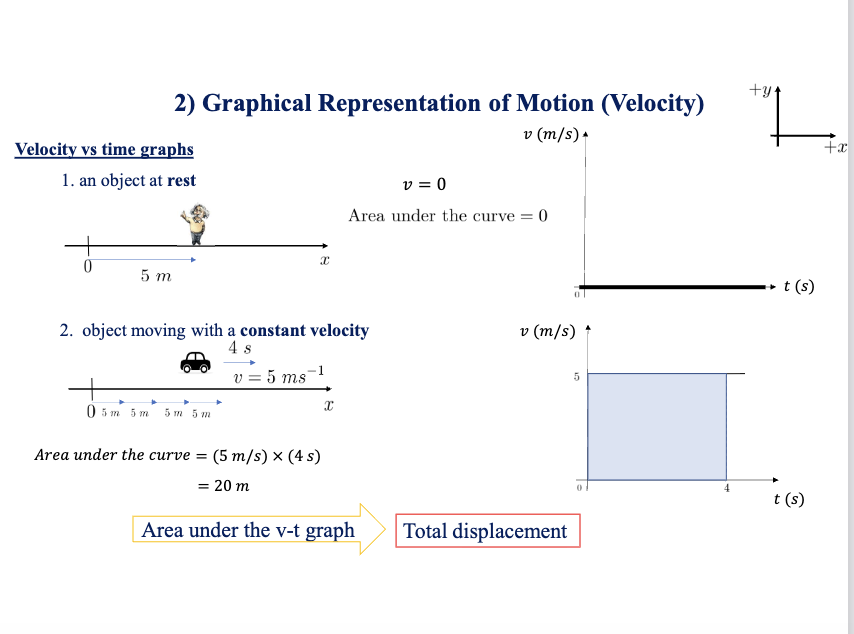
New cards
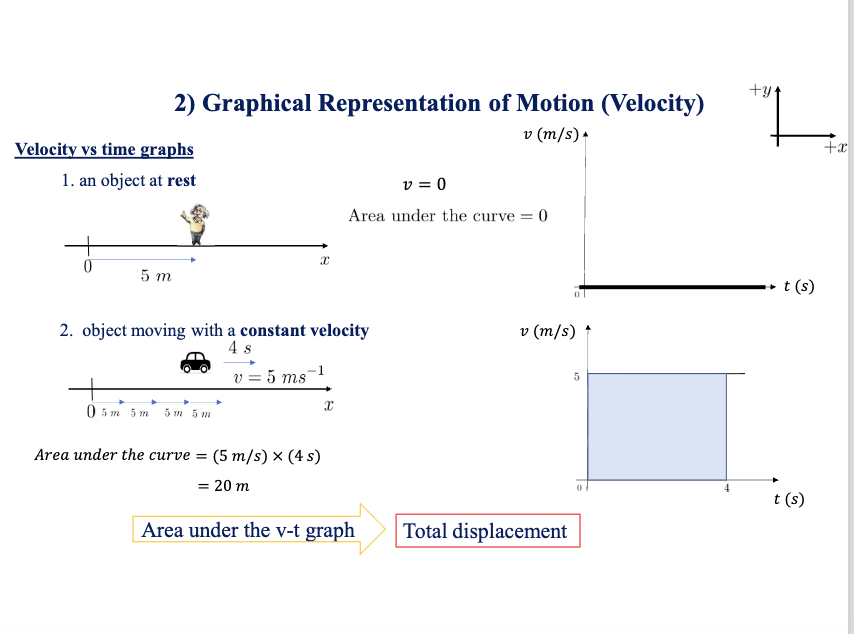
<p>Why is the displacement positive?</p>

Why is the displacement positive?

Because the dragster accelerates to the right (+x direction)

16
New cards

skip

17
New cards
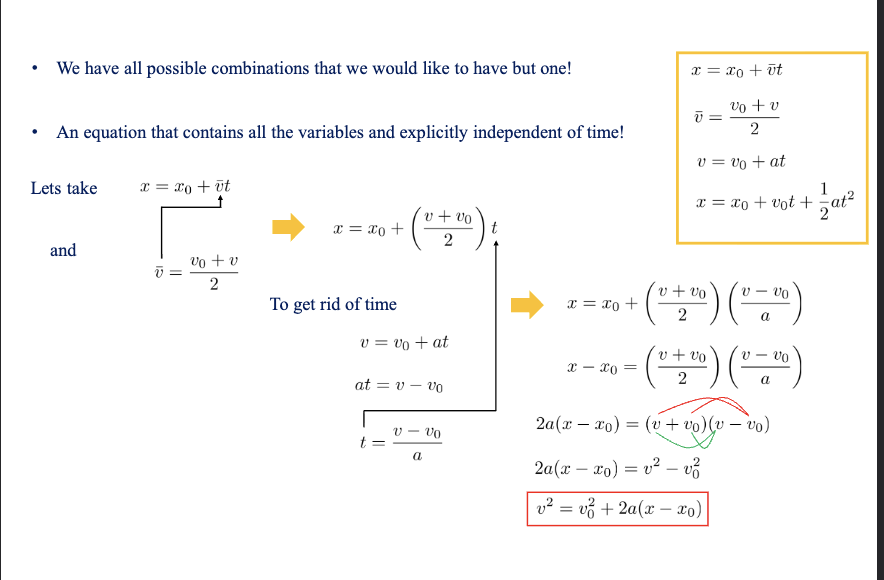
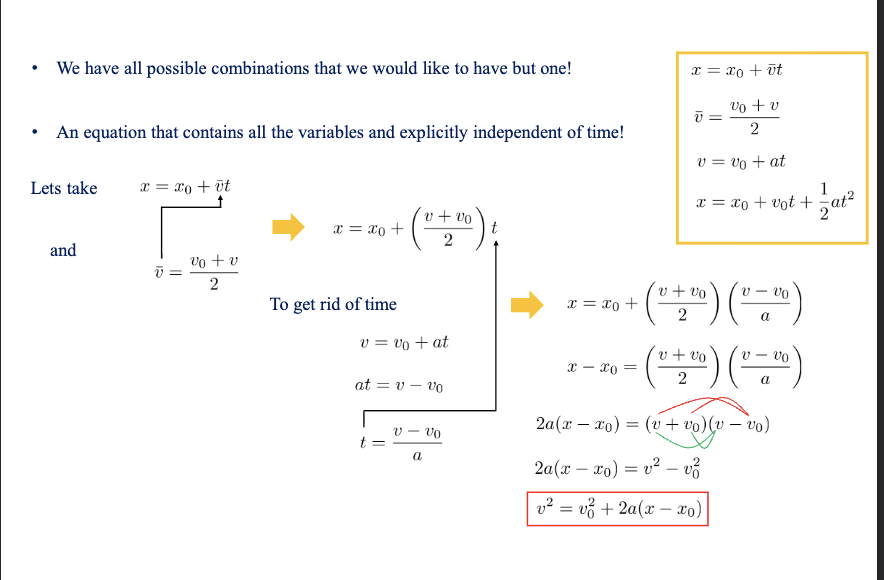
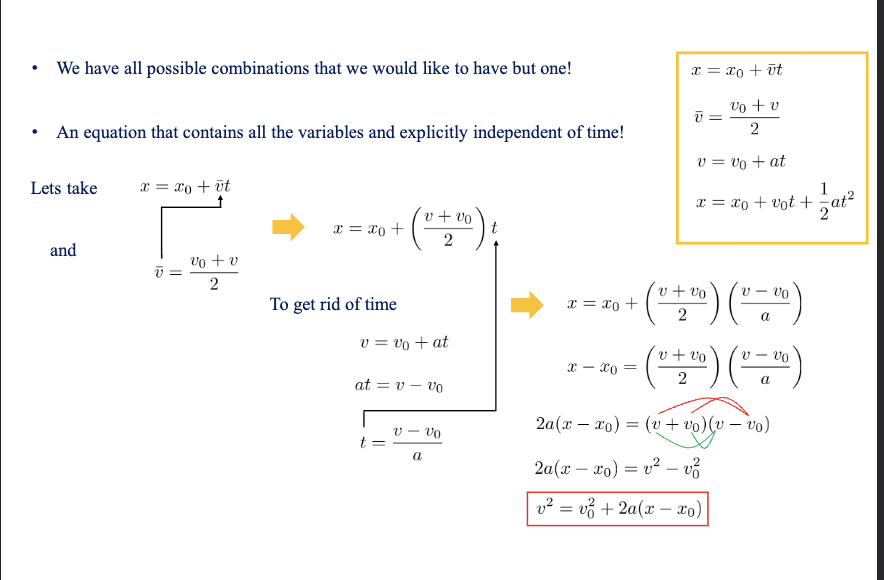
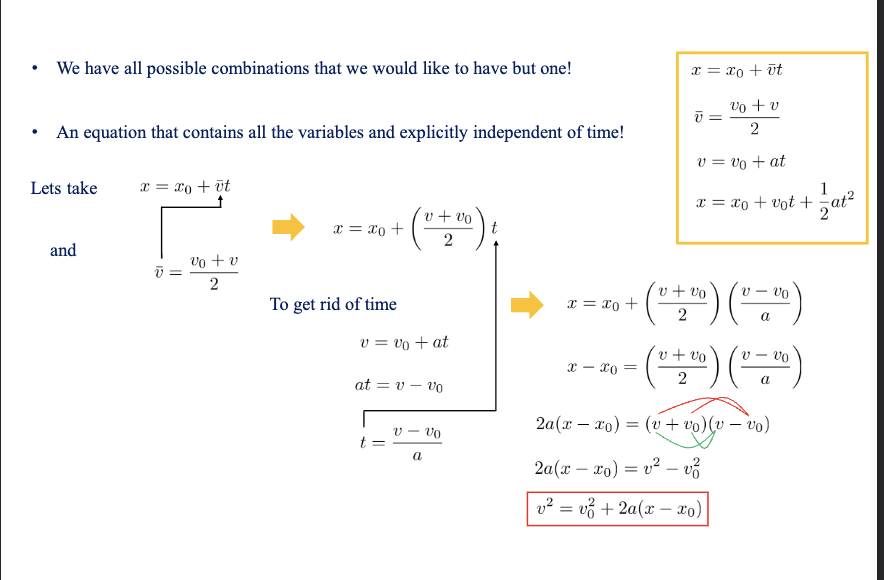
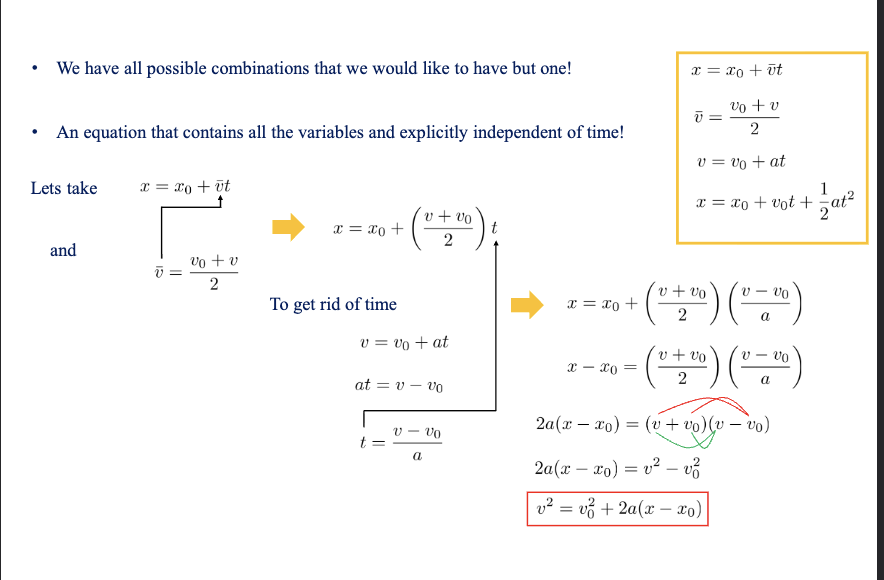
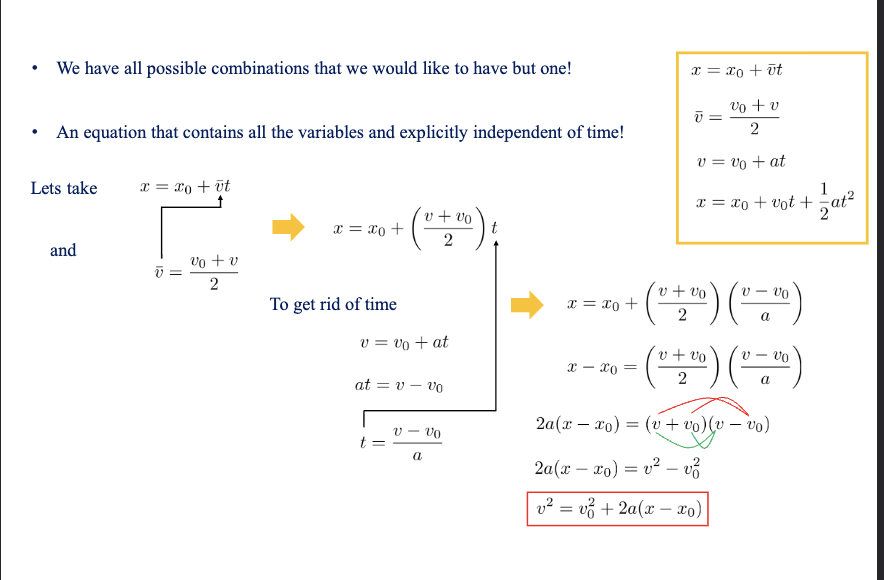
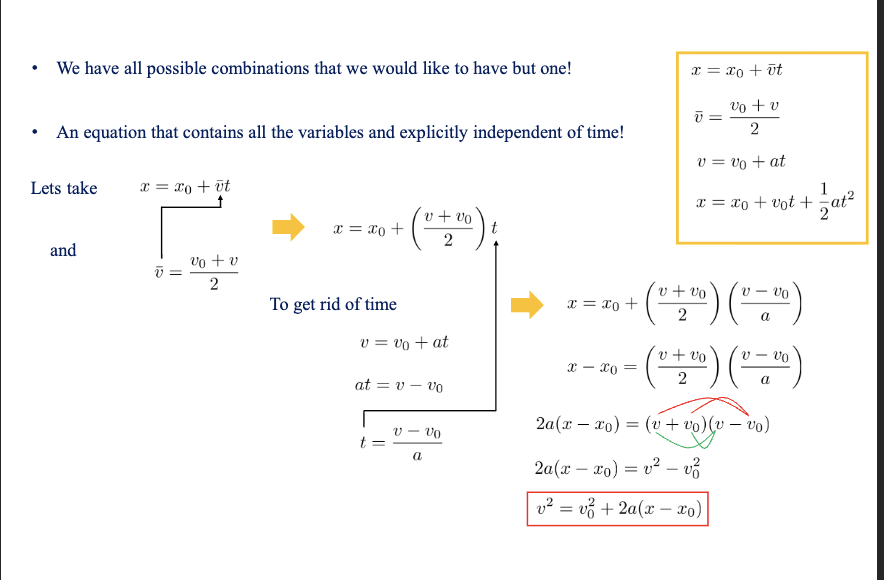
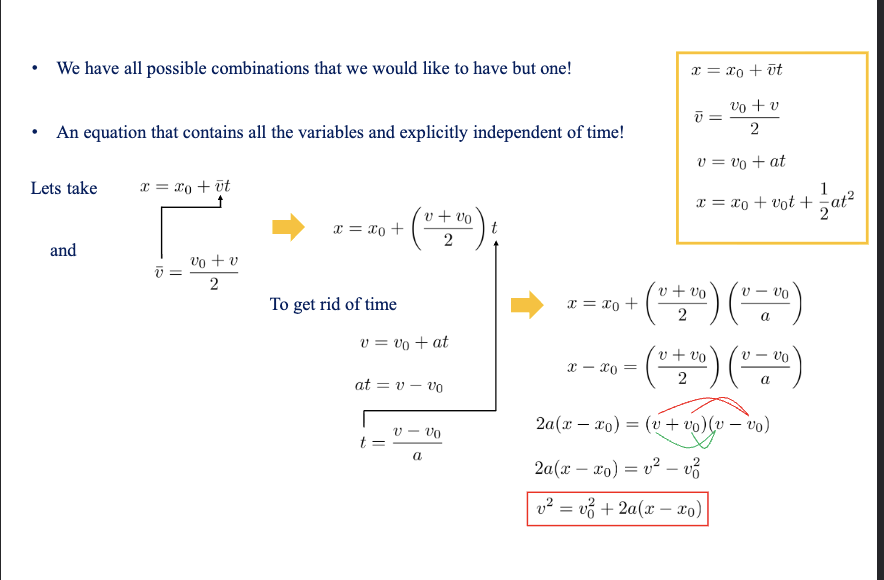
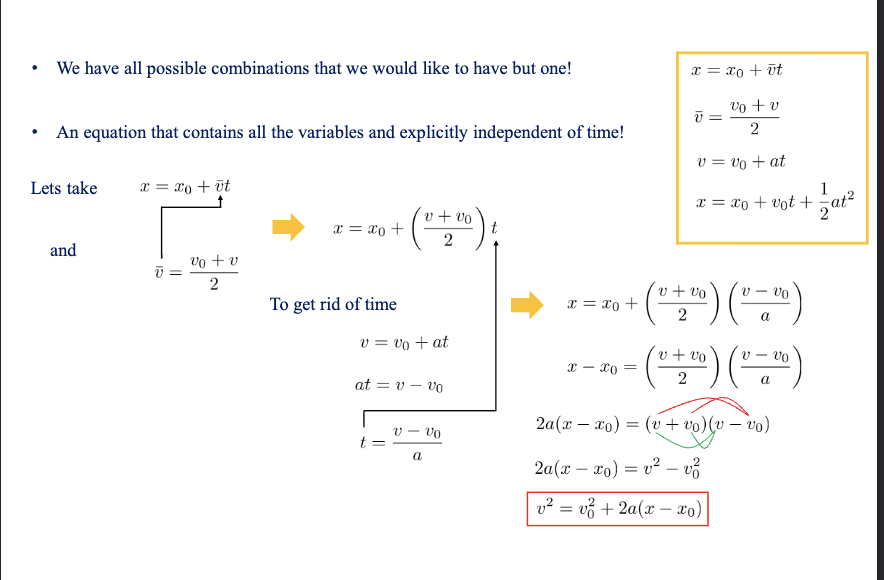
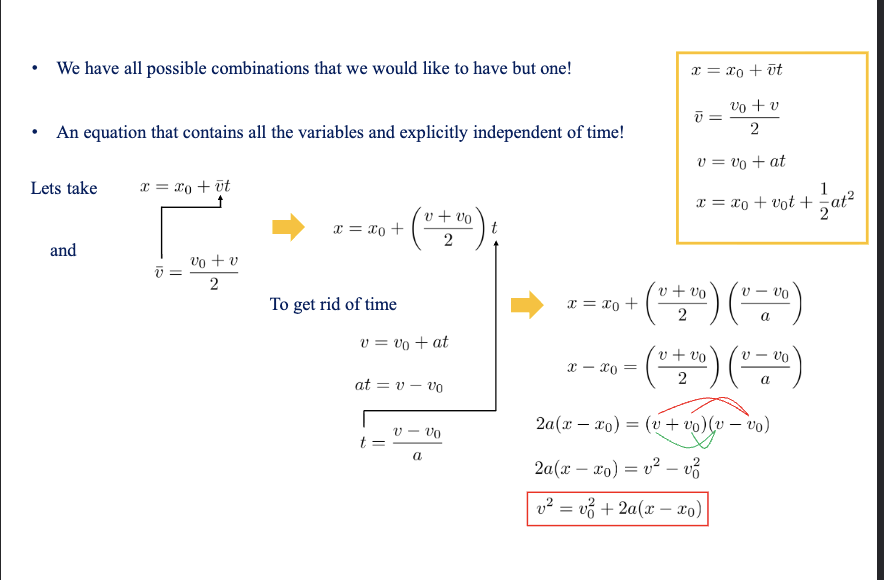
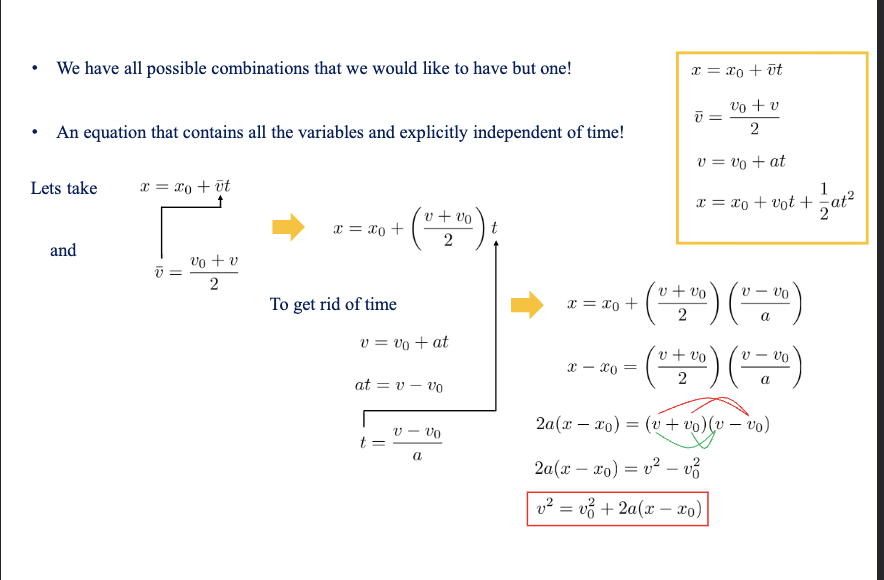
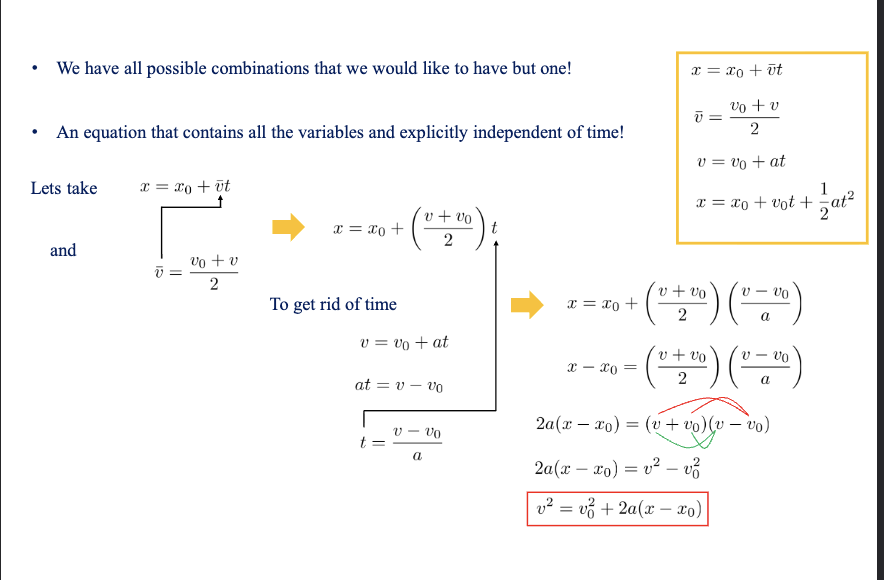
<p>What is the goal of this slide?</p>

What is the goal of this slide?

To derive an equation of motion that does not contain time
18
New cards
<p>What equation for position is used first?</p>

What equation for position is used first?
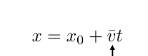
knowt flashcard image
19
New cards
<p>What equation for average velocity is substituted in?</p>

What equation for average velocity is substituted in?
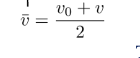
knowt flashcard image
20
New cards
21
New cards
<p>What equation is used to eliminate time?</p>

What equation is used to eliminate time?
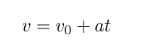
knowt flashcard image
22
New cards
<p>How is the velocity equation rearranged to solve for time?</p>

How is the velocity equation rearranged to solve for time?
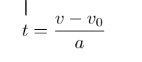
knowt flashcard image
23
New cards
<p>What is substituted into the position equation to remove time?</p>

What is substituted into the position equation to remove time?
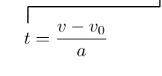
knowt flashcard image
24
New cards
25
New cards
<p>What final equation is derived on this slide?</p>

What final equation is derived on this slide?
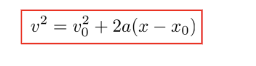
knowt flashcard image
26
New cards
<p>Why is this equation useful?</p>

Why is this equation useful?

It relates velocity, acceleration, and displacement without using time
27
New cards
<p>What does x-x<sub>0</sub></p>

What does x-x0

Displacement

28
New cards
29
New cards
<p>What type of motion does this equation apply to?</p>

What type of motion does this equation apply to?

Motion with constant acceleration
30
New cards
<p>What algebra idea is used when simplifying (v+v0​)(v−v0​)?</p>

What algebra idea is used when simplifying (v+v0​)(v−v0​)?

Difference of squares

31
New cards
<p>What does (v+v<sub>0</sub>)(v−v<sub>0</sub>) simplify to?</p>

What does (v+v0)(v−v0) simplify to?

v2−v02​

32
New cards
33
New cards
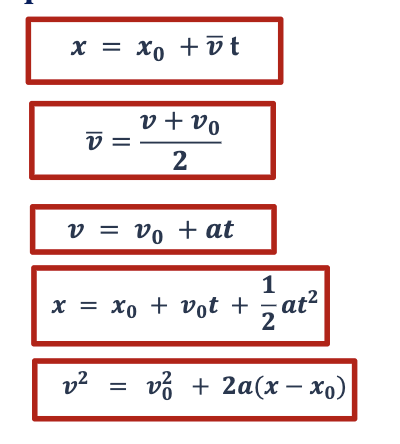
<p>What type of motion are these equations used for?</p>

What type of motion are these equations used for?

Motion with constant acceleration

34
New cards

Which equation is useful when time is not given?
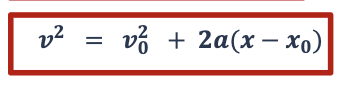
knowt flashcard image
35
New cards

Which equation is useful when solving for final velocity?

knowt flashcard image
36
New cards
37
New cards

Which equation is useful for displacement under acceleration?
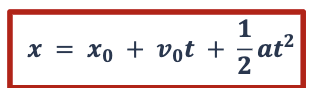
knowt flashcard image
38
New cards
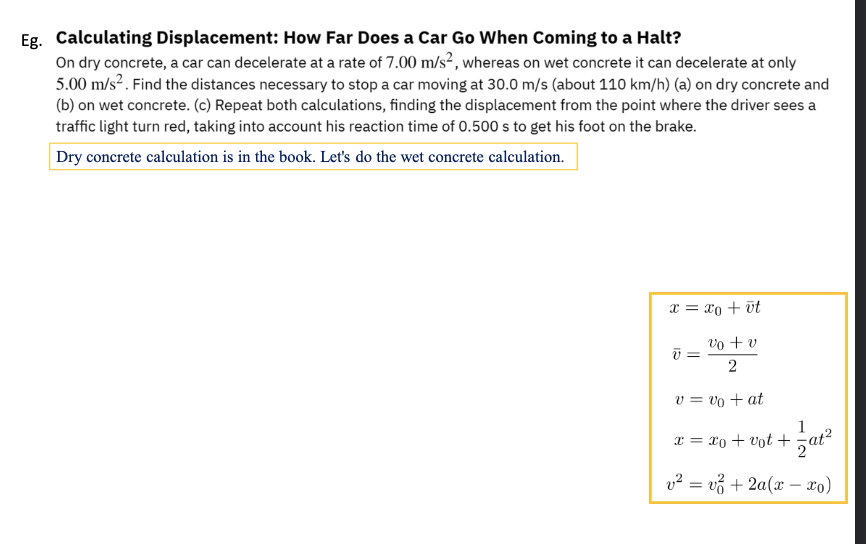
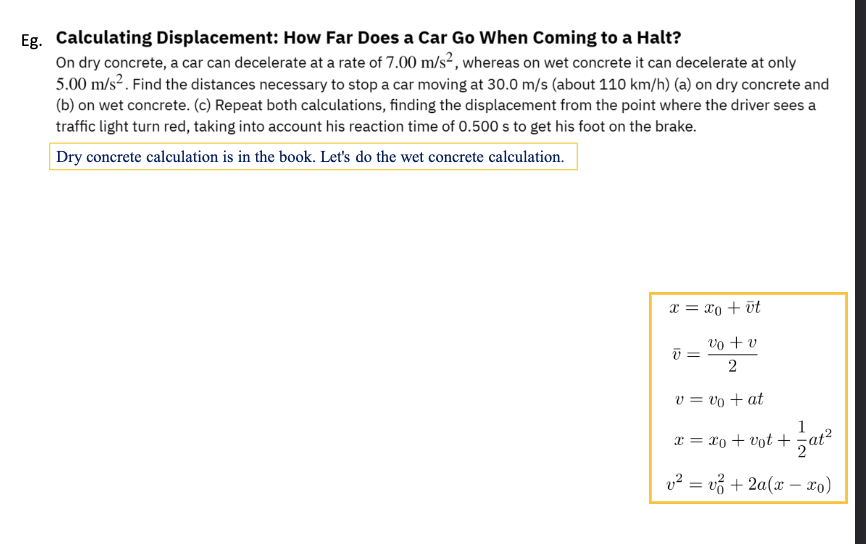
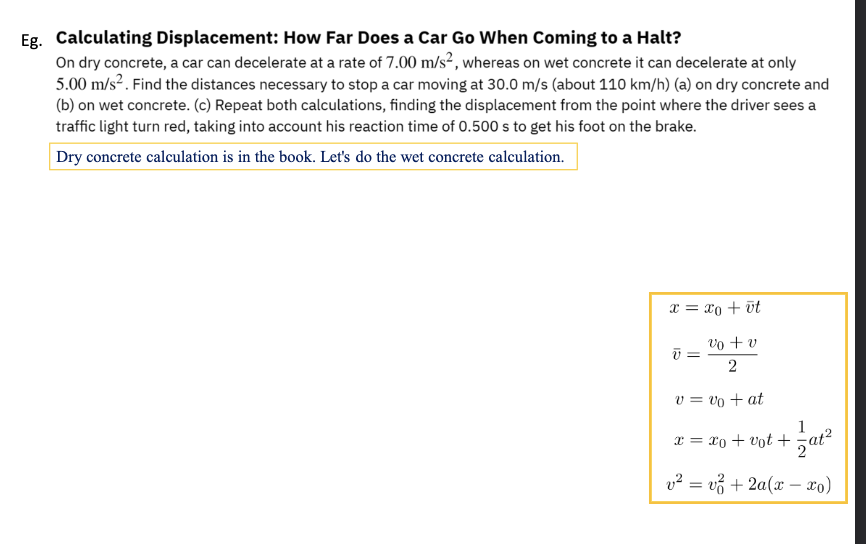
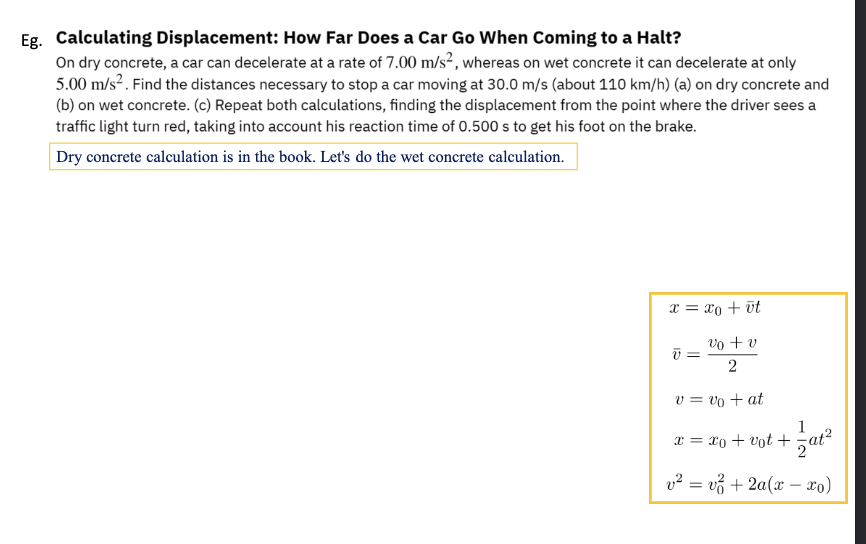
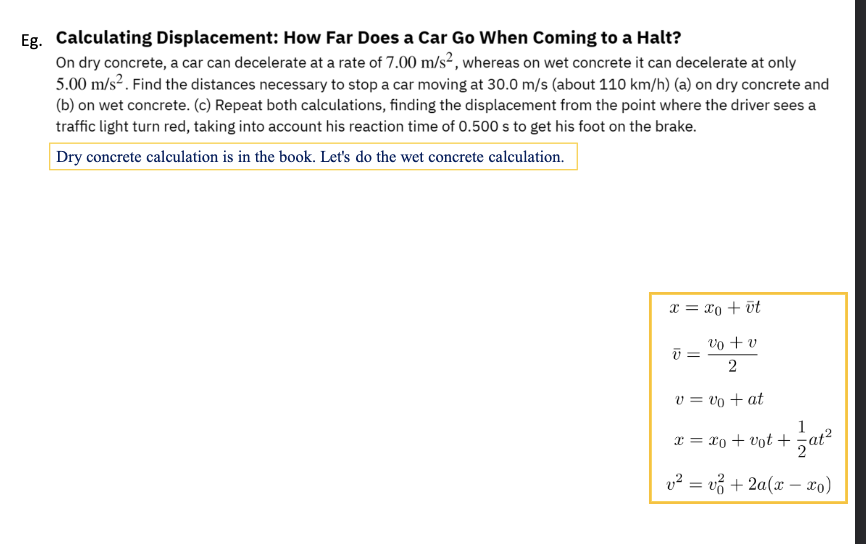
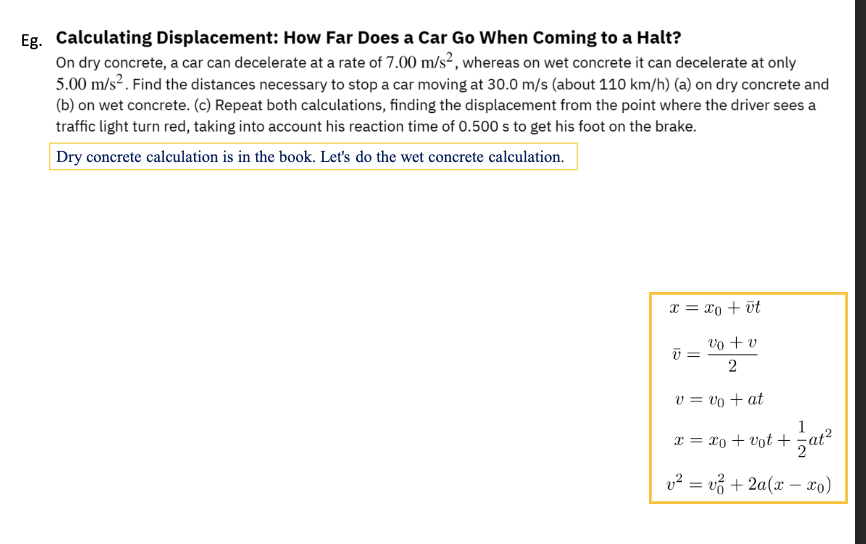
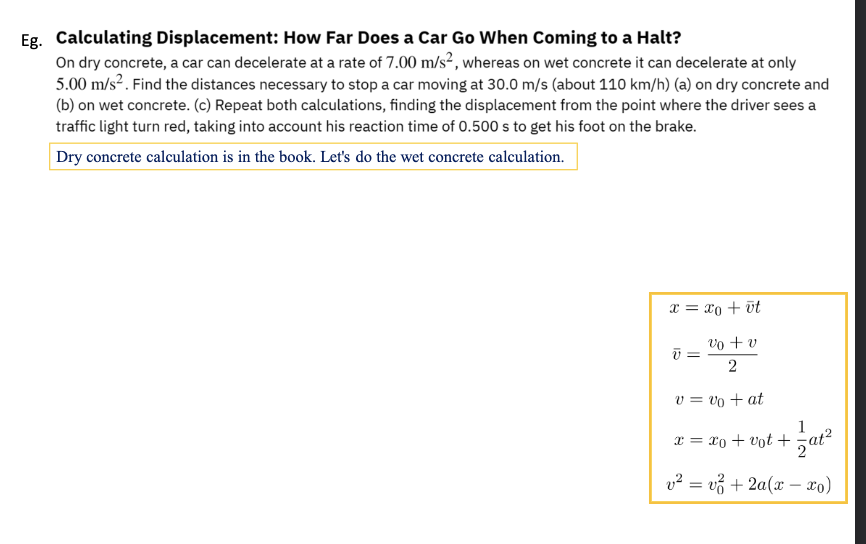
<p>What is the topic of this example problem?</p>

What is the topic of this example problem?

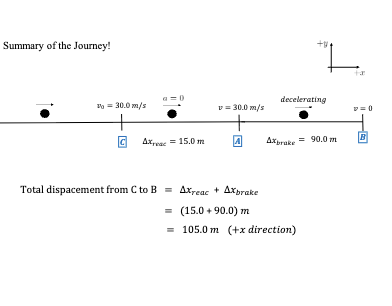
Calculating stopping distance (displacement) of a car.
39
New cards
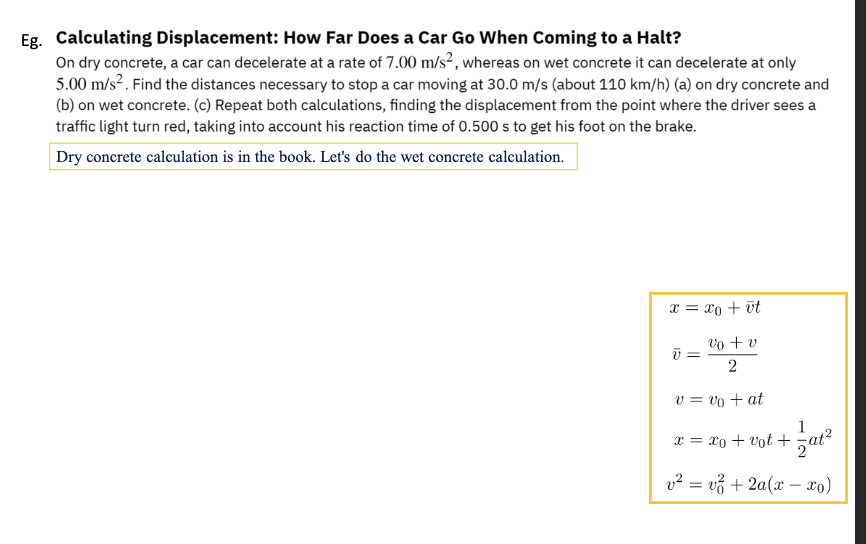
<p>What is the car’s initial velocity in this example?</p>

What is the car’s initial velocity in this example?

30.0 m/s.
40
New cards
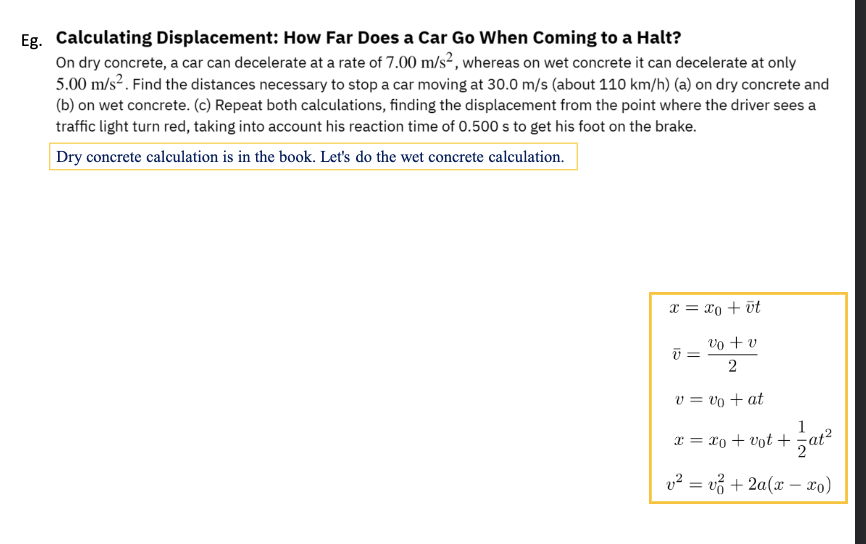
<p>What is the deceleration rate on dry concrete?</p>

What is the deceleration rate on dry concrete?

7.00 m/s².
41
New cards
42
New cards
<p>What is the deceleration rate on wet concrete?</p>

What is the deceleration rate on wet concrete?

5.00 m/s².
43
New cards
<p>Why is the acceleration negative in this problem?</p>

Why is the acceleration negative in this problem?

Because the car is slowing down.
44
New cards
<p>What does “coming to a halt” mean in physics terms?</p>

What does “coming to a halt” mean in physics terms?

The final velocity is zero.
45
New cards
46
New cards
<p>What is the final velocity when the car stops?</p>

What is the final velocity when the car stops?

0 m/s.
47
New cards
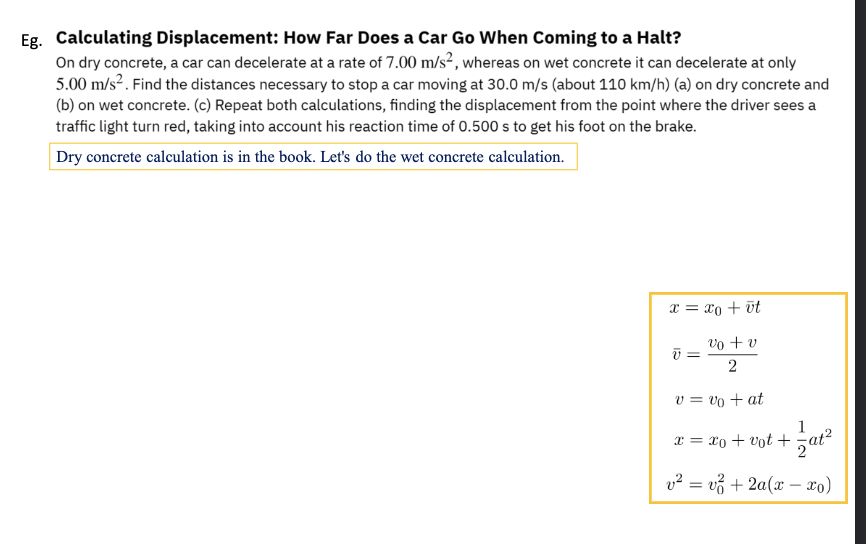
<p>What additional factor is included in part (c) of the problem?</p>

What additional factor is included in part (c) of the problem?

Driver reaction time.
48
New cards
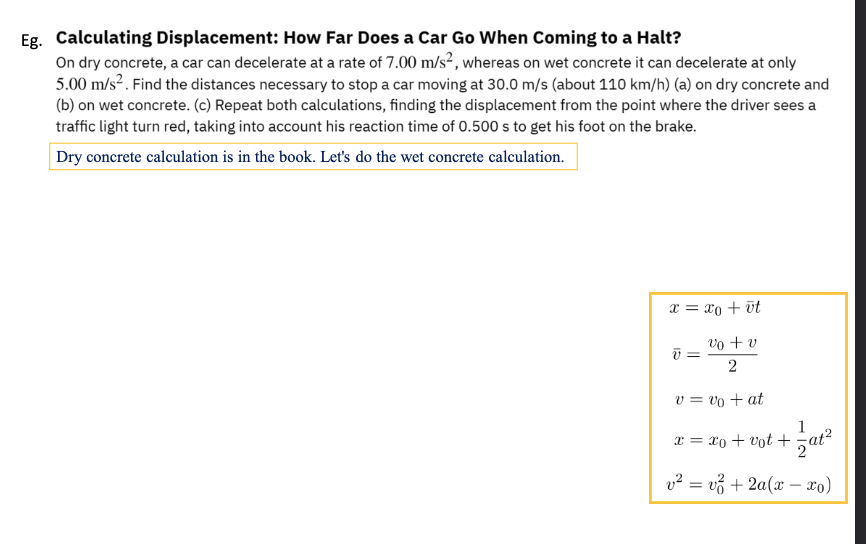
<p>What is the driver’s reaction time in the example?</p>

What is the driver’s reaction time in the example?

0.500 s.
49
New cards
50
New cards
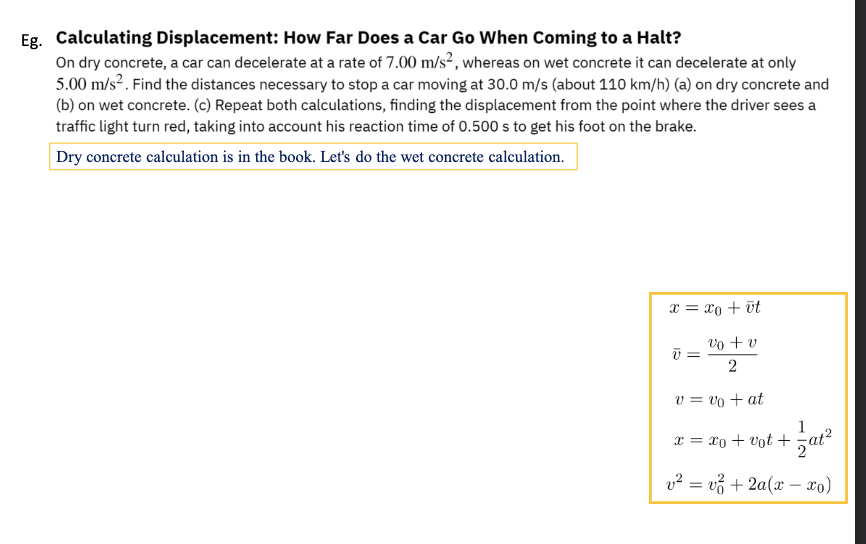
<p>Why does reaction time matter in stopping distance problems?</p>

Why does reaction time matter in stopping distance problems?

Because the car continues moving before the brakes are applied.
51
New cards
<p>Which motion equation can relate velocity, acceleration, and displacement without time?</p>

Which motion equation can relate velocity, acceleration, and displacement without time?

knowt flashcard image
52
New cards
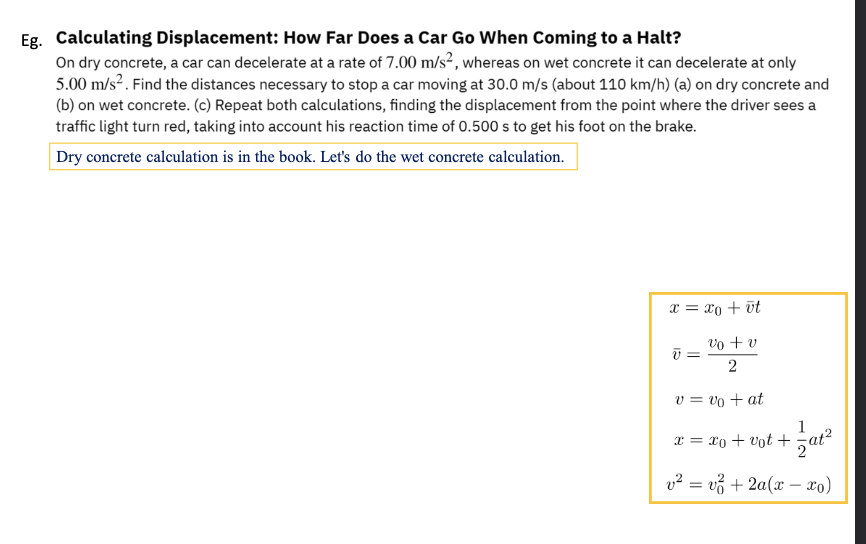
<p>What type of acceleration is assumed in this problem?</p>

What type of acceleration is assumed in this problem?

Constant acceleration.
53
New cards
54
New cards
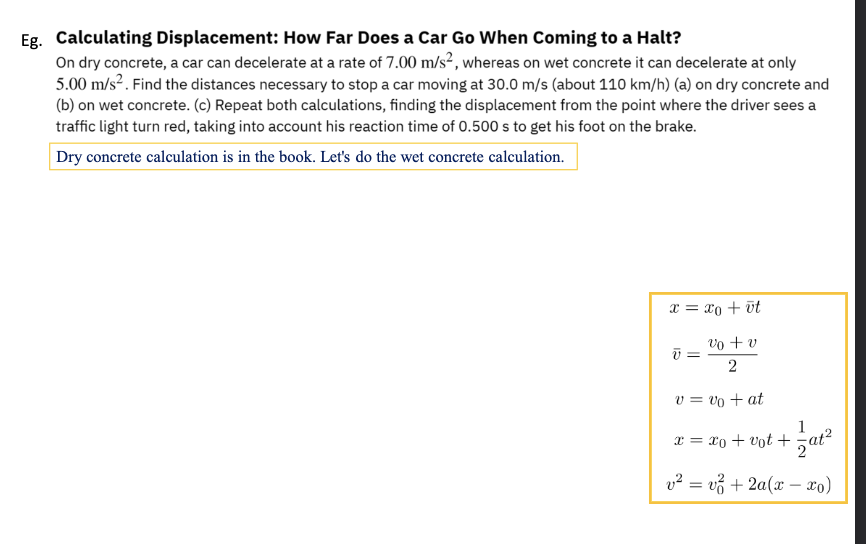
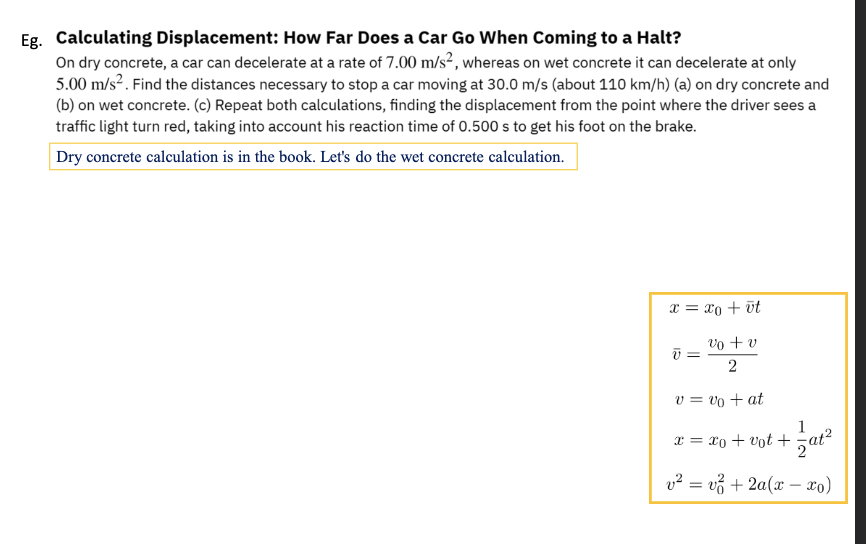
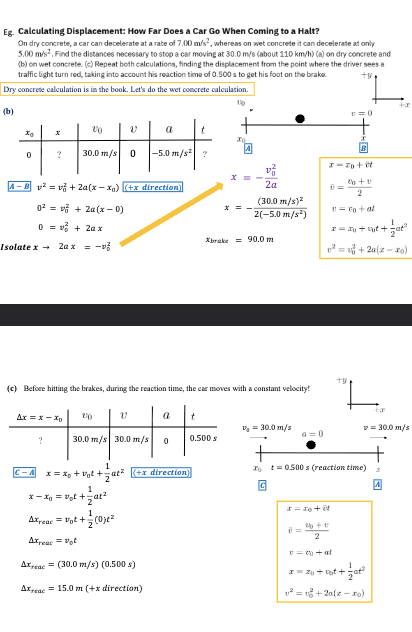
<p>Why is stopping distance longer on wet concrete?</p>

Why is stopping distance longer on wet concrete?

Because the deceleration is smaller.
55
New cards
<p>If deceleration decreases, what happens to stopping distance?</p>

If deceleration decreases, what happens to stopping distance?

Stopping distance increases.
56
New cards
<p>What unit is typically used for displacement in this problem?</p>

What unit is typically used for displacement in this problem?

Meters (m).
57
New cards
58
New cards
term image
knowt flashcard image
59
New cards
term image
knowt flashcard image
60
New cards
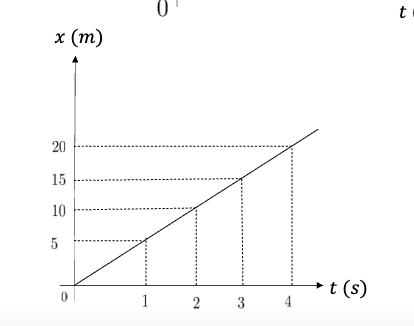
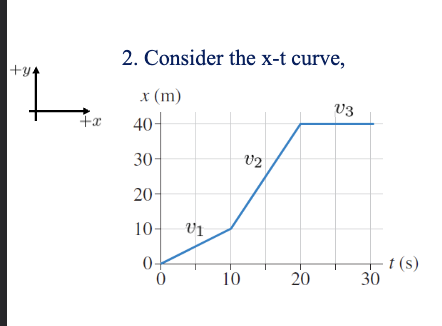
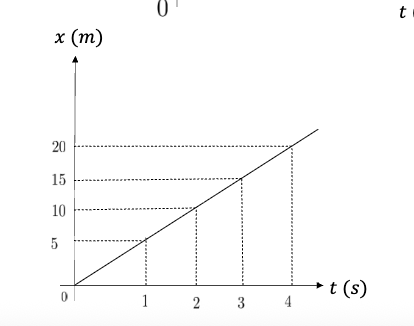
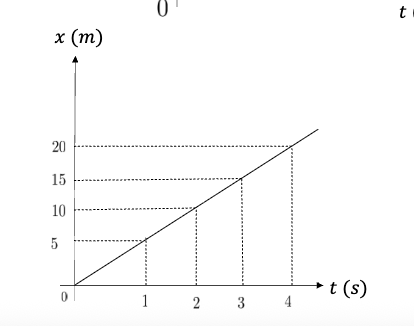
<p>What does a displacement vs. time graph show?</p>

What does a displacement vs. time graph show?

How an object’s position changes over time.
61
New cards
<p>What does the vertical axis represent on a displacement-time graph?</p>

What does the vertical axis represent on a displacement-time graph?

Displacement/position x in meters.
62
New cards
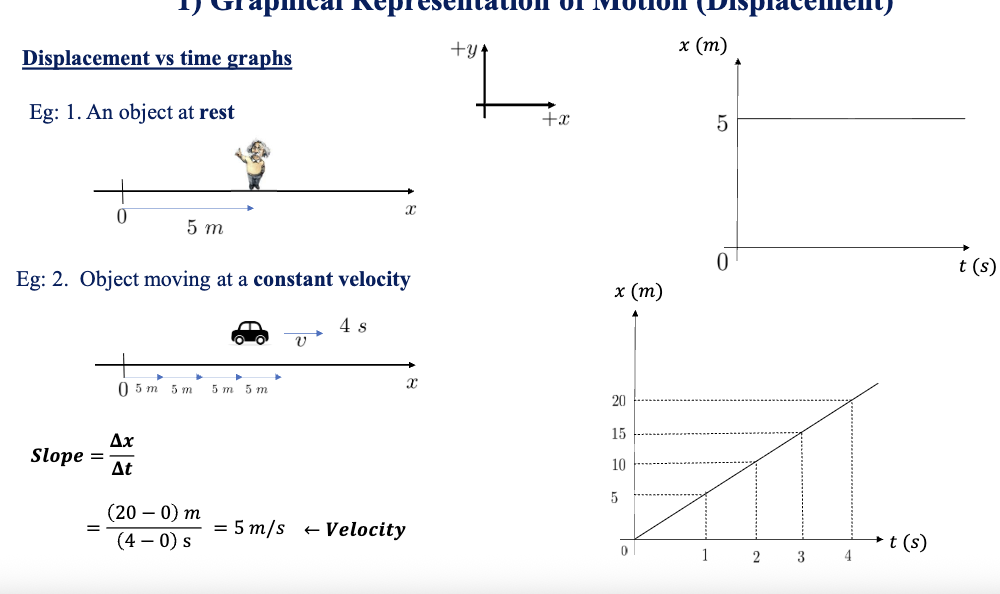
<p>What does the horizontal axis represent on a displacement-time graph?</p>

What does the horizontal axis represent on a displacement-time graph?

Time t in seconds.
63
New cards
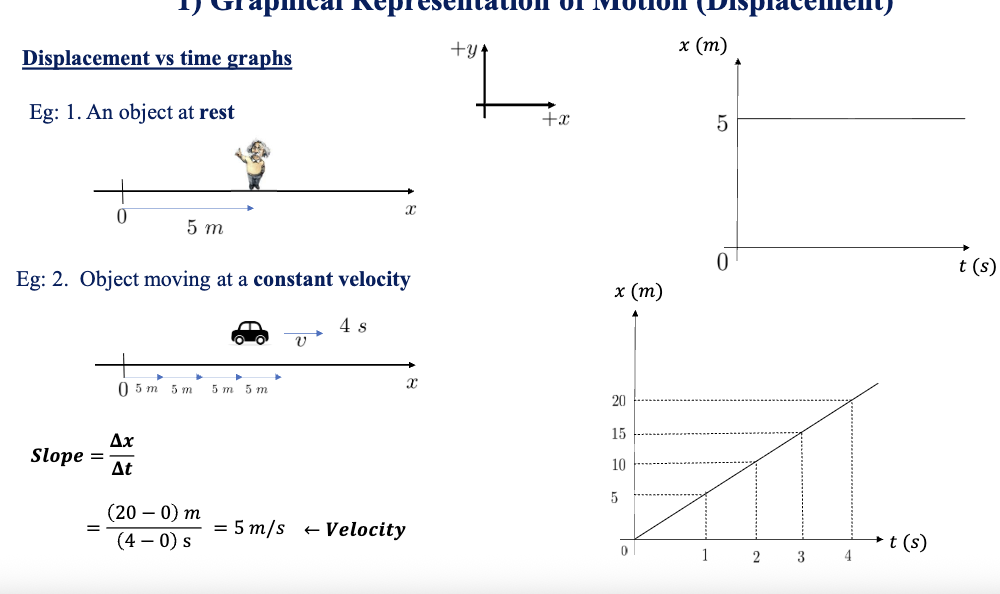
<p>What does the graph of an object at rest look like?</p>

What does the graph of an object at rest look like?

A horizontal line
64
New cards
65
New cards
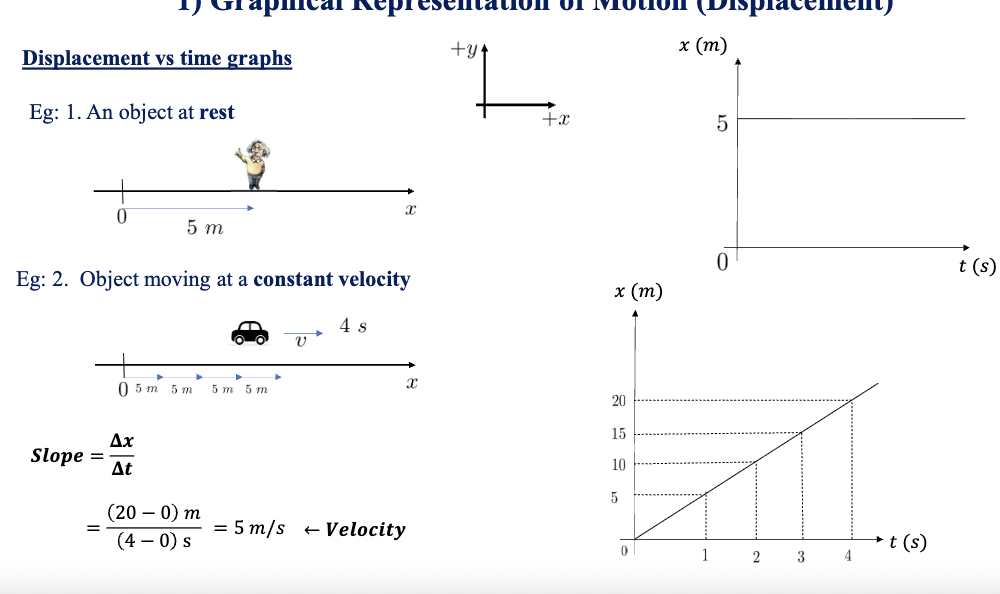
<p>Why is the graph horizontal for an object at rest?</p>

Why is the graph horizontal for an object at rest?

Because the position does not change with time
66
New cards
<p>What position is the object at in this example?</p>

What position is the object at in this example?

5 m
67
New cards
<p>What is the velocity of an object at rest?</p>

What is the velocity of an object at rest?

0 m/s
68
New cards
69
New cards
<p>What does zero slope on a displacement-time graph mean?</p>

What does zero slope on a displacement-time graph mean?

Zero velocity.
70
New cards
<p>What do linear displacement vs. time (x&nbsp;vs&nbsp;t)(x \text{ vs } t)(x&nbsp;vs&nbsp;t) graphs represent?</p>

What do linear displacement vs. time (x vs t)(x \text{ vs } t)(x vs t) graphs represent?

Constant velocity.
71
New cards
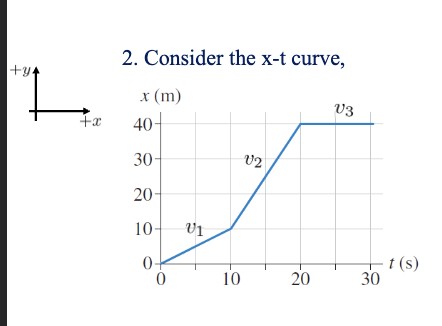
<p>What does the slope of a displacement vs. time graph represent?</p>

What does the slope of a displacement vs. time graph represent?

Velocity.
72
New cards
73
New cards
<p>What is the formula for slope on an x vs. t graph?</p>

What is the formula for slope on an x vs. t graph?
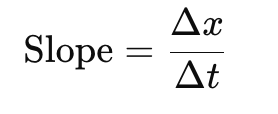
knowt flashcard image
74
New cards
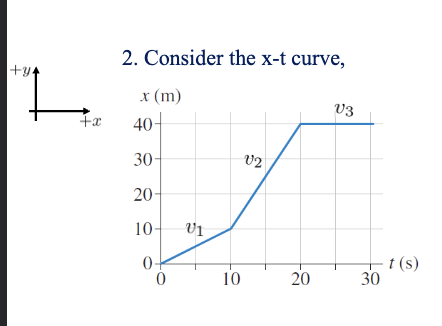
<p>What does a positive slope on a displacement-time graph mean?</p>

What does a positive slope on a displacement-time graph mean?

Positive velocity (motion in the +x direction).
75
New cards
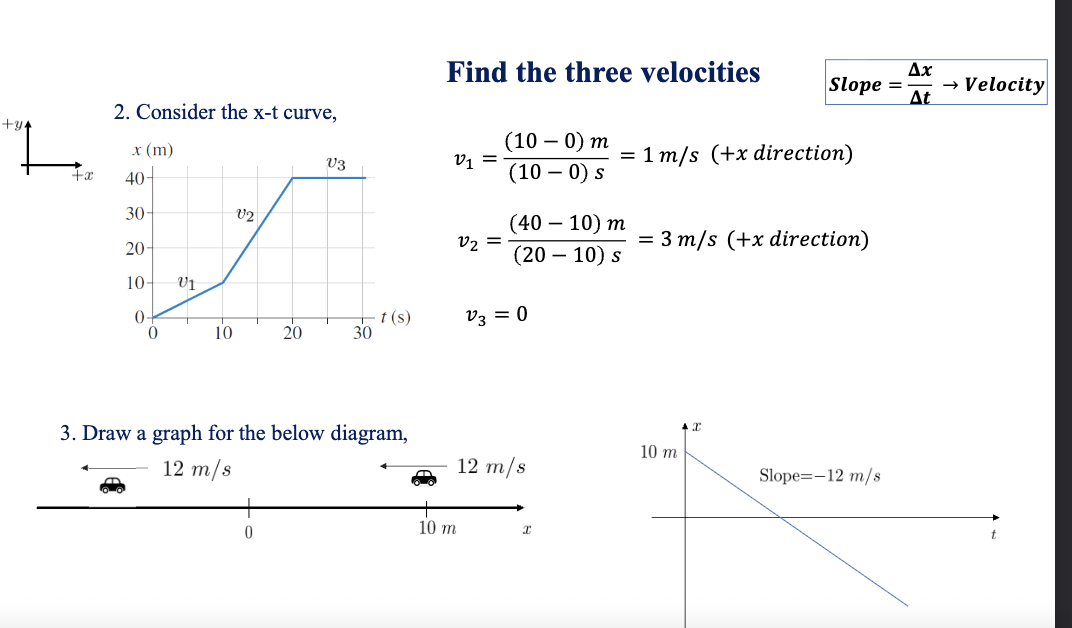
<p>What does a steeper slope indicate on a displacement-time graph?</p>

What does a steeper slope indicate on a displacement-time graph?

A greater velocity.
76
New cards
77
New cards
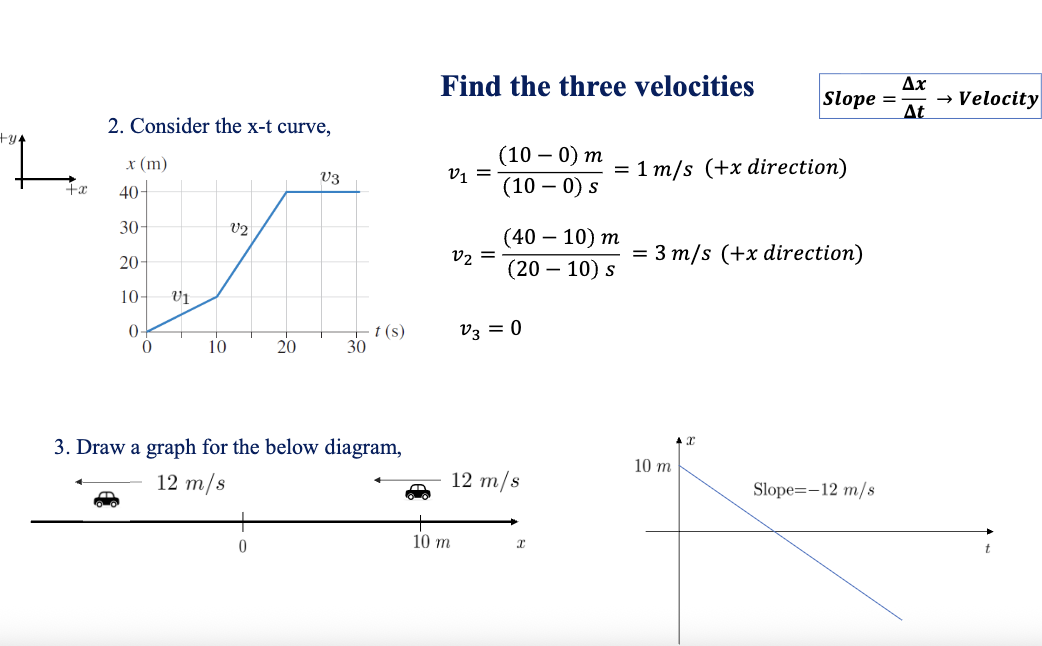
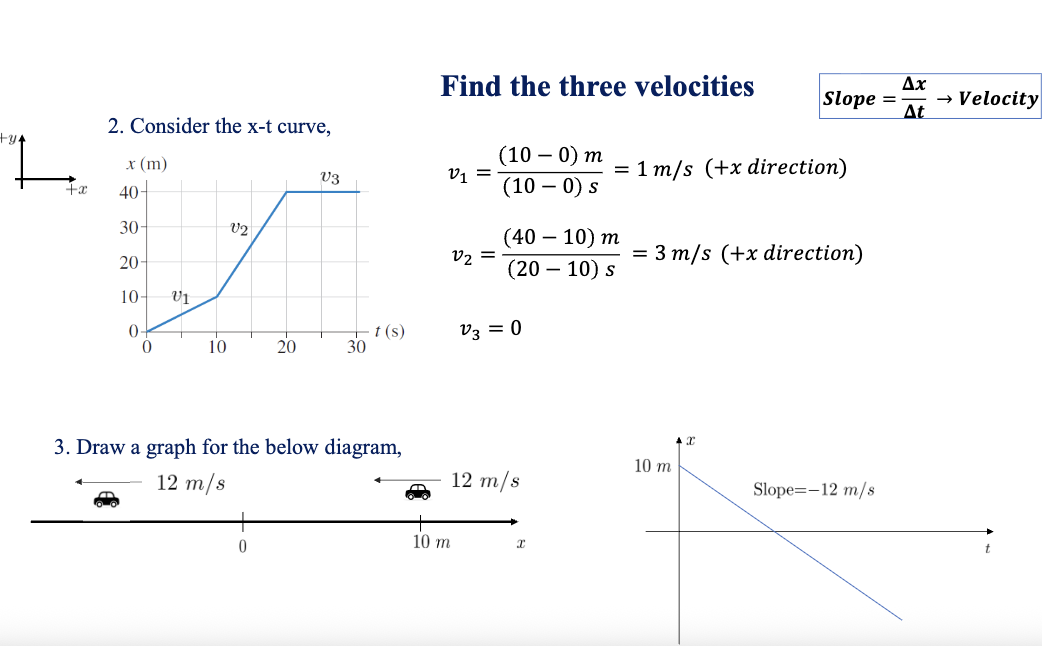
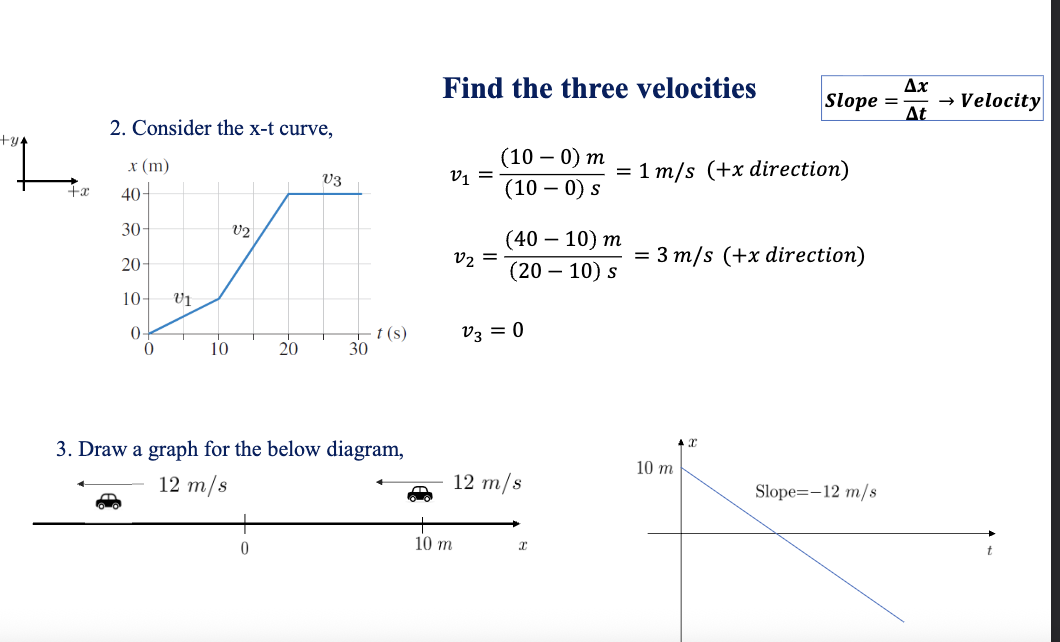
<p>What is the object’s velocity in this example?</p>

What is the object’s velocity in this example?

12 m/s.
78
New cards
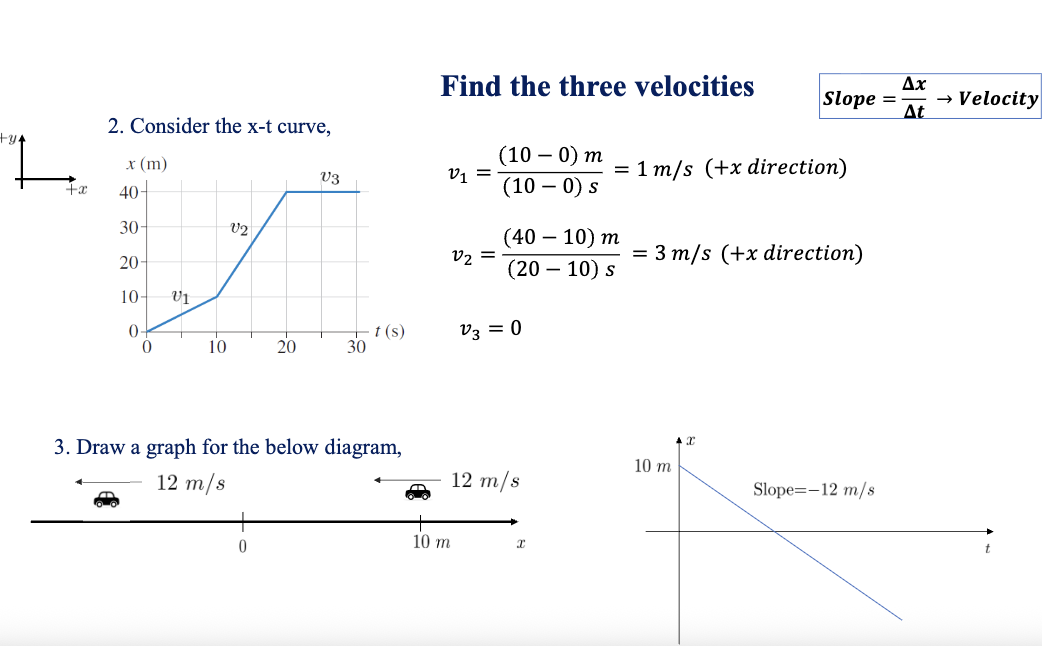
<p>In what direction is the object moving?</p>

In what direction is the object moving?

Positive x-direction.
79
New cards
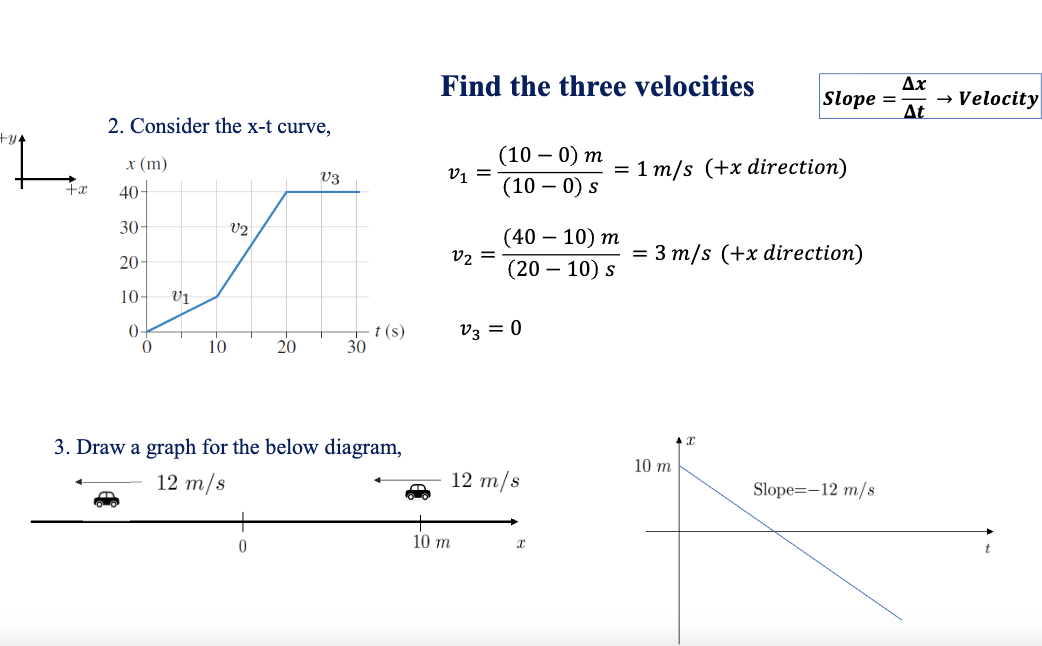
<p>Where is the object located at t=0</p>

Where is the object located at t=0

10 m.
80
New cards
81
New cards
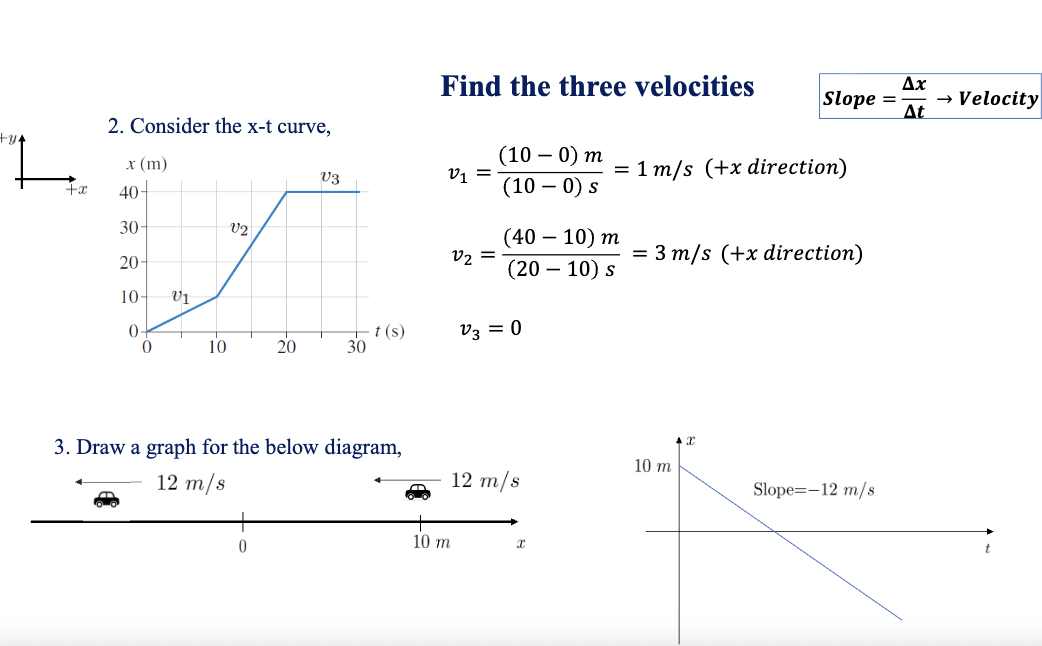
<p>What is the starting point of the graph?</p>

What is the starting point of the graph?

(t,x)=(0,10)
82
New cards
<p>What should the graph look like for constant positive velocity?</p>

What should the graph look like for constant positive velocity?

A straight line sloping upward.
83
New cards
<p>What is the slope of the graph in this example?</p>

What is the slope of the graph in this example?

12 m/s.
84
New cards
85
New cards
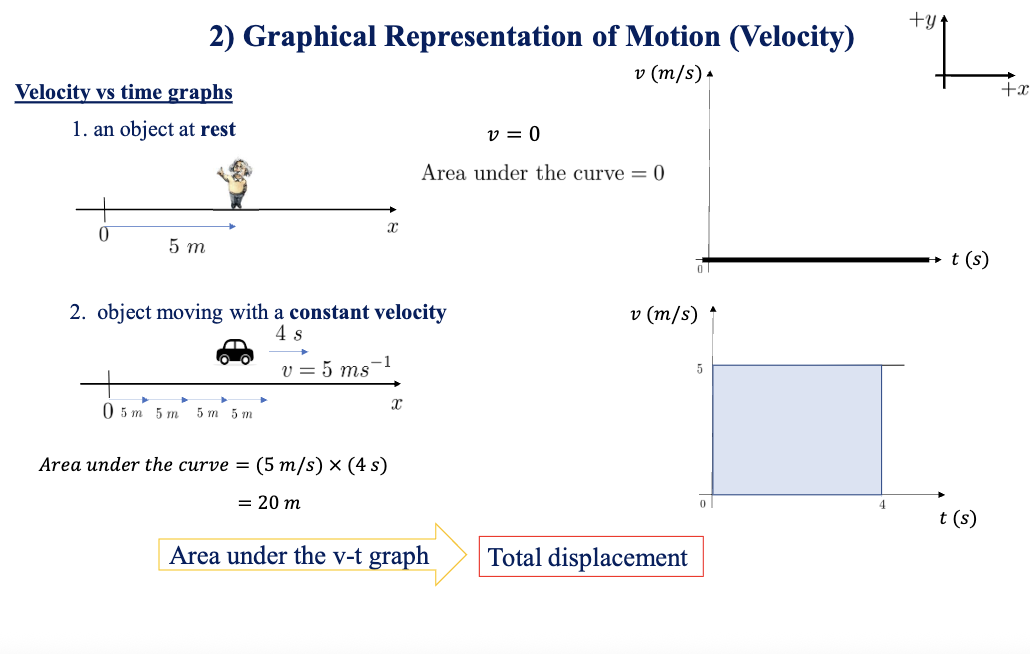
<p>Why is the graph a straight line?</p>

Why is the graph a straight line?

Because the velocity is constant.
86
New cards
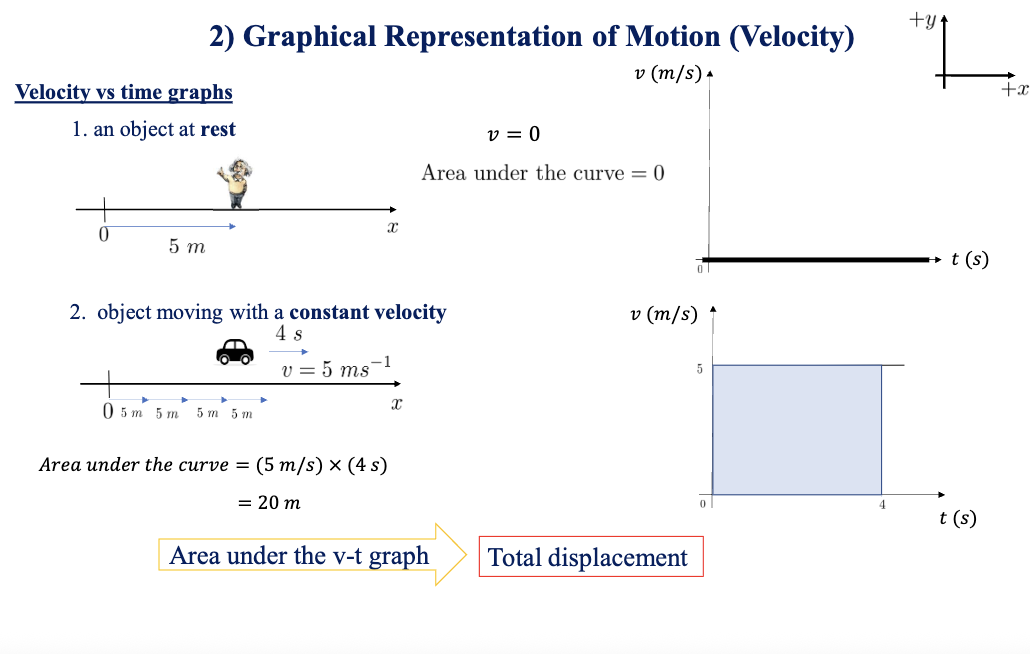
<p>What does a velocity vs. time (v&nbsp;vs&nbsp;t)(v \text{ vs } t)(v&nbsp;vs&nbsp;t) graph show?</p>

What does a velocity vs. time (v vs t)(v \text{ vs } t)(v vs t) graph show?

How velocity changes over time.
87
New cards
<p>What does the vertical axis represent on a velocity-time graph?</p>

What does the vertical axis represent on a velocity-time graph?

Velocity v in m/s.
88
New cards
89
New cards
<p>What does the horizontal axis represent on a velocity-time graph?</p>

What does the horizontal axis represent on a velocity-time graph?

Time t in seconds.
90
New cards
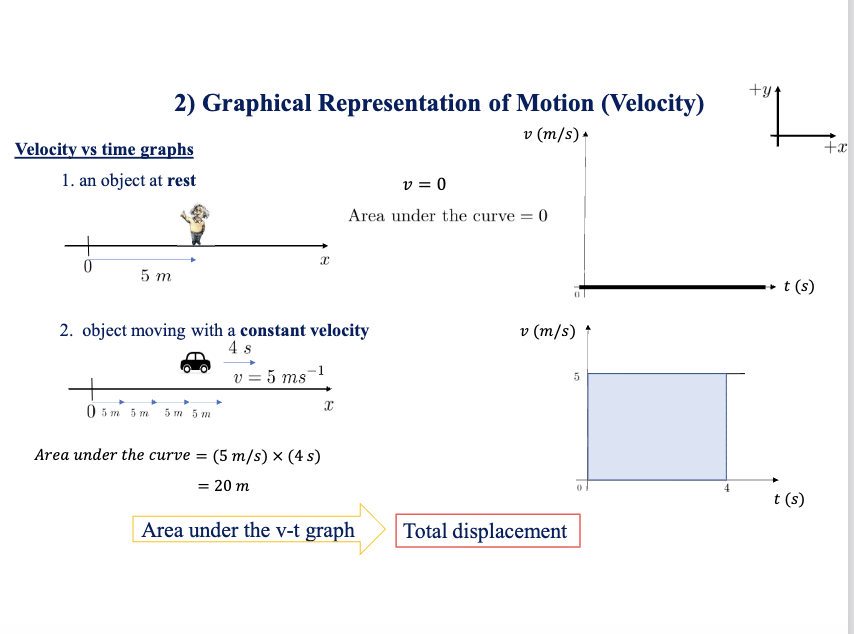
<p>What does the area under a velocity-time graph represent?</p>

What does the area under a velocity-time graph represent?

Total displacement.
91
New cards
<p>What does a velocity vs. time (v&nbsp;vs&nbsp;t)(v \text{ vs } t)(v&nbsp;vs&nbsp;t) graph show?</p>

What does a velocity vs. time (v vs t)(v \text{ vs } t)(v vs t) graph show?

How velocity changes over time.
92
New cards
93
New cards
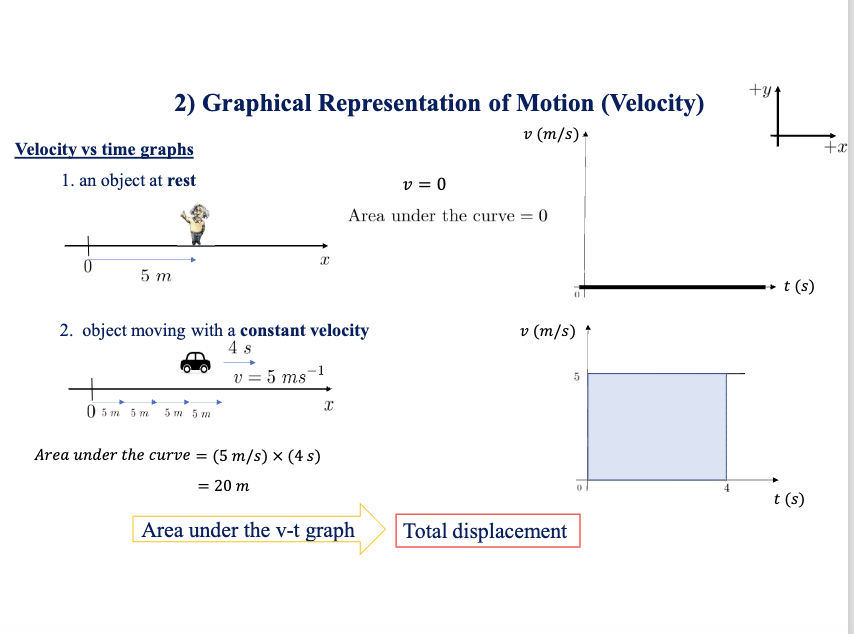
<p>What does the vertical axis represent on a velocity-time graph?</p>

What does the vertical axis represent on a velocity-time graph?

Velocity v in m/s.
94
New cards
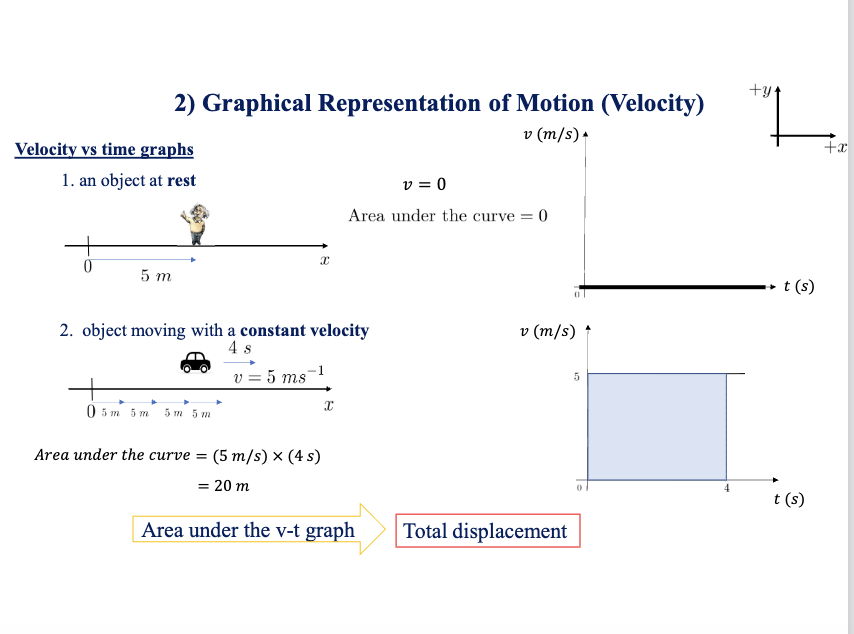
<p>What does the horizontal axis represent on a velocity-time graph?</p>

What does the horizontal axis represent on a velocity-time graph?

Time t in seconds.
95
New cards
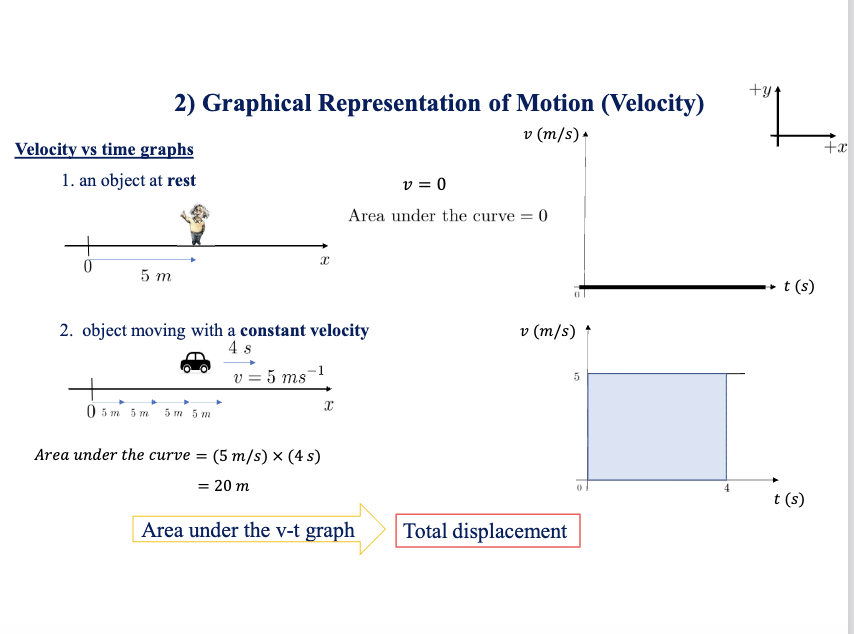
<p>What does the area under a velocity-time graph represent?</p>

What does the area under a velocity-time graph represent?

Total displacement
96
New cards
97
New cards
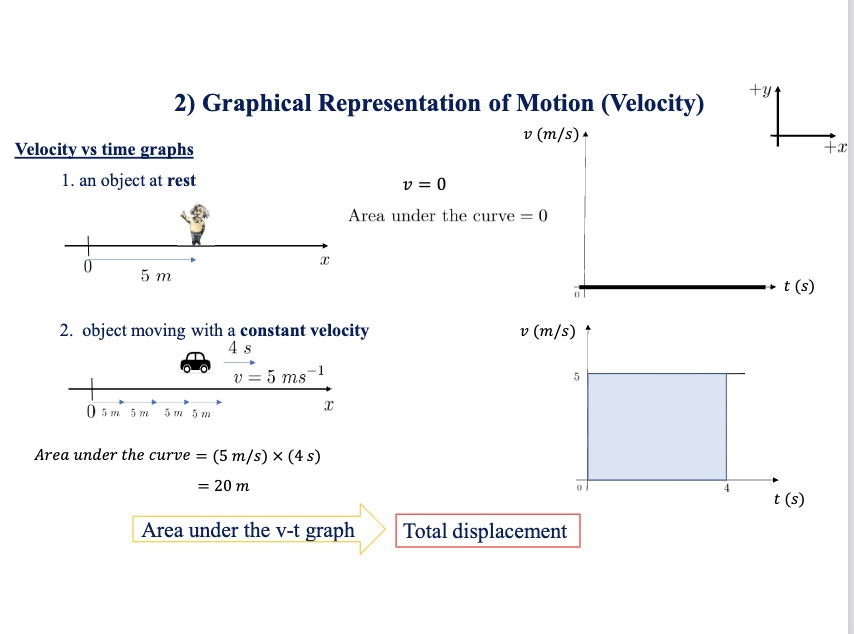
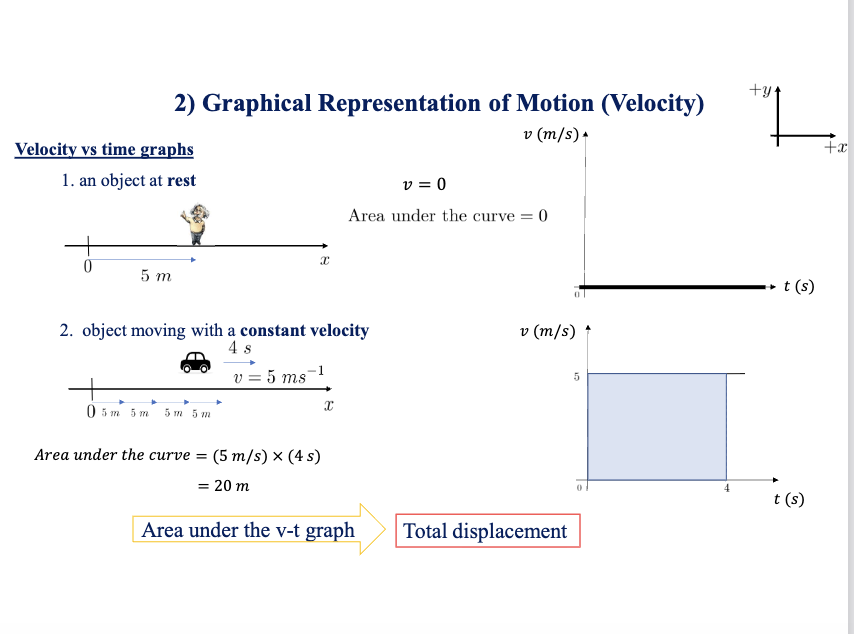
<p>What is the velocity of an object at rest?</p>

What is the velocity of an object at rest?

0 m/s.
98
New cards
<p>What does the velocity-time graph look like for an object at rest?</p>

What does the velocity-time graph look like for an object at rest?

A horizontal line at v=0
99
New cards
<p>What is the area under the graph for an object at rest?</p>

What is the area under the graph for an object at rest?

0
100
New cards
<p>What does zero area under the velocity-time graph mean?</p>

What does zero area under the velocity-time graph mean?

Zero displacement