Ch. 50 Sensory and Motor Mechanisms
 Call Kai
 Learn
Learn Practice Test
 Spaced Repetition
 Match
Match Flashcards
 Knowt Play
1/44

There's no tags or description
Looks like no tags are added yet.
Name | Mastery | Learn | Test | Matching | Spaced | Call with Kai |
|---|
No analytics yet
Send a link to your students to track their progress
45 Terms
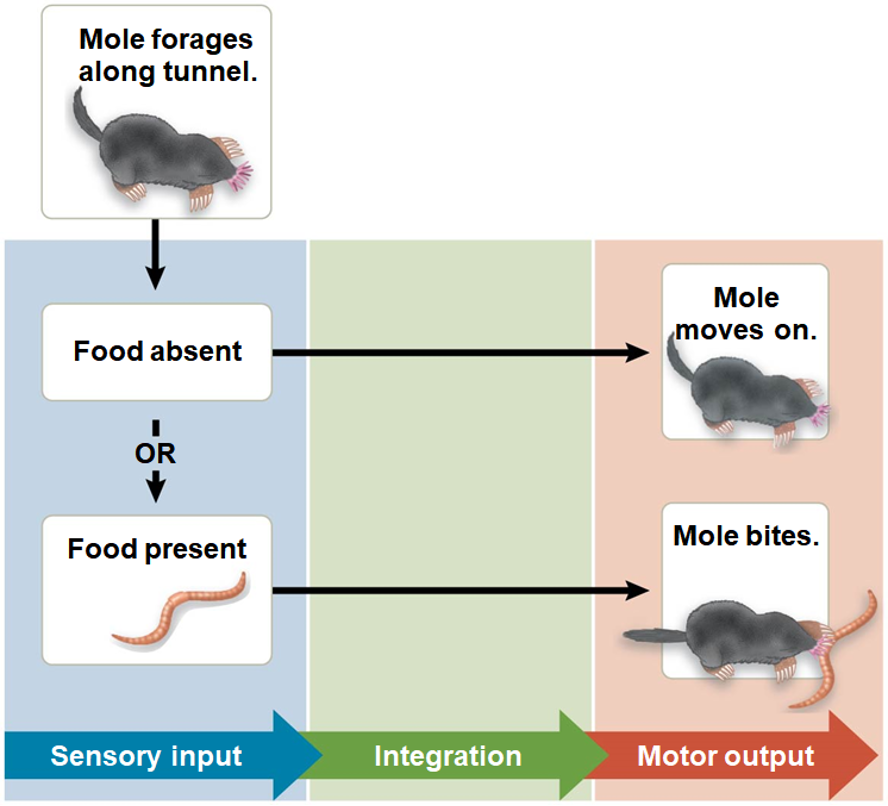
Sensory Receptor
converts stimulus energy into a change in the membrane potential
motor response generated = simple reflex
4 pathways: Sensory Reception, Transduction, Transmission, Perception
Sensory Reception
Begins sensory pathway, detection of stimuli by sensory receptors
sensory cells or organs
interact with stimuli inside/outside of body
Transduction
conversion of stimulus energy into a change in the membrane potential of a sensory receptor
receptor potential (graded, magnitude varies with strength of stimulus)
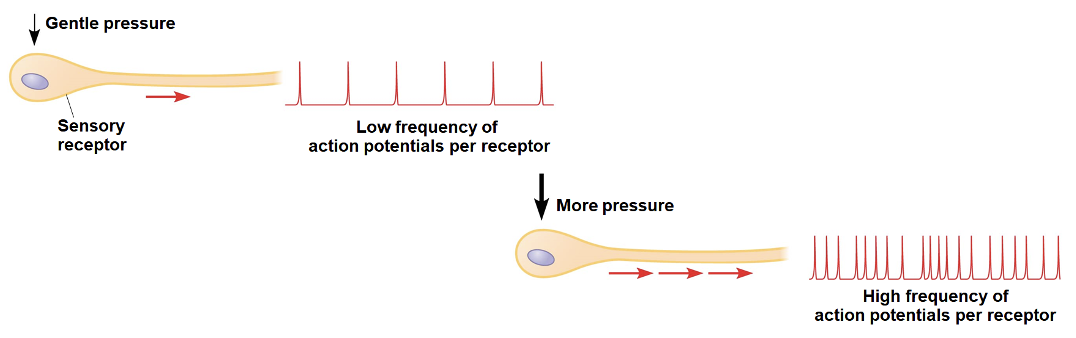
Transmission
Sensory information travels through the nervous system as action potentials
Inc receptor potential with inc of intensity of stimulus
Perception
are the brain’s construction of stimuli
travel along certain neural pathways
Amplification and Adaptation
Amp: the strengthening of a sensory signal during transduction
Adapt: decrease in responsiveness to continued stimulation
EX: amoeba
Types of Sensory Receptors (5)
Mechanoreceptors
Chemoreceptors
Electromagnetic receptors
Thermoreceptors (detect heat + cold: snakes, capsaicin)
Pain receptor
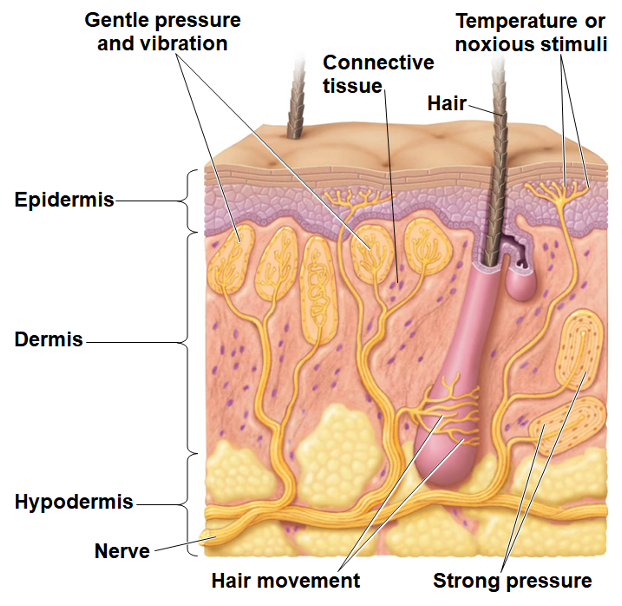
Mechanoreceptors
sense physical deformation caused by forms of mechanical energy
consists of “hairs” (cilia) outside the cell + relies on dendrites of sensory neurons
EX: hearing + perception (moving fluid)
Chemoreceptors
transmit information about the total solute concentration of a solution or respond individually
becomes more/less permeable to ions when stim mole binds
EX: antennae of silkworm moth
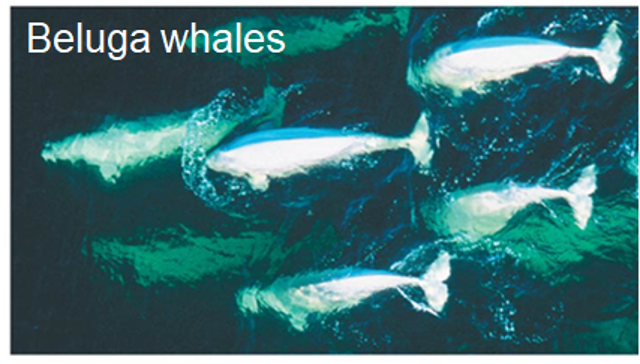
Electromagnetic Receptors
detect electromagnetic energy such as light, electricity, and magnetism
EX: platypus bill + migration
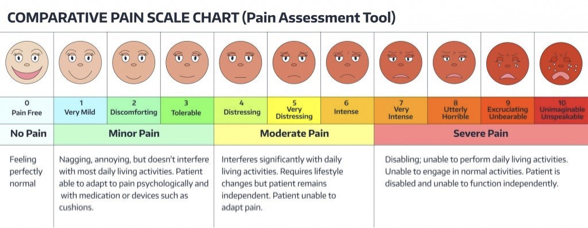
Pain Receptor/Nociceptors
detect stimuli that reflect harmful conditions
respond to excess heat, pressure, chemicals released by damaged/inflamed tissue
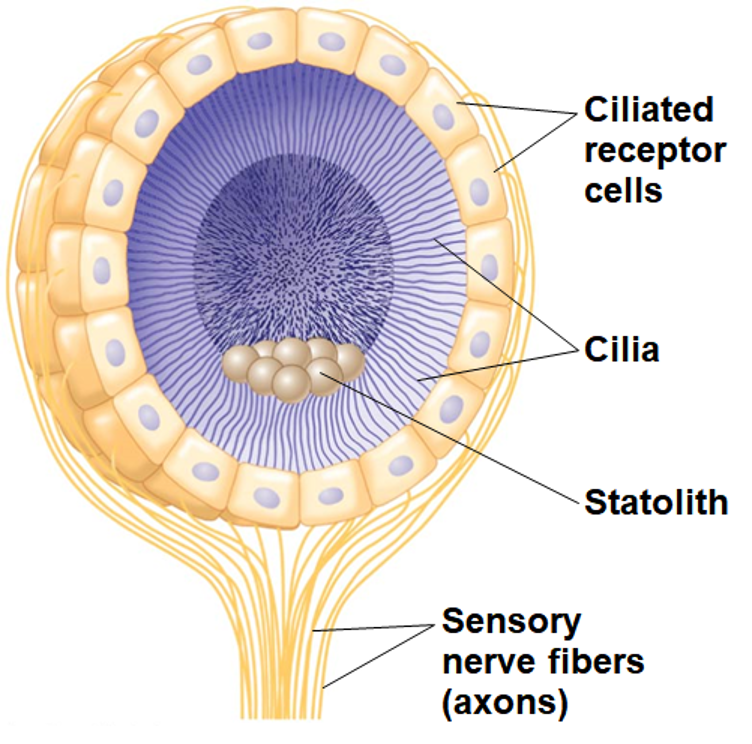
Statocysts
how most invertebrates maintain equilibrium using mechanoreceptors
Can detect movement of statoliths (info about body position + gravity)
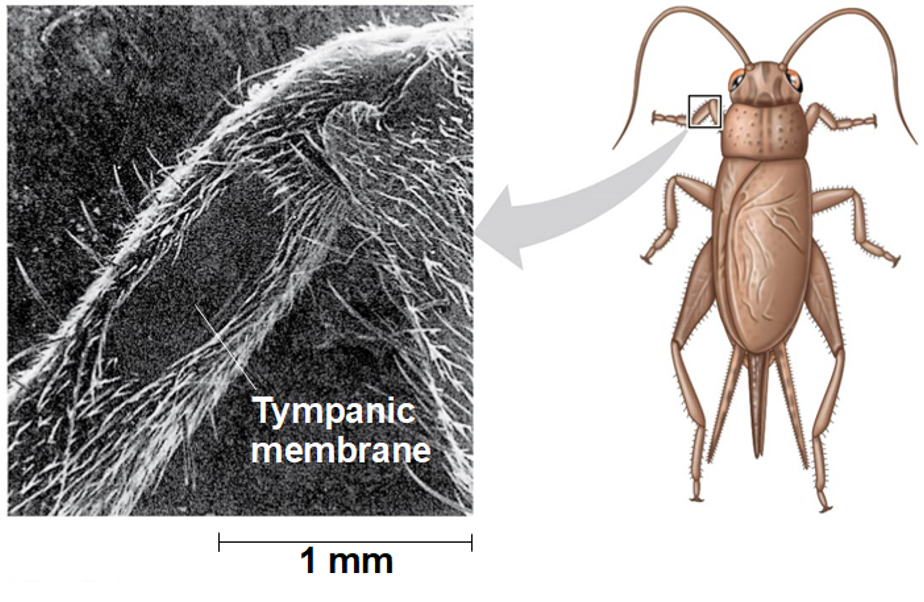
Tympanic Membrane
Localized organs that detect sound + stretched over an internal air chamber
EX: insects
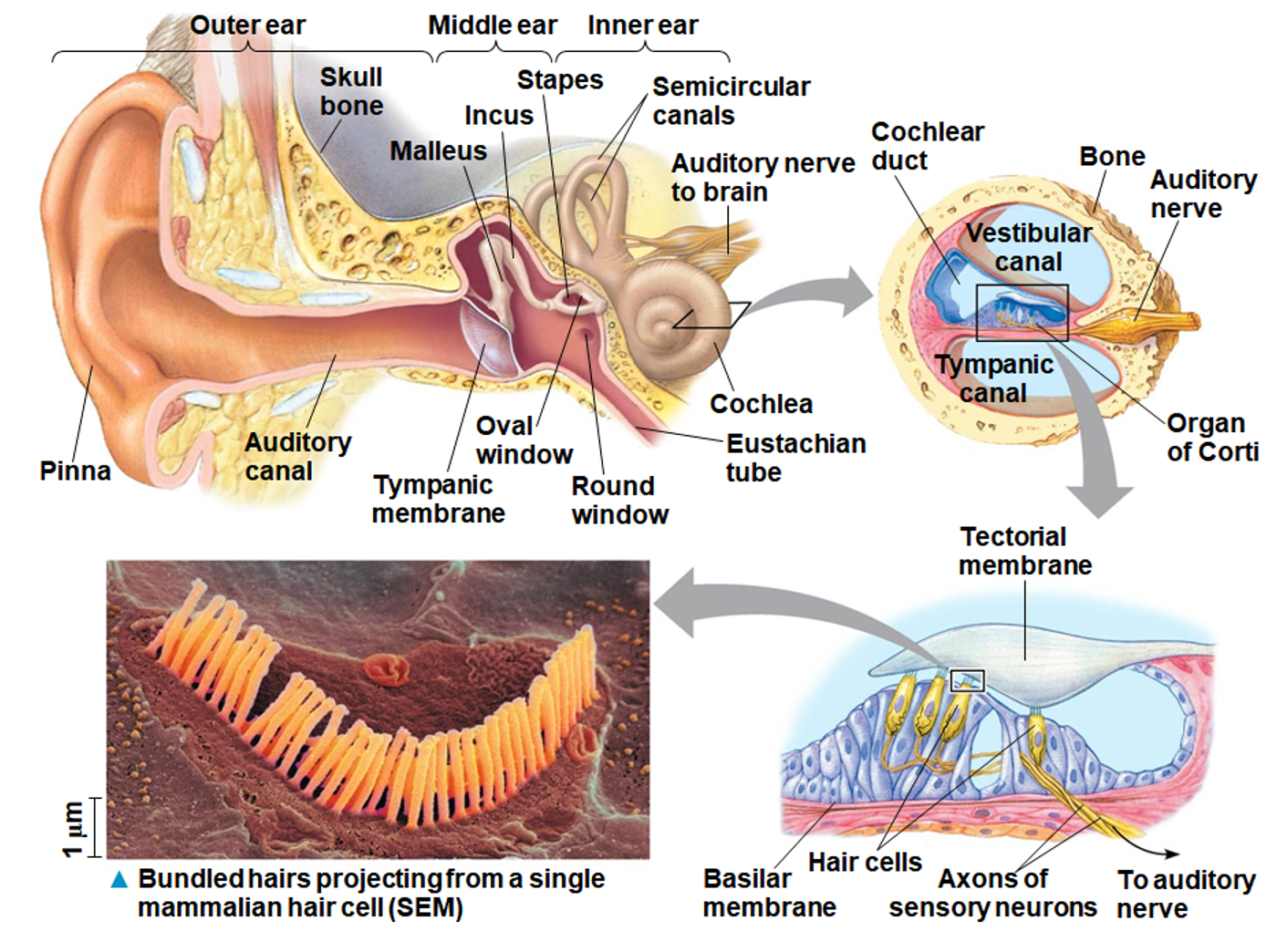
Hearing in mammals (9)
Mechanoreceptors
Vibrating objects create pressure waves in the air
Ear turns into nerve impulses
Sounds heard by hair cells that detect motion
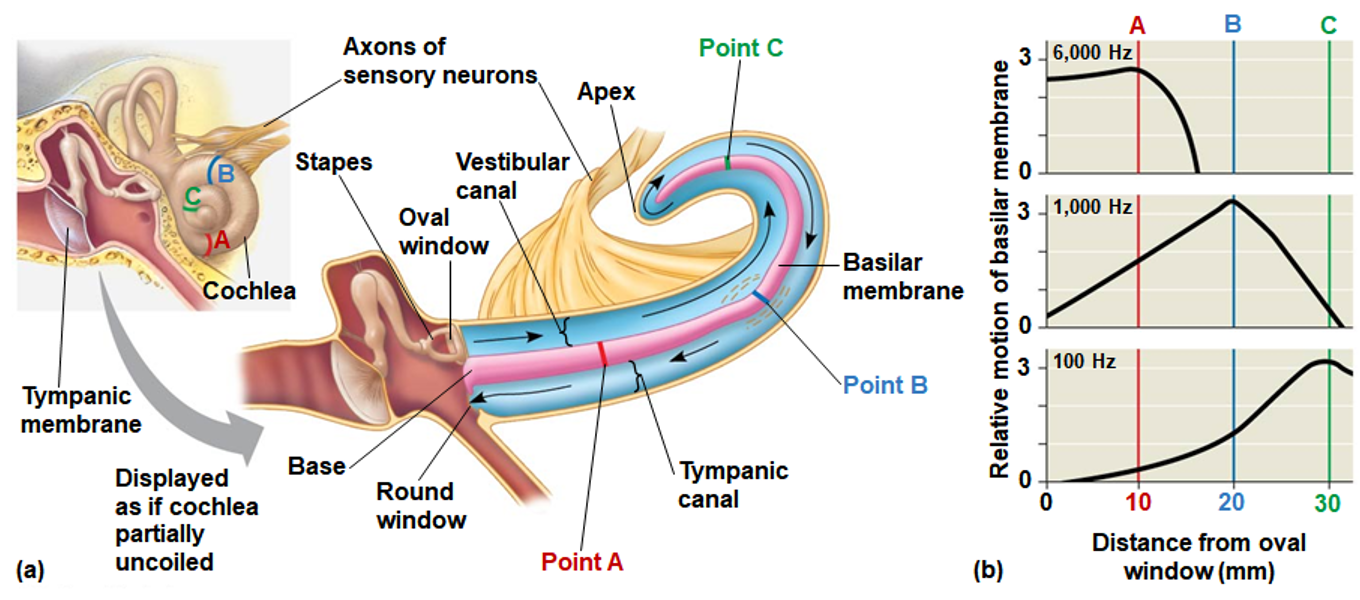
air in outer ear causes vibration of tympanic membrane
3 bones in middle ear transmit vibs to oval window
Pressure waves created in fluid inside cochlea
Push down on cochlear duct + basilar mem (hair cell up/down)
Action potential sent to auditory nerve
Wave dissipates after striking round window at end of tympanic canal
What information does ear capture? (2)
Volume: amplitude of sound wave
Pitch: freq of sound wave
Organs in inner ear (2)
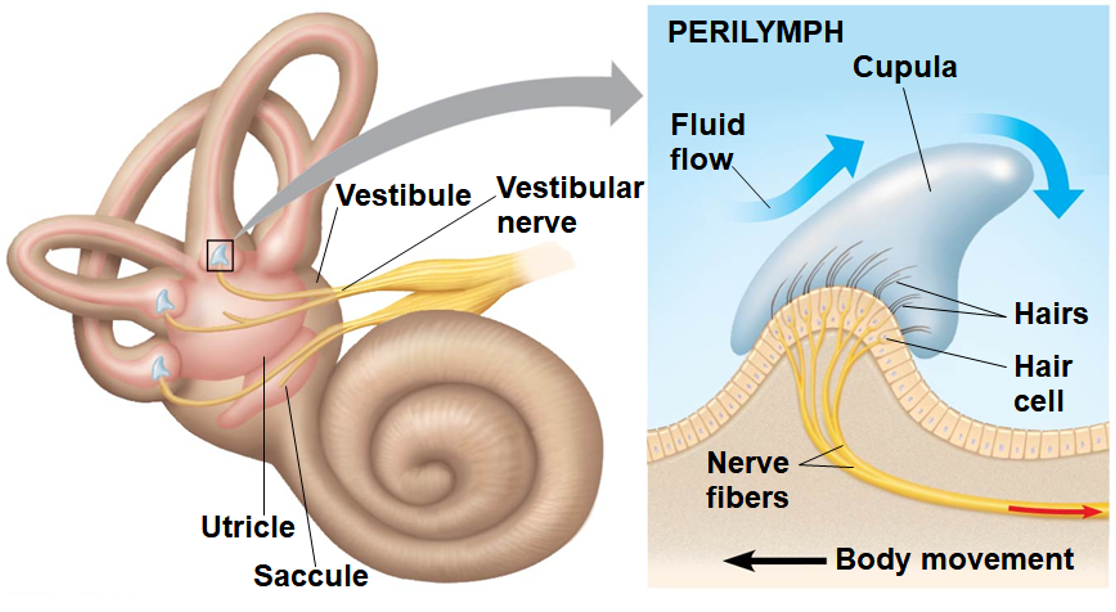
Utricle + Saccule: hair cell project into gelatinous material
Otoliths
Otoliths
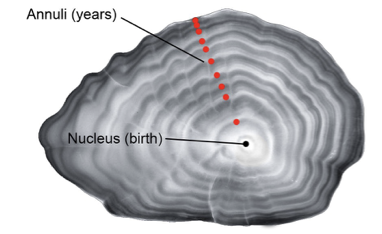
granule embedded in gel, allow us to perceive position relative to gravity or linear movement
if lacking, have poor ability to sense motion + orient gravity
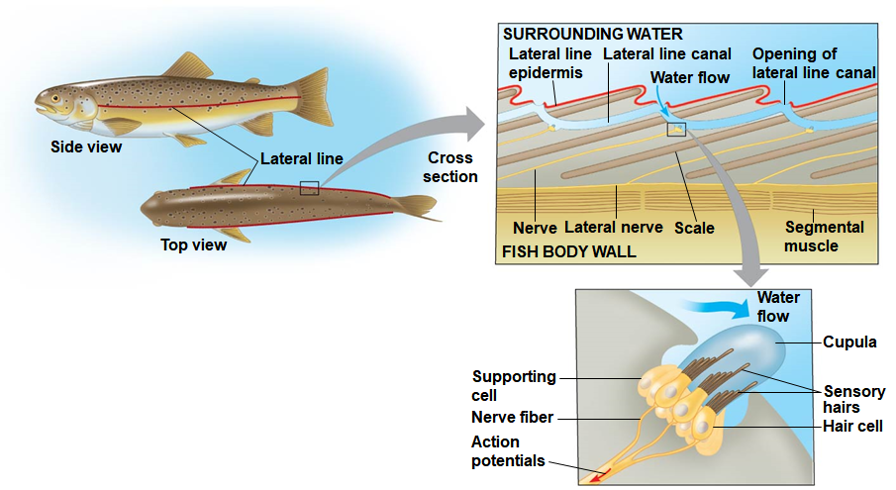
EX: estimate age of fish (lateral line for H2O move)
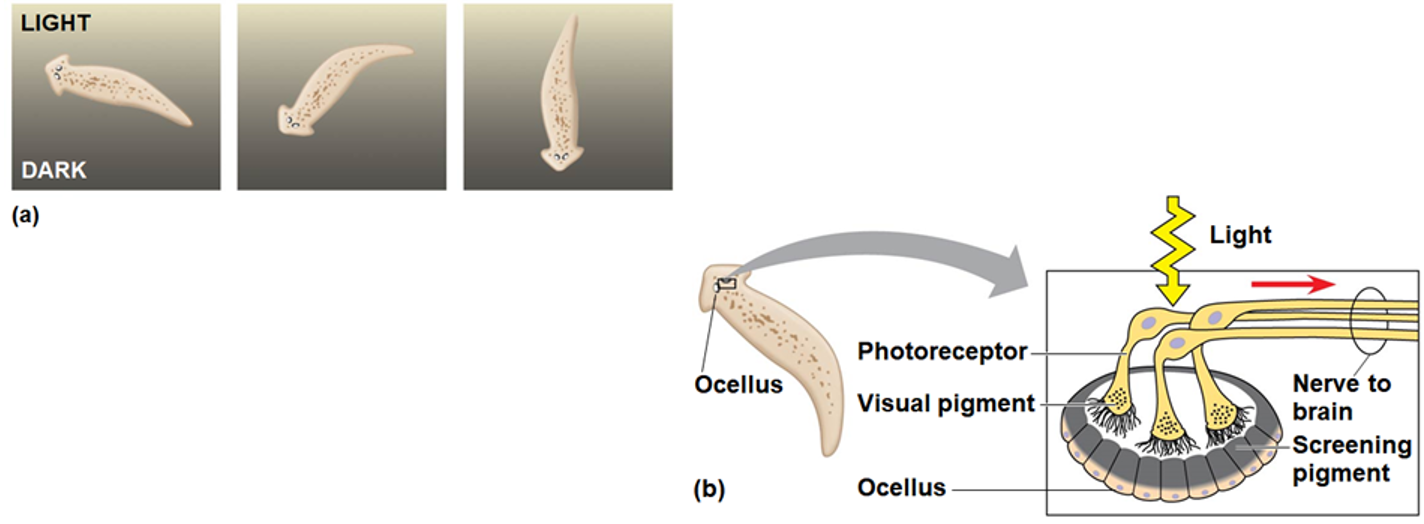
Light detectors
simple clusters of cells that detect direction + intensity of light to complex organs that form images
Contain photoreceptors (contain light-absorbing pigment moles)
EX: invertebrates (Planarians = ocelli “eyespots”)
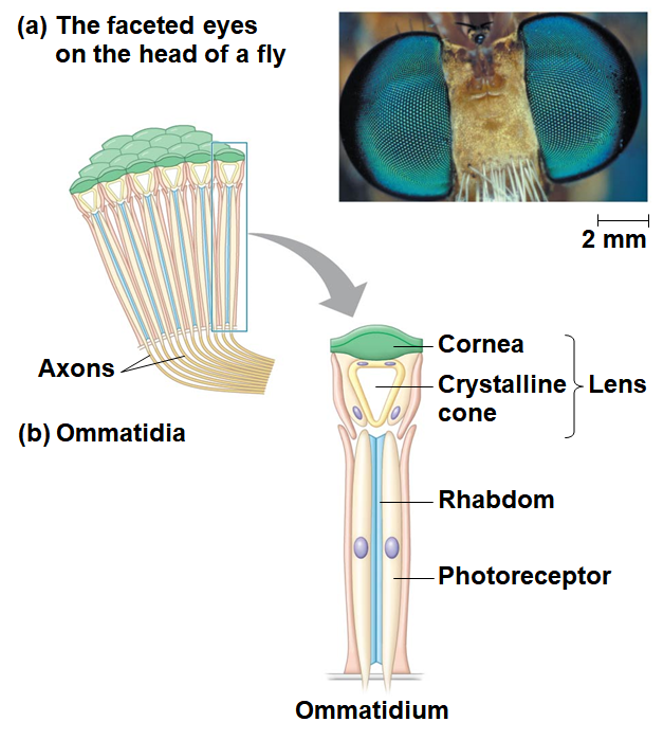
Compound eyes
Insects, crustaceans, and some polychaete worms have ommatidia (several thousand light detectors )
Can see into ultraviolet range
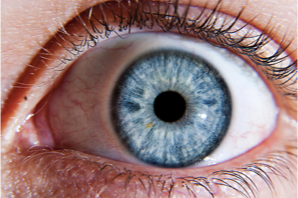
Single-lens eyes
Invertebrates: jellies, polychaete worms, spiders, molluscs
Iris changes diameter of pupil to control amount of light
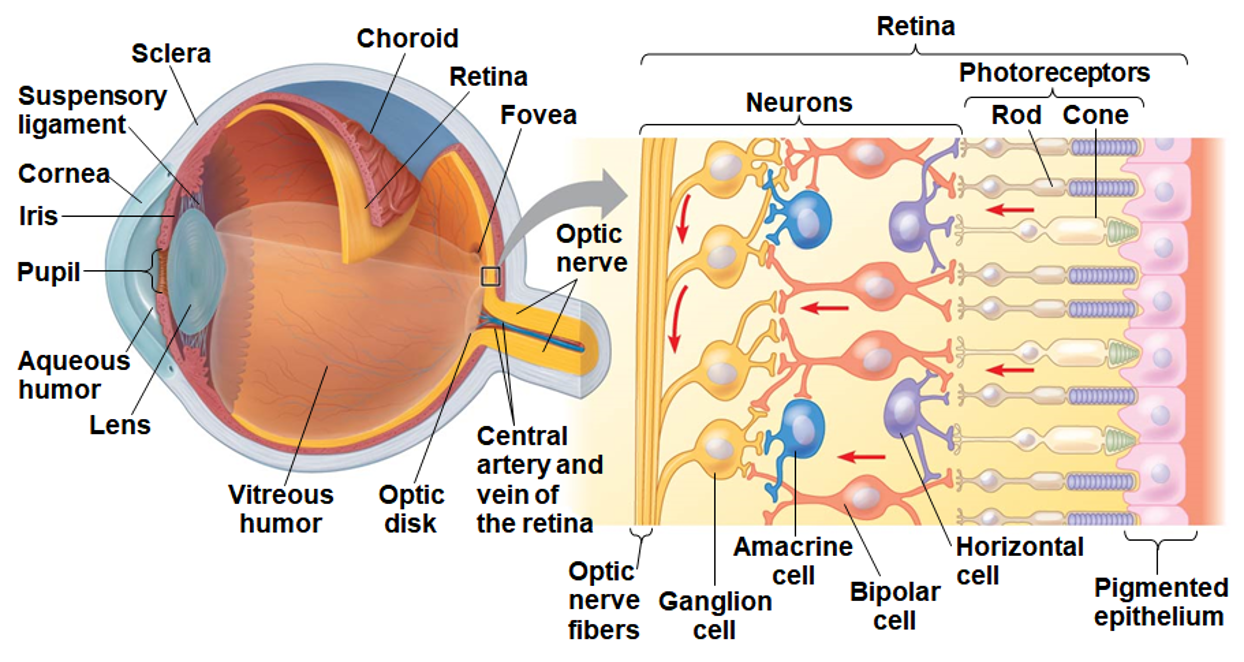
Vertebrate Visual System (6)
photoreceptor
Choroid (thin, pigment (photopsins) layer) contains retina
Lens: transparent disk of protein
Front: clear, water aq humor
Behind: Jelly vitreous humor
Rod (light) + Cones (color- red,green,blue “Ishihara color test”)
Optic Nerve (at cerebral cortex )sends visual info to brain
Optic disk = blind spot
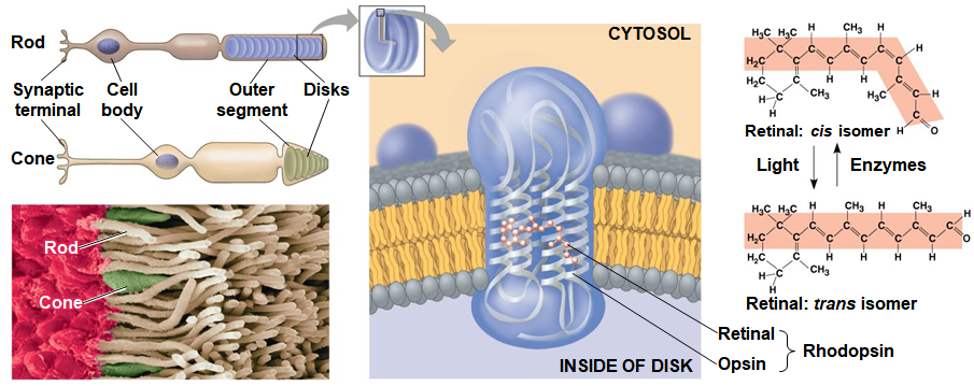
Retinal
a light-absorbing pigment bound to a opsin (membrane protein)
EX: Rhodopsin
light causes change in shape of retinal proteins
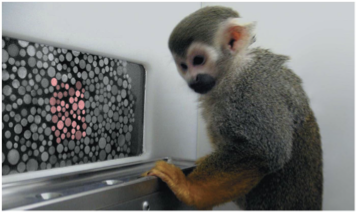
Abnormal color vision
results from mutations in the genes for one or more photopsin proteins
studied squirrel monkeys = red-green color blind
Fovea
center of the visual field and contains no rods, but a high density of cones
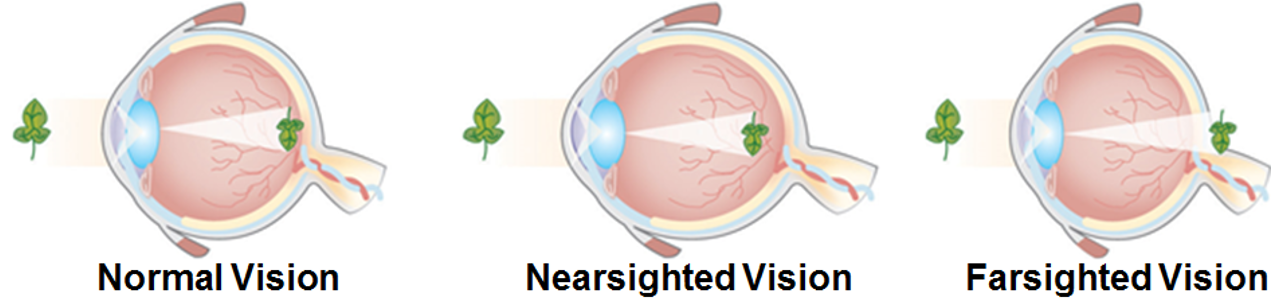
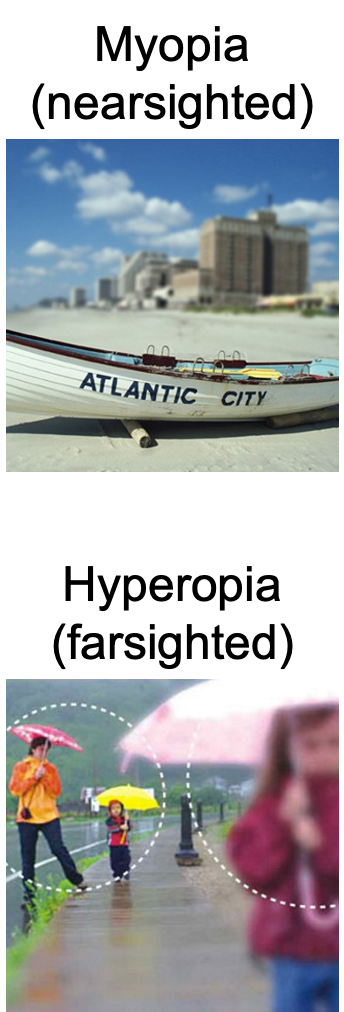
Nearsighted: long eyeballs/rounded corneas that focus light in front retina
Farsighted: short eyeballs/flat corneas that focus light behind retina
Gustation and Olfaction
(taste) is dependent on the detection of chemicals called tastants
(smell) is dependent on the detection of odorant molecules
Aquatic animals have no distinct
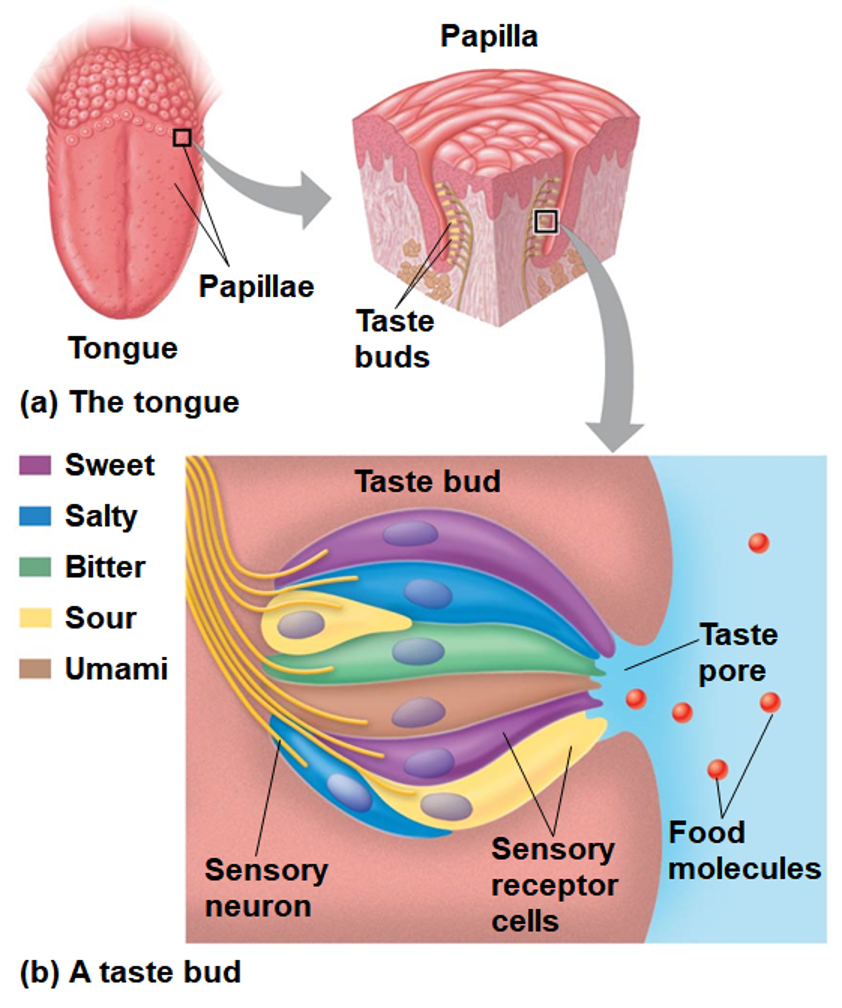
Taste buds
Receptor cells for taste in mammals are modified epithelial cells in several areas of tongue + mouth
papillae are the projections
sweet, sour, salty, bitter, umami
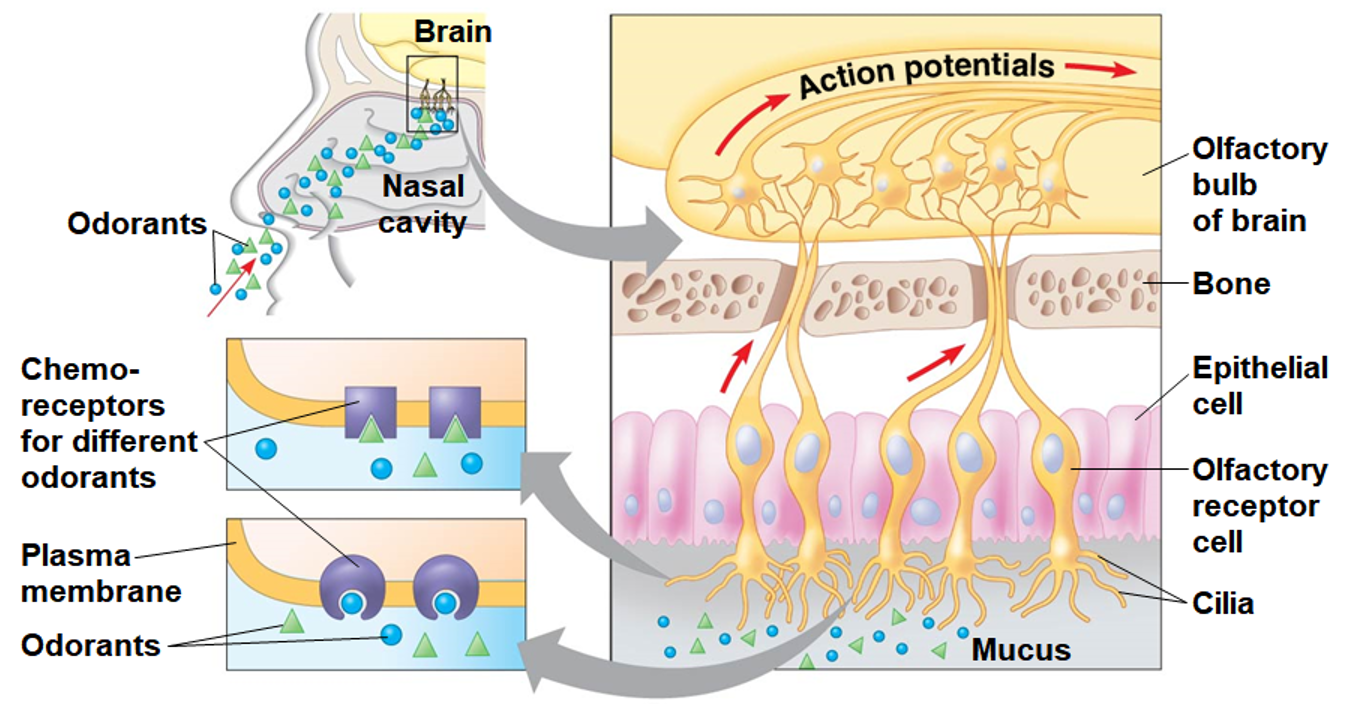
Olfactory receptor cells
neurons that line the upper portion of the nasal cavity
binding odorant molecules trigger action potentials
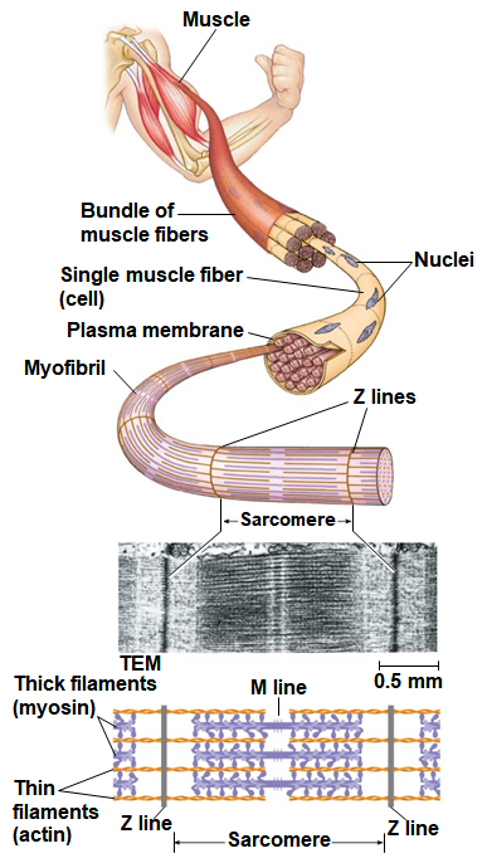
Muscle Activity
response to input from the nervous system = contraction
Thin filaments: actin
Thick filaments: staggered mysoin
Skeletal Muscle
“striated muscle”
moves bones and the body and is characterized by a hierarchy of smaller and smaller units
Long fiber to myofibrils (protein filaments)
Sarcomere runs from one z-line to another + attaches to thin filament
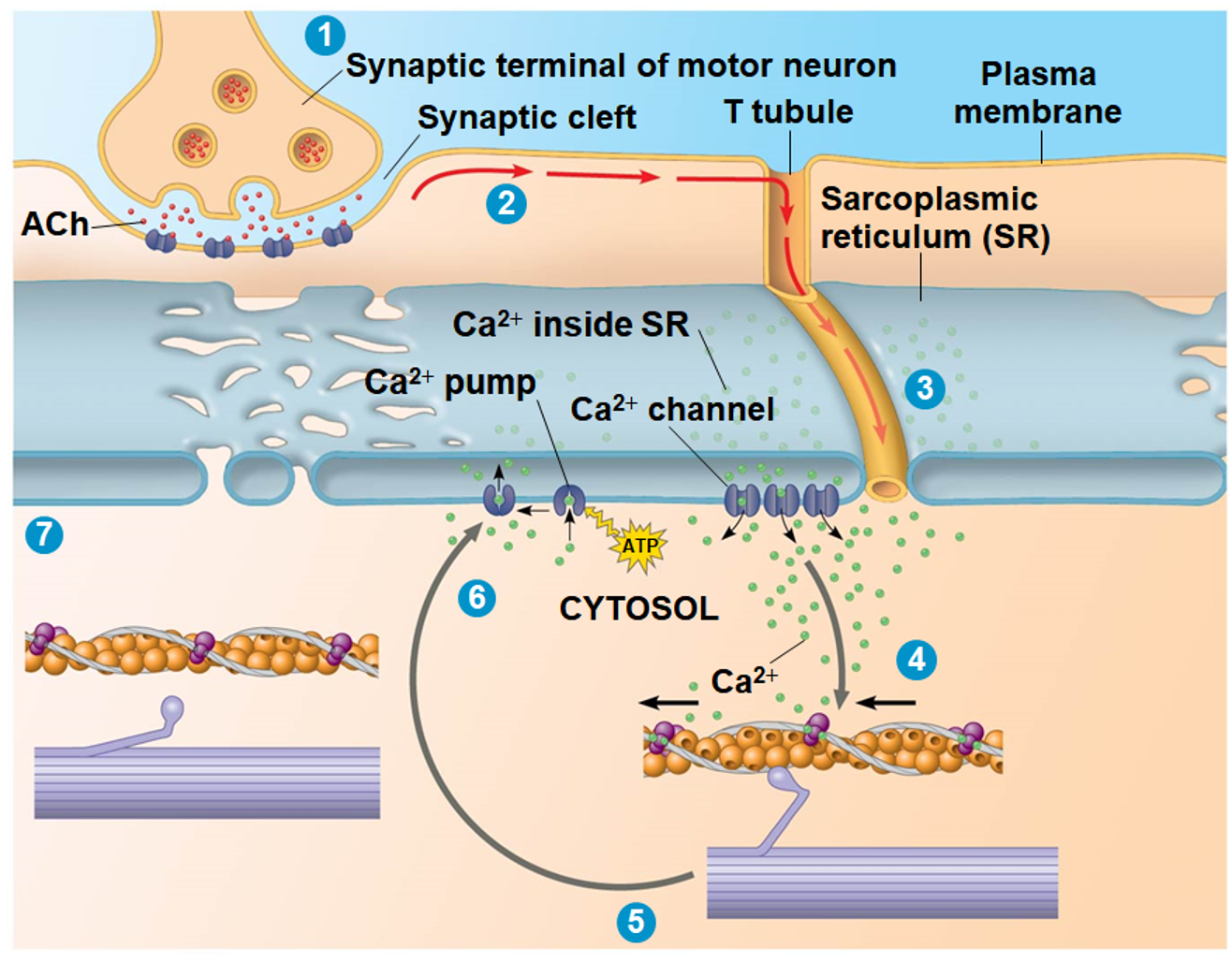
Steps of Muscle Contraction (8)
Signal sent to motor neuron (action potential)
Releases neurotransmitters in synaptic gap near sarcolemma
Cause Ca2+ to be released in sarcoplasmic reticulum (SR) in transverse (T) tubules
Ca2+ causes tropomyosin to change shape + troponin frees actin binding sites
Now open, myosin binds to actin to form cross bridge
ATP (from glycolysis, aerobic respiration, or lactic acid fermentation) used for cross-bridge
Myosin moves actin along = sliding filmanent mechanism
Low calcium causes muscle to relax
Amyotrophic lateral sclerosis (ALS)
formerly called Lou Gehrig’s disease, interferes with the excitation of skeletal muscle fibers; this disease is usually fatal
Myasthenia gravis (MG)
an autoimmune disease that attacks acetylcholine receptors on muscle fibers; treatment exist for this disease
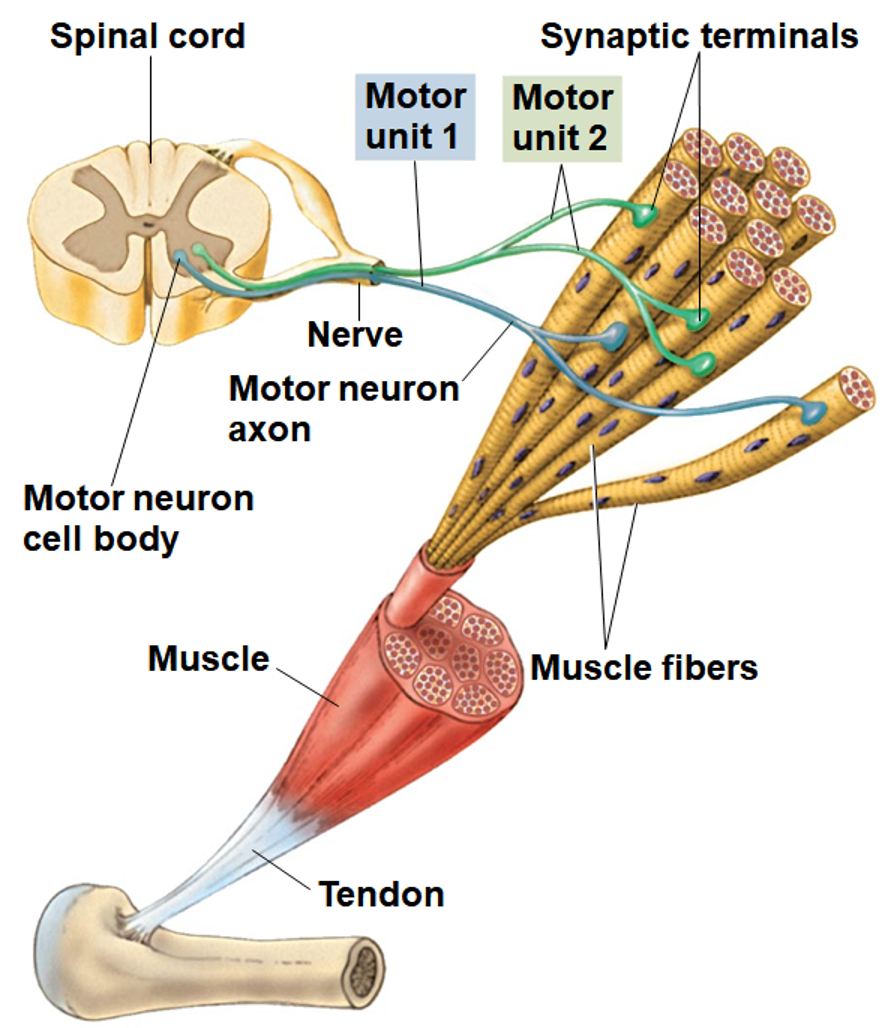
Graded Contractions classified (2)
Varying the number of fibers that contract
Varying the rate at which fibers are stimulated
each fiber is controlled by ONE motor neuron = motor units
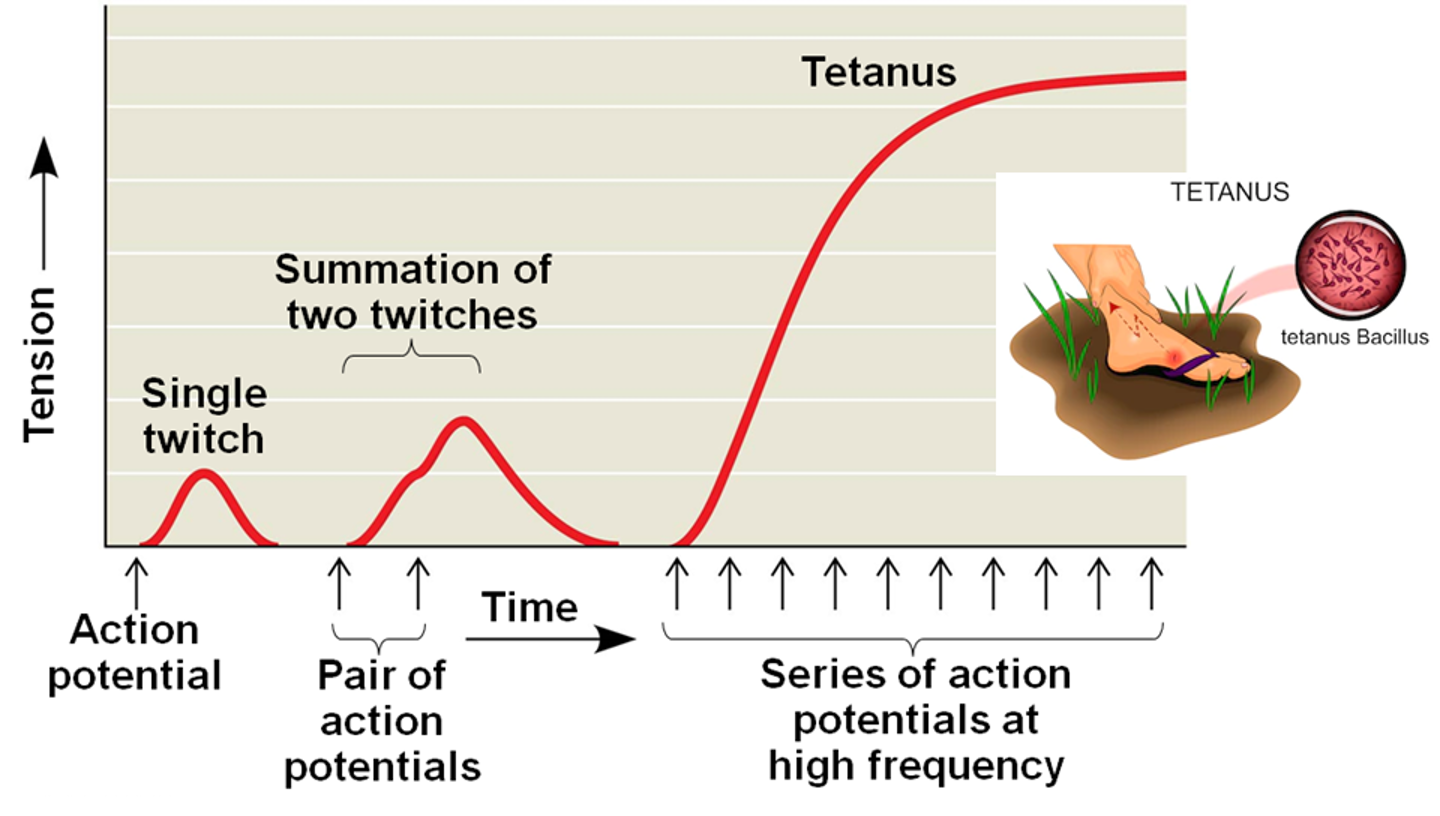
Recruitment
process by which more and more motor neurons are activated
force developed by muscle increases throughout process
Twitch: single action potential in neuron
More produced through summation
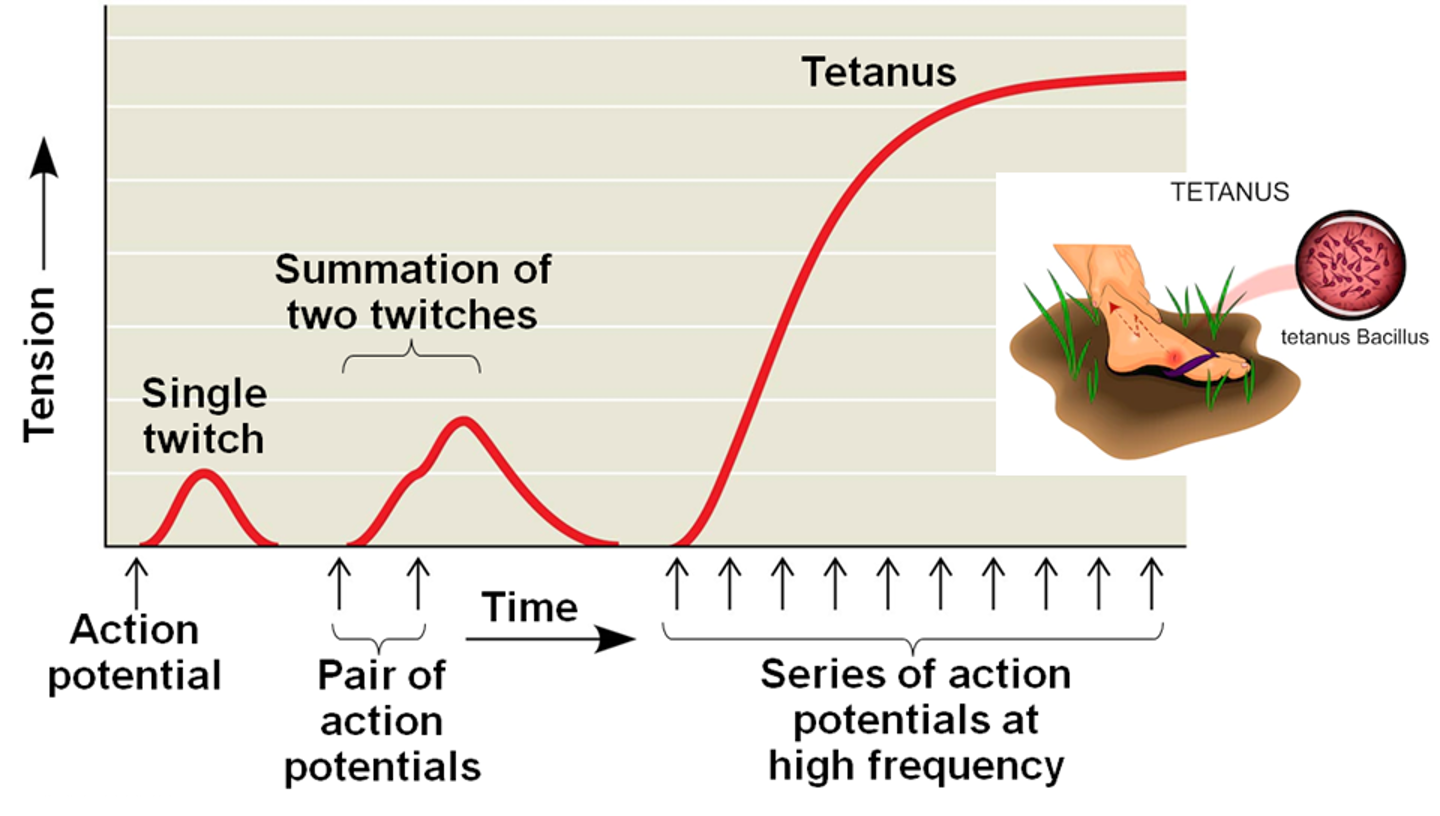
Tetanus
a state of smooth and sustained contraction produced when the rate of stimulation is so high that muscle fibers cannot relax between stimuli
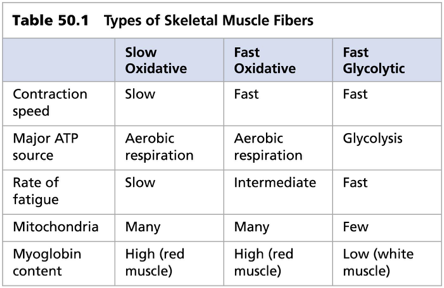
Types of Skeletal Muscles (2)
classified by the source of ATP powering the muscle activity or by the speed of muscle contraction
Oxidative Fibers
Glycolytic Fibers
Oxidative Fibers
rely mostly on aerobic respiration to generate ATP
mitochondria, a rich blood supply, and a large amount of myoglobin (protein, binds O2 tightly)
EX: dark meat
Glycolytic Fibers
use glycolysis as their primary source of ATP
less myoglobin, large diameter, tire easiely
EX: light meat
Fast vs Slow Twitch Fibers
Fast: brief, powerful contractions (oxidative or glycolytic)
Slow: slow, sustained contractions (oxidative)
less SR + slow pump of Ca2+
Cardiac Muscle
only in the heart, consists of striated cells electrically connected by intercalated disks
generate action potentials w/out neural input
Smooth Muscle
in walls of hollow organs such as those of the circulatory, digestive, and reproductive system
slow contractions (from neurons in autonomic nervous system)
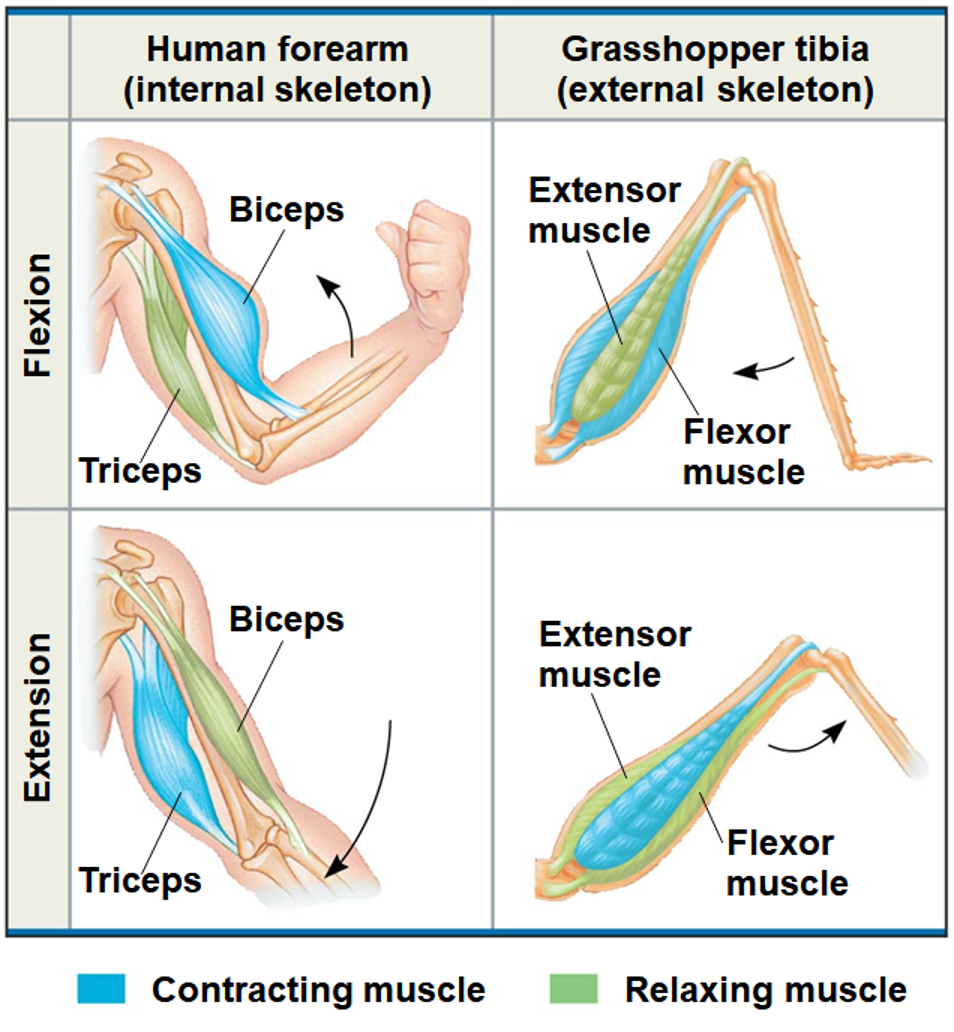
Skeletal Muscle/Skeleton
attached in antagonistic pairs; actions are coordinated by the nervous system
for support, protection, movement
Hydrostatic skeleton (fluid-based support)
Endoskeleton
Exoskeleton
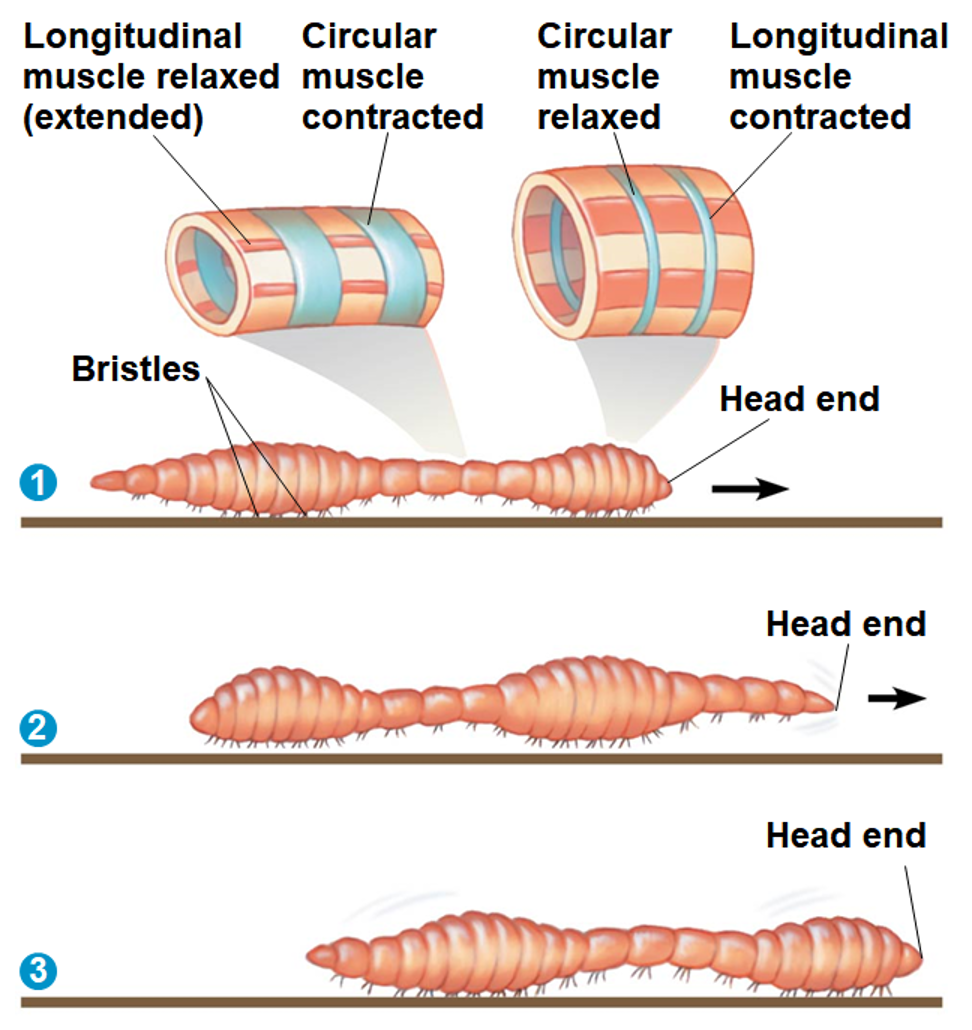
Hydrostatic Skeleton
consists of fluid held under pressure in a closed body compartment
EX: cnidarians, flatworms, nematodes, and annelids (use for peristalsis = rhythmic waves of contractions)
Swimming Locomotion
friction is a bigger problem than gravity
need sleek, shape to min friction
EX: paddling, undulating
Flying Locomotion
requires that wings develop enough lift to overcome the downward force of gravity
must reduce body mass