BIO 190- Chapter #3 *The Chemical Basis of Life: Organic Molecules* :)
 Call Kai
 Learn
Learn Practice Test
 Spaced Repetition
 Match
Match Flashcards
 Knowt Play
1/87

There's no tags or description
Looks like no tags are added yet.
Name | Mastery | Learn | Test | Matching | Spaced | Call with Kai |
|---|
No analytics yet
Send a link to your students to track their progress
88 Terms
organic molecules
contain carbon
macromolecules
many molecules bonded together; carbohydrates, lipids, proteins, nucleic acids
what is a key property of the carbon atom
can form 4 covalent bonds (max number of bonds ant atom can make)
what type of bonds does carbon typically form
non polar or polar (depends on electronegativity)
describe hydrocarbons and their relationship with water
non polar molecules containing a carbon backbone that have only C-C and C-H bonds
hydrophobic and poorly soluble in water
what type of carbon bonds would be hydrophilic (more soluble in water)
carbon bonds with more electronegative atoms such as oxygen and nitrogen (more partial negative and partial positive regions)
Describe the length of carbon bonds and it's importantance
the distance between carbon atoms forming a carbon bond is short
shorter bonds=tend to be stronger and more stable, making them more stable with large range of temperatures associated with life.
What is a functional group?
a group of atoms with specific properties that can change the behavior in chemical reactions
ex: ethane is hydrophobic but once -OH is added onto it (a functional group) it will become hydrophillic
What are monomers?
An organic molecule that can be used to form larger molecules, a.k.a. polymer
What are polymers
A large molecule formed by linking many smaller molecules called monomers
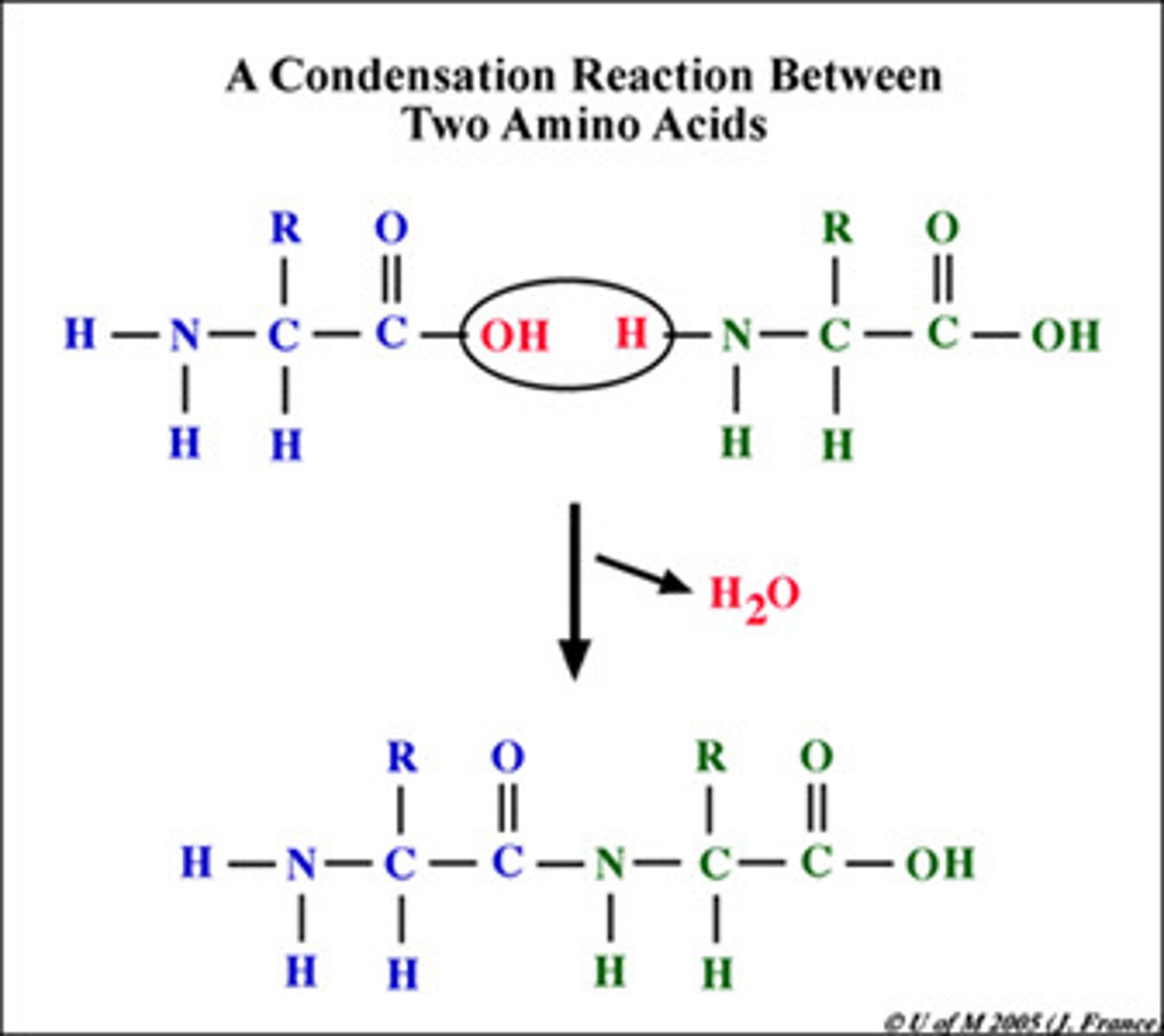
Describe a dehydration reaction and how does it affect the polymer
The release of one water molecule as a monomer is added to a chain creating macromolecules
makes the polymer longer
What are hydrolysis reactions?
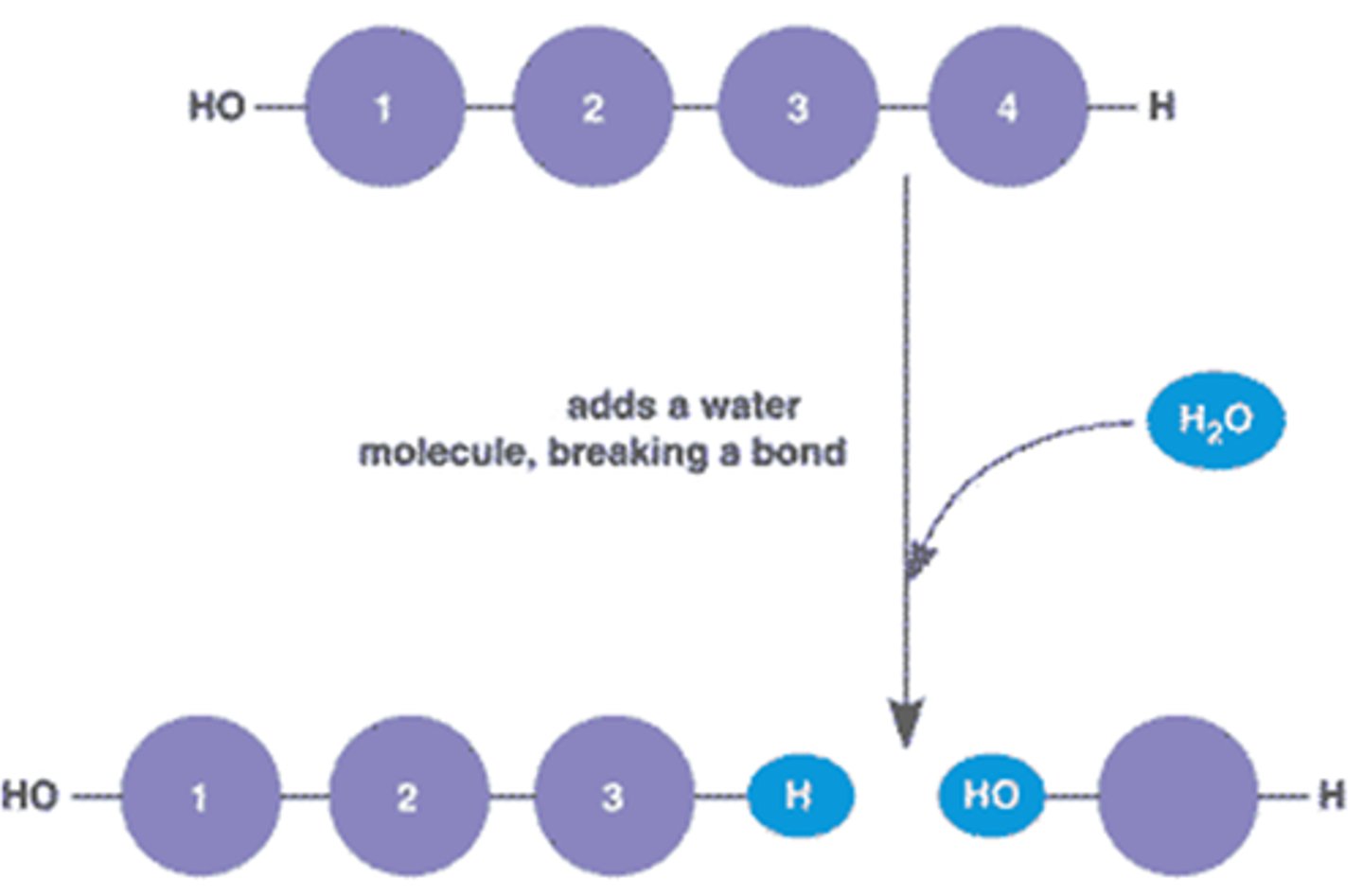
add H20 back each time a monomer is released, this process breaks down a polymer / makes it shorter
The formation of polymers from monomer typically involves what two things
The removal of a molecule of water and a dehydration reaction
polymers are formed by what reaction type
A dehydration reaction that links monomers in covalent bonds
The reversible process of a dehydration reaction is...
Hydrolysis
what are the 4 major classes of organic molecules
carbohydrates, lipids, proteins, nucleic acids
What are considered macromolecules?
Proteins nucleic acid and some carbohydrates are considered macro molecules because they are composed of many repeating units of smaller building blocks that are linked together
Amino acids are the building blocks for what?
Protein
Describe the defining structure of lipids
lots of carbohydrogem
how do lipids interact with water
non polar/ not soluble
What is the function of proteins?
preform a variety of diverse functions
What two organic molecules are important for storing energy
Carbohydrates and lipids
what are nucleic acids
polymers responsible for the storage, expression and transmission of genetic info
What are carbohydrates?
Organic molecules, composed of carbon and hydrogen and oxygen atoms
What is the functional group in carbohydrates?
Hydroxyl (OH)
What are monosaccharides?
The simplest carbohydrates are the monomers known as monosaccharides
What are the most common types of monosaccharides?
Monosaccharides contain five carbons called pentoses or six carbons called hexoses
what are the most common hexoses(monosaccharides)
Galactose glucose and fructose
What role does glucose play in the cellular activities of living organisms?
Glucose is very water, soluble the circulates in the blood or body fluids of animals where it can be transported across cell membrane. Once inside the cell glucose can be broken down by enzymes into smaller molecules, which then release energy that was stored in its chemical bonds.
Essentially provides an energy source for a variety of cellular processes
What are disaccharides?
A carbohydrate composed of two monosaccharide
What is a glycosidic bond
The bond form between two sugar molecules
Describe energy and matter in regards to
Glucose
The chemical energy stored in the bonds of glucose molecules can be harnessed by living organisms. This energy can be used to perform many functions that support life.
What are polysaccharides?
many monosaccharides linked together to form long polysaccharides
Describe the polysaccharide in living organisms
Starch, glycogen, cellulose, peptidoglycans, chitin, and glycosaminoglycan
Starch and glycogen are used to store what
Energy and cells
Polysaccharide can be hydrolyzed to yield what
To yield monosaccharides which are broken down to provide the energy to make ATP
Describe the structure and function of cellulose
Has a linear arrangement of carbon to carbon bonds and no branching the linear arrangement allows vast numbers of hydrogen bonds to form between cellulose molecules this stack together in sheets to provide strength to plant cell walls
Glucose, galactose, and fructose are examples of what
Hexoses and isomers
how do we use glycogen
its how we store sugar
Are lipids hydrophobic or hydrophilic?
hydrophobic (water fearing)
What is the defining feature of lipids?
They are nonpolar and poorly soluble in water
Name four lipids
Triglyceride, phospholipid, steroids and waxes
Why are lipids not considered to be macromolecules?
Because they are not composed of many monomers in our covalently interconnected
Describe the structure of triglycerides
Consist of a glycerol molecule linked to three fatty acids
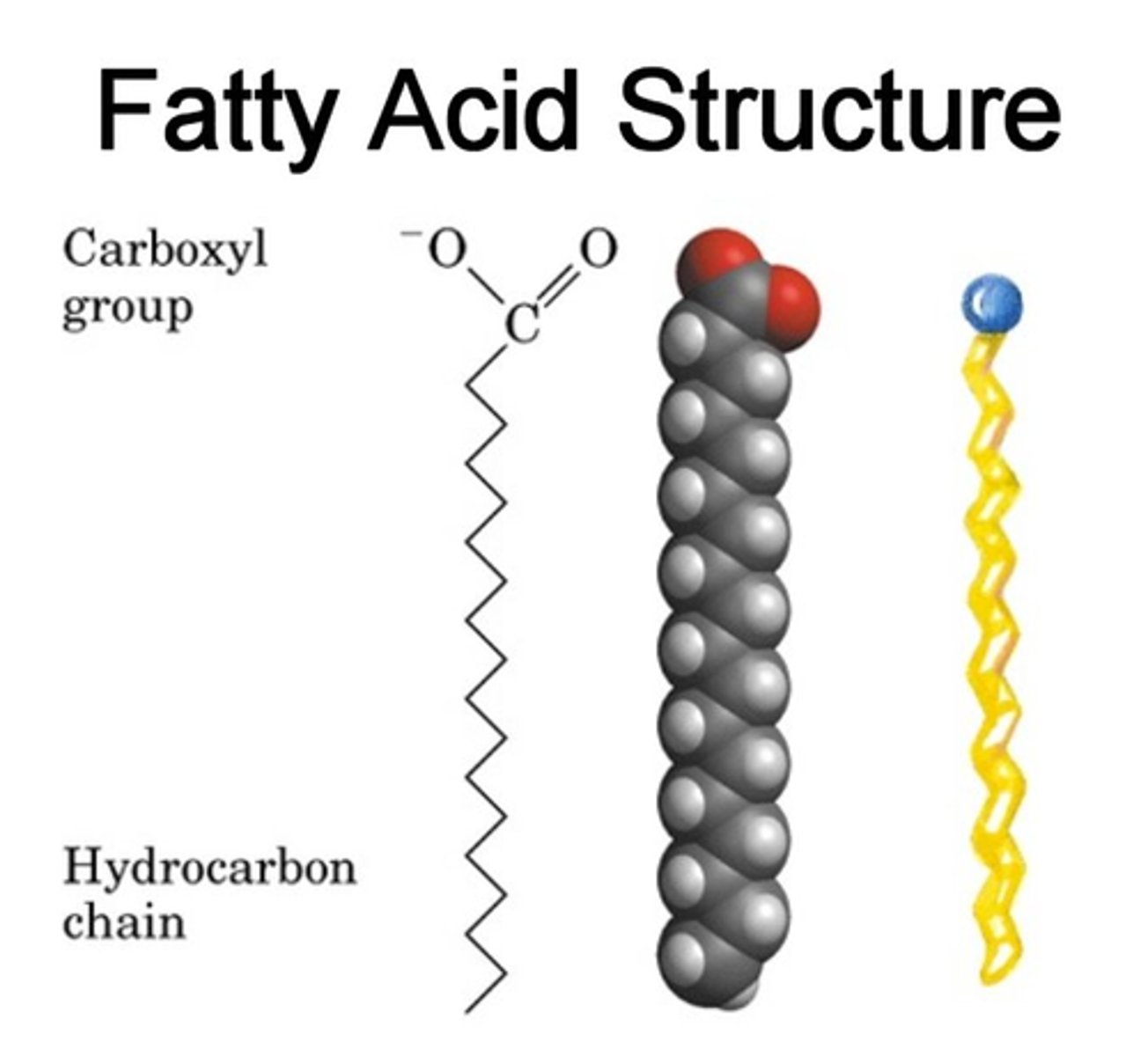
Describe a fatty acid chain
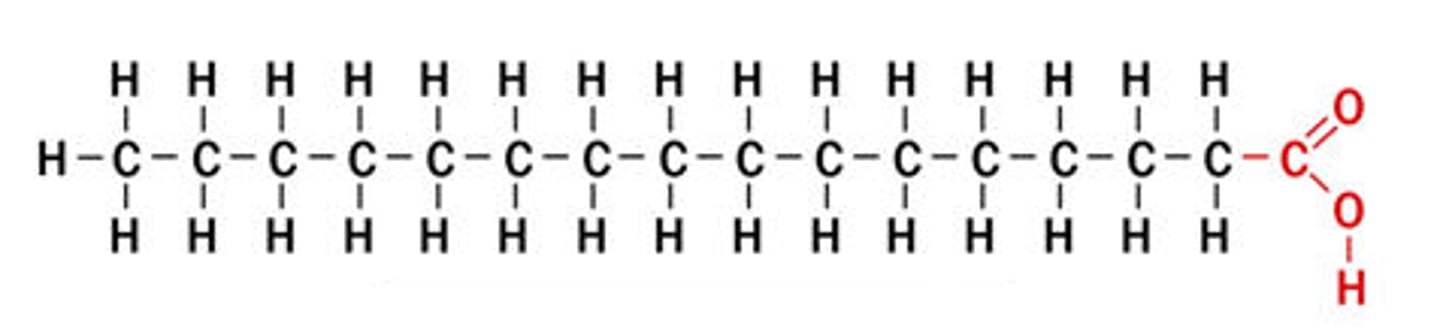
A chain of carbon and hydrogen atoms with a carboxyl group at one end
How does a triglyceride form?
Via three dehydration reactions in which fatty acids are bonded to glycerol
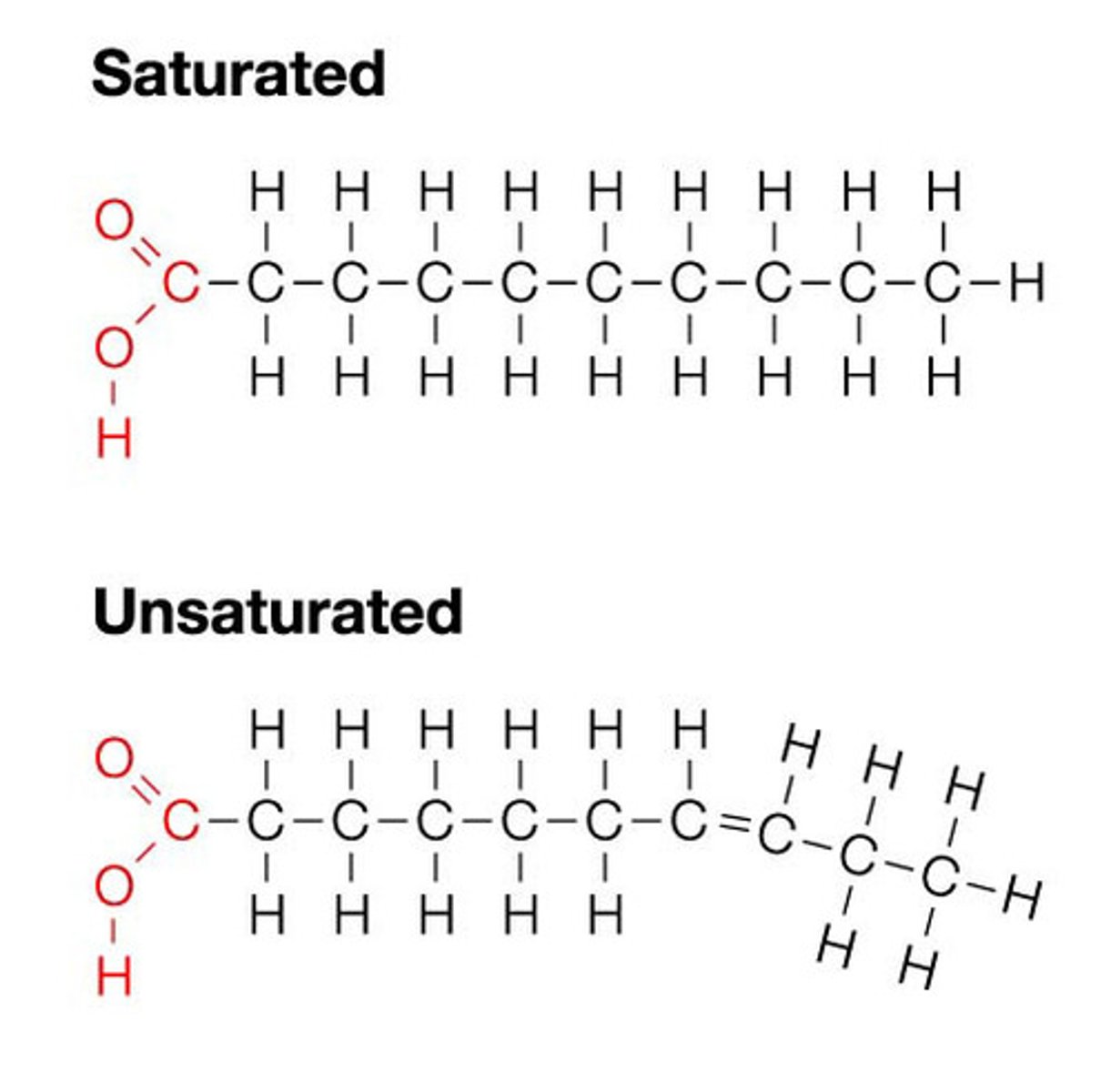
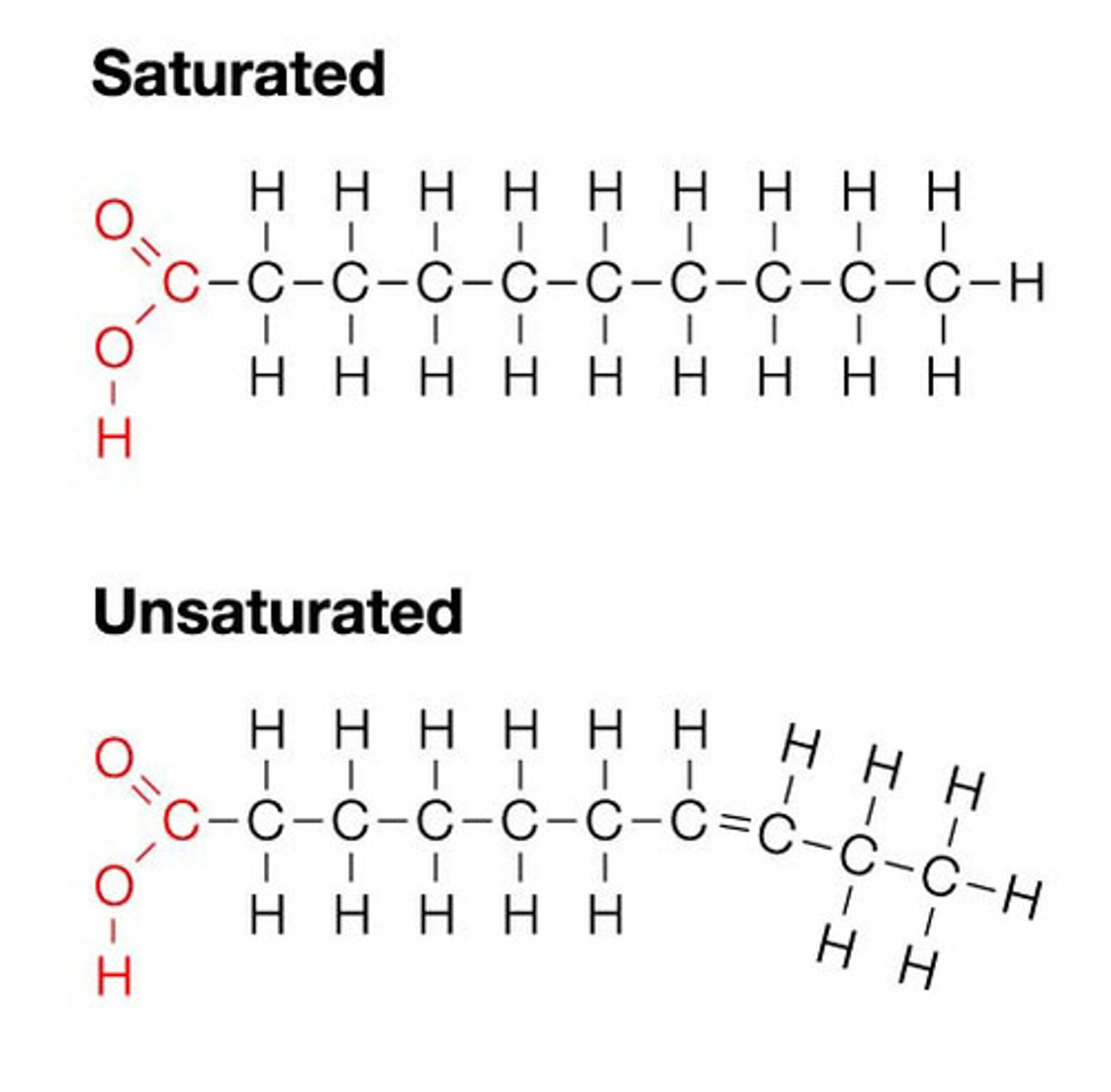
Describe saturated fatty acids
When all of the carbons in the hydrocarbon chain form single bonds
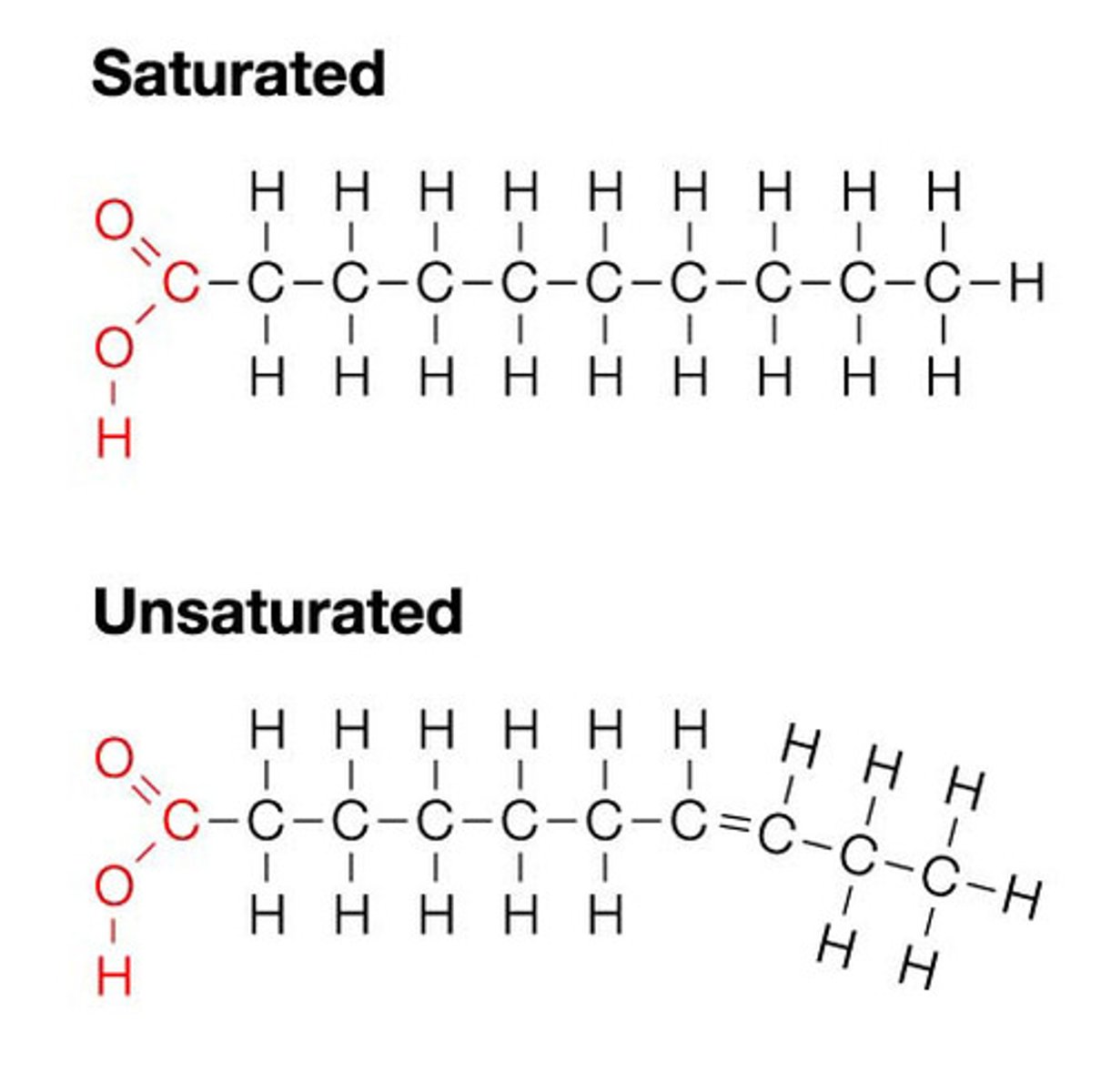
Describe unsaturated fatty acids
at least one double bonf between 2 carbons
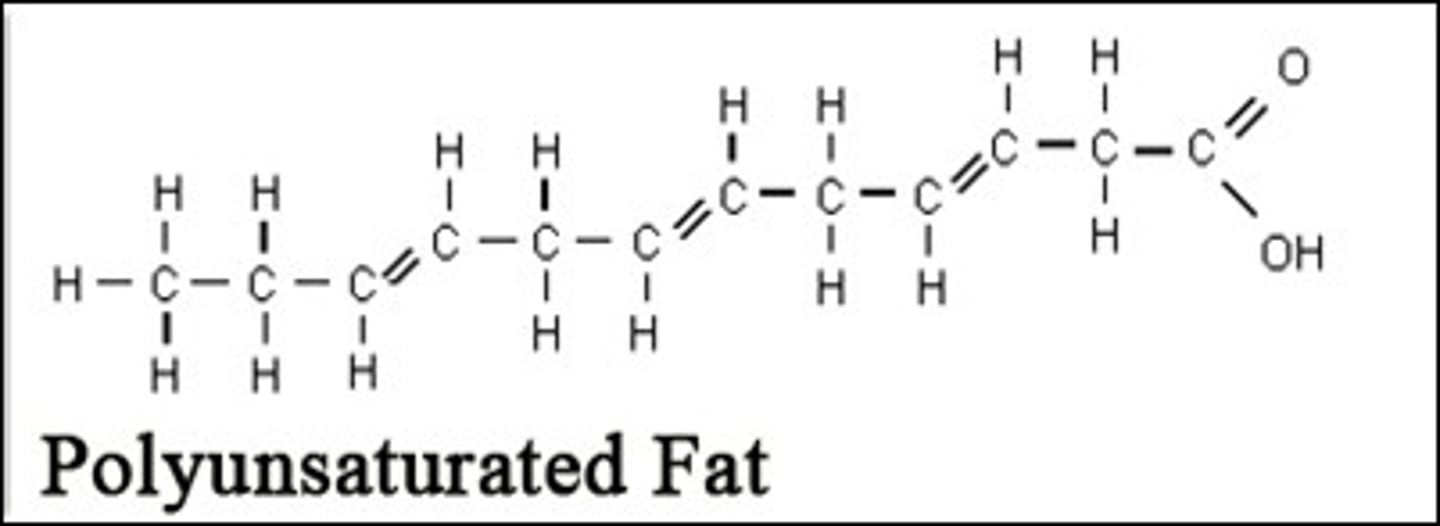
Describe polyunsaturated fatty acids
Contain two or more carbon to carbon double bonds
Describe the hydrocarbon tail of a fatty acid
Does not form hydrogen bonds with water and is very hydrophobic
Does it take more energy to heat saturated fatty acids or unsaturated?
It requires more heat to melt. saturated fatty acids because they packed together more tightly
Describe triglycerides and their importance for storing energy
The hydrolysis of triglycerides release their fatty acid which metabolize to provide energy to make ATP
What are phospholipids?
Similar to triglycerides, but in a phospholipid, the third OH group of glycerol is linked to a phosphate instead of a fatty acid
What is on the head of the phospholipid? does it interact w water?
The glycerol, backbone phosphate group and charge molecule constitute of a polar head/ interacts w water
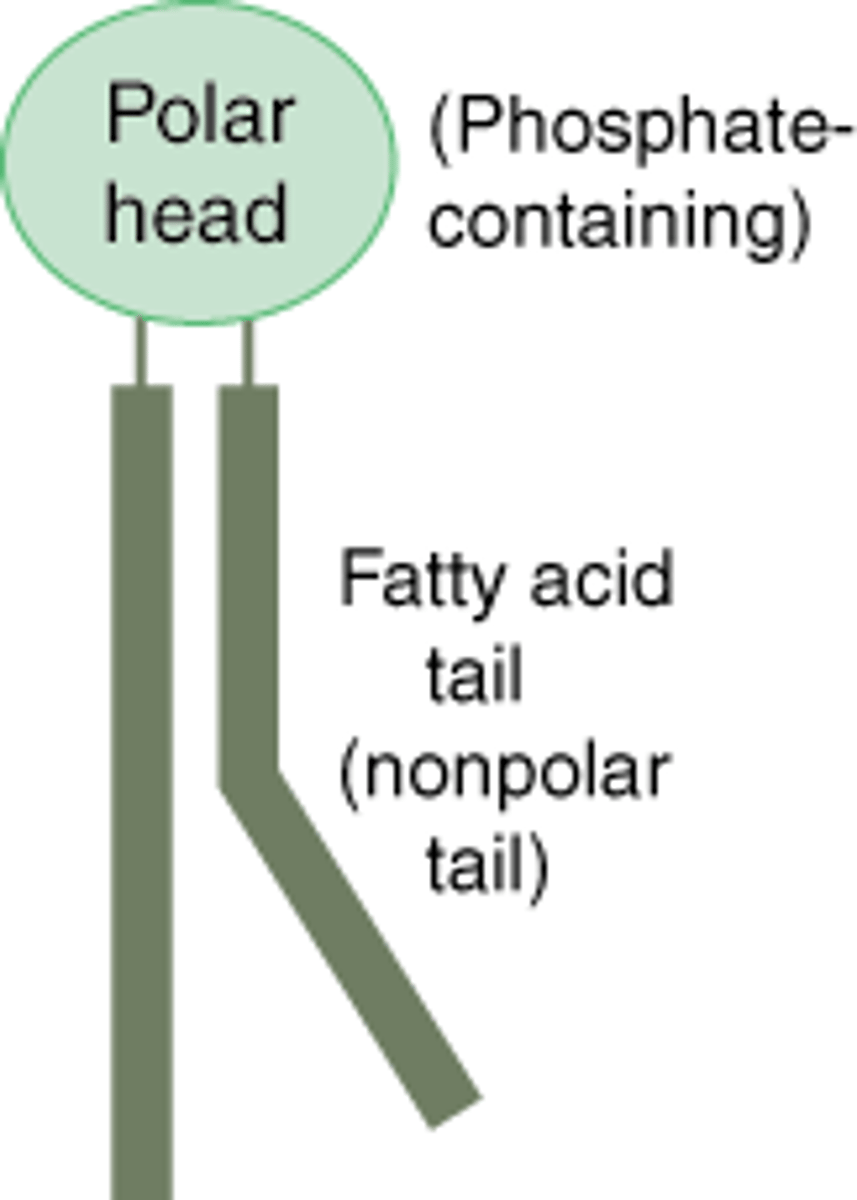
Describe the tale of a phospholipid, does it interact w water?
Two fatty acids form nonpolar hydrophobic tails
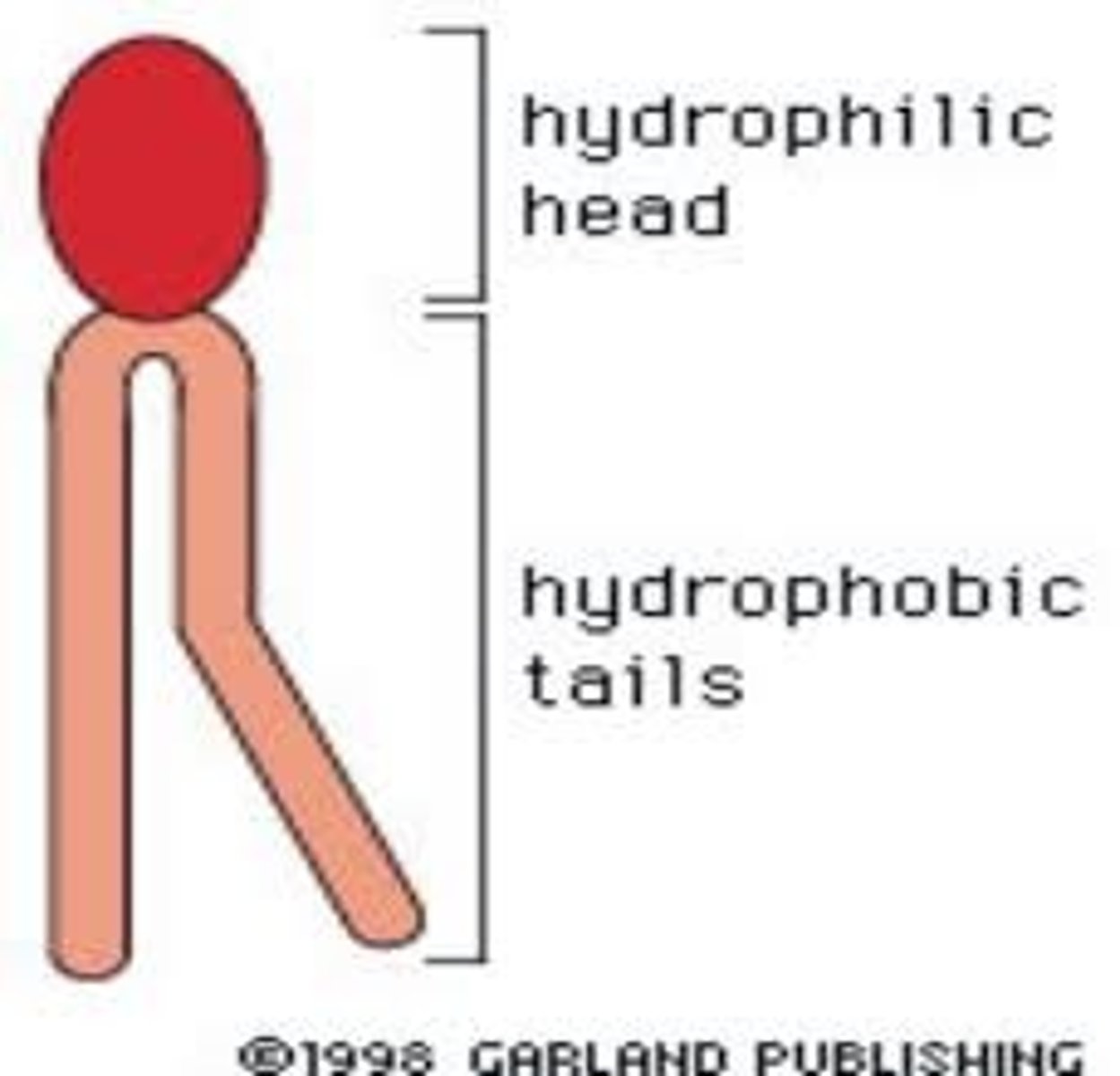
Since phospholipids have polar and nonpolar region regions, what can you call them?
Amphipathic due to the polar head and non polar tail
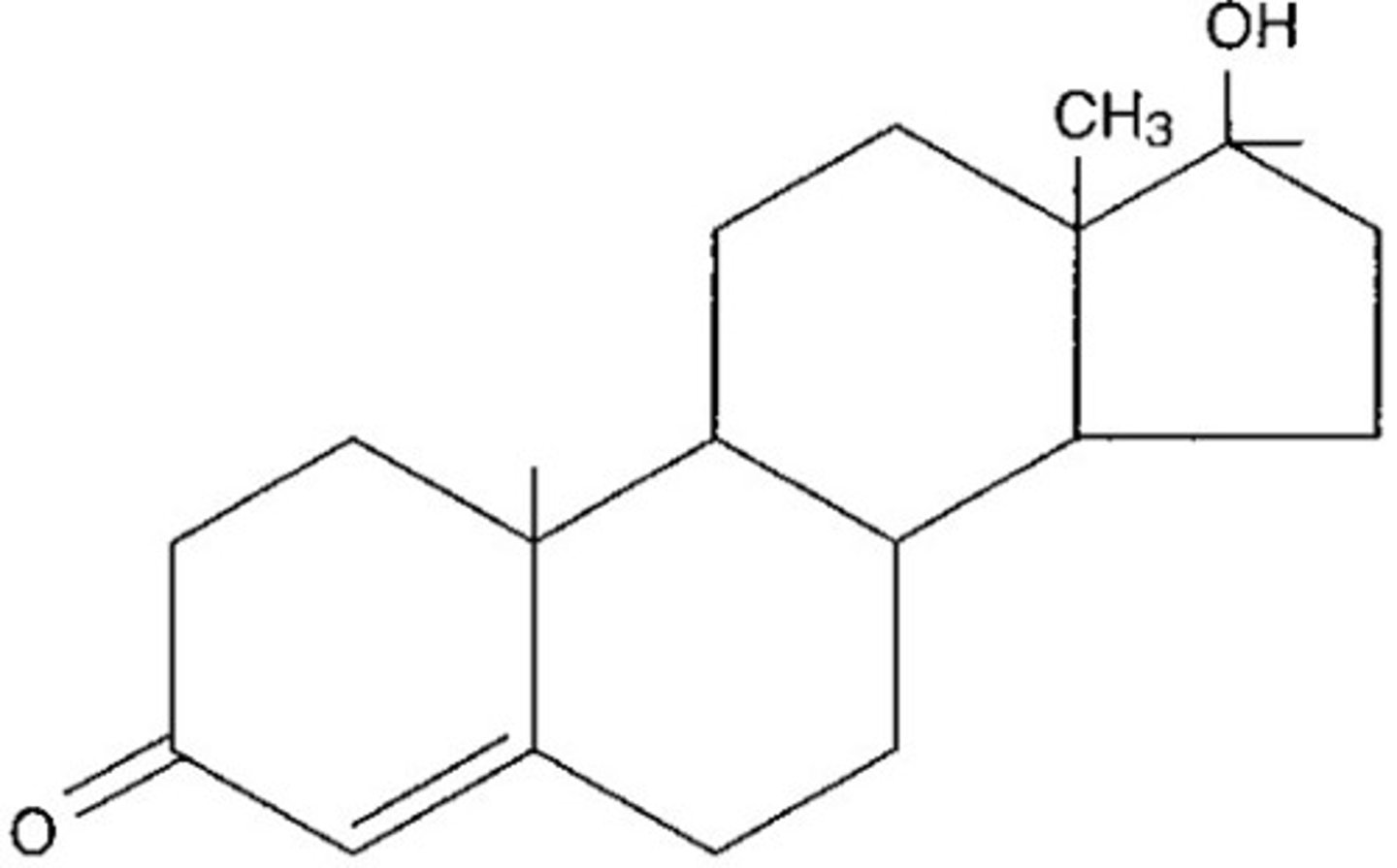
Describe steroids structure? relationship with water?
Four fused rings of carbon atoms primarily composed of carbon and hydrogen
usually insolubale in water
Hydrolysis of a triglyceride yields what
One glycerol and three fatty acids
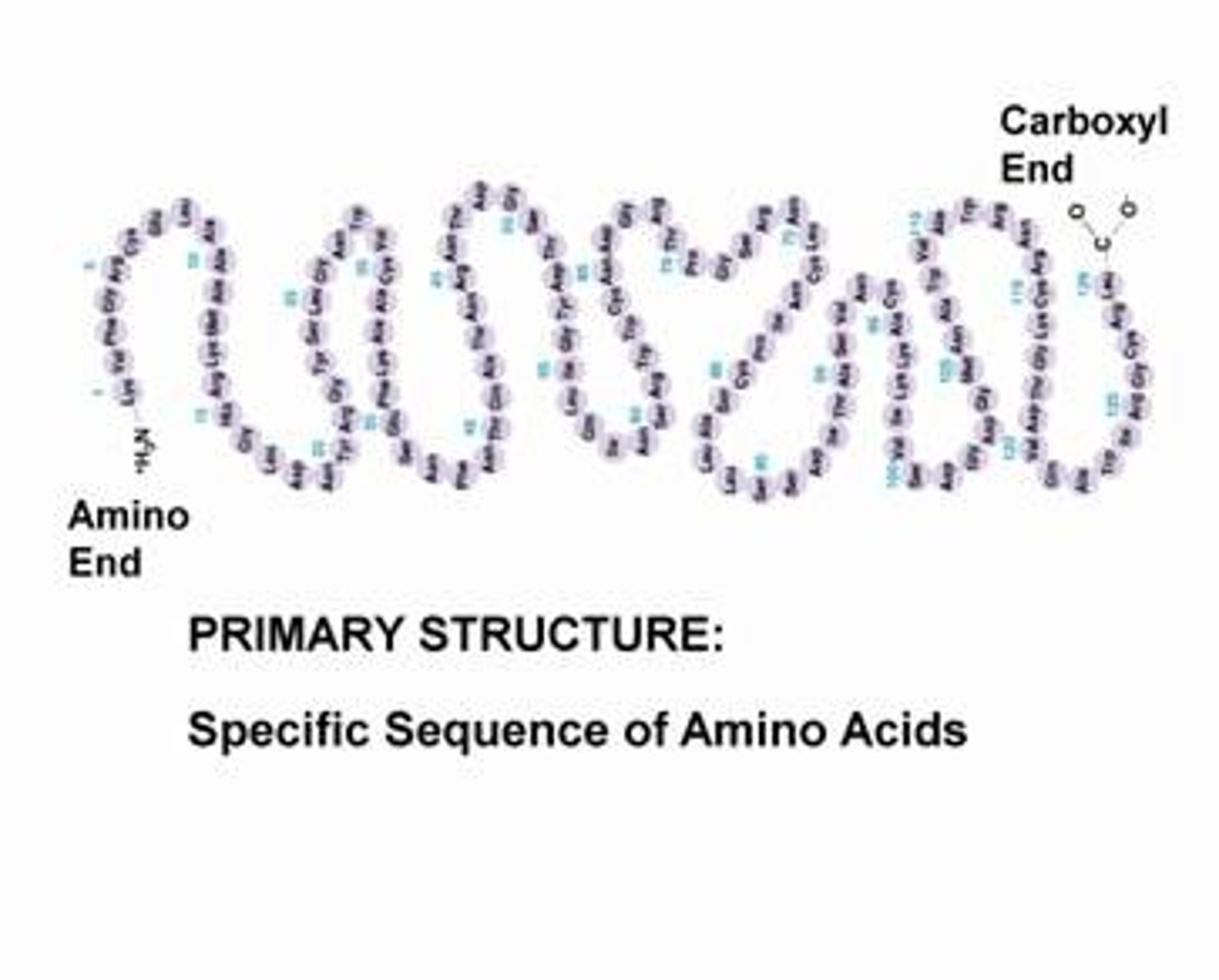
What is the primary structure of a protein?
linear sequence of amino acids encoded by genes
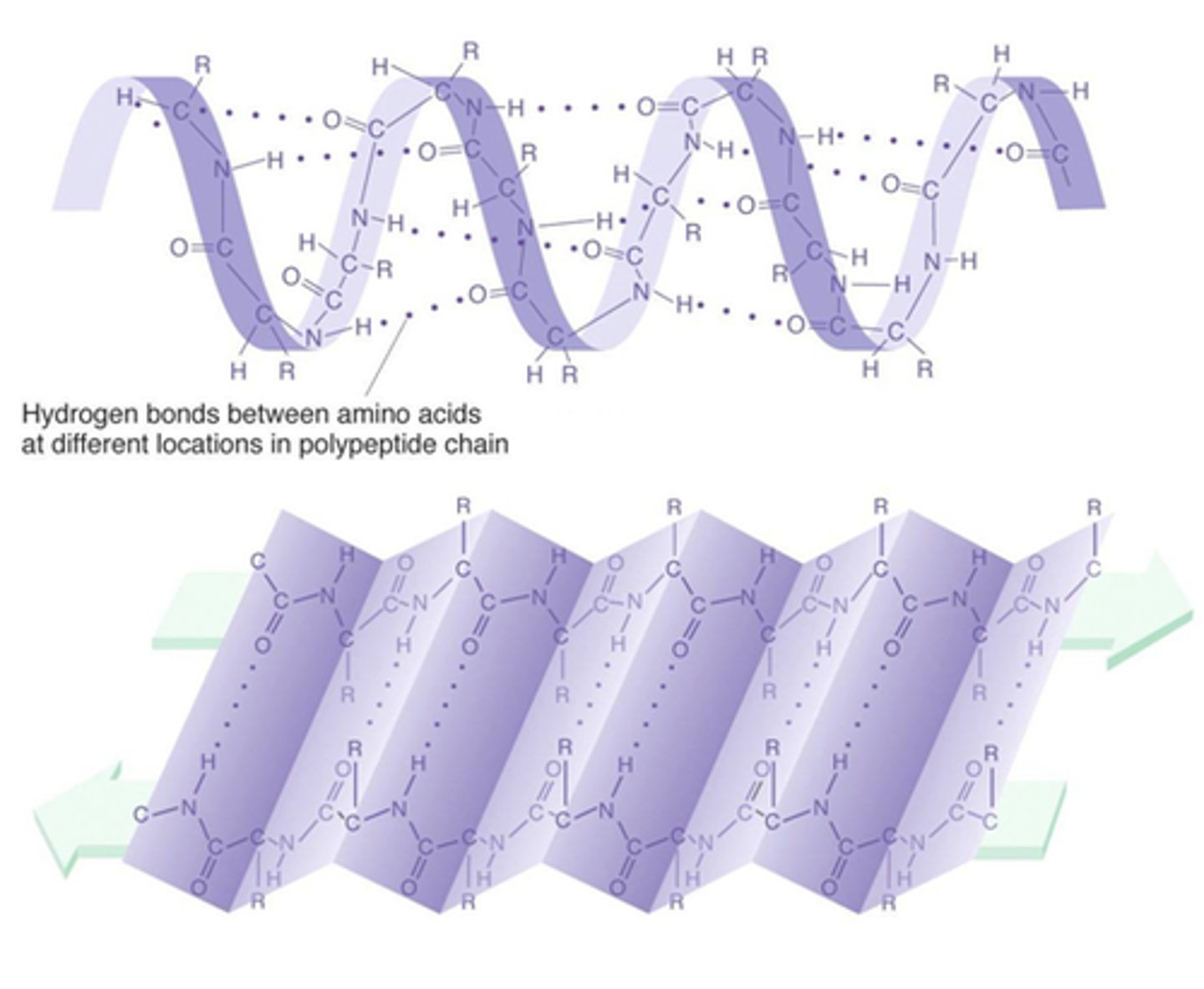
What is secondary structure?
Repetitive folding patterns such as α helix and β pleated sheet
note: in 1 chain u can have various shapes
What is tertiary structure?
3-D shape when all different shapes interact with eachother
often the functional shape
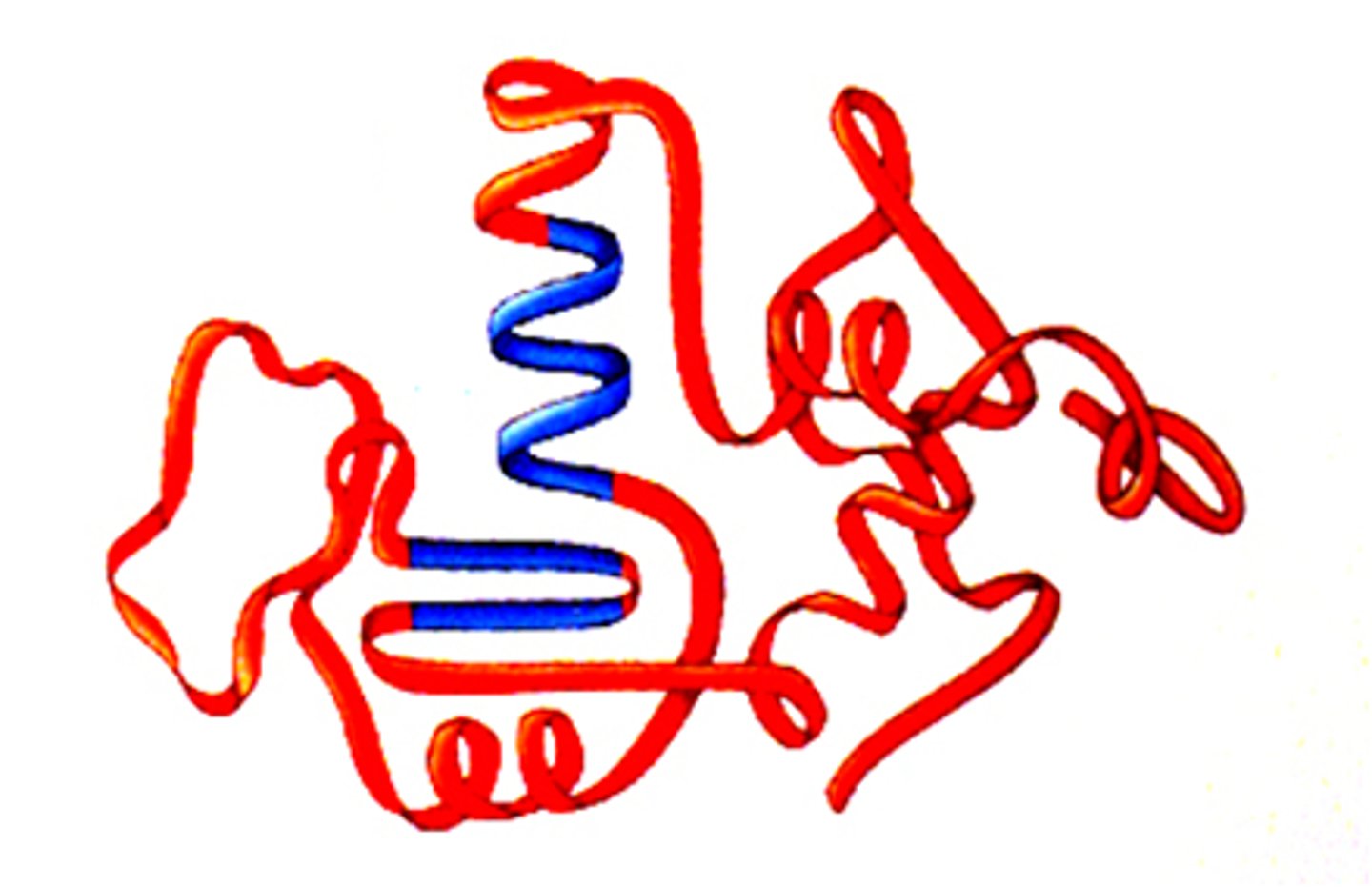
Describe quaternary structure
when 2 polypeptides join to form a functional protein
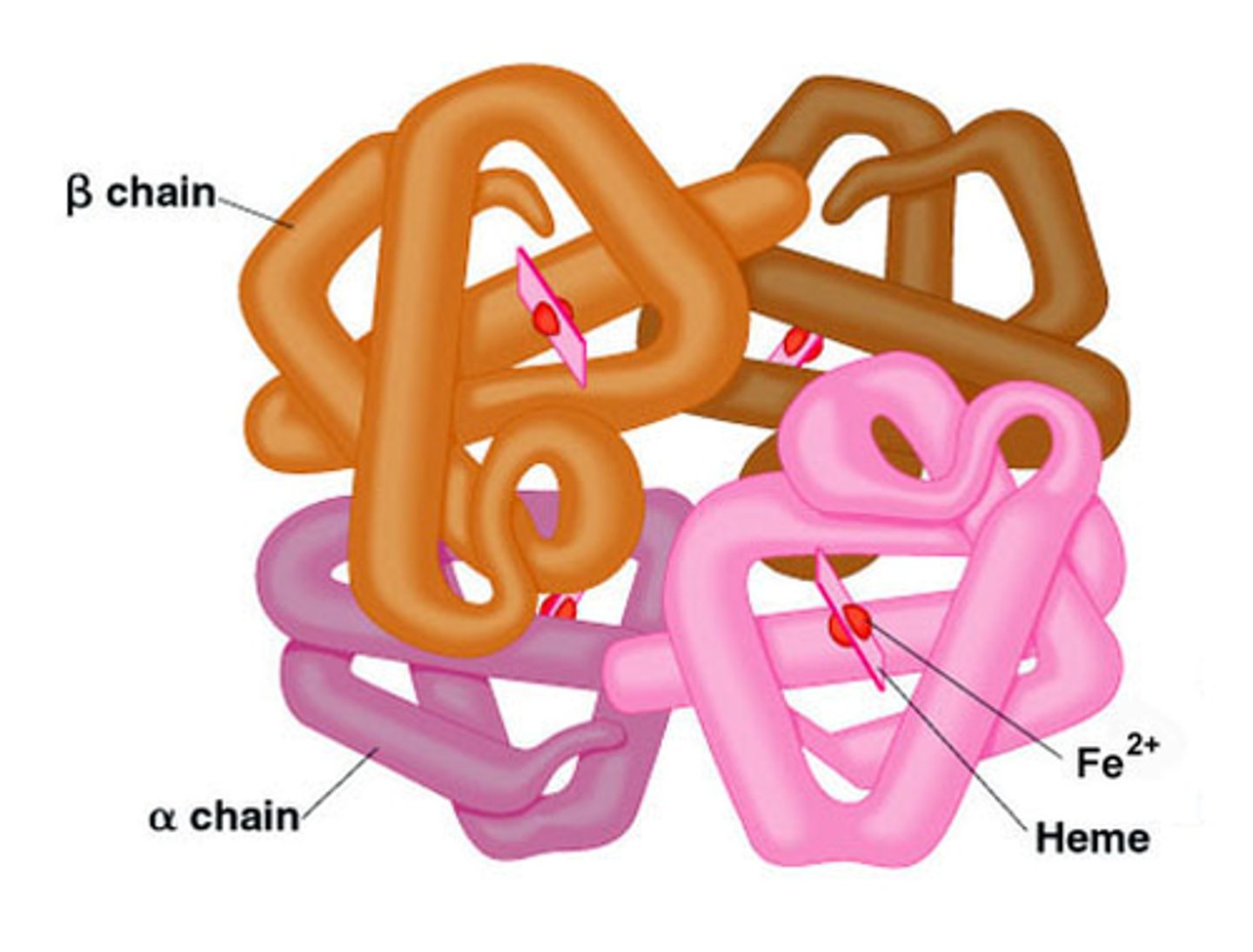
DNA versus RNA
DNA store, genetic information coded in the sequence of their building box. RNA are involved in decoding the information into instructions for linking a specific sequence of amino acids to form a polypeptide.
DNA and RNA are polymers consisting of linear sequences of repeating monomer each monomer is known as what
Nucleotides
Name the three components of a nucleotide
1. A phosphate group,
2. a pentose sugar (deoxyribose or ribose)
3.nitrogenous base
hang ten appearance
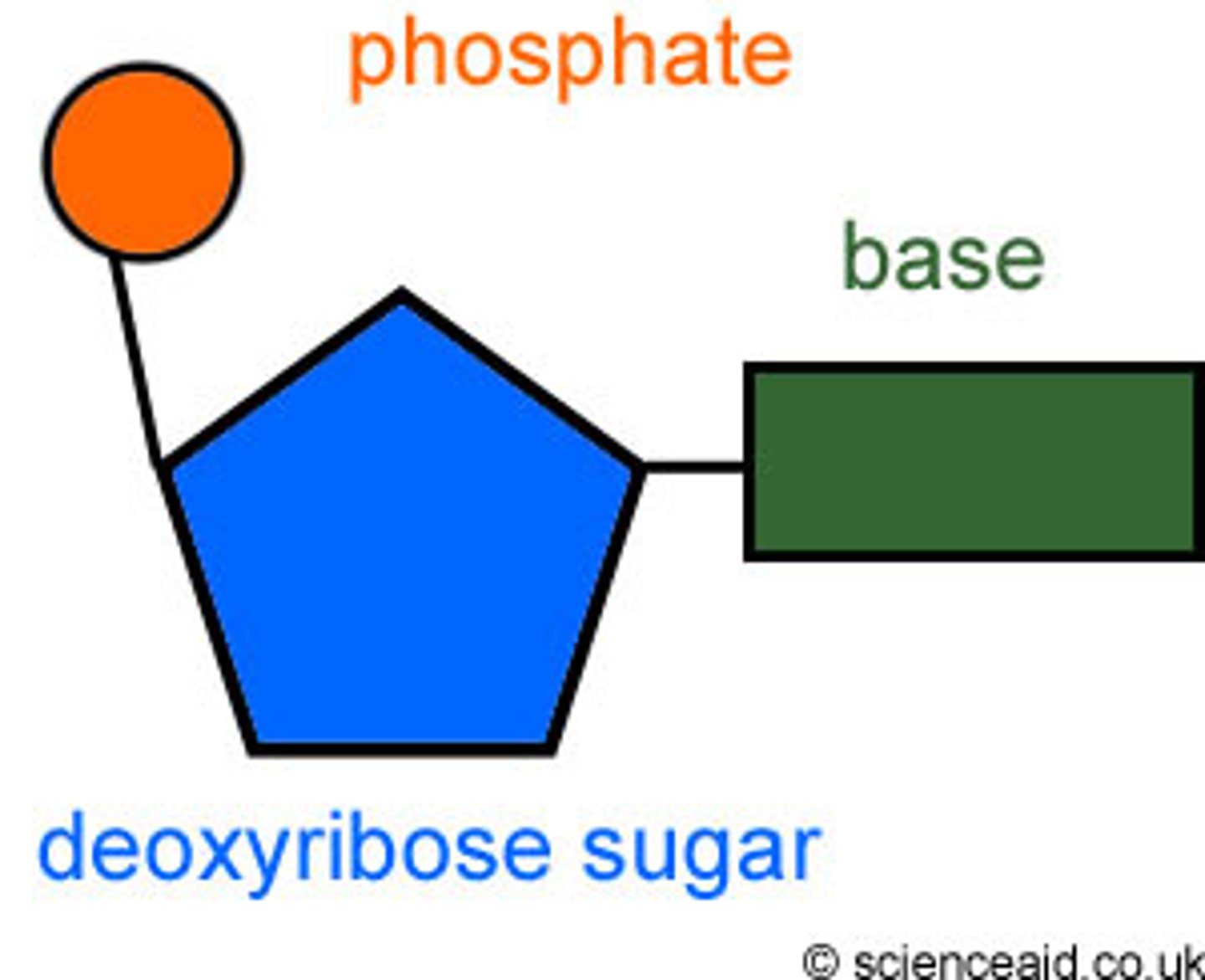
What is dioxyribose?
A five carbon sugar found in DNA
Name the different nucleotides present in DNA and their rings
Purine bases: Adenine, guanine= fused double rings
"purse as gold"
Pyrimidine bases: cytosine, thymine = 1 ring
Describe a double helix
Two strands of DNA hydrogen bonded with each other
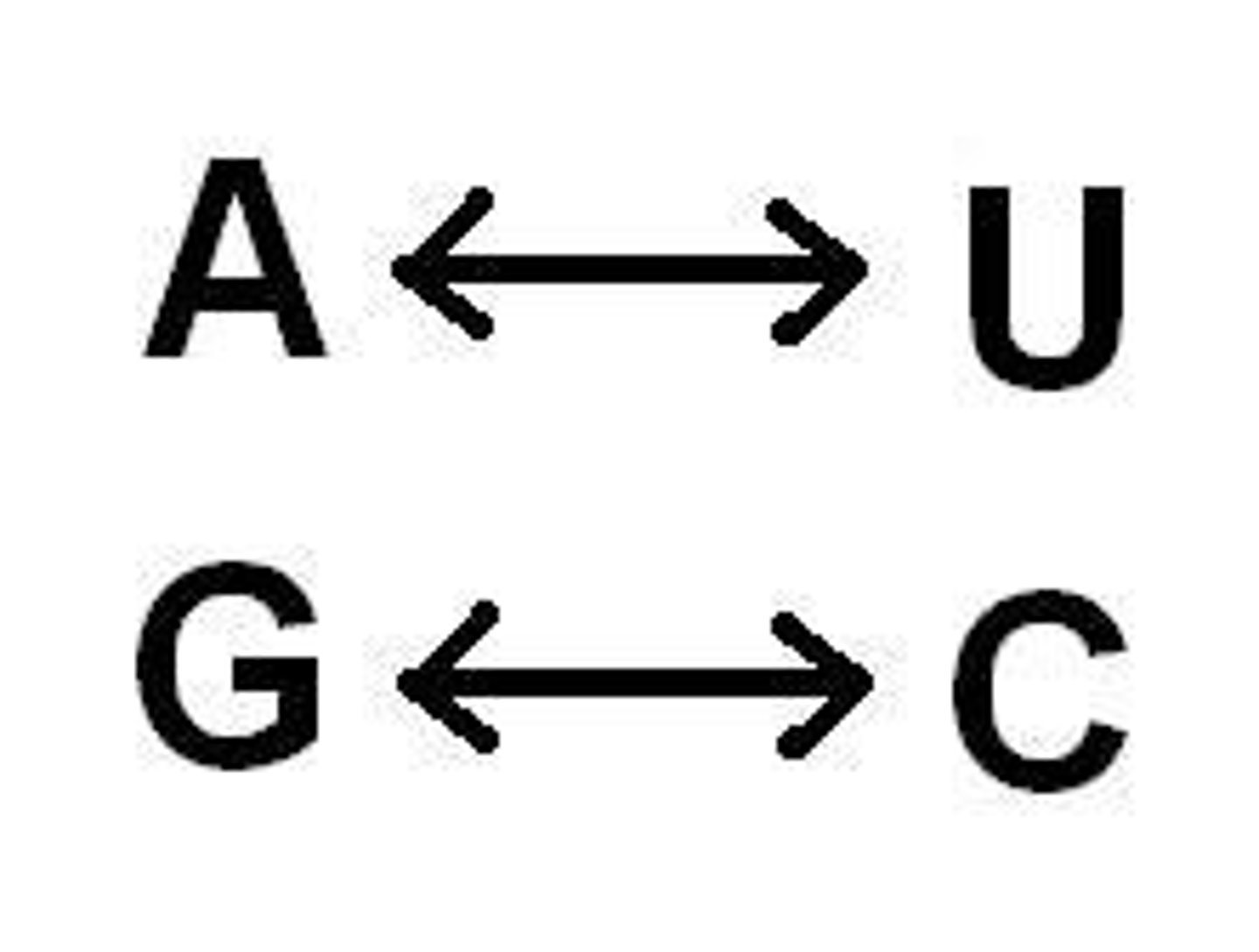
name the base pairs in RNA
A + U, C + G
uracil replaces thymine
cell wall of plants
cellulose
energy storage in plants
starch
energy storage in animals
glycogen
Exoskeleton of insects and crustaceans and the cell wall of fungi
chitin
A chain of carbon and hydrogen atoms with a carboxyl group at one end is called a
fatty acid
name the common steroids
Estrogen
Cholesterol
Androgens
quaternary structure
two or more interacting polypeptides
how would you identify a monosaccharide
by a carbon ring and one oxygen
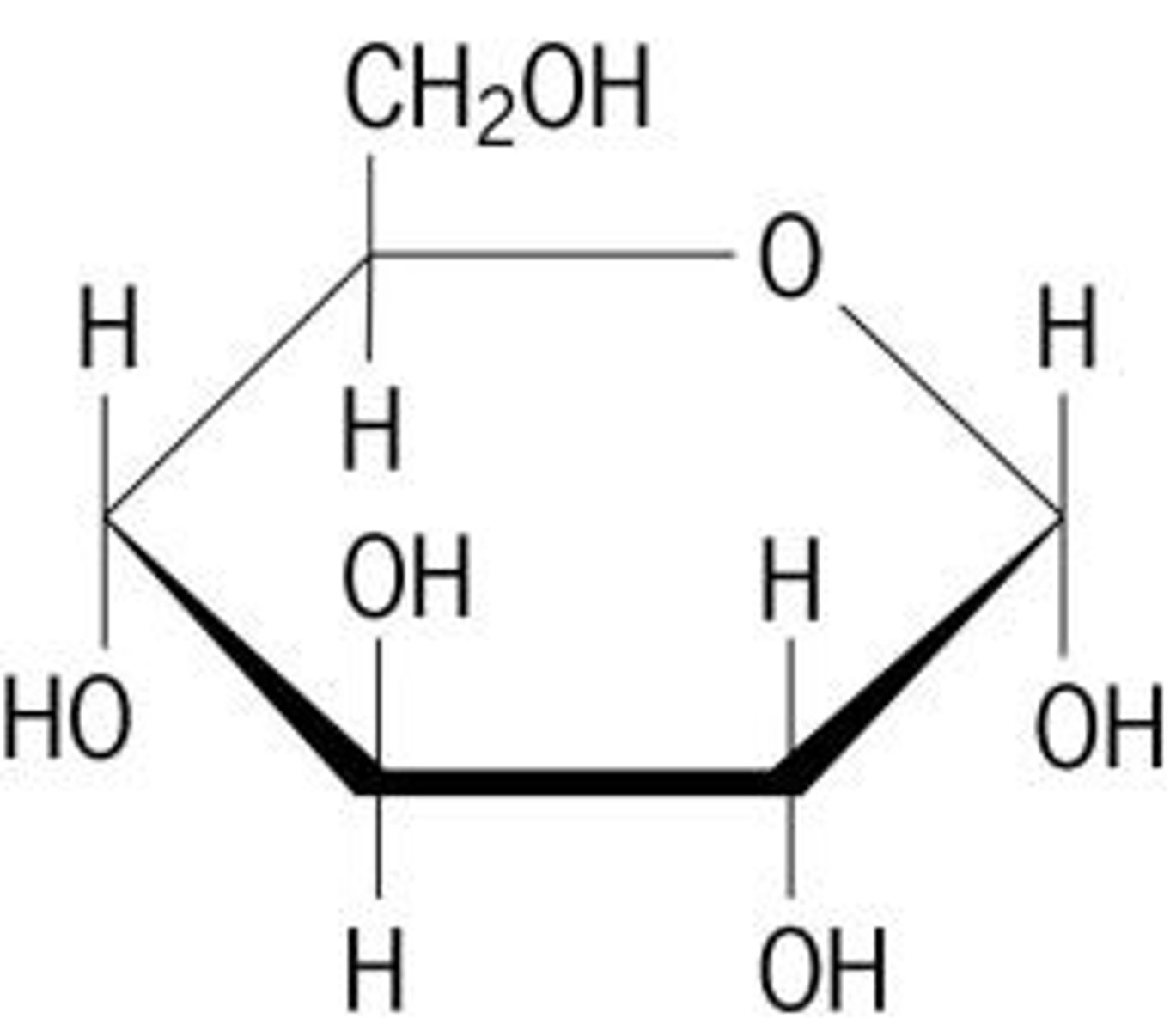
how can monosaccharides be joined together
by a dehydration reaction to form disaccharides
disaccharides can be broken down through _____ reactions
hydrolysis
monosaccarides and disaccharides often function as ....
an energy source
carbs often end in what
-ose
what are the 2 classes of nucleic acids
DNA and RNA
ON exam !!! How do you visually tell the difference between RNA ans DNA
look in bottom corner
RNA has OH attached to the monosaccaride whereas DNA has H attahced to the monosaccaride
what are proteins composed of
polymers composed of 20 different amino acids
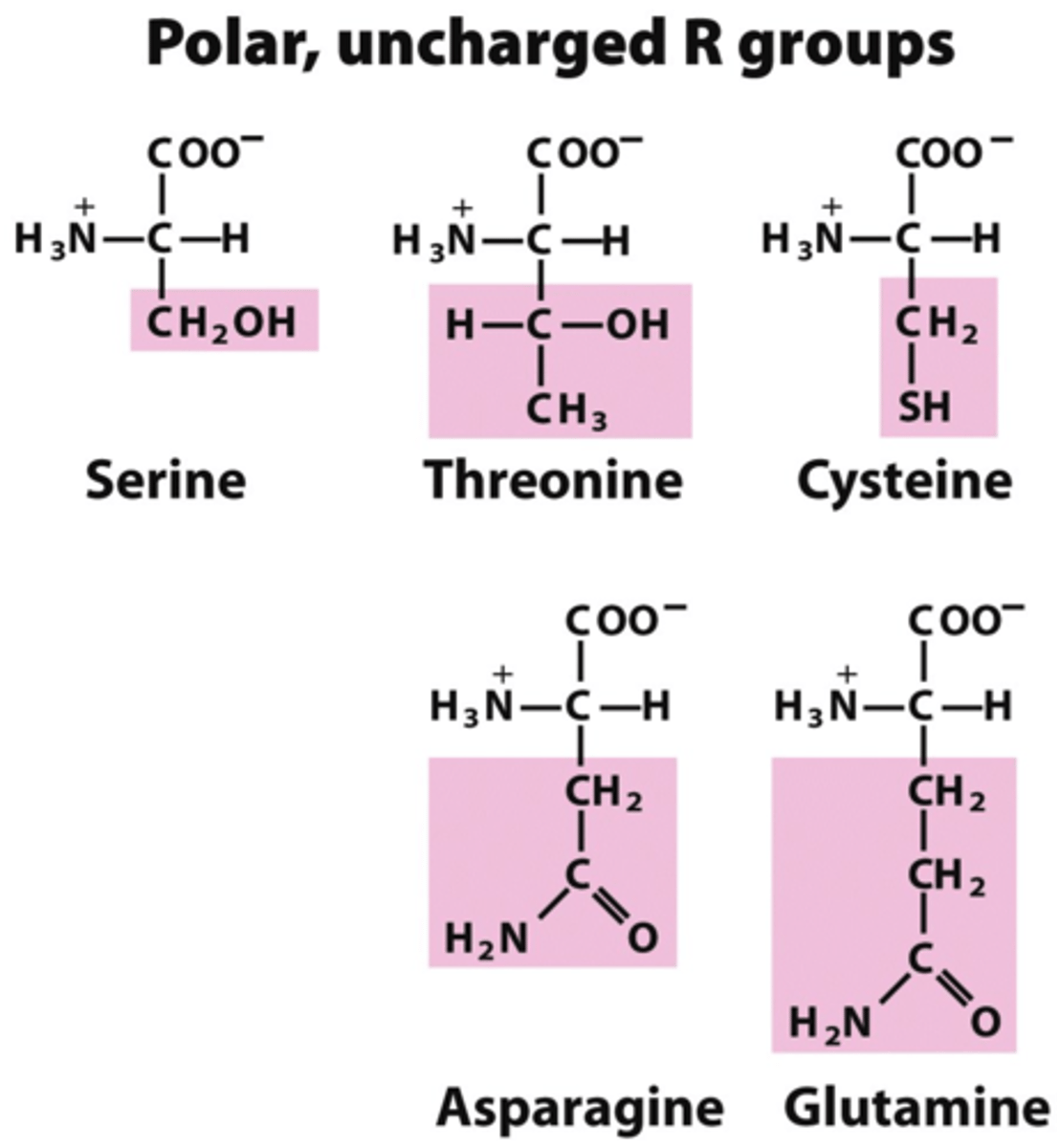
how are amino acids categorized
by the chemical properties in their side chains (some R groups are polar some are not)
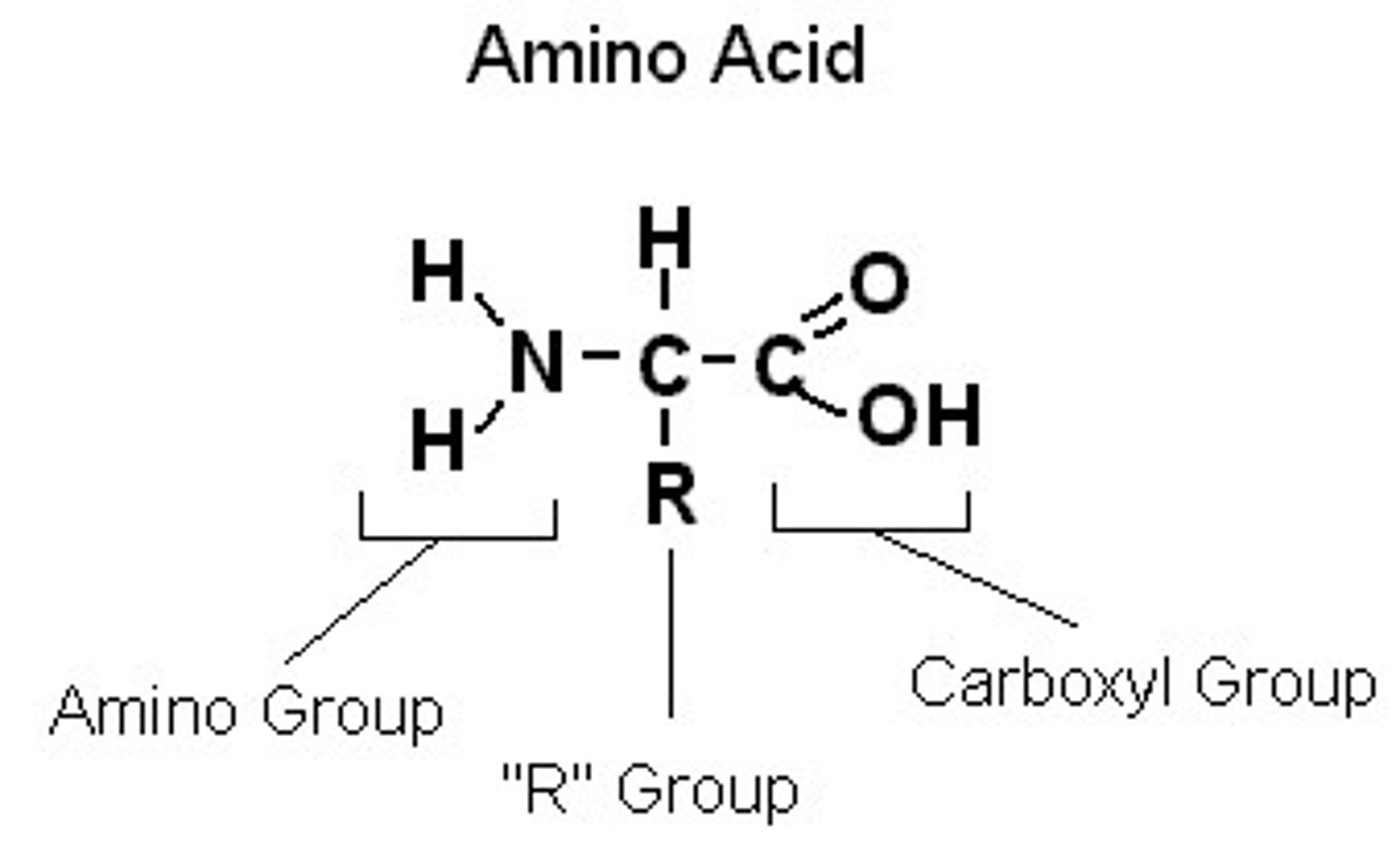
how can you tell if an amino acid is non polar
if you only see carbon and hydrogen in its side chain it is non polar/hydrophobic
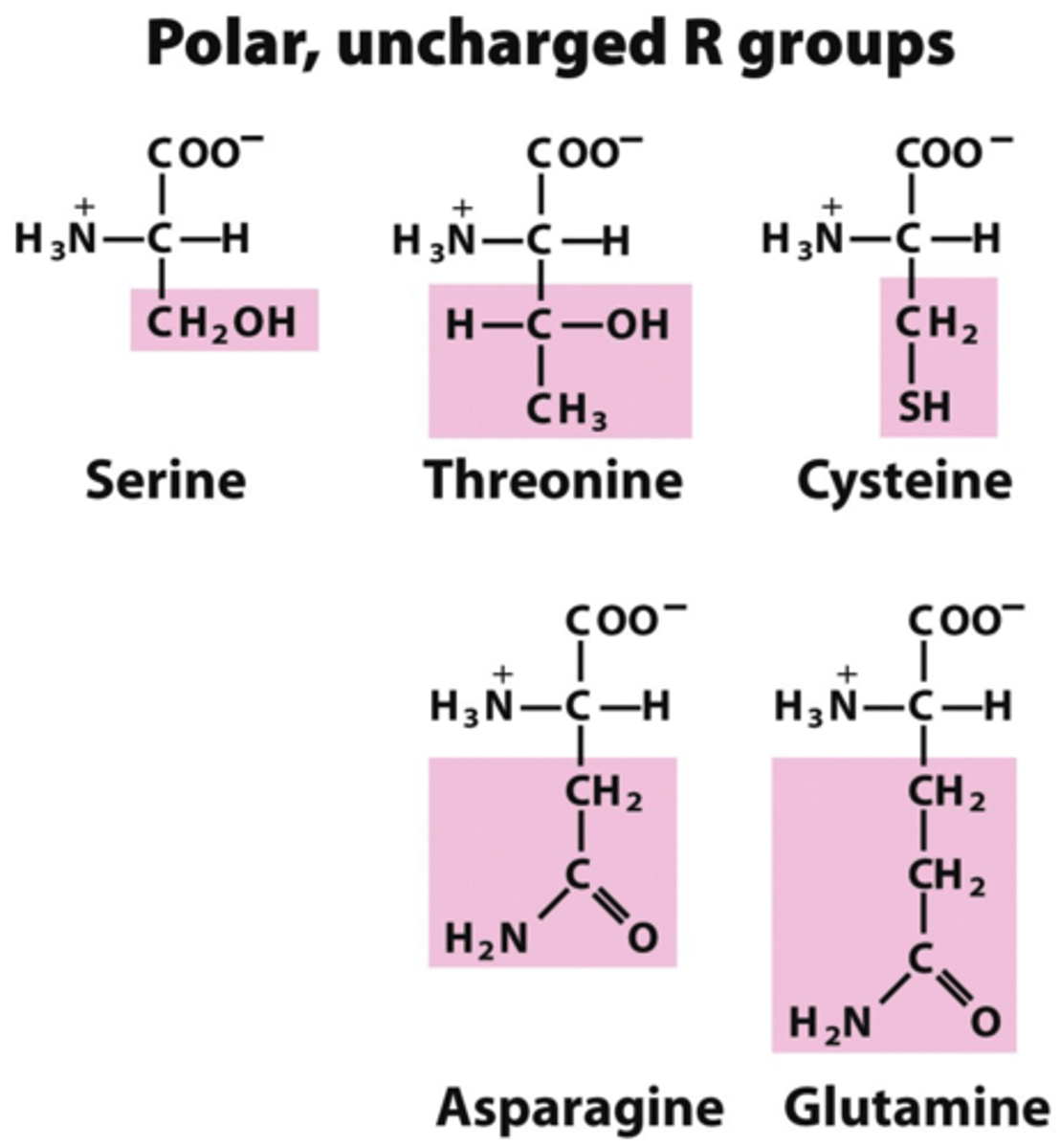
how can you tell if an amino acid is polar
has something other than carbon at the end of its side chain
(like OH or NH2 or SH)
describe a monounsaturated fatty acid
1 double carbon bond (kink shape)