MARK 1115 - CH 9
 Call Kai
 Learn
Learn Practice Test
 Spaced Repetition
 Match
Match Flashcards
 Knowt Play
1/17

There's no tags or description
Looks like no tags are added yet.
Name | Mastery | Learn | Test | Matching | Spaced | Call with Kai |
|---|
No analytics yet
Send a link to your students to track their progress
18 Terms
convenience product
relatively inexpensive item that merits little shopping effort
→ e.g. gum/water
shopping product
requires comparison shopping because it is usually more expensive than a convenience product and is found in fewer stores
→ e.g. uniqlo product
specialty product
requires a special reason for choosing that item
→ e..g homes, engagement rings
unsought products
unknown
not interersted
→ funeral plans
types of products
convenience
shopping
specialty
unsought
five levels of product
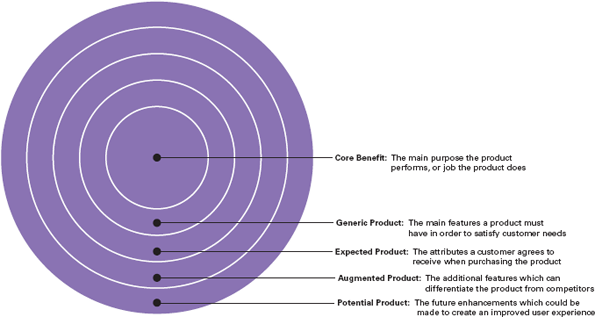
product item/line/mix
item: specific version of a product
line: group of closely related items
mix: every product a brand has
product modification
changes one or more of a products characteristics
planned obsolesence
practice of modifying products so that those products have already been sold become obsolete
repositioning
consumer perception of your brand
product line contraction
to stop selling a line
adjustments to products
product modification
product obsolenence
repositioning
product line contraction
product line extension
persuasive labelling
focus on a promotional theme (new, improed, super)
informational labelling
designed to help consumers make proper selection (low fat, low sodium, fresh)
categories of new products
new to the world - television
new product lines - products the company did not prev offer
additions to existing product lines - e.g. huggies pull up diapers
improvements or revisions of exisiting products
repositioned products - e.g. ipad mini
lower priced products
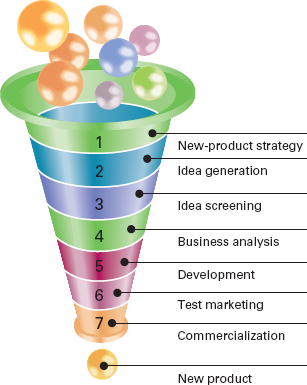
new product development process
new product development must align with the objectives of the comp
internal/external - what they think about the product
eliminates ideas that are inconsistent/inappropriate
est labour, cost, demand, sales/ when can you sell your product (year round/seasonal)
one unit (prototype)/
alpha - employees test and feedback
beta - public but in-house
small scale selling
full-scale launch
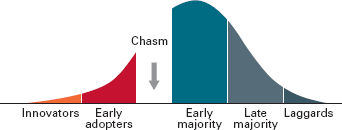
spread of new product
innovators - 2.5% risk takers
early adapters - 13.5% followers of innovators
early majority - 34% need information before buying
late majority - 34% societal norm/friends
laggards - 16%