MODULE *: DNA, cell cycle, & cancer
 Call Kai
 Learn
Learn Practice Test
 Spaced Repetition
 Match
Match Flashcards
 Knowt Play
1/43

There's no tags or description
Looks like no tags are added yet.
Name | Mastery | Learn | Test | Matching | Spaced | Call with Kai |
|---|
No analytics yet
Send a link to your students to track their progress
44 Terms
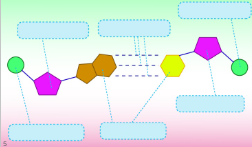
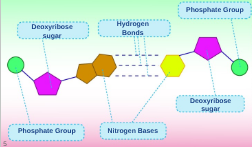
name and identify the three nucleotide bases
DNA
long molecule that carriers genetic information
what is DNA made out of
nucleotides
nucleotides
building blocks of nucleic acids (DNA + RNA) that store and transmit genetic info.
what forms the backbone of DNA
phosphate and sugar molecules
who discovered relative amounts of adenine thymine, and cytosine and guanine
erwin chargaff
who found patterns in DNA and the double-helix shape
rosalind franklin
who found bonds between adenine, thymine, and cytosine and guanine which fit in the double helix structure
watson and crick
apoptosis
cell self destructs
what happens when a cell has a problem that can not be fixed
apoptosis
DNA polymerase
adds complementary nucleotides
DNA helicase
“unzips” DNA
step by step process of DNA replication
helicase unzips dna
DNA polymerase adds complementary nucleotides
dna polymerase attaches to exposed strands
new strands are proof read
two identical dna strands
mRNA
carriers instructions from DNA in nucleus to the ribosome (cytoplasm)
tRNA
carries amino acids to ribosome
polypeptide chain
chain of amino acids that folds into proteins
codon
three nucleotide sequence on mRNA that codes for single mRNA
transcription
synthesis of RNA → DNA
translation
mRNA decoded and protein produced
what is transcription and translation for
convert the genetic instructions in DNA into functional proteins
type of RNA virus that uses reverse transcriptase to convert RNA to DNA in host cell to insert hosts genome
retrovirus
coverts single stranded RNA into complementary dna
reverse transcriptase
viral enzyme that carries DNA through nuclear pore into helper T
nicks DNA to insert itself into host cell
integrase
enzyme that breaks up polyprotein chain
protease
segments of nucleotides composed of DNA that synthesizes proteins
gene
permanent structural change in an organisms DNA sequence
mutation
normal genes that promote cell growth, division, and survivalo
proto oncogenes
mutated genes that acts as accelerators that drive cell growth
oncogenes
normal genes that acts as a break pedal for cell growth, can initiate cell death
tumor supressor genes
how does cancer occur?
mutations disrupt proto oncogenes becoming oncogenes which promote uncontrollable cell growth
tumor suppressor genes which normally act as brakes become damaged or inactive
TSG fails → growth signals constantly active → tumor → cancer
structure of DNA during cell cyle: G1
loose uncoiled chromatins
structure of DNA during cell cycle: s phase
two identical sister chromatids
structure of DNA during cell cycle: prophase
condenses, coils, visible chormosomes
structure of DNA during cell cycle: metaphase
chromosomes fully condensed
structure of DNA during cell cycle: anaphase
sister chromatids separate
structure of DNA during cell cycle: telophase
uncoils into chromatin
chromosomes:
composed of DNA and proteins, tightly packed for division
chromatin
complex of DNA, loose working from of DNA
chromatid
one half of duplicated chromosome (copy)
genome
the complete set of genetic instructions (DNA) found within a cell
post-transcriptional modifications: 5’ cap added to begining
helps ribosomes recognize start sequence
post transcriptional modifications: poly a tail added to end of a gene
helps ribosomes recognize end of gene and detach
post transcriptional mod: splicing (introns and exons spliced)
one gene=more than one protein
explain car T cell therapy
collect patients T cells and white blood cells
T cells instructed to produce CARS on surface = car t cells
T cells bound → CAR signaling domains begin chain reaction and activate killer function to destroy cancer cells
CARS bind to marker on cancer cells and cluster tgt.
CAR signaling domain activated and releases toxic chemicals