BIOS 1310 lab quiz #7
 Call Kai
 Learn
Learn Practice Test
 Spaced Repetition
 Match
Match Flashcards
 Knowt Play
1/100

There's no tags or description
Looks like no tags are added yet.
Name | Mastery | Learn | Test | Matching | Spaced | Call with Kai |
|---|
No analytics yet
Send a link to your students to track their progress
101 Terms
digestive tract
aka alimentary canal
continuous muscular tube that extends approximately 30 ft (9 m) from the mouth to the anus
Digestion
mechanical and chemical process that breaks down food, absorbs nutrients and eliminates waste
Digestion path
mouth—→pharynx—→esophagus—→stomach—→small intestine—→large intestine—→rectum—→anus
Mouth
aka oral cavity
food is mechanically broken down by chewing and chemically processes w help of saliva
Pharynx
aka throat
bolus passes through
serves as a pathway directing it toward the esophagus
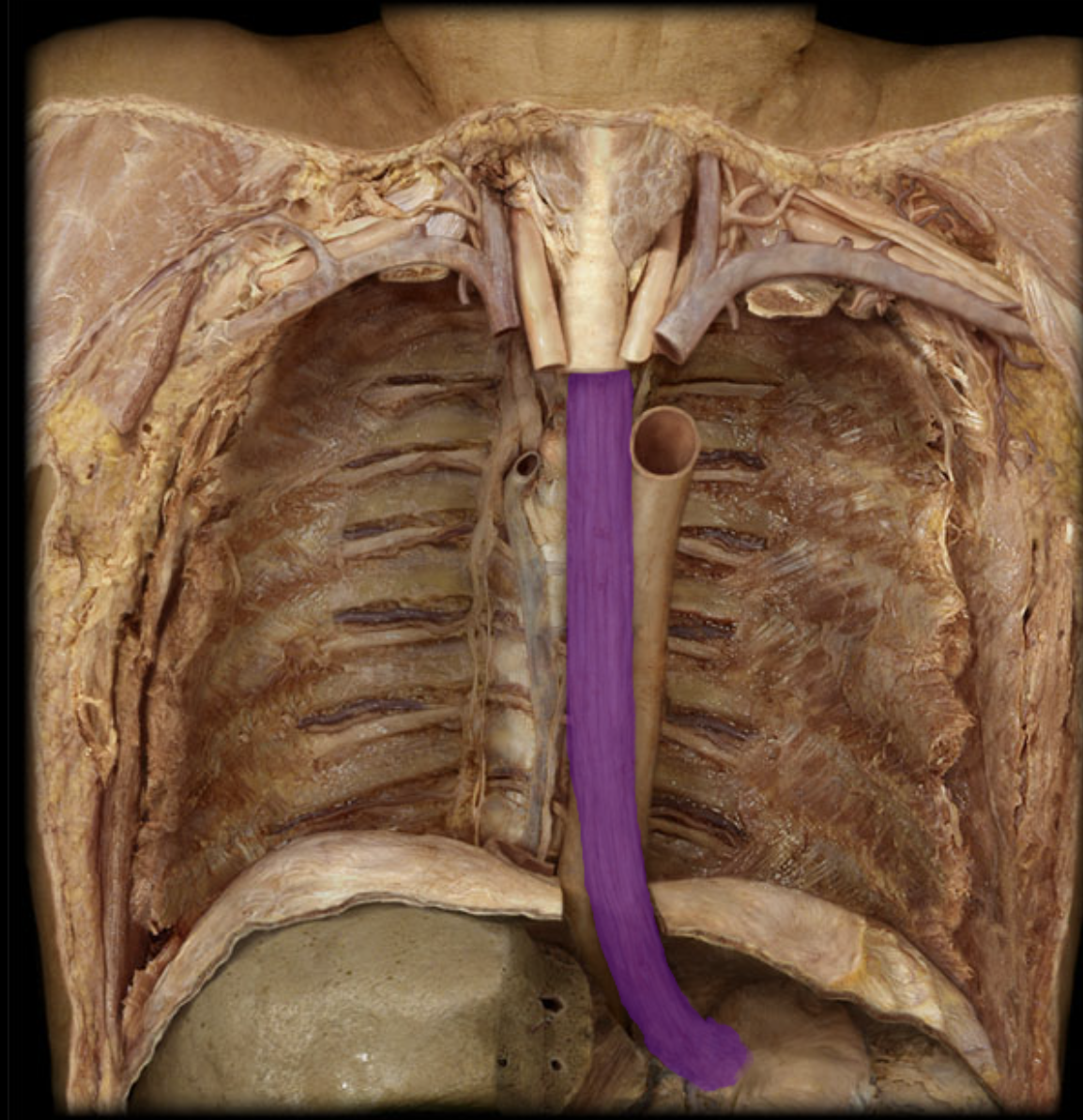
Esophagus
muscular tube located in the chest, behind the trachea, infront of spinal column
transports food to the stomach through peristalsis
Peristalsis
rhythmic contractions of smooth muscle
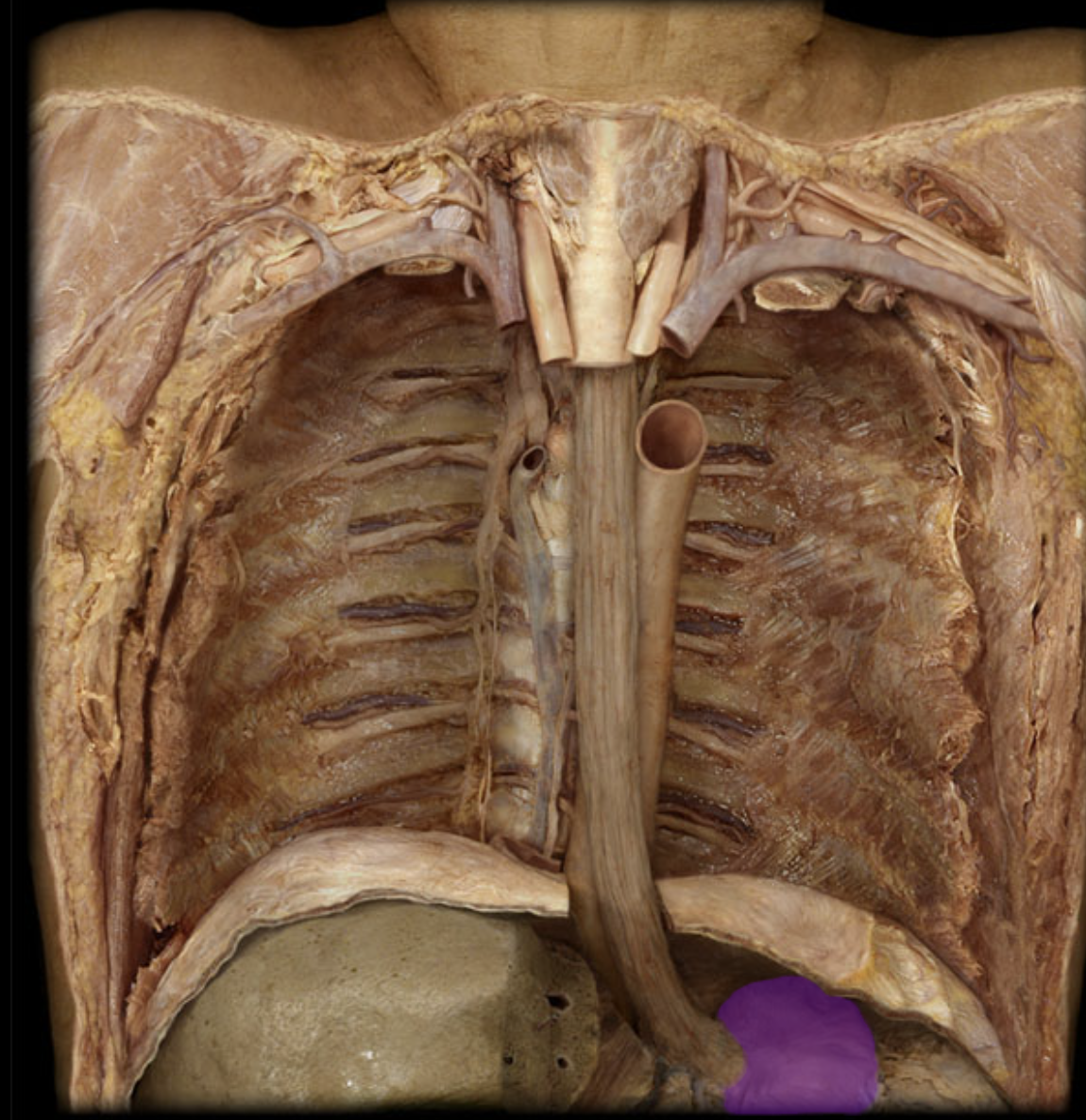
stomach
food is mixed w acids and digestive enzymes that further break it down into chyme
Small intestine
partially digested food enters this
longest part of digestive tract (~22 ft long)
includes:
duodemun
jejunum
ileum
where most digestion and nutrient absorption occur
large intestine
remaining undigested materials after nutrients are absorbed moves into here
consists of:
colon
ascending
transverse
descending
sigmoid
rectum
here water is absorbed and leftover residue is compacted into solid form
Rectum
stores compacted waste until it is ready to be expelled
Anus
serves as the exit point and completes the digestive process
Transitional stages of food
Food- name at time of entry
Bolus - name when mixed w saliva and swallowed
chyme - name after acid is added and stomach churing occurs
residue - name of indigestible remains of meal in colon
feces - name when dehydrated, solidified and mixed w bacteria and mucus
Accessory organs to digestion
food does not pass through these structures
function as digestive glands
exocrine glands
include:
salivary glands
liver
gallbladder
pancreas
teeth
tongue
digestive glands
producing or storing substances that are transported and delivered through ducts into the GI tract to aid in digestion
Salivary glands
include:
parotid
submandibular
sublingual glands
secrete salive containing enzymes to assist in the breakdown of a meal
saliva also moistens and lubricates food to make it easier to swallow
Teeth and tongue
breaks down food and mixes into cohesive bolus
liver
essential in processing and supporting nutrient digestion
largest internal organ
weighs ~3-3.5 lbs
located in the upper right quadrant
composed of lobules
has unique dual blood supply
4 lobes of the liver
right
left
caudate
quadrate
lobules
microscopic units
within there are specialized cells known as hepatocytes
preform:
bile production
detoxification
nutrient storage
Dual blood supply in liver
oxygen rich blood from hepatic a.
nutrient rich blood from the portal v.
Blood flow in the liver
flows through sinusoids
allows hepatocytes to filter and process it before exit via hepatic veins
at same time bild produced by hepatocytes travel through tiny canaiculi into bile ducts
eventually reaches gallbladder or small intestine
Gallbladder
small, pear-shaped; beneath livers righ lobe
~ 7-10cm
serves as storage and concetration site for bile
when food enters small intestine, gallbladder contracts
stimulated by hormones such as cholecystokinin
releases bile through bile ducts into the duodenum
this bile:
emulsifies fats
breaking large lipid globules into smaller droplets that are easier for enzymes to digest
Gallbladder divisions
fundus
body
neck
connects to cystic duct
Inner lining of gallbladder
contains folds and microvilli that absorb water and electrolytes
removal of water conc bile and contributes to its intese green coloration
Pancreas
retroperitoneal gland behind stomach
~6-10 in long
serves both exocrine and endocrine functions
role in digestion is primarily exocrine
majority of tissue consists of acinar cells organized into acini
secretes bicarbonate
neutralizes acidic chyme entering sm in from stomach
creates appropriate environment from enzymes
Acini
organized clusters of acinar cells
produce pancreatic juice
pancreatic juice
contains:
amylase
lipase
trypsin
capable of digesting
carbohydrates
fats
proteins
Where do the secreations from the pancreas travel?
through a duct system, primarily the pancreatic duct
joins common bile duct and empties into duodenum
Layers of the GI tract
mucosa
submucosa
muscularis
serosa or adventitia
Mucosa
innermost surface
where digestion and absorption primarily occur
consists of 3 components:
epithelium
lamina propria(supportive)
muscularis mucosae
highly folded
increases SA to maximize nutrient absorption
Epithelium of mucosa
stratified squamous in the mouth and esophagus
simple columnar in stomach and intestines for absorption
Lamina propria of mucosa
contains blood vessels, immune cells, and lymphoid tissue
supports nutrient uptake and immune defense
Muscularis mucosae of muscosa
provides subtle movements that help mix contents and increase contact w absorptive surface
Submucosa
supports mucosa
dense layer of CT
provides strength and elasticity
houses larger blood vessels lymphatics and a network of nerves (submucosal(Meissner’s) plexus)
Submucosal/Meussner’s plexus
network of nerves
helps regulate glandular secretions and local movements of the mucosa ensuring that digestive processes are efficent
Muscularis externa
main muscle layer responsible for movement of food through tract
consists of 2 layers of smooth muscle
inner circular layer
narrows lumen
outer longitudinal layer
shortens the tube
produce peristalsis and segmentation
Peristalsis
waves of movement
Segmentation
mixing contents
Myenteric plexus
nerve network that controls corrdinated contractions
Oblique layer of muscularis externa
only in stomach
extra strength for churning and mechanical digestion
Serosa or adventitia
outermost layer
name depending on location
also serves as a protective barrier
limits spread of infection or disease
Serosa
found on organs within abdominal cavity
smooth protective covering made of CT and thin layer of mesothelium
reduces friction as organs move
Adventitia
found on fixed structures like the esophagus
composed of CT that anchors organs in place
Esophagus
Stomach
esophagus
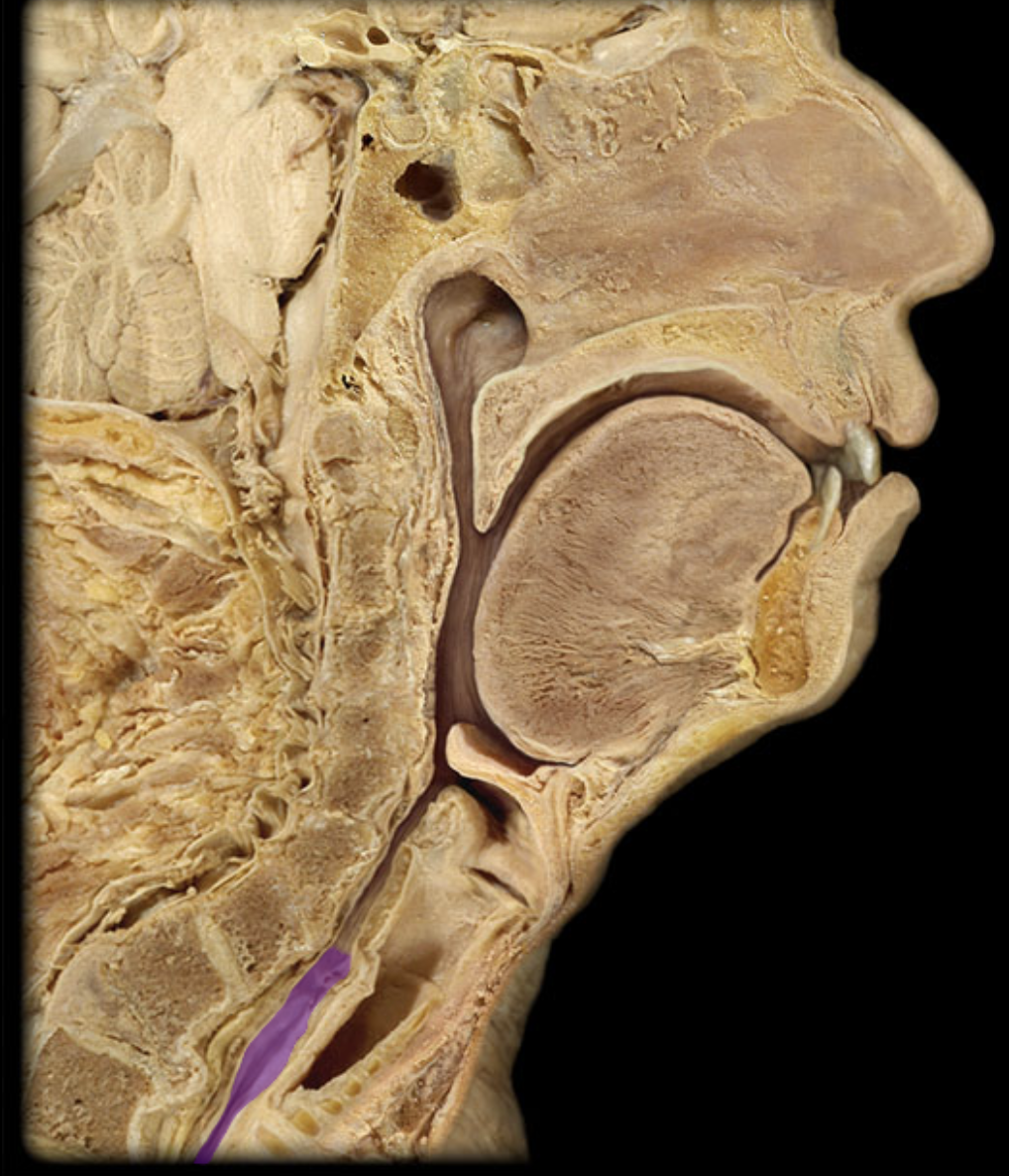
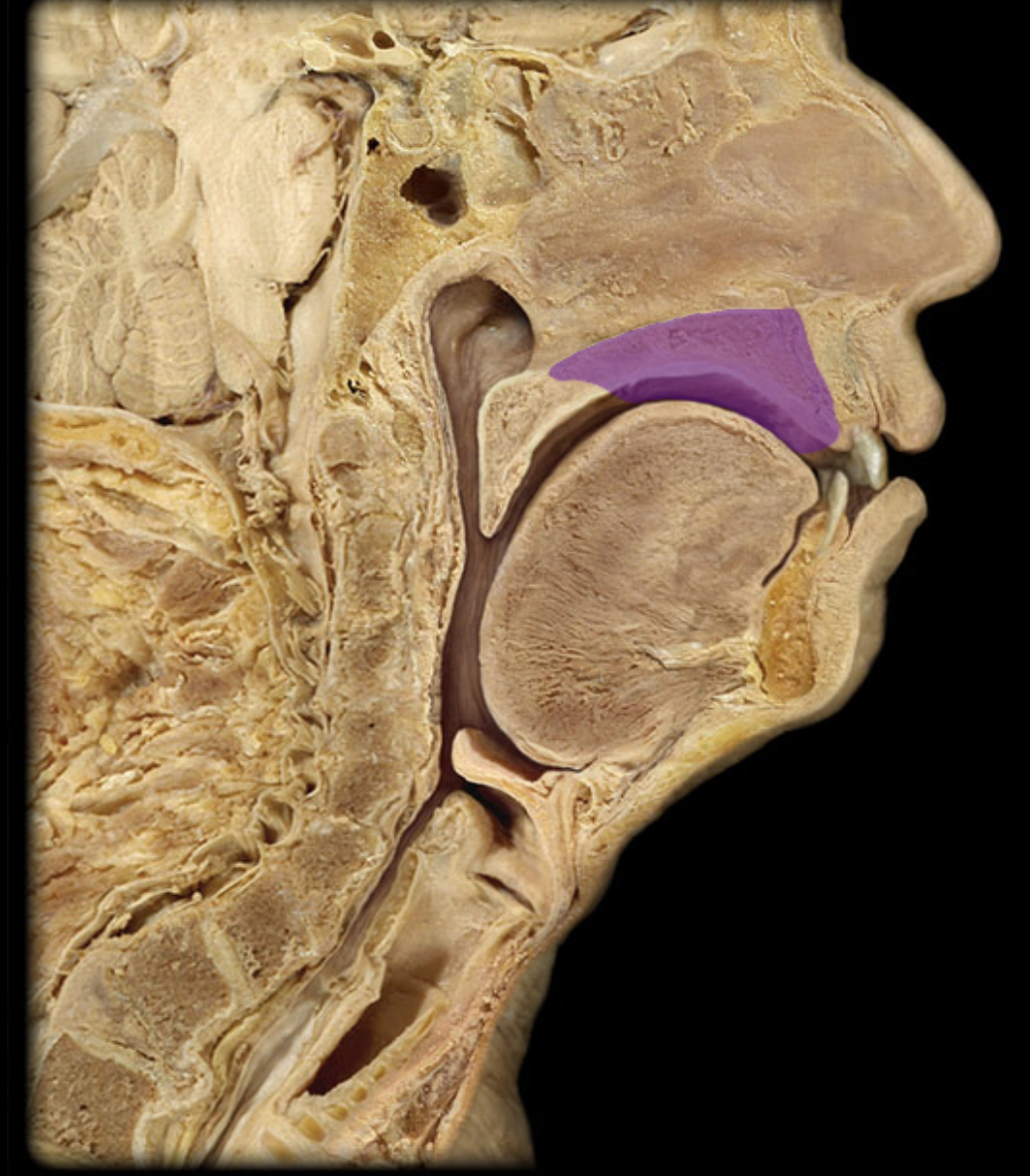
hard palate
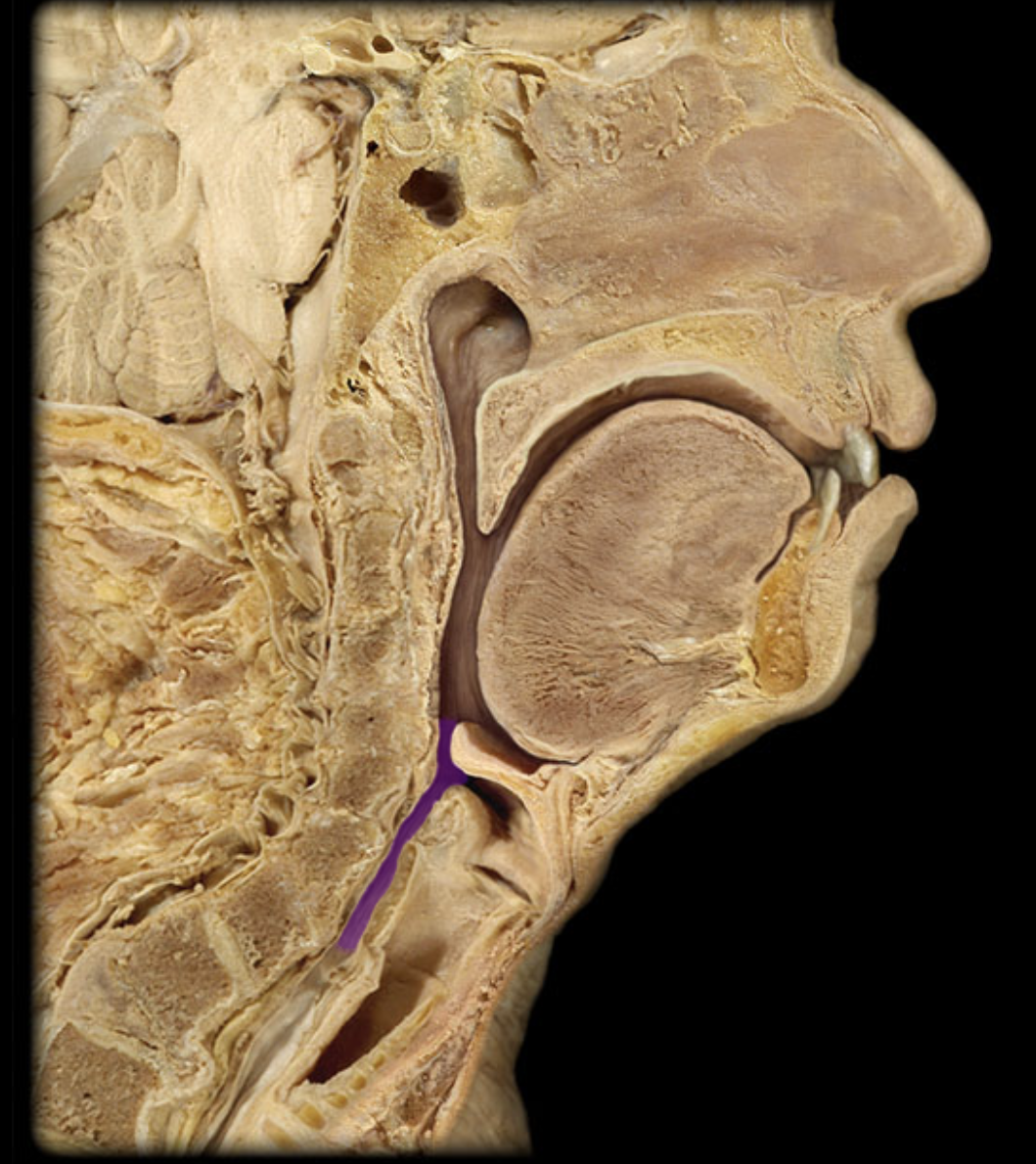
laryngopharynx
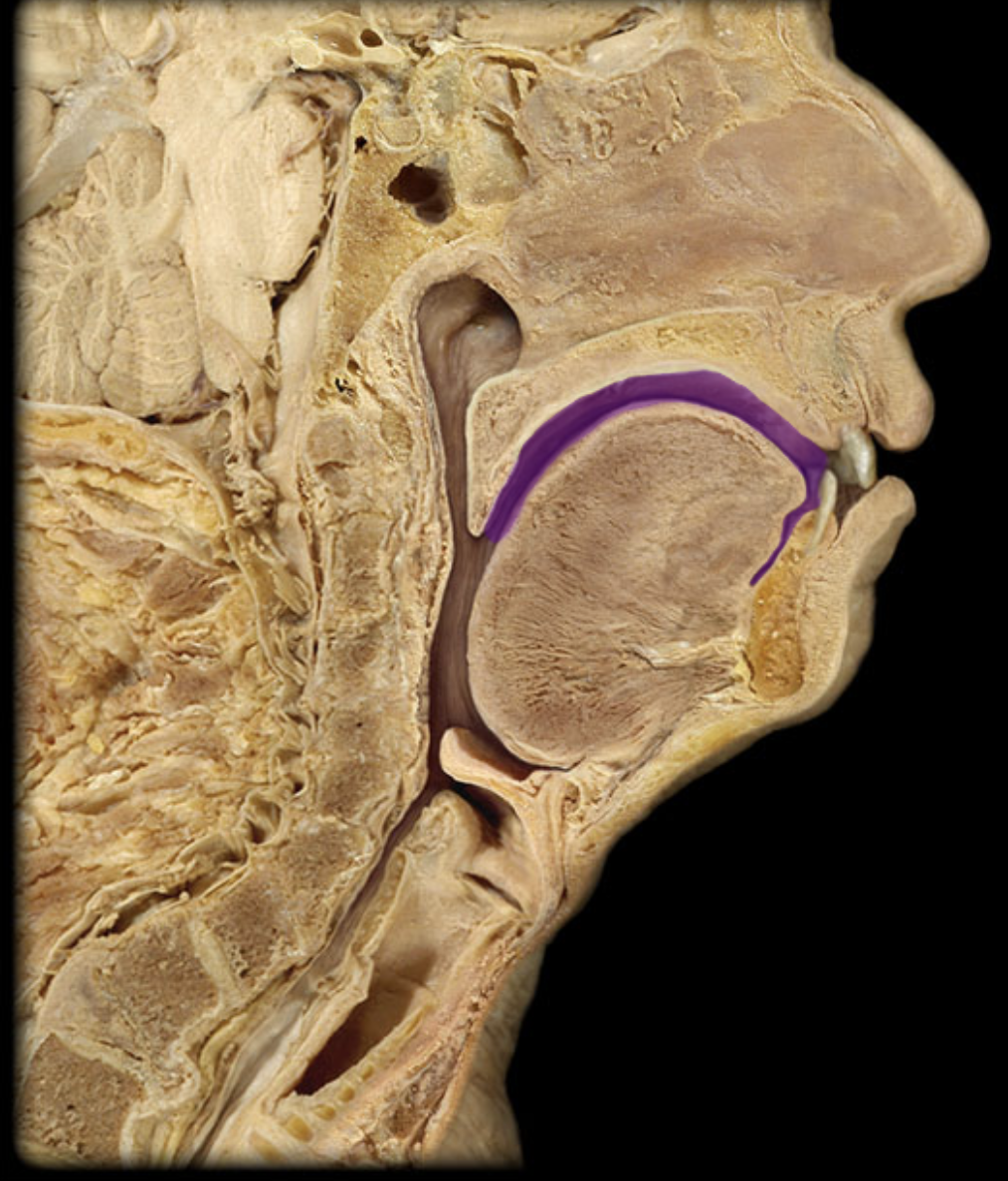
oral cavity
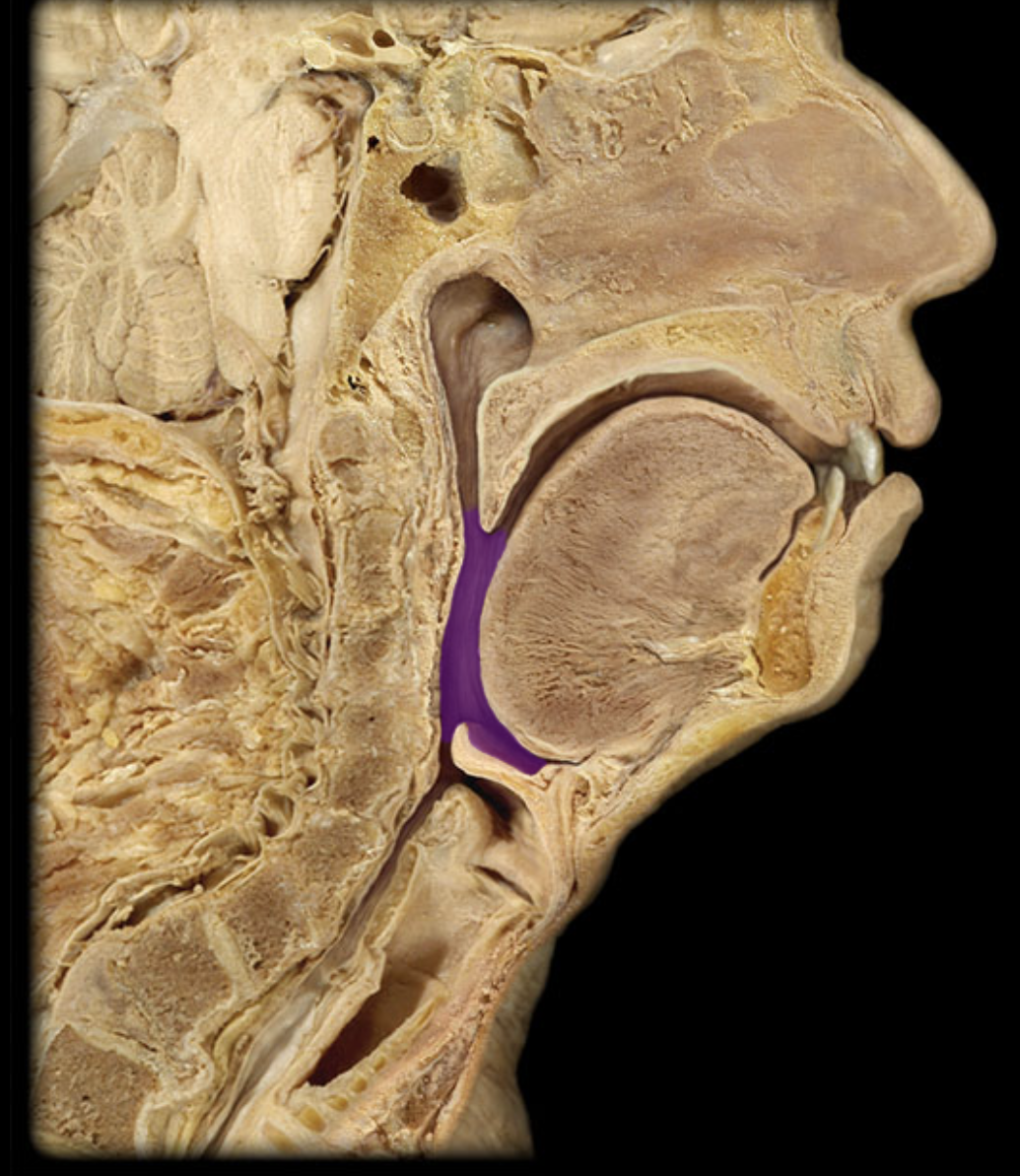
oropharynx
ascending colon
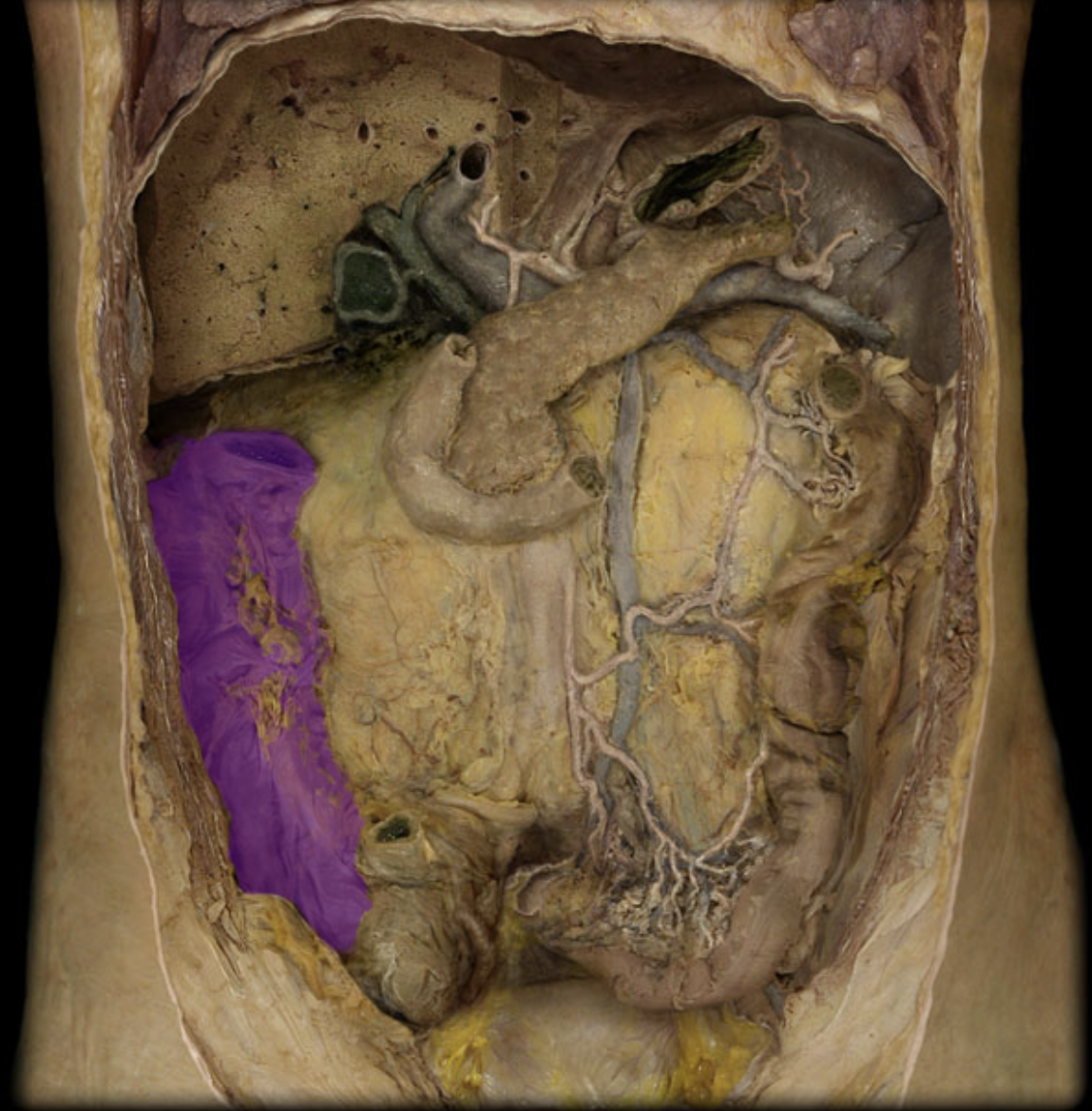
cecum
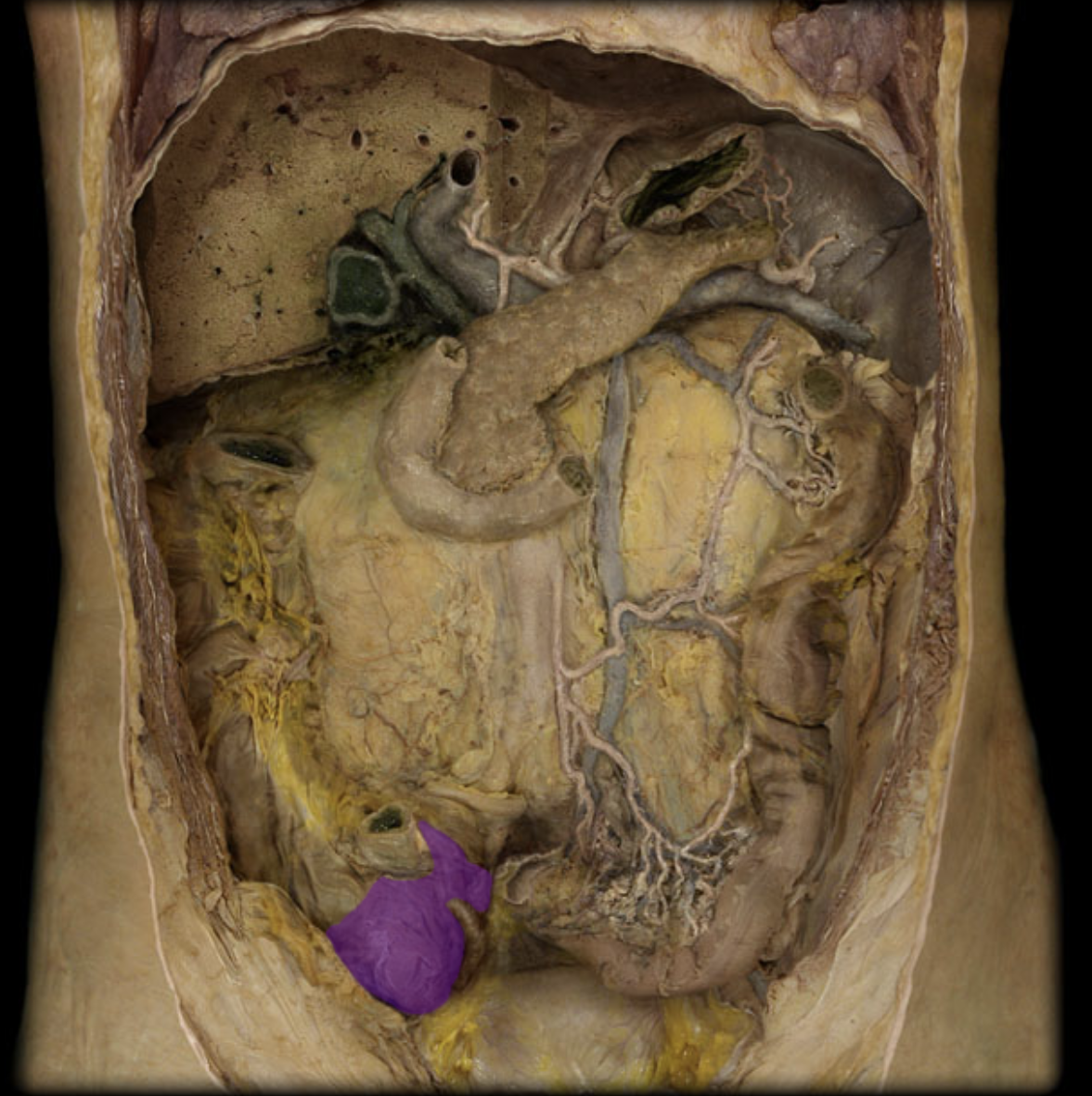
descending colon
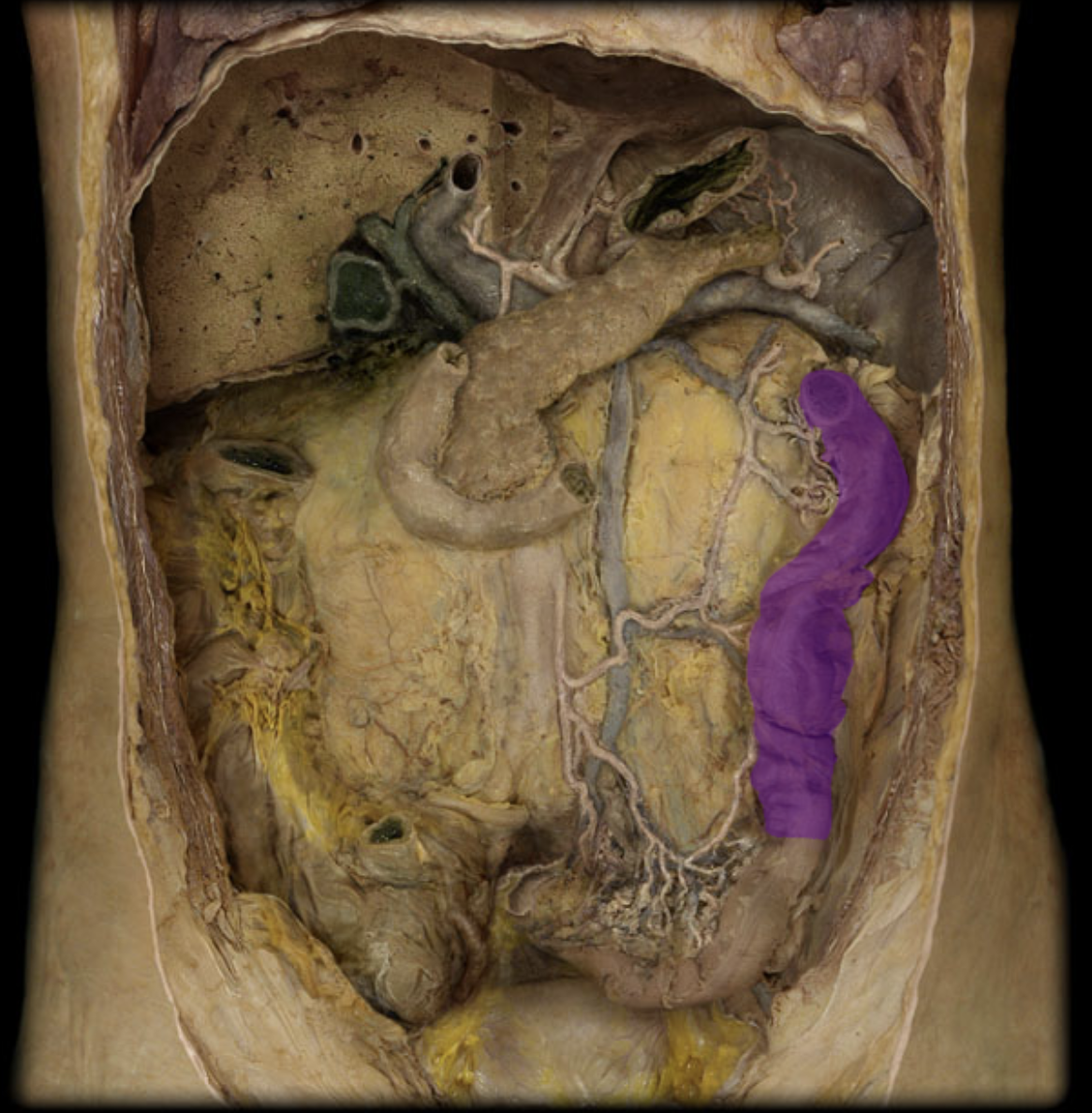
duodenum
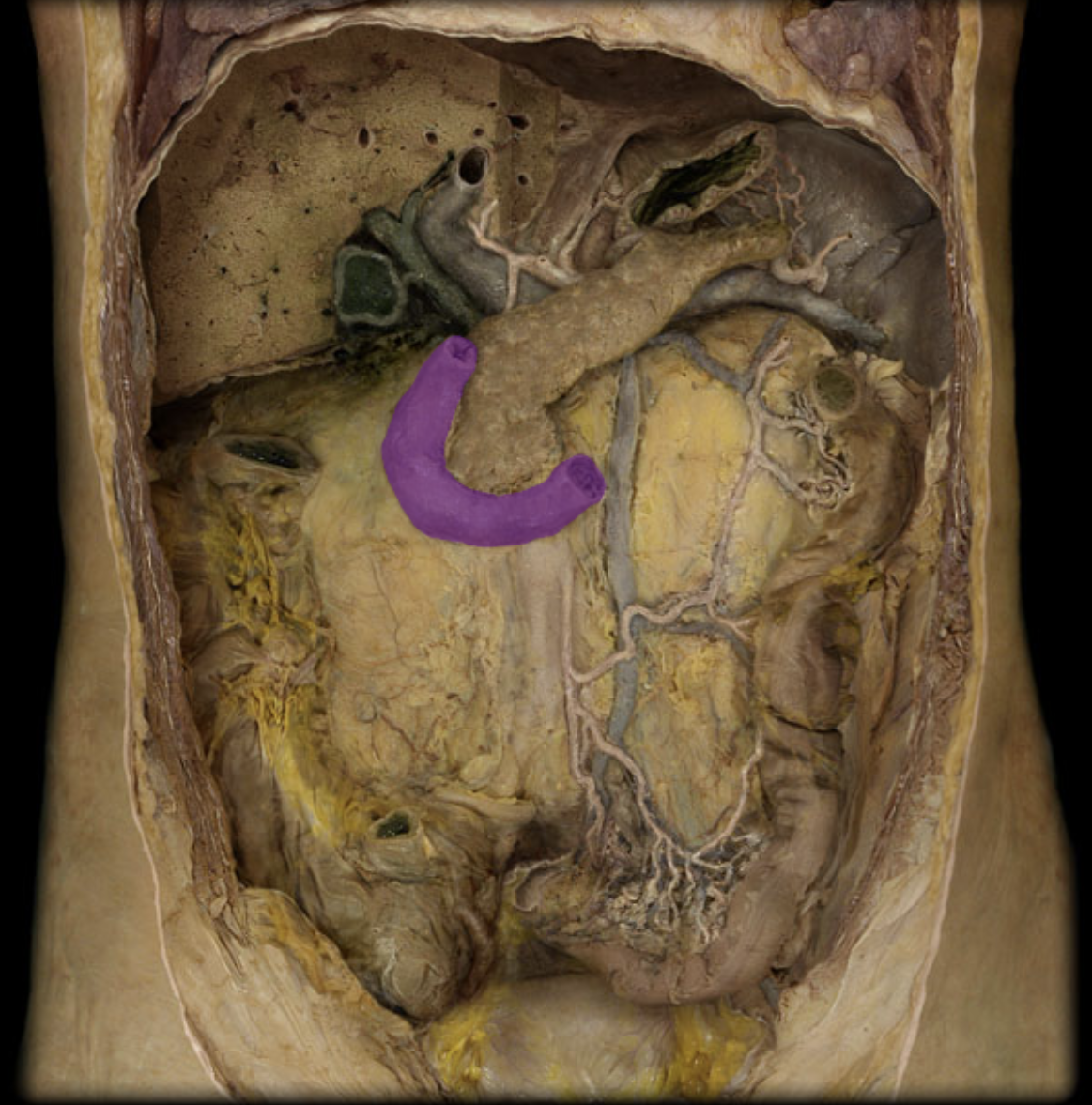
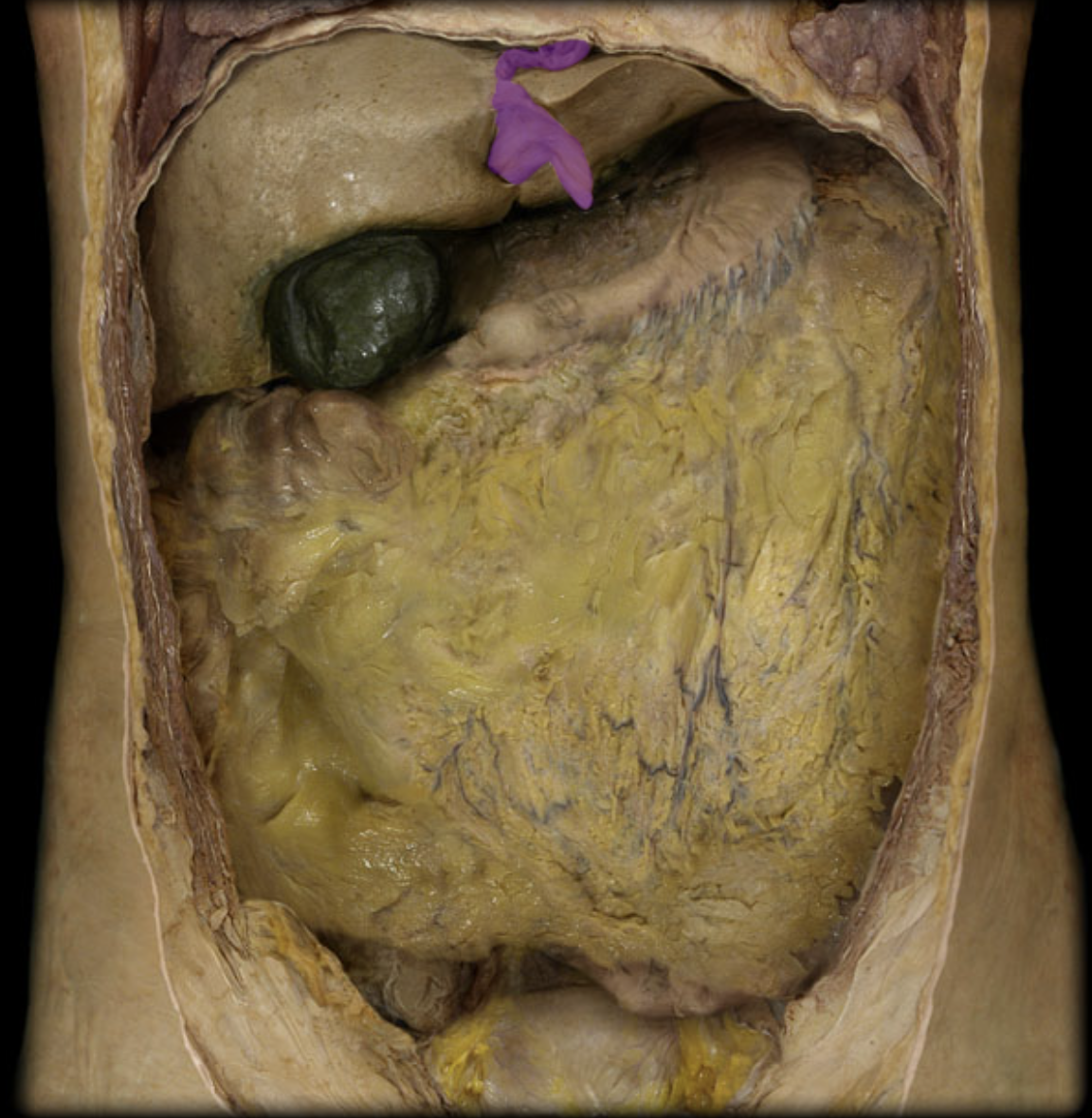
falciform ligament
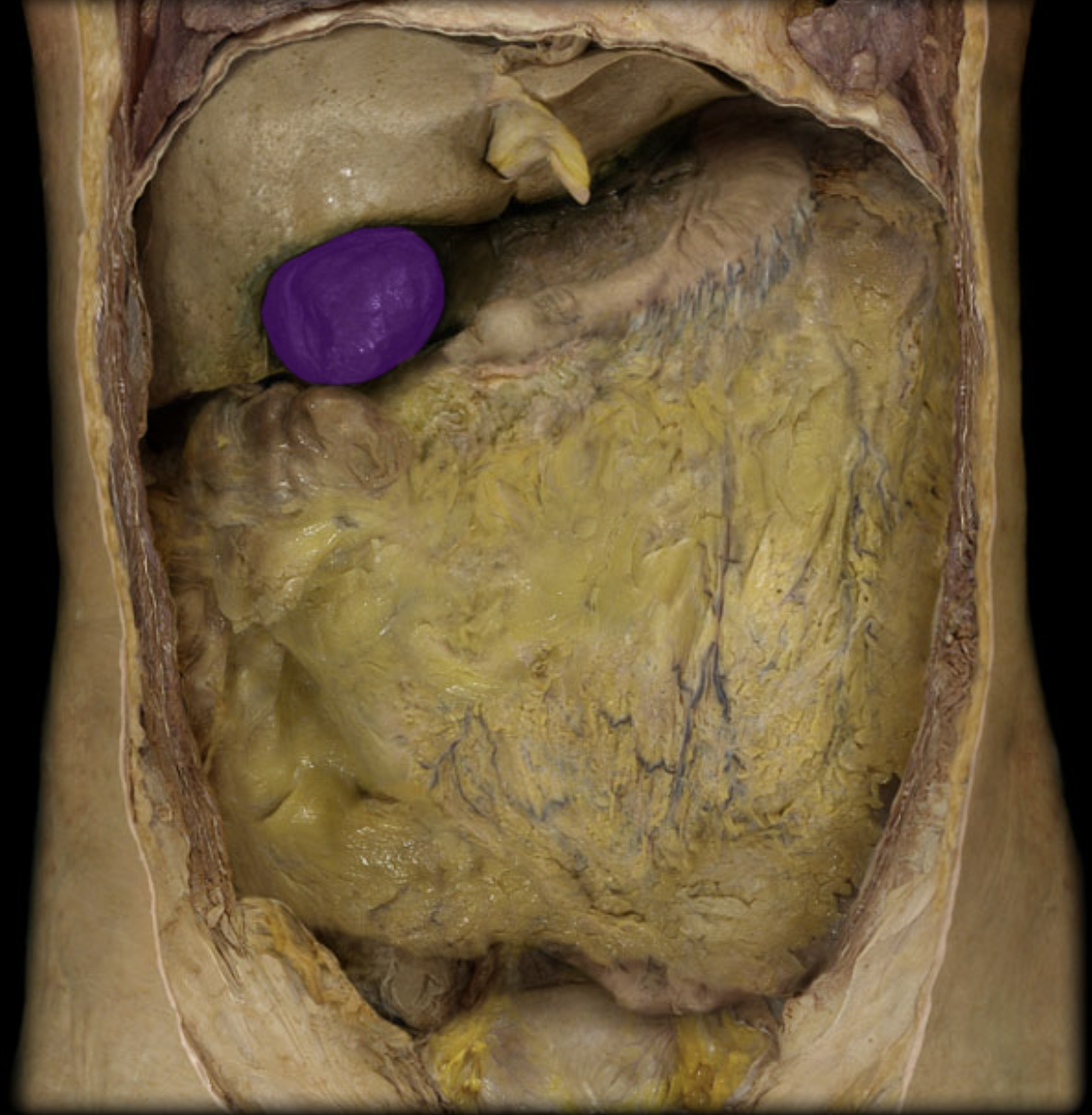
gallbaldder
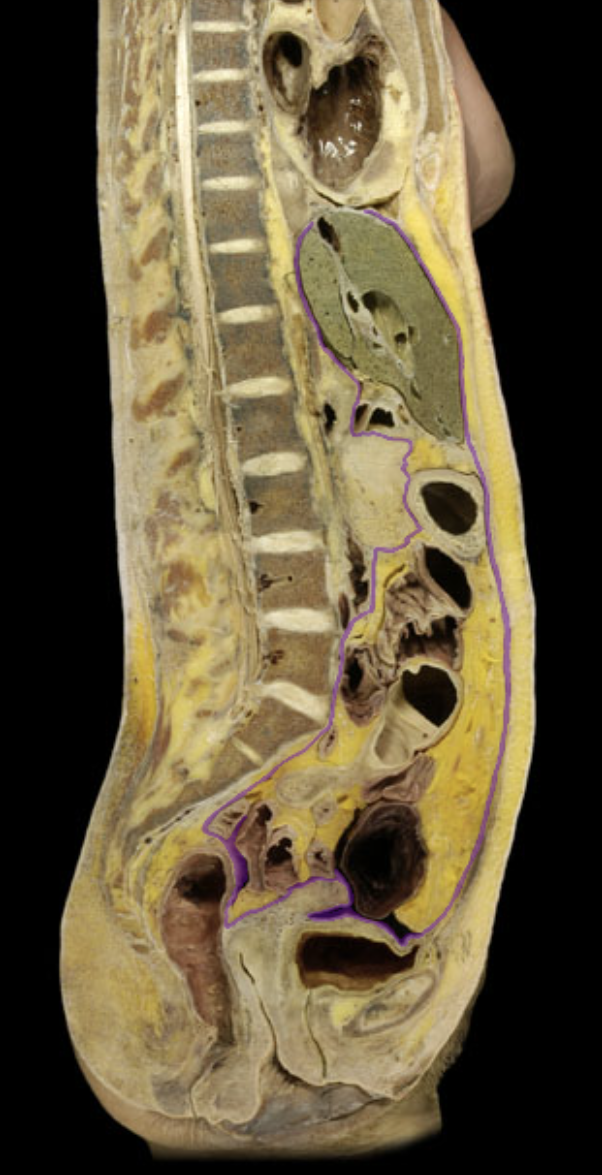
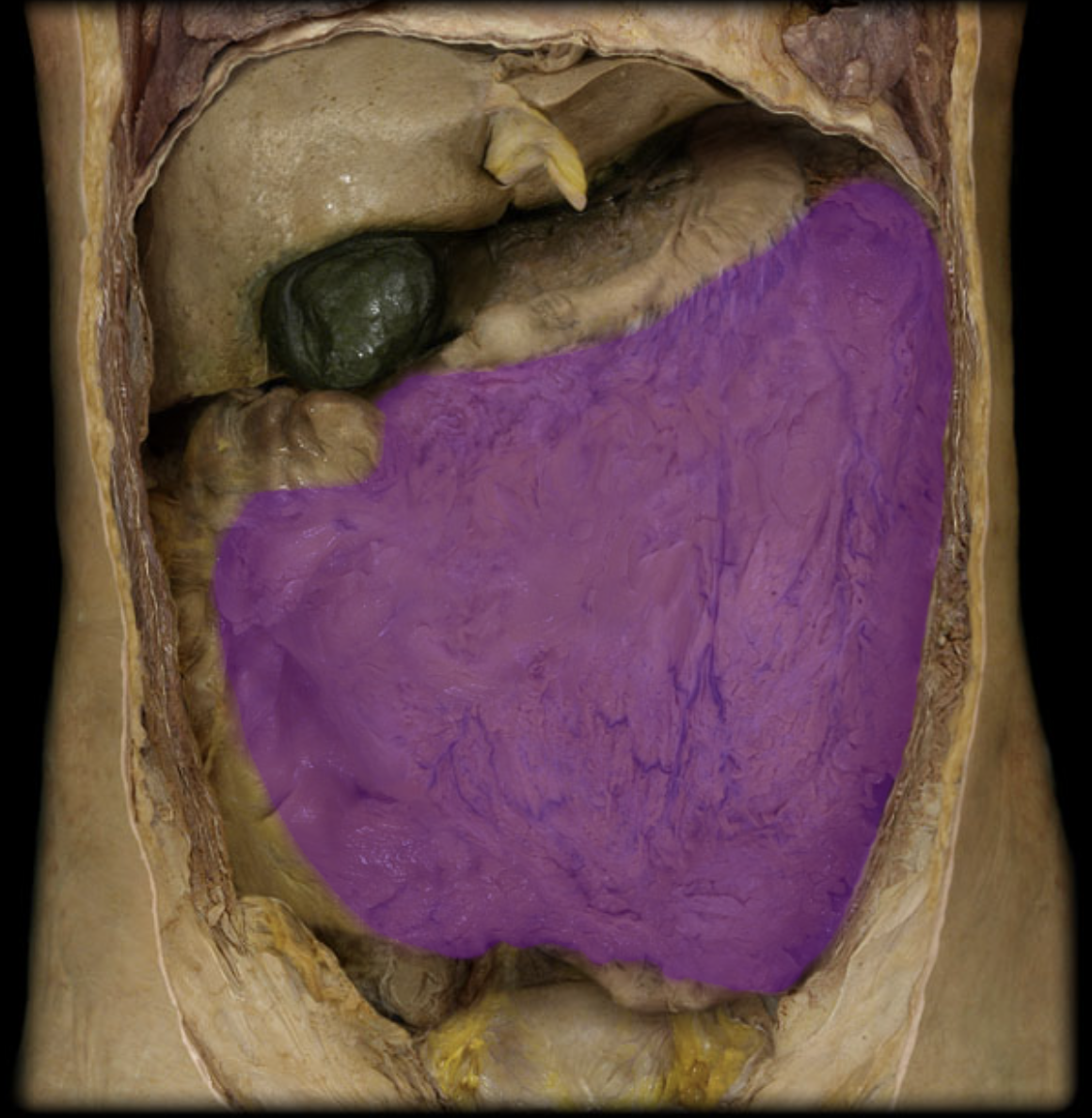
greater omentum
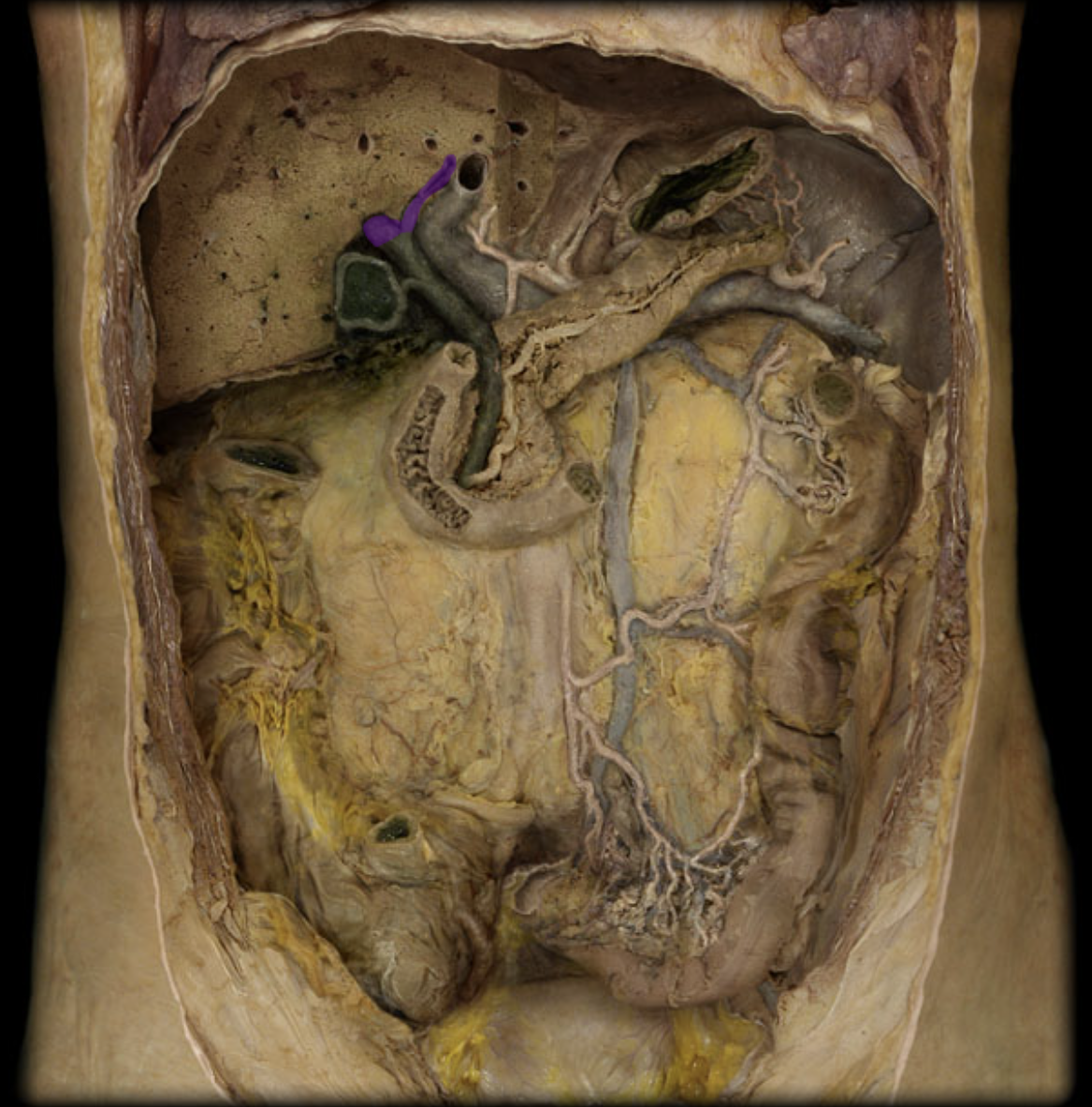
hepatic duct
ileocecal junction
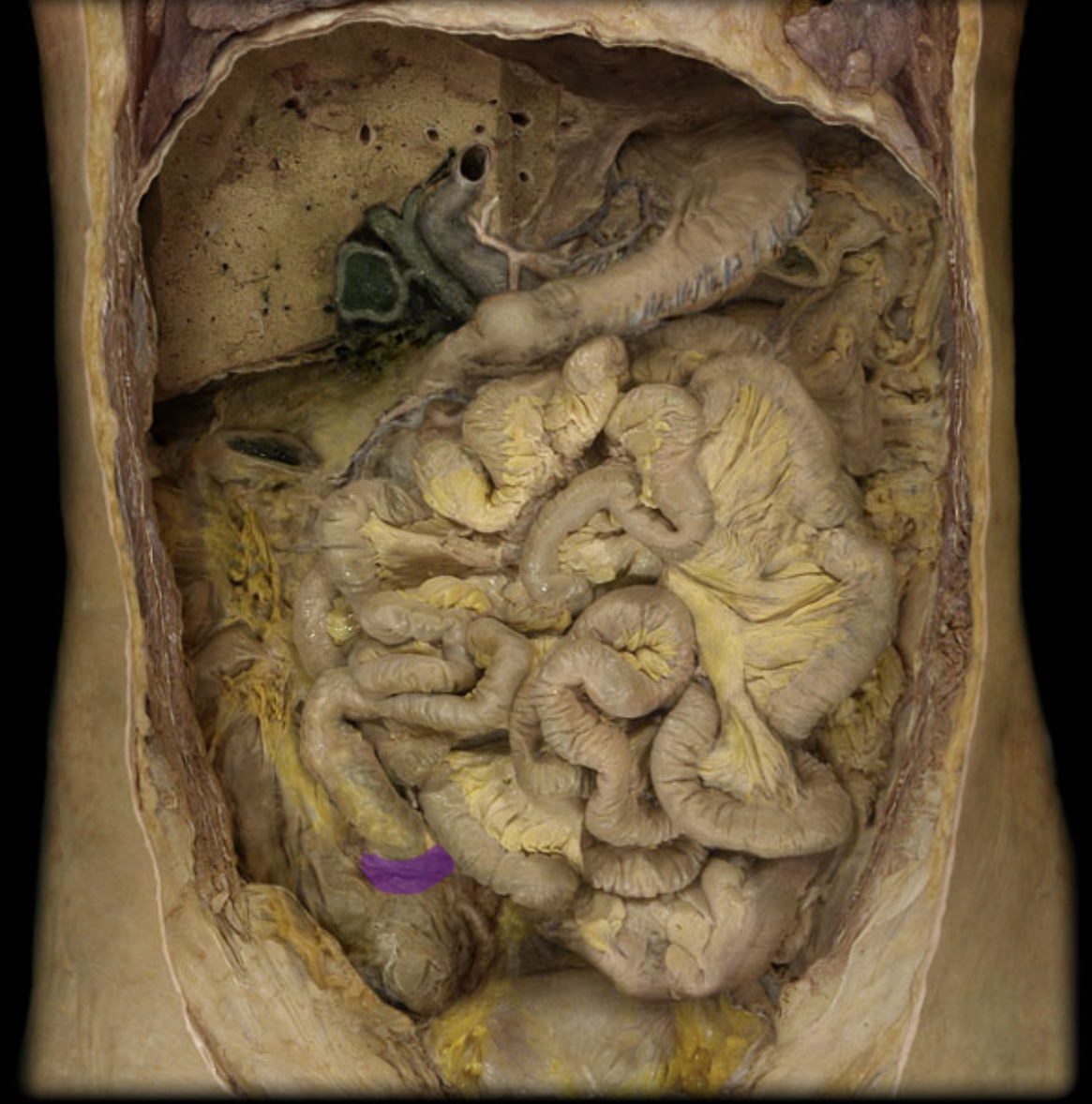
L colic flexure
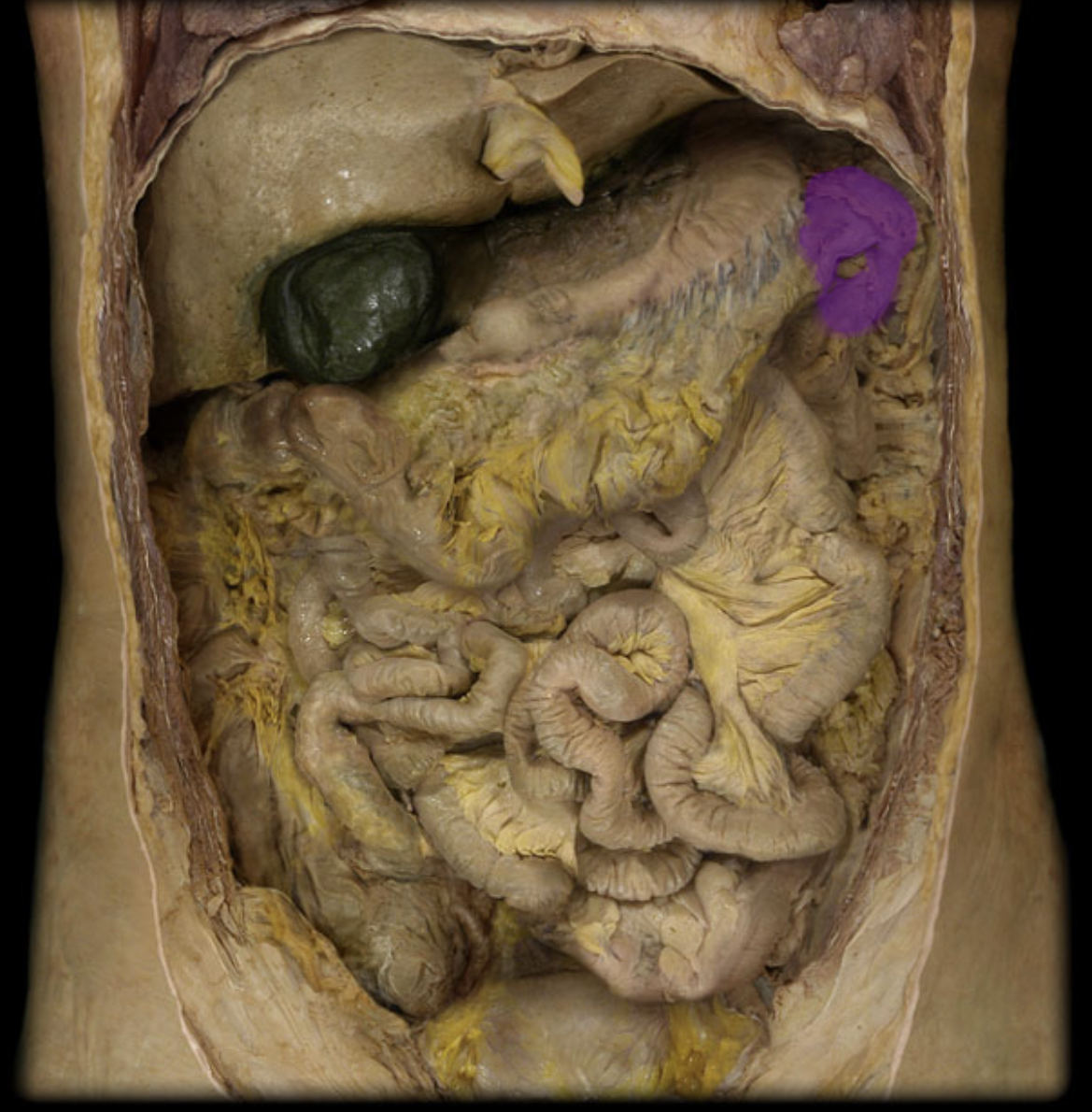
lesser omentum
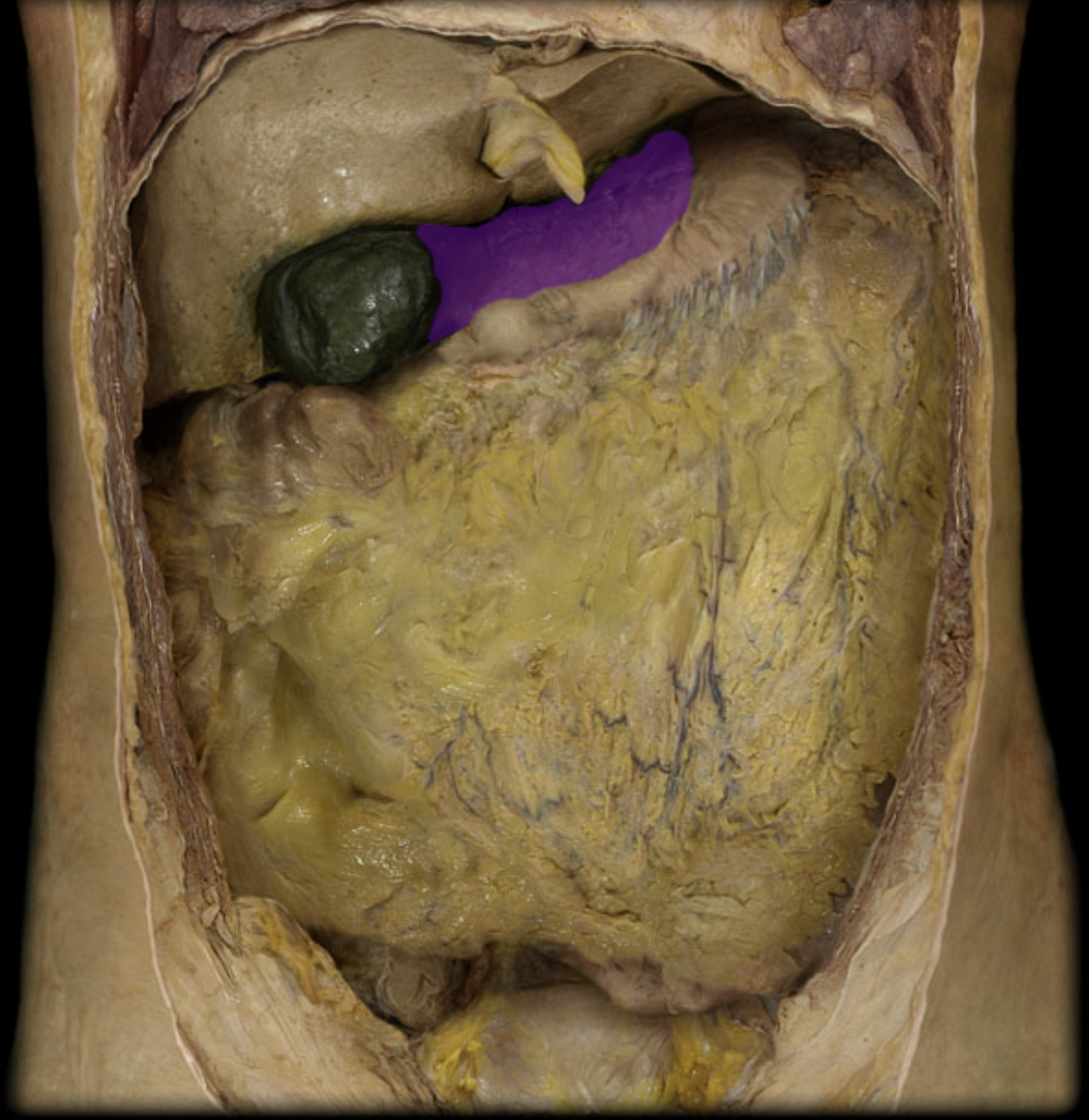
liver
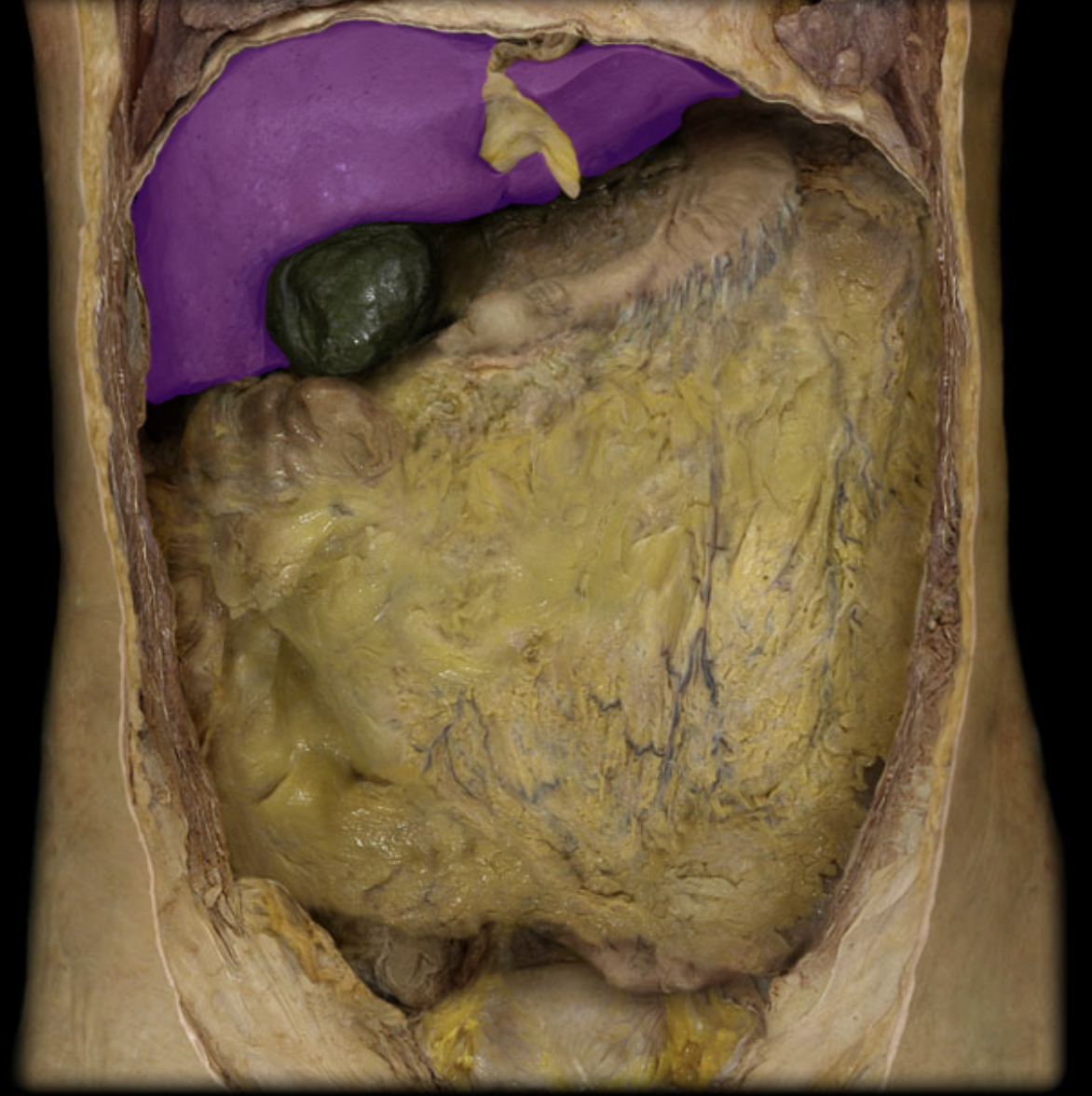
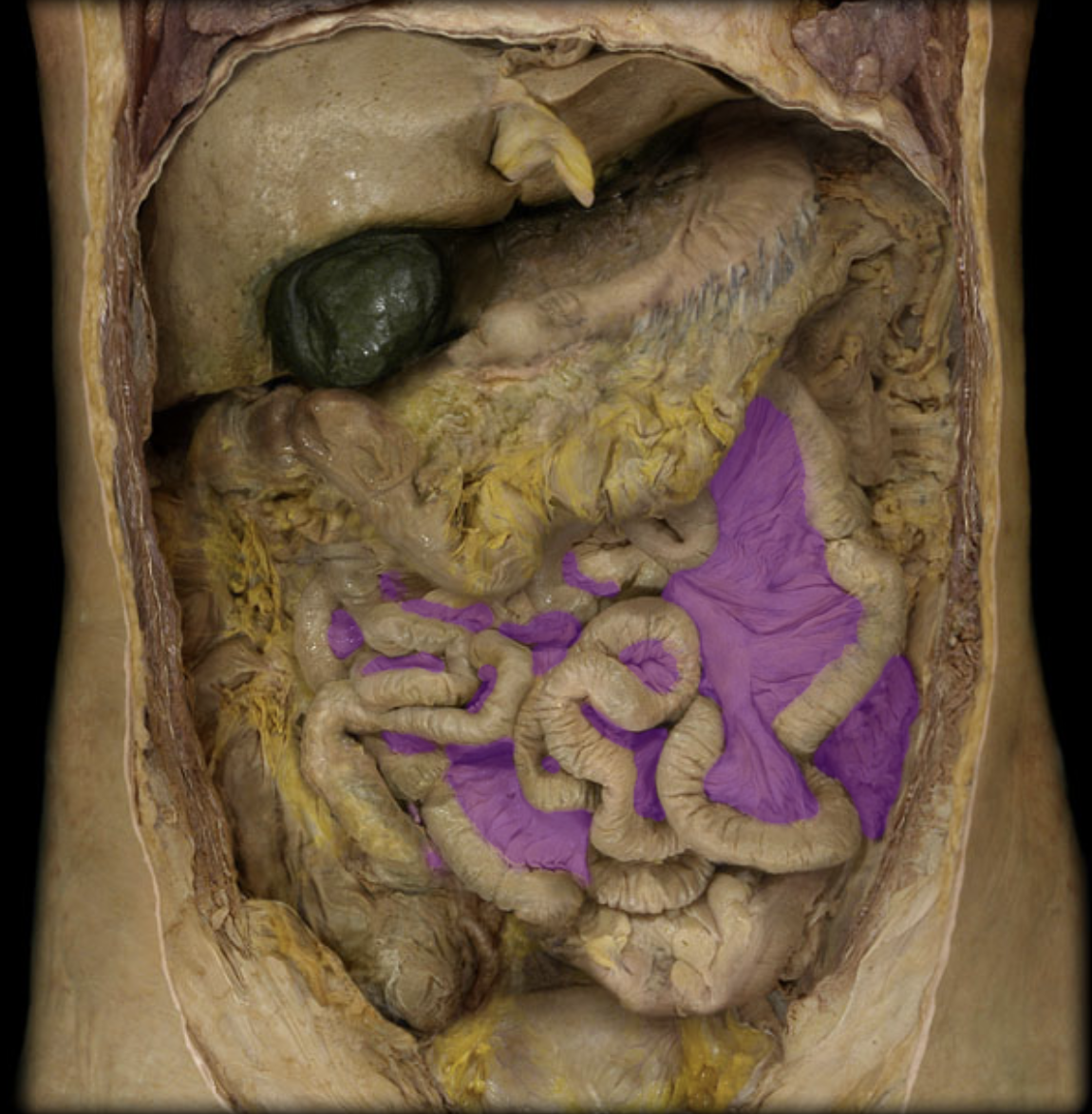
mesentery of small intestine
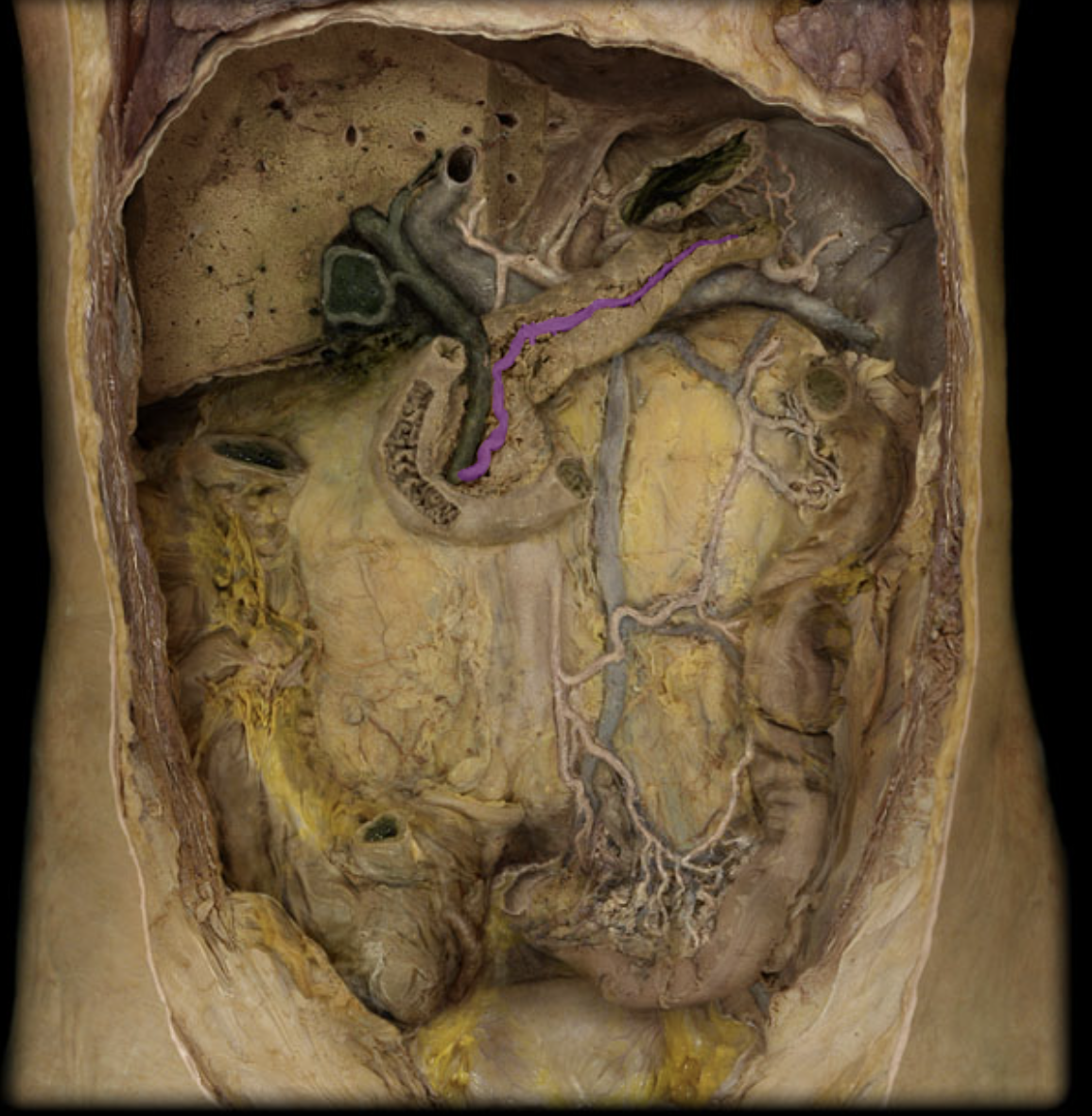
pancreatic duct
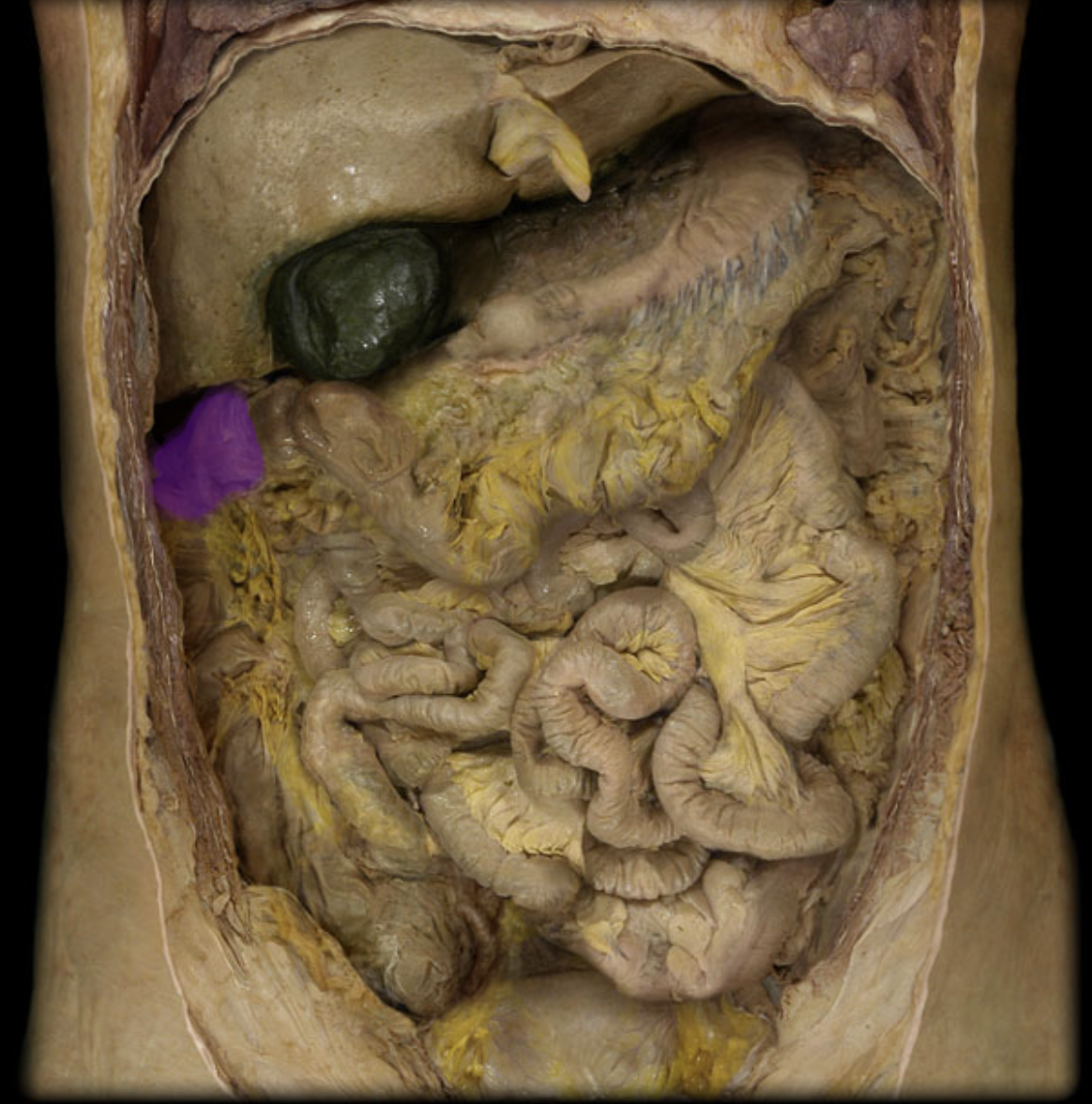
R colic flexure
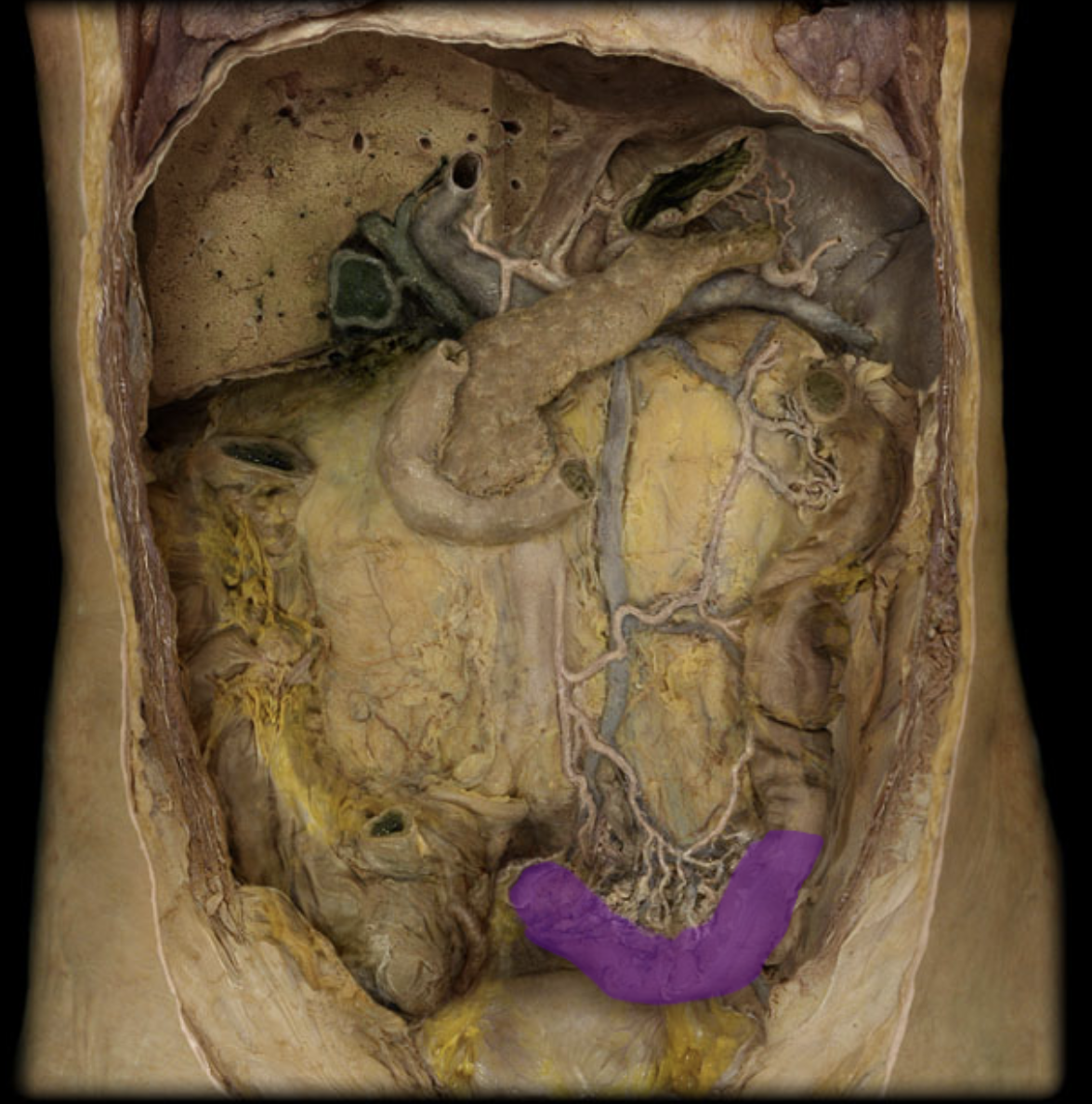
sigmoid colon
small intestine
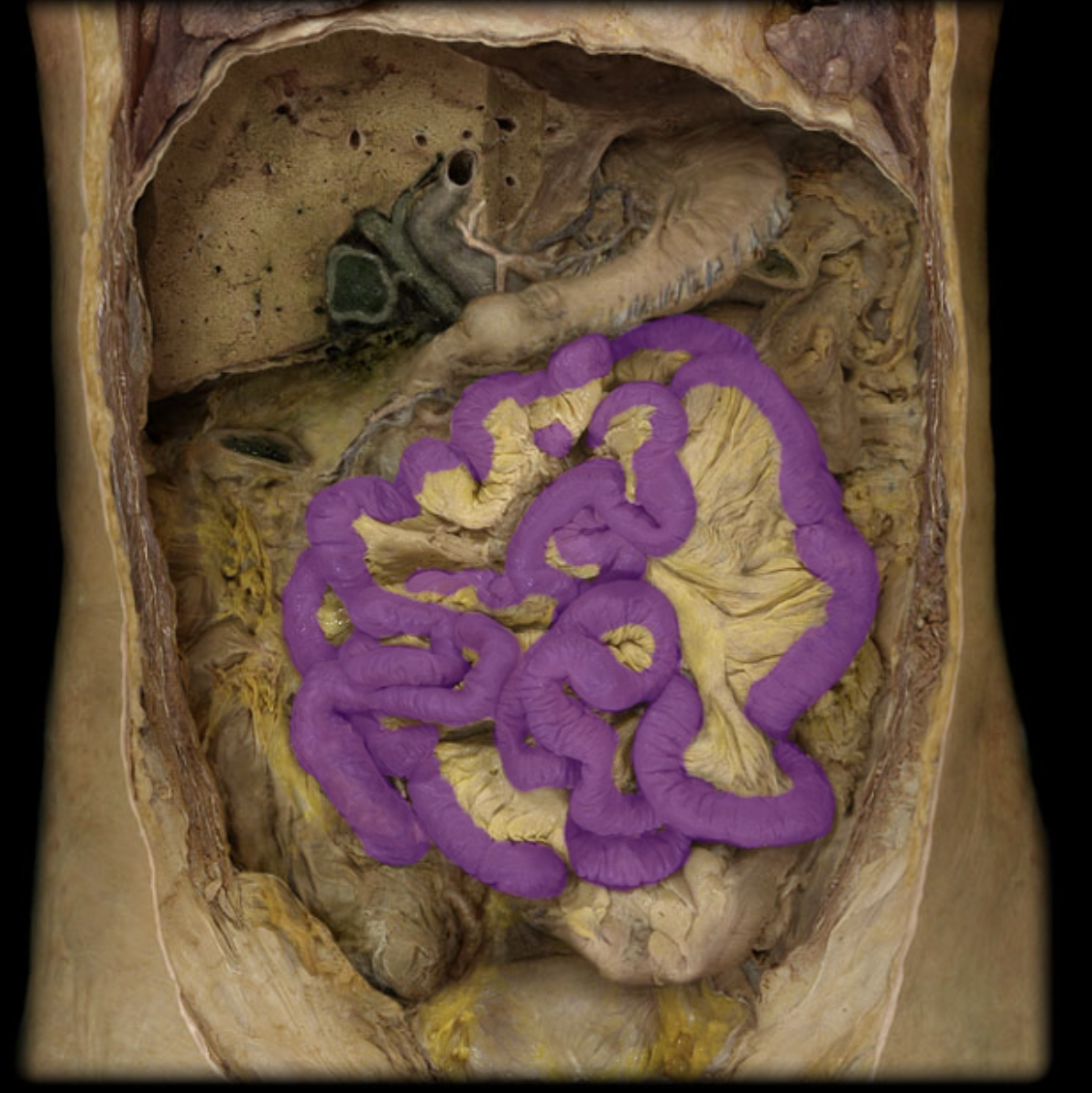
stomach
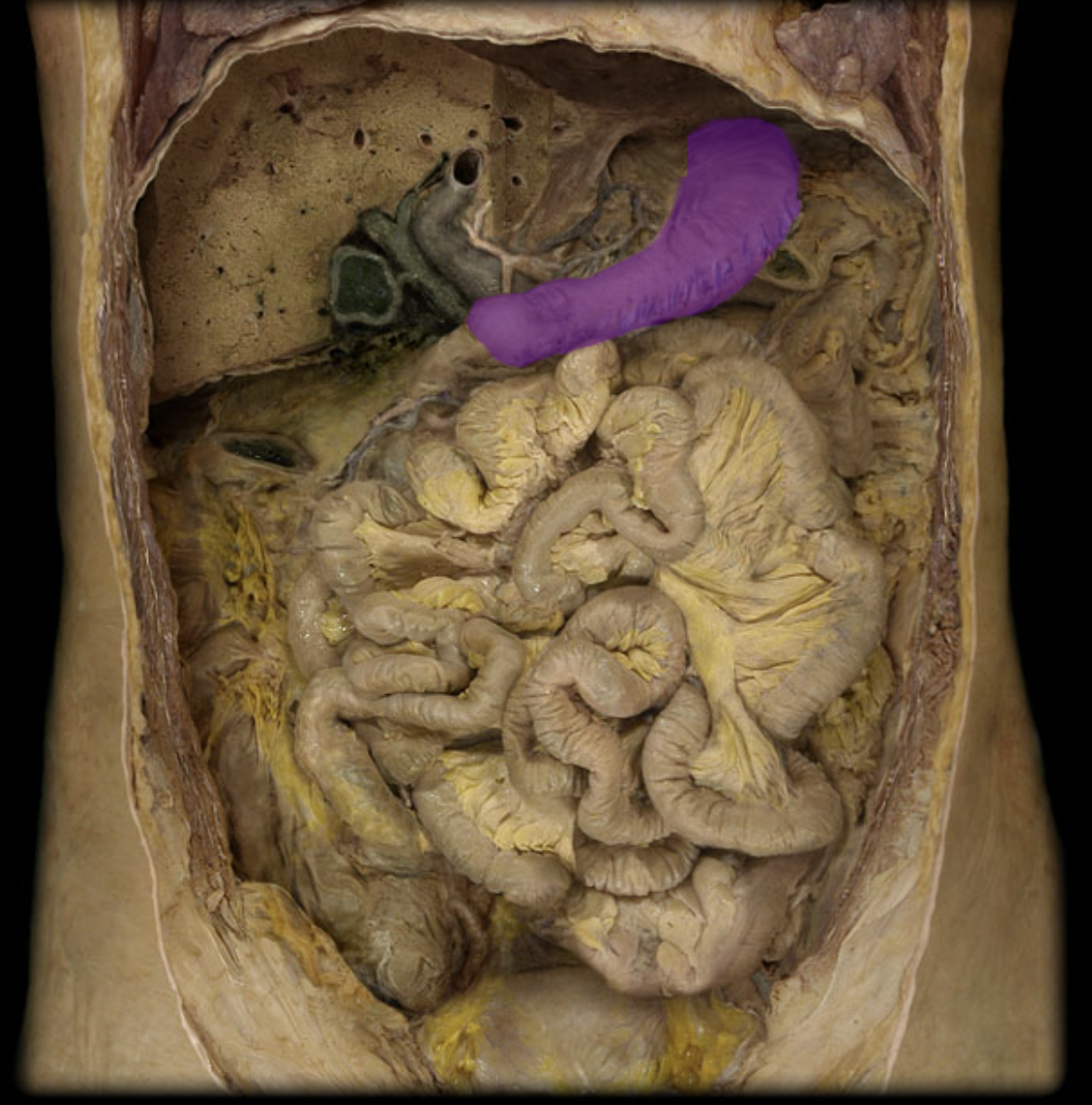
transverse colon
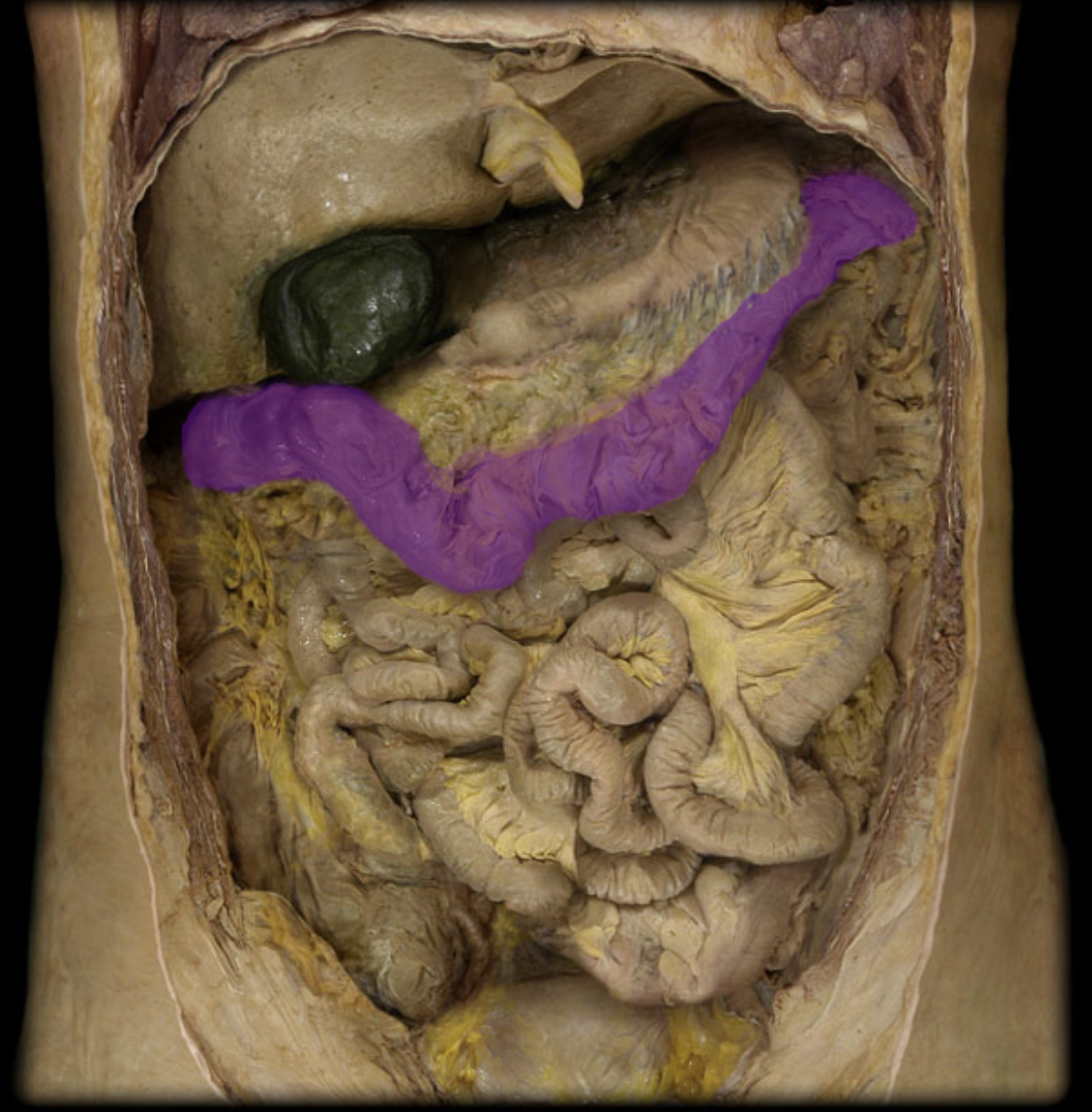
(vermiform) appendix
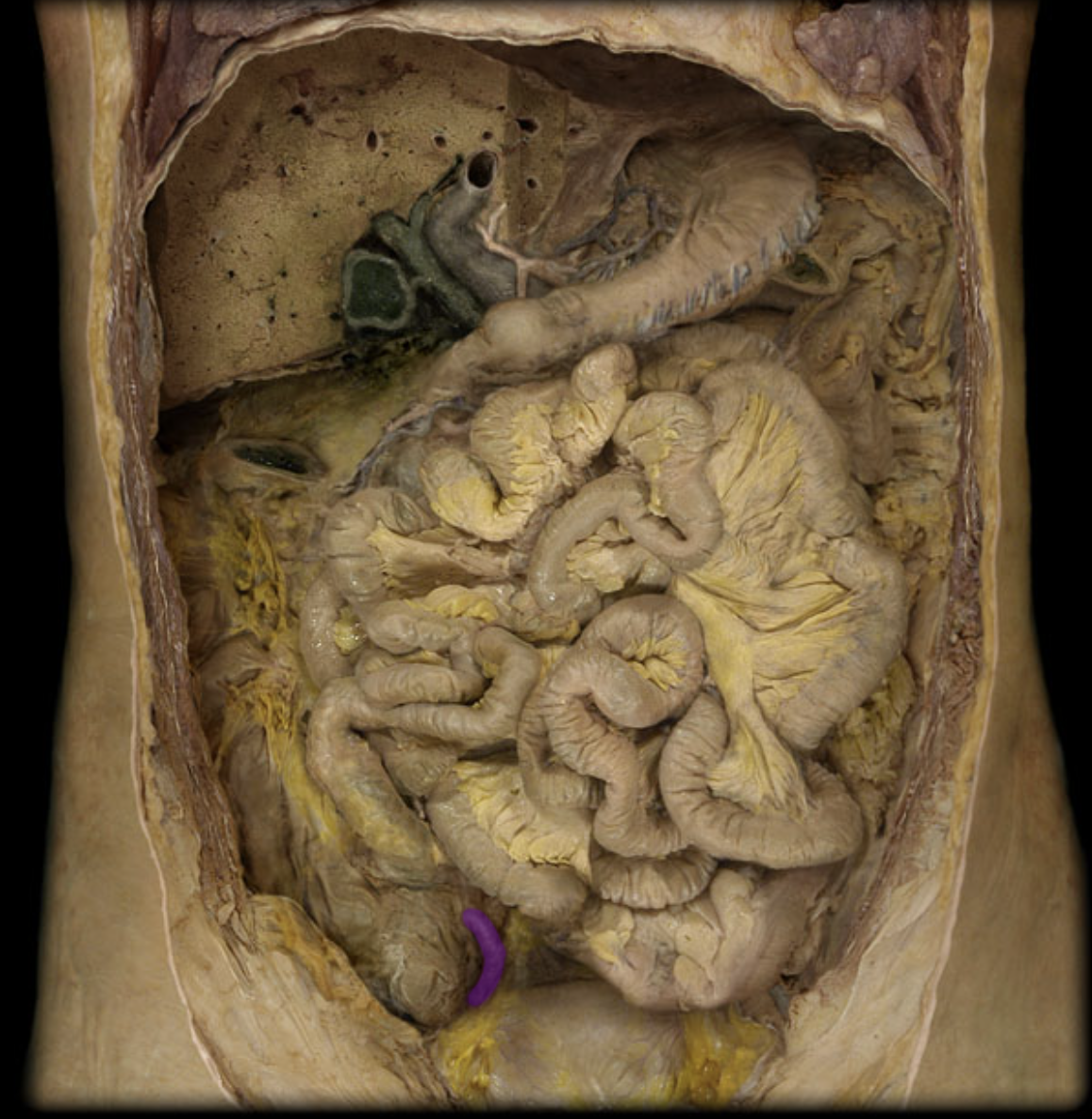
bild duct (cbd)
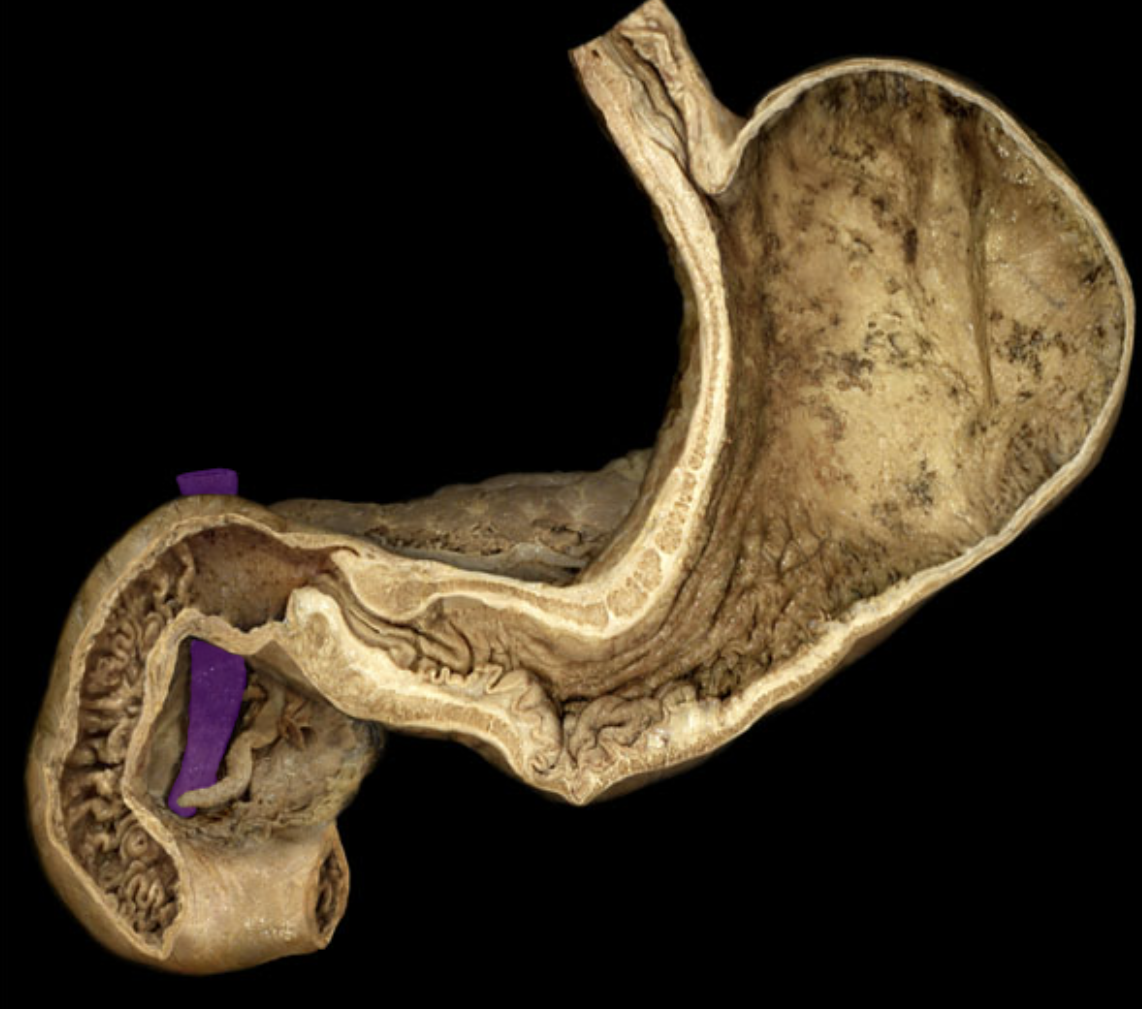
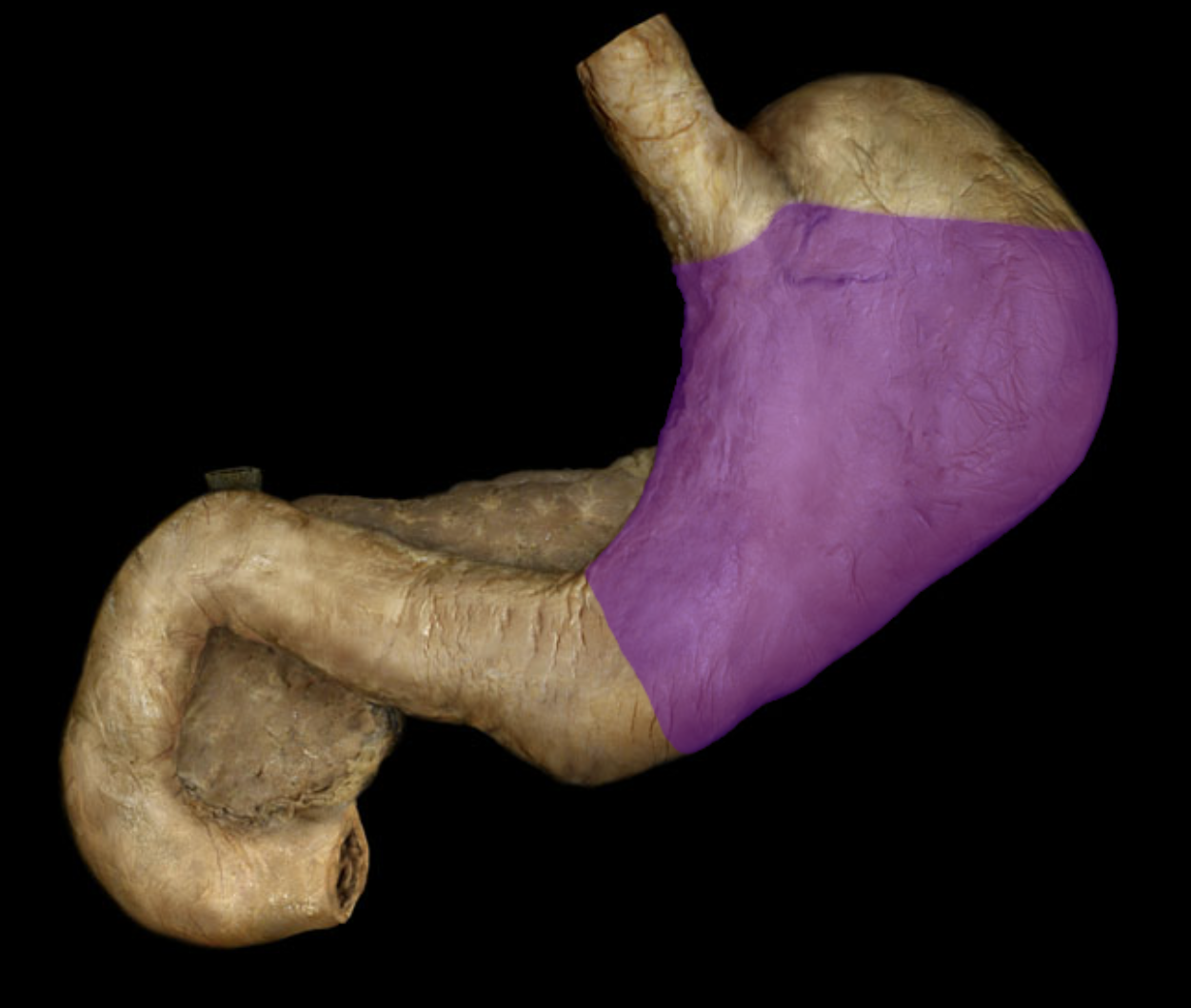
body of stomach
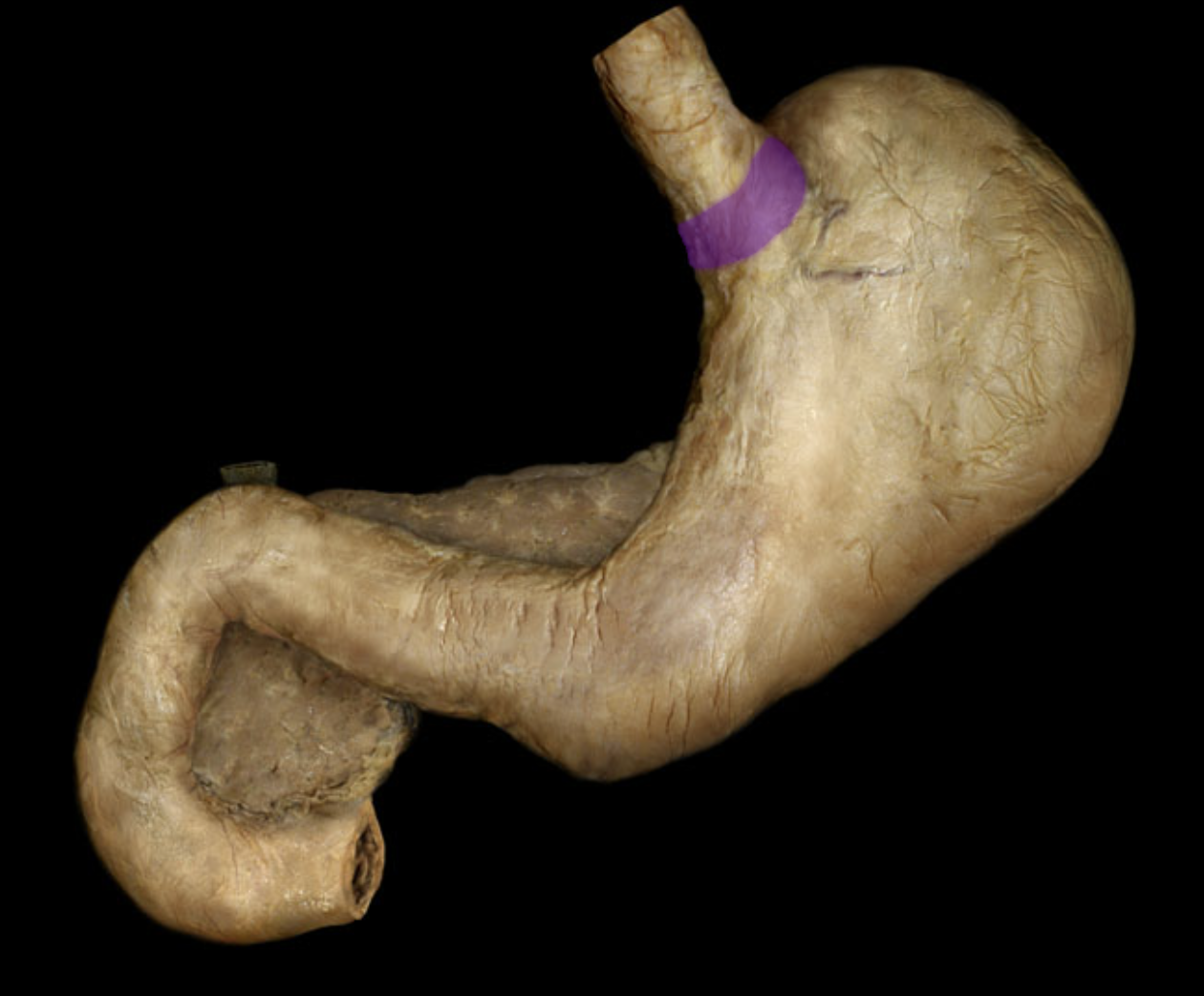
cardia of stomach
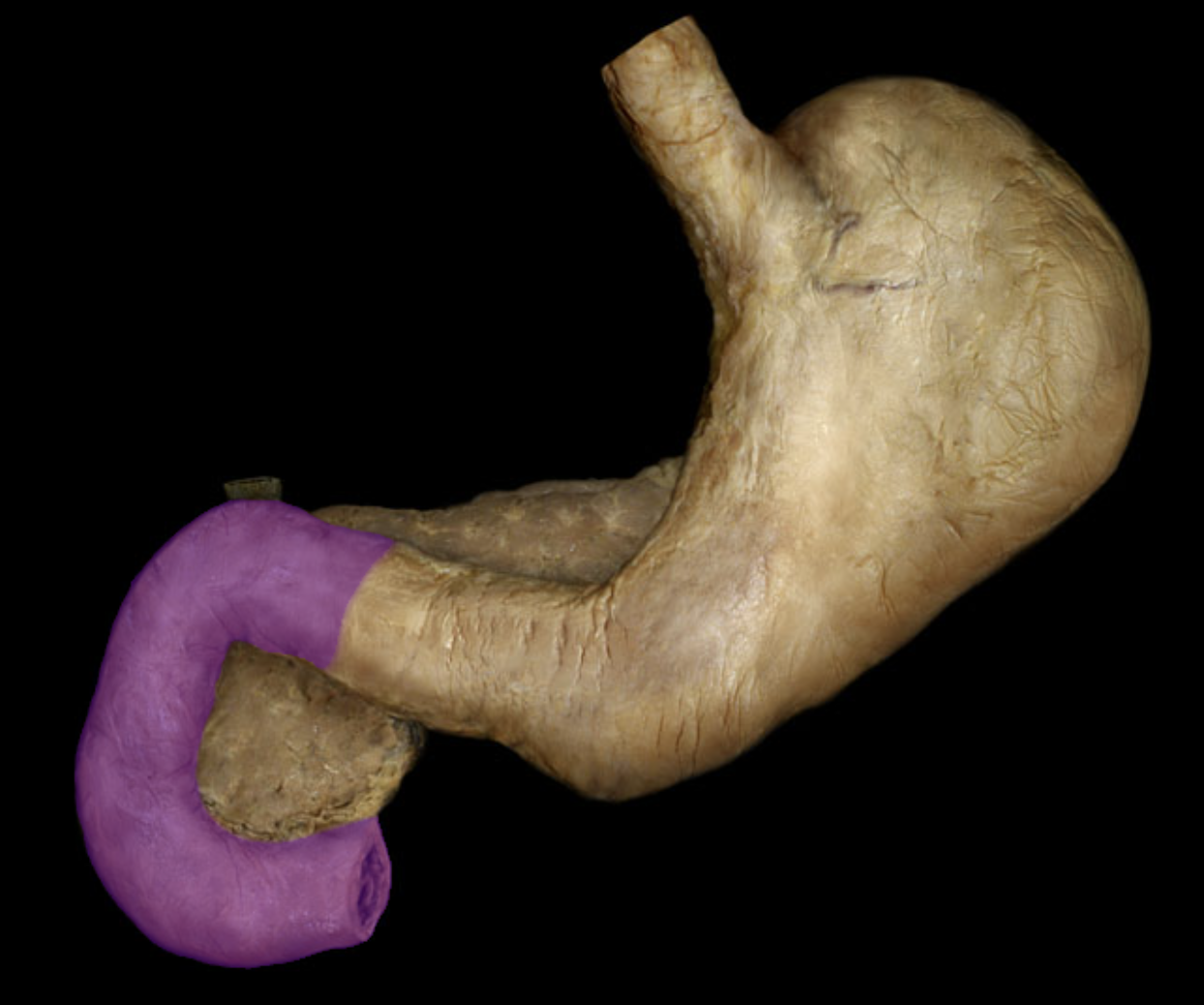
duodenum
esophagus
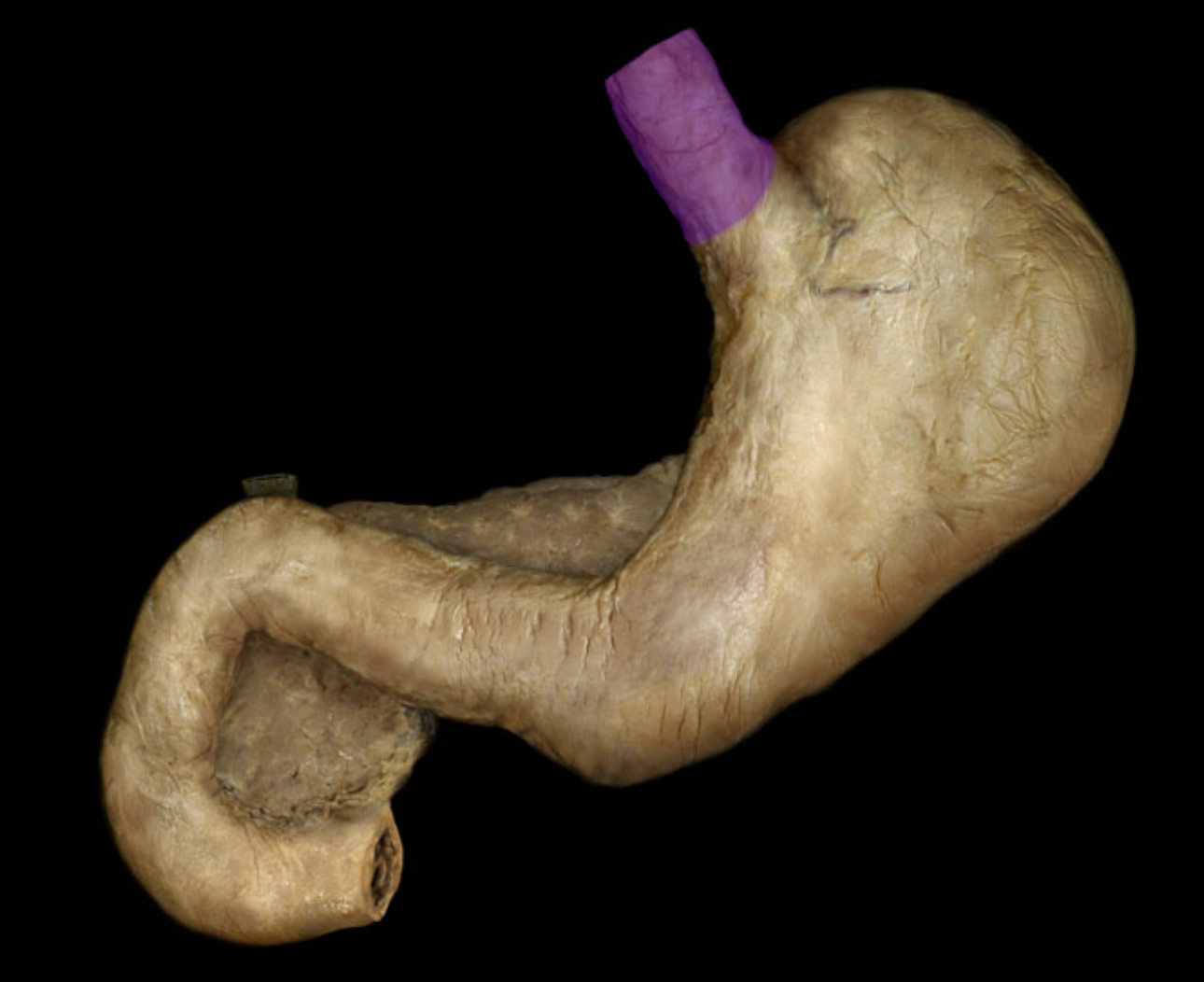
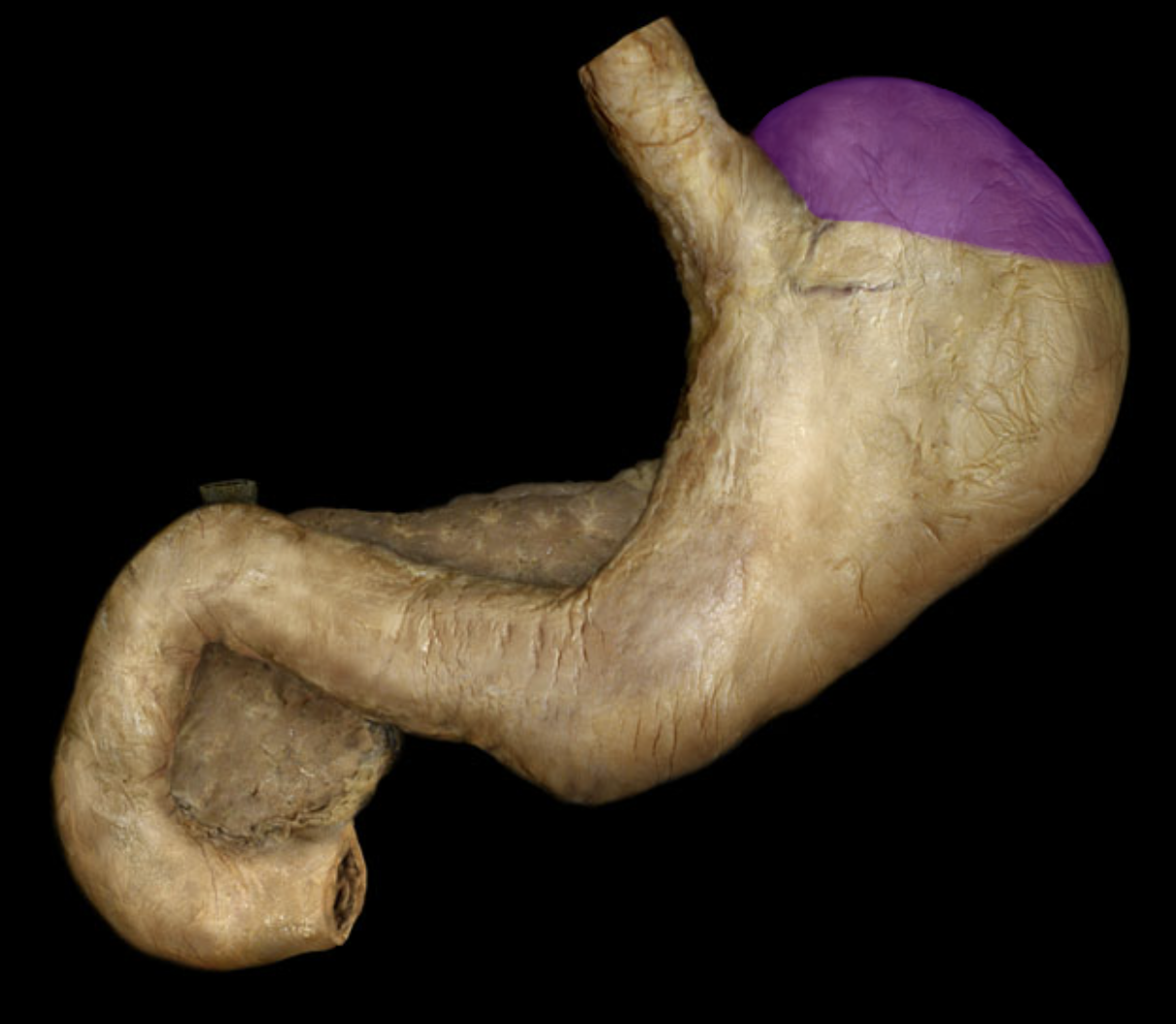
fundus of stomach
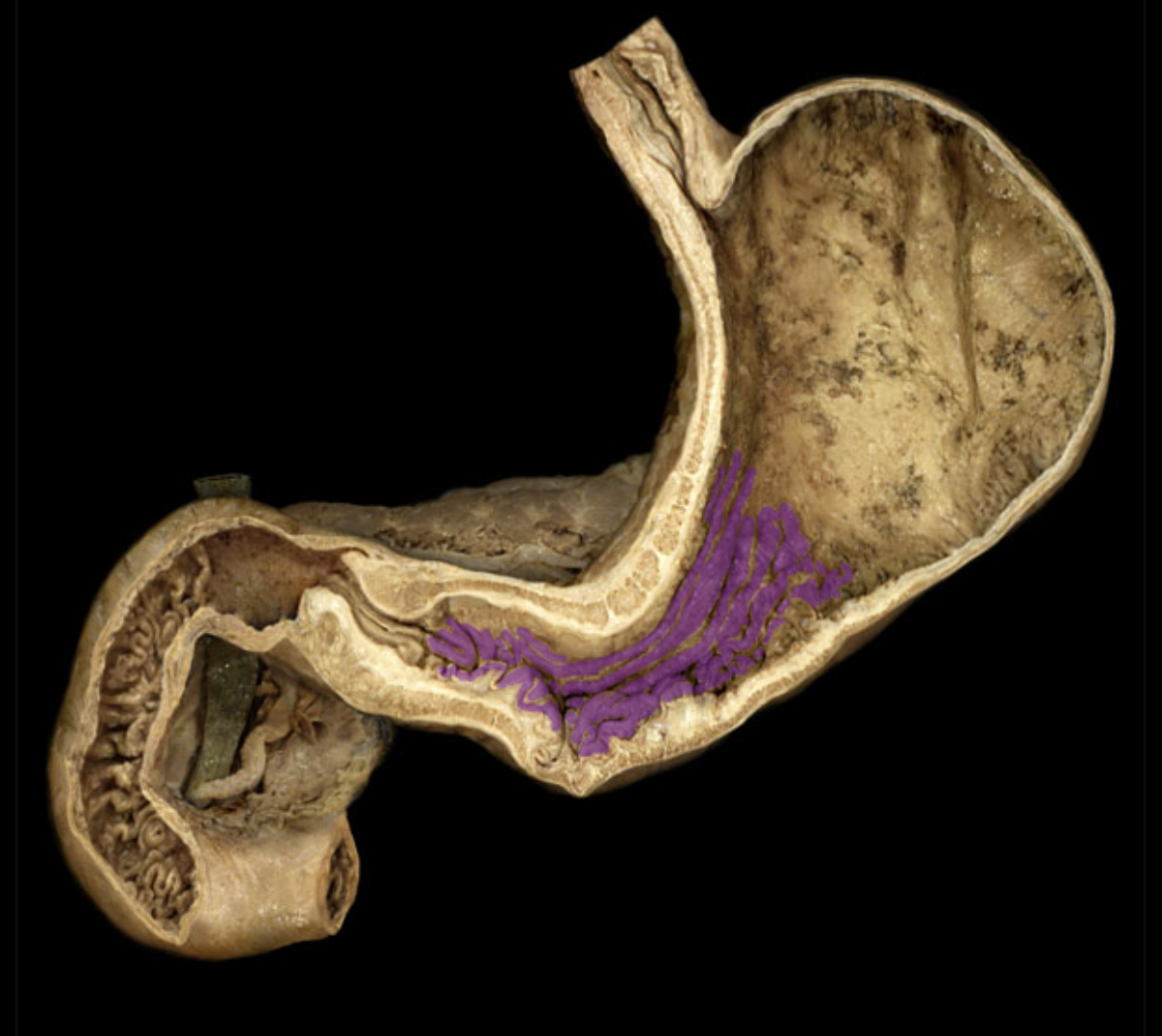
gastric folds(rugae)
greater curvature of the stomach
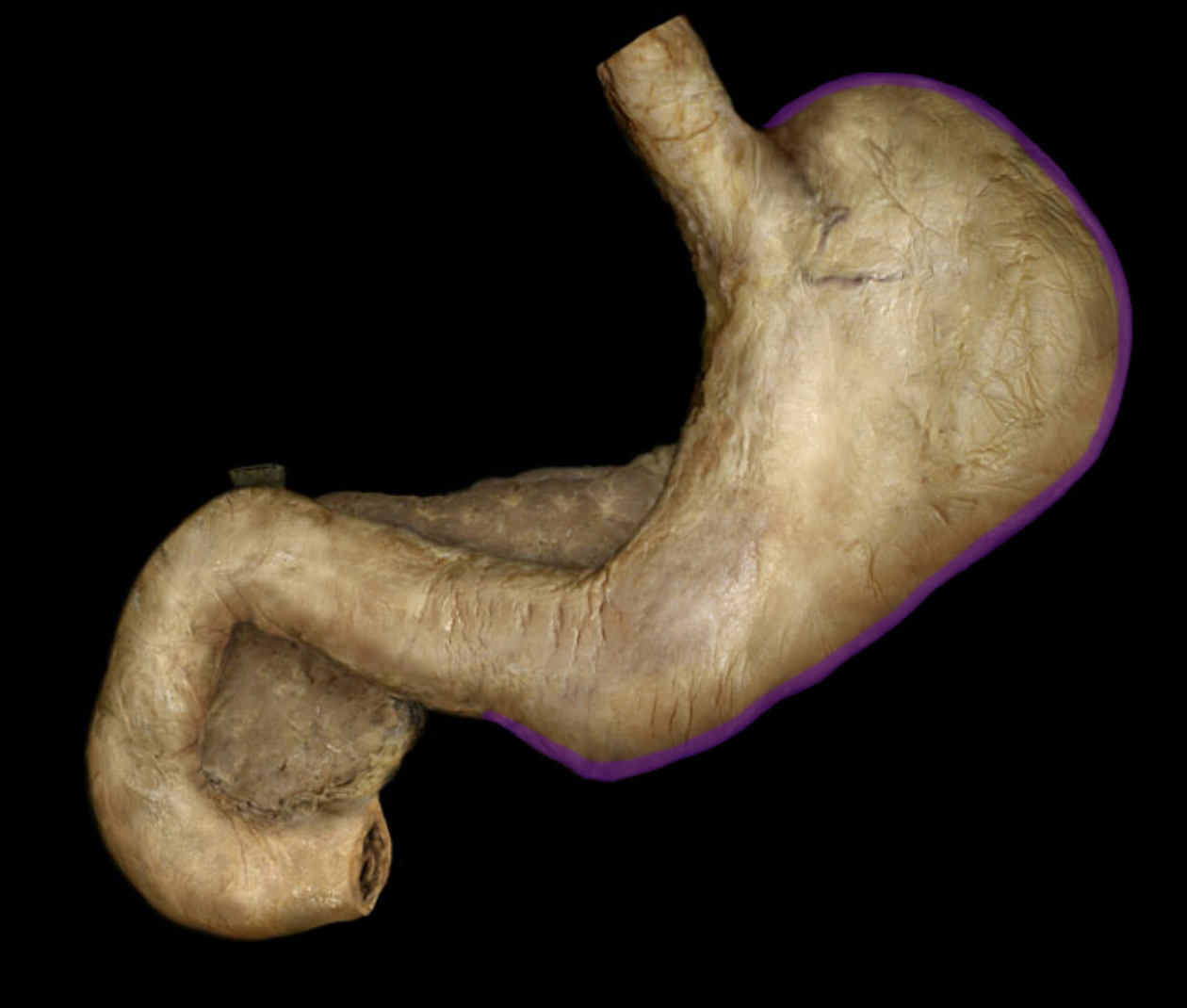
lesser curvature of the stomach
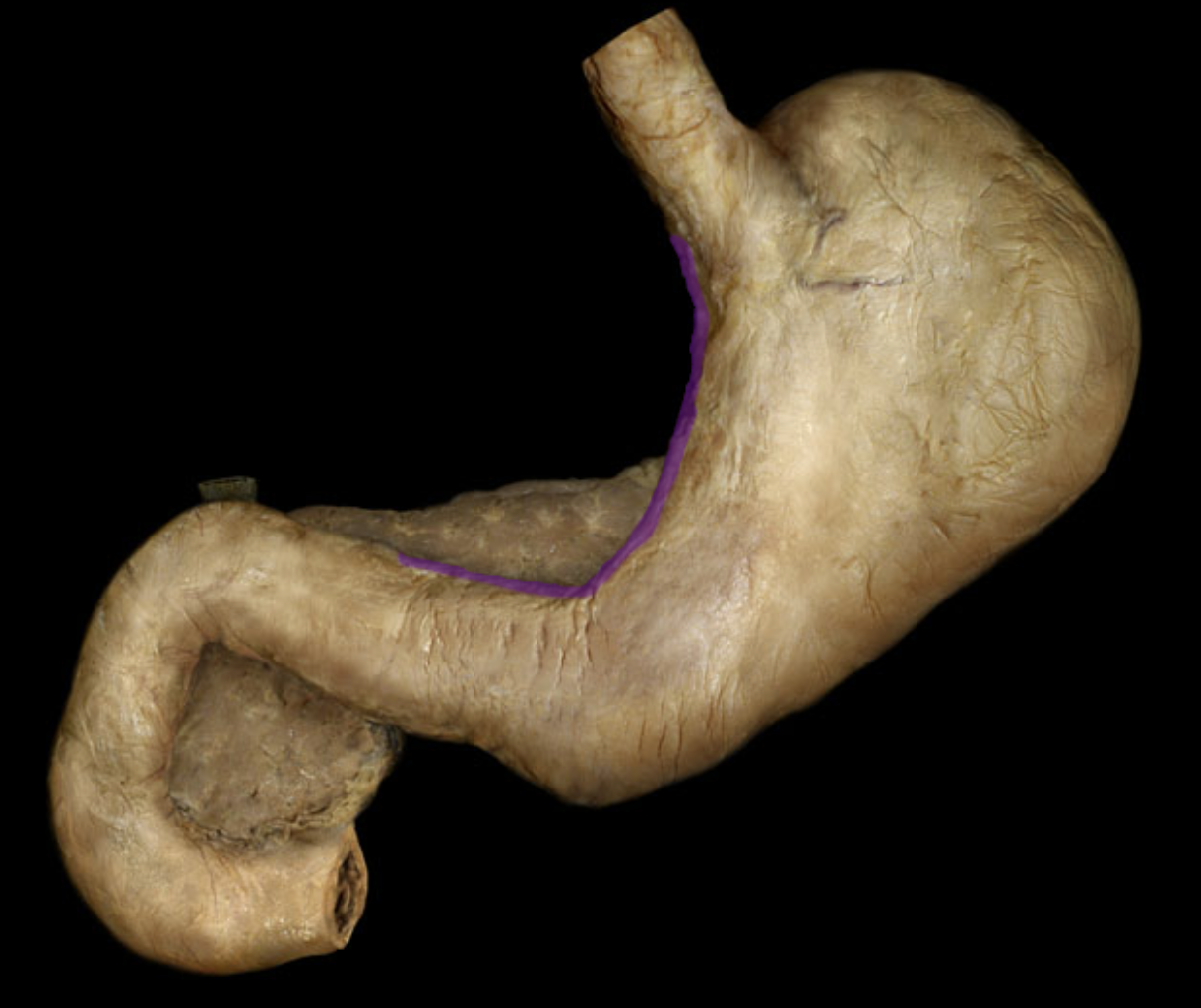
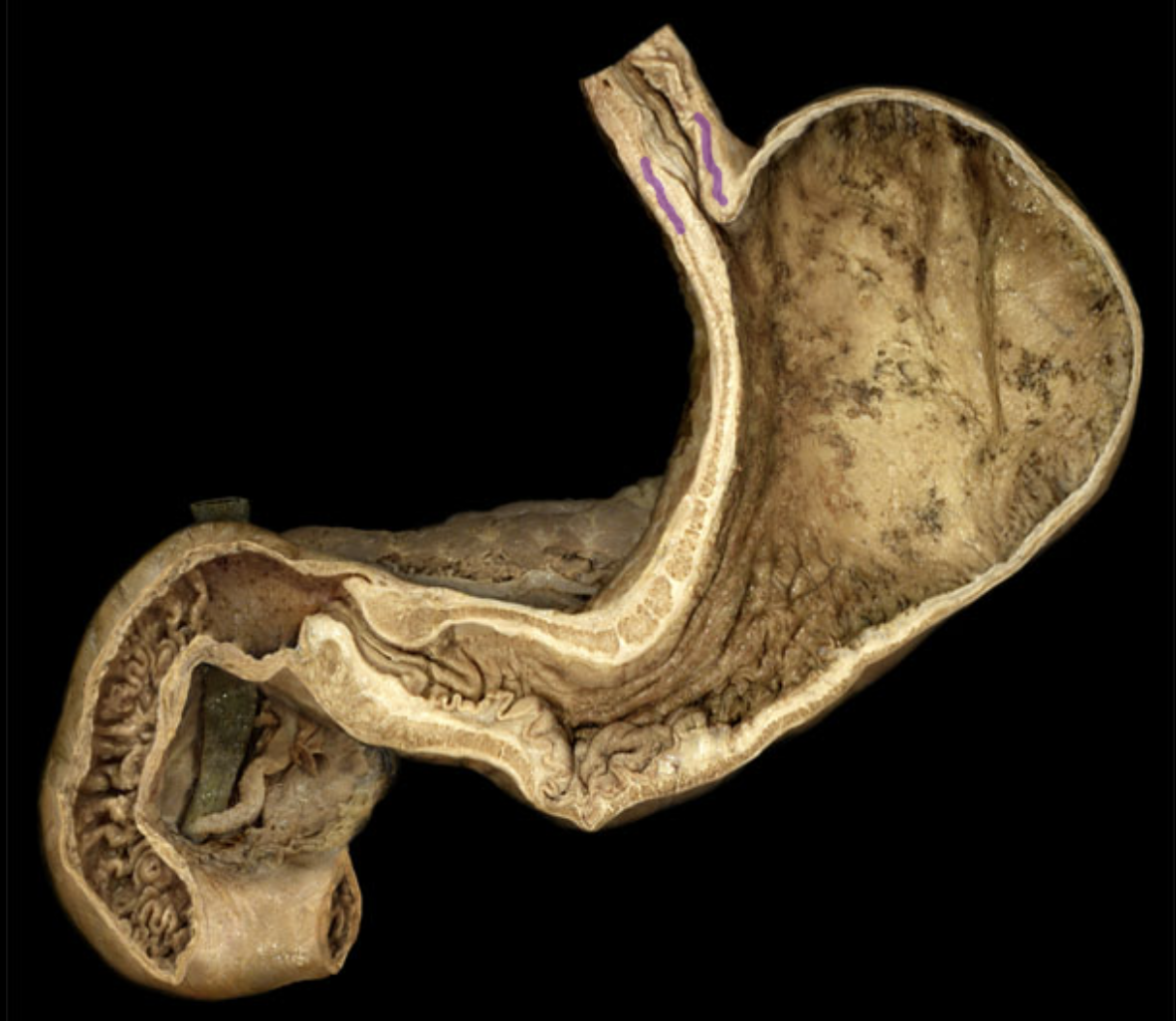
lower esophageal sphincter
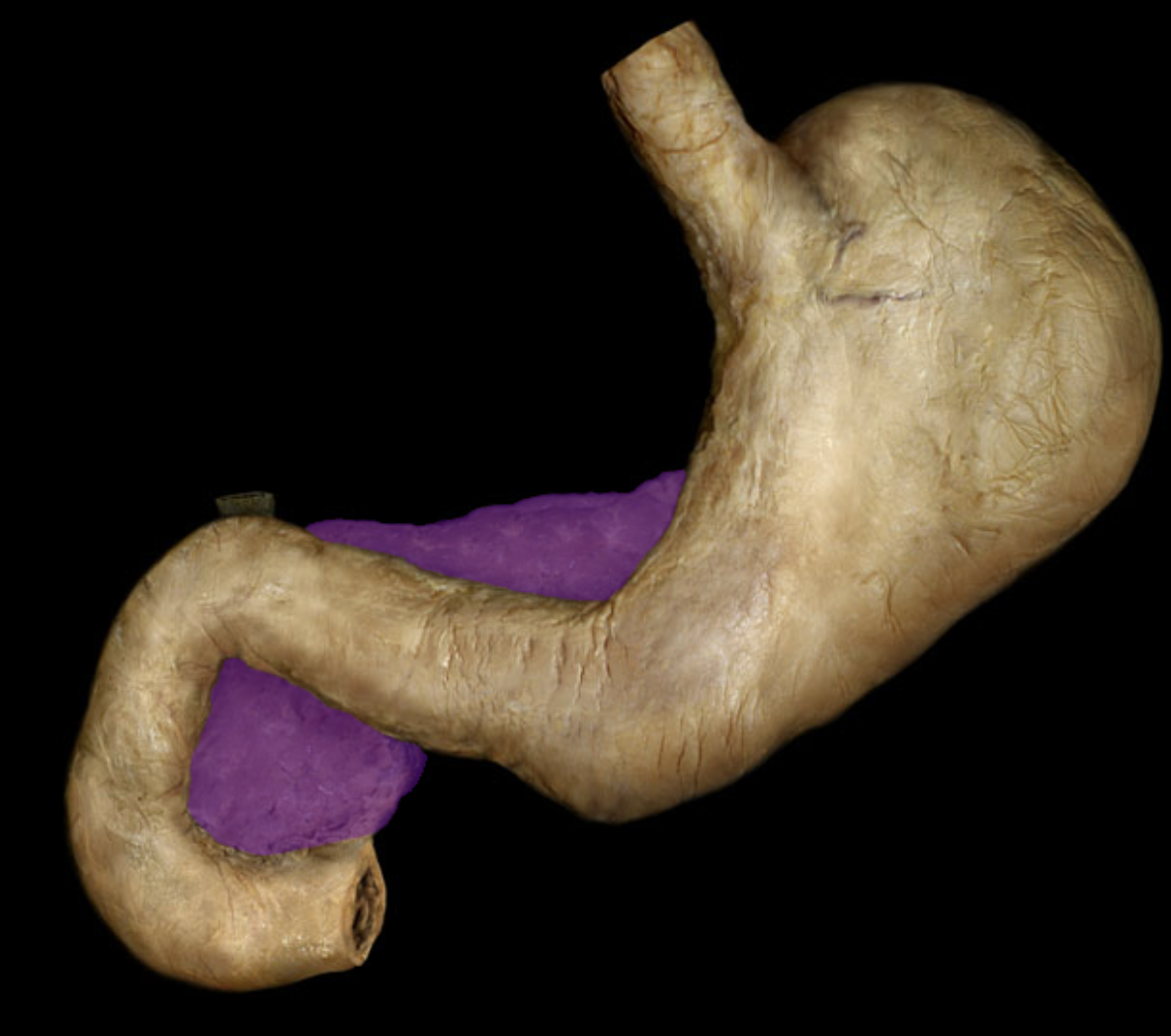
pancreas
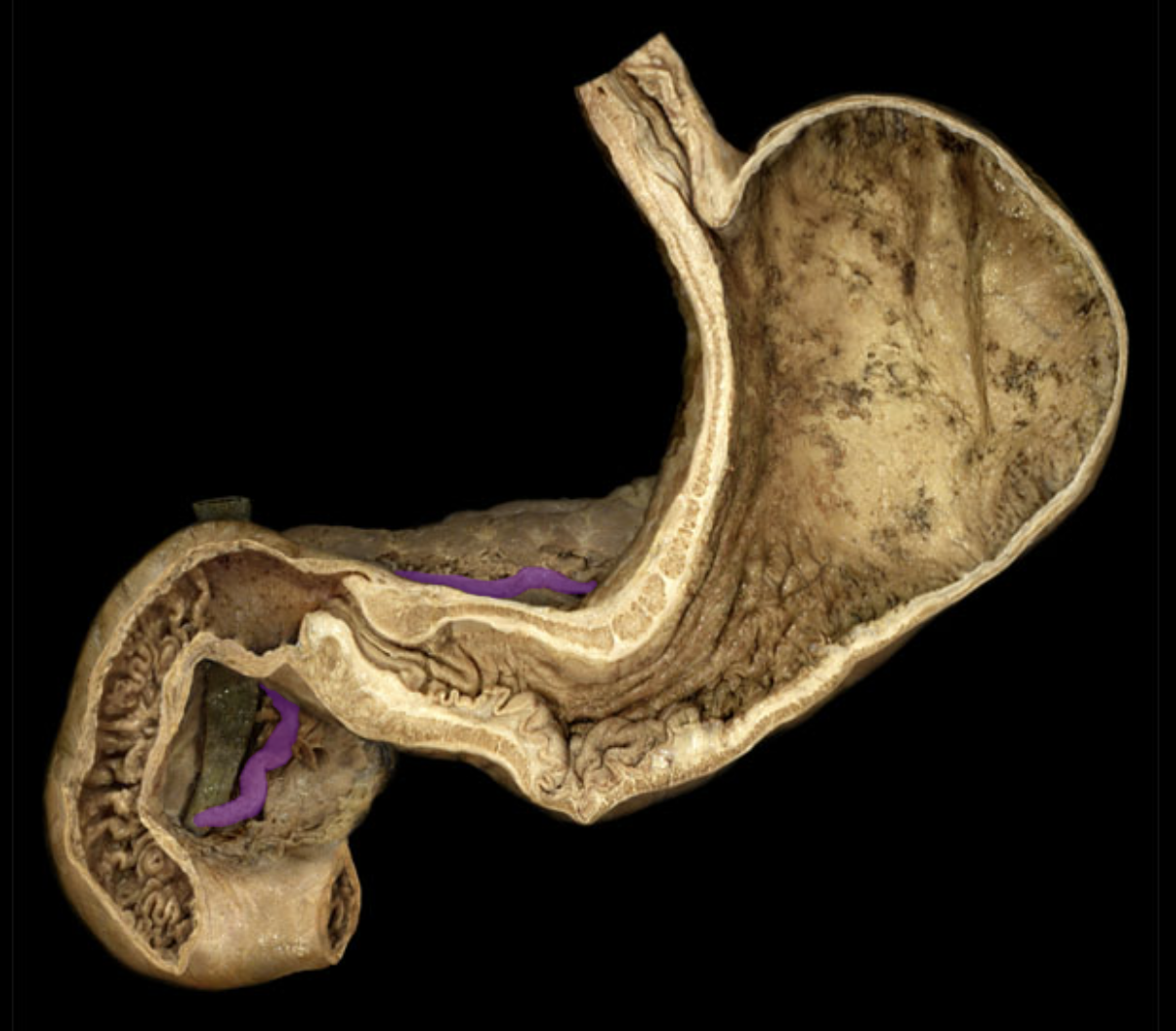
pancreatic duct
pyloric part of the stomach
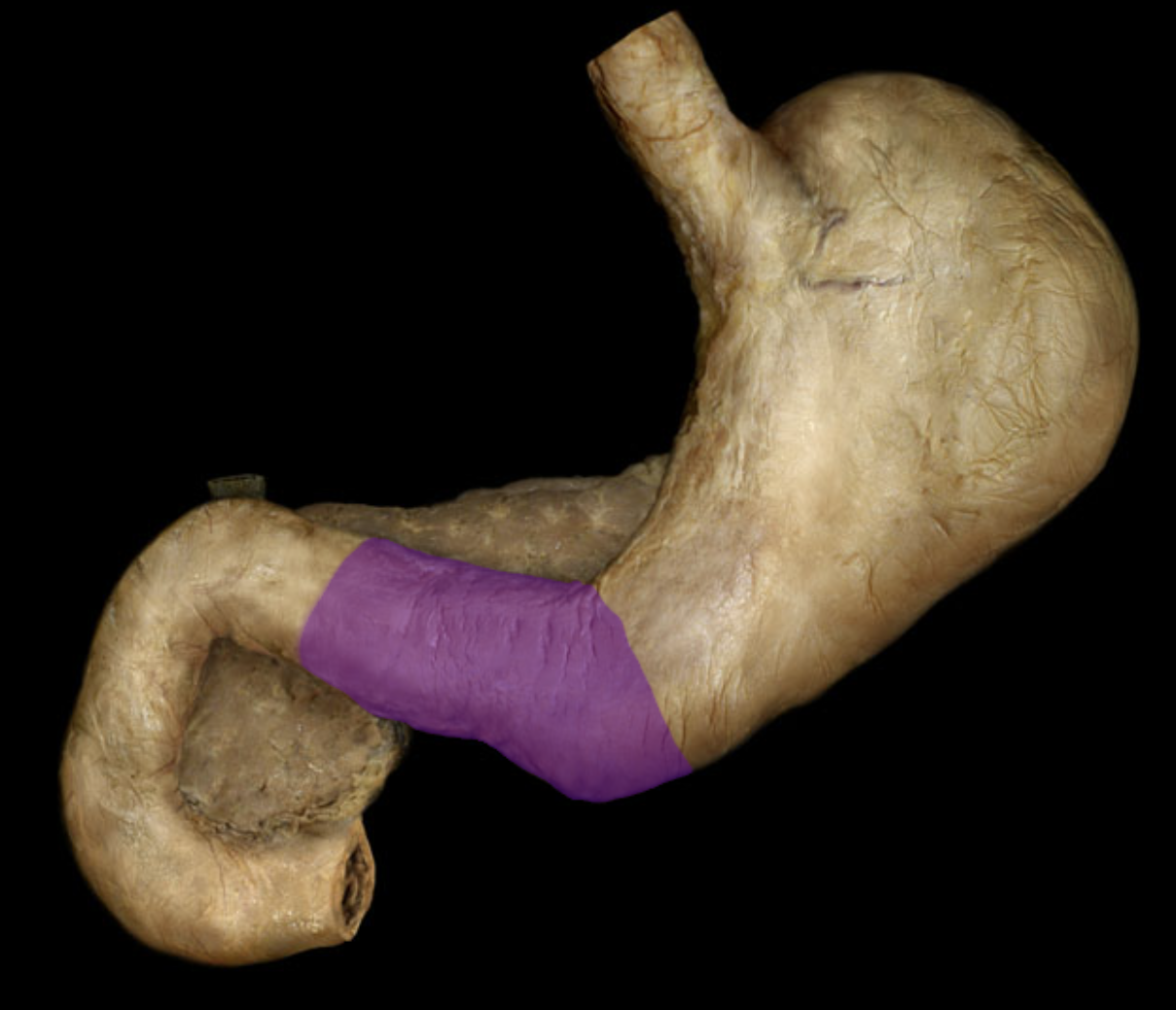
pyloric sphincter
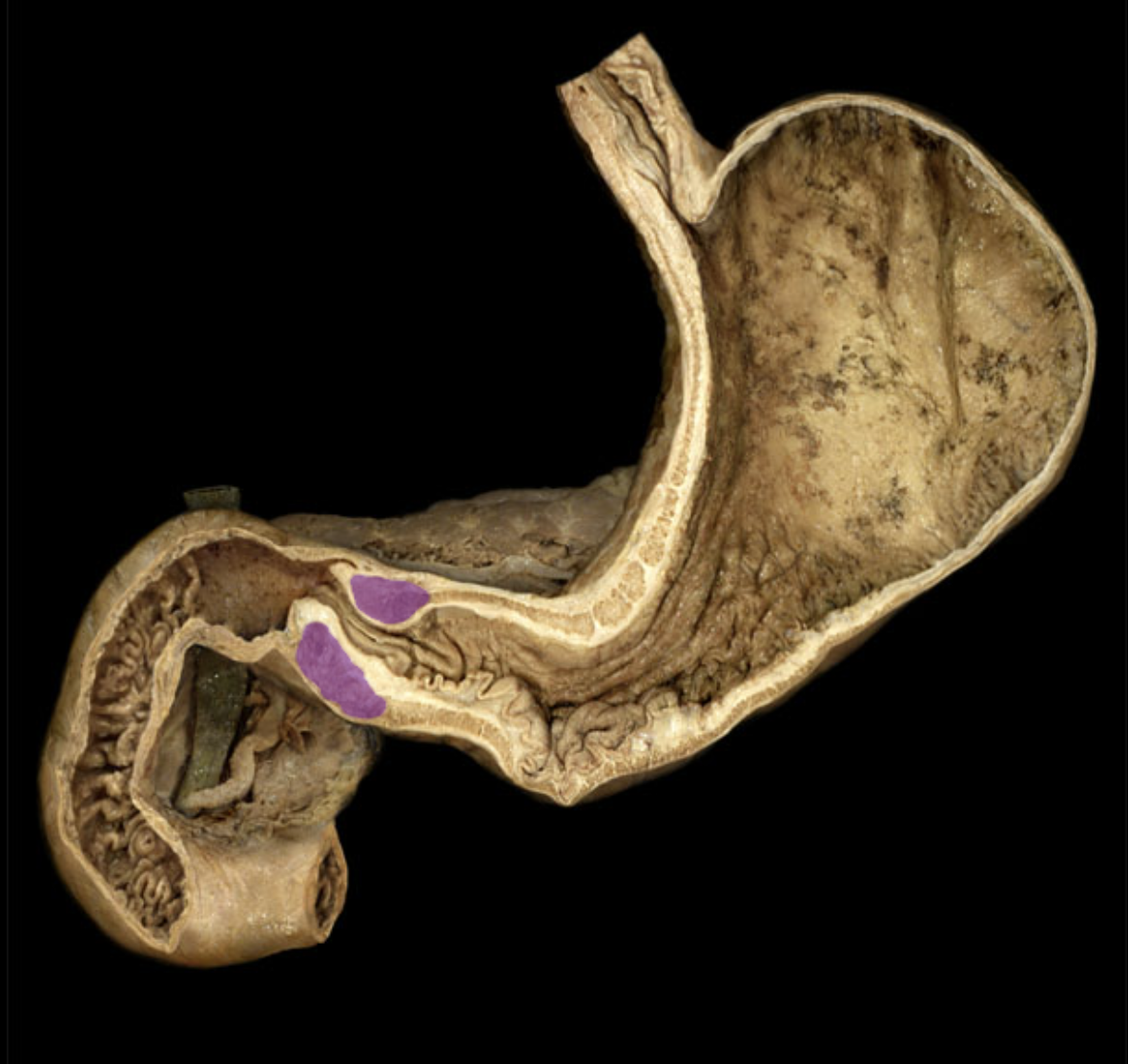
gallbladder
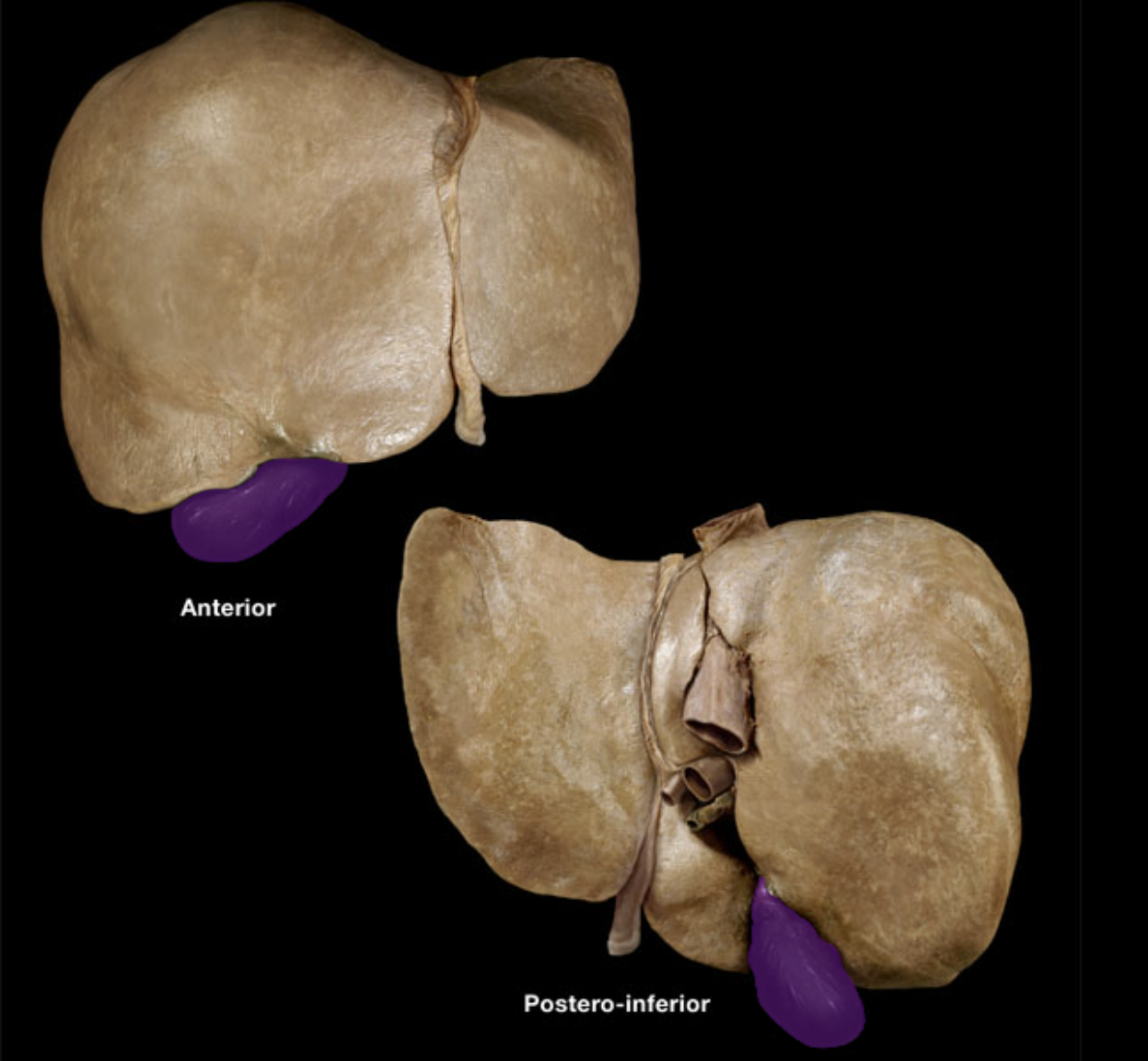
L lobe of liver
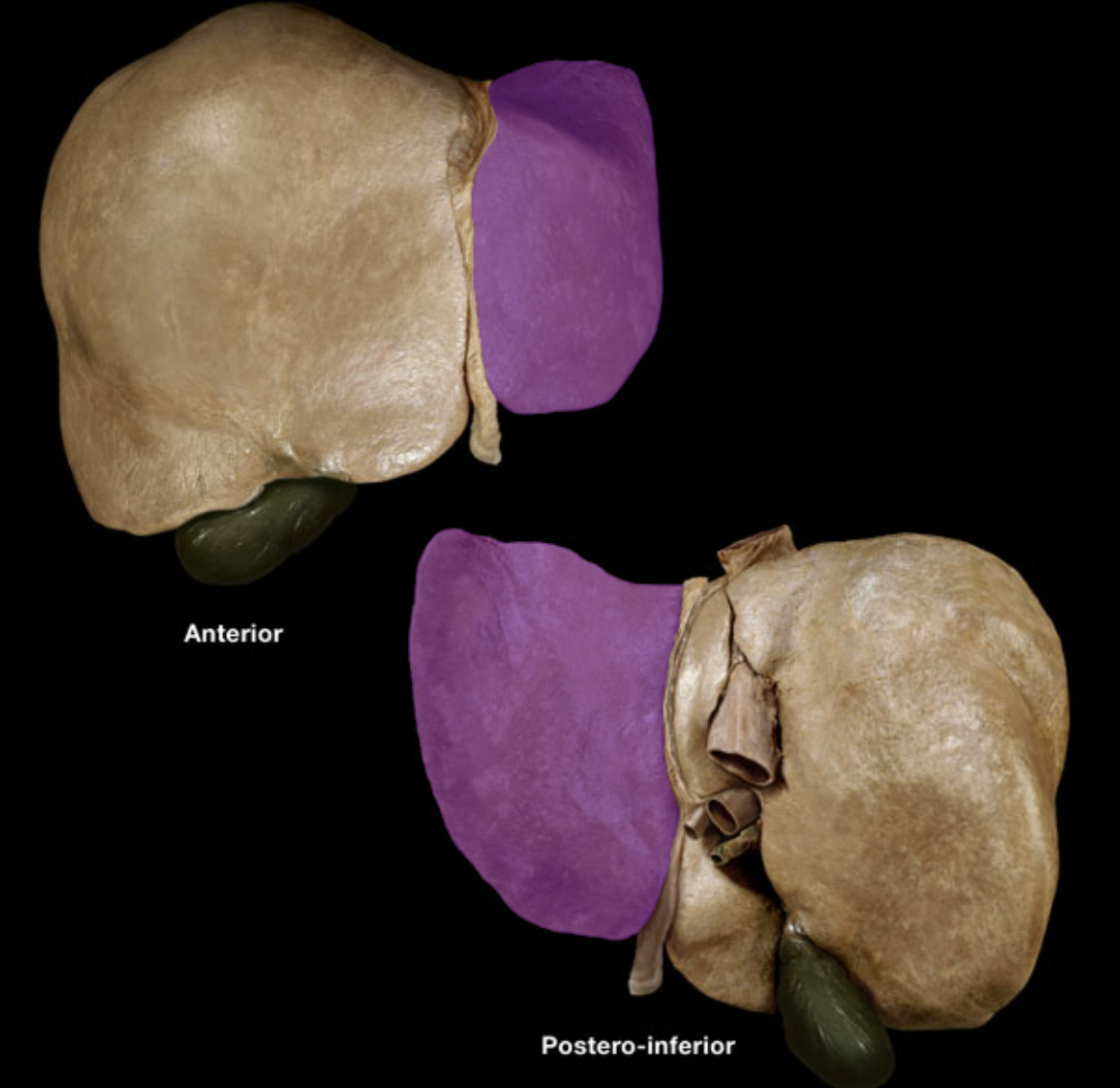
R lobe of liver
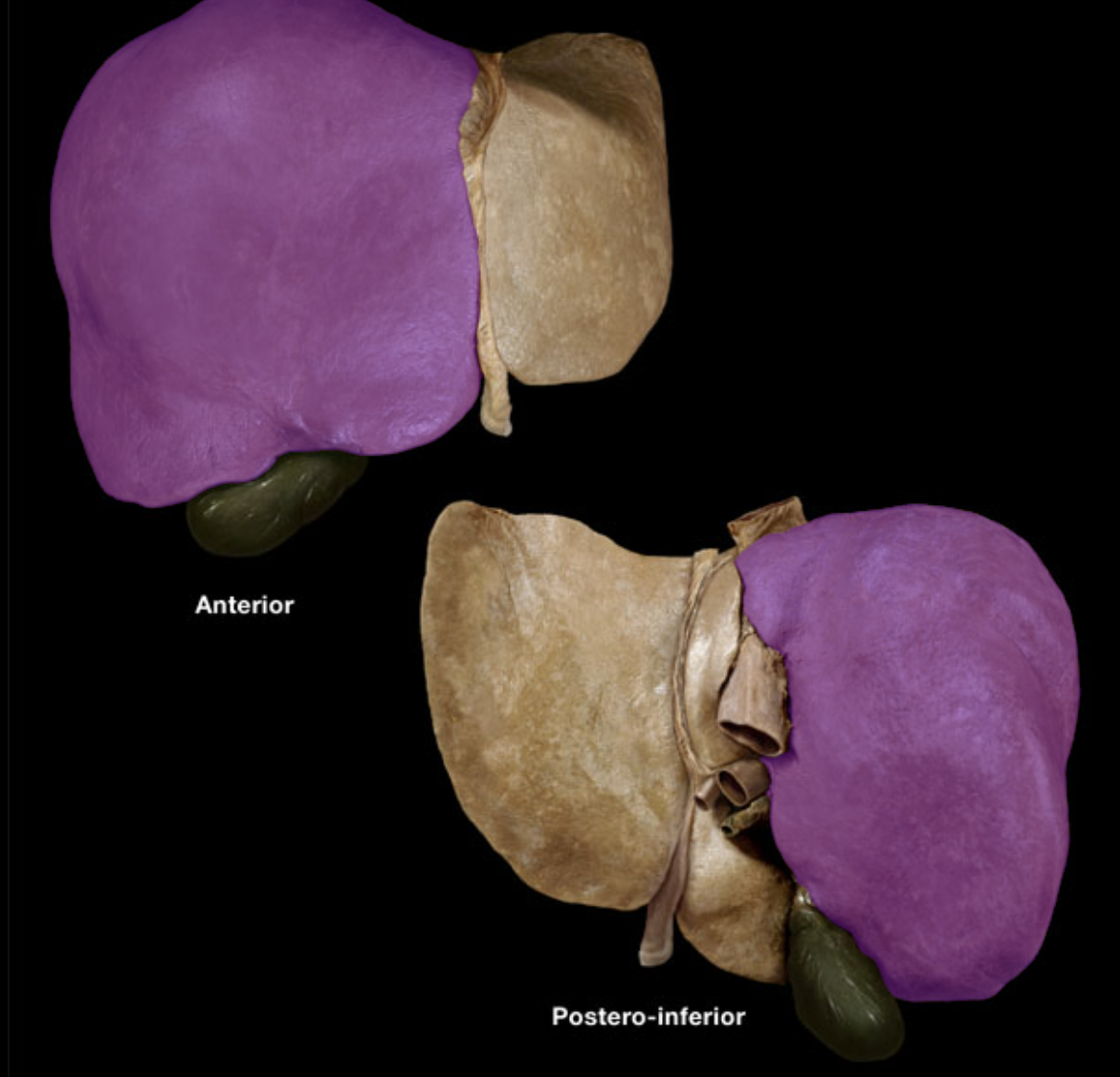
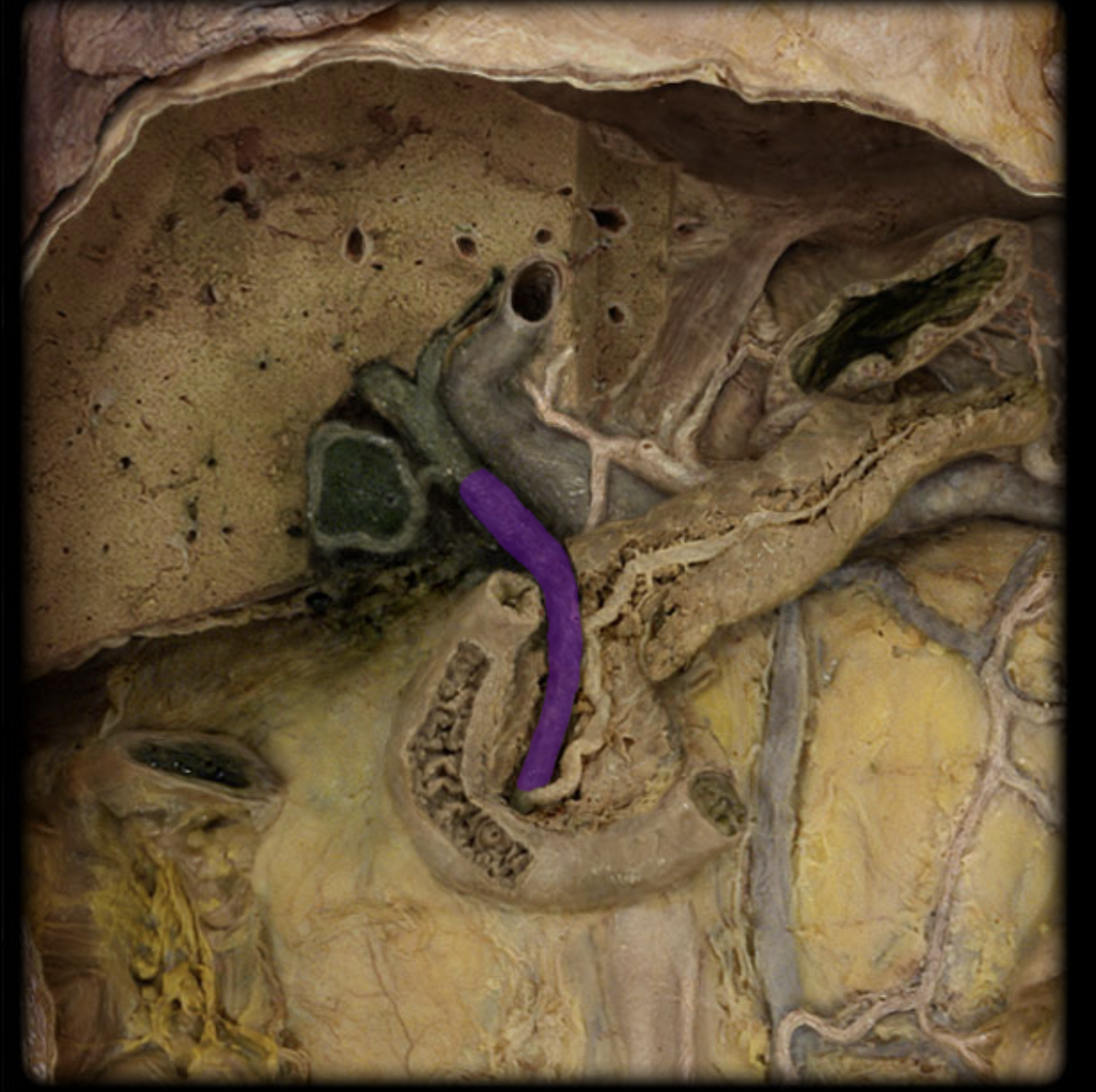
bild duct (cbd)
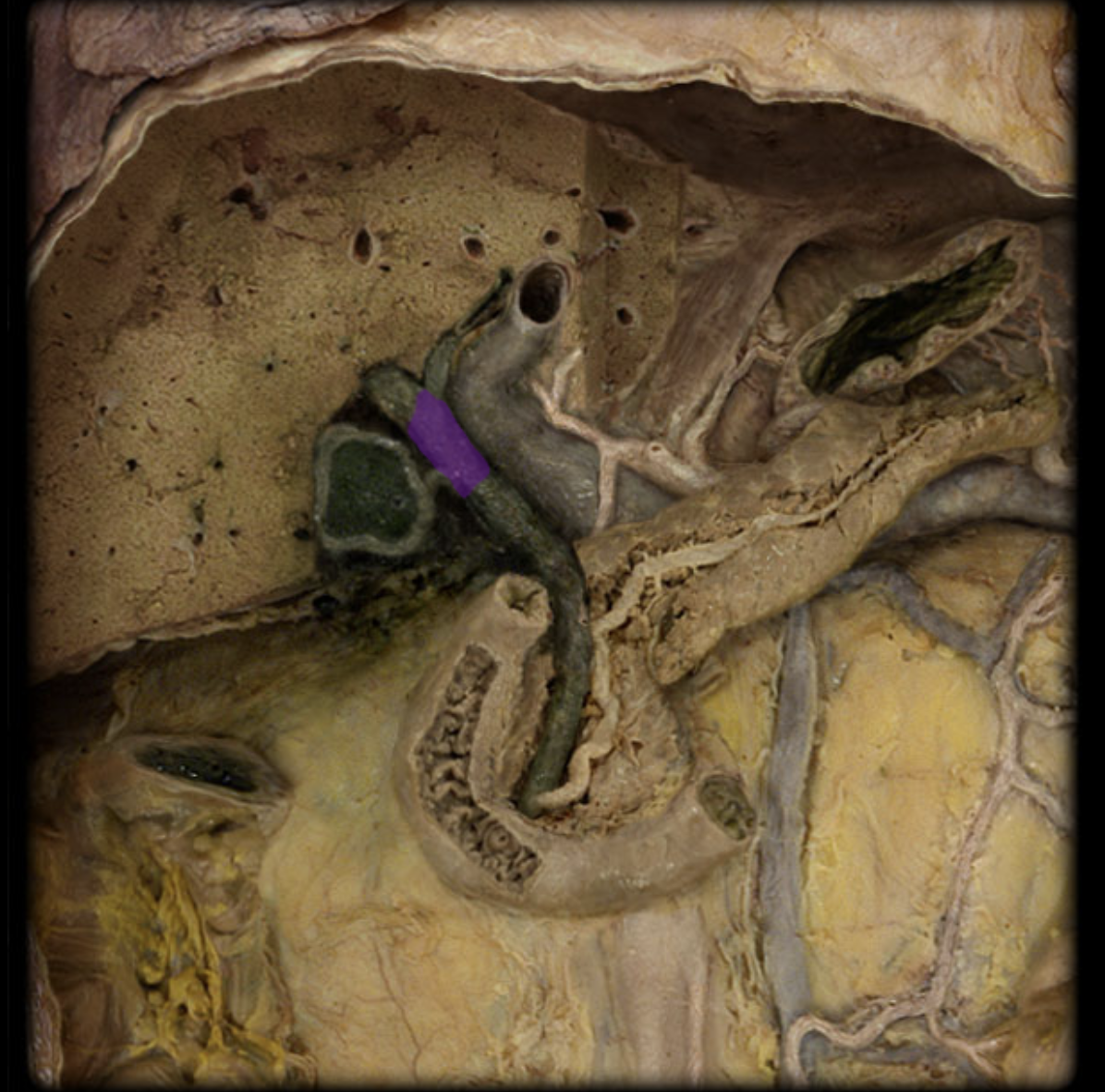
common hepatic duct
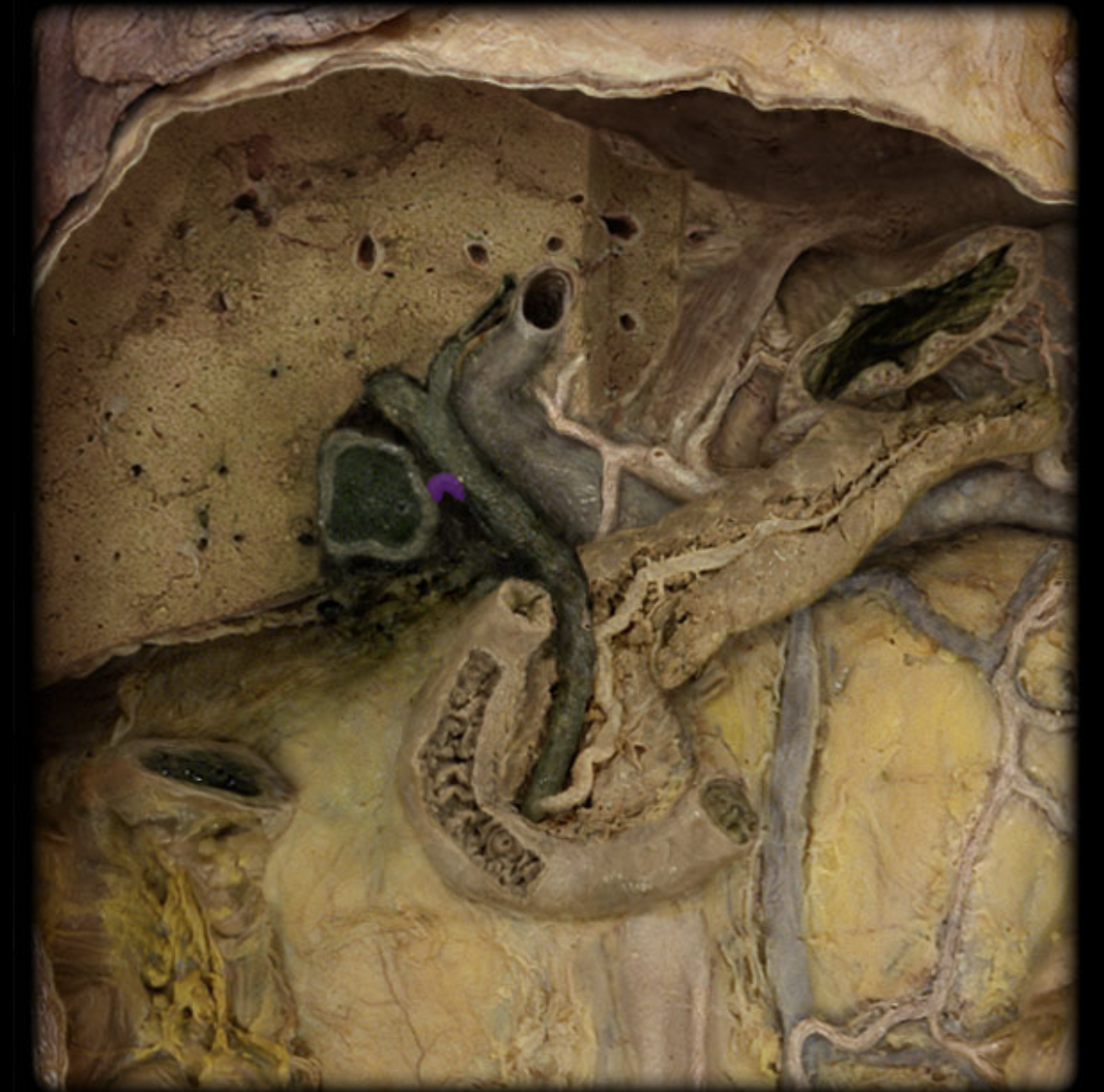
cystic duct
duodenum
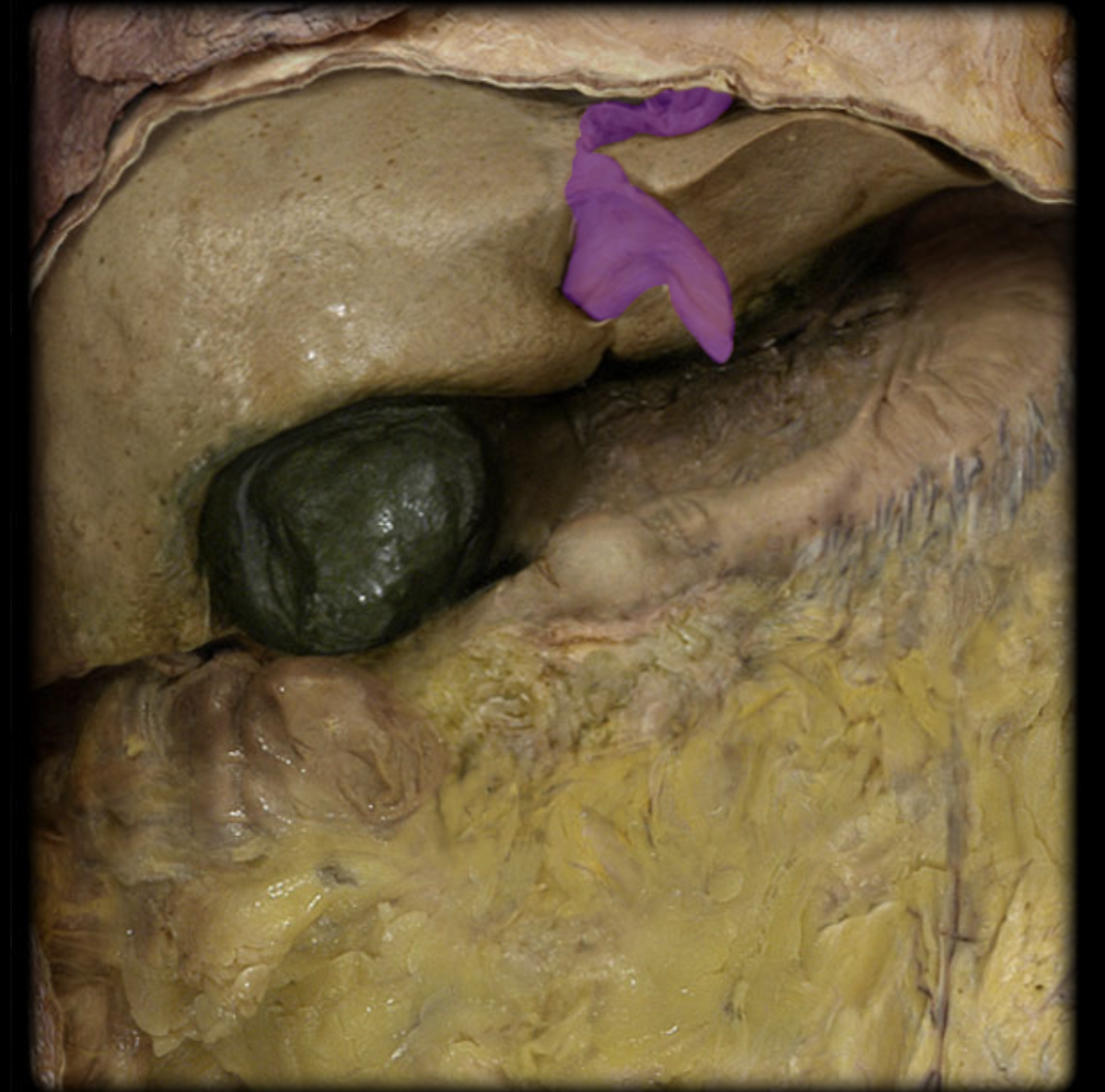
falciform ligament of liver
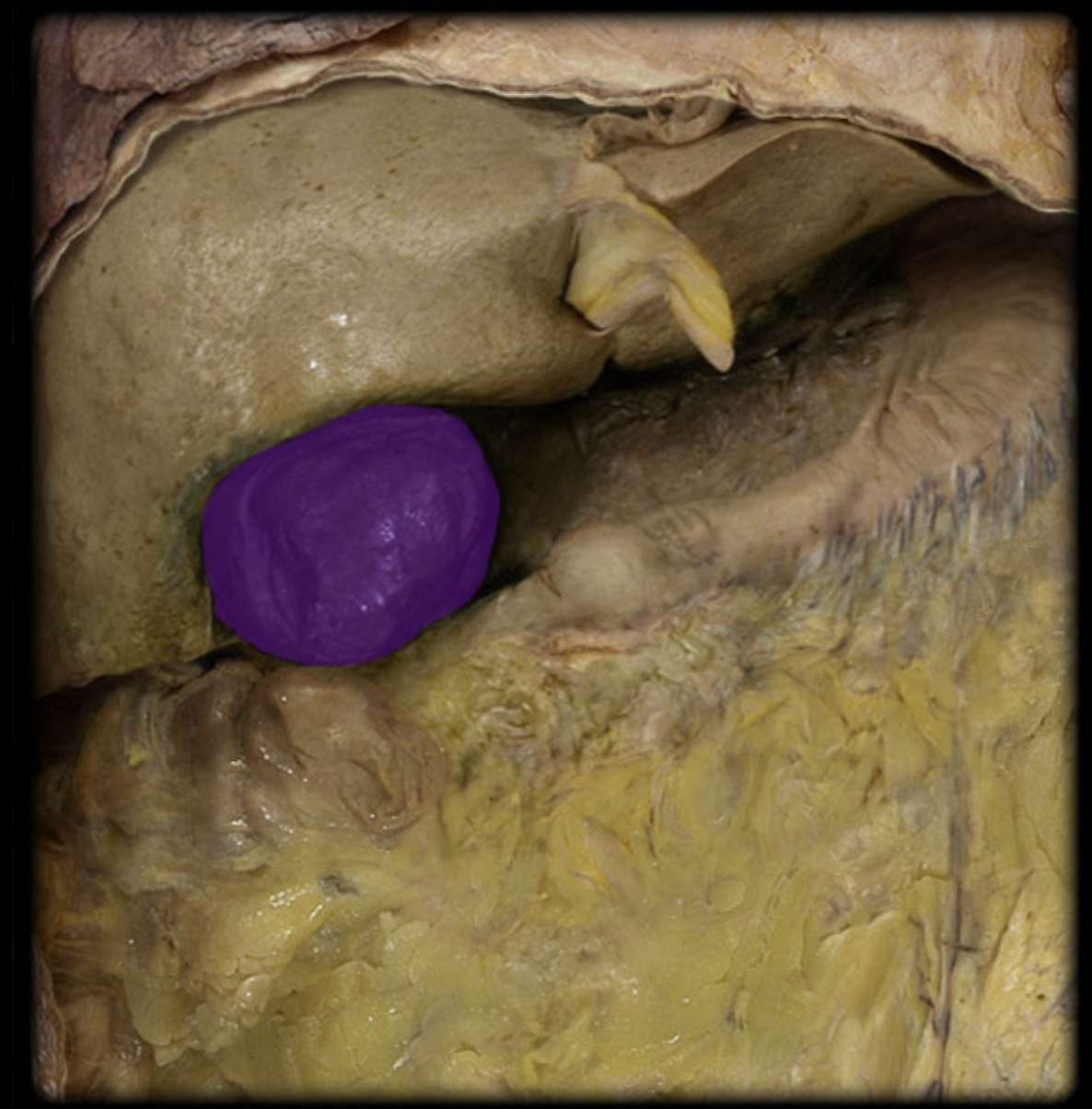
gallbladder
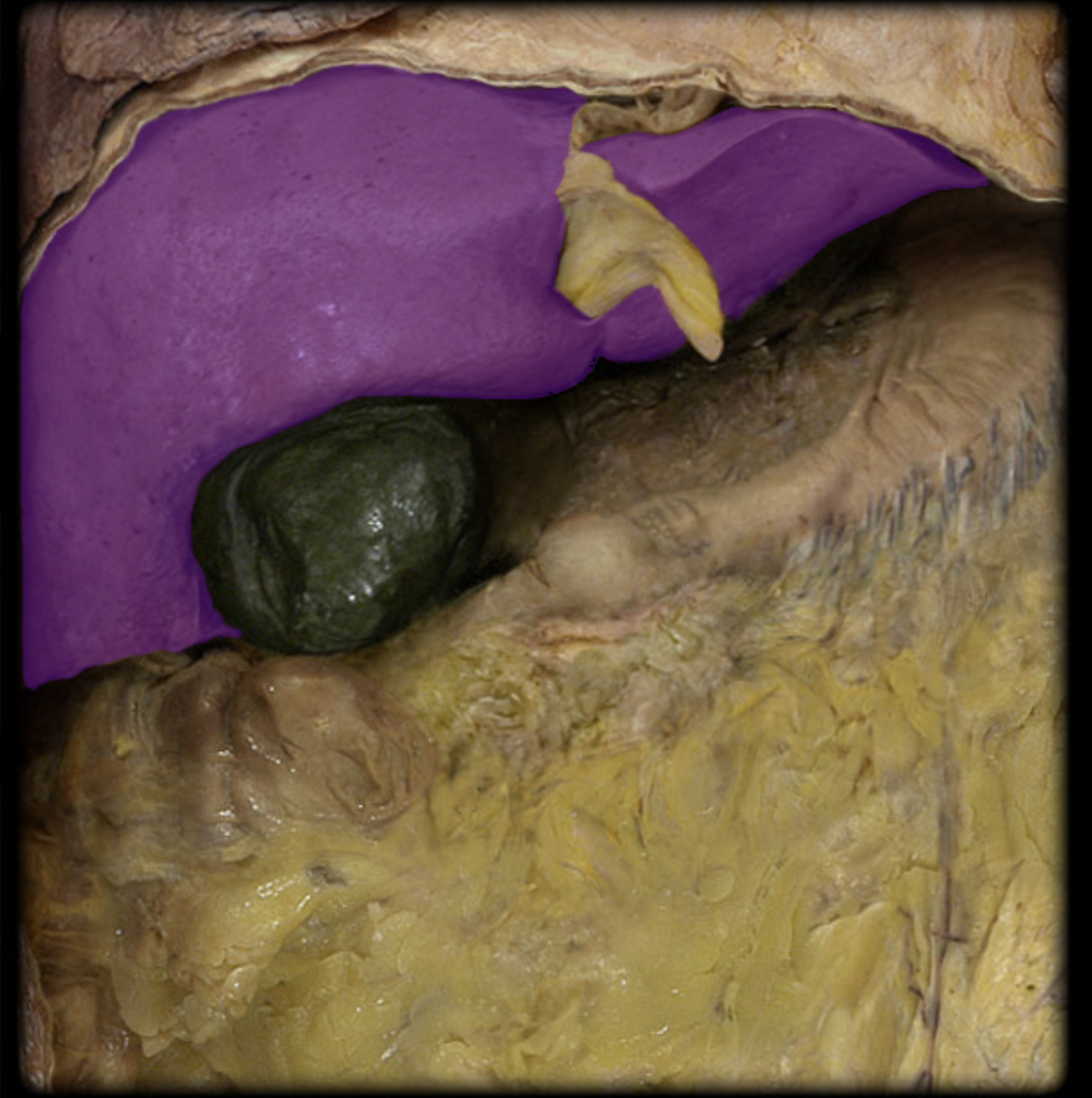
liver
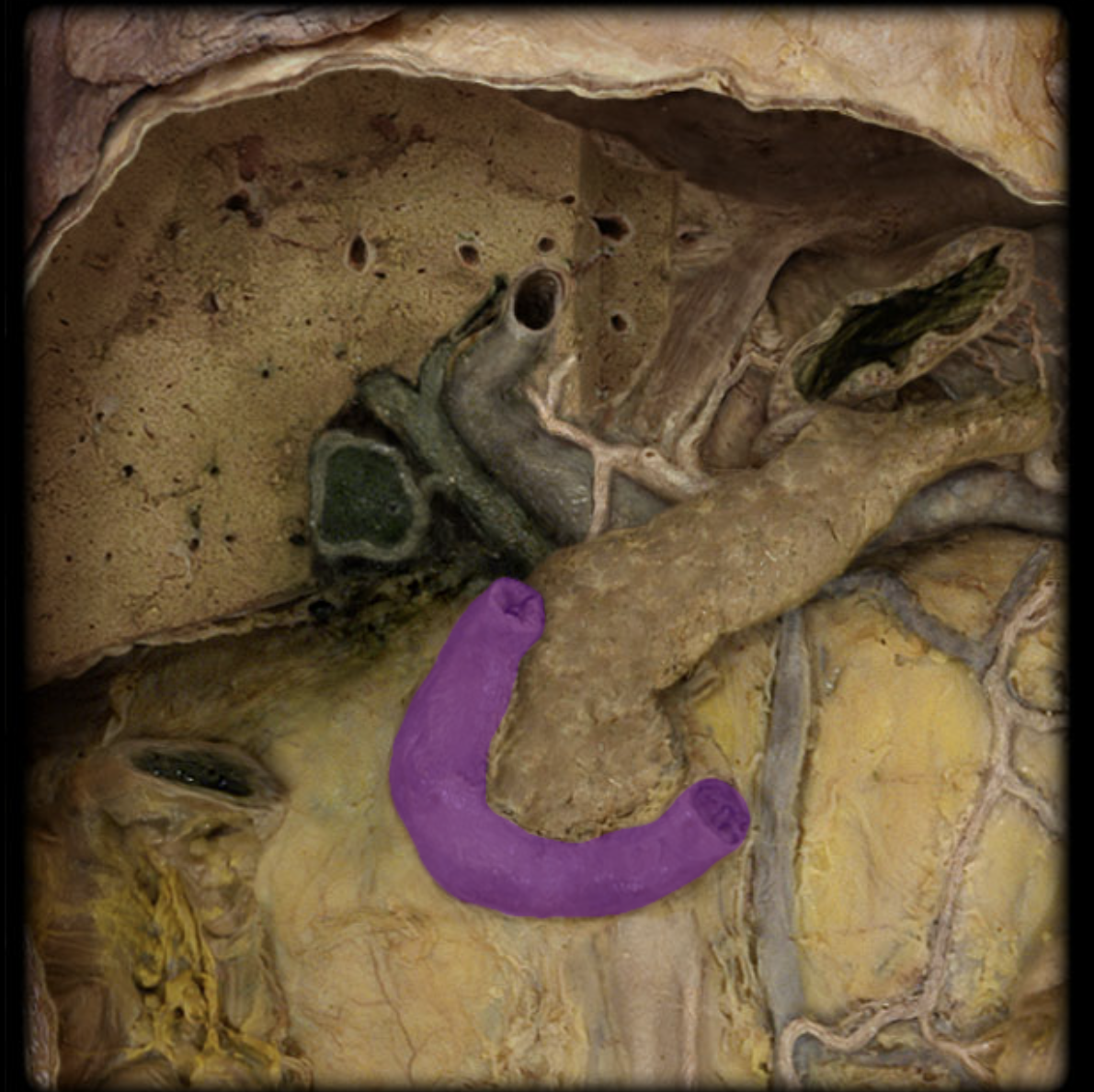
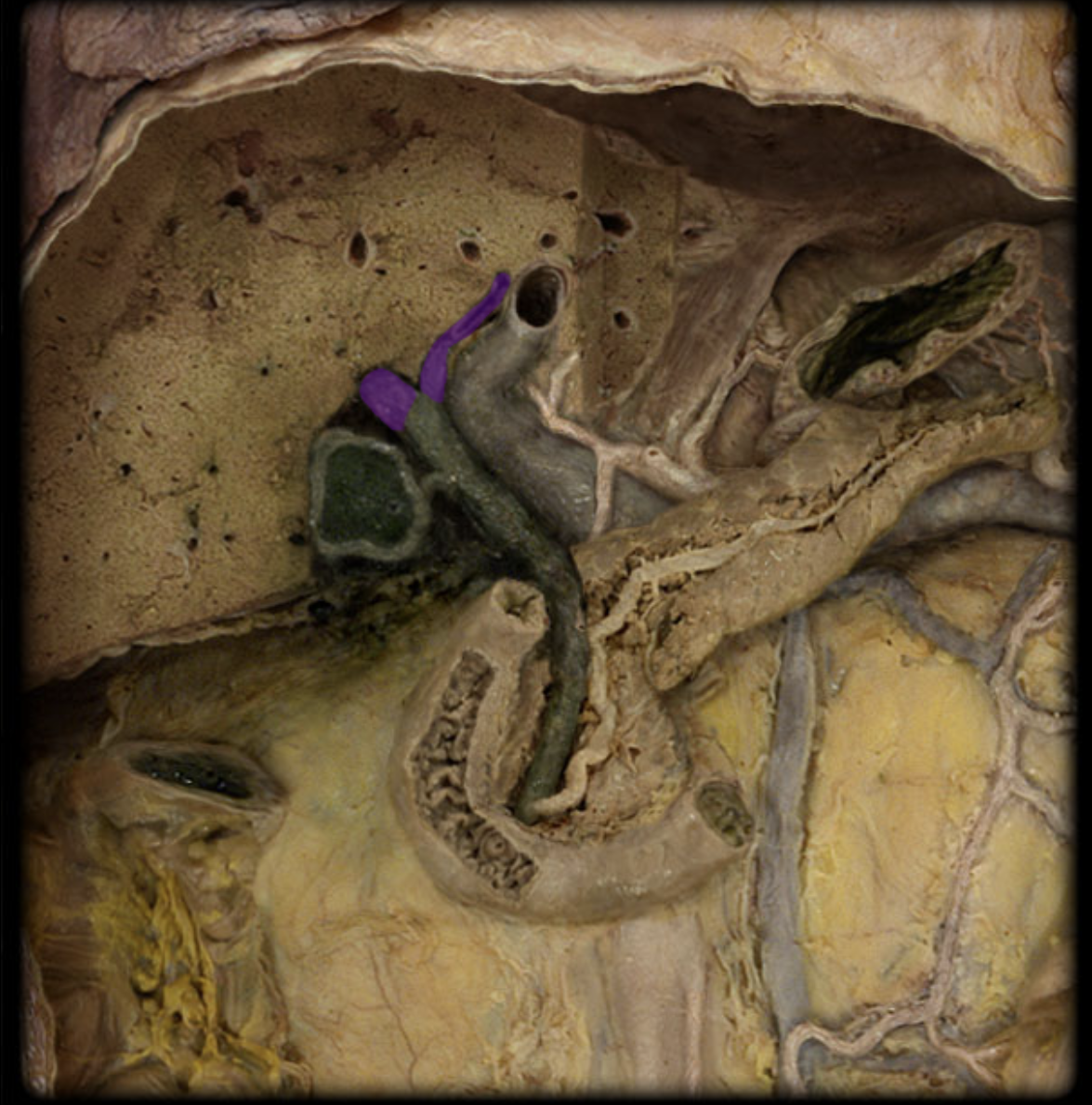
hepatic duct
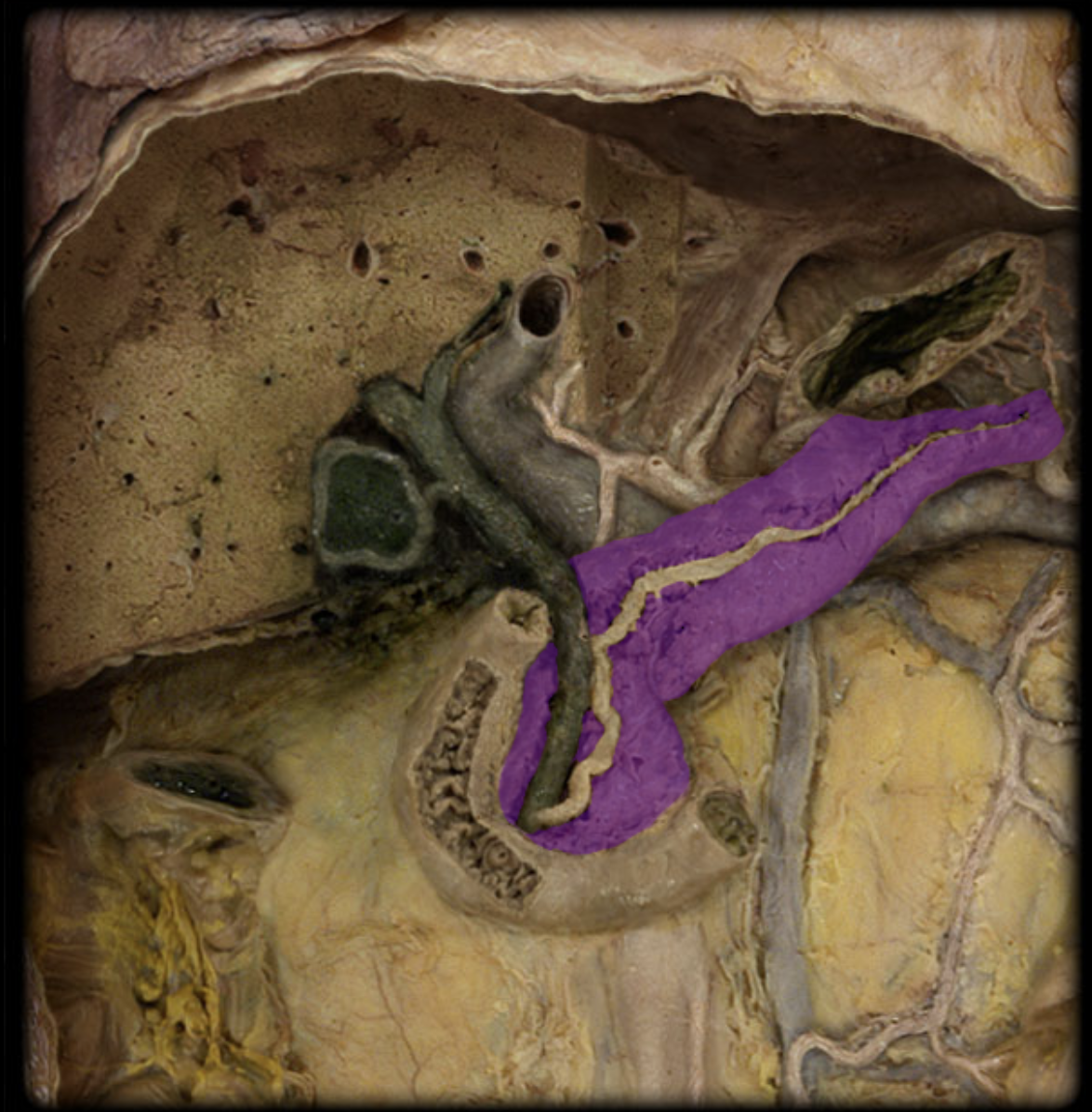
pancreas
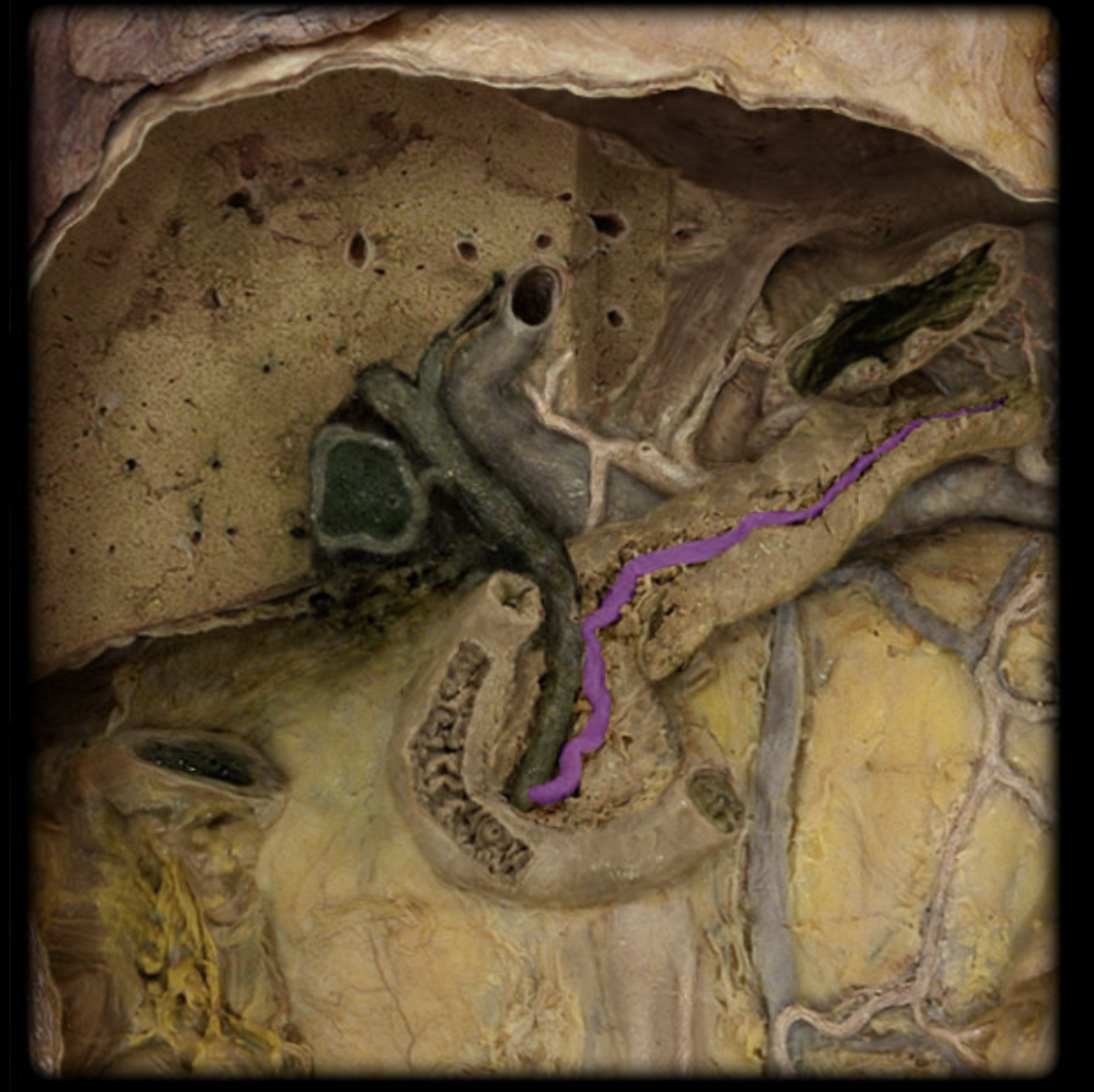
pancreatic duct
greater omentum
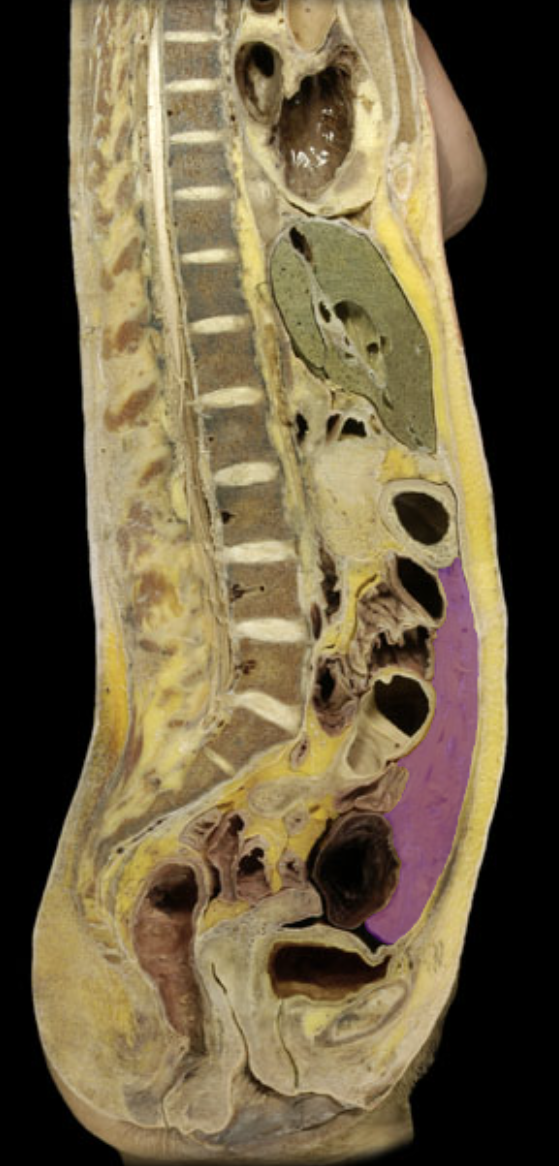
parietal peritoneum