Module 3: Nutrition and Aging
 Call Kai
 Learn
Learn Practice Test
 Spaced Repetition
 Match
Match Flashcards
 Knowt Play
1/88

There's no tags or description
Looks like no tags are added yet.
Name | Mastery | Learn | Test | Matching | Spaced | Call with Kai |
|---|
No analytics yet
Send a link to your students to track their progress
89 Terms
Nutrition
Define the following:
The science of how the body uses foods/nutrients to meet its requirements for growth, development, repair, maintenance, and disease prevention
Primary prevention
Is this considered primary, secondary, or tertiary prevention for nutrition?
- Emphasis on nutrition in health promotion and disease prevention
Secondary prevention
Is this considered primary, secondary, or tertiary prevention for nutrition?
- Slowing progression of chronic nutrition-related disease, to maintain functionality and quality
Tertiary prevention
Is this considered primary, secondary, or tertiary prevention for nutrition?
- Care/case management after discharge
- Often involves chewing, appetite problems, modified diets, and functional limitation
- Supports the integration of oral health with nutrition services, education, and research.
- Collaborations between dietetics and dental professionals is recommended for oral health promotion and disease prevention and intervention
Why is nutrition important in dentistry?
30%
What percent of adults over 65 are edentulous?
The oral cavity is a mirror of systemic health
What is the main reason we need a healthy mouth?
Porphyromonas gingivalis
What bacterium has been linked to Alzheimer's disease in recent studies?
Indirect
Is this considered a direct impact on oral health or an indirect impact on oral health?
- Sarcopenia
Indirect
Is this considered a direct impact on oral health or an indirect impact on oral health?
- Decreased basal metabolic rate (BMR)
Indirect
Is this considered a direct impact on oral health or an indirect impact on oral health?
- Loss of cognitive function
Indirect
Is this considered a direct impact on oral health or an indirect impact on oral health?
- Deterioration of vision
Indirect
Is this considered a direct impact on oral health or an indirect impact on oral health?
- Decrease smell
Indirect
Is this considered a direct impact on oral health or an indirect impact on oral health?
- Decrease gastric acid (achlorhydia)
Indirect
Is this considered a direct impact on oral health or an indirect impact on oral health?
- Slower peristalsis
Indirect
Is this considered a direct impact on oral health or an indirect impact on oral health?
- Frailty and loss of dexterity
Indirect
Is this considered a direct impact on oral health or an indirect impact on oral health?
- Constipation
Direct (ability to chew/ food choices)
Is this considered a direct impact on oral health or an indirect impact on oral health?
- Tooth loss/pain
Direct (ill-fitting dentures/ loss of appetite)
Is this considered a direct impact on oral health or an indirect impact on oral health?
- Weight loss
Direct (spicier/ acid (tooth erosion))
Is this considered a direct impact on oral health or an indirect impact on oral health?
- Decrease taste
Direct (dysphagia/ caries)
Is this considered a direct impact on oral health or an indirect impact on oral health?
- Hyposalivation
Direct (difficulty swallowing)
Is this considered a direct impact on oral health or an indirect impact on oral health?
- Dysphagia
Direct (osteoporosis/ tooth loss)
Is this considered a direct impact on oral health or an indirect impact on oral health?
- Decrease in bone density
Direct (oral microbiome)
Is this considered a direct impact on oral health or an indirect impact on oral health?
- Impaired immune function
Direct (affect taste and smell, nausea, vomiting)
Is this considered a direct impact on oral health or an indirect impact on oral health?
- Polypharmacy
True
T/F: Antidepressants have been shown to increase appetite and help with weight gain
Increase
Obesity is prevalent in older adults as well, while malnutrition is very common in elderly. This all leads to _________ risk of CVD, diabetes, hypertension, cancer, asthma, osteoarthritis, disability and death
Pressure Ulcers
What are bed sores due to continuous pressure that impedes capillary blood flow to skin and underlying
tissue? They are caused by impaired mobility, poor circulation, heavily sedated, paralysis, sensory loss.
- Adequate protein
- Vitamin C
- Zinc
What is the nutrition recommendation for pressure ulcers?
D) Hydration (Results in DEhydration)
Physiological changes can impact nutritional status (such as insufficient chewing and trouble swallowing) and result in all of the following EXCEPT:
A) Malnutrition
B) Nutritional deficiencies
C) Anorexia
D) Hydration
E) Laxative abuse
- Proper screening
- Multidisciplinary approach
- Prevention
What are three potential solutions for malnutrition?
60%
What percentage of older adults in healthcare settings are malnourished?
Diet
Dental caries (tooth decay) are _________ induced
Malnutrition
Periodontal disease (gum disease) is worsened by _________
Malnutrition
Tooth loss worsens _________
Malnutrition
Poor oral health can limit food choices and varieties, such as preferring softer foods, sweeter foods, more fat/CHO, and less protein or water. This all worsens _________
Undernutrition
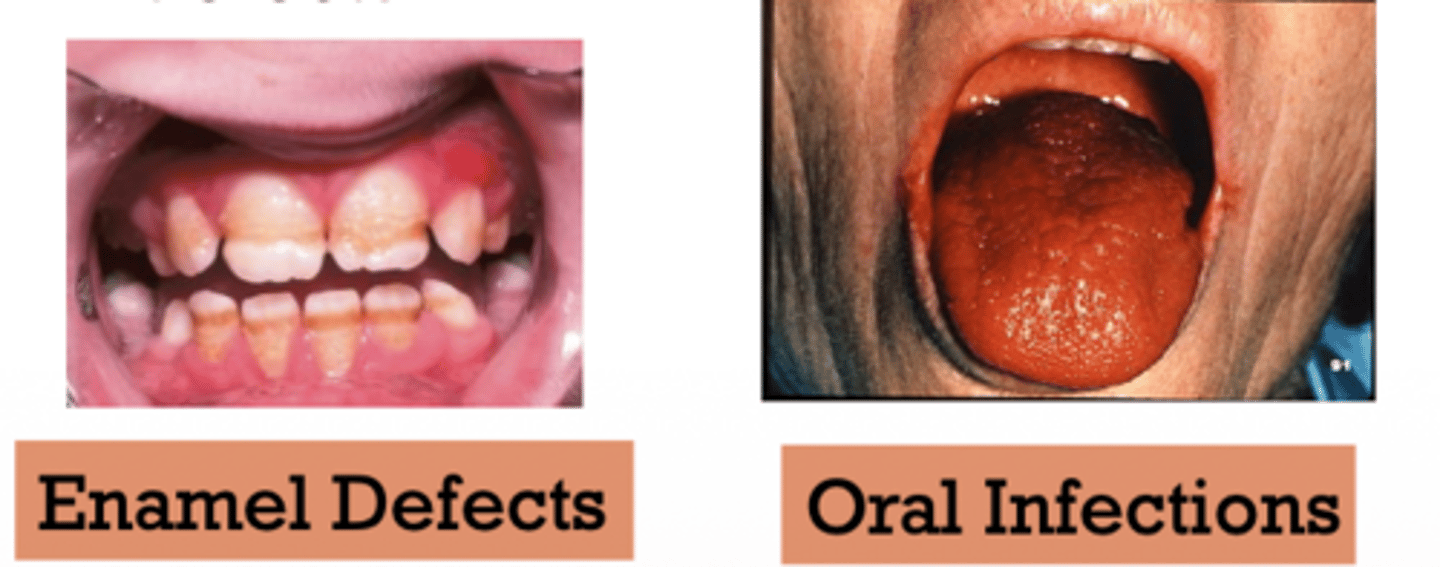
Would the following be caused by overnutrition or undernutrition?
- Decreased resistance to oral infections
- Decrease immune response
- Ultimately may result in increased tooth loss and enamel defects
Overnutrition
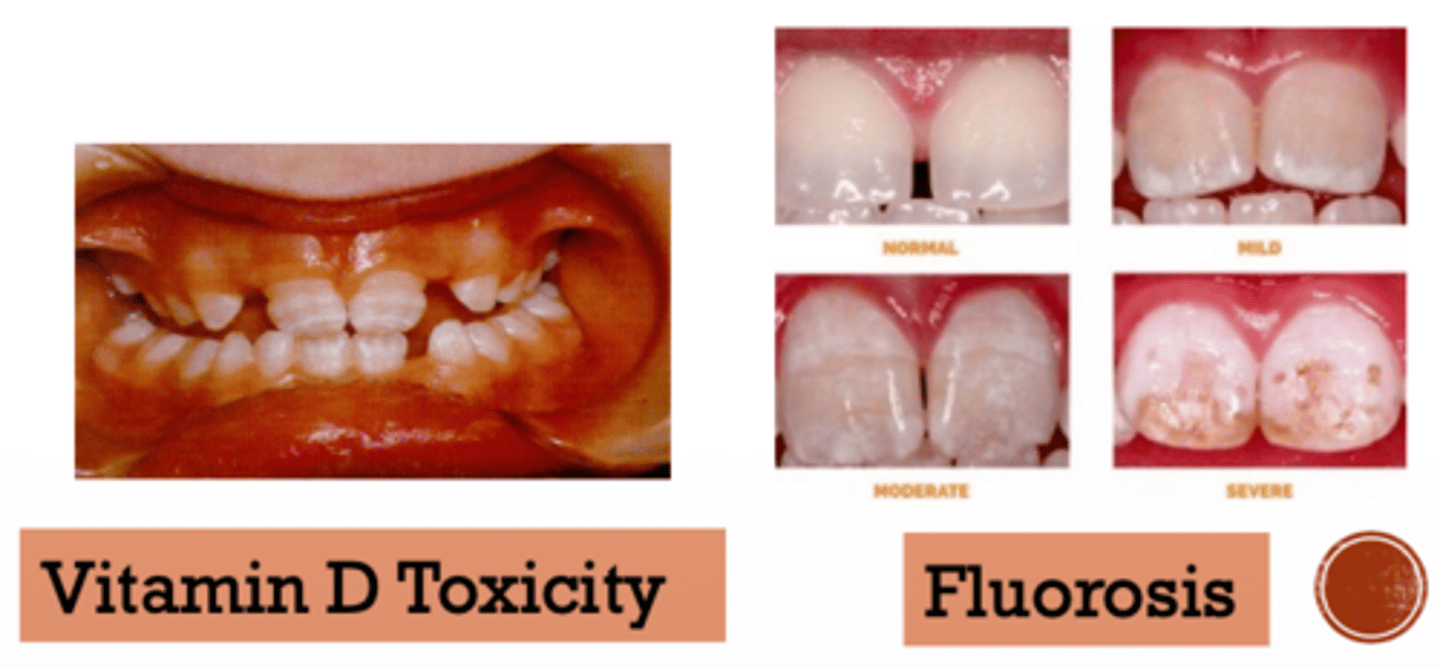
Would the following be caused by overnutrition or undernutrition?
- Fluorosis
- Vitamin D toxicity
- Vitamin A toxicity
Dentures/dental status
What is a major risk factor for malnutrition in the elderly?
Dentures/dental status
What is the main cause for death from choking?
- Lactobacillus
- Streptococcus mutans
What bacteria are commonly associated with periodontal disease?
Oxidative damage (ROS)
Inflammation from periodontal disease is also known as what?
Promotes
Excess sugar consumption _________ pro-inflammatory processes
Increased
Higher body fat content has been associated with (increased/decreased) gingival bleeding in older patients
1. Anti-inflammatory properties
2. Anti-bacterial effect
Omega-3 may be helpful in periodontal health due to what two things?
A. Both statements are correct
1. The gingival tissue has one of the highest turnover rates in the human body. 2. Proteins are keys to maintaining such a high turnover.
A. Both statements are correct
B. 1 is true. 2 is false
C. 1 is false. 2 is true
D. Both statements are false
Protein intake, caloric intake
Tissue repair and gum healing requires adequate ______ intake but also sufficient ______ intake as well
Inverse
There is a (direct/inverse) relationship between high protein intake and periodontitis
- Dark green leafed veggies
- Cheese
- Milk
- Cod liver oil
- Oyster mushrooms
- Eggs
- Certain species of wild salmon
Tooth remineralization is favorably influenced by foods rich in mineralizing factors such as?
Vitamin C
Which vitamin is being described?
- Needed for collagen production and wound healing
- Deficiency leads to poor wound healing, gingivitis, and loss of PDL and scurvy
Vitamin A
Which vitamin is being described?
- Considered an antioxidant
Vitamin B complex
Which vitamin is being described?
- Supplementation accelerates healing after periodontal flap surgery
Vitamin D
Which vitamin is being described?
- Low levels of this vitamin have been linked to loss of periodontal attachment
- Supplementation of vitamin combined with calcium has been shown to reduce tooth loss
Yes
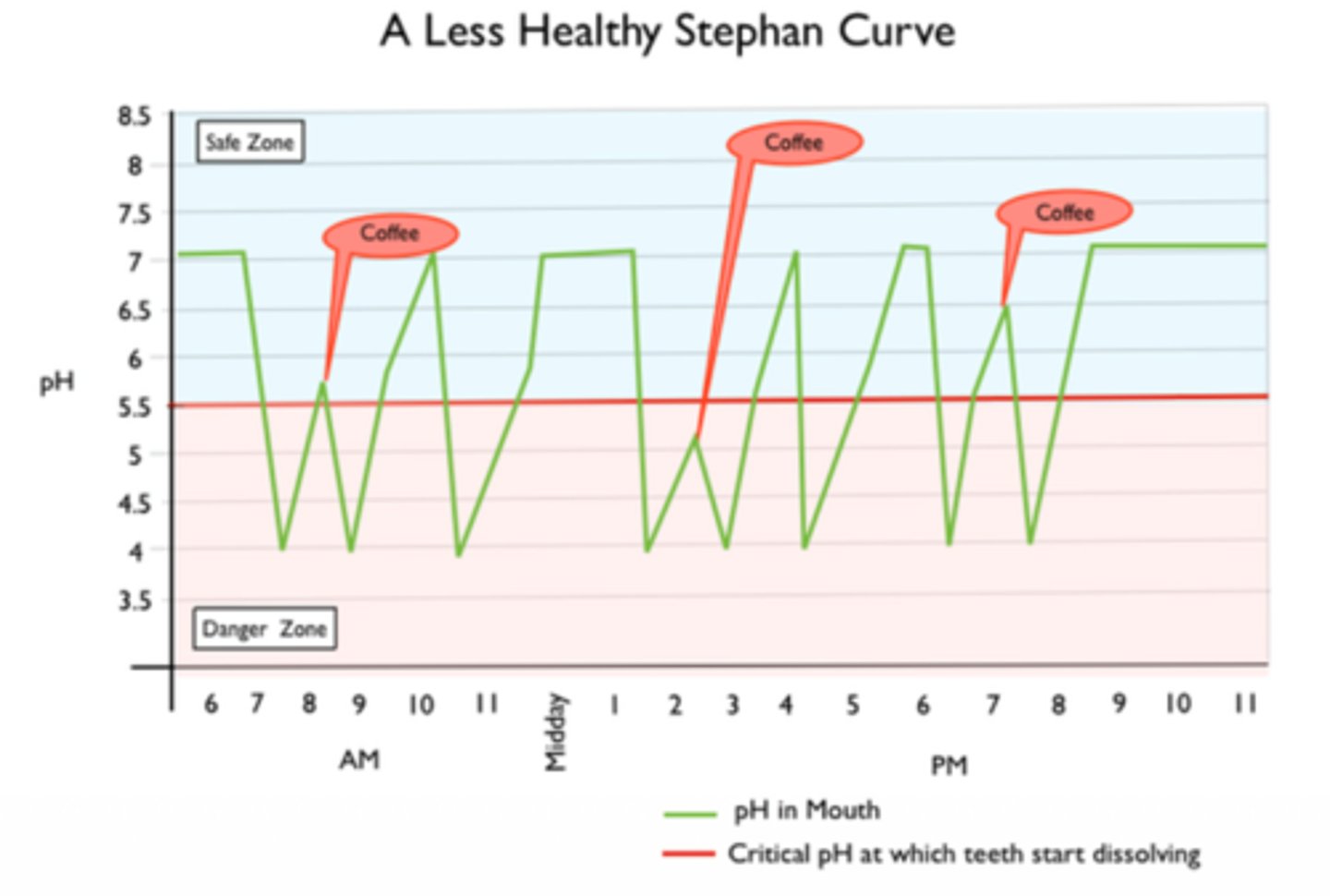
Does bedtime play a role in caries risk?
Demonstrates how sugar causes temporary acid attacks on teeth and why frequent snacking on sugary foods increases the risk of cavities
What does the Stephan Curve show?
True
T/F: Cariogenic foods when combined with non-cariogenic foods have a protective effect
A. Cariogenic foods first, protective foods last
In what order should you eat these foods?
A. Cariogenic foods first, protective foods last
B. Protective foods first, cariogenic foods last
C. Order doesn't really matter
Raisins
Which is more cariogenic: grapes or raisins?
- Fatty meats and fish
- Cheese
- Butter
- Avocado
- Nuts and seeds
- Chocolate
What are examples of foods high in fat?
Low
High fat foods tend to be (high/low) in carbohydrates
More
High fat foods have (more/less) protein
Non-cariogenic
(May coat plaque/not available for bacteria; Not a food source for bacteria; Have direct toxic effects on oral bacteria; Interfere with sugar solubilization)
Are foods high in fat considered to be cariogenic or non-cariogenic?
Non-cariogenic
(Not a bacterial sources of food; Buffering effects; Adsorb onto enamel surface and decrease enamel solubility; Increase salivary levels)
Are foods high in protein considered to be cariogenic or non-cariogenic?
Low
High protein foods tend to be (high/low) in carbohydrates
Cariogenic
(Food source for bacteria; Highly soluble in oral fluids; Affect biofilm composition; ↓ levels of Ca, F, P)
Are carbohydrates considered to be cariogenic or non-cariogenic?
Fermentable
Are the following fermentable or non-fermentable?
- Sucrose
- Lactose
- Maltose
- Glucose
- Fructose
- Galactose
- Corn syrup
- Molasses
- Cane syrup
- Dextrose
Non-fermentable
Are the following fermentable or non-fermentable?
- Saccharin
- Cyclamates
- Aspartame
- Nectresse
- Mannitol
- Acesulfame-K
- Sorbitol
- Xylitol
- Sucralose (Splenda)
- Stevia
Yes
Are fermentable sweeteners cariogenic?
No
Are non-fermentable sweeteners cariogenic?
Protective foods
What type of foods are the following?
- Fluoride in water
- Calcium in dairy
- Casein in cheese
- Phosphates in grain, nuts and meat
- Protein in meats and nuts
- Polyphenols in
- - Tea
- - Wine
- - Raw cocoa ??
No
(But can be helpful for Seniors, Alcoholics, Medically compromised, Deficient, Restrictive diets)
Can supplements/pills replace food?
Better absorption and lower toxicity risk
Why are whole foods preferred over supplements?
C. Bell peppers, green, raw (1 cup)
Which food contains the most vitamin C per serving?
A. Orange (1 medium)
B. Strawberries (1 cup)
C. Bell peppers, green, raw (1 cup)
D. Kiwi (1 medium)
True
T/F: Many whole foods can provide as much or more vitamin C than a supplement
Men
Is the RDA for vitamin C higher for women or men?
- Decrease number of taste buds and nerve endings
- Kidney disease
- Hypertension
What caused a reduced or loss of sensory of taste and smell? (3)
- Poor dietary choices
- Malnutrition
- Increase consumption of sugar and salt
A reduced or loss of sensory of taste and smell can lead to what? (3)
- Flavored milk or yogurt
- Add powdered milk to foods
- Add herb and spices instead of salt
- Choose ripe fruits
- Use whole grain such as rye and pumpernickel
- Wine before food stimulates appetite
- Add sauces/ gravies
What can you suggest for people who have a reduced or loss of taste and smell?
- Cut foods into small pieces
- Mashed or blend foods
- Cooked or canned vegetables and fruits
- Slow cooked meat or flaky fish or eggs
- Yogurt/ puddings
- Soups and smoothies
- Cottage cheese or yogurt instead of hard cheese
- Avoid bread and hard crusts
- Use paste, rice or cooked cereals
- Avoid seeds and nuts (slip under the tongue)
What are food modifications for people who have trouble chewing and swallowing?
Saliva
What has the following functions?
- Lubrication
- Taste
- Mastication
- Swallowing food
- Digestion of carbohydrates (amylase)
- Antimicrobial
- Cleansing properties
- Buffering = remineralization (maintains pH)
- Maintain mucosa integrity
- Aging
- Polypharmacy
- Radiation treatment
What are the three main causes of xerostomia?
- Add milk/ yogurt to moisten foods
- Moisten bread with milk/ broth
- Add gravies/ dressing/ sauces
- Use soups/ stews with high water content
- Drink plenty of water
(Careful because these also increase risk of caries)
What are food modifications for people who have xerostomia?
Oral cancer and chemotherapy
What can lead to...
- Mucositis
- Bleeding
- Xerostomia (damage to saliva glands)
- ↑ risk of infection (low immunity)
- Pain and discomfort
- Exacerbate malnutrition
True (Tooth loss is NOT a normal process of aging)
T/F: Dental problems are preventable
- Calcium (Ca)
- Iron (Fe)
- Vitamin: B12, D, Omega-3
Micronutrient needed in higher amounts in seniors, such as what?
USDA Food Assistance Program (SNAP)
Which nutrition support service?
Provides nutrition benefits to supplement the food budget of needy families so they can purchase healthy food and move towards sell-sufficiency
Commodity Supplemental Food Program
Which nutrition support service?
Works to improve the health of low-income persons at least 60 years of age by supplementing their diets with nutritious USDA Foods. USDA distributes both food and administrative funds to participating states and Indian Tribal Organizations to operate CSFP
Seniors Farmers Market Nutrition Program
Which nutrition support service?
Designed to provide low-income seniors with access to locally grown fruits, vegetables, honey and herbs
Medicaid Nutrition Services
Which nutrition support service?
The federal government does not require states to provide any benefits for Medical Nutrition Therapy (MNT) through Medicaid or the Children's Health Insurance Program (CHIP); however, about half of states have elected to add some benefits for nutrition.