EXAM 9
 Call Kai
 Learn
Learn Practice Test
 Spaced Repetition
 Match
Match Flashcards
 Knowt Play
1/214

Earn XP
215 Terms
Might not be possible if the child’s condition is critical
Carries oxygen to the baby via the umbilical vein
Tell him or her what is happening, identify noises, and describe the situation and surroundings
Determine the position in which the patient normally sleeps

A decrease in bone mass and density
Is usually considered irreversible
Older patients have difficulty understanding when they are stressed
Provide ventilations for 30 seconds
Their limbs are often underdeveloped and prone to injury
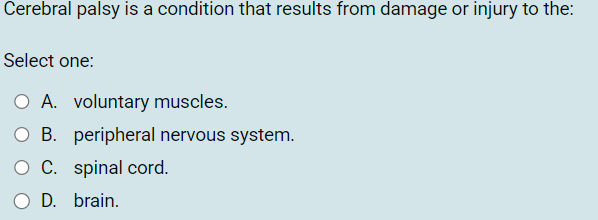
Brain
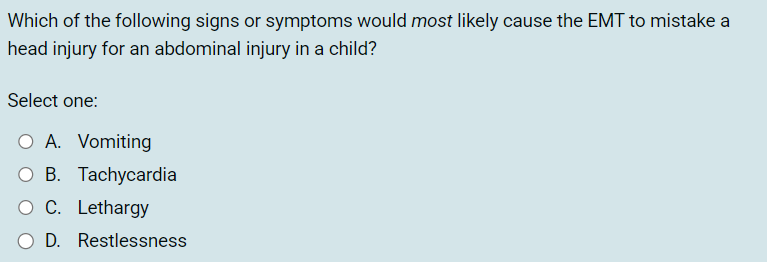
Vomiting
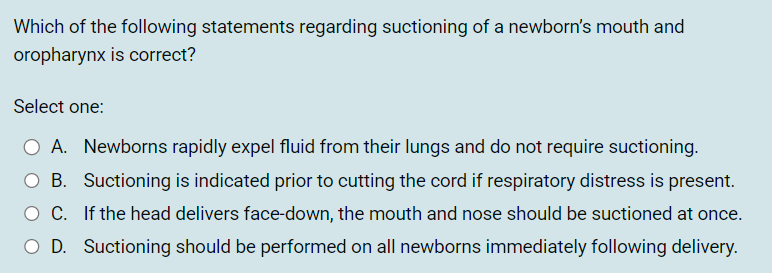
Suctioning is indicated prior to cutting the cord if respiratory distress is present
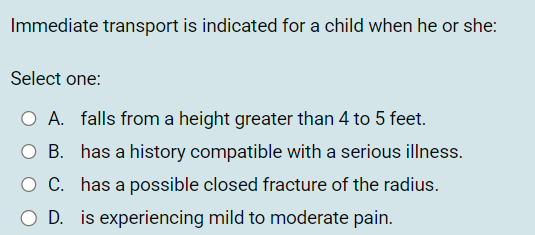
Has a history compatible with a serious illness
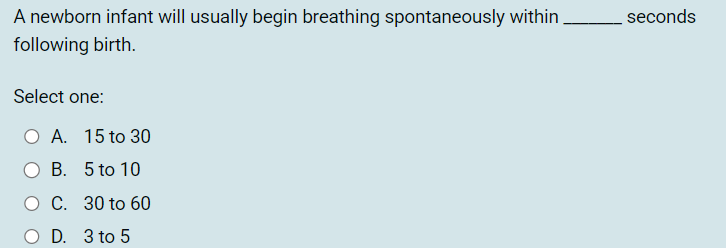
15 to 30
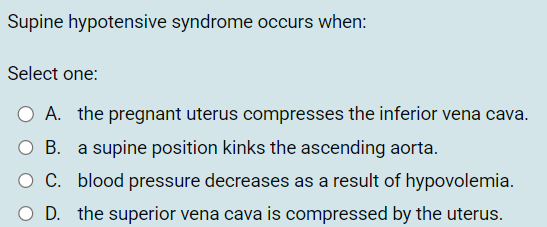
The pregnant uterus compresses the inferior vena cava
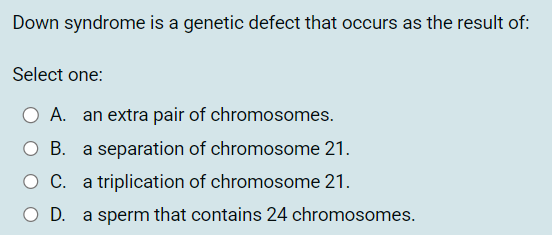
A triplication of chromosome 21
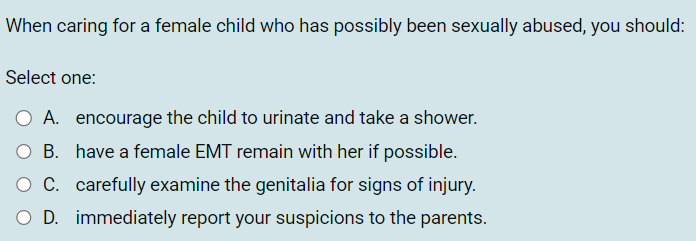
Have a female EMT remain with her if possible
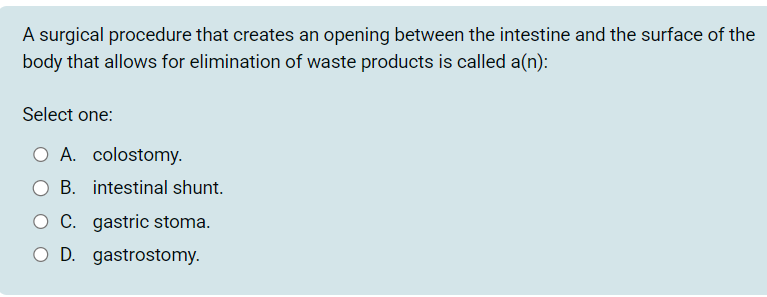
Colostomy
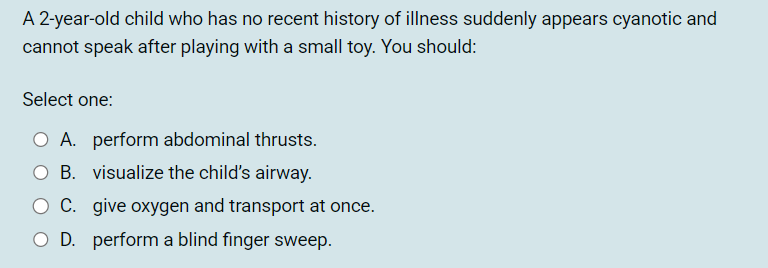
Perform abdominal thrusts
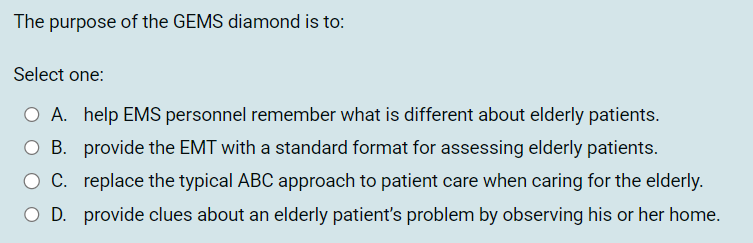
Help EMS personnel remember what is different about elderly patients
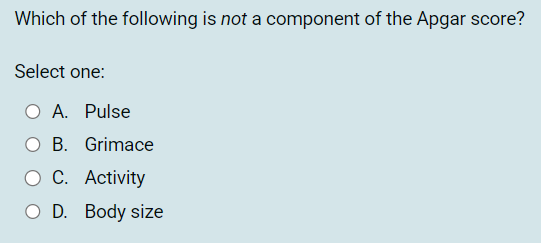
Body size
Falls
Drooling or congestion
Vary widely, depending on the child's age and weight
Has an even proportionately larger head

Patients with a gastrostomy tube might still be at risk for aspiration
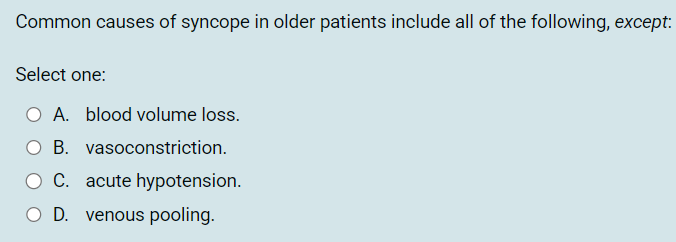
Vasoconstriction
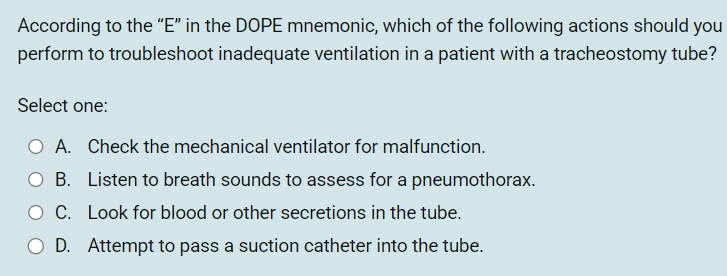
Check the mechanical ventilator for malfunction
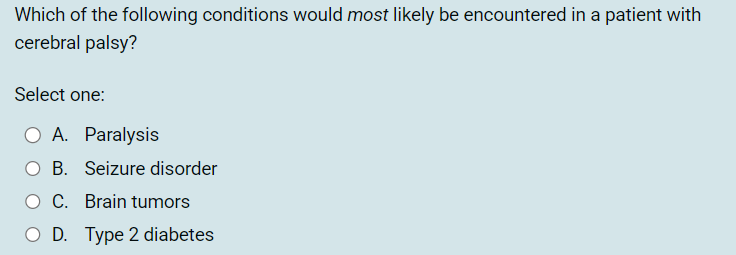
Seizure disorder
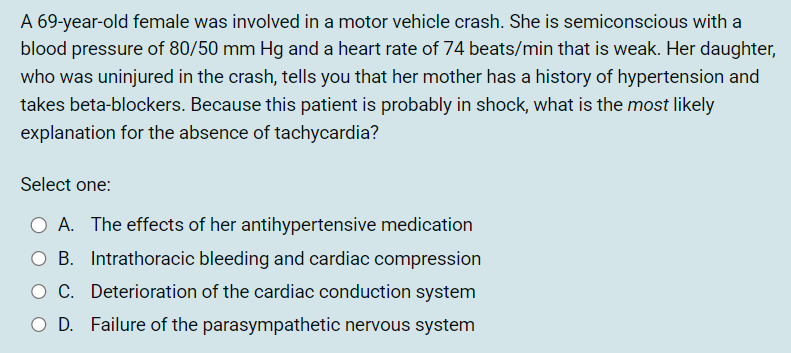
The effects of her antihypertensive medication
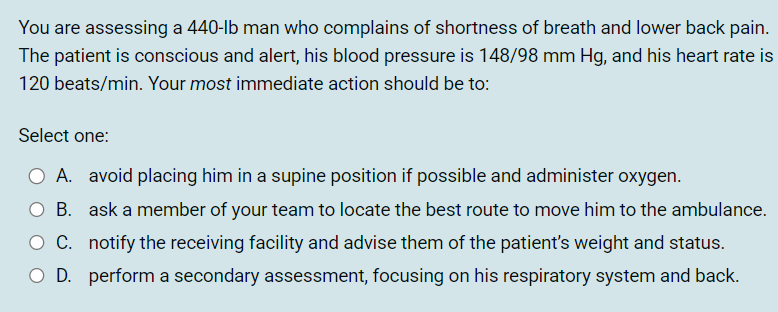
Avoid placing him in a supine position if possible, and administer oxygen
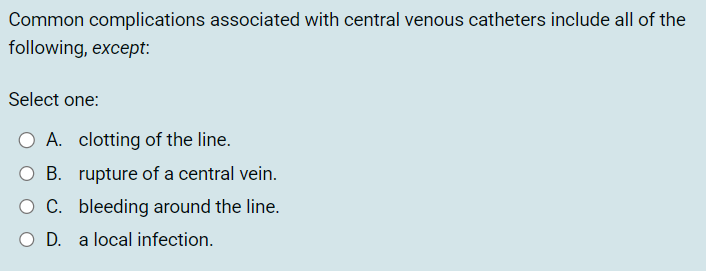
Rupture of a central vein
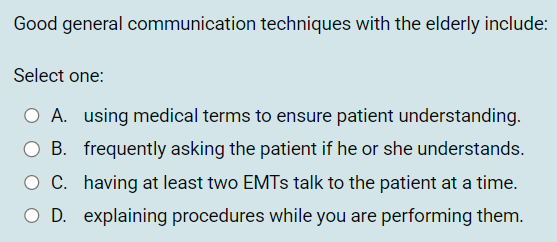
Frequently asking the patient if he or she understands
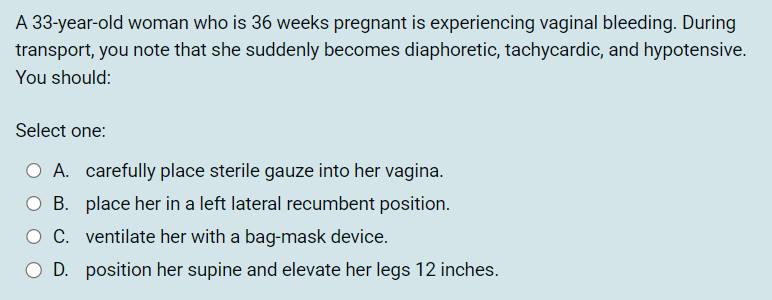
Place her in a left lateral recumbent position
Most twins are born within 45 minutes of each other
Secure the torso before the head
Females
Older patients tend to use more lethal means than younger patients
First attempt to slip the cord gently over the infant's head
Sunken fontanelles
Neck stiffness
Assess her for crowning

Start of one to the start of the next
Experienced a vasovagal response
Ensure that it is thoroughly dried and warmed

Physical
Hydrocephalus
A portion of the spinal cord or meninges protrudes outside the vertebrae
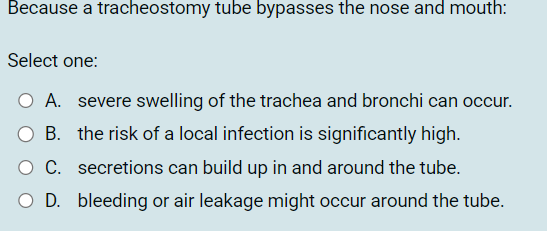
Secretions can build up in and around the tube
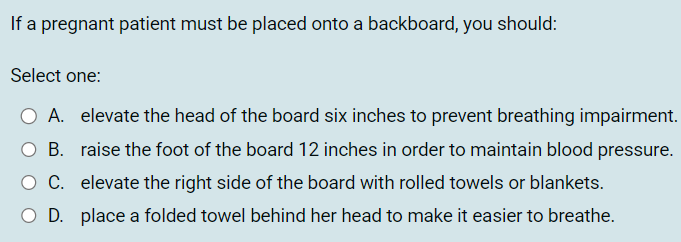
Elevate the right side of the board with rolled towels or blankets
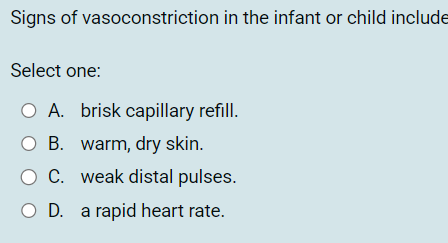
Weak distal pulses
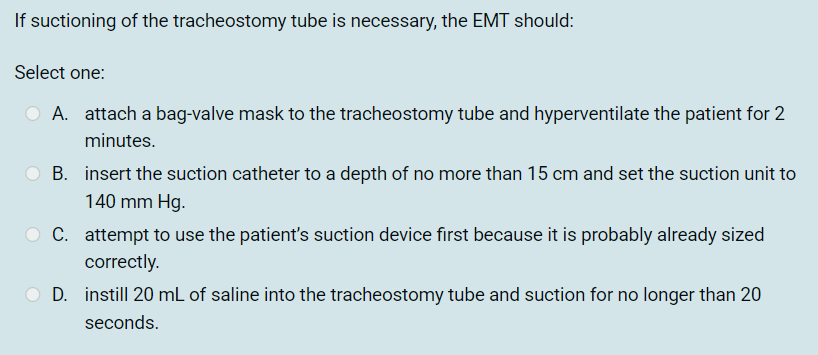
Attempt to use the patient's suction device first because it is probably already sized correctly.
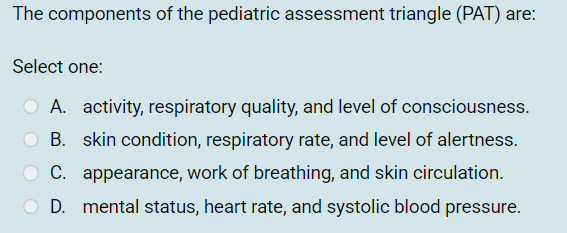
Appearance, work of breathing, and skin condition
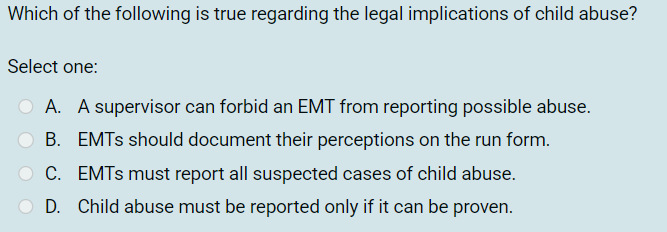
EMTs must report all suspected cases of child abuse
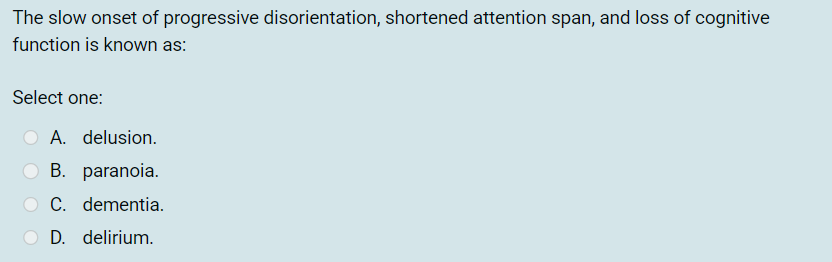
Dementia
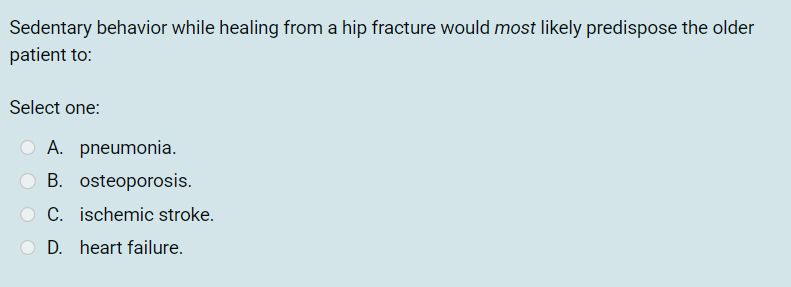
Pneumonia
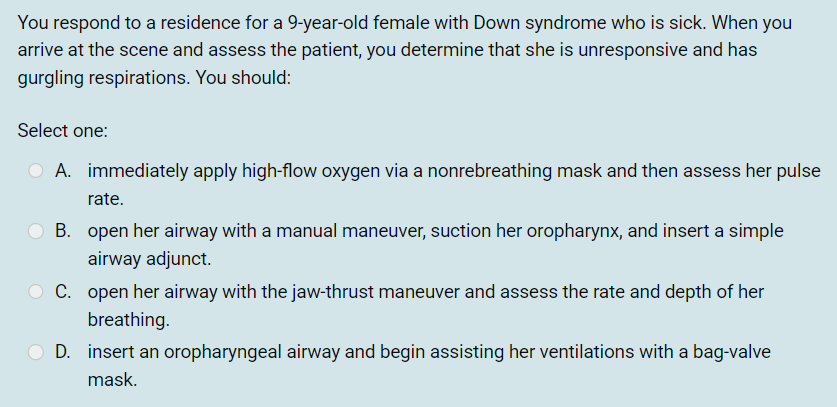
Open her airway with a manual maneuver, suction her oropharynx, and insert a simple airway adjunct
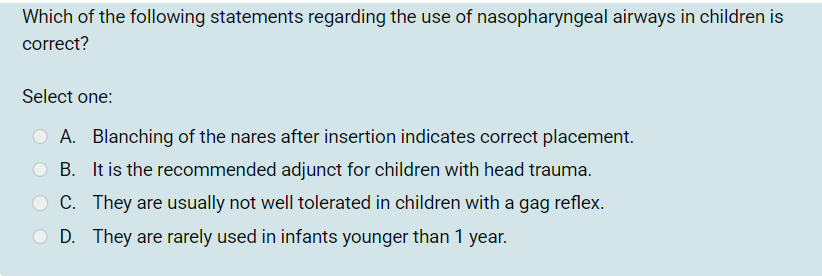
They are rarely used in infants younger than 1 year
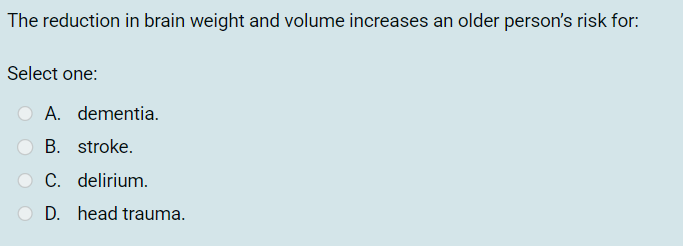
Head trauma
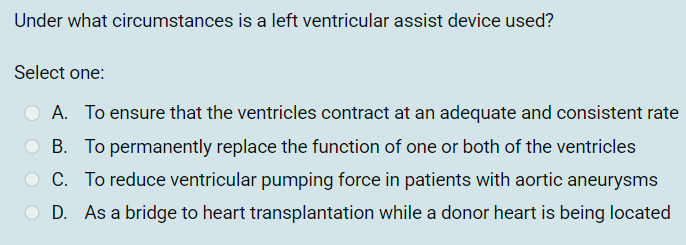
As a bridge to heart transplantation, while a donor heart is located
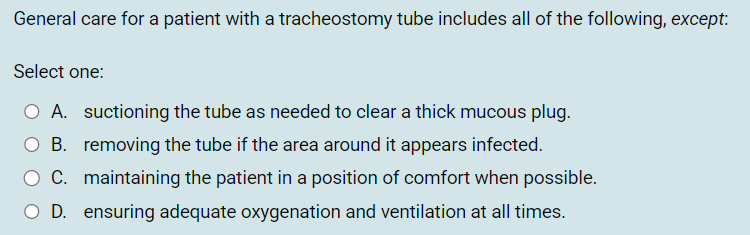
Removing the tube if the area around it appears infected

Administering blow-by oxygen and transporting the child with her mother
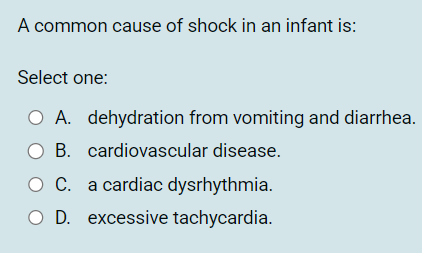
Dehydration from vomiting and diarrhea
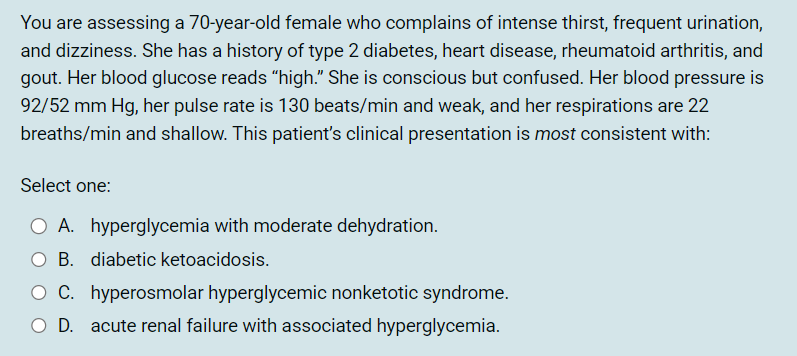
Hyperosmolar hyperglycemic nonketotic syndrome
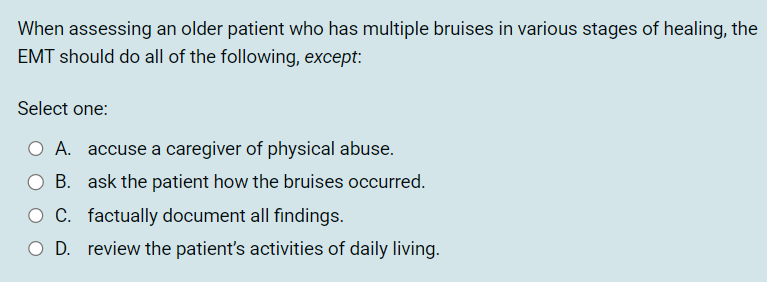
Accuse a caregiver of physical abuse
Restlessness

A breech presentation occurs when the buttocks are the presenting part

Absent urine output

Apply gentle pressure to the baby’s head as it delivers

Puncture the sac and suction the baby’s mouth and nose

Hearing aids cannot restore hearing to normal levels

Stridor

Belly button

Use plain language and simple terms

Have only one EMT speak to the patient at a time

Uterus
Apply direct pressure to the tubing and transport
Body

Regulates the patient’s heart rate if it falls below a preset value

Transport him or her to a hospital that he or she is familiar with
Human resource agencies fail to investigate

Hyperglycemia

Seizures that result from severe hypertension

Patients with intellectual disabilities are susceptible to the same disease processes as other patients

The placenta allows oxygen, carbon dioxide, and other products to transfer between the mother and fetus but does not allow blood to mix between the mother and fetus.

They can usually identify painful areas when questioned

Pneumonia

Heart disease
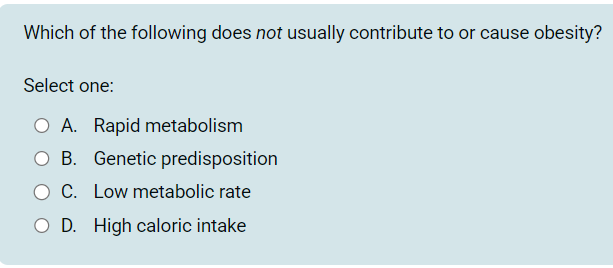
Rapid metabolism

30% or more
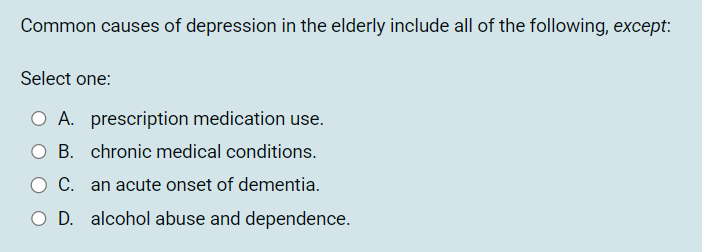
An acute onset of dementia

Alcohol

Vomiting and diarrhea
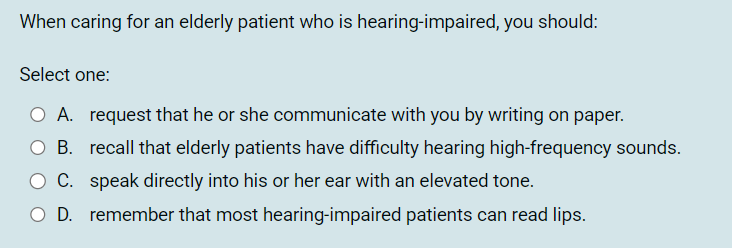
Recall that elderly patients have difficulty hearing high-frequency sounds

Attempt to troubleshoot the mechanical ventilator problem

Children have a larger, rounder occiput compared to adults

20 weeks

Weighs less than 5 pounds or is born before 36 weeks’ gestation

Check the pulse rate at the brachial artery

Communication with the patient’s caregiver or family members is important because they are most familiar with the patient’s condition