Small Animal Nutritional Requirements
 Call Kai
 Learn
Learn Practice Test
 Spaced Repetition
 Match
Match Flashcards
 Knowt Play
1/44

There's no tags or description
Looks like no tags are added yet.
Name | Mastery | Learn | Test | Matching | Spaced | Call with Kai |
|---|
No analytics yet
Send a link to your students to track their progress
45 Terms
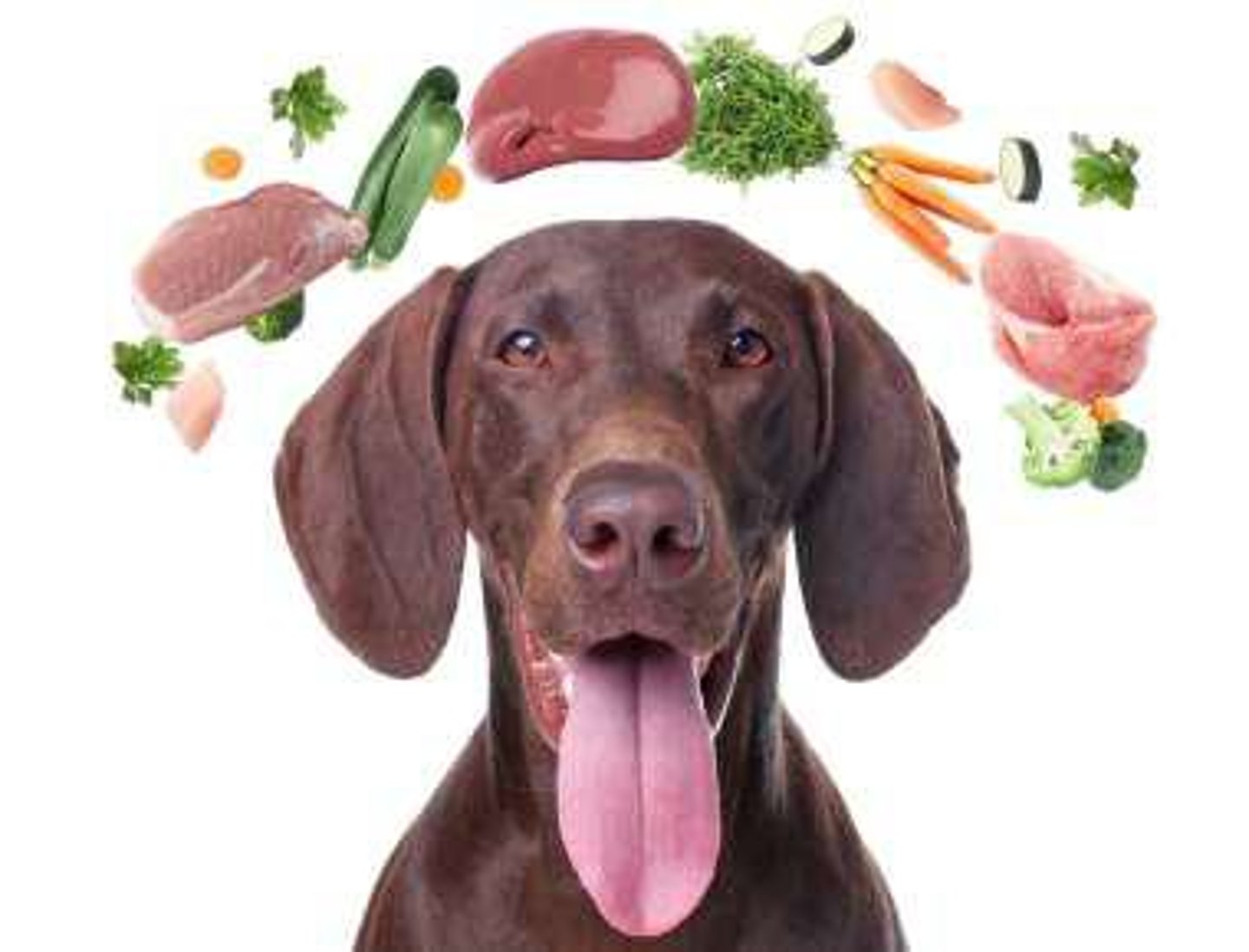
How are dogs classified based on their dietary needs?
Dogs are classified as omnivores, meaning they utilize both animal and plant proteins as energy sources.
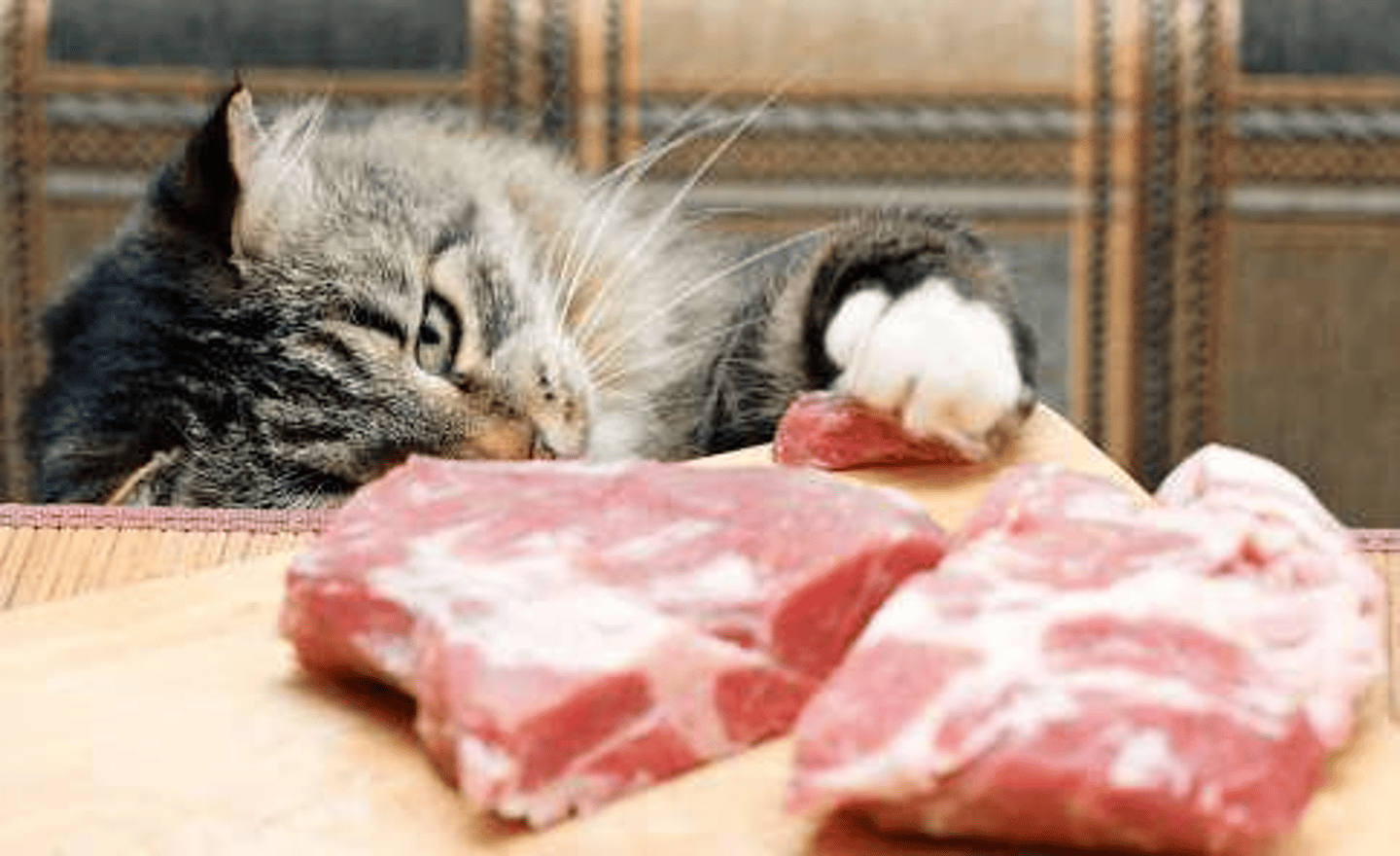
How are cats classified based on their dietary needs?
Cats are classified as carnivores, meaning their primary energy source is protein.
What is the recommended protein percentage for puppies according to AAFCO?
22% Dry Matter (DM).
What is the recommended protein percentage for maintenance in adult dogs according to AAFCO?
18% Dry Matter (DM).
What is the recommended protein percentage for kittens according to AAFCO?
30% Dry Matter (DM).
What is the recommended protein percentage for maintenance in adult cats according to AAFCO?
26% Dry Matter (DM).
How many essential amino acids must be obtained from the diet for dogs?
10 essential amino acids.
How many essential amino acids must be obtained from the diet for cats?
11 essential amino acids, including taurine.
Why is taurine specifically important for cats?
Taurine is an essential amino acid for cats that must be provided in their diet.
What is the AAFCO recommended fat percentage for puppies?
8% Dry Matter (DM).
What is the AAFCO recommended fat percentage for maintenance in adult dogs?
5% Dry Matter (DM).
What is the AAFCO recommended fat percentage for cats?
9% Dry Matter (DM).
Which specific fatty acids are essential for cats but not necessarily for dogs?
Cats require both Linoleic Acid and Arachidonic Acid (Omega-6s) in their diet because they cannot synthesize them.
What is the recommended carbohydrate limit for cat diets?
Typically, carbohydrates should make up less than 10% of their diet.
What is the minimum fat requirement in a dog's diet to ensure vitamin absorption?
At least 1-2% fat is needed to absorb fat-soluble vitamins.
What is the typical feeding behavior of cats?
Cats typically eat 10-20 smaller meals throughout the day and night.
What is the recommended feeding strategy for dogs?
Portion-controlled feedings are considered optimal.
What is the transition period for puppies and kittens from milk to solid food?
A gradual transition should occur between 4-8 weeks of age.
What type of diet is required to support the growth stage of puppies and kittens?
A high-protein, high-fat, and high-energy diet.

What are the three main physiological stages mentioned for energy requirement calculations?
Resting energy requirement, maintenance energy requirement, and growth/development stages.
Why are plant proteins generally considered less ideal for dogs compared to animal proteins?
Plant proteins have lower digestibility than animal proteins.
What are the primary benefits of Essential Fatty Acids (Omega-3s) in young animals?
They are important for brain and eye development, as well as skin and coat health.
What is the ideal calcium-to-phosphorus ratio for most young animals?
The ideal ratio is 2:1, which is critical for controlled bone growth, especially in large breed puppies.
Why is taurine specifically important in cat nutrition?
Taurine is essential for the proper development of cats.
What are the nutritional goals for an adult animal on a maintenance diet?
Moderate calorie content for healthy weight, moderate protein and fat to maintain muscle mass and energy, and lower levels of certain minerals like calcium.
What are the key nutritional considerations for senior dogs and cats?
Lower calories, moderate protein to maintain muscle without stressing kidneys, increased fiber for digestion, joint support (glucosamine/chondroitin), and Essential Fatty Acids for cognitive function.
Are 'Senior' diets strictly regulated with specific nutrient requirements?
No, senior diets are not a regulated category; they vary significantly in calories and ingredients, so selection should be based on the individual patient rather than marketing.
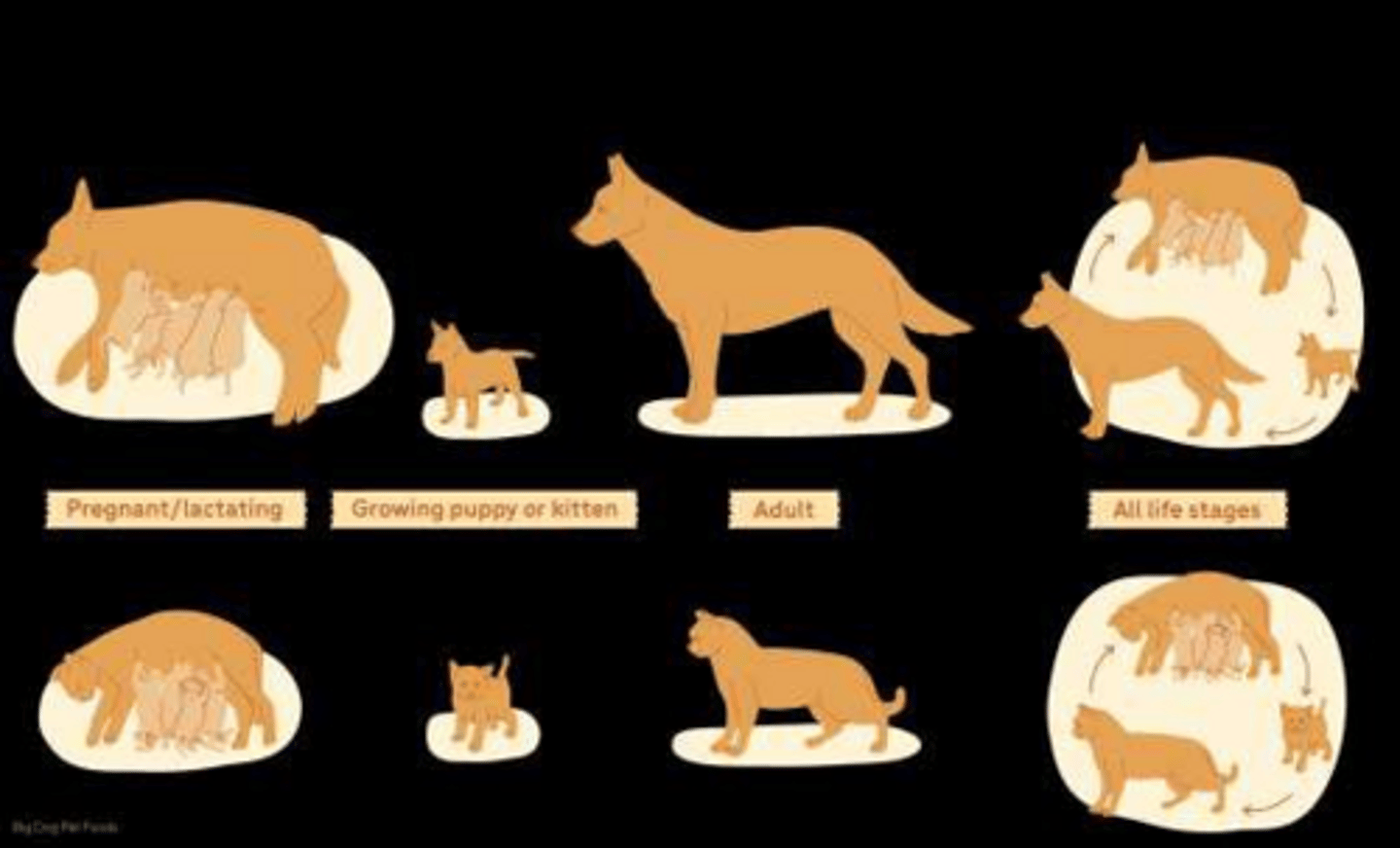
What are the nutritional priorities for animals during gestation and lactation?
High calorie content for energy demands, increased protein for fetal tissue and milk production, higher fat for concentrated energy, and increased vitamins/minerals (Ca and Phos) and Essential Fatty Acids.
What are the nutritional requirements for working or active animals?
High calorie content, increased protein and fat for muscle repair, and higher carbohydrate content for sustained energy release.
What is the definition of Resting Energy Requirement (RER)?
The calories an animal needs to maintain basic life functions such as respiration, digestion, circulation, and metabolism.
What is the formula for calculating RER?
RER = 70 * (body weight in kg^0.75)
How do you convert pounds (lbs) to kilograms (kg)?
Divide the weight in pounds by 2.2.
How do you convert kilograms (kg) to pounds (lbs)?
Multiply the weight in kilograms by 2.2.
What is the Maintenance Energy Requirement (MER)?
The average amount of energy an animal needs each day to maintain body functions, support growth, and accommodate activity levels.
What is the difference between 'True MER' and 'Estimated MER'?
True MER is based on an animal at an ideal weight with an accurate diet history and known calorie intake; Estimated MER uses an adjusted RER to account for energy factors when exact intake is unknown.
How is MER calculated using the RER?
MER = MER Factor * RER.
What factors should be considered when selecting an MER factor for a patient?
The animal's activity level, life stage, body condition, and individual variability.
If an animal has an ideal Body Condition Score (BCS) but is being fed less than their calculated MER, should you automatically increase their food?
No, you should evaluate the patient's actual condition and activity level rather than relying solely on the calculated MER.
What is the RER for a 10lb (4.5kg) cat?
Approximately 216 kcal/day.
What is the purpose of the 'x^y' button on a scientific calculator when calculating RER?
It is used to raise the body weight in kilograms to the power of 0.75.
Why is it important to assess neuter status when selecting a maintenance diet?
Neuter status affects metabolic rate and energy needs, often requiring an adjustment in the MER factor.
What is the primary reason for increasing fiber in senior pet diets?
To assist with digestion and maintain bowel health.
Why is protein moderation important for senior animals?
To maintain lean muscle mass while avoiding unnecessary stress on the kidneys.
What are the two main components of joint support in senior diets?
Glucosamine and chondroitin.
What is the first step when calculating energy requirements for a new patient?
Convert the patient's weight into kilograms if it is provided in pounds.