PSYC 210 Exam 4
 Call Kai
 Learn
Learn Practice Test
 Spaced Repetition
 Match
Match Flashcards
 Knowt Play
1/21

There's no tags or description
Looks like no tags are added yet.
Name | Mastery | Learn | Test | Matching | Spaced | Call with Kai |
|---|
No analytics yet
Send a link to your students to track their progress
22 Terms
Emotions
Neurobiological states that cause coordinated behavioral and cognitive responses triggered by the brain
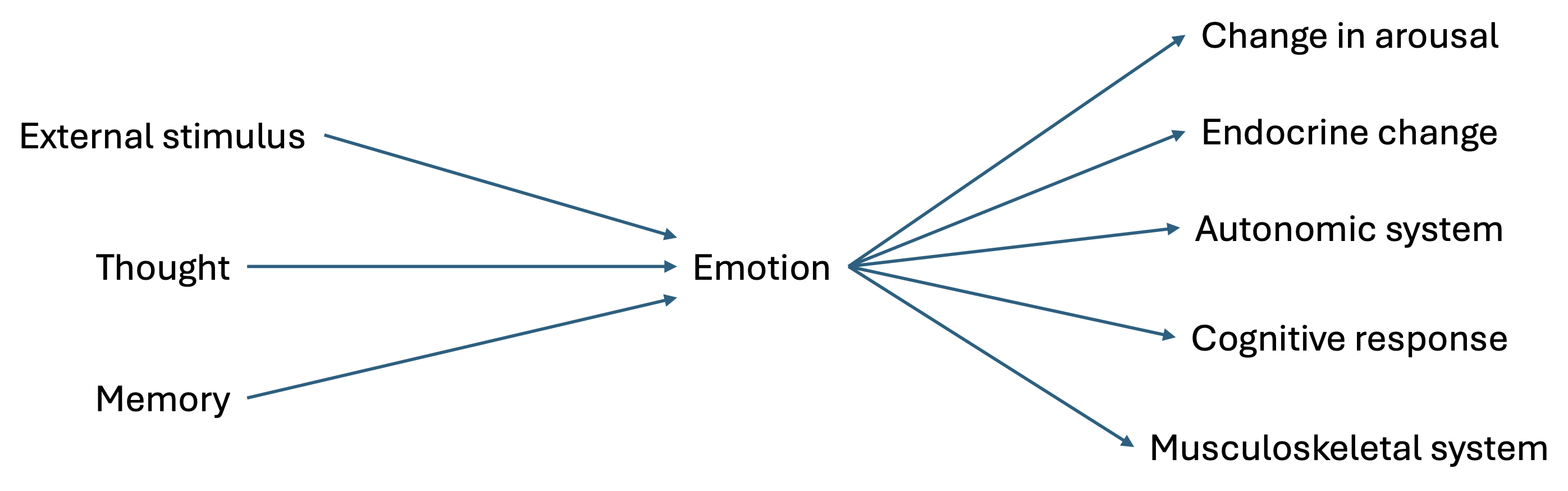
Significant stimuli, thoughts, and memories can trigger neurobiological states
Emotions can trigger cognitive changes, hormone release, autonomic activation, and behavioral responses
Functions of emotions
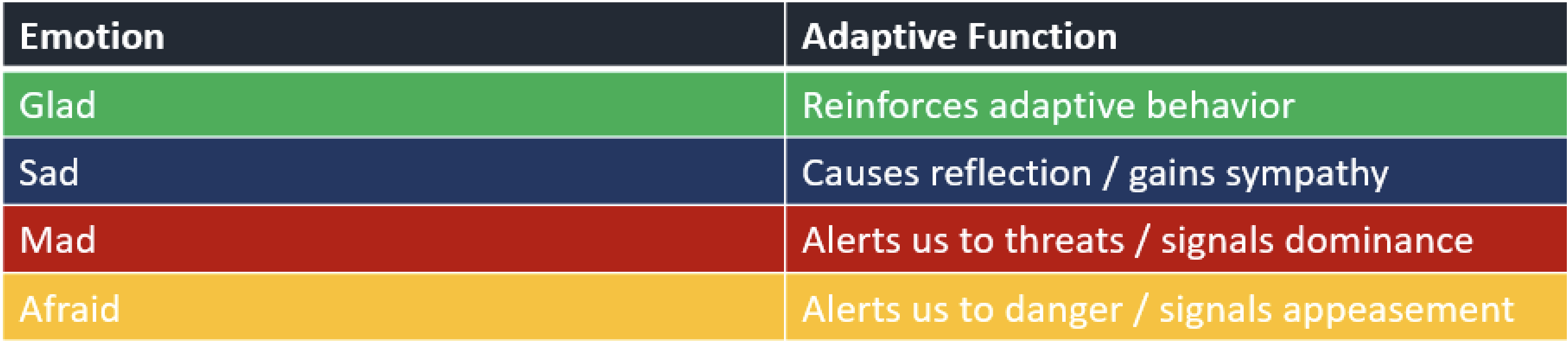
Emotions help us survive, remember, cope, communicate, or motivate
Tell us important information and promote survival
They are adaptive
Limbic system
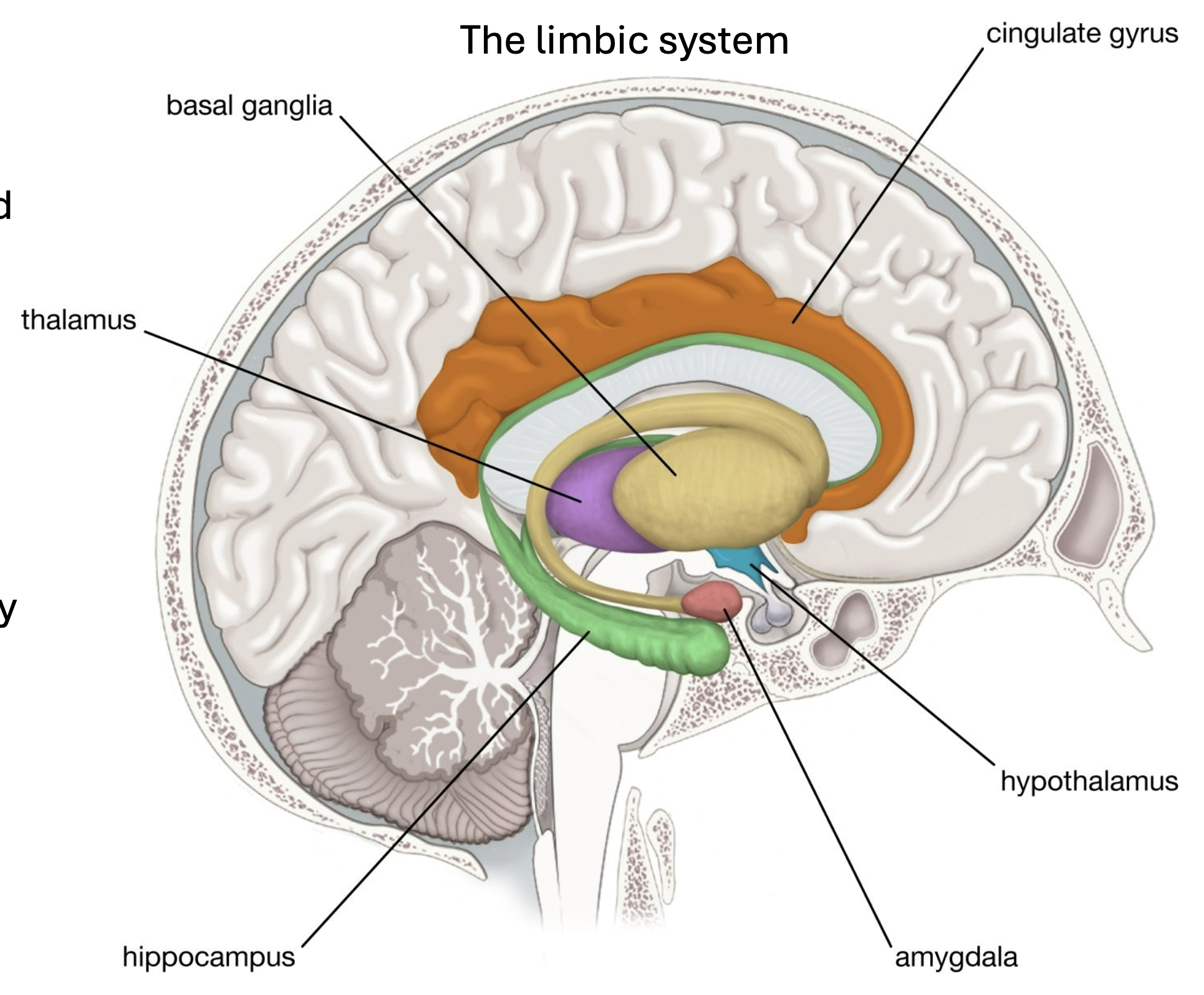
Set of regions that activate during and regulate emotion (especially fear), along with instinctual behavior, homeostasis, and memory
Patient S.M.
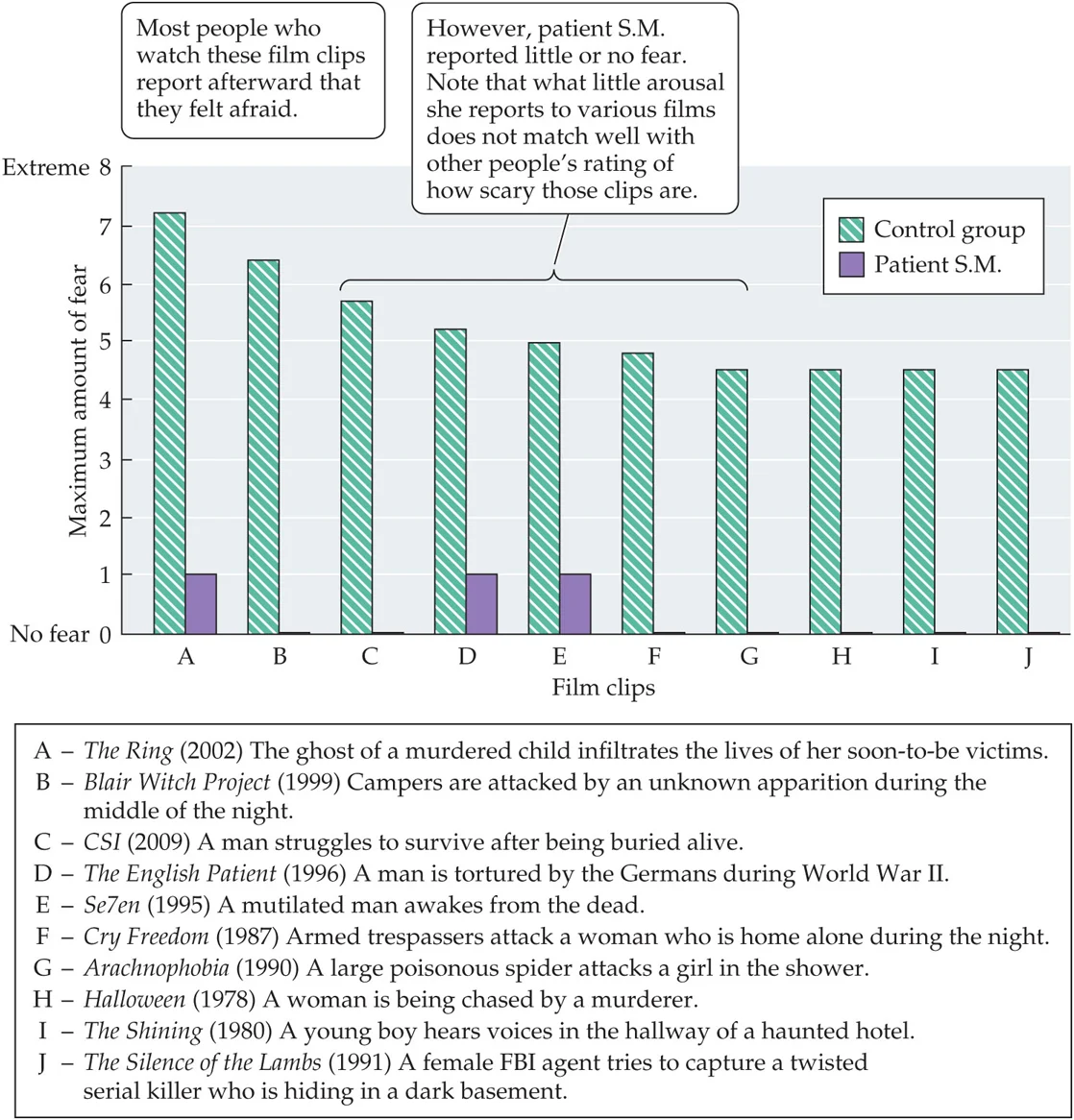
“Woman with no fear”
Had no amygdala and reported little to no fear
Did not learn from fearful experiences
Stood closer to people when talking
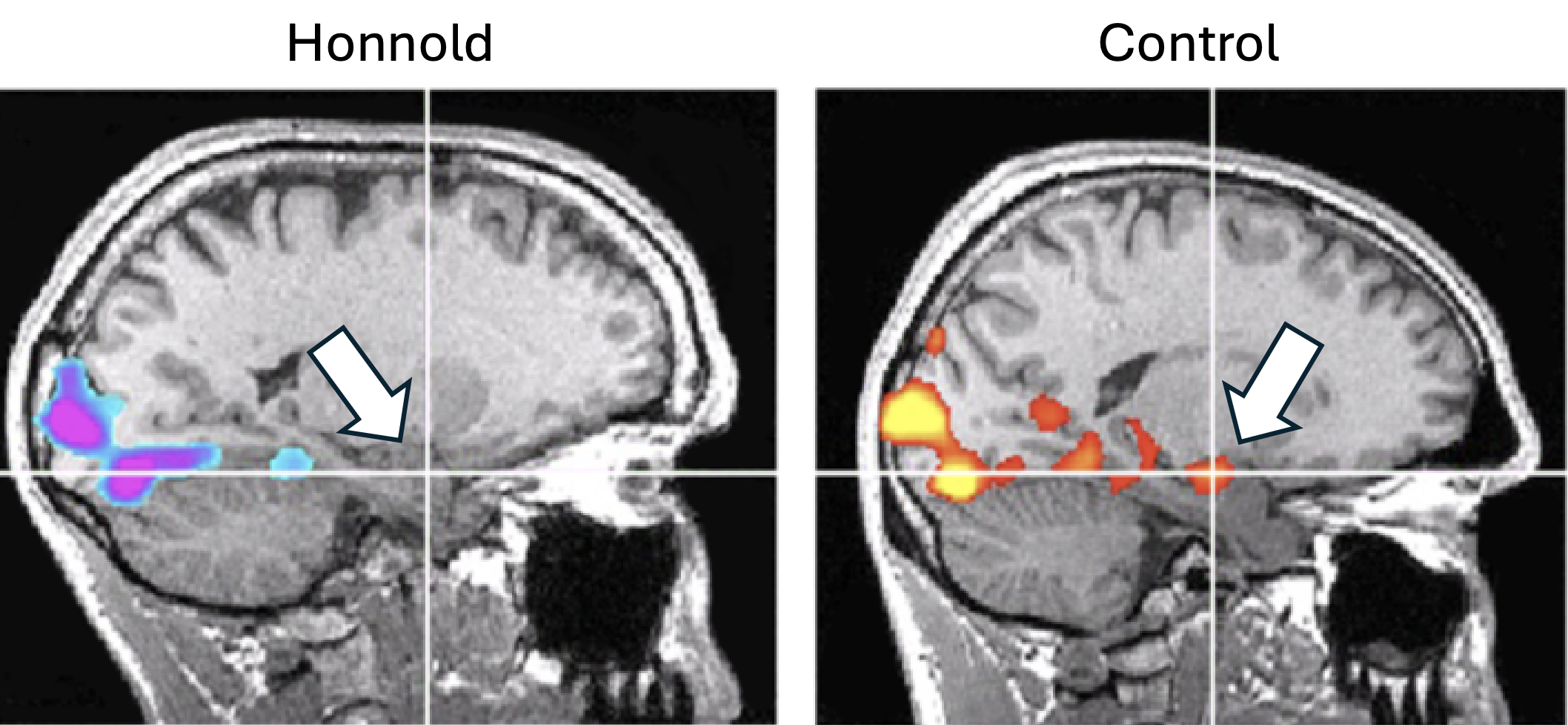
Alex Honnold
Famous free solo rock climber
Showed little amygdala activity when presented with frightening or disturbing images
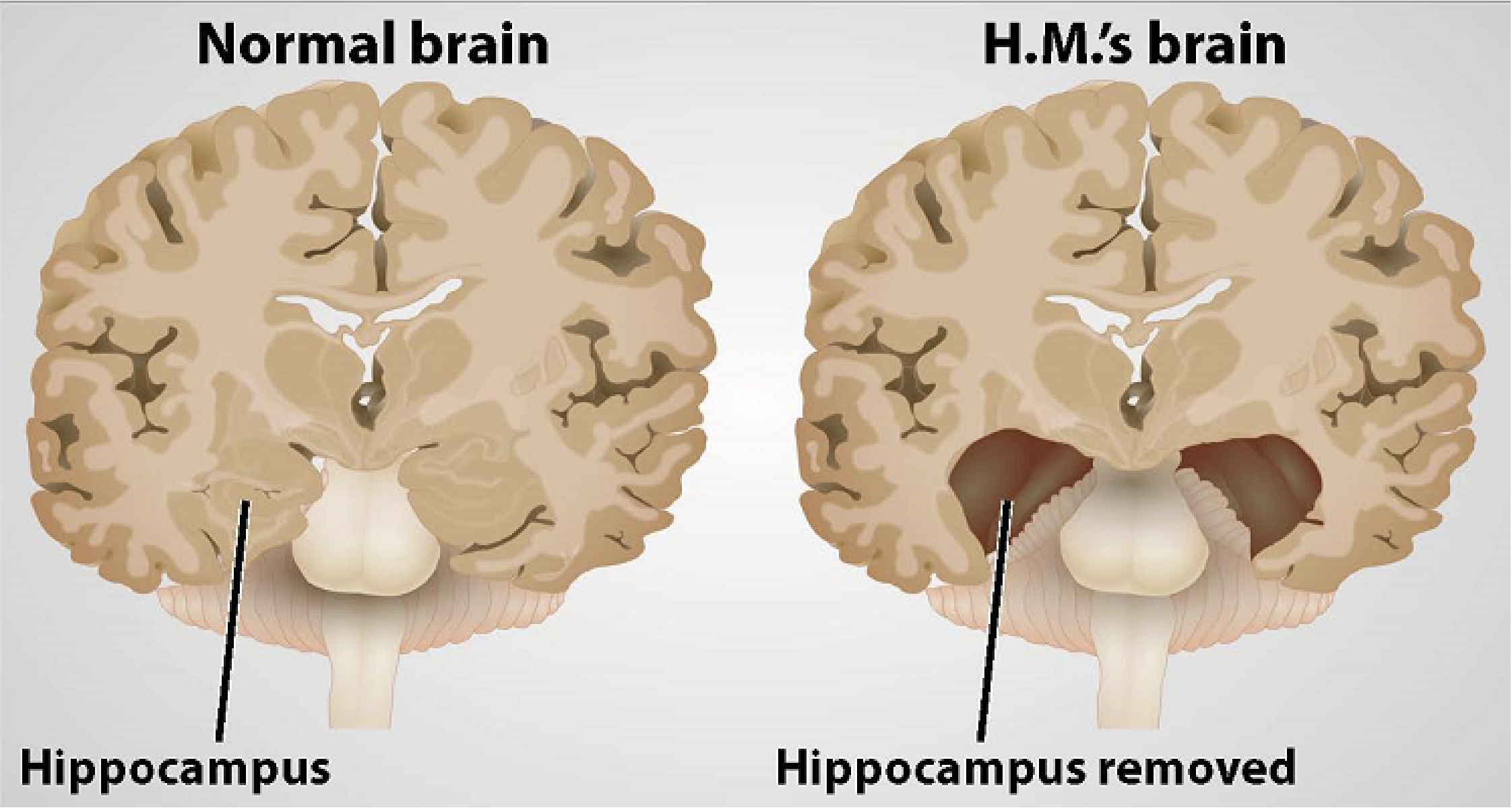
Patient H.M.
Severe epilepsy lead to removal of his hippocampus, and damage to amygdala
Could not form new declarative memories
Fear conditioning was intact, but had no recollection of conditioning
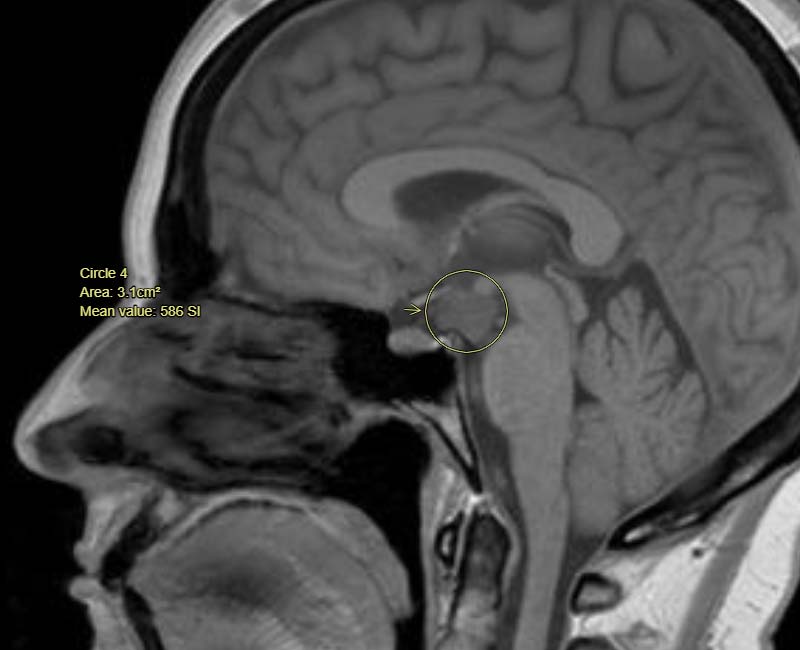
Hypothalamic hamartoma
Tumors of the hypothalamus
Associated with aggression, rage attacks, reduced threshold for frustration, and extensive reactivity to minor stimuli
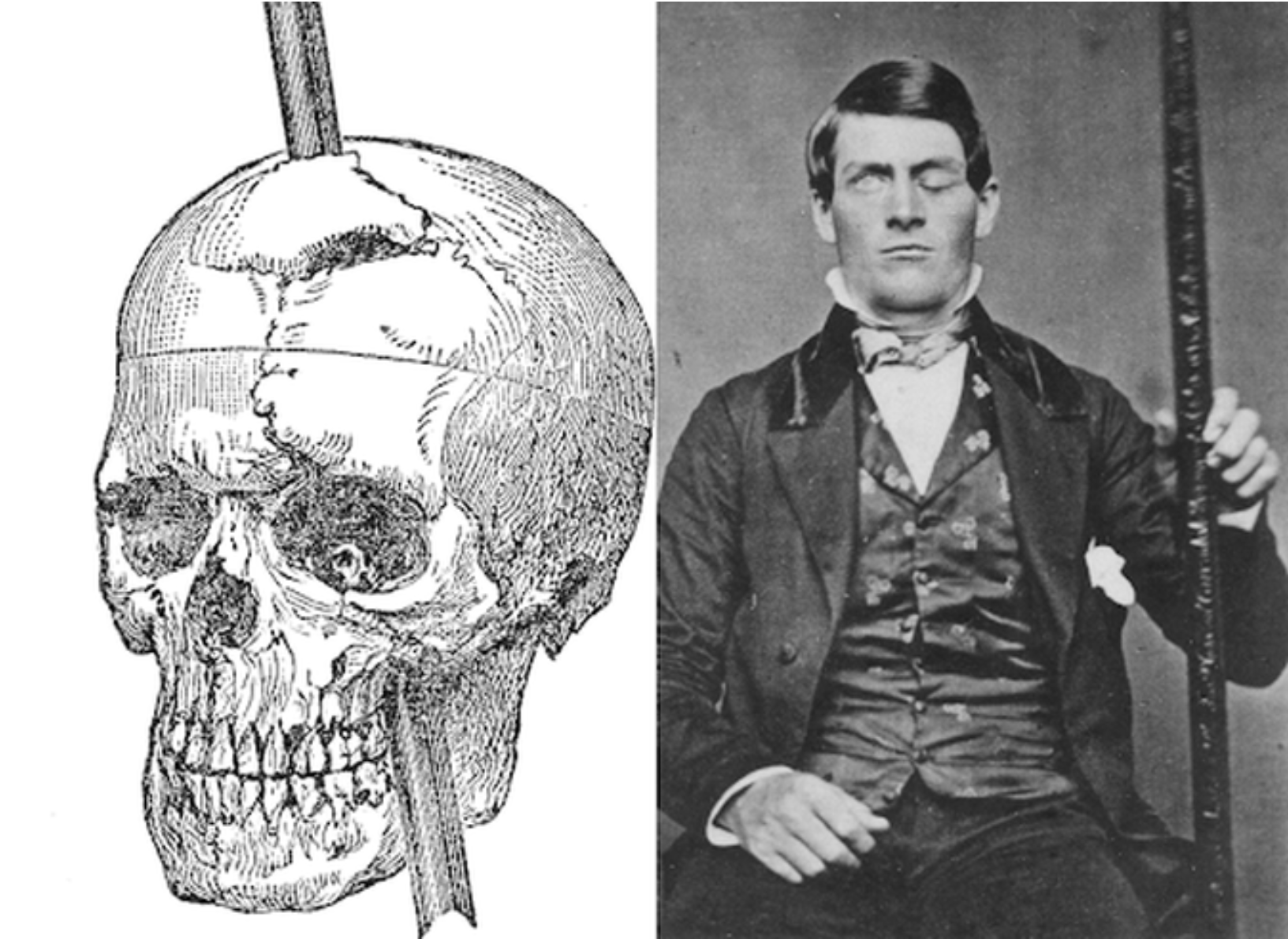
Phineas Gage
Iron rod went through his skull and damaged his prefrontal cortex (PFC)
After the accident, he was reported to be disinhibited and displayed gross, profane, and coarse behavior
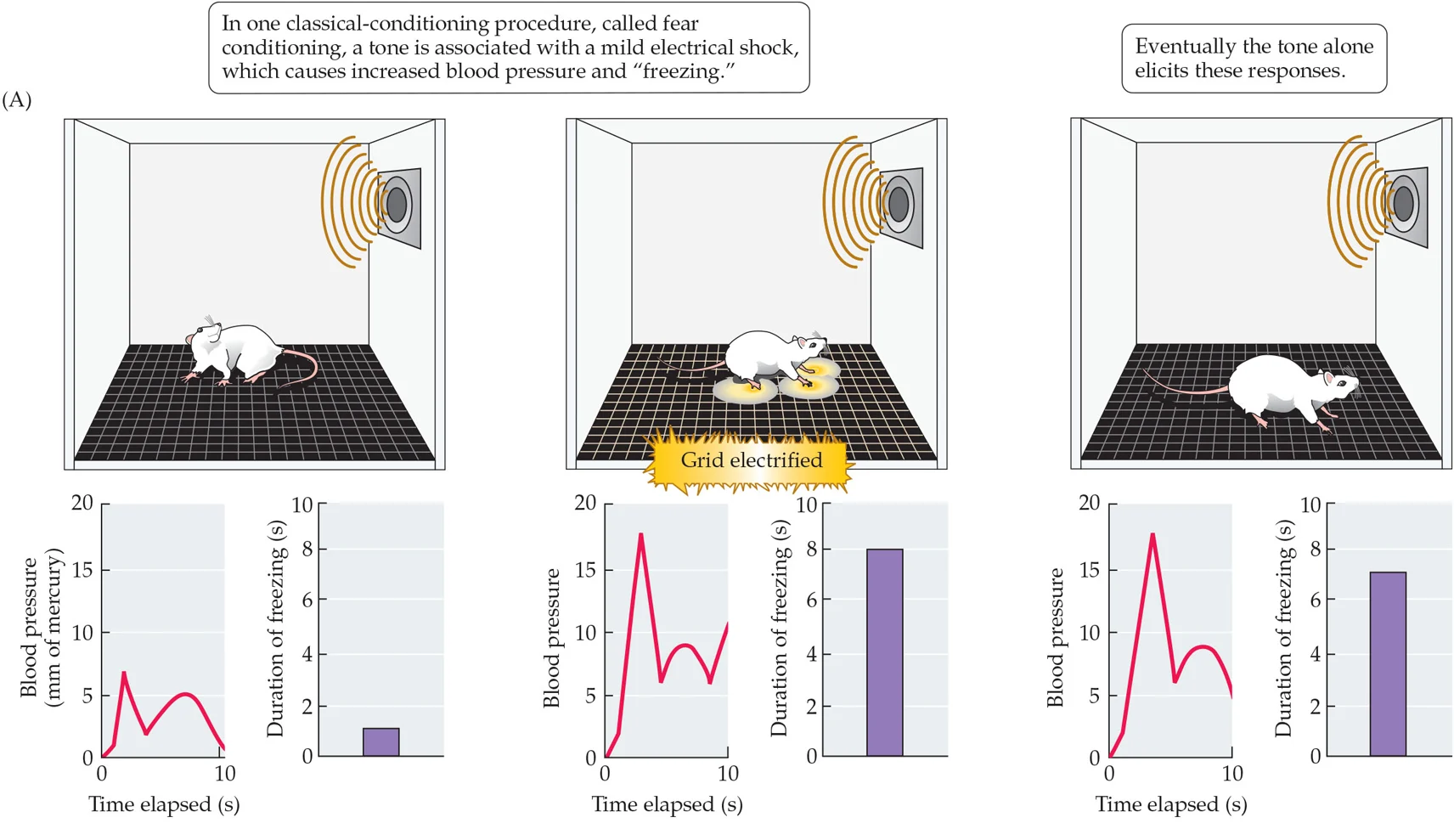
Fear conditioning in rats
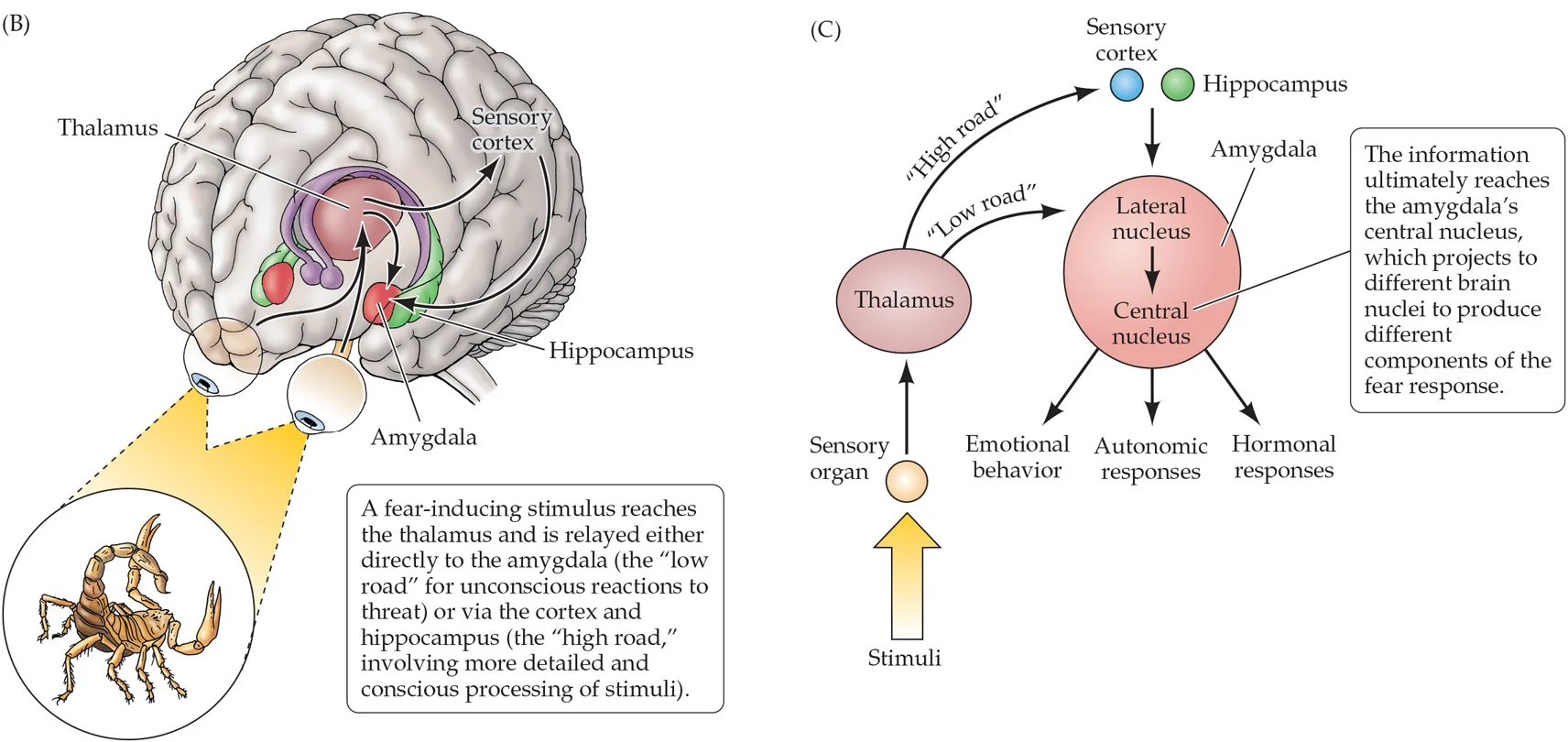
Emotion neural circuits
Low road: unconscious processing of threat
High road: conscious processing of threat
Hypothalamus, periacqueductal gray (PAG), and other regions involved in fear response
Lateral nucleus of amygdala: involved in fear learning
Central nucleus of amygdala: involved in regulating fear responses
Emotion regulation
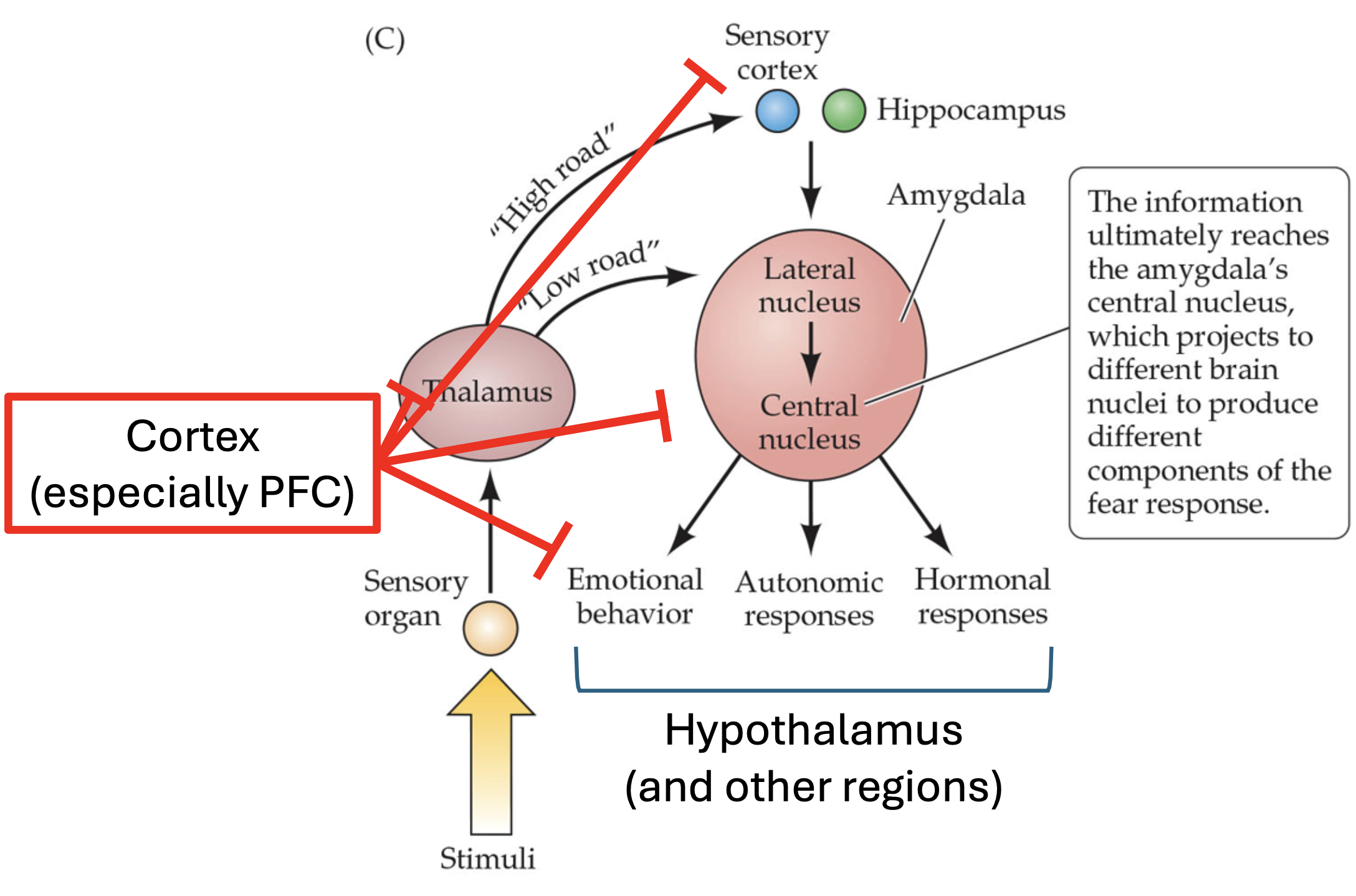
System of top-down control that manages the intensity, duration, and expression of emotions
Cortex (especially PFC) projects to thalamus, sensory cortex, and amygdala to regulate emotions
Stress
Any circumstance that threatens or is perceived to threaten homeostasis
Can vary in duration, frequency, intensity
Stressor
An internal or external adverse force
Stress response
Coordinated physiological and behavioral reaction to homeostatic challenges
Stress appraisal
Cognitive process where individuals evaluate whether an event is threatening, harmful, or challenging, and determine their capacity to cope
Posits that interpretation of a stressor, rather than the event itself, dictates emotional and behavioral response
Thus, perceived intensity of stressor varies from person to person
Fear circuits
Low road: Sensory organ → thalamus → amygdala lateral nucleus → amygdala central nucleus → fear response
High road: Sensory organ → thalamus → Sensory cortex/hippocampus → amygdala lateral nucleus → amygdala central nucleus → fear response
Changes in arousal
Central amygdala (CeA) → Locus coeruleus (LC) → long range projections of norepinephrine to cortex, hippocampus → norepinephrine increases arousal
Changes in autonomic nervous system function
Central amygdala (CeA) → hypothalamus (lateral) → brainstem nuclei → spinal cord
Or CeA → brainstem nuclei → spinal cord
Increases heart rate, respiration, release of adrenaline
Adrenaline (epinephrine)
Hormone released in response to fearful stimulus by sympathetic nervous system
Circuit: spinal cord → adrenal gland → adrenal cortex → adrenal medulla → releases adrenaline
Increases heart rate, blood pressure, dilation of bronchioles in lungs, glucose release from liver, lypolysis (breakdown of fat), alertness
Hypothalamic-pituitary-adrenal (HPA) axis
Periventricular nuclei of hypothalamus (PVN) → Anterior pituitary via Corticotropin Releasing Hormone (CRH) → Adrenal cortex via Adrenocorticotropin Hormone (ACTH) → cortisol
Cortisol can act on the pituitary to inhibit ACTH via negative feedback loop
Effects of glucocorticoids
Brain: increases alertness, enhance memory consolidation
Metabolism: increases blood glucose, breakdown of protein, lipolysis
Cardiovascular: increases blood pressure
Immune: suppresses inflammation, inhibits immune response
Graph of adaptive responses to stress
Broad array of neurobiological endpoints show…