Archaeology Midterm Review: Mesopotamia
 Call Kai
 Learn
Learn Practice Test
 Spaced Repetition
 Match
Match Flashcards
 Knowt Play
1/35

There's no tags or description
Looks like no tags are added yet.
Name | Mastery | Learn | Test | Matching | Spaced | Call with Kai |
|---|
No analytics yet
Send a link to your students to track their progress
36 Terms
neolithic revolution characteristics
domestication of plants and animals, beginnings of settled life, use of stone tools to aid in harvesting plants
when and where did the neolithic revolution occur
10,000-4,000 BCE, the near east, along the foothills of the mountains known as the fertile crescent
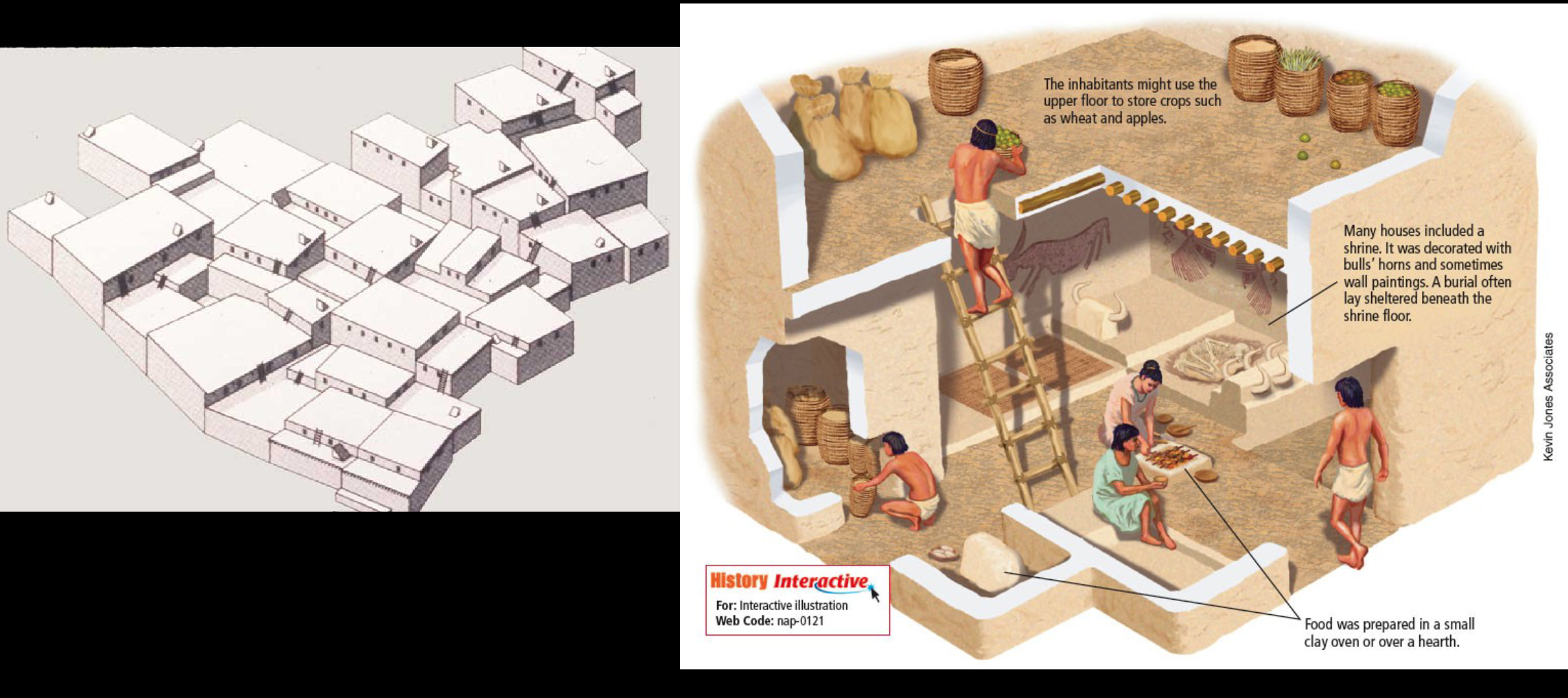
identify this settlement and describe the social organization
Çatalhöyük, Turkey, neolithic near east, agglomerated settlement, egalitarian community related through strong kinship ties
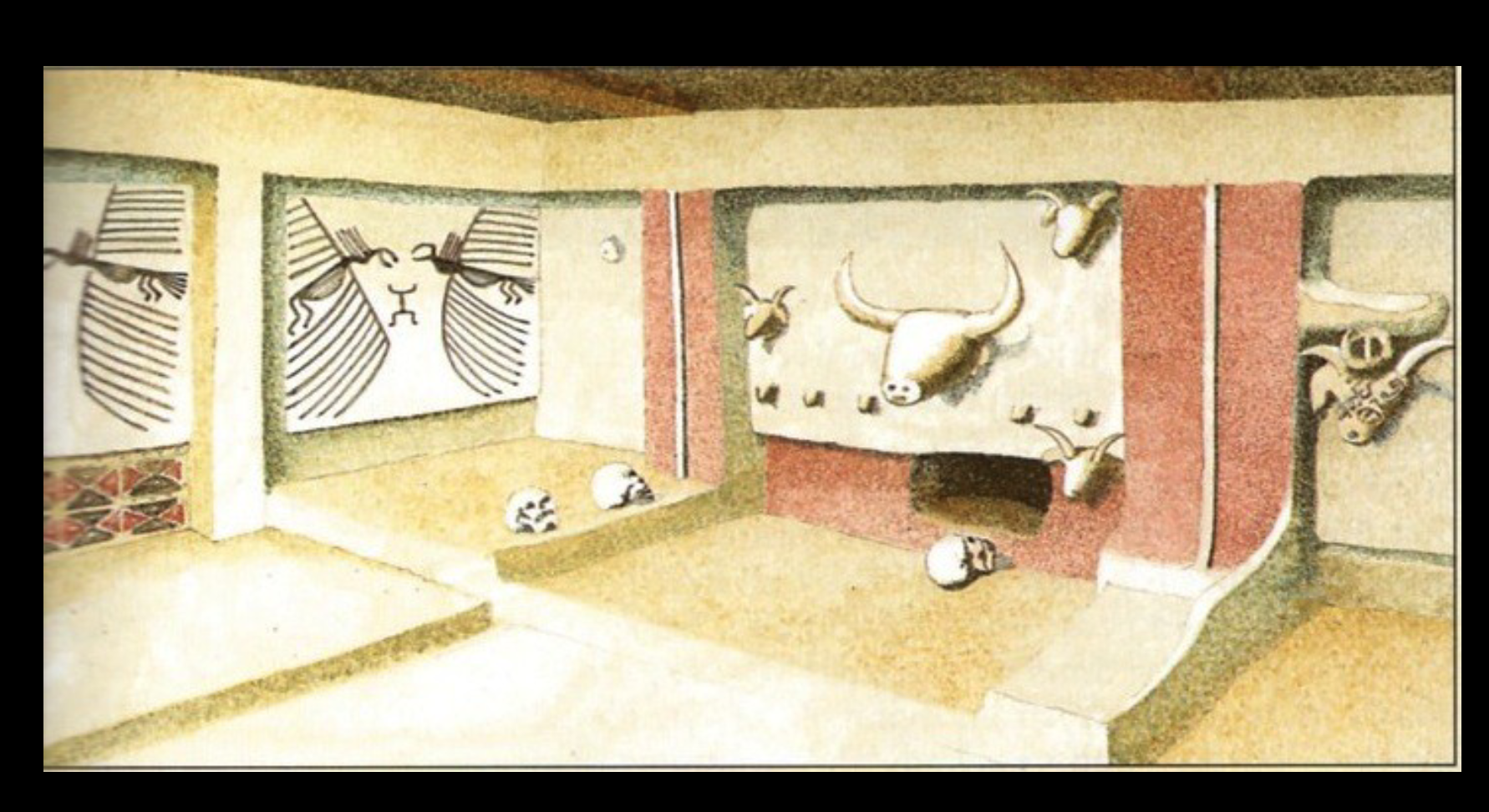
describe the religion of this community
fertility/ancestor shrine at Çatalhöyük, 1/3 of the houses had shrines, oldest linage houses
urban revolution, when and where
4000-3000 BCE, the land between Tigris and Euphrates, Mesopotamia
why did the urban revolution occur in southern Mesopotamia and the result
marshlands reclaimed and drained, turned into farmland and irrigated, agricultural surplus, population boom, formation of cities, religion
list 5 characteristics of the urban revolution
full-time specialized craftsmen
temples (centralized religion and administration)
development of multiple social classes
water management (irrigation and canals)
agricultural surplus (stored wealth)
expansion of trade (import raw materials and export finished products)
cylinder seals (property)
writing (cuneiform)
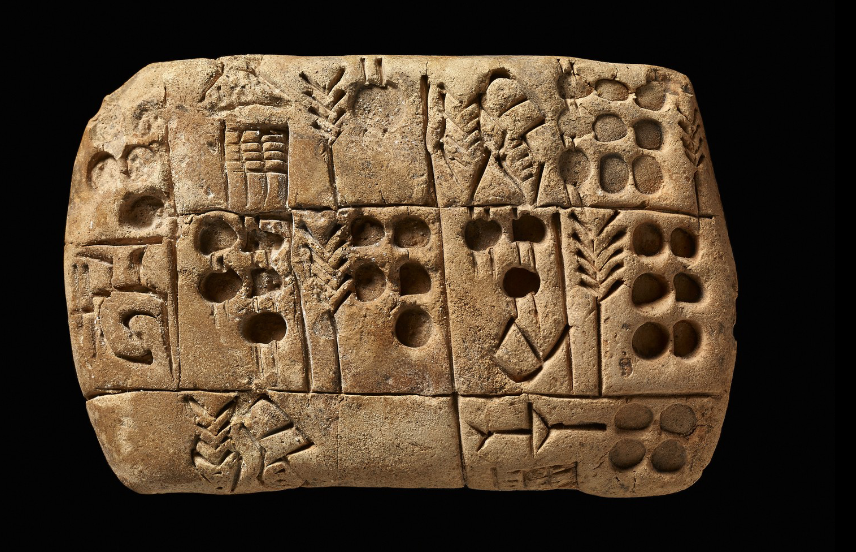
identify tablet
Uruk 3300 BCE, early tablet, clay, simple accounting tool, pictographic writing
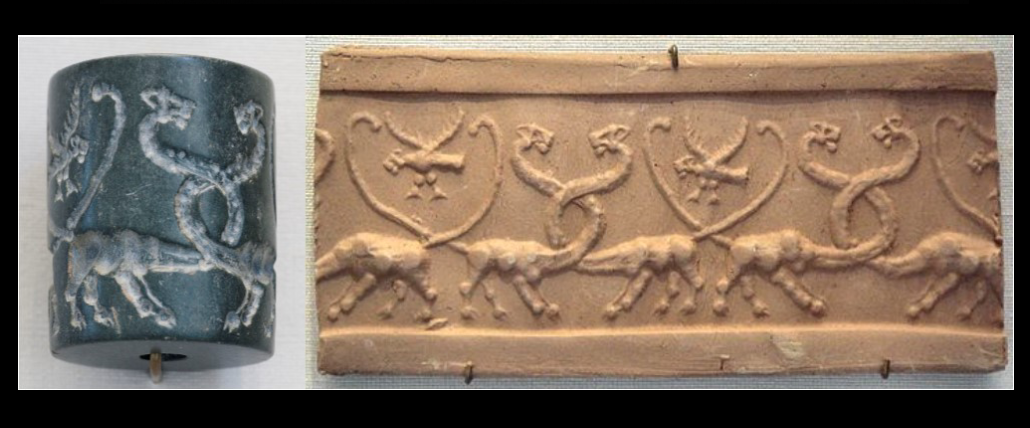
identify seal
late Uruk period, cylinder seal, mark of identity, rolled onto wet clay, placed on envelopes and doors
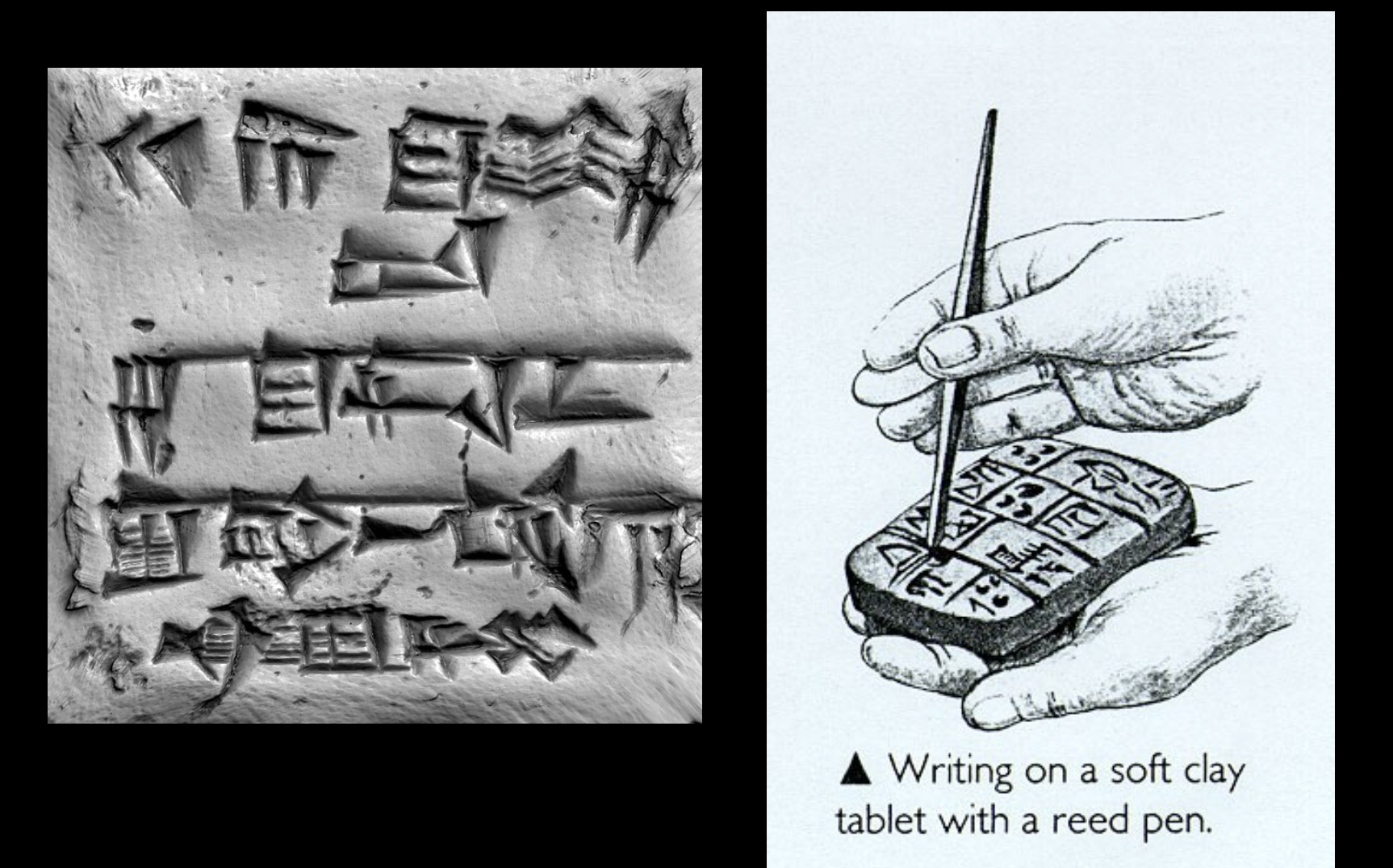
what is this script
Cuneiform script, syllabic writing
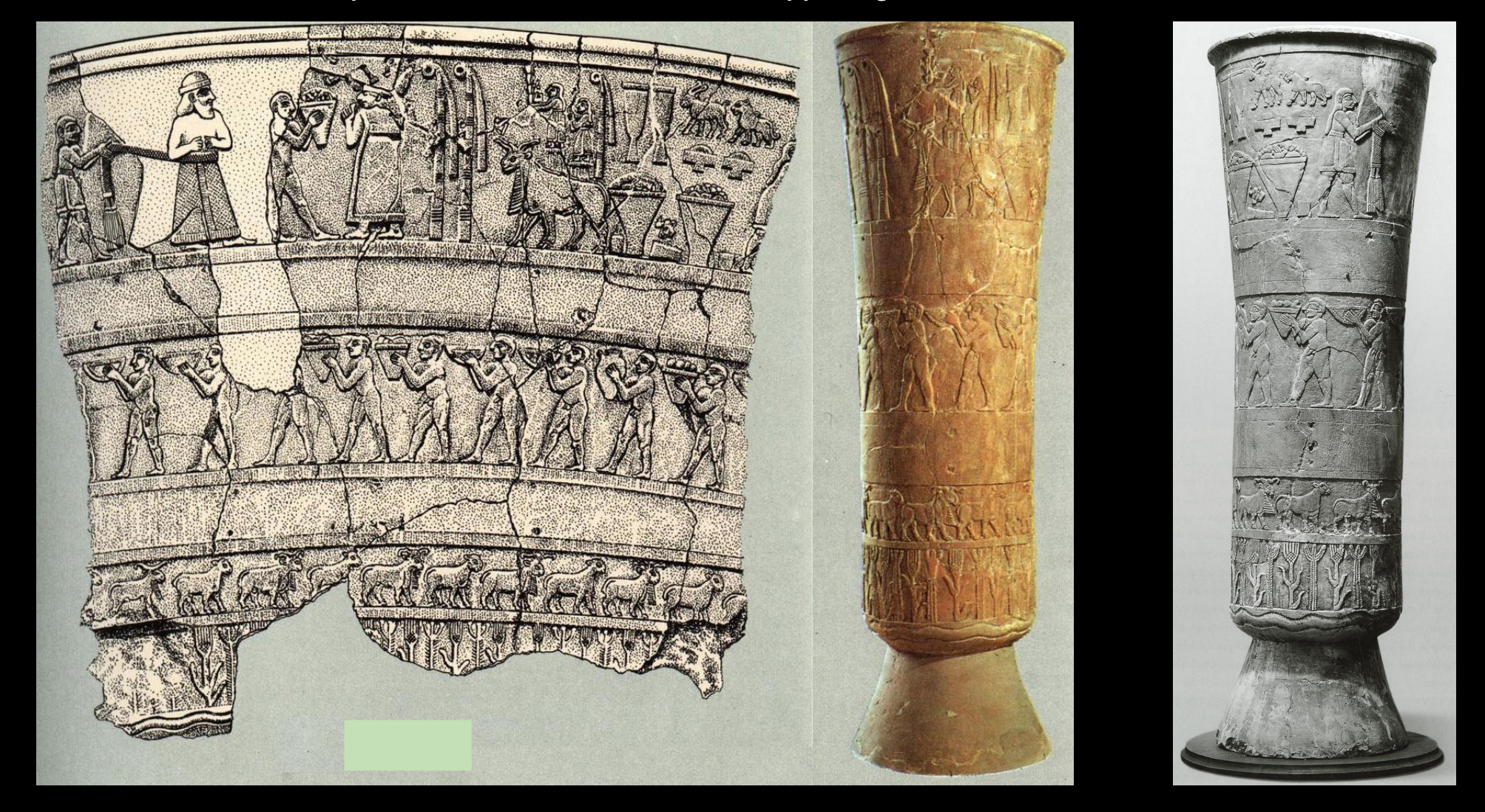
identify this vase and describe what is happening in the scene
Warka Vase
3,200-3000 BCE, urban revolution, Uruk period
Provenance: Uruk
Alabaster
Priest offering first fruits to Inanna (Ishtar), fertility/war goddess, patron deity, as a thank you and to ensure her happiness
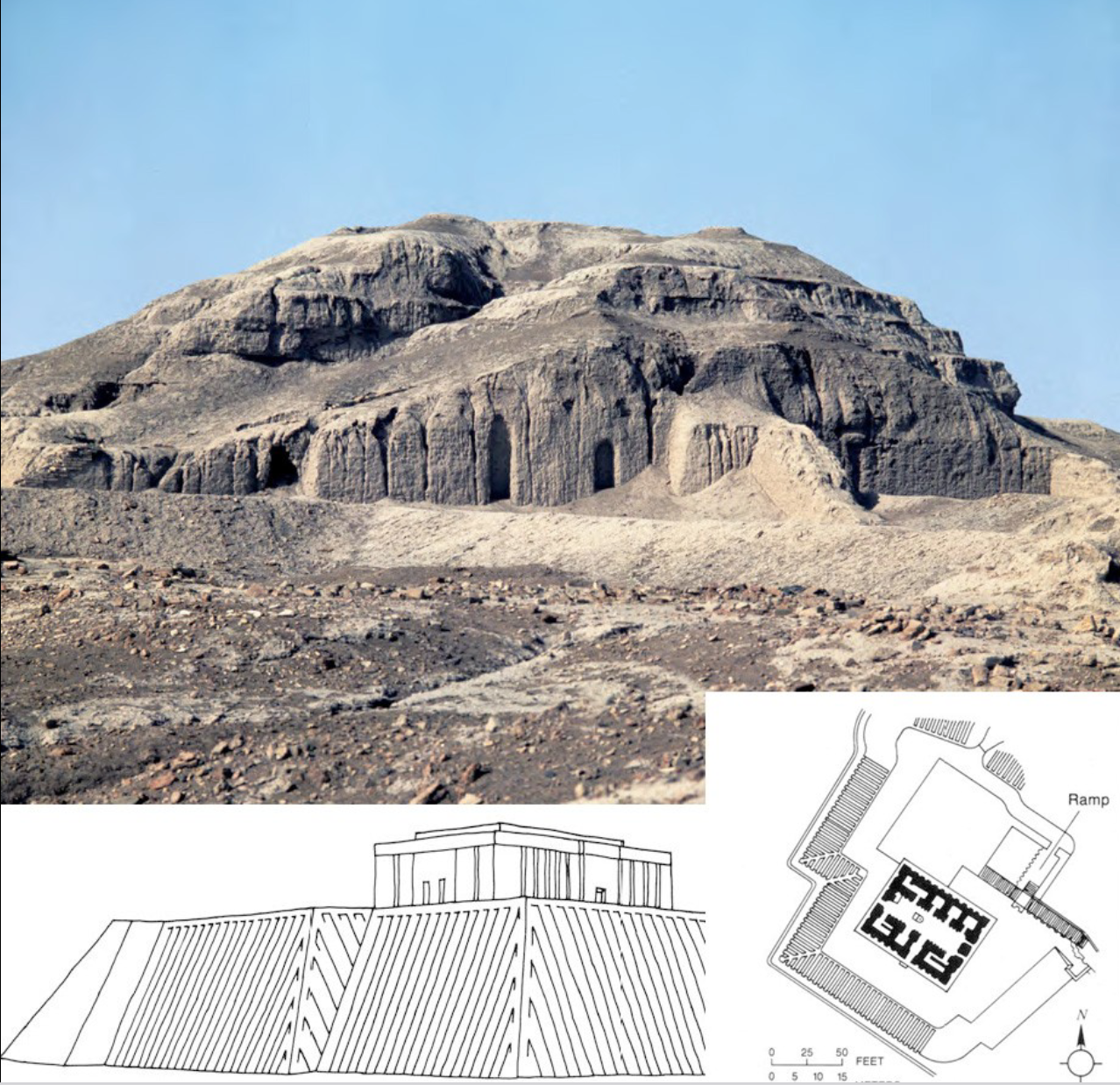
identify temple
White temple and Ziggurat at Uruk
Anu Complex
3200-3300 BCE
mud brick and white plaster
abode of the Sumerian sky god Anu
Sumerian Early Dynastic period
3000-2334 BCE
time of competing Sumerian city states in southern Mesopotamia (peer polity interaction)
competition promoted growth
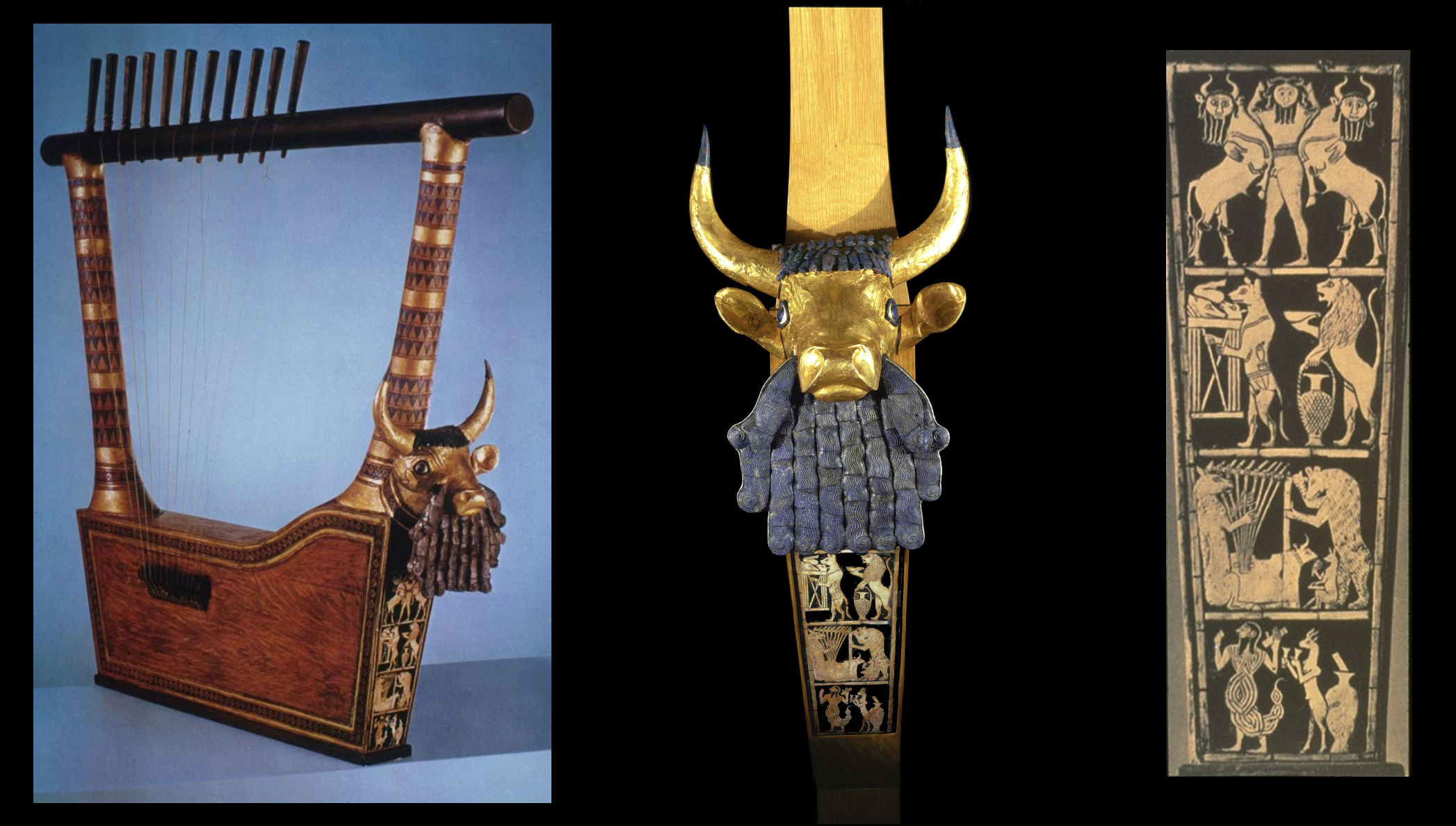
what is this instrument
Bull-headed lyre
royal cemetery of Ur
2,600-2,400 BCE, Sumerian period
gold and lapis lazuli
master of animals motif; hero holding onto two animals, symbolizes humans dominance over the natural world
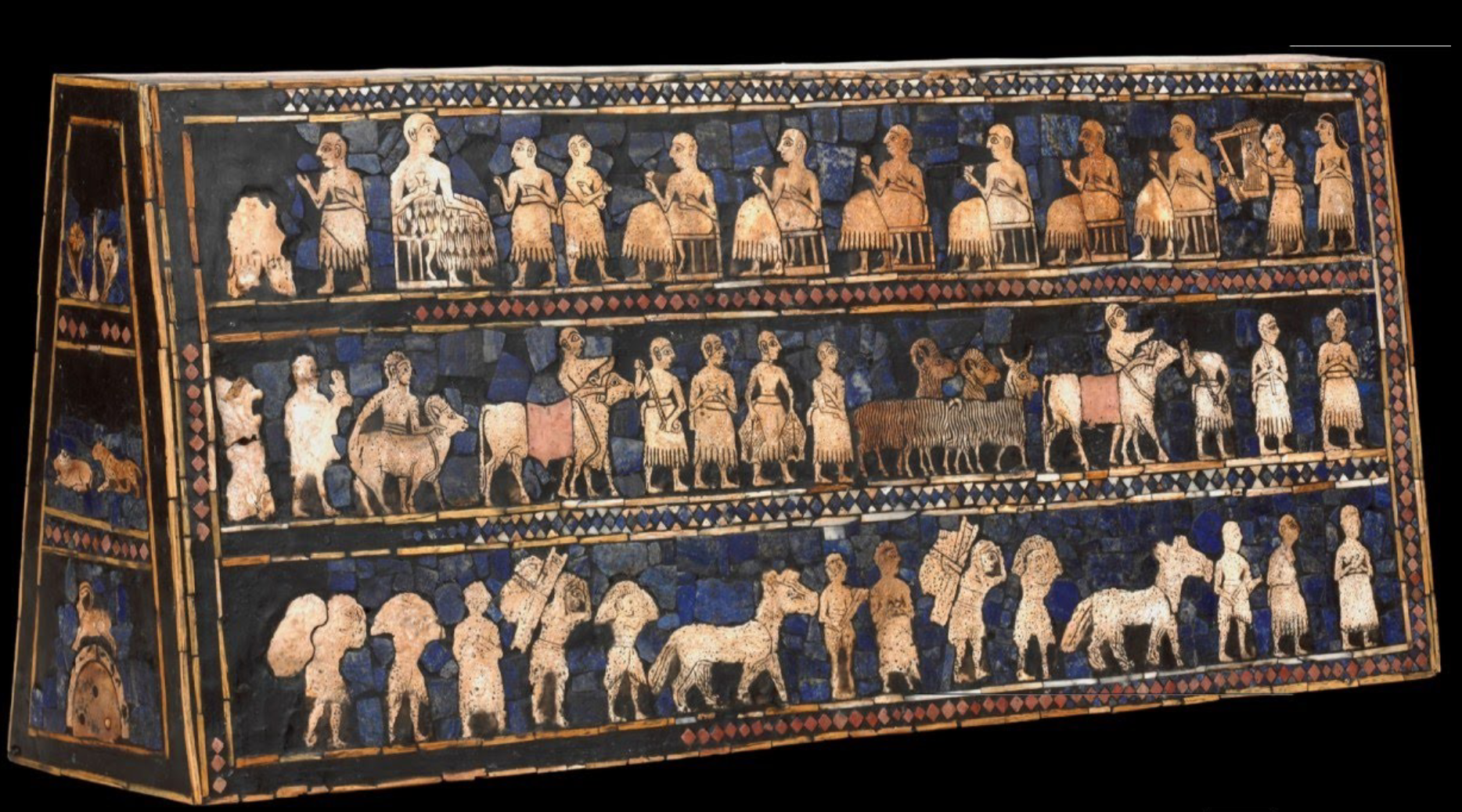
what is this standard
Standard of Ur
royal cemetery of Ur,
2,600-2,400 BCE, Sumerian period
peace side, people bringing food to a banquet in celebration of war victory, on top is the king (bigger than everyone else)
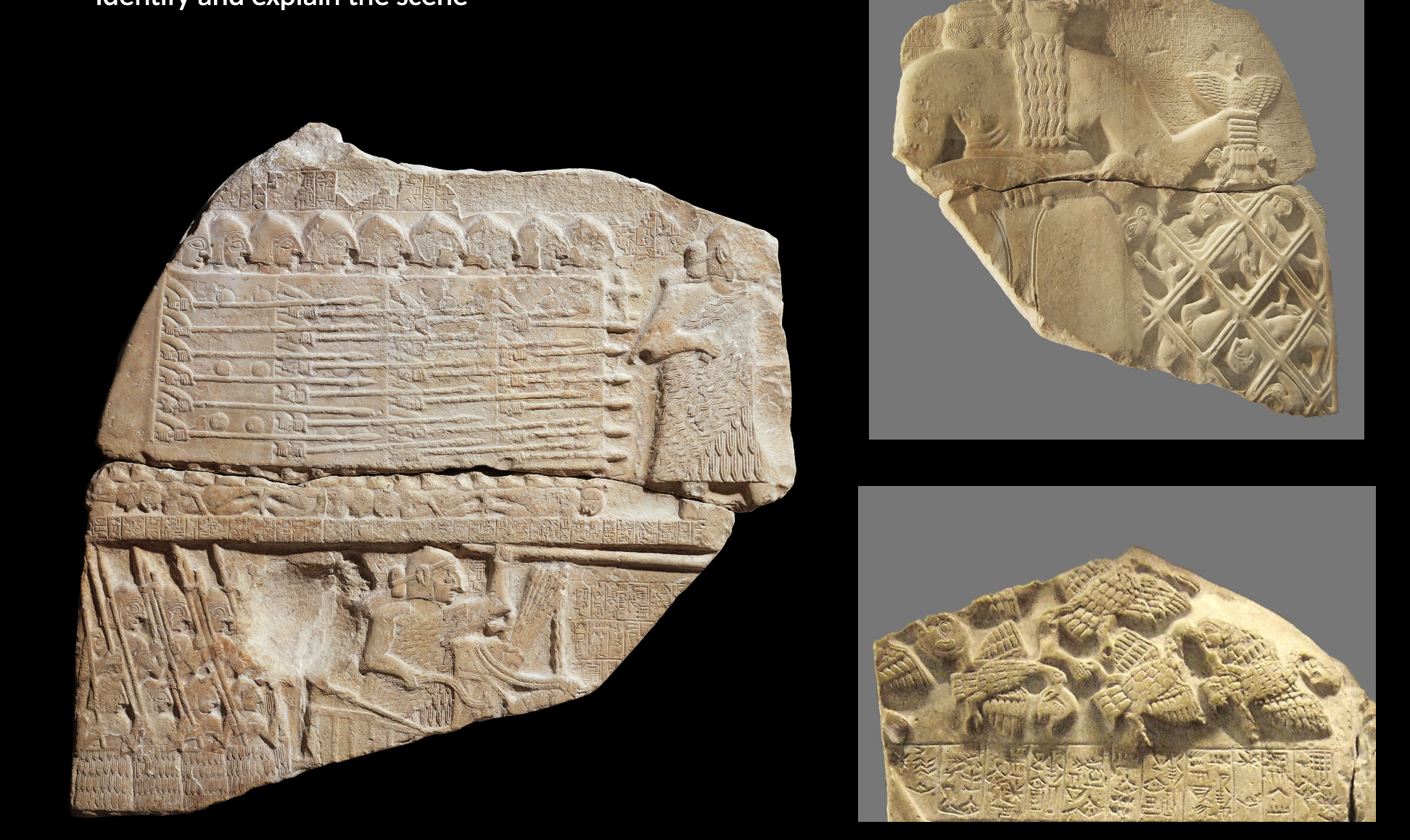
what is this Stele
Stele of the Vultures (King Eannatum)
from Girsu, Iraq
2,600-2,500 BCE, Early Sumerian
limestone
king of Lagash leading his troops into battle, dead enemies in a net
Lugalzagesi’s conquest of serval Sumerian city-states
end of city-state/temple form of organization, marked the formation of empires and end of independence
who now held the majority of the power in Sumerian society
the lugals, not the temple
who where the Akkadians
Semitic people, not related to the Sumerians, eastern semitic dialect
what was Akkadians relationship to the Sumerians
lived close by, in competition, made an empire for themselves
who founded the Akkadian empire
Sargon the Great defeats Lugalzagesi and forms an even larger empire
c. 2332-2150 BCE
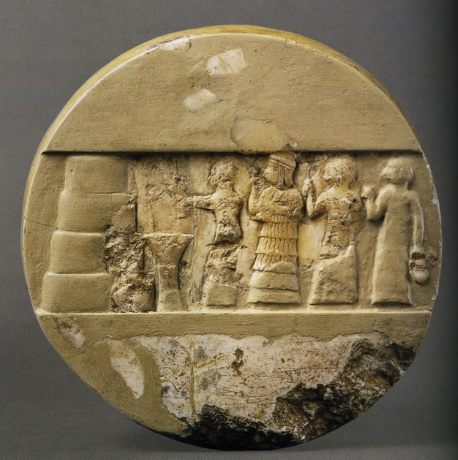
example
Votive Disk of Enheduanna
Akkadian
Ur
Enheduanna was the daughter of Sargon and priestess of Nanna, the moon god. Here, Enheduanna and her priests are performing a religious ritual in honor of Nanna/Sin
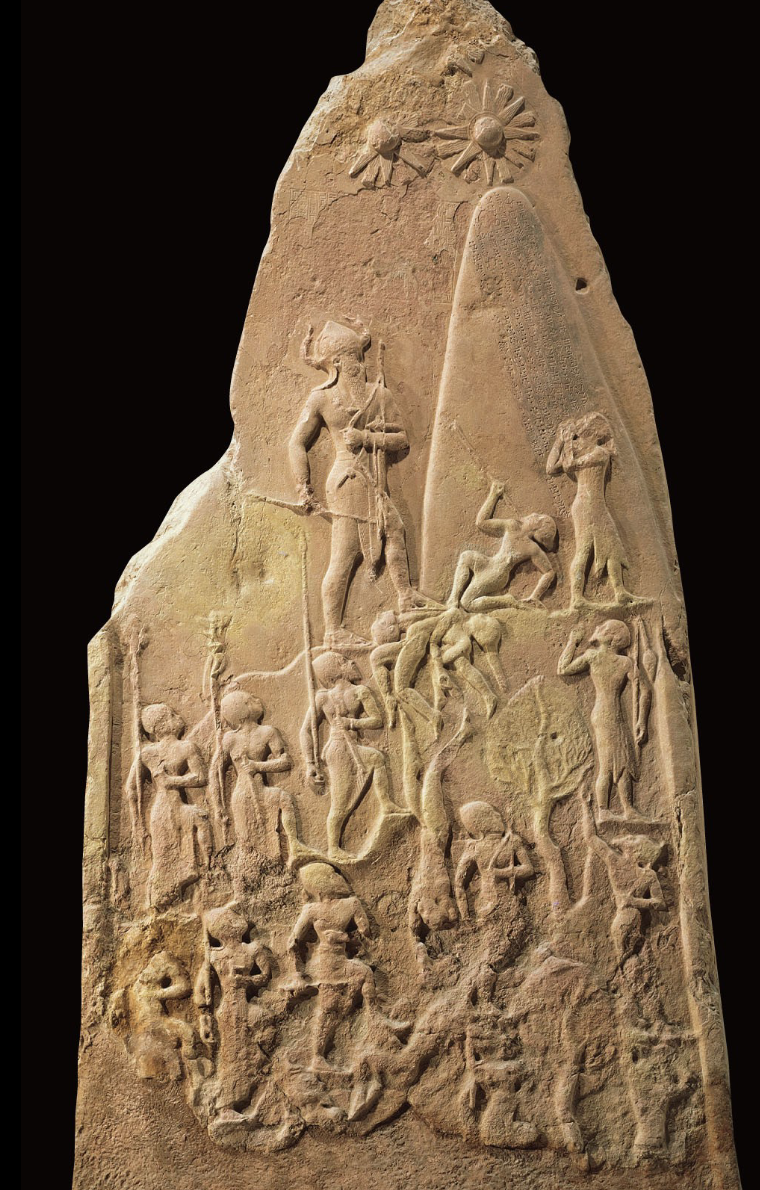
identify and explain how this depiction of the king broke tradition
Stele of Naram-Sin
2254-2218 BCE, Akkadian period
Susa, Iran
sandstone
depicts Naram-Sin, grandson of Sargon the Great, conquering the Lullubi tribes in the mountains
Breaks tradition; not separated into registers, wearing the horned helmet indicating he declared himself a god
Sumerian revival
After the collapse of the Akkadian Empire, the Guti tribes took control of southern Mesopotamia, but were unable to establish effective or lasting control. This began the Sumerian revival. Several Sumerian city states reasserted themselves. A new dynasty was established at Lasgash in 2150 BCE, and the Sumerians began to restore their cities and temples.
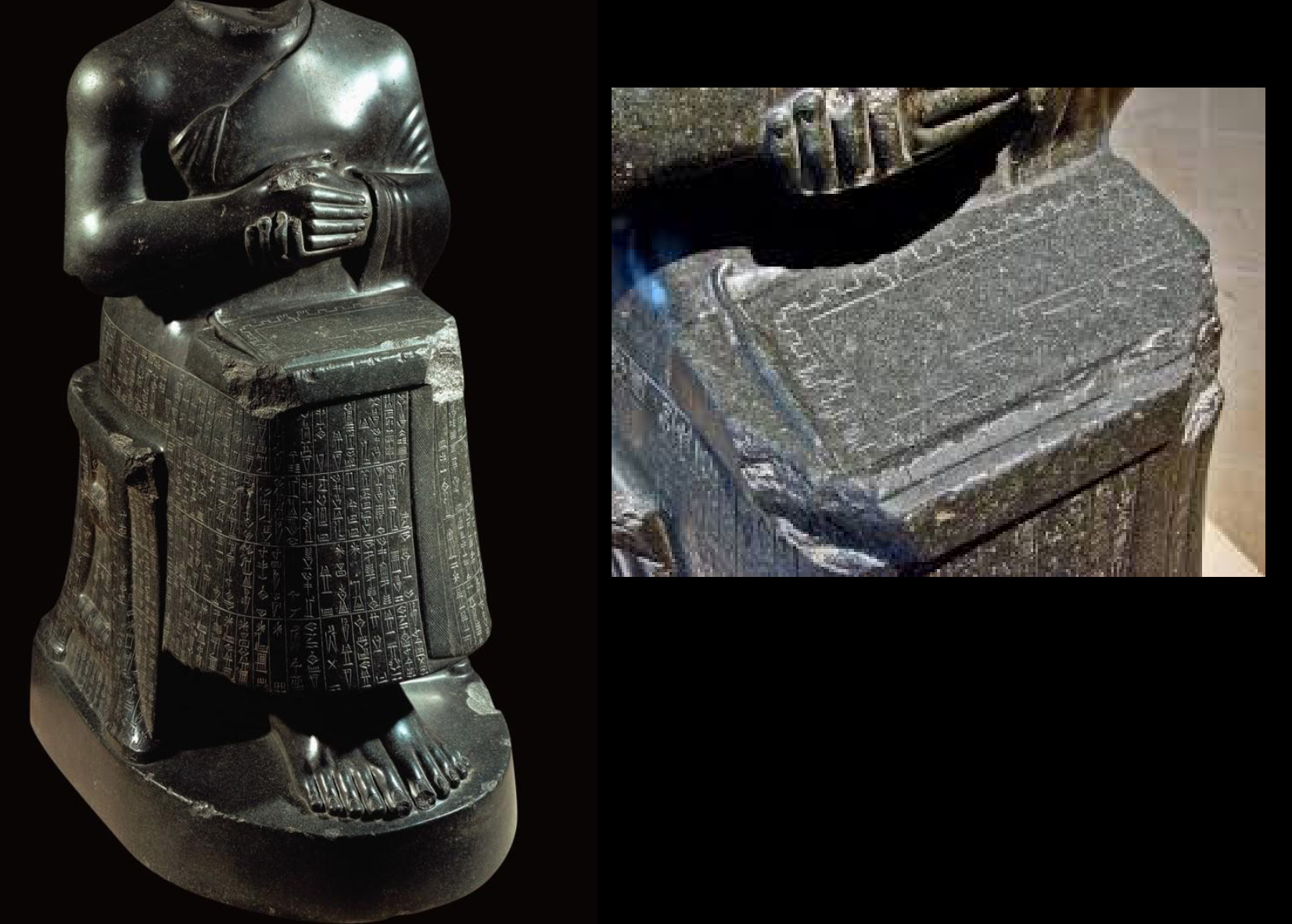
How does this sculpture differ from the stele of Naram-Sin
Seated Statue of Gudea Holding a Temple Plan
Girsu, Modern Telloh
2100 BCE, Sumerian revival period
Diorite
Piety vs. the hubris of Naram-Sim. Gudea also shown as a great architect. Humble servant of the gods, but exclusive access too.
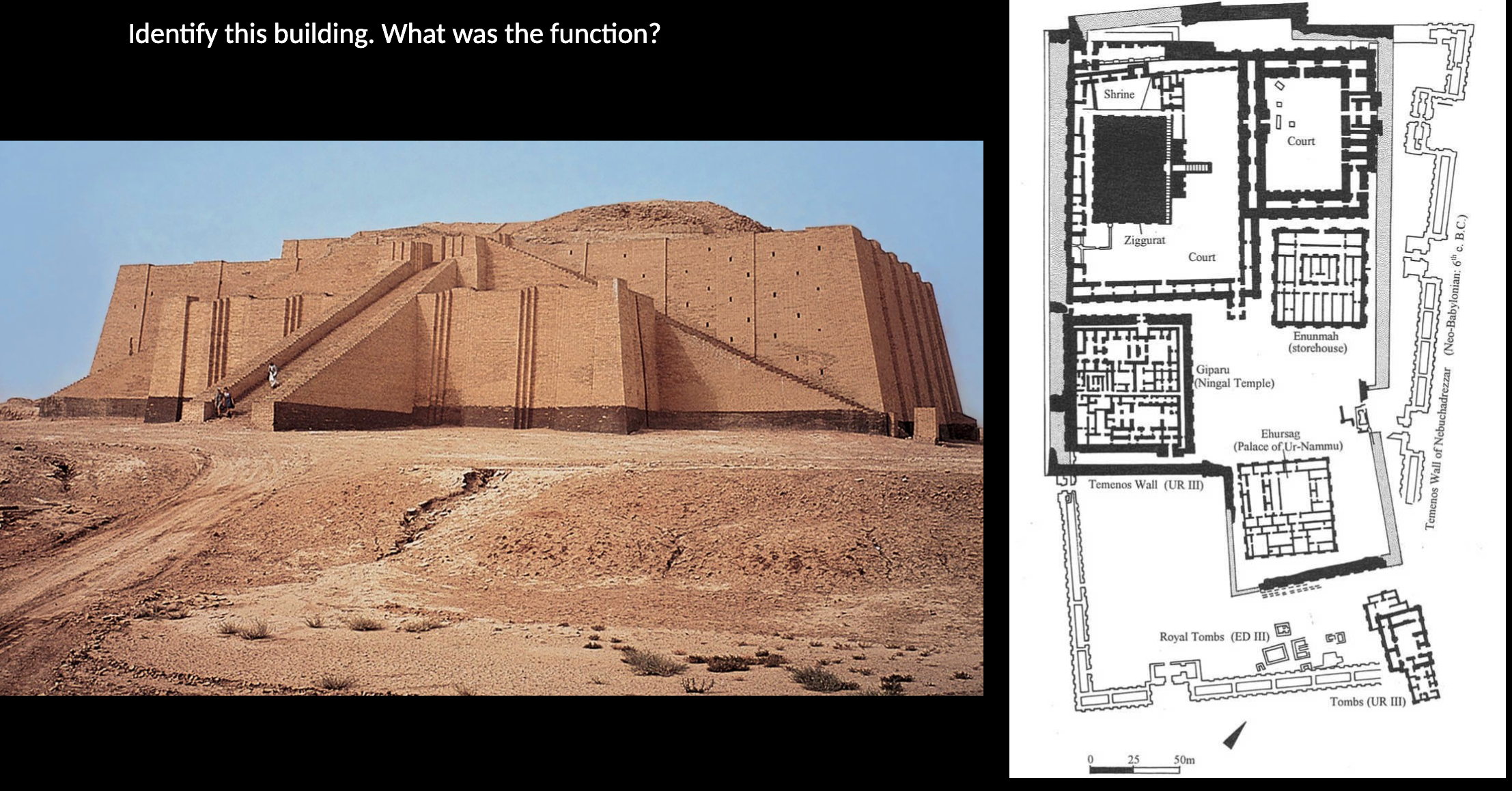
identify function of this Ziggurat
Ziggurat of Ur
2100 BCE Third Dynasty of Ur or Ur III
Mud brick, bitumen, mostly restored
Built by Ur-Nammu, dedicated to the moon god Nanna, patron deity
Amorites
Semi-nomadic group of people from Canaan, Syria, and northern Mesopotamia, western semitic language, infiltrated southern Mesopotamia (in chaos after the fall of Ur III). Semitic people out numbered Sumerians (Amorites and Akkadians), Sumerian culture revered but died out
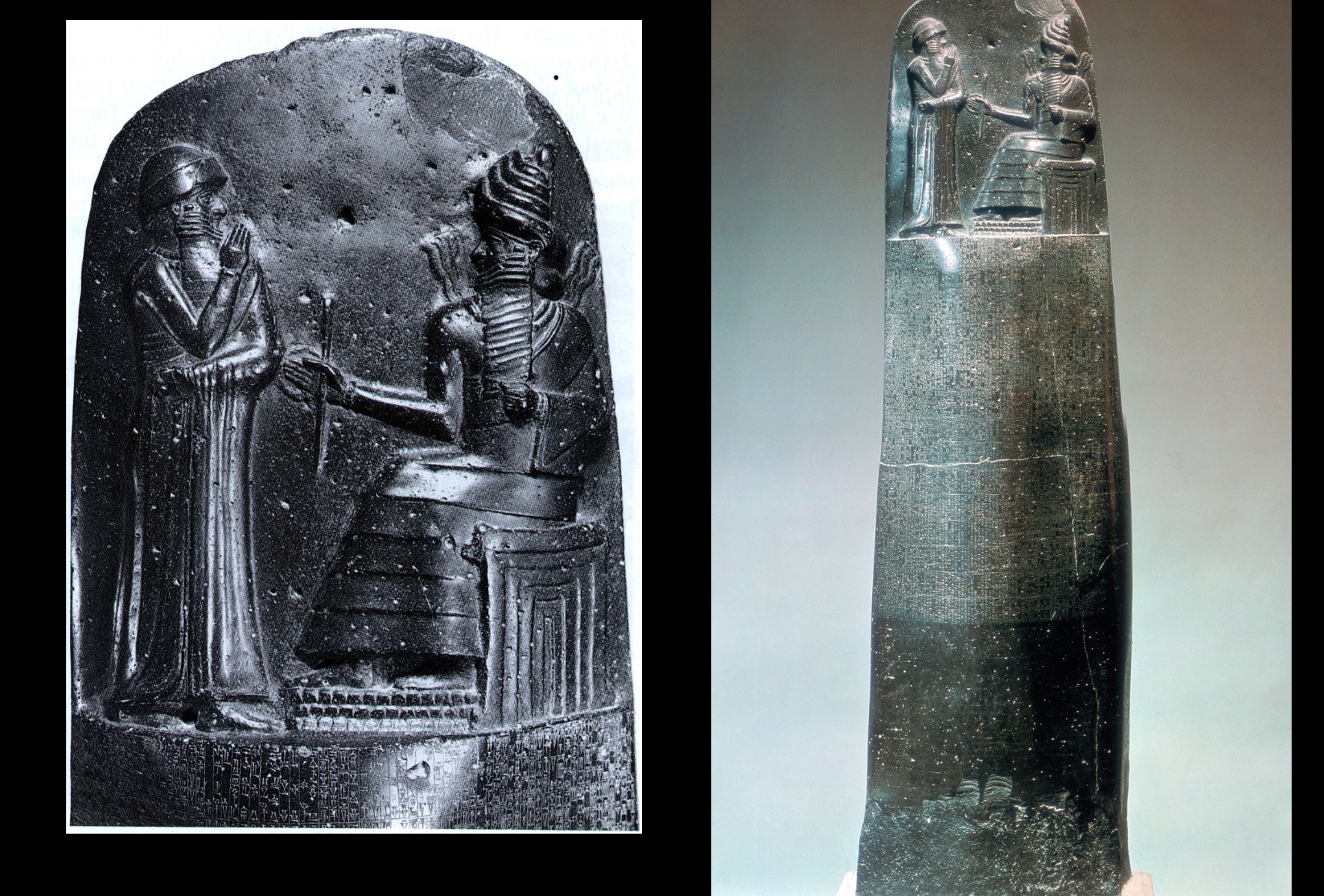
identify and explain this stele
Stele of Hammurabi
1780 BCE (Old Babylonian period)
Basalt
Susa, Iran
Laws of Hammurabi in Cuneiform. Hammurabi is meeting the sun god (bigger, rays on his shoulders, horned helmet). God handing Hammurabi architects tools; rod and ring, represents kingship.
Who were the Neo Assyrians
Northern Mesopotamians
900-615 BCE, 9-7th centuries
Spoke a later dialect of Akkadian, descendants of Akkadians, cultural heirs, kept up tradition of imperial conquest
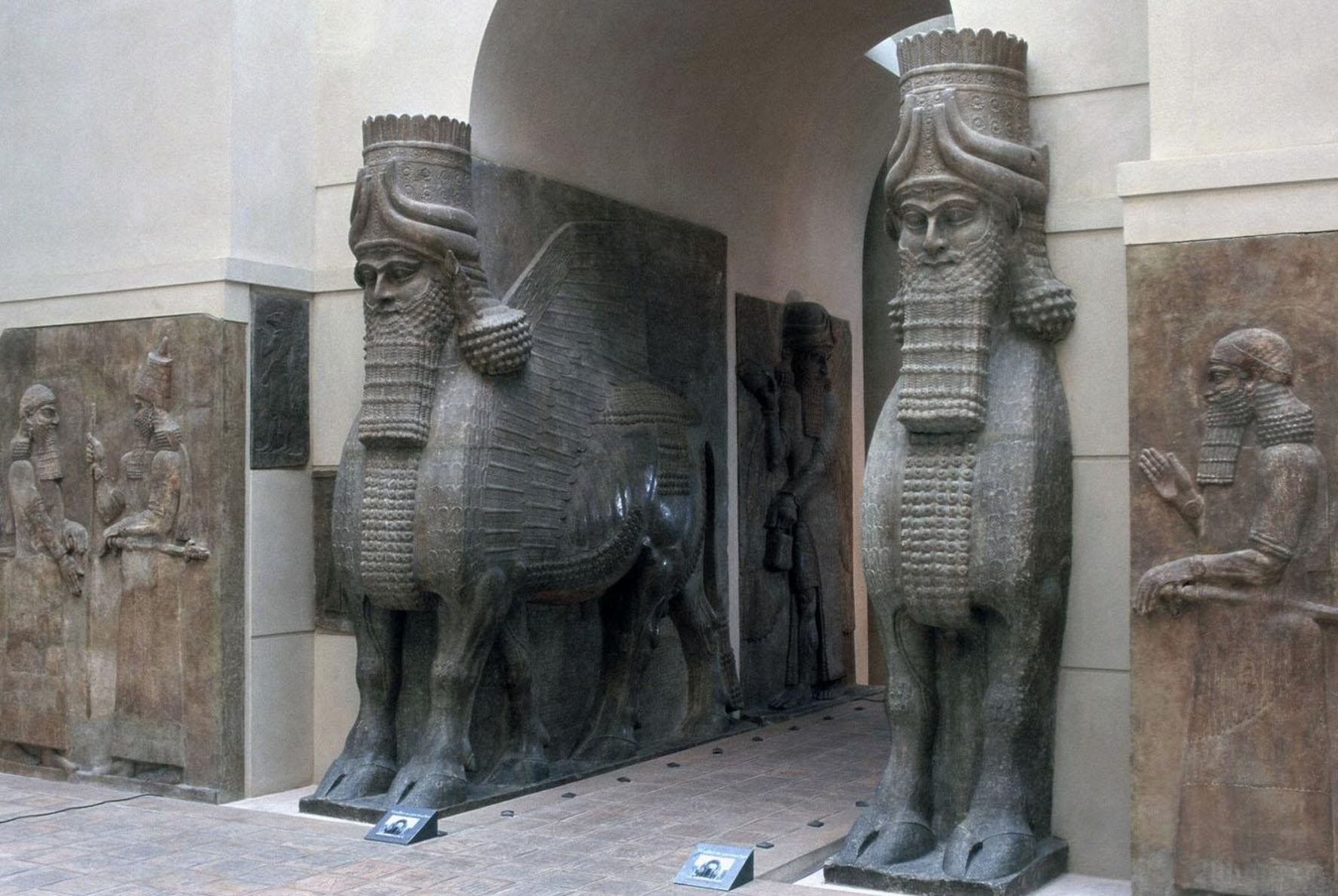
where are these positioned and what was their function
Lammasu Gardians
Dur Sharrukin, Iraq, Palace of Sargon the Second
Neo Assyrian, 720-705 BCE
Limestone
Palace at the entrance of the throne room to intimidate and ward off evil, part human, part eagle, part bull
Assyrian empire reached its limits under which king
Ashurnasirpal II (883-859)
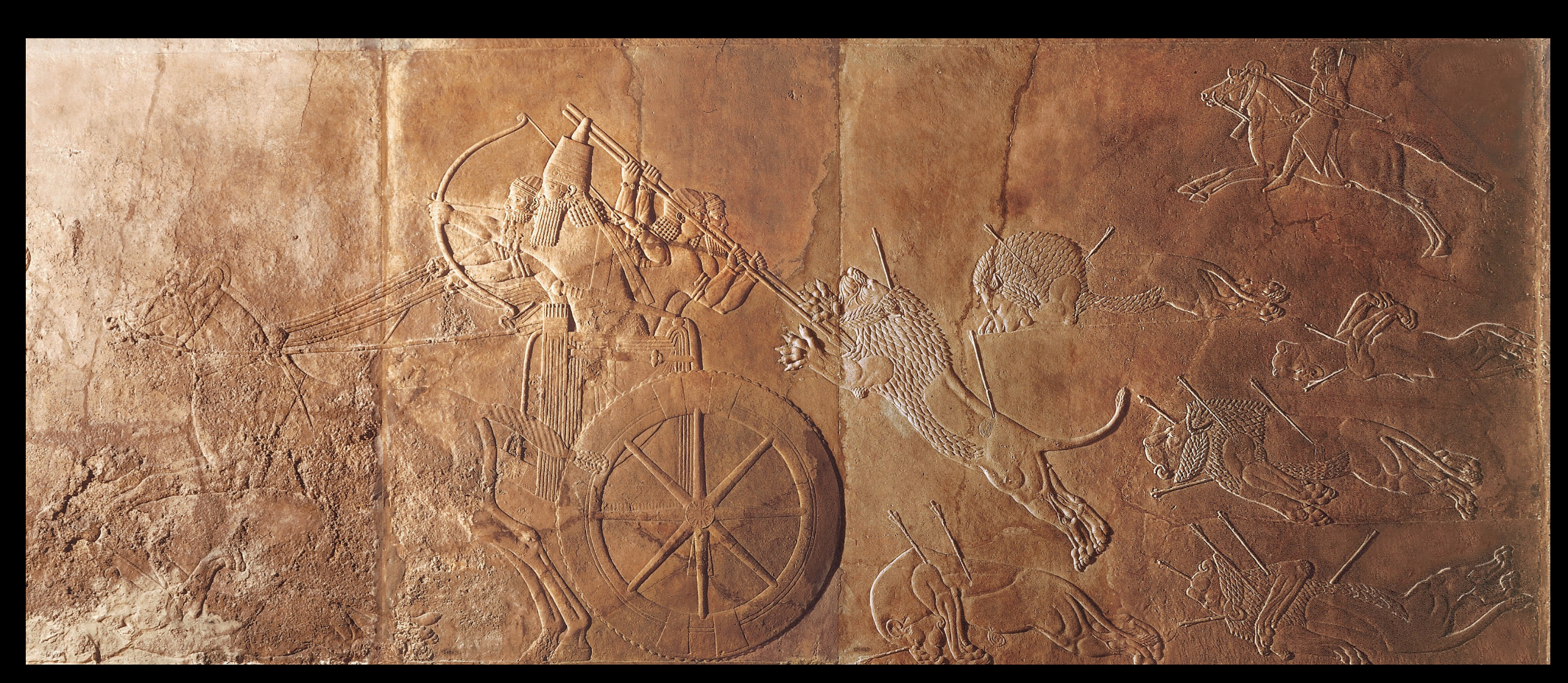
relief from the Neo-Assyrian empire
Lion Hunting Relief
North Palace of Ashurbanipal, Nineveh
Neo-Assyrian, 645-640 BCE
display of strength and power
who defeated and took over the Assyrian empire
Neo-Babylonians, 612-539 BCE)
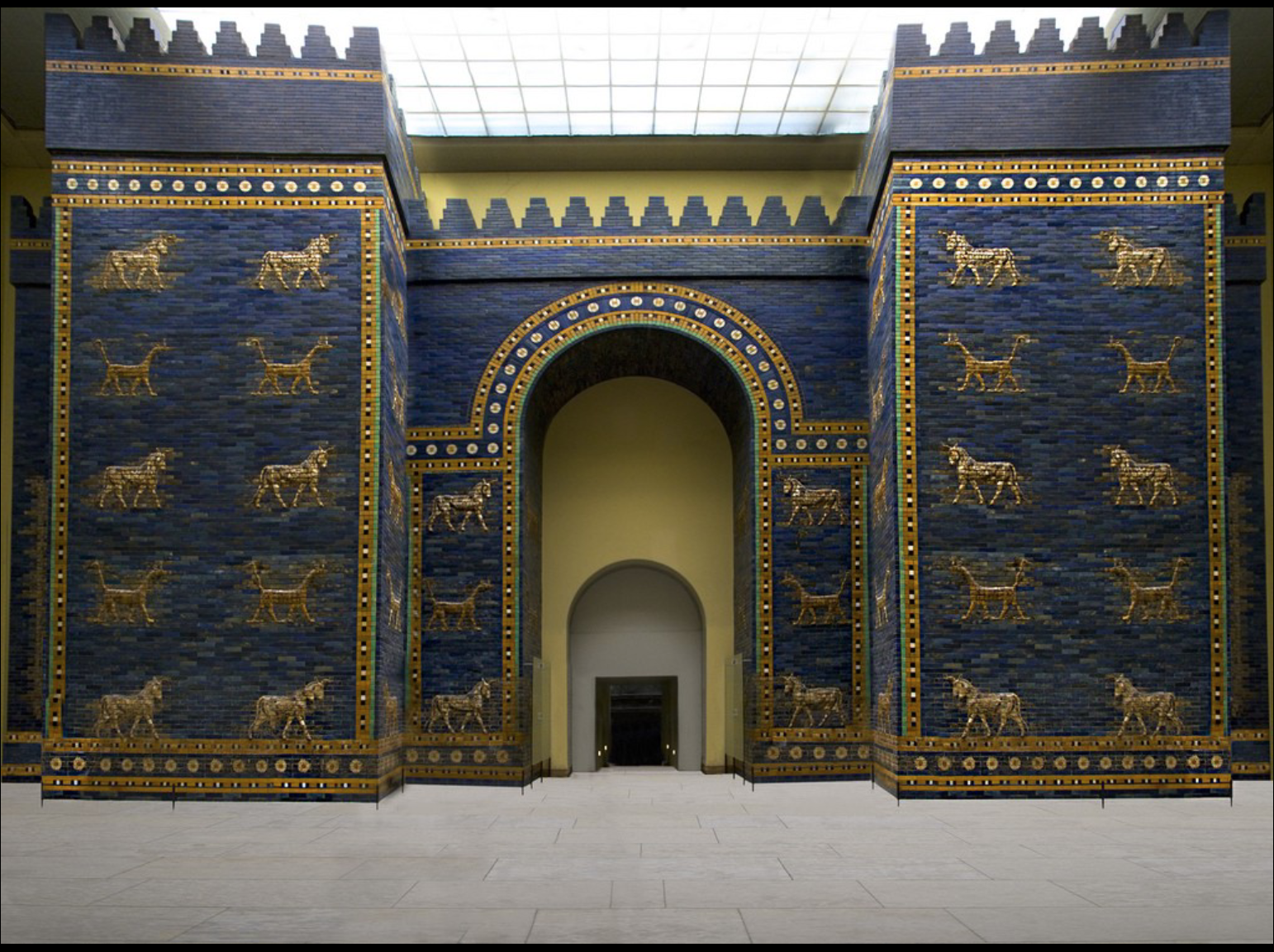
identify, what are the similarities and differences to Assyrian art
Ishtar Gate
Babylon, Now in Berlin
Neo-Babylonian, 575 BCE
Fired mud brick with glazing
The animals are gods, Babylonians wanted to send a different political message than the bad Assyrian reputation
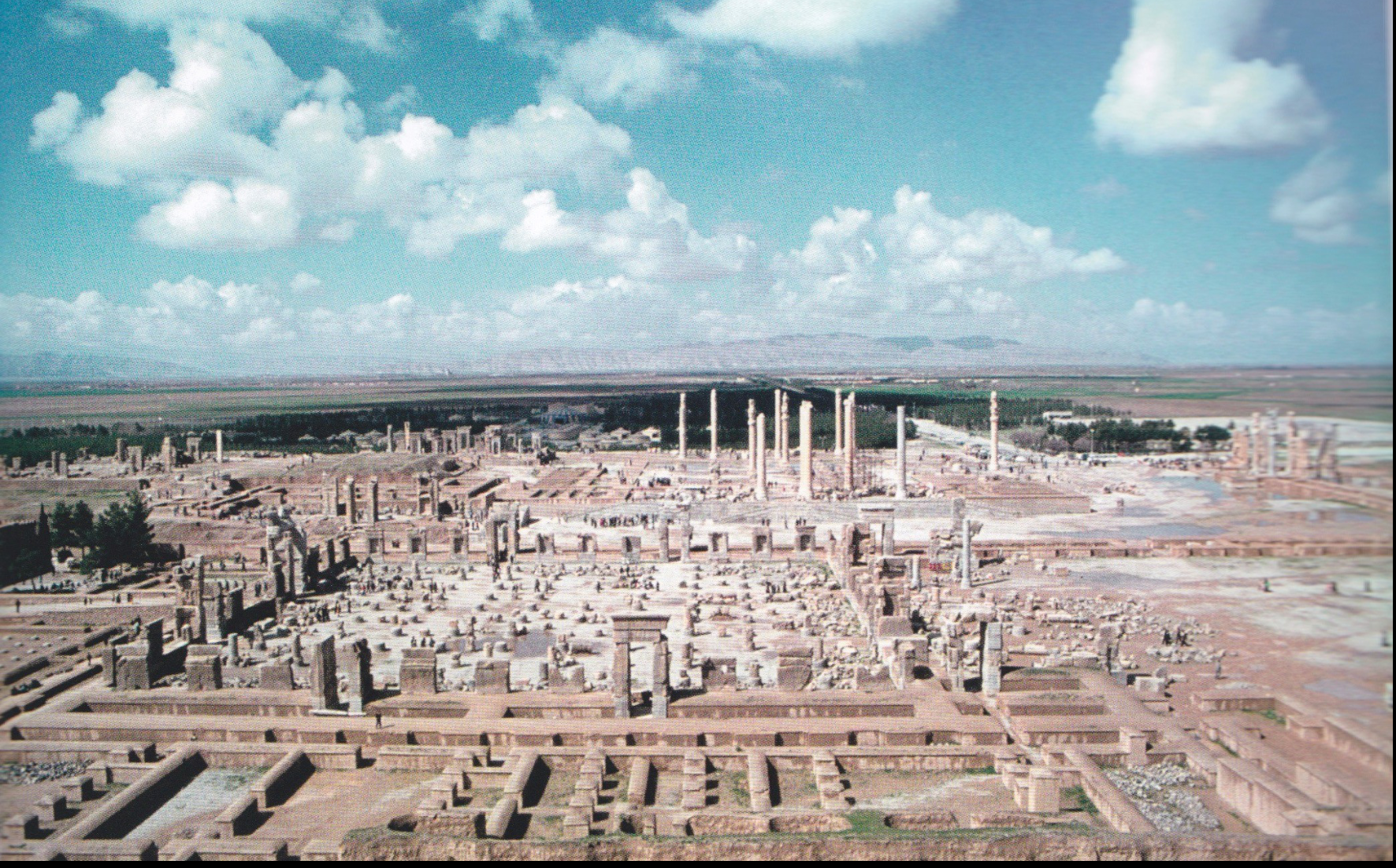
identify this city
The Apadana
Persepolis in modern Iraq
Persian Empire
Royal reception hypostyle hall, artist and architects from all over the empire were employed from all over the empire including Greeks, Egyptians, and Babylonians
important kings of the Achaemenid dynasty
Cyrus the Great, Perisan’s rose to power during his reign
Darius I, took over when Cyrus’ son was killed