MKTG102 Choice and Context Effects
 Call Kai
 Learn
Learn Practice Test
 Spaced Repetition
 Match
Match Flashcards
 Knowt Play
1/23

There's no tags or description
Looks like no tags are added yet.
Name | Mastery | Learn | Test | Matching | Spaced | Call with Kai |
|---|
No analytics yet
Send a link to your students to track their progress
24 Terms
homoeconomicus
fixed preferences
knows what they want/like the most
more options = more likely to find the option they like
search cost
resources spent getting for about products
ie. time getting to and from store, costs involved in looking for the item, time spent comparing items
buyers remorse
feelings of regret or anxiety after buying something
involves giving up one thing for another → opportunity cost
can be the money you would have saved by not buying
ie. wondering if you made the right choice of a phone
utility maximization
seeking to achieve the highest level of satisfaction from their decision
weighs the importance of each value and attributes it to a number form
compensatory decision making
‘more of this is less of those’
high performing features offset weak ones
all attributes need to be translated into a a comparable scale
ie. consumer buys a higher priced laptop because the processing speed is faster
non compensatory decision making
increase in one attribute doesnt compensate for a decrease in another
ie. having no boba in your drink cannot be compensated by more milk tea
disjunctive decision rules
sets minimum cut offs for at least one attribute
choosing the alternative that is the best on the most important attribute ie. choosing the house with the least rent
conjunctive decision rule
applies minimum cut offs on all important attributes and eliminates alternatives
may adjust cut off or apply another decision rule if multiple alternatives are remaining
ie. filtering out options that are above $100
lexicographic decision rule
compares brands by attributes one at a time, in order of importance
if theres a tie → move on to next most important attribute
ie. distance to work > rent > area
elimination by aspects
eliminates alternatives that do not meet the minimum cut off level on each attribute in order of the importance
ie. distance to work for house A is 10 km → eliminate
affect referral
tactic where people remember their feelings for the product or derive
results in low-effort decision making
disregards info on attributes
alignable differences
corresponding aspects of a pair that differ
ie. 10 hour battery size vs. 5 hour size
nonalignable differences
aspects of one object that have no correspondence with the other-
ie. one phone flips, the other has a stylus
findings on differences
alignable differences have a greater impact on choice
nonalignables differences push people towards non compensatory rules
if nonalignable attributes become quantifiable, its easier to trade them off (ie. battery lasts 15 minutes longer per day)
maximizer
looks for best possible option
compares with others and past decisions
more likely to consider opportunity cost and engage in compensatory decision
satisfactor
happy with ‘good enough’
doesnt engage in social comparison or regret
can move on after deciding
faster decisions but might not get the best outcome
proportionality
new offering takes in a proportion of the original shares from each brand
ie. new drink takes 20% of coke and pepsis shares
similarity
new offering takes more shares from the one its more similar to
ie. sprite takes more of frescas then fantas shares
regularity assumption
entry of an additional alternative will either reduce the share of an existing alternative or leave them unchanged
brand never gains more shares → can only lose them
asymmetric dominance effect
adding a third option (decoy) that is inferior to the target makes the target more appealing and more likely to be chosen
compromise effect
consumers tend to choose an option that is average when presented with two other extreme options
most common when consumers are novices or unsure how to weigh attributes
similarity effect
adding an option (decoy) that is slightly different but still equally attractive as an existing option (competitor) increases the probability that the dissimilar option (target) will be selected
ie. prices for coffee include
S - 3.50
M- 4.50
L - 7
people will choose the large
reason based choice
when people choose an option that seems reasonable and justifiable
easier to make choices that we can explain to others and ourselves
not always optimal
attributes that seem more important given the context (but maybe not as much on their own) can get too much weight
decoys may also contribute too
reasons are frame dependent
framing choice: choosing and rejecting
idea in which how something is framed or worded will impact decisions
ie.
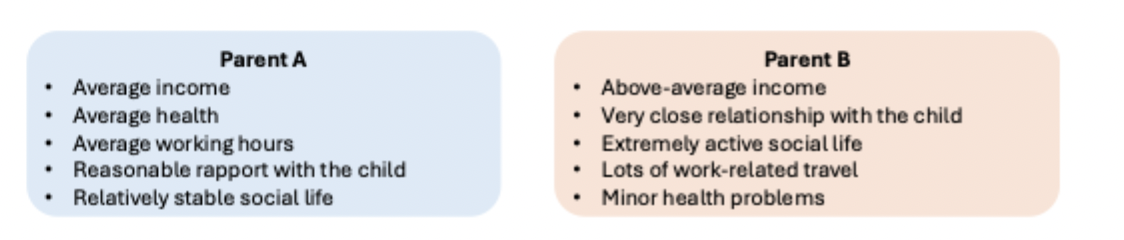
if asked which you would award sole custody → focuses on +
if asked which you would deny sole custody → focuses on -