Soviet Avant-Garde 1
 View linked note
 Call Kai
 Learn
Learn Practice Test
 Spaced Repetition
 Match
Match Flashcards
 Knowt Play
1/6

There's no tags or description
Looks like no tags are added yet.
Name | Mastery | Learn | Test | Matching | Spaced | Call with Kai |
|---|
No analytics yet
Send a link to your students to track their progress
7 Terms
Soviet Avant-Garde
A movement in the Soviet Union in the early 20th century that encompassed innovative and experimental approaches in art and architecture.
USSR Pavilion
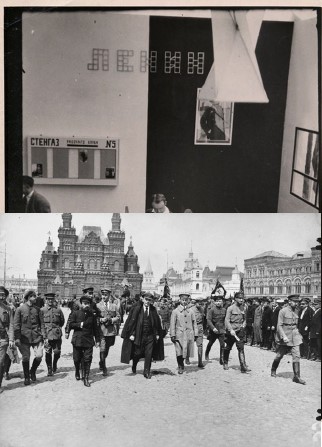
A pavilion built in 1925 in Paris representing the emerging artistic and architectural ideas in Moscow, characterized by a rectangular plan cut by diagonal stairs and a skeleton structure allowing free design of interior and exterior relationships.
Art and Politics
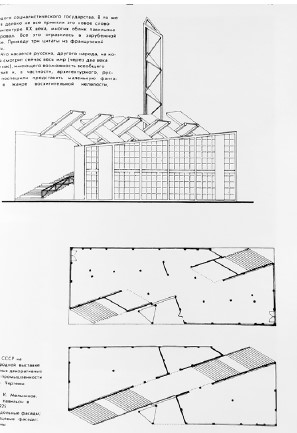
The strong relationship between art and politics in the Soviet Union, where artists served the new regime by transforming political ideas into art, contributing to the construction of a new society through propaganda.
Avant-Garde
An artistic movement that challenges traditional norms and conventions, often characterized by experimentation, innovation, and the use of unconventional materials and techniques.
Collage
A technique embraced by avant-garde artists like Vladimir Tatlin, involving assembling various everyday objects to create new shapes and meanings, representing a break from traditional artistic methods.
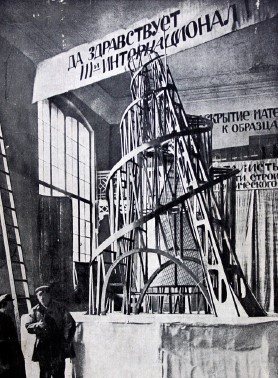
Monument for The Third International
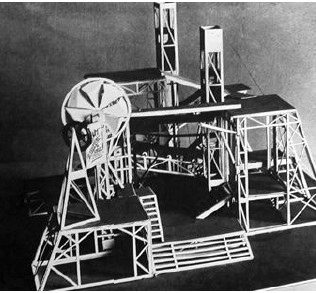
A dynamic sculpture designed by Tatlin in 1919, symbolizing the communist revolution and promoting Russia as the center of communism, featuring spirals, cones, and reticular beams, and involving collaboration between artists and workers.
Dom Narkomfina
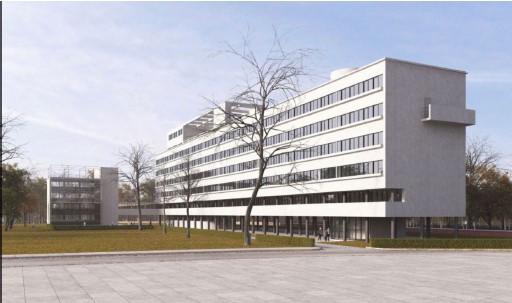
An experimental 5-story building designed by Mojsej Ginzburg for the workers of the ministry of finance, reflecting innovative ideas on combining different functions in a residential building and influencing Le Corbusier's architectural concepts.