Semester 2
 Call Kai
 Learn
Learn Practice Test
 Spaced Repetition
 Match
Match Flashcards
 Knowt Play
1/252

There's no tags or description
Looks like no tags are added yet.
Name | Mastery | Learn | Test | Matching | Spaced | Call with Kai |
|---|
No analytics yet
Send a link to your students to track their progress
253 Terms
What is the meaning of the word Arthropoda?
it means Arthron means joint and Poda means foot
why is it a theory of that the Arthropod group was so diverse when they first appeared?
That they didn’t have any hard exoskeletons yet so no morphological evidence could have been preserved.
Are Arthropods diploblasts or triploblasts?
Arthropods are triploblasts. Their mesoderm is useful for retaining water.
What evidence is there for arthropods being the most successful group?
They have the most niche’s out of all groups and contribute the most species too.
What are some morphological factors which make Arthropods so successful?
Jointed appendages
Exoskeleton
Excretory system
Segmentation
Compound eyes
How do jointed appendages help arthropods be successful?
Their appendages are modified for the functions.
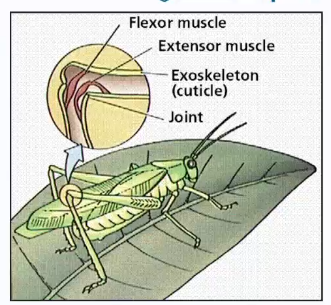
How does exoskeletons help arthropods be successful?
Provides protection and helps them to retain bodily fluids.
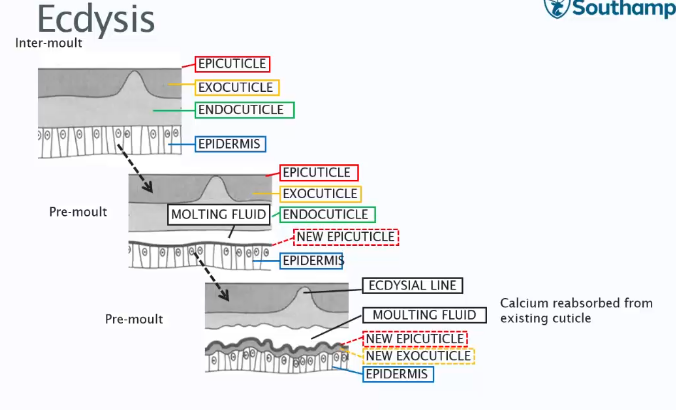
The exoskeleton has a cuticle, which is made up of 3 parts, describe what each one does or and is made of.
Epicuticle: Water resistant layer of protein and sometimes wax.
Exocuticle: Sclerotised (super hard) in some parts, but flexible in others. Made of protein and chitin.
Endocuticle: Mostly chitin with mineralized calcium.
What are some pros and cons of having an exoskeleton?
Prevent water loss
strong but still flexible
Limiting on body size because thicker exoskeleton needs more muscle.
Must moult in order to grow.
What is the name of the hormone which controls ecdysis?
Ecdysone.
How do arthropods moult?
A moulting fluid builds up under their cuticle.
As they shed a new cuticle is being developed.
Calcium is reabsorbed from the old cuticle.
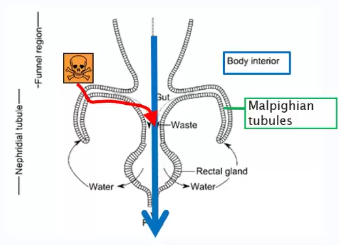
What part of arthropod excretory system has the same function as our kidney?
The nephridia.
What is the type of waste that arthropods produce?
Nitrogenous waste.
Either uric acid or guanine.
What are Malpighian tubules used for?
They are part of the nephridia and are used for the reabsorption of water in their bodies.
What is another word for segmentation?
Tagmosis
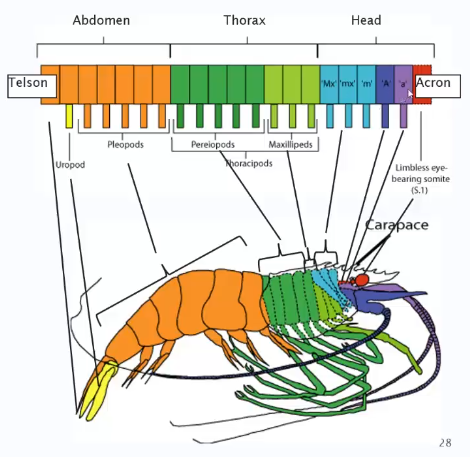
What is the general organisation of arthropods tagmata’s?
(Acron)
Head
Thorax
Abdomen
(Telson)
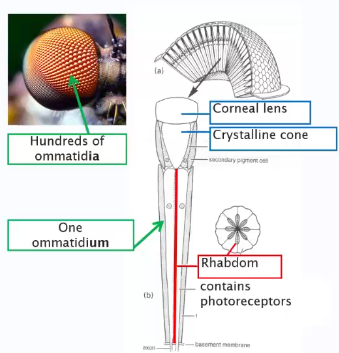
What are arthropods compound eyes made up of?
Hundreds of ommatidia
(singular = ommatidium).
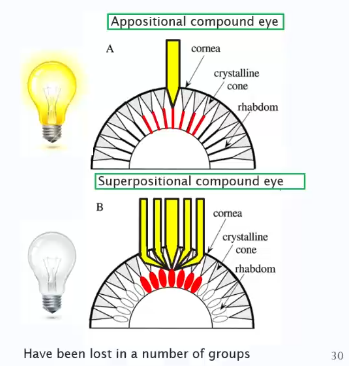
What are the two types of compound eyes in arthropods and what is the difference?
Appositional - Light hits one ommatidium at a time.
Suppositional - Light from multiple different places can hit on ommatidium at once. (maximises sight for nocturnal groups).
What are each sub phylum in Arthropoda?
Hexapoda (insects)
crustacea (biramous)
Myriapoda (many legs)
Chelicerata (spiders and scorpions)
Lobopodia (soft bodied extinct worms: Hallucigenia)
What type of appendages did the trilobites have?
Biramous appendages.
exopoda(dorsal)
endopoda(ventral)
What are the classes in the Chelicerata?
Sea spiders
Horseshoe crabs
Sea scorpions (extinct)
Arachnids
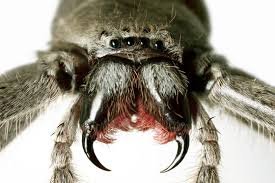
What is the defining feature of Chelicerata?
anterior appendages: Fangs or pincers.
What are some habits of the classes of Chelicerata?
Sea spiders feed on microorganisms
horseshoe crabs eat molluscs and worms.
Arachnids are predatory. They liquify their prey before eating them.
What is an important feature of the Chelicerata tagmosis?
Their head and thorax are fused together.
Called the cephalothorax.
How can we tell that a appendage is a pedipalp and not a leg in Chelicerata?
They have one less segment than a leg.
Not used for locomotion.
They have diverse funtions between chelicerates.
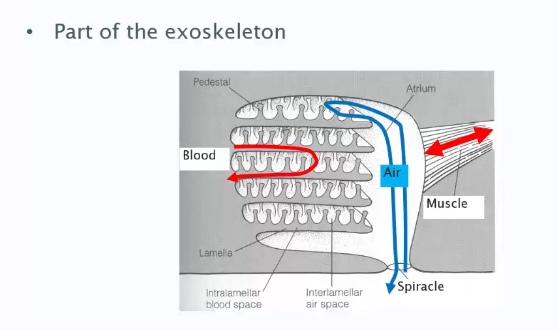
What is the organ located within the exoskeleton of Spiders and Scorpions called and used for?
The Book lung.
used for breathing.
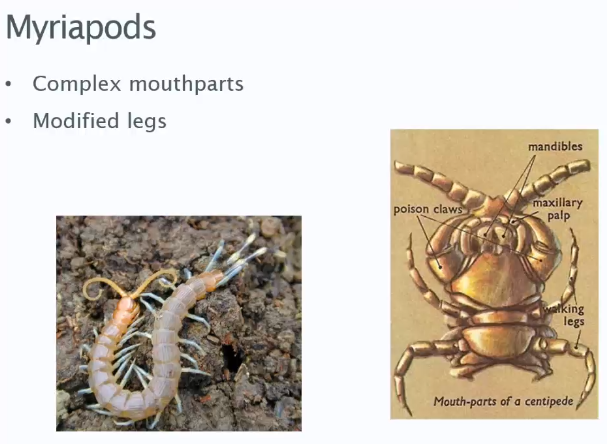
What are some defining features of myriapods?
They have Complex mouth parts and modified legs.
What are the four groups of Myriapoda?
Centipedes (Chilipoda)
Millipedes (Diplopoda)
Symphyla
Pauropoda
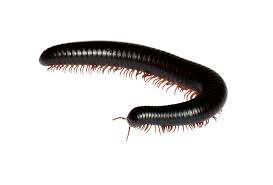
Characteristics of millipedes?
2 pairs of legs on each segment
36-400 even (700) legs
mostly detritivores
non poisonous
have Ozopoures (stink glands)
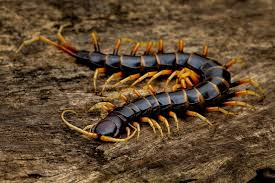
Characteristics of centipedes?
One pair of legs per segment
20-200 legs
Mostly carnivorous
Poisonous
Forcipules (venom claws).
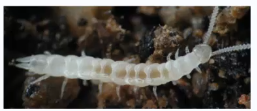
Characteristics of Symphyla?
<8mm long
6 segmented head and 14 segments for the trunk.
legs on the first 12 and silk-spinning cerci on the 13th.
white and are blind.
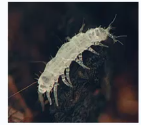
Characteristics of Paurapoda?
<2mm long
11-12 segments with 9-11 pairs of legs
whitish and blind
eat fungi
forked antennae.
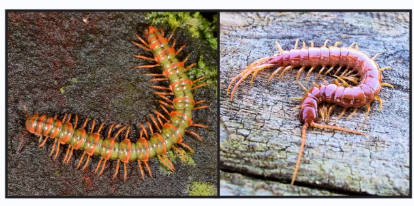
What does aposematic mean and how does it relate to Myriapoda?
Aposematic means to warn.
Myriapoda have aposematic colouration to discourage predators.
What is batesian mimicry and how do millipedes use it to their advantage?
Batesian mimicry is a biological strategy when one non-toxic species evolves to resemble another toxic species.
What are some main features of the crustacea subphylum?
Biramous limbs
Nauplius larvae stage
2nd pair of Antennae.
What are the classes of crustacea?
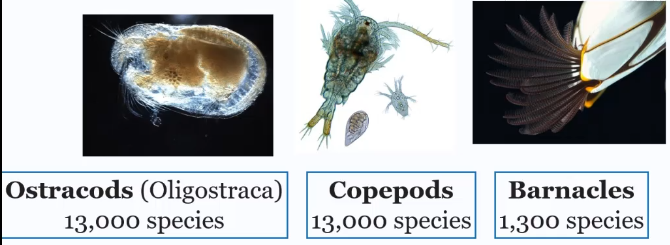
What are the 3 sub classes of Vericrustacea?
Brachiopoda - Fairy Shrimp and Water Fleas.
Maxillapoda - Copepods
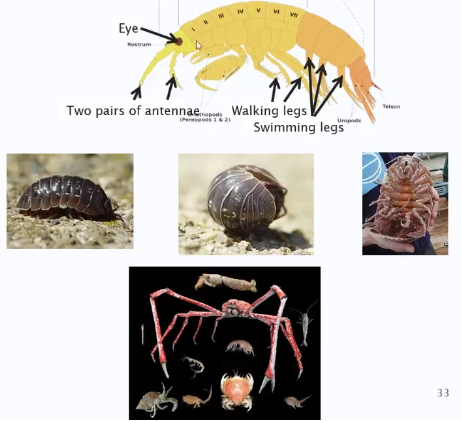
Malacostraca - Crabs, lobster and woodlice.
What are the orders of Malacostraca?
Amphipoda - shrimp
isopoda - woodlice
Decapoda - crabs
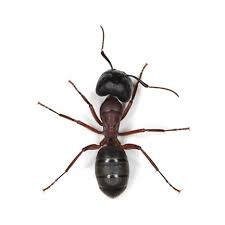
Hexapoda characteristics?
Three pairs of legs
Three tagmata
(adults get two pairs of wings)
One pair of antennae
tracheal system for respiration.
What are the two classes of a hexapoda?
Insecta - All other insects.
Entognatha - Spring tails.
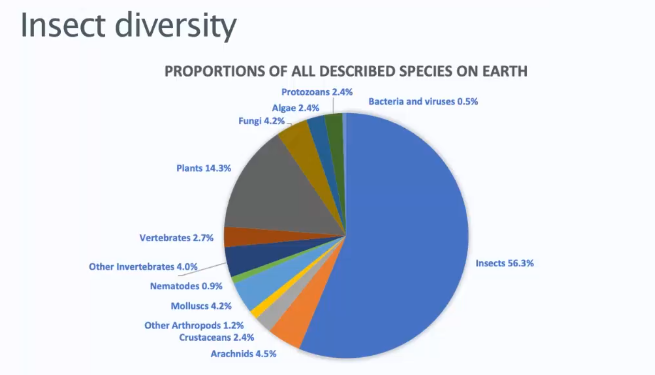
What proportion of all described species on earth do insects take up?
56%
What are some factors which creates such a high diversity of species in insects?
Small size (allows for more niches)
Highly organised sensory and neuro-motor systems.
shorter generation time = faster evolution
coevolutionary relationships
Metamorphosis
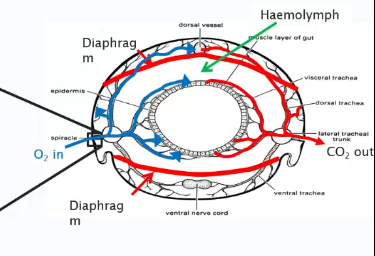
Describe insect gas exchange system.
Tracheal system.
air enters through spiracle.
CO2 forced out by moving.
this system limits body size.
Name some important insect ecology.
Recycle nutrients (fertilizer).
Plant pollination (bees).
Help farmers maintain plant community composition.
Insects are key tropic levels in food webs.
They are vectors and parasites.
What are the 3 parts of the insect digestive system?
Foregut
midgut
hindgut
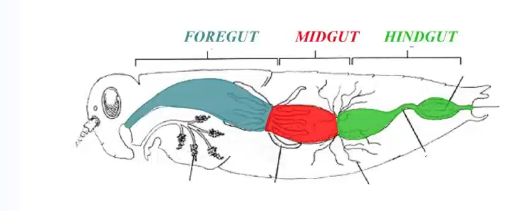
What are the two types of feeders in Hexapods?
Phloem feeders - sugary water based diet. Waste is excreted as honey dew.
Desert insects - Not enough water
What are the two hypothesis for how wings came about on Insects?
Paranotal hypothesis - Wings were essentially made from scratch.
Exite/Endite hypothesis - Wings arised from a branch on a biramous limb
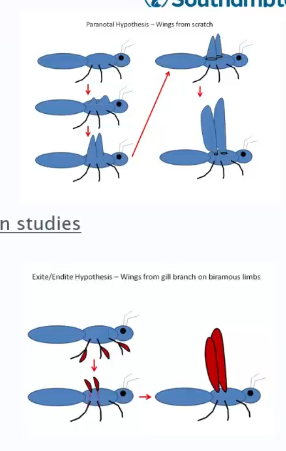
What are the two ways to fly (move wings) for insects?
Direct flight muscles (dragonfly and cockroaches) are directly attached to the wings.
or
Indirect flight muscles (most insects). Muscles are attached to thorax and wings are pivoted.
What are the names of the four insect metamorphosis strategies?
Ametably
Paurometably
Hemimetably
Holometably
What is the ametably metamorphosis strategy?
This strategy has little to no change while developing into adult hood.
What is the Paurometably and Hemimetaboly metamorphosis strategy?
Both are essentially the same.
This is a gradual change in the body.
Wing buds get larger with each moult.
pauro happens in Hemiptera (true bugs)
Hemi in dragonflies
What is the holometably strategy in insects?
Wingless larval stage → winged adult stage.
Drastic change of ones body throughout life cycle.
Butterflies.
What is a domain structure in protein structure?
Domain strucutre is an autonomous folding unit.
Can the same protein domain be found in two different types of protein?
Yes
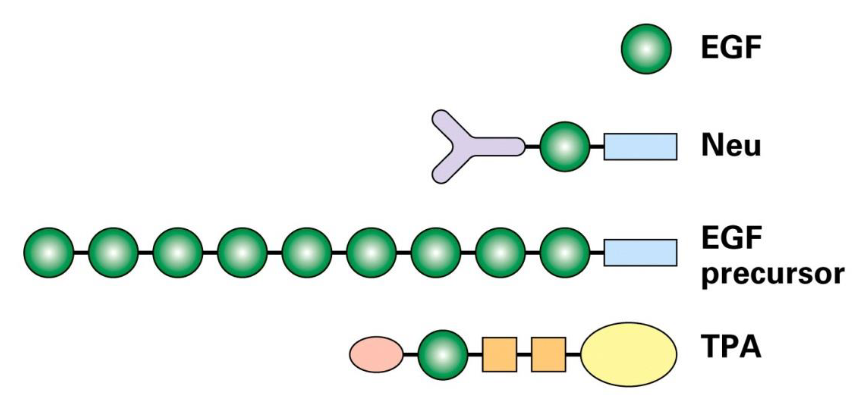
What is an IDR?
An IDR is an Intrinsically Disordered protein Regions.
These proteins carry out their functions while being unfolded.
They do not have a defined 3D structure.
Around 30% of the human genome are IDRs.
What are Prions?
Infectious proteins.
Mad Cow Disease is caused from prions.
How do Prions(Prp) replicate?
Prpsc has the ability to convert normal Prp (Prpc) into Prpsc .
Why was there a switch from anaerobic to aerobic respiration?
It allows for more energy to be extracted from glucose (15 times more).
Why is distal histidine bound to oxygen after it binds to haemoglobin?
It prevents the formation of dangerous highly reactive radicals.
What is the most diverse insect order?
Coleoptera - bettles
What is the most defining feature of coleoptera?
Fore wings are modified elytra which cover hind wings at rest.
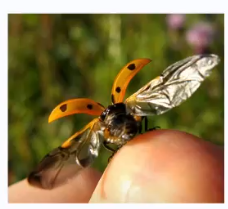
What is a simplified way of describing holometabolous organisms?
They have a larvae pupae and Adult stage.
Characteristics of coleoptera?
Holometabolous
Often sturdy and compact
Mandibles are opposable
Heavily sclerotized
Legs are variously modified
What are lepidoptera?
Butterflies and moths
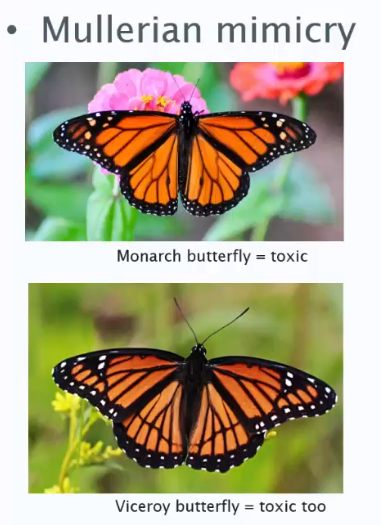
What is Mullerian mimicry?
All species are toxic and all look similar to maximise deterrence.
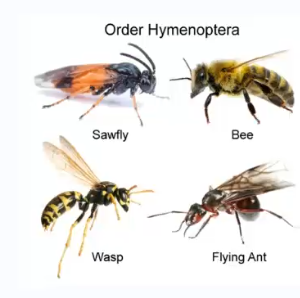
What is the Hymenoptera group?
Sawflies, wasps ants and bees
Characteristics of hymenoptera?
Mouth parts mandibulate to sucking and chewing
Multisegmented antennae
wings with simple venation coupled with hooks
What is a defining feature of Hymenoptera thorax?
Hymenoptera thorax is either 3 segmented or they have the first segment incorporated.
incorporated segment produces a waist.
What are Diptera?
Flies, midges and mosquitos.
Characteristics of Diptera?
Wings are only on Mesothorax
Balancing organs on metathorax
Variable mouthparts
What are the Hemiptera?
True bugs
Hemiptera Characteristics?
Hemi “half” ptera “wings
Sucking mouth parts
Paurometabolous lifestyle
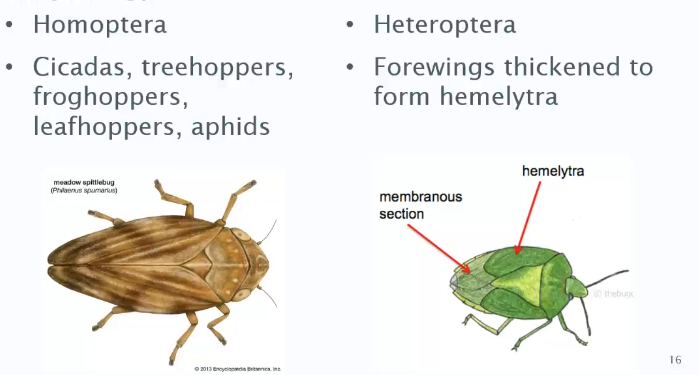
What are the two types of Hemiptera?
Homoptera - Cicadae, aphids
Heteroptera - Forewings thickened to form hemielytra
What are orthoptera?
Locusts, Grass Hoppers and Crickets.
Characterisics of Orthoptera and What are they?
Grasshoppers and Crickets
Pronotum curved over pleura.
Hind legs are enlarged for jumping.
Paurometabolous
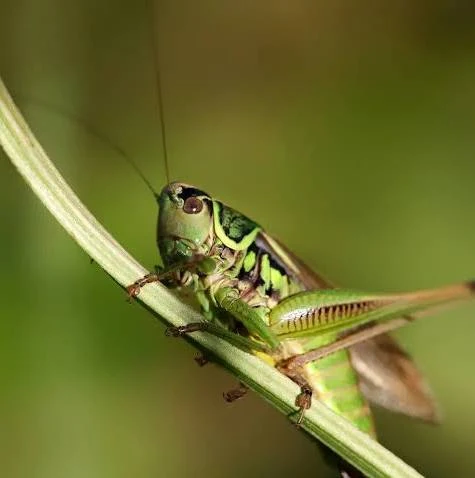
What and how do crickets perform stridulations?
They scrape their legs together to produce a sound.
they do this to let the females know where they are.
What are Thricoptera?
Caddiesflies
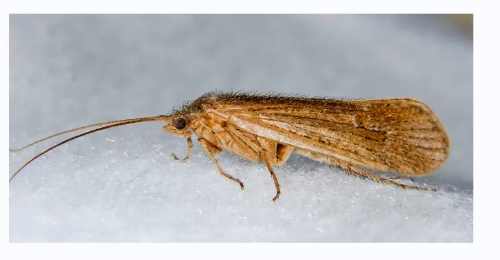
Thricoptera characteristics?
Holometabolous
Live in a case in pupae stage
Hairy wings.
How does sex determination work for eusocial animals?
Haplo-diploidy
Haploid egg - male
diploid - female
if female is fed role jelly it turns to queen.
if not becomes worker female.
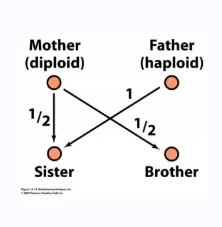
What are the characteristics of eusociality?
Cooperation of individuals other than parents
Overlap of at least 2 generations will contribute to the colony.
Reproductive division of labour: the sterile will do more work than the fertile.
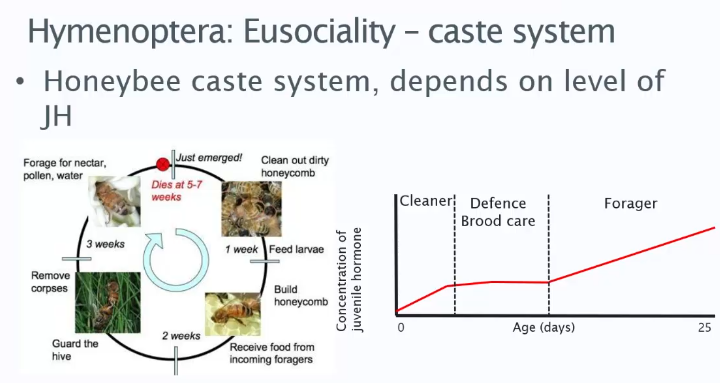
How do jobs work for female bees?
Depends on age
early: cleaner
mid: defence
late: forager
How do bees communicate?
The waggle dance
Tells location of where food is.
They have a sun compass.
How does bees time compensated sun compass work?
They know that the Sun moves during the day so they adjust the angle for their dance to account for this to accurately tell location of the food.
Name one example of warfare and slavery in Hymenoptera.
Cuckoo bees kill another colonies’ queen and lay eggs in collected pollen.
Polyergus ants make Formica ants take care of their young and gather food.
What are some complex behaviours of Hymenoptera?
Agriculture - ants carry aphids and eat the honeydew.
Leafcutter ants will carry leaf fragments that fungi will grow on.
Teaching - Follower ants go on a tandem run with ants that find the food.
What are echinoderms?
echino “spiny” derm" “skin”
All marine
Benthic bottom feeders.
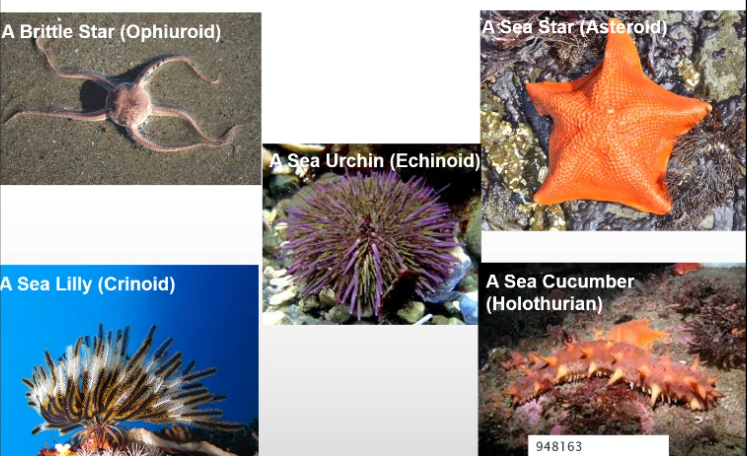
What is a defining feature of echinoderms?
Pental radial symmetrical
What is important about echinoderms to the habitats?
Ecosystem engineers.
They move the soil around.
Describe Echinoderm’s skeleton.
Composed of Magnesium Calcite.
Has porous microstructures called stereom.
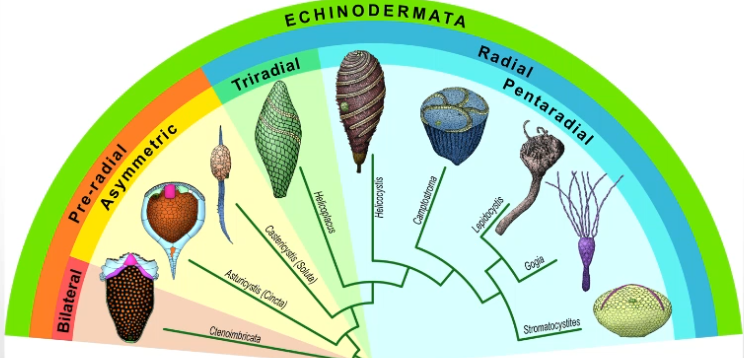
what is the sequence that echinoderm symmetry evolved into?
Bilateral → Asymmetric → Triradial → Pentaradial
2,0,3,5
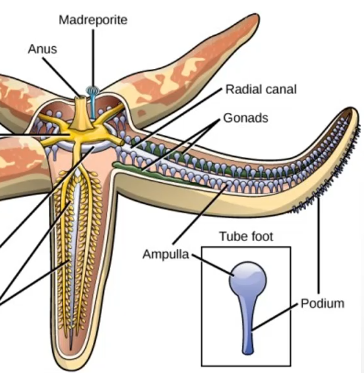
What is the water vascular system?
It is a vascular system that enables echinoderms’ movement, respiration, feeding and senses.
What does the water vascular system consist of?
A circular ring with extended tubes that end in tube feet.
What type of nervous system does the echinoderm have?
They have a decentralized nervous system (no brain).
They have a nerve ring in the middle with nerves along each arm.
They respond to environmental cues
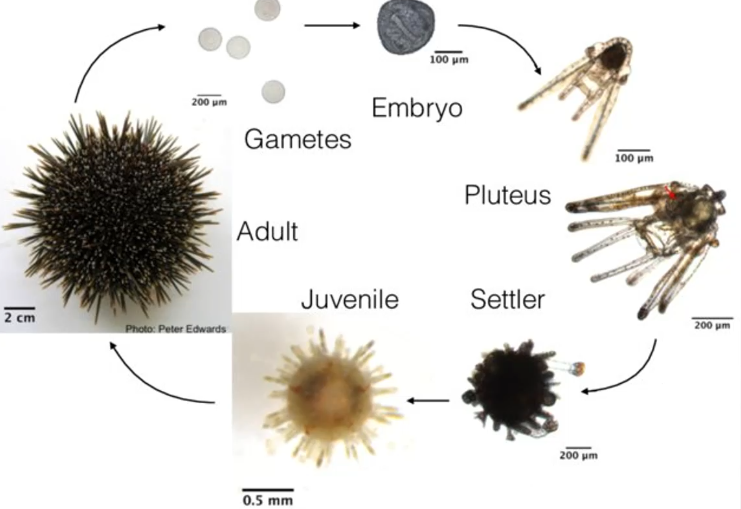
How do Echinoderms' reproduce?
Sexual reproduction and external fertilisation.
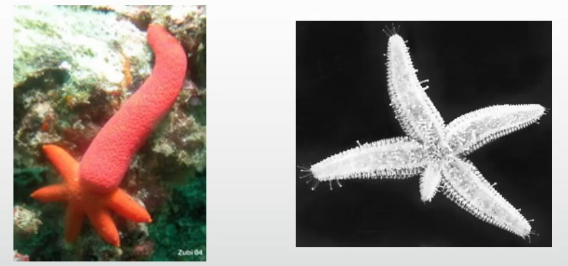
What is special about echinoderm bodies?
They have very good regenerative properties. They can regenerate their bodies from one arm.
How do the bodies of echinoderms’ relate to other animals?
The Hox genes in other animals’ head are the same in the Echinoderms for their entire body.
So Echinoderms bodies are just one giant head.
What are the sub phyla of Echinoderms?
PelmataZoa (crinoids): Feather stars.
Elutherzoa (Echinoids, Holothuroids, Asteroids, Ophuriods)
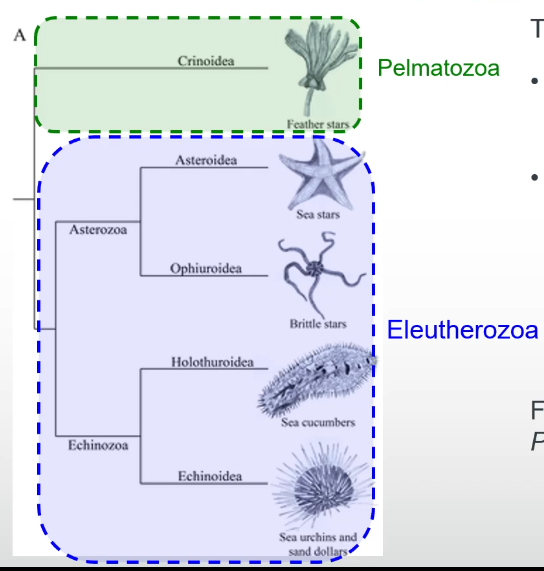
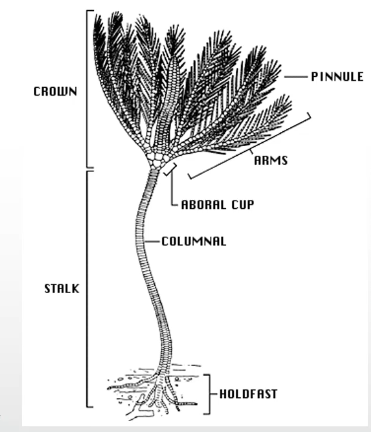
What are Crinoids and characteristics?
Feather Stars
Crinoids are suspension feeders.
Stalk and Crown body structure.
live around 200m.
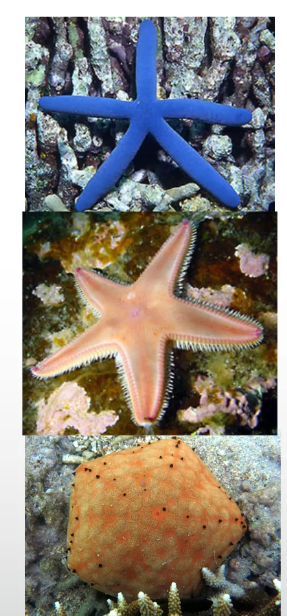
What are Asteroids? Characteristics?
Starfish
Most are Predatory (eat Molluscs and corals).
1600 Species
Some can extrude their stomachs to digest outside the body.