lab practical 2 bio 2
 Call Kai
 Learn
Learn Practice Test
 Spaced Repetition
 Match
Match Flashcards
 Knowt Play
1/117

There's no tags or description
Looks like no tags are added yet.
Name | Mastery | Learn | Test | Matching | Spaced | Call with Kai |
|---|
No analytics yet
Send a link to your students to track their progress
118 Terms
What animal phyla are members of the Parazoa category?
Porifera ONLY
What animal phyla are members of the Eumetazoa (enmetazoa) category?
Cnidaria, Platyhelminthes, Mollusca, Annelida, Nematoda, Arthropoda, Echinodermata, and Chordata
Within the Eumetazoa (enmetazoa) category, there exists a large subcategory called:
Bilateria
Members of the Bilateria subcategory
Platyhelminthes, Mollusca, Annelida, Nematoda, Arthropoda, Echinodermata, and Chordata
The Bilateria subcategory is split into 2 smaller categories. What are they?
Protostomia and Deuterostomia
Members of the Deuterostomia subcategory of Bilateria
Echinodermata and Chordata
Members of the Protostomia subcategory of Bilateria
Platyhelminthes, Mollusca, Annelida, Nematoda, and Arthropoda
The Protostomia category is split into 2 smaller categories. What are they?
Lophotrochozoa and Ecdysozoa
Members of the Lophotrochozoa subcategory of Protostomia
Platyhelminthes, Mollusca, and Annelida
Members of the Ecdysozoa subcategory of Protostomia
Nematoda and Arthropoda
DEFINING CHARACTERISTICS OF PORIFERA
Cell grade
Radial, holoblastic cleavage
DEFINING CHARACTERISTICS OF CNIDARIA
Diploblastic
Tissue grade
Radial, holoblastic cleavage
Radial symmetry
DEFINING CHARACTERISTICS OF PLATYHELMINTHES
Triploblastic
Bilateral symmetry & cephalization
Organ grade
Protostome
Schizocoel
Spiral cleavage
DEFINING CHARACTERISTICS OF MOLLUSCA
Triploblastic
Bilateral symmetry & cephalization
Organ grade
Protostome
Schizocoel
Spiral cleavage
DEFINING CHARACTERISTICS OF ANNELIDA
Triploblastic
Bilateral symmetry & cephalization
Organ grade
Protostome
Schizocoel
Spiral cleavage
DEFINING CHARACTERISTICS OF NEMATODA
Triploblastic
Bilateral symmetry & cephalization
Organ grade
Protostome
Pseudocoel
Ecdysis
DEFINING CHARACTERISTICS OF ARTHROPODA
Triploblastic
Bilateral symmetry & cephalization
Organ grade
Protostome
Schizocoel
Ecdysis
DEFINING CHARACTERISTICS OF ECHINODERMATA
Triploblastic
Bilateral symmetry & cephalization
Organ grade
Deuterostome
Enterocoel
Pentaradial, holoblastic cleavage
DEFINING CHARACTERISTICS OF CHORDATA
Triploblastic
Bilateral symmetry & cephalization
Organ grade
Deuterostome
Enterocoel
Radial, holoblastic cleavage
Subphylum of Arthropoda
Chelicerata, Crustacea, Uniramia
Representatives of the subphylum Chelicerata
Ticks, spiders, scorpions, horseshoe crabs
Representatives of the subphylum Crustacea
Shrimp, lobster, crab, crayfish
Representatives of the subphylum Uniramia
Insects, centipedes, millipedes
Classes of Chelicerata
Merostomata, Arachnida, Pycnogonida
Representatives of the class Arachnida
Scorpions, spiders, ticks, mites
Representatives of the class Merostomata
Horseshoe crabs
Representatives of the class Pycnogonida
Sea spiders
Classes of Crustacea
Malacostraca and Maxillopoda
Representatives of the class Malacostraca
crabs, shrimp, lobsters
Representatives of the class Maxillopoda
barnacles and copepods
Superclasses of Uniramia
Myriapoda and insecta
classes of myriapoda
chilopoda and diplopoda
Representatives of the class chilopoda
centipedes
Representatives of the class diplopoda
millipedes
classes of insecta
Pterygota
6 orders of pterygota
Odonata, Hymentoptera, Diptera, Orthoptera, Lepidoptera, and Coleoptera
Representatives of the order Ordonata
dragonflies, damselflies
Representatives of the order Hymentoptera
ants, bees, and wasps
Representatives of the order Diptera
true flies
Representatives of the order Orthoptera
Grasshoppers
Representatives of the order Lepidoptera
butterflies and moths
Representatives of the order Coleoptera
hard-shelled beetles
classes of platyhelminthes
Turbellaria, trematoda, cestoda
Representatives of the class Turbellaria
Planaria
Representatives of the class Trematoda
Flukes
Representatives of the class Cestoda
Tapeworms
Classes of Mollusca
Polyplacophora, gastropoda, bivalvia, and cephalopoda
Representatives of the class Polyplacophora
chitons
Representatives of the class Gastropoda
snails
Representatives of the class Bivalvia
clams
Representatives of the class Cephalopoda
octopi and squids
Classes of Annelida
Oligochaeta, Polychaeta, and Hirudinoidea
Representatives of the class Oligochaeta
earthworms
Representatives of the class Polychaeta
Bristleworms
Representatives of the class Hirudinoidea
Leeches
Spiral cleavage has ___________ development
determinate
Radial cleavage has ___________ development
Indeterminate
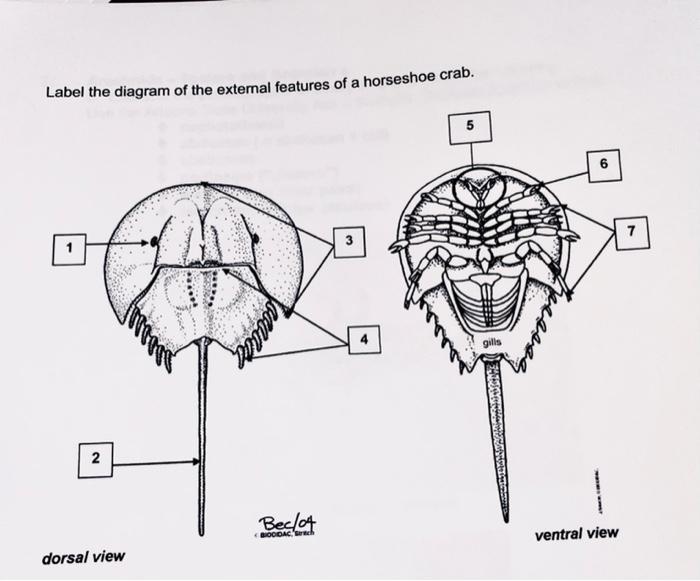
What is 2?
telson
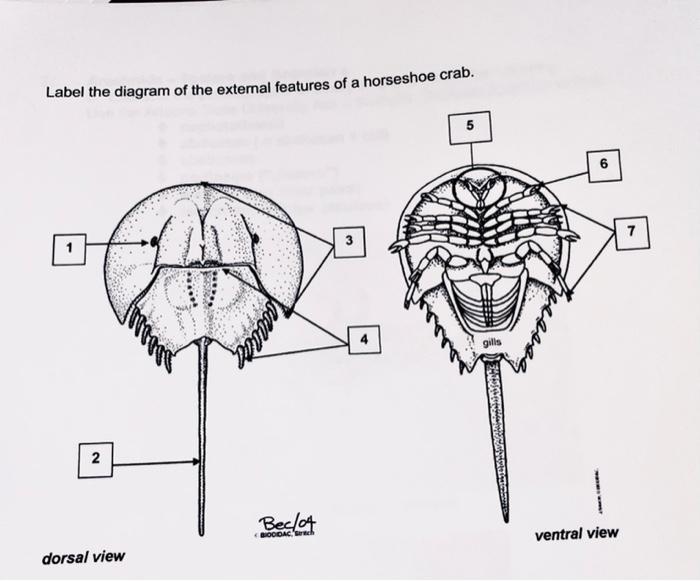
What is 5?
Chelicerae
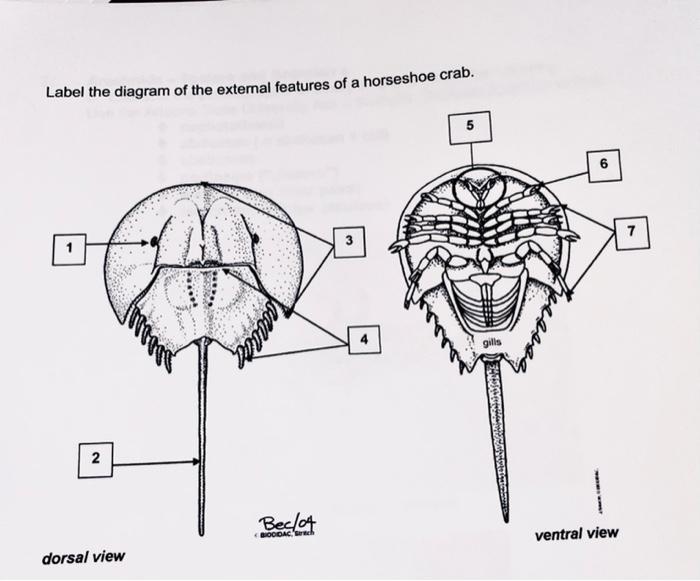
What is 4?
Abdomen
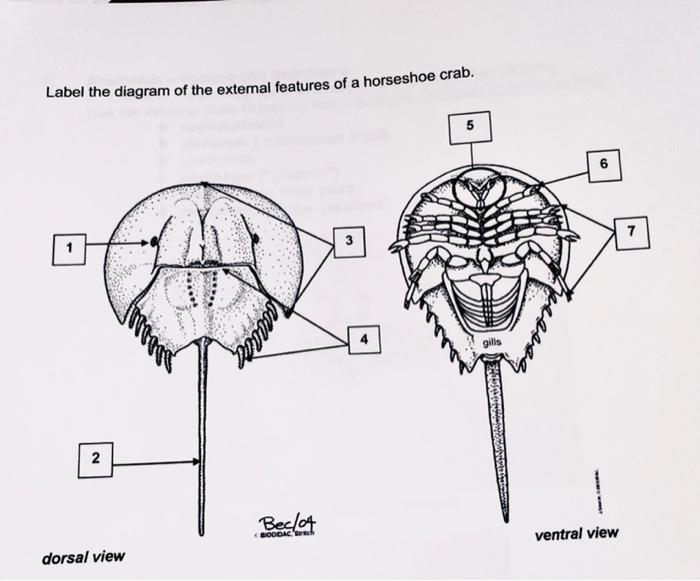
What is 3?
Cephalothorax
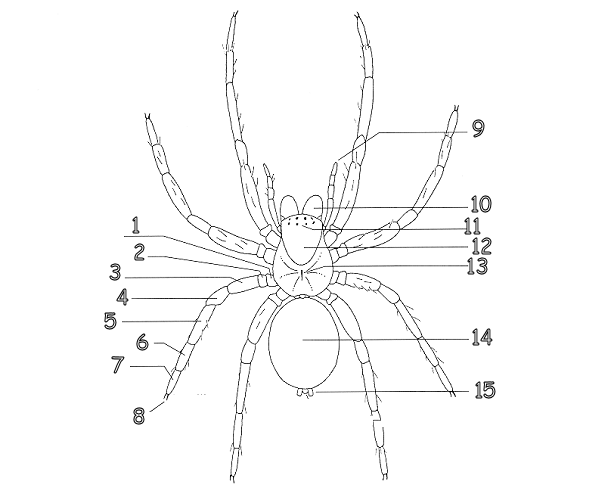
What is 9?
Pedipalps
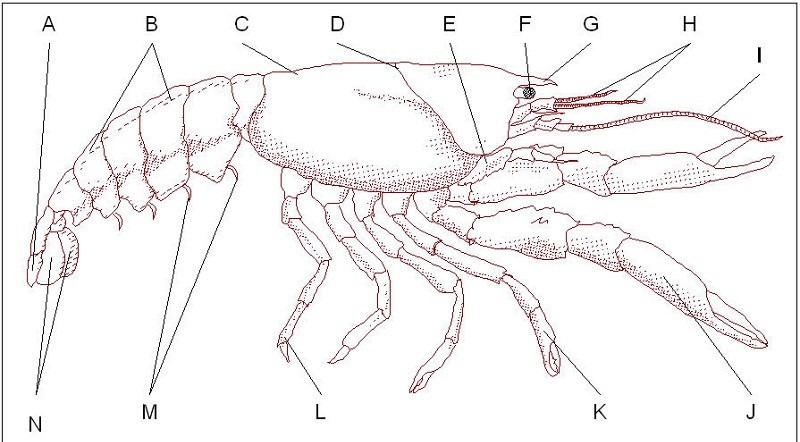
What is m?
Swimmerets
Classes of Echinodermata
Asteroida, Ophiuroidea, Echinoidea, Holothuroidea
Representatives of the class Asteroida
Starfish
Representatives of the class Ophiuroidea
Brittle stars
Representatives of the class Echinoidea
Sea urchin
Representatives of the class Holothuroidea
Sea cucumber
How to starfish (asteroida) move?
Tube feet
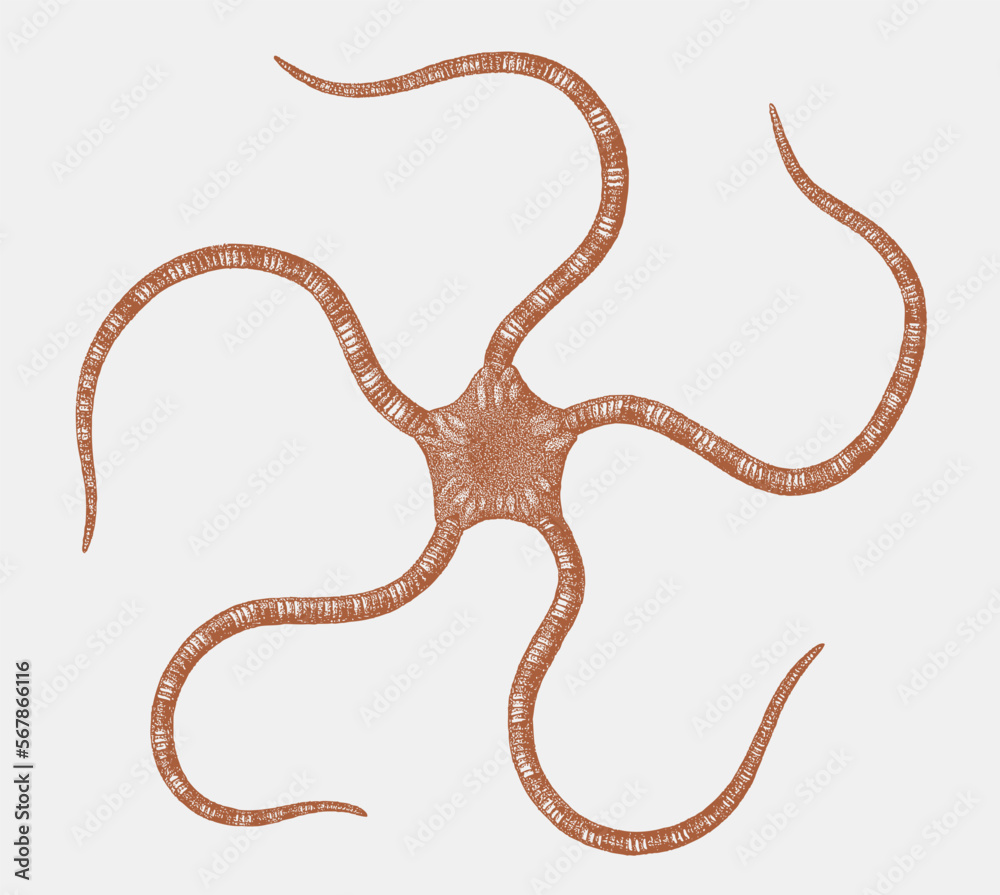
What is the center of this brittle star called?
Central disk
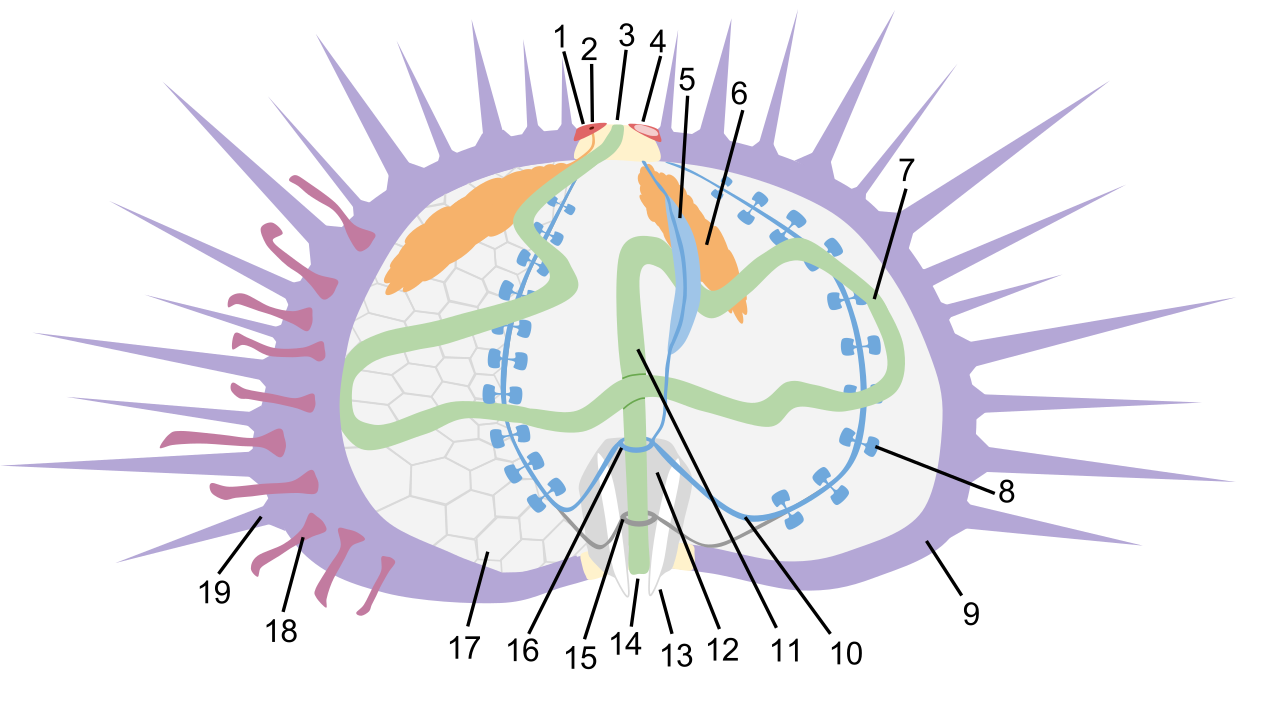
what is 14?
Aristotles lantern
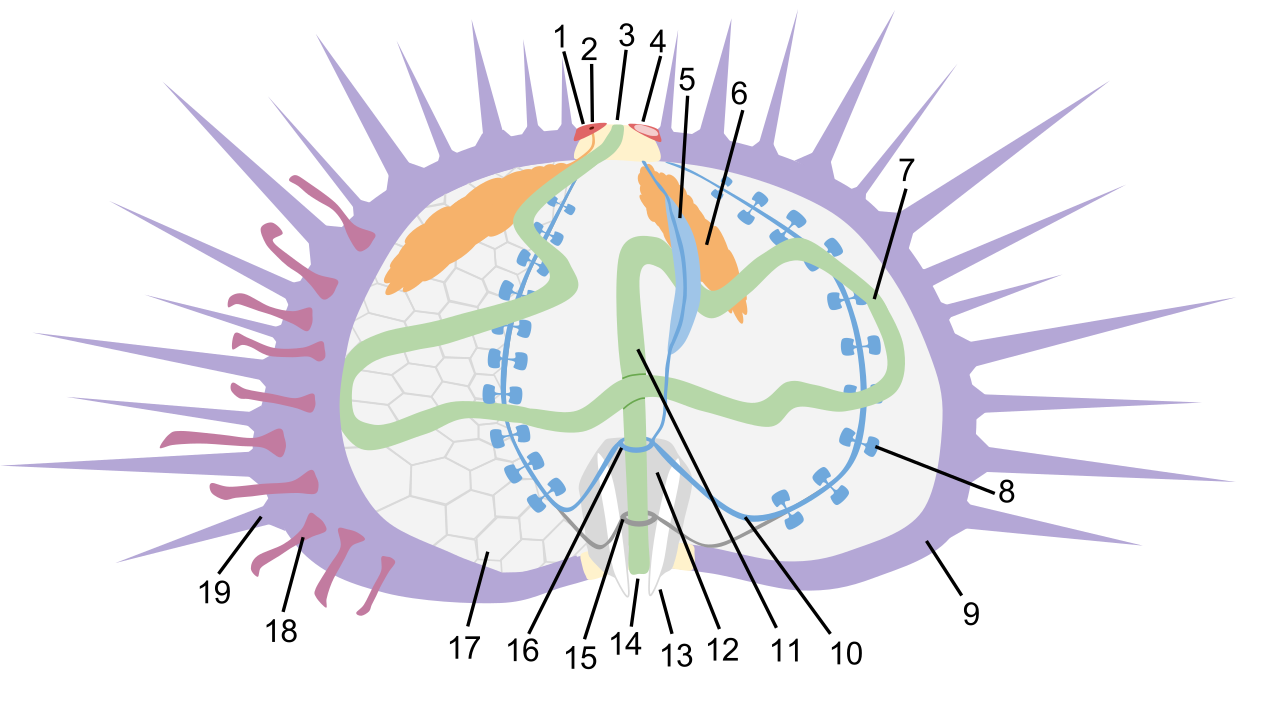
what is the main carbonate body/shell of this urchin called?
Test
Subphyla of Chordata
Vertebrata, Urochordata, and Cephalochordata
Vertebrata classes and superclasses
Superclass Cyclostomi, class Chondrichthyes, superclass Osteichthyes, class Amphibia, class Reptilia, class Aves, and class Mammalia
Characteristics of superclass Cyclostomi
Skull and vertebrae
Characteristics of class Chondrichthyes
Skull and vertebrae
Jaw and paired appendages
Characteristics of superclass Osteichthyes
Skull and vertebrae
Jaw and paired appendages
Bony skeleton
Characteristics of class Amphibia
Skull and vertebrae
Jaw and paired appendages
Bony skeleton
Four limbs with digits
Characteristics of class Reptilia
Skull and vertebrae
Jaw and paired appendages
Bony skeleton
Four limbs with digits
Amnion, chorion, and allantois
Characteristics of class Aves
Skull and vertebrae
Jaw and paired appendages
Bony skeleton
Four limbs with digits
Amnion, chorion, and allantois
Characteristics of class Mammalia
Skull and vertebrae
Jaw and paired appendages
Bony skeleton
Four limbs with digits
Amnion, chorion, and allantois
hair
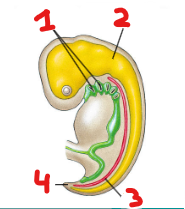
What is 1?
Pharyngeal pouches
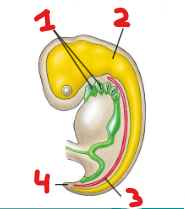
What is 2?
Dorsal hollow nerve chord
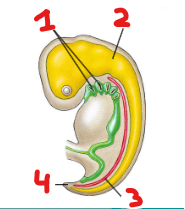
What is 3?
notochord
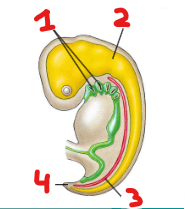
What is 4?
Post-anal tail
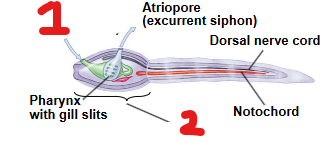
What is 1 on this tunicate?
Siphon
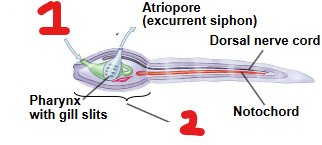
What is 2 on this tunicate?
Tunic
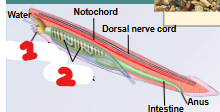
What is 1 on this lancelet?
Oral hood
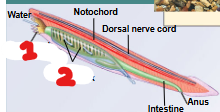
What is 2 on this lancelet?
Gill slits
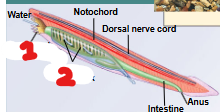
What is the green organ in this lancelet?
Pharynx
Representatives of the subphylum Urochordata
Tunicates
Representatives of the subphylum Cephalochordata
Lancelets
Representatives of the superclass cyclostomi
Jawless fishes
Representatives of the class Chondrichthyes
Cartilaginous fishes
Representatives of the superclass Osteichthyes
bony fishes
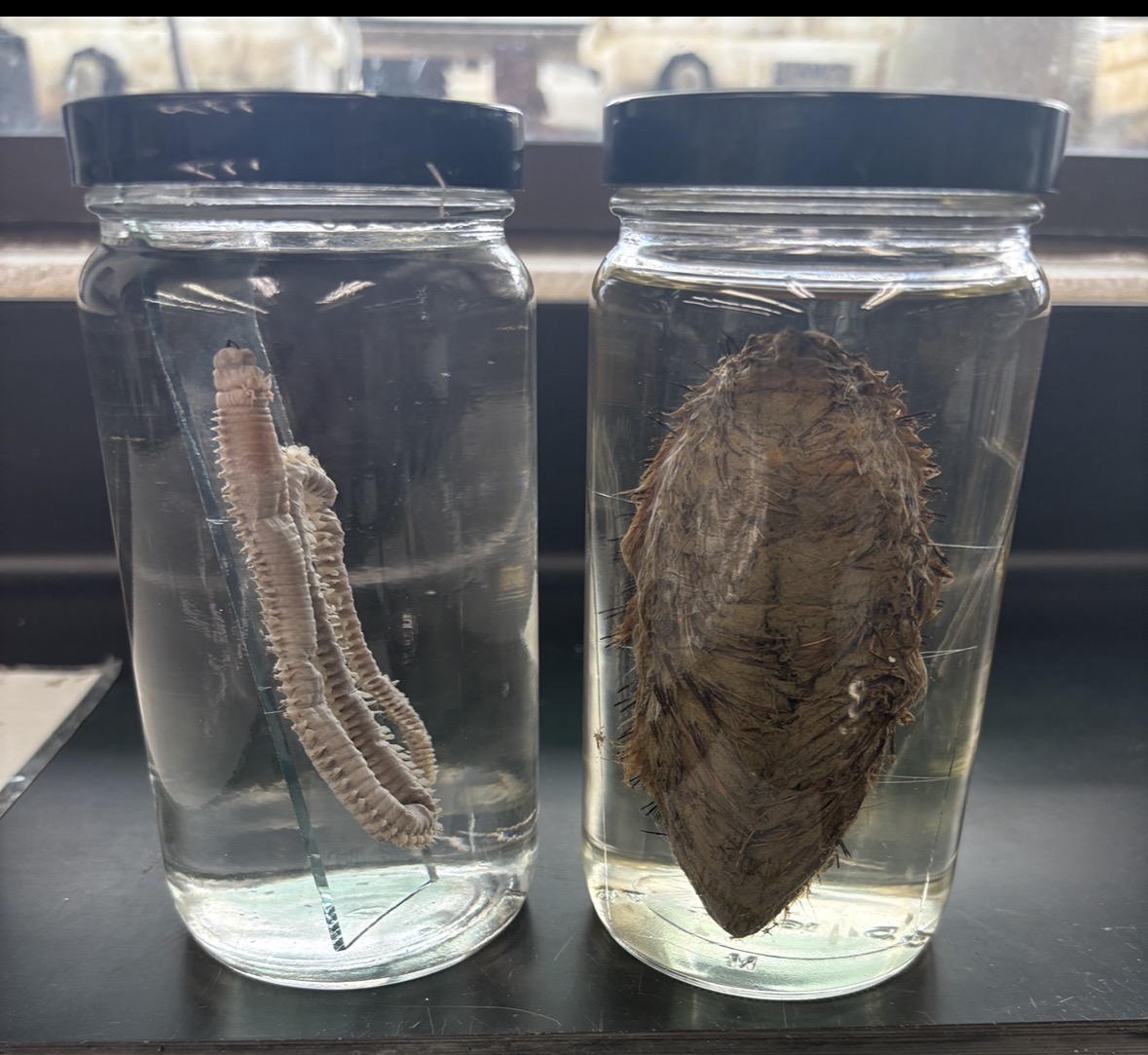
Name the phylum and class
Phylum: Annelida / Class: Polychaeta
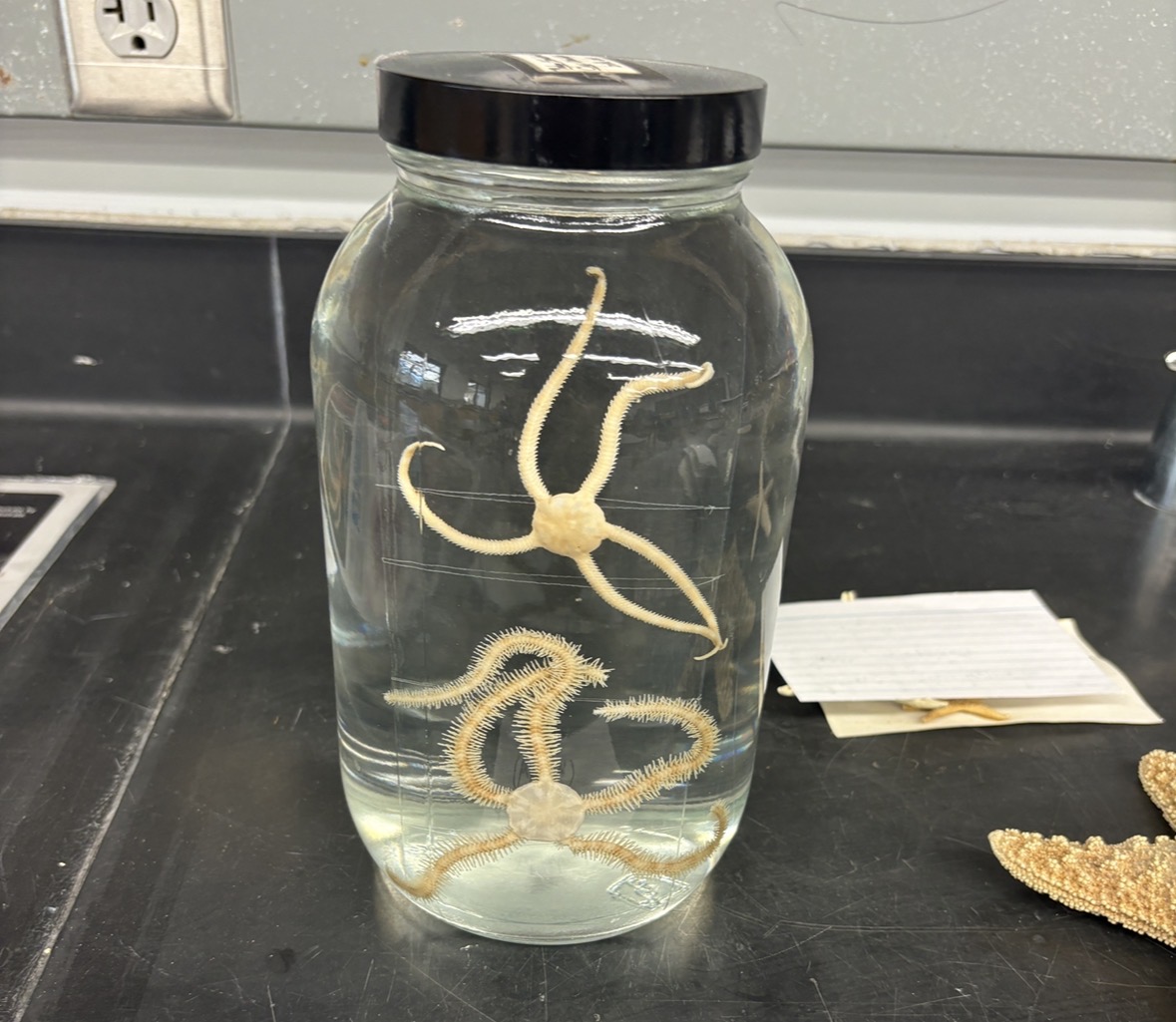
Name the phylum and class
Phylum: Echinodermata / Class: Ophiuroidea
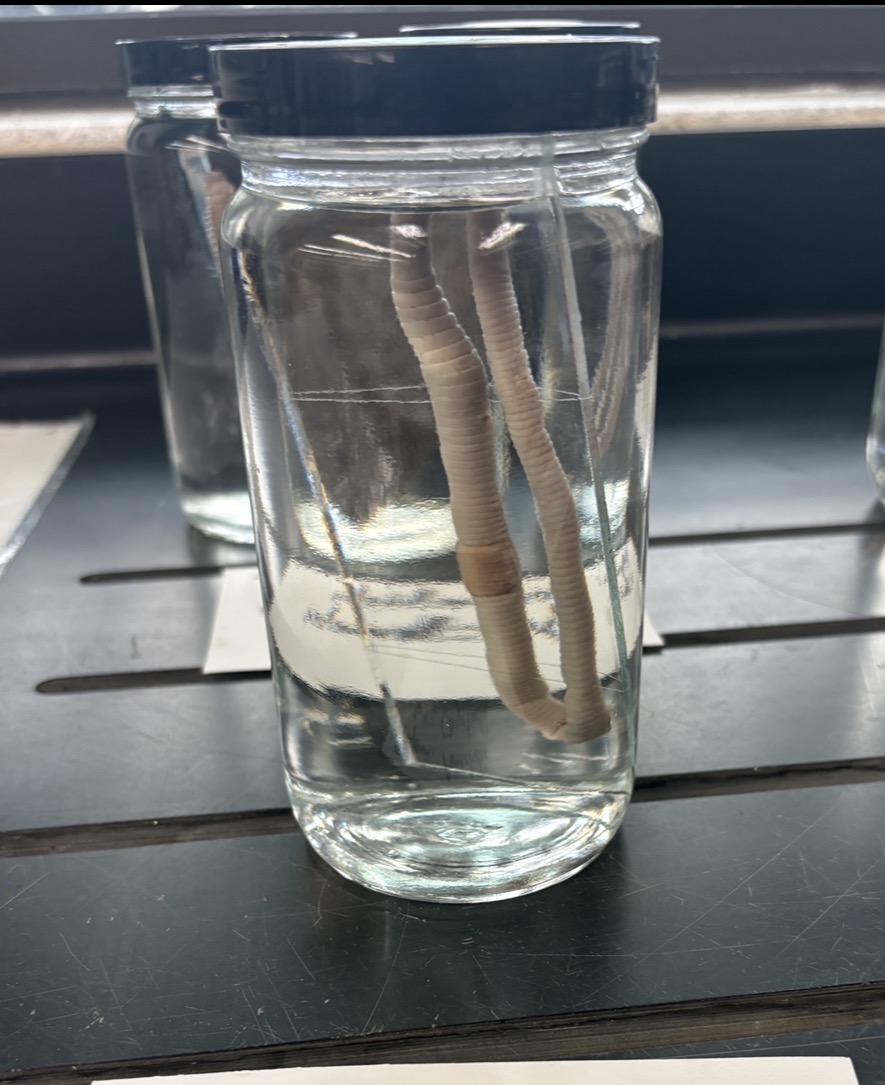
Name the phylum and class
Phylum: Annelida / Class: Oligochaeta
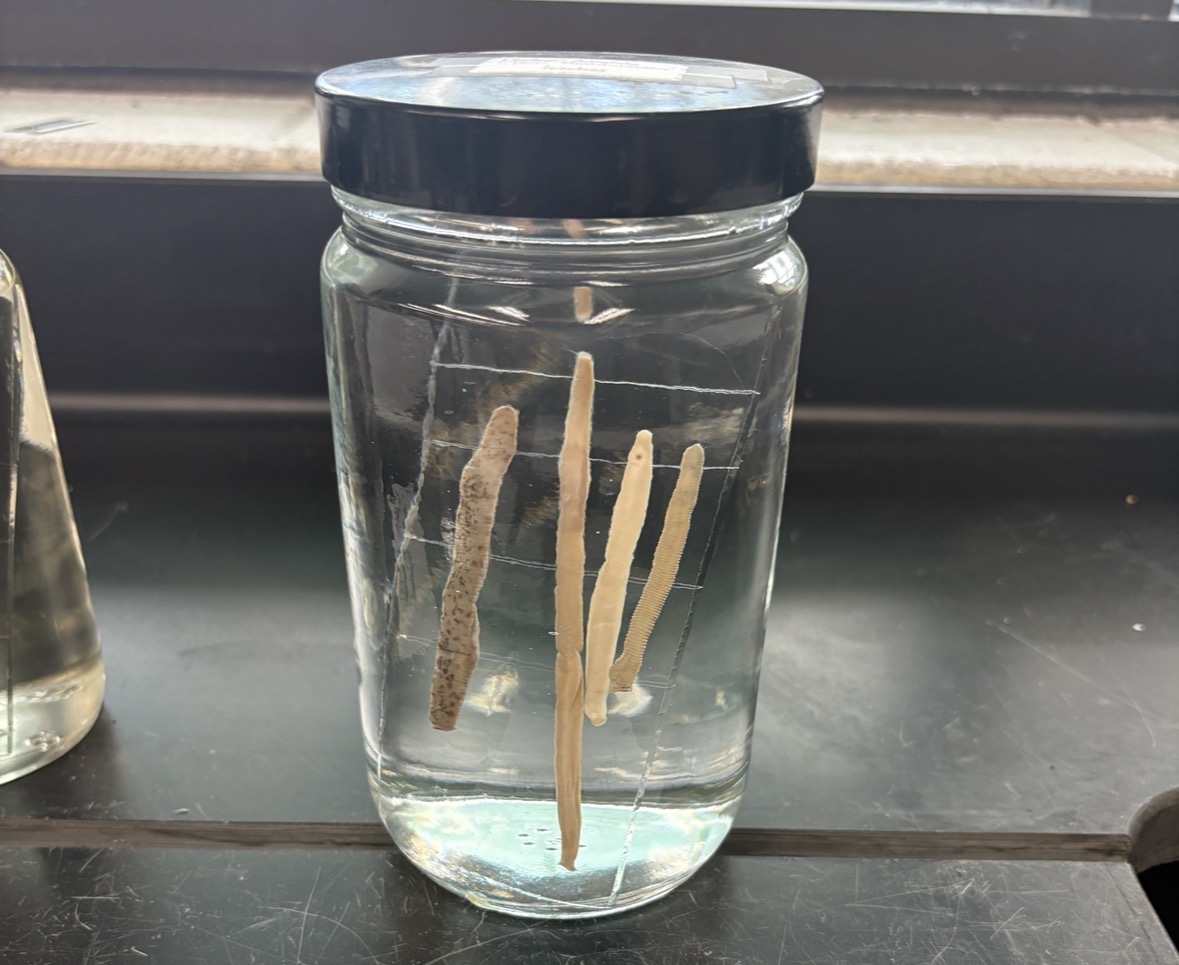
Name the phylum and class
Phylum: Annelida / Class: Hirudinoidea
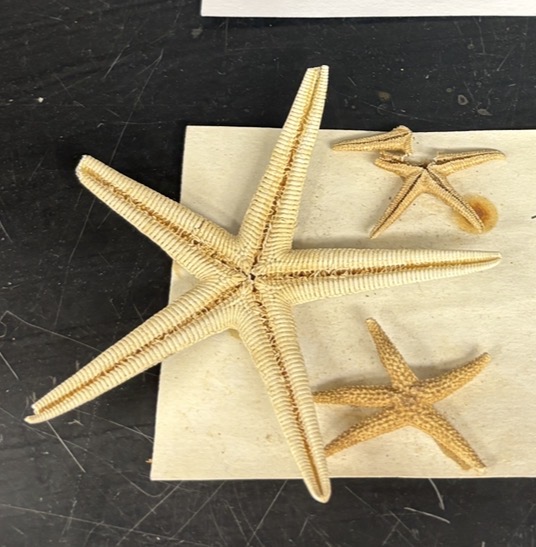
Name the phylum and class
Phylum: Echinodermata / Class: Asteroida