ATI TEAS 7 Chemistry: High Priority Topic #1 (States of Matter)
 Call Kai
 Learn
Learn Practice Test
 Spaced Repetition
 Match
Match Flashcards
 Knowt Play
1/35

There's no tags or description
Looks like no tags are added yet.
Name | Mastery | Learn | Test | Matching | Spaced | Call with Kai |
|---|
No analytics yet
Send a link to your students to track their progress
36 Terms
This set of flashcards covers the Number One Highest Priority Chemistry Topic for the TEAS. If you're just starting to study Chemistry for the TEAS, start with this information, and don't worry about anything else until you learn this stuff.
If you like these flashcards, check out all of my TEAS Chemistry resources at my website, www.teasinoneday.com
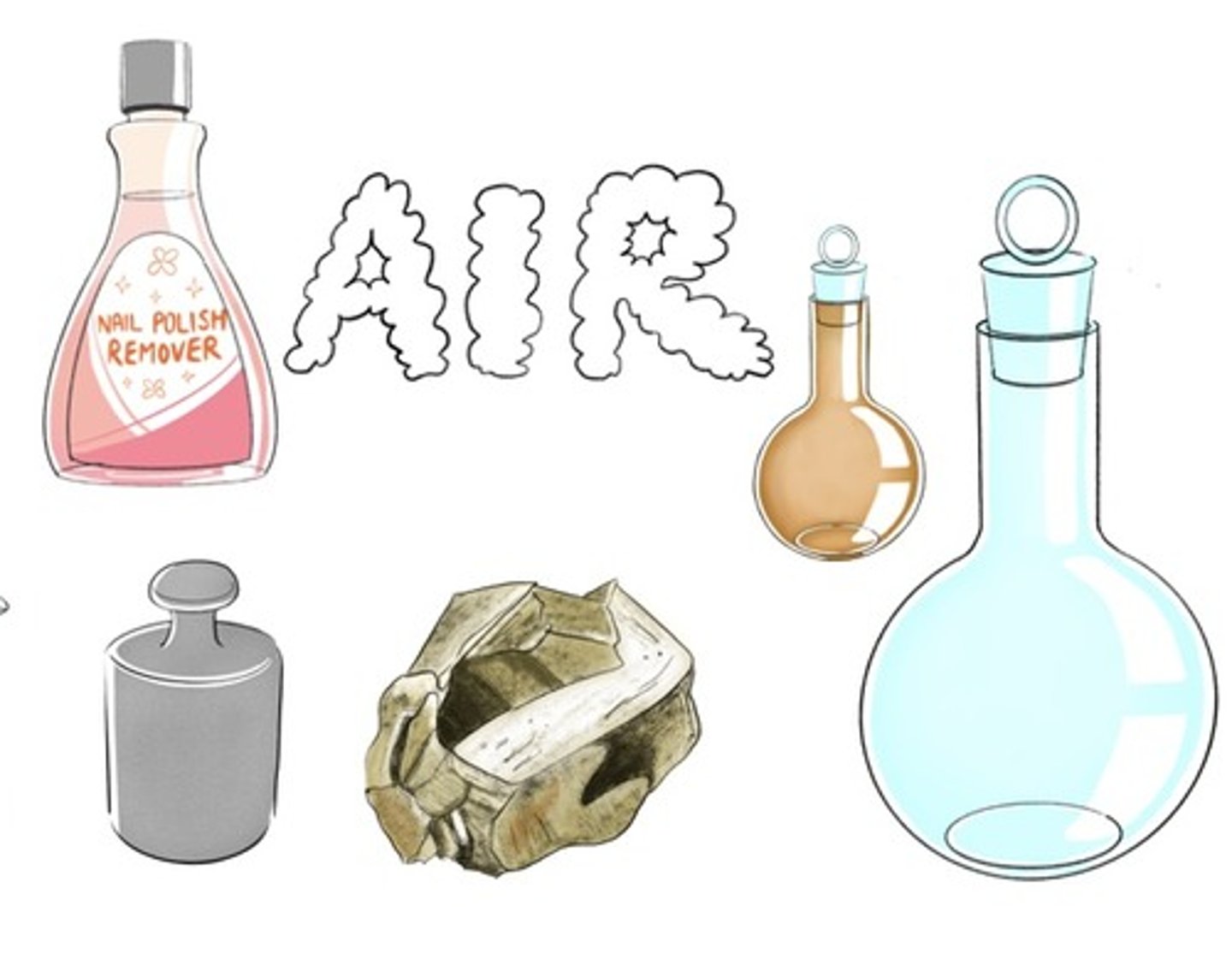
What is matter?
Matter is a fancy word for "stuff" in the world around us. Air, water, rocks, etc. is all matter.
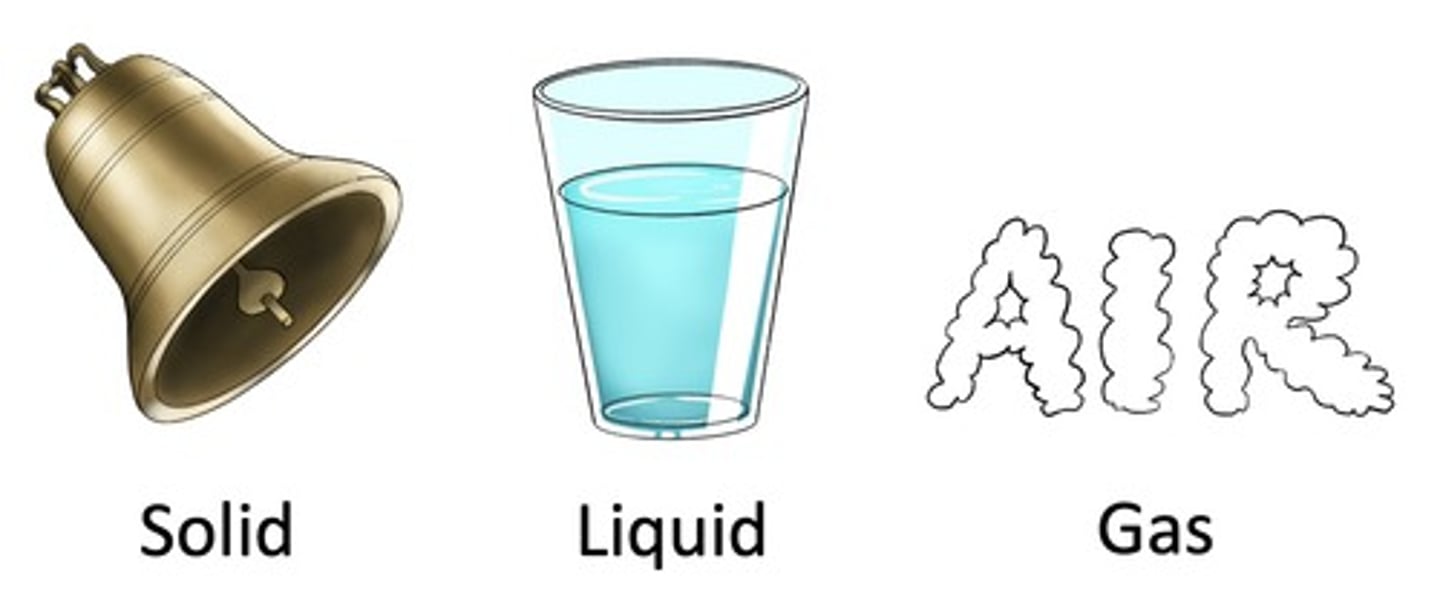
What are the three states of matter that are most important to know for the TEAS?
Solid, liquid, and gas
What does it mean if something has a definite shape?
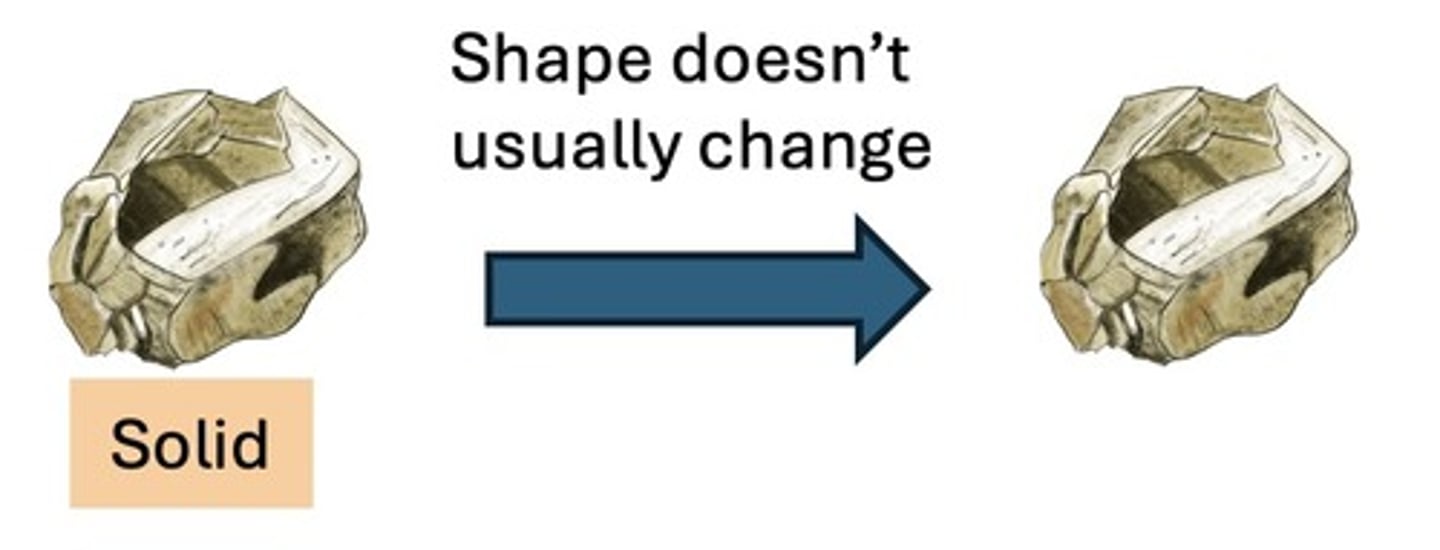
It means that the shape doesn't normally change. Solids (like a rock) have a definite shape.
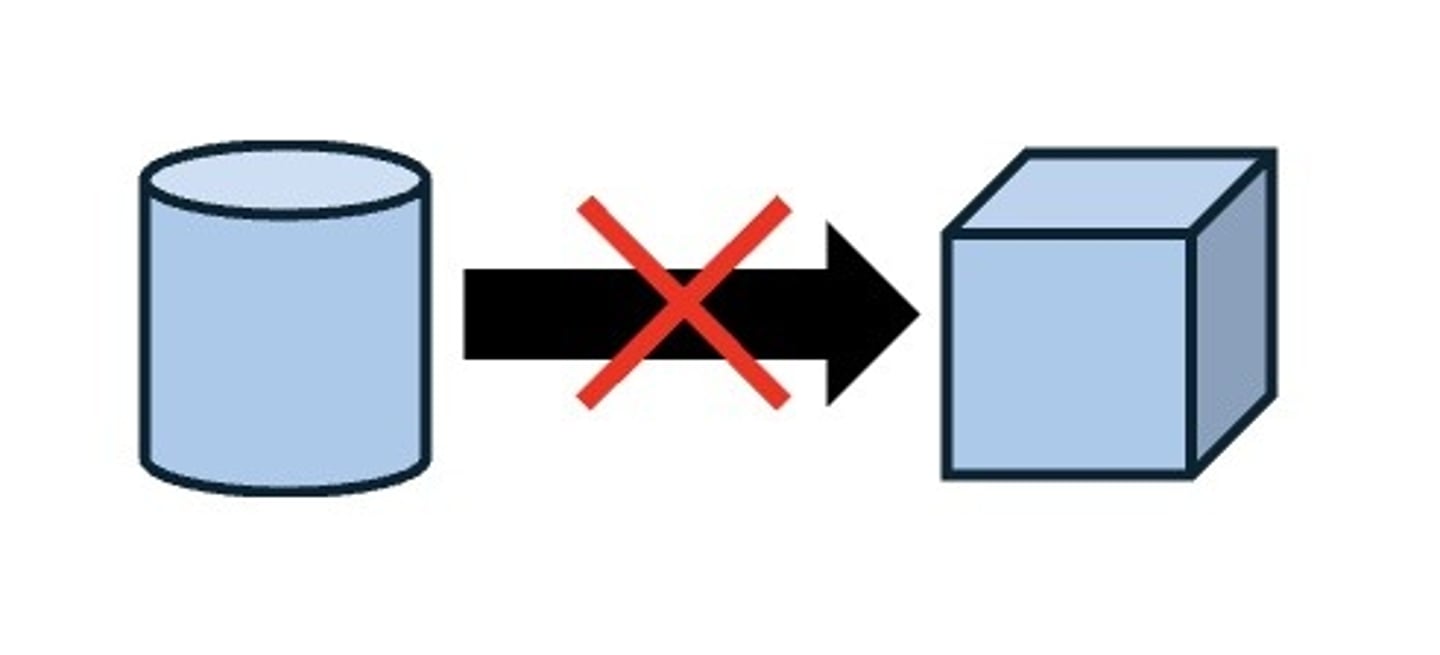
What does it mean is something has indefinite shape?
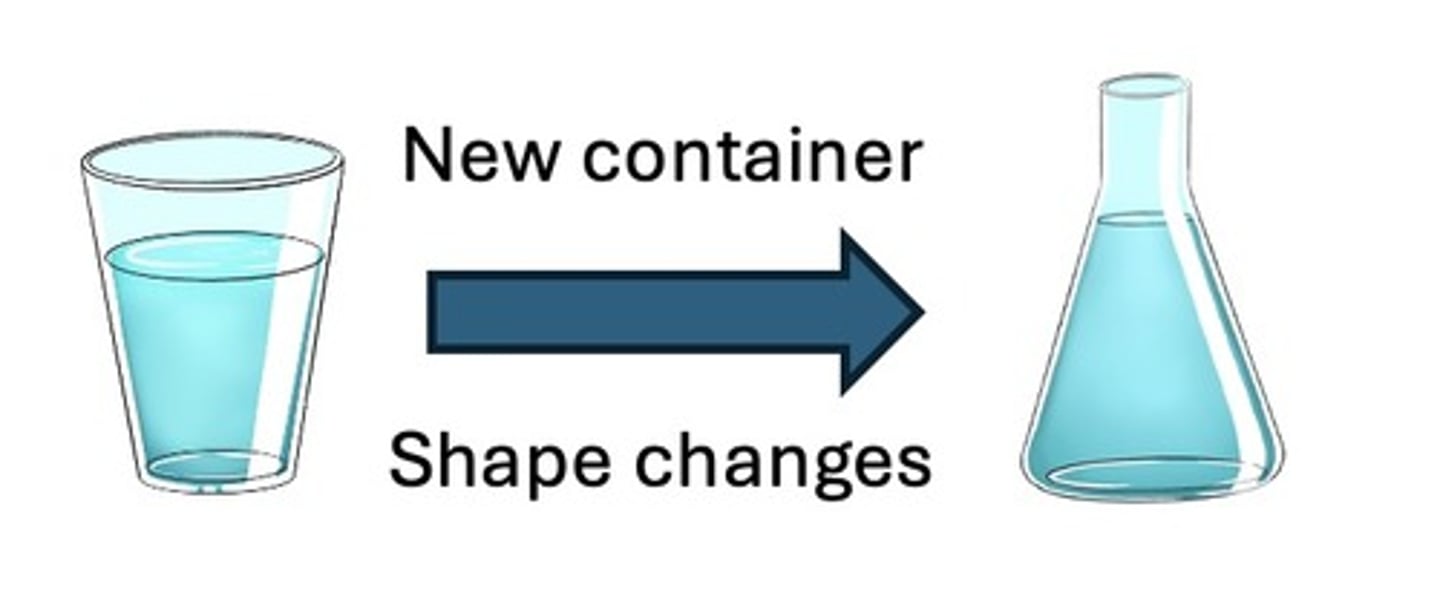
It means that the shape can easily change. Pour water into a new container, and the shape of the water changes. Liquids and gases have indefinite shape.
Which states of matter have definite shape?
Solids have a definite shape.
Which states of matter have indefinite shape?
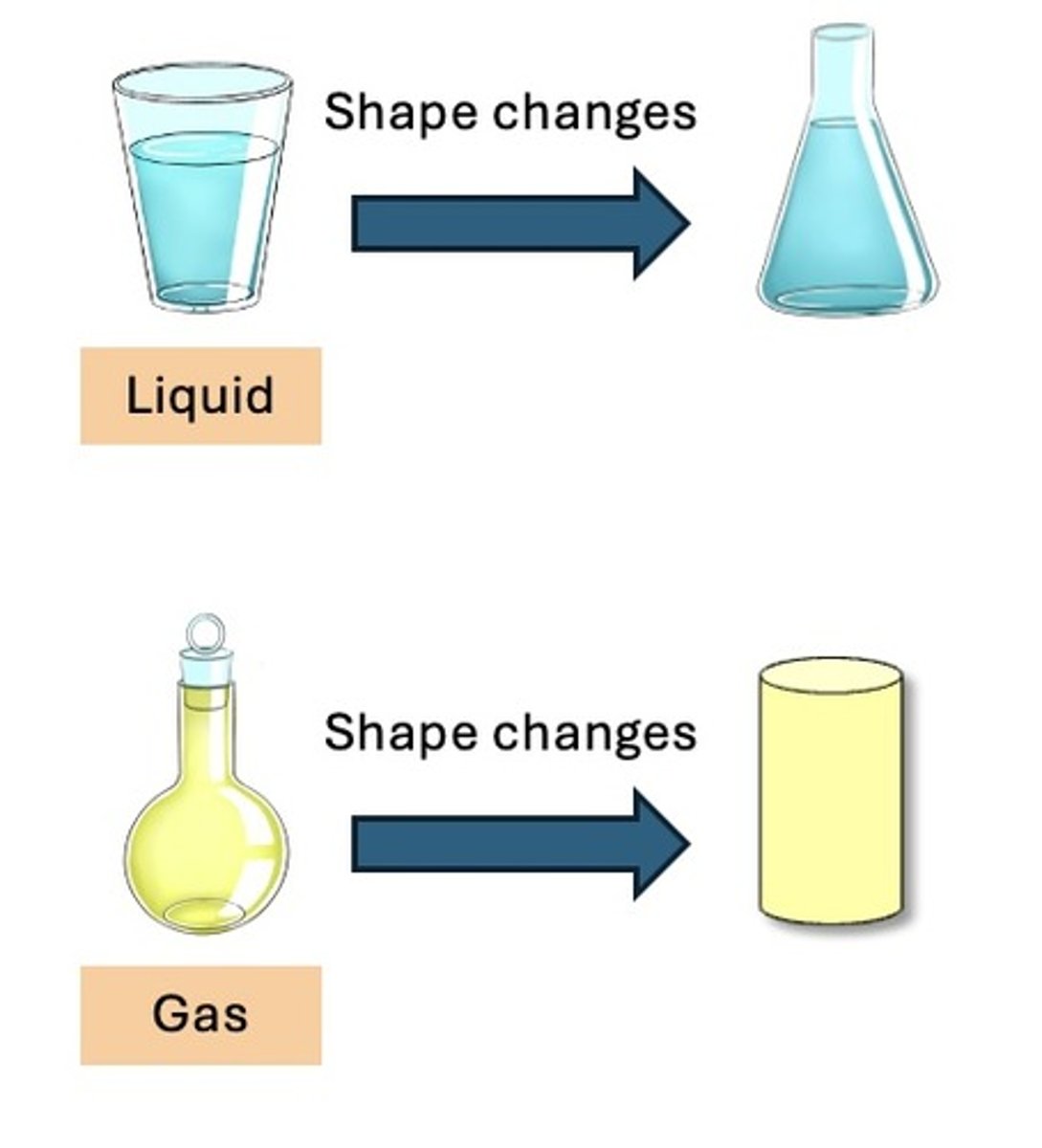
Liquids and gases have indefinite shape.
What is volume? (Say it in your own words, don't use a jargon definition that you don't understand.)
Volume is the amount of space that something takes up. On the TEAS, volume of liquids is usually measured in milliliters (mL) or liters (L) or cubic centimeters (cm^3)
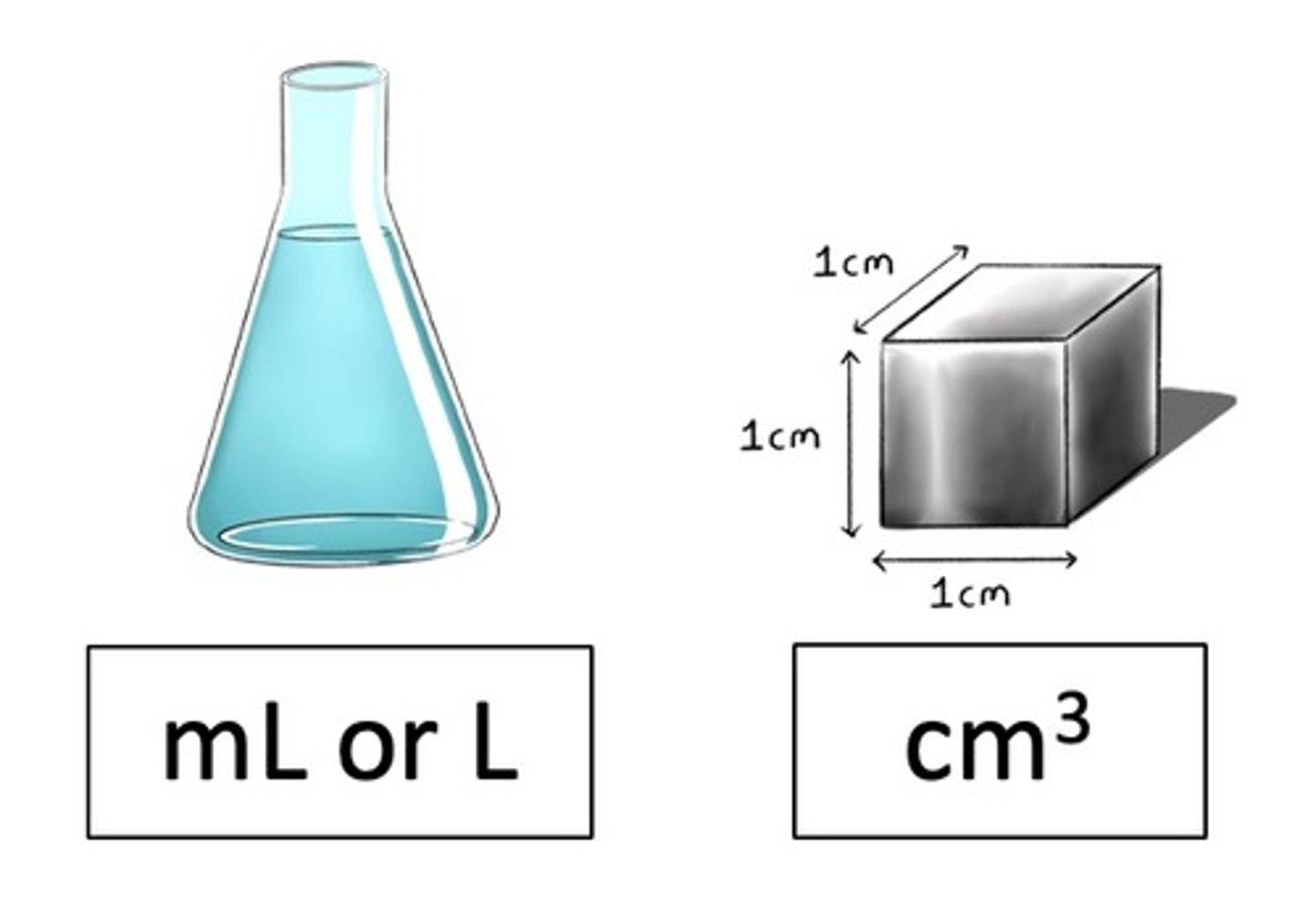
What does it mean if something has a definite volume?
Definite volume means that the amount of space that something takes up doesn't normally change.
What does it mean if something has indefinite volume?
The amount of space that is takes up can easily change. It can easily grow to take up more space, or shrink to take up less space.
Which states of matter have definite volume?
Solids and liquids. The amount of space they take up doesn't change, even if you move them or put them in new containers.
Which states of matter have indefinite volume?
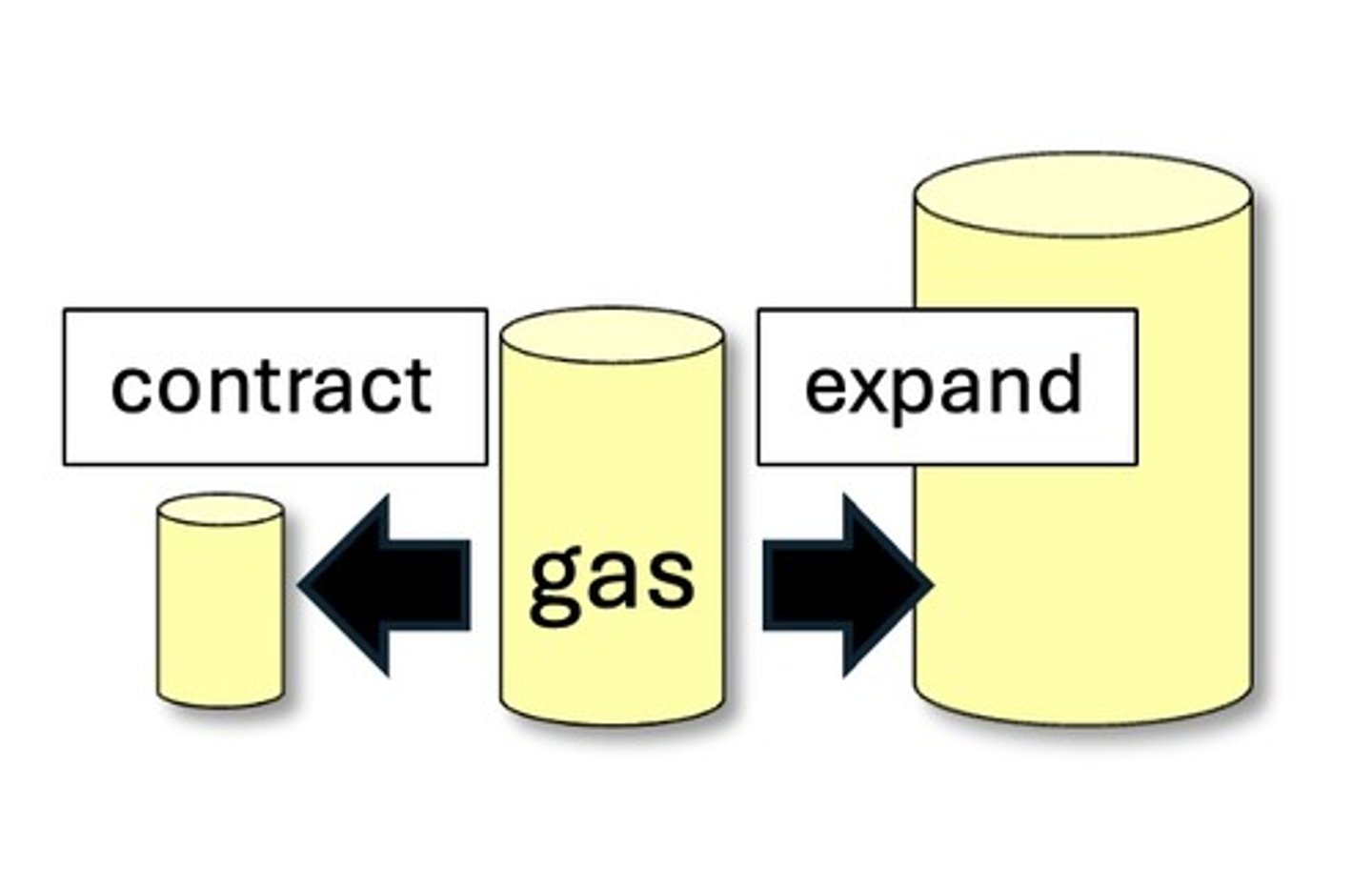
Gases. They can expand or contract (shrink) to fill the container that you put them in.
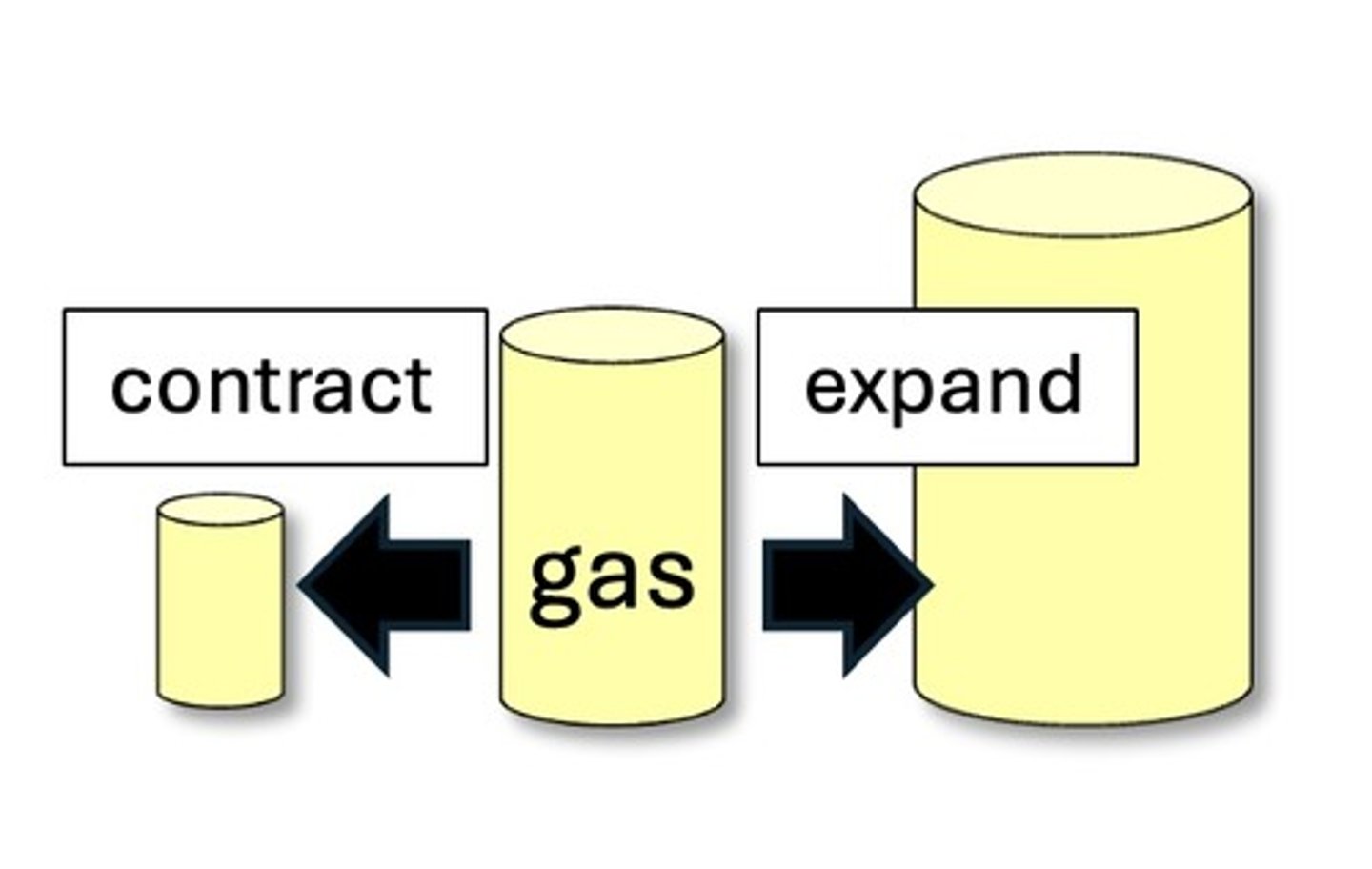
Which states of matter are compressible?
Only gases are compressible. You can squeeze them into a smaller amount of space.
Which states of matter are not compressible? (The TEAS might call this incompressible.)
Solids and liquids. A lot people think you can squeeze liquids into a smaller space, but you actually can't. Both liquids and solids are incompressible.
What does it mean if something takes the shape of its container?
It means that the shape changes to match the container that something is in. Pour water into a square glass, it takes the shape of a square. Pour water into a triangular glass, it takes the shape of a triangle. Gases and liquids take the shape of their container.
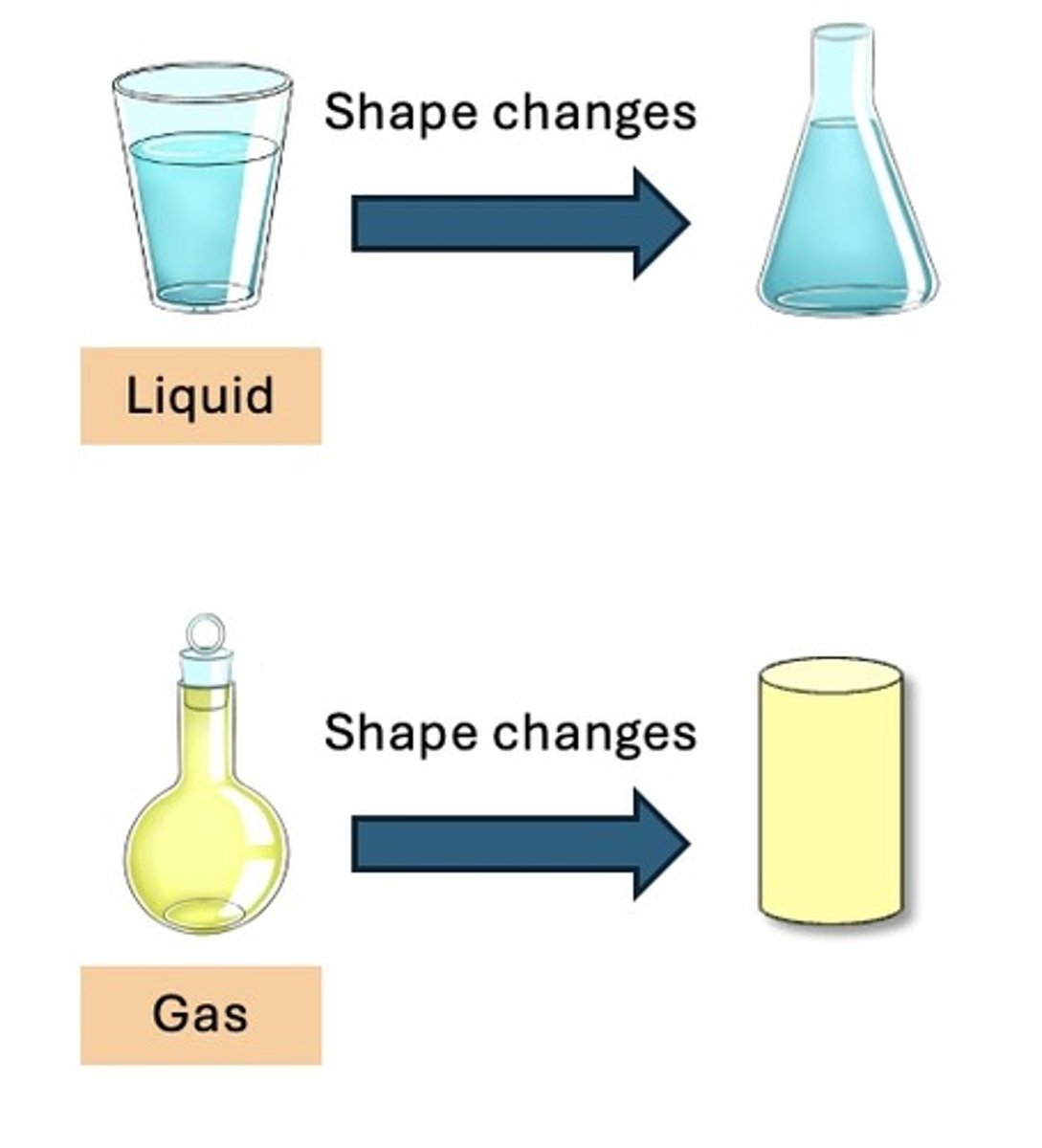
What does it mean if something take the volume of its container?
The amount of space that something takes up can grow or shrink to make the size of the container. Gases take the volume of their container. You can compress them to pit into a tiny a container, or they can spread out to fill a very large container.
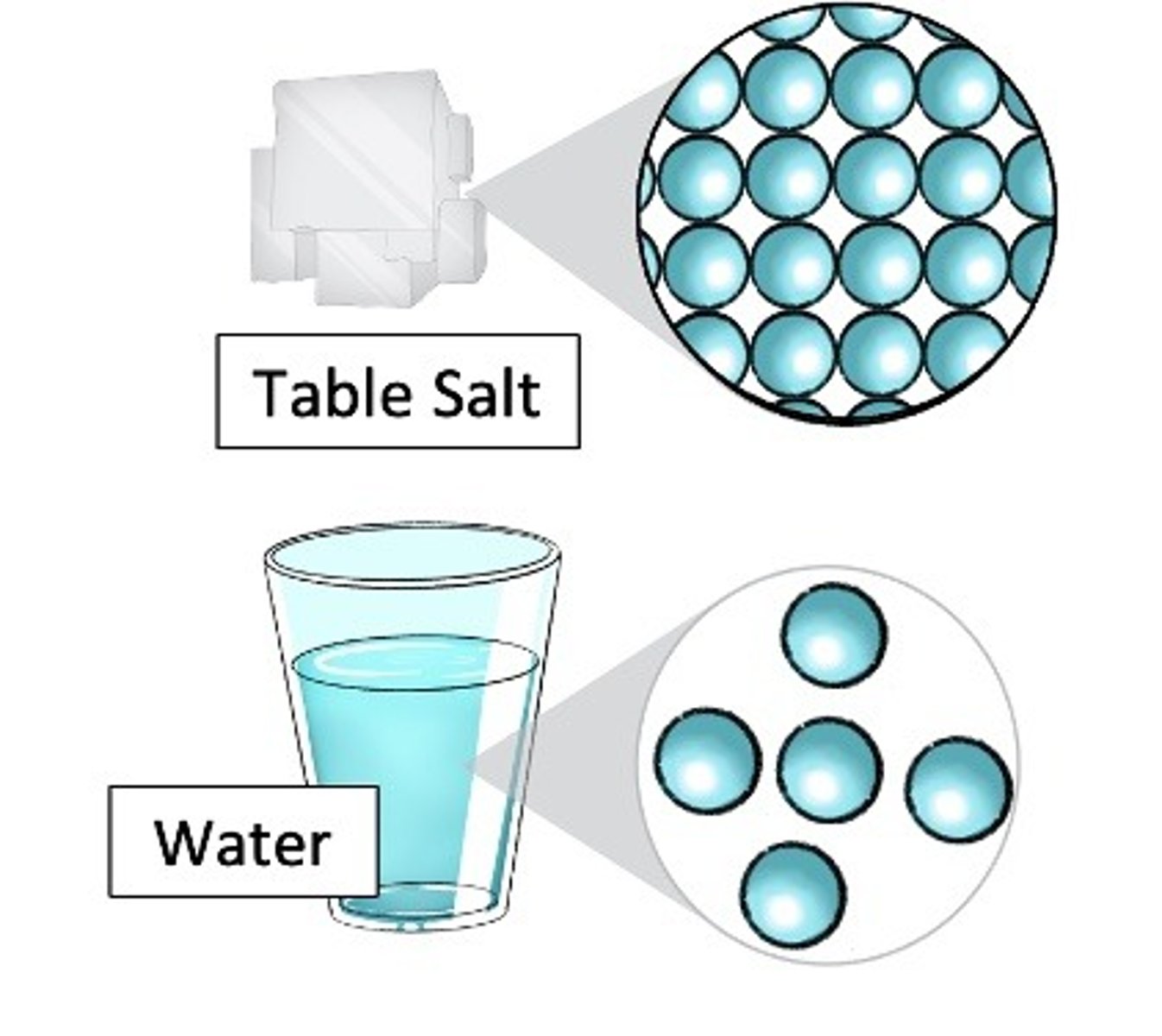
What are particles?
They are like tiny little balls that make up all matter. If you could zoom into anything zillions of times, you'd see tiny little particles. They are usually drawn as little balls.
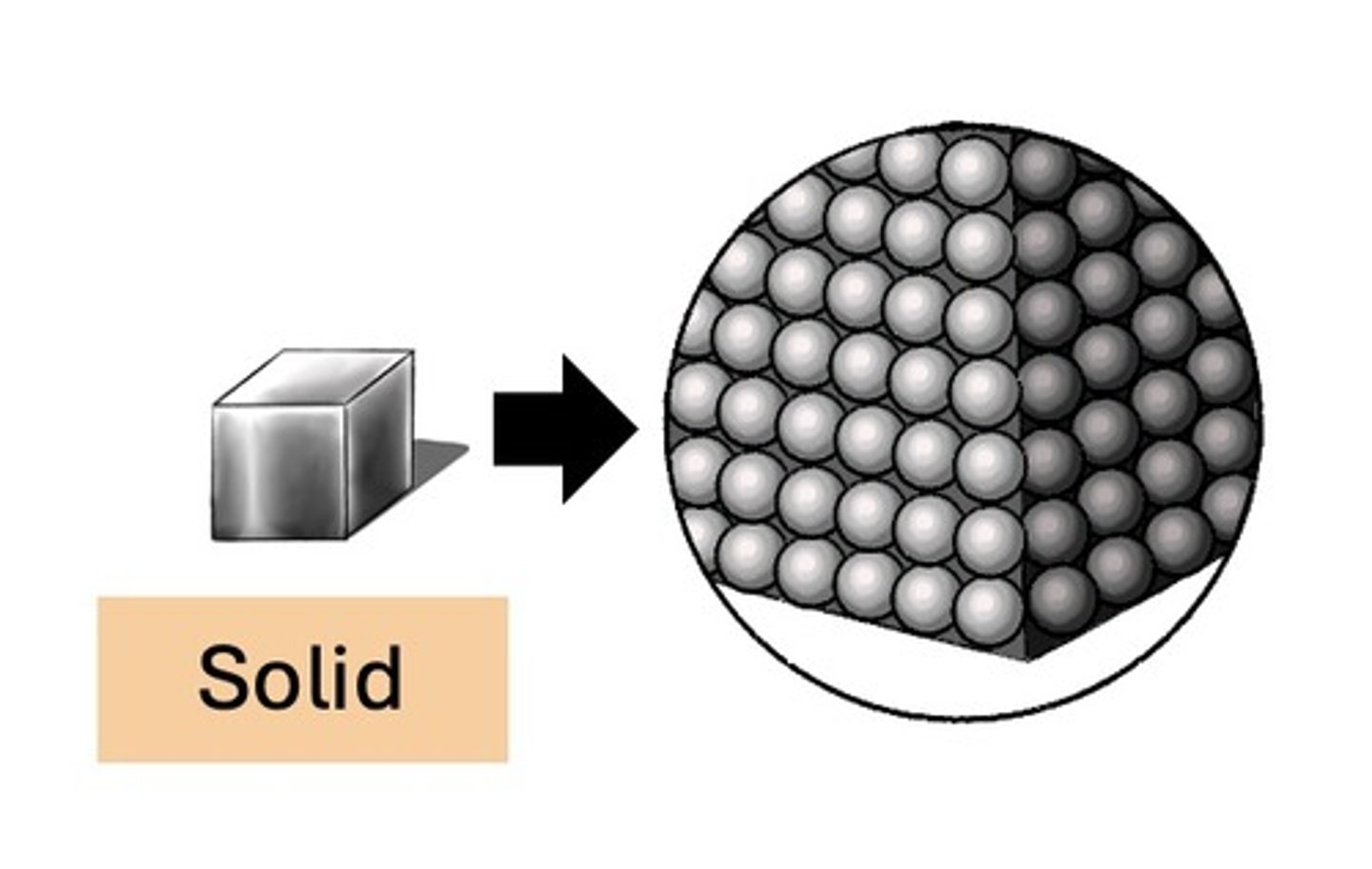
How are the particles arranged in a solid?
They are close together, and arranged in a neat and orderly pattern.
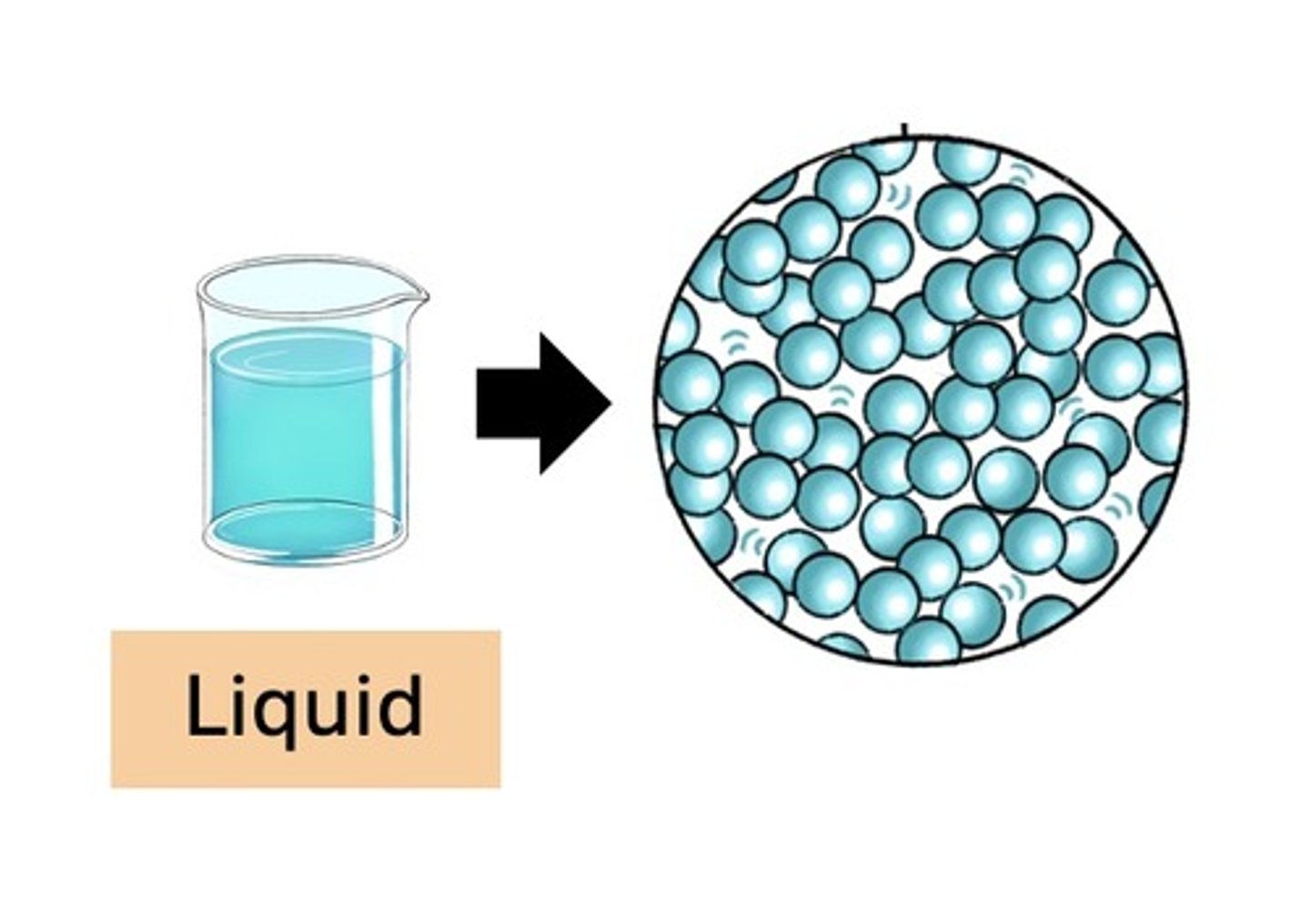
How are the particles arranged in a liquid?
They are close together, but they have a disorganized, random arrangement.
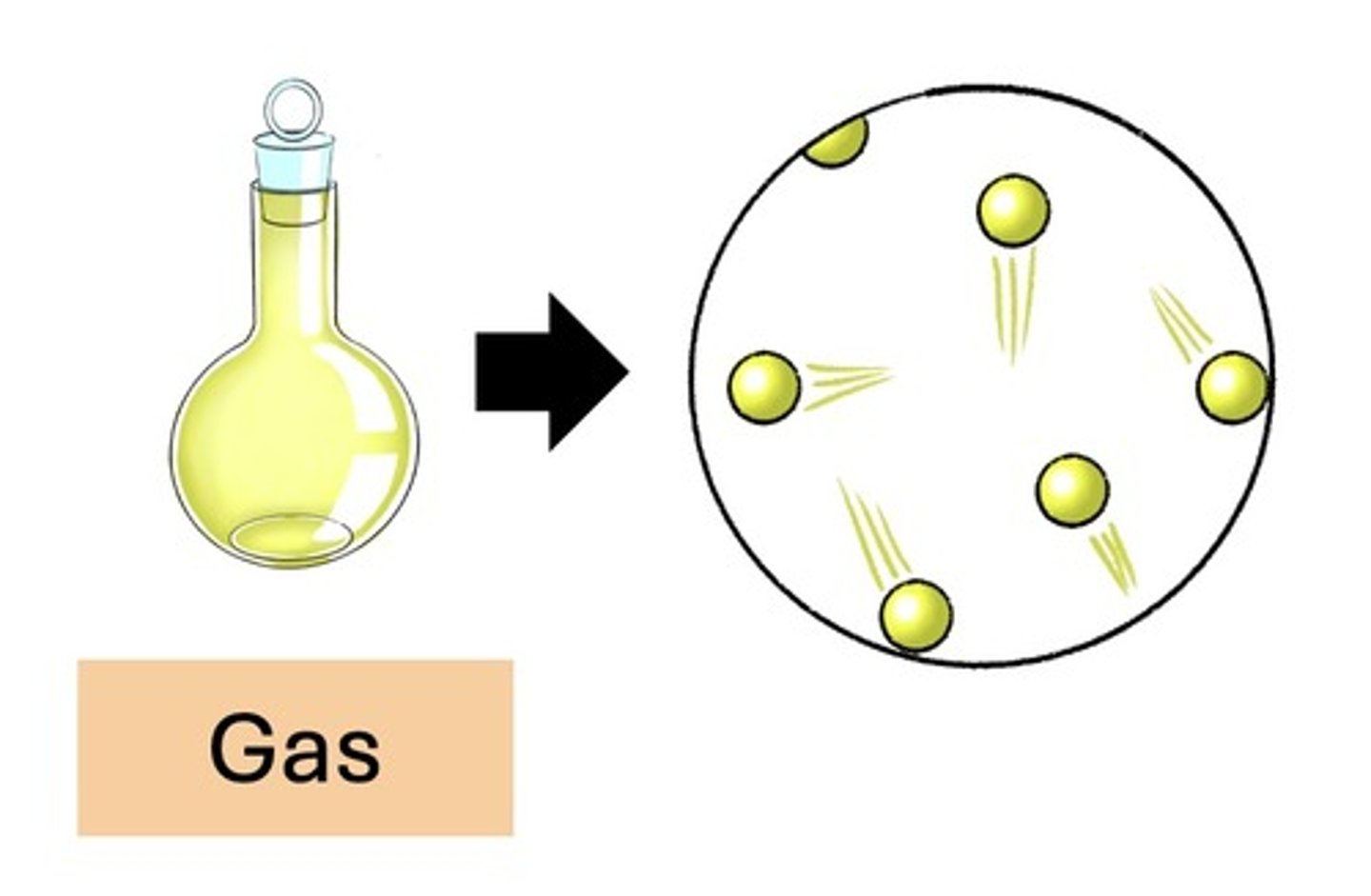
How are the particles arranged in a gas?
They are totally spread out from each other, and all over the place.
I have videos that will teach you all of this information step by step, so you can feel yourself learning.
www.teasinoneday.com
Crystal-clear teaching, patient and step by step so you never feel confused. You'll feel yourself learning.
www.teasinoneday.com
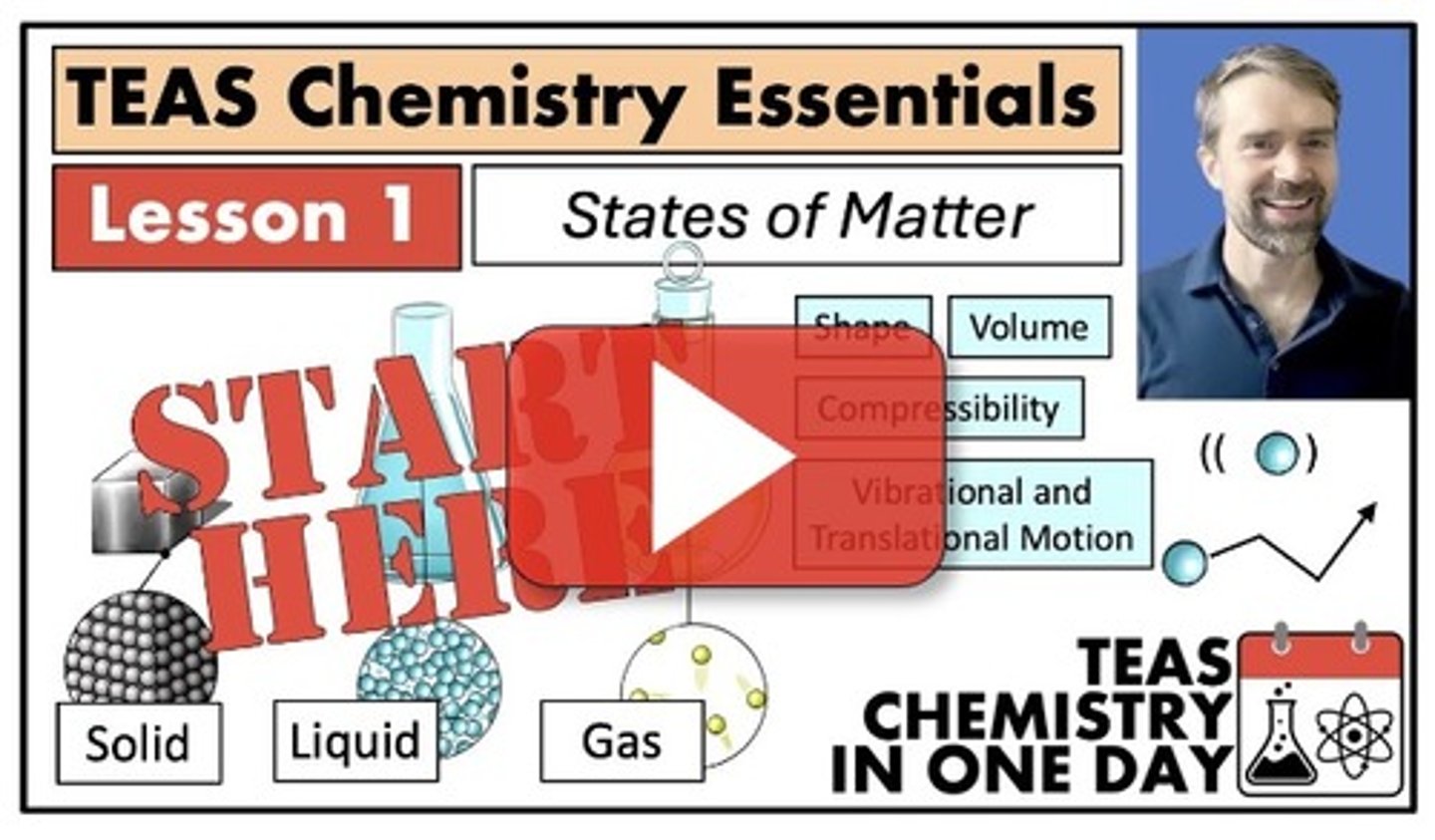
What is translational motion?
It is movement from place to place. When you run down the street, that is translational motion.
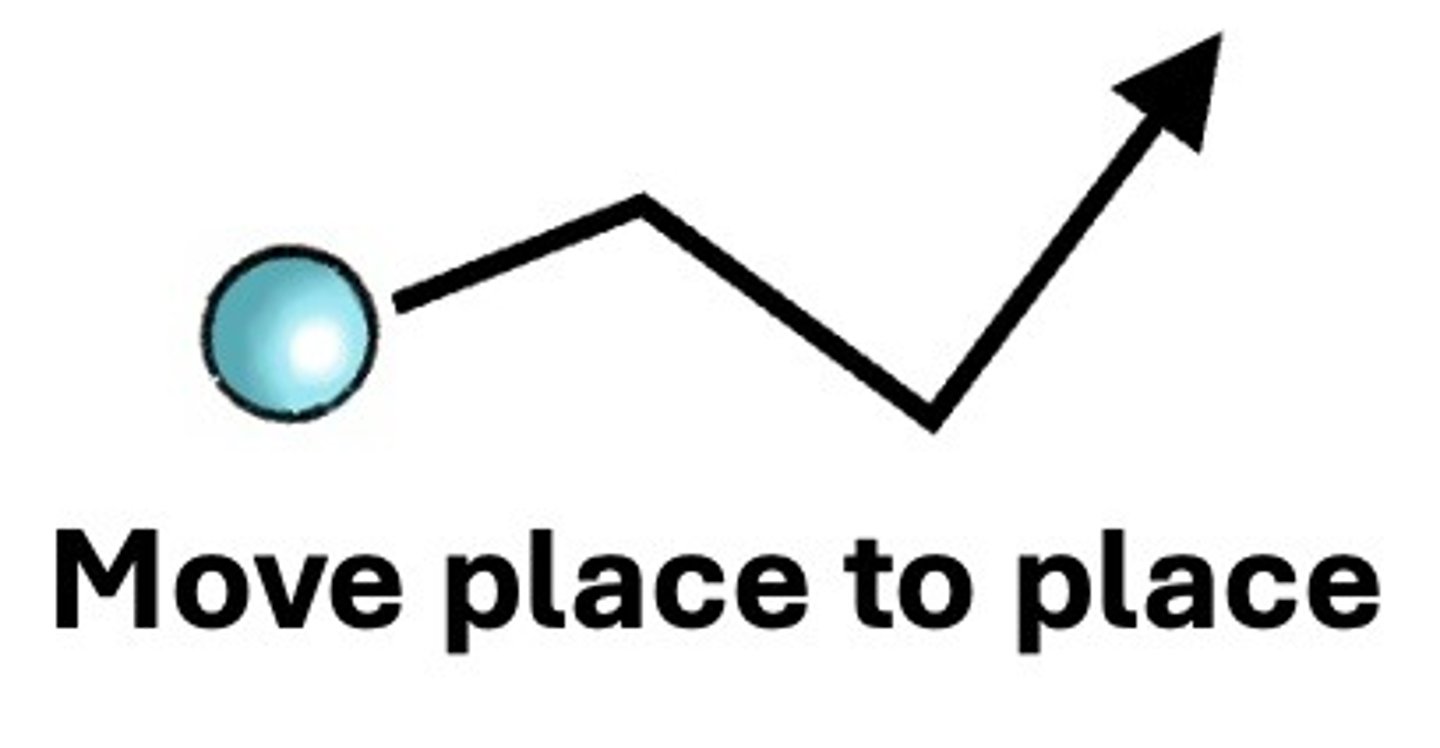
What is vibrational motion?
It is movement where something jiggles back and forth, but it doesn't actually go anywhere.
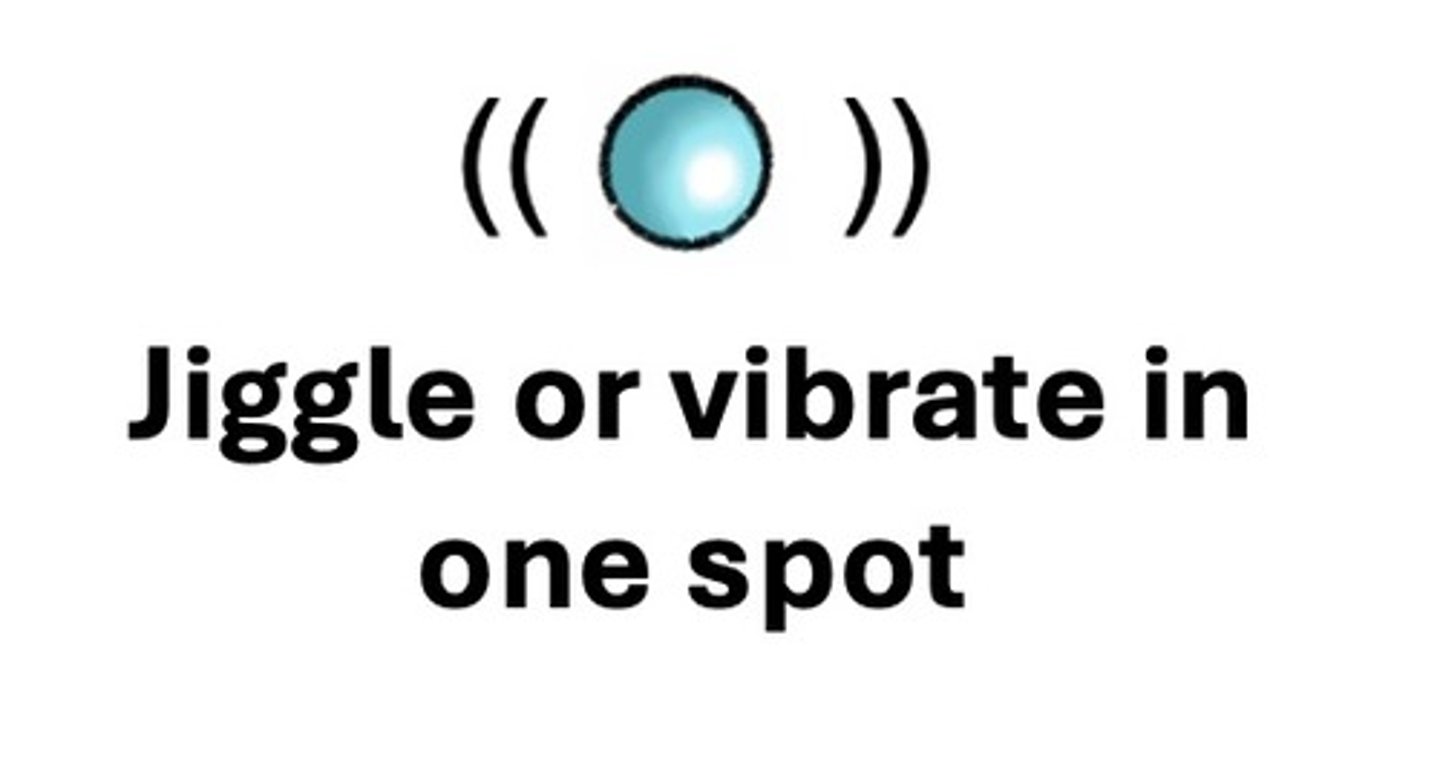
How do the particles move in a solid?
They vibrate or jiggle in one spot, but they don't move anywhere. They have vibrational motion, but no translational motion.
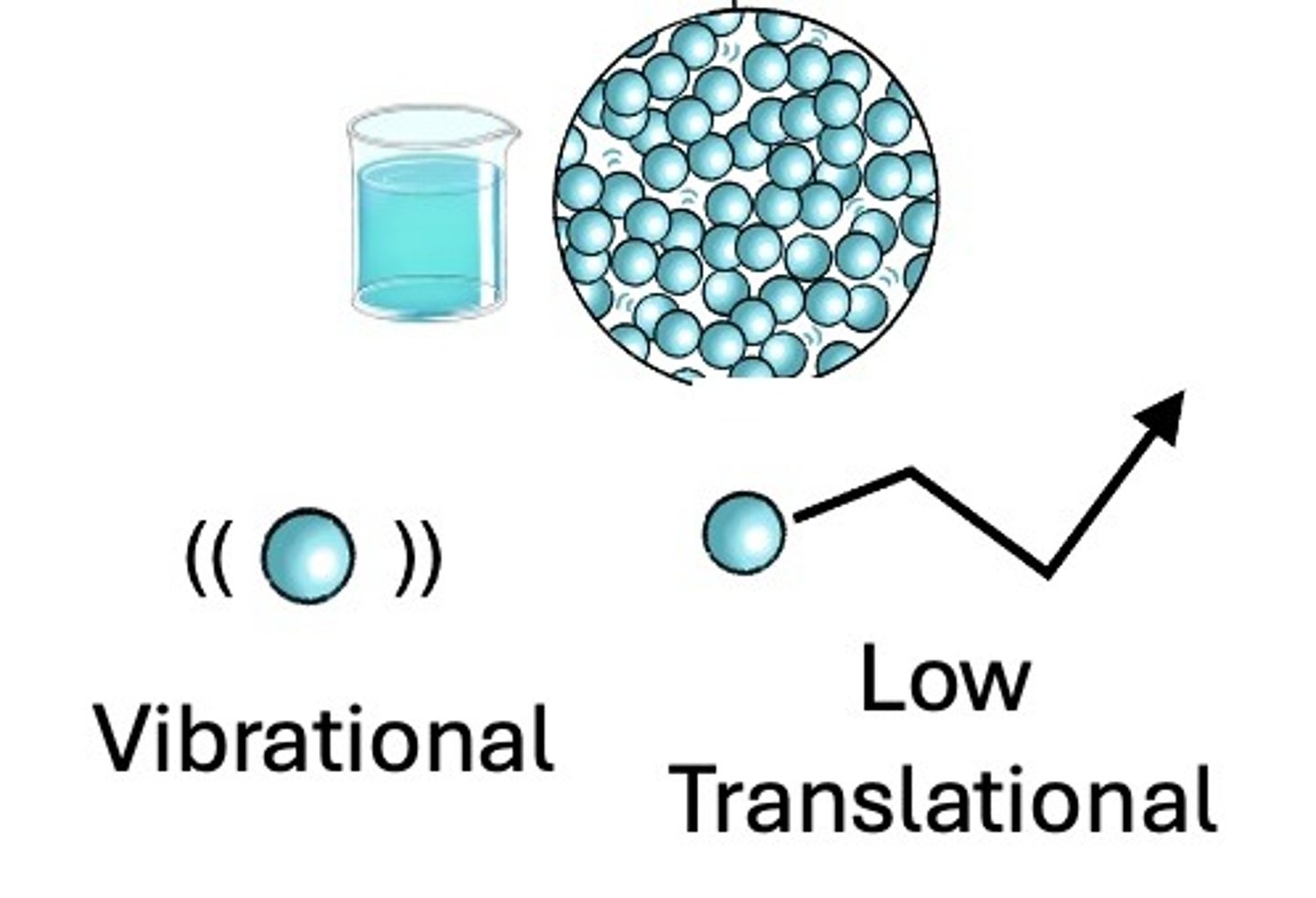
How do the particles move in a liquid?
They vibrate and they also move around from place to place, like they're slowly swimming. They have both vibrational motion and translational motion.
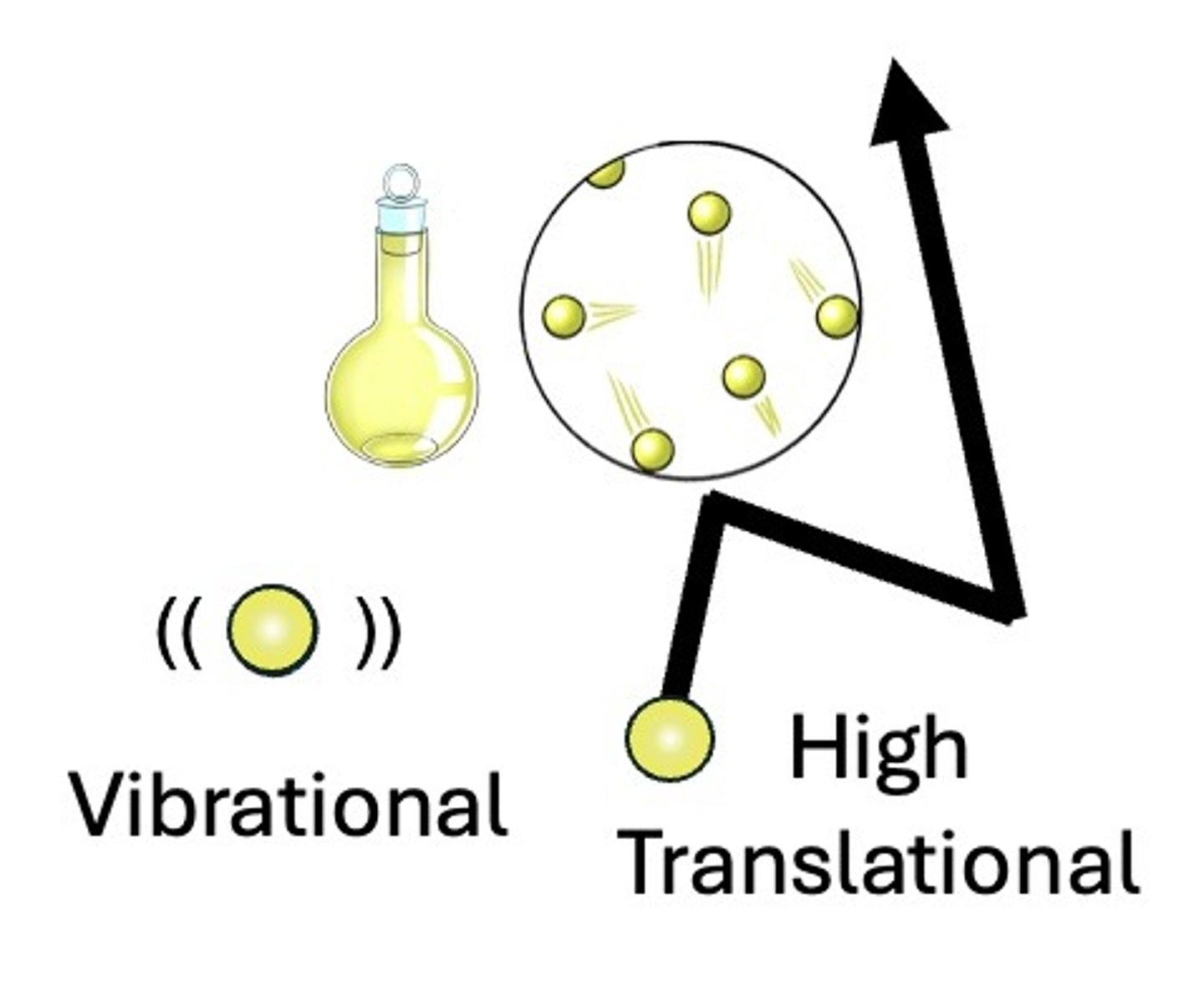
How do the particles move in a gas?
They vibrate, and they are flying around super fast. They slam into anything in their way, and bounce off it. Gas particles have vibrational motion, and very very high translational motion.
What is kinetic energy?
If something is moving, it has kinetic energy. It something is moving slowly, it has low kinetic energy. If something is moving fast, it has high kinetic energy.
In which state of matter do the particles have the highest kinetic energy?
Gases. They are flying around all over the place at super high speed.
Are you totally frustrated and confused as you try to study? Do you have no idea what to focus on?
I will show you exactly what you need to study for the chemistry section of the TEAS. Check out my website at http://www.teasinoneday.com
In which state of matter do the particles have the lowest kinetic energy?
Solid. They are vibrating in one spot, and they aren't going anywhere.
In which state of matter do the particles have medium kinetic energy?
Liquids. The particles move a little, but not too much. They're kind of slowly swimming around.
What is vapor?
Vapor is another word for gas. You might see it on the TEAS. Technically, when you have gas at cold temperatures, you call it vapor. But for the TEAS, you just have to know that vapor also means gas.
Plasma is sometimes called the "fourth state of matter." What is it?
You get plasma when you take something and make it extremely hot, or pass lots of electricity through it. There is plasma in neons signs and in stars. Usually, plasma isn't important for the TEAS.
When you see a TEAS question about states of matter, and one of the answer choices is "plasma," what should you think?
On the TEAS, plasma usually isn't the right answer. They usually put plasma in the answer choices to try and trick you. So think carefully about the question before you choose plasma.
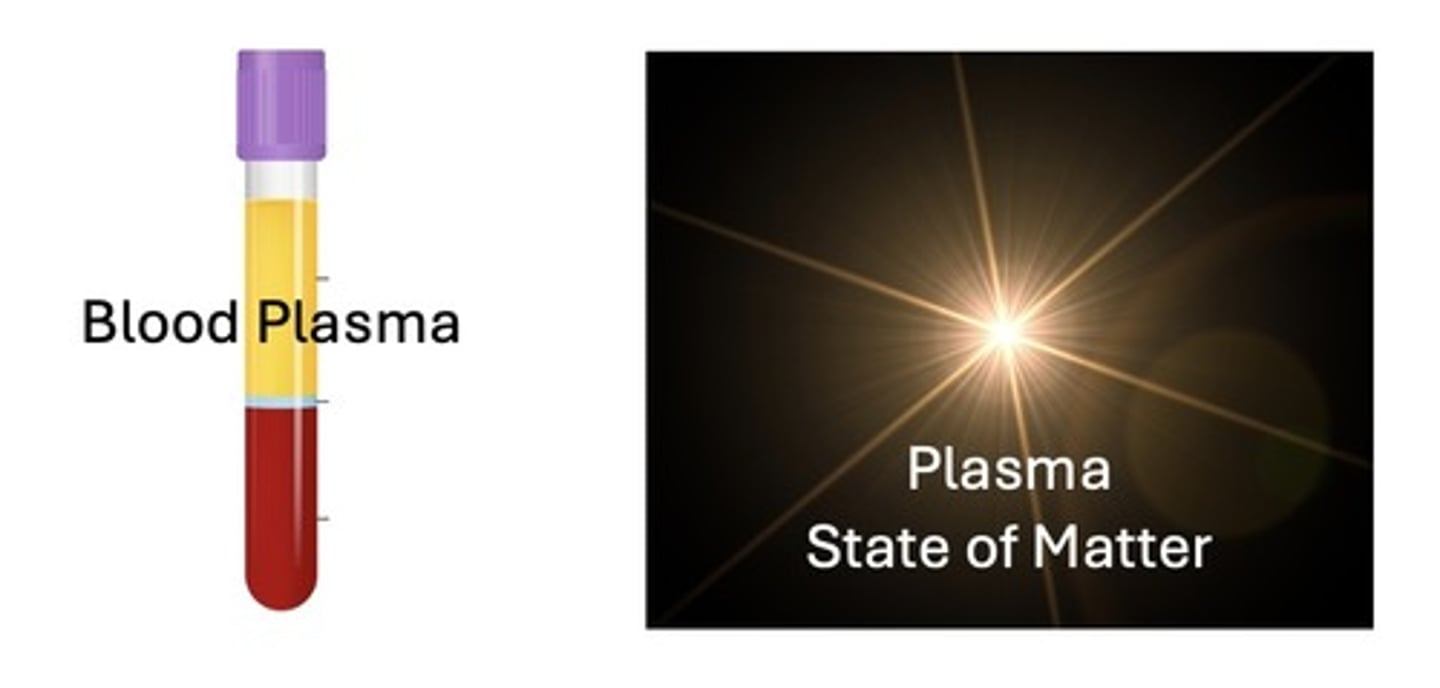
How is plasma (the state of matter) different from blood plasma?
Plasma (the state of matter) is found in stars, nebulas, and neon signs. Blood plasma is a liquid that is part of your blood. Don't get them confused!