Lab 6: EMG, Fatigue, & Muscle Microanatomy
 Call Kai
 Learn
Learn Practice Test
 Spaced Repetition
 Match
Match Flashcards
 Knowt Play
1/21

There's no tags or description
Looks like no tags are added yet.
Name | Mastery | Learn | Test | Matching | Spaced | Call with Kai |
|---|
No analytics yet
Send a link to your students to track their progress
22 Terms
Nuclei of muscle fiber
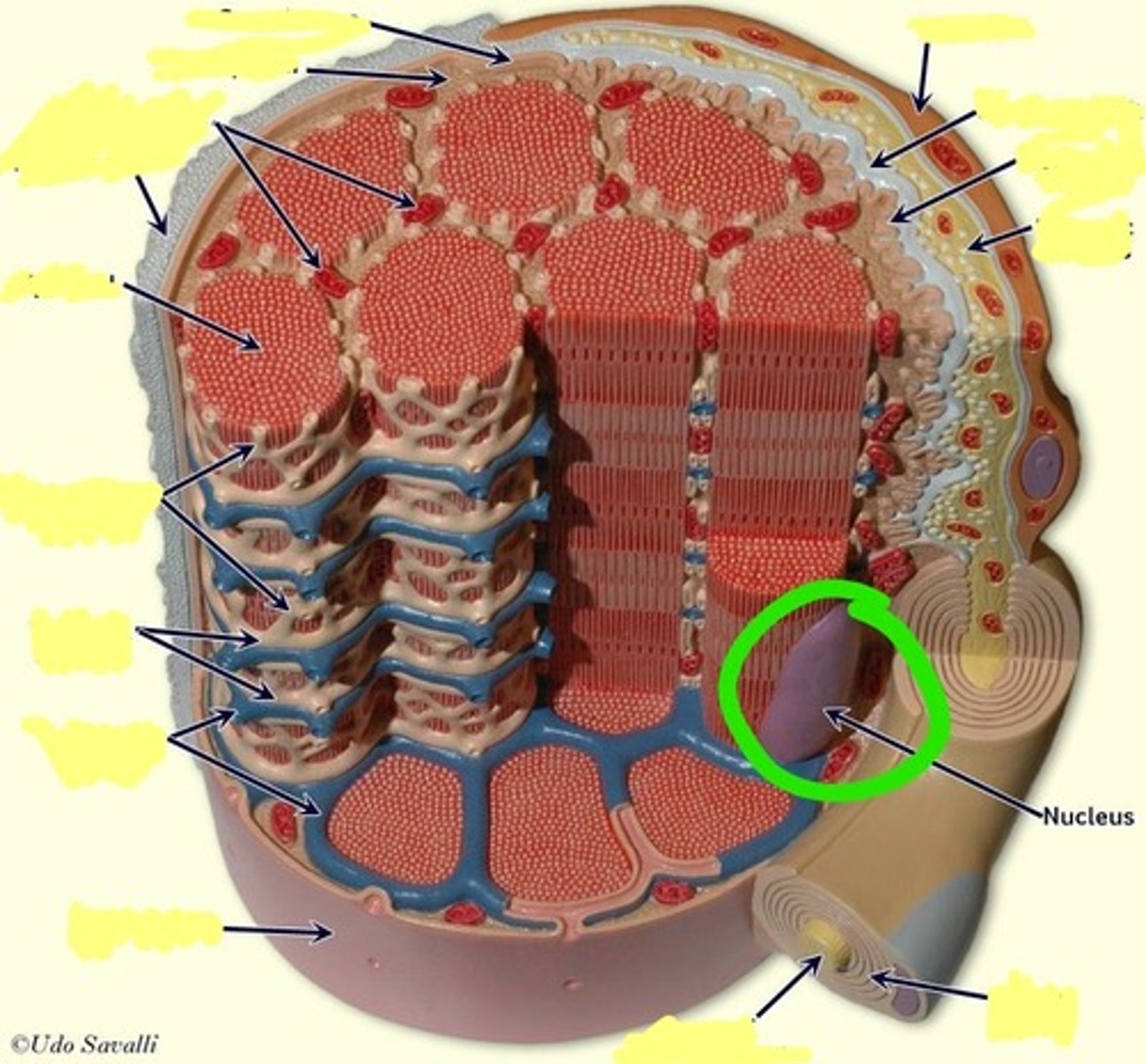
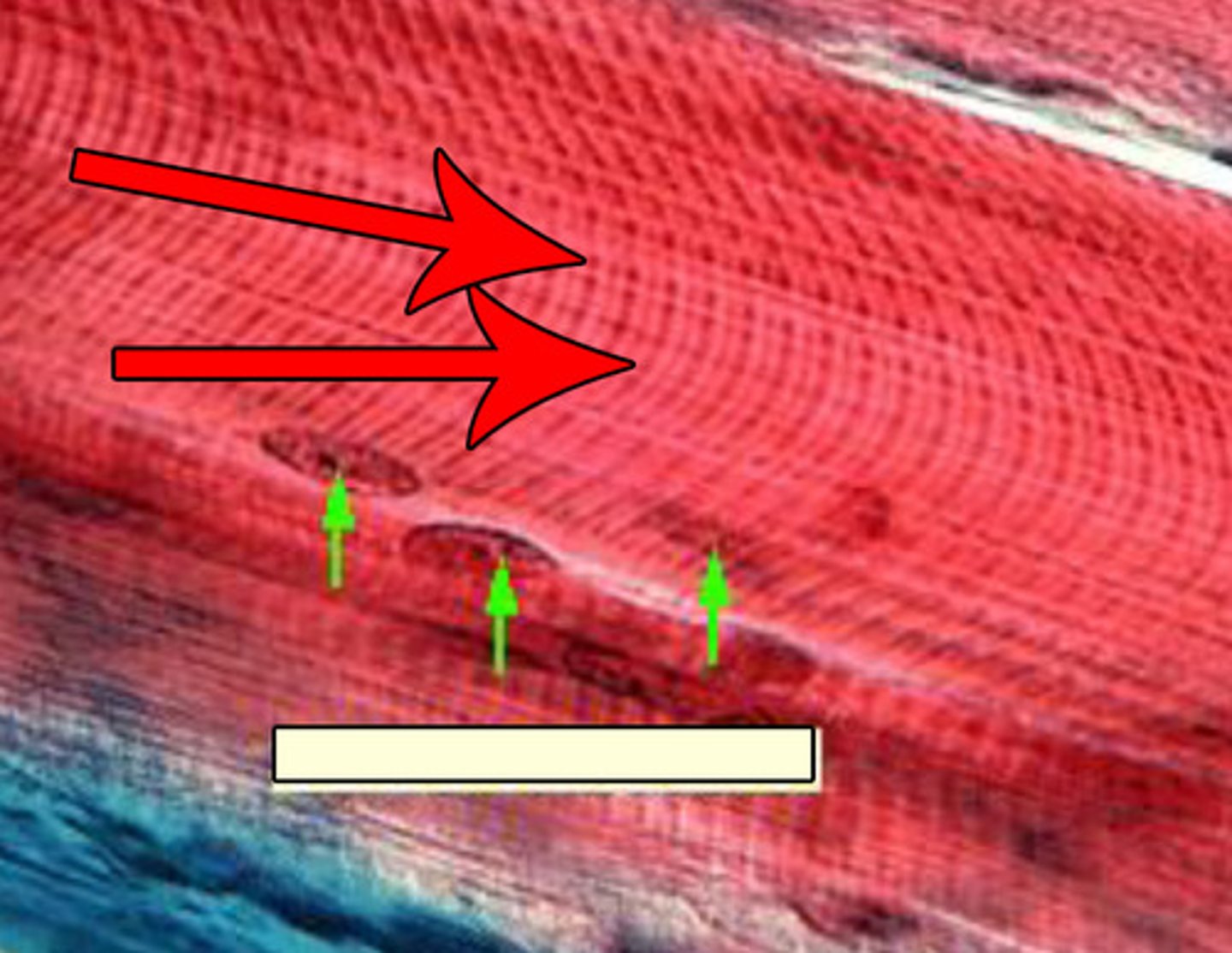
Striations
alternate dark and light bands found on skeletal and cardiac muscle
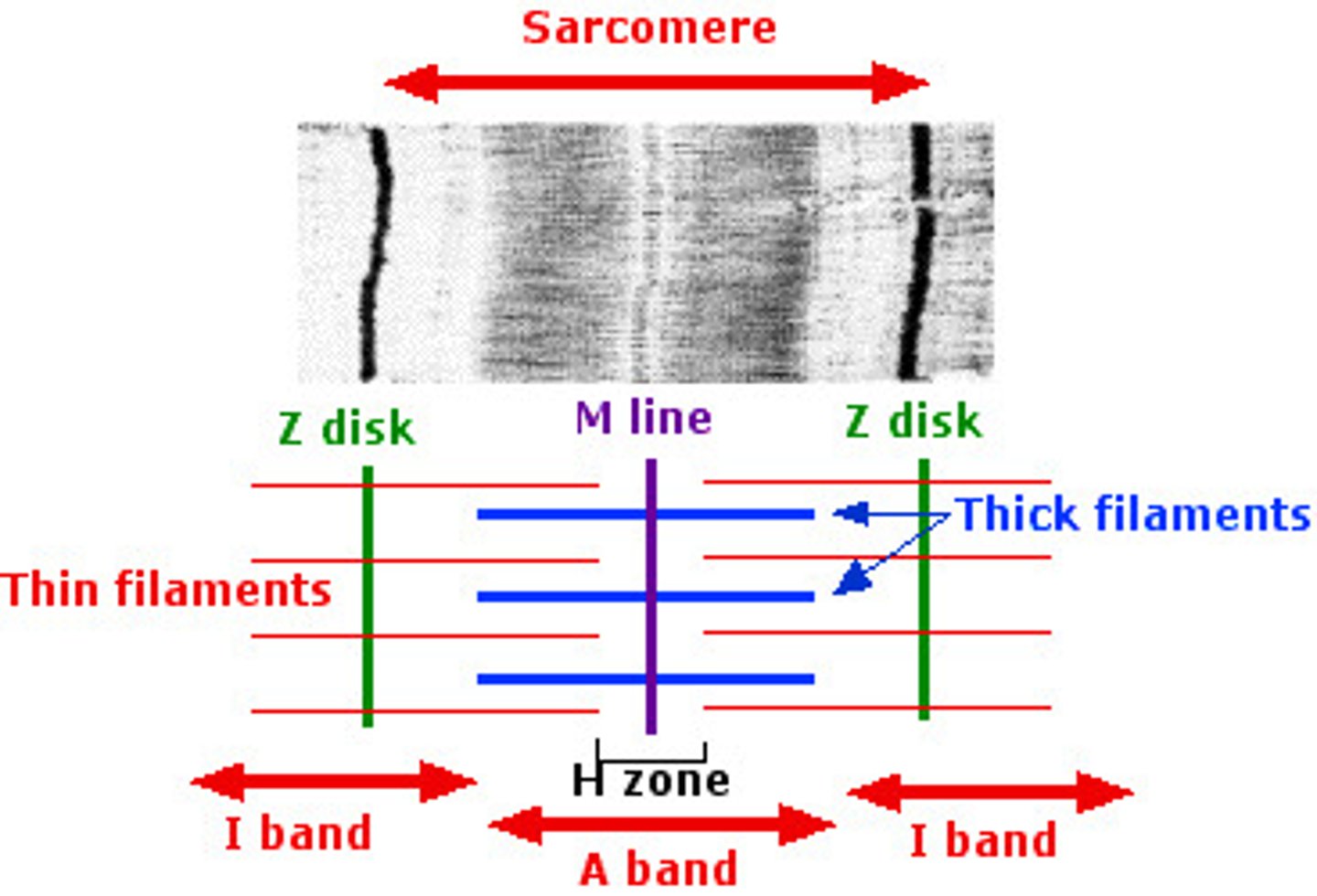
Sarcomere
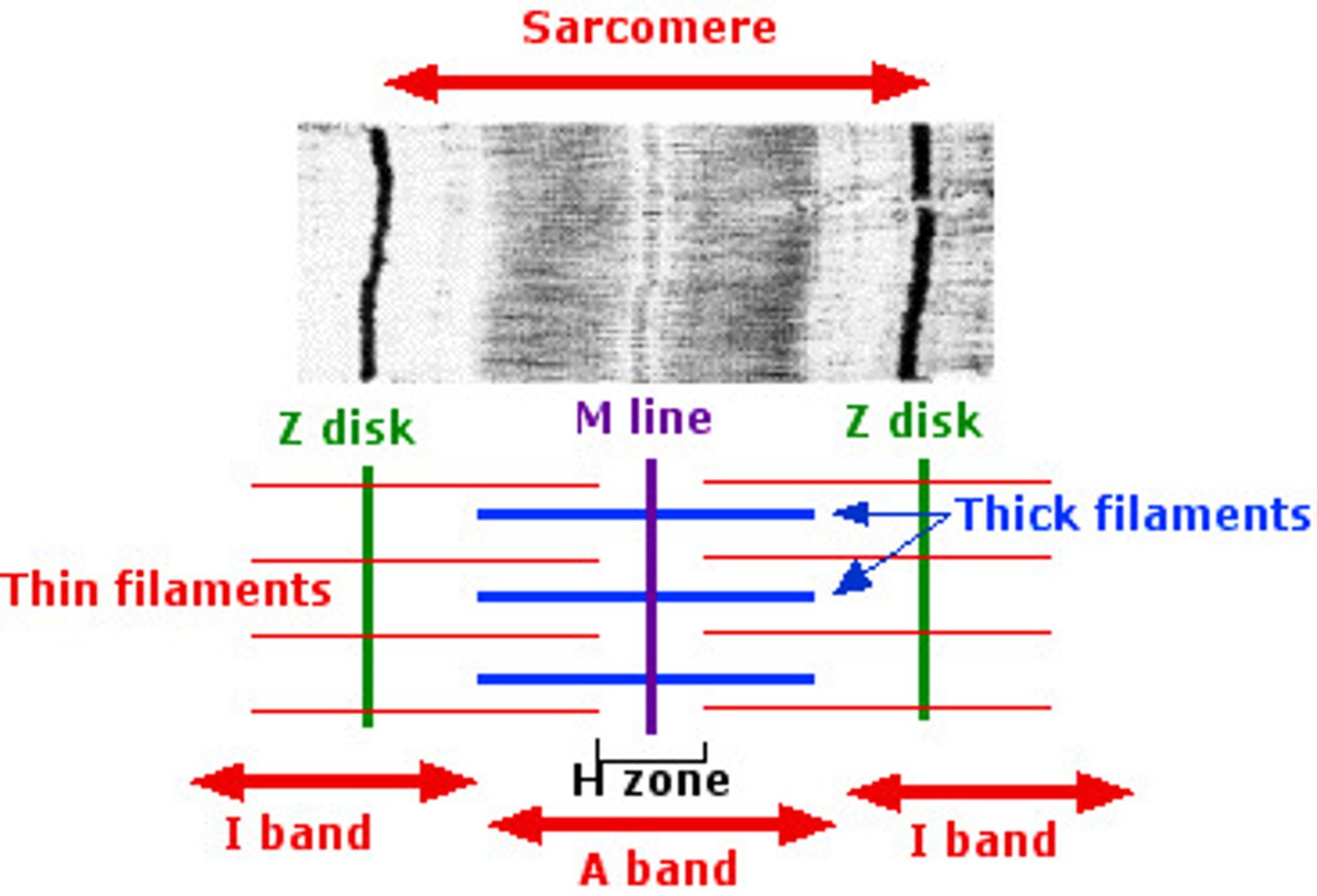
I band
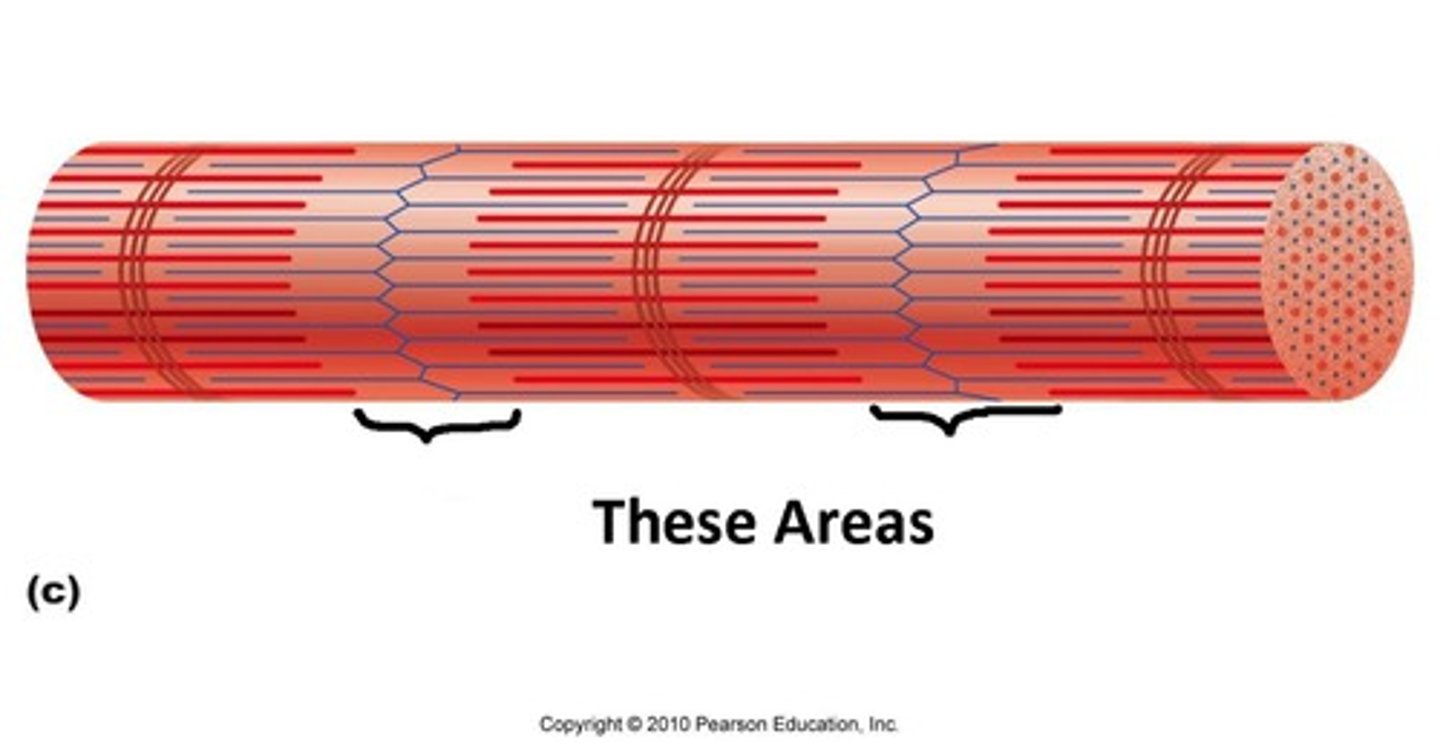
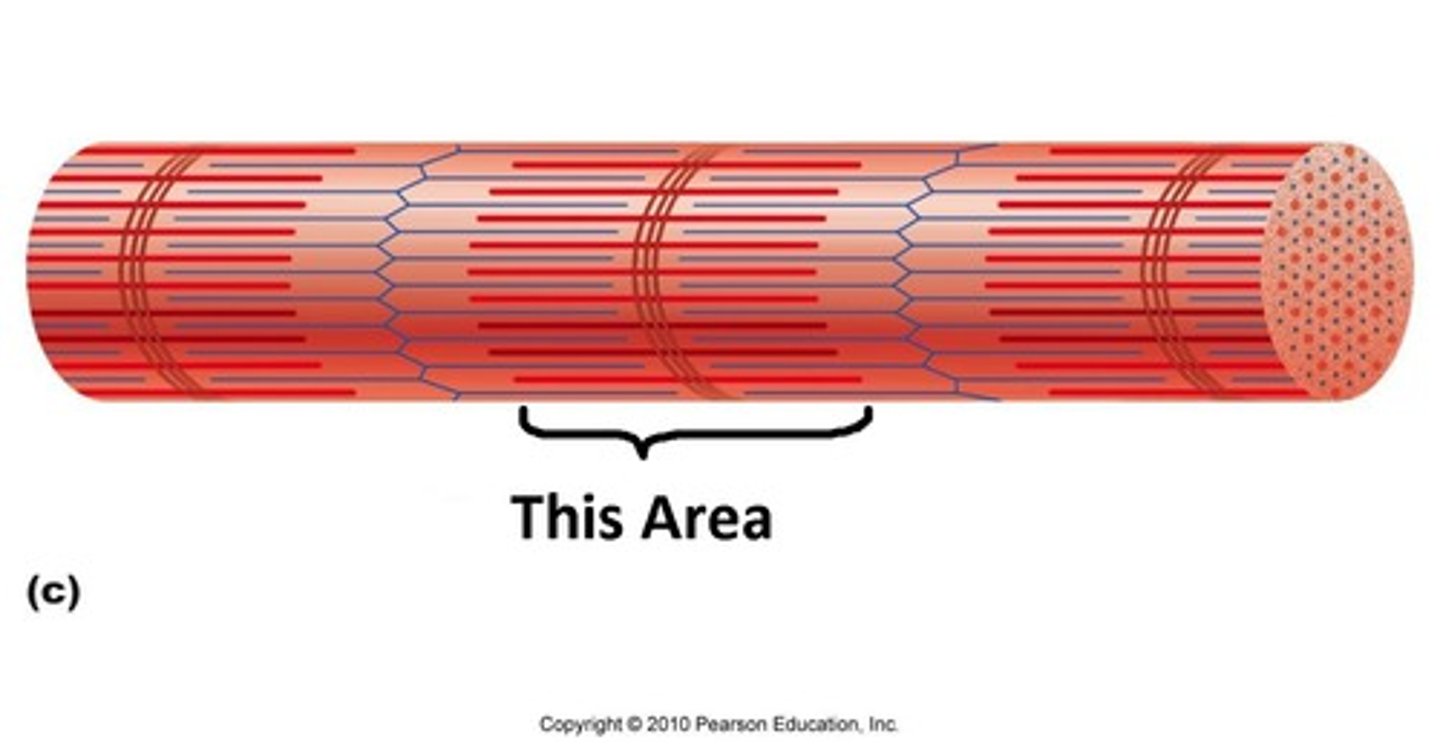
A band
H zone (band)
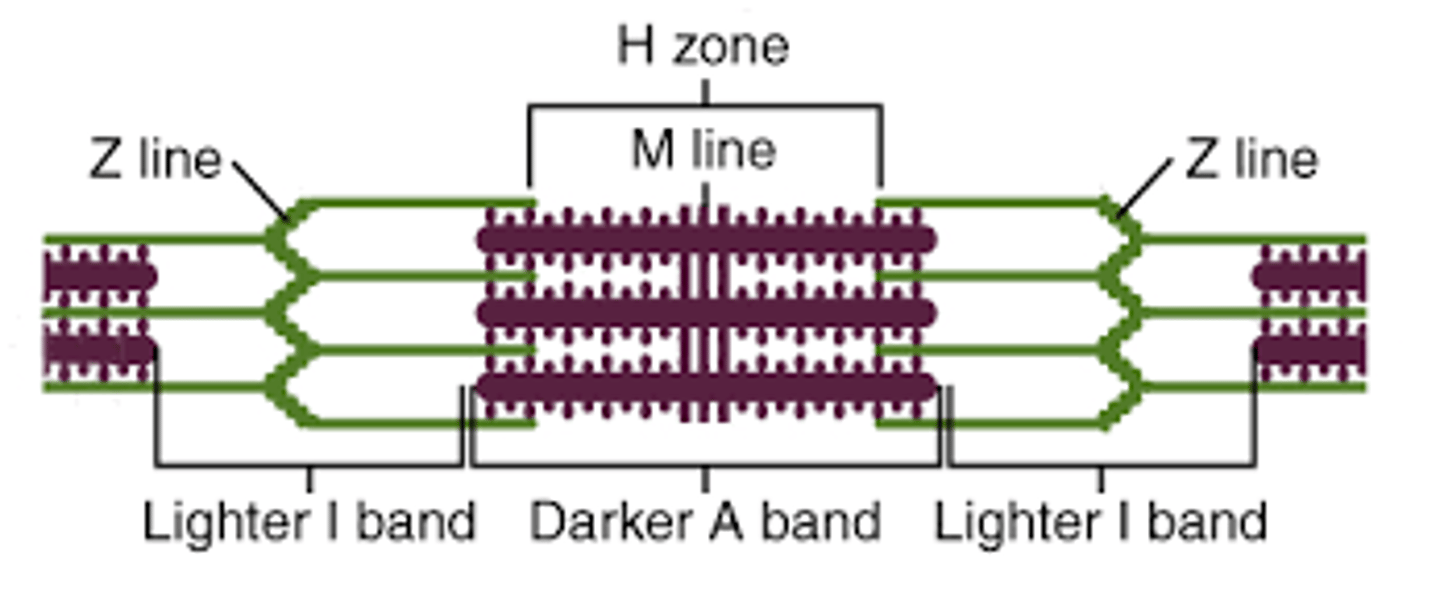
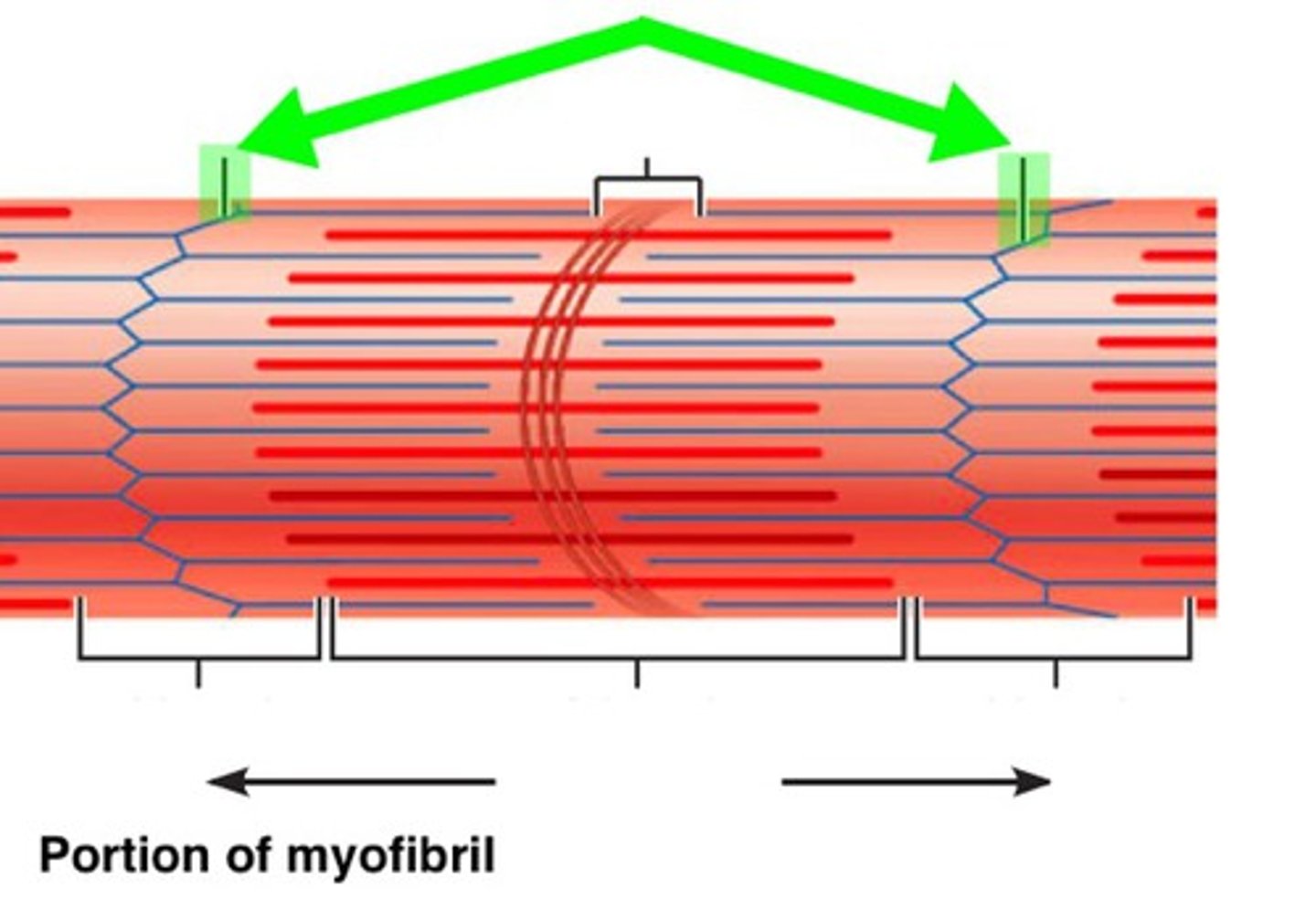
Z line
M line
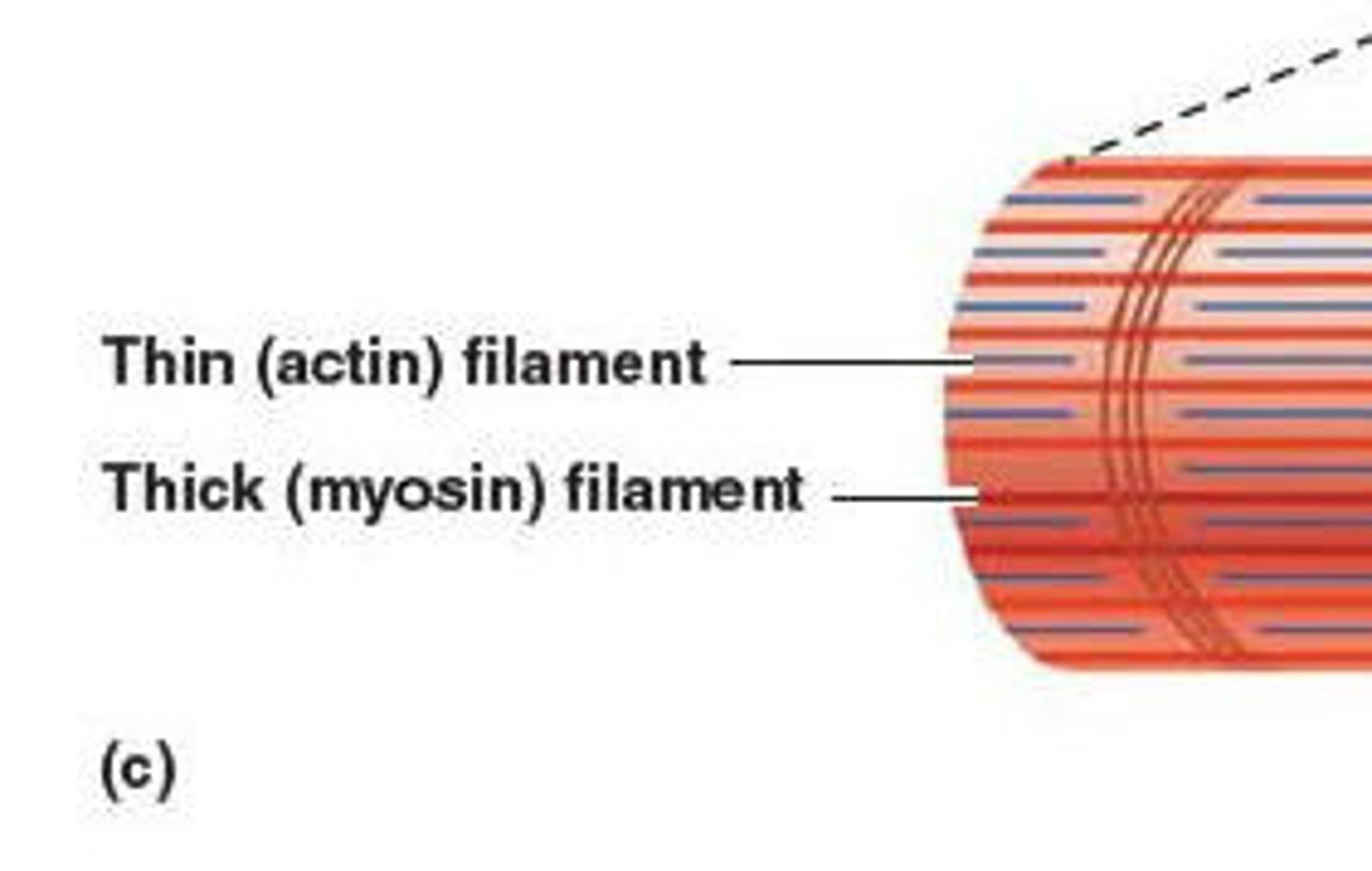
Actin
thin filaments
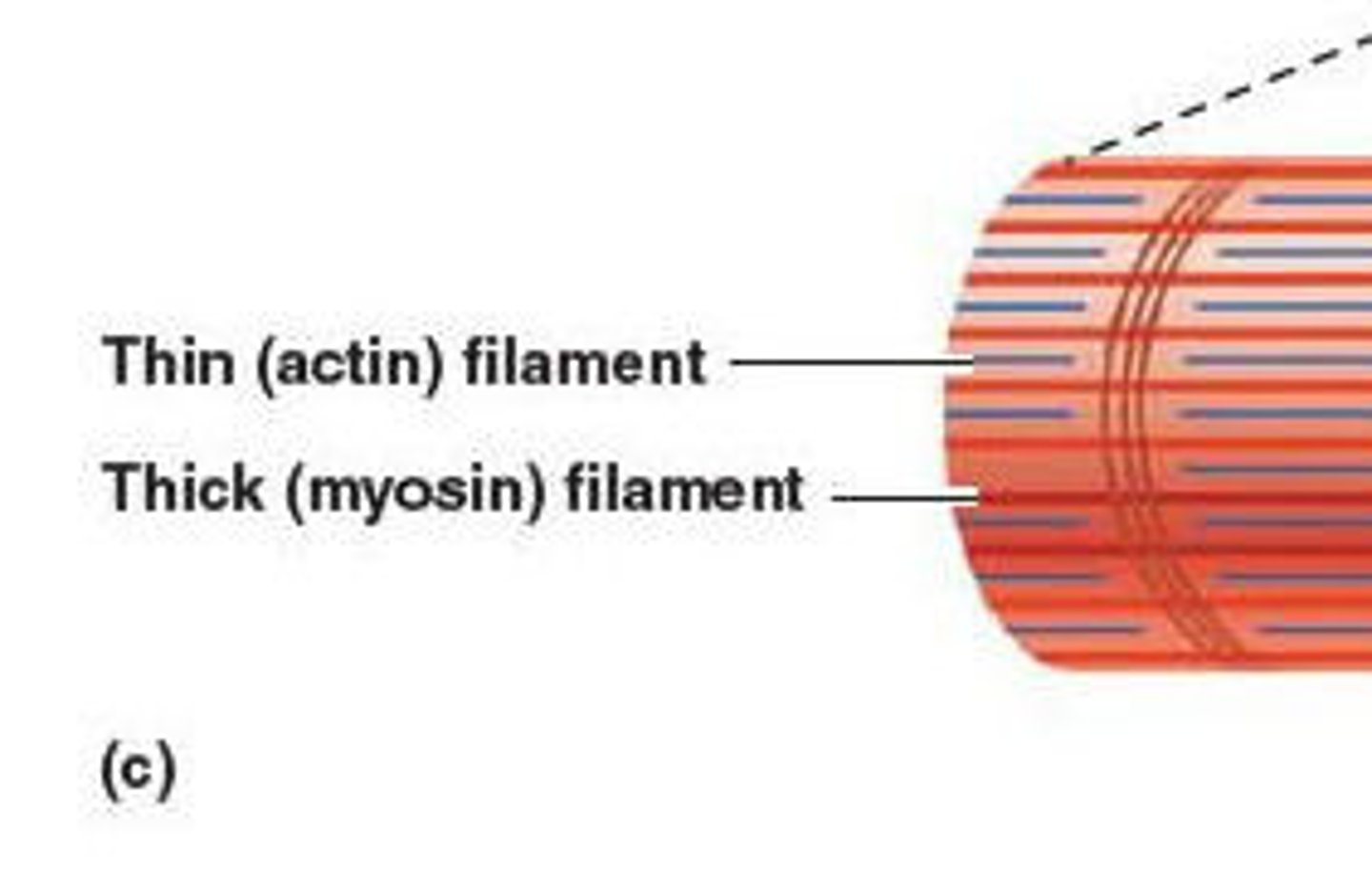
Myosin
thick filament
T-tubules
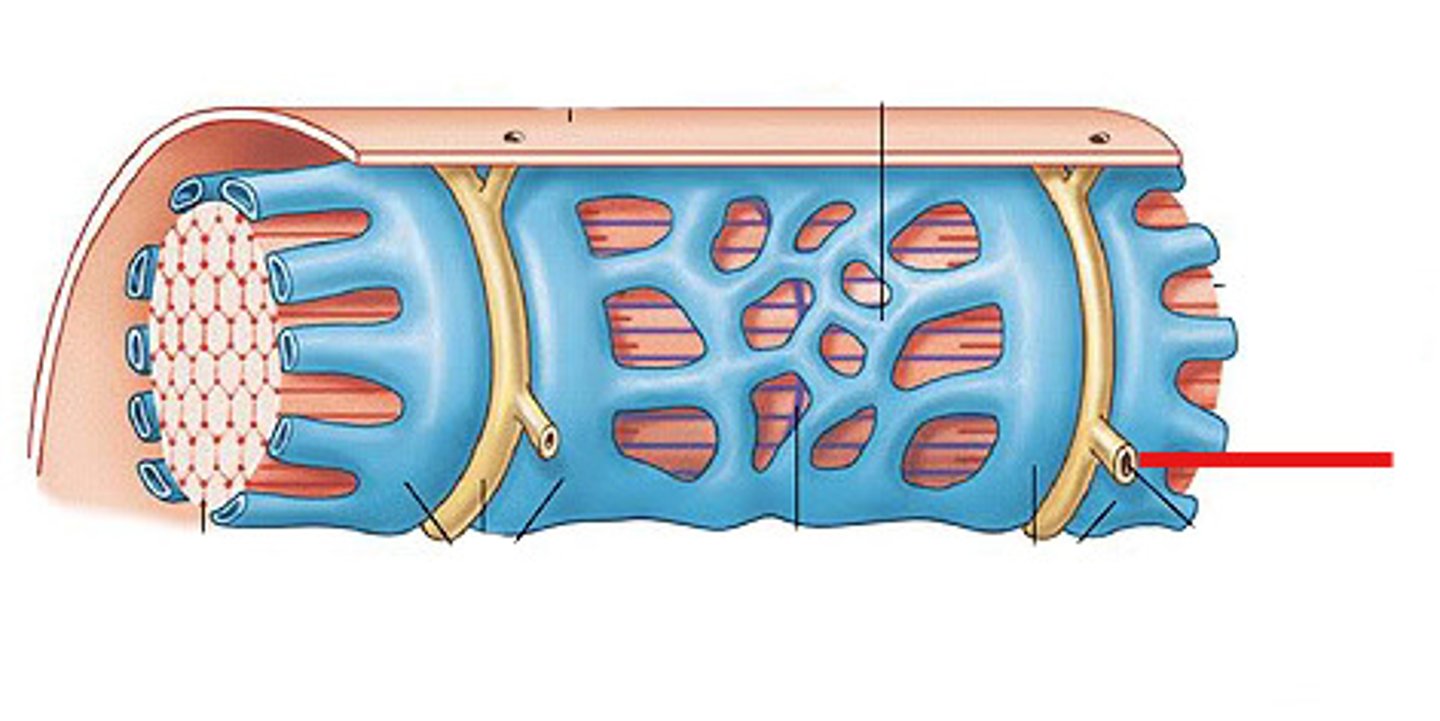
Terminal cisternae
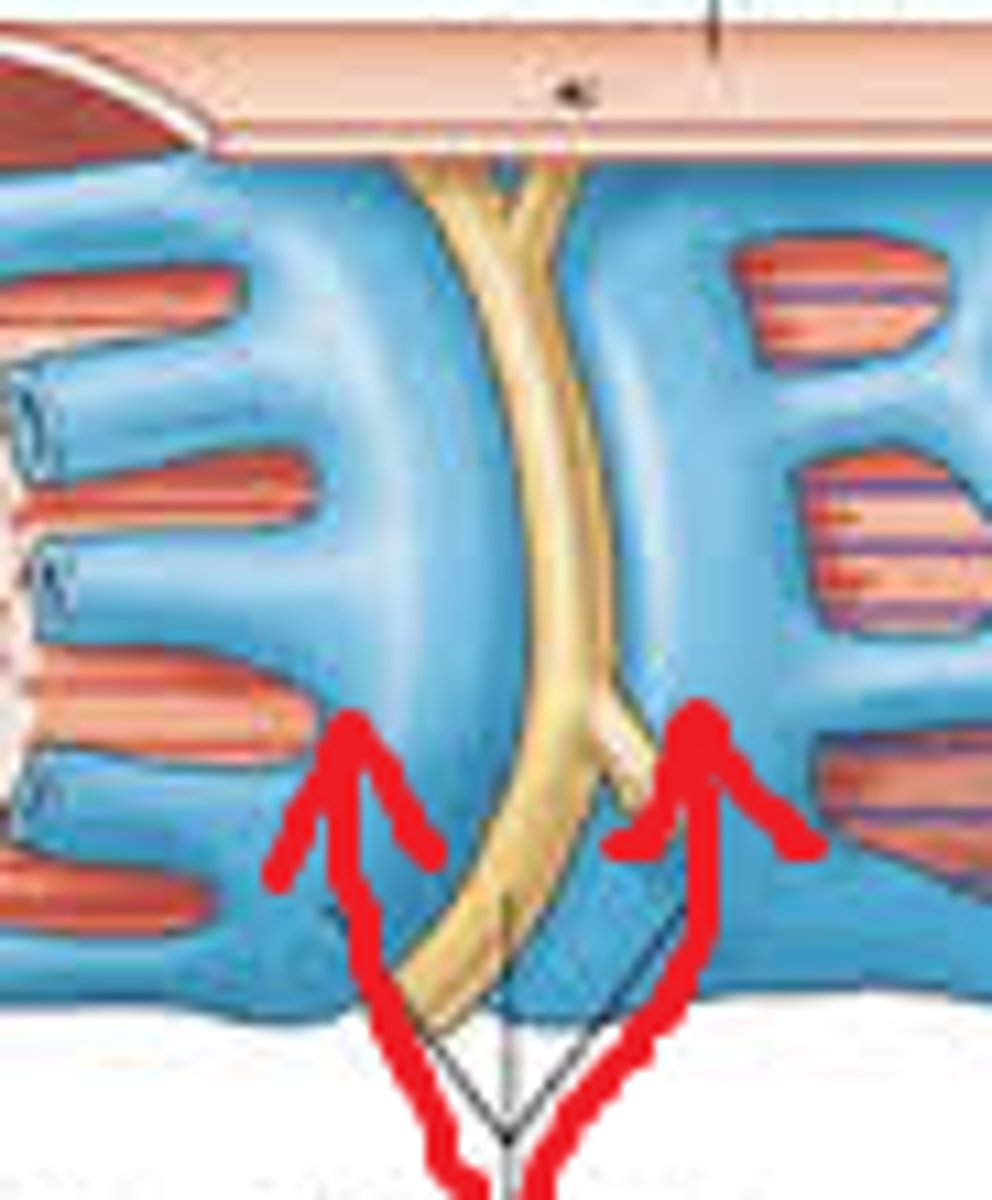
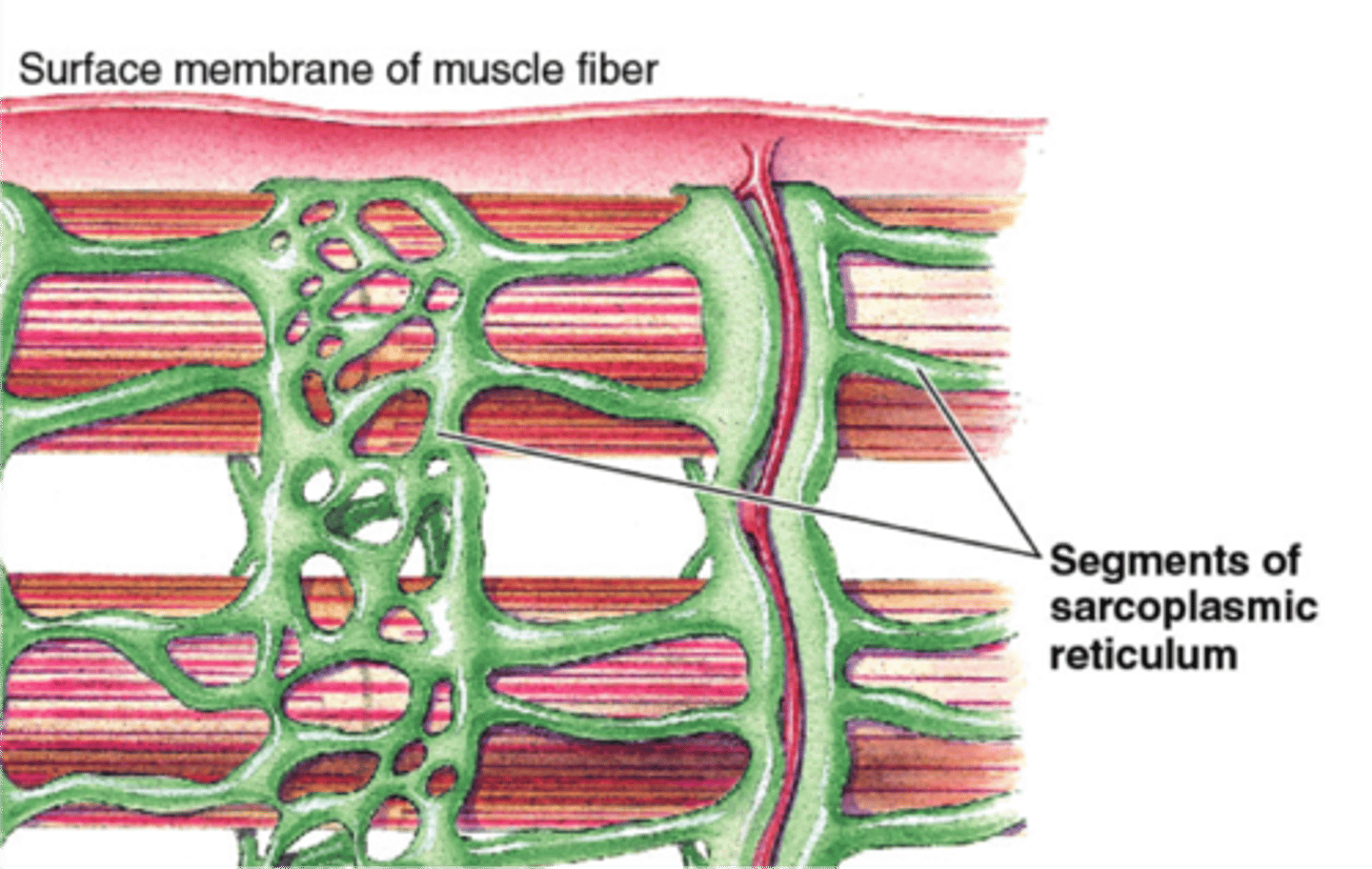
Sarcoplasmic reticulum
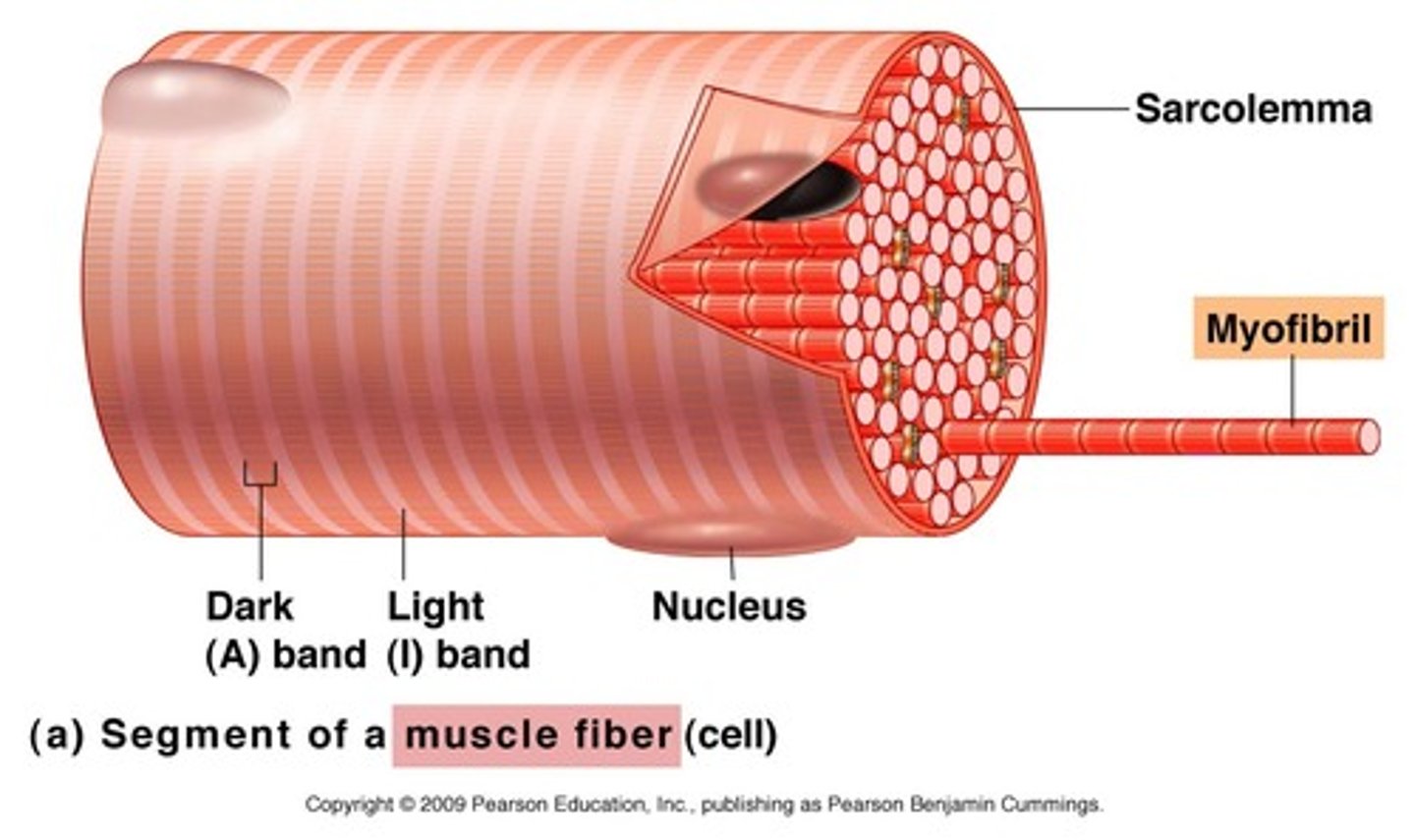
Myofibril
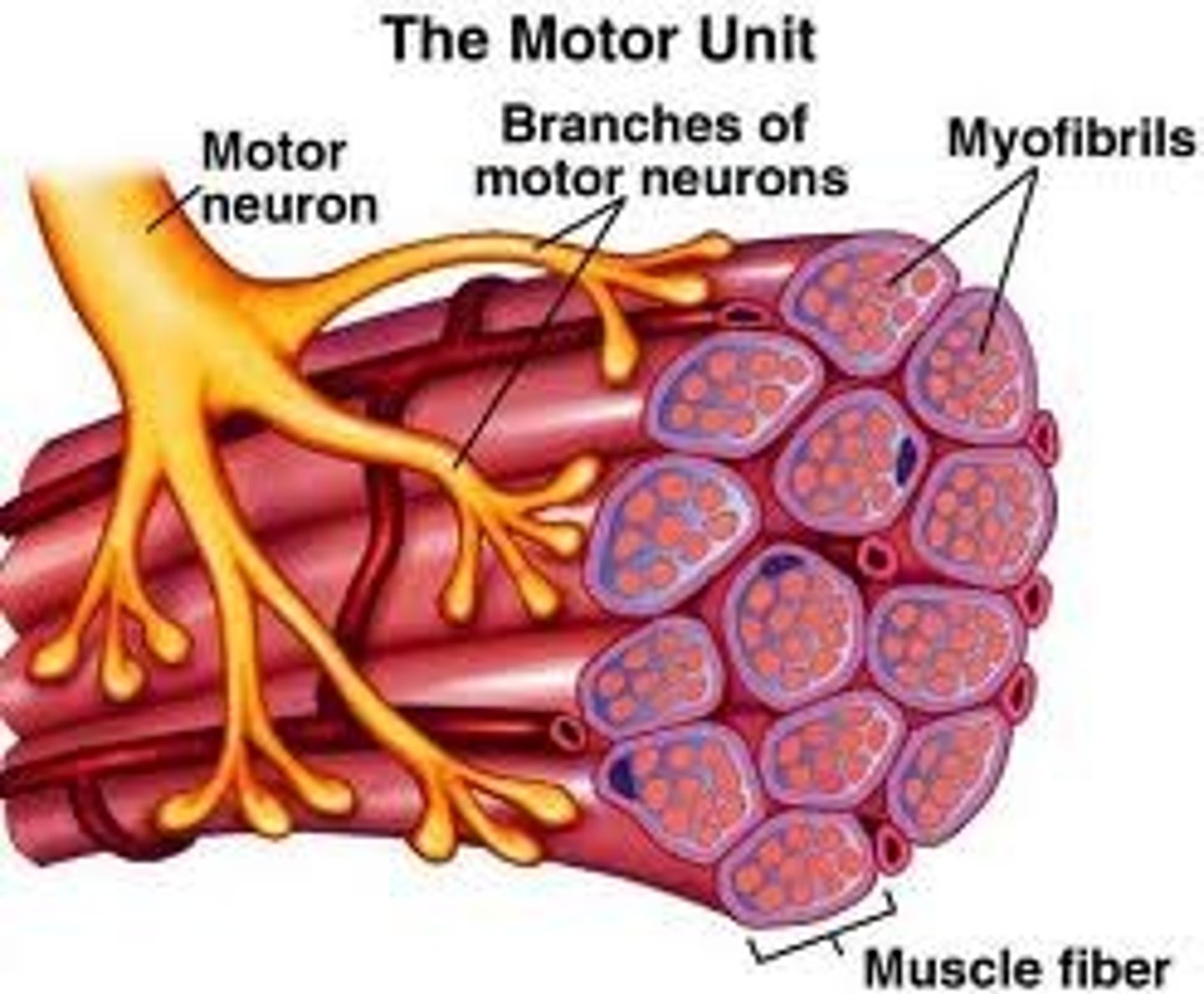
Motor unit
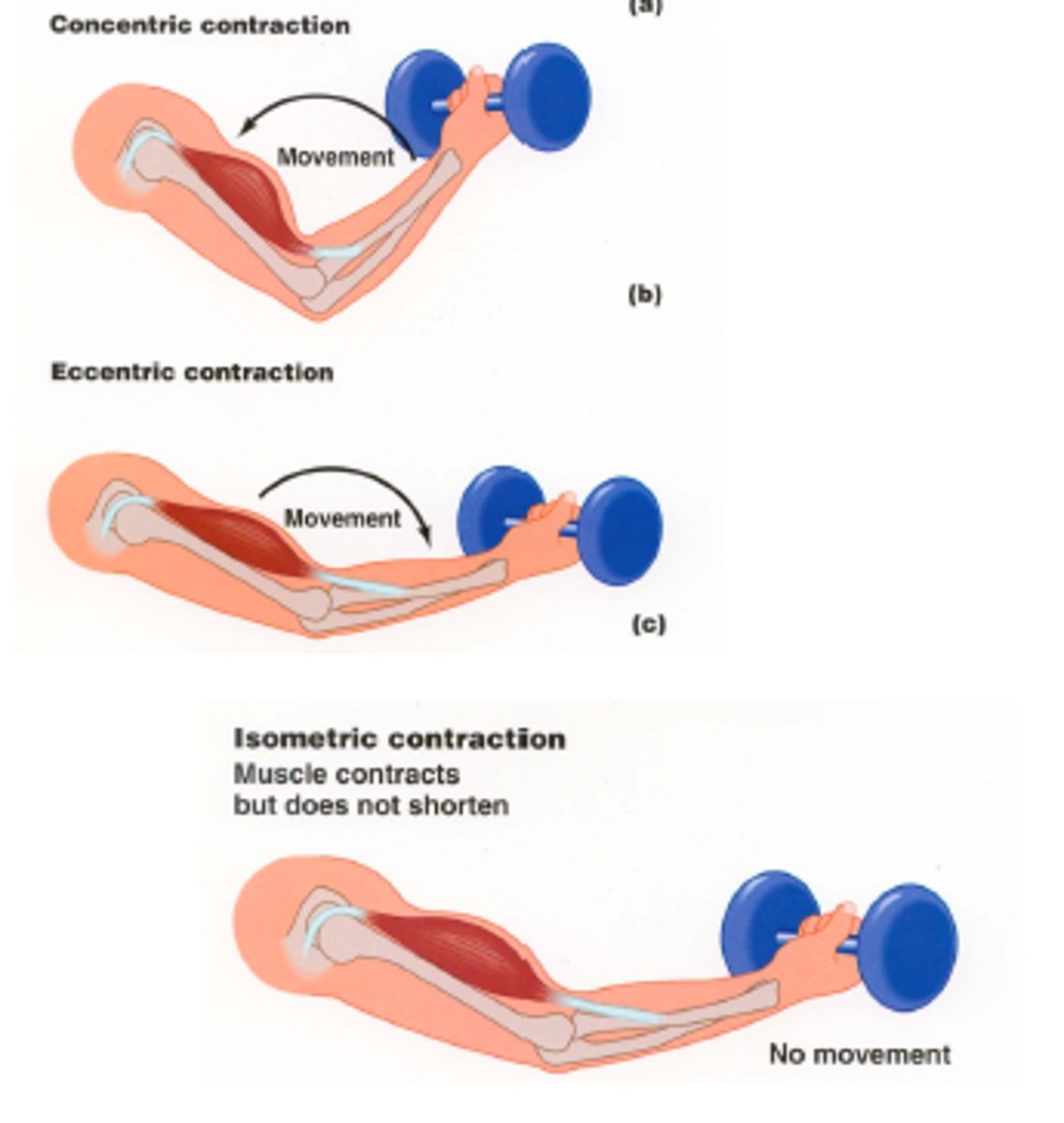
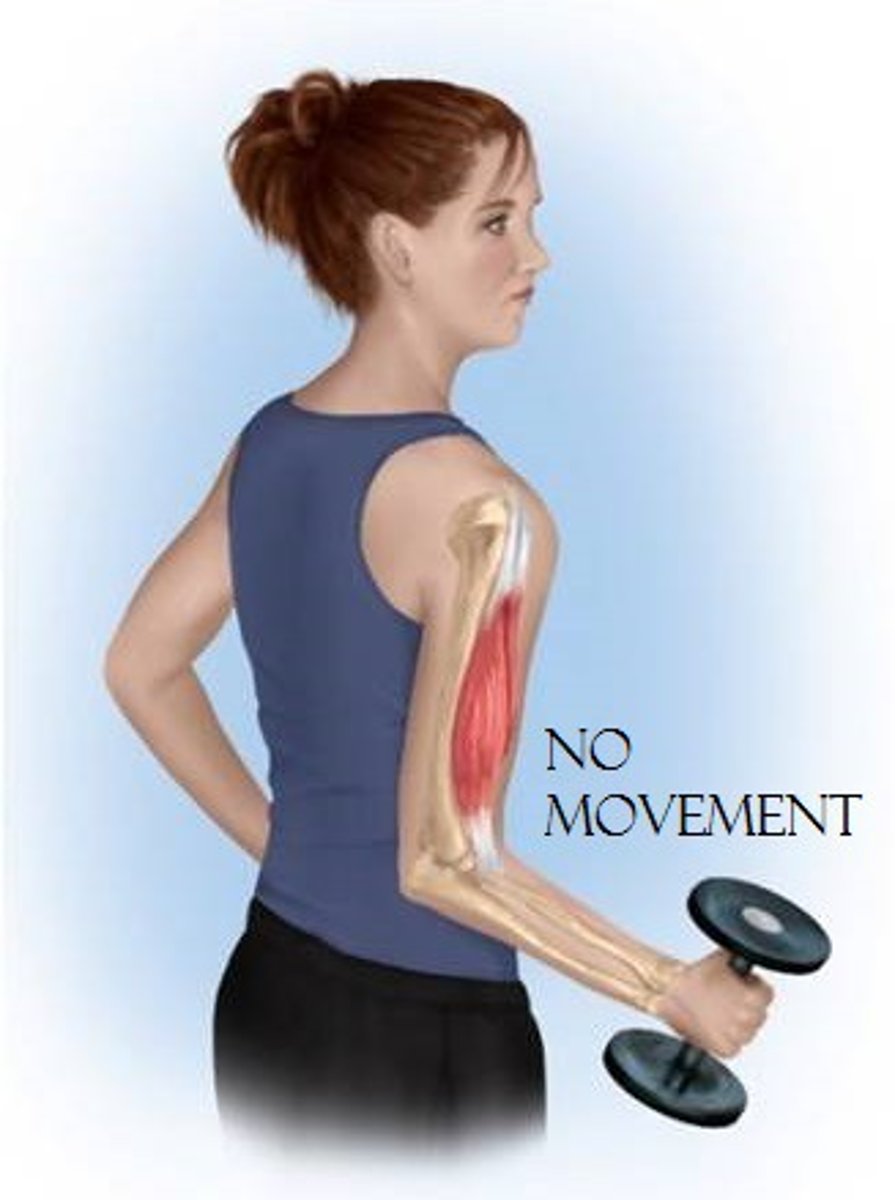
Isometric muscle contraction
develops tension without changing length
important in postural muscle function and antagonistic muscle joint stabilization
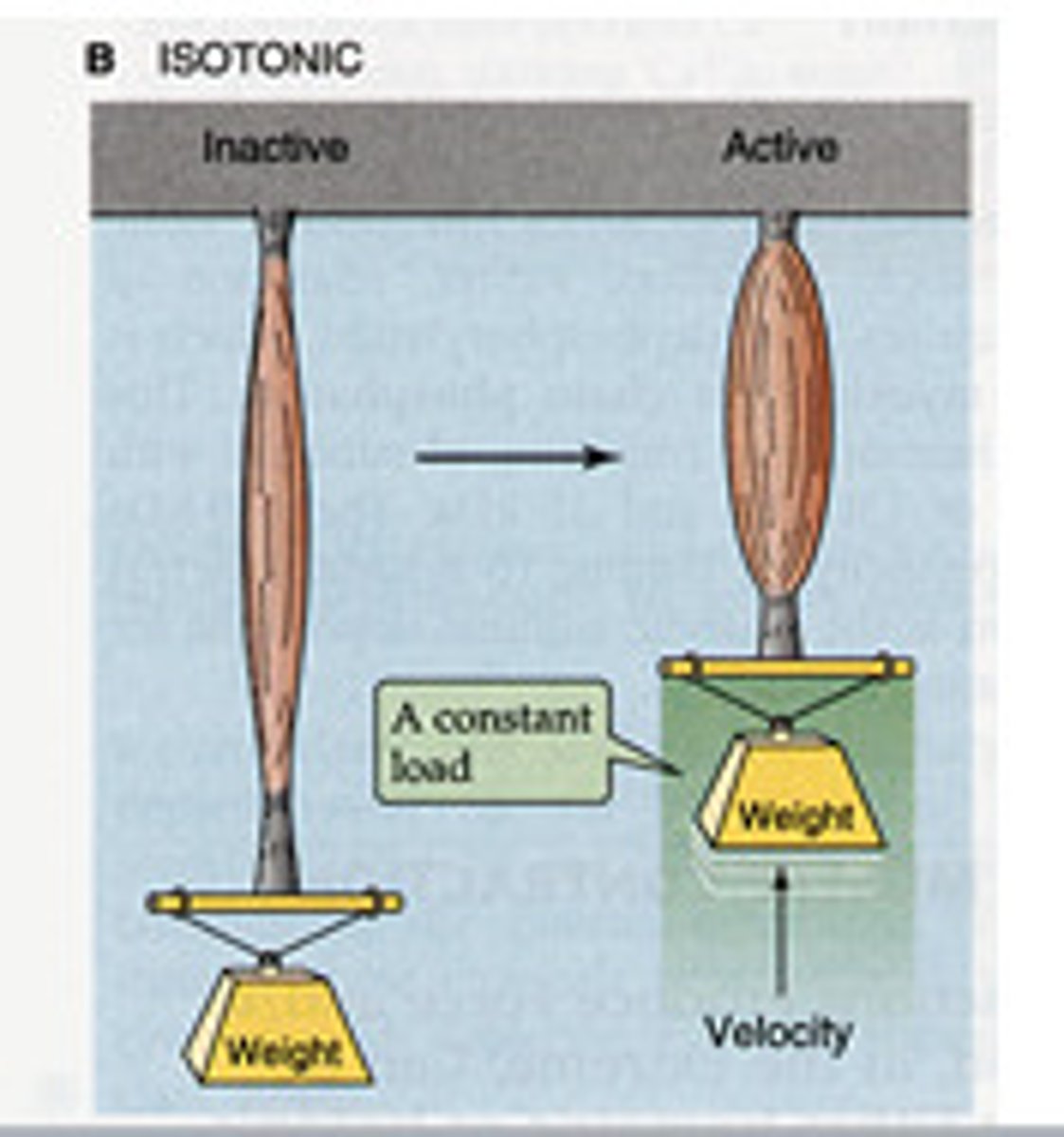
Isotonic muscle contraction
muscle changes in length with no change in tension
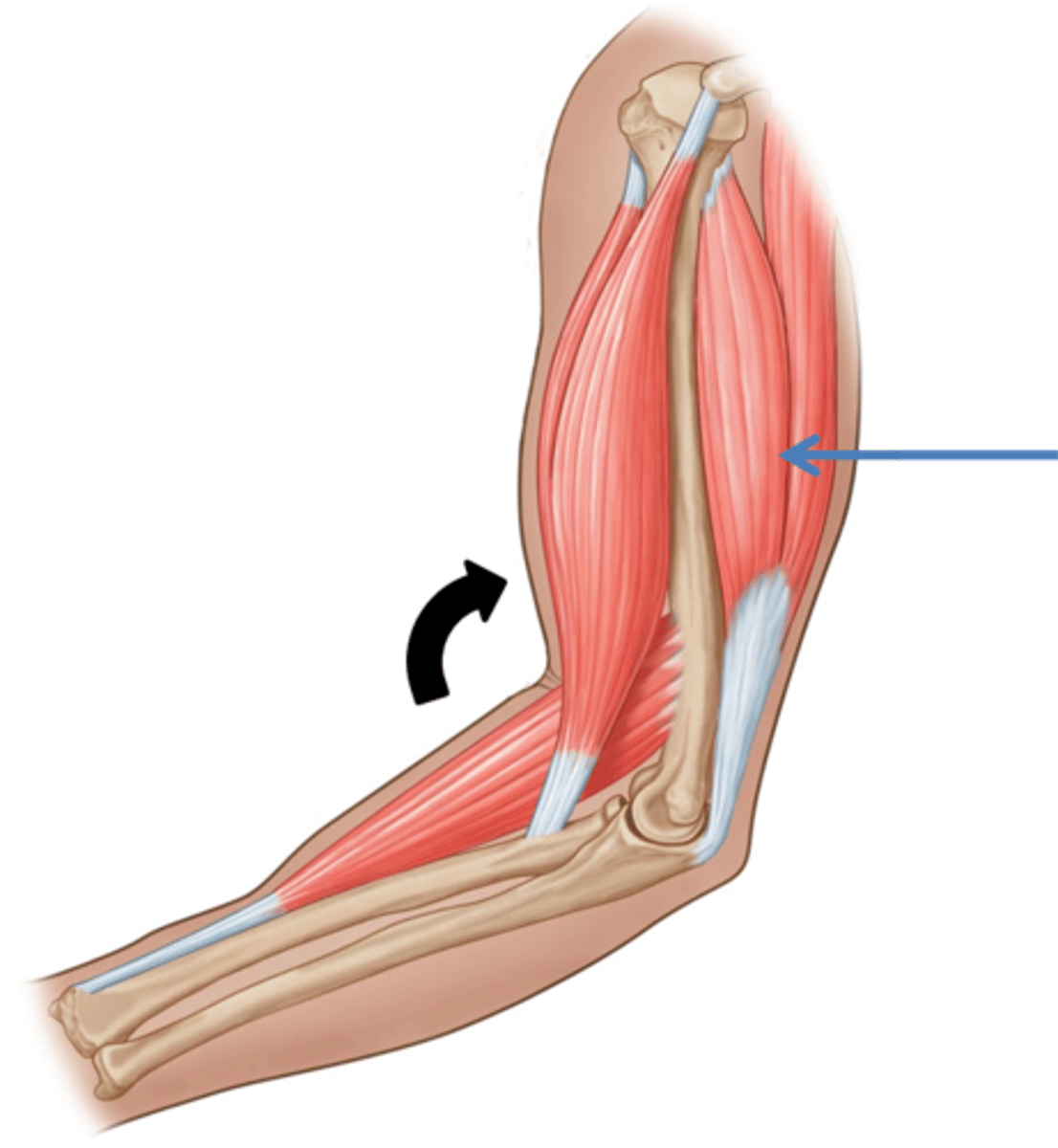
Agonist muscle
The muscle primarily responsible for movement of a bone.
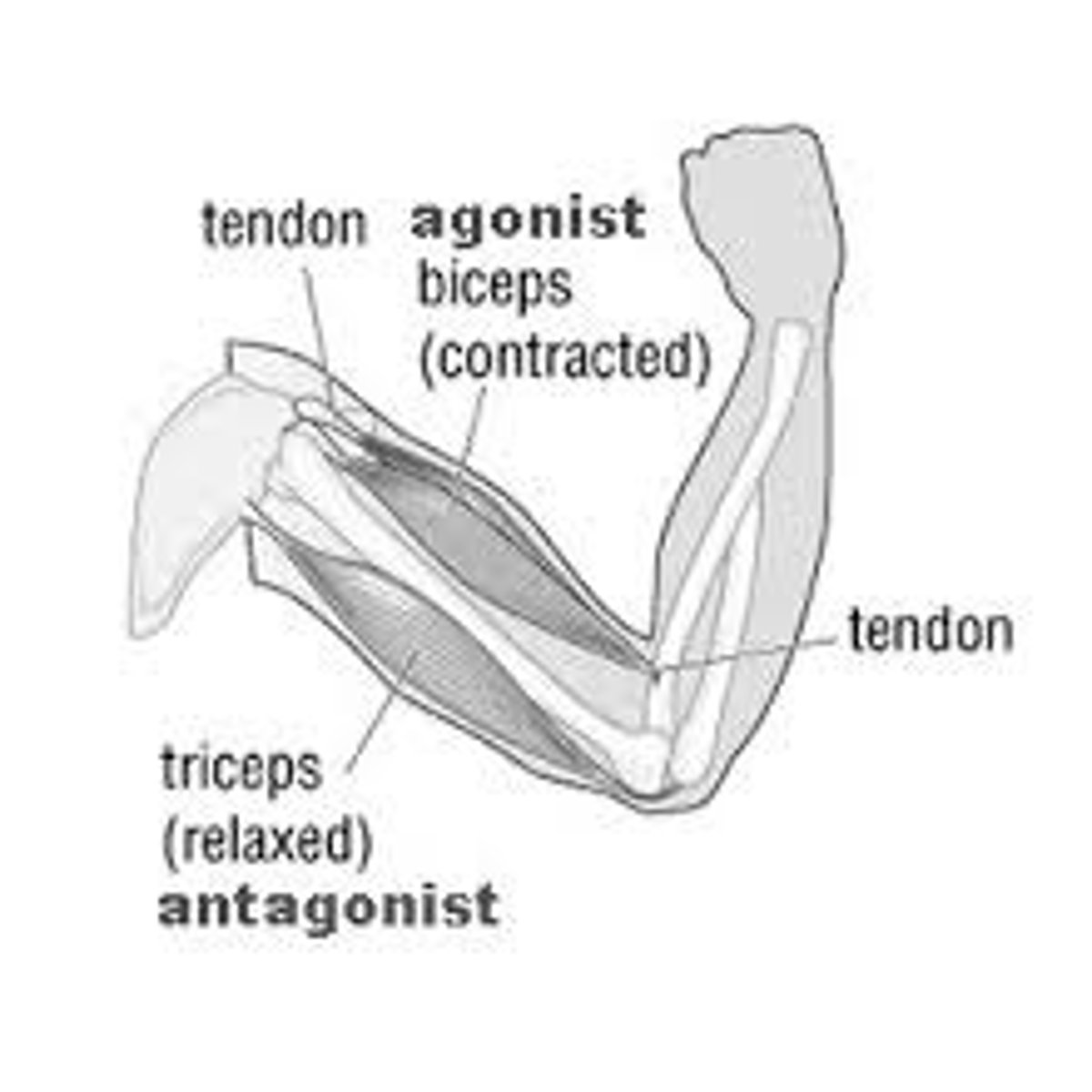
Antagonist muscle
The muscle opposite the agonist, which must relax and lengthen during contraction of the agonist.
EMG
electromyogram
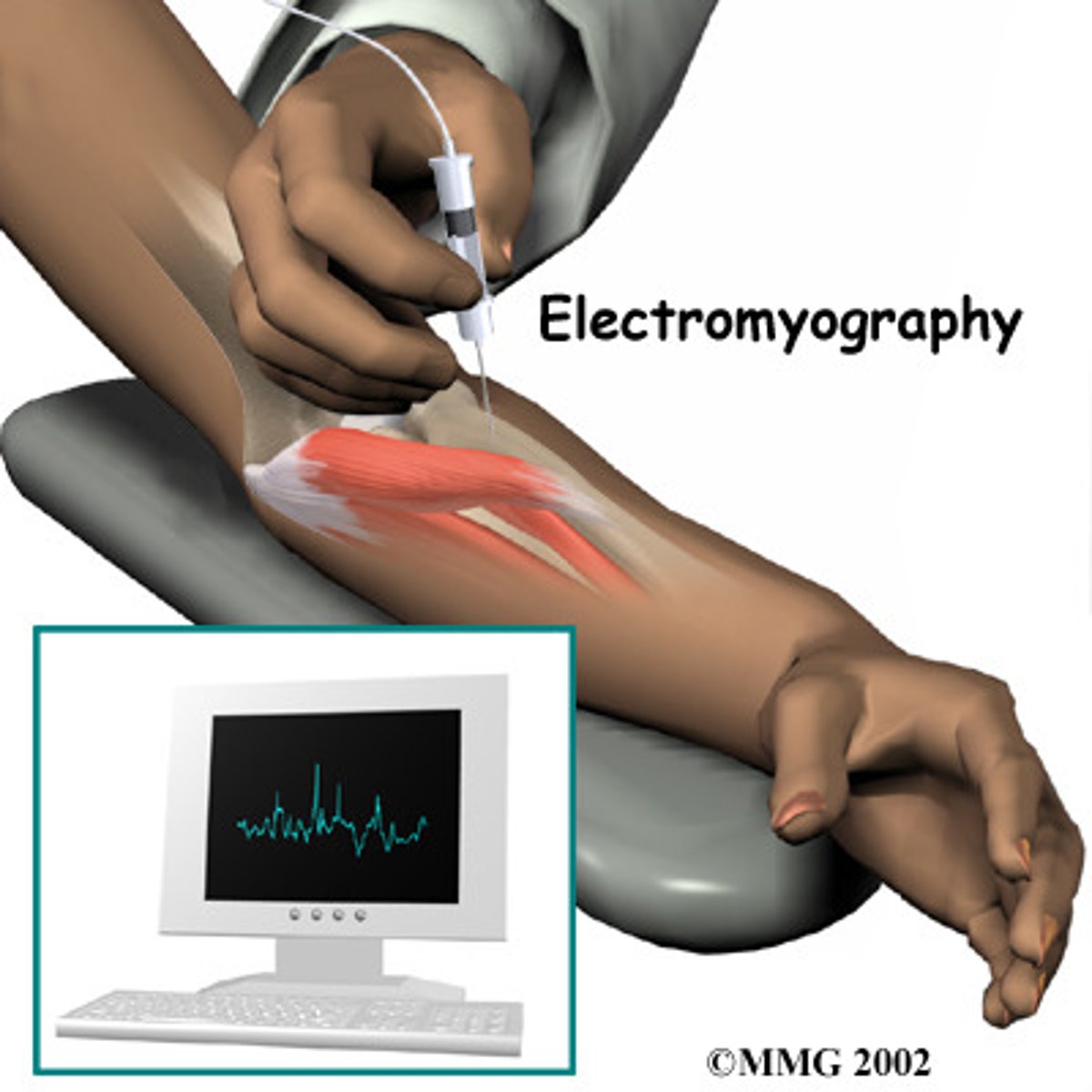
Muscle fatigue
Inability of muscle to maintain its strength of contraction or tension; may be related to insufficient oxygen, depletion of glycogen, and/or lactic acid buildup

Muscular contraction
the process in which a muscle becomes or is made shorter and tighter.