3.1 Thermal Energy flashcards
 Call Kai
 Learn
Learn Practice Test
 Spaced Repetition
 Match
Match Flashcards
1/14

There's no tags or description
Looks like no tags are added yet.
Name | Mastery | Learn | Test | Matching | Spaced | Call with Kai |
|---|
No analytics yet
Send a link to your students to track their progress
15 Terms
Thermal Energy is
heat energy
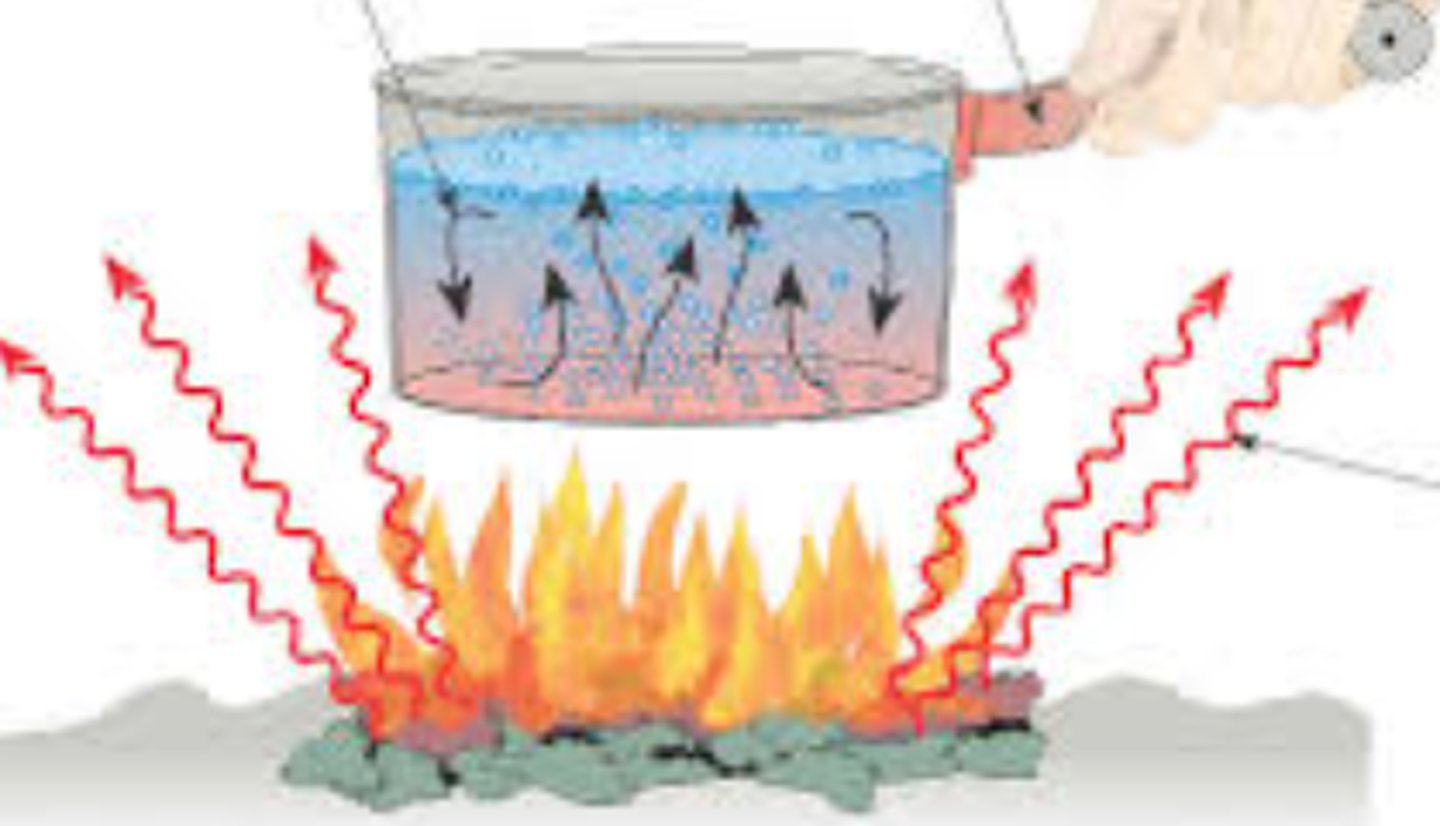
Heat is
a form of energy
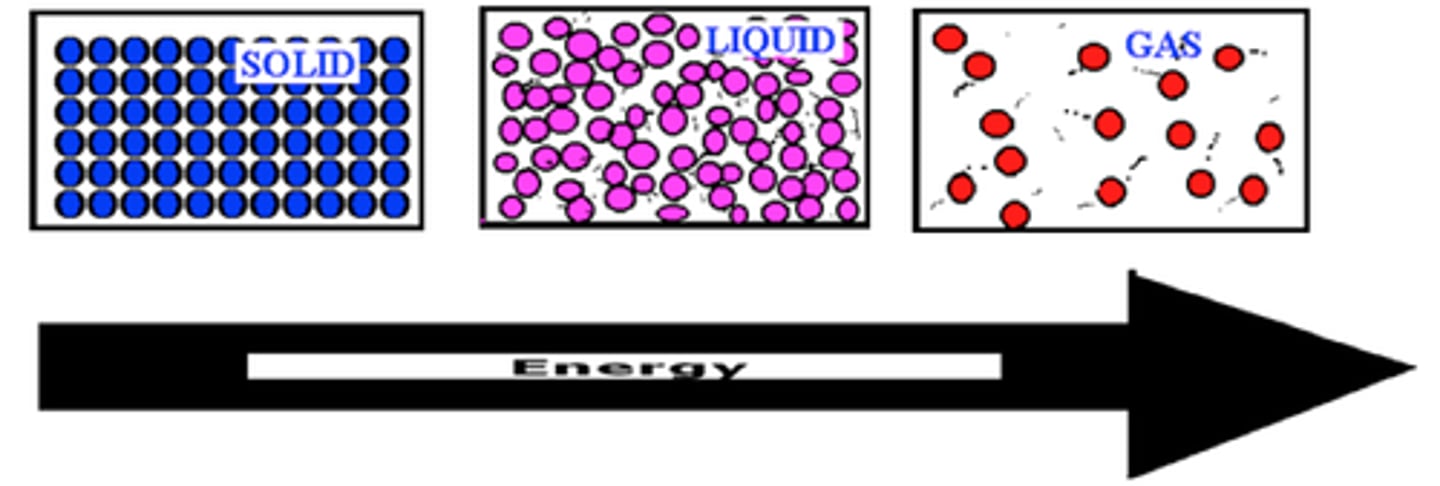
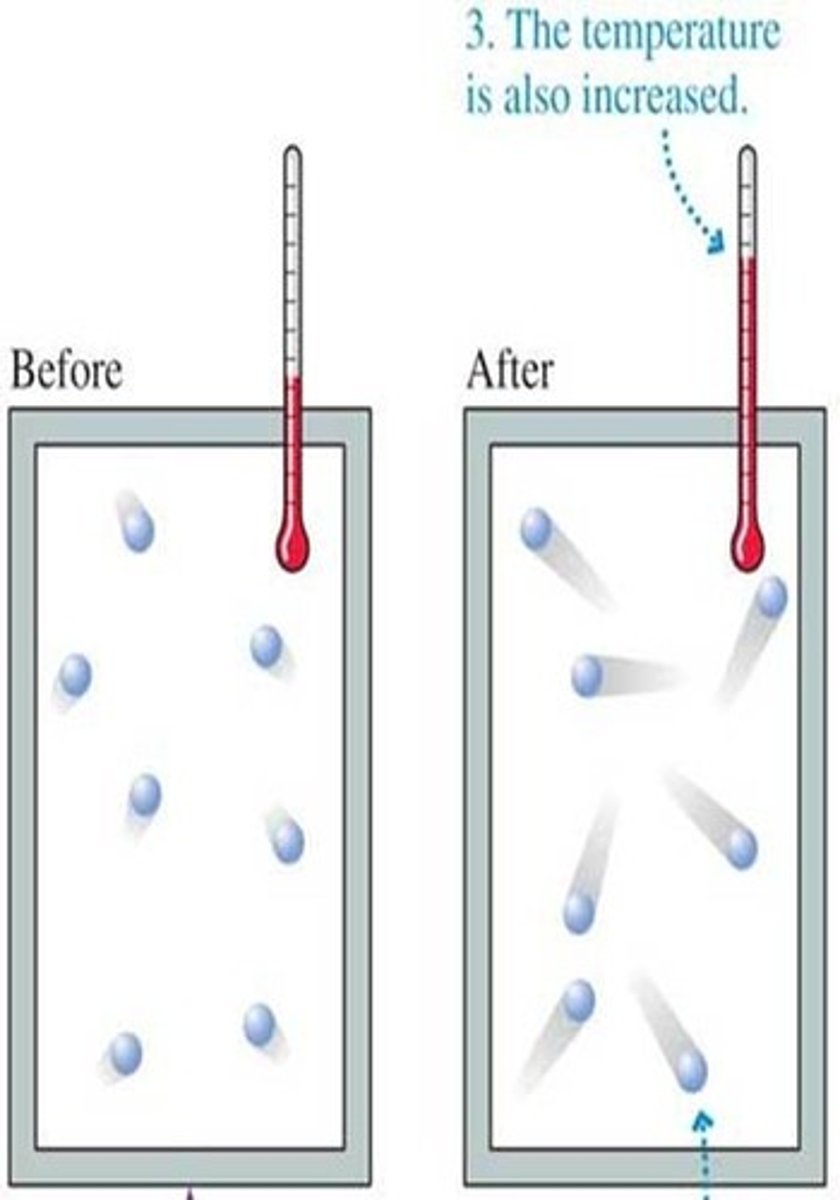
What happens to particles when heat is added?
Particles move faster with added heat, slower when colder
Light energy absorption occurs when:
light hits a surface and it gets hotter
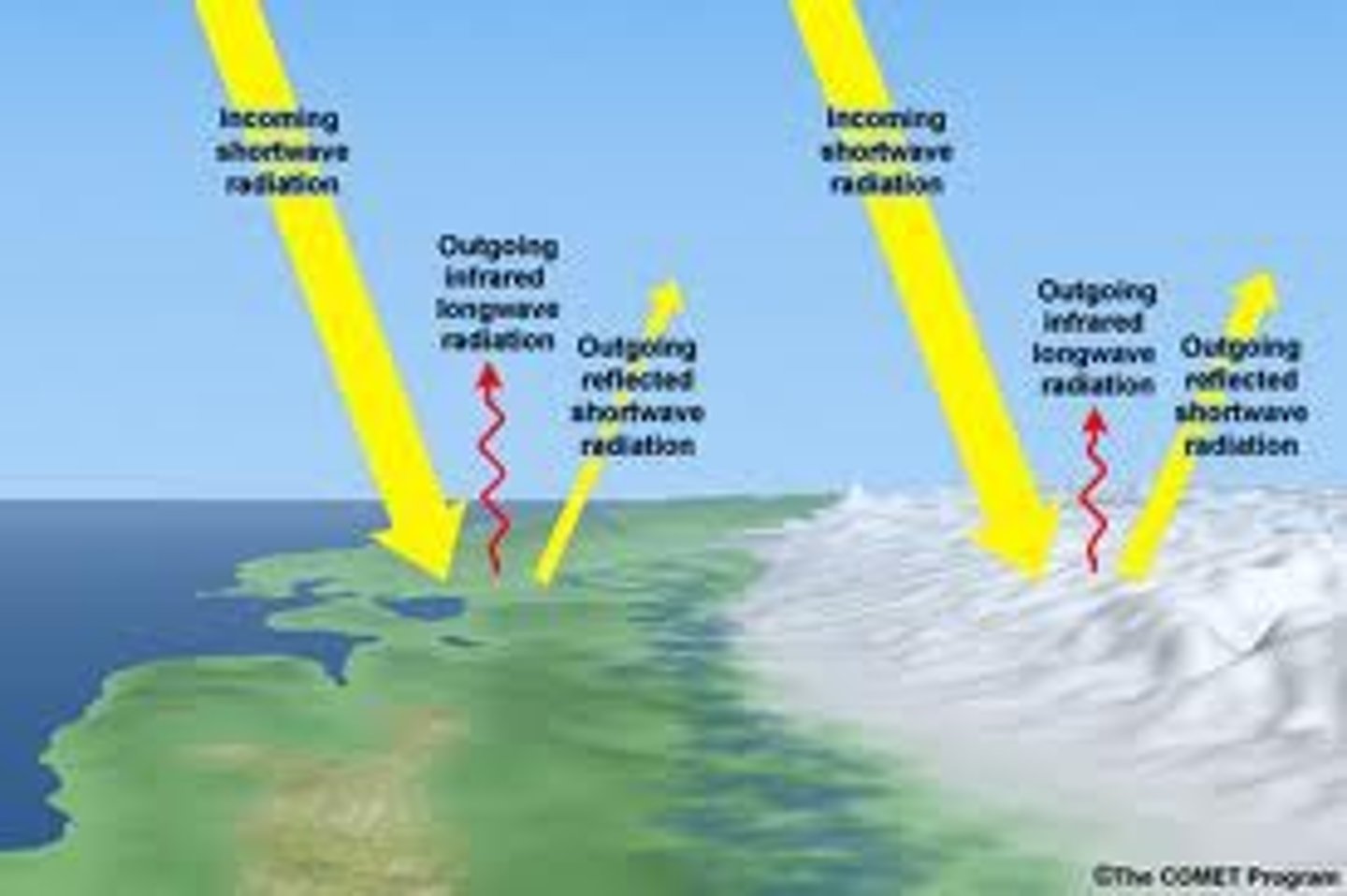
Black objects absorb
all light wavelengths and converts them to heat

Friction energy transfers
kinetic energy between objects making particles move faster.
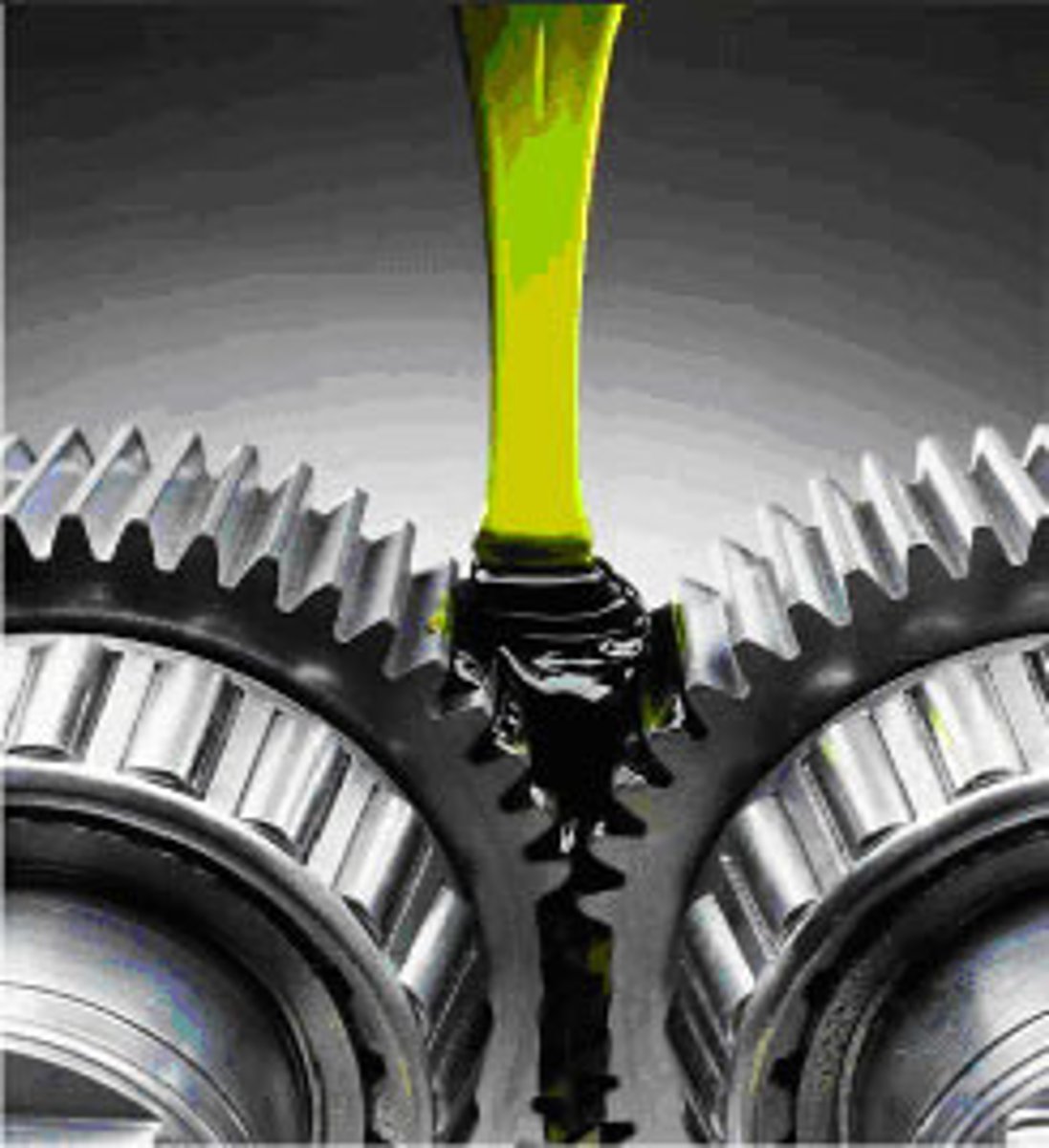
Chemical energy is released when a
chemical reaction takes place which causes particles to move faster.
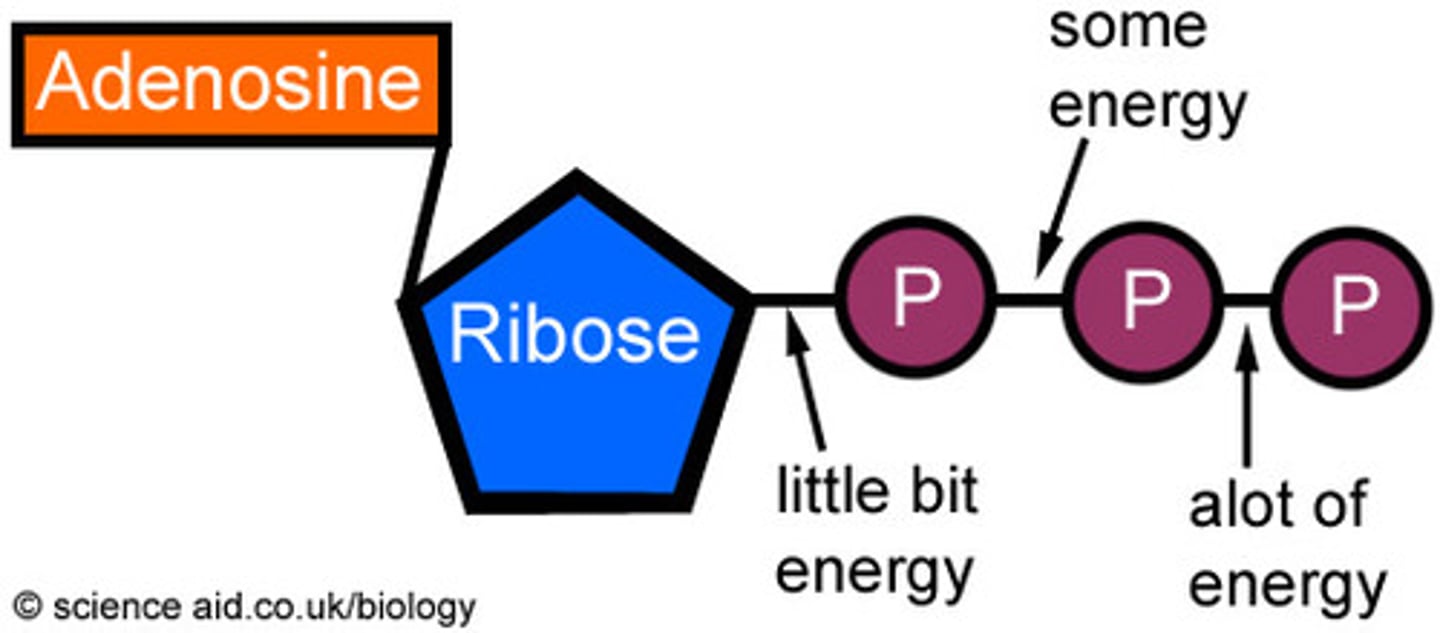
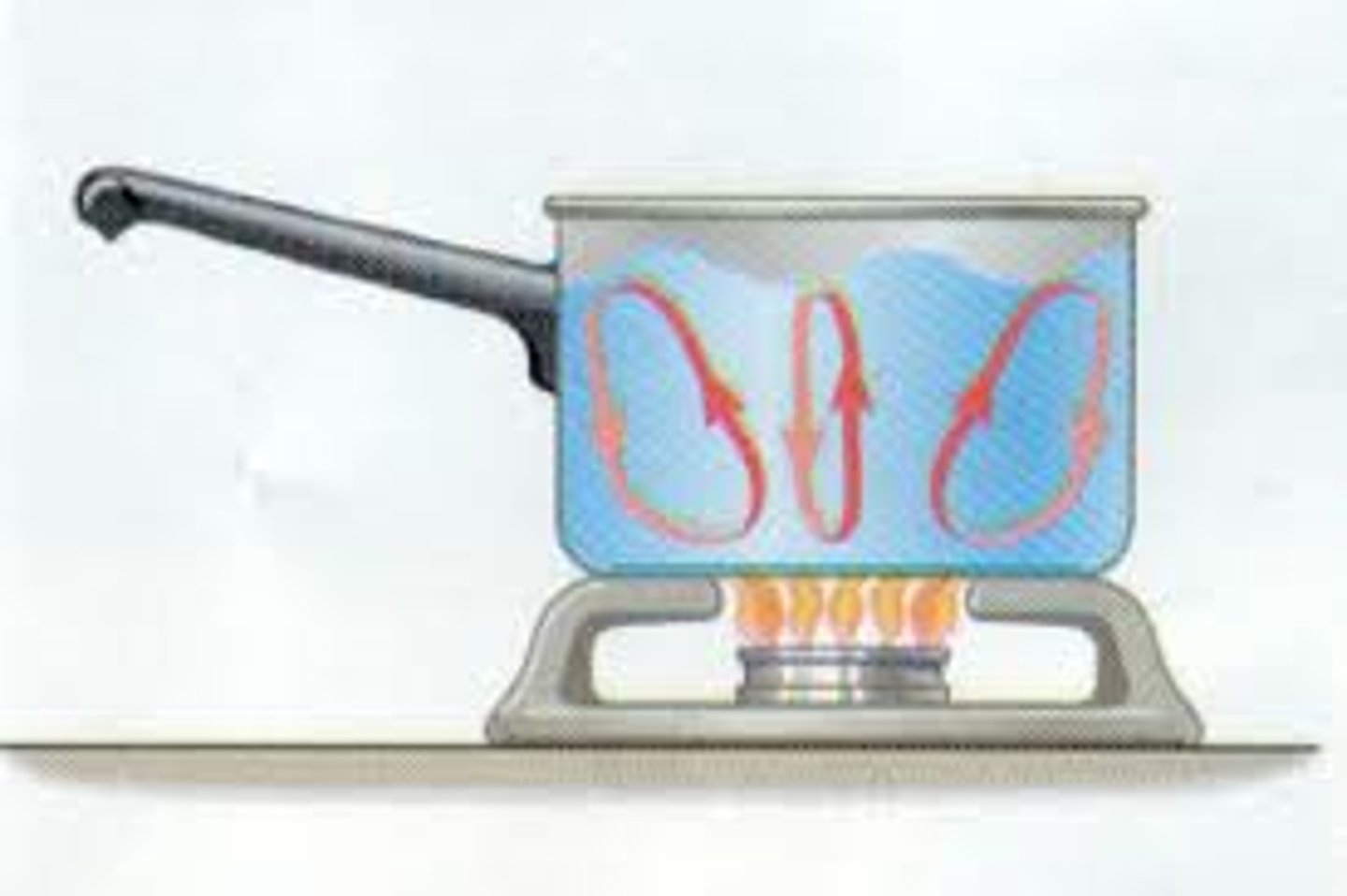
Heat Energy Transfer occurs when heat
flows from objects with more "average heat energy" to ones with less "average heat energy."
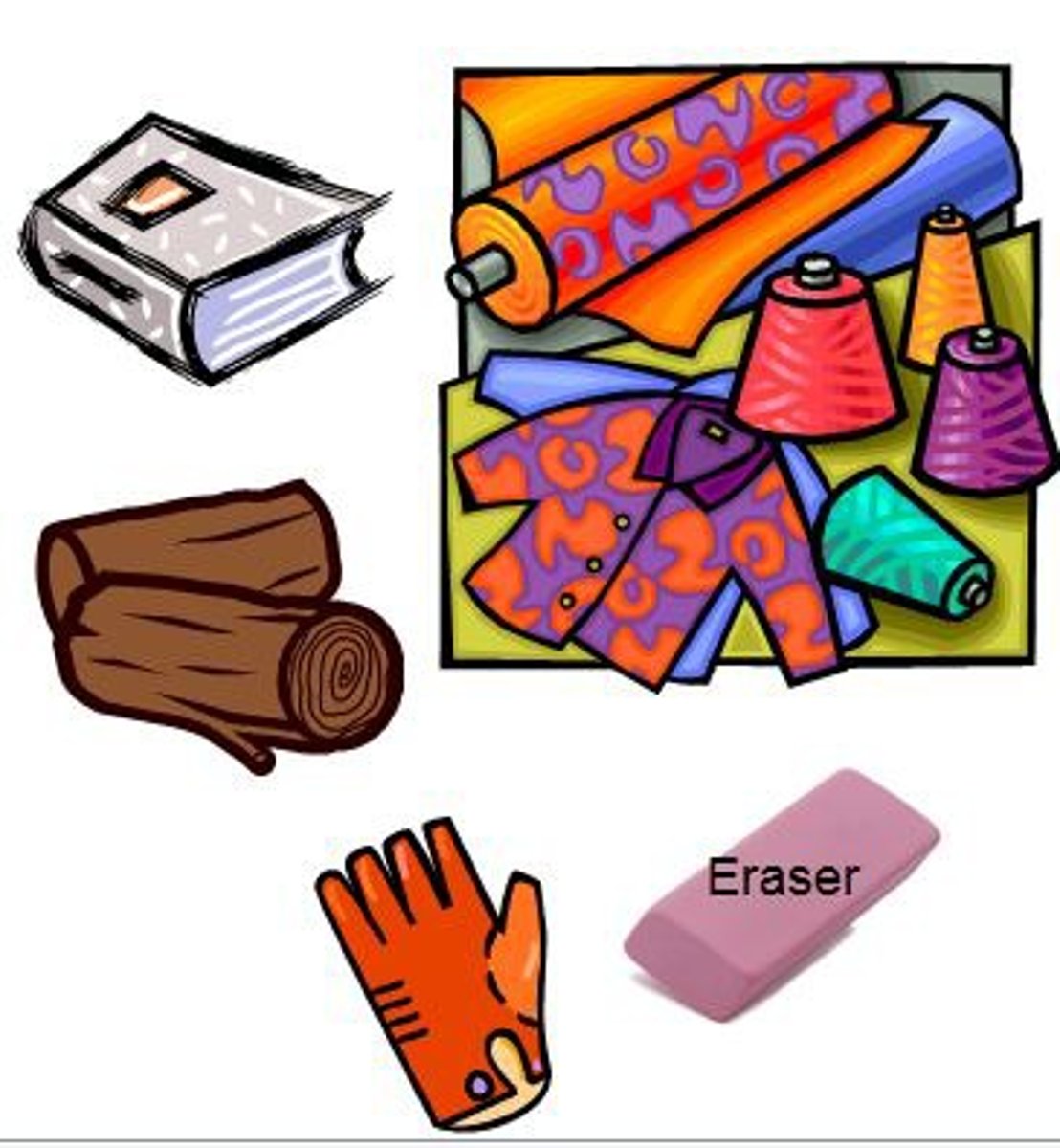
Insulators
Materials resisting heat transfer (e.g., rubber, plastic)
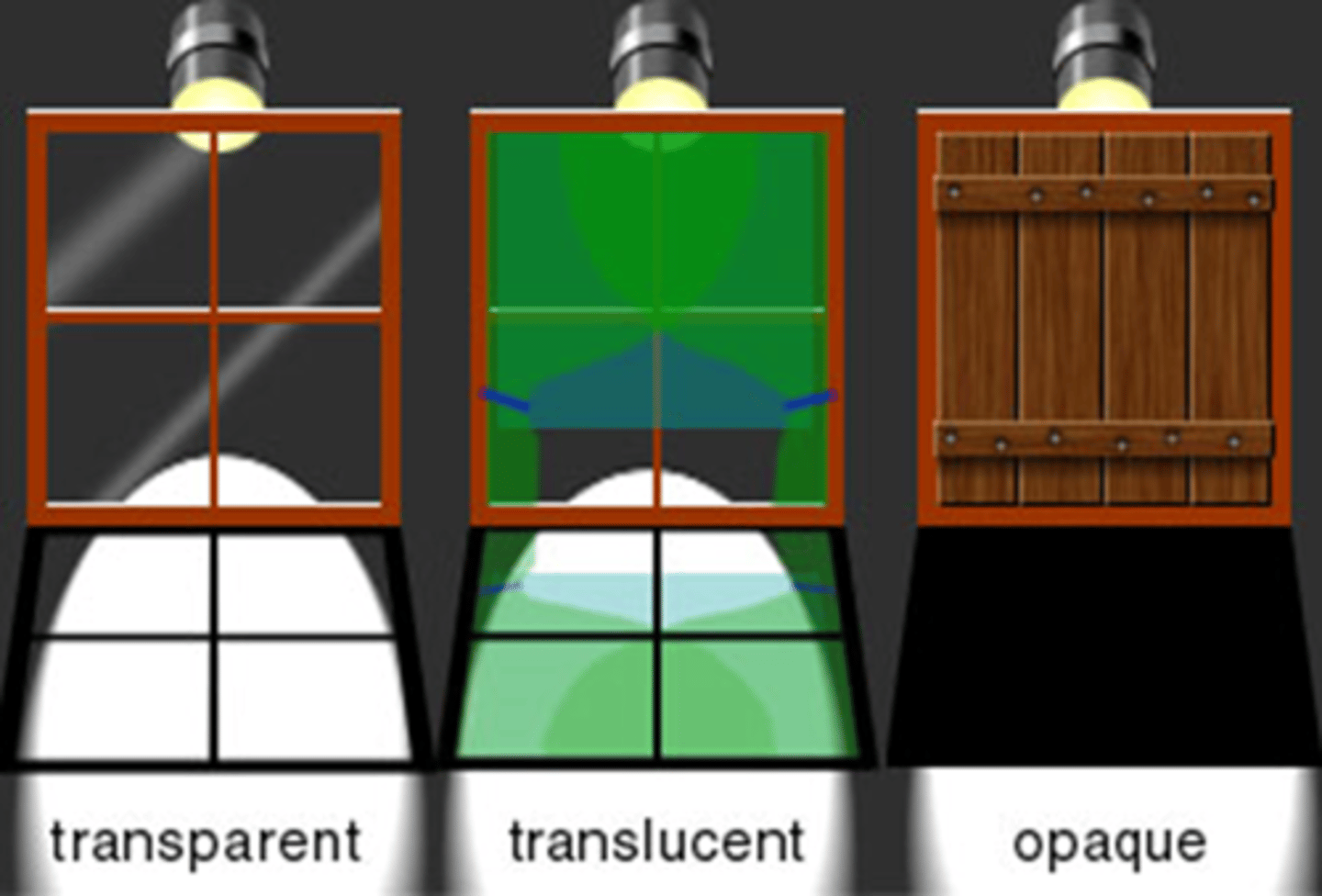
Opaque Surfaces
Do not allow light to pass through, absorb light energy
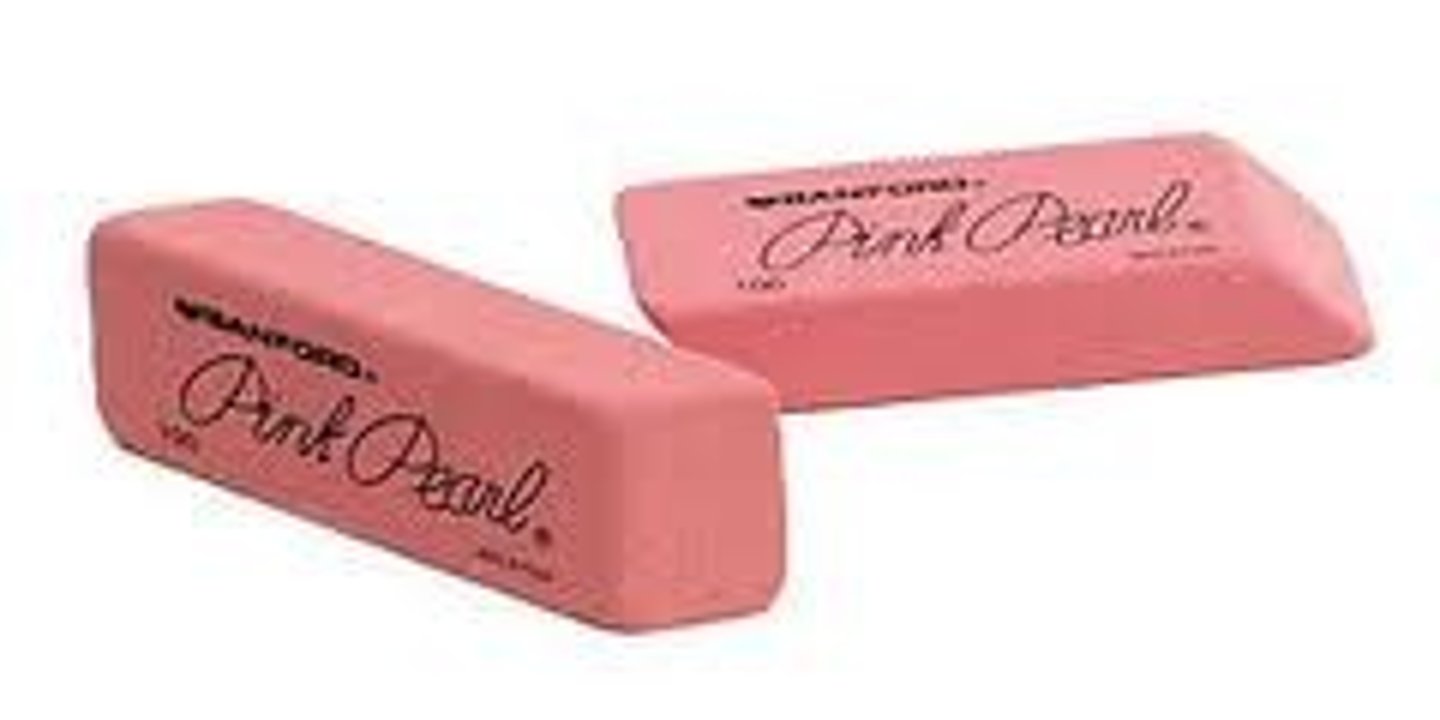
Rubber, plastic, and wood are examples of
insulators
Average heat energy
All objects have a different level
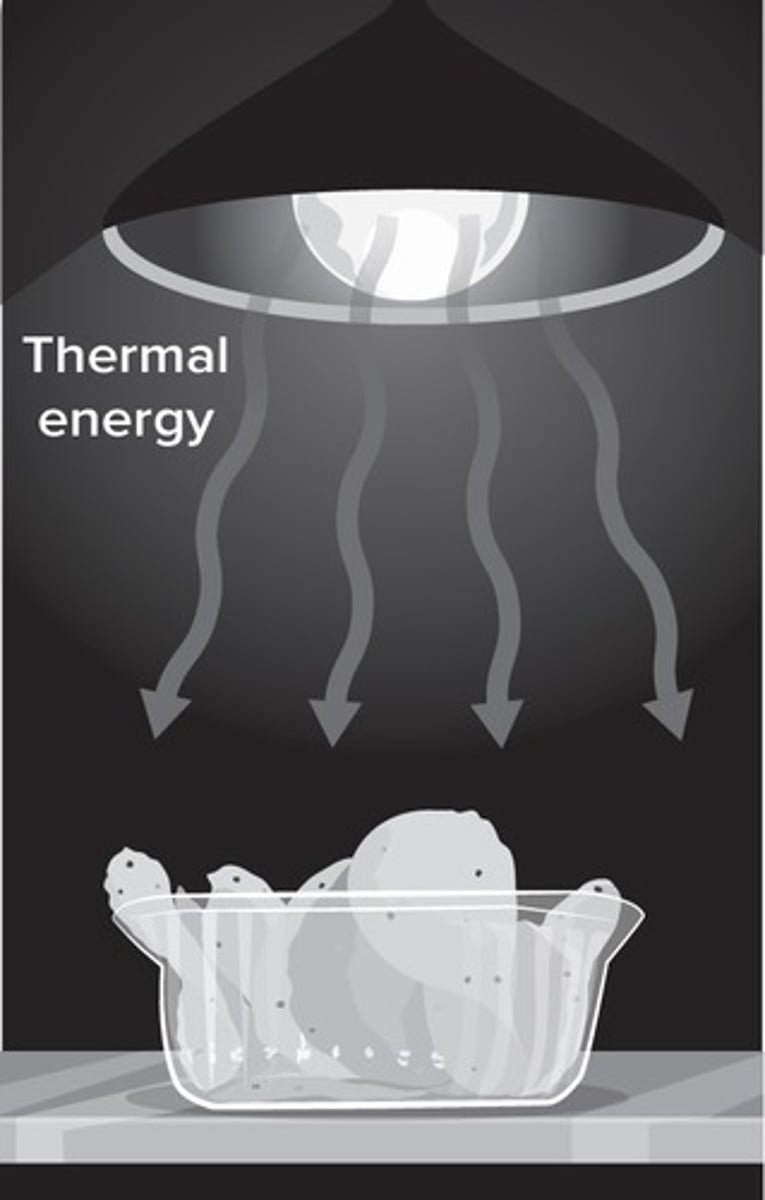
A heat lamp is an example of:
Light energy
Pushing a large rock is an example of:
Friction energy

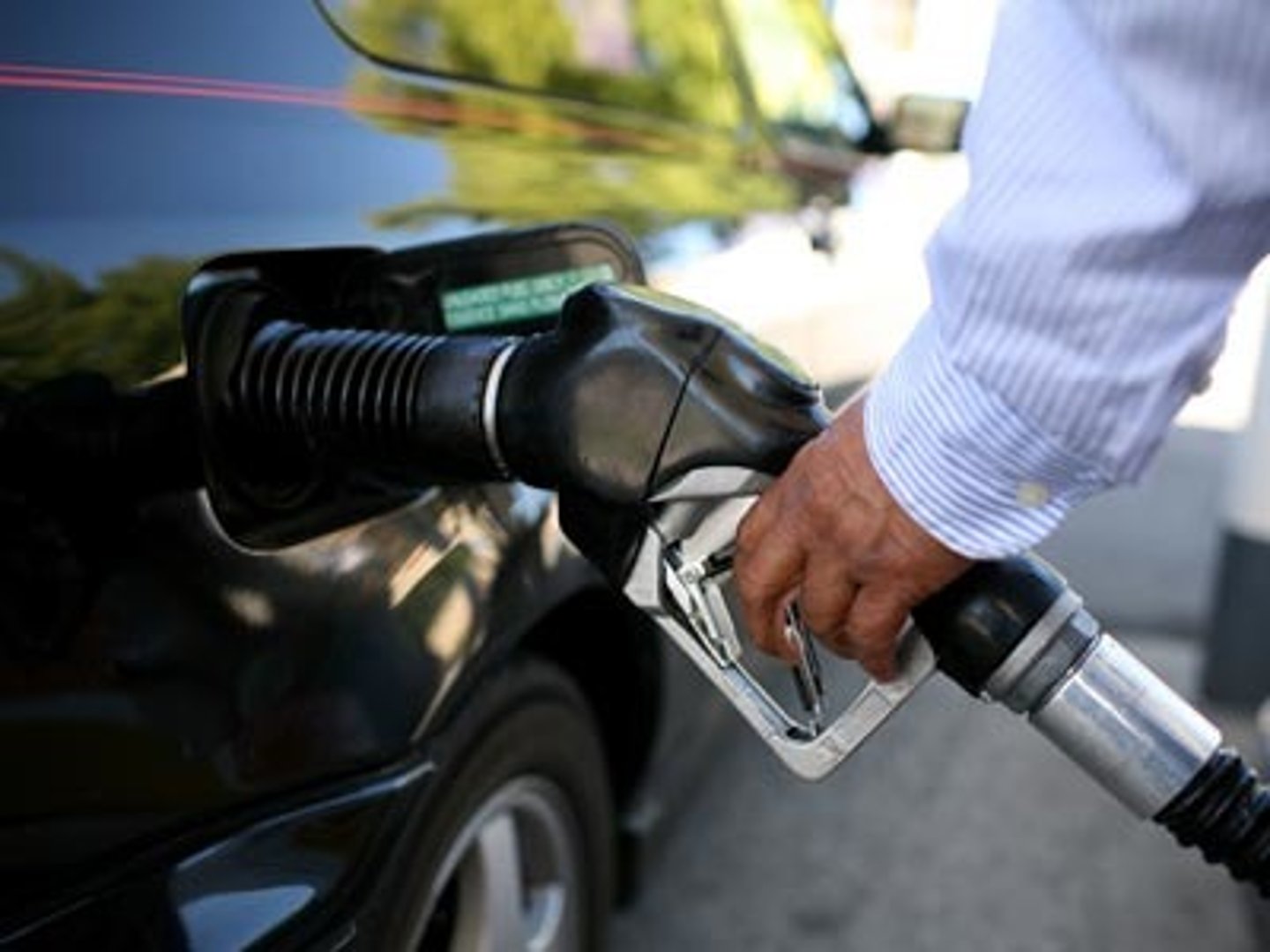
Burning oil, wood, or gas or any fuel is an example of:
Chemical energy