ISC 261 Exam Flashcards
 Call Kai
 Learn
Learn Practice Test
 Spaced Repetition
 Match
Match Flashcards
 Knowt Play
1/89

There's no tags or description
Looks like no tags are added yet.
Name | Mastery | Learn | Test | Matching | Spaced | Call with Kai |
|---|
No analytics yet
Send a link to your students to track their progress
90 Terms
What determines whether a story is newsworthy?
News Values
What news value focuses on how much a story matters to people?
Impact
Which news value relates to local relevance?
Proximity
Which news value involves famous people?
Prominence
What news value emphasizes timing or immediacy?
Timeliness
Which news value highlights unusual or unexpected stories?
Novelty
What news value focuses on emotional or personal stories?
Human Interest
Which news value involves disagreement or controversy?
Conflict
What news value helps audiences make decisions?
Helpfulness
What is a news release?
A formal document sent to media to generate coverage and build a positive brand image
What is the main purpose of a news release?
To inform, not to advertise
What should a news release NEVER do?
Promote, sell, or include discounts
What should a news release NEVER do?
Promote, sell, or include discounts
Who is the primary audience of a news release?
Journalists/editors
What structure do news releases follow
Inverted pyramid
What does the inverted pyramid mean
Most important information comes first
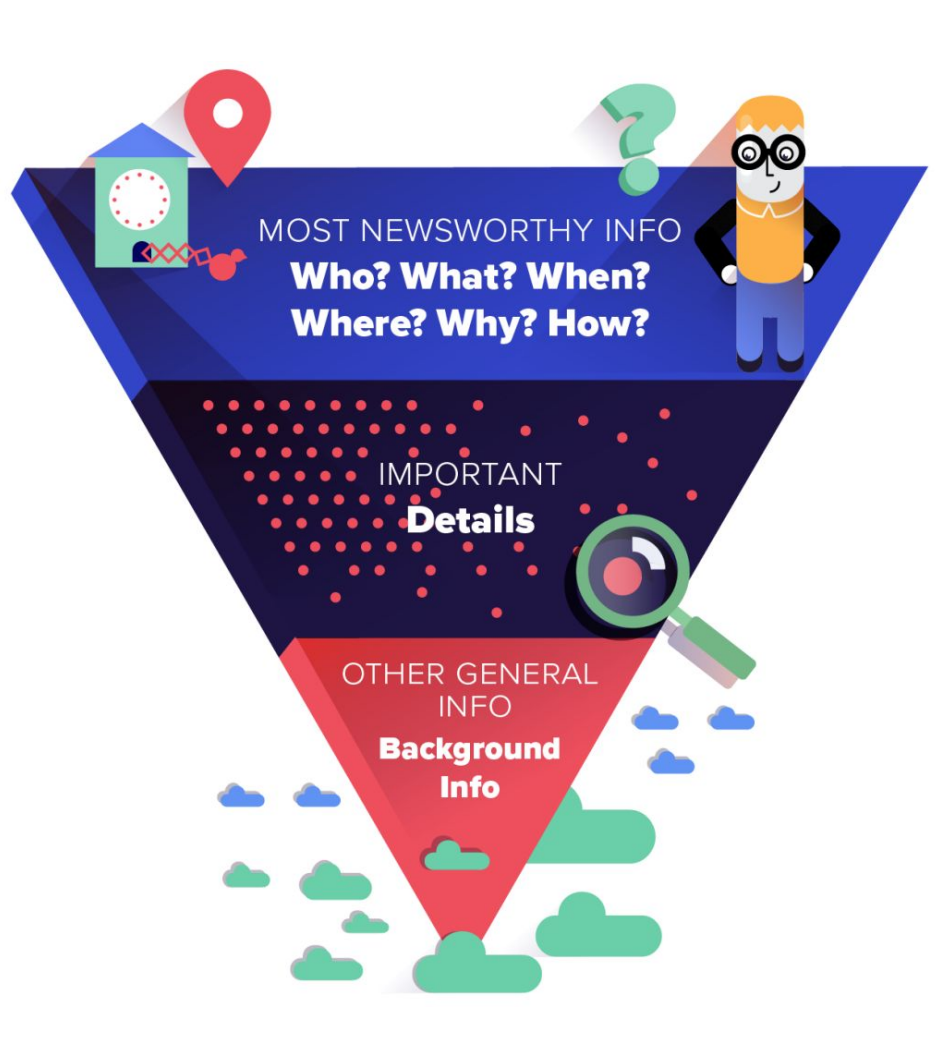
What must the lead (lede) include?
5W + 1H
(Who, what, when, where, why, and how)
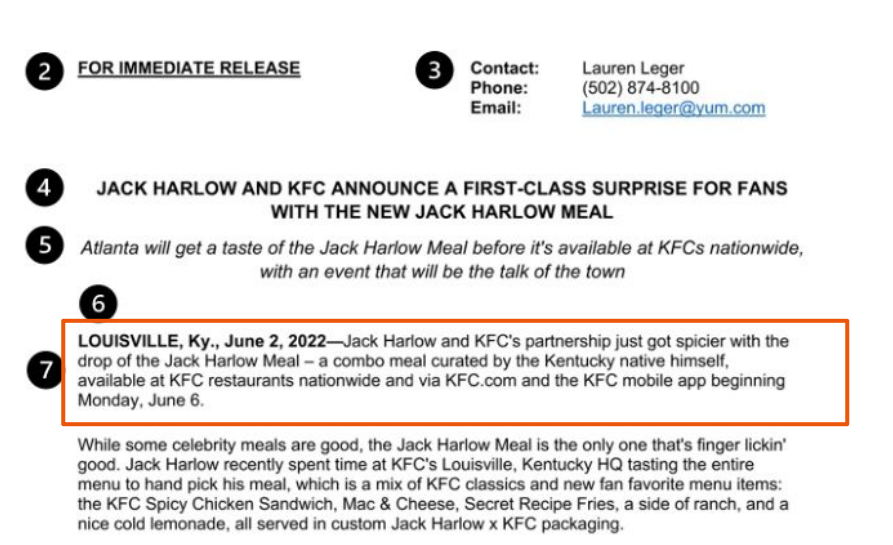
What is the “lede”?
The FIRST paragraph containing the most important information
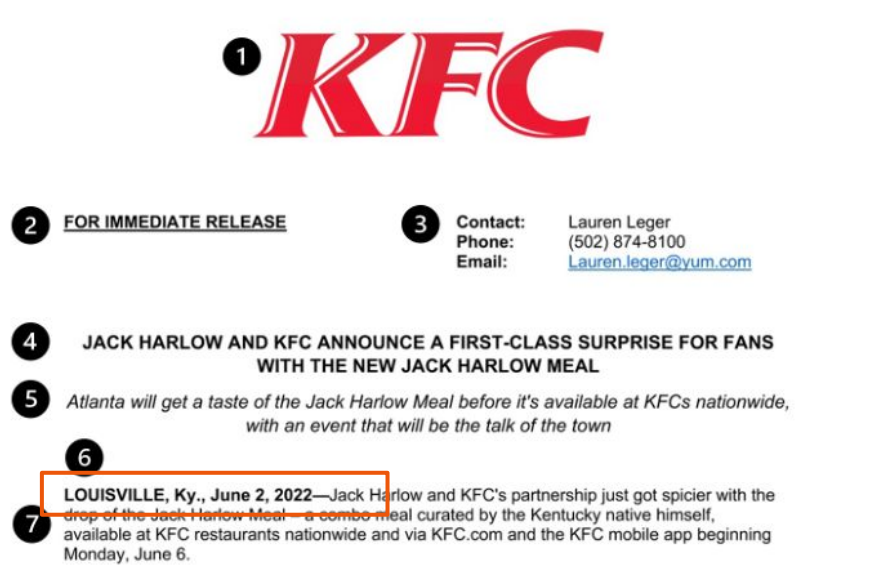
What is a dateline?
CITY, State (Month Day, Year) —
Ex: LOUISVILLE, Ky., Feb 12, 2020
MUST FOLLOW AP STYLE!!!!!!
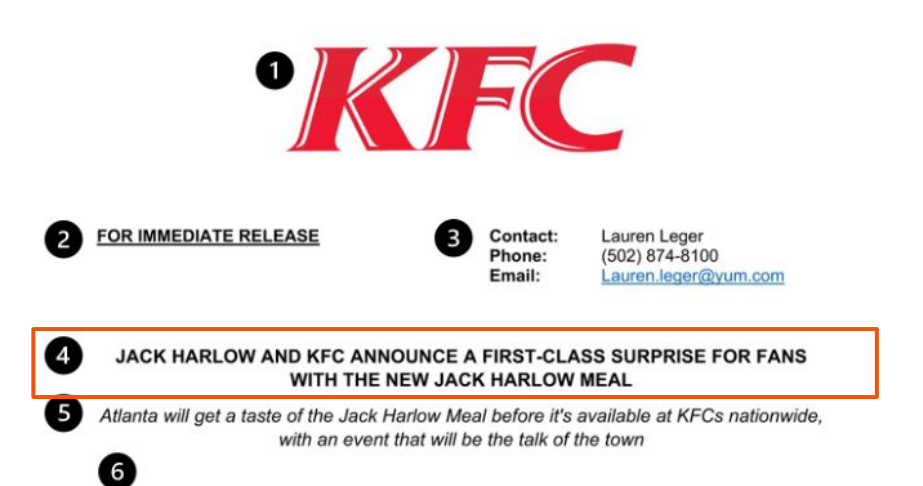
What is the purpose of the headline?
Summarize the story and grab attention
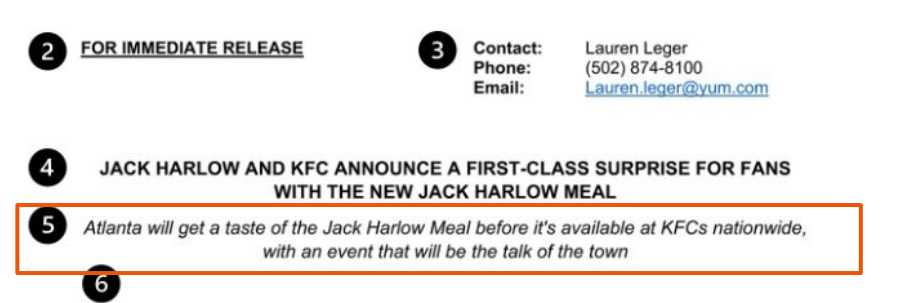
What is the deck?
A sub-headline that adds detail to the headline
sentence case and italicized?
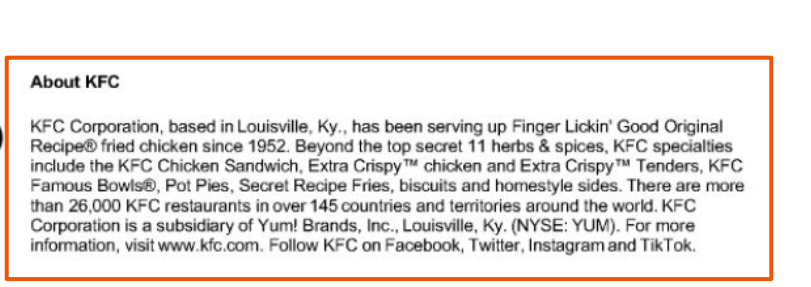
What is a boilerplate?
Standard “about the organization” paragraph
included for all the organizations involved
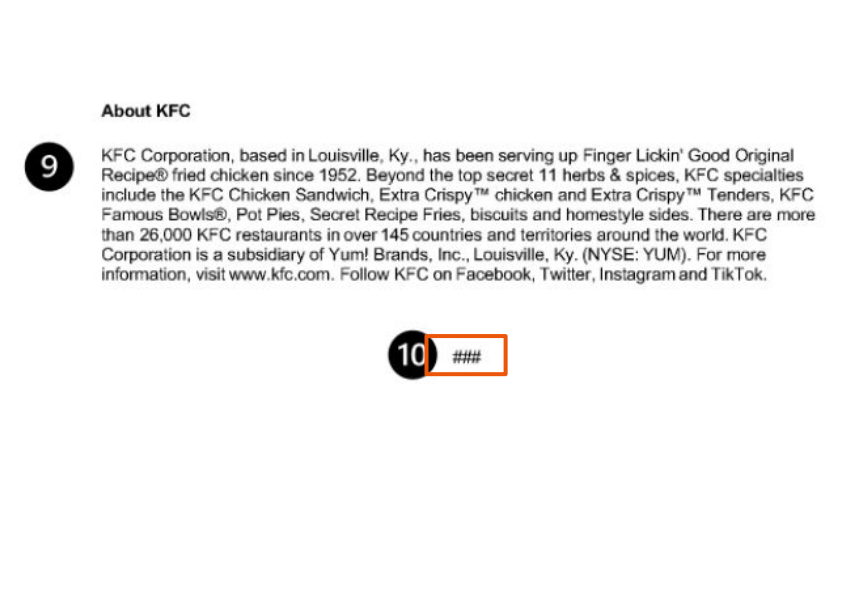
What does “###” mean at the end?
End of the release (end notation, centered)
What type of writing style do news releases use?
Expository
What is the goal of expository writing?
To inform
What perspective should PR writing use?
Third person
Why should PR writing avoid “we” and “you”?
It must remain objective and not promotional
What are the ABCs of PR writing?
Accuracy
Brevity
Clarity
What type of language should PR writing use?
Simple, direct, and factual
Should PR writing include opinions?
Only in quotes
What is objective writing?
Facts-based and neutral
Subjective writing
Opinion-based and emotional
Which is correct PR style?
The program adds 5 counselors
Why are quotes used in news releases?
To add credibility and human perspective
Who should quotes come from?
Real, credible people
What must be included in the first quote reference?
Full name + title
after they have been introduced, only use last name
What verb is most commonly used in quotes
“Said”
Types of news releases
product launch: new product to purchase
Partnership + Announcement: two entities up to do something
Event: something happening people should know about
What is the focus of a product launch release?
The product/the news is the thing itself
What is the focus of a partnership release?
The collaboration between organizations/the news is the relationship and what it will produce
What is the focus of an event release?
Event logistics (when, where, how)/ the news is something happening at a specific time and place
What is a common mistake in writing leads?
Mixing product, partnership, and event
no 5W1H specifics
What should you ask before writing a news release?
“What should a journalist tell their audience first?”
Why must a news release be easy to read?
Journalists decide quickly whether to cover it
What makes a news release more likely to be picked up?
Strong news values, clear structure, and factual writing
What is Integrated Strategic Communication?
A planning process that creates consistent messaging tailored to a specific audience over time
What are the THREE key ideas in the ISC definition you must have!!!
planning process
Relevant to a specific audience/that person
It is consistent over time
Why is consistency important in ISC?
It ensures all messages reinforce the same idea across platforms over time
What does it mean for ISC to be “audience-relevant”?
Messages are tailored to the audience’s needs, values, and behaviors
What is a creative brief?
A written contract between strategy and creative teams that guides messaging
What does situation analysis include?
Brand, industry, competitors, audience, and current conditions
What is the difference between a goal and an objective?
Goal=a broad, qualitative, open-ended direction (where you want to go)
Objective=specific, measurable, time-bound outcome/milestone (describes how you will get there)
Why are creative briefs important?
prevent random ideas
Align messaging
Save time with clear strategy
What is the purpose of a creative brief?
To explain why the message works and what should be communicated
What are the three type of goals in a creative brief?
Business goals=company aim to achieve, “top down”
Marketing goals=does marketing aim to achieve that helps accomplish business goals l
ISC goals= how do you want your customers to view your brand or product
What is a key insight?
The core idea about the audience that drives the message
Ex: clear, audience-centered, oriented to action or belief change
What is the “big idea”?
The central concept guiding all campaign messaging
What does “our offer” include?
key insight
Consumer benefit
Supporting features
What is an audience persona?
Hypothetical/fictional profile based on real research representing your target audience
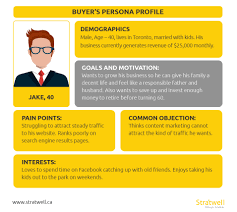
What should an audience analysis include?
demographics
Psychographics
Behavioristics
Why are personas important?
Help tailor messaging to a specific, realistic audience
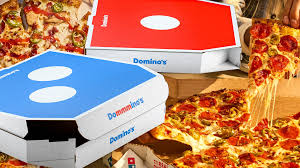
What is a direct competitor?
Same product, same audience, same problem
Ex: Papa John’s//Domino’s
Sketchers//Hoka
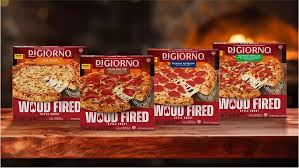
What is an indirect competitor?
Different product but same audience/customer and problem
Papa Johns’s // DiGiorno
Skechers//Crocs//Birkenstock
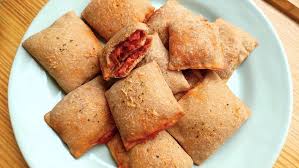
What is a replacement competitor?
Different product + different audience but same problem
Ex: Papa John’s // Pizza rolls
Skechers//Insoles//Feetures socks
What is the key questions when identifying competitors?
What problem is the customer trying to solve?
What is an integrated campaign?
A campaign where all executions work toward the same goal using the same core idea for the same audience
Ex: Dove Real Beauty Campaign
What makes a campaign “integrated”
Consistency across channels + shared message + unified goal
same outcome, same core idea, tailored to the same audience
What are the four core elements of a campaign?
goal=what is our purpose
Audience=who are we targeting?
Message=what are we saying?
Execution=how will we communicate?
What is the difference between repeating and reinforcing a message?
Repeating=saying the same thing
Reinforcing=adapting message across platforms while keeping meaning
What is a campaign objective?
A measurable change in audience (awareness, audience, or behavior)
What are audience insights?
What the audience cares about, feels, and struggles with.
What is a key insight in a campaign?
The most important idea driving behavior or belief change
What are supporting messages?
Details that reinforce the main idea across platforms
the benefits and features that reinforce the key insight
Social=relatability
PR=credibility
Email=action
What is a media plan?
The process of deciding how, when, and where to deliver messages
What is the difference between a creative brief and a media plan?
Creative brief= blueprint what to say and how to say it
Media plan=where, when, and how often to say the message
What are the 5 steps in media planning?
1.) Prepare situation analysis
2.) Objectives
3.) Channel & Vehicle Strategy
4.) Tactical Plan
5.) Evaluation & Measurement
What is a channel?
Broad medium (TV, social media, print)
What is a vehicle?
Specific platform (Instagram, Disney+, Glamour Magazine
What is reach?
Percentage of target audience exposed to your message at least once during a specific time period
What is frequency?
Average number of times a reached person sees the ad within a specific period
What are GRPs?
Gross Rating Points
reach x frequency
What determines channel selection?
where audience is
Their mindset
What the message needs
Why does audience mindset matter in media planning?
People respond differently depending on what they are doing/feeling
Why use social media in campaigns?
Engagement + relationship building
Why use PR in campaigns?
Credibility, reach, awareness, third-party validation
Why use video?
Emotional storytelling/connection
Why use email?
Direct, personalized ACTION
How do these planning documents connect?
Audience analysis= explains WHO your target is
Media plan= guides HOW, WHERE, and WHEN you will reach the target
Creative brief= guides WHY your brand should appeal to the target and WHAT the message is
Why do campaigns fail?
no clear goal
Inconsistent messaging
Poor audience understanding
Weak integration
What is a strong core message?
It is a SINGLE, persuasive idea that drives behavior, belief, or action