Exam 2 Terms
 Call Kai
 Learn
Learn Practice Test
 Spaced Repetition
 Match
Match Flashcards
 Knowt Play
1/55

There's no tags or description
Looks like no tags are added yet.
Name | Mastery | Learn | Test | Matching | Spaced | Call with Kai |
|---|
No analytics yet
Send a link to your students to track their progress
56 Terms
chitin
a nitrogenous polysaccharide bonded with protein in order to make the hard exoskeleton in arthropods
malpighian tubule
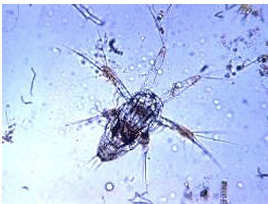
nauplius
ancestral larval stage of crustaceans
lyriform organ
specialized structures used in Arachnida for vibrational detection
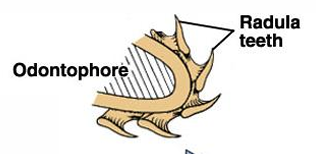
radula
a scraping mechanism used in feeding of Gastropods with teeth-like projections
torsion
in Orthogastropods, where the body and internal structures undergo twisting in order to fit into a shell
stellate ganglion
found in Crustaceans, part of the nervous system to control motor activity, sensory input/output - typically in a star-like shape
chromatophore
Used in cephalopods for color changing patterns in foraging, communication, and defense
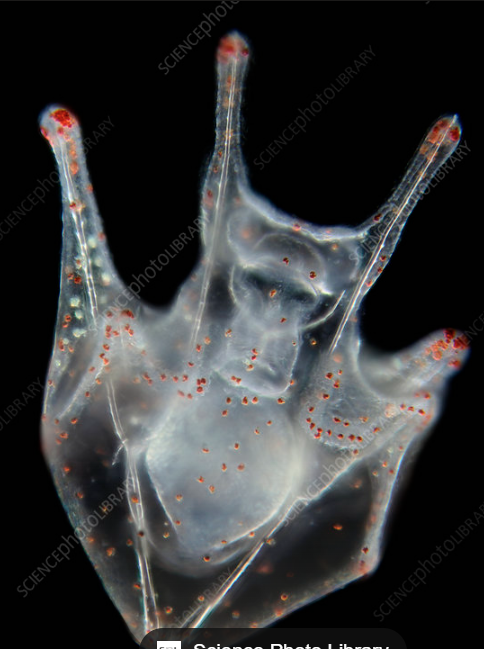
ophiopluteus
the free-swimming larva form of brittle stars (Ophiuroidea) that exhibits bilateral symmetry
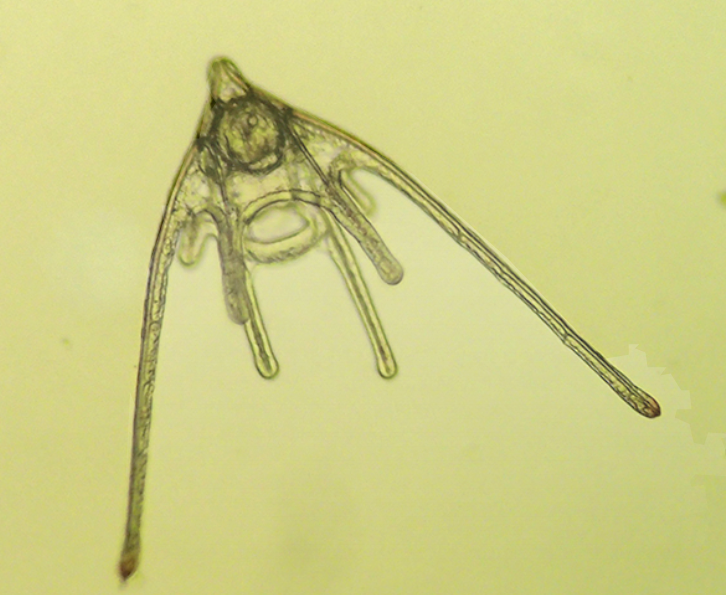
echinopluteus
free-swimming larval stage of sea urchins & sand dollar (Echinoidea) with bilateral symmetry
notochord
a flexible, rod-like structure that runs along the dorsal side of the body, allowing efficient movement, a defining characteristic of phylum Chordata
enterocoely
deuterostomate developments where the coelom forms from enteric pouches
polytomy
a pattern found on a phylogenetic tree where one ancestral lineage splits into 3 or more descending lineages at one point, usually as the result of insufficient data
Ecdysozoa
includes arthropods and nematodes because they share an ancestor with a molted cuticle
sclerotization
A process found in Arthropods where the cuticle, outer covering, becomes hardened and stiff to protect them from dessication and predators
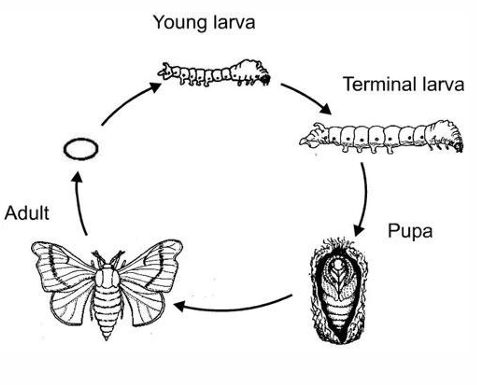
holometabolous
insects which undergo complete metamorphosis at adulthood
megalops
crustacean larval stage for Decapods
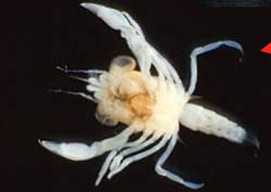
pedipalp
specialized appendages near the mouth in phylum Arthropoda, specifically important in Class Arachnida, positioned behind chelicerae for sensory, feeding, defense, and reproduction in males
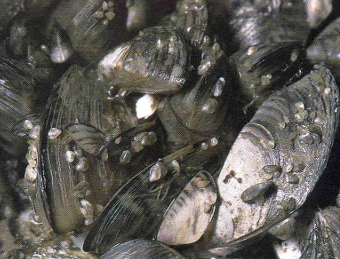
zebra mussel
freshwater mussel native to Eastern Europe (Black Sea, Caspian Sea, Aral Sea)
- invaded western European waters in 1700s
- arrived in US in ballast water of European ships bringing cargo to the Great Lakes mid-1980s
- clogs intake pipes, sewers, ship bottoms because it attaches to vegetation and other rmolluscs
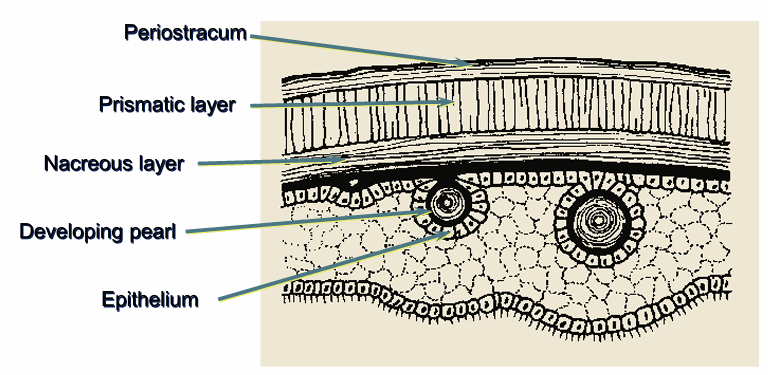
nacreous layer
characteristic of phylum Mollusca; made of calcium carbonate and proteins to protect the shell from cracking and produces pearls
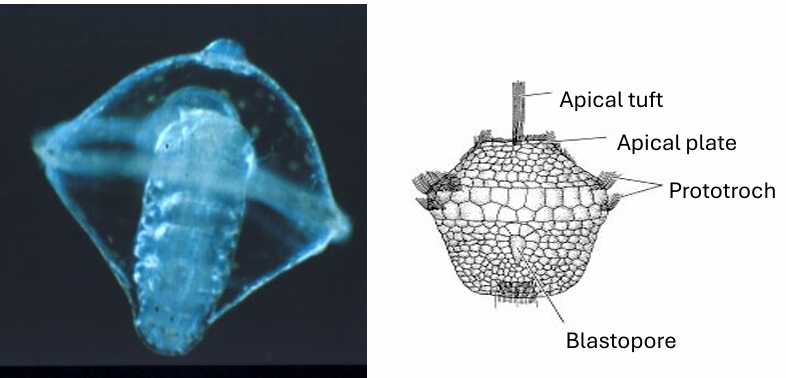
trochophore
larval stage common to polychaete annelids and molluscs
Aristotle’s lantern
mouth structure found in regular sea urchins (echinoids) that contains 5 teeth
brachiolaria
second larval stage in starfish (Asteroidea) that develop from bipinnaria to become bottom-dwelling
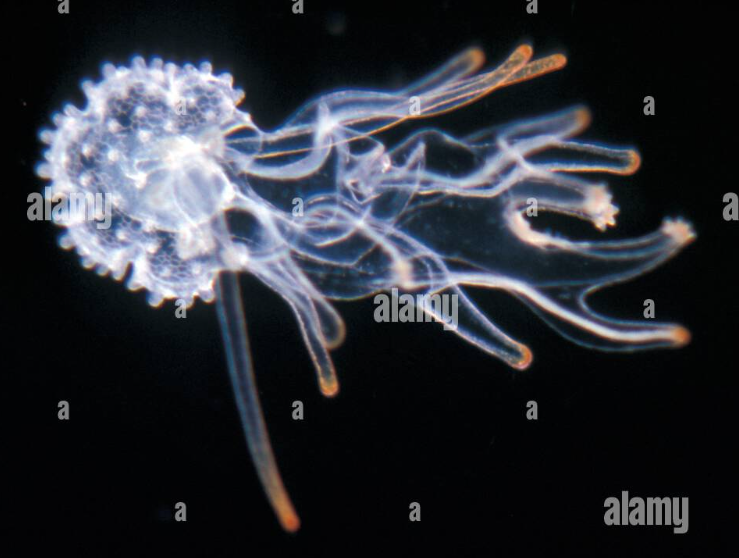
lophophore
a u-shaped set of ciliated tentacles used in filter feeding
myomeres
segmented muscle blocks separated by connective tissue to power locomotion like swimming in chordates
schizocoely
protostomate development where the coelom forms from split in mesoderm
clade
group of organisms that includes a single common ancestor and all of its descendants forming a complete branch of a phylogenetic tree
Lophotrochozoa
Includes molluscs and annelids because they share an ancestor with trochophore larva
ecdysone
molting hormones released once environmental cues stimulate the CNS
spiracle
small openings found in arthropods that regulate gas exchange and respiration
zoea
another crustacean larval stage for decapods
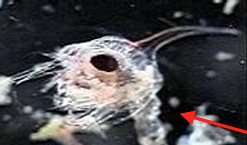
book lungs
characteristic of class Arachnida, a series of thin plates arranged like the pages of a book to provide extensive surface for gas exchange
odontophore
within the radular membrane that has muscles to protract and retract the radula in feeding
hypostracum
in arthropods and molluscs, it is the innermost layer of the cuticle that lies above the hypodermis (arthropods) or mantle (mollusca) for support
glochidia
freshwater clam larvae specialized for temporary parasitism on gills of fish
podia
in echinoderms, they are small branched projections from the body wall that function like gills to allow animals to absorb oxygen form water
doliolaria
larval stage of class Crinoidea, barrel-shaped and emerges from the auricuaria larval stage
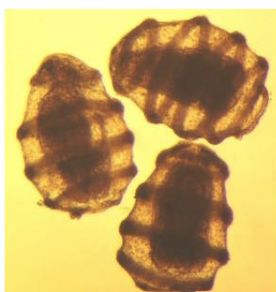
pedicle
characteristic of Brachiopods, that is, a specialized stalk-like or fleshy appendage that allows them to attach to the substrate
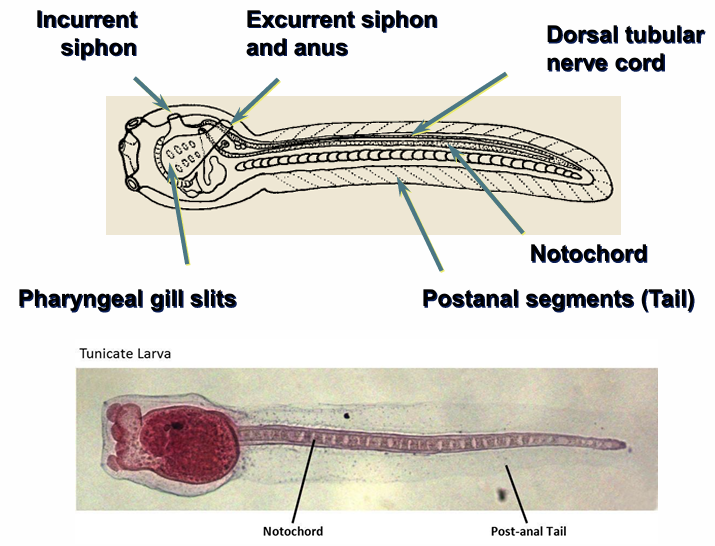
tadpole larva
larval stage for Urochordates
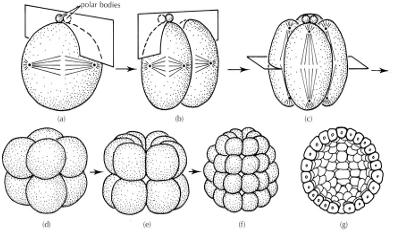
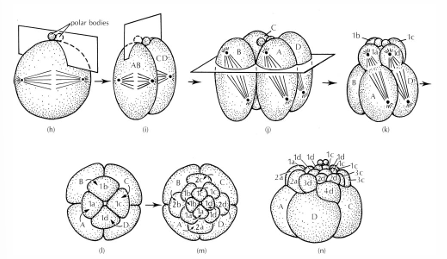
radial cleavage
indeterminate development of cells
synapomorphy
a shared, derived characteristic by 2 or more taxa that is present in their most recent common ancestor (defines clades)
protostomate
spiral cleavage with determinate (mosaic) development (cells have pre-determined fate)
- mouth forms first
metamorphosis
ommatidium
found in phylum Arthropoda, it is a tiny, complete ‘eye subunit’ within a compound eye which is made up of 100s of these units
biramous
appendages found in Crustaceans that have a secondary structure or gill that aids in respiration
spinneret
a specialized structure found in the class Arachnida, where silk glands produce silk and is excreted through these, where the air hardens it for practical usage
ctenidia
characteristic of phylum mollusca, they are specialized comb-like gills for respiration, gas exchange, and filter feeding
cerrata
specialized appendages for feeding on Cnidarians where they sequester their nematocysts for defense
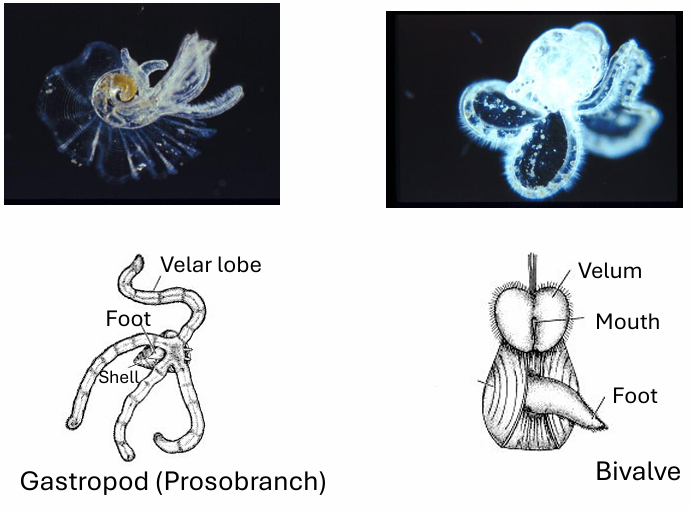
veliger
Larval stage of gastropods and bivalves
- has a velum for swimming & feeding
- torsion stage in gastropods
bipinnaria
free-swimming larval stage in most starfish (Asteroidea), typically transforms into brachiolaria larva which has additional arms for adhering to things
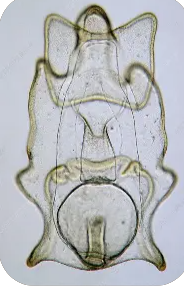
auricularia
free-swimming larval stage for sea cucumbers (Holothuroidea)
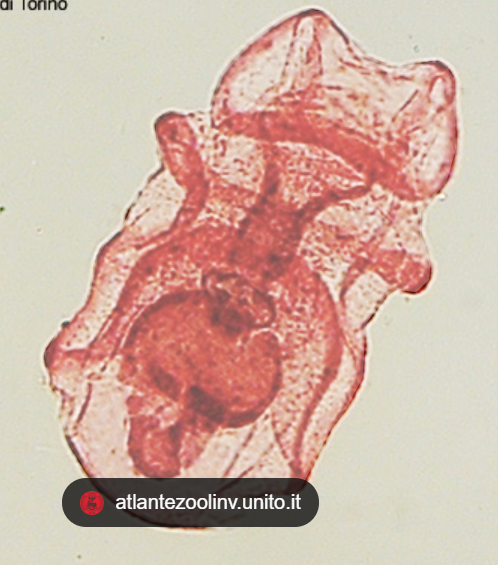
zooid
an individual living unit within the colonial organism that are encased in the zooecium and can be specialized for different functions
tunic
a rough outer covering that surrounds the body of the animal to provide protection, characteristic of phylum urochordata
spiral cleavage
determinate development of cells
symplesiomorphy
shared ancestral trait that is found in 2 or more groups (ie. bilateral symmetry)
deuterostomate
radial cleavage with indeterminate (regulative) development of cells (anus forms first)