Basic Cooking Methods

0.0(0)
Studied by 0 people
call kaiCall Kai
learnLearn
examPractice Test
spaced repetitionSpaced Repetition
heart puzzleMatch
flashcardsFlashcards
GameKnowt Play
Card Sorting

1/12

flashcard set

Earn XP

Description and Tags

pp. 16-18, Chapter 2 "Cooking Methods, Seasonings, Ingredients, and Units of Measure"

Last updated 10:31 PM on 4/11/26
Name
Mastery
Learn
Test
Matching
Spaced
Call with Kai

No analytics yet

Send a link to your students to track their progress

13 Terms
1
New cards
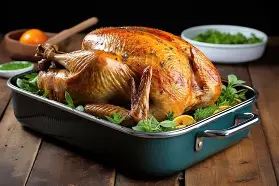
<p>Bake | DRY</p>

Bake | DRY

Cooking in an oven using dry heat.

• Preheat oven using the timer. Use shallow pans to control airflow.

• Examples: Honey baked ham, cookies.
<p>Cooking in an oven using dry heat.</p><p>• Preheat oven using the timer. Use shallow pans to control airflow.</p><p>• Examples: Honey baked ham, cookies.</p>
2
New cards
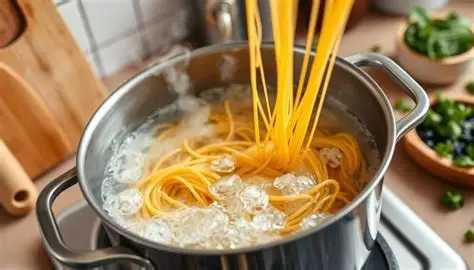
<p>Boil | WET</p>

Boil | WET

Cooking in a liquid heated to its boiling point.

• Large amounts of liquid take longer to boil.

• Examples: Fettuccini, wild rice
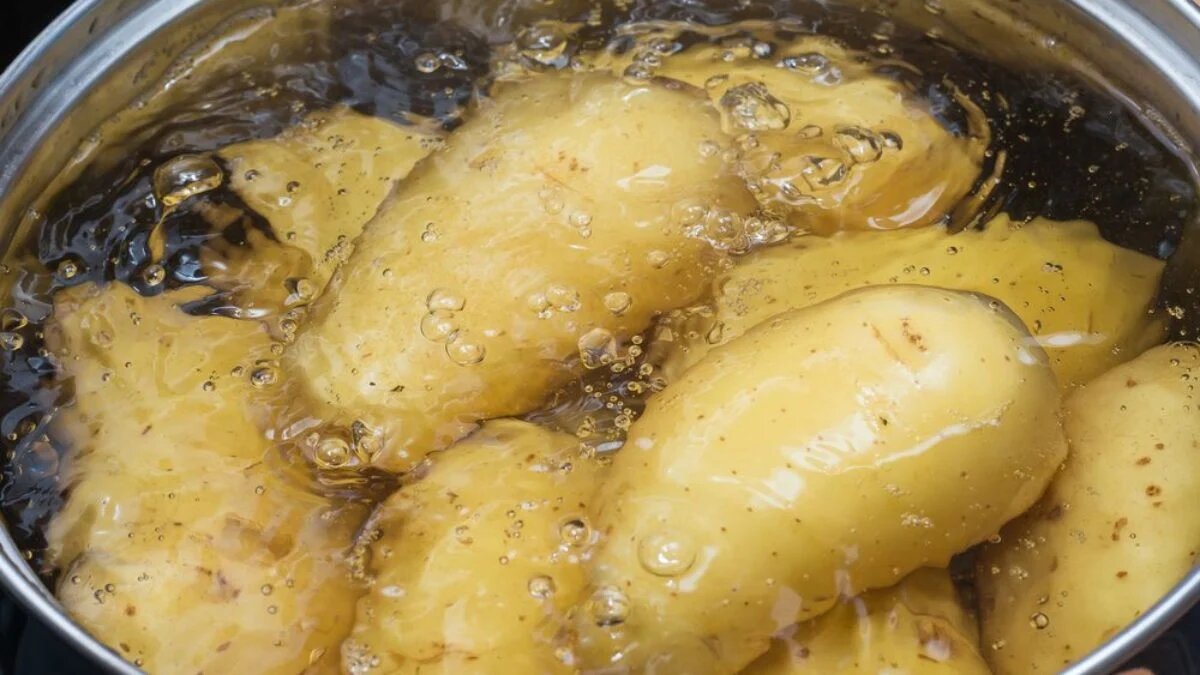
<p>Cooking in a liquid heated to its boiling point.</p><p>• Large amounts of liquid take longer to boil.</p><p>• Examples: Fettuccini, wild rice</p>
3
New cards
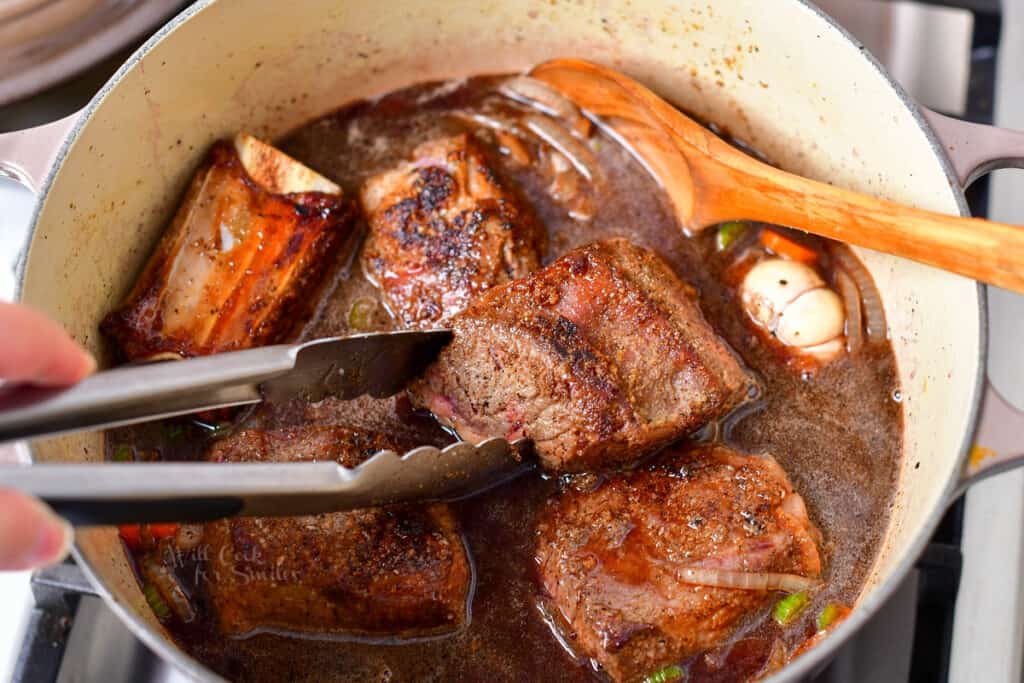
<p>Braise | COMBINATION</p>

Braise | COMBINATION

Cooking meat/vegetables that have been browned in fat over a long period of time in a tightly covered container, using a small amount of liquid.

• Use hot liquid (180°-200°F).

• Examples: Mushroom risotto, braised short ribs.
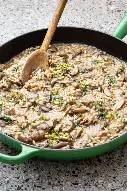
<p>Cooking meat/vegetables that have been browned in fat over a long period of time in a tightly covered container, using a small amount of liquid.</p><p>• Use hot liquid (180°-200°F).</p><p>• Examples: Mushroom risotto, braised short ribs.</p>
4
New cards
<p>Broil | DRY</p>

Broil | DRY

Cooking directly under or above a heat source. Food can be broiled in an oven or grill.

• As cooking happens quickly, stay near the food at all times.

• Examples: Broiled asparagus, broiled lambchops.
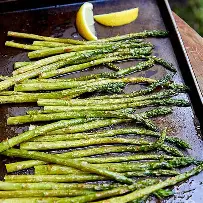
<p>Cooking directly under or above a heat source. Food can be broiled in an oven or grill.</p><p>• As cooking happens quickly, stay near the food at all times.</p><p>• Examples: Broiled asparagus, broiled lambchops.</p>
5
New cards
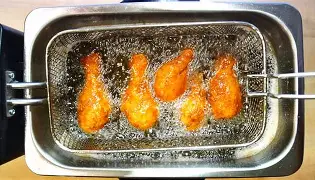
<p>Deep-fry | DRY</p>

Deep-fry | DRY

Cooking food in hot fry oil.

• Be aware of how to clean the fryer. Change the oil when needed.

• Examples: French fries, fried chicken.
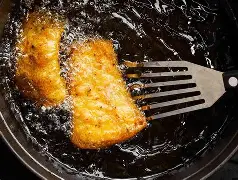
<p>Cooking food in hot fry oil.</p><p>• Be aware of how to clean the fryer. Change the oil when needed.</p><p>• Examples: French fries, fried chicken.</p>
6
New cards
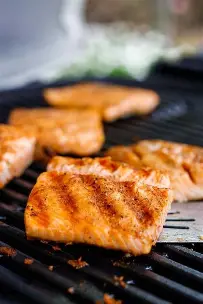
<p>Grill | DRY</p>

Grill | DRY

Cooking on a grill over high heat. There should be well-defined grill marks present.

• Use a grill brush to clean the grates after every use.

• Examples: Grilled vegetable kabobs, grilled salmon.
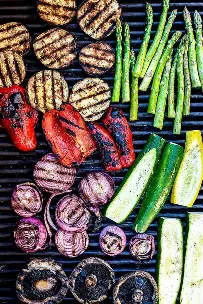
<p>Cooking on a grill over high heat. There should be well-defined grill marks present.</p><p>• Use a grill brush to clean the grates after every use.</p><p>• Examples: Grilled vegetable kabobs, grilled salmon.</p>
7
New cards
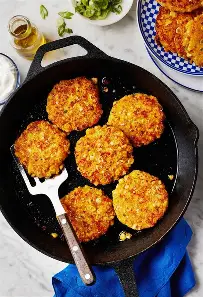
<p>Pan-fry | DRY</p>

Pan-fry | DRY

Like deep frying, cooking food that is only half-submerged in the fry oil.

• When flipping products, always flip away from you.

• Examples: Corn fritters, crab cakes.
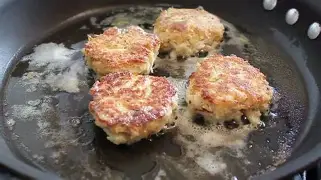
<p>Like deep frying, cooking food that is only half-submerged in the fry oil.</p><p>• When flipping products, always flip away from you.</p><p>• Examples: Corn fritters, crab cakes.</p>
8
New cards
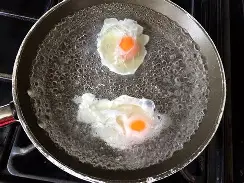
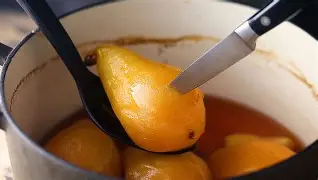
<p>Poach | WET</p>

Poach | WET

Cooking gently in a liquid kept just below its boiling point.

• Use vinegar when poaching eggs to assist with coagulations.

• Examples: Poached pears, poached carrots.
<p>Cooking gently in a liquid kept just below its boiling point.</p><p>• Use vinegar when poaching eggs to assist with coagulations.</p><p>• Examples: Poached pears, poached carrots.</p>
9
New cards
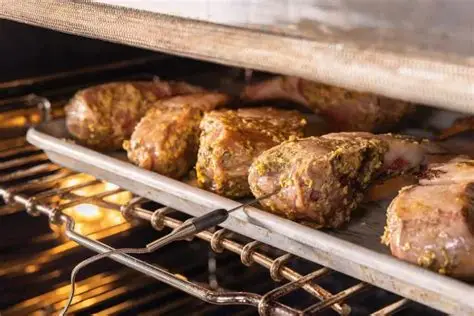
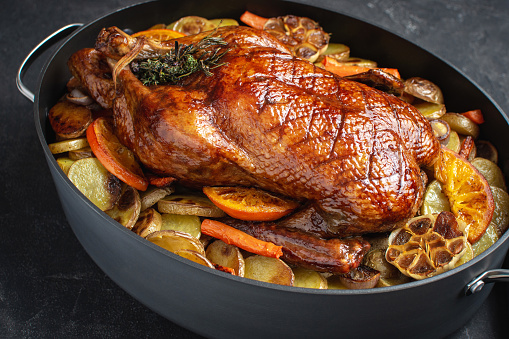
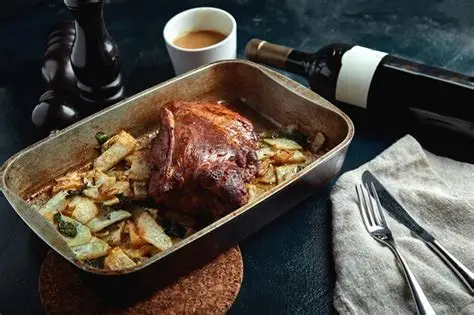
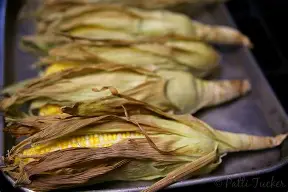
<p>Roast | DRY</p>

Roast | DRY

Cooking in an oven using higher heat than baking. Uses fat and takes place in an uncovered container.

• Preheat oven using the timer.

• Examples: Roast duck, roasted corn.
<p>Cooking in an oven using higher heat than baking. Uses fat and takes place in an uncovered container.</p><p>• Preheat oven using the timer.</p><p>• Examples: Roast duck, roasted corn.</p>
10
New cards
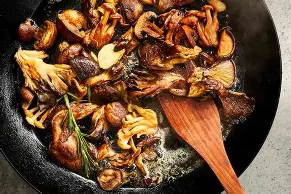
<p>Sauté | DRY</p>

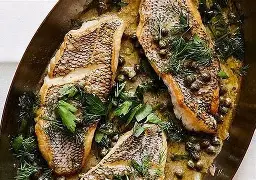
Sauté | DRY

Cooking in a pan over high heat with little fat.

• When sautéing in batches, clean or switch out the pan between each batch.

• Examples: Sautéed sea bass, sautéed wild mushrooms.
<p>Cooking in a pan over high heat with little fat.</p><p>• When sautéing in batches, clean or switch out the pan between each batch.</p><p>• Examples: Sautéed sea bass, sautéed wild mushrooms.</p>
11
New cards
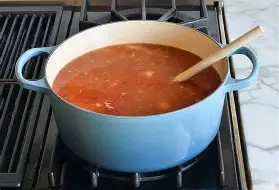
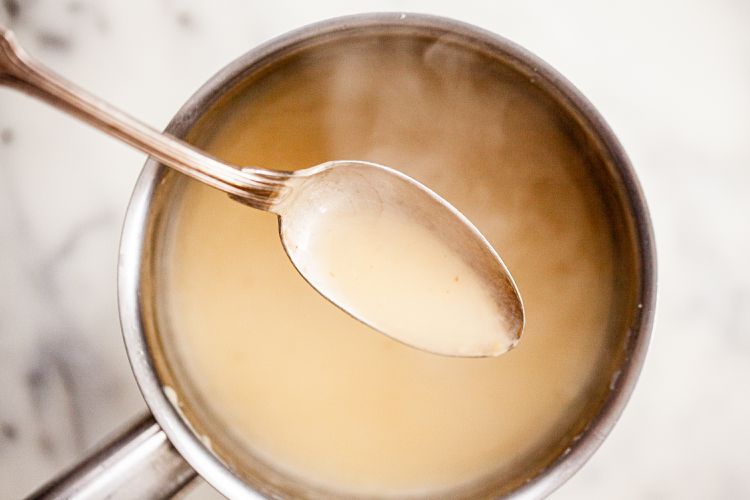
<p>Simmer | WET</p>

Simmer | WET

Gentle cooking that takes place in liquid at appropriately 185°F.

• When cooking sauces, simmering is often preferred over boiling as it disrupts the flavor less.

• Examples: Tomato soup, velouté sauce.
<p>Gentle cooking that takes place in liquid at appropriately 185°F.</p><p>• When cooking sauces, simmering is often preferred over boiling as it disrupts the flavor less.</p><p>• Examples: Tomato soup, velouté sauce.</p>
12
New cards
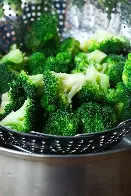
<p>Steam | WET</p>

Steam | WET

Cooking that uses the moisture from a boiling liquid to help heat the food, rather than heat alone.

• When steaming vegetables in a commercial steamer, use a perforated hotel pan.

• Examples: Steamed broccoli, steamed shrimp.
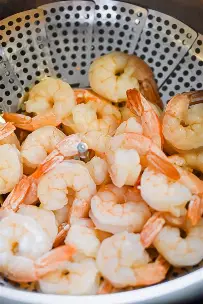
<p>Cooking that uses the moisture from a boiling liquid to help heat the food, rather than heat alone.</p><p>• When steaming vegetables in a commercial steamer, use a perforated hotel pan.</p><p>• Examples: Steamed broccoli, steamed shrimp.</p>
13
New cards
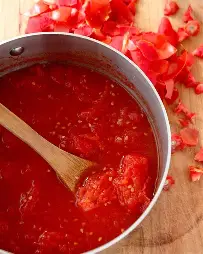
<p>Stew | COMBINATION</p>

Stew | COMBINATION

Simmering food slowly over a long period of time within a covered container. The ingredients should just barely be covered with liquid.

• When stewing meat in an oven, set the temperature between 250°-300°F and cover the pot.

• Examples: Stewed tomatoes, beef stew.
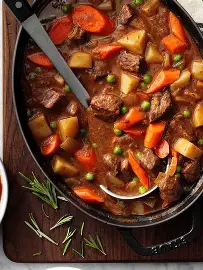
<p>Simmering food slowly over a long period of time within a covered container. The ingredients should just barely be covered with liquid.</p><p>• When stewing meat in an oven, set the temperature between 250°-300°F and cover the pot.</p><p>• Examples: Stewed tomatoes, beef stew.</p>