Caravaggio-Midterm
 Call Kai
 Learn
Learn Practice Test
 Spaced Repetition
 Match
Match Flashcards
 Knowt Play
1/27

There's no tags or description
Looks like no tags are added yet.
Name | Mastery | Learn | Test | Matching | Spaced | Call with Kai | Chat |
|---|
No analytics yet
Send a link to your students to track their progress
28 Terms
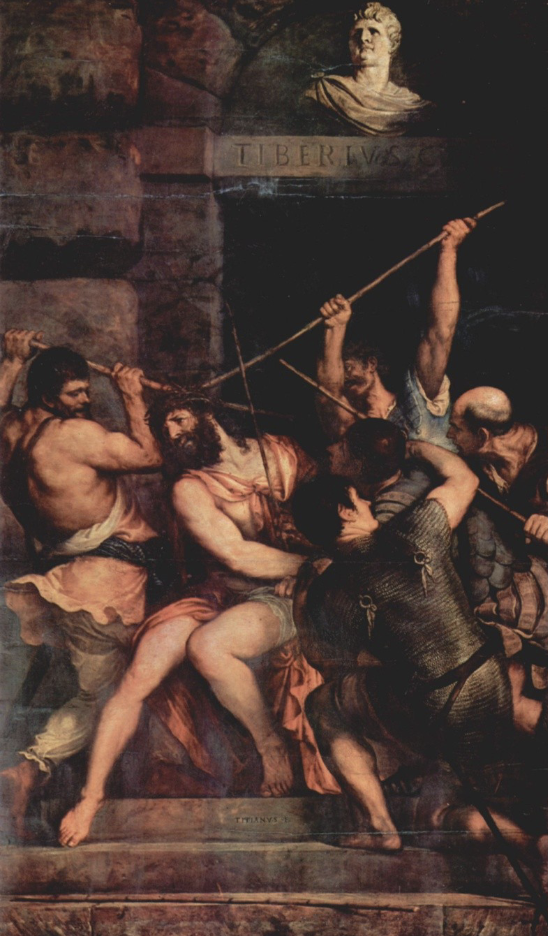
Titian, Christ Crowned with Thorns, c 1546-50
Influence on Caravaggio.
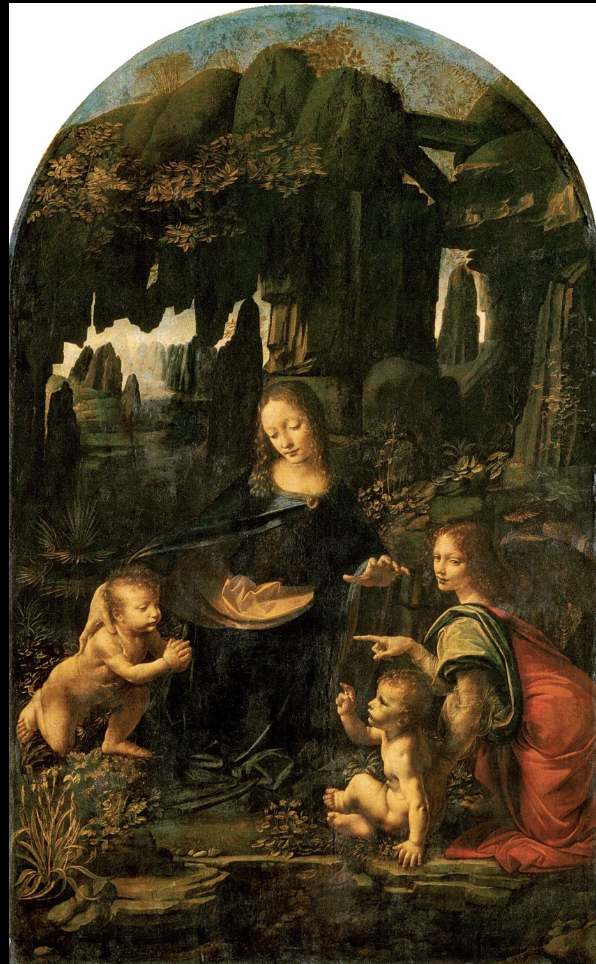
Leonardo da Vinci, Virgin of the Rocks, c 1483-90
Went to Giuseppe Cesari’s studio, which is where they look so much at Raphael and Da Vinci. He often selected a Renaissance artist and wants to associate himself with them and goes for big names like this one from Da Vinci which da vinci did on a demonstration way for him to try out new emotions.Was in Milan so thats how he would see it. Influence on Caravaggio.
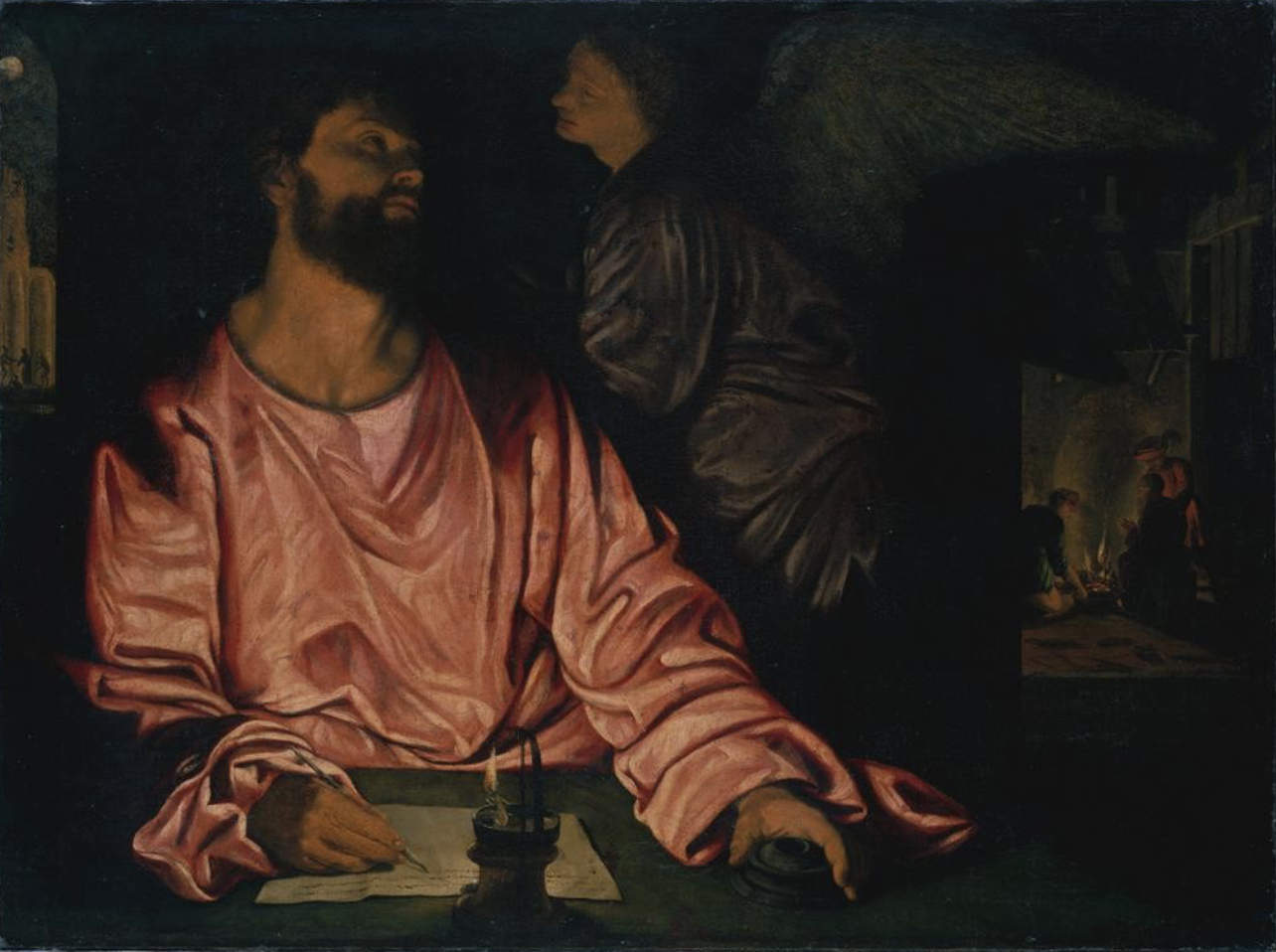
Savoldo, St. Matthew and the Angel, 1533-35
Early influence on Caravaggio because of this horizontal pitch, not altarpiece or square picture, which allows for interaction of several figures. Dramatic tenebroso that Caravaggio loves. Significant exchange between figures, which the light encourages. Would also have been in Milan and Cessari would have introduced to his studio. Foregrounding figure to grab spectator, and tenebrism. Influence on Caravaggio.
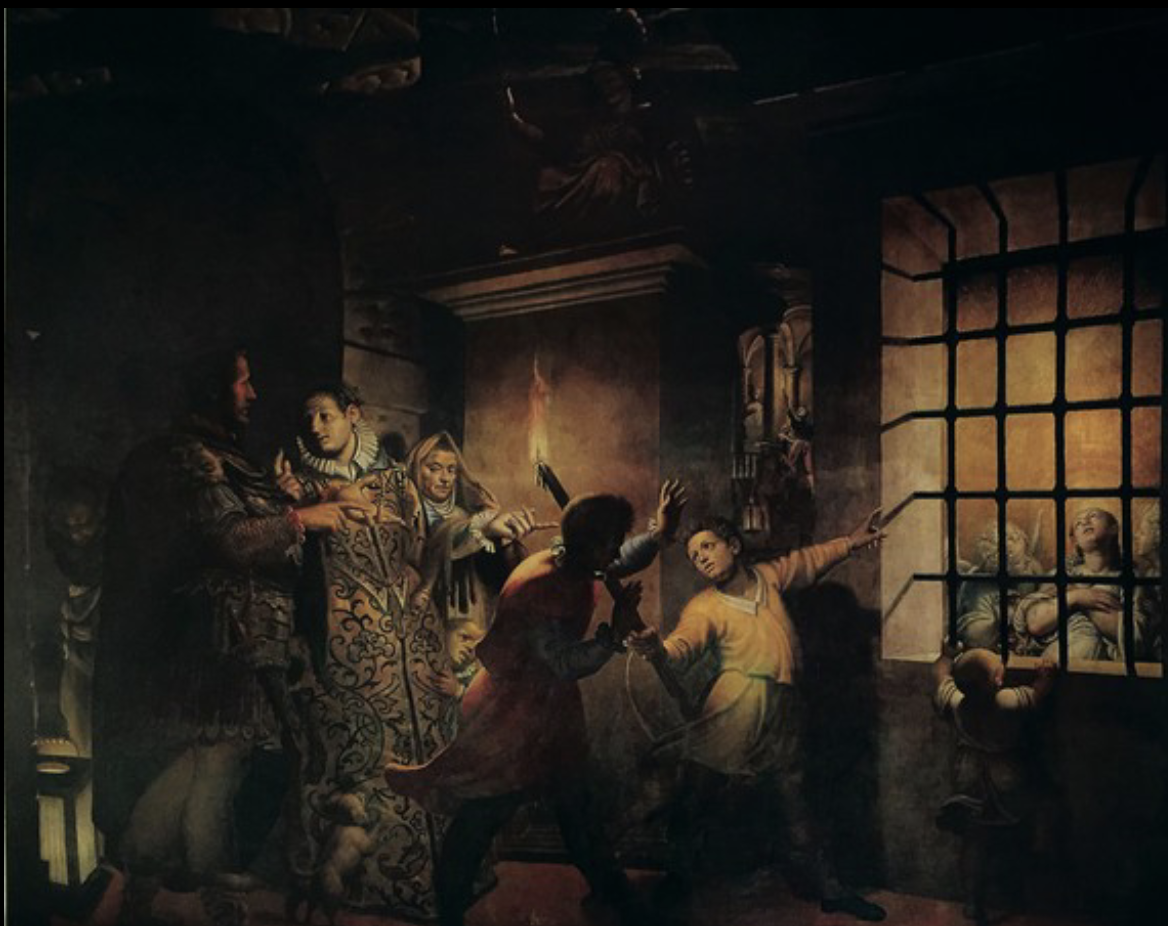
Antonio Campi, The Visit of the Empress to St Catherine in Prison, 1583
His most popular work of art. Roman who converted to Christianity seeing St. Catherine. Night scene with tons of ranging of lights, so many different kinds of light: Candlelight, moonlight, lantern, celestial halo type thing about St. Catherine. Faustina is centered and has tons of light on her face so we can tell how important she is to the scene. Influence on Caravaggio.
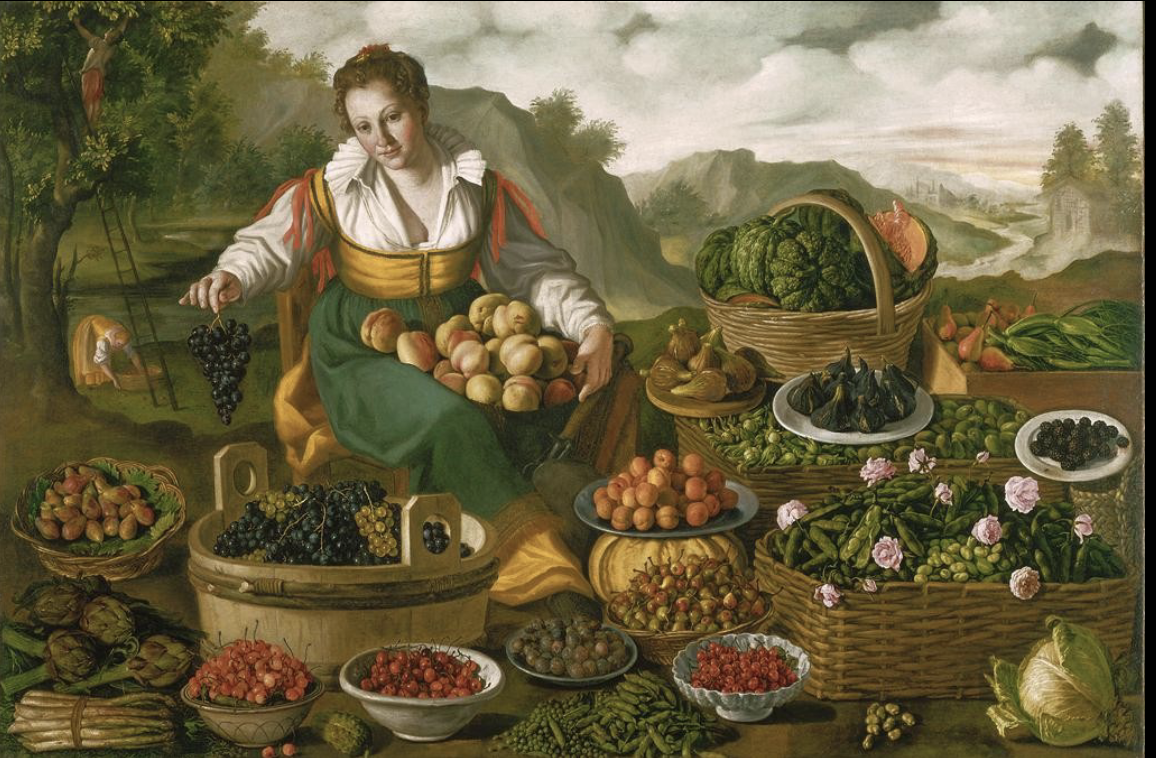
Vincenzo Campi, The Fruit Vendor, c 1585-90
Not exactly correct perspective with the plates being tipped forward, not very accurate to reality but helpful to see what it is were looking at. She's shown as much more sexualized than others in the background, legs spread and some clavicle showing, ripe peaches shown to us and looks like she seducing us almost, offering grapes which obviously associated with wine, basically “eye candy” as the sales person that supposed to personify the idea of fruit and lusciousness and consuming. Despite Caravaggio being somewhat unknown its not unlikely that they would have met. Influence on Caravaggio.
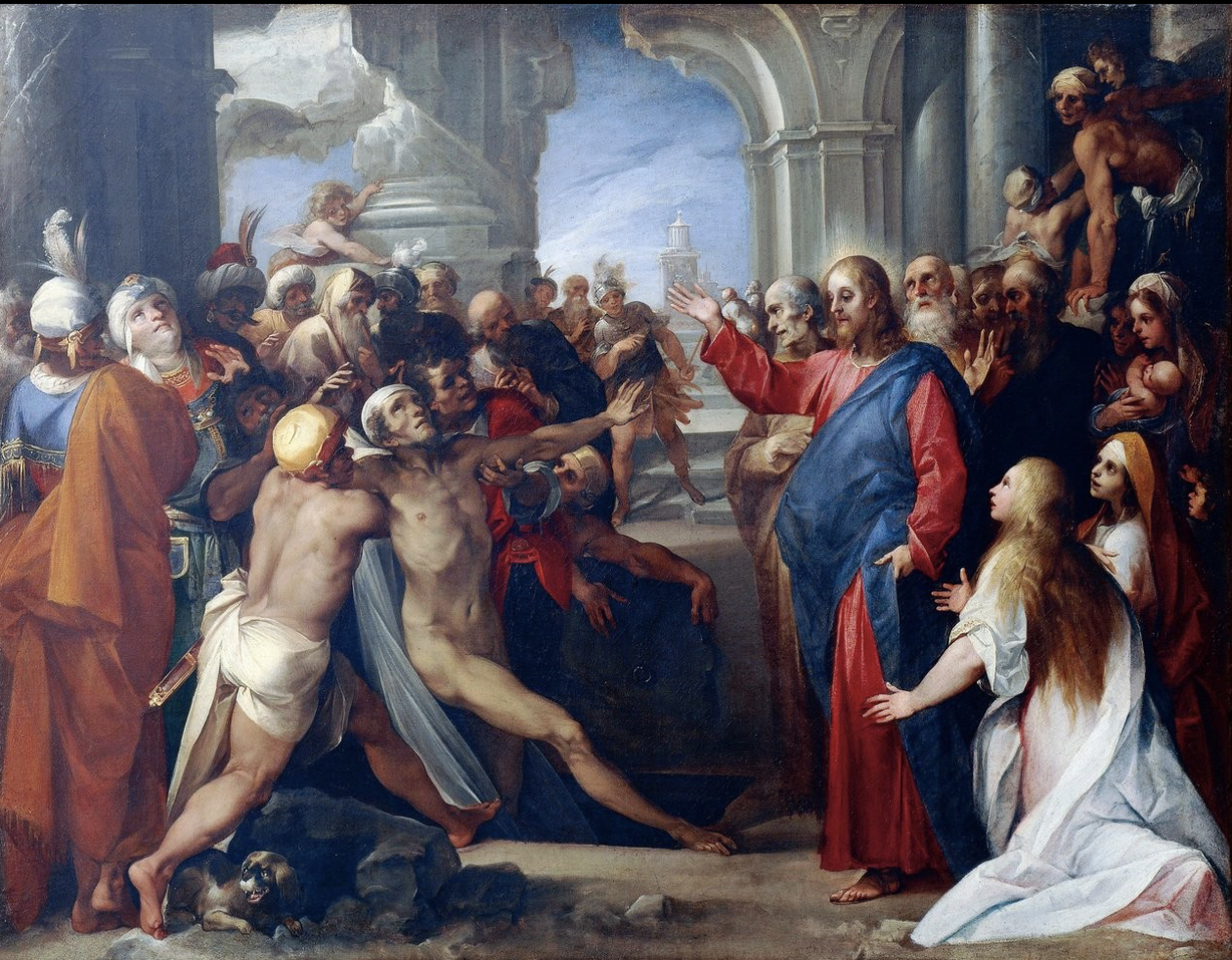
Giuseppe Cesari (Cavaliere d’Arpino), Raising of Lazarus, c 1593
When we move location to Milan he worked as an assistant not student, since his father and grandfather died he had like no money so he couldn’t afford to be an artist yet.
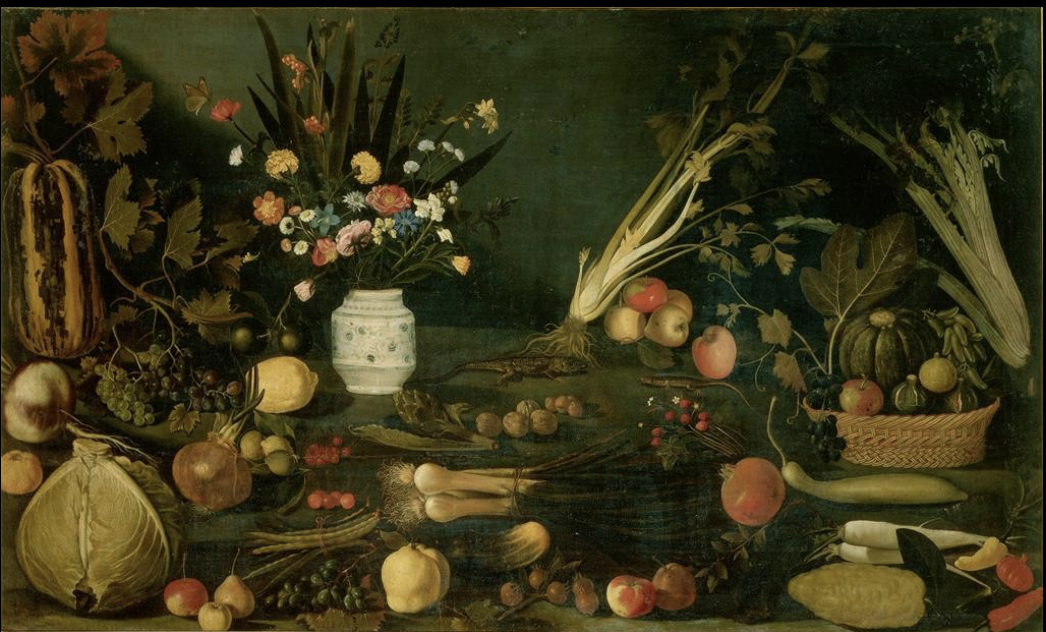
Hartford Master, Fruit and Vegetables and Two Lizards, c 1590
Artists we can’t identify from Cesaris studio. Early science based on astute observational skills, not about background, what can you see and observe.
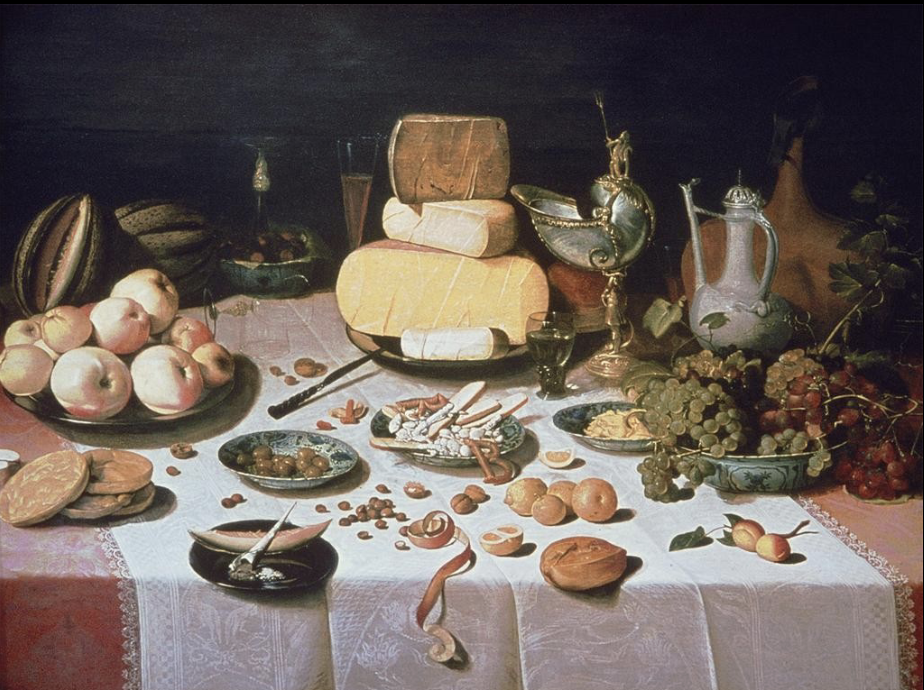
Floris van Dijk (Dyck), Banquet Scene, c 1600
Early sciene, focus on light and dark and how still life show the advancements in science. Botany explored lots.
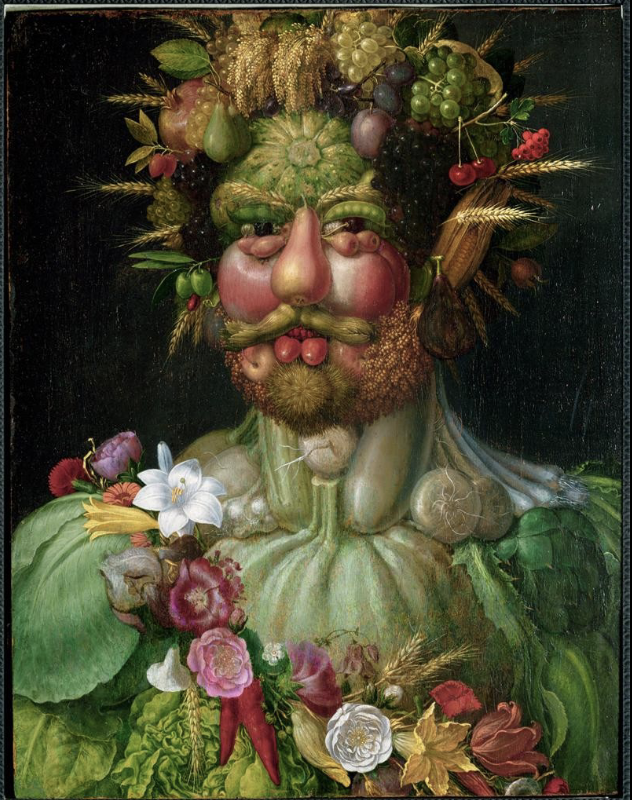
Arcimboldo,Rudolph II as Vertumnus, c 1590
Vegetable man, tons of food still lives done which of course inspire Caravaggio and can be seen in his early works. Holy Roman emperor as G-d of autumn. Court artist from Milan who brings this weird painting with him as this puzzle realism, objects symbolic of who these people are.
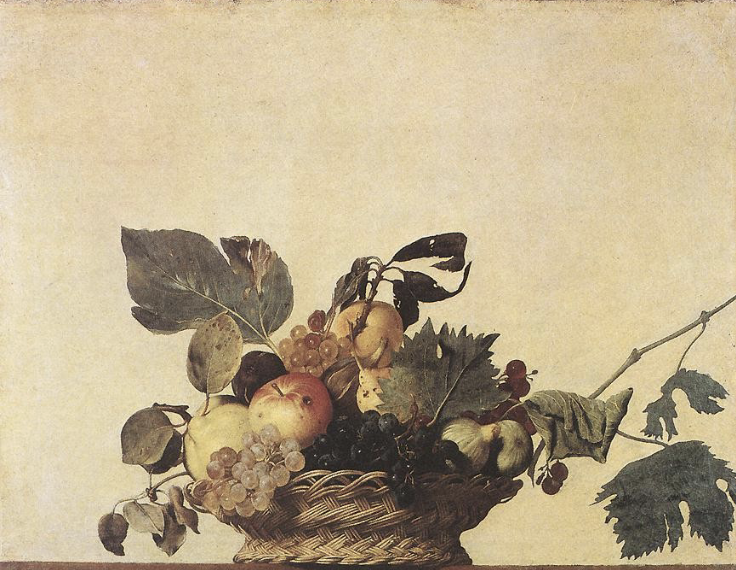
Caravaggio, Basket of Fruit, c 1596/1600
Only surviving still life, Light hitting the surface and the darkness connected to the surface, this illusionism was just as important as rendering a human body in a realistic way. Probably a whole group of these images but all kind of lost.
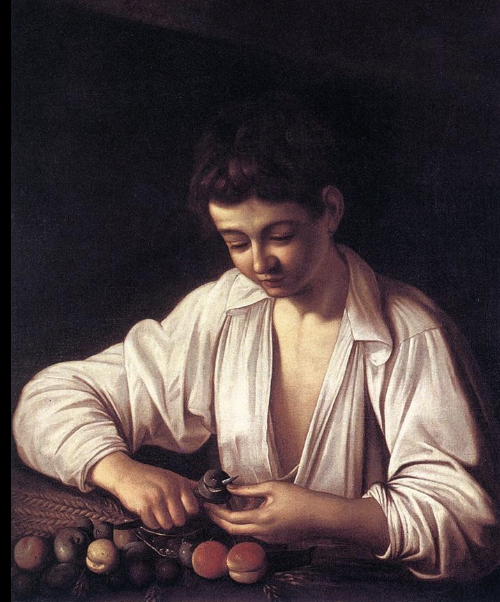
Caravaggio, Boy peeling fruit, c 1592
Common pose, like Penitent Magdalen but its a pose with little to no emotion. What happens to a person physically when they have this religious experience. Some of his early work, half length images, life size with common secular and genre subject, kind of art you could sell on street or in small gallery.
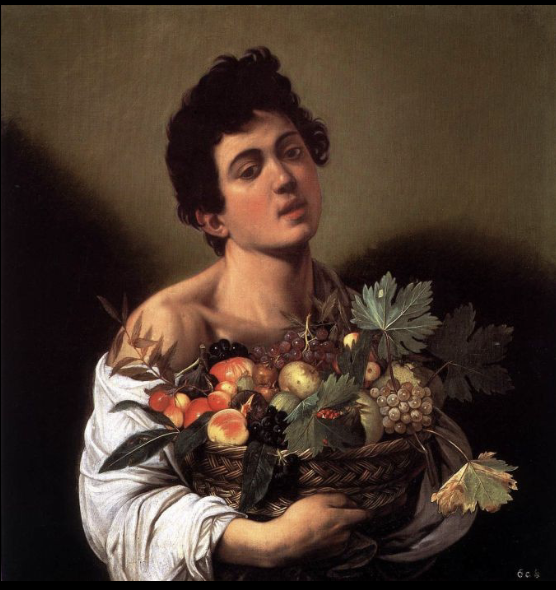
Caravaggio, Boy with Basket of Fruit, c 1593
Not great anatomy and face is not super realistic, but basket of fruit is extremely realistic (unsure if its a xenia) Xenia meaning gift, often depicted in still lives live fruit baskets, subject itself is the Xenia, but the actual painting is also the gift. Some of his early work, half length images, life size with common secular and genre subject, kind of art you could sell on street or in small gallery. More poetic version on boy peeling fruit. Think of the culture and poems happenign at this time inspiring him to be more poetic.
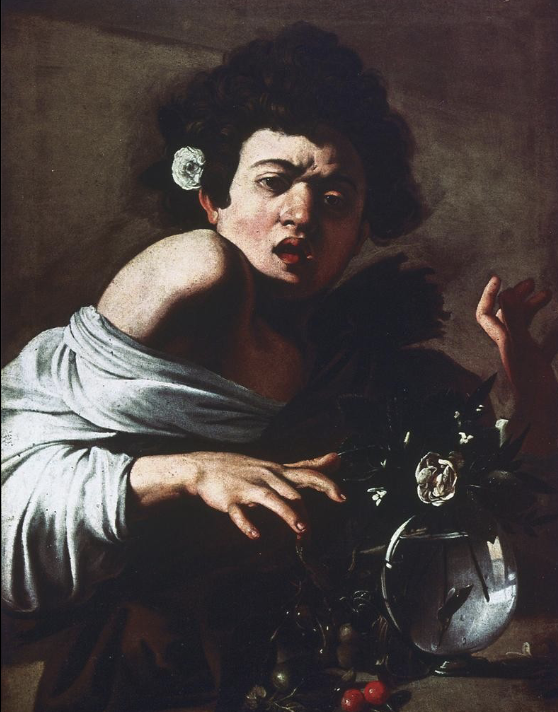
Caravaggio, Boy bitten by Lizard, 1593-4
Lizard sounds like love and bitter in Italian so this aspect of lizards being this lovely bitter thing. He doesn't fully cover the underpainting he lets some of it show. Often depictions of scenes of everyday life being bitten by lizards and crayfish
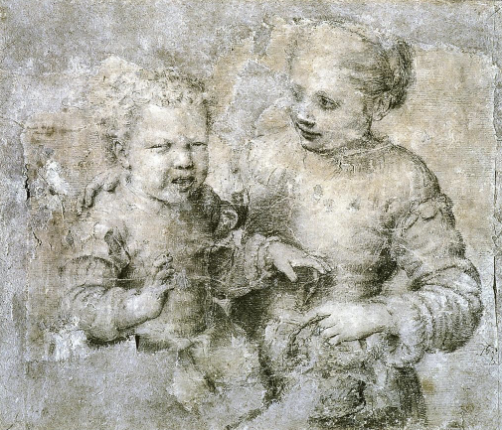
Anguissola, Boy bitten by Crayfish, C 1548, drawing
Anguissola a female artist was challenged by Michelangelo to make an art piece to show her talent, this kind of proof of talent became known so of course Caravaggio knows and this ends up starting his continued competition with Michelangelo. She competed with Michelangelo kind of so Caravaggio does too. She was also taught by one of the Campi’s distant relative
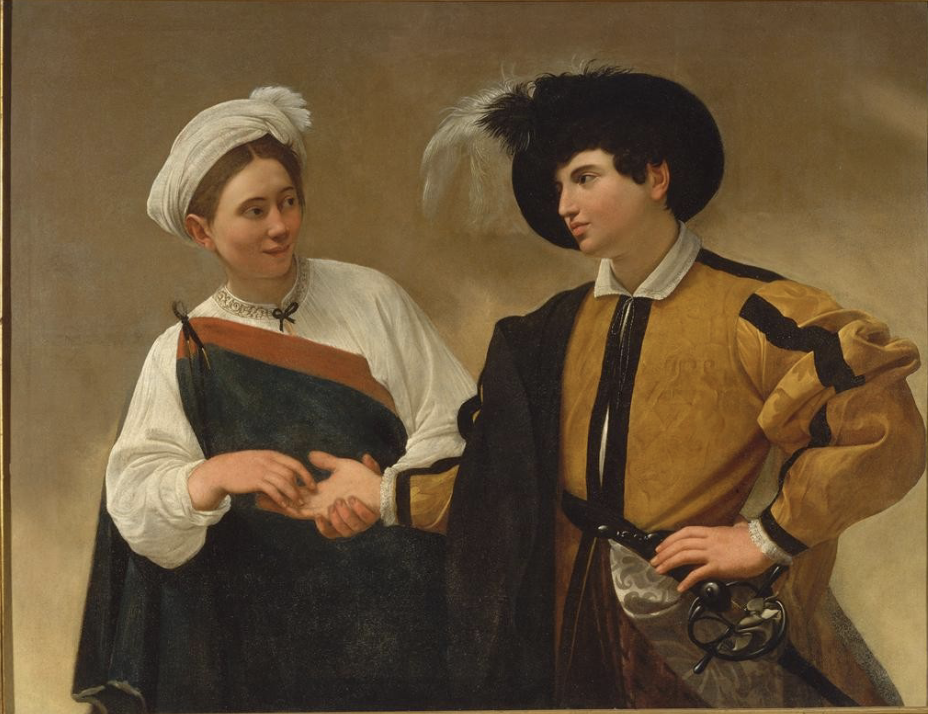
Caravaggio, Fortune Teller, 1594-5 (Rome)
Illusionist cheating. Purchased by Del Monte, leaves the world of just another worker in the previous studio and joins del monte meaning he gets exposed to more artists.
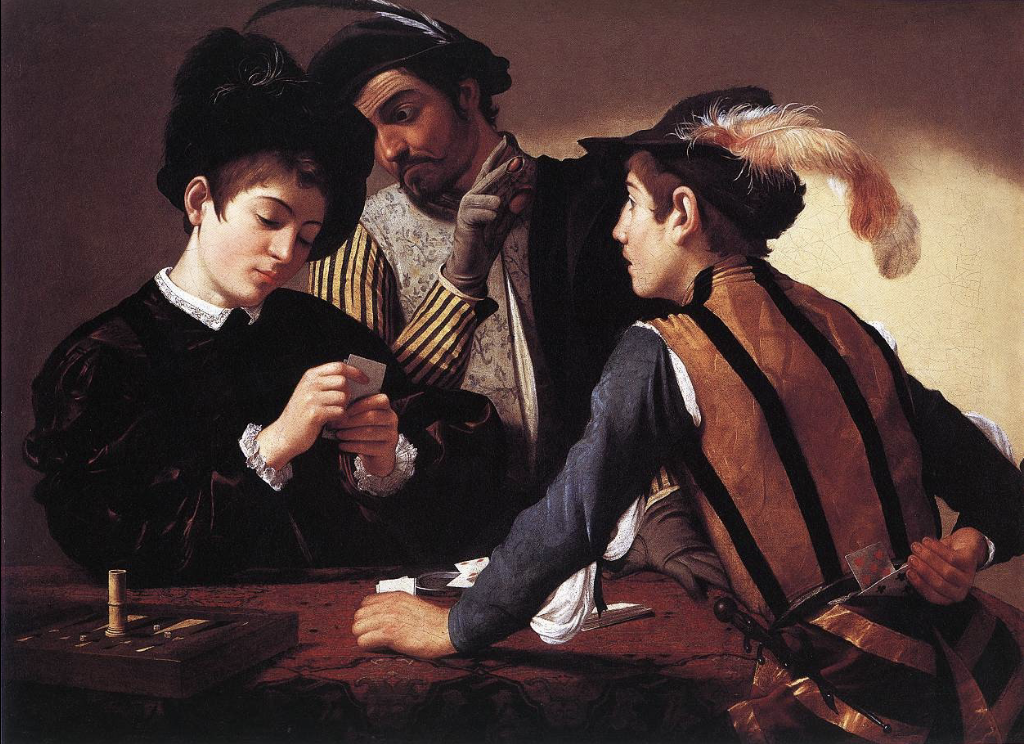
Caravaggio, Cardsharps, 1594-5
Illusionist cheating. Critiquing gambling and how bad and unethical it is. Cardsharps who used sleight of hand to gain an advantage
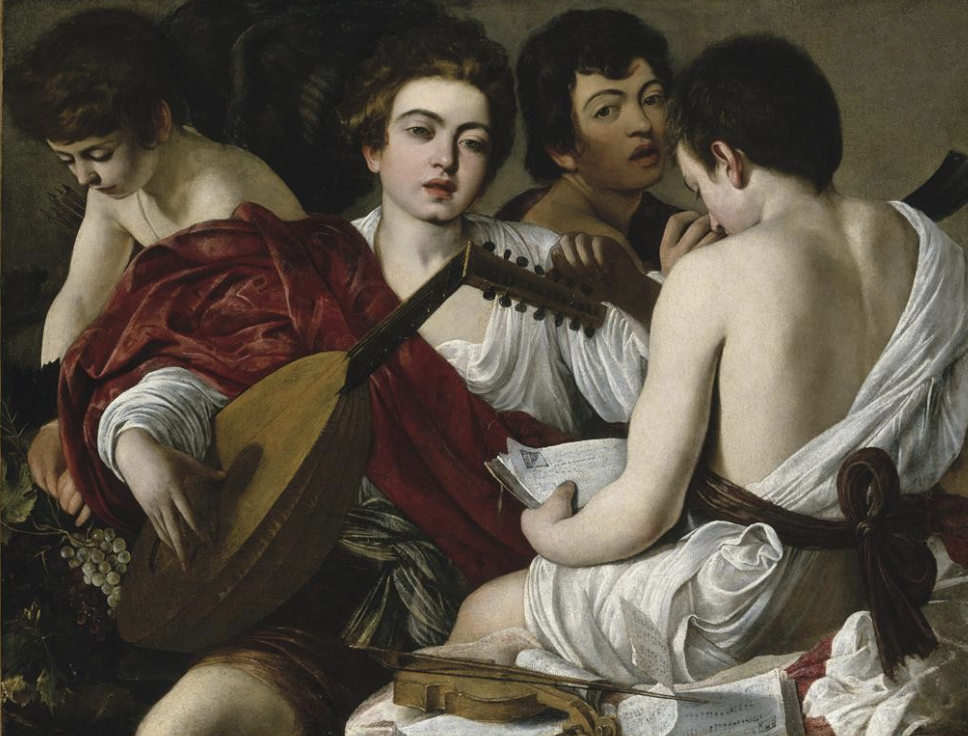
Caravaggio, The Musicians, 1595-6
When he gets to Del monte he is exposed to new artists and starts featuring more music.
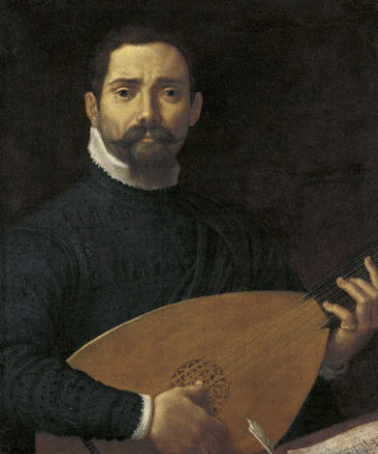
Annibale Carracci, Portrait of A Luteplayer, 1593
Caravaggio’s not the only one interested in back to the natural and the real. More modest and conservative of achieving greater realism. Caravaggio mentioned Carracci many times in his court discussions while he was dissing other artists, it was competitive in Rome so they were are of each others work, they worked together on the Church.
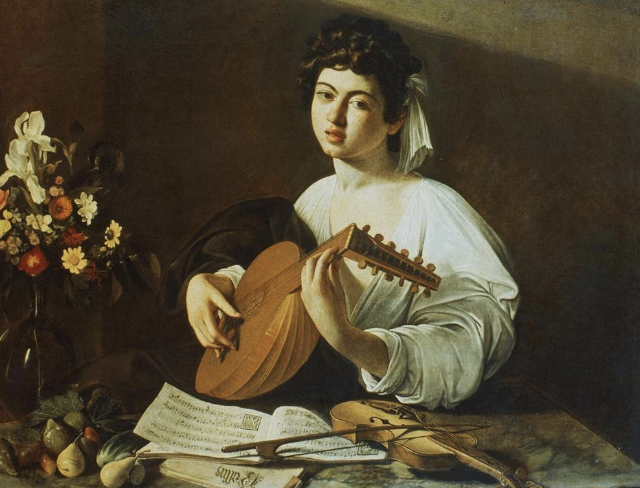
Caravaggio, Luteplayer, 1595-6
In many of his musician type paintings, the music the person is playing and the specific song is often shown. Singing was really popular and the type of singing is changing, the beginnings of Opera's “arias” are being really started at this time, opera was taken so seriously some men would even be castrated to have a higher voice, some sort of sexual seduction which is common because its like it’s dragging the viewer in and tempting them. Has many harsh diagonals with a weird right turn perspective, he wants to just really make perspective weird, looks like he's looking at Durer's master of perspective book showing how you can make a three quarter view that's foreshortened of a lute. Durer made this much earlier than this so Caravaggio definitely knew this, Cardinal dal montes brother Guidobaldo del monte is the publisher of this perspective book. Can really see the details of the music on the sheets, in works like the lute player. The song says you know I love you but do you know that id die for you, almost as if he's saying that to the viewers of his work, his mouths a little opening in the lute player since singers had to have their tongue a little out to get a “pure” voice so Caravaggio shows this since its a new technique that's being invented and mastered in this time.
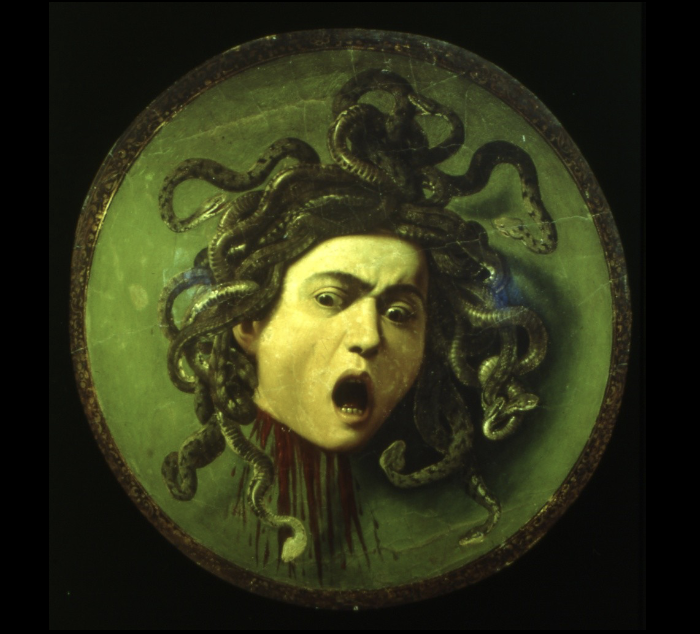
Caravaggio, Medusa, c 1597
Inspired by Da Vincis emotion. Depictions of her were common and called apotropaic, an image that would evoke lots of emotion and almost scare people away, dates back to a time where images had almost supernatural powers, and medusa is used because her power is like never stopped and she would like always or constantly use her powers on you. Possibly done by looking at his face in a mirror which many artists did so they could see these weird and intense emotions on his face, which of course connects to scientific observations. Convex mirrors were common like the one in the arnolfini wedding, Parmigianino's self portrait, and Caravaggio's conversion of the Magdalen. Based on a Da Vinci work done for Giotto.
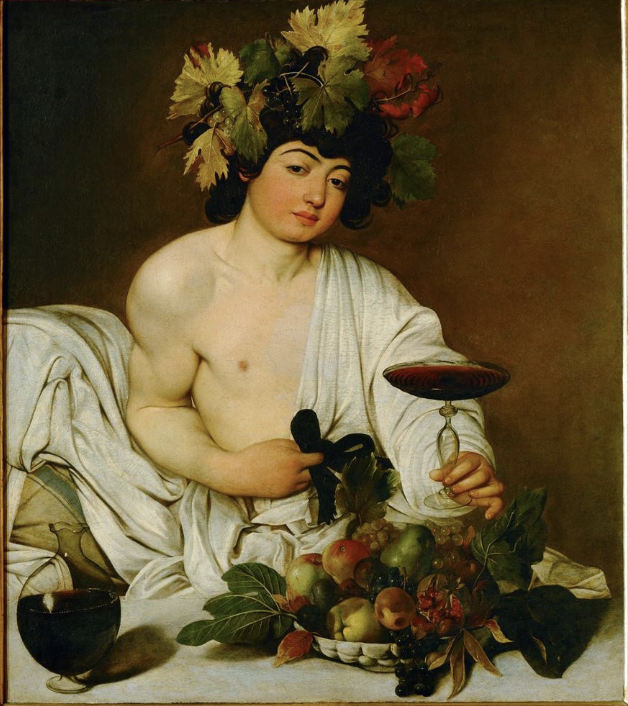
Caravaggio, Bacchus,1597
Cult of Bacchus. Super weird way of picturing him, but has this sexual confusion and softness and androgyny.
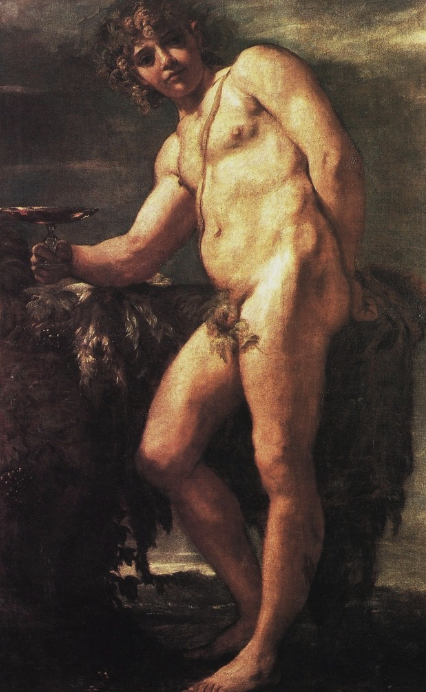
Annibale Carracci, Bacchus, c 1590-1
Has similiar androgyny aspect, Artists that came to Rome produced lots of drawings that showed what Rome was actually like and what it looked like to be there, tons of blind people suffering lots of ailments and begging on the street. Annibale Carracci did many drawings of this kind of stuff, like Blind Beggar and Blind Fiddler. Caravaggio mentioned Carracci many times in his court discussions while he was dissing other artists, it was competitive in Rome so they were are of each others work, they worked together on the Church.
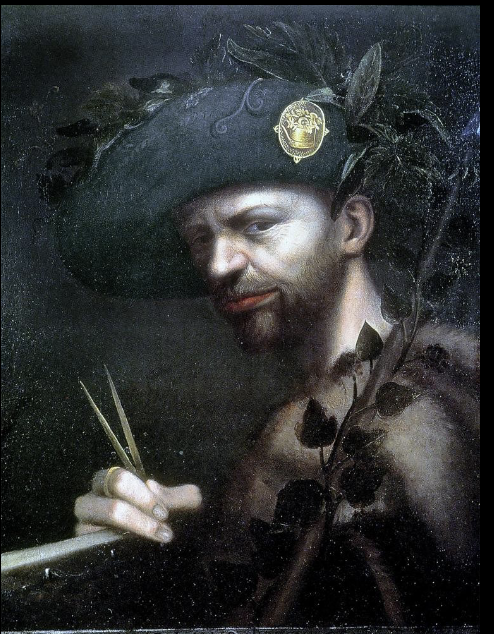
Lomazzo, Self-portrait, c 1568
Has similiar androgyny aspect, member of a club he started devoted to Bacchus as a creative influencer, many artists indentified with Bacchus. He is portaying himself as Bacchus which is not uncommon.
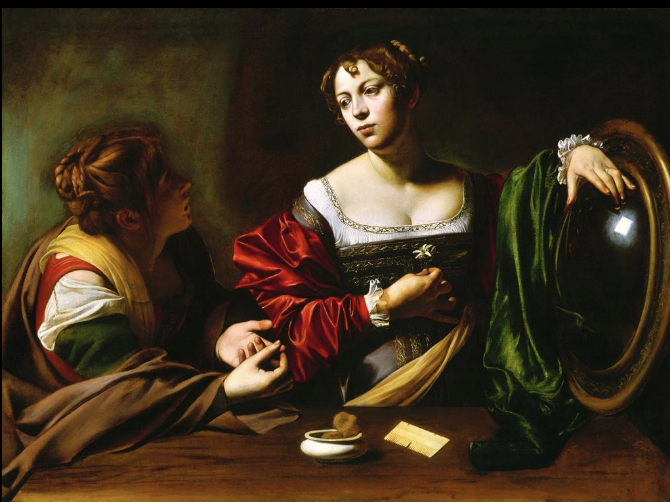
Caravaggio, Conversion of the Magdalen, C 1598 (above)
Does many women in religion. More copies of this than almost any of his other works. Convex mirrors, the only mirror that you could get since they were not flat yet, were somewhat common in portraits like the one in the arnolfini wedding, Parmigianino's self portrait, and Caravaggio's Medusa. Convex mirror interesting because it shows how the artist deals with the reflection, Caravaggio shows how the mirror includes reflection of fabric and a window and how her fingers touch the mirror, not used to show all the details in the room. Synoptic gospels in new testament about Mary and Martha as sisters, and this scene is both of them, merging Mary Magdalen and Mary the Virgin, possibly because of the weird confusion between Virgin Mary vs. Mary Magdalen, Martha is telling Mary how she should move from prostitution to religon, symbols of prostitution with the comb and this makeup and some cleavage, and Martha trying hard to change her mind.
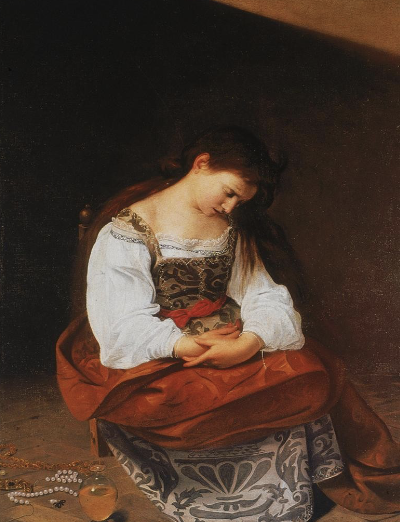
Caravaggio, Penitent Magdalen, c 1595
Gesture of body, physical into spiritual upheaval, original gesture. What happens to a person physically when they have this religious experience. Using a prostitute as a model for a painting about a prostitute who was holy after she left this life as a prostitutem, Caravaggio wanted to help prostitutes in some way. So much more realistic and feminine when often his figures were somewhat androgynous which hints to it likely being based off a model. Shows her in this time of transformation with the pose and her jewelry and flashy life falling off her. She's sitting on a birth chair, an element of merging the story of mary magdalene with meaning from womens experience with the birthing chair and her being almost in pain and deep sorrow. Attention to her body as an empty vessel almost. Not using her body in the approved reproductive context
One of his absolute earliest religious paintings which is what he now really ends up being known for.
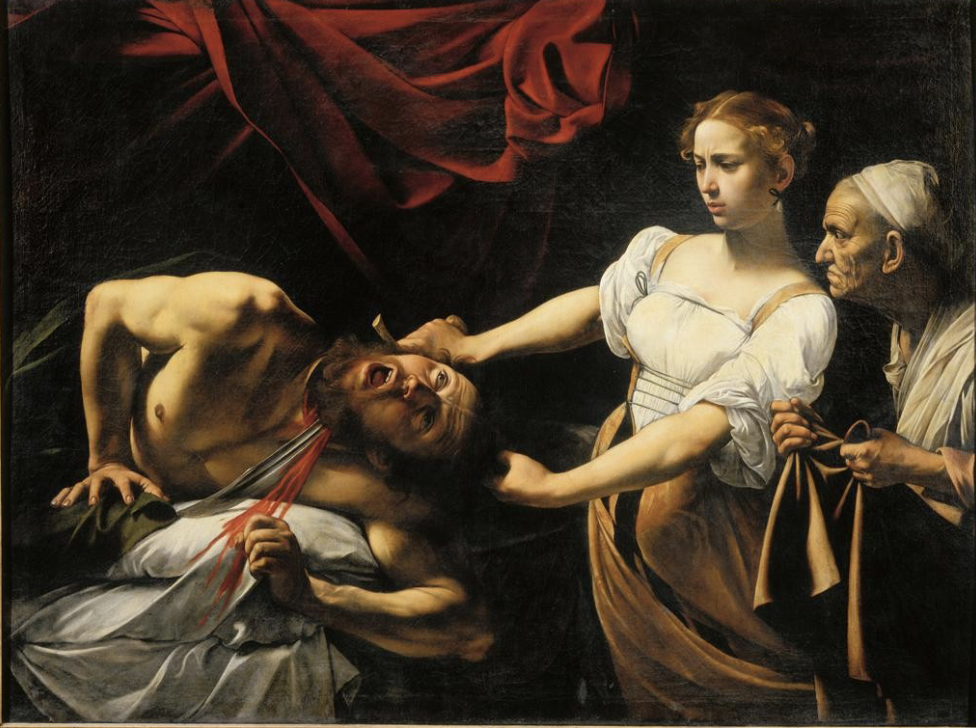
Caravaggio, Judith and Holofernes, 1598
Referred to as Women Worthies or referred to as Strong women “femmes forte” representation of these women would be part of small books as educational. (Three good Jewish women Hester, Judish, Jael) done for women to look at them and then model themselves on it, Esther is the most common one since she is calm and patient, Judith and Jael use violence to save the day, and they do save the countrymen but they do so through acts of violence. Judith cuts off the head of Holofernes, captain of the Assyrian battle who was trying to take over her town so this was her saving the town. In literature Holofernes who is drunk wants to rape Judith, Holofernes passed out from being drunk so Judith and her maidservant cut his head off and brings it to the town to celebrate. Painted for Octavia who commissioned many paintings from his, only recovered in like the 60’s. Scoring lines discovered in the painting which blocks out parts of the figures, looks as if he moved the head farther, using the venetian technique of painting right on the canvas called alla prima. Stereotyping of women of this old women being so exaggerated and gross and wrinkly where Judith is young and beautiful. Blood is not really realistic and she does not seem to have enough power in her pull to actually decapitate him. Engagemnt wiht the gorriness, shes physically contacting him shes literally holding on to his hair. For private collector through Del Monte.
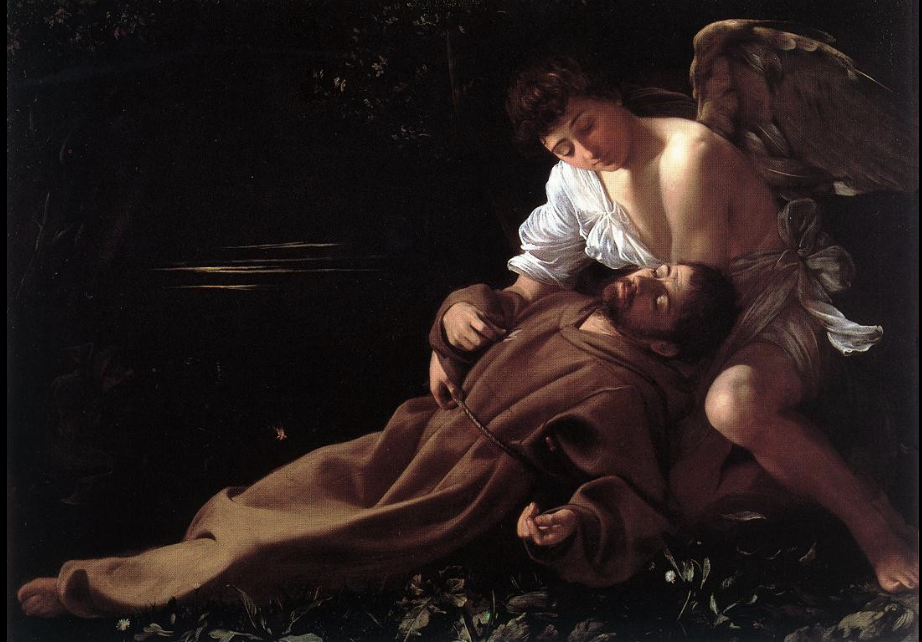
Caravaggio, Ecstasy of St. Francis, c 1596
Awkwardness and side discrepancy between the figures. His only 50% sized composition, pretty much all of his artwork was lifesize so this could explain the awkwardness. Francis is also going the way Penitent Magdalen is with the connection of internal upheaval in the body, spiritual and emotional impact of the scene, not being himself this kind of weird connection of a religious calling on the physical body. The story of how he is shot with the stigmata, but in this painting theres not even really showing of the wounds, the marks of the wounds are not important but the collapsed and detail around face is like how his eye isn’t fully closed, characterization of the face. Pauperism, looking twoards poverty as a religious parallel, heightened emotional and spiritual connection/condition. Considered Raked lighting since it follows this weird diagonal. St. Francis receives this stigmata but since his religion is so strong he survives this and can handle these wounds and nails and he's often shown with these nails or sharp things in his hand
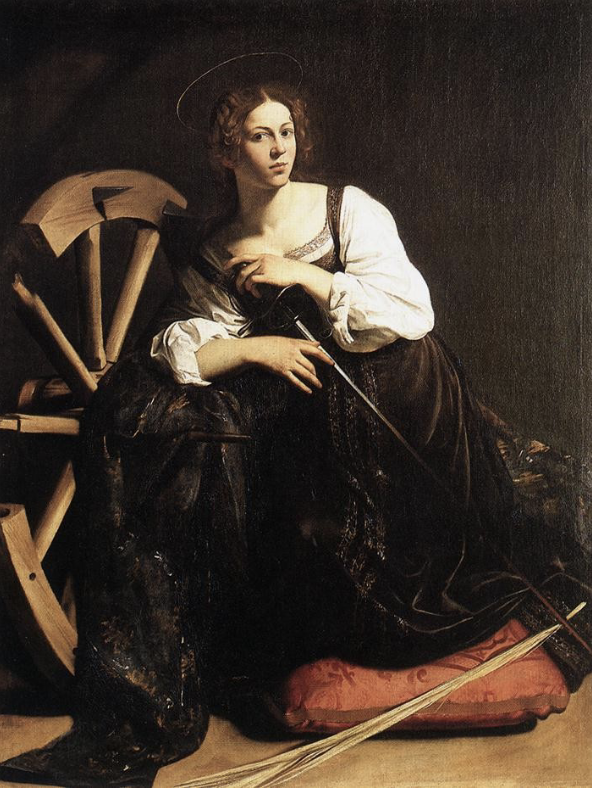
Caravaggio, Martyrdom of St. Catherine of Alexandria, c 1599
Vernacular icon, meaning earlier religious figures can be given an everyday appearance and treatment. Echoes counter reformation ideals, religious events can happen everyday, more direct and more lifelike doesn’t make it secular, just because your everyday doesn’t mean you cant be sacred.Halos being made to look more natural and would follow spectival rules, he makes them almost a product of lighting, which goes along with his weird lighting rules, does specifically to his sensitivity to light
Done for Cardinal Del Monte. Largest easel he attempted at this point, pretty much life size. Miracle happening to average people, Carlo Borromeo, which is a counter reformation quality which langton also discusses