[MICROBIOLOGY] Bacteriology - Part 2 - Gram Positive Cocci
 Call Kai
 Learn
Learn Practice Test
 Spaced Repetition
 Match
Match Flashcards
 Knowt Play
1/84

There's no tags or description
Looks like no tags are added yet.
Name | Mastery | Learn | Test | Matching | Spaced | Call with Kai |
|---|
No analytics yet
Send a link to your students to track their progress
85 Terms
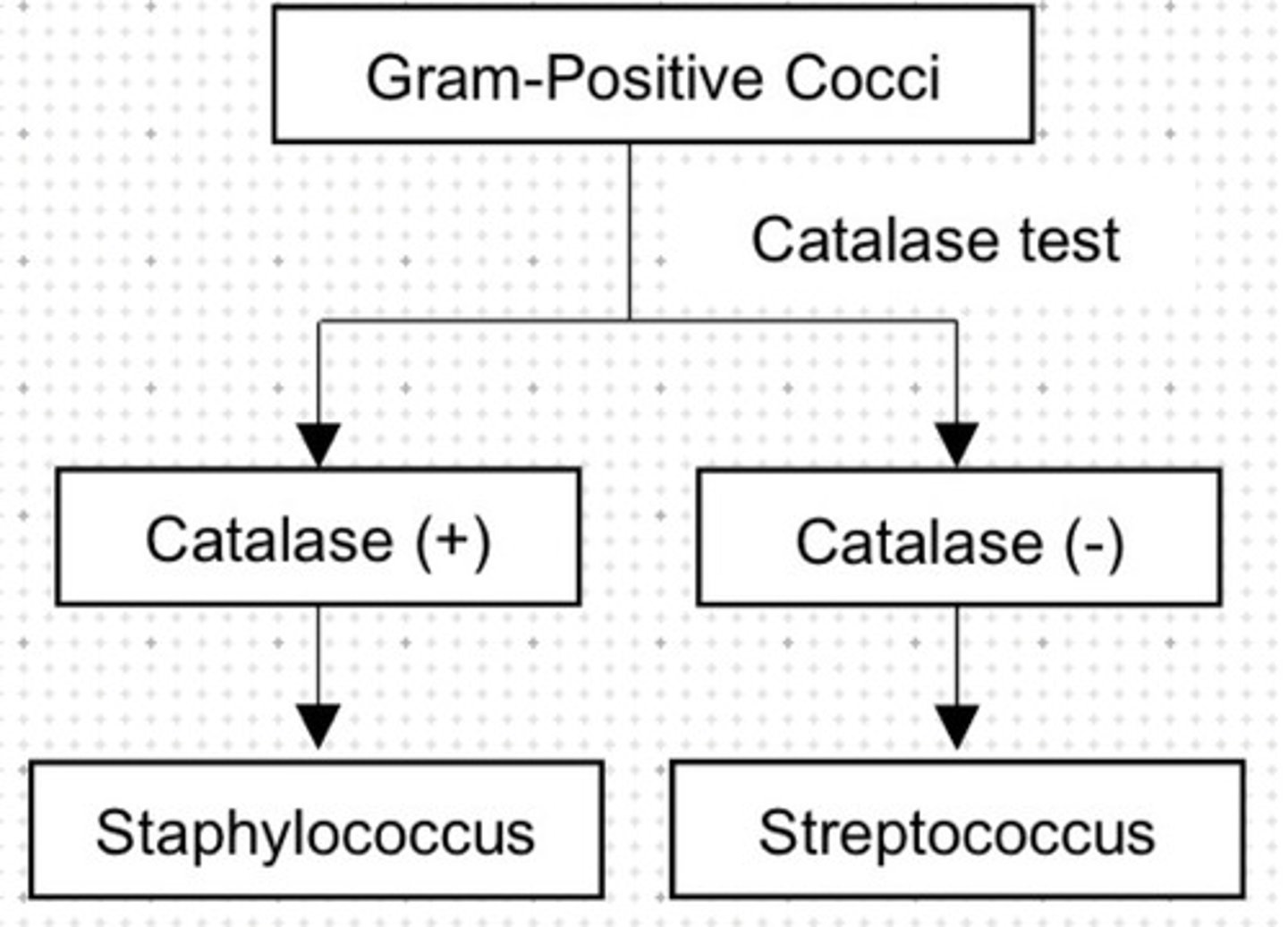
a. Staphylococcus
Catalase positive gram positive cocci.
a. Staphylococcus
b. Streptococcus
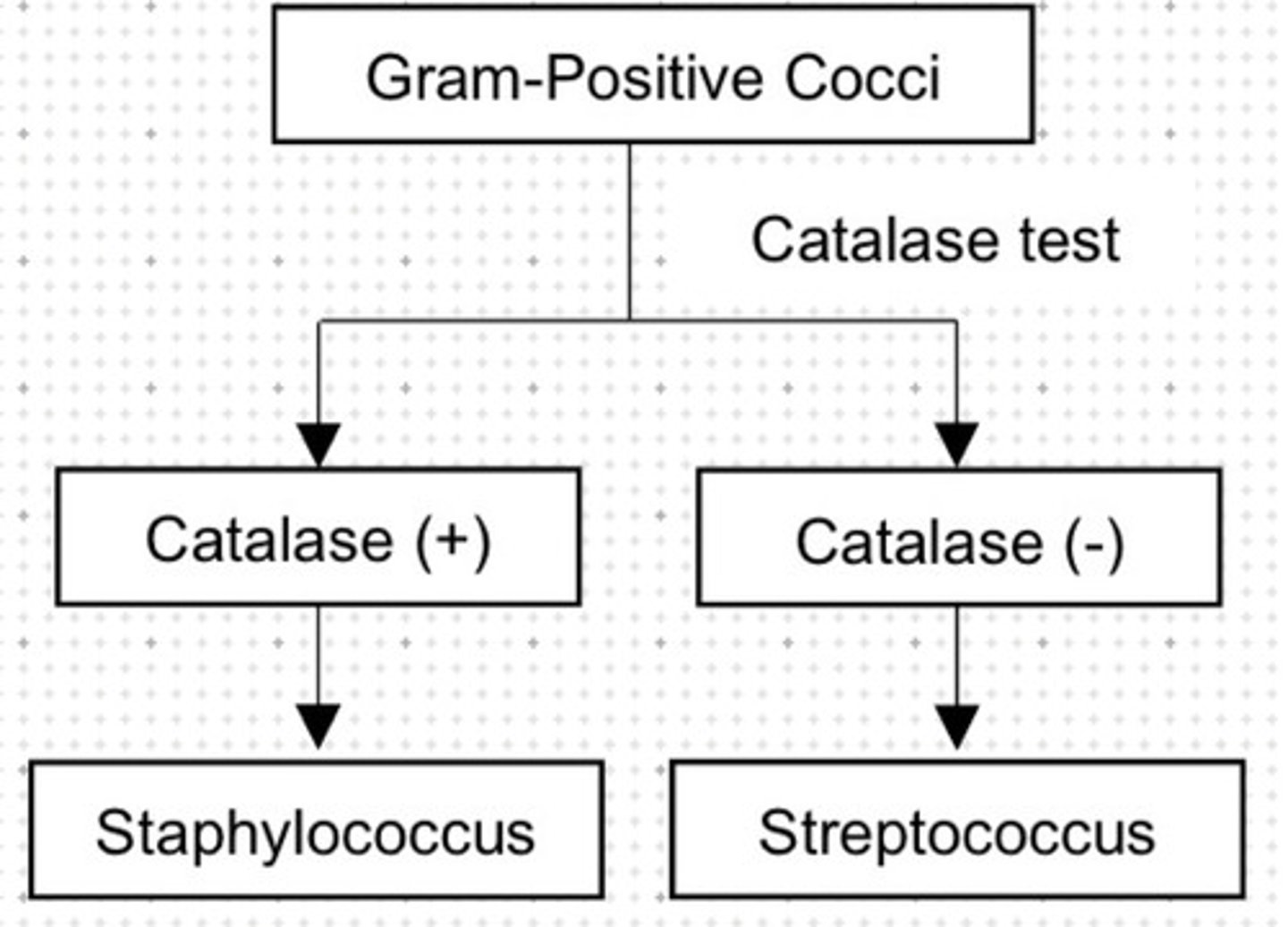
b. Streptococcus
Catalase negative gram positive cocci.
a. Staphylococcus
b. Streptococcus
a. Mannitol Salt Agar
Used for coagulase test of Staphylococcus.
a. Mannitol Salt Agar
b. Novobiocin Sensitivity
c. Optochin Sensitivity
d. Bacitracin Sensitivity
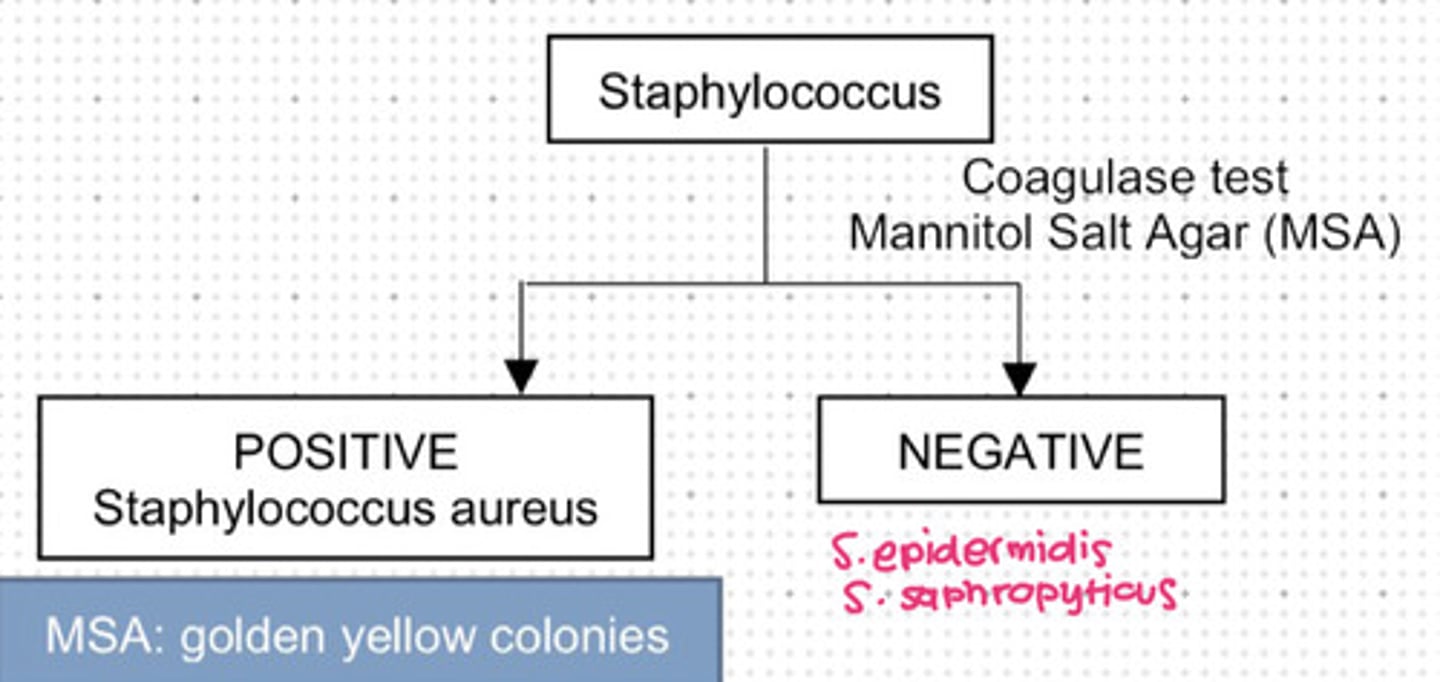
a. Staphylococcus aureus
Staphylococcus that is coagulase positive.
a. Staphylococcus aureus
b. Staphylococcus epidermis
c. Staphylococcus saphropyticus
d. a and b
e. b and c
f. All
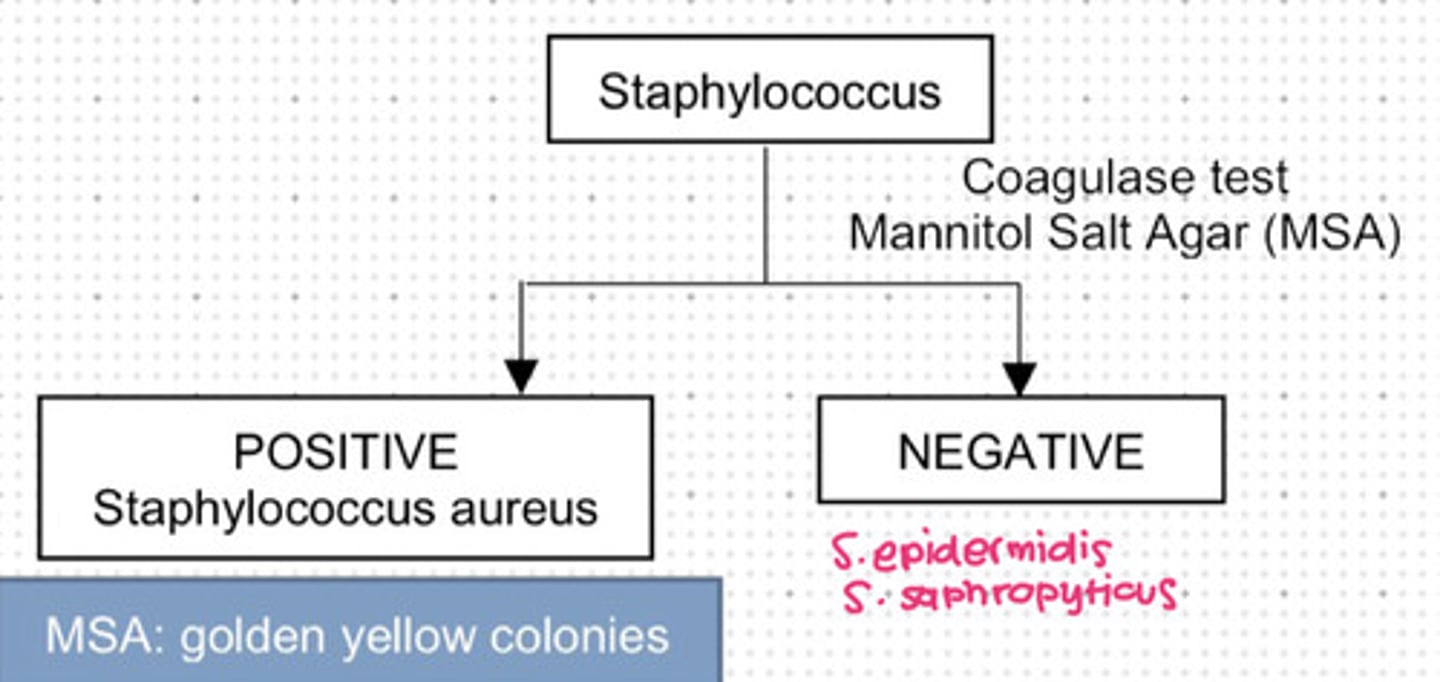
e. b and c
Staphylococcus epidermis
Staphylococcus saphropyticus
Staphylococcus that is coagulase negative.
a. Staphylococcus aureus
b. Staphylococcus epidermis
c. Staphylococcus saphropyticus
d. a and b
e. b and c
f. All
b. Novobiocin Sensitivity
Used for differentiating S. epidermis from S. saphrophyticus.
a. Mannitol Salt Agar
b. Novobiocin Sensitivity
c. Optochin Sensitivity
d. Bacitracin Sensitivity
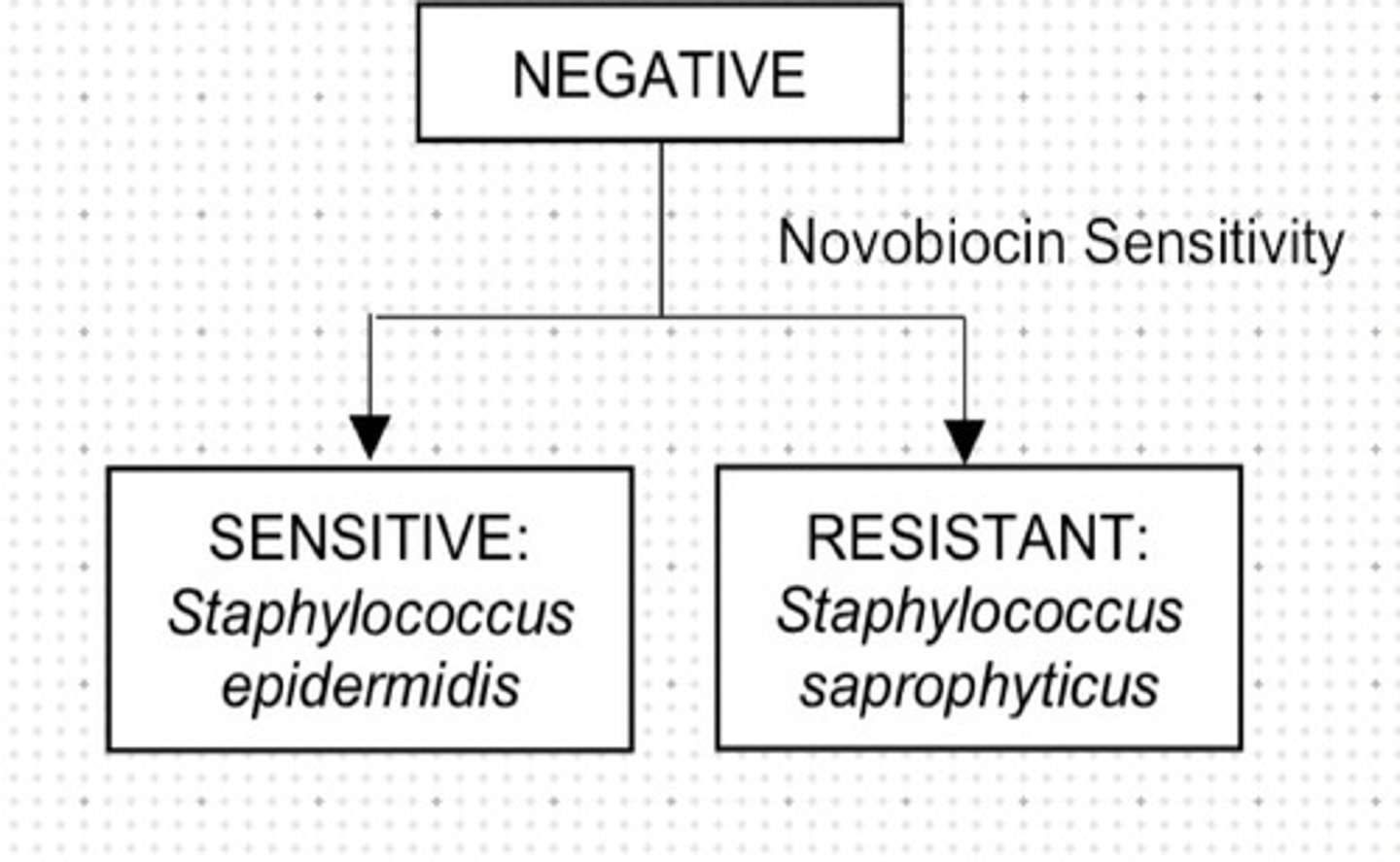
a. Staphylococcus epidermis
Sensitive on novobiocin.
a. Staphylococcus epidermis
b. Staphylococcus saphropyticus
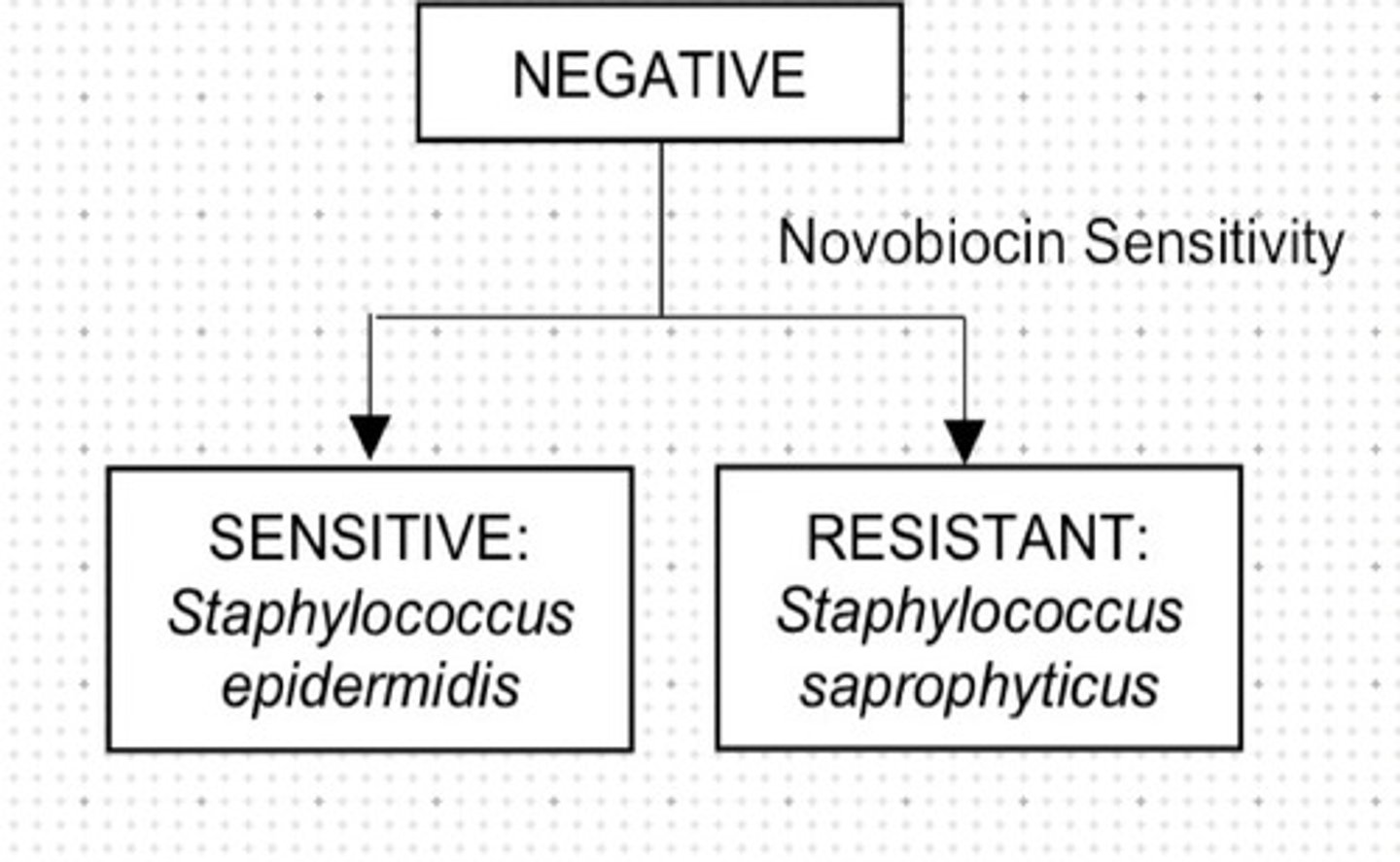
b. Staphylococcus saphropyticus
Resistant on novobiocin.
a. Staphylococcus epidermis
b. Staphylococcus saphropyticus
c. Optochin Sensitivity
Used for determination of alpha hemolysis resistance or sensitivity of streptococcus.
a. Mannitol Salt Agar
b. Novobiocin Sensitivity
c. Optochin Sensitivity
d. Bacitracin Sensitivity
c. Optochin Sensitivity
Quellung reaction.
a. Mannitol Salt Agar
b. Novobiocin Sensitivity
c. Optochin Sensitivity
d. Bacitracin Sensitivity
a. Streptococcus pneumoniae
Streptoccous that is alpha hemolytic and sensitive optochin.
a. Streptococcus pneumoniae
b. Viridans streptococcus
b. Viridans streptococcus
Streptoccous that is not alpha hemolytic, resistant to optochin.
a. Streptococcus pneumoniae
b. Viridans streptococcus
d. Bacitracin Sensitivity
Beta hemolysis resistance is determined through:
a. Mannitol Salt Agar
b. Novobiocin Sensitivity
c. Optochin Sensitivity
d. Bacitracin Sensitivity
e. 0.5% NaCl
a. Streptococcus pyogenes - The Group A Beta Hemolytic Streptococcus (GABHS)
Streptococcus that is beta hemolytic
a. Streptococcus pyogenes
b. Streptococcus agalactiae
b. Streptococcus agalactiae - Group B Streptococcus (GBS)
Streptococcus that is resistant to beta hemolysis.
a. Streptococcus pyogenes
b. Streptococcus agalactiae
e. 0.5% NaCl
Used to determine gamma hemolysis of streptococcus.
a. Mannitol Salt Agar
b. Novobiocin Sensitivity
c. Optochin Sensitivity
d. Bacitracin Sensitivity
e. 0.5% NaCl
a. Enterococcus species
Gamma hemolytic.
a. Enterococcus species
b. Streptococcus bovis
b. Streptococcus bovis
Gamma hemolysis resistant.
a. Enterococcus species
b. Streptococcus bovis
a. Lipase
Staphylococcus aureus virulence factor that causes boils, furuncle, carbuncle.
a. Lipase
b. Exfoliatin
c. Enterotoxin B
d. B-lactamase
e. Protein A
b. Exfoliatin
Staphylococcus aureus virulence factor that causes Staphylococcal Scalded Skin Syndrome (SSSS).
a. Lipase
b. Exfoliatin
c. Enterotoxin B
d. B-lactamase
e. Protein A
c. Enterotoxin B
Staphylococcus aureus virulence factor that causes foods poisoning and toxic shock syndrome (SSSS + hypotension).
a. Lipase
b. Exfoliatin
c. Enterotoxin B
d. B-lactamase
e. Protein A
d. B-lactamase
Staphylococcus aureus virulence factor that causes antibiotic resistance.
a. Lipase
b. Exfoliatin
c. Enterotoxin B
d. B-lactamase
e. Protein A
e. None
Staphylococcus aureus virulence factors except:
a. Protein A
b. Techoic acid
c. Capsule
d. Hyaluronidase
e. None
b. Nares
Staphylococcus aureus is a humam normal flora found in the:
a. Mouth
b. Nares
c. Lungs
d. Trachea
e. Genital
e. All
S. aureus route of transmission:
a. Droplet
b. Direct
c. Food borne
d. a and b
e. All
f. None
S. aureus can cause the following diseases except:
a. Acute endocarditis
b. Food poisoning
c. Pneumonia
d. Septic arthritis and osteomyelitis
e. Scalded skin syndrome
f. None
f. None
S. aureus can cause the following diseases except:
a. Skin and soft tissue infections
b. Toxic shock syndrome
c. Pneumonia
d. Septic arthritis and osteomyelitis
e. Scalded skin syndrome
f. None
a. Acute endocarditis
S. aureus disease that is common among IV drug and affect the tricuspid valve.
a. Acute endocarditis
b. Food poisoning
c. Pneumonia
d. Septic arthritis and osteomyelitis
e. Scalded skin syndrome
b. Food poisoning - usually in salad and mayonnaise
S. aureus releases heat stable toxin causing:
a. Acute endocarditis
b. Food poisoning
c. Pneumonia
d. Septic arthritis and osteomyelitis
e. Scalded skin syndrome
a. S. aures.
Causes toxic shock syndrome associated with use of tampon causing rashes and hypotension but produce negative blood culture.
a. S. aures
b. S. epidermis
c. S. saprophyticus
e. All
Anti-staphylococcal penicillin
a. Methicillin
b. Oxacillin
c. Nafcillin
d. a and b
e. All
a. Methicillin
Anti-staphylococcal penicillin that is nephrotoxic.
a. Methicillin
b. Oxacillin
c. Nafcillin
d. a and b
e. All
c. Nafcillin
Anti-staphylococcal penicillin that is causes rashes.
a. Methicillin
b. Oxacillin
c. Nafcillin
d. a and b
e. All
a. Vancomycin
DOC for MRSA.
a. Vancomycin
b. Linezolid
c. Streptogramins
d. a and b
e. All
b. Linezolid
DOC for VRSA.
a. Vancomycin
b. Linezolid
c. Streptogramins
d. a and b
e. All
c. Streptogramins
Alternative for VRSA.
a. Vancomycin
b. Linezolid
c. Streptogramins
d. a and b
e. All
b. Staphylococcus epidermis
Has porcelain white colonies and is normal flora of the skin.
a. Staphylococcus aureus
b. Staphylococcus epidermis
c. Staphylococcus saprophyticus
b. Staphylococcus epidermis
Prefers foreign bodies forming biofilms and causes bacterial endocarditis in patients with prosthetic heart valves observed post operatively.
a. Staphylococcus aureus
b. Staphylococcus epidermis
c. Staphylococcus saprophyticus
c. Staphylococcus saprophyticus
Has colorless colonies and is normal flora of the vagina.
a. Staphylococcus aureus
b. Staphylococcus epidermis
c. Staphylococcus saprophyticus
c. Staphylococcus saprophyticus
Number 2 cause of UTI in sexually active females.
a. Staphylococcus aureus
b. Staphylococcus epidermis
c. Staphylococcus saprophyticus
d. Fluoroquinolones
Treatment for S. saprophyticus.
a. Vancomycin
b. Linezolid
c. Streptogramins
d. Fluoroquinolones
a. Streptococcus pyogenes
Group A beta hemolytic streptococcus.
a. Streptococcus pyogenes
b. Streptococcus agalactiae
c. Streptococcus pneumoniae
d. Viridans streptococcus
e. Nonenterococcus
f. None
Streptococcus pyogenes virulence factor except:
a. Protein M, Exotoxin A
b. Streptokinase
c. Streptolysin O and S
d. Streptodornase
e. Hyaluronidase
f. None
b. Streptokinase
Fibrinolytic
a. Protein M, Exotoxin A
b. Streptokinase
c. Streptolysin O and S
d. Streptodornase
e. Hyaluronidase
e. Hyaluronidase
Spreading factor
a. Protein M, Exotoxin A
b. Streptokinase
c. Streptolysin O and S
d. Streptodornase
e. Hyaluronidase
a. Streptolysin O
Antigenic.
a. Streptolysin O
b. Streptolysin S
b. Streptolysin S
Non antigenic
a. Streptolysin O
b. Streptolysin S
e. None
S. pyogenes suppurative infections except:
a. Pharyngitis
b. Cellulitis
c. Impetigo
d. Erysipelas
e. None
b. Cellulitis
Flat ill defined redness that when severe, become necrotizing fascitis.
a. Pharyngitis
b. Cellulitis
c. Impetigo
d. Erysipelas
c. Impetigo
Honey crusted lesions.
a. Pharyngitis
b. Cellulitis
c. Impetigo
d. Erysipelas
d. Erysipelas
Painful red rash with orange peel.
a. Pharyngitis
b. Cellulitis
c. Impetigo
d. Erysipelas
e. None
S. pyogenes non suppurative infections except:
a. Scarlet fever
b. Toxic shock syndrome
c. Rheumatic heart fever
d. Post streptococcal glomerulonephritis (PSGN)
e. None
a. I, II
Scarlet fever
Toxic shock syndrome
S. pyogenes exotoxin A causes:
I. Scarlet fever
II. Toxic shock syndrome
III. Rheumatic heart fever
IV. Post streptococcal glomerulonephritis (PSGN)
a. I, II
b. I, III
c. II, III
d. III, IV
d. III, IV
Rheumatic heart fever (RHF)
Post streptococcal glomerulonephritis (PSGN)
S. pyogenes M protein causes:
I. Scarlet fever
II. Toxic shock syndrome
III. Rheumatic heart fever (RHF)
IV. Post streptococcal glomerulonephritis (PSGN)
a. I, II
b. I, III
c. II, III
d. III, IV
a. Scarlet fever
Also known as the 2nd disease which is manifested as sandpaper rash, strawberry tongue, and sore throat.
a. Scarlet fever
b. Toxic shock syndrome
c. Rheumatic heart fever (RHF)
d. Post streptococcal glomerulonephritis (PSGN)
b. Toxic shock syndrome
Less severe than that caused by S. aureus. Its difference is it produce positive blood culture and negative rash.
a. Scarlet fever
b. Toxic shock syndrome
c. Rheumatic heart fever (RHF)
d. Post streptococcal glomerulonephritis (PSGN)
c. III
M protein of S. pyogenes causes what type of hypersensitivity?
a. I
b. II
c. III
d. IV
c. Rheumatic heart fever (RHF)
Preceded by strep throat infection and has the mechanism of action of molecular mimicry.
a. Scarlet fever
b. Toxic shock syndrome
c. Rheumatic heart fever (RHF)
d. Post streptococcal glomerulonephritis (PSGN)
f. None - These are the JONES criteria
Diagnosis for rheumatic heart fever except:
a. Joint arthritis
b. Carditis
c. Nodules
d. Erythema marginatum
e. Sydenham chorea
f. None
a. Pen G
Management for rheumatic heart fever caused by S. pyogenes.
a. Pen G
b. Vancomycin
c. Fluoroquinolones
d. Chloramphenicol
e. Supportive management
d. Post streptococcal glomerulonephritis (PSGN)
Disease caused by S. pyogenes which is preceded by a skin infection and pathology is through immune complex formation.
a. Scarlet fever
b. Toxic shock syndrome
c. Rheumatic heart fever (RHF)
d. Post streptococcal glomerulonephritis (PSGN)
e. Supportive management
Management for post streptococcal glomerulonephritis (PSGN).
a. Pen G
b. Vancomycin
c. Fluoroquinolones
d. Chloramphenicol
e. Supportive management
b. Streptococcus agalactiae
Normal flora of vagina which route of transmission is through an infected birth canal.
a. Streptococcus pyogenes
b. Streptococcus agalactiae
c. Streptococcus pneumoniae
d. Viridans streptococcus
b. Streptococcus agalactiae
Causes neonatal sepsis and meningitis.
a. Streptococcus pyogenes
b. Streptococcus agalactiae
c. Streptococcus pneumoniae
d. Viridans streptococcus
b. Ampicillin + Gentamicin
Treatment for neonatal sepsis and meningitis causes by S. agalactiae.
a. Pen G
b. Ampicillin + Gentamicin
c. Amoxicillin + Gentamicin
d. Chloramphenicol
e. Supportive management
c. Streptococcus pneumoniae
A pneumococcus specifically a lancet-shaped diplococci.
a. Streptococcus pyogenes
b. Streptococcus agalactiae
c. Streptococcus pneumoniae
d. Viridans streptococcus
c. Streptococcus pneumoniae
Capsule is positive to Quelling reaction.
a. Streptococcus pyogenes
b. Streptococcus agalactiae
c. Streptococcus pneumoniae
d. Viridans streptococcus
e. Enterococcus
f. All
Diseases caused by S. pneumoniae.
a. Community acquired pneumonia
b. Meningitis in elderly
c. Otitis media
d. a and b
e. b and c
f. All
a. 2nd/3rd gen cephalosporin + extended macrolide
Treatment for community acquired pneumonia (CAP).
a. 2nd/3rd gen cephalosporin + extended macrolide
b. 3rd gen cephalosporin
c. High dose penicillin
d. Ampicillin + Gentamicin
b. 3rd gen cephalosporin
Treatment for meningitis in elderly.
a. 2nd/3rd gen cephalosporin + extended macrolide
b. 3rd gen cephalosporin
c. High dose penicillin
d. Ampicillin + Gentamicin
c. Cefuroxime
The only 2nd generation cephalosporin that can pass the blood brain barrier.
a. Cefotetan
b. Cefoxetin
c. Cefuroxime
d. Cefaclor
c. High dose penicillin
Treatment for otitis media caused by S. pneumoniae.
a. 2nd/3rd gen cephalosporin + extended macrolide
b. 3rd gen cephalosporin
c. High dose penicillin
d. Ampicillin + Gentamicin
c. Both
Vaccine for S. pneumoniae
a. PCV13
b. PPV23
c. Both
d. None of these
a. PCV13
Prevnar.
a. PCV13
b. PPV23
c. Both
d. None of these
b. PPV23
Pneumo23.
a. PCV13
b. PPV23
c. Both
d. None of these
d. Viridans streptococcus
Streptococcus mutans which is normal flora of the mouth.
a. Streptococcus pyogenes
b. Streptococcus agalactiae
c. Streptococcus pneumoniae
d. Viridans streptococcus
e. Enterococcus
f. Nonenterococcus
d. Viridans streptococcus
Overgrowth may cause dental caries.
a. Streptococcus pyogenes
b. Streptococcus agalactiae
c. Streptococcus pneumoniae
d. Viridans streptococcus
e. Enterococcus
f. Nonenterococcus
d. Viridans streptococcus
May present with subacute bacterial endocarditis in patients with prosthetic heart valves.
a. Streptococcus pyogenes
b. Streptococcus agalactiae
c. Streptococcus pneumoniae
d. Viridans streptococcus
e. Enterococcus
f. Nonenterococcus
e. Enterococcus
Normal flora of the GIT which may lead nosocomial infections.
a. Streptococcus pyogenes
b. Streptococcus agalactiae
c. Streptococcus pneumoniae
d. Viridans streptococcus
e. Enterococcus
f. Nonenterococcus
c. Both
Enterococcus specie:
a. E. faecalis
b. E. faecium
c. Both
d. None of these
a. Vancomycin
Primary treatment for enterococcus infection.
a. Vancomycin
b. Linezolid
c. Streptogramin
d. a and b
e. b and c.
f. All
e. b and c
Linezolid
Streptogramin
Treatment for VRE infection.
a. Vancomycin
b. Linezolid
c. Streptogramin
d. a and b
e. b and c
f. All
a. I, II, III, IV, V, VI
Pathogen that are highly associated with antimicrobial resistance.
I. Enterococcus faecium
II. Staphylococcus aureus
III. Klebsiella pneumoniae
IV. Actinobacter baumanii
V. Pseudomonas aeruginosa
VI. Enterobacter species: E. coli
a. I, II, III, IV, V, VI
b. I, II, III, IV, V
c. II, III, IV, V
d. II, III, IV, V, VI
e. I, II, III
f. Nonenterococcus
Streptococcus bovis.
a. Streptococcus pyogenes
b. Streptococcus agalactiae
c. Streptococcus pneumoniae
d. Viridans streptococcus
e. Enterococcus
f. Nonenterococcus
f. Streptococcus bovis
Can cause marantic endocarditis in patient with abdominal cancer.
a. Streptococcus pyogenes
b. Streptococcus agalactiae
c. Streptococcus pneumoniae
d. Streptococcus mutans
e. Enterococcus faecium
f. Streptococcus bovis