Speech Final Study
 Call Kai
 Learn
Learn Practice Test
 Spaced Repetition
 Match
Match Flashcards
 Knowt Play
1/74

There's no tags or description
Looks like no tags are added yet.
Name | Mastery | Learn | Test | Matching | Spaced | Call with Kai | Chat |
|---|
No analytics yet
Send a link to your students to track their progress
75 Terms
communication
process of sharing information by using symbols to send and receive messages
communication model
visual representation of the process of communication
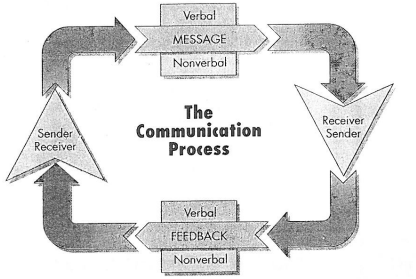
verbal language
using words to communicate
nonverbal language
communication without words
channels, 2 examples
avenue in which communication is taking place like text messages or emails
message
information that is being communicated
jargon
words that apply to a particular field or interest
slang
newly coined words or old words used in new ways
dialect
pronounciation that differs in a regional or cultural variety
pitch
highness or lowness of the sound you make
volume
loudness, or intensity of a sound
feedback
response to a message
decoding
finding the meaning of verbal and nonverbal symbolsd
encoding
process of turning ideas and feelings into verbal and nonverbal symbols
3 types of interferences/distractions
physical noise, psychological noise, semantic noise
4 types of articulation problems
substituing, omitting, transposing, adding extra sounds
omitting sounds
leaving a sound out, some shortcutting is normal, but too much is an articulation problem (probly, probably)
transposing sounds
switching or reversing sounds in which sounds are spoken (like perfer, prefer)
adding sounds
pronouncing unnecessary letters that should be silent (especial, special)
substituing sounds
can reduce effectiveness of speech when communicating to audience (like da, the)
psychological noise
thoughts and feelings that distract from listening
physical noise
any sound that prevents a person from being heard
semantic noise
words that triggers negative feelings about the speaker
what are the 4 spaces for communication
intimate, personal, social, public
intimate space
18 inches distance in which u feel comfortable communicating with family and friends.
social space
distance up to 12 feet from others, in which you carry on formal conversations
personal space
4 feet of comfortable distance in which you conduct most conversations
public space
distance beyond 12 feet, usually have public speeches or oral readings taking place
articulation
speaking in a way so audience can understand your message clearly
what are the 3 general purposes for speaking?
to inform, persuade, or entertain
4 tips for writing
don’t ramble, proof read, don’t be redundant , and be specific
we write for the ____, and not for the ____
ear, eye
3 topic picking tips
look at what is trendy, things that will interest your audience, or new ways to talk about old topics
what does KFC stand for?
know about, feel strong, can do your topic
informative speech
provides info to audience
transitions
shows movement from one point to the next
attention getters
grabs audience’s attention in speech
purpose statement
what you intend to achieve in your speech
thesis statement
sentence that expresses speaker’s most important ideas
what is the roadmap to your speech
thesis
verbal citations purpose
saying citations out loud in a way that sounds pleasing to the ear
3 things that must be in a verbal citaiton
author of work, publication date, and title of work
anecdotes
brief amusing stories
building blocks of strong argument, with base, top, and 3 columns and what’s between those
top is argument, base is evidence, columns are facts, and in between columns are extra stuff like ethos, pathos
ethos meaning
establishing your credibility and trust.
pathos meaning
creating emotional appeals (positive or negative), statements that arouse emotions in audience
logos meaning
use of evidences, facts, arguments
5 stages of maslow’s hierarchy FROM TOP TO BOTTOM
self actualization, esteem, love + belonging, safety need, physiological needs
self-actualization
desire to become the most that one can be
esteem
respect, status, recognition, strength, freedom
love + belonging
friendship, family, sense of connection
safety needs
personal security, employment, health, propertys
physiological needs
air, food, shelter, sleep
propaganda
improper appeal to emotion used for the purpose of swaying opinions of an audience
logical fallacies
examples of flawed reasoning
loaded words
using words that will make people feel strong about something
transfer
someone tries to transfer positive or negative things from one thing to another
repetition
using repeated messages/pictures to persuade
red herring
attempt to distract reader with details not relevant to the argument
testimonial
famous person/expert to persuade
bandwagon
persuading people to do something by telling them that others are doing it
plain folk
using everyday people to sell a product
name calling
links a person, idea, or product to a symbol
circular reasoning
supports a claim with restatements of the same claim
glittering generalities
using emotionally appealing but meaningless words to an idea or cause, (creamy, dreamy)
argument
claim based off of facts
evidence (one word definition)
research
fact
info proved by evidence
what aree the 4 types of audiences
favorable, neutral, apathetic, hostile
favorable audience
majority of audience AGREES with your thesis
neutral audience
majority of audience are UNDECIDED about your thesis, they want more information to persuade them
apathetic audience, most ___ audience
majority of audience has NO OPINIONS, most difficult to persuade
hostile audience
majority of audience DISAGREE with your thesis, they need to be shown worthy listening to you
what is the standard MLA font type and font size, and which spacing, and how wide are the margins
times new Roman, 12, double spaced, 1 inch margins
4 ways to enhance a presentation
show your passion and connect with audience, smile and make eye contact, start speech strongly, and concentrate on the core message