Troy - Homeric World
 Call Kai
 Learn
Learn Practice Test
 Spaced Repetition
 Match
Match Flashcards
 Knowt Play
1/7

Earn XP
Description and Tags
Name | Mastery | Learn | Test | Matching | Spaced | Call with Kai |
|---|
No analytics yet
Send a link to your students to track their progress
8 Terms
Where most knowledge comes from
Most likely the most famous Mycenaean site.
However, most knowledge of Troy relies heavily on Homer’s Iliad than the actual site itself.
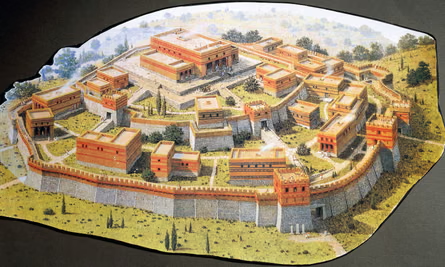
What might the stories be based on
Oral tradition - possibly not very reliable ?
Could have been a myth based on the real city of Troy
Many cities and civilisations invent origin myths and tales so it wouldn’t be surprising.
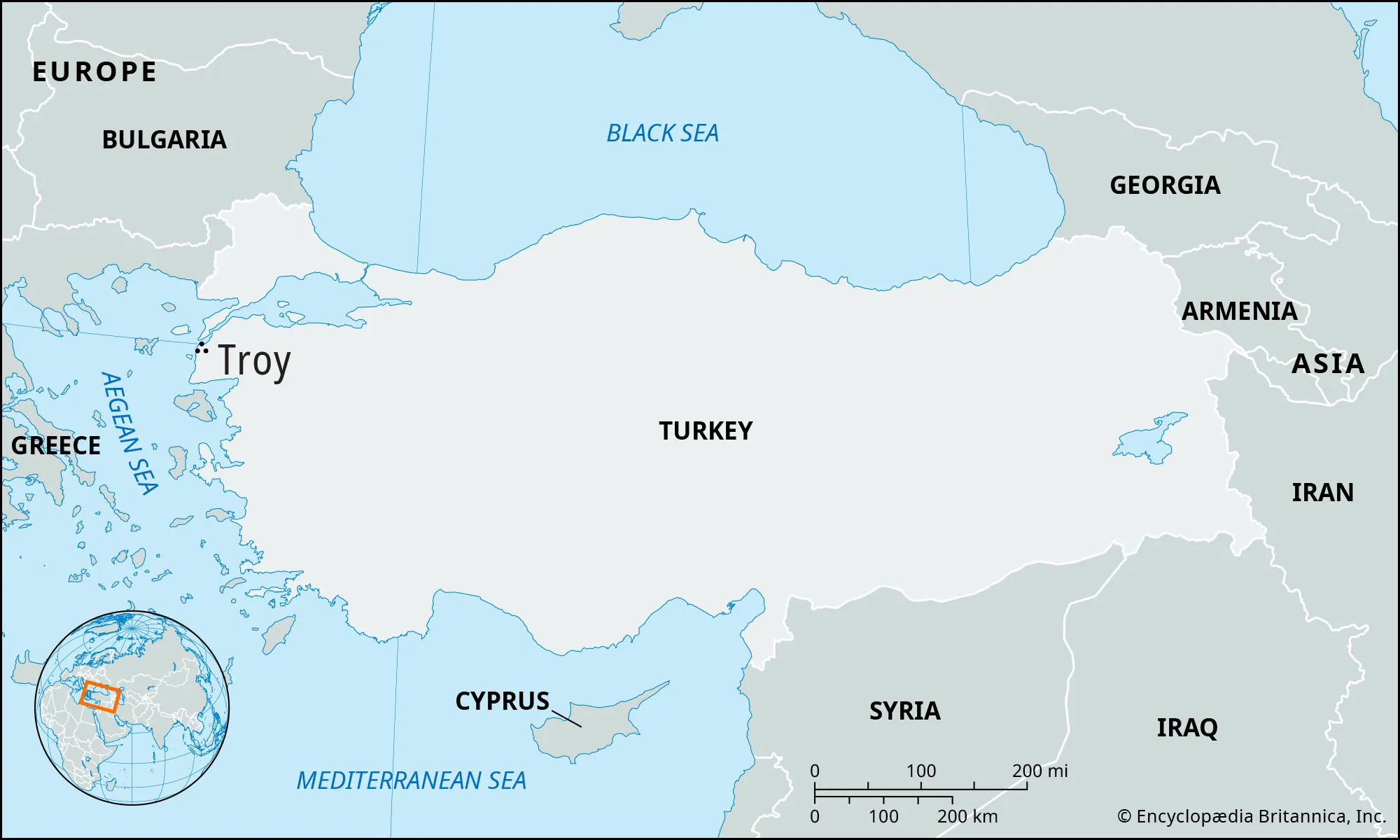
Location of Troy
Northwest Turkey
It was rebuilt several times in ancient times and each new city was built on top of the old one.
near the village of Hisarlik
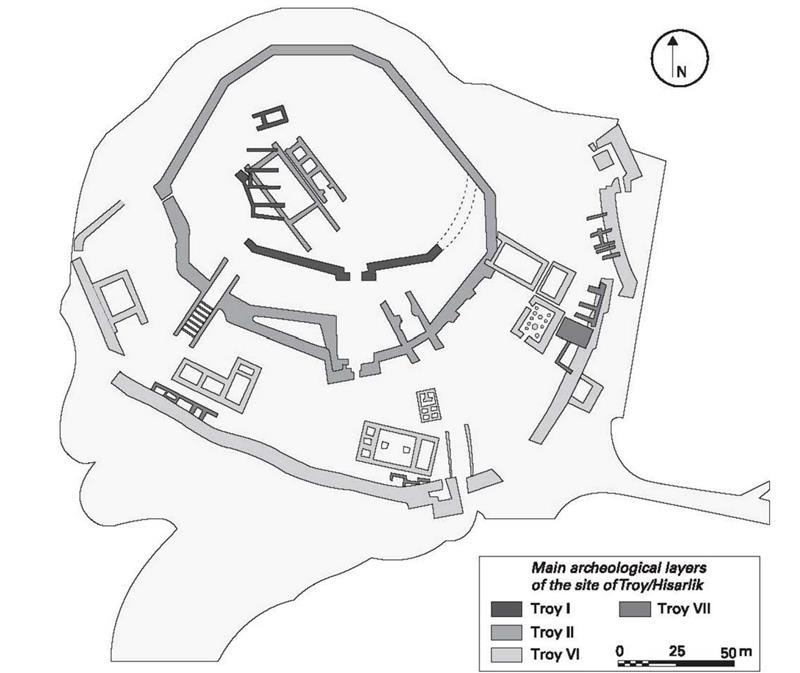
Evidence and Importance of the location
It’s the site of the Trojan War and Homer’s epic, The Iliad.
Archaeologists have debated about which version of Troy is the one depicted in the Iliad, scholars in recent decades is in favour of it being Troy VIIa ( Troy 7 )
However, there is overall little evidence of the riches Homer described in the Iliad.
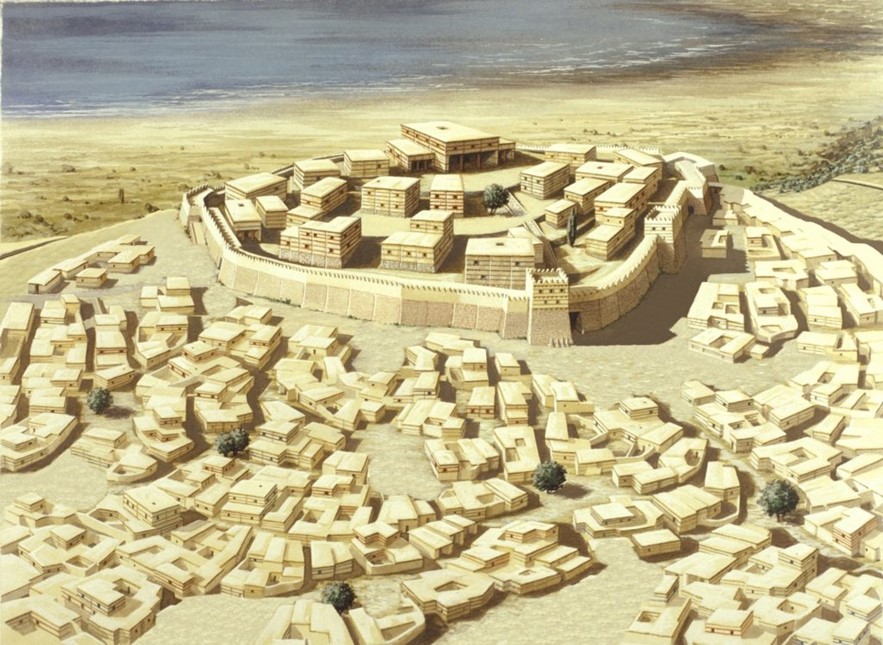
Homer’s Troy
There was one war that lated 10 years
Troy was under siege for 10 years
Trojan war dated to about 1200 BC
The city was expansive and rich
High walls with towers
Troy was destroyed by a fire ( burnt down by Greeks )
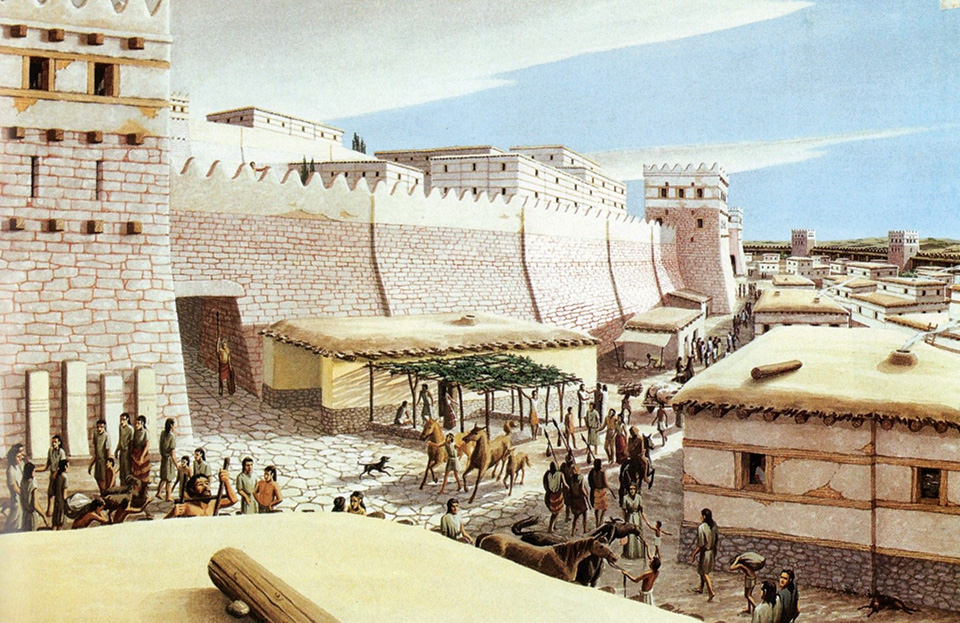
Troy VI
Bolded = agree with Homer’s Troy
Here were several wars fought in Mycenaean times - could have been combined into one by Homer or confused
Troy VI was destroyed c.1250 BC
Troy VI was rich and had large houses
Troy VI had towers
Troy VI had a suggested population of 10,000
Troy VI had walls that were over 7m tall
Troy VI was destroyed by an earthquake
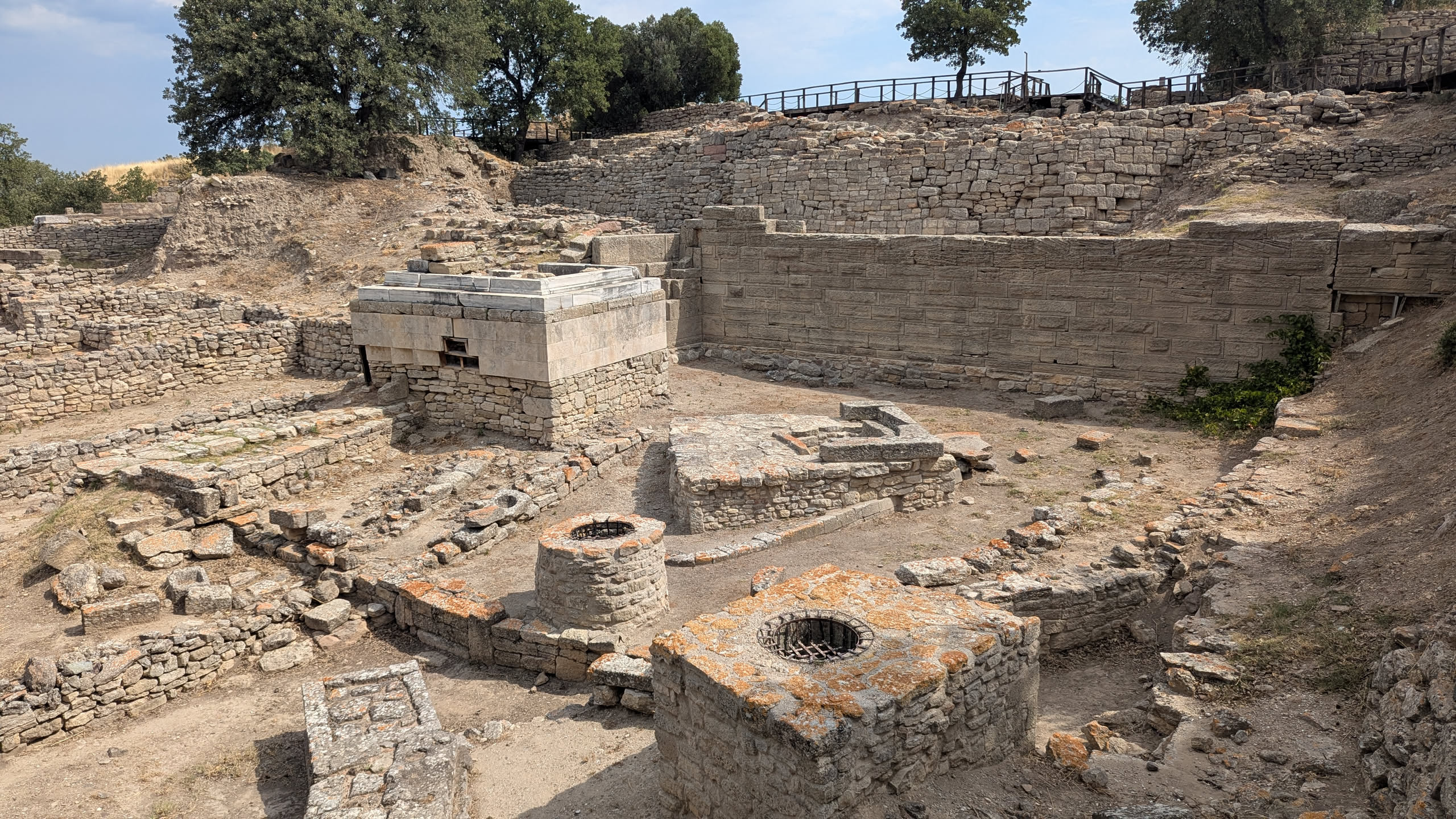
Troy VIIa
Bolded = agree with Homer’s Troy
There were several wars fought here in Mycenaean times
It had large towers
There were single-storey houses which were crowded - looks like emergency housing - suggest they were under siege.
Crammed together houses suggest that it wasn’t a rich city.
Storage jars were sunken into the ground as if being stored in a siege.
Troy VIIa was destroyed by a large fire.
Partial human remains + 3 arrowheads found which suggests warfare.
Scholars think this Troy is the closest to Homer’s
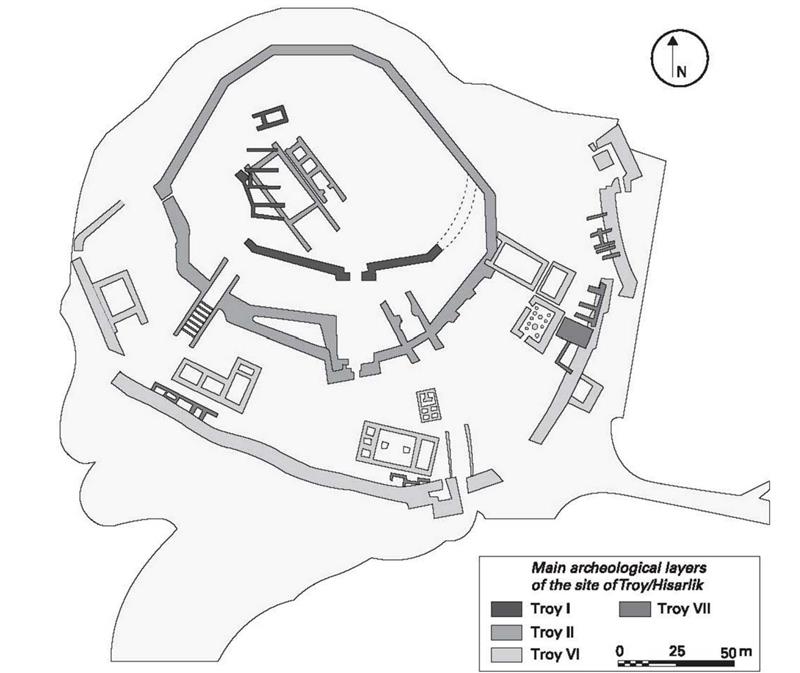
Comparison of all of the found features between each Troy